Understanding What Dogs Can And CanT Eat A Dog OwnerS Essential Guide
Why Human Food Affects Dogs Differently Than Humans
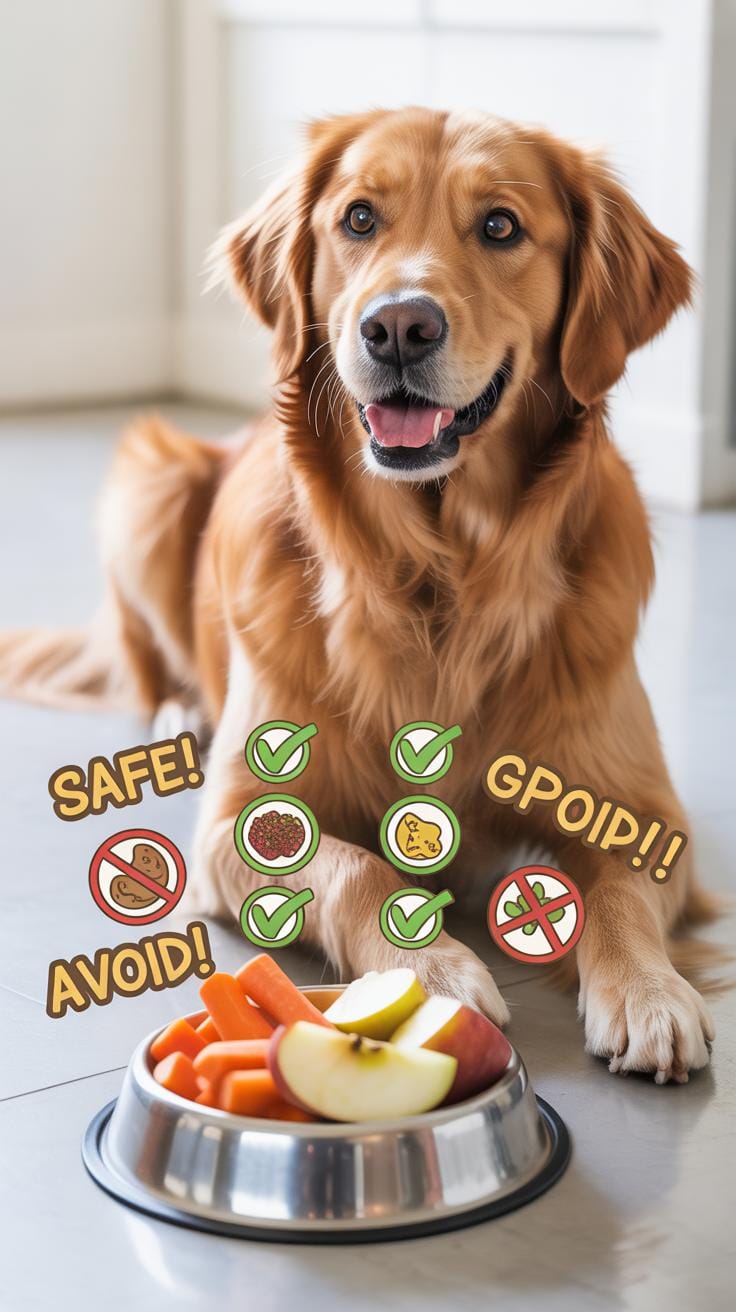
Humans and dogs evolved through different dietary paths. Humans are true omnivores with many enzymes to break down plants and grains. Dogs are facultative carnivores. Their bodies prioritize meat and fat over complex carbohydrates. Many human foods contain chemicals that humans process easily but dogs cannot. This metabolic gap creates dangerous toxicity levels from items that people eat every single day.
A dog lacks specific liver enzymes required to neutralize certain organic compounds. Humans possess these enzymes through thousands of years of varied plant consumption. When a dog eats these items, the toxins stay in the bloodstream. This leads to organ failure or central nervous system damage. You must view their biology as a specialized system. It is not a smaller version of your own digestive tract.
How A Dog’S Digestive System Responds To Common Household Foods
The canine digestive tract is shorter than the human tract. Food moves through a dog quickly to prevent bacterial growth from raw meat. This high speed means dogs do not ferment fiber well. When they eat heavy starches or sugars, their system struggles to keep up. This often results in acute inflammation of the pancreas. High fat content triggers this painful and potentially fatal condition.
Common household foods often contain high sodium and artificial sweeteners like xylitol. A dog’s kidneys cannot filter salt as efficiently as yours. This leads to dehydration and electrolyte imbalance. Xylitol causes a rapid insulin spike that drops a dog’s blood sugar to lethal levels. Their system reacts violently to these inputs because it lacks the regulatory mechanisms to maintain balance. You must control every ingredient they ingest.

The Most Dangerous Foods Dogs Cannot Eat Chocolate Grapes And Xylitol Explained
Why Chocolate Is One Of The Most Toxic Human Foods For Dogs
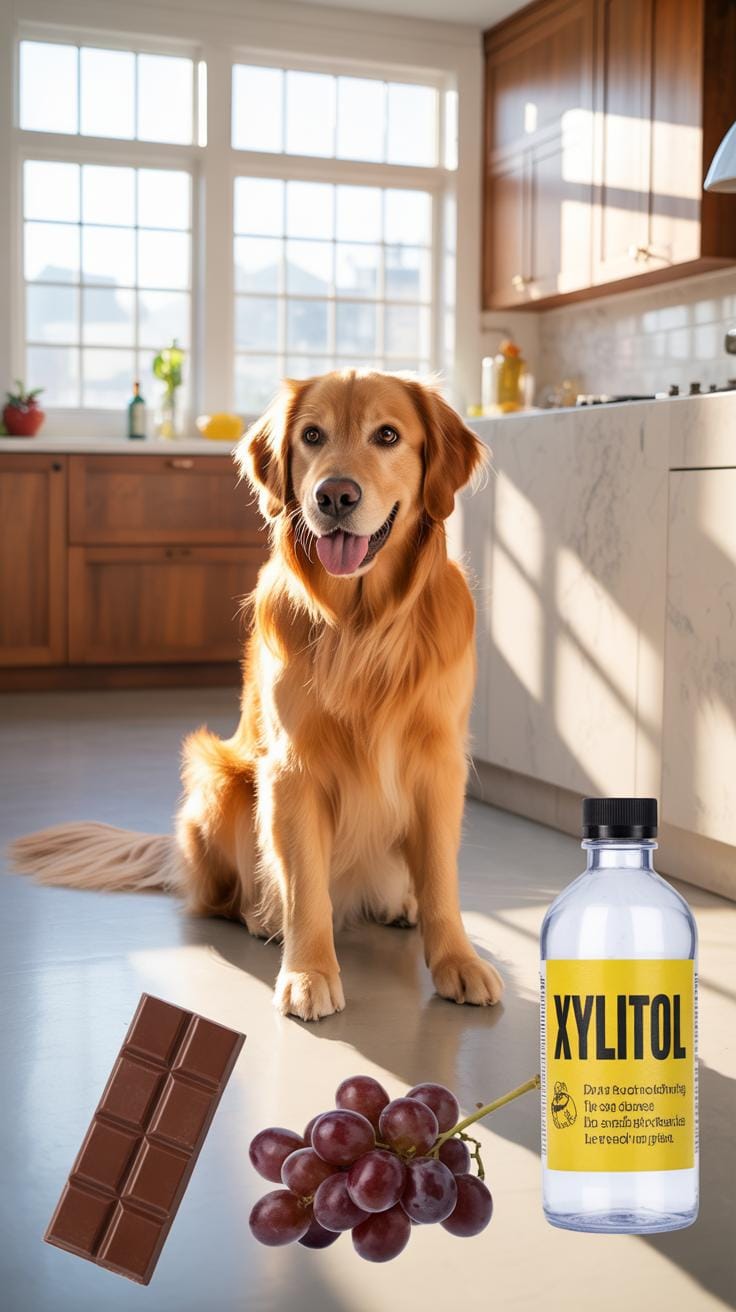
Chocolate contains theobromine and caffeine. Dogs metabolize these chemicals very slowly compared to humans. The substance builds up in the dog’s bloodstream quickly. Dark chocolate and dry cocoa powder hold the highest concentrations of these toxins. Even small amounts can strike the central nervous system. You must track the weight of your dog against the amount and type of chocolate consumed immediately.
The heart and kidneys face the most pressure during chocolate poisoning. Symptoms include extreme thirst, vomiting, and high heart rates. Older dogs or those with heart conditions face a higher risk of sudden death. Seizures often follow if you do not seek medical help. Keep all baking supplies in high cabinets. Never leave candy bars on low tables where dogs can reach them easily.
Grapes, Raisins, And Xylitol: Silent Killers Hiding In Your Kitchen
Grapes and raisins cause sudden kidney failure in dogs. Scientists still haven’t identified the exact toxin responsible for this reaction. Some dogs eat them and show no signs. Other dogs die after eating just one or two fruits. You cannot predict how your dog will react. Vomiting and lethargy usually start within hours. Stop all access to these fruits to prevent permanent organ damage.

Xylitol is a sugar alcohol found in gum and peanut butter. It triggers a massive insulin release in dogs. This causes blood sugar to drop to life-threatening levels within minutes. You will see staggering and seizures as the liver begins to fail. Always check the ingredient label on any nut butter you buy. This chemical is far more lethal than chocolate. Acute liver failure happens fast without intervention.
Alliums And Alcohol Everyday Human Foods That Are Toxic To Dogs
Onions, Garlic, And Chives: How Allium Vegetables Destroy A Dog’S Red Blood Cells
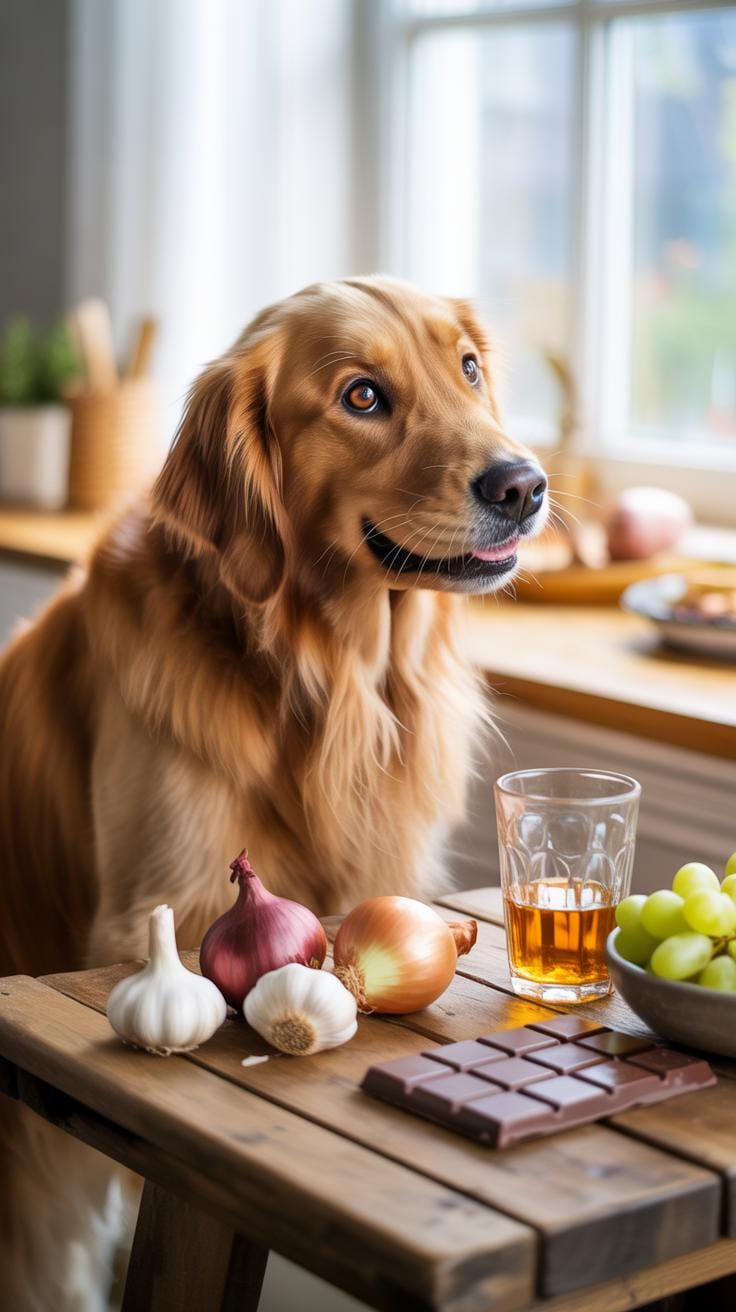
Onions and garlic contain N-propyl disulfide. This compound causes oxidative damage to canine red blood cells. The process creates Heinz bodies within the cell structure. These damaged cells cannot carry oxygen efficiently. The dog’s body eventually identifies these cells as threats and destroys them. This leads to hemolytic anemia. All forms of these plants are dangerous to dogs.
Symptoms of allium poisoning often appear several days after consumption. Owners may see lethargy and pale gums. The dog might also show dark orange or red urine. Garlic is more concentrated than onions and more toxic per gram. Small doses over time are just as dangerous as one large meal. Cooked and powdered versions remain just as lethal as raw vegetables.
Alcohol And Raw Yeast Dough: Why These Kitchen Staples Pose Serious Risks To Dogs
Alcohol impacts a dog’s central nervous system quickly. Canine livers are not designed to process ethanol. Small amounts lead to vomiting and loss of coordination. In severe cases, dogs experience tremors and respiratory failure. Death can occur from metabolic acidosis or sudden drops in blood sugar. Never leave open drinks unattended around pets. The toxicity level remains high in all beverages.

Raw yeast dough presents two distinct threats to a dog’s health. First, the warm environment of the stomach causes the dough to expand. This expansion creates a physical blockage or may rupture the stomach wall. Second, the fermenting yeast produces ethanol as a byproduct. This alcohol enters the bloodstream and causes intoxication. These combined factors make raw dough an immediate medical emergency.
Nuts Seeds And Pits Hidden Toxic Foods Dogs Cannot Eat
Macadamia Nuts And Walnuts: Why These Popular Snacks Are Harmful To Dogs
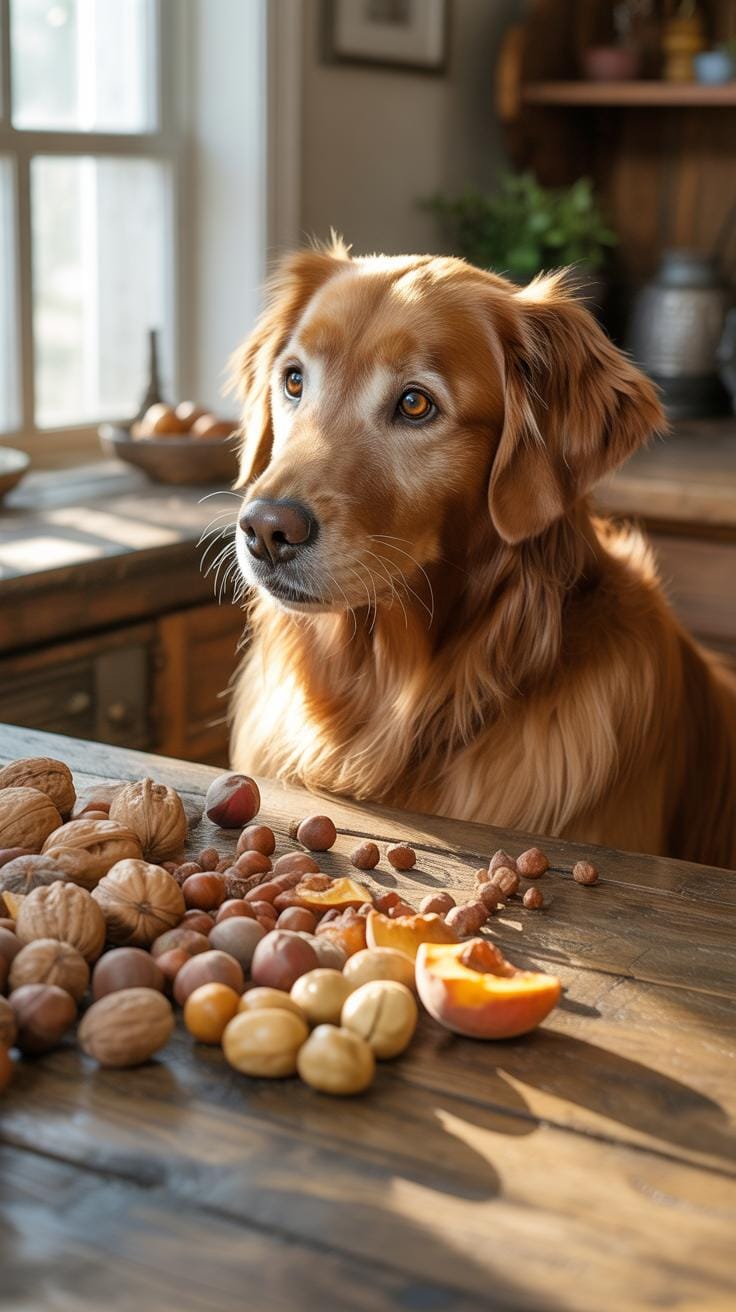
Macadamia nuts contain an unknown toxin that attacks the canine nervous system. Ingestion leads to weakness, vomiting, and tremors. Dogs often lose control of their hind legs within twelve hours of eating these nuts. This condition is specific to dogs and does not affect humans. Even small amounts cause significant distress. Owners must keep these nuts in secure containers to prevent accidental poisoning.
Walnuts present a different but equally dangerous threat to canine health. They often grow mold that produces tremorgenic mycotoxins. These toxins cause seizures and severe neurological issues. Black walnuts are particularly hazardous due to their high oil content and susceptibility to mold. While the nut itself is not always toxic, the risk of fungal growth makes them unsafe. Keep dogs away from fallen walnuts in yards.
Fruit Pits And Apple Seeds: The Cyanide Risk Lurking In Common Fruits
Apple seeds and the pits of cherries, peaches, and plums contain amygdalin. This compound releases cyanide when crushed or chewed. Cyanide interferes with the ability of blood to carry oxygen to the cells. Most dogs will not chew enough seeds to cause instant death. However, chronic exposure or large quantities lead to respiratory failure. You must remove all seeds before feeding fruit to your dog.

Fruit pits also create physical hazards beyond chemical toxicity. Their size and shape frequently cause intestinal blockages or choking. Large pits can get stuck in the throat or the narrow passages of the digestive tract. This often requires emergency surgery to remove the obstruction. Never leave fruit scraps where a dog can reach them. Stick to the flesh of the fruit and discard all internal hardware.
Caffeine Avocado And Nutmeg Surprising Human Foods Toxic To Dogs
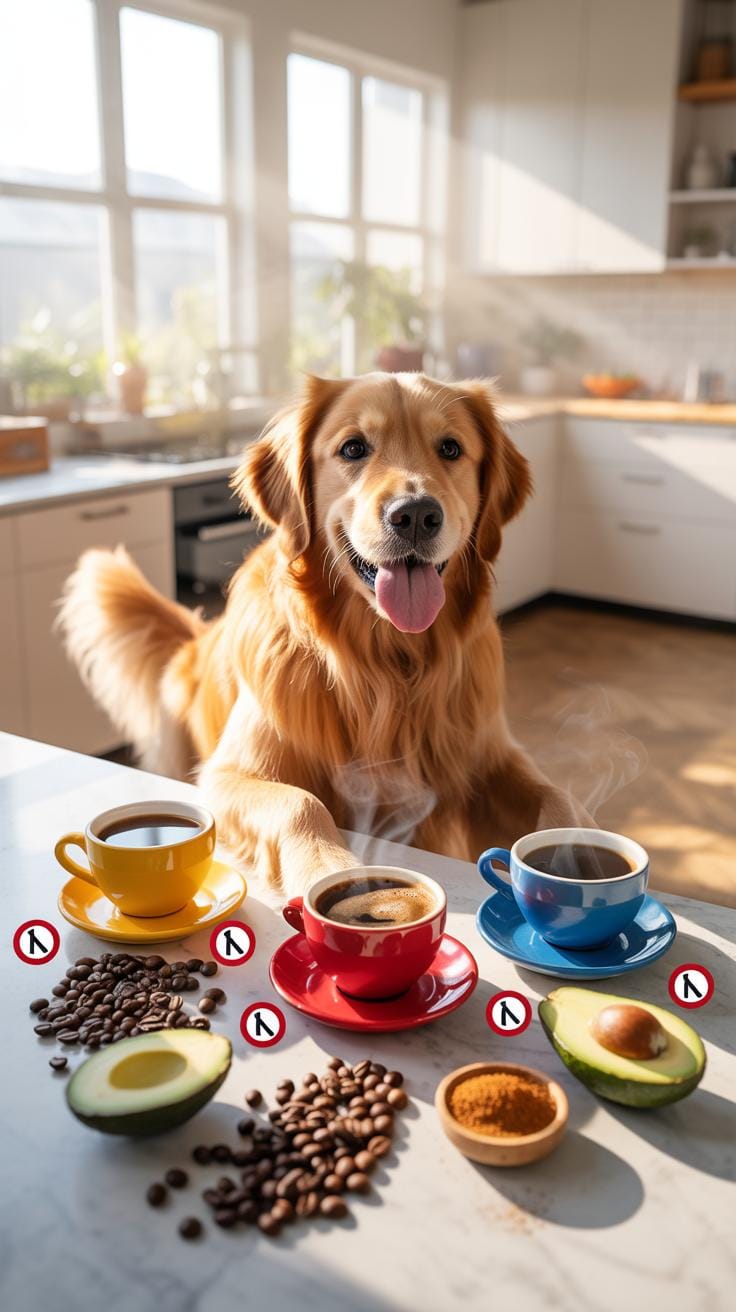
Caffeine And Coffee Grounds: How Stimulants Overwhelm A Dog’S Nervous System
Caffeine contains methylxanthines that act as powerful stimulants on a dog’s central nervous system. While humans process these chemicals efficiently, dogs have a much higher sensitivity to their effects. Ingestion leads to an immediate increase in heart rate and blood pressure. Small dogs face life-threatening risks from even minor amounts. This chemical compound forces the heart to work beyond its physical capacity.
Clinical signs of toxicity appear within two hours of consumption. Owners often observe restlessness, rapid breathing, and muscle tremors. Severe cases lead to heart arrhythmias or seizures that result in death. Do not leave coffee grounds or tea bags where pets can reach them. Immediate veterinary intervention is required if a dog consumes any concentrated stimulant. Delayed treatment allows the toxin to cause irreversible organ damage.
Avocado And Nutmeg: Why These Trendy Foods Belong Far Away From Your Dog
Avocados contain persin, a fungicidal toxin that causes health issues in many animals. While the flesh poses a mild risk of stomach upset, the pit and skin hold the highest concentrations. The large pit also creates a severe choking hazard or intestinal blockage. These physical obstructions often require expensive emergency surgery. Keep all parts of this fruit away from your dog to avoid gastrointestinal distress.

Nutmeg contains a toxin called myristicin that impacts the nervous system. Small amounts might only cause mild upset, but large doses are dangerous. Dogs may experience hallucinations, high blood pressure, and increased heart rate. In extreme cases, nutmeg ingestion leads to tremors or seizures. Most kitchen spice racks contain enough nutmeg to harm a medium-sized dog. Store this spice in a sealed cabinet to ensure pet safety.
Dog Nutrition 101 What Happens Inside Your DogS Body After Eating Toxic Food
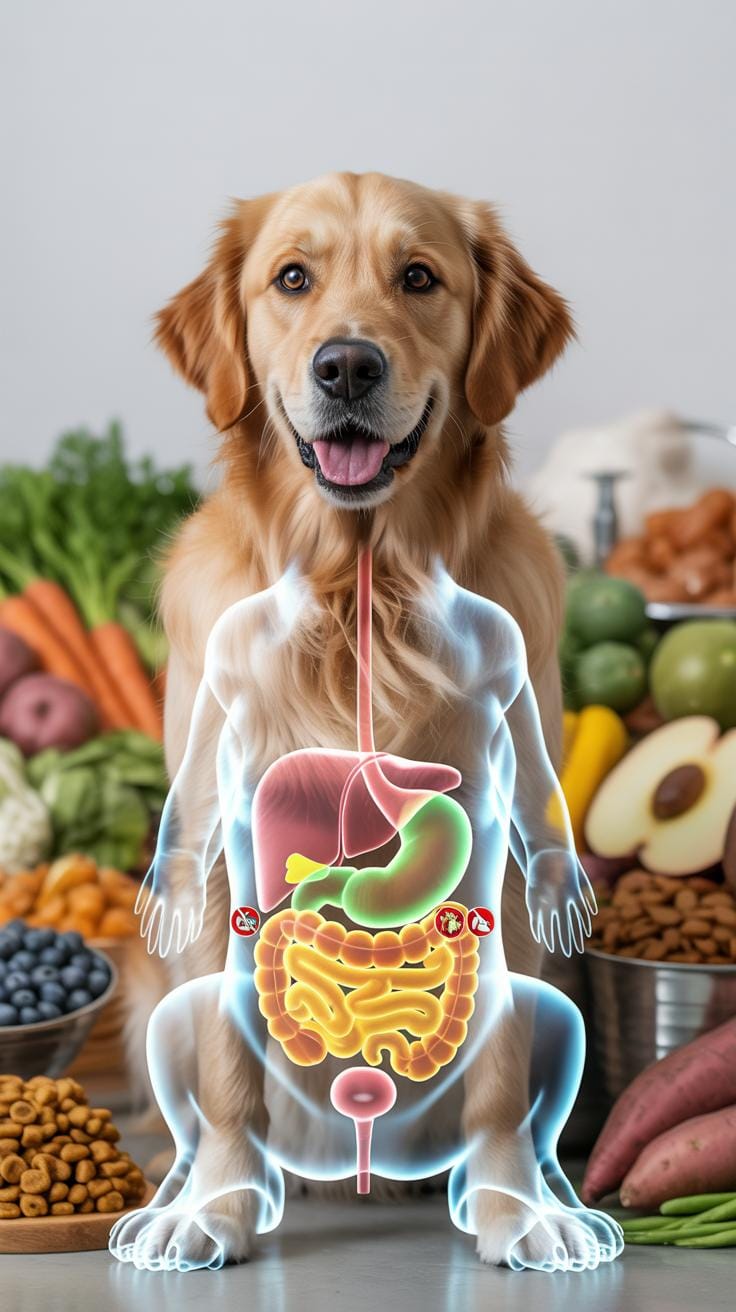
Common Symptoms Of Food Toxicity In Dogs And When To Call A Vet
Toxicity often starts with gastrointestinal distress. Watch for sudden vomiting, heavy drooling, or severe diarrhea. Some dogs will act restless or pace. Others become very weak and lethargic. You may notice pale gums or a rapid heartbeat. These signs mean the body is trying to expel a foreign poison. Monitor your dog closely for any physical change after they eat human scraps.
Call a vet immediately if you see tremors or seizures. Do not wait for symptoms to disappear on their own. Quick action saves lives when dealing with foods dogs cannot eat. Tell the doctor exactly what the dog ate and how much. Early medical intervention prevents the poison from entering the bloodstream. Delaying treatment often leads to permanent organ damage or sudden death.
To your dog, you are the world, and every bite you share is a gesture of love. Protecting their health by knowing which human treats to avoid is the truest way to honor that lifelong devotion.
How Toxic Foods Affect A Dog’S Liver, Kidneys, And Nervous System
Toxic foods attack vital organs through the blood. Grapes and raisins target the kidneys. This causes sudden failure because the body cannot process the specific compounds. Xylitol triggers a massive insulin release. This destroys liver cells and causes blood sugar to drop to dangerous levels. Once these organs stop working, the dog cannot filter waste or regulate its internal chemistry.

The nervous system suffers when dogs eat chocolate or caffeine. These toxins overstimulate the heart and brain. Macadamia nuts cause weakness and loss of coordination in the hind legs. Onions and garlic destroy red blood cells across the entire body. This leads to anemia because the blood cannot carry enough oxygen. Each toxin follows a specific path to shut down physical recovery.
Dog Safe Foods And Healthy Alternatives To The 20 Toxic Human Foods
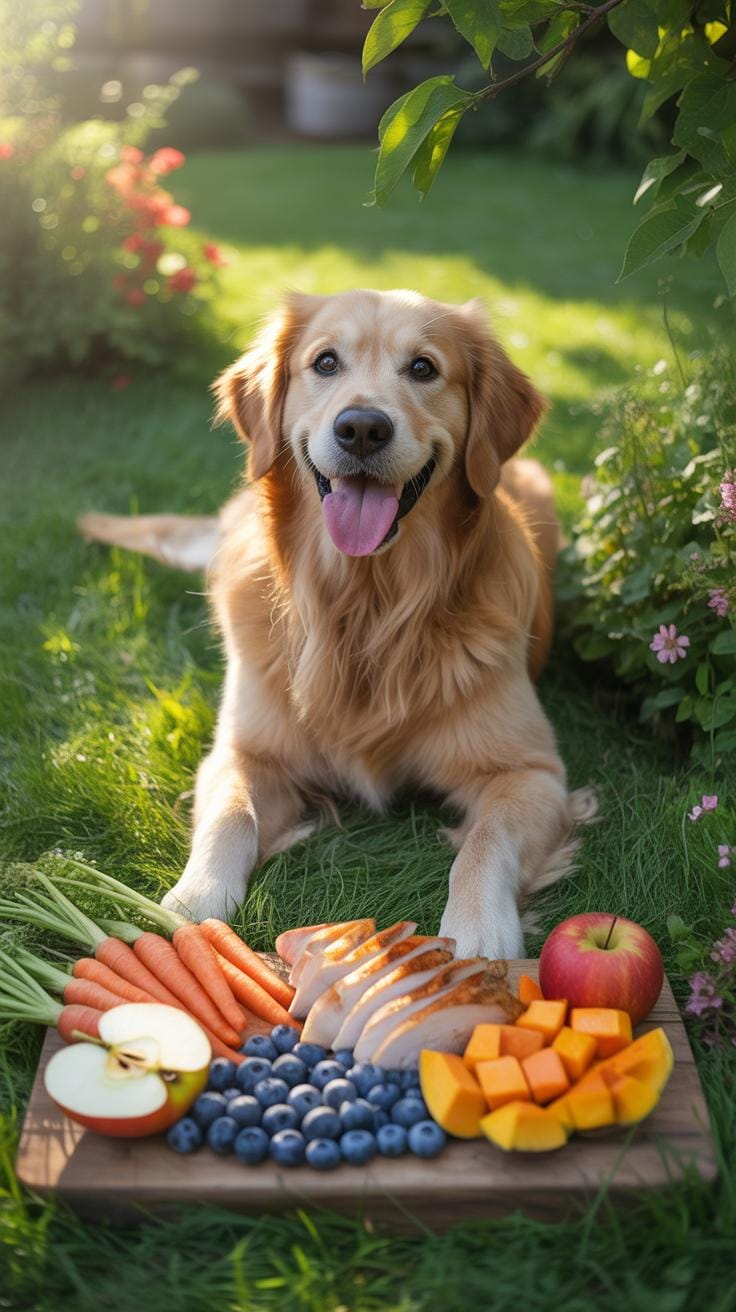
Safe Foods For Dogs: Healthy Human Food Swaps Your Dog Will Actually Love
Dogs benefit from specific whole foods that provide fiber and essential vitamins. Swapping toxic snacks like chocolate or grapes for safe alternatives prevents emergency vet visits. Focus on low-calorie options that support digestion and coat health. These selections avoid the physiological triggers caused by dangerous human foods. Use these items as rewards during training or as meal toppers to increase daily nutrient density safely.
- Carrots: These vegetables provide a crunch that helps clean teeth and reduces plaque buildup. They contain high levels of beta-carotene and fiber. Feed them raw or steamed but avoid adding any salt or butter to keep them healthy for the digestive system.
- Blueberries: These fruits serve as an excellent replacement for grapes and raisins. They provide antioxidants and vitamins C and K. They help improve immune function and support brain health in aging dogs. Blueberries remain low in sugar compared to many other common fruits.
- Green Beans: Use these as a low-calorie filler for dogs that need to lose weight. They contain iron and vitamins while providing a satisfying texture. Ensure they are plain and cooked without onions, garlic, or oils that cause inflammation or red blood cell damage.
- Plain Boiled Chicken: This protein source offers a safe alternative to seasoned table scraps or processed meats. It provides essential amino acids without the sodium and nitrates found in deli meats. Remove all bones and skin before feeding to prevent choking or pancreatitis.
- Pumpkin: Pureed pumpkin offers a direct solution for digestive regularity and serves as a substitute for fatty snacks. It contains fiber that stabilizes the gut. Only use plain canned pumpkin. Never use pumpkin pie filling because it contains toxic xylitol and harmful spices.
Portion control remains the most critical factor when introducing these human food swaps. Even safe foods can cause weight gain or nutritional imbalances if they exceed ten percent of daily calories. Monitor your dog for any allergic reactions or loose stools after trying a new item. Stick to single-ingredient swaps to identify exactly how your dog reacts to every specific food item.
How To Introduce Healthy Foods For Dogs Without Upsetting Their Stomach
Start with small amounts to avoid shocking your dog’s gastrointestinal tract. Rapid diet changes trigger diarrhea or vomiting even when the food is non-toxic. Introduce only one new food every week to track tolerance effectively. This slow method allows the gut microbiome to adjust to different enzymes and fiber levels. Watch for signs of lethargy or gas during this transition phase.

Maintain consistency by mixing the new food with their standard kibble. Using the new item as a high-value reward during training helps build a positive association. If the dog shows any signs of distress, stop the new food immediately. Consult a veterinarian if symptoms persist for more than twenty-four hours. Prioritize food safety by washing all produce to remove pesticides and potential chemical residue.
Food Charts A Quick Visual Reference For What Dogs Can And CanT Eat
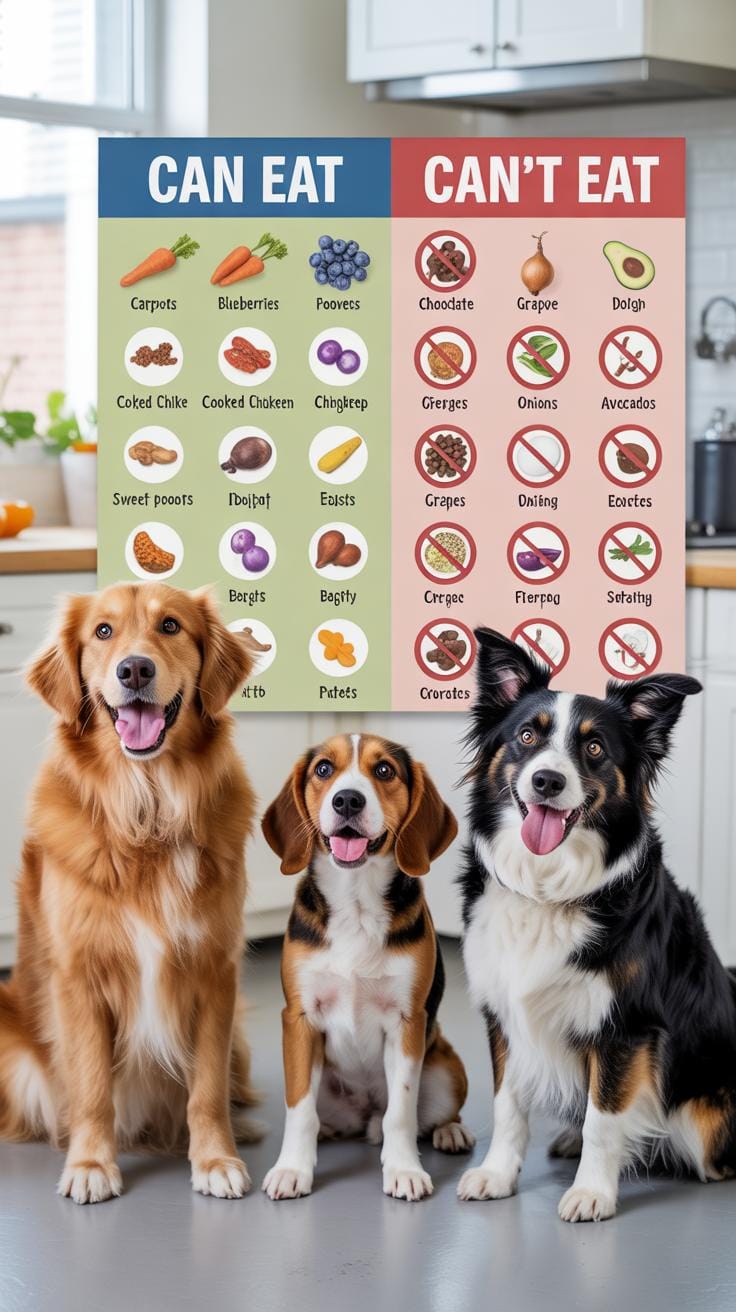
How To Read And Use A Dog Food Safety Chart At Home
Effective food safety charts prioritize immediate recognition over fine detail. Place these charts on the refrigerator or inside pantry doors where meal preparation occurs. A functional chart uses color coding to signal danger levels. Red indicates high toxicity that requires an emergency vet visit. Yellow suggests caution or moderate stomach upset. Green identifies safe whole foods that provide nutritional value without risks.
Standardize your kitchen protocol by training every family member to consult the chart before offering scraps. Do not rely on memory during busy cooking hours. Look for charts that list specific symptoms alongside the food names. This helps you identify accidental ingestion early. Simple charts prevent fatal errors. Keep the layout clean and the font large enough to read from a distance of three feet.
Toxic Vs. Safe: A Breakdown Of The 20 Human Foods Covered In This Guide
Identifying the specific chemical triggers in human foods allows for better risk management. Many common kitchen staples contain compounds like thiosulfate or persin that canine systems cannot process. These substances cause everything from red blood cell destruction to organ failure. Knowing which foods fall into the strict toxic category is the first step in preventing accidental poisoning during daily kitchen activities.
- Xylitol: This artificial sweetener appears in sugar-free gum and many peanut butter brands. It causes a rapid insulin release in dogs. This leads to life-threatening hypoglycemia and acute liver failure within hours of ingestion.
- Grapes and Raisins: These fruits contain an unidentified toxic substance that causes sudden kidney failure. Even small amounts can be lethal to certain dogs regardless of their size or breed. Symptoms include vomiting and extreme lethargy.
- Onions and Garlic: These vegetables belong to the Allium family and contain N-propyl disulfide. This compound damages canine red blood cells and leads to hemolytic anemia. Cooking these items does not reduce their toxicity levels for dogs.
- Chocolate and Caffeine: Both contain methylxanthines which act as stimulants on the canine nervous system. Darker chocolates have higher concentrations of these toxins. Ingestion results in tremors, seizures, heart palpitations, and potential death if untreated.
- Macadamia Nuts: These nuts cause weakness, vomiting, and hyperthermia in dogs. Scientists have not yet identified the specific toxin responsible for this reaction. Affected dogs often lose the ability to walk temporarily after consuming even a few nuts.

Contrast these hazards with safe alternatives like plain carrots, blueberries, or cooked green beans. Safe foods should still be fed in moderation to avoid caloric imbalance. Always remove seeds, pits, and stems from safe fruits before serving. These parts often contain cyanide or pose choking hazards regardless of the flesh’s safety. Consistent food sorting prevents emergency room visits and maintains long-term canine health.
Preventing Accidental Poisoning Practical Tips For Dog Owners On Human Food For Dogs
How To Dog Proof Your Kitchen And Dining Areas Against Toxic Foods
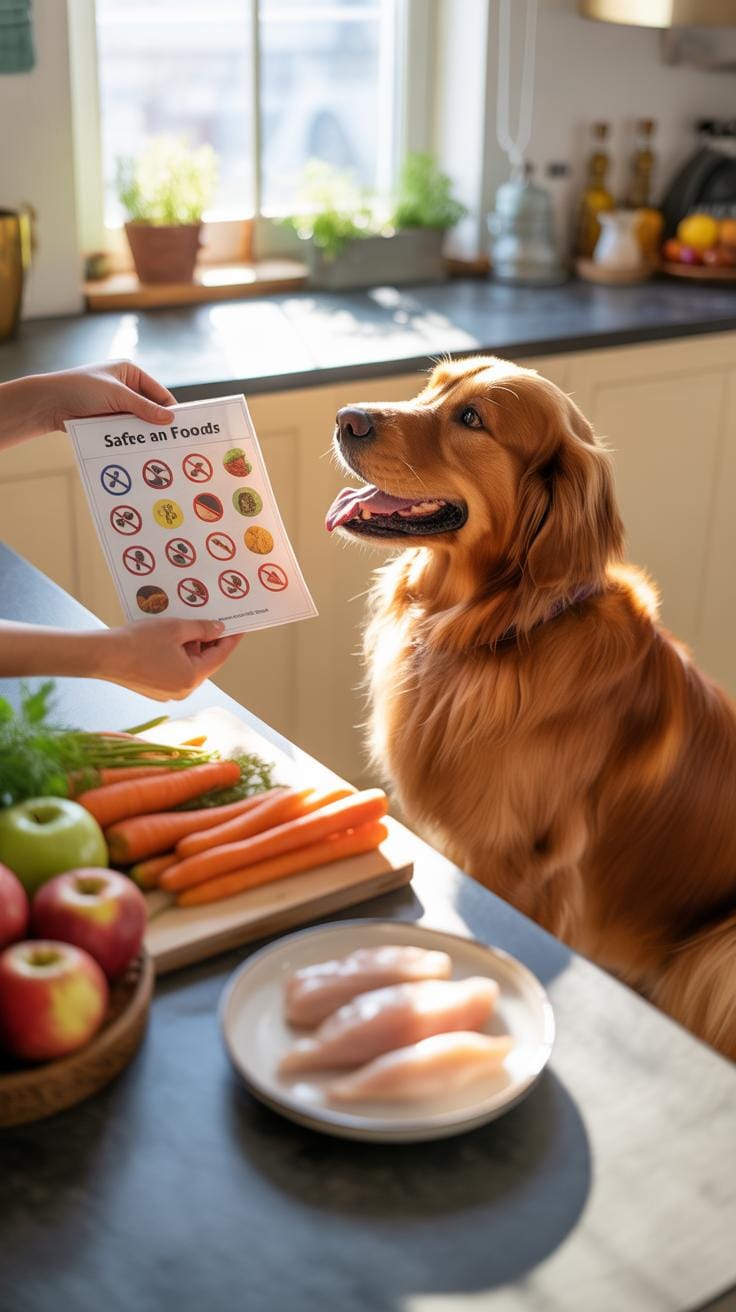
Physical barriers prevent most ingestion cases. Keep all trash cans behind cabinet doors or use models with locking lids. High counters do not stop determined dogs. Store raisins, onions, and macadamia nuts in airtight containers inside high cabinets. Scraps on the floor pose the highest risk during meal prep. Train your dog to stay out of the kitchen while you cook.
Clear communication prevents guest errors. Tell visitors they must not feed the dog from the table. Many people do not know that grapes or sugar-free gum cause organ failure. Use a heavy bowl for water so it stays clean. Check the floor after every meal for dropped pieces. Small habits like these stop a crisis before it starts. Secure your pantry with childproof latches if your dog learns to open doors.
What To Do If Your Dog Eats A Toxic Food: First Steps And Vet Guidance
Act fast when you suspect ingestion. Identify exactly what the dog ate and how much. Save the packaging or take a photo of the label. This data helps the vet determine the toxicity level. Do not wait for symptoms to appear because damage happens quickly inside. Call your veterinarian or a pet poison control center immediately. They provide specific instructions based on the food type.
Do not induce vomiting unless a professional tells you to do so. Some substances cause more harm if they come back up. Keep a first aid kit with fresh hydrogen peroxide, but only use it under medical direction. Transport the dog to an emergency clinic if your regular vet is closed. Speed saves lives when dealing with chocolate or xylitol. Always keep emergency phone numbers posted on your refrigerator for easy access.
Frequently Asked Questions

Why is it important to know which human foods are unsafe for dogs?
Understanding which foods dogs cannot eat is vital because many common pantry staples that are healthy for humans can be life-threatening for canines. Dogs metabolize substances differently than we do, and even small amounts of chocolate, grapes, or xylitol can cause kidney failure or heart distress. Being proactive about these kitchen hazards ensures your furry friend stays healthy and avoids expensive, stressful emergency trips to the veterinary clinic.
What should I do if my dog accidentally eats something poisonous?
If your pet consumes any foods dogs cannot eat, immediately identify the substance and the approximate amount ingested. Contact your veterinarian or a pet poison control hotline right away, even if your dog isn’t showing symptoms yet. Do not induce vomiting unless specifically instructed by a professional. Keep the packaging of the item handy to help the vet determine the level of toxicity and provide the most effective treatment for your pet.
Can I still share healthy snacks with my dog without overspending?
Absolutely! You don’t need expensive specialty treats to keep your dog happy. Many affordable, safe whole foods are already in your kitchen. Instead of risky snacks, offer budget-friendly options like plain carrots, apple slices without seeds, or green beans. These alternatives provide a satisfying crunch and nutrients without the high cost of premium treats, allowing you to share a snack safely while strictly avoiding any dangerous ingredients.