Understanding What A Healthy Kitten Looks Like A Kitten Care Baseline
The General Physical Appearance Of A Thriving Kitten
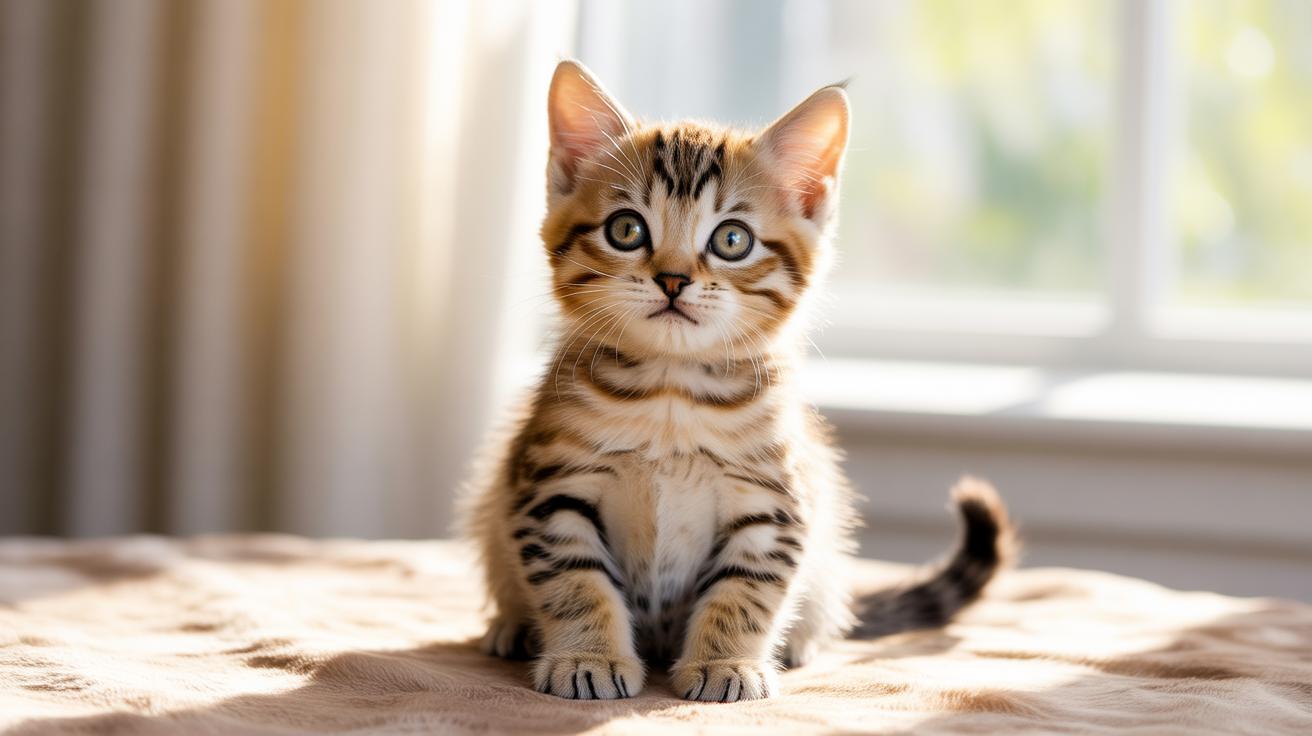
A healthy kitten displays clear eyes and a clean coat. The eyes must stay bright and free from any milky discharge or redness. Check the ears for a pink interior without dark debris or wax buildup. The nose should feel slightly cool and damp but never runny. These physical markers indicate a strong immune system and a lack of immediate respiratory infections or parasites.
Examine the fur for a smooth texture and natural shine. Healthy kittens have skin that lacks flakes, scabs, or bald patches. Proper grooming habits emerge early in development. A kitten that stops cleaning itself often suffers from underlying stress or illness. Look for alert body language and quick responses to external sounds. These visual cues serve as the primary baseline for assessing overall feline physical health.
How Body Weight And Growth Rate Reflect Your Kitten’S Health
Consistent weight gain acts as the most reliable indicator of kitten development. Most kittens gain about four ounces every week during their first two months of life. You should feel the ribs under a thin layer of fat, but the bones must not protrude sharply. A distended or bloated stomach often signals a heavy parasitic load rather than a well-fed animal.
Monitor daily food intake and energy levels to track metabolic health. Sudden weight loss or a plateau in growth requires immediate professional evaluation. Healthy kittens burn massive amounts of calories through play and bone development. Use a digital scale to track progress at the same time each day. Steady growth curves prove that the kitten is absorbing nutrients correctly and maintaining a functional digestive system.

Bright Eyes And Clean Ears Visual Health Checks For Kitten Care Tips
What Healthy Kitten Eyes Should Look Like And What To Watch For
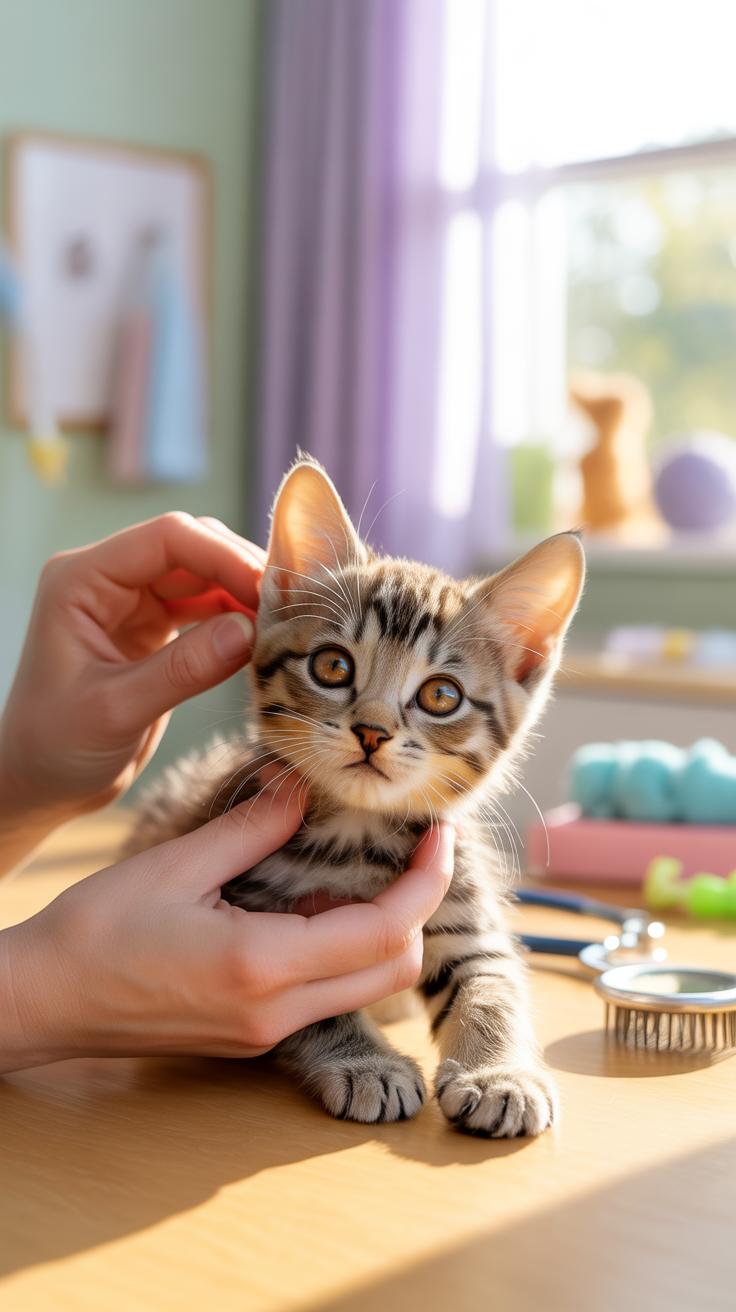
Healthy kitten eyes are clear and bright. The surface should be smooth and shiny without visible pupils of different sizes. Look for a clean area around the eyelids. Healthy eyes do not show redness or swelling in the white parts. The kitten should open both eyes fully and look forward with focus. Any squinting or cloudiness indicates an immediate health problem.
Watch for discharge that looks like yellow or green pus. This often signals a respiratory infection or conjunctivitis. Check the third eyelid, which is a pale membrane in the inner corner. It should stay hidden and not cover the eye surface. Persistent tearing or brown staining on the fur suggests irritation or blocked ducts. Act quickly because eye issues in kittens escalate into permanent damage.
Checking Your Kitten’S Ears For Signs Of Infection Or Mites
The inside of a healthy kitten ear is pale pink and clean. You should see a clear passage without excessive wax or debris. A small amount of pale wax is normal, but it should not have a strong smell. The skin must be thin and smooth. Any পুরু thickening or heat in the ear flap suggests inflammation. Healthy ears do not cause the kitten discomfort when touched.

Look for dark debris that resembles coffee grounds. This is a classic sign of ear mites, which are highly contagious parasites. Intense scratching or frequent head shaking confirms an infestation or an infection. Check for redness or sores caused by the kitten’s claws. Foul odors usually mean bacteria or yeast are growing. Clean ears are essential for a kitten to maintain balance and hear clearly.
Coat Condition And Skin Health Kitten Tips For Spotting Problems Early
What A Healthy Kitten Coat Feels And Looks Like
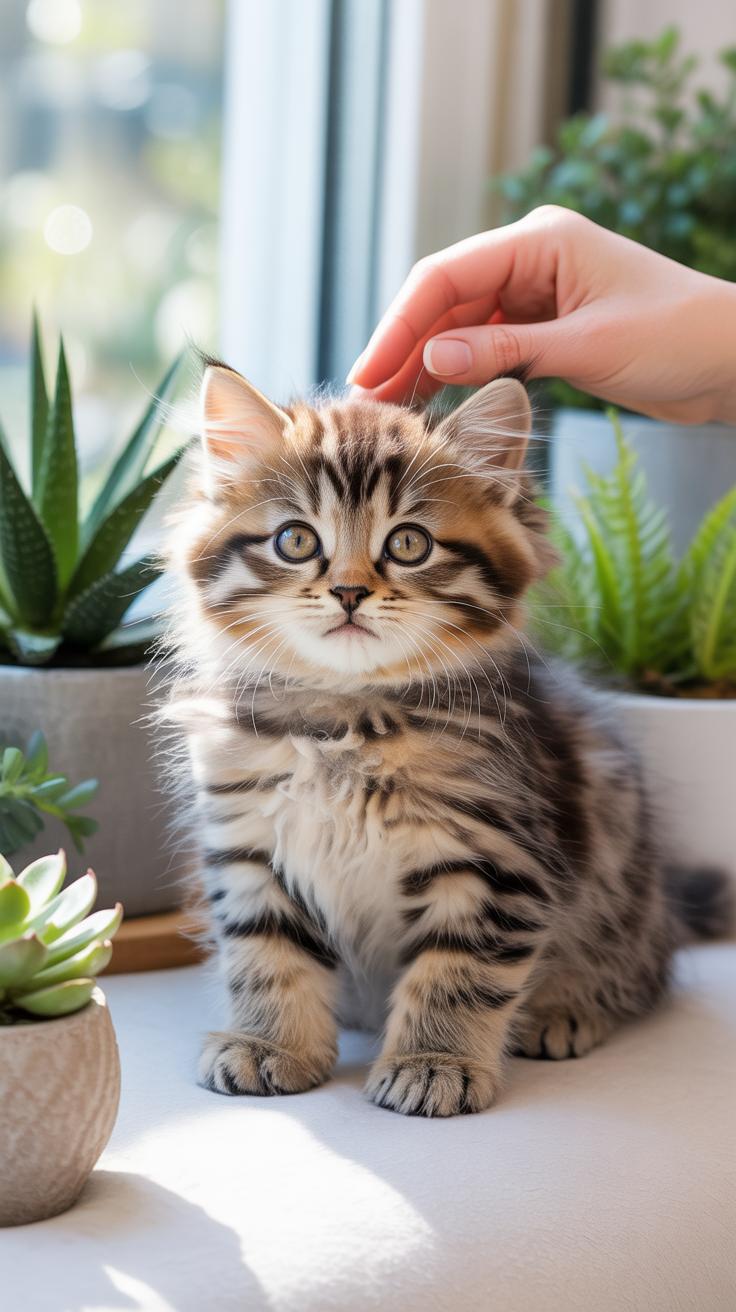
A healthy kitten coat must feel soft and look uniform. The fur should have a natural sheen that reflects light. It should stay clean because kittens begin grooming early. You must check for a smooth texture across the entire body. A healthy coat does not have bald patches or uneven thinning. The hair sits flat against the skin without appearing greasy or oily to the touch.
The coat reflects internal health and nutrition levels. A dull or brittle coat indicates poor diet or underlying illness. You should run your hands against the grain of the fur. The hair must snap back into place quickly. High quality protein intake promotes this elasticity and shine. If the fur feels like straw or smells foul, the kitten needs a medical evaluation. Systematic checks ensure you catch these shifts immediately.
Skin Conditions, Fleas, And Parasites That Affect Kitten Health
Kitten skin should be pale pink or pigmented depending on their breed. It must be free of flakes, scabs, and redness. Dehydration shows in the skin. If you pinch the scruff and it stays up, the kitten lacks fluids. Check for black specks which indicate flea dirt. Fleas cause anemia and transmit tapeworms. Watch for circular hair loss which often signals ringworm. This fungal infection is highly contagious to humans.

Parasites and allergies cause intense itching and inflammation. Persistent scratching leads to open sores and secondary infections. You must look for ear mites which appear like coffee grounds in the ear canal. Check the belly and neck for small bumps or rashes. Inflammation usually means an immune response to external pests or environmental irritants. Early intervention prevents these minor skin issues from becoming chronic health failures or systemic problems.
Monitoring Eating And Drinking Habits Essential Cat Care Tips For Kitten Owners
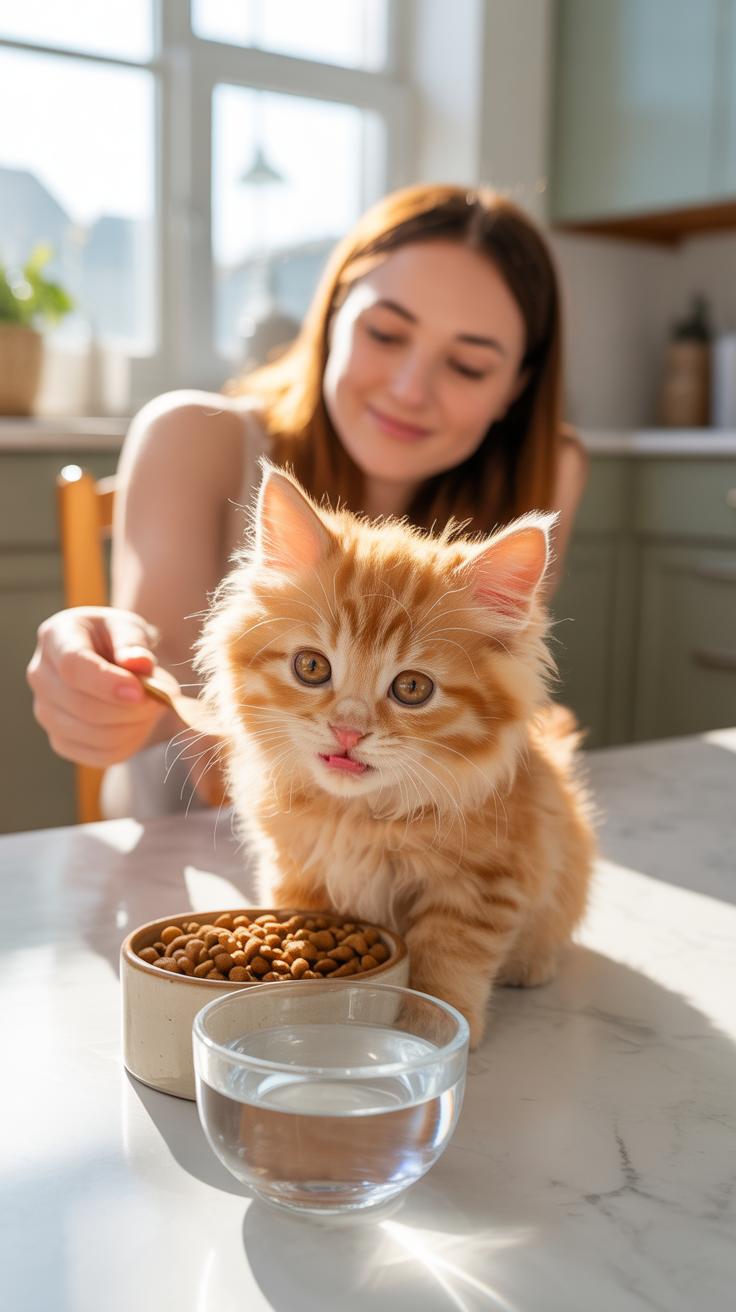
How Much Should A Healthy Kitten Eat And Drink Each Day
Kittens require high caloric intake to support rapid skeletal and muscular development. Most growing kittens need three to four distinct meals every twenty-four hours. You must monitor their calorie density to ensure they gain steady weight without becoming obese. Metabolic rates vary by breed and activity level. Provide high-quality growth formula food that contains essential amino acids like taurine for heart and eye health.
Fresh water must remain available at all times to prevent dehydration. Kittens generally consume about sixty milliliters of water per kilogram of body weight each day. Wet food diets provide significant moisture and reduce the need for constant drinking. Monitor the water bowl levels to track daily consumption habits accurately. Consistent intake patterns indicate a stable digestive system and proper kidney function in young growing felines.
Warning Signs Of Poor Appetite Or Excessive Thirst In Kittens
A complete loss of appetite for more than twelve hours is a critical life safety issue for kittens. Their small bodies lack energy reserves and can quickly develop hypoglycemia or organ stress. Refusal to eat often indicates underlying infections, dental pain, or digestive blockages. You must note any sudden changes in food preference or a lack of interest during scheduled feeding times immediately.

Excessive thirst and frequent urination are equally serious clinical indicators. These symptoms often point toward kidney issues or juvenile diabetes. If a kitten lingers at the water bowl or drinks significantly more than usual, it requires a prompt medical evaluation. Healthy kittens should drink moderate amounts without appearing desperate for fluids. Rapid intervention prevents long-term physiological damage during these formative months of rapid physical growth.
Litter Box Habits And Digestive Health How To Take Care Of A Cat From The Ground Up
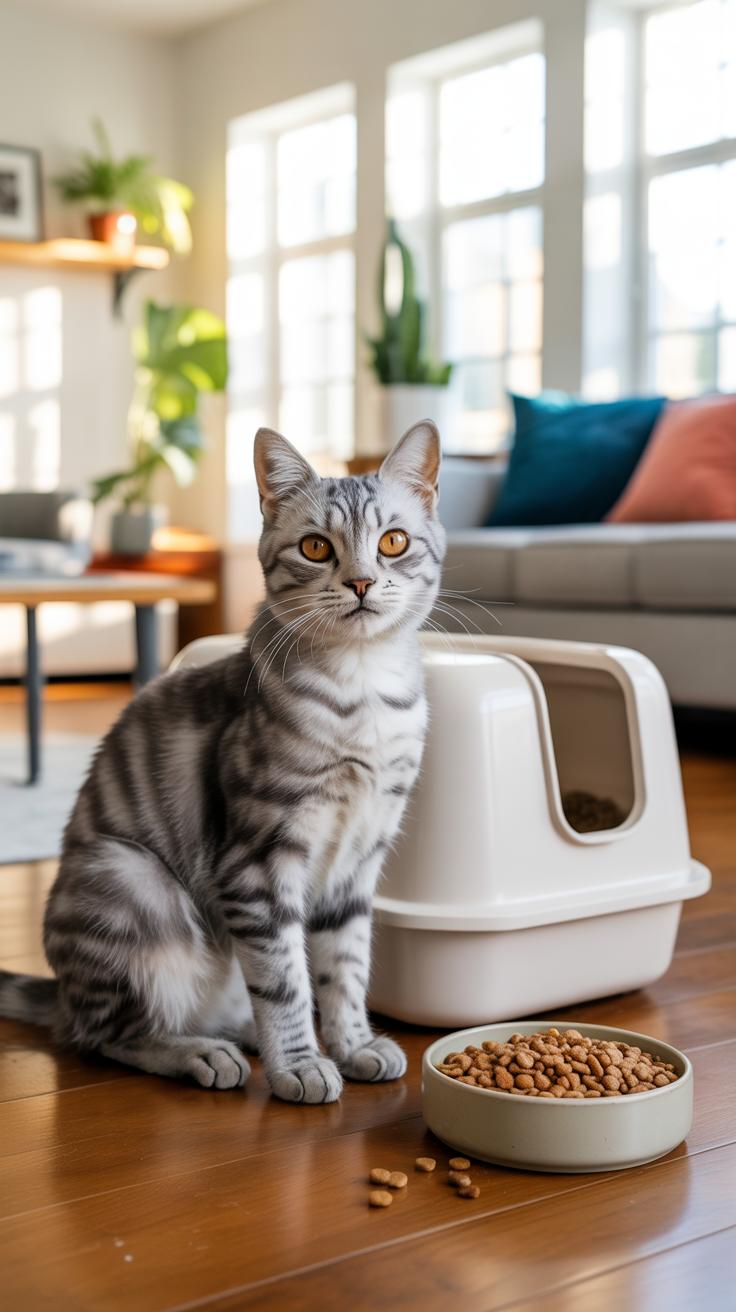
What Normal Kitten Stool And Urination Patterns Look Like
Healthy kitten stool must be firm and shaped like a log. It should have a dark brown color. Formed stool indicates the kitten is absorbing nutrients and staying hydrated properly. You should see the kitten use the box for bowel movements two to three times every day. Consistency is the primary marker of gut health. Soft or liquid waste suggests a problem.
Urination occurs more frequently than bowel movements. A healthy kitten will urinate four to six times daily. The urine should be light yellow and clear. Strong odors or deep orange colors indicate dehydration or infection. Check the litter for clump size to ensure the bladder empties fully. Steady output proves the kidneys and urinary tract are functioning without any internal obstructions.
Diarrhea, Constipation, And Blood In Stool: When To Be Concerned
Diarrhea is a high-risk symptom for kittens because it causes rapid dehydration. Watery stools or mucus often signal parasites, sudden diet changes, or viral infections. If the kitten has more than two bouts of loose stool, seek medical help. Watch for lethargy or a bloated stomach alongside these digestive shifts. Kittens have small fluid reserves and cannot tolerate prolonged moisture loss.

Constipation and blood require immediate action. Straining in the box or producing hard, pebble-like waste indicates a blockage or lack of hydration. Bright red blood suggests lower intestinal irritation or rectal tearing. Black, tarry stool indicates dangerous bleeding higher in the digestive tract. Monitor the box every time the kitten enters. Catching these signs early prevents long-term damage to the digestive system.
Energy Levels And Playfulness The Hallmarks Of A Happy Kitten
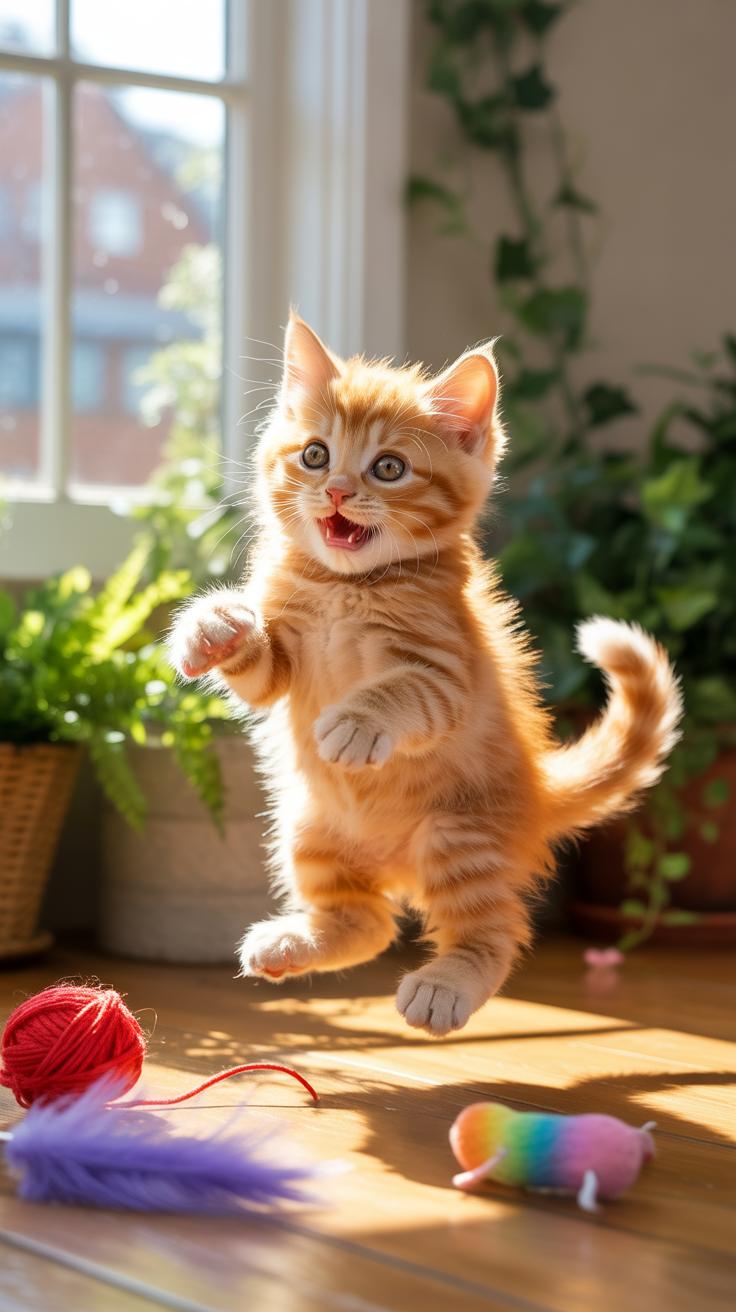
Normal Activity And Play Behavior In Kittens By Age
Kittens follow a strict developmental timeline regarding movement and energy. Newborns spend ninety percent of their time sleeping and only move to nurse. By week four, kittens begin to develop motor skills and engage in clumsy wrestling with littermates. This social play is critical for learning bite inhibition. Between weeks eight and twelve, kittens reach peak activity levels. They will sprint, climb, and pounce frequently.
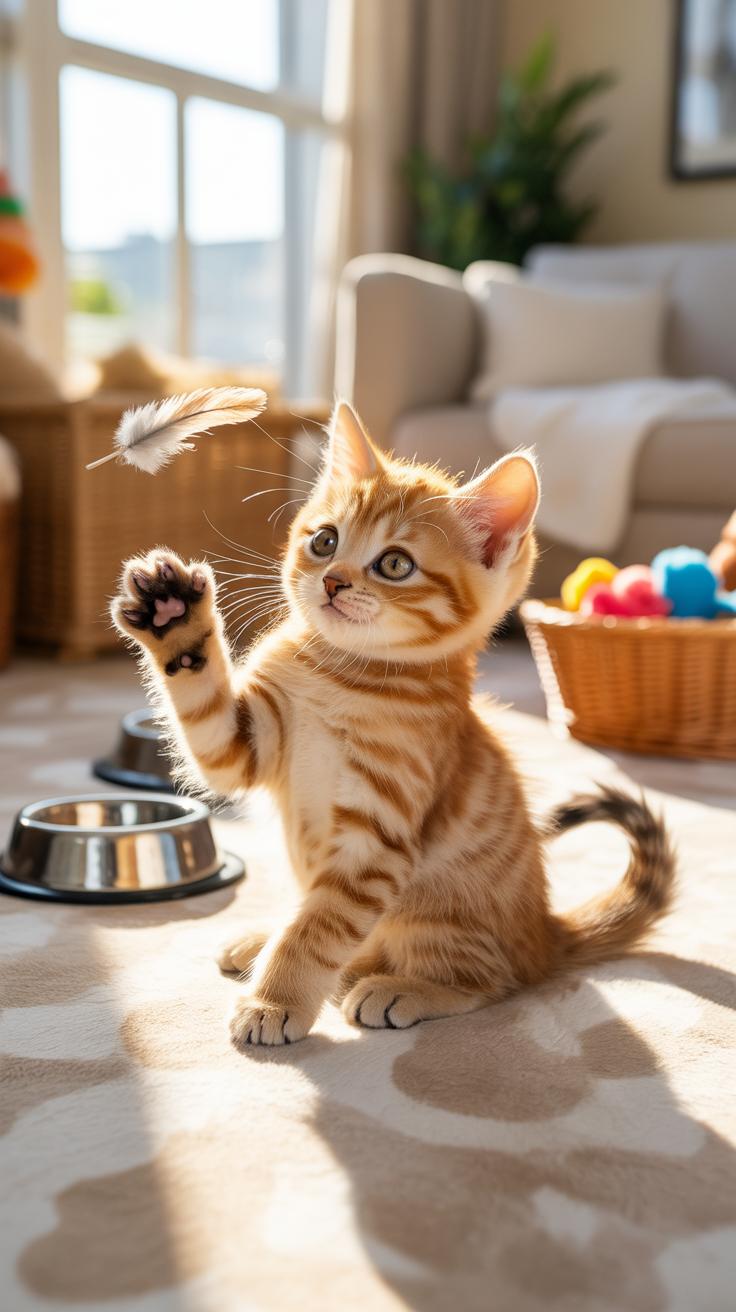
A healthy kitten displays curiosity and reacts to external stimuli. They should explore new objects and chase moving toys. Healthy animals also go through “zoomies” or sudden bursts of intense running. While they sleep up to twenty hours a day, their waking moments must be high energy. If a kitten does not engage with toys or littermates during these active windows, it indicates a developmental or medical issue.
A kitten’s bright eyes and tireless spirit are the heartbeat of a happy home. Watching them thrive is like seeing a tiny, flickering candle grow into a steady and brilliant flame.
Lethargy And Sudden Behavior Changes As Health Red Flags
Lethargy is not the same as a long nap. A lethargic kitten appears limp, weak, or indifferent to its environment. They may refuse to get up even when you offer food or a favorite toy. This lack of response is a major red flag for infection, dehydration, or anemia. You must differentiate between a cat that is resting and one that lacks the physical strength to move.

Sudden personality shifts also signal trouble. A social kitten that suddenly hides in a dark corner is likely in pain. These animals instinctively mask illness to avoid predators. If your kitten stops grooming or refuses to play for a full day, seek veterinary care immediately. Behavioral changes often precede physical symptoms like vomiting or diarrhea. Monitoring energy levels daily is the fastest way to catch a health crisis.
Breathing Heart Rate And Temperature Vital Signs Of A Healthy Cat
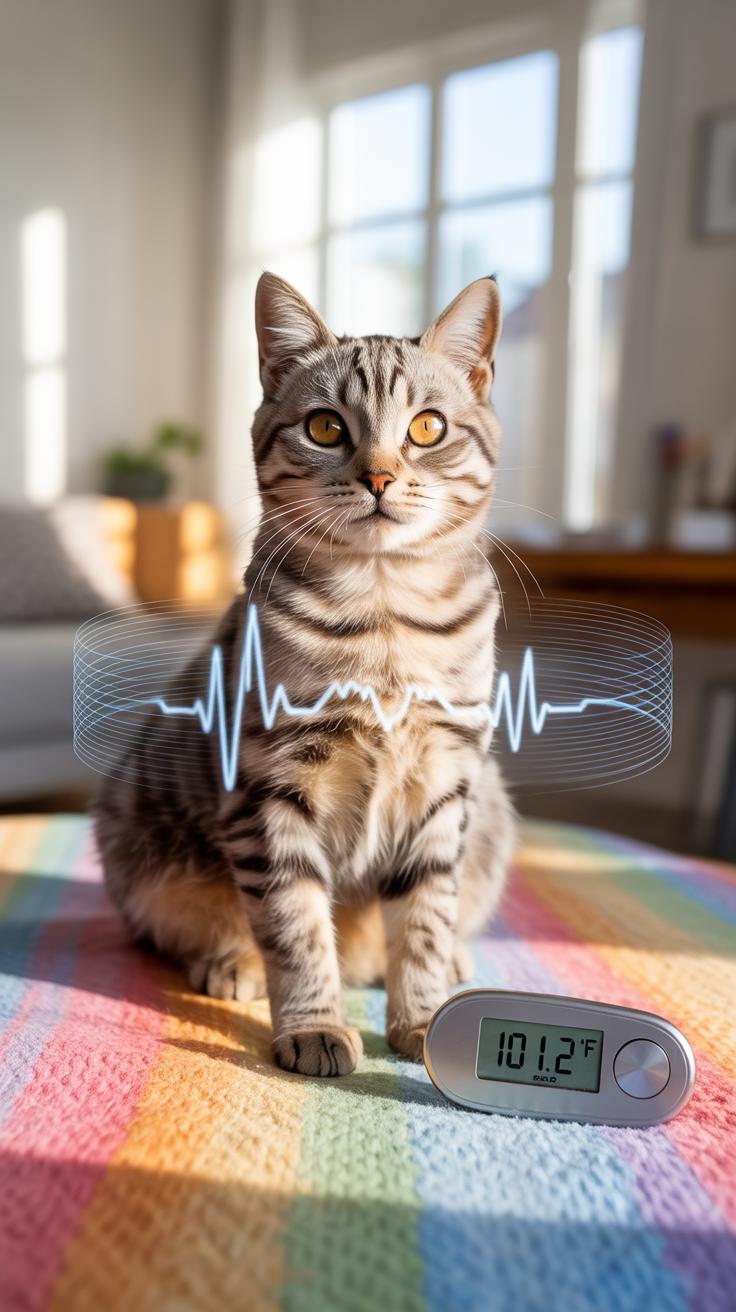
Normal Respiratory Rate, Heart Rate, And Body Temperature Ranges For Kittens
Kittens operate at higher metabolic speeds than adult cats. A healthy kitten maintains a rectal temperature between 100.5 and 102.5 degrees Fahrenheit. Newborns stay cooler but reach these adult levels by week four. You must monitor these thermal baselines daily. Deviations often indicate infection or environmental stress. High heat leads to dehydration while low temperatures shut down digestion quickly.
Standard heart rates for kittens range from 180 to 220 beats per minute. This rhythm is significantly faster than a human pulse. Normal breathing is quiet and effortless. Expect 20 to 40 breaths per minute when the animal rests. Rapid panting or heavy chest movements are red flags. Consistent vitals prove the internal systems function correctly under the current care protocol.
How To Safely Check Your Kittens Vital Signs At Home
Gather a digital thermometer, a watch with a second hand, and water-based lubricant. Conduct checks when the kitten is calm or sleepy to ensure accuracy. Stress spikes heart rates and skews your data. Secure the kitten gently on a flat surface. You need clear access to the chest and rectum to perform these measurements without causing the animal unnecessary physical distress.
- Temperature Check: Apply lubricant to a digital thermometer tip. Insert it gently into the rectum about half an inch. Hold it steady until the device beeps. This provides the only truly accurate core body temperature reading for a feline.
- Heart Rate Count: Place your hand on the left side of the chest behind the elbow. Count the beats for fifteen seconds. Multiply that number by four to calculate the beats per minute. Ensure the rhythm feels steady and lacks any skipping sounds.
- Respiration Watch: Observe the rise and fall of the ribcage while the kitten sleeps. One rise and fall equals one breath. Count these for a full minute to get an accurate rate. Avoid checking this after play as activity naturally increases breathing speed.
- Capillary Refill Time: Press your finger against the kitten’s gums until the spot turns white. Release and count how many seconds it takes for the pink color to return. Healthy blood flow returns color in under two seconds. Pale gums indicate serious circulation issues.
- Hydration Test: Gently pinch the skin between the shoulder blades and release it. The skin should snap back into place instantly in a hydrated kitten. If the skin stays tented or moves slowly, the kitten requires immediate fluid intervention to prevent organ failure.

Document every reading in a dedicated logbook for your veterinarian. Specific data points help doctors identify trends before they become emergencies. Note the time of day and the kitten’s recent activity level next to each entry. Consistent record keeping allows you to spot subtle health shifts early. This data driven approach removes guesswork from your daily kitten health management routine.
Vaccinations Deworming And Vet Visits Non Negotiable Cat Tips For New Owners
The Core Vaccination Schedule Every Kitten Owner Should Follow
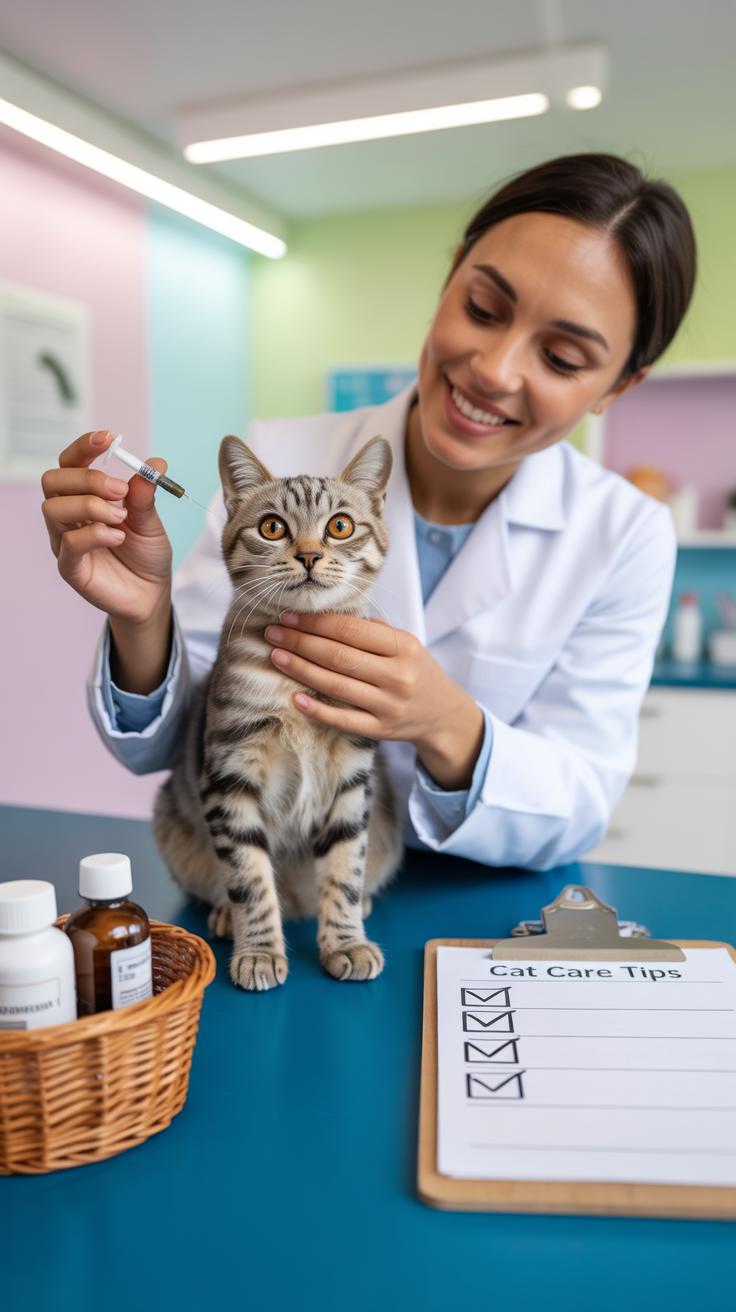
Kittens require a specific series of vaccinations to build immunity against lethal diseases. Maternal antibodies from milk fade between six and eight weeks of age. This window leaves the kitten vulnerable to environmental pathogens. Owners must start the injection series early to prevent infection. Missing a single booster shot resets the progress and compromises the health of the animal.
- FVRCP Vaccine: This core injection protects against feline viral rhinotracheitis, calicivirus, and panleukopenia. These viruses cause severe respiratory distress and deadly gastrointestinal failure. Kittens receive the first dose at six weeks and boosters every three to four weeks until sixteen weeks old.
- Rabies Vaccine: Law requires this vaccination in most regions due to the fatal nature of the virus. This disease transmits to humans through saliva. Veterinarians administer this single dose when the kitten reaches twelve to sixteen weeks of age. It is non-negotiable for safety.
- FeLV Vaccine: The feline leukemia virus vaccine is highly recommended for all kittens during their first year. This virus suppresses the immune system and causes cancer. Even indoor cats should receive the initial series because future lifestyle changes or accidental escapes can lead to exposure.
- Initial Physical Exam: The veterinarian performs a full body check during the first vaccination visit. They look for heart murmurs, cleft palates, and hernia issues. This exam establishes a baseline for future growth. Identifying congenital defects early allows for better management of long-term health.
- Booster Schedule: Immunity does not happen after one shot. The kitten requires repeated doses to ensure the immune system recognizes the pathogens. One year after the final kitten dose, the cat needs a booster. Sticking to this timeline is the only way to ensure total protection.
Effective vaccination sets the foundation for a long life. It moves the kitten from a state of high risk to a state of biological security. Most core vaccines occur in easy-to-manage windows. Track these dates in a medical log immediately. Do not skip appointments. Consistent medical care prevents expensive emergency treatments later and keeps the kitten thriving in its new environment.
Why Deworming And Flea Prevention Are Central To Kittens Care
Internal and external parasites drain a kitten of vital nutrients and blood. Most kittens are born with roundworms passed from the mother. These parasites cause stunted growth and distended bellies. Routine deworming starts as early as two weeks of age. Waiting until you see worms in the stool is a mistake. Damage occurs internally long before physical signs appear to the naked eye.

Flea prevention is equally critical for maintaining health. Fleas cause anemia and transmit tapeworms to the host. A small kitten can lose enough blood to a flea infestation to become critically ill. High-quality, vet-approved preventatives are the only reliable solution. Avoid over-the-counter hardware store brands that contain toxic chemicals. Use age-appropriate formulas to kill pests without harming the kitten. Use these products year-round regardless of the season.
Dental And Oral Health In Kittens An Overlooked Part Of Kitten Care
How To Examine Your Kitten’S Teeth And Gums For Health Indicators
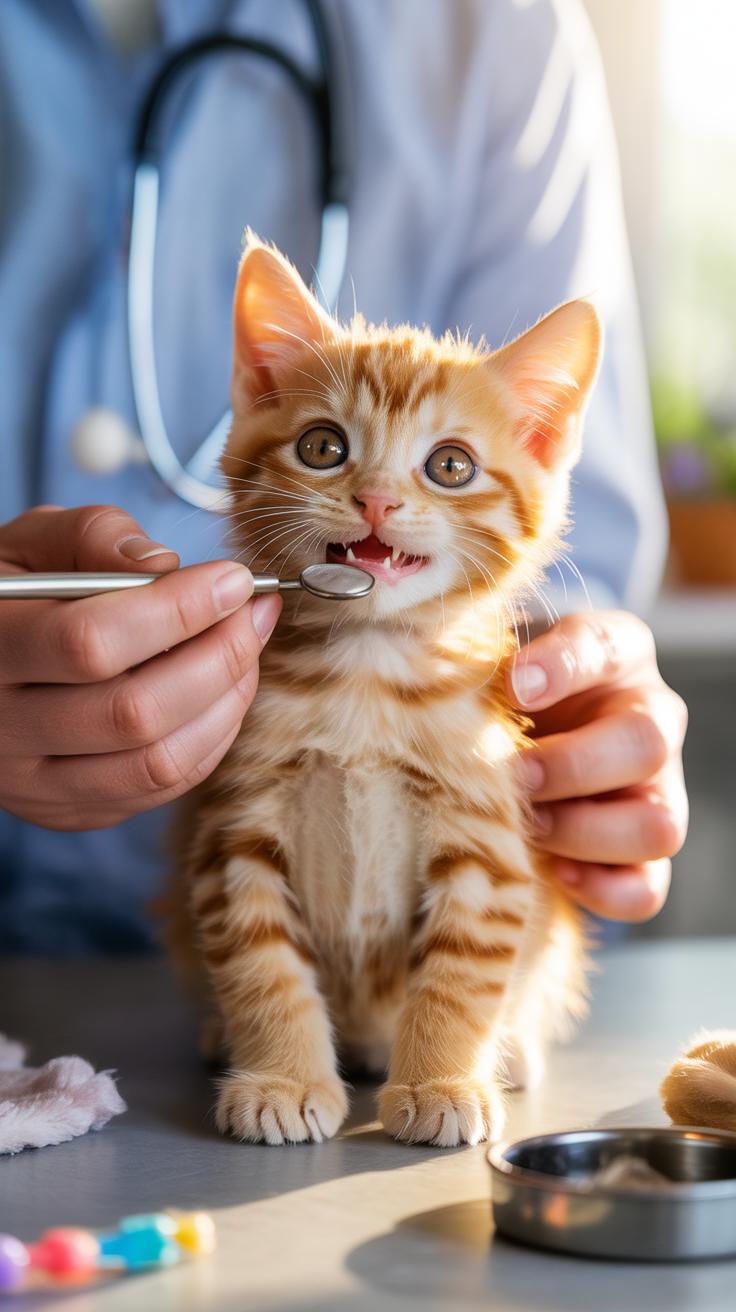
To check oral health, gently lift your kitten’s lips. Inspect the gums first. Healthy gums appear salmon pink and moist. Pale, white, or deep red gums indicate systemic health issues or inflammation. Press your finger against the gum. The color should return within two seconds. This test verifies proper blood circulation. Any lingering redness suggests Gingivitis or infection.
Examine the teeth for alignment and clarity. Kittens have twenty-six deciduous teeth that should be white and sharp. Check for broken teeth or retained baby teeth as adult teeth emerge. Smell the breath for foul odors. While kitten breath is not minty, a strong stench indicates bacteria or metabolic problems. Watch for excessive drooling or pawing at the mouth during this physical inspection.
Early Dental Habits That Support Long Term Feline Oral Health
Start a brushing routine immediately to prevent Periodontal disease. Use a soft finger brush and feline-specific toothpaste. Never use human toothpaste because fluoride is toxic to cats. Aim for three sessions per week to remove plaque before it hardens into tartar. Consistency trains the kitten to accept mouth handling. This habit reduces the risk of painful tooth extractions when the cat matures.
Nutrition impacts oral durability. High-quality dry kibble can help scrape some plaque from teeth surfaces. However, diet alone does not replace manual cleaning. Schedule a professional veterinary dental exam during the first year. The vet checks for malocclusions and persistent deciduous teeth. Addressing these structural issues early prevents bone loss and chronic pain. Active prevention saves money on future surgeries and extends the kitten’s life.
When To Call The Vet Recognizing Urgent Health Concerns In Kittens Care
Symptoms That Always Warrant An Immediate Veterinary Visit
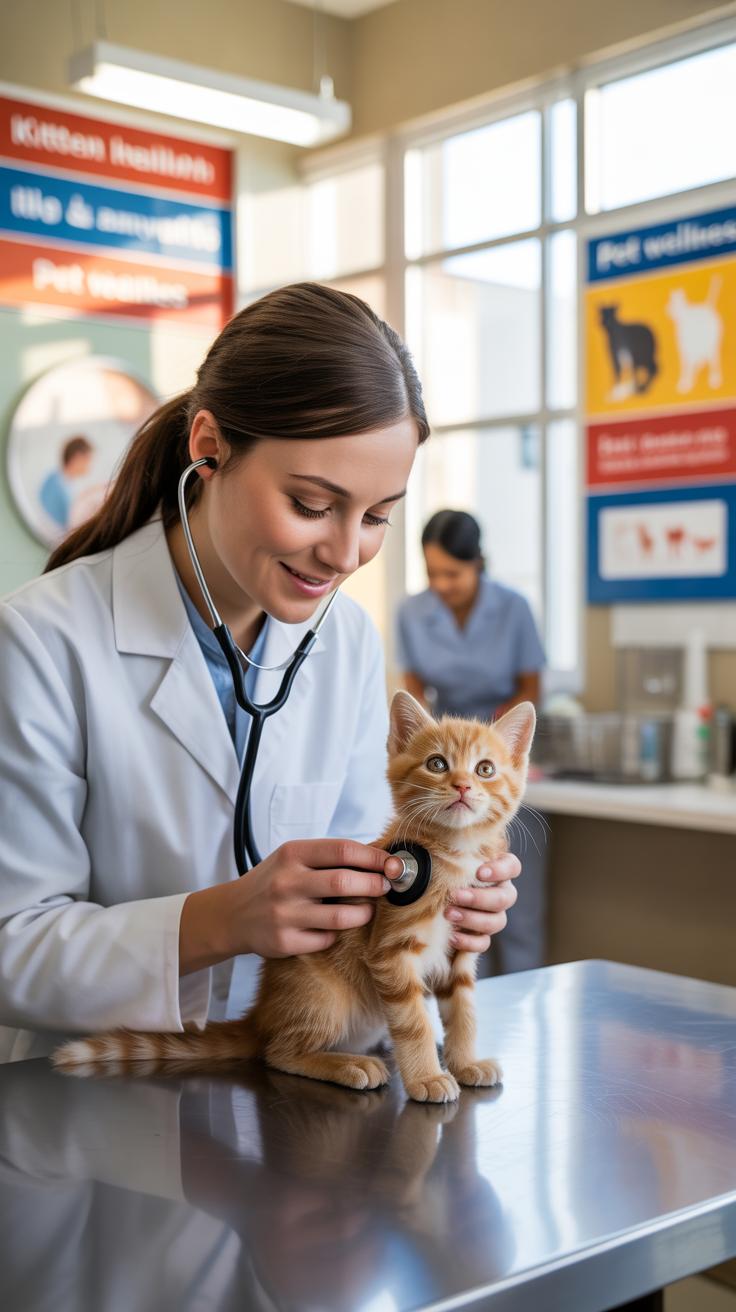
Kittens possess very small energy reserves and can decline rapidly. You must act if you notice lethargy or a refusal to eat for more than twelve hours. Respiratory distress or open mouth breathing indicates a critical emergency. Dehydration happens fast in young cats and often leads to organ failure. Watch for sunken eyes or skin that does not snap back when pinched.
Diarrhea and vomiting are dangerous because they cause sudden fluid loss. Blood in the stool or vomit requires an immediate clinical exam to rule out parasites or viruses like panleukopenia. Neurological signs such as stumbling or seizures demand instant intervention. Do not wait for symptoms to resolve on their own. Early treatment prevents death and reduces long term medical costs for the owner.
Building A Routine Health Monitoring Habit As A Responsible Cat Owner
Perform a physical check on your kitten once every week to establish a baseline. Feel the body for new lumps or changes in muscle mass. Check the ears for dark debris and the gums for a healthy pink color. Tracking weight is the most effective way to monitor growth and wellness. Use a digital scale to ensure the kitten gains weight steadily each week.
Document all findings in a simple log to share with your veterinarian during scheduled checkups. Consistent monitoring allows you to catch subtle changes before they become life threatening. Rapid weight loss or sudden behavioral changes often signal underlying issues. A proactive approach reduces the risk of chronic illness. You protect your investment and the animal’s life by maintaining strict observation habits every single day.
Frequently Asked Questions

What are the most obvious physical signs that a young kitten is in good health?
Understanding how to tell if kitten is healthy starts with observing their coat and eyes. A thriving kitten should have a soft, clean coat free of bald patches or parasites. Their eyes should be clear and bright, without any discharge or cloudiness. Additionally, look for pink, moist gums and clean ears. A healthy kitten embodies vitality, showing a natural curiosity about their surroundings and maintaining a steady, consistent growth rate during their first months.
How can I check my kitten’s hydration and digestion at home?
To determine if your kitten is well-hydrated, gently pinch the skin between their shoulder blades; it should snap back instantly. Checking the litter box is another practical way how to tell if kitten is healthy. Their stool should be firm and formed, not loose or bloody. Frequent, effortless urination is also vital. If your kitten is eating eagerly and maintaining stable bathroom habits, it generally indicates a functional and efficient digestive system.
Are there low-cost ways to monitor my kitten’s health without constant vet visits?
You can perform weekly “nose-to-tail” exams at home to track their well-being on a budget. Use a kitchen scale to ensure they are gaining weight, as steady growth is a primary indicator of health. Monitor their energy levels during play and ensure they are meeting developmental milestones. While professional checkups are essential for vaccinations, staying observant of their daily behavior and appetite is an effective, free way to stay informed about their status.