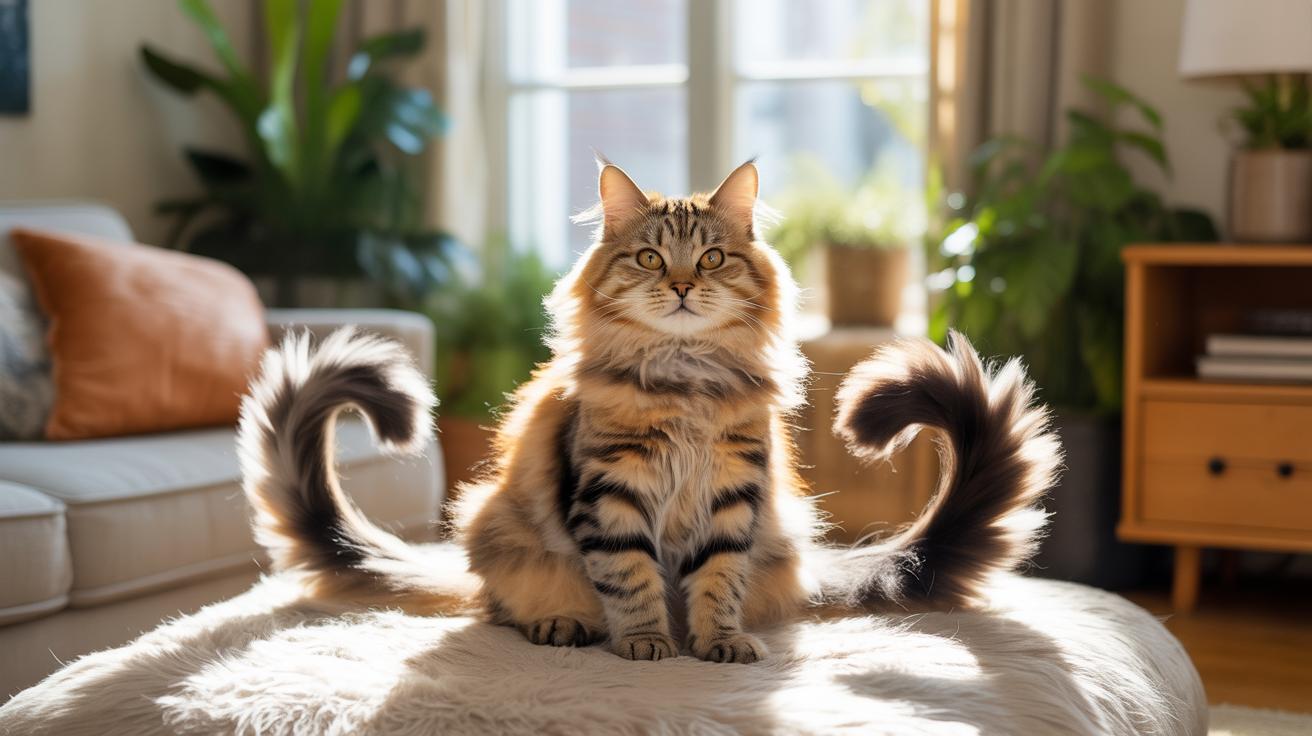
The Role Of Cat Tail In Feline Communication
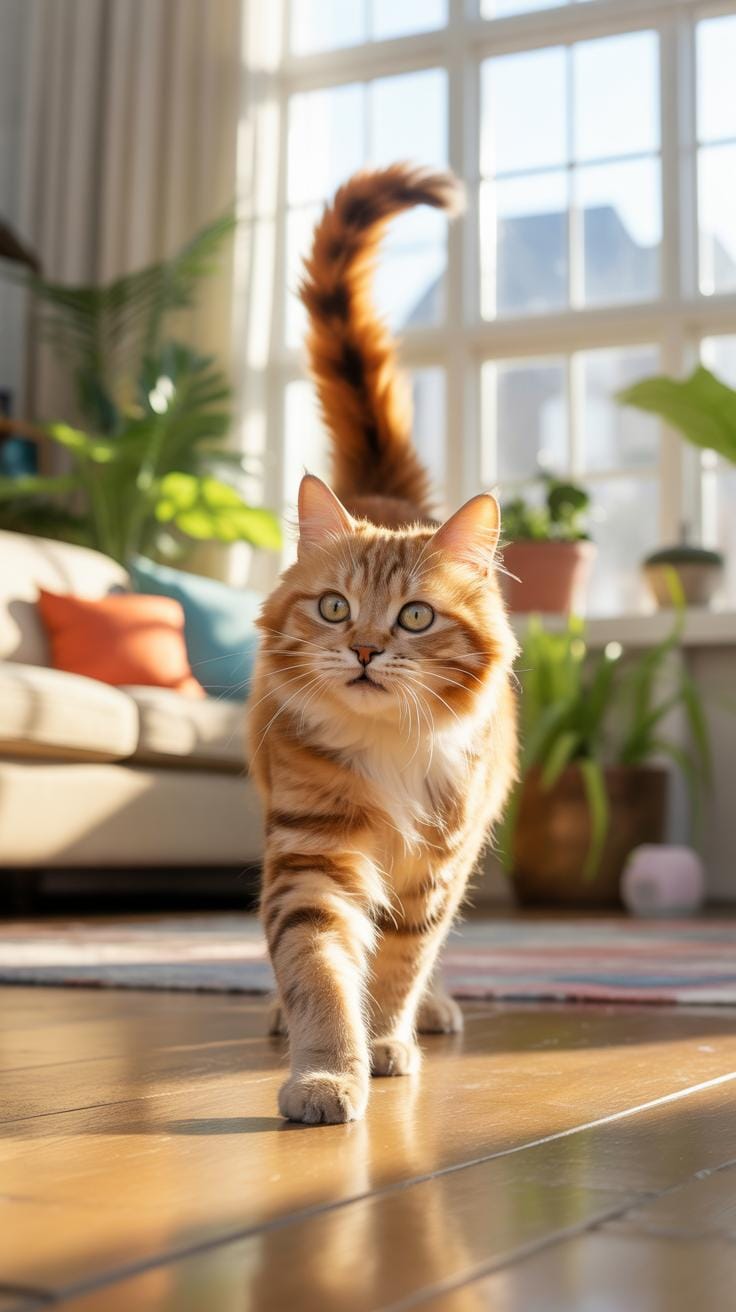
Why Cats Use Their Tail As A Communication Tool
Cats use their tails because this appendage provides a clear visual signal over long distances. High visibility allows cats to broadcast their emotional state without making sounds. This silent signaling protects them from predators and helps them manage social territory. The tail follows the spine and moves via complex muscle groups. These muscles respond to the sympathetic nervous system to show immediate internal shifts.
The tail serves as the primary tool for reading cat tail positions meaning during social interactions. It bridges the gap between physical balance and social signaling. Kittens learn these cues from their mothers to survive within a colony. In the wild, clear communication prevents physical fights that cause injury. Dominant cats use tail height to claim space. Submissive cats use low positions to avoid conflict.
How Cat Body Language Works As A Whole System
Tail movement does not work in isolation and requires context from the rest of the body. You must look at the ears, eyes, and fur texture simultaneously. A high tail usually indicates confidence or a friendly greeting. However, if the fur on the tail stands up, the cat feels threatened. Correct interpretation requires viewing the entire animal as a single integrated signaling unit.
Environment also dictates how cat body language functions as a system. A twitching tail tip in a hunting scenario means high focus and intent to strike. That same movement during a petting session indicates rising overstimulation and frustration. You must observe the tension in the legs and the dilation of the pupils. These physical markers confirm the message the tail sends to any nearby observers.

The Upright Tail What This Cat Tail Meaning Reveals About Confidence
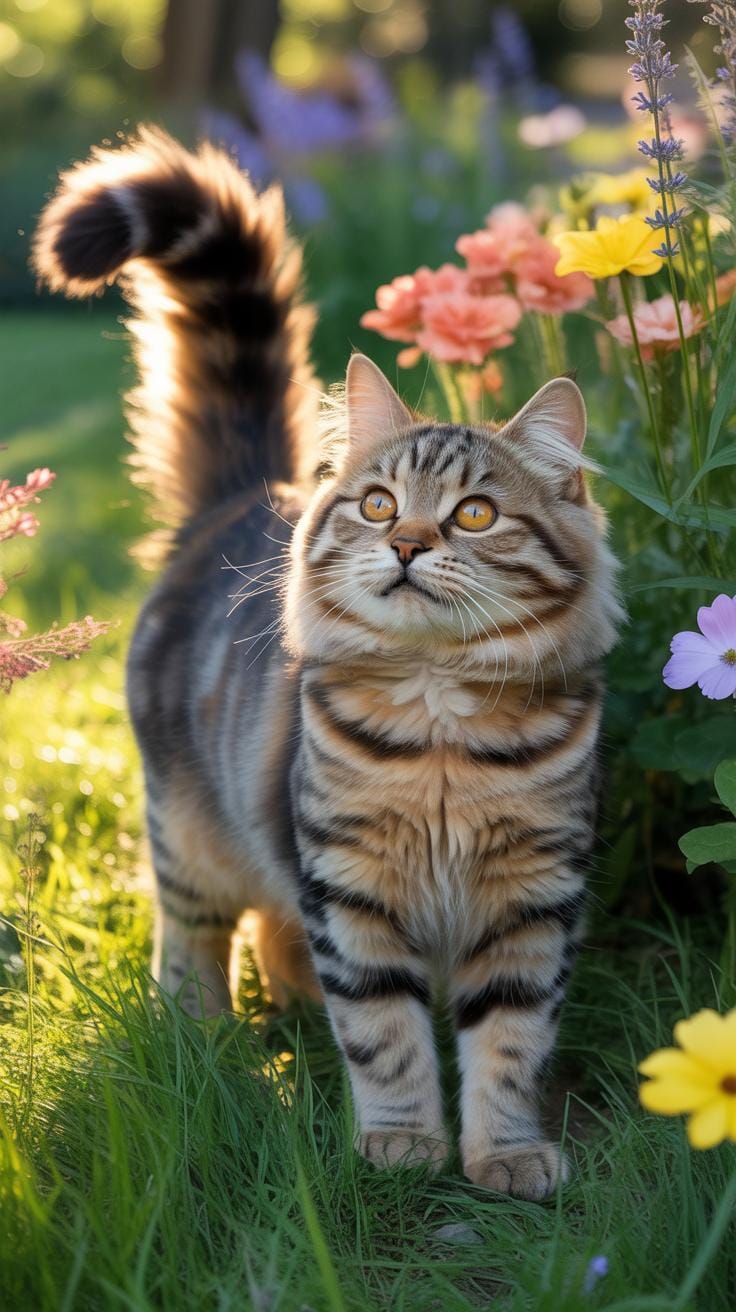
A Straight Up Tail As A Sign Of A Happy, Confident Cat
A vertical tail signals high confidence and social openness. This posture exposes the cat’s anal glands to the environment without hesitation. It serves as a visual invitation for interaction. Cats use this vertical alignment to show they feel secure in their current territory. It conveys a friendly intent toward humans or other known animals. You should view this as a green light for engagement.
This physical signal remains one of the most reliable indicators of a positive emotional state. The cat stands tall and moves with purpose. It does not feel the need to hide or protect its rear. This behavior often appears when you return home or during meal times. It confirms the cat views you as a non-threatening member of its social group. Use this moment for bonding or play.
The Hooked Or Question Mark Tip And What It Signals
A curved tip on an upright tail modifies the message from general confidence to active friendliness. Experts often call this the question mark tail. It indicates the cat is in a playful or inquisitive mood. This specific curve shows the cat wants your attention right now. It is a tactical signal for social connection. The cat is ready for physical contact or a shared activity.

The slight bend at the top distinguishes a casual greeting from an enthusiastic invitation. It displays a relaxed muscular state throughout the appendage. This shape suggests the cat is comfortable enough to express curiosity. You will often see this when the cat approaches you for head rubs. It is a clear sign of a well-adjusted animal. Respect this signal by offering a calm and positive verbal or physical response.
The Low Or Tucked Tail Reading Cat Behavior And Anxiety Signals
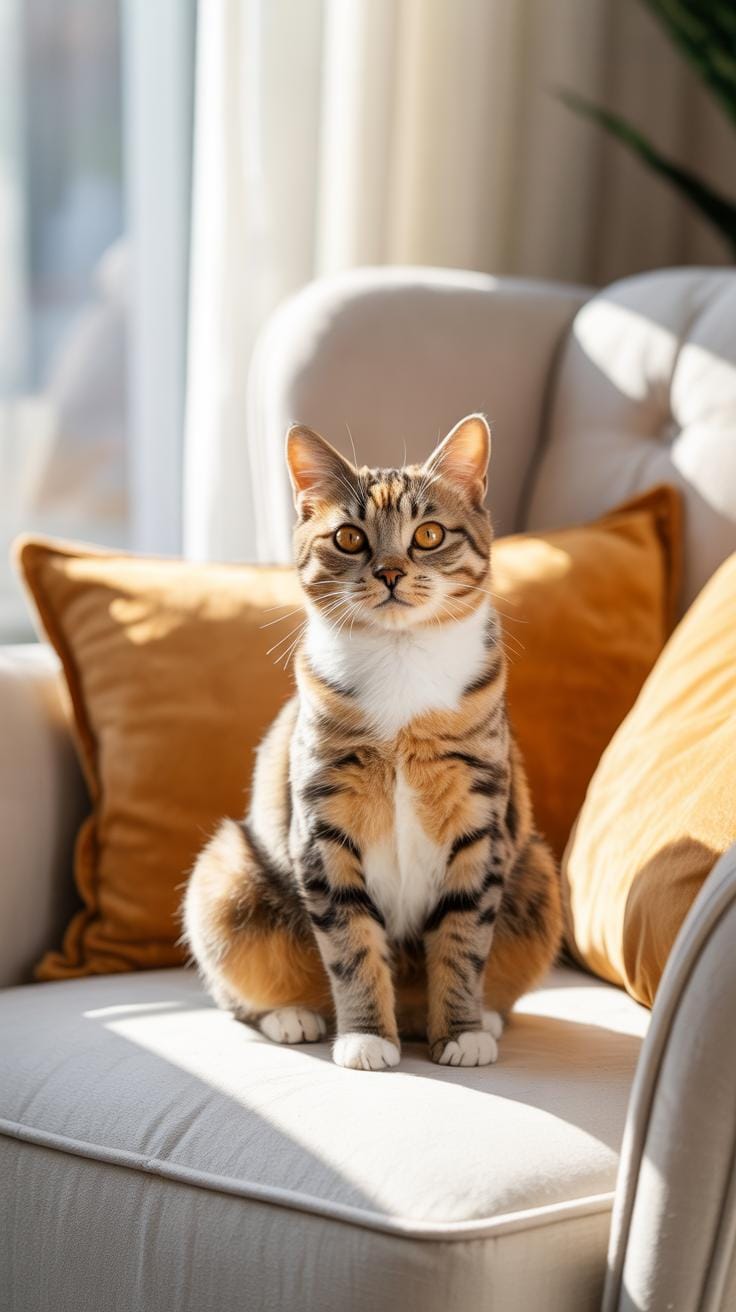
What A Lowered Tail Tells You About Fear Or Submission
A tail held below the level of the back indicates a drop in confidence. Cats use this posture to signal growing uncertainty or minor stress. They are not yet in full flight mode but are assessing potential threats. This position helps the cat appear smaller to avoid conflict. Watch the tip of the tail for twitching movement which signals increasing agitation.
Lowering the tail often precedes total submission or defensive aggression. It is a tactical retreat in the animal social hierarchy. Domestic cats retain these instincts from their wild ancestors to survive encounters with larger predators. If the tail drops while you approach, stop moving immediately. Give the cat space to regain its composure. Forcing interaction now will likely lead to a bite or scratch.
Tucked Tails And When Cat Care Attention May Be Needed
A tail clamped tightly between the hind legs signals extreme fear or severe pain. This position protects the vulnerable underbelly and groin area from an expected attack. The cat is emotionally overwhelmed and feels trapped in its environment. This is the feline version of a white flag. It indicates the animal has reached its psychological limit and requires an immediate safe zone.

Persistent tail tucking without a clear external threat points to medical issues. Cats hide physical pain as a survival mechanism. An injured tail or spinal discomfort often causes this rigid downward carriage. Monitor for other signs like hiding or loss of appetite. If the tail stays tucked for more than twenty four hours, consult a veterinarian. Professional intervention is necessary to rule out trauma or illness.
The Puffed Up Tail Position Meaning Behind A Bristled Cat Tail
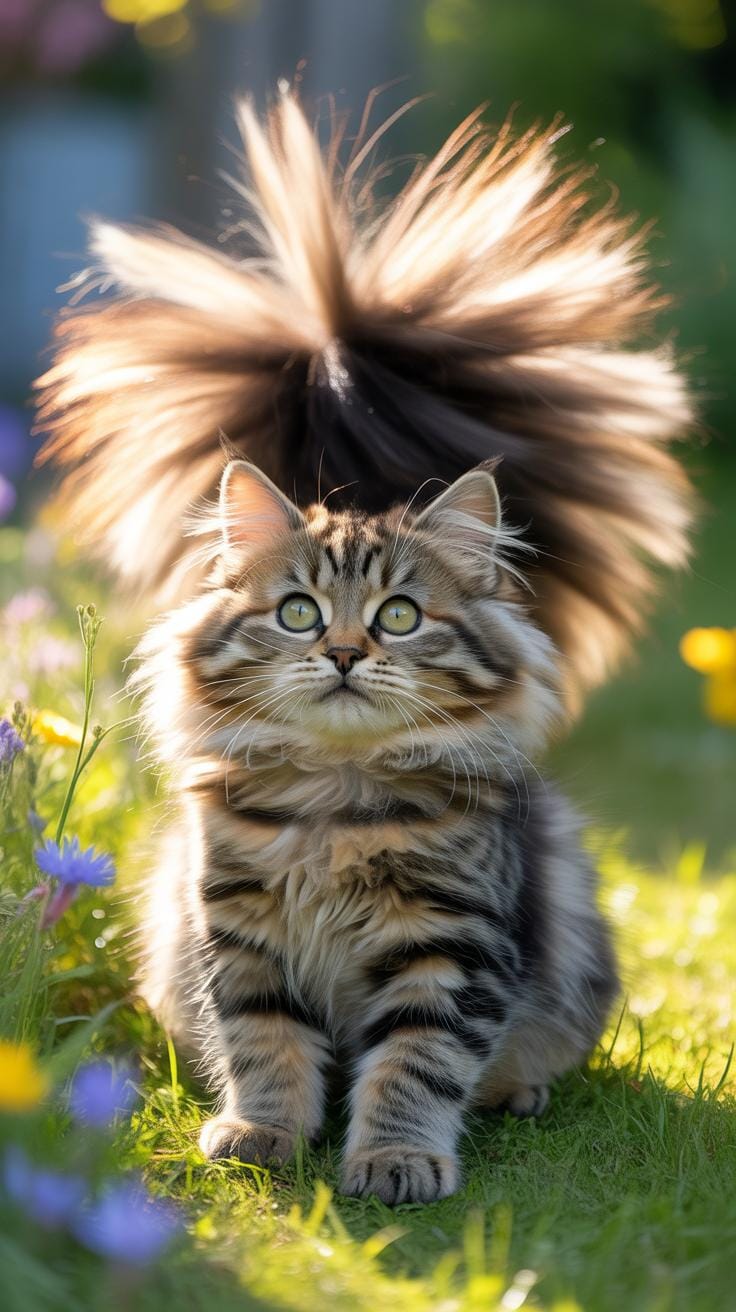
Why Cats Puff Their Tails And What Triggers This Response
A cat puffs its tail through a process called piloerection. This involuntary physiological response occurs when the sympathetic nervous system triggers small muscles at the base of hair follicles. These muscles contract and force the fur to stand upright. This reaction serves a single tactical purpose in the wild. It makes the cat look larger and more intimidating to potential predators or rivals.
External threats usually trigger this bristling action. Sudden loud noises, the scent of a strange animal, or a direct visual confrontation cause the cat to react. The puffed tail often accompanies an arched back and a sideways stance. This combination maximizes the cat’s profile. It is a defensive mechanism designed to prevent a physical fight by showing the opponent that the cat is a formidable target.
Differentiating Fear Based Puffing From Playful Excitement
You must look at the rest of the body to distinguish fear from play. Fear-based puffing includes flattened ears, hissing, and dilated pupils. The cat may tuck its tail between its legs or puff it out while retreating. In this state, the cat feels genuine stress. High cortisol levels drive this behavior. You should avoid touching a fearful cat. They may bite or scratch to protect themselves.

Playful puffing occurs during high-energy activities. Kittens often puff their tails while pouncing or running across a room. This is “piloerection in play.” The cat’s ears remain forward or neutral. They do not show signs of aggression like growling. This response indicates the cat is overstimulated but not threatened. Movement is bouncy rather than stiff. Recognizing these cues helps you manage the intensity of the play session effectively.
The Slowly Swaying Tail Unpacking Cat Tail Language Meaning
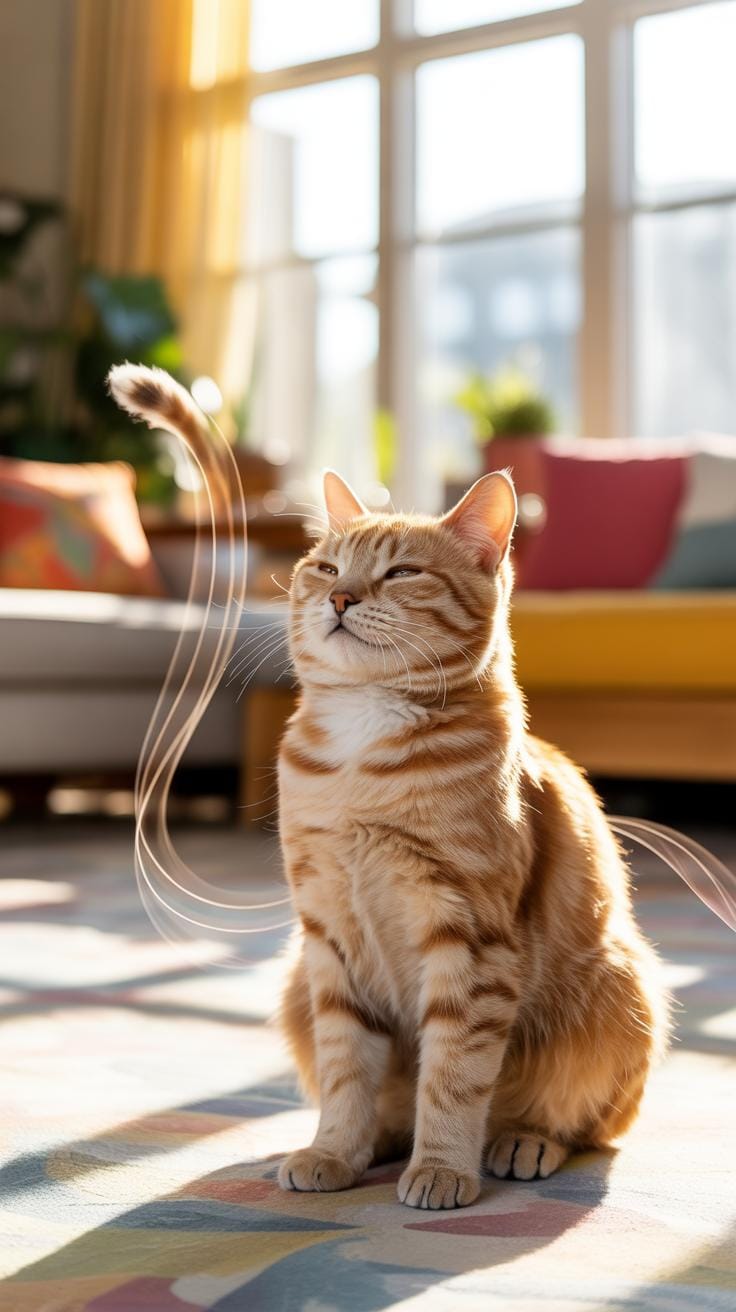
Slow Tail Swaying As A Sign Of Focus Or Mild Irritation
A slow side-to-side tail motion often signals intense feline concentration. You will see this during predatory stalking or when a cat tracks a moving object. The movement helps the cat maintain balance while preparing for a physical strike. This rhythmic motion indicates the brain is processing external data. Do not interfere during this stage because the cat is mentally busy.
If no prey is present, this slow sway shifts meaning toward mild annoyance. The cat is evaluating its environment and deciding its next move. This movement serves as a precursor to more aggressive signals if the source of irritation continues. Observe the ears and eyes to confirm this emotional state. Stop any physical contact immediately if you see the tail begin to sweep the floor.
How To Tell The Difference Between A Relaxed Sway And An Agitated Flick
Distinguishing between relaxation and agitation requires looking at the speed and muscle tension. A relaxed sway is fluid and loose. The tail moves like a pendulum without jerky stops. This indicates a cat is comfortable but remains aware of its surroundings. The motion remains steady and does not escalate in intensity. It is a baseline state for many resting cats.

An agitated flick is sharp and unpredictable. The tail tip or the entire length will thud against the ground or furniture. This signals high arousal or growing anger. Muscles in the tail base appear tight rather than flexible. If the speed increases, the cat is close to a reactive outburst. Identify these physical cues to avoid a bite or scratch. Actionable awareness prevents escalate conflicts.
The Wrapped Or Curled Tail Decoding Affectionate Cat Language Tail Signals
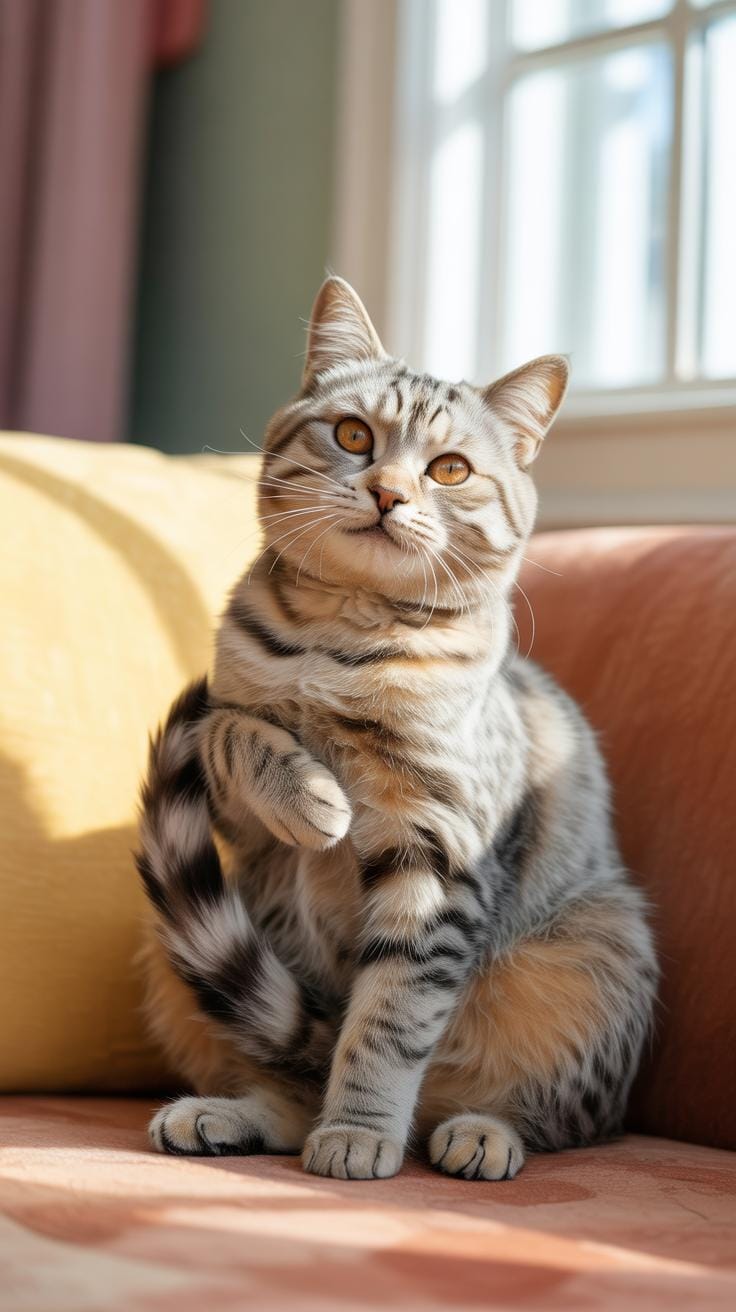
What It Means When A Cat Wraps Their Tail Around You Or Another Animal
A cat wrapping its tail around your leg or another animal is a physical act of scent marking. This behavior is known as tactile communication. It releases pheromones from glands located at the base of the tail. By doing this, the cat claims you as part of its social group. It signals a high level of trust and a desire for social bonding.
This gesture mimics the greetings seen in wild feline colonies. Cats in the wild wrap tails to reduce tension and maintain group harmony. When your cat performs this move, it is reinforcing your existing relationship. It shows the cat feels secure in your presence. This is a deliberate choice to interact. It is not an accidental touch. It serves as a clear social handshake.
A cat’s tail is the heartbeat of their soul made visible, waving a silent language of love that lingers in the memory long after they have left your lap.
The Curled Sleeping Tail And What It Says About Comfort And Safety
A cat sleeping with its tail curled tightly around its body is prioritizing heat retention. This position protects the vital organs and keeps the extremities warm. It is a biological survival mechanism inherited from wild ancestors. This posture also serves as a defensive shield. It covers the soft belly and face from potential threats. It indicates the cat is seeking maximum security.

When the tail is loosely curled, the cat feels safe in its environment. A tight tuck suggests the cat might be cold or slightly guarded. Observe the tension in the tail muscles to gauge the mood. A relaxed curl means the cat can rest deeply without fear. This position allows the feline to preserve its energy efficiently. It reflects a state of total environmental control.
Fascinating Cat Facts About Tail Anatomy And Movement
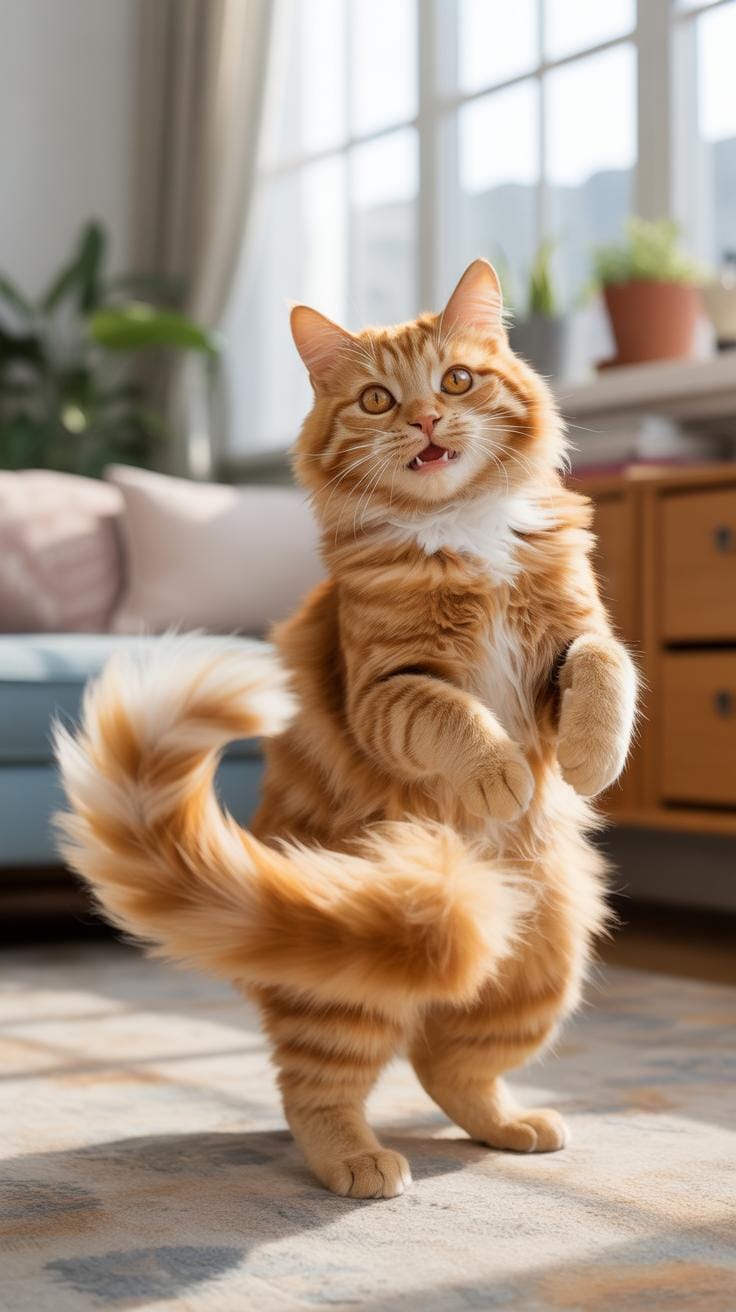
The Anatomy Behind The Tail: Vertebrae, Muscles, And Nerves
A cat tail contains 18 to 23 caudal vertebrae. These bones decrease in size from the base to the tip. Strong muscles align along the spine to control precise movements. These muscles allow the cat to lift, wag, or curl the tail instantly. Voluntary control over these muscles makes the tail a primary tool for physical balance and social signaling.
The tail functions as an extension of the spinal cord. It houses crucial nerves that manage bowel control and hind limb movement. Injury to the tail base often leads to permanent nerve damage. This area connects directly to the sacrum. Cats use this complex structure to shift their center of gravity while running or jumping. It acts as a necessary counterweight for survival.
Quick Reference Guide To Common Cat Tail Positions And Their Meanings
Reading cat tail positions meaning requires observing the height and motion of the appendage. The tail reveals the internal emotional state before the cat acts. High positions generally indicate confidence or a desire for interaction. Lower positions suggest fear, submission, or impending aggression. You must view these physical signals as a reliable data set for predicting feline behavior in real time.
- Vertical Straight Up: This position signals high confidence and a friendly greeting. The cat feels secure in its environment and is open to social interaction or physical touch. It is a clear green light for owners to engage with the animal.
- Question Mark Hook: A vertical tail with a curved tip indicates playfulness and curiosity. The cat is in an inquisitive mood and likely wants to explore or hunt. This specific shape serves as an invitation for human or feline play.
- Low Tucked Tail: The cat pulls its tail between its legs to signal extreme fear or submission. This position protects the vulnerable belly and indicates the cat feels threatened. It is a defensive posture used to minimize the animal’s physical profile.
- Rapid Whipping Motion: High-intensity side-to-side lashing means the cat is agitated or angry. This is a clear warning to back away immediately. Unlike dogs, a fast-moving tail in a cat indicates significant emotional distress and potential for a physical strike.
- Puffed Or Bristled: This occurs when the cat stands its tail hairs on end to appear larger to enemies. It indicates a flight-or-fight response triggered by a perceived threat. The cat is terrified and may lash out to defend its territory or life.

Context determines the final interpretation of these signals. Always look at the surrounding environment to confirm why the tail is moving. A twitching tip during a nap indicates a different state than a twitching tip while stalking prey. Successful communication depends on your ability to map these movements to the specific situation. Consistent observation leads to accurate behavioral forecasting.
Practical Cat Care Tips For Responding To Your Cats Tail Signals
How To Adjust Your Behavior Based On What Your Cats Tail Is Saying
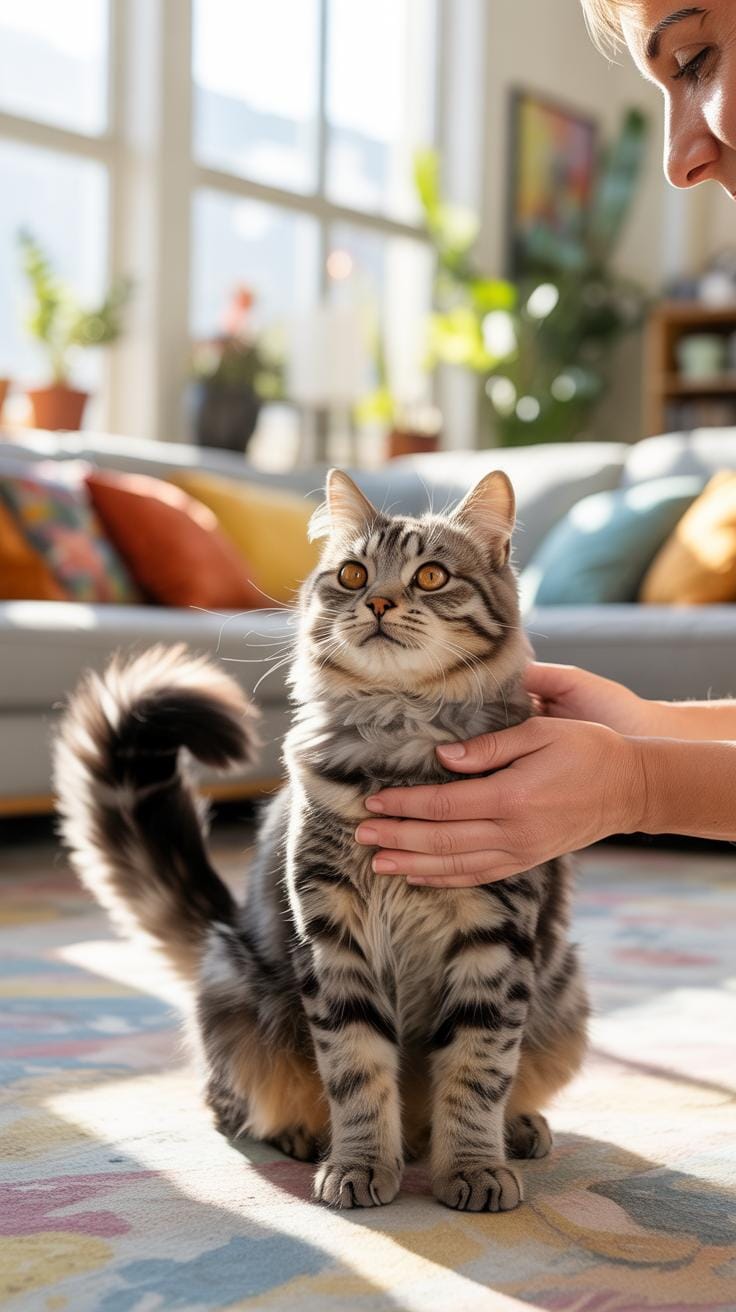
Watch the tail height to determine immediate interaction safety. A high, vertical tail indicates a friendly state and invites physical contact. You should approach with confidence when the tail forms a hook at the top. This signal shows the cat is relaxed and ready for social engagement. Use this time for grooming or play. Do not force interaction if the tail is horizontal or lower.
React instantly to rapid twitching or lashing. These movements signal high arousal or predatory aggression. Stop all petting if you see a rhythmic thumping against the floor. This behavior precedes a bite or scratch. Give the cat physical space to prevent an escalation of stress. Do not attempt to soothe an angry cat with touch. Let the cat move to a neutral area alone.
Actionable Tips To Strengthen Your Bond Using Tail Signal Awareness
Tail signals provide a direct map of feline comfort and trust. Use these indicators to time your training sessions and affection. If you observe the tail wrapped around your leg, the cat is claiming you as a social partner. Respect this gesture by remaining still or offering a brief scratch. Consistency in your response builds deep long term trust with your animal.
- Vertical Greeting: Respond to a high, upright tail by offering your hand for sniffing. This reinforces the positive social bond. It mimics natural feline greeting rituals seen in stable colonies.
- The Slow Blink: Combine tail observation with ocular signals. If the tail is relaxed, use a slow blink to lower the cat’s heart rate. This double layer of communication settles the nervous system quickly.
- Respectful Retreat: Pull back immediately when the tail begins to flick or twitch. Demonstrating that you understand their boundaries prevents fear based aggression. It proves you are a predictable and safe social partner.
- Play Stimulation: Watch for the tail puffing or lashing during toy sessions. High tail movement means the cat is fully engaged in the hunt. Keep the toy moving to satisfy their natural predatory instincts and drive.
- Quiet Observation: Monitor the tail while the cat rests. A twitching tip during sleep indicates a dream state or sensitivity to sound. Avoid touching the cat during this period to prevent a startled defensive response.

Mastering these visual cues transforms your relationship from guesswork to strategy. Your cat will feel more secure when you respond to its silent language. This reduces household stress and prevents avoidable injuries. Focus on reading the base of the tail for the most accurate emotional reading. Dedicated observation leads to a more cohesive and peaceful environment for both species.
Frequently Asked Questions

What are the most common signs to look for when observing my cat’s tail?
Understanding your feline friend begins with observing the height and movement of their tail. A high, upright tail usually signals confidence and a friendly greeting, while a tucked tail suggests fear or submission. By focusing on these vertical shifts, you can start mastering the art of reading cat tail positions meaning. This simple observation helps you provide a more comfortable environment that respects your pet’s current emotional state and boundaries.
How can I accurately tell the difference between a happy wag and an angry one?
Unlike dogs, a wagging tail in cats often indicates overstimulation or frustration rather than pure joy. To get better at reading cat tail positions meaning, look for the speed and rhythm. A slow, gentle swish often means they are focused or curious. However, if the tail is thrashing wildly or thumping against the floor, your cat is likely feeling aggravated and needs some space to calm down immediately.
Do I need to buy any special guides or tools to understand my cat’s body language?
Not at all! Learning to communicate with your pet is a completely free process that only requires your time and patience. You do not need expensive apps or books to decode their behavior. Simply spending quiet moments observing your cat in different scenarios—such as during mealtime or play—will help you naturally learn their unique cues. It is the most accessible way to strengthen your bond without spending a dime.