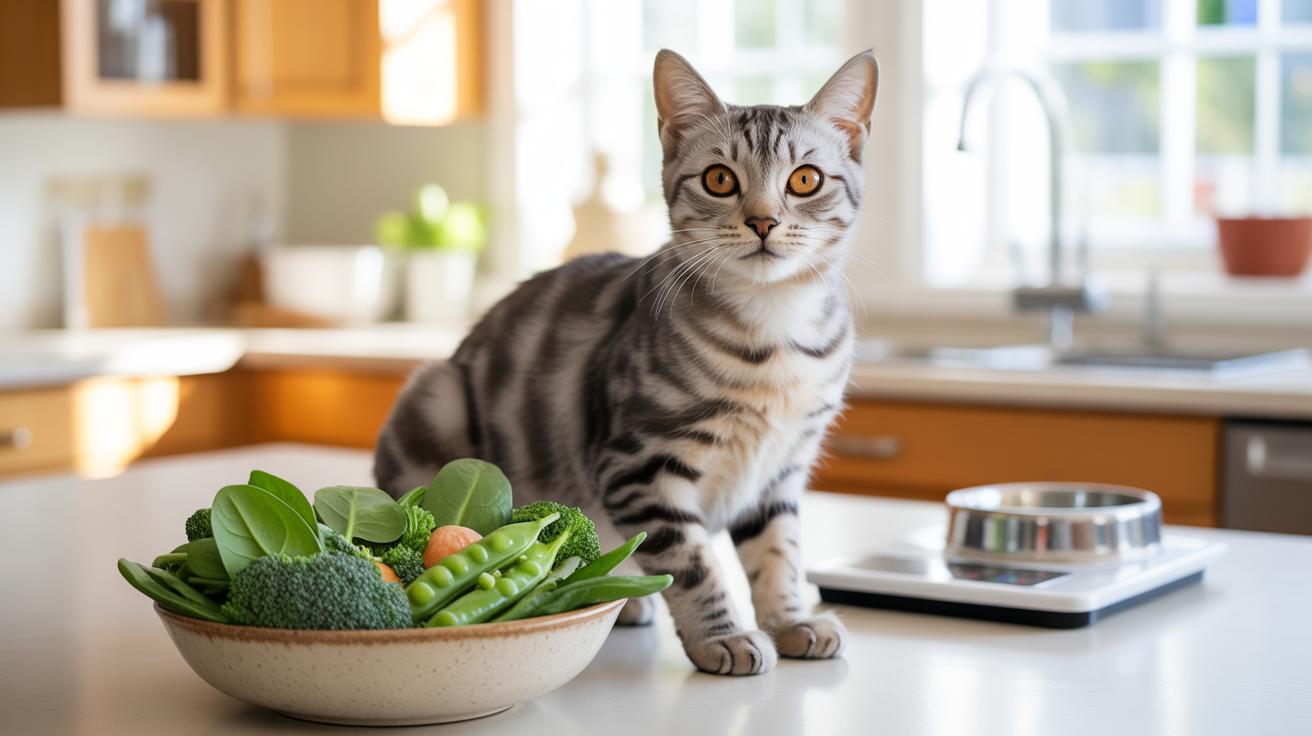
Understanding The Cat Weight Chart And What It Means For Your Pet

How To Read A Standard Cat Weight Chart By Breed And Age
Standard charts categorize cats by Body Condition Score rather than simple pounds. Most breeds reach adult weight by twelve months of age. You must evaluate the frame size of your specific cat to find the baseline. Domestic shorthairs typically average eight to ten pounds. Larger breeds like Maine Coons often weigh fifteen pounds or more. Use these figures as the starting point for your assessment.
Check the alignment of the ribs and the waistline from a bird’s eye view. Age affects muscle mass and fat distribution significantly. Senior cats often lose muscle while kittens gain weight rapidly during growth spurts. Do not compare a growing kitten to a mature adult chart. Match the age bracket and breed type to the specific column on the chart. This ensures your data points are relevant.
What The Numbers Actually Tell You About Your Cat’S Health
Weight numbers serve as a primary indicator for internal metabolic health. Excess fat leads to chronic inflammation and increased stress on joints. A cat only ten percent over its ideal weight faces higher risks of feline diabetes. Monitoring these numbers allows you to catch systemic issues before they become permanent. Constant tracking provides a roadmap for necessary caloric adjustments. Use a digital scale for accuracy.
High numbers on the scale often signal deep visceral fat around vital organs. This fat produces hormones that disrupt normal bodily functions. If the ribs are not palpable under a thin layer of fat, the cat is overweight. Sudden changes in these numbers warrant immediate medical investigation. Stable weight indicates a caloric balance that matches the energy expenditure of your pet. Use these metrics to drive your feeding strategy.

Using A Cat Body Weight Chart To Assess Your CatS Current Condition

The Body Condition Score System Explained For Cat Owners
Veterinary professionals use the Body Condition Score system to evaluate fat coverage rather than just total pounds. This tool typically uses a scale from one to nine. A score of one signifies extreme malnutrition while a score of nine indicates severe obesity. You want your cat to land at a five. This middle ground represents the ideal weight where the ribs are palpable but not visible.
Modern medicine relies on this system because scale numbers do not account for muscle mass or bone structure variations. A large breed cat and a small breed cat cannot share a target weight. The scoring system fixes this issue by focusing on physical proportions and fat distribution. It provides a standardized language for clinicians and owners to track progress during a diet. Use this metric to set your baseline today.
Every small step toward a trimmer waistline is an act of love that ensures more sun-drenched afternoons together for years to come. By helping them stay light on their paws, we honor the playful spirit that has always filled our homes with joy.
How To Physically Check Your Cat’S Body Condition At Home
Start by placing both hands on your cat’s ribcage. Apply light pressure and move your fingers back and forth. You should feel the ribs easily beneath a thin layer of fat. If you must poke hard to find the bone, your cat is overweight. If the ribs look like they are sticking out through the skin, the cat is underweight. This tactile test provides immediate and accurate data.

Next, view your cat from above and from the side. Look for a visible waistline behind the ribs when viewed from the top. A healthy cat has a tucked abdomen when viewed from the side profile. If the stomach hangs low or the waist is wider than the chest, the cat is carrying excess fat. Document these findings in a log. Perform this check every two weeks to monitor fat loss.
The Cat Health Weight Guide Recognising When Your Cat Is Overweight

Common Signs And Symptoms That Your Cat May Be Overweight
Visual assessments provide the first line of detection for feline obesity. A healthy cat has a visible waistline when viewed from above. Overweight cats lose this hourglass shape and appear oval or round. You should feel the ribs easily under a thin layer of fat. If you must press hard to find the ribs, the cat carries too much subcutaneous fat.
Physical behavioral changes also signal weight issues. Excess weight limits a cat’s range of motion and stamina. You will notice your cat avoids jumping onto high surfaces or struggles to climb stairs. Grooming habits often decline because the cat cannot reach its back or hindquarters. Look for matted fur or skin flakes in these hard to reach areas as definitive evidence of obesity.
Health Risks Linked To Obesity In Cats Including Diabetes And Joint Disease
Obesity creates a state of chronic inflammation that triggers severe metabolic diseases. Type 2 diabetes is a primary risk because fat cells interfere with insulin processing. Overweight cats are significantly more likely to require daily insulin injections to manage blood glucose levels. Excess weight also puts massive mechanical stress on the skeletal system. This accelerate the breakdown of cartilage and leads to painful osteoarthritis.

Internal organs face high pressure from visceral fat deposits. Hepatic lipidosis is a life threatening liver condition common in overweight cats that stop eating for even short periods. Carrying extra weight also impairs respiratory function and increases surgical risks during anesthesia. These complications shorten the lifespan of the animal. Managing weight is a tactical requirement to prevent systemic organ failure and maintain long term mobility.
Weight Chart For Cats How Much Should Your Cat Weigh

Healthy Weight Ranges For Popular Domestic Cat Breeds
Most domestic cats should weigh between eight and twelve pounds. This general range covers the standard domestic shorthair found in most homes. Larger frames require more mass to support skeletal health. Smaller frames suffer under the same weight. You must evaluate the cat based on its specific frame size rather than a single universal number. Breed standards provide the essential baseline for these measurements.
Specific breeds vary significantly from the domestic average. A healthy Persian often weighs between seven and twelve pounds. Large breeds like the Maine Coon can safely weigh up to twenty five pounds without being obese. Conversely, a Siamese cat should stay lean at six to ten pounds. You must identify the breed or dominant heritage of your cat to set an accurate and safe goal weight.
Why Age, Sex, And Neutering Status Affect Your Cat’S Ideal Weight
Metabolism fluctuates based on biological factors. Male cats generally possess larger frames and more muscle mass than females. This physiological difference means males carry more weight naturally. Age also dictates caloric needs. Kittens require high energy for growth while senior cats have slower metabolic rates. You cannot feed an older cat the same volume as a young adult without causing rapid and dangerous weight gain.

Neutering and spaying change the hormonal profile of a cat. These procedures reduce the metabolic rate by roughly twenty percent. Fixed cats require fewer calories to maintain their weight than intact cats. Hormonal shifts also increase appetite in many feline subjects. You must adjust daily food portions immediately following these surgeries. Consistent monitoring prevents the common post-procedure weight creep that leads to long-term obesity.
Cat Diet Advice What To Feed Your Cat For Safe And Steady Weight Loss
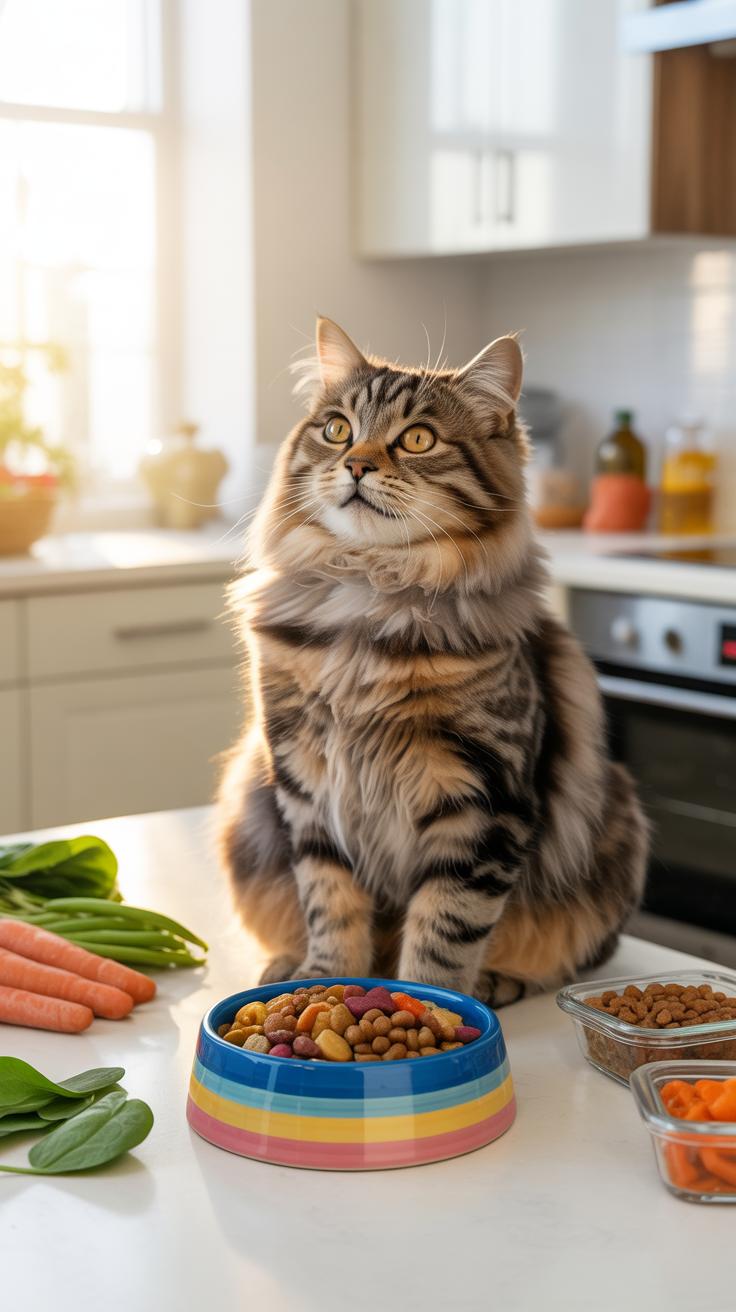
Choosing The Right Low Calorie Cat Food Without Sacrificing Nutrition
Weight loss requires a calorie deficit. However, you cannot simply feed less of a standard maintenance food. Cutting portions too drastically leads to malnutrition. Your cat needs high protein levels to protect muscle mass while burning body fat. Look for diets specifically formulated for weight management. These foods provide essential vitamins and minerals in a lower calorie density to ensure your cat stays healthy during the process.
Modern feline nutrition emphasizes the importance of wet food for weight loss. Canned food contains high water content and fewer carbohydrates than dry kibble. This moisture helps the cat feel full faster. Check labels for high-quality animal proteins like chicken or turkey. Avoid fillers like corn and soy that add empty calories. A meat-based diet mimics the natural biological needs of a carnivore and improves metabolic efficiency.
Portion Control And Meal Frequency Tips For Overweight Cats
Calculated portion sizes eliminate the guesswork that causes weight gain. You must measure every meal using a gram scale for total accuracy. Measuring cups are often imprecise and lead to overfeeding. Determine the daily caloric requirement based on your cat’s ideal body weight rather than their current weight. Consult a veterinarian to establish a safe daily calorie target to avoid hepatic lipidosis.
- Use a Digital Scale: Measuring by volume is inaccurate and leads to calorie creep. Use a gram scale to weigh every meal. This ensures your cat receives the exact amount of energy required for weight loss without any dangerous fluctuations.
- Divide Daily Rations: Small, frequent meals boost the metabolic rate and prevent hunger spikes. Divide the total daily food amount into four to six micro-meals. This schedule keeps the cat satisfied throughout the day and reduces begging behavior.
- Slow Down Consumption: Fast eaters often feel hungry immediately after finishing. Use puzzle feeders or licking mats to extend mealtime. Forcing the cat to work for food provides mental stimulation and allows the brain to register fullness before overconsumption occurs.
- Eliminate Free Feeding: Leaving a bowl of dry food out all day is a primary cause of obesity. Cats are opportunistic eaters and will graze out of boredom. Switch to scheduled meal times to regain control over every calorie your cat consumes.
- Account for Treats: Every treat must be subtracted from the total daily meal allowance. Treats should never exceed ten percent of daily calories. Use high-protein, single-ingredient treats like freeze-dried chicken to avoid adding unnecessary carbohydrates or fats to the diet.

Transitioning your cat to a new feeding schedule requires consistency and discipline. Stick to the plan even if the cat begs initially. Weight loss is a slow process that requires months of steady effort. Track progress by weighing your cat weekly on a digital scale. If the cat loses more than two percent of body weight per week, increase the food slightly to ensure a safe pace.
Cat Weight Management Tips To Keep The Pounds Off Long Term

Building An Exercise Routine That Fits Your Indoor Cat’S Lifestyle
Indoor cats require structured play to replace the physical demands of hunting. A sedentary lifestyle leads to muscle loss and fat gain. You must schedule two ten-minute sessions daily. Focus on aerobic movement that increases the heart rate. Use toys that mimic prey movement like birds or mice. Consistency matters more than intensity. Stick to a set time every single day.
Monitor your cat for signs of heavy breathing or fatigue during these sessions. Short bursts of high energy are natural for feline biology. Do not force an obese cat to jump or climb high distances immediately. Start with ground-level chasing to protect their joints. Gradually increase the vertical challenge as their weight drops. Expert strategy focuses on sustainable movement that prevents future injuries.
Environmental Enrichment Strategies That Encourage Natural Activity
Environmental enrichment forces your cat to work for their living space. You cannot rely on manual play alone to burn calories. Strategic placement of resources triggers the feline hunting instinct throughout the day. This reduces boredom eating and increases baseline metabolic rates. Use the vertical space in your home to create movement patterns. Make movement a requirement rather than a choice for the cat.
- Food Puzzles: Replace standard bowls with puzzles that require physical manipulation. This slows down ingestion and forces the cat to use their paws and brain. It mimics the effort needed to catch prey in the wild.
- Vertical Territory: Install cat trees or wall-mounted shelves to encourage climbing. Moving upwards burns more calories than horizontal walking. It also provides a sense of security and increases the total usable square footage of your living space.
- Scattered Feeding: Place small portions of kibble in different locations around the house. Force the cat to hunt for their meal. Use various floor levels to ensure they climb stairs or jump onto furniture to find their daily caloric intake.
- Visual Stimulation: Use window perches to give the cat a view of birds or prey. Visual triggers stimulate the mind and lead to physical tethering behaviors like tail twitching and chattering. This keeps the cat alert and prevents excessive daytime sleeping.
- Rotated Toys: Hide toys and bring them out on a rotating schedule to maintain novelty. Cats lose interest in stationary objects quickly. Fresh scents and shapes trigger investigative behaviors that keep them moving through the house while you are away.

Smart environmental design automates weight loss. You manage the surroundings so the cat manages their own activity levels. High-traffic paths and vertical obstacles turn a standard apartment into a gym. This prevents the weight from returning once the initial diet ends. Long term success depends on these permanent structural changes. Maintain these habits to ensure the cat remains lean and healthy for life.
Cat Care During A Weight Loss Plan Monitoring Progress Safely
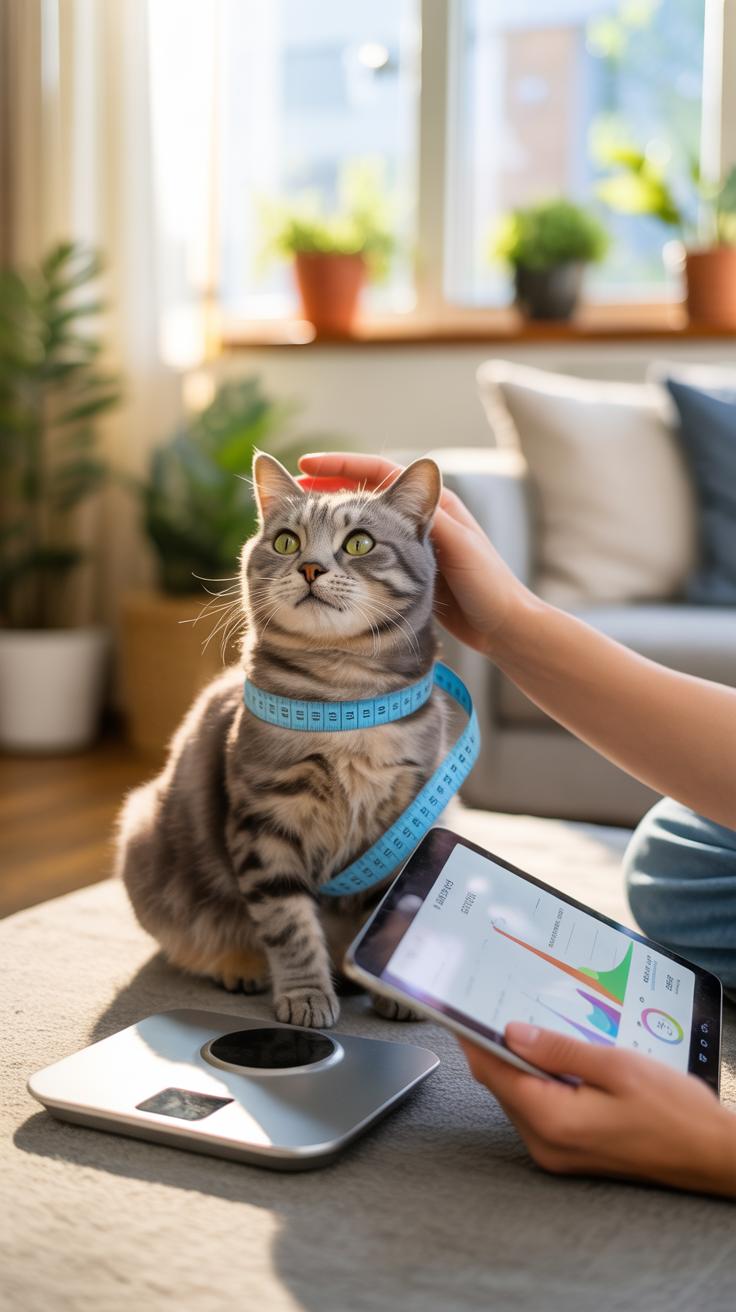
How Often To Weigh Your Cat And Track Their Progress
Weigh your cat once every week on the same day. Use a digital baby scale for accuracy since standard human scales fail to track small shifts. Rapid weight loss is dangerous for felines. You must target a loss of one to two percent of total body weight per week. Tracking these numbers reveals if the current caloric deficit works or requires immediate adjustment.
Keep a written log of every weigh-in to identify trends over time. Do not react to single-day fluctuations caused by water intake or litter box usage. Focus on the four-week average to confirm progress. Consistent data prevents overfeeding or accidental starvation. If the weight remains stagnant for three weeks, reduce daily calories by five percent and continue monitoring the weekly results.
When To Involve Your Veterinarian In Your Cat’S Weight Loss Journey
Contact your veterinarian if your cat stops eating for more than twenty-four hours. Cats’ livers cannot process body fat quickly. Fasting triggers hepatic lipidosis, which is often fatal without clinical intervention. A vet must also intervene if weight loss exceeds three percent of body weight in one week. High-speed weight loss indicates a potential underlying metabolic disorder rather than healthy fat reduction.

Schedule a professional consultation if you notice extreme lethargy or muscle wasting. A strategist knows that losing muscle is a failure of the nutrition plan. Your vet will perform blood work to check organ function and ensure the diet is not causing internal stress. Frequent professional check-ups every six months provide a safety net. These visits confirm that the cat maintains a healthy body condition score.
How To Help Cat Gain Weight Understanding The Other Side Of The Scale

Signs That Your Cat May Be Underweight And Why It Happens
Visible ribs and a sharp spine indicate a cat is underweight. You should not see these bones from a distance. Feel the ribcage to check for a thin fat layer. If the bones feel prominent with no padding, the cat lacks muscle mass. Rapid weight loss often stems from underlying medical issues. Hyperthyroidism, diabetes, and kidney disease are common culprits in older cats.
Poor nutrition or high stress also cause weight drops. Cheap fillers in low quality food do not provide enough protein for muscle maintenance. Senior cats lose the ability to digest fats and proteins efficiently. Parasites like roundworms steal nutrients from the intestinal tract. Dental pain often stops cats from eating entirely. You must identify the root cause before starting any high calorie feeding plan.
Safe And Vet Approved Methods To Support Healthy Cat Weight Gain
Increasing calorie density is the primary tactic for weight gain. Switch the cat to a high protein canned food. Wet food is often more palatable and easier to digest than dry kibble. Warm the food slightly to enhance its scent. A strong smell triggers the feeding response in picky eaters. Smaller and more frequent meals reduce the strain on the digestive system.

Supplement the diet with vet-approved calorie boosters if needed. Add plain unseasoned boiled chicken or fish to increase protein intake. Monitor the cat for diarrhea or vomiting when introducing new foods. Rapid changes can upset the stomach. Track the weight weekly on a digital scale to ensure progress. Consistency is necessary to rebuild muscle without causing hepatic lipidosis from overfeeding too quickly.
Cat Weight Gain Vs Weight Loss Finding The Right Balance For Your Cat

How To Transition Your Cat Between Weight Goals Without Causing Stress
Transitioning your cat from a weight loss phase to a maintenance phase requires a controlled approach. Any sudden change in caloric intake can shock the metabolism or cause digestive upset. You must increase food portions slowly over several weeks. This gradual shift prevents the body from storing excess energy as fat. Monitor your cat for signs of hunger or irritability during this period.
Physical activity must remain a constant part of their daily routine during the transition. Do not stop exercise just because the cat reached its target weight. Consistent movement keeps the metabolic rate stable while you adjust the diet. Watch the body condition score every week to ensure weight does not creep back up. Accurate tracking allows you to make fast corrections before a small gain becomes a problem.
Setting Realistic Long Term Weight Goals With Your Vet’S Guidance
Long-term success depends on setting objective targets based on body condition scores rather than raw scale numbers. Your vet determines the ideal weight by assessing muscle mass and fat distribution. Aiming for a specific number without professional input can lead to malnutrition or muscle wasting. A healthy cat should have a visible waist and ribs that you can feel under a thin layer of fat.
Success is measured in months and years, not weeks. Rapid weight loss is dangerous for felines and can cause hepatic lipidosis. You must stick to a plan that sheds no more than one to two percent of body weight per week. Revisit the vet every six months to recalibrate the feeding plan as the cat ages. Consistent medical oversight ensures the diet supports organ health and long-term vitality.
Frequently Asked Questions

How can I tell if my cat is actually overweight?
Determining if your pet needs a cat weight loss guide starts with a simple “hand test.” You should be able to feel your cat’s ribs easily without pressing hard, and they should have a visible waistline when viewed from above. If their belly sags or you cannot feel their bone structure, they likely carry excess weight. Always consult a veterinarian to establish a healthy baseline before starting any new fitness regimen.
What are the best ways to encourage my indoor cat to exercise?
To help your cat slim down, aim for several short five-minute play sessions daily rather than one long workout. Use interactive toys like feather wands or laser pointers to mimic predatory behavior. This cat weight loss guide suggests incorporating vertical space, such as cat trees, to encourage climbing. Moving food bowls to different levels or using puzzle feeders can also turn mealtime into a physical activity that burns calories naturally.
Can I help my cat lose weight without buying expensive prescription food?
Absolutely. While prescription diets are helpful, you can achieve results using standard high-protein, low-carb canned food by practicing strict portion control. Avoid “free-feeding” and use a digital scale for precise measurements rather than a measuring cup. You can also skip pricey treats and replace them with small amounts of cat-safe vegetables like steamed green beans or zucchini, which provide a satisfying crunch and fiber without the extra calories or high costs.