What Is Cat Head Bunting Behavior A Cat Facts Primer
Defining Head Bunting: What It Looks Like And How To Recognize It
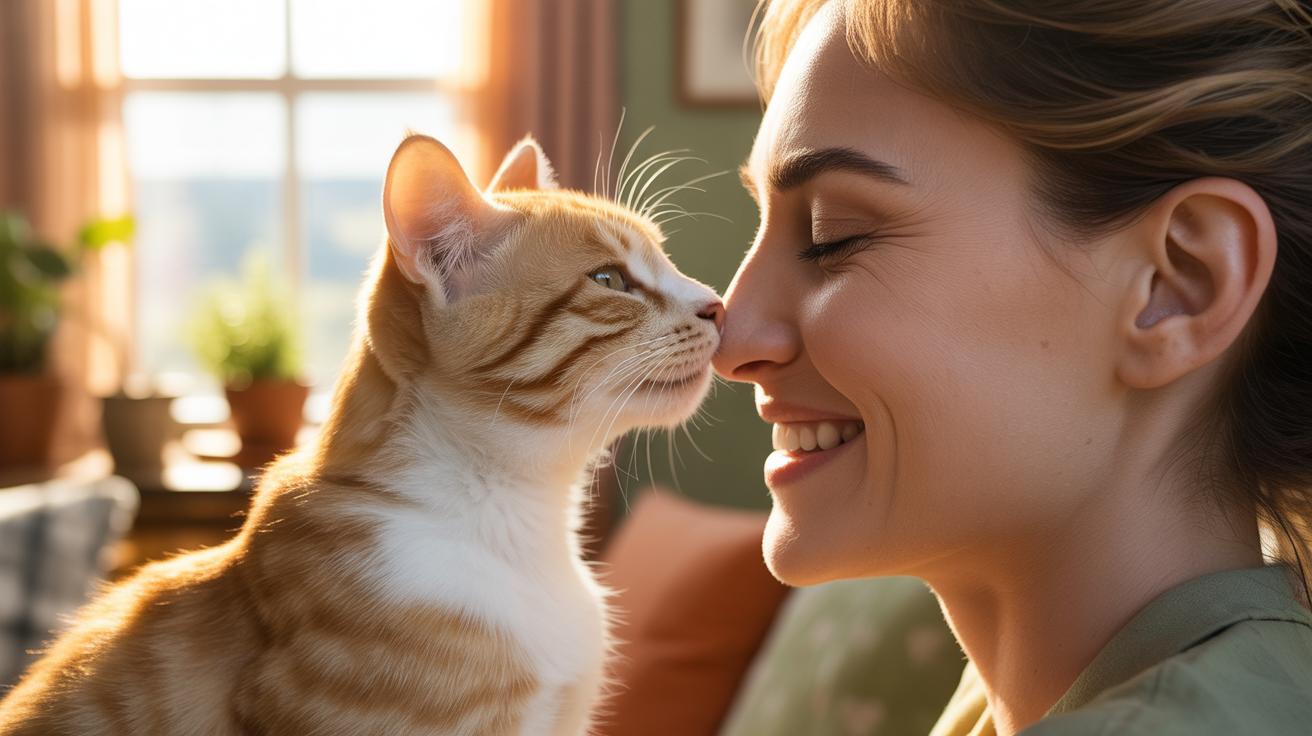
Cat head bunting behavior occurs when a cat presses its forehead or crown against an object or person. This tactical move involves force and intent. It differs from a casual touch. The cat usually arches its back and pushes forward with its legs to maximize contact. You will see this action mostly on your legs, arms, or face during social interactions.
Veterinarians and animal behaviorists call this behavior bunting. The primary goal is scent transfer. Cats have sebaceous glands located on their foreheads and temples. When they bunt, they deposit oily pheromones onto your surface. This marks you as a safe part of their social group. It is a calculated recognition signal. Recognition reduces stress and reinforces the cat’s sense of environmental security.
Head Bunting Vs. Head Rubbing: Is There A Difference?
Head bunting and head rubbing serve different tactical functions. Bunting uses the top or front of the head to push. It is a specific bonding ritual within a colony. Rubbing involves the cheeks, chin, and the length of the cat’s side. Rubbing spreads scent from the perioral glands located around the mouth. It covers more surface area than a bunt and often marks territory.
You must distinguish between the two to understand cat communication. Bunting is a high-level social greeting reserved for trusted allies. Rubbing is often a maintenance behavior used to claim inanimate objects or track movements. Both actions use pheromones but activate different gland sets. Knowing this helps you identify when your cat is seeking social connection versus when it is simply claiming its physical space.

The Science Of Cat Headbutting What Is Happening Inside Your Cats Head
Sebaceous Glands And Scent Marking: The Biology Behind The Bunt
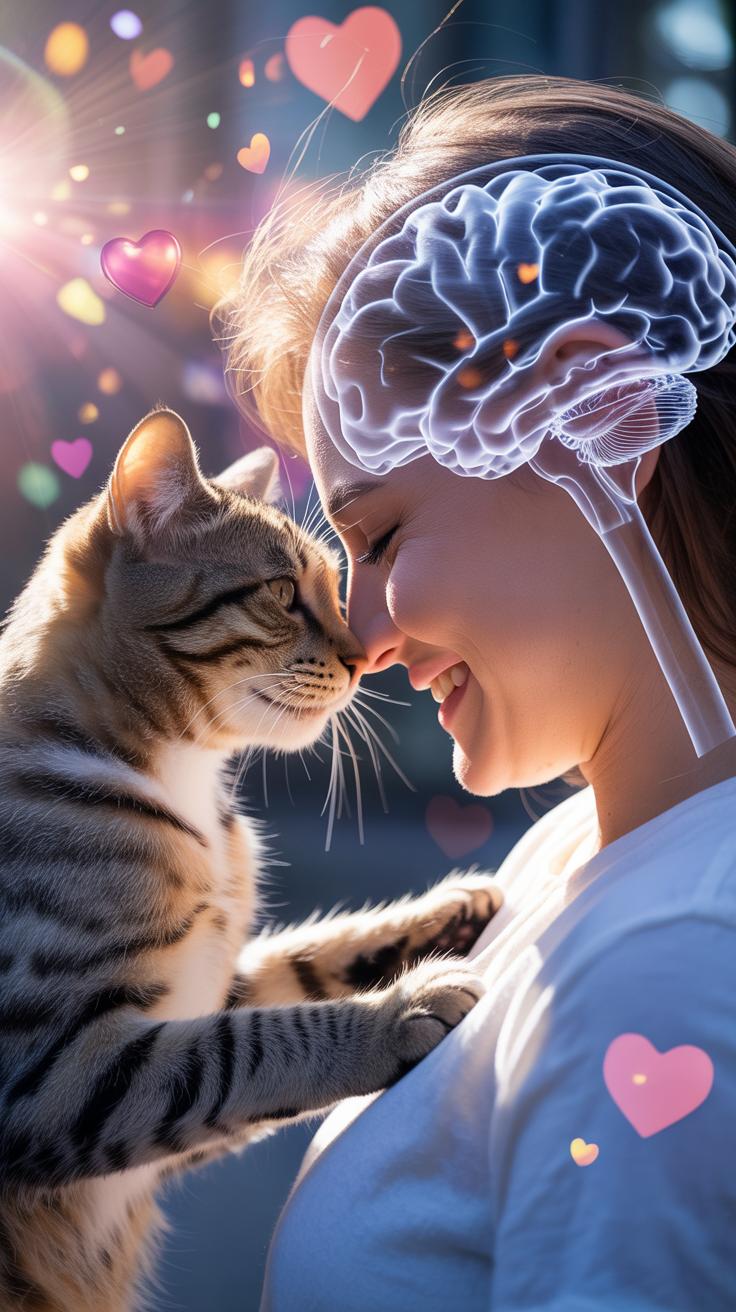
Cat head bunting is a chemical communication process. Sebaceous glands located on the face produce specific pheromones. These chemicals hold unique data about the cat. When a cat rubs against an object, it deposits these oils. This act serves as a biological signature. It marks territory and identifies familiar members of the social group. The process is deliberate and highly functional.
The primary function of this behavior is olfactory labeling. Cats live in a world defined by scent. By depositing pheromones, the cat creates a communal scent profile. This reduces stress within their environment. It signals that a person or object is safe. This is not just affection. It is a tactical method of mapping their surroundings. It ensures every item in their space is verified.
Why Cats Have Scent Glands On Their Forehead, Cheeks, And Chin
The concentration of glands on the head is a survival adaptation. Placing glands on the forehead and chin allows for easy marking during movement. Cats naturally lead with their heads when investigating new stimuli. This placement ensures they can mark targets with minimal effort. It is an efficient design for a predator. Evolution prioritized these locations for maximum contact during social and environmental interactions.

Each gland site serves a specific purpose in the feline social hierarchy. Chin and cheek glands often mark inanimate objects. Forehead glands are used more frequently with social partners. This creates a complex layering of chemical signals. When your cat bunts you, it uses specific glands to integrate you into its territory. This creates a secure sensory loop. It confirms you are part of their home range.
Cat Communication What Your Cat Is Trying To Tell You
Head Bunting As A Social Signal: How Cats Communicate Without Words
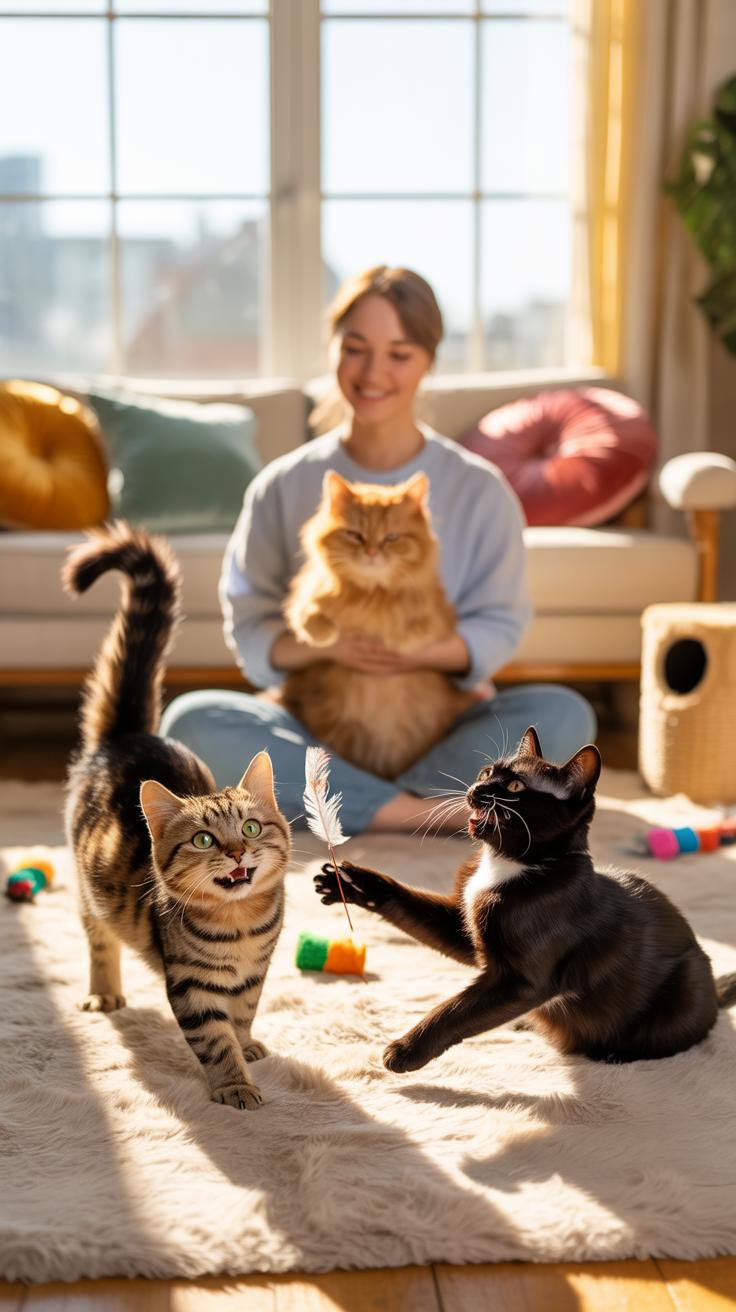
Head bunting serves as a primary tool for reinforcing social bonds in feline colonies. Cats use this behavior to create a communal scent among trusted group members. This process involves the transfer of lipids and pheromones from sebaceous glands located on the forehead and cheeks. By marking you, the cat integrates you into its safe social circle. This act signifies trust and belonging.
This behavior remains rooted in ancestral survival tactics. Social grooming and scent rubbing reduce friction within a group. It establishes a hierarchy without the need for physical aggression. When a cat bunts you, it is not asking for permission to lead. It is confirming that you are a reliable part of its environment. This tactical exchange of chemical information maintains peace and identifies allies quickly.
Reading The Full Picture: Body Language Signals That Accompany Head Bunting
You must observe the tail and ears to understand the full context of head bunting. A high, upright tail with a slight twitch shows a cat is confident and friendly. Relaxed ears facing forward indicate the cat feels secure in your presence. If the cat leans its body weight into you, the social bond is strong. Every physical movement serves a specific purpose.

Contrast these signals with defensive postures. A cat that bunts while keeping its tail tucked or ears flat is likely feeling stressed. These conflicting signals suggest the cat is trying to self-soothe by depositing familiar scents. Watch for slow blinking and purring to confirm a positive state. Accurate observation allows you to respond correctly to the cat’s needs. Misreading these signs leads to poor handling.
Is It Love What Cat Head Butting Really Means For Your Bond
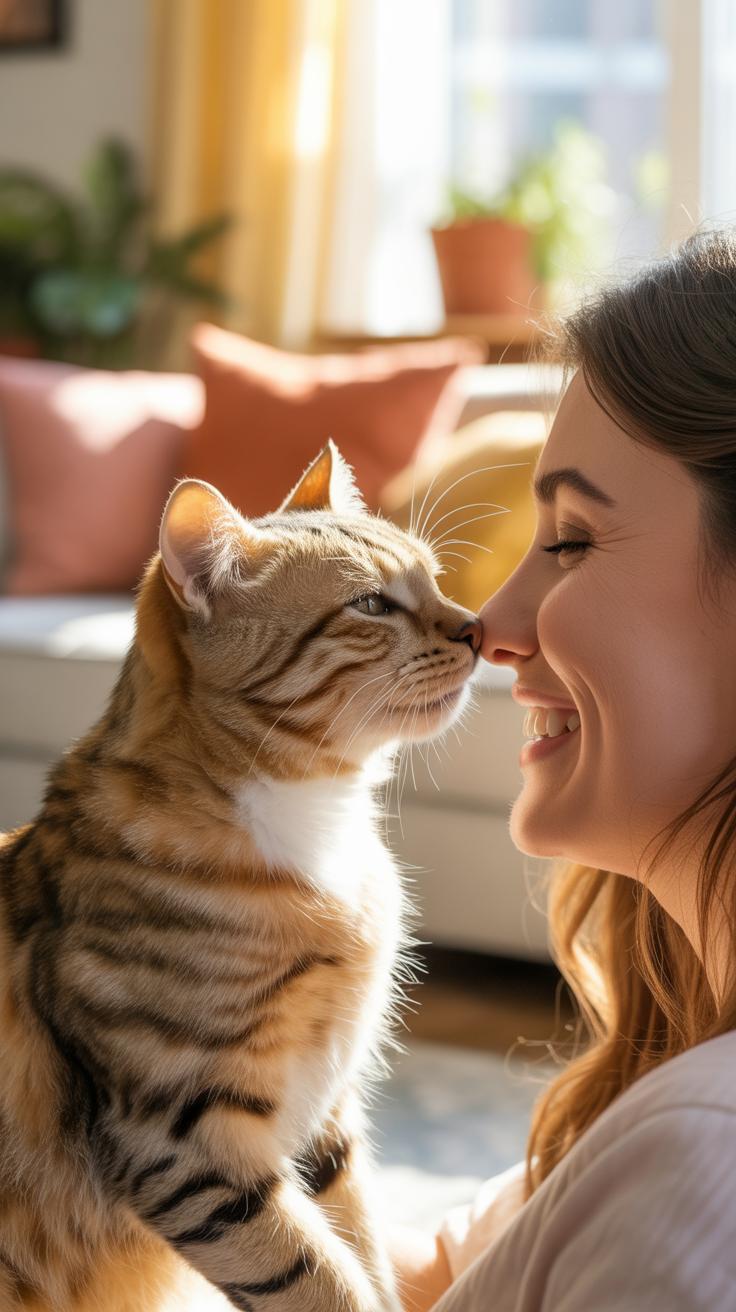
Affection, Trust, And Ownership: The Emotional Layers Of Head Bunting
Cat head bunting behavior serves as a primary social tool. It creates a shared scent profile within a group. Cats have sebaceous glands on their foreheads, lips, and cheeks. When a cat rubs these areas against you, it deposits pheromones. These chemical markers signal that you are a safe and trusted member of their colony. This act confirms that the animal feels secure in your presence.
Bunting is a clear sign of social bonding. In the wild, cats use this behavior to maintain peace and unit identity. By marking you, the cat claims you as part of its inner circle. It is not just about ownership. It is about establishing a common scent environment. This reduces stress for the cat. It proves the cat views you as a non-threatening and essential part of its world.
When Your Cat Bunts Only You: Why Cats Choose Specific People To Head Bunt
Cats select specific targets for bunting based on perceived status and comfort levels. They often choose the individual who provides the most consistent care or resources. This selection process is tactical. The cat identifies the person who understands its signals best. If a cat bunts only you, it recognizes you as the primary social partner. It uses scent to reinforce this specific and exclusive connection.

Preference for one person often stems from past positive interactions. Cats remember who respects their boundaries. They use head bunting to reward that trust. It is a deliberate choice to align their scent with yours. This behavior highlights a high level of confidence in the relationship. The cat deems you worthy of its pheromones. This distinguishes you from other residents or visitors in the home environment.
Cat Head Butting In The Wild How Big Cats And Domestic Cats Share This Trait
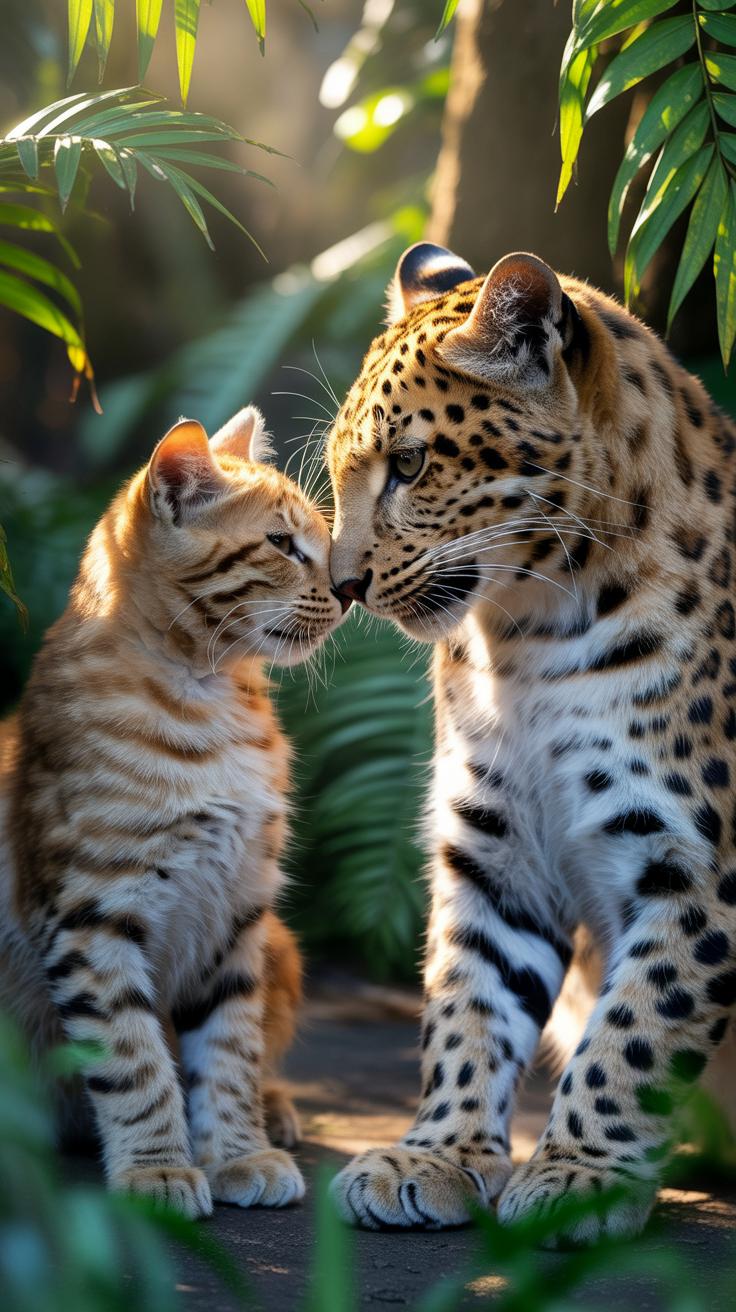
Head Bunting In Lions, Cheetahs, And Other Wild Felids
Lions display head bunting to reinforce pride hierarchy and social bonds. Dominant and subordinate members rub heads to exchange scent markers. This process creates a collective pride odor. This group scent helps members identify each other quickly in the wild. Felids use sebaceous glands on their forehead and cheeks to transfer these chemical signals. These signals communicate health status and reproductive readiness.
Cheetahs and leopards use head rubbing primarily for territorial marking and mating rituals. Solitary hunters rub their heads against trees or rocks to leave a physical and chemical footprint. This behavior warns rivals to stay away from the area. It also guides potential mates to their location. Scent marking through bunting functions as a passive communication system. It reduces the need for direct and dangerous physical confrontations.
What Domestic Cat Head Bunting Inherited From Wild Ancestors
Domestic cats retain the instinctual drive to create a common group scent. They view their human owners as part of their social colony. When a cat bunts your head, it deposits pheromones to claim you as safe. This behavior mirrors the pride bonding seen in wild lions. It serves as a tactical tool for social cohesion. The cat uses you to build a familiar olfactory environment.

The physical mechanics of bunting remain unchanged from wild feline ancestors. Domestic cats target exactly the same gland locations on their faces. They seek out prominent corners and surfaces to maximize scent transfer efficiency. Evolution preserved this trait because it stabilizes the group dynamic. It transforms an individual into a member of a shared territory. Your cat is performing a strategic biological ritual to ensure its own security.
Cat Language Decoded Other Ways Cats Use Scent To Communicate
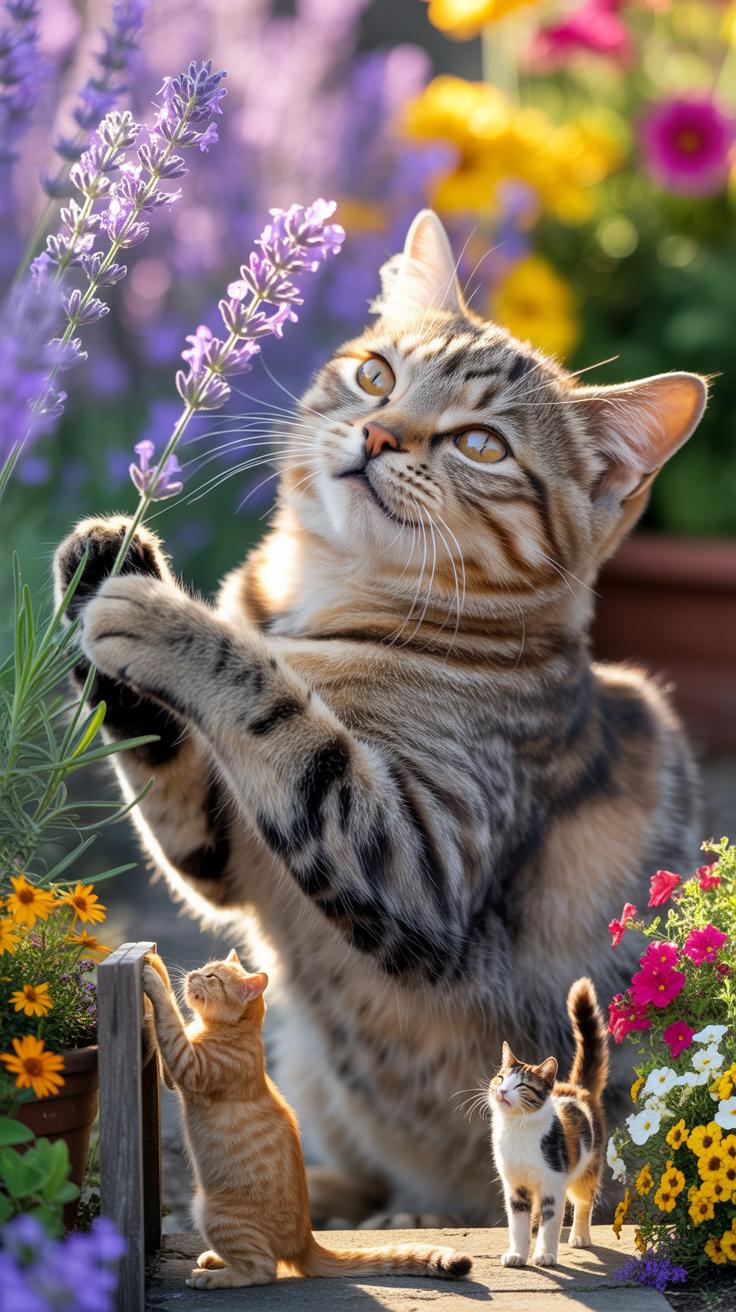
Beyond The Head Bunt: Cheek Rubbing, Chin Rubbing, And Bunting Objects
Cats possess sebaceous glands concentrated in specific facial areas. These glands sit around the mouth, chin, and base of the ears. When a cat rubs its cheek or chin against an object, it deposits complex chemical signals. This behavior differs from the head bunt because it targets inanimate boundaries. It marks the edges of their physical territory to ensure security.
Applying scent to furniture or corners serves as a tactical navigation tool. Cats create a scent map of their environment to identify safe zones. They use these markers to signal possession and comfort. This process helps the animal stay calm in its personal space. Cheek rubbing is a low intensity marking method compared to spraying. It provides a visual and olfactory signpost for the cat.
How Cats Build A Shared Scent Profile Within A Household
In multi cat environments, feline groups create a communal scent known as a group perfume. They achieve this through allorubbing, which involves cats rubbing their bodies against each other. This exchange of pheromones allows disparate individuals to recognize each other as friends. It reduces social tension and prevents internal conflict. This collective odor acts as a biological passkey for every member of the colony.

Humans become part of this scent profile when cats rub against them. The cat blends its personal odors with your skin signature to mark you as a safe ally. This behavior links the entire household through a shared chemical identity. Maintaining this common scent is vital for social cohesion. If a member loses the group scent, the others may react with sudden aggression or fear.
Cat Ages And Head Bunting Does Bunting Behavior Change Over A CatS Lifetime
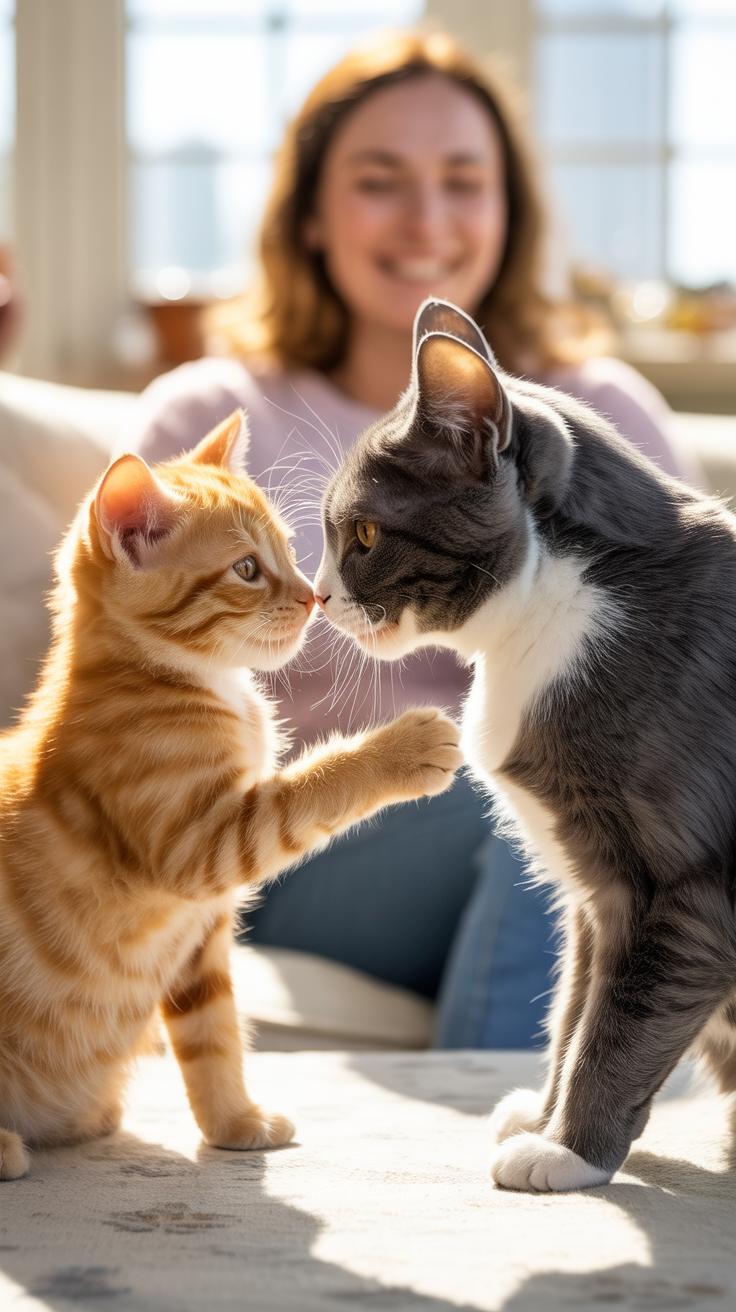
Kittens, Adult Cats, And Senior Cats: How Head Bunting Evolves With Age
Kittens begin head bunting as a tactile survival mechanism. Neonatal kittens rub against their mother and siblings to find warmth and milk. This early stage is more about physical orientation than complex social marking. As they grow, they learn to associate the act with comfort and safety. They mirror their mother’s behavior to establish their place within the feline family group.
Adult cats use head bunting as a precision tool for territory management. They possess fully developed scent glands on their cheeks and temples. An adult cat bunts to claim resources and reinforce social bonds with its owner. Senior cats may bunt more frequently to seek reassurance as their senses decline. They use scent marking to map a safe environment when their vision or hearing fails.
A cat’s head bunting is a silent seal of a lifelong friendship, a gentle claim that says you belong to them. It is the purest form of trust, reminding us that we are chosen and deeply loved.
Using The Cat Age Chart To Understand Your Cat’S Social Development Stage
The cat age chart correlates feline life stages with specific social milestones. During the junior stage, cats refine their bunting technique to test social boundaries. They learn which targets respond best to scent marking. This period marks the transition from simple physical contact to strategic communication. Owners must recognize this as the peak phase for establishing long term bonding habits through consistent interaction.

Mature and senior stages represent the maintenance phase of head bunting behavior. A cat in its prime use bunting to signal stability and confidence within the home. However, sudden changes in bunting frequency during the geriatric stage often signal health issues. If a senior cat stops bunting, it may indicate joint pain or cognitive dysfunction. Monitor these behavioral shifts to assess your cat’s current quality of life.
Cat Behavior Context When Head Bunting May Signal Something Other Than Affection
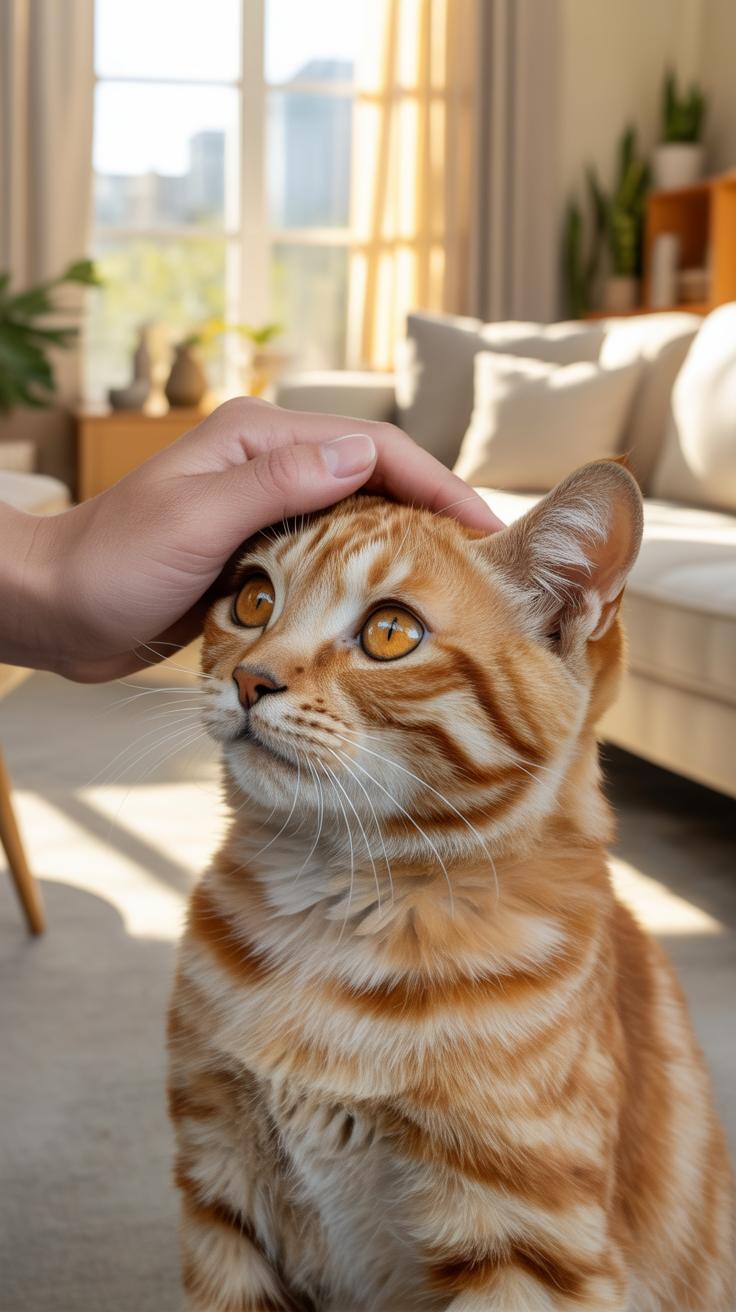
Attention Seeking, Hunger, Or Stress: Other Reasons Cats Head Bunt
Cats use head bunting to manipulate human behavior and secure resources. This action often serves as a tactical demand for food when the cat identifies a specific time or location associated with feeding. The animal learns that physical contact triggers a reliable human response. Owners often mistake this for love when it is actually a calculated method to end a state of hunger.
Stress also drives repetitive bunting behavior. A cat may rub against objects or people to flood its environment with familiar pheromones. This scent marking creates a sensory safety zone during environmental changes or household tension. If the frequency of bunting increases suddenly, analyze recent changes in the home layout or schedule. The cat is likely attempting to stabilize its own anxiety through scent reinforcement.
When To Be Concerned: Identifying Unusual Or Compulsive Head Pressing Behavior
You must distinguish between head bunting and head pressing. Bunting involves a rhythmic rubbing motion against a surface to deposit oils. Head pressing is the act of pushing the head firmly against a wall or corner for long periods without moving. This behavior indicates a serious neurological crisis. It often points to lead poisoning, brain tumors, or metabolic disorders like liver failure.

Consult a veterinarian immediately if the cat stops rubbing and starts pressing. Look for accompanying signs like disorientated walking, circling, or changes in vision. These symptoms confirm the behavior is medical rather than social. Rapid intervention is the only way to address the underlying pressure on the brain. Do not wait for the behavior to stop on its own because it signals internal physical damage.
How To Respond To Your CatS Head Bunting The Right Way
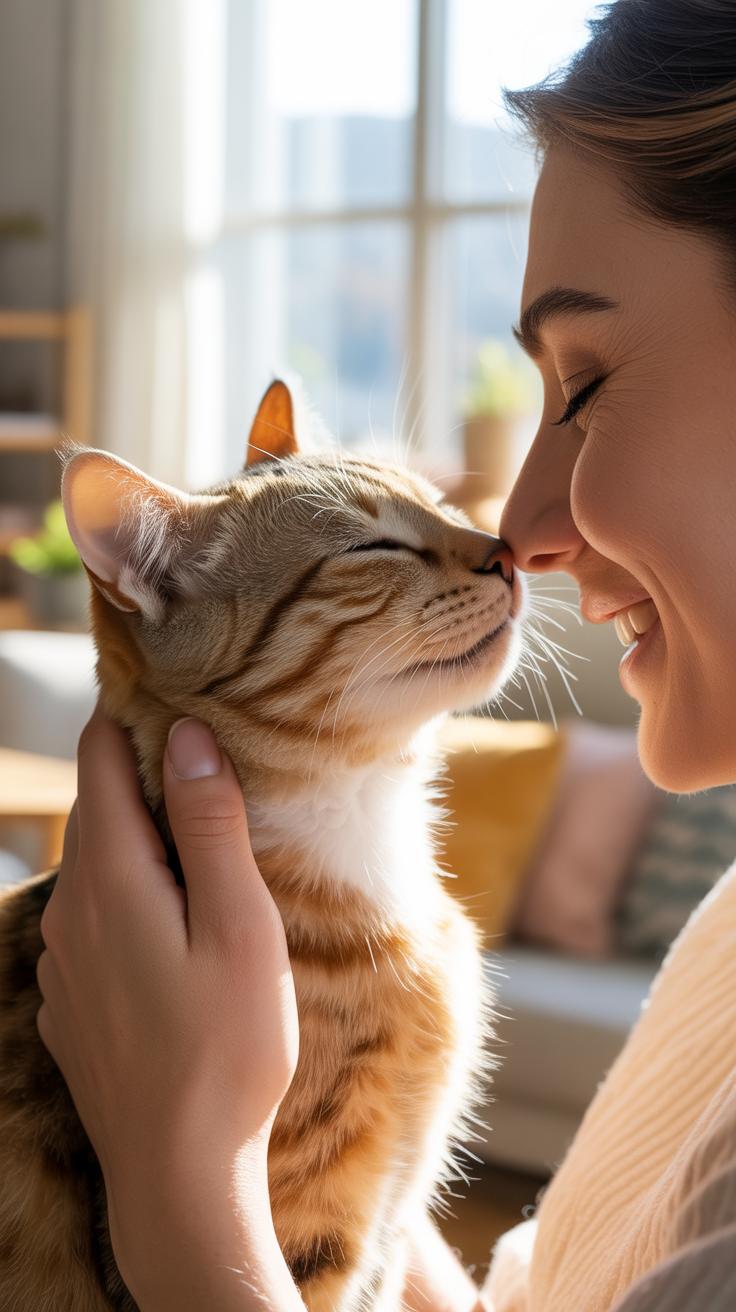
Should You Head Bunt Back? How Humans Can Respectfully Reciprocate
Reciprocating a head bunt requires physical awareness. Do not force contact or move too fast. Slowly lean your head toward the cat. Stop a few inches away. Let the cat close the final distance. This allows the cat to maintain control of the interaction. If you move too aggressively, the cat might feel threatened and retreat from the physical space.
Mirroring this behavior strengthens social bonds through shared scent. Evolutionarily, cats use this scent exchange to identify family members. When you offer your forehead, you accept their pheromones. You also deposit your own scent on them. This creates a group odor. It signals that you are part of their pack. Keep the contact brief and gentle to avoid overstimulation or accidental injury.
Tips For Encouraging A Trusting Bond Through Positive Response To Head Bunting
Strategic responses to bunting build long-term trust. You must recognize that the cat is marking you as a safe resource. Consistency is your primary tool. If you ignore these gestures, the cat may stop trying to communicate. Use these specific tactics to validate their behavior. Physical timing and placement are critical for maintaining a secure environment for your pet.
- Offer a Knuckle: Extend a closed finger toward the cat. This mimics the shape of a cat snout. It provides a firm surface for the cat to rub its cheeks against. This move respects its personal space boundaries.
- Maintain Low Body Position: Get down to the cat’s level. Standing over a cat can seem dominant and scary. Squatting or sitting makes you approachable. This posture encourages the cat to initiate contact without feeling physically overwhelmed by your size.
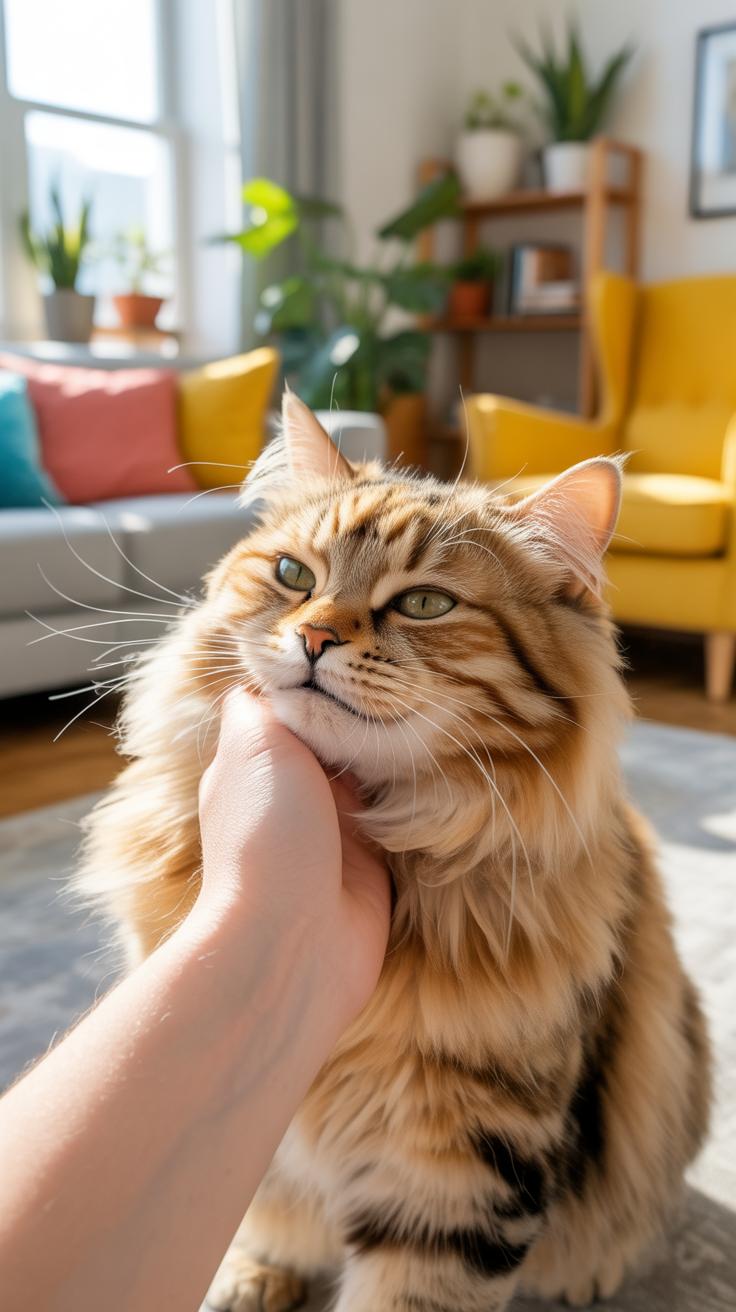
- Identify Scent Glands: Focus your attention on the forehead and chin. These areas contain high concentrations of sebaceous glands. Gently stroking these specific zones facilitates the most effective scent transfer. It mimics the natural grooming habits found in feline colonies and groups.
- Use Verbal Reinforcement: Speak in a calm and low tone during the interaction. Cats respond well to steady sounds. Soft vocalizations pair the physical touch with a positive auditory signal. This double reinforcement speeds up the bonding process and reduces the animal’s stress.
- Watch the Tail: Monitor the tail for fast twitching or lashing. A calm tail means the cat enjoys the bunting. If the tail starts thumping, stop the contact immediately. Physical boundaries change quickly. Respecting these signals prevents the cat from developing a fear response.
Never interrupt a cat during the head bunting process. High-quality interactions depend on the cat finishing its scent marking. Abruptly pulling away can cause confusion or anxiety. If you must move, do so slowly and predictably. This tactical approach ensures the cat views you as a reliable partner. Constant positive reinforcement leads to a more confident and affectionate domestic animal.
Fascinating Cat Facts About Head Bunting You Probably Did Not Know
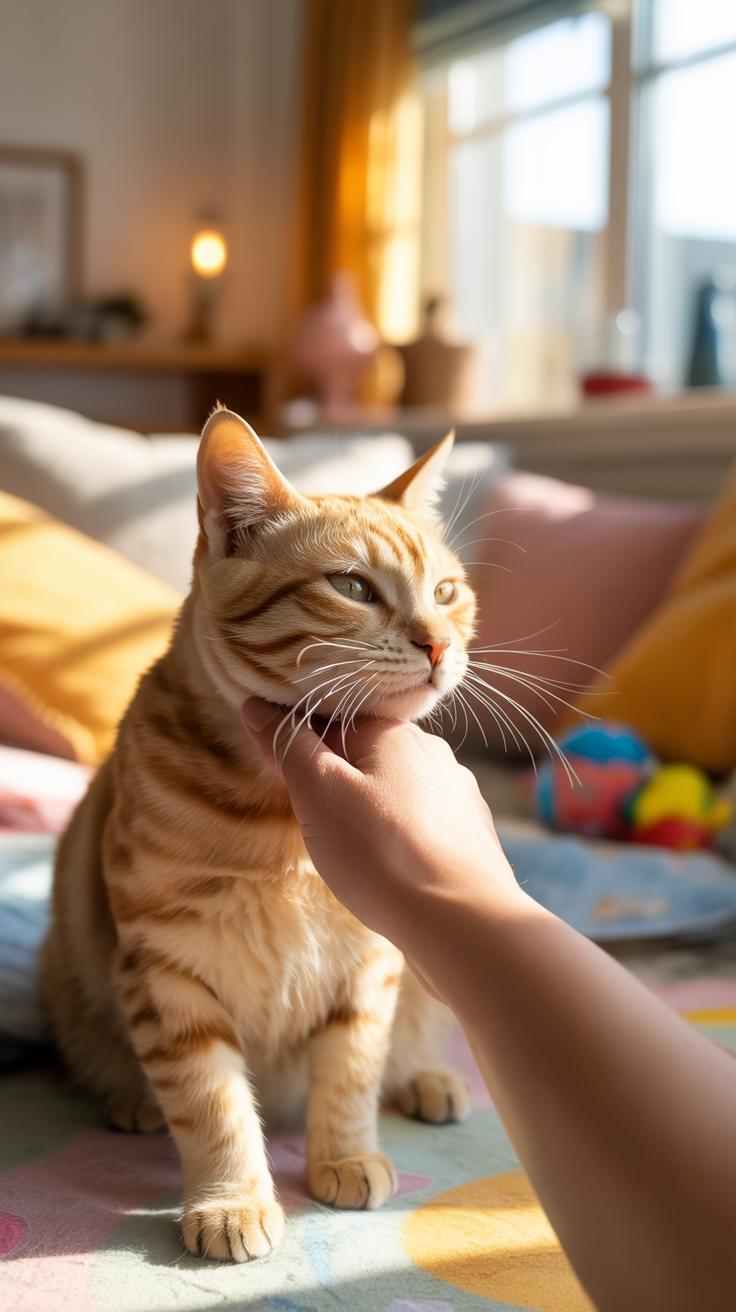
Surprising Facts How Frequently Cats Bunt And Which Cats Do It Most
Cats initiate head bunting as a primary socialization tool within their colonies. High ranking cats perform this behavior more often than subordinates. Dominant individuals use bunting to spread their scent and establish a group identity. This creates a collective smell that helps the colony identify friend from foe. In a home setting, your cat treats you as a member of its core social group.
Studies show that feral cats display bunting behavior multiple times per hour during active social periods. Domestic house cats mirror these patterns during morning greetings or after owners return from work. Male cats often bunt with more physical force than females. This happens because they have larger sebaceous glands on their foreheads. Frequency increases when the environment changes or new scents enter the home.
Common Myths About Cat Head Butting Debunked With Real Cat Facts
Many owners misunderstand why cats press their heads against objects or people. People often mistake bunting for a simple plea for food or attention. While it can result in a meal, the primary function remains chemical communication. Cats possess scent glands on their cheeks, chin, and forehead. They use these glands to deposit pheromones that signal comfort and safety to other feline members.
- The Dominance Myth: Many believe bunting shows submission to a human leader. This is false. In feline social structures, the dominant cat usually initiates bunting to mark subordinates and keep the group scent uniform.
- The Hunger Fallacy: Owners often think a head butt means the cat is hungry. Food is usually a secondary benefit. The cat is actually reclaiming you as a safe part of its territory after you have been away.
- Head Pressing Confusion: Do not confuse bunting with head pressing. Bunting is a fluid rubbing motion used for marking. Head pressing involves pushing the head against a wall for long periods. This often indicates a serious neurological medical emergency.
- The Affection Only Trap: While bunting feels like a hug, it is a survival tactic. It creates a scent profile that reduces stress in the colony. The cat does it to make the environment predictable.
- Only One Gland: People think cats only use their foreheads. Cats actually use a sequence including the chin and cheeks. This maximizes the pheromone transfer from several different glandular locations across the face and neck area.
Reliable data shows that bunting serves as a biological signature. It is not an emotional outburst or a random physical tic. When a cat rubs its face on you, it completes a complex chemical exchange. This behavior keeps the cat calm by ensuring everything in its territory smells like home. Recognize this as a tactical move to maintain social order and personal security within the domestic environment.
Frequently Asked Questions

What exactly is cat head bunting behavior and why do they do it?
Cat head bunting behavior is a unique way your feline friend communicates affection and safety. When a cat presses its forehead against you, they are releasing pheromones from scent glands located on their face. This comforting action marks you as a trusted member of their social group. It is essentially their way of “tagging” you with a familiar scent, signaling that they feel completely secure and relaxed in your presence.
How should I respond when my cat tries to initiate head bunting?
When you notice this behavior, the best response is to gently lean in and offer your own forehead or hand. Meeting them halfway reinforces your social bond and acknowledges their gesture of love. You can also follow up with soft scratches behind the ears or along the jawline. Engaging positively with cat head bunting behavior helps build a deeper sense of mutual trust and strengthens the emotional connection between you.
Do I need to buy expensive pheromone sprays to encourage this bonding?
Not at all! While commercial pheromone diffusers can help stressed pets, they aren’t necessary for natural bonding. You can encourage closeness for free by creating a calm environment and respecting your cat’s personal space. Providing a cozy blanket or a vertical scratching post allows them to deposit scents naturally. Patience and consistent, gentle interaction are the most effective, budget-friendly ways to invite your cat to show affection through bunting.