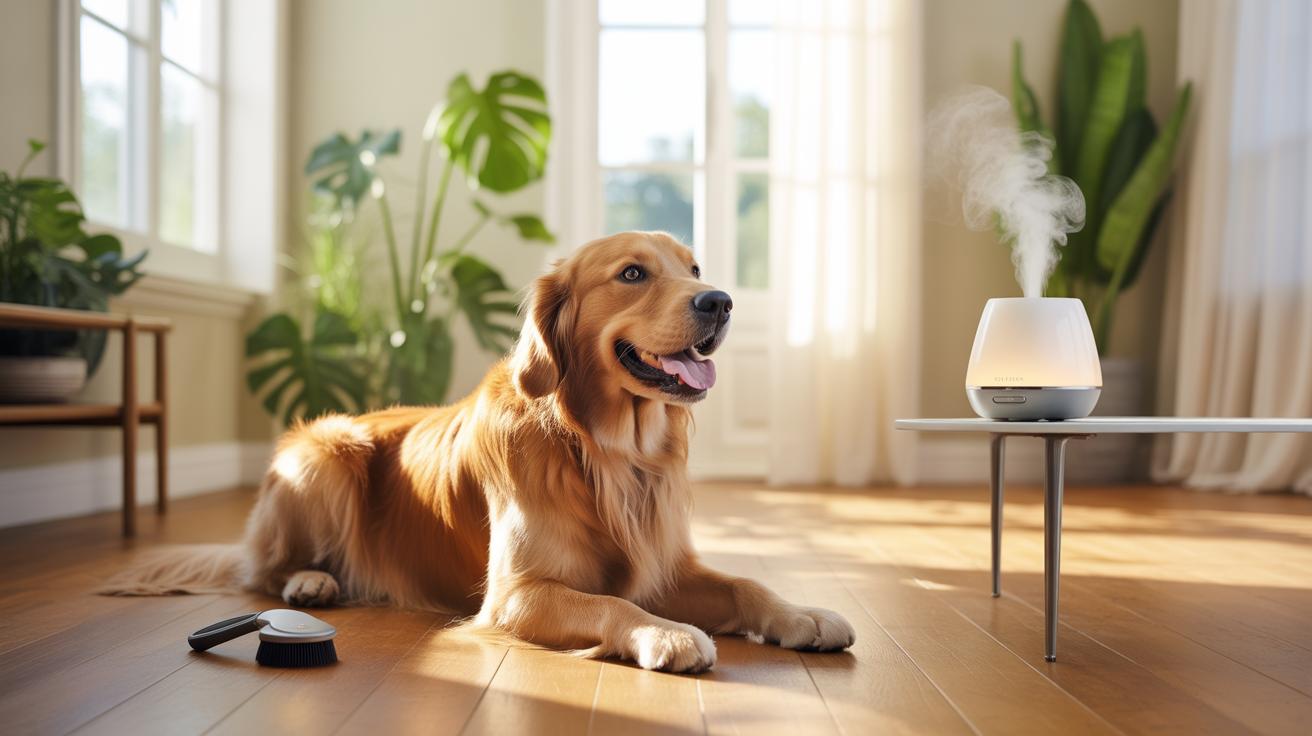
Understanding Why Dogs Make Homes Dirty The First Step To A Clean Home With Dogs

The Science Behind Dog Dander, Odor, And Shedding Indoors
Dogs shed dead skin cells known as dander. This material acts as a primary food source for dust mites. It also carries proteins that trigger human allergies. Dander is microscopic and lightweight. It floats through the air and settles on every surface in your home. These particles cling to fabrics and carpets. You cannot maintain a clean home without targeting this invisible biological debris.
Odor originates from natural oils and bacteria on the dog’s skin. Every dog produces sebum to protect their coat. This oil traps dirt and environmental pollutants. When bacteria break down these oils, they release organic compounds. These compounds create the distinct dog smell that permeates upholstery and rugs. Shedding compounds this issue by spreading oil-soaked fur throughout the living space. Constant hair loss ensures a steady supply of these odors.
How Dog Behavior Patterns Contribute To Household Mess And Dirt Buildup
Dogs track outside contaminants into the home through their paws. Their paw pads have large surface areas that trap mud and lawn chemicals. Many dogs also exhibit a biological urge to dig or roll in organic matter. This behavior brings high concentrations of bacteria and moisture indoors. Once inside, the dog transfers these materials directly to your floors. These actions create a constant cycle of re-contamination.
Indoor movement patterns also impact cleanliness. Dogs often pace near doors or windows. This friction pulls hair and dander from their coat. Saliva is another major factor. Dogs use their mouths to explore and groom themselves. This spreads dried saliva onto their fur and furniture. Saliva contains enzymes that can stain fabrics over time. Understanding these natural habits helps you pinpoint where dirt accumulates the fastest in your house.
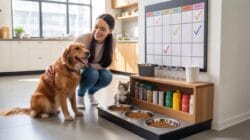
Building A Daily Cleaning Routine How To Keep House Clean With Dogs Without Burnout

Morning And Evening Habits That Prevent Dirt From Spreading Throughout Your Home
Stop dirt at the entry point to save hours of labor. Every morning, wipe your dog’s paws immediately after they enter the house from the yard. Use a microfiber cloth or a dedicated paw plunger to remove grit and allergens. This prevents outdoor debris from embedding into carpet fibers or scratching hardwood finishes. Control the source to stop the spread across your living space.
Establish a nightly reset to manage biological load. Brush your dog outside every evening to collect loose fur before it hits your furniture. Vacuum high-traffic zones for five minutes to remove dander and hair accumulated during the day. Empty food bowls and wipe the feeding station to prevent bacterial growth and odors. These small actions keep the home environment stable and prevent massive weekend cleanups.
How To Structure A Weekly Deep Clean Schedule Around Your Dog’S Habits
Weekly maintenance must address the areas where dogs spend the most time. Launder all pet bedding in hot water to kill dust mites and neutralize oils. Use an enzymatic cleaner on hard floors to break down invisible organic matter. Focus on baseboards and lower wall sections where dogs rub their coats. This targets the specific zones that hold the most concentrated animal odors and stains.
Target soft surfaces every seven days to maintain air quality. Use a vacuum with a HEPA filter to pull dander from upholstery and rugs. High temperatures and specialized filters are necessary to remove allergens that standard cleaning misses. Rotate toys through a sanitizing cycle to eliminate saliva and bacteria. This systematic approach ensures your home remains hygienic without requiring constant daily scrubbing of every single surface.
Dog Cleaning Tips House Owners Swear By For Managing Shedding And Fur

The Best Brushing Techniques And Frequencies To Reduce In Home Shedding
Effective brushing stops shedding before hair hits your floor. You must use a tool that reaches the undercoat for double-coated breeds. Slicker brushes work for most surfaces, but de-shedding tools extract loose fur from the base layer. Brush your dog outside to keep airborne dander and loose follicles out of your living space. This proactive step reduces the volume of hair circulating in your HVAC system.
Frequency depends on the breed and season. Most dogs require a full brushing three times per week. During spring and fall shedding seasons, you must brush daily to manage the increased hair volume. Consistent brushing distributes natural skin oils which keeps the coat healthy. This prevents the hair from becoming brittle and breaking off prematurely. Regular maintenance is the only way to lower your daily cleaning workload.
Choosing The Right Vacuum And Lint Tools To Stay Ahead Of Dog Hair On Every Surface
Standard vacuums fail because pet hair tangles in the brush roll. You need a vacuum with a tangle-free turbine tool or high-suction specialized pet settings. HEPA filters are mandatory to trap microscopic dander that causes odors. Use rubberized attachments on upholstery to pull embedded hair out of fabric fibers. Upright models provide the power needed for carpets while sticks offer speed for hard floors.
Lint rollers are for clothes, but rubber squeegees work better for rugs. Drag a squeegee across low-pile carpet to bunch up hair that vacuums miss. For hard surfaces, use microfiber mops that utilize static electricity to grab dust. Avoid using standard brooms because they kick hair into the air. Effective tool selection ensures you remove the hair rather than just moving it around your home.
How To Keep Pets Clean Bathing Grooming And Paw Care Routines That Work

How Often To Bathe Your Dog And Which Dog Safe Shampoos Are Most Effective
Bathing frequency depends on breed and coat type. Double coated dogs need baths every eight to twelve weeks. Short haired breeds can go longer. Over-washing strips natural oils and causes skin irritation. Use pH balanced shampoos formulated for canine skin. Human products are too acidic and damage the protective skin barrier. Consistent bathing schedules prevent the buildup of dander and yeast within your living spaces.
Select shampoos based on specific coat needs. Oatmeal formulas soothe dry skin and reduce scratching. Deodorizing shampoos use enzymes to break down organic odors at the source. Avoid products with heavy synthetic fragrances that mask smells without cleaning. High quality cleansers rinse away completely to prevent residue. Proper rinsing is the most important step to avoid post-bath itching and flaky skin on your furniture.
A home is not a home without the paw prints of a loyal friend, but it shines brightest when we clear the air for their next welcome. A clean house is a small price to pay for the boundless joy of a wagging tail.
The Importance Of Paw Wiping After Walks To Stop Outdoor Dirt At The Door
Dogs track bacteria and allergens into the home through their paws. Every walk brings in mud, road salt, or pesticides. This debris settles into carpet fibers and floor cracks. Establishing a cleaning station at the entryway stops the spread before it happens. Use a dedicated towel or specialized cleaning tool to scrub the pads and the areas between the toes.
- Microfiber Towels: These cloths trap more dirt and moisture than standard cotton. They dry quickly and are easy to launch into the laundry for daily sanitization. Keep several at the door for immediate use.
- Portable Paw Washers: Use a silicone bristled cup filled with water to deep clean paws. This method reaches deep into the fur around the pads where hidden mud hides. It prevents stains on rugs.
- Fragrance Free Wipes: Use heavy duty pet wipes for quick trips. Ensure they lack alcohol to prevent the paw pads from cracking. These are ideal for removing surface dust and pollen after short sessions outside.
- Trimmed Paw Hair: Long hair between the pads acts like a broom for outdoor debris. Keep this hair short with safety shears. Less hair means less surface area for dirt to cling to during walks.
- Protective Booties: Use rubber or fabric boots in extreme weather. They provide a physical barrier against salt and mud. Removing boots at the door eliminates the need for intense scrubbing and keeps floors completely dry.
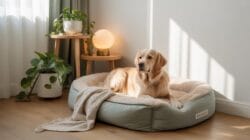
Dry the paws thoroughly after every cleaning. Moisture trapped between the toes leads to fungal growth and licking behaviors. Licking introduces saliva and more moisture to your floors. A dry paw is a clean paw. This routine protects your indoor air quality and limits the need for professional carpet cleaning. Consistency ensures your home stays clean regardless of the weather conditions outside.
Pet Friendly Home Cleaning Safe Products And Methods That Protect Your Dog
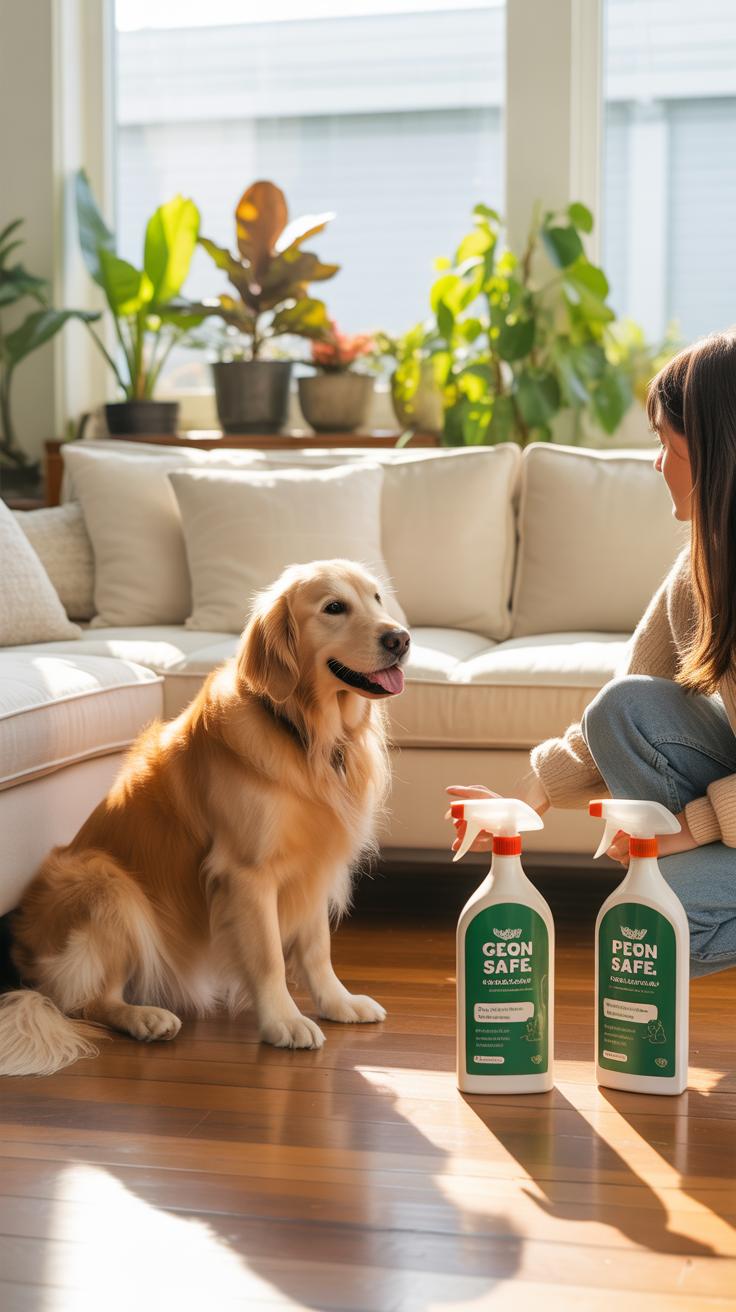
Common Household Cleaning Chemicals That Are Toxic To Dogs And What To Avoid
Many standard cleaners use phenols to kill bacteria on surfaces. These chemicals damage a dog’s liver and kidneys through skin contact or inhalation. Bleach and ammonia serve as aggressive disinfectants but cause severe respiratory distress and chemical burns. High concentrations of these substances trigger asthma-like symptoms in pets. You must stop using products that leave behind toxic residues on floors where dogs walk and sleep.
Phthalates found in artificial fragrances disrupt the endocrine system of your pet. Most air fresheners and scented floor cleaners rely on these harmful particles. Formaldehyde often appears in cheap cleaning formulas as a preservative and acts as a known carcinogen. Using these chemicals creates a hazardous environment for animals that frequently lick their paws. Verify all product labels and discard any items containing these industrial solvents immediately.
Natural And Pet Safe Cleaning Solutions You Can Safely Use Around Dogs
White vinegar serves as a powerful acetic acid for breaking down minerals and grime. Mixed with water, it cleans glass and hard surfaces without leaving toxic films. Baking soda works effectively as a mild abrasive to lift stains from carpets and upholstery. These ingredients provide a safe alternative to harsh industrial degreasers. You can maintain a clean home using basic pantry staples that never compromise canine health.
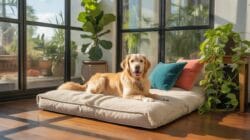
Castile soap offers a vegetable-base cleaning agent for washing dog bedding and hard floors. It dissolves grease and dirt without the need for synthetic surfactants or sulfates. Steam cleaning provides the most effective method for deep sanitization using only pressurized water. High heat kills bacteria and dust mites instantly without any chemical intervention. Shift your focus to mechanical cleaning methods and simple organic compounds to ensure a safe environment.
Tackling Dog Odor At The Source Proven Strategies For A Fresh Smelling Home

Why Dogs Develop Body Odor And How Regular Grooming Directly Reduces Indoor Smells
Dogs produce natural oils that protect their skin and fur. These oils oxidize and trap bacteria over time. This process creates the distinct dog smell that permeates your living space. When a dog moves through the house, these oils transfer to every surface they touch. Controlling the odor starts with managing the biological buildup on the animal before it sheds into your environment.
Regular grooming serves as the first line of defense for a clean home. Brushing removes dead hair and dander that carry concentrated odors. Frequent bathing with pH balanced shampoo breaks down stagnant oils without damaging the skin barrier. You must also clean ears and teeth regularly. These areas harbor bacteria that contribute significantly to the overall scent profile of your indoor air.
How To Neutralize Dog Odors In Carpets, Furniture, And Fabrics Using Safe Methods
Fabric surfaces act as giant filters that trap organic compounds and pet dander. Traditional air fresheners only mask these smells with synthetic scents. You must use enzymatic cleaners to achieve actual neutralization. These cleaners contain specific bacteria that eat the protein and starch molecules found in pet waste and oils. This targeted chemical reaction removes the source of the smell permanently.

Baking soda offers a reliable dry method for extracting moisture and odors from carpets. Sprinkle it liberally and let it sit for several hours before vacuuming with a HEPA filter machine. For furniture, use steam cleaning to heat and lift deep seated oils. Always ensure high airflow during the drying process to prevent mold growth. Consistent maintenance prevents organic matter from bonding permanently to textile fibers.
Dog Friendly Home Cleaning Designing And Organizing Your Space To Stay Cleaner Longer

Choosing Dog Friendly Flooring, Furniture Covers, And Fabrics That Are Easy To Clean
Select non-porous flooring to prevent liquid absorption. Hardwood scratches easily and absorbs urine if not sealed perfectly. Porcelain tile resists scratches and moisture. Luxury vinyl plank offers the best durability for pet owners. It mimics wood but handles heavy traffic and liquids without warping. Commercial-grade sealants on grout lines prevent odor buildup. Hard surfaces allow for immediate removal of hair and dander.
Furniture requires performance fabrics to survive daily pet use. Tight-weave synthetics like polyester or microfiber resist claw snags. Avoid loose weaves like linen or tweed that trap hair. Leather and high-quality faux leather wipe clean and do not hold odors. Use removable, machine-washable covers for sofas and chairs. These covers act as a primary barrier against oils and dirt. Constant washing protects the underlying upholstery.
Setting Up A Dedicated Dog Zone To Contain Mess, Hair, And Odor To One Area
Establish a transition zone at your primary entry point. This area acts as a mudroom for your dog. Install moisture-wicking mats to catch dirt from paws immediately. Keep cleaning supplies like towels and paw wipes in this specific location. This prevents the dog from tracking mud throughout the entire house. Containment here reduces the total surface area you must clean daily.
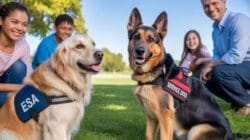
Define a specific sleeping and eating area with easy-to-clean boundaries. Use silicone mats under food and water bowls to catch spills. Standardize the dog’s location to concentrate hair and dander in one manageable spot. Use an air purifier in this zone to neutralize odors at the source. Limit the dog’s access to carpeted rooms. This strategic layout protects your main living areas from high-intensity pet mess.
How To Clean With Pets Managing Accidents Stains And Muddy Messes Quickly

Step By Step Method For Cleaning Dog Urine And Fecal Accidents From Carpet And Floors
React immediately when you find a mess. Use paper towels to blot urine or lift solids without pressing them deeper into the fibers. Avoid steam cleaners because heat sets protein stains permanently into carpet. Use a cold water rinse first to dilute the remaining residue. This prevents the chemicals in the waste from bonding with the synthetic or wool materials in your flooring.
- Blotting: Press dry paper towels firmly onto the wet area to soak up liquid. Do not scrub the surface. Scrubbing spreads the moisture and damages carpet fibers. Change towels frequently until no more liquid transfers to the paper.
- Enzymatic Cleaner: Apply a dedicated enzymatic solution to the spot. These cleaners contain bacteria that break down urea and proteins. Standard soaps often leave behind pheromones that attract dogs back to the same spot. Follow the specific dwell time on the label.
- Solid Removal: Use a cardboard scraper or plastic spatula to lift feces. Work from the outside of the pile toward the center to contain the mess. Dispose of the waste in a sealed outdoor bin to prevent indoor odor contamination.
- Drying: Place a weighted pile of clean towels over the treated area once finished. Leave it for several hours to pull deep moisture to the surface. Proper drying prevents mold growth and stops the reappearance of ghost stains later.
- Neutralization: Use a solution of white vinegar and water for a final pass on hard floors. Vinegar acts as a mild acid to neutralize alkaline urine salts. This step ensures the floor surface remains balanced and free of slippery residue.
Chemical selection determines your success. Avoid ammonia based products at all costs. Since urine contains ammonia, your dog will perceive these cleaners as a scent marker to go again. High quality enzymatic cleaners are the only way to eliminate the uric acid crystals. Once the floor dries, vacuum the area to restore pile height and remove any remaining dry cleaning particulates.
How To Remove Mud Stains And Paw Print Marks From Hard Floors And Upholstery
Let mud dry before you attempt to clean it from fabrics or carpets. Wet mud spreads when touched, which increases the surface area of the stain. Once dry, use a stiff brush to break the dirt into dust and vacuum it away. This mechanical removal handles eighty percent of the mess without pushing pigment deeper into the upholstery or rug weave.

Treat the remaining shadow with a damp microfiber cloth and pH neutral soap. Hard floors require a flat mop with a washable pad to trap fine grit without scratching the finish. Wood and laminate are sensitive to standing water, so keep the cloth barely damp. Finish by buffing the area dry to prevent streaks and protect the integrity of the material.
Keeping House Clean With Dogs Managing Dog Beds Toys And Feeding Areas Hygienically
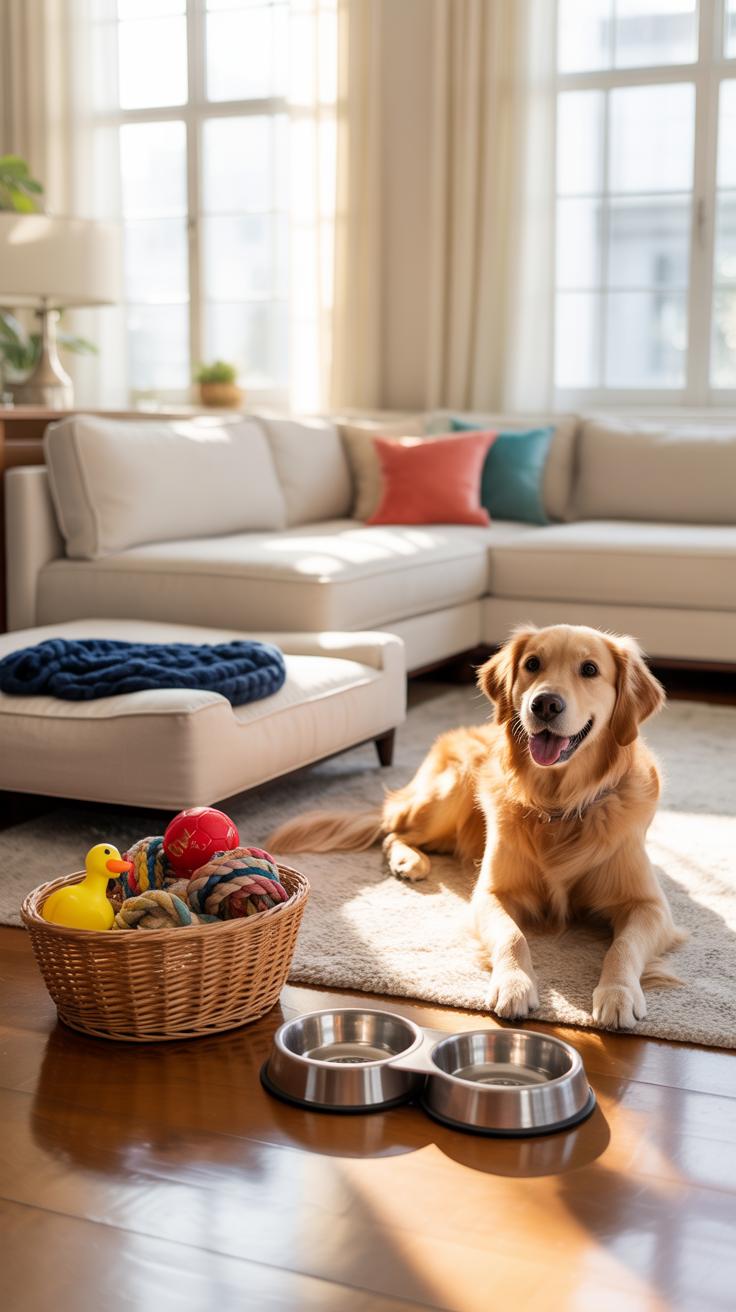
How Often To Wash Dog Beds, Blankets, And Soft Toys To Prevent Bacteria And Odor Buildup
Wash dog bedding once every week to eliminate skin cells and saliva. Natural oils from dog fur trap odors and feed dust mites. Use hot water at a minimum of one hundred forty degrees Fahrenheit to kill bacteria and parasites. Choose fragrance free detergents to avoid skin irritation. Dry fabrics completely on high heat settings to prevent mold and mildew growth in the core material.
Soft toys require cleaning every two weeks to remove dried saliva and oral bacteria. Place these items in mesh laundry bags before washing to protect the seams. Inspect toys for damage before returning them to the dog. Discard any items with loose fibers or escaping stuffing. Keeping fabrics dry and clean stops household odors at the source before they permeate the living space or carpets.
Best Practices For Cleaning Dog Food And Water Bowls To Maintain A Hygienic Feeding Zone
Clean water and food bowls daily using hot water and soap. Biofilm forms inside bowls within hours of use. This slimy layer houses dangerous bacteria like salmonella and listeria. Stainless steel or ceramic bowls are superior to plastic options. Plastic develops tiny scratches that harbor germs even after washing. Hand wash these items or use a dishwasher with a high heat sanitizing cycle.
Place a washable silicone mat under feeding stations to catch spills. This protects floor surfaces from moisture damage and food rot. Clean the floor under the mat weekly to prevent hidden grease buildup. Change the water twice per day to keep it fresh and free of debris. Strategic hygiene in the feeding area prevents pests and keeps the kitchen smelling clean throughout the day.
Clean House With Dogs Year Round Seasonal Cleaning Adjustments Every Dog Owner Should Make

How Seasonal Shedding Cycles Affect Your Cleaning Routine And How To Adapt Accordingly
Most dogs experience heavy shedding during spring and fall. This biological process responds to changes in daylight and temperature. Owners must increase vacuuming frequency to daily cycles during these peak periods. High efficiency particulate air filters capture fine dander and hair that settles on floors. Neglecting this routine allows fur to embed deeply into carpets and upholstery. Remove hair before it weaves into fabric fibers to save time.
Switch to specialized de-shedding tools to manage the undercoat before hair hits the floor. Brushing your dog outdoors prevents loose fur from circulating inside the home. Use electrostatic mops on hard surfaces to attract fine hair that standard brooms often miss. Consistent grooming reduces the volume of allergens in the air. Tactical intervention during shedding seasons prevents long-term odor buildup and minimizes the need for deep steam cleaning.
Winter And Summer Home Cleaning Challenges For Dog Owners And Practical Solutions
Winter brings mud and road salt into the living space. Salt crystals damage wood finishes and irritate canine paws. Position a heavy-duty walk-off mat at every entrance to trap debris. Keep a dedicated towel station by the door to dry wet coats immediately. Moisture leads to the distinct wet dog smell caused by bacteria and oil. Controlling humidity levels prevents these odors from lingering in the furniture.
Summer heat increases sebum production and skin oil on dogs. These oils transfer to rugs and bedding, creating sour odors over time. Wash dog beds more frequently during hot months to eliminate these deposits. Use washable covers made of canvas or thick cotton for easy maintenance. Ensure your cooling system has a clean filter to manage the rise in airborne dander. Strategic ventilation keeps the air fresh during periods of high heat.
Frequently Asked Questions

How can I start maintaining a clean house while owning a dog?
Maintaining a fresh environment starts with a consistent routine that prevents dirt from accumulating. Focus on high-traffic areas by placing washable rugs at every entrance and grooming your pet regularly to minimize shedding. By establishing these simple habits daily, you will find that following these dog mess free home tips makes it much easier to manage pet dander and unexpected odors before they become a permanent part of your living space.
What type of flooring is easiest to keep clean with a dog?
Hard flooring surfaces like tile, vinyl, or sealed hardwood are far easier to clean than carpet, since dirt, fur, and accidents sit on top rather than working into fibers. If you want the comfort of area rugs, choose washable, low-pile options that can go straight into the laundry. Regular sweeping or vacuuming of hard floors also takes a fraction of the time carpet cleaning requires, keeping your home fresher with less daily effort.
How often should I wash my dog’s bedding and toys to control odor?
Washing your dog’s bedding weekly helps prevent oils, dander, and odor from building up and spreading to furniture and floors. Toys, especially fabric ones, benefit from a similar weekly rinse or wash cycle. Rotating in a spare bed while one is being washed makes this easier to keep up with. Staying consistent with this schedule is one of the simplest ways to keep your whole home smelling fresh.