What Are Elevated Dog Bowls And How Do They Work
Understanding The Basic Design Of Elevated Dog Bowls
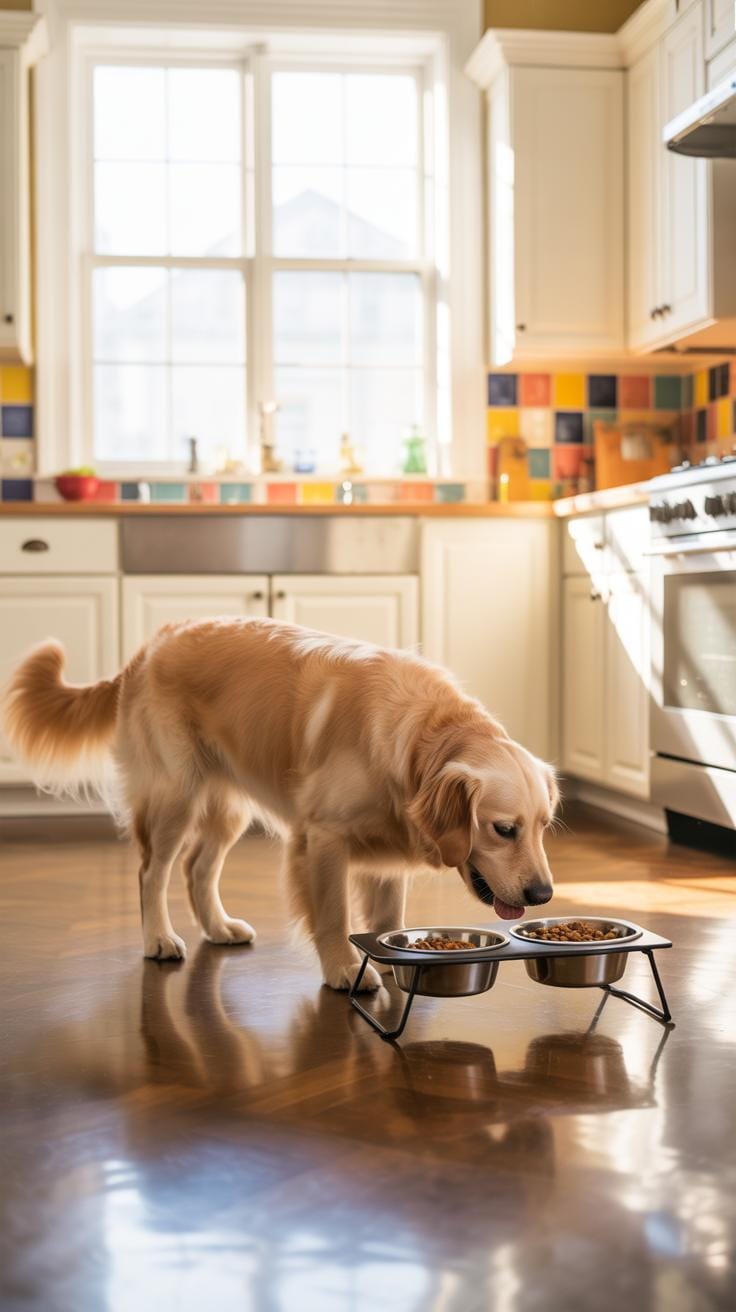
Elevated dog bowls consist of a structural base or frame that secures food and water containers above floor level. Manufacturers typically use wood, stainless steel, or rotomolded plastic for these stands to ensure stability. The design focuses on rigidity to prevent the bowls from moving or flipping during use. Most units feature two circular cutouts where standard deep-dish bowls sit flush against a rim.
Modern engineering influences the construction of these feeding stations. High-quality designs incorporate non-slip feet and heavy materials to handle the force of a large dog eating. Some models allow for height adjustments to match the specific shoulder height of different breeds. This modularity ensures the product remains functional as a puppy grows. The core goal is a fixed feeding height that eliminates the need for floor-level interaction.
How A Dog Bowl Stand Raises The Feeding Position For Your Pet
A dog bowl stand lifts the eating surface to a level proportionate to the dog’s chest. This change in elevation alters the physical mechanics of every meal. Instead of splaying their front legs or lowering their neck to the ground, the dog maintains a more neutral stance. The stand brings the resource to the animal rather than forcing the animal to reach for the resource on the floor.
Gravity and posture drive the utility of this raised position. When the bowls sit higher, the esophagus remains more horizontal during the swallowing process. This layout reduces the downward angle of the head which can impact how a dog moves food from the mouth to the stomach. The stand acts as a mechanical tool to change the dog’s center of gravity. It creates a controlled environment that standardizes the height of daily nutrient intake.
Key Elevated Dog Bowl Benefits For Your PetS Health
How Raised Dog Bowls Support Better Posture And Comfort During Meals
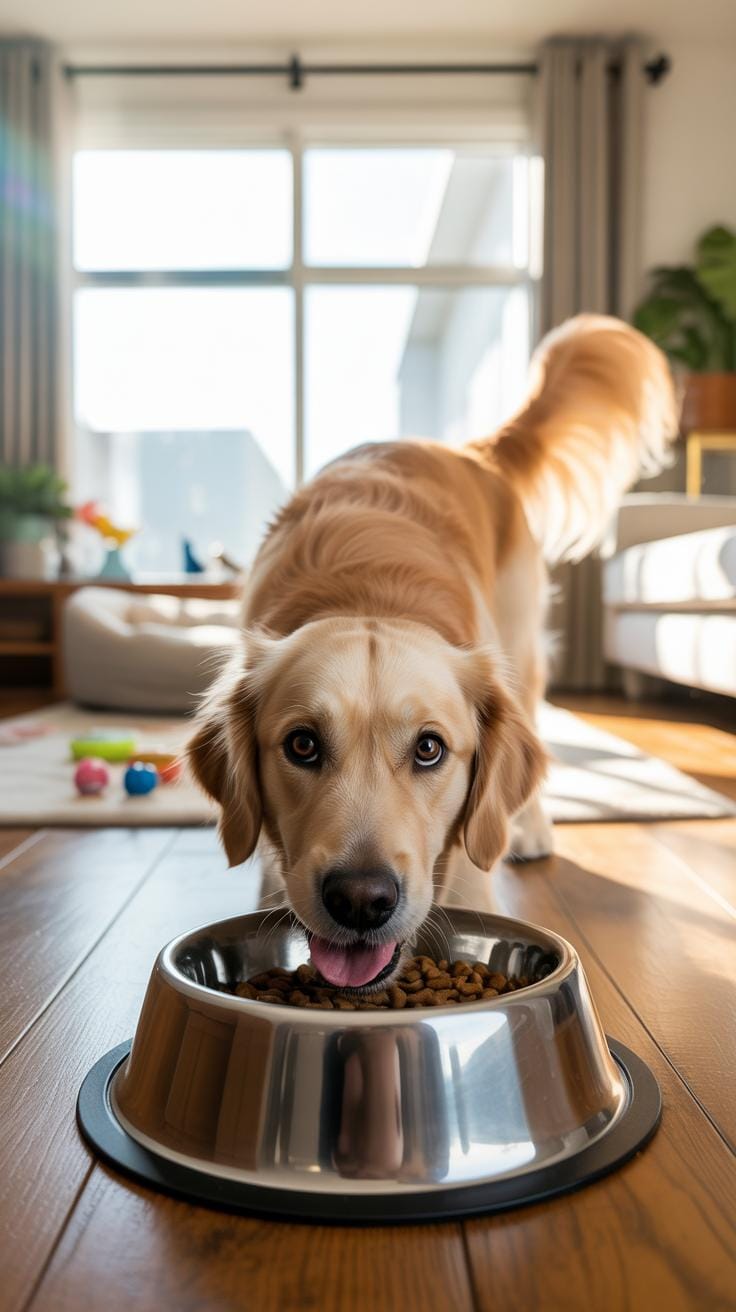
Traditional floor bowls force dogs to shift their center of gravity forward. This positions the neck at a sharp downward angle. Large breeds and senior dogs face significant strain on the cervical spine and front leg joints in this stance. Elevating the bowl brings the food source to the natural height of the chest. This alignment reduces the physical workload required to maintain balance during feeding sessions.
Standardized ergonomic design helps pets with osteoarthritis or elbow dysplasia. These dogs often struggle with the weight bearing required to lean down. A raised feeder eliminates the need for deep shoulder flexion. This change allows the animal to stand with a neutral spine. It preserves joint health over time and reduces immediate pain. Owners notice less shifting and fidgeting when the dog eats from an anatomically correct height.
Digestive Advantages Linked To Using An Elevated Dog Feeder
Gravity plays a direct role in how a dog moves food from the mouth to the stomach. When a dog eats from the floor, the esophagus must work against gravity to push boluses upward toward the digestive tract. An elevated feeder creates a more linear path. This downward slope allows the esophagus to function more efficiently. It minimizes the effort needed for successful swallowing and keeps the throat clear.

Feeding at an increased height can reduce the amount of air a dog gulps while eating. Excessive air intake often leads to gas and discomfort. For dogs prone to megaesophagus, a raised platform is a tactical necessity to prevent food from stagnating in the throat. While it does not cure underlying conditions, it manages the mechanical process of ingestion. Better ingestion mechanics lead to fewer instances of post meal regurgitation.
Which Dogs Benefit Most From Elevated Dog Bowls
Large And Giant Breeds That Gain The Most From Raised Dog Bowls
Large and giant breeds possess skeletal structures that require careful height management during daily activities. Deep-chested dogs like Great Danes and Mastiffs must lower their heads significantly to reach floor-level bowls. This constant downward reach stresses the neck and shoulders over time. Proper feeder height aligns the mouth with the natural standing position. This mechanical advantage reduces the strain on the front limbs during every meal.
High-standing dogs often struggle with leg splaying on slick floors while reaching down to eat. This awkward stance creates instability and increases the risk of slipping. Raising the bowl allows the dog to keep its feet firmly planted under its center of gravity. Stable positioning improves the overall eating experience and protects the structural integrity of the front assembly. Correct alignment is a tactical necessity for these heavy-bodied animals.
Senior Dogs And Pets With Mobility Issues Who Benefit From Elevated Feeding
Aging dogs frequently develop osteoarthritis in the cervical spine and front elbows. Bending down to the floor causes acute pain and discourages consistent food intake. An elevated bowl removes this physical barrier by bringing the food directly to the muzzle. This adjustment allows the dog to remain in a neutral standing position. Reducing unnecessary movement keeps the animal comfortable and ensures they maintain a healthy body weight.

Dogs with neurological deficits or vestibular issues often lose their balance when shifting their weight forward and down. A raised platform provides a stable target that does not require drastic shifts in the center of mass. This setup prevents stumbles and falls during feeding times. Owners must prioritize these ergonomic changes to support the dog as its physical capabilities decline. Practical hardware adjustments directly impact the daily quality of life.
The Risk Of Bloat What The Research Says About Elevated Dog Feeders
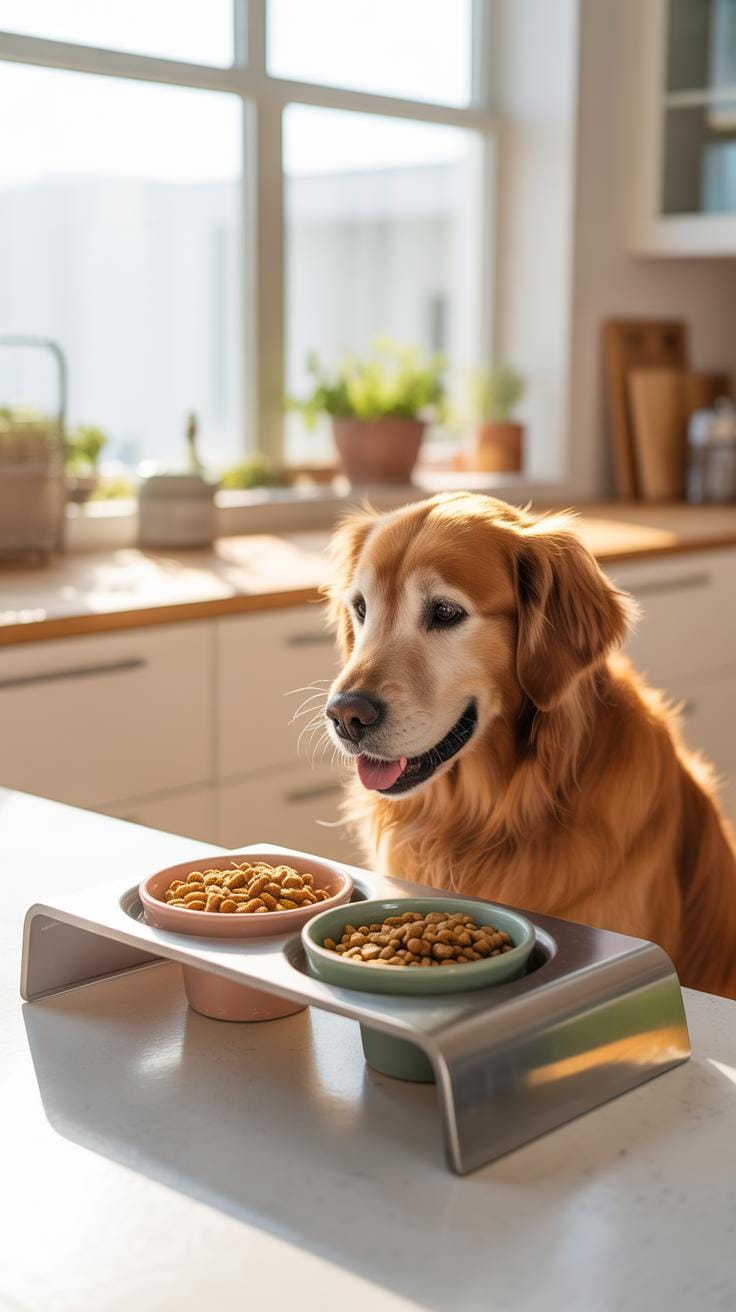
Understanding Gastric Dilatation Volvulus (GDV) And Its Connection To Feeding Height
Gastric Dilatation-Volvulus occurs when a dog’s stomach fills with gas and twists. This condition is a medical emergency. It cuts off blood flow to vital organs. For decades, owners used raised feeders to prevent this. They believed better posture reduced swallowed air. However, a major study at Purdue University challenged this logic. Researchers found that elevated bowls actually increased the risk of bloat.
The Purdue study tracked over 1,600 dogs to find causes for GDV. Data showed that for large and giant breeds, raising the food bowl significantly raised the risk. The mechanics are still debated by experts. Some think it changes how dogs swallow or how gravity affects stomach contents. Regardless of the exact reason, the link is statistically clear. Professional trainers now reconsider using elevated feeders for susceptible dogs.
Which Dog Breeds Are At Higher Risk When Using Raised Dog Bowls
Deep-chested dogs face the highest danger from GDV. This group includes Great Danes, Saint Bernards, and Weimaraners. Their chest shape allows more room for the stomach to rotate. Great Danes have the highest overall risk of any breed. For these specific animals, using a raised feeder is often a net negative. Owners must weigh the orthopaedic benefits against the life-threatening risk of a twisted stomach.

Other breeds like Doberman Pinschers and Standard Poodles also show high vulnerability. The risk increases as these dogs age. If your dog is in a high-risk category, consult a veterinarian before switching to a raised platform. Research suggests that floor-level feeding is safer for these specific anatomical builds. High-speed eating also contributes to the problem. You must prioritize digestive safety over neck comfort for these giant breeds.
Choosing The Right Dog Food Bowls And Elevated Feeder Height
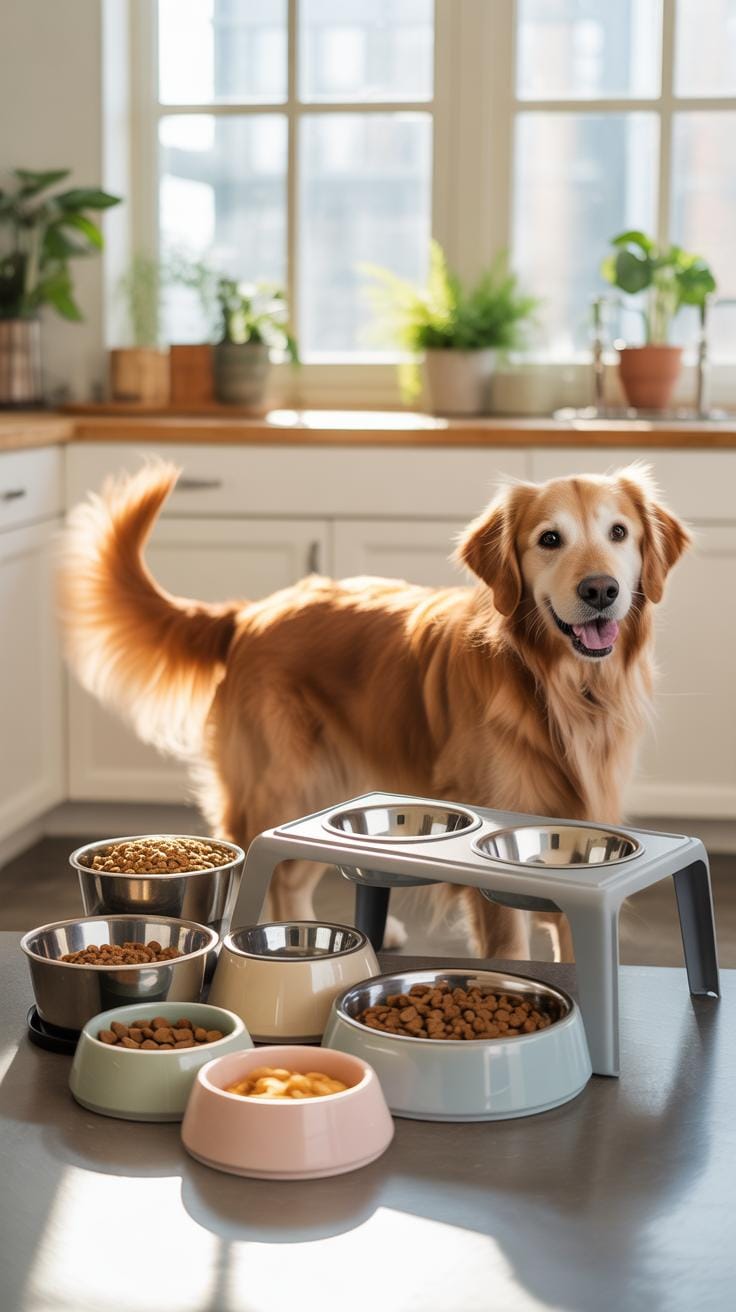
How To Measure The Correct Elevated Bowl Height For Your Dog
Correct measurements prevent physical strain on the canine spine and joints. You must measure your dog while they stand in a neutral position. Take a ruler or tape measure and find the distance from the floor to the base of the chest. This point marks the ideal height for the top of the bowl rim. Accuracy ensures the dog does not hunch or stretch.
- Point of Measurement: Locate the highest point of the shoulder blades, known as the withers, for large breeds. Subtract approximately six inches from this height to find the target bowl level. This gap allows for comfortable neck extension during swallowing.
- Small Dog Standard: Measure small breeds from the floor to the chest floor. These dogs rarely need more than two to four inches of elevation. Excessive height forces the dog to reach upward, which can lead to cervical vertebrae misalignment over time.
- Medium Dog Standard: Use a range of seven to twelve inches for medium breeds like Beagles or Spaniels. Check that the dog keeps its head level with its back while eating. This horizontal alignment reduces the amount of air swallowed during rapid ingestion.
- Large Dog Standard: Giant breeds require heights between fifteen and twenty inches. Use the elbow height as a secondary check if chest measurements vary. Providing this height minimizes the distance the head travels, which supports dogs with existing osteoarthritis or hip dysplasia.
- Testing the Fit: Watch the dog during the first few meals at a new height. The front legs should remain vertical and the neck should not bend downward more than fifteen degrees. Adjust the stand immediately if you observe the dog splaying its front legs to reach the food.
Height requirements change as a dog ages or develops health issues. Senior dogs with stiff joints often need a slightly higher platform than they used during their youth. Puppies require adjustable stands that grow with their skeletal frame. Re-evaluate the height every six months to confirm the setup still provides maximum ergonomic support and maintains the intended elevated dog bowl benefits.
Materials And Features To Look For In Quality Dog Food Bowls
Select materials based on hygiene and durability rather than aesthetics. Grade 304 stainless steel remains the industry standard for safety and longevity. This non-porous material resists bacteria growth and does not leach chemicals into the water. Avoid plastic feeders as they develop microscopic scratches that house harmful pathogens. Ceramic options are acceptable only if they use lead-free glazes and remain free of cracks.

The feeder frame must provide absolute stability during use. Look for weighted bases or silicone grips that prevent the unit from sliding across the floor. Noise reduction is another critical tactical feature. High-quality stands include rubber gaskets around the bowl rim to stop rattling sounds during mealtime. This prevents startling noise-sensitive dogs and ensures the bowl stays seated firmly in the cutout while the dog eats.
DIY Dog Bowls Diy Building Your Own Elevated Feeding Station At Home
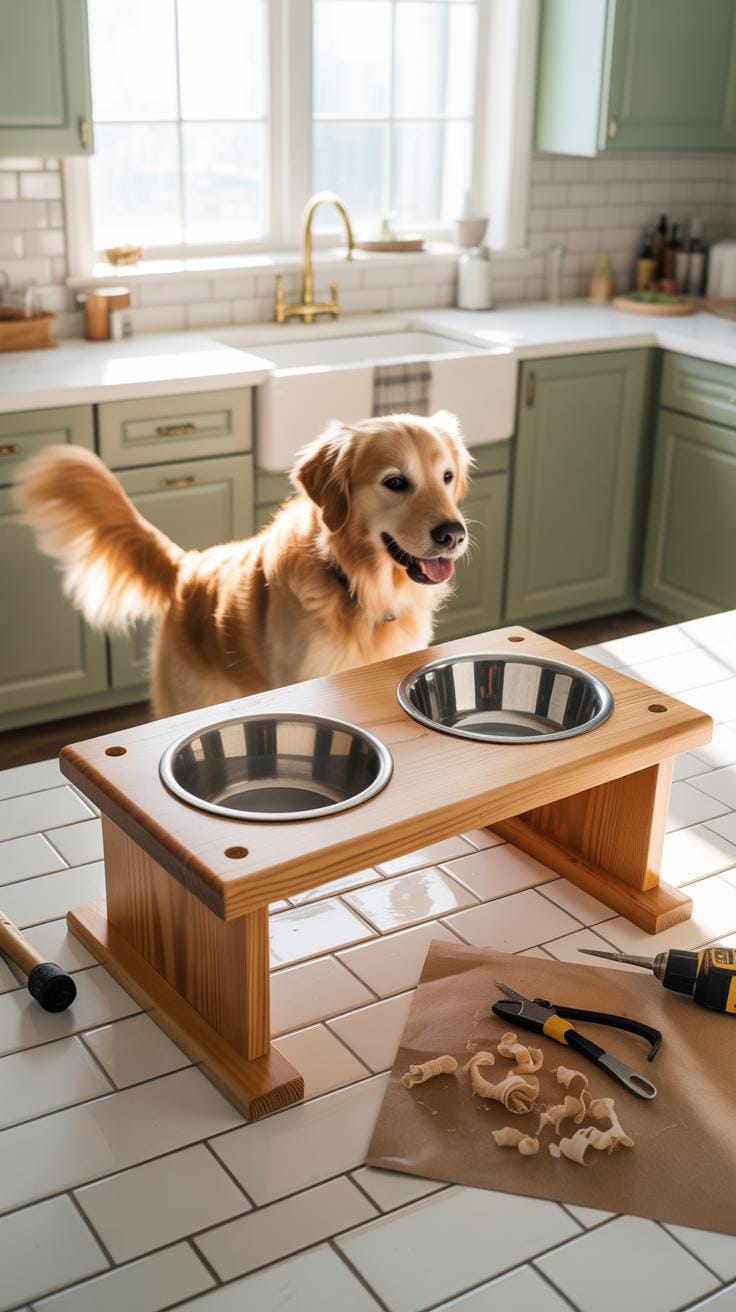
Simple And Budget Friendly Dog Bowls DIY Stand Ideas For Any Home
Repurposing existing household items offers the fastest path to an elevated station. Use sturdy wooden crates or vintage apple boxes to achieve the desired height. Flip the crate so the solid bottom face points up. Trace the outer rim of your dog bowls onto the surface. Use a jigsaw to cut out the circular openings. Drop the bowls in for a firm fit.
Mid-Century Modern styles utilize tapered dowel legs and plywood sheets. Cut a piece of high-grade birch plywood to match your dog’s size. Attach four pre-fabricated furniture legs to the corners using metal mounting plates. Sand the wood smooth to prevent splinters. Apply a food-safe wax or polyurethane coating. This creates a waterproof barrier that protects the wood from water spills and drool.
There is a gentle dignity in the grey muzzle of an old friend, and we owe it to them to make every mealtime comfort a priority for their aging bones. Choosing the right height for their bowl is a small act of love that honors a lifetime of loyal companionship.
Safety Tips To Keep In Mind When Building A Homemade Dog Bowl Stand
Structural integrity remains the primary concern for any homemade feeder stand. A collapsing stand can injure the dog or cause a massive mess. Choose materials that support the weight of full water bowls and the downward pressure of a feeding dog. Avoid using toxic adhesives or lead-based paints. Ensure all fasteners are countersunk so they do not snag the dog’s skin or collar.
- Material Selection: Use non-porous materials like sealed wood or stainless steel to prevent bacterial growth. Avoid particle board because it swells and disintegrates when it gets wet. Select hardwoods like maple or oak for the best long-term durability and stability.
- Stability Engineering: Design a wide base to prevent the unit from tipping over during enthusiastic eating. High-energy dogs often push against the stand while they consume food. Add rubber feet to the bottom to increase grip on tile or hardwood floors and stop sliding.
- Proper Hole Sizing: Measure the rim of the bowl carefully before cutting the top surface. The bowl must sit on its lip without falling through the hole or wobbling. A loose bowl creates noise that may startle the dog and cause it to stop eating regularly.
- Waterproofing Seals: Apply multiple layers of food-grade sealant to all exposed wood surfaces. Dog saliva and spilled water will rot untreated wood and harbor dangerous mold. Check the label to ensure the finish is non-toxic and safe for use around food and water.
- Height Calibration: Calculate the height based on the dog’s chest level to maximize the ergonomic benefits. A stand that is too tall forces the dog to reach up and strain its neck. A stand that is too low provides zero benefit and functions like a floor bowl.

Inspect the DIY stand weekly for cracks, loose screws, or signs of mold growth. Deep cleaning is necessary because bacteria thrive in the crevices of handmade furniture. If the wood begins to warp, replace the top panel immediately to maintain a level feeding surface. Consistent maintenance ensures the homemade station remains a safe tool for your dog’s daily nutrition routine.
Setting Up The Ideal Dog Feeding Station In Your Home
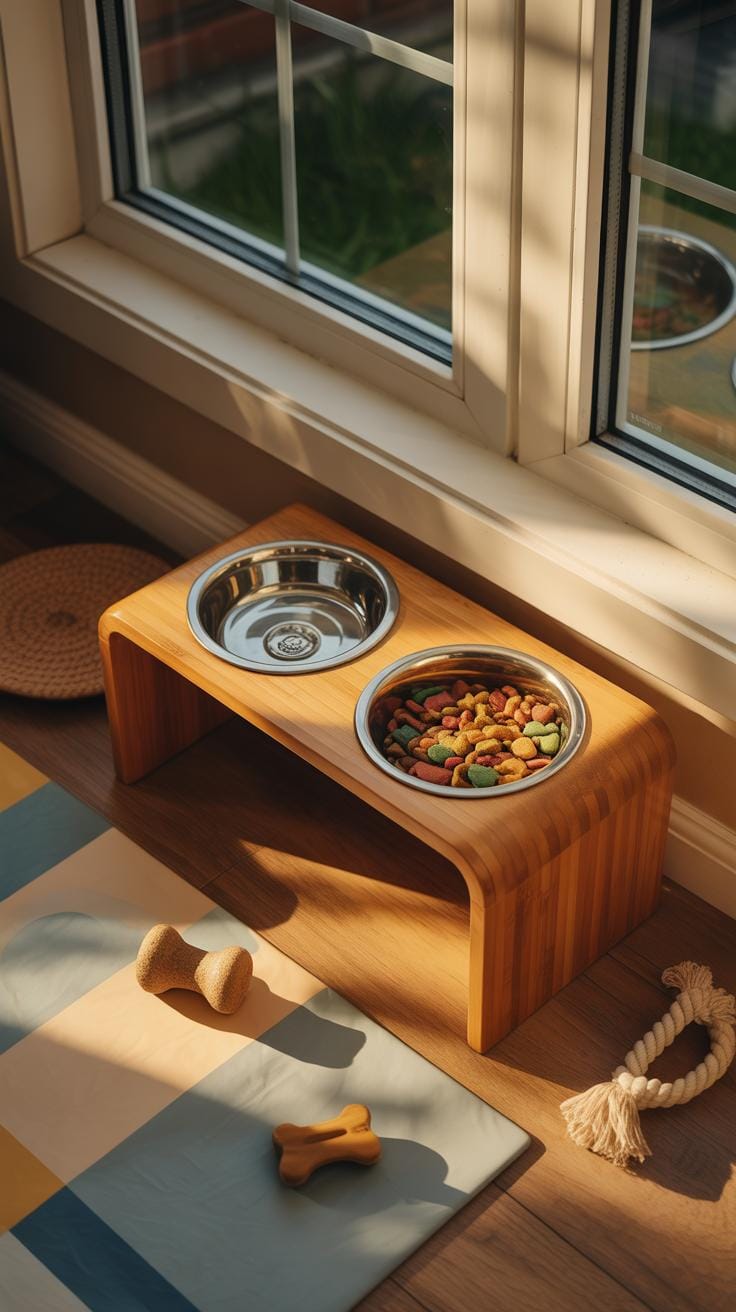
How To Design A Functional And Clean Dog Feeding Station
A functional feeding station prioritizes utility and hygiene over aesthetics. Use non-porous surfaces like stainless steel or high-grade silicone to prevent bacterial growth. These materials resist scratches where microbes often hide. Select a stand with a heavy base to prevent tipping or sliding during aggressive eating. Proper height alignment reduces physical strain on the animal while keeping the floor clear of debris.
Maintenance requires a systematic approach to sanitation and moisture control. Place a waterproof mat under the elevated stand to catch water spills immediately. Moisture trapped under bowls can cause mold or damage hardwood floors over time. Clean the feeding area daily using pet-safe disinfectants to remove saliva and food residue. A clean station prevents pests and ensures the dog consumes food from a sterile environment.
Positioning And Placement Tips For Your Dog’S Food Bowl Area
Placement determines the safety and comfort of the dog during mealtime. Position the station in a low-traffic area to prevent startle responses or accidental collisions. Avoid placing bowls near loud appliances like washing machines or dishwashers. Excessive noise can create anxiety and lead to digestive issues or food refusal. A quiet corner provides the necessary security for the dog to focus on ingestive behaviors.

Structural stability depends on the floor surface and wall proximity. Push the elevated stand against a solid wall to provide extra support and prevent the unit from migrating. Ensure the area has adequate lighting so you can monitor the dog for signs of choking or distress. Keep the station away from heat sources like radiators to prevent food spoilage. Proper placement extends the life of the equipment.
Elevated Dog Bowls Vs Standard Dog Bowls A Side By Side Comparison
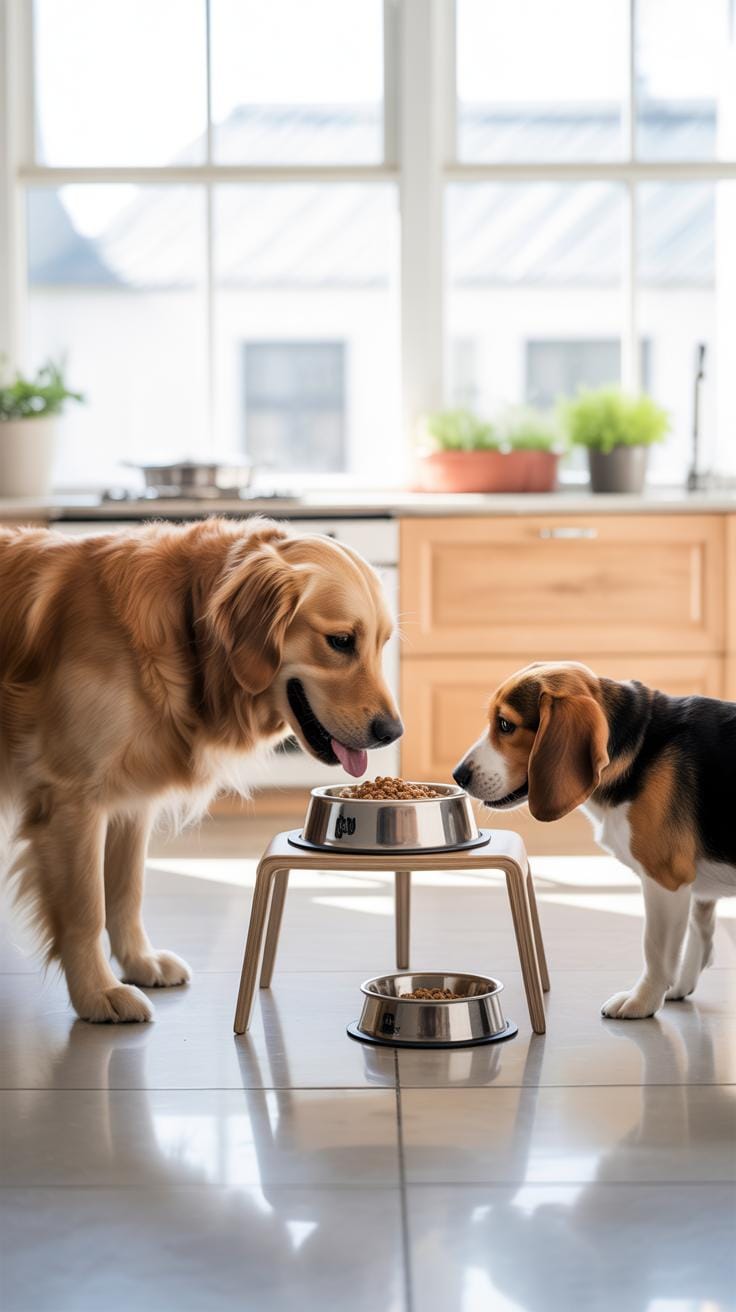
Pros And Cons Of Elevated Dog Bowls Compared To Floor Level Dog Bowls
Elevated dog bowls provide specific ergonomic advantages for large or senior dogs. Raising the food surface reduces the distance a dog must reach. This posture change decreases strain on the neck joints and the forelimbs. Older dogs with arthritis often find floor-level feeding painful. Elevated stands fix this by maintaining a neutral spine position during meals. It simplifies the physical act of eating.
A significant drawback involves the increased risk of Bloat or Gastric Dilatuation-Volvulus in certain breeds. Studies show that raised feeding can contribute to air ingestion. This is a life-threatening emergency for deep-chested dogs. While these stands keep the feeding area cleaner by preventing bowl sliding, they are not a universal solution. Owners must weigh muscle comfort against the potential for serious internal gastric distress.
When Standard Floor Food Bowl Feeding May Actually Be The Better Choice
Standard floor-level bowls remain the safest option for high-risk breeds like Great Danes or German Shepherds. These dogs have deep, narrow chests that predispose them to stomach twisting. Veterinary data suggests that eating from the ground necessitates a slower pace. This natural positioning may limit the amount of excess air the dog swallows. Safety often trumps the convenience of an elevated stand.

Puppies also benefit from standard bowls during their growth phases. Since their height changes rapidly, a fixed-height elevated stand becomes obsolete or harmful within weeks. Floor feeding encourages natural scavenging behaviors and head positions. Unless a veterinarian diagnoses a specific medical condition like megaesophagus, the floor is the default choice. It eliminates unnecessary risks and fits the natural anatomy of most healthy domestic canines.
Veterinarian Recommendations On Using Raised Dog Bowls
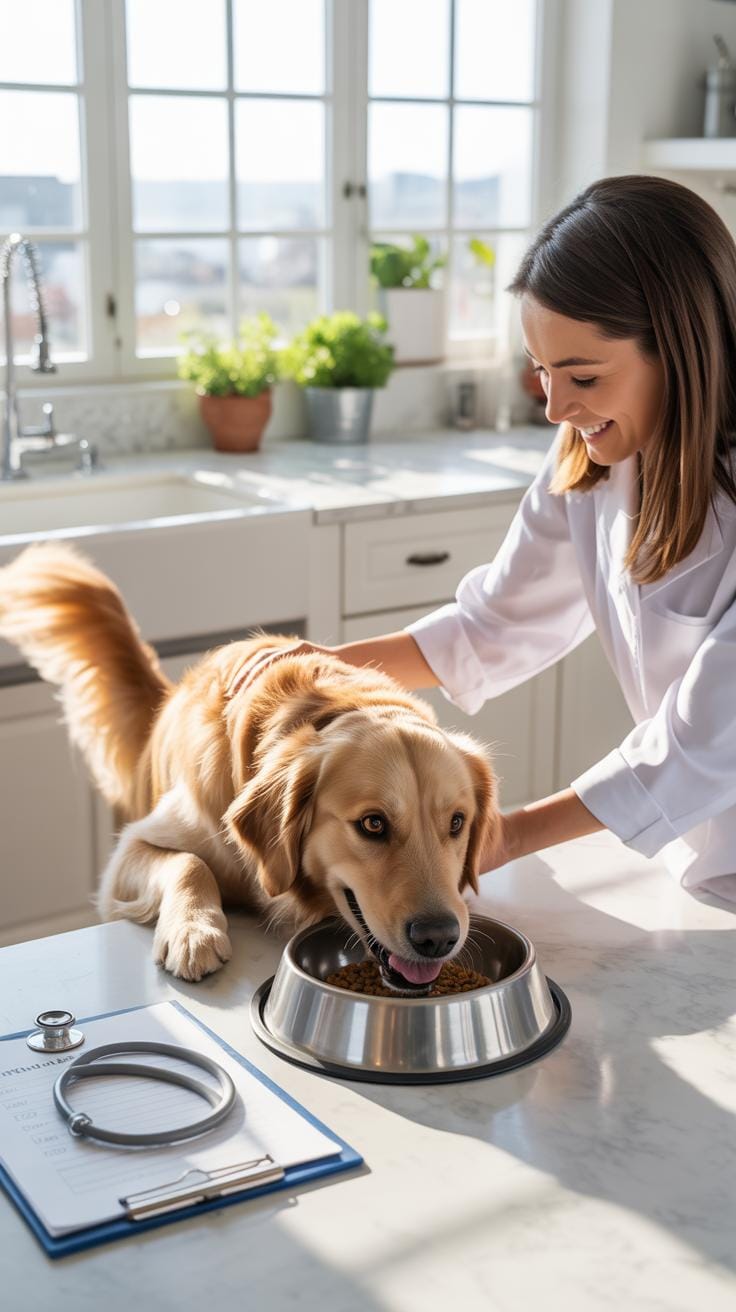
Guidance What Vets Say About Elevated Dog Bowl Benefits For Specific Conditions
Veterinarians recommend elevated feeders primarily for dogs with specific physical limitations. Giant breeds benefit from reduced neck strain during meals. Older dogs with osteoarthritis in the spine or front legs find these tools useful. Raising the bowl allows a neutral standing position. This prevents the animal from splaying its legs or crouching. It improves comfort for pets with chronic musculoskeletal pain or limited mobility.
Doctors also prescribe raised stations for dogs diagnosed with megaesophagus. This condition weakens the esophagus and prevents food from reaching the stomach. Gravity helps the bolus move correctly when the head remains above the chest. Vets use this tactical height adjustment to reduce the risk of aspiration pneumonia. It ensures that the mechanical process of swallowing works with the dog’s anatomy rather than against it.
When To Consult Your Vet Before Switching To An Elevated Dog Feeder
Consult your veterinarian if you own a deep-chested breed like a Great Dane or German Shepherd. Some medical studies suggest a link between raised bowls and Gastric Dilatation-Volvulus. This condition is a life-threatening stomach twist. A vet will assess your dog’s chest depth and eating speed. They will tell you if the risk of bloat outweighs the orthopedic benefits. Do not switch without professional medical input.
Seek expert advice if your dog shows signs of sudden weight loss or coughing after meals. These symptoms may indicate an undiagnosed digestive or neurological issue. A vet must determine if elevation will solve the problem or mask a serious illness. They can provide specific height measurements based on your dog’s withers. Professional guidance ensures the equipment improves health instead of causing new and dangerous complications.
Frequently Asked Questions

What are the primary reasons to switch to a raised feeding station for my pet?
Making the switch offers several elevated dog bowl benefits, particularly regarding your pet’s physical comfort. These stands allow dogs to eat in a more natural, upright position, which reduces unnecessary strain on the neck, shoulders, and hips. This is especially helpful for aging pets or those with mobility issues, as it eliminates the need to stoop down to floor level, making every mealtime a much more comfortable and enjoyable experience.
How do I determine the correct height for my dog’s new elevated feeder?
To maximize the elevated dog bowl benefits, you must ensure the height fits your dog’s specific frame. Measure your pet from the floor to the top of their shoulders while they are standing. For most breeds, the ideal bowl height is roughly six inches below that shoulder measurement. This positioning allows them to feast without crouching or reaching upward, promoting better posture and helping to maintain a neutral spine during digestion.
Can I create a DIY elevated feeding station if I am on a tight budget?
Absolutely! You don’t need an expensive designer stand to improve your dog’s posture. Many owners repurpose sturdy wooden crates, plastic bins, or even old footstools to lift their pet’s dishes. Just ensure the surface is stable and level to prevent spills. As long as the bowls are securely held at the proper height for your dog’s size, your pet will enjoy the health advantages without you needing to spend a fortune.