Understanding What Makes A Great Dog Relaxation Space Indoor
How Dogs Experience Comfort And Safety In Their Environment
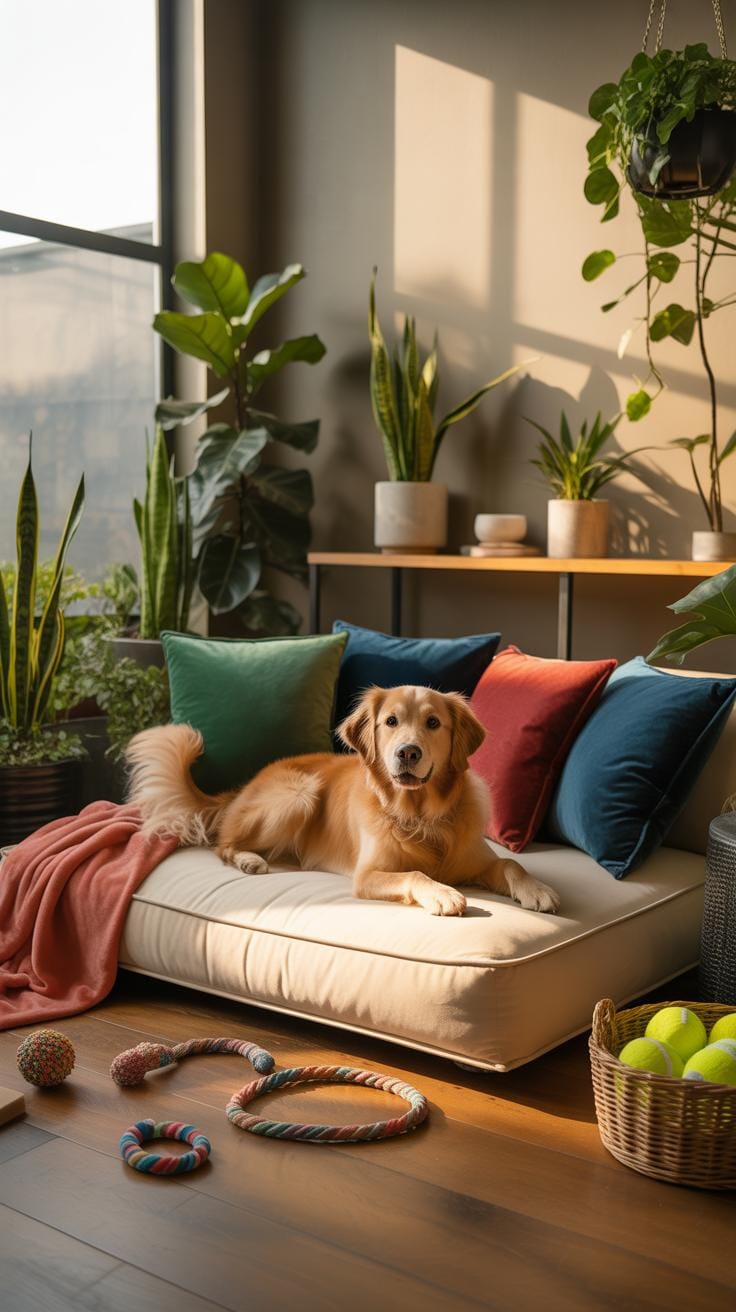
Dogs view the world through a lens of denning instincts. They seek enclosed spaces that provide a clear structural boundary on three sides. This physical limitation reduces their perceived defensive perimeter. A secure indoor space lowers cortisol levels by removing the need for constant surveillance. Use corners or alcoves to tap into this biological drive for a protected resting area.
Lighting and sound also impact canine biology. Dogs have superior hearing and sensitive vision compared to humans. A quiet location away from high traffic paths prevents sensory overload. Avoid placing a relaxation zone near loud appliances or bright windows. Controlled environments allow the parasympathetic nervous system to take over. This shift is necessary for deep sleep and effective physical recovery.
Key Differences Between A Dog’S Relaxation Needs And Play Needs
Relaxation spaces require distinct physical characteristics compared to play zones. Play areas prioritize open floor plans and high traction surfaces for movement. A relaxation space focuses on soft textures and thermal regulation. Use orthopedic materials that support joints without encouraging high energy activity. The goal is to signal a total shift from excitement to stillness through material choice.
Visual cues must separate these two environments. Play areas often contain scattered toys and bright colors that trigger engagement. A relaxation space must remain clear of stimulating objects. Remove squeaky toys or tug ropes from this specific zone. Keeping the area neutral helps the dog associate the space with rest only. Consistency in these physical boundaries prevents confusion and promotes faster settling.

Choosing The Right Location For Your Indoor Dog Space
How To Assess Your Home Layout For The Best Dog Friendly Spot
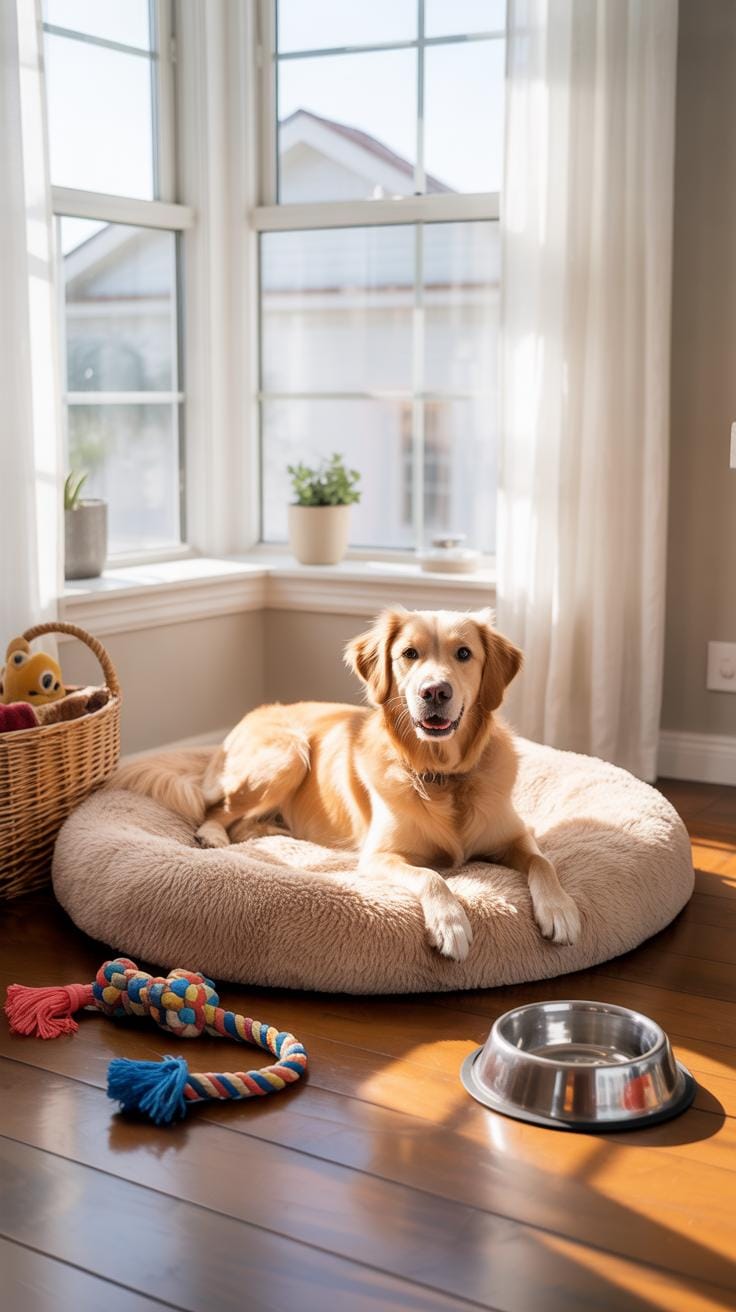
Analyze the floor plan of your home to find areas with low foot traffic. Dog crates and beds belong in corners or dead-end hallways. Avoid major pathways to prevent constant disruption of the dog. Check for drafty windows or vibrating appliances that create noise pollution. A stable temperature is vital for animal health. Proper air circulation prevents the buildup of dander and odors in small corners.
Identify natural boundaries like alcoves or recessed walls. These architectural features provide a sense of security for den-dwelling animals. Measure the floor space to ensure the dog can fully extend their limbs. Keep the area away from direct sunlight to avoid overheating during peak hours. Verify the floor surface is non-slip and easy to sanitize. Strategic placement reduces house-training accidents and lowers the anxiety levels of your pet.
Quiet Zones Vs. Social Zones Where Should Your Dogs Space Be
Evaluate your dog’s personality to choose between a quiet or social zone. Anxious or older dogs require a quiet zone. These spots should sit far from the television and kitchen. This setup mimics a den environment and allows for deep sleep. High-quality rest improves cognitive function and reduces aggression. Use a back bedroom or a finished basement for the highest level of seclusion.

Confident and social dogs often prefer a spot near the family. Place the relaxation space in the living room corner. This allows the dog to observe the household without being in the way. Ensure the spot remains a designated no-touch zone for humans. The dog must feel safe even in a busy room. Do not place beds near front doors where street noise causes frequent barking.
Dog Room Design Building A Space That Balances Function And Comfort
Flooring, Walls, And Lighting Choices That Support Dog Well Being
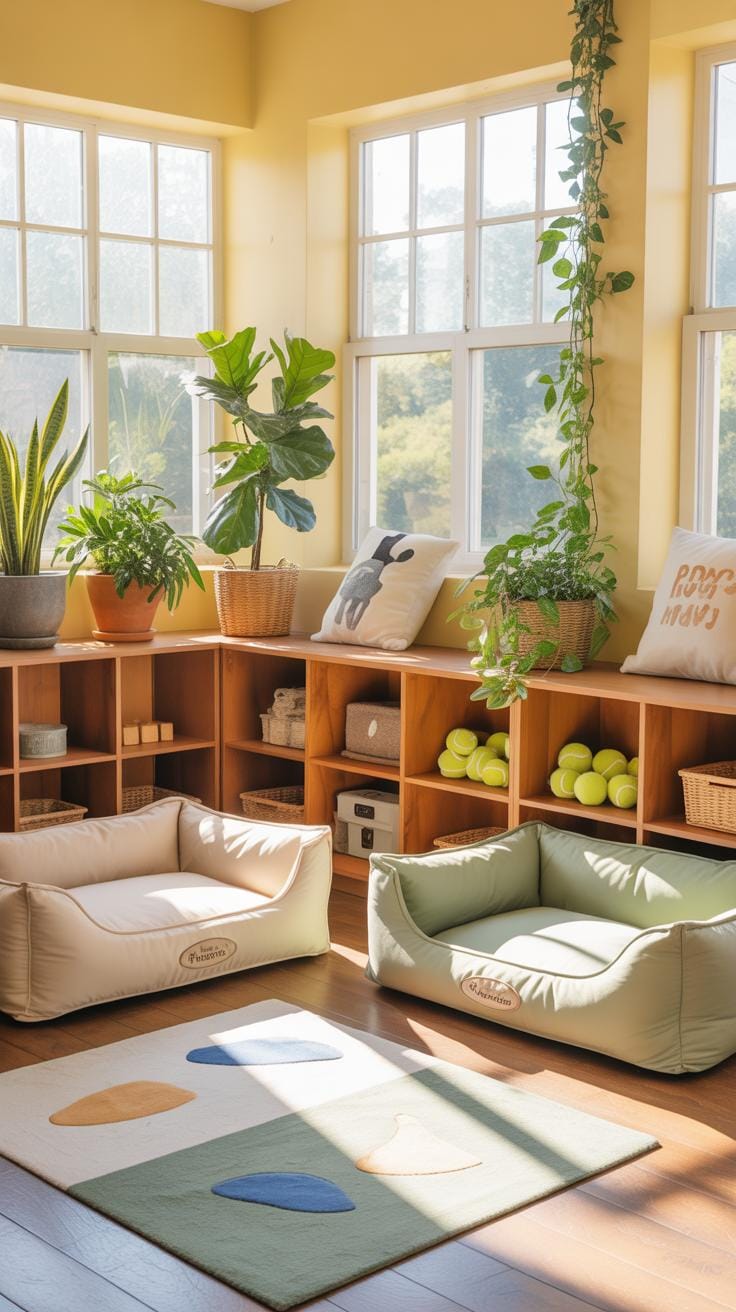
Flooring must prioritize traction and joint health. Hardwood and polished stone are too slippery for most breeds. These surfaces cause muscle strain and long-term joint damage. Choose luxury vinyl plank or cork. These materials provide grip and absorb impact well. They also remain warm to the touch. This comfort encourages the dog to rest on the floor without seeking a softer furniture surface elsewhere.
Walls require durable finishes to withstand physical contact. Scuffs and oils from fur degrade standard latex paint quickly. Use semi-gloss or eggshell finishes in neutral tones. Avoid bright colors that may cause overstimulation. Lighting must mimic natural cycles. Use dimmable LED bulbs with warm color temperatures. Blue light disrupts a dog’s sleep patterns. Positioning lights away from eye level prevents glare during rest periods.
Dogs are not our whole life, but they make our lives whole. Designing a quiet corner for them is simply a way of returning the immense love they bring into our homes every day.
Designing For Easy Cleaning Without Sacrificing Style
Modern dog rooms use non-porous materials to manage odors and bacteria. Porous surfaces trap dander and urine deep within the fibers. This creates permanent smells that irritate a dog’s sensitive nose. Install hard surfaces like ceramic tile or treated vinyl for the base floor. Use low-pile area rugs with rubber backings for comfort. These rugs prevent sliding and go directly into a standard washing machine for sanitization.

Furniture selection should focus on removable and washable covers. Microfiber and heavy-duty canvas resist claws and hair better than linen or silk. Choose elevated beds to allow airflow beneath the dog. This design prevents mold growth and keeps the sleeping area dry. High-quality materials like ballistic nylon offer durability and wipe clean with a damp cloth. This approach maintains a professional aesthetic while ensuring the space stays hygienic.
Dog Room Decor Making The Space Feel Inviting For Your Pet
Selecting Calming Colors And Textures That Dogs Respond Well To
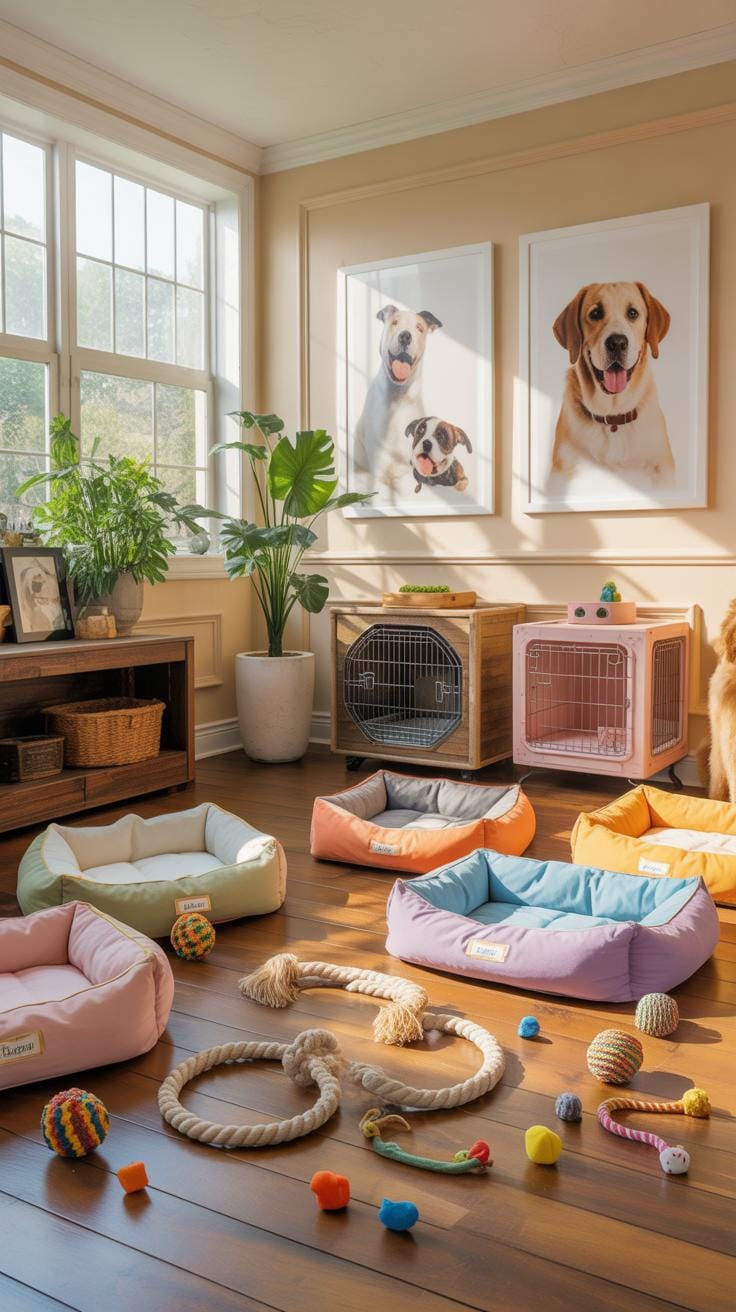
Dogs see the world through a limited color spectrum. They primarily perceive blues and yellows while reds and greens appear as brownish grays. To create a relaxating environment, select wall colors in soft blue or muted yellow tones. These hues remain distinct to the canine eye without causing overstimulation. Avoid high contrast patterns that might confuse a dog or cause visual stress during rest periods.
Texture provides the tactile comfort necessary for deep sleep. Choose materials like heavy cotton canvas or synthetic faux fur for bedding. These fabrics regulate temperature and provide a sense of security. Avoid silk or thin nylon because they lack the grip and warmth dogs instinctually seek. Durable textiles also withstand natural nesting behaviors like digging or circling. Use matte finishes on floors to prevent slipping and increase physical confidence.
How To Incorporate Dog Themed Decor Without Cluttering The Space
Visual clutter increases stress for both owners and pets. A minimalist approach ensures the dog relaxation space indoor remains functional. Use wall mounted storage to keep toys and leashes off the floor. This architectural choice maintains clear pathways and prevents tripping hazards. Frame professional photographs or anatomical prints to establish the theme. These items stay out of reach and do not occupy valuable floor real estate.
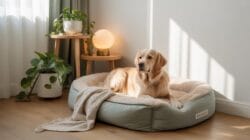
Functional decor serves a dual purpose in tight spaces. Choose furniture that doubles as a crate or a bench with hidden storage for supplies. This strategy follows mid century modern principles where form follows function. Keep surfaces clear to minimize dust and dander buildup. Integrated lighting should remain soft and indirect to protect sensitive canine eyes. A clean layout allows the dog to move freely and settle down quickly without distraction.
Dog Corner Ideas Creating A Cozy Retreat Within Any Room
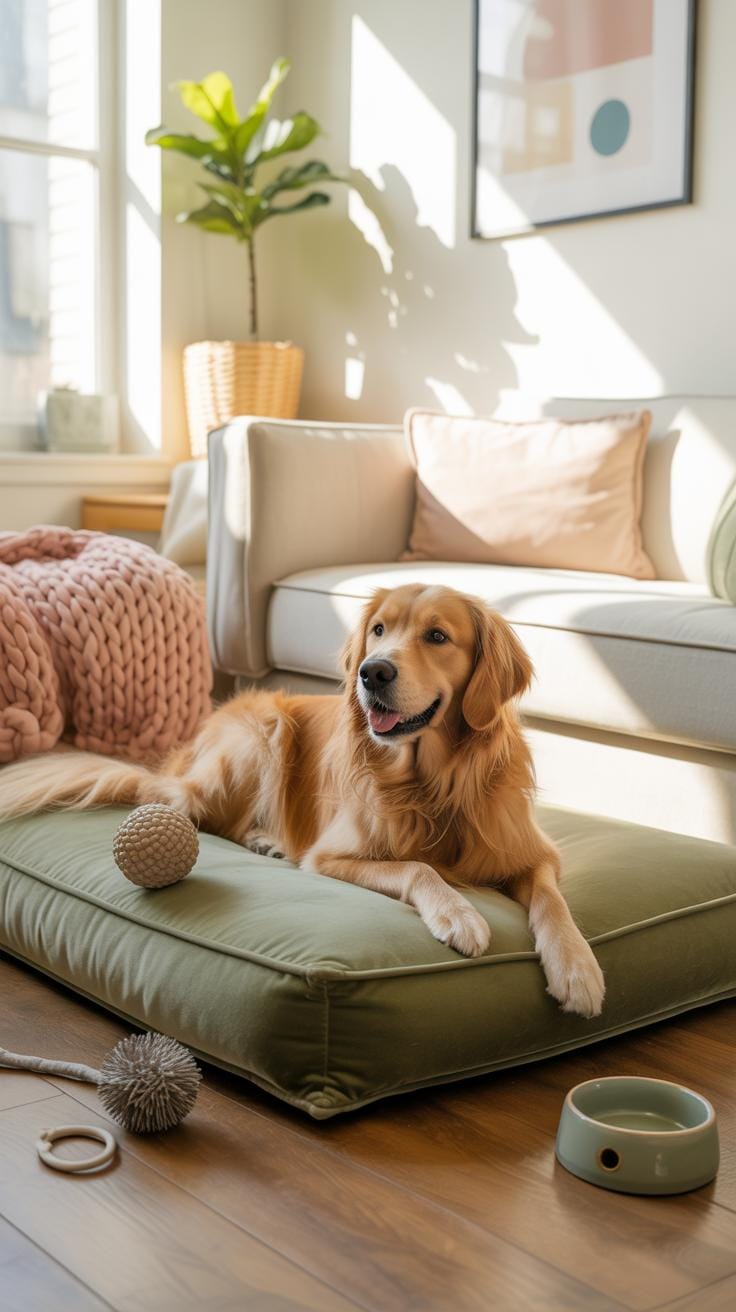
How To Define A Dog Corner Using Furniture, Rugs, And Dividers
Physical boundaries create psychological security for a dog. Use existing furniture like the side of a sofa or a sturdy bookshelf to anchor the space. This mimics a natural den environment by providing a solid wall on one side. A low profile rug helps define the zone visually and provides traction. Select a rug material that resists moisture and traps loose hair.
Room dividers and screen panels offer privacy in open floor plans. Use weighted gates or short modular fencing to block high traffic lanes. This prevents the dog from feeling exposed to constant movement. Positioning the corner away from main walkways reduces noise disruption. Use the back of an armchair to shield the bed from overhead light. These tactics mark the area as a dedicated rest zone.
Essential Items Every Dog Corner Should Include For True Relaxation
A functional relaxation space requires specific tools to support rest and stress reduction. You must select items based on durability and the biological needs of the animal. High quality materials prevent injury and ensure the space remains hygienic over time. Every object in the corner should serve a purpose for comfort, safety, or mental calm. Avoid adding decorative items that provide no utility.
- Orthopedic Bedding: High-density memory foam supports joints and distributes weight evenly. This material prevents pressure sores in older dogs and provides a firm base for resting. Choose a bed with a removable cover for frequent washing to maintain a clean environment.
- Sound Damping Panels: Acoustic foam or heavy fabric curtains reduce sharp noises from the rest of the house. Dogs have sensitive hearing and sudden sounds can trigger a startle response. These panels create a consistent auditory environment that encourages deeper sleep cycles.
- Non-Spill Water Station: Hydration is a basic biological need for relaxation. Use a heavy ceramic or stainless steel bowl that stays in place. A silicone mat under the bowl catches drips and prevents the floor from becoming slippery or damaged by moisture.
- Pheromone Diffusers: Synthetic calming pheromones mimic the natural scents mother dogs produce to soothe their young. These devices plug into a wall outlet near the dog corner. They provide continuous chemical signals that help lower anxiety levels in high-stress dogs.
- Low-Light Source: A dim light or covered lamp prevents total darkness while avoiding harsh glare. Dogs possess a tapetum lucidum which helps them see in low light, but they still value a soft glow for orientation. This provides safety when they move at night.

Clean the area weekly to remove dander and pathogens. Replace worn items immediately to prevent ingestion of loose threads or foam bits. A minimalist approach works best because it reduces clutter and simplifies maintenance. Ensure all items are non-toxic and sized correctly for the specific breed. A well-equipped corner allows the dog to self-regulate their stress levels without human intervention.
Dog Friendly Home Setup Ideas For Multi Pet And Multi Human Households
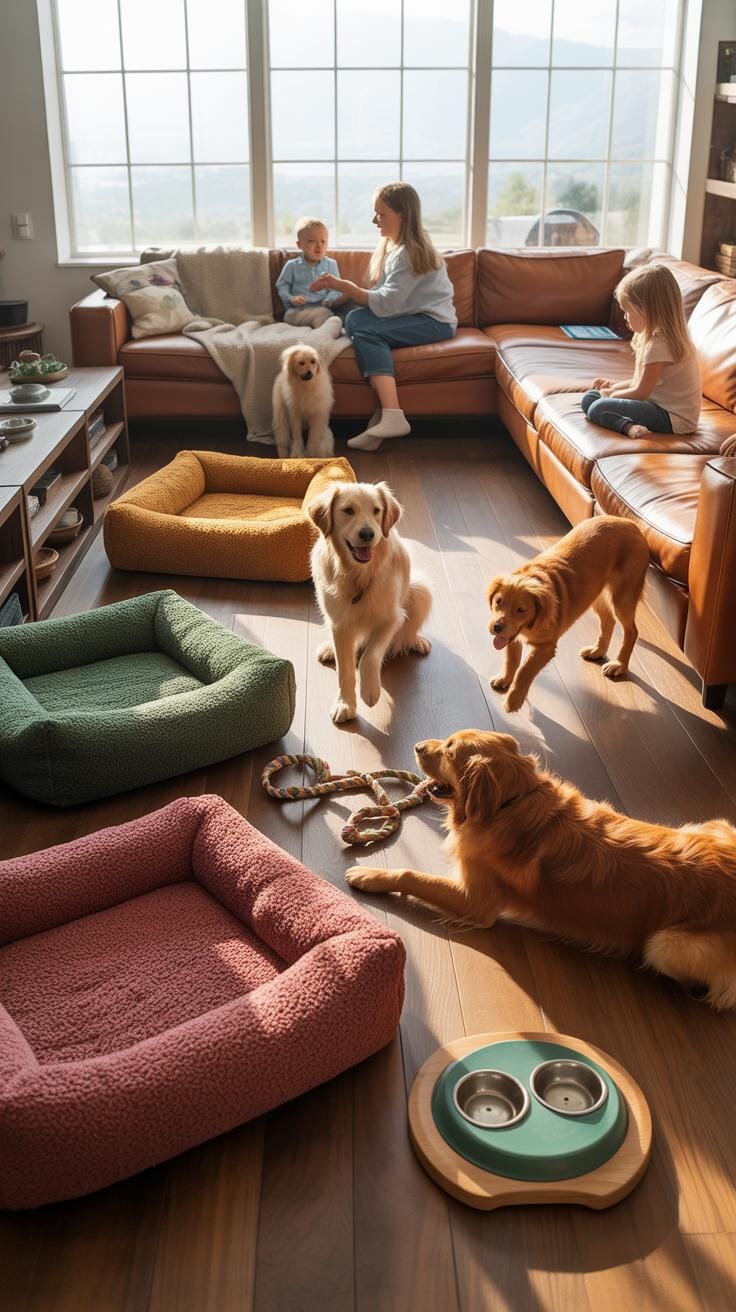
Balancing A Dog Relaxation Zone With Family Living Areas
Position the dog relaxation space indoor in low-traffic corners of high-activity rooms. Use the back of a sofa or a heavy bookshelf as a natural sound barrier. This physical anchor provides a sense of security while keeping the dog near the family. Choose areas away from main hallways and door swings. Constant foot traffic triggers a dog’s guarding instincts and prevents deep sleep cycles.
Integrate the bed into existing furniture to save floor space and reduce tripping hazards. Use alcoves under stairs or custom cabinetry to house the dog’s sanctuary. These permanent spots remain quiet even when the room is full of people. Select materials that match your interior design to maintain visual order. A consistent location helps the dog understand where they belong when human activity increases during the day.
How To Set Up Separate Spaces When You Have Multiple Dogs
Each dog needs a dedicated spot to prevent resource guarding and social tension. Place beds at least six feet apart or in different rooms to ensure privacy. Visual blocks like room dividers or large chairs help dogs relax without monitoring each other. This setup reduces competitive behavior and allows each pet to reach a resting state. Avoid clustering all pet furniture in one high-value area.

Observe each dog’s preferred sleeping style to determine the best location. Older dogs need quiet zones far from puppy play areas to protect their joints and sleep. High-energy dogs benefit from spots near exits for quick access to outdoor relief. Clear boundaries stop one dog from invading another’s rest space. Use different scents or specialized bedding to mark individual territory. This tactical separation maintains peace in multi-pet homes.
Dog Playroom Indoor Combining Relaxation With Safe Mental Stimulation
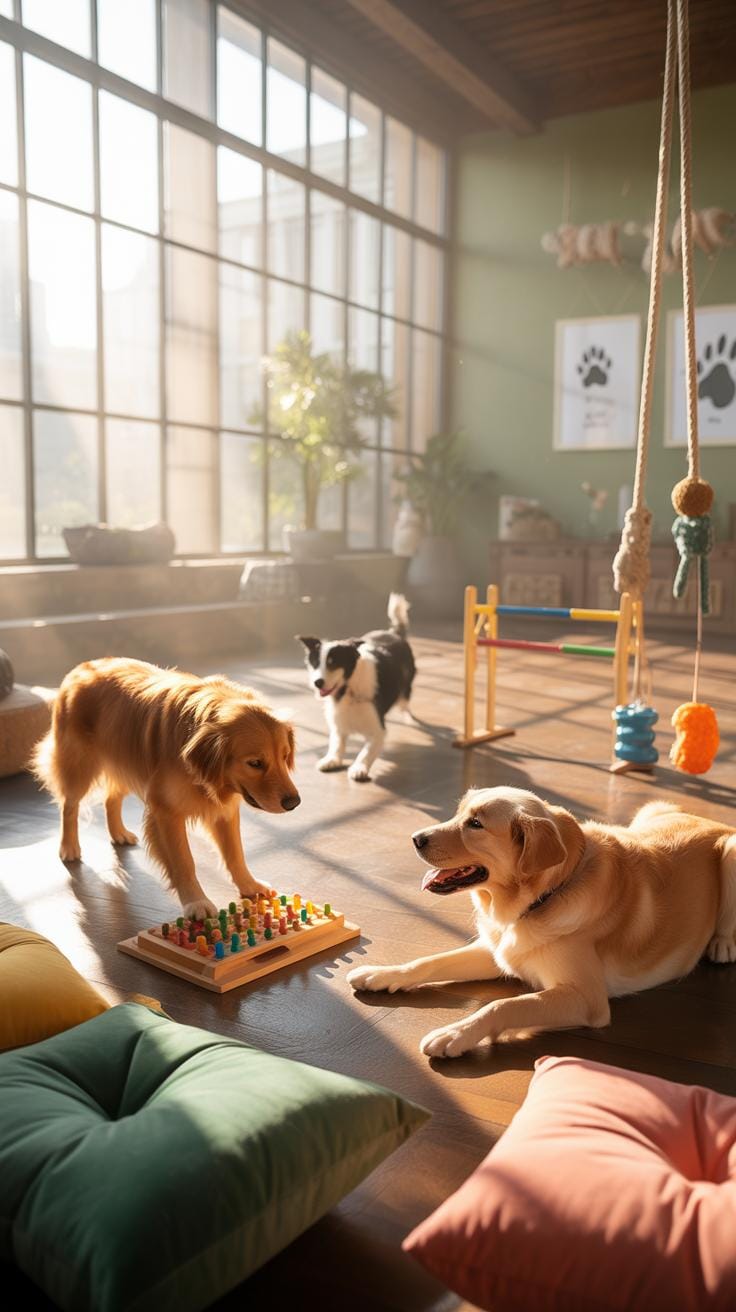
The Role Of Enrichment Toys And Puzzle Feeders In A Relaxation Room
Enrichment toys provide low-intensity mental exercise that lowers cortisol levels. Lick mats and snuffle mats encourage foraging behaviors. These activities release endorphins and help dogs settle into a calm state. You must select items that do not require high physical exertion. This keeps the dog in the relaxation zone while keeping the brain active. Focus on quiet tools that promote slow engagement and steady focus.
Puzzle feeders replace traditional bowls to slow down calorie intake and provide a job. Working for food occupies the mind and prevents destructive chewing in the room. This process tires the dog out mentally without causing physical exhaustion. Use food-grade rubber or durable silicone materials to ensure safety. Place these items on easy-to-clean surfaces within the room. Consistent use builds a positive association between the space and rewarding focus.
How To Rotate Activities To Prevent Boredom Without Overstimulating Your Dog
Frequent novelty causes stress while lack of it leads to boredom. You must manage the environment by swapping out interactive tools every three days. Store unused toys in a separate bin outside the room. This maintains their value as a special resource. Limit the dog to two or three items at one time. Too many choices overwhelm the animal and prevent deep rest or sustained concentration.

Monitor the dog for signs of frustration or excessive barking during play. If the dog shows over-arousal, remove the item immediately. High-energy play ruins the calm atmosphere of a dedicated relaxation space. Use a predictable schedule for introducing new challenges. This routine builds confidence and teaches the dog to expect a balance of work and rest. Success depends on maintaining a quiet environment while their minds are engaged.
Dog Day Care Ideas You Can Bring Home To Upgrade Your Indoor Setup
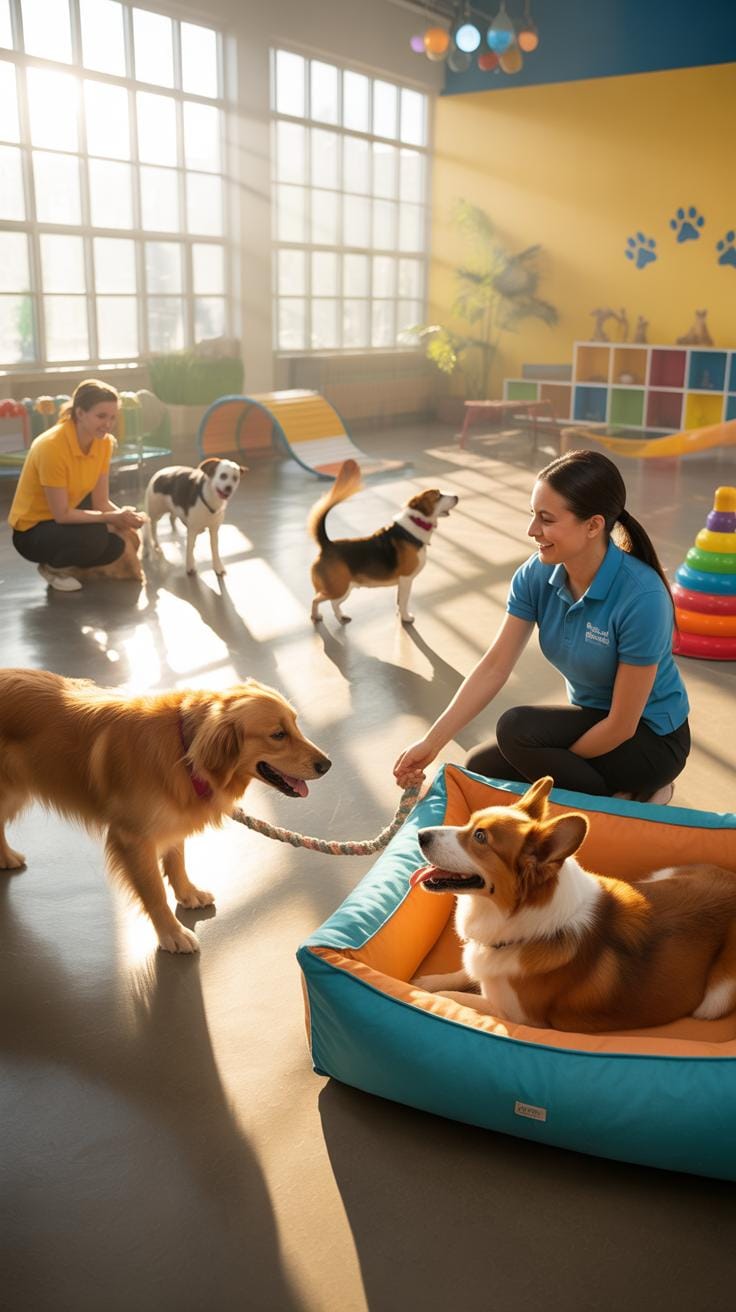
Professional Dog Day Care Features Worth Recreating At Home
Professional facilities use specific design principles to manage canine stress and energy. You can replicate these results by segmenting your floor plan. High-end centers use non-porous surfaces and acoustic dampening to keep environments neutral. These features prevent sensory overload and make cleaning easy. Bringing these industrial standards into your home creates a dedicated zone where your dog feels secure and managed.
- Visual Barriers: Use solid room dividers or crate covers to block high-traffic sightlines. Reducing visual stimuli prevents fence fighting behaviors and hyper-vigilance. This allows the dog to settle without tracking every movement in the house.
- Acoustic Panels: Install foam or fabric panels to absorb sharp noises. Professional gyms use these to dampen barking and echoes. Lowering decibel levels reduces cortisol spikes in sound-sensitive breeds and maintains a peaceful atmosphere.
- Rubberized Flooring: Lay down heavy-duty rubber mats or interlocking tiles for better traction. Facilities use these to prevent joint strain and slipping. High-grip surfaces build confidence in older dogs and protect your permanent home flooring.
- Pheromone Diffusers: Plug in synthetic calming pheromones near the primary rest area. These devices mimic natural maternal scents to signal safety. Professionals use them during intake to lower anxiety levels in new or stressed animals.
- Raised Cots: Elevate the sleeping surface using PVC or metal frame beds. These provide orthopedic support and allow airflow underneath the dog. Raising the pet off the floor defines a clear boundary for the “place” command.
Select materials that prioritize durability and hygiene over aesthetics. Commercial spaces avoid carpet because it traps odors and allergens that agitate dogs. Switching to hospital-grade disinfectants and easy-wipe surfaces keeps the air clean. Tactical upgrades like these turn a standard room into a high-performance recovery station. Your dog will recognize the physical shifts in the environment as cues for calm behavior.
How Structured Rest Schedules Used In Day Care Benefit Dogs At Home
Professional day cares enforce mandatory nap times to prevent overstimulation and aggression. Dogs often lack the impulse control to stop playing when they are tired. At home, you must trigger this rest cycle manually by using a crate or a darkened room. A tired dog that cannot sleep becomes irritable and destructive. Implementation of high-intensity activity followed by forced quiet time stabilizes their mood.

Structure provides the dog with psychological certainty. When a dog knows exactly when rest occurs, it stops seeking constant interaction from the owner. Use a timer to mark the start and end of relaxation periods. This mirroring of professional facility rhythms reduces separation anxiety and builds independence. Consistently applying these time blocks ensures your dog remains in a balanced state throughout the work day.
Pet Friendly Room Inspiration Real Layouts That Work For Dogs And Owners
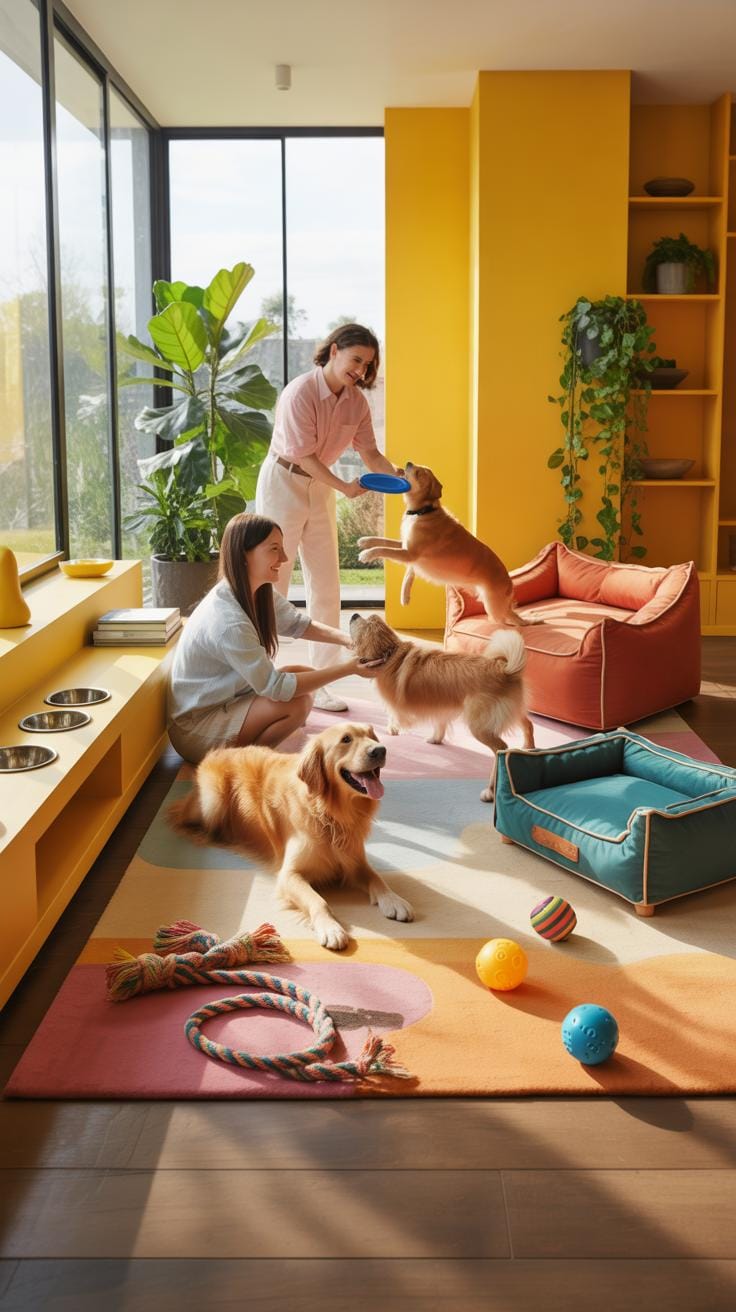
Small Space Solutions: Creating A Dog Relaxation Area In Apartments
Small apartment layouts require dual-purpose furniture to accommodate a dog relaxation space indoor. Use the area under a standard console table or a floating desk to house a high-quality orthopedic bed. This vertical stacking method saves floor space while providing a secure ceiling for the dog. Select furniture with a sturdy frame to prevent noise when the dog moves during the night.
Position the dog zone away from high-traffic entryways to reduce stress from hallway noises. Use heavy blackout curtains to dampen outside sounds and control light levels. In studio apartments, use an open-backed bookshelf as a room divider. This creates a distinct den without blocking airflow or natural light. Ensure all cables and electronics remain behind the furniture to maintain a safe and clear floor perimeter.
Larger Home Layouts That Dedicate A Full Room To Your Dog’S Comfort
Larger homes allow for a dedicated dog room near a mudroom or laundry area. This layout uses waterproof flooring like luxury vinyl plank or sealed tile for easy cleaning. Install a built-in wash station with a handheld sprayer to manage dirt before the dog enters the relaxation zone. High ceilings in these rooms help dissipate heat, keeping the environment cool for thick-coated breeds.
Design the room with a mix of soft and firm surfaces to support joint health. Use weighted blankets or calming beds in a quiet corner away from loud appliances. Install a Dutch door to keep the dog contained while allowing full visibility and air circulation. This layout mirrors the principles of the Arts and Crafts movement by prioritizing functional, built-in storage for toys and grooming supplies.
Frequently Asked Questions

Why does my dog need a dedicated indoor relaxation area?
Just like humans, dogs need a predictable sanctuary to decompress from daily stressors like loud noises or household activity. Designating a specific dog relaxation space indoor helps reduce anxiety and promotes better sleep patterns. By giving your pet a consistent “safe zone” filled with their favorite scents and textures, you support their emotional well-being and provide a sense of security that improves their overall temperament and happiness within your home.
What are the essential elements for setting up a calm corner?
To create a functional dog relaxation space indoor, start with a supportive orthopedic bed placed in a low-traffic area away from drafts. Incorporate soft lighting, a white noise machine to drown out external sounds, and a few familiar “security” toys. Consider using pet-safe pheromone diffusers or lavender-scented sprays to further enhance the tranquility. This combination of physical comfort and sensory soothing ensures your pup can truly relax and recharge effectively.
Can I create a relaxing pet zone if I have a small budget or limited space?
Absolutely! You don’t need an entire room to make a significant impact on your pet’s comfort. Look for underutilized areas like a quiet corner of your bedroom or the space under a side table. You can repurpose old blankets and pillows to create a cozy nest without spending a fortune. The key is consistency and quietness rather than luxury, ensuring the area feels private and exclusively theirs for resting.