Understanding The Basics Of A Balanced Dog Routine For Everyday Life
Why Structure And Consistency Matter For Your Dog’S Well Being
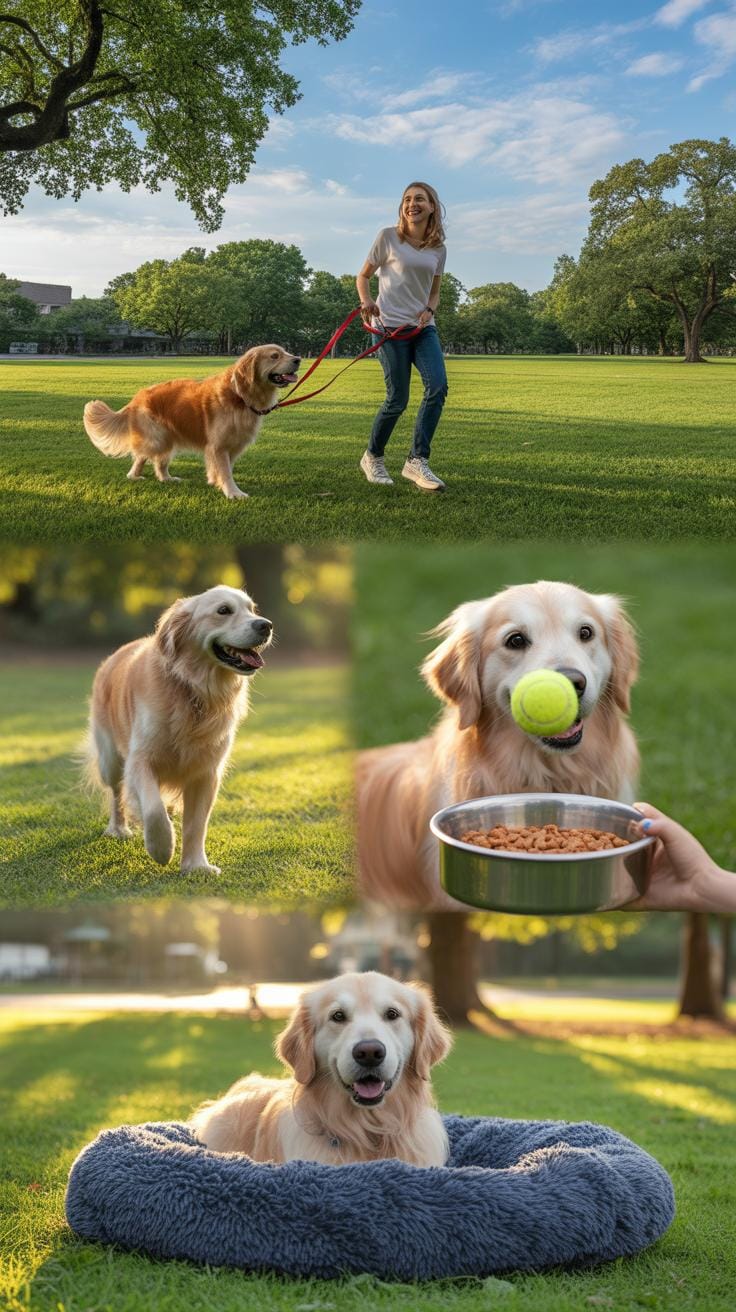
Dogs thrive on repetitive patterns because they lack a conceptual grasp of time. A structured schedule aligns their biological clock with your household activities. This alignment regulates metabolic functions such as digestion and energy expenditure. When you provide meals and exercise at the same times each day, you stabilize the dog’s internal systems. This physical stability leads to improved health and longevity for the animal.
Structure eliminates the mental fatigue your dog experiences when they must guess your next move. Constant changes in schedule cause physiological stress. By maintaining a firm timeline, you decrease cortisol levels in the pet. This allows the dog to rest deeply between scheduled activities. Deep rest improves cognitive function and physical recovery. A consistent routine makes your dog more manageable and easier to train over the long term.
How A Predictable Dog Routine Reduces Anxiety And Behavioral Issues
Predictability acts as a primary defense against common behavioral problems. Most destructive behaviors like chewing or excessive barking stem from uncertainty or pent-up energy. A set routine ensures the dog knows when to expect stimulation and when to remain calm. This clarity prevents the development of separation anxiety because the dog trusts the daily pattern. They understand that your departure always precedes a specific return time and reward.
Routine creates a clear framework for acceptable behavior throughout the day. When the environment is predictable, the dog feels safe and secure. This sense of security reduces hyper-vigilance and reactive barking at external noises. You save hours of corrective training by simply meeting the dog’s basic needs on a reliable clock. A calm dog requires less supervision and allows you to focus on your own daily tasks without constant interruptions.

How To Build An Effective Dog Schedule Daily That Works Around Your Lifestyle
Mapping Out Morning Afternoon And Evening Pet Care Blocks
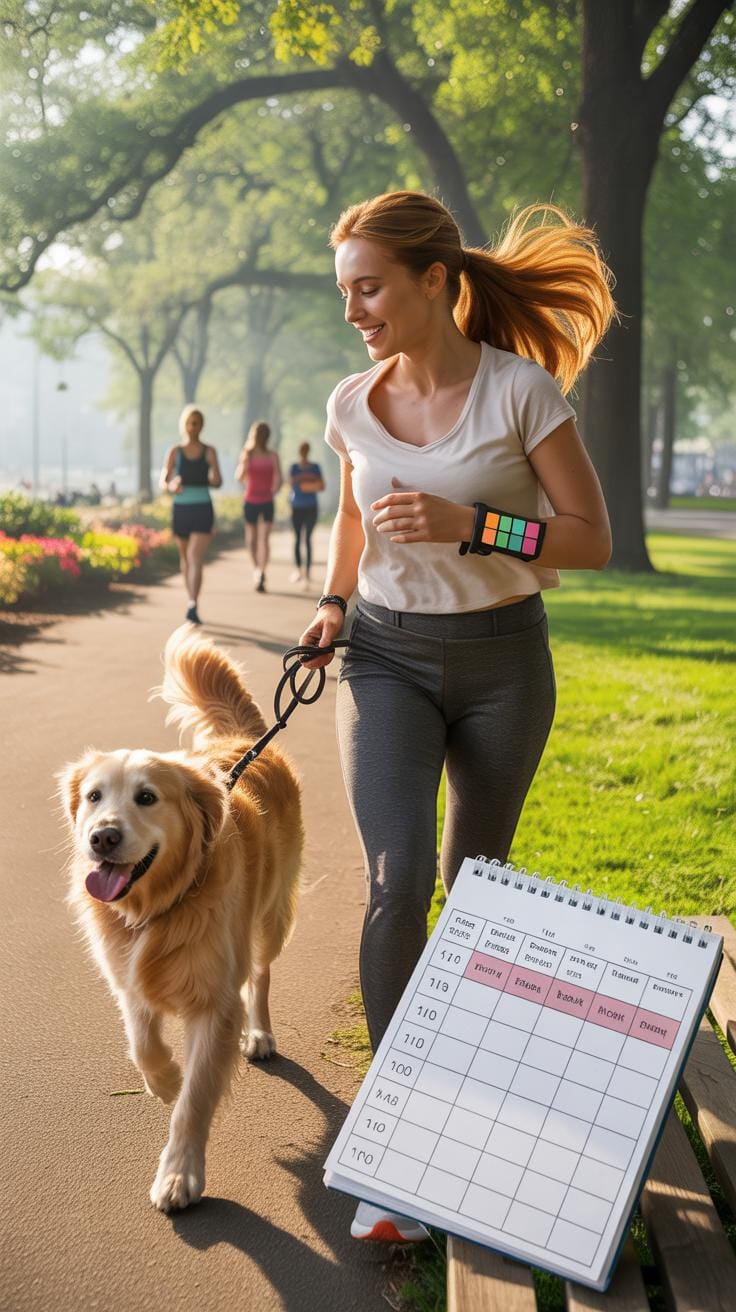
Efficient pet care requires rigid time blocks. Group high-energy tasks like exercise and training in the morning. This satisfies the dog’s biological drive for activity after sleep. Use the afternoon for low-maintenance needs like hydration checks or brief garden breaks. Evening blocks must focus on calming rituals and final sanitation. Consistency in these windows reduces canine anxiety and prevents unscheduled interruptions during your workday.
Structure your blocks to match your natural energy levels. Do not attempt complex training sessions when you are rushed or tired. Use meal times as anchors for the schedule. Feeding the dog at the same hour every day regulates their digestive clock. This predictability makes bathroom breaks easier to time. A strict block system eliminates the mental load of deciding when to care for your pet.
Time Saving Tools And Apps That Help You Stick To A Daily Dog Schedule
Technology eliminates human error in animal husbandry. Automatic feeders ensure precise portion control and timing without your physical presence. This tool is vital for maintaining a metabolic baseline. Smart water fountains reduce the frequency of manual refills while keeping water fresh. Use digital calendars with recurring alerts to track medication and flea treatments. These tools automate the repetitive tasks that usually drain your daily focus.

Mobile applications provide a centralized hub for multi-person households. Apps like DogLog or Rover allow different family members to log walks and meals in real time. This prevent double-feeding or missed exercise sessions. High-tech monitoring cameras let you check behavior patterns from your desk. These data points help you refine the schedule based on actual animal activity. Professional tools turn guesswork into a streamlined and repeatable management process.
Creating A Puppy Training Schedule That Supports Early Development
Key Milestones To Include In Your Puppys Weekly Training Plan
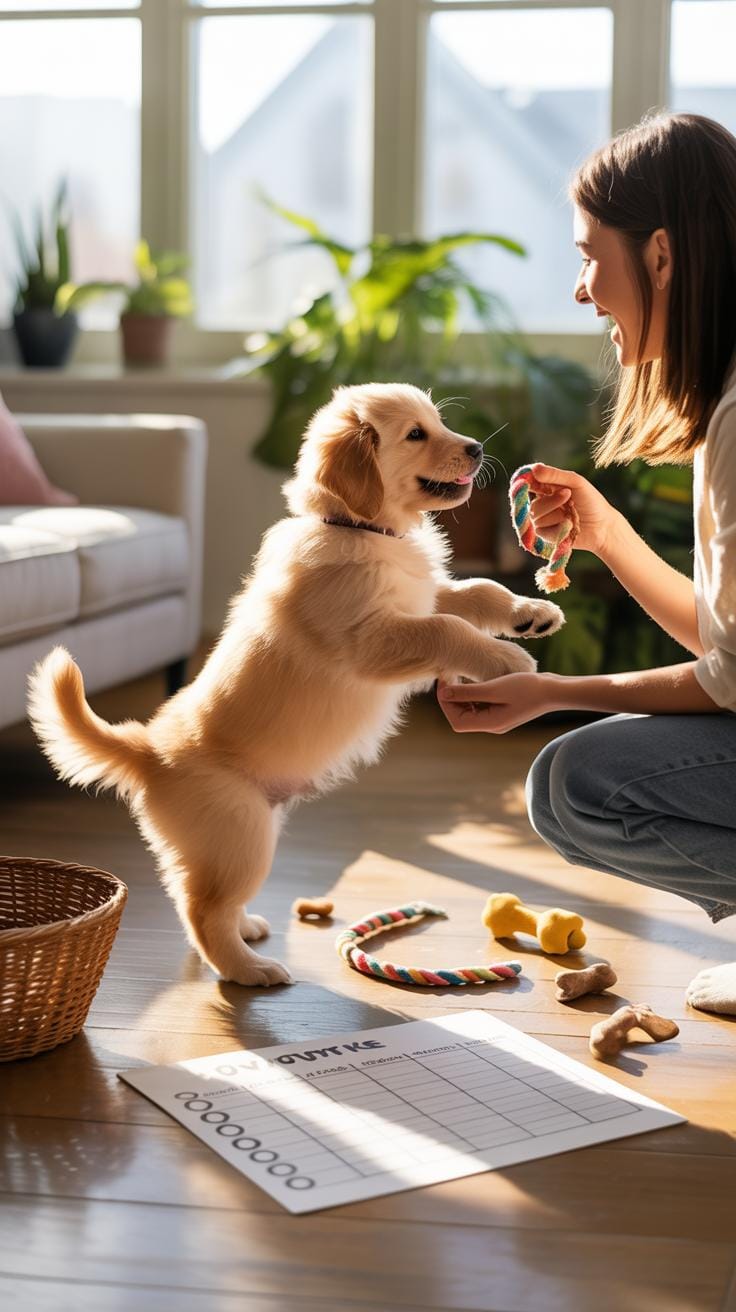
A structured schedule focuses on biological needs and behavioral basics. In the first few weeks, you must prioritize potty training and crate familiarity. These habits reduce household accidents and decrease future cleaning time. Puppies develop rapidly between eight and sixteen weeks old. Use this window to introduce social cues and basic commands. This foundation prevents destructive behaviors that complicate your daily routine.
Effective plans track progress across four specific areas: socialization, noise desensitization, leash walking, and bite inhibition. Assign one primary focus area to each week to ensure steady advancement without overwhelming the animal. Consistency across these milestones builds predictable behavior. A predictable pet requires less active management. This systematic approach transforms a chaotic puppy into a manageable companion that fits into your streamlined household schedule.
How Short Frequent Training Sessions Maximize Puppy Development Results
Puppies have extremely limited attention spans that usually last only five to ten minutes. Long training sessions frustrate the animal and lead to poor retention. High frequency training utilizes several short bursts of activity throughout the day. This method aligns with the natural cognitive pace of a developing canine. You will see faster results by training during existing transitions like meal times or walks.

Integrate commands into your current tasks to save time. Ask for a sit before placing a food bowl or opening the door. This turns daily maintenance into training opportunities without adding separate blocks to your calendar. Short repetitions reinforce muscle memory and strengthen the bond between owner and pet. Focused work for five minutes three times a day outperforms one long weekend session every single week.
Puppy Obedience Training Simple Commands That Fit Into Your Daily Routine
The Core Obedience Commands Every Puppy Should Learn In The First 6 Months
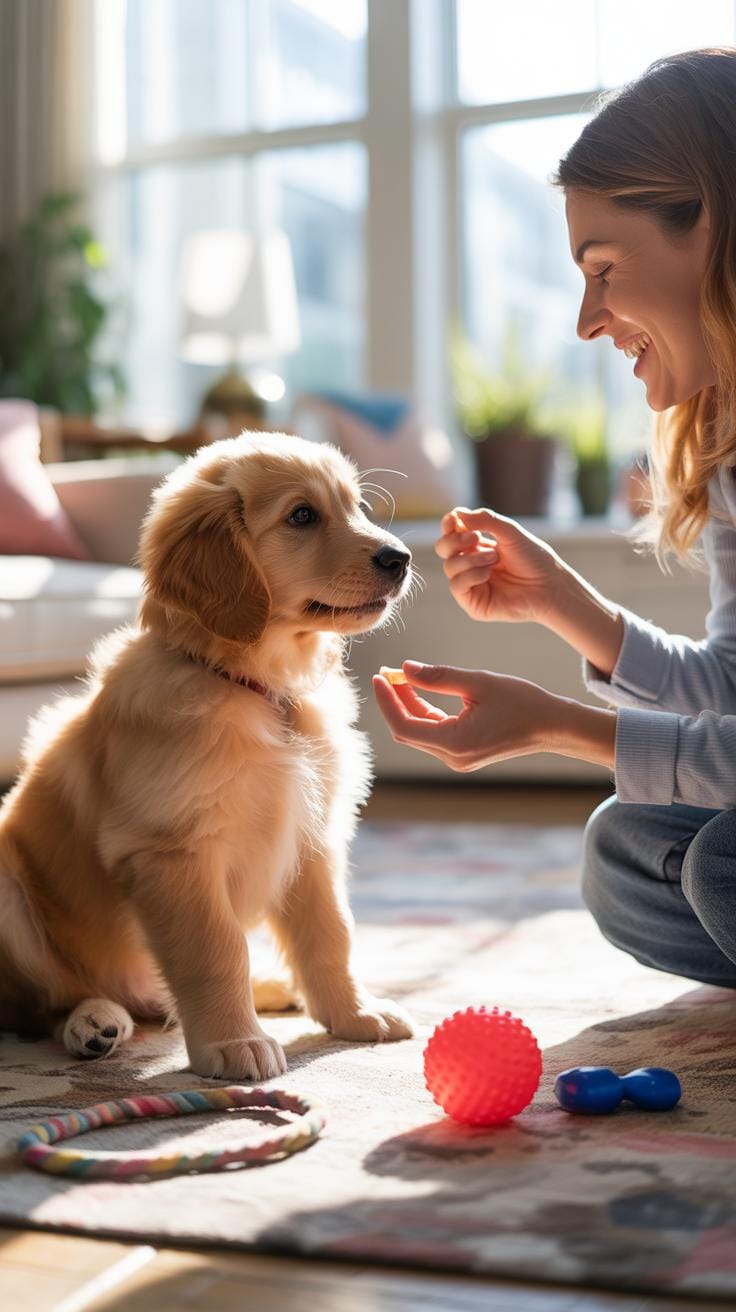
Early training establishes the foundation for a manageable adult dog. Puppies possess high neuroplasticity during the first six months. Teaching specific commands during this window reduces future behavioral issues. You must focus on functional movements that ensure safety and control. Clear communication prevents confusion and speeds up the learning phase. Prioritize these commands to create a predictable environment for both you and your pet.
- Sit: This command acts as a universal transition. It forces the dog to pause and focus on you. Use it before opening doors or placing food bowls to instill patience and prevent lunging behavior in high excitement situations.
- Stay: Reliability in staying prevents dangerous bolting. The dog must maintain its position until you give a release word. This skill is critical for safety when you are unloading groceries or greeting guests at the front door.
- Recall: A dependable come command is life saving. It ensures the dog returns to you immediately regardless of distractions. Practice this in enclosed spaces first. Use high value rewards to build a strong positive association with returning to your side.
- Down: This position promotes a state of relaxation. It is physically harder for a dog to bolt from a lying position. Use it when you need the dog to remain calm for extended periods while you work or eat.
- Leave It: This teaches impulse control regarding floor scraps or dangerous objects. It prevents the ingestion of toxic substances during walks. A solid leave it command saves time on vet visits and reduces constant monitoring requirements at home.
Mastery requires consistent repetition and immediate reinforcement. Use small food rewards to mark successful actions. Keep training sessions under five minutes to match the short attention span of a young puppy. Long sessions cause frustration and slow down progress. Aim for five brief sessions throughout the day. This approach builds muscle memory without taxing the animal. Consistent handlers see faster results and better long term retention.
How To Weave Obedience Practice Into Everyday Moments Without Extra Time
Eliminate dedicated training blocks by integrating commands into existing activities. Use meal times as a natural training opportunity. Make your puppy sit and wait for a release command before eating. This practice enforces discipline twice a day without adding minutes to your schedule. Apply the same logic to walks. Practice the heel command while moving between your door and the sidewalk to maximize every step.

Utilize commercial breaks or kettle boil times for rapid fire drills. Ask for three different commands in sixty seconds. This maintains the puppy’s responsiveness in a home setting. Reward good behavior that happens spontaneously. If the dog settles quietly while you work, acknowledge it. This reinforces a calm default state. Turning daily chores into training moments ensures the dog learns to listen in real world environments rather than just a classroom.
Using A Puppy Feeding Guide To Simplify Mealtime And Support Healthy Growth
How Often And How Much To Feed Your Puppy Based On Age And Breed Size
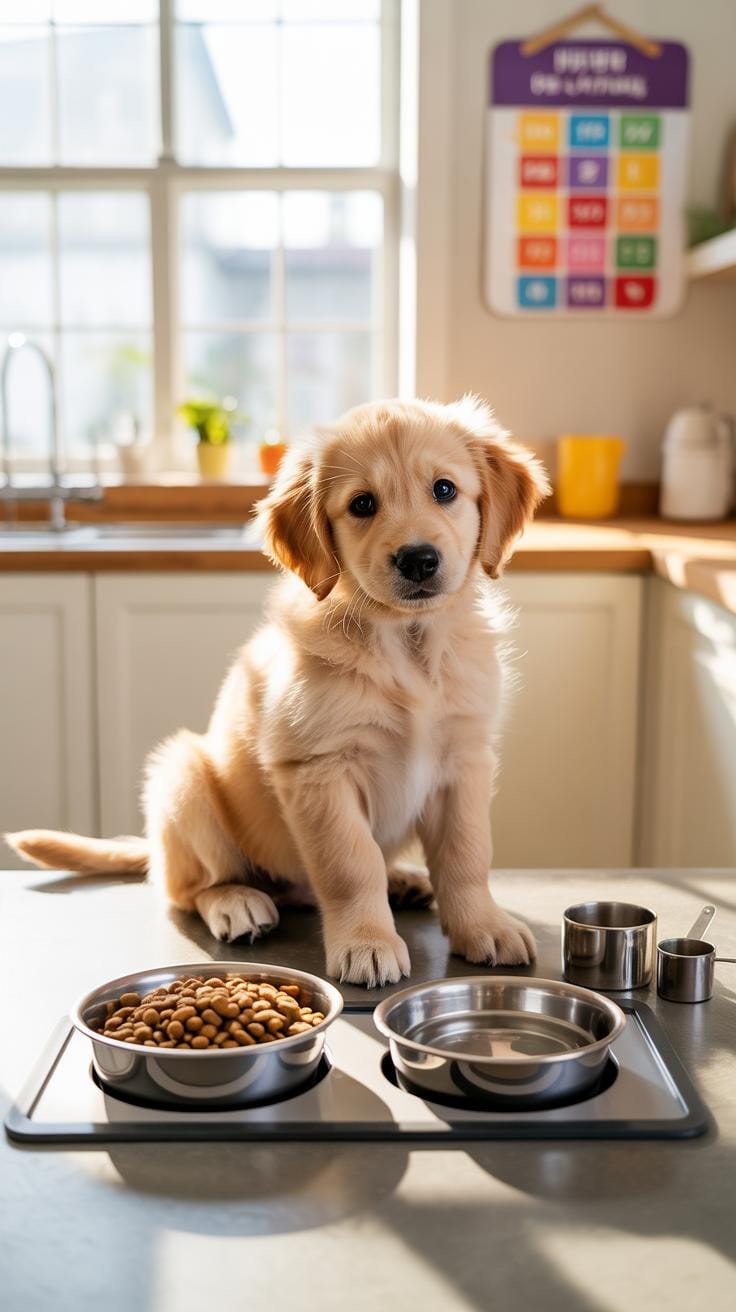
Puppies require precise caloric intake to support rapid skeletal development. From weaning until four months, feed three to four meals per day. This frequency prevents blood sugar drops and aids digestion. Smaller breeds mature faster and need metabolic support early. Large breeds require controlled growth to avoid joint issues. Monitor weight weekly to adjust portions. Overfeeding leads to obesity and permanent bone damage.
Consult a standard growth chart based on breed weight projections. Transition to two meals per day once the puppy reaches six months of age. High protein and fat levels are essential during the first year. Use measuring cups to ensure consistency. Eyeballing portions leads to health complications and wasted food. Stick to a strict schedule to regulate the digestive system and simplify house training efforts.
Modern life is a rush, but simplify the chores so you can spend your heart’s time truly being with your faithful friend.
Smart Feeding Habits That Save Time While Keeping Your Puppy Well Nourished
Streamline your routine by batching food preparation tasks. Measure a full day of kibble every morning and store it in a single container. This eliminates the need to open bags multiple times. Establish a dedicated feeding station to contain spills and mess. Use heavy stainless steel bowls to prevent tipping and ease cleaning. Consistency reduces decision fatigue and keeps the puppy on a predictable bathroom schedule.

Automate where possible to reclaim your time. Program an electronic feeder for dry kibble to manage midday meals while you work. Consistent timing reduces begging behaviors and anxiety. Keep a leak proof water dispenser filled to ensure constant hydration without constant refills. Store all supplies in one central location near the feeding area. Efficiency in the kitchen reduces the total time spent on daily maintenance tasks.
Optimizing Dog Routine Schedules For Multi Pet Households
Coordinating Feeding Exercise And Grooming Across Multiple Dogs
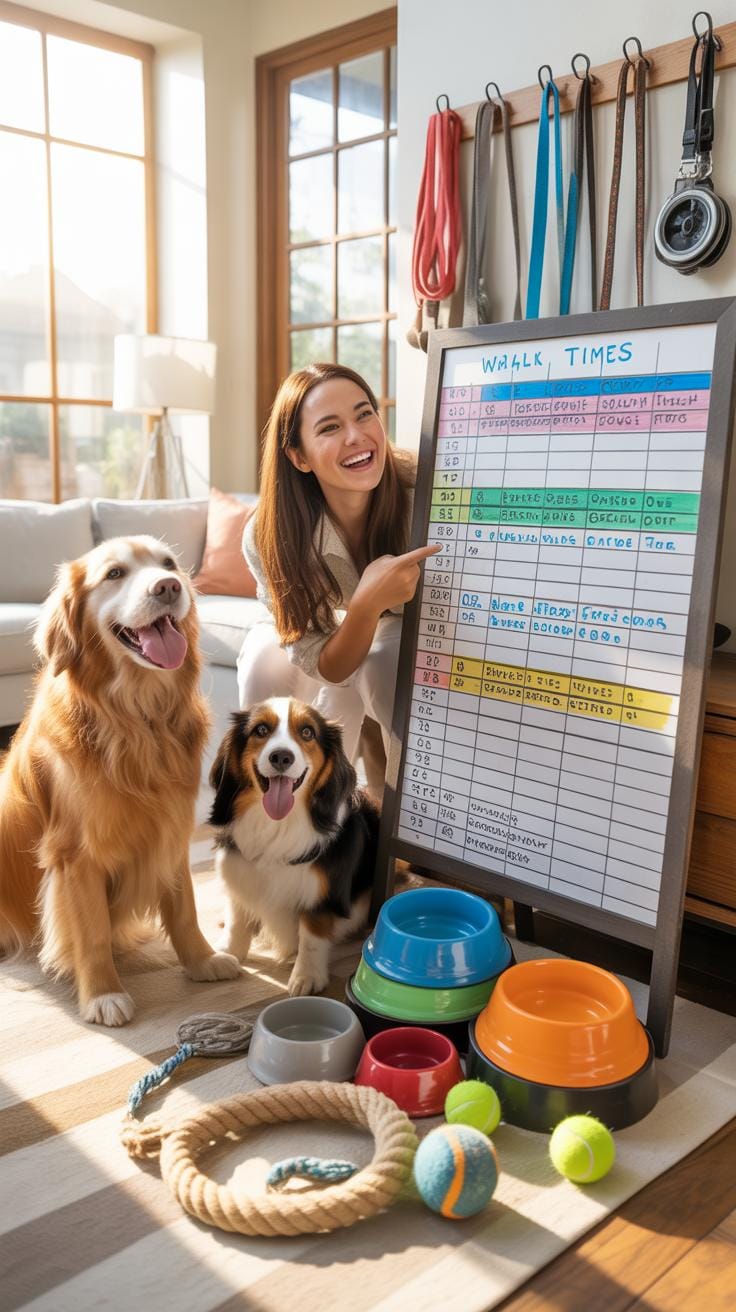
Coordinating multiple dogs requires strict synchronization to stop overlapping tasks. Feed all dogs at the same time in designated spots to prevent resource guarding and mess. Use a single timer to signal the start of exercise sessions. Staggering these events wastes time because it keeps you in a constant state of transition. Synchronized schedules create a predictable environment for every animal.
Exercise routines must prioritize group movement to maximize efficiency. Take calm dogs on a single pack walk instead of separate trips. Use high intensity activities like fetch or flirt poles to tire out high energy dogs quickly. Aligning these physical outlets reduces the total hours spent on outdoor management. Consistency in timing ensures that the dogs anticipate the routine rather than demanding attention.
Batch Care Strategies That Cut Repetition And Free Up Your Day
Batching is the most effective way to reclaim your schedule. You must treat pet care like an assembly line to remove friction. Fill all water bowls and prep all food containers for the next twenty four hours in one sitting. This prevents the need to revisit the kitchen multiple times a day. Grouping these small logistical tasks saves significant mental energy.
- Pre-Portioned Meals: Measure every meal for the entire week into stackable containers. This eliminates the daily struggle with heavy bags and measuring cups. You simply grab a container and dump it into the bowl during mealtime.
- Centralized Grooming Kits: Keep all brushes, nail clippers, and ear cleaners in one portable caddy. Move from one dog to the next without searching for tools. Completing nail trims for every dog in one session keeps your mindset focused.
- Stationary Water Systems: Use high capacity gravity waterers or plumbed bowls in high traffic areas. Refilling one large reservoir takes less time than cleaning and filling several small bowls. This ensures all pets have constant access to fresh water effortlessly.
- Batch Cleaning Zones: Wipe paws and mud off every dog at the door using the same station. Keep a dedicated bin of microfiber towels and cleaning spray near the entrance. This stops house wide messes before they start by handling the entire pack.
- Prescription Management: Organize all pet medications into a single weekly pill planner. Sorting pills once a week prevents confusion and saves time during hectic mornings. You can see at a glance if every dog received their required dose.

Eliminate redundant actions by performing similar chores back to back. If you are cleaning one crate, clean them all. If you are brushing one coat, brush them all. This method utilizes the momentum of the task to finish faster. It reduces the setup and cleanup time associated with individual chores. Successful batching transforms a chaotic house into a streamlined system.
Building A Cat Care Routine That Matches Your FelineS Natural Behavior
Understanding Your Cat’S Activity Patterns To Plan Care At The Right Times
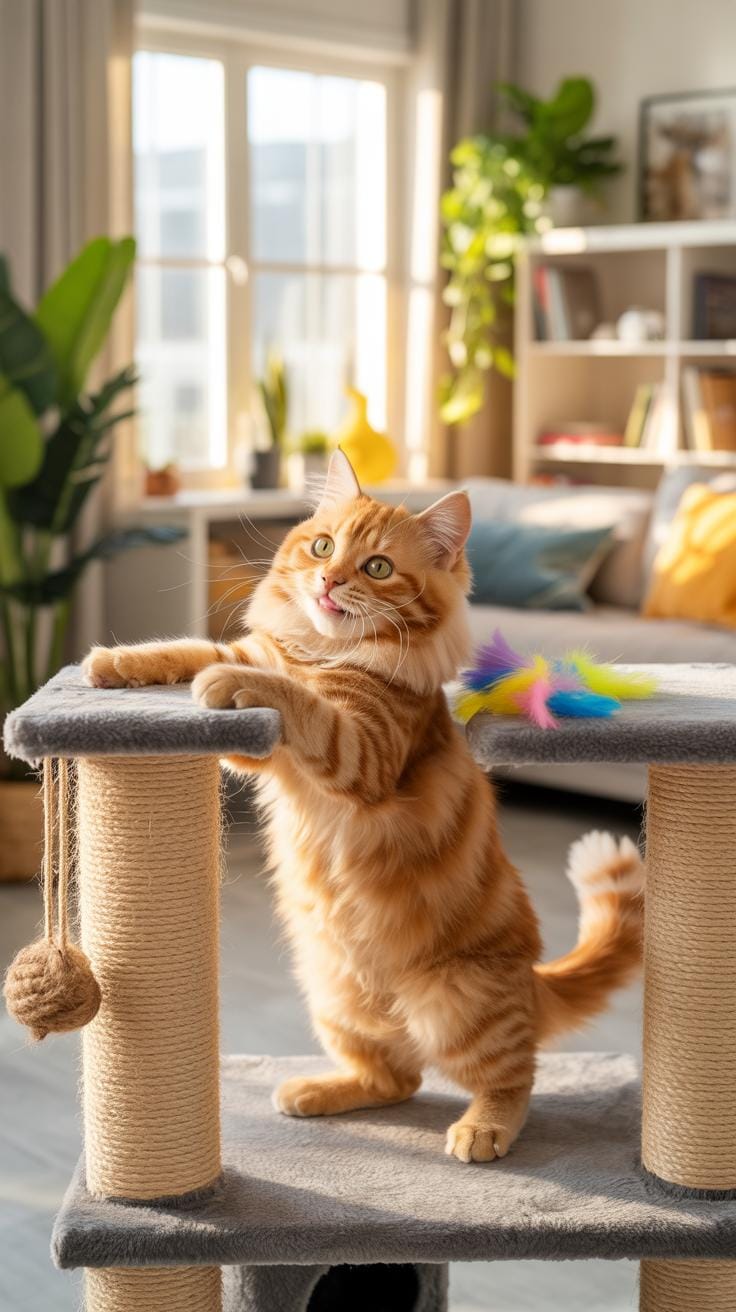
Cats are crepuscular hunters. This means they are most active during dawn and dusk. Schedule high-energy play sessions during these specific windows to mimic natural hunting cycles. This timing burns energy before you sleep or leave for work. Aligning your tasks with their biological clock reduces behavioral issues. It also makes your management tasks more predictable and efficient.
Stop trying to force a human schedule on a feline. Feeding your cat immediately after a play session completes the hunt-eat-groom-sleep cycle. This biological sequence triggers a natural rest period. Use this downtime to handle chores that require the cat to stay still. Smart scheduling reduces resistance and saves you time. You gain control by working with their instincts rather than against them.
Daily Cat Care Essentials: Feeding, Litter, Grooming, And Enrichment Made Simple
Efficient feeding requires automation and consistency. Use programmable dry food dispensers to remove manual labor from the equation. Set the machine to give small portions throughout the day. This prevents food begging and stabilizes the cat’s mood. For wet food, use easy-clean silicone mats to contain any mess. High-quality nutrition reduces waste output and keeps the litter box more manageable over the long term.

Litter maintenance must stay proactive to remain fast. Scoop the box twice daily at fixed times to prevent odors and tracking. Keep a sealed waste bin and a hand vacuum directly next to the station. This setup eliminates extra steps and keeps the area clean in seconds. Routine grooming takes five minutes if done daily. Short, frequent sessions prevent matting and reduce the need for deep cleaning your furniture.
Sustainable Pet Care Habits That Keep Your Routine Running Long Term
Adjusting Your Pet Care Routine During Busy Seasons Without Disruption
Busy seasons demand a shift from complex tasks to core biological needs. Identify the non-negotiable elements of your pet care plan. Focus on nutrition, hygiene, and basic exercise. Scale back on extra training sessions or elaborate grooming rituals when work or travel schedules tighten. Prioritize the quality of interaction over the quantity of time spent. This approach prevents burnout for you and stress for your animal.
Automation tools serve as your primary defense during high-pressure months. Set up timed feeders and water fountains to ensure consistency when you arrive home late. Shift your exercise schedule to early mornings to avoid late-day distractions. If your schedule breaks entirely, hire a professional walker or sitter immediately. Outsourcing small tasks keeps the environment stable and prevents your pet from developing behavioral issues due to sudden neglect.
Tracking Progress And Knowing When Your Routine Needs A Refresh
Regular audits keep your pet care system efficient. Track your time spent on daily tasks for one week. Look for bottlenecks where you feel rushed or frustrated. Changes in your pet’s health or behavior signal a need for routine updates. Aging pets require more frequent medical checks and slower exercise. Young animals need more mental stimulation. Update your schedule every six months to stay aligned with these natural life cycles.

Data provides the best roadmap for adjustments. Keep a simple log of grooming dates, medication times, and food consumption. When the data shows a decline in your pet’s energy or coat quality, change your approach. A routine that worked last year may fail today due to seasonal shifts or physical changes. Remove any steps that no longer add value to your pet’s life. Efficiency comes from constant refinement and deleting unnecessary chores.
Frequently Asked Questions

What does it mean to streamline a pet care routine for beginners?
To streamline pet care routine tasks simply means organizing and optimizing your daily habits to reduce stress and save time. For beginners, this involves auditing your current chores—like feeding, grooming, and cleaning—and finding ways to make them more efficient. By creating a dedicated pet station and setting a consistent schedule, you can ensure your furry friend stays happy and healthy without feeling overwhelmed by constant, disorganized maintenance throughout the day.
How can I use organization to make my daily pet chores faster?
The best way to streamline pet care routine chores is to implement a “point of use” storage system. Keep leashes by the door, food in airtight bins near the feeding bowl, and grooming tools in one portable caddy. Pre-portioning weekly meals and using automated feeders can also shave off precious minutes. When every item has a specific home, you eliminate the time wasted searching for supplies during your busy morning rush.
Are there low-cost ways to simplify pet care without buying expensive gadgets?
Absolutely! You don’t need high-tech robots to save time. Using a simple DIY wall-mounted command center to track medication and walks prevents confusion among family members. Bulk-prepping DIY enrichment toys, like frozen treat mats, keeps pets occupied while you work. Additionally, establishing a “five-minute nightly reset” to restock bowls and tidy toys ensures you start every morning organized, proving that consistency and smart placement are more effective than expensive equipment.