Why A Dog Seasonal Health Calendar Keeps Your Pet Thriving All Year
How Seasonal Changes Directly Impact Your Dog’S Health And Well Being
External temperatures and environmental shifts dictate your dog’s physiological needs. High summer heat increases the risk of heatstroke and dehydration in active breeds. Winter cold stresses joints and requires higher caloric intake for heat production. Parasites like ticks and fleas also follow strict seasonal life cycles. You must adjust nutrition, exercise, and protection based on these predictable atmospheric changes to prevent illness.
Spring and fall bring specific biological challenges like seasonal allergies and shedding cycles. Pollen levels affect skin health and respiratory function during transitional months. Wet weather increases exposure to bacteria and fungi in standing water and soil. Ignoring these cycles leads to reactive medical care. Proactive management aligns your dog’s physical maintenance with the actual risks present in their environment at any given time.
Using A Pet Calendar For Dog Owners To Build Consistent Preventive Care Habits
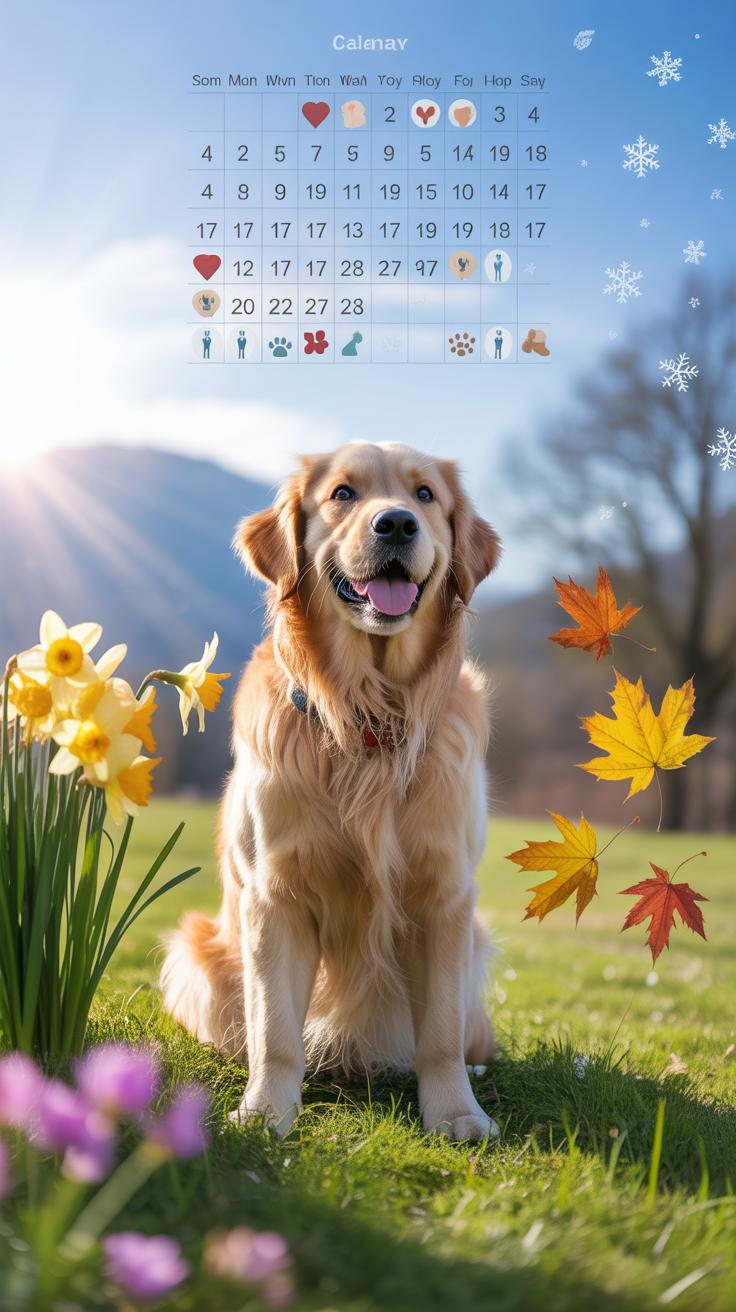
A health calendar transforms reactive pet ownership into a disciplined strategy. It ensures you never miss critical windows for heartworm medication or vaccination boosters. Most owners forget routine tasks when they lack a visual timeline. A dedicated schedule creates a roadmap for physical exams and dental checks. This structure prevents small health issues from developing into expensive and dangerous chronic conditions.
Mapping out the year allows for better financial planning and resource allocation. You can anticipate the costs of flea prevention or winter gear before the season arrives. It establishes a baseline for normal behavior and health markers throughout the year. Consistency is the foundation of canine longevity. Using a structured calendar ensures your dog receives the right care at the exact moment their body requires it.

Winter Wellness January February March Dog Care Essentials
Protecting Your Dog From Cold Weather Hazards Like Ice, Salt, And Hypothermia
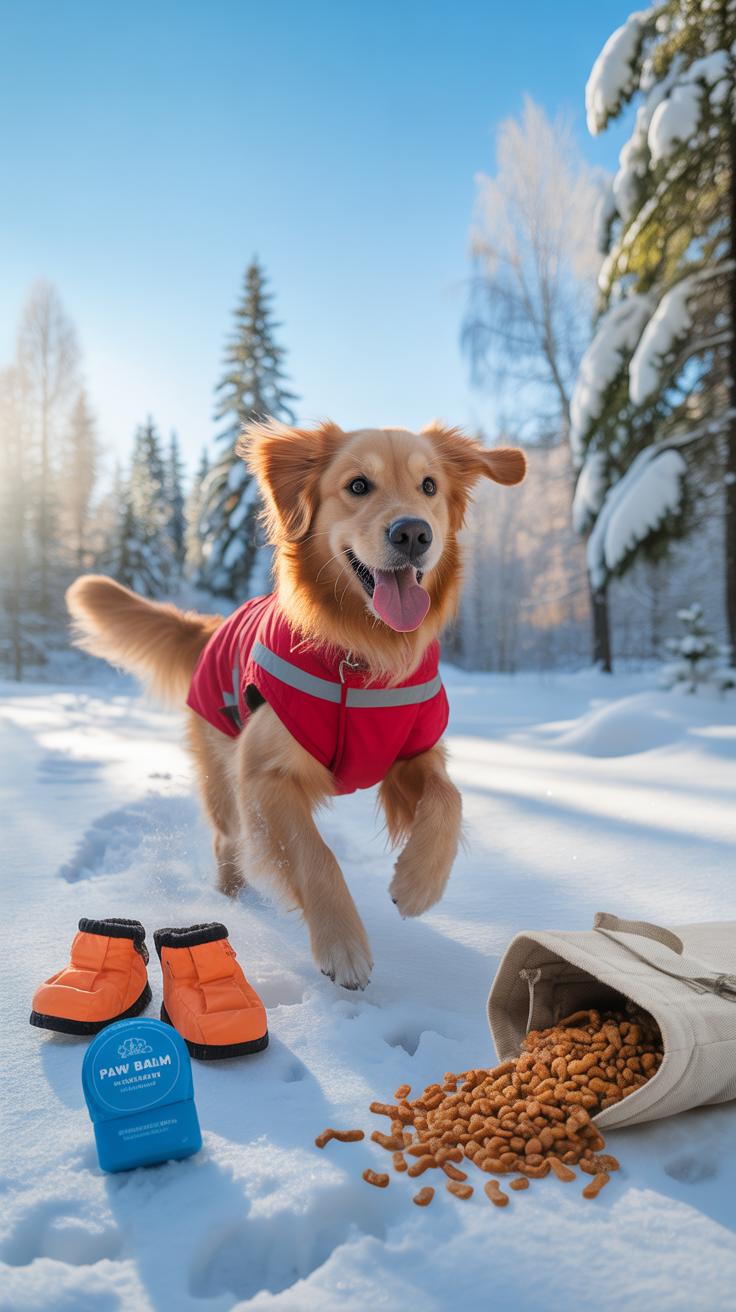
Winter conditions pose severe physical risks to canine health. Exposure to freezing temperatures leads to hypothermia and frostbite on extremities like ears and paws. De-icing chemicals and rock salt irritate skin and cause toxic reactions if ingested during grooming. Owners must limit outdoor time when temperatures drop below freezing. Protective gear such as insulated coats and rubber boots provides necessary physical barriers against heat loss and chemical burns.
Wipe your dog’s paws immediately after every walk to remove corrosive salts. Use lukewarm water rather than hot water to avoid shocking the skin. Apply pet-safe paw wax to prevent cracked pads which can harbor bacteria. Check for signs of lethargy or shivering as these indicate early stages of cold stress. Keep water bowls full because cold air is dry and increases dehydration risks. Professional grooming maintains the coat’s insulating properties.
Adjusting Your Dog Feeding Calendar During Colder, Less Active Winter Months
Caloric intake must match energy expenditure to prevent unhealthy weight gain. Most dogs spend more time indoors during January and February. Reduced physical activity means the body requires fewer calories for maintenance. Maintain a strict feeding schedule and measure every portion with a scale. monitor your dog’s rib cage visibility and waistline weekly. Adjust portions down by ten percent if your dog shows signs of fat accumulation along the spine.

External temperature dictates specific metabolic needs for working or outdoor dogs. Animals living outdoors require more calories to generate body heat. Conversely, indoor pets often become sedentary and prone to obesity in winter. Consult with a veterinarian to determine the precise caloric density needed for the season. Focus on high-quality proteins to support coat health during the dry months. Consistent monitoring prevents long-term joint stress caused by seasonal weight fluctuations.
Spring Into Action April May Dog Health Priorities On Your 2024 Dog Holidays Calendar
Flea, Tick, And Heartworm Prevention As Temperatures Begin To Rise In Spring
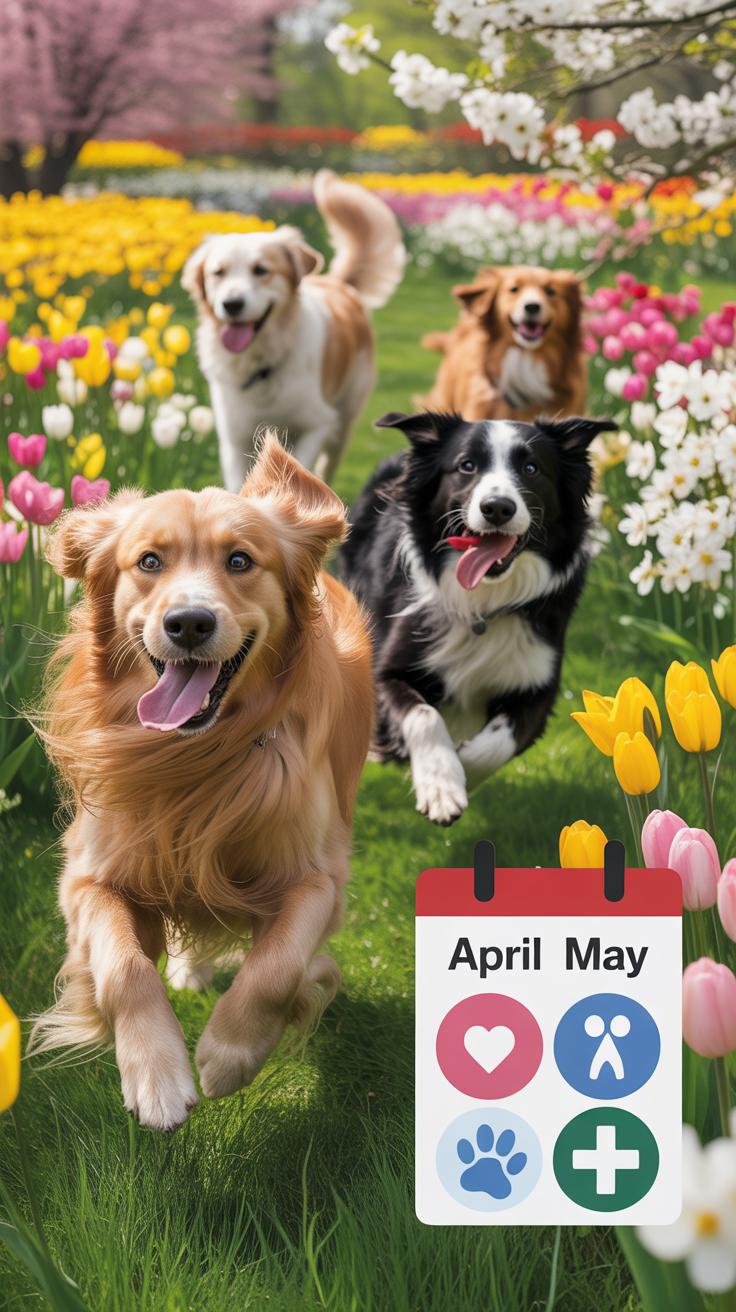
Rising spring temperatures trigger the emergence of fleas and ticks from dormancy. These parasites seek hosts as soon as the ground thaws. You must begin a rigorous prevention schedule in April to stop infestations before they start. Consult your veterinarian to select a broad-spectrum oral or topical treatment. Consistent dosing prevents painful bites and the spread of Lyme disease or tapeworms.
Heartworm poses a lethal threat as mosquito activity increases during May. One single bite can transmit larvae directly into your dog’s bloodstream. Testing your pet before starting medication ensures their safety and treatment efficacy. Maintain a chemical barrier throughout the warmer months. Log every dose on your seasonal health calendar to avoid gaps in protection. Prevention is significantly cheaper than treating a full infection.
Managing Seasonal Allergies And Shedding With A Monthly Dog Care Record Template
Spring brings a surge in environmental allergens like pollen and mold. Your dog may show signs of distress through excessive scratching or paw licking. Use your dog care record template to track these symptoms daily. Monitoring triggers helps you identify specific peak times for your pet. Frequent baths with hypoallergenic shampoo remove surface irritants. Wiping paws after walks prevents allergens from entering your home environment.

Extended daylight hours trigger the spring shedding cycle as dogs lose their heavy winter coats. This process requires daily brushing to prevent painful matting and skin infections. High-quality grooming tools reached deep into the undercoat to remove dead hair. Track your grooming sessions in your monthly log to maintain coat health. Proper nutrition supports the new coat growth. Ensure your dog receives adequate fatty acids during this transition period.
Summer Safety Guide June July August Dog Health Tracker Musts
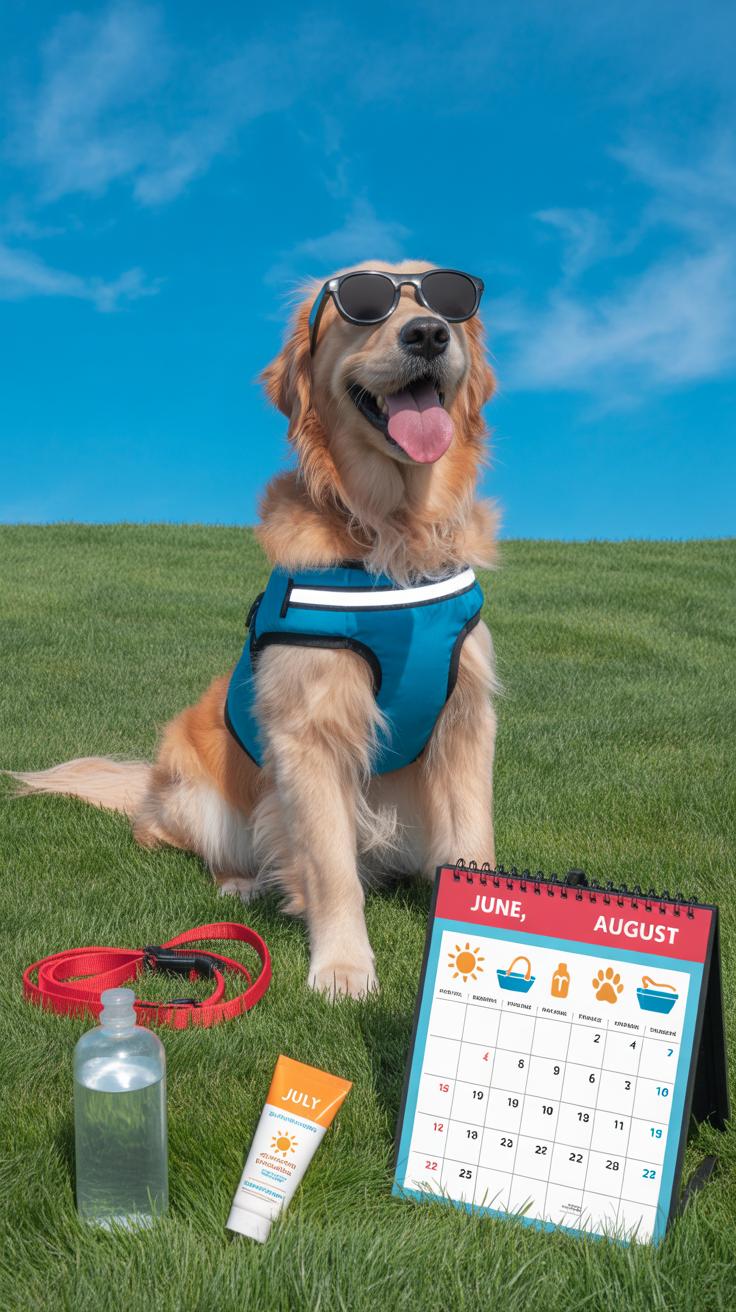
Recognizing And Preventing Heat Stroke And Dehydration In Dogs During Summer
Dogs regulate temperature through panting and paw pads rather than sweating. High humidity and rising temperatures quickly overwhelm this limited cooling system. You must monitor environmental conditions daily to prevent internal organ damage. Heat stroke occurs when a dog’s core body temperature exceeds 103 degrees Fahrenheit. Immediate intervention is required to stop the progression of heat exhaustion into fatal heat stroke.
- Excessive Panting: Look for heavy and frantic breathing that does not slow down after moving to shade. This is the primary sign that a dog cannot shed heat faster than it is building up within the body.
- Altered Mental Status: Watch for signs of confusion, weakness, or collapse during outdoor activity. A dog that stops responding to commands or appears dizzy is experiencing critical neurological stress from extreme heat and requires cooling.
- Gum Color Changes: Check for bright red, blue, or purple gums instead of a normal pink hue. Dehydration causes the blood to thicken and reduces oxygen flow. Sticky or dry gums indicate a severe lack of internal moisture.
- Vomiting and Diarrhea: Identify sudden digestive upset during or after heat exposure. These symptoms indicate the body is diverting blood flow away from the gut to cool the skin. This shift can lead to intestinal lining damage.
- Rapid Heart Rate: Feel the chest for a racing pulse that persists even after rest. High heart rates show the cardiovascular system is working overtime to move hot blood to the surface. Persistent tachycardia leads to heart failure.
Preventative measures require strict scheduling and constant water access. Limit exercise to early morning or late evening when the sun is low. Carry portable water bowls and offer fluids every fifteen minutes during walks. Never leave a dog in a parked car even for short periods. Check the pavement temperature with your hand before walking to avoid burning sensitive paw pads.
Keeping Your Dog Safe Around Water, Fireworks, And Outdoor Summer Hazards
Water safety requires constant supervision and proper equipment regardless of the dog’s breed. Not all dogs swim well naturally, and heavy-chested breeds often sink. Use a life jacket in deep water or on boats to prevent drowning. Rinse your dog with fresh water after swimming in pools or oceans. This removes chlorine, salt, and bacteria that irritate the skin or cause illness if licked off.

Fireworks and thunderstorms peak during July, causing extreme noise phobia in many dogs. Create a safe, interior room with white noise to mask loud crashes. Ensure IDs and microchips are current before holiday celebrations begin. Fearful dogs often bolt and get lost during noise events. Keep your dog leash-bound during outdoor gatherings to prevent them from eating toxic snacks or debris found on the ground.
Fall Care Fundamentals Dog Fall Activities And Autumn Pet Activities For September October
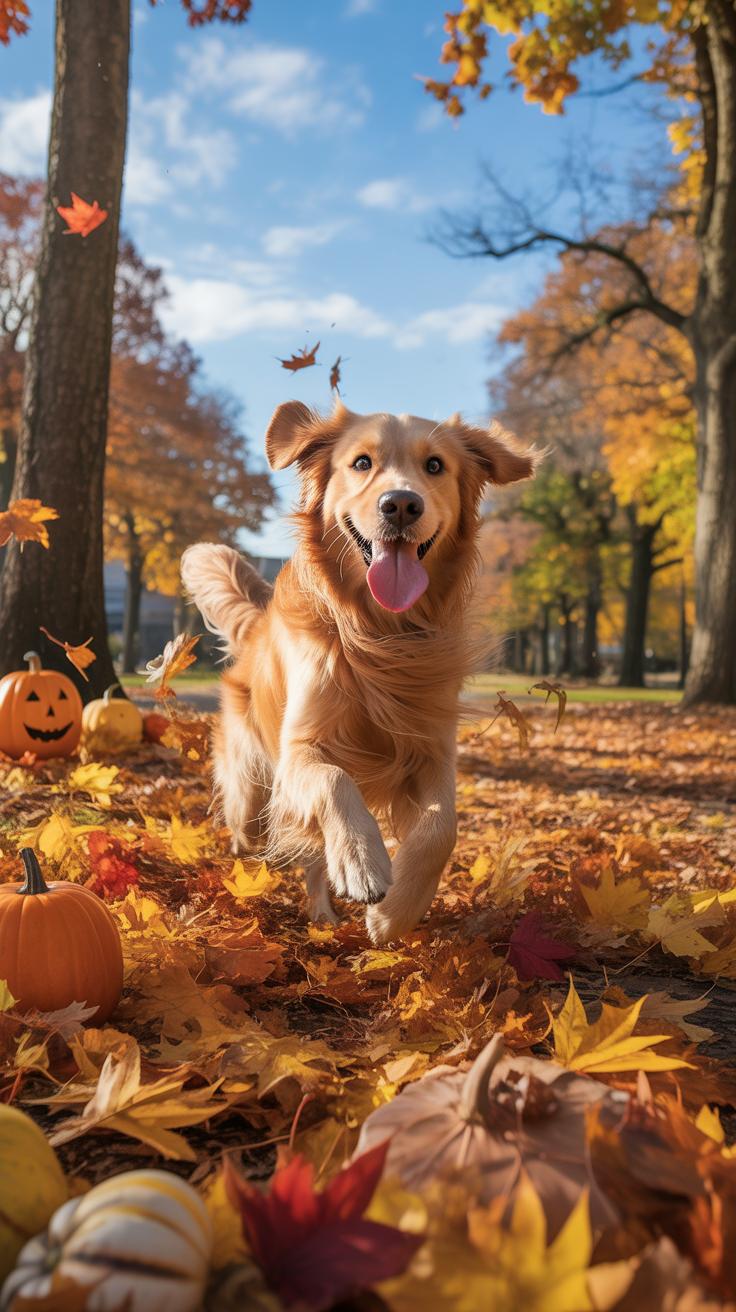
Safe And Enriching Dog Fall Activities To Keep Your Pet Active As Temperatures Drop
Cooler weather allows for extended physical exertion without the immediate risk of heatstroke. Owners should transition to longer hiking sessions on established trails during September. The drop in humidity improves scent retention in the environment. This makes fall the ideal time for nose work and tracking exercises. These activities provide mental stimulation that burns more energy than simple walking.
Structure outdoor sessions around daylight hours to maintain visibility. Use reflective gear as the sun sets earlier in October. Dogs with thin coats require movement to maintain core body temperature in brisk air. Incorporate fetch or agility drills to keep blood flowing. High-intensity bursts of exercise help the animal build a lean muscle base before the sedentary winter months begin.
Autumn Pet Activities To Avoid: Toxic Mushrooms, Fallen Acorns, And Halloween Hazards
Autumn brings specific environmental dangers that require constant vigilance. Increased rainfall triggers the growth of wild mushrooms in yards and parks. Many species cause liver failure or neurological distress in canines. Owners must clear yards of all fungi daily. Do not allow dogs to forage in damp, wooded areas where toxic varieties thrive. Immediate veterinary intervention is necessary if ingestion occurs.

Fallen debris like acorns and black walnuts poses physical and chemical risks. Acorns contain tannins that cause severe gastrointestinal upset and kidney damage. They also present a major choking hazard or intestinal blockage risk for medium breeds. Halloween adds additional stress through repetitive doorbells and toxic treats. Keep all chocolate and xylitol products in secure cabinets. Secure pets in quiet rooms during peak trick-or-treat hours.
Dog Nutrition And The Dog Feeding Calendar Eating Right Through Every Season
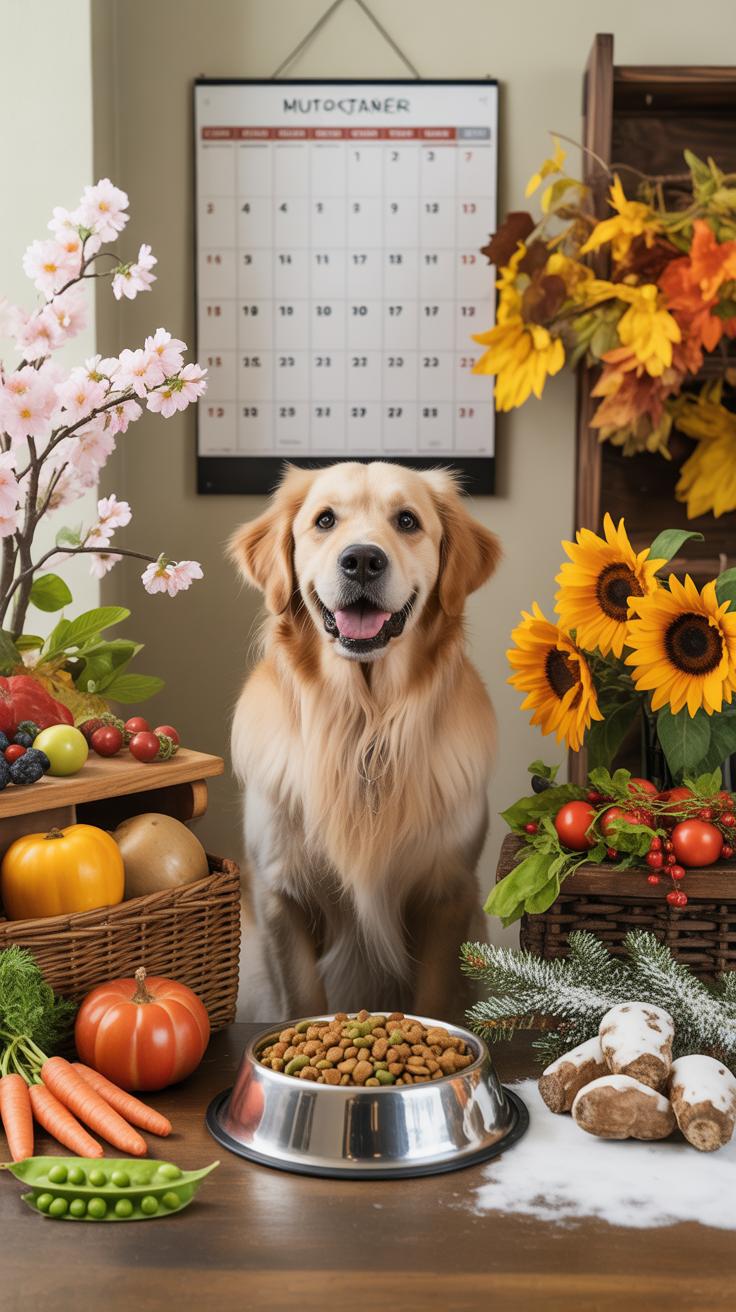
How To Adjust Dog Nutrition And Caloric Intake Based On Seasonal Activity Levels
Dog metabolism changes with the thermometer. Cold weather forces the body to burn more energy to maintain its core temperature. Active dogs working outdoors in winter require a caloric increase of up to twenty-five percent. However, indoor pets often become sedentary during winter months. You must monitor body condition scores monthly to prevent unwanted weight gain during low-activity periods. Adjust portions based on actual movement.
Summer demands a different strategic approach to feeding. Heat suppresses appetite and increases the risk of dehydration. Peak heat reduces exercise intensity for most breeds. Lower caloric intake prevents obesity during quiet, hot months. Always provide fresh water to support thermoregulation. If your dog swims or hikes more in summer, increase protein to support muscle repair. Match fuel to the current energy output.
Seasonal Foods And Supplements That Support Healthy Dogs Year Round
Seasonal shifts impact skin, coat, and joint health. Spring and fall bring shedding cycles that tax the body’s protein stores. Adding specific nutrients during these windows improves coat quality and skin barriers. Winter requires support for stiff joints in cold air. Summer focus stays on hydration and electrolyte balance. Using a targeted approach ensures your dog has the right biological tools for each specific environment.
- Omega-3 Fatty Acids: These essential fats reduce inflammation and support skin health. They are vital during spring and fall shedding seasons. Use fish oil to help grow a thick winter coat or transition to a sleek summer one.
- Glucosamine and Chondroitin: Cold weather stiffens joints and worsens arthritis symptoms. These supplements protect cartilage and improve mobility. Start administration before the first frost to build up levels in the system for maximum winter protection.
- Pumpkin and High-Fiber Foods: Changes in activity or seasonal treats can upset digestive tracts. Pureed pumpkin provides soluble fiber that regulates bowel movements. It is an effective tool during holiday seasons when dogs might ingest rich or unfamiliar food items.
- Fresh Antioxidants: Blueberries and leafy greens fight oxidative stress from increased summer sun exposure. These whole foods support the immune system. Adding small amounts to meals provides vitamins that help the body recover from intense heat and physical exertion.
- Coconut Oil: Dry winter air strips moisture from a dog’s skin and paws. This medium-chain triglyceride provides healthy fats when ingested. You can also apply it topically to cracked paw pads or dry noses caused by indoor heating and frigid outdoor temperatures.
Smart feeding requires constant observation of the environment. Do not stick to a rigid year-round portion size if the weather changes your dog’s behavior. Use the transition between seasons to audit your supplement cabinet. Check expiration dates and ensure you have the right tools ready before the weather turns. Proper nutrition prevents many common seasonal health issues before they require expensive veterinary intervention.
November December Keeping Healthy Dogs Safe Through The Holiday Season

Holiday Foods And Decorations That Pose Real Dangers To Your Dog’S Health
Holiday tables contain ingredients that cause rapid systemic failure in canines. Xylitol in sugar-free baked goods triggers acute insulin release and liver necrosis. Grapes and raisins lead to sudden kidney failure. Chocolate contains theobromine which stresses the heart and central nervous system. Fatty meat scraps cause painful pancreatitis. You must restrict all guest feeding to prevent accidental ingestion of these specific toxins.
Decorations introduce mechanical risks to the digestive tract. Tinsel and ribbons cause linear foreign body obstructions that require emergency surgery. Glass ornaments shatter and lacerate paws or internal linings. Electrical cords for tree lights pose electrocution risks if chewed. Liquid potpourri contains essential oils that cause chemical burns in the mouth. Secure all seasonal items and monitor your dog in decorated rooms.
The love of a dog is a journey through every season, a constant bloom in the garden of our lives. Watching them grow through the turning months reminds us that every moment of care is a gift of time.
Scheduling Your End Of Year Vet Visit And Updating Your Health Tracker Before The New Year
Year-end veterinary appointments secure your dog for the coming winter. Most clinics face heavy booking backlogs in January. Schedule your wellness exam now to check joint health and weight. Cold weather worsens undiagnosed arthritis in senior dogs. Use this visit to refill prescriptions for heartworm and flea prevention. Professional eyes catch subtle changes in mobility and coat quality before they become crises.

Update your dog health tracker to reflect a full year of data. Record every vaccination, medication dose, and behavioral shift from the past twelve months. Digital records provide a baseline for your vet during emergency visits. Analyze your spending to budget for the next year of care. Proper documentation ensures you do not miss upcoming booster shots. Consistency in record-keeping prevents medical errors and simplifies long-term health management.
Building Your Monthly Dog Care Record Template A Practical Dog Seasonal Health Calendar System
What To Track Every Month: Vaccinations, Weight, Behavior Changes, And Vet Appointments
Effective health tracking requires consistent data entry every thirty days. You must record accurate body weight to catch metabolic shifts or obesity early. Log all core and lifestyle vaccinations to ensure legal compliance and immune protection. Document any changes in activity levels, sleep patterns, or appetite. These small details often signal underlying medical issues before physical symptoms appear. Use hard data to drive your healthcare decisions.
Organize your records by date and category for easy review. Note the specific dates for heartworm, flea, and tick preventatives. Record any adverse reactions to medications or new foods immediately. Bring this log to every veterinary appointment to provide a factual medical history. Consistent documentation eliminates guesswork during emergencies. Professional handlers use these metrics to optimize performance and longevity. Your records form the backbone of a proactive care strategy.
Digital Vs. Paper Dog Health Tracker Tools: Choosing The Right Format For Your Lifestyle
Select a tracking format that fits your daily routine. Digital tools offer cloud syncing and automated alerts for medication deadlines. Many apps allow you to upload bloodwork results and veterinary invoices directly. This accessibility is vital for multi-person households where communication gaps occur. Choose a platform that prioritizes data security and ease of use. Digital records remain searchable during high-stress medical events or travel.

Paper logs provide a tactile and reliable backup system. They do not require a battery or internet connection to function. A physical binder can hold original certificates and physical medical reports in one place. Many owners prefer the speed of handwriting notes during a vet consultation. The best system is the one you will actually update every month. Use a hybrid approach if you need both portability and archival stability for documents.
Frequently Asked Questions

What is a dog seasonal health calendar and why do I need one?
A dog seasonal health calendar is a proactive planning tool designed to help pet owners track essential care tasks throughout the changing seasons. By following a structured schedule, you can stay ahead of weather-dependent risks like tick surges in spring or paw protection in winter. This organized approach ensures you never miss critical appointments, helping your furry friend remain healthy, comfortable, and well-maintained through every month of the year.
How do I create my own personalized dog seasonal health calendar at home?
To build your dog seasonal health calendar, start by marking annual vet visits and vaccination boosters. Next, layer in monthly preventatives for heartworm and fleas. Add seasonal reminders such as spring grooming for shedding, summer hydration checks, and winter skin conditioning. Using a digital planner or a physical wall calendar allows you to visualize these needs in advance, ensuring you are always prepared for the unique challenges each new season brings.
Can I maintain a monthly health schedule for my dog if I am on a tight budget?
Absolutely! Maintaining a dog seasonal health calendar is actually a great way to save money by preventing expensive emergency visits. You can manage costs by researching low-cost vaccination clinics in the spring and utilizing at-home grooming techniques during peak shedding months. Planning ahead allows you to shop for supplements or flea preventatives during sales, ensuring your pet receives top-tier care without placing a heavy burden on your monthly household finances.