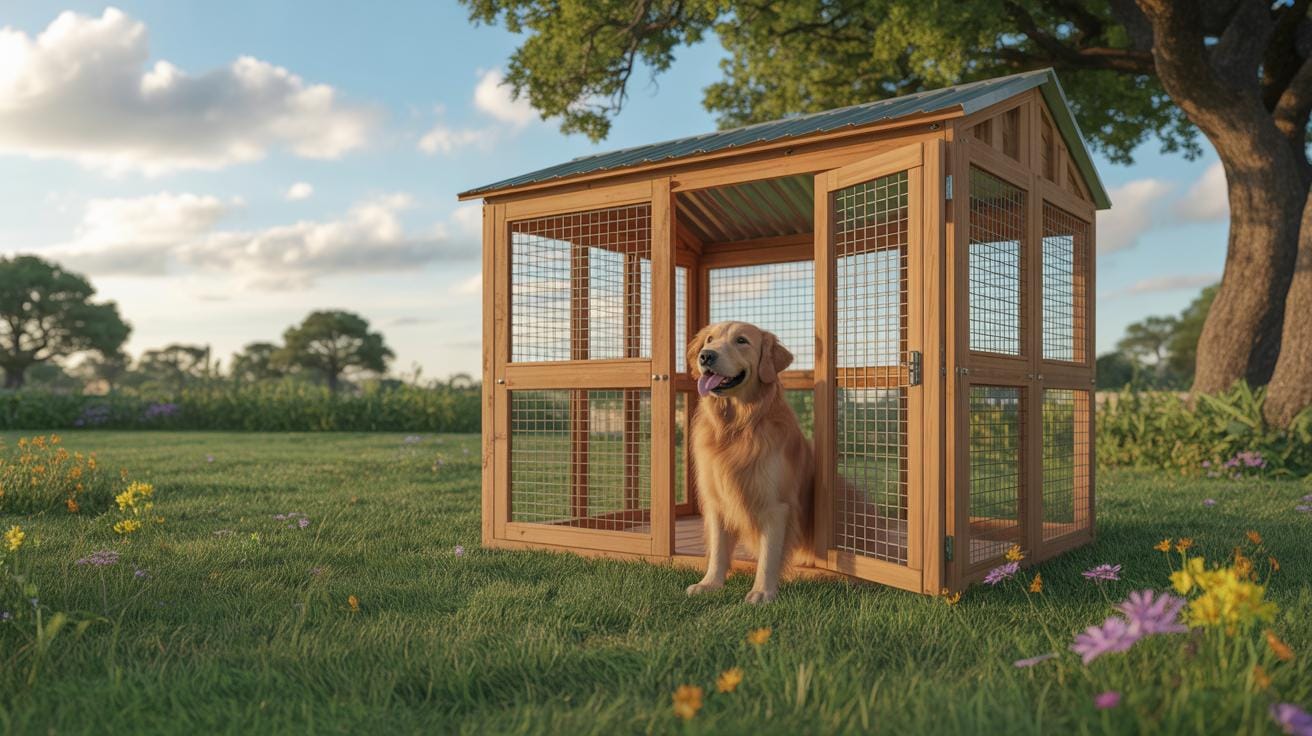
Understanding What Makes A Dog Kennel Outdoor Truly Weatherproof
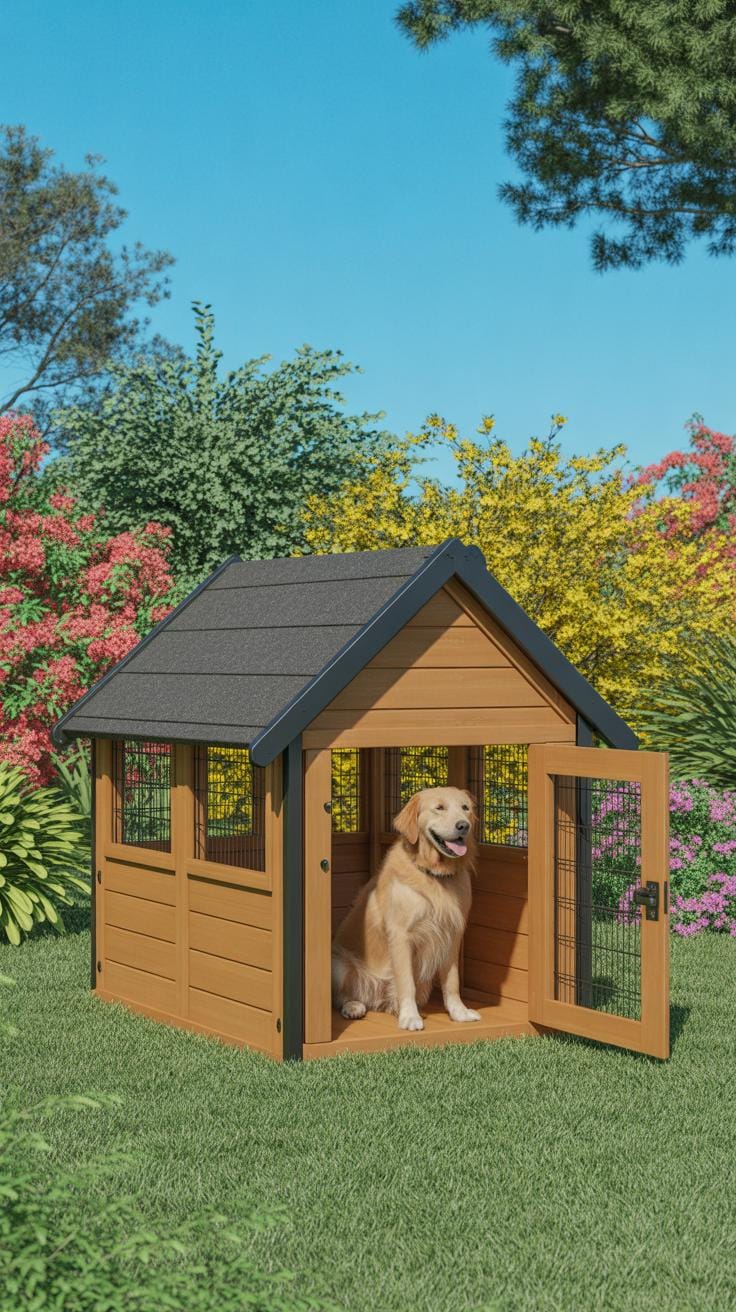
What Weatherproofing Actually Means For An Outdoor Dog Kennel
Weatherproofing defines a structure’s ability to maintain a dry and stable internal temperature regardless of external conditions. A true weatherproof outdoor dog kennel stops liquid water penetration and limits air infiltration. It uses specialized seals and overlapping joints to block driving rain. Successful designs focus on moisture management and thermal regulation. You must ensure the kennel protects the animal from heat, wind, and precipitation simultaneously.
Material choice dictates the lifespan of the weatherproofing. For example, rot-resistant woods like cedar or high-density plastics withstand humidity better than untreated pine. Effective weatherproofing also requires a raised floor to prevent ground moisture from seeping into the bedding. You must look for sloped roof designs that shed water away from the entrance. This engineering prevents internal pooling and minimizes the risk of mold growth inside.
The Difference Between Weather Resistant And Fully Weatherproof Dog Kennels
Weather-resistant kennels only offer temporary protection against light elements. These units usually feature thin coatings or water-repellent sprays that degrade over time. They often have gaps in the floor or roof that allow wind and rain to enter during heavy storms. You should treat these as seasonal shelters rather than year-round solutions. Using them in extreme cold or heavy snow puts the dog at risk.
Fully weatherproof kennels utilize structural integration to lock out the environment. These units feature thick insulation and heavy-duty gaskets on all doors and panels. Manufacturers use UV-stabilized resins or pressure-treated lumber to prevent cracking and warping. A weatherproof unit remains airtight and watertight for several years with minimal maintenance. Investing in full weatherproofing ensures the dog stays safe during blizzards and intense heat waves.

Key Materials Used In A Weatherproof Outdoor Dog Kennel
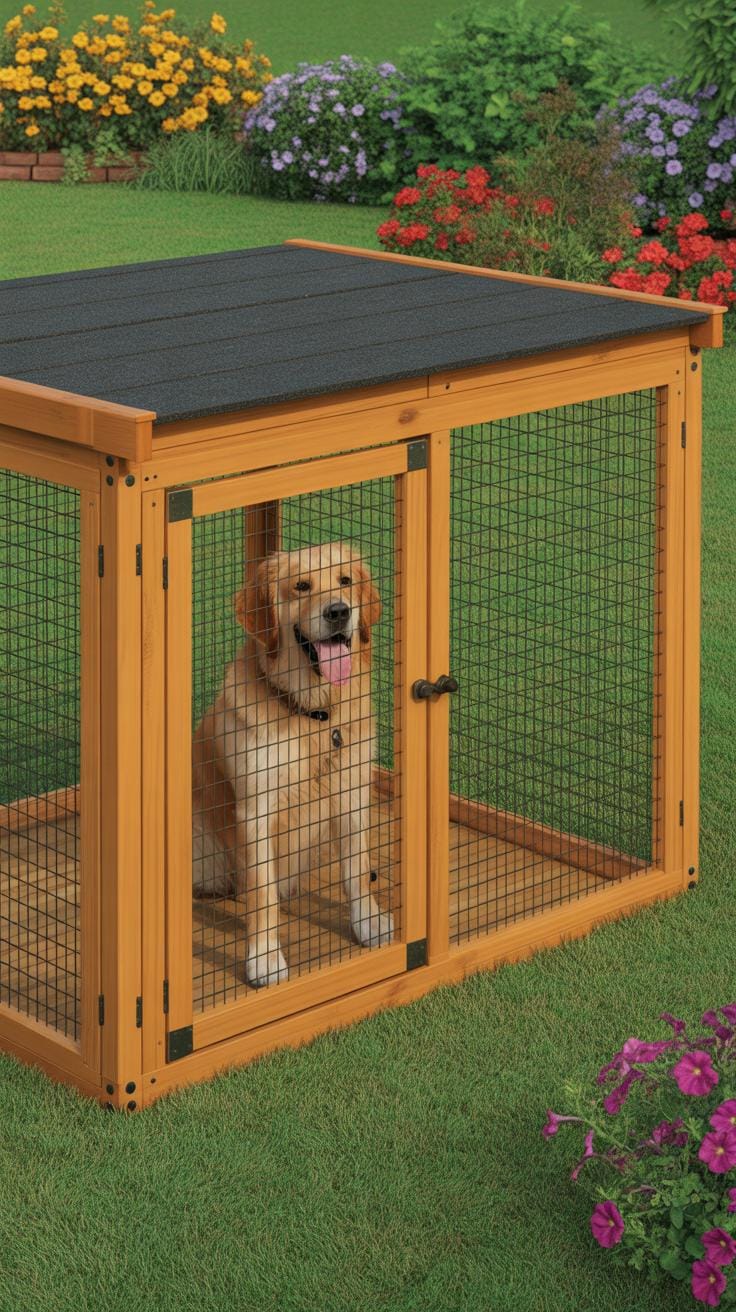
Wood, Metal, And Plastic: Which Material Holds Up Best For A Dog Kennel Outside
Wood provides natural insulation against heat and cold. Manufacturers typically use cedar or fir because these woods resist rot and insects. You must ensure the wood stays sealed with non-toxic stains to prevent water absorption. Unsealed wood warps and cracks when exposed to constant rain or snow. This material works best in climates with extreme temperature shifts but requires the most maintenance.
Metal and plastic offer different tactical advantages for long-term use. High-grade stainless steel or galvanized steel resists chewing and provides maximum security. Steel thrives in humid areas where wood might rot quickly. Heavy-duty plastic kennels offer superior waterproofing and easy cleaning. Plastic does not rust or decay but lacks the thermal regulation found in wood. Choose your material based on your local moisture levels and dog behavior.
Top Material Features To Look For When Selecting An Outdoor Dog Enclosure
Selecting the right features ensures the structure survives harsh environmental exposure. You must prioritize materials that handle UV radiation and moisture without structural failure. Look for industrial coatings that prevent oxidation on metal parts. These protective layers stop rust from weakening the joints and latches. High-quality materials reduce the long-term cost of repairs and replacements. Focus on durability and chemical safety for the animal.
- Pressure-Treated Lumber: This wood undergoes a chemical process to resist fungal decay and wood-boring insects. It stays structurally sound in direct contact with the ground or wet soil. Always verify that the treatment chemicals are safe for pets to touch.
- Galvanized Steel Coating: Zinc coating prevents the steel base from rusting when exposed to oxygen and water. This process creates a sacrificial layer that protects the underlying metal. It is essential for kennels located in high-precipitation environments or coastal areas.
- UV-Stabilized Polypropylene: This plastic contains additives that block ultraviolet rays from breaking down the polymer chains. Without UV stabilizers, plastic becomes brittle and cracks under direct sunlight. It maintains its flexibility and color over years of outdoor exposure.
- Powder-Coated Finishes: This dry finishing process creates a hard, durable skin over metal surfaces. It resists scratching, peeling, and fading better than standard liquid paint. Use this feature to prevent the kennel from looking aged and to stop localized corrosion.
- Double-Wall Insulation: Structural designs featuring two layers of material with an air gap provide a thermal break. This prevents the interior temperature from fluctuating rapidly with the outside weather. It keeps dogs warmer in winter and significantly cooler during peak summer months.
Hardware quality determines the overall lifespan of the kennel. Low-grade screws and hinges will fail before the main panels do. Seek out stainless steel hardware to avoid binding and snapping due to rust. Every fastener must withstand high humidity and physical stress from the dog. Tight tolerances in the construction prevent water from pooling in gaps. Proper material selection eliminates common points of failure in outdoor environments.
Choosing The Right Size Dog Kennel For Your Outdoor Dog
How To Measure Your Dog To Find The Correct Kennel Dimensions
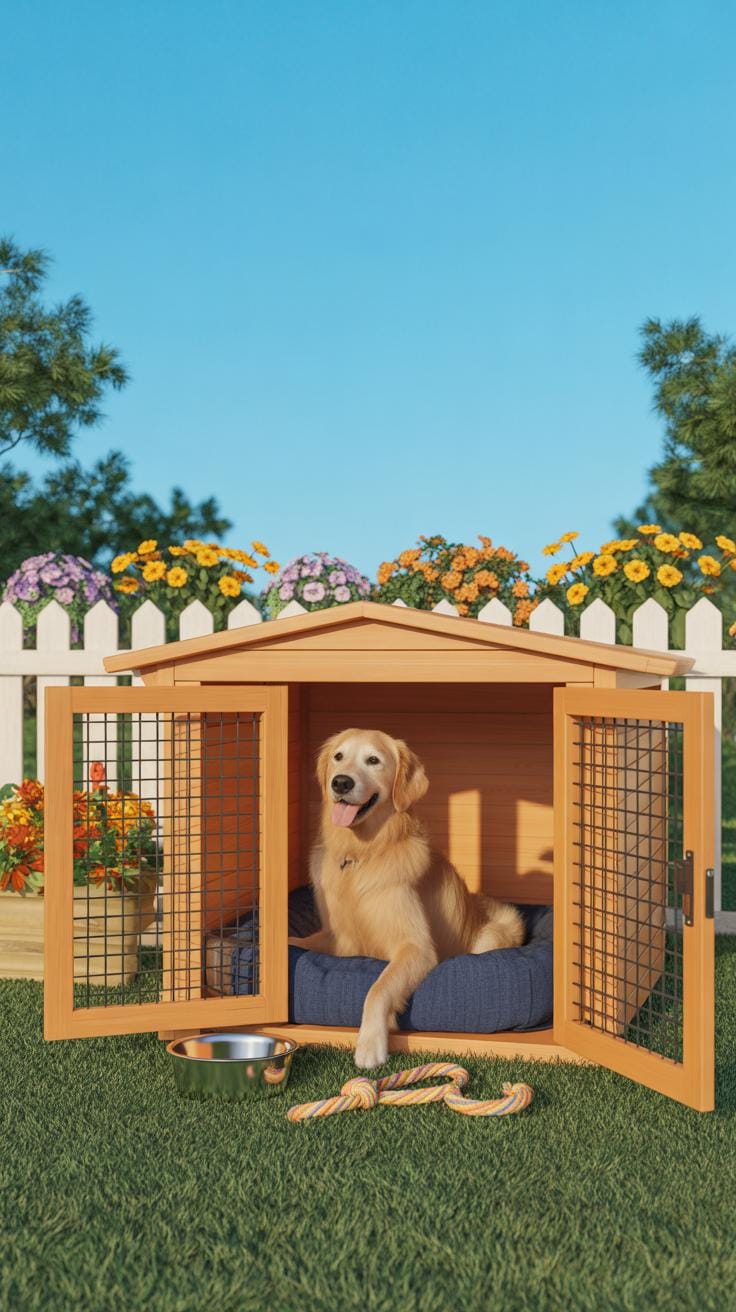
Measure your dog from the nose to the base of the tail to find the total length. Add six inches to this number to determine the minimum length of the enclosure. Ensure your dog can stand up and turn around without hitting the walls. Accurate measurements prevent the dog from feeling trapped. A kennel that is too small causes physical stress and joint pain over time.
Measure the height from the floor to the top of the dog’s head or ears. The ceiling must be at least three to four inches taller than this height. This clearance allows for natural movement and proper head room. Do not guess these numbers. Use a firm measuring tape and record the results. Correct sizing ensures the animal stays comfortable while resting or seeking shelter from the elements.
Why Size Matters Even More For A Large Dog House Used Outdoors Year Round
An oversized kennel fails to trap body heat during winter months. Small spaces stay warm because the dog’s own heat fills the volume quickly. If the interior is too large, the dog will shiver and lose energy. Thermal efficiency depends on a compact footprint. You must balance the need for movement with the need for warmth. A tight fit is often safer in freezing temperatures.
A correctly sized kennel also keeps the dog dry. High winds push rain through large openings more easily than small ones. Smaller entrances and snug interiors block drafts and prevent moisture buildup. Excessive space allows damp air to circulate around the animal. You create a stable microclimate by choosing a size that fits the dog’s body closely. Proper dimensions are a tool for survival in harsh outdoor conditions.
Insulation And Ventilation Inside Your Outdoor Dog House
How Proper Insulation Keeps Outside Dogs Warm During Cold Weather Months
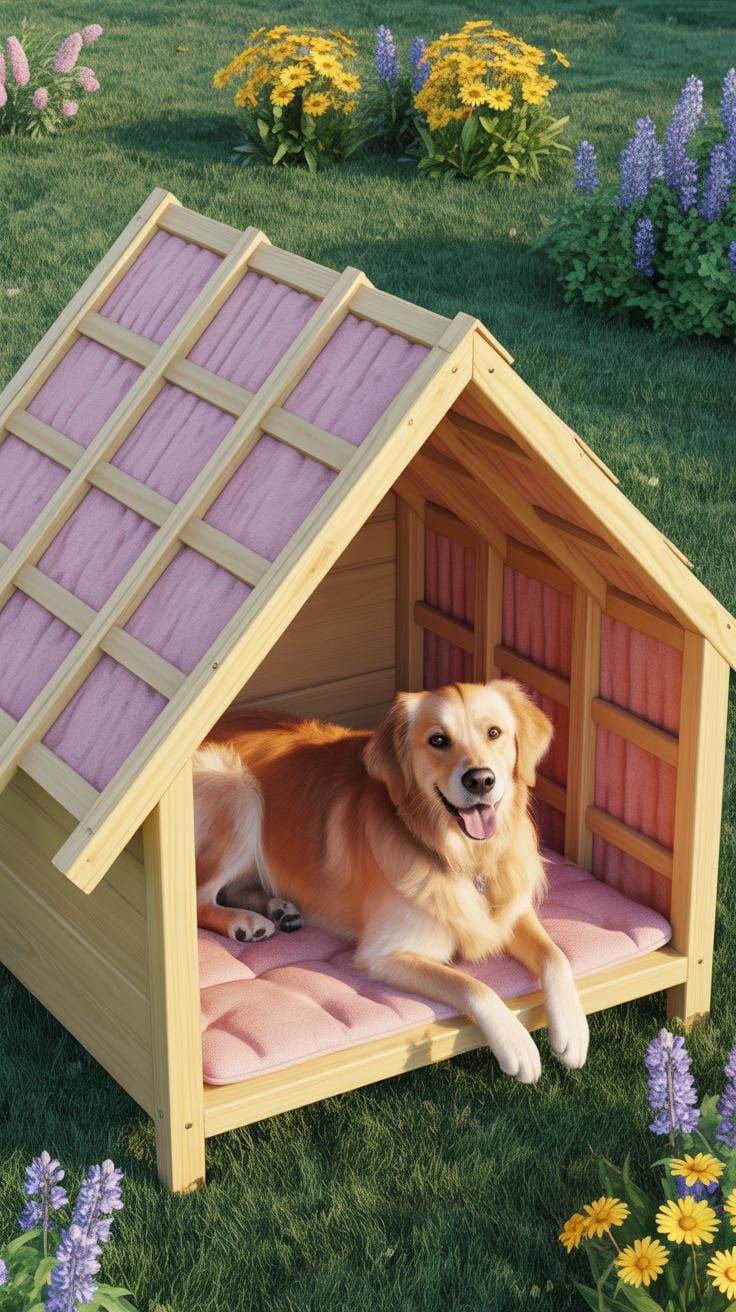
Insulation creates a thermal barrier between the dog and the exterior cold. High-quality dog houses use expanded polystyrene or radiant barrier foil inside double-walled construction. This setup slows the transfer of heat. A dog produces natural body heat. Proper insulation traps this heat inside the small space. It keeps the interior temperature significantly higher than the freezing air outside the kennel walls.
Floor insulation is critical because the ground pulls heat away from the dog through conduction. Use a raised floor design to create an air gap. Fill this gap with dense foam or specialized thermal pads. Always ensure the insulation material remains inaccessible to the dog to prevent chewing. Effective insulation reduces the energy a dog spends to maintain its core body temperature during winter.
The best home is a fortress of love that keeps the cold at bay and the spirit warm. Choosing a sturdy shelter ensures that even when the clouds gather, your loyal companion remains tucked in safety and peace.
Why Ventilation Is Equally Important To Prevent Overheating In A Dog House
Ventilation prevents the buildup of heat and moisture inside a confined kennel. Even in winter, a dog exhales water vapor. Without airflow, this moisture collects on surfaces and creates damp bedding. Dampness leads to mold growth and can cause hypothermia. Roof vents or small wall openings allow moist air to escape. Positioning these vents above the dog’s resting level prevents direct cold drafts.
In summer months, ventilation acts as the primary cooling mechanism. A stagnant dog house becomes a heat trap that causes heatstroke. Cross-ventilation requires at least two openings to move air. You must place these vents in high and low positions to leverage the chimney effect. This natural process pulls cool air in from the bottom and pushes hot air out through the top.
Structural Design Features That Strengthen A Pet Enclosure Against The Elements
Roof Styles And Their Impact On Rain And Snow Shedding In An Outdoor Dog Kennel
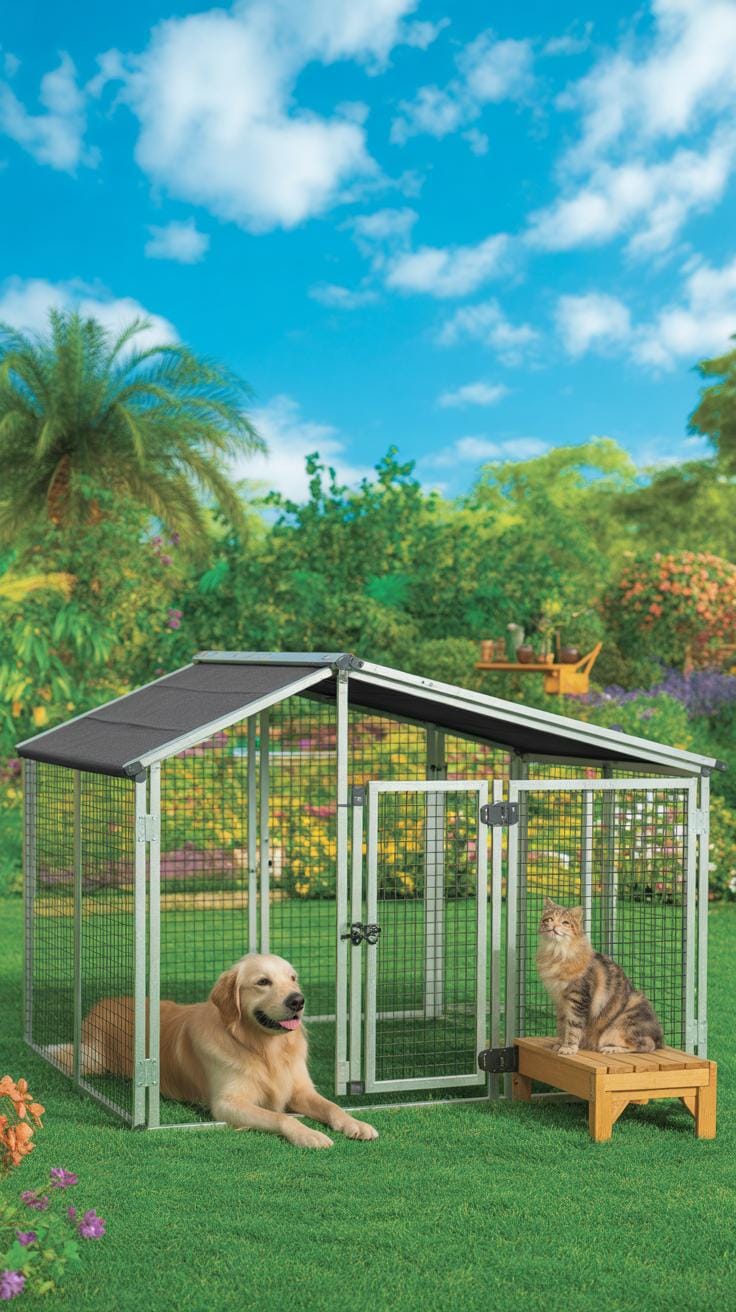
Roof geometry dictates how efficiently an enclosure handles precipitation. A flat roof allows water to pool. This creates leaks and structural rot over time. A sloped or pitched roof uses gravity to move water away from the structure. Precision in the pitch angle ensures that heavy snow slides off before its weight collapses the roof. Metal or heavy plastic materials facilitate this better than wood.
Overhangs provide critical protection for the side walls. A roof that extends several inches beyond the wall keeps rain from hitting the siding directly. This prevents moisture from seeping into joints and seams. Gable roofs offer the most efficient drainage for high-snow areas. Single-slope shed roofs work well if you angle them away from the wind. Choose a design that forces water to a designated drainage area.
Elevated Flooring And Door Placement That Protect Dogs From Wind And Ground Moisture
Ground moisture is a primary cause of heat loss in dogs. A kennel sitting directly on the soil absorbs cold and dampness through conduction. Elevated flooring creates an air gap between the ground and the kennel floor. This gap acts as a thermal break. It keeps the interior dry and reduces the risk of rot. Aim for a clearance of at least four inches to allow proper airflow.
Door placement affects internal wind speeds. Do not center the door on the front wall. Offset the door to one side to create a dead-air space. This allows the dog to curl up behind a solid wall away from the direct wind path. High door sills also prevent rain from splashing inside. These tactical design choices maintain a stable internal temperature regardless of the external weather conditions.
Safety And Security Considerations For A Dog Kennel Outside
Locking Mechanisms And Escape Proof Features Every Dog Enclosure Should Have
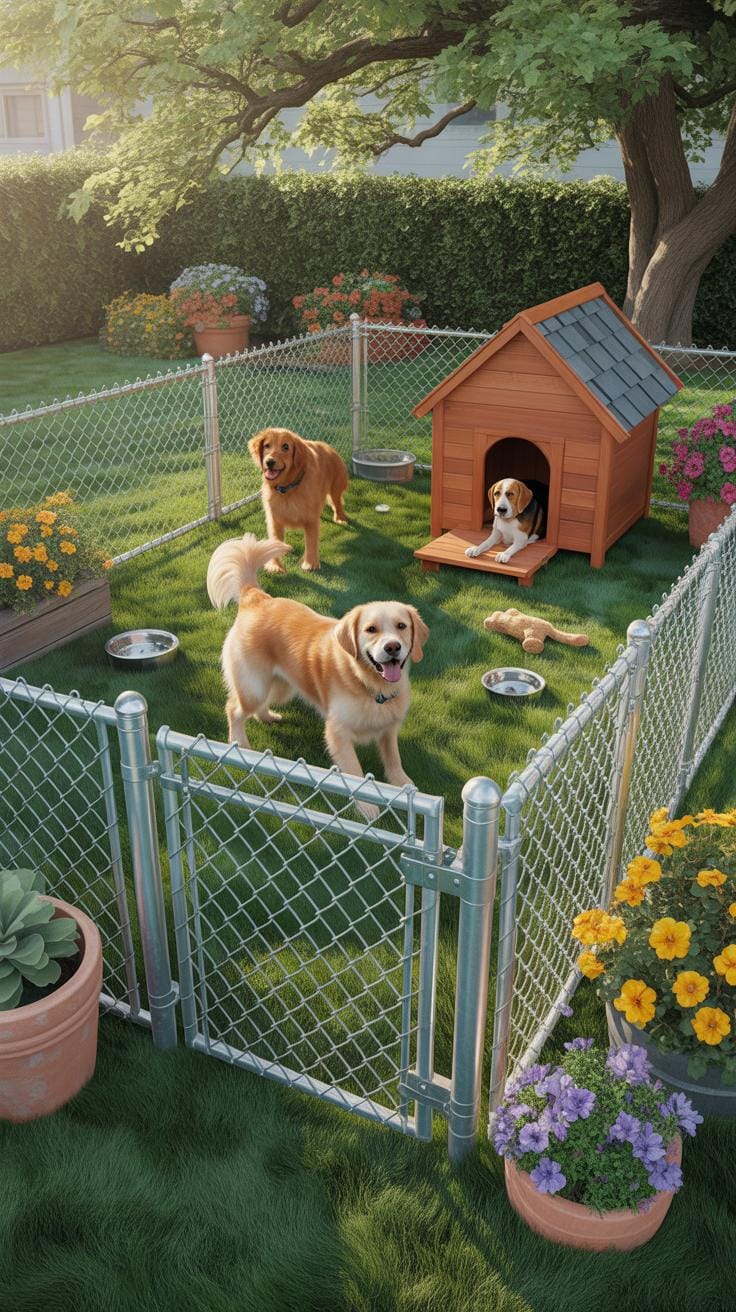
High-grade locking mechanisms prevent unintentional breaches and external interference. Use gravity-driven latches or spring-loaded bolts that automatically engage upon closing. These mechanical systems resist the vibrations and nudges of a determined animal. Standard gate hooks fail under pressure. Secure your enclosure with heavy-duty padlocks or carabiners to ensure the gate stays shut during high winds or physical impacts.
Escape-proof structures require tight tolerances between the gate and the frame. Gaps exceeding two inches allow dogs to wedge their heads and leverage the metal. Use tension wire or bottom rails to prevent pups from lifting the chain link. Incorporate dig guards along the perimeter using buried hardware cloth or concrete footings. These physical barriers stop dogs from tunneling under the fence line during long periods of isolation.
Essential Safety Checklist Before Placing Your Dog Kennel Outdoor
Selecting the right location determines the long-term safety of your animal. Avoid placing the unit under dead tree limbs or near steep slopes that collect standing water. Ensure the ground is level to prevent the frame from warping or tipping. Proper placement reduces the risk of structural failure during severe weather events. Check the perimeter for poisonous plants and sharp debris.
- Ground Anchoring: Use heavy-duty steel earth anchors or concrete bolts to secure the frame. This prevents the kennel from shifting or flipping during high-wind storms. Unanchored units pose a lethal risk to dogs during volatile weather changes.
- Smooth Welds: Inspect every joint for sharp burrs or unfinished metal edges. Poor manufacturing leaves jagged protrusions that cause deep lacerations. High-quality kennels use galvanized coating after welding to keep all surfaces smooth and rust-free.
- Wire Gauge: Select a minimum of 8-gauge to 11-gauge wire for the fencing material. Thin wire mesh bends easily under dental pressure or pawing. Thicker steel maintains its shape and prevents the dog from creating holes to escape.
- Roof Integrity: Install a pitched or sloped roof made of heavy-duty waterproof material. This prevents snow loads from collapsing the structure and keeps the interior dry. A secure cover also stops agile dogs from climbing over the top.
- Floor Drainage: Ensure the flooring system allows liquids to move away from the resting area. Standing urine or rainwater breeds bacteria and causes paw rot. Use raised flooring or sloped concrete pads to maintain a sanitary and dry environment.

Conduct a final sweep of the interior for hardware that might loosen over time. Inspect all nut and bolt connections for tightness. Check the weather stripping on any integrated dog houses for wear. A daily inspection routine identifies potential hazards before they cause injury. Maintain a log of repairs to track the structural integrity of your investment. Vigilance ensures the kennel remains a safe zone.
Climate Specific Factors To Consider For Outside Dogs In Your Region
Selecting A Weatherproof Dog Kennel Based On Hot, Humid, Or Tropical Climates
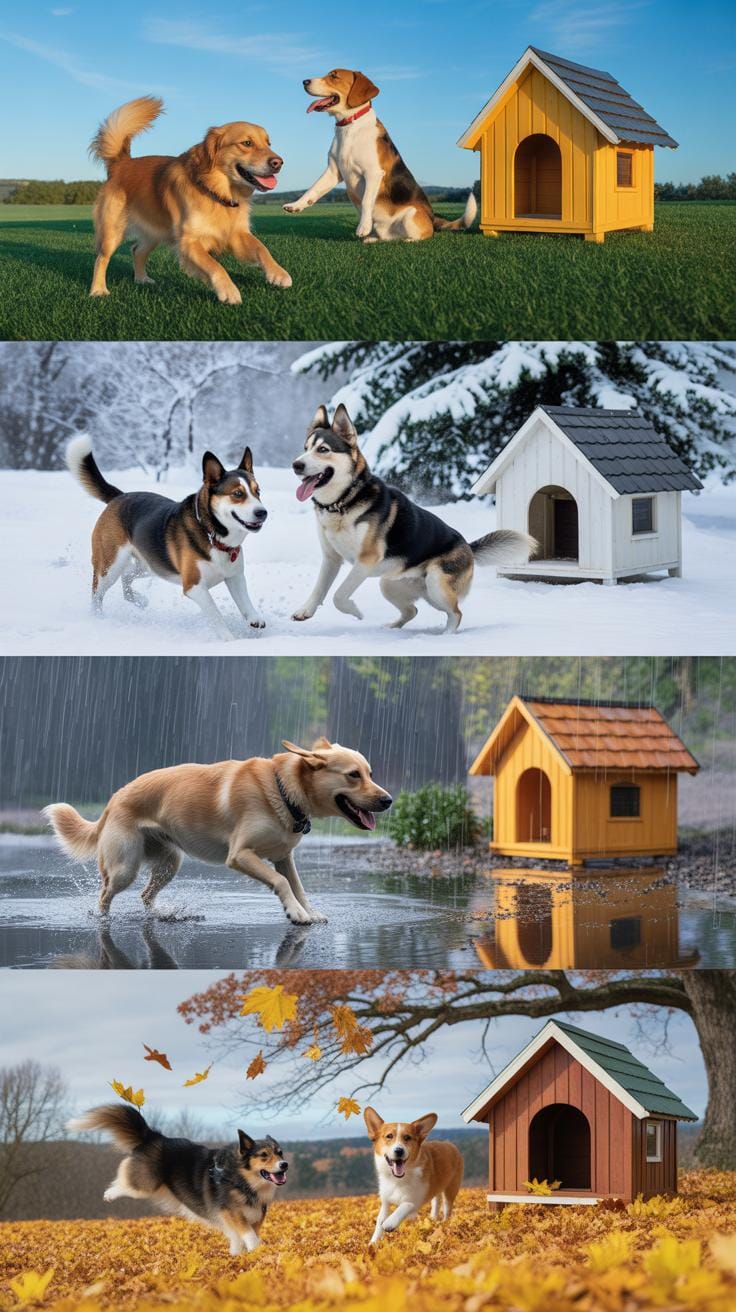
High temperatures and humidity require maximum airflow to prevent heatstroke. You must choose a kennel design that facilitates cross-ventilation. Elevate the structure off the ground to allow air to circulate underneath the floor. This gap stops ground heat from transferring into the sleeping area. Metal or plastic materials work best here because they do not rot when exposed to constant tropical moisture or rain.
Avoid dark colors that absorb solar radiation. Use light-colored or reflective roofing to bounce sunlight away from the structure. Ensure the roof has wide overhangs to provide extra shade and keep driving rain out of the entrance. In humid zones, choose materials treated to resist mold and mildew. Proper ventilation prevents stagnant air from trapping moisture, which protects the dog from respiratory issues and fungal infections.
Features That Make A Large Dog House Suitable For Cold, Snowy, Or Wet Climates
Freezing environments require thick insulation and wind protection. Select a kennel with double-wall construction and foam or fiberglass inserts. An offset entrance is vital because it creates a separate sleeping nook away from the direct wind. Slanted roofs are mandatory in snowy regions to prevent heavy snow loads from collapsing the structure. Use rot-resistant wood like cedar or treated resins to handle constant snow melt.

Waterproofing must extend to the base of the kennel. A raised floor keeps the interior dry during heavy spring thaws or rainstorms. You should add a heavy-duty vinyl door flap to trap body heat inside the main chamber. Check that all seals are airtight to prevent drafts from dropping the internal temperature. Quality cold-weather units use thermal breaks to stop the cold from migrating through the walls.
Maintenance Tips To Keep Your Outdoor Dog Kennel Weatherproof Long Term
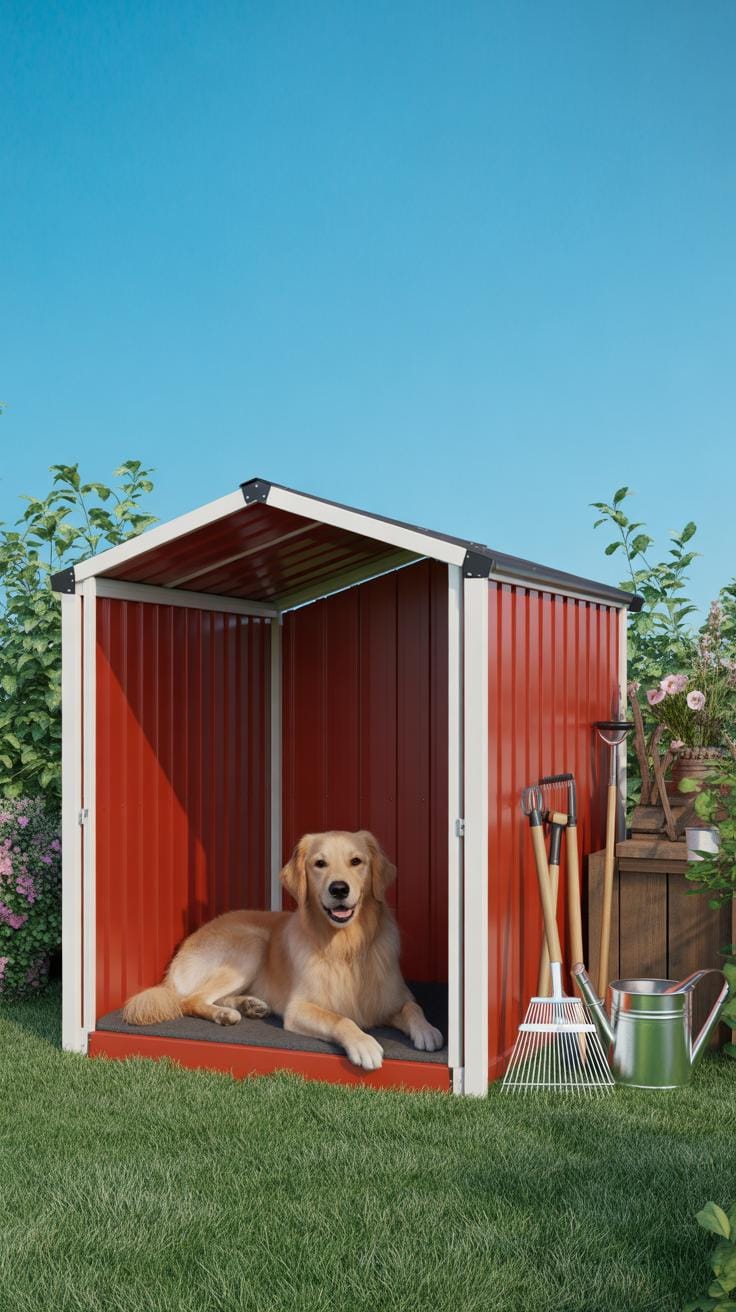
How To Inspect And Seal Your Dog Kennel Outside After Each Season
Seasonal shifts damage structural integrity through thermal expansion and contraction. Inspect every seam and joint for gaps after winter and summer. Look for hardware that loosened during freeze-thaw cycles. Apply high-grade silicone sealant to any cracks in plastic or wood enclosures. Ensure the roof remains flush against the walls. Tighten all bolts and anchors to prevent wind from lifting the unit.
Check the roof membranes for tears or UV damage immediately after high-heat months. Water entry often begins at small puncture points on the roof surface. Apply waterproof patches or specialized coatings to keep the interior dry. Wood kennels require a fresh coat of non-toxic sealant every year to block moisture absorption. Examine the floor for rot or sagging to ensure the dog stays off the wet ground.
Cleaning And Upkeep Routines That Extend The Life Of Any Outdoor Pet Enclosure
Dirt and organic debris hold moisture against the kennel walls and floor. This moisture causes metal to rust and wood to rot prematurely. Remove all bedding and wash the interior with a pet-safe disinfectant every month. Scrub the exterior to remove mud and bird droppings that can corrode protective finishes. Rinse the structure thoroughly and let it dry completely before replacing any internal padding.

Keep the ground around the kennel clear of tall grass and standing water. Good airflow prevents mold growth on the exterior panels. Clear snow from the roof immediately after storms to prevent weight stress on the frame. Lubricate door hinges and latches with dry graphite to prevent seizing from humidity. Consistent cleaning ensures materials like galvanised steel and high-density polyethylene reach their maximum service life without failing.
Frequently Asked Questions

What features should I look for in a quality weatherproof dog house?
When shopping for a weatherproof outdoor dog kennel, prioritize insulation and elevated flooring to keep your pet dry and warm. Look for high-density plastic or treated timber that resists rot and water damage. A sloped roof is essential for proper drainage, while adjustable feet help level the structure on uneven garden terrain. These features ensure your canine companion stays comfortable and protected against harsh wind, rain, and fluctuating temperatures year-round.
How can I properly maintain my kennel to ensure it stays waterproof?
Regular maintenance is key to extending the life of your weatherproof outdoor dog kennel. Every season, inspect the seals and roof for any cracks or leaks that could let moisture inside. Reapply a pet-safe water repellent or non-toxic wood stain if the finish starts to fade. Additionally, clear away debris from the base to prevent wood rot and ensure the drainage holes remain unobstructed so water flows away freely.
Can I create a weather-resistant setup if I am on a tight budget?
Absolutely! You can enhance a basic shelter by adding affordable upgrades like a heavy-duty PVC door flap to block wind and rain. Placing the kennel on a DIY pallet base provides crucial elevation from cold, wet ground without a high cost. Inside, use straw or specialist thermal mats instead of blankets, as these materials don’t trap moisture, providing an effective and budget-friendly way to keep your dog cozy and dry.