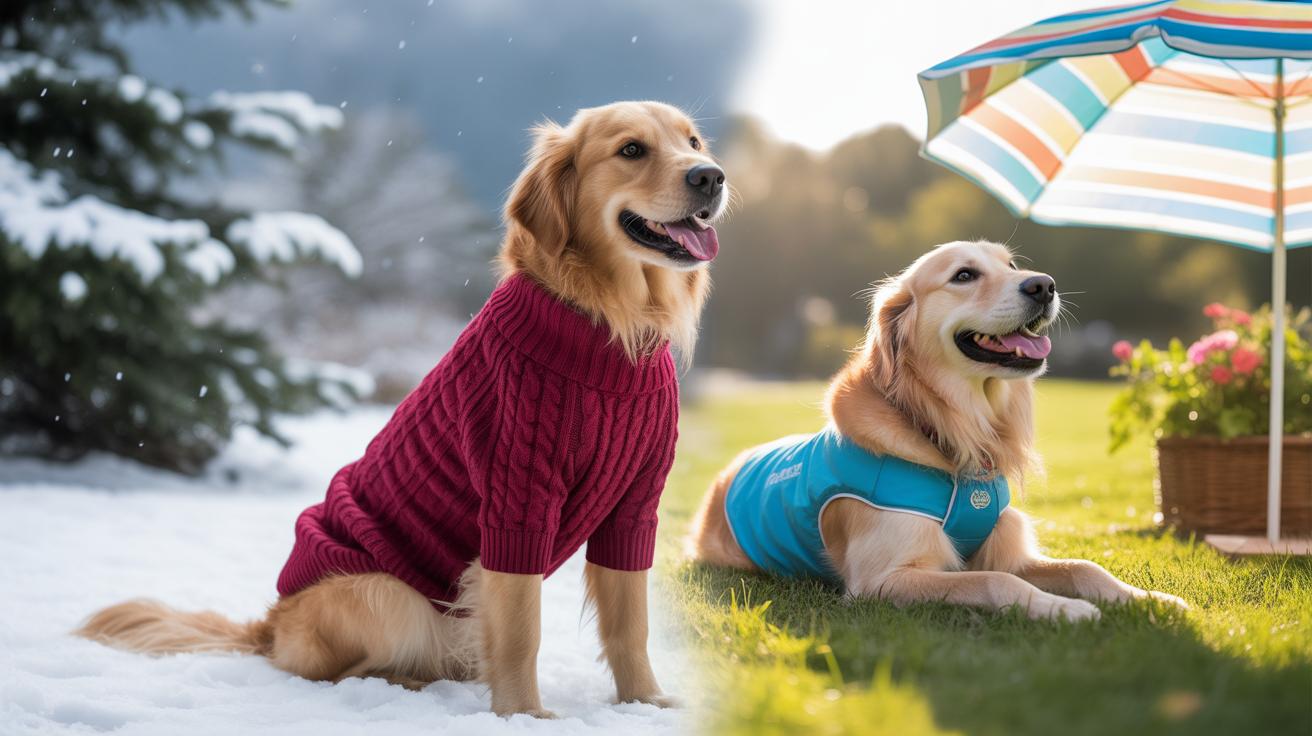
Understanding How Extreme Weather Affects Dogs
How Heat And Cold Impact A Dog’S Physiology
Dogs regulate internal body temperature differently than humans. They lack sweat glands across most of their bodies. They rely on panting to exchange hot air for cooler air. High humidity stops this process from working. When internal temperatures rise too high, blood flow shifts to the skin. This starves vital organs of oxygen. Rapid organ failure or brain damage can occur within minutes of heat exposure.
Cold weather presents a different physiological threat. Exposure to low temperatures causes peripheral blood vessels to constrict. This process keeps core organs warm but leaves ears, tails, and paws vulnerable to frostbite. Shivering consumes huge amounts of metabolic energy. If a dog loses more heat than it produces, hypothermia sets in. This slows the heart rate and weakens the immune system. Wet fur accelerates this cooling process significantly.
Which Dog Breeds Are Most Vulnerable To Weather Extremes
Brachycephalic breeds face the highest risk in heat. These dogs have short muzzles and flat faces. Their narrow airways make panting inefficient. They cannot move enough air to cool their blood effectively. This leads to rapid overheating even in moderate temperatures. Dogs with thick double coats or dark fur also absorb heat quickly. Weight also plays a factor. Obese dogs retain more body heat and struggle to breathe during exertion.
Small breeds and thin-coated dogs fail to retain heat in winter. Breeds like Greyhounds or Chihuahuas have low body fat. They lack the natural insulation required to survive freezing temperatures. Very young puppies and senior dogs also struggle. Their bodies cannot regulate temperature as well as healthy adults. Owners must recognize that breed history dictates environmental limits. Northern breeds handle snow well but suffer in tropical humidity without constant intervention.

How To Keep Outside Dogs Warm In Winter Core Strategies
Choosing The Right Bedding And Insulation For Outdoor Dogs
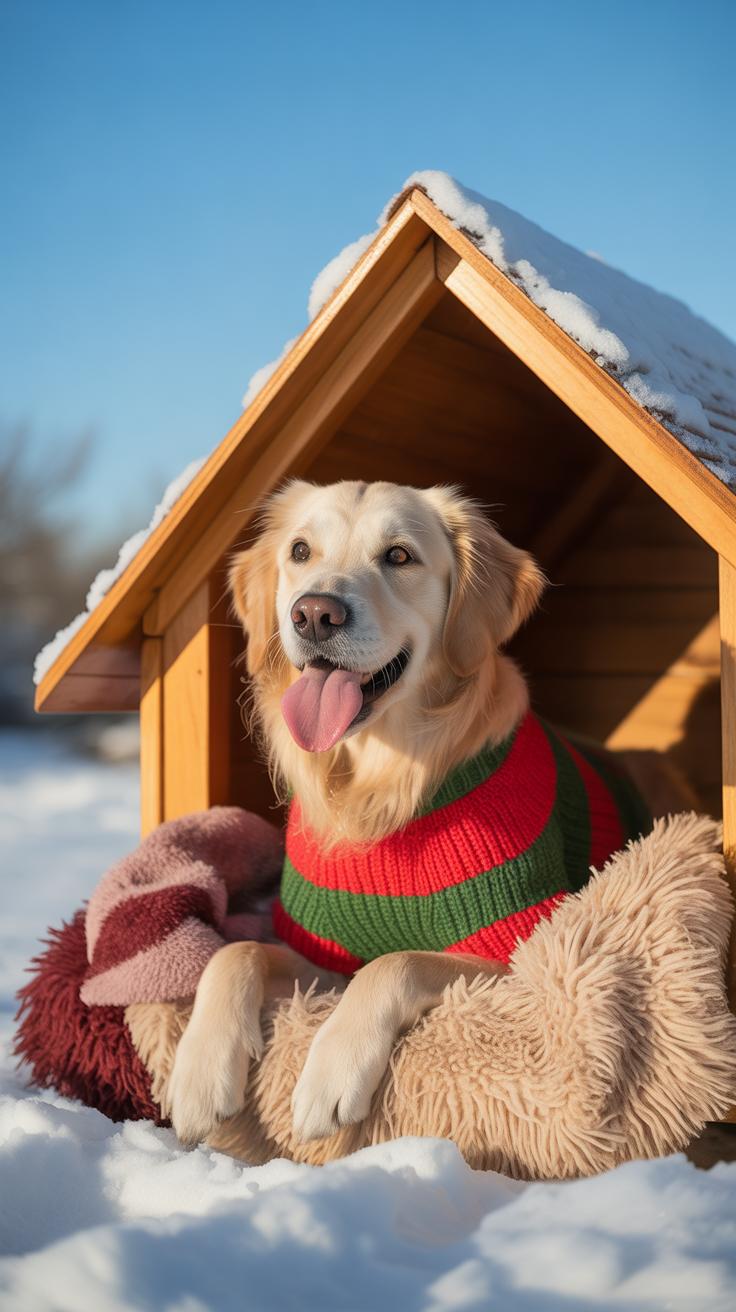
Outdoor dog houses require specific materials to retain heat. Do not use blankets or towels. These fabrics absorb moisture from paws and breath then freeze quickly. This creates a cold slab rather than a warm bed. Use straw or wood shavings instead. These materials trap air pockets and allow moisture to drain to the bottom. This keeps the dog dry and warm during freezing nights.
The shelter itself needs proper elevation and airflow control. Raise the floor at least two inches off the ground to prevent heat loss through the soil. Use heavy rubber or plastic flaps on the door to block wind. Install closed cell foam insulation on the interior walls. This material provides high thermal resistance without absorbing water. Smaller shelters work better because the dog can heat the space with body temperature.
Adjusting Your Dog’S Nutrition And Hydration During Cold Months
Dogs burning energy to maintain body heat require more calories. Increase food intake by fifteen to twenty five percent during winter. Focus on high quality fats and proteins to fuel the metabolic furnace. Monitor the dog’s coat and weight weekly to ensure the diet meets the thermal demand. Consult a veterinarian about specific caloric needs for your breed since heavy coats change the requirements.

Hydration is a major risk in subzero temperatures. Dogs cannot eat enough snow to stay hydrated without losing critical body heat. Use heated water bowls to prevent freezing. Replace plastic bowls with stainless steel to avoid cracking in the cold. Check the water supply twice daily to ensure the heating element functions. Proper hydration helps the body regulate temperature and maintains the protective moisture of the skin.
Shelter Design Building A Safe Space For Dogs In Any Weather
Key Features Of A Weather Resistant Outdoor Dog Shelter
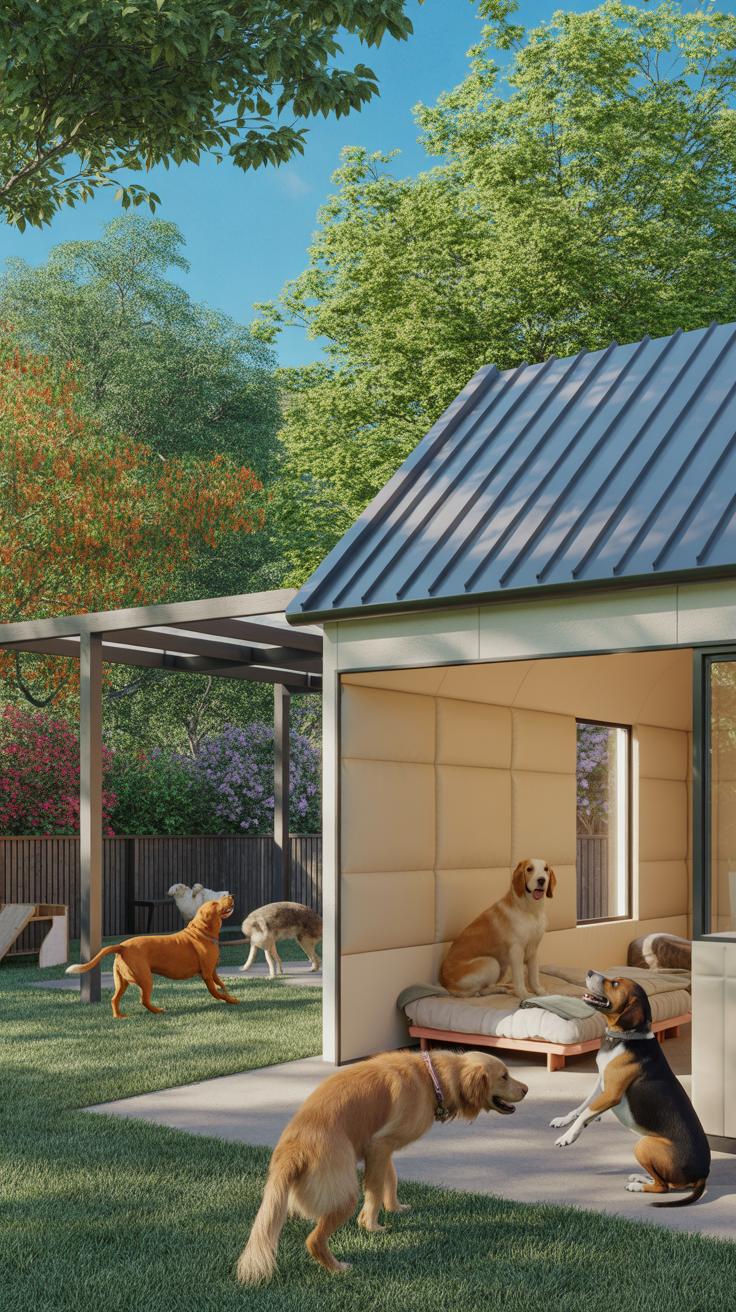
A functional outdoor shelter must prioritize thermal regulation and moisture control. Construction materials determine how well the structure resists heat transfer and wind penetration. You must use rot-resistant wood like cedar or high-density plastic to ensure longevity. Elevating the floor prevents ground moisture from rotting the base and keeps the interior dry. Proper ventilation prevents condensation while keeping out direct drafts during winter months.
- Elevated Flooring: Raise the structure at least four inches off the ground. This gap creates an air pocket that buffers against frozen earth or hot asphalt. It also prevents water from pooling inside during heavy rain.
- Slanted Roof Design: Use a pitched roof to shed snow and rain immediately. An overhanging eave keeps precipitation away from the entrance. Use asphalt shingles or metal panels to reflect solar heat and provide a durable water barrier.
- Insulated Walls: Install foam board or fiberglass insulation between double-walled panels. This keeps the internal temperature stable during extreme shifts. It prevents the structure from becoming an oven in summer or a freezer during the winter season.
- Adjustable Ventilation: Place small vents near the roofline to allow hot air to escape in summer. These vents should have shutters or covers for winter use. Proper airflow prevents dangerous ammonia buildup from urine and reduces moisture that causes mold.
- Removable Door Flap: Use heavy-duty rubber or clear plastic strips over the opening. This barrier blocks wind and rain while allowing the dog easy access. In the heat of summer, you can remove the flap to maximize natural cross-ventilation through the house.
Bedding choices inside the shelter impact safety and warmth. Avoid using towels or blankets because they hold moisture and can freeze against the dog. Clean straw or wood shavings provide the best insulation because they trap air and stay dry. Replace organic bedding regularly to prevent pest infestations and fungal growth. A well-designed shelter acts as a critical life-saving tool during unexpected weather events across all four seasons.
Positioning And Sizing Your Dog’S Shelter For Maximum Protection
Structure placement determines how much environmental stress the dog endures. Face the entry away from prevailing winds to stop cold air from rushing inside. During winter, place the shelter in a sunny spot to harness solar gain. In summer, move the unit into deep shade to prevent heatstroke. Placing the house against a solid wall provides an extra windbreak and increases overall structural stability during high-wind storms.

Internal dimensions must remain compact to preserve body heat. A shelter that is too large will never warm up in cold weather. The dog should have enough room to stand up, turn around, and lie down comfortably. Measure your dog’s height and length to calculate the minimum footprint required. Small spaces trap the dog’s natural radiance. If the ceiling is too high, the warm air rises far above the animal’s body.
Protect Pets From Cold Weather Winter Safety Tips For Dog Owners
Recognizing The Signs Of Hypothermia And Frostbite In Dogs
Hypothermia occurs when a dog’s body temperature drops below normal levels. You must watch for violent shivering followed by sudden lethargy. A dog in trouble will stop moving and appear disoriented. Their breathing will slow down and their heart rate will weaken. If the dog stops shivering but remains cold, their condition has reached a critical stage. You must act immediately to raise their core temperature slowly.
Frostbite usually targets the ears, tail, and paws. Check these areas for skin that looks pale, gray, or blue. The flesh will feel cold and brittle to the touch. As the tissue thaws, it becomes red and very painful for the dog. Do not rub the affected areas because this causes permanent tissue damage. Look for swelling or blisters as these indicate severe cellular destruction from the freezing temperatures.
Protective Gear And Clothing That Actually Helps Dogs In Winter
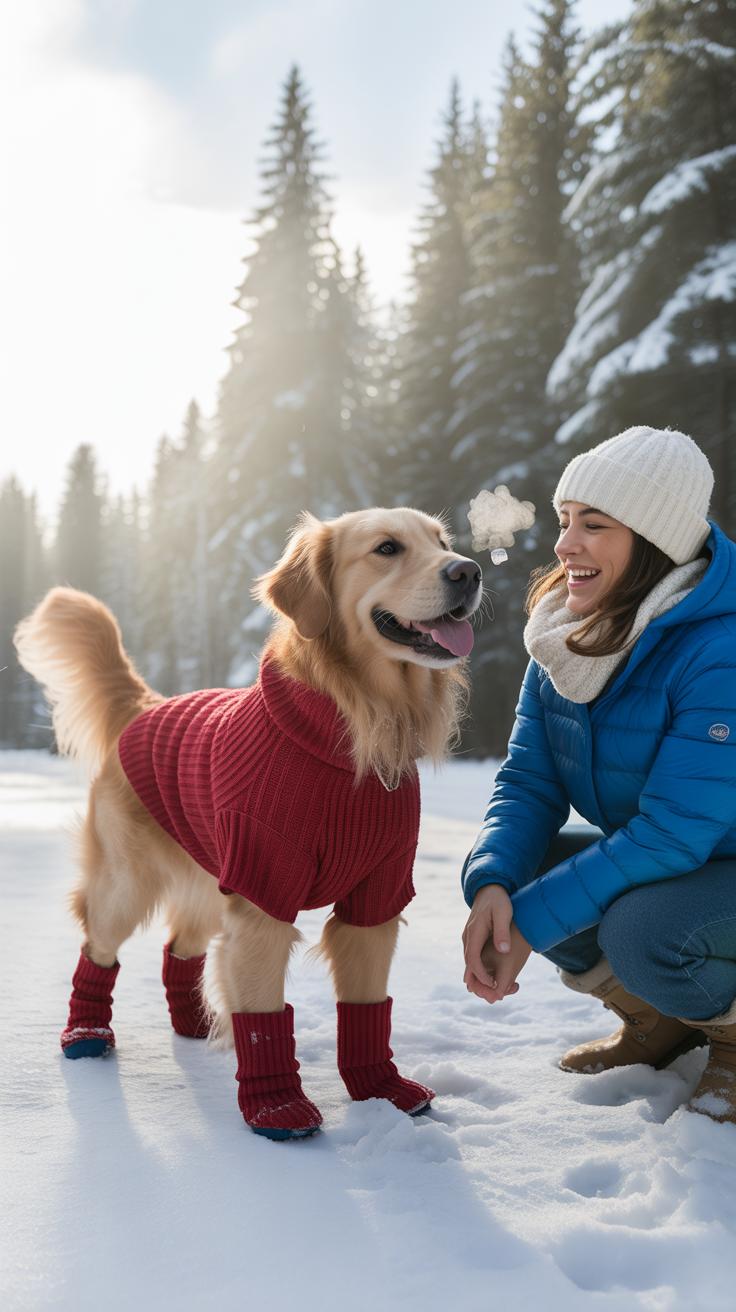
Invest in high-quality boots to block salt and ice. Road salt contains chemicals that burn paw pads and cause toxicity if licked. Boots must have a rubberized sole for traction on frozen surfaces. Ensure the fit is snug to prevent snow from entering the boot. Cold ground strips heat from the body quickly. Solid footwear maintains the integrity of the paw and prevents painful ice buildup between toes.

Functional jackets must cover the neck, chest, and belly. Choose waterproof materials like treated nylon to keep the dog dry. Moisture is the biggest threat in winter because it accelerates heat loss. Dogs with thin coats or low body fat require insulation like fleece or synthetic down. Avoid decorative items that restrict movement or lack thermal properties. A proper coat serves as a structural barrier against wind and frigid precipitation.
Pet Safety In Summer Shielding Your Dog From Heat And Humidity
How To Prevent Heat Stroke In Dogs During Hot Weather
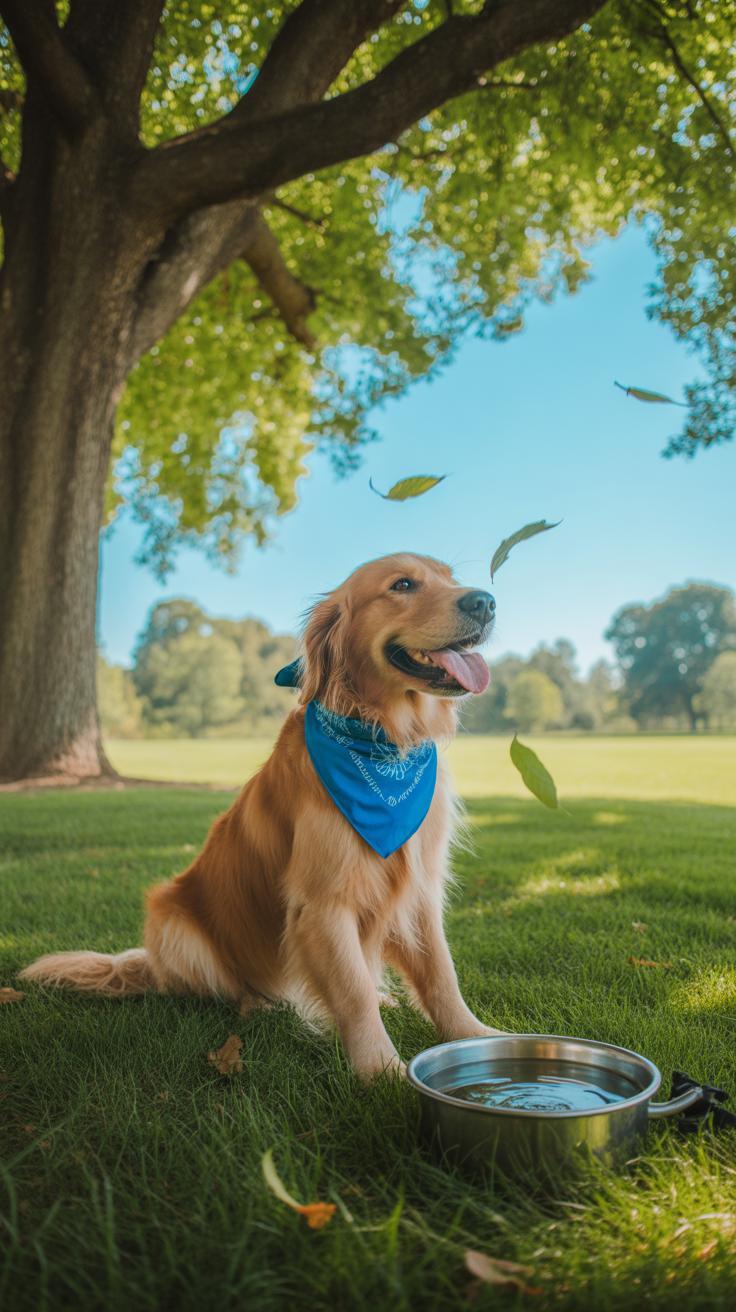
Heat stroke occurs when a dog cannot dissipate heat fast enough to maintain a safe core temperature. Dogs rely primarily on panting and sweat glands in their paw pads to cool down. Brachycephalic breeds with flat faces face higher risks due to restricted airways. You must monitor for heavy panting and bright red gums. These signs indicate the cooling system is failing.
Provide constant access to shade and fresh water to facilitate natural cooling. Evaporative cooling methods like wet towels or misting fans help lower body temperatures quickly. Never leave a dog in a parked car even with windows cracked. Internal vehicle temperatures can reach lethal levels in minutes during summer. Act fast if a dog collapses. Use room temperature water to cool the animal immediately.
To his dog, every man is Napoleon; hence the constant popularity of dogs. But as their world, we must be the shelter that guards them from the freezing wind and the burning sun.
Safe Exercise Routines And Outdoor Habits For Dogs In Summer
Adjust your exercise schedule to avoid the hottest parts of the day. Early morning and late evening offer the safest temperatures for physical activity. High humidity levels prevent sweat from evaporating and stop panting from being effective. Track the heat index rather than just the air temperature. If the air feels heavy and wet, keep the dog indoors in a climate controlled environment.

Protect paw pads from thermal burns on hot pavement and sand. Black asphalt absorbs massive amounts of solar energy and can blister skin instantly. Use the seven second rule by touching the ground with your bare hand. If it is too hot for your skin, it is too hot for your dog. Stick to grass or shaded trails for all walks. Proper hydration remains the priority during any outdoor movement.
Pet Emergency Preparedness Planning Ahead For Severe Weather Events
What To Include In A Dog Specific Emergency Supply Kit
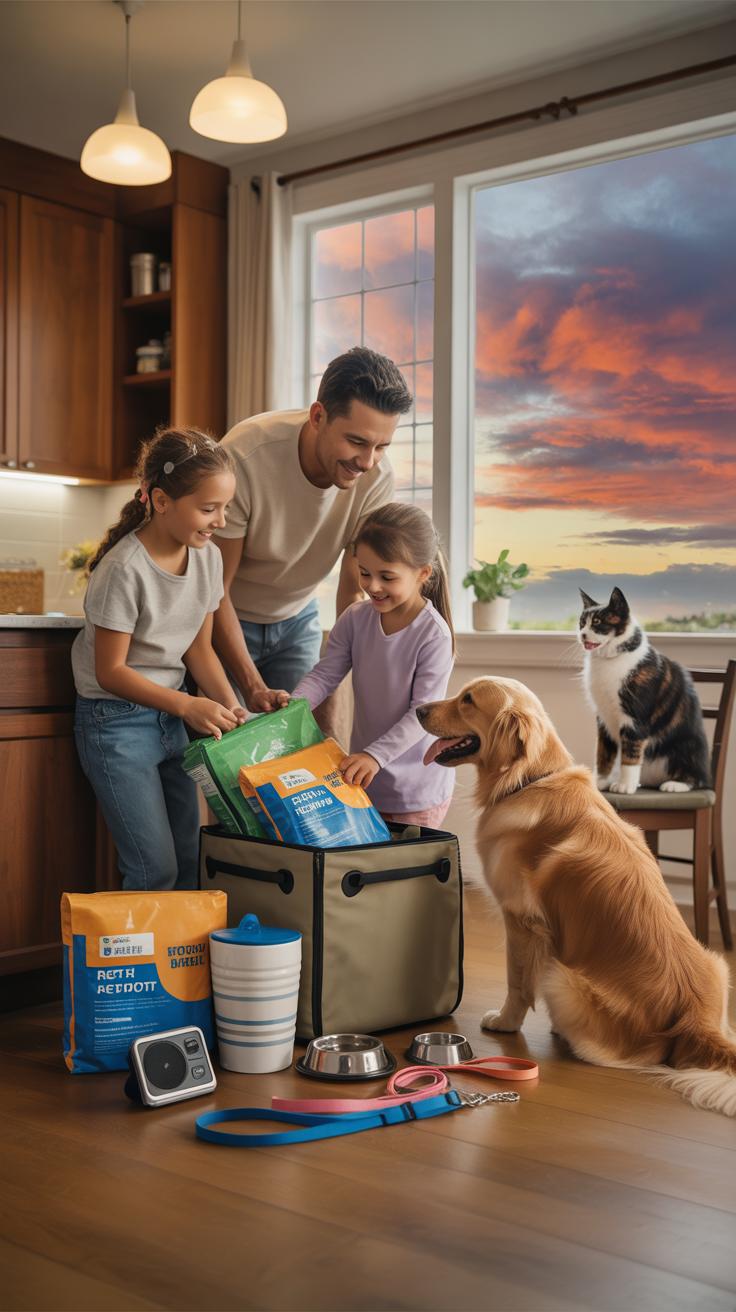
A mobile emergency kit ensures survival when you must evacuate quickly. You cannot rely on public shelters to provide species-specific supplies during a disaster. Store all items in a waterproof container near your primary exit. Specialized gear prevents malnutrition and illness during high-stress transitions. Update this kit every six months to check expiration dates on food and medical supplies.
- Water and Food: Pack a seven-day supply of bottled water and non-perishable food. Use airtight containers to prevent spoilage or pest infestation. Include a manual can opener if you use canned food. This prevents digestive upset caused by sudden diet changes during a crisis.
- Medical Records: Store physical copies of vaccination records and medical history in a waterproof bag. Most boarding facilities and emergency shelters require proof of rabies vaccination before entry. Include a list of current medications with dosage instructions and your veterinarian contact information.
- Safety Hardware: Pack a sturdy leash, collar, and a well-fitted harness for secure transport. Include a backup ID tag with temporary contact info. A muzzle is necessary even for calm dogs because pain and fear can trigger defensive biting during natural disasters.
- Sanitation Supplies: Include poop bags, paper towels, and liquid dish soap for cleaning messes. Pack a small bottle of bleach for disinfecting areas where your dog eliminates. Maintaining hygiene prevents the spread of zoonotic diseases like leptospirosis in crowded or flooded environments.
- First Aid Kit: Assemble a kit with antiseptic wipes, gauze, and self-clinging bandages. Include blunt-nosed scissors to cut away debris or tangled fur safely. Add a digital thermometer to monitor for heatstroke or hypothermia in extreme temperatures. These tools manage minor injuries until professional help arrives.
Identification is the most critical component of hardware. Ensure your dog wears a collar with a visible tag at all times. Microchips provide permanent identification but require current registration in a national database. Keep a recent photo of yourself with the dog to prove ownership if you become separated. These simple steps significantly increase the chances of a successful recovery.
How To Keep Your Dog Calm And Safe During Storms And Natural Disasters
Safe zones mitigate the psychological impact of thunder and high winds. Designate an interior room without windows as a storm shelter. Move your dog to this area before the weather worsens. Use white noise or specialized canine music to drown out concussive sounds. Maintaining a calm demeanor prevents the dog from mirroring your stress. High levels of cortisol can lead to destructive behavior.

Physical restraint provides security during chaotic events. Use a crate to prevent the dog from bolting into dangerous areas. Anxiety vests apply gentle pressure to reduce panic during barometric pressure changes. Avoid drugging your dog without prior veterinary guidance and testing. Monitor the dog for signs of distress like excessive panting or hiding. Secure all exits to ensure the animal does not escape through broken windows or doors.
Evacuation Plan How To Safely Move Your Dog During A Weather Emergency
Creating A Step By Step Dog Evacuation Plan Before Disaster Strikes
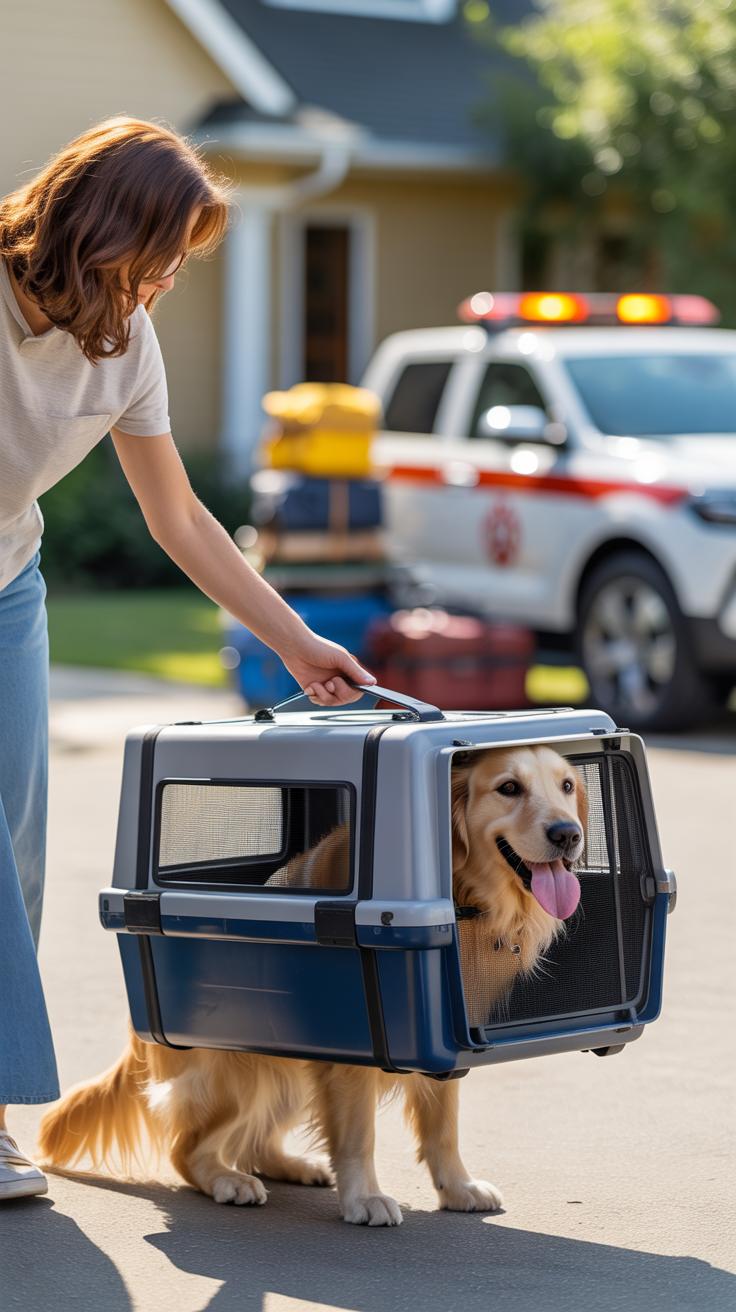
Preparation determines survival during extreme weather events. Map out multiple exit routes from your home to avoid blocked roads or flood zones. Designate a specific meeting spot outside your immediate neighborhood. Assign one family member to grab the dog and another to grab the emergency kit. Practice this drill every six months to build muscle memory and reduce panic when alarms sound.
Store a physical copy of your dog’s records in a waterproof bag. This kit must include vaccination proof, medical history, and current photos of the dog. Microchip your pet and keep your contact information updated in the registry. Keep a sturdy leash and a travel crate near the primary exit. Ensure your dog is comfortable in the crate long before an actual emergency occurs.
Finding Pet Friendly Emergency Shelters And Transportation Options
Do not assume public shelters accept animals during a crisis. Many human shelters still deny entry to pets due to health codes. Research pet-friendly hotels or boarding facilities along your evacuation route. Contact local animal control to identify emergency sites that provide temporary housing. Keep a list of these locations in your glove box and on your phone to save time.
Transportation requires secure restraints and pre-planned logistics. Public buses and trains often restrict animals to small crates or bar them entirely. Use your own vehicle or coordinate with neighbors who have extra space. If you must use a taxi or ride-share service, verify their pet policy immediately. Secure your dog with a crash-tested harness or crate to prevent injury during a sudden stop.
Emergency Preparedness For Multi Pet Households Dogs Cats And Beyond
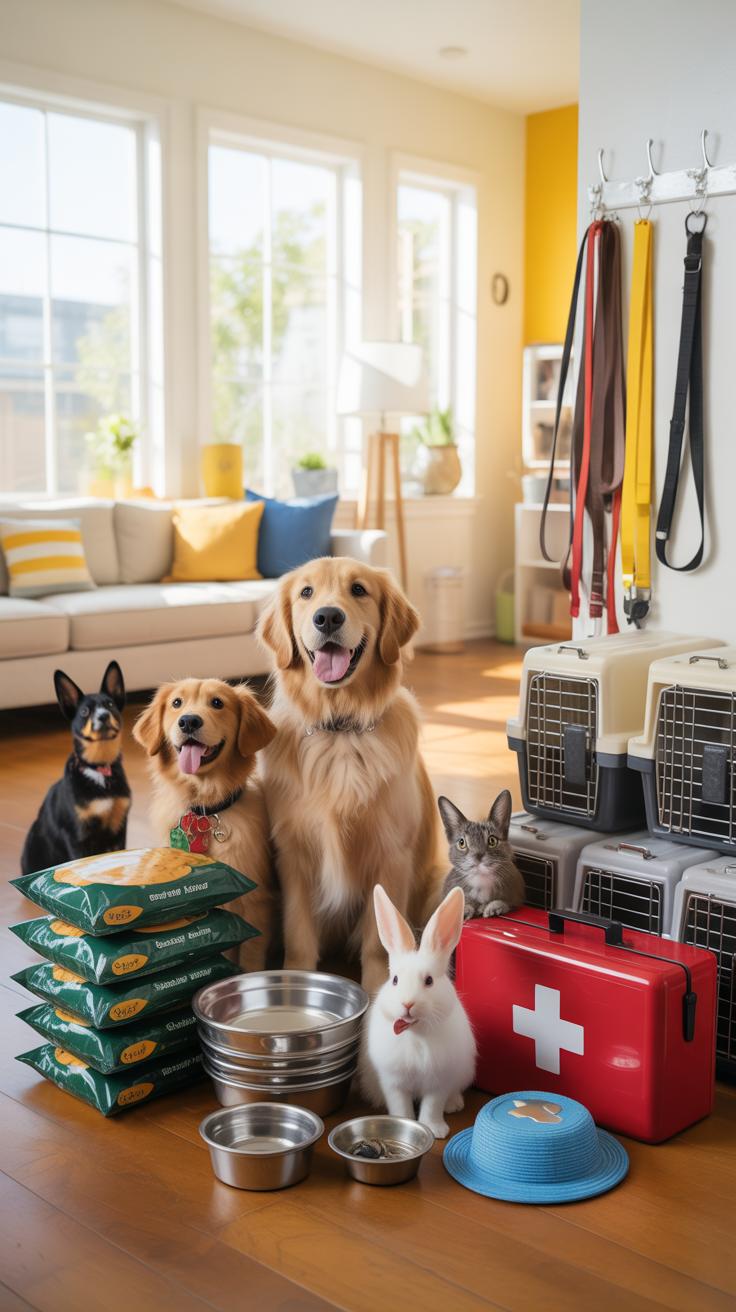
Managing Weather Safety For Both Dogs And Cat Enclosure Setups At Home
Mixed-pet homes require distinct thermal zones for dogs and cats. Dogs often need floor-level cooling during heatwaves. Cats prefer elevated vertical spaces to escape rising heat. You must check outdoor enclosures for structural integrity before storms. Wind-resistant materials like heavy-duty steel mesh prevent escapes. Install insulated bedding in outdoor cat houses to block freezing ground temperatures. Keep dog houses away from flood-prone garden areas.
Proper ventilation is the priority for all pet structures. Stagnant air kills pets faster than heat itself. Use solar-powered fans in outdoor runs to maintain airflow. In winter, ensure enclosures remain dry. Moisture leads to hypothermia in small animals like cats and small dogs. Seal gaps in enclosures to stop drafts. Use thermal curtains on entries. Monitor internal temperatures regularly with digital thermometers.
Building A Year Round Weather Safety Routine For Every Pet In Your Home
Establish a trigger-based action plan for your household. Identify specific temperature thresholds that require moving pets indoors. High humidity makes cooling systems less effective for dogs. Check paws daily for ice melt chemicals or burnt pads from hot asphalt. Rotate emergency food supplies every three months. Ensure every animal has a travel crate ready for sudden evacuations. Keep these crates in an accessible location.

Train all animals to enter crates on command. This saves vital minutes during a weather emergency. Update microchip data and physical tags annually. Maintain a digital file of medical records for every dog and cat. Include recent photos of each pet for identification. Keep a week of water and dry food stored in waterproof bins. Check flashlights and backup batteries. Professional preparedness prevents panic when weather turns deadly.
Frequently Asked Questions

Why is it important to prepare my pet for seasonal temperature shifts?
Understanding how temperature shifts affect your pet is the first step in protecting dog from weather extremes throughout the year. Dogs cannot regulate their body temperature as efficiently as humans do, making them vulnerable to heatstroke in the summer and hypothermia in the winter. By staying proactive, you ensure your furry friend remains comfortable, healthy, and safe regardless of whether the thermometer is skyrocketing or plummeting below freezing levels.
How can I safely walk my dog when outdoor conditions are intense?
When protecting dog from weather extremes, timing and gear are essential for safe exercise. During summer heatwaves, walk your dog during the early morning or late evening when the pavement is cool to the touch. In freezing winter conditions, utilize insulated boots to protect paws from ice and salt. Always monitor your dog for signs of distress, such as heavy panting or shivering, and keep outdoor sessions brief during peak intensity.
Are there affordable ways to keep my dog comfortable without expensive gear?
You don’t need a huge budget to keep your pet safe. For DIY cooling, try freezing water bottles wrapped in towels or making frozen treats. In the winter, you can repurpose old fleece blankets to create a cozy, insulated burrow in their existing bed. Simple lifestyle adjustments, like keeping your dog strictly indoors during peak sun or extreme cold, are the most effective and cost-free ways to prioritize their wellbeing.