Can Dogs Travel On Airplanes Understanding Airline Pet Policies
How Airline Pet Policies Differ From Carrier To Carrier
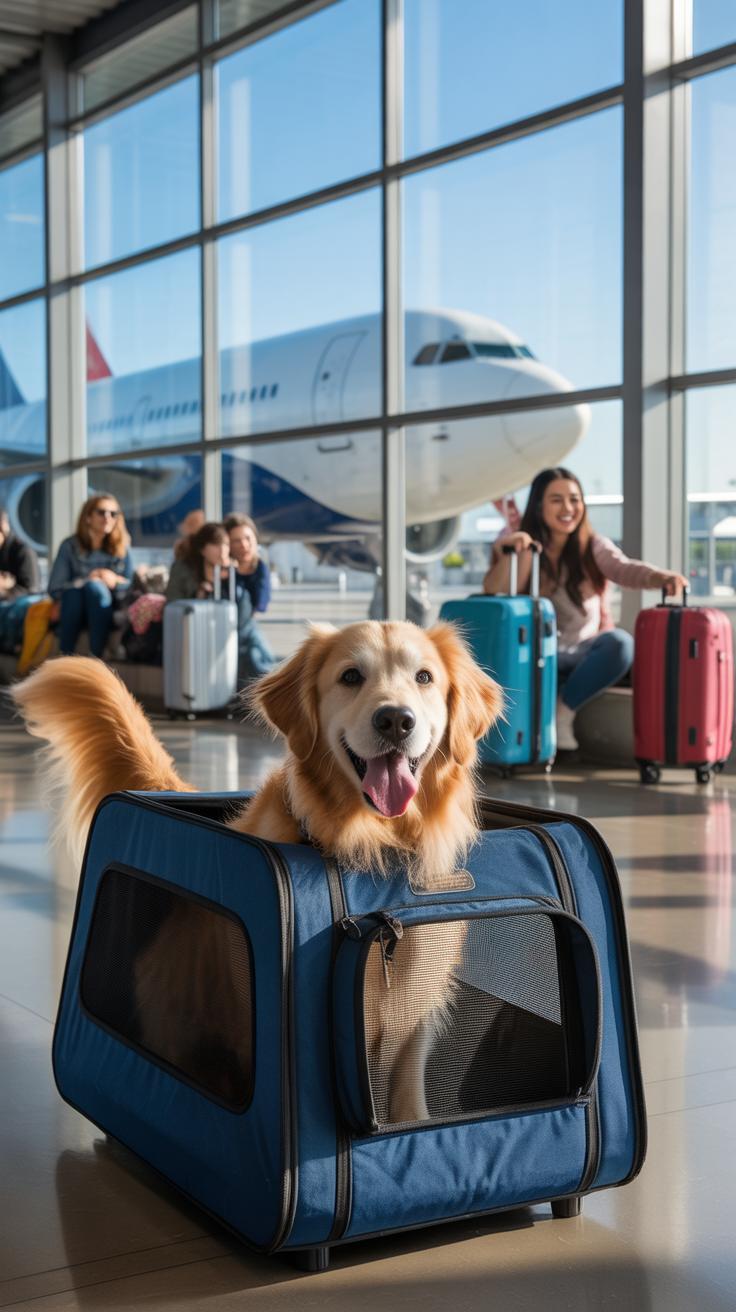
Airlines set their own rules for pet travel. No universal law dictates how a carrier must handle your dog. Budget airlines often have stricter rules or ban pets entirely. Legacy carriers usually allow small dogs in the cabin for a fee. You must book your dog’s spot early. Airlines limit the total number of pets on every flight. If you wait, you will lose your spot.
International travel adds more layers of complexity. Some countries require specific blood tests or microchips before entry. Airlines must follow the laws of the destination country. Always check the specific requirements for your arrival airport. Some carriers do not allow pets on long-haul flights over eight hours. Research the specific rules for your airline two months before you fly to avoid last-minute denials.
What Size And Weight Limits Apply To Small Dogs In The Cabin
Weight limits for cabin pets usually range between fifteen and twenty pounds. This total includes the weight of the carrier. If your dog is at the limit, use a lightweight soft-sided bag. Your dog must be able to stand up and turn around inside the carrier. Gate agents have the final say on this. If the dog looks cramped, they will deny boarding.
Dimensions matter more than total weight. The carrier must fit under the seat in front of you. Every airplane model has different under-seat clearances. Boeing and Airbus jets offer varying amounts of space. Check the specific aircraft type for your flight on the airline website. Soft-sided carriers are better because they compress slightly to fit tight spaces. Hard crates are rarely allowed for in-cabin travel.

Preparing Your Dog For Flight Health Checks And Vet Requirements
Why A Pre Flight Veterinary Visit Is Essential For Your Dog
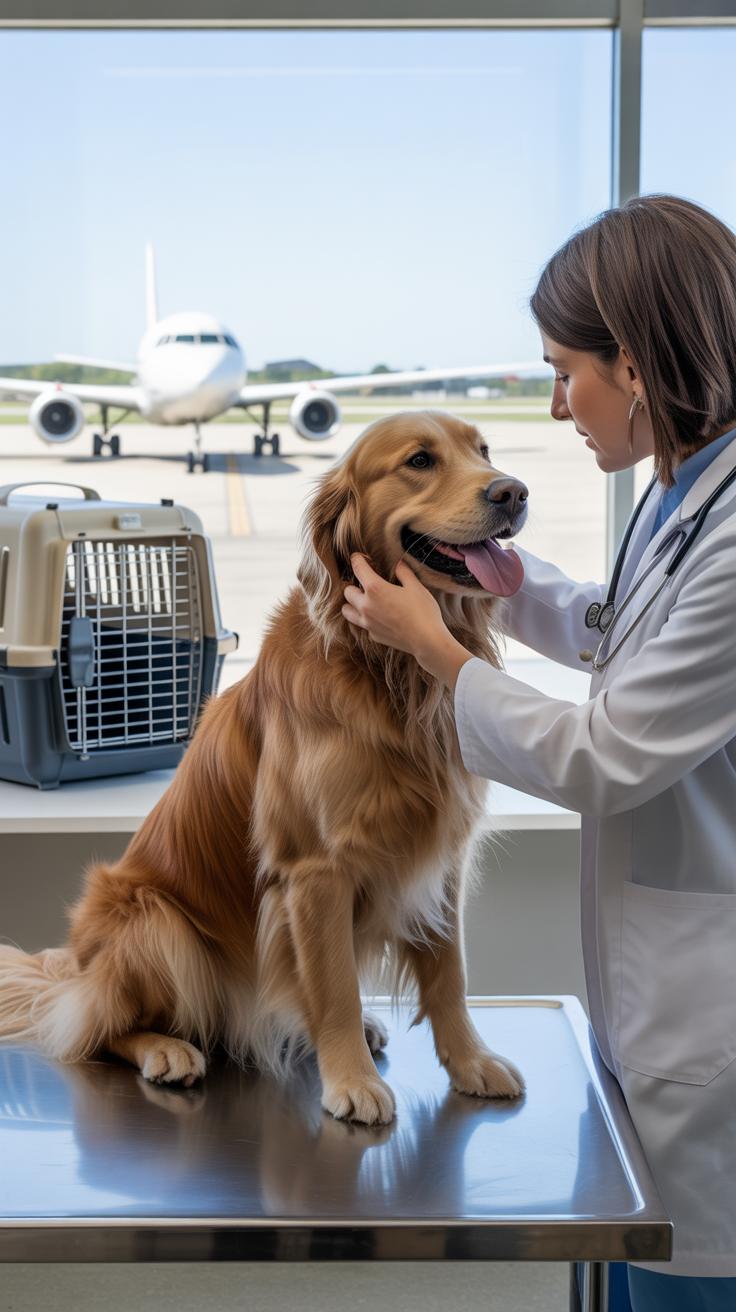
Air travel subjects dogs to pressure changes and loud noises. A vet must confirm your dog is healthy enough for the stress of flight. Brachycephalic breeds like Pugs or Bulldogs face respiratory risks at high altitudes. Your vet will assess heart and lung health to ensure the animal can handle the cargo hold or cabin environment without experiencing distress or failure.
A vet visit also provides an opportunity to discuss motion sickness and anxiety. Some dogs become highly stressed in confined spaces and loud airports. Your vet can recommend specific calming strategies or safe medications based on the dog’s weight and age. Never use human sedatives as they can be fatal for pets during flight. Get a professional opinion to prevent mid-air medical emergencies.
Vaccinations, Health Certificates, And Documentation You Will Need
A valid health certificate is your primary legal document for air travel. Most airlines require a domestic health certificate issued within ten days of your flight. This document proves a licensed vet examined the dog and found it free of infectious diseases. International travel requires much more complex paperwork. You may need an USDA endorsement or specific forms for your destination country.

Rabies vaccinations must be current and documented with a signed certificate. Most airlines and states require proof of rabies shots for any dog over twelve weeks old. Keep digital and physical copies of all records. Some destinations require blood tests or microchip verification months before departure. Lack of proper paperwork results in boarding denials or expensive animal quarantines. Organize these documents in a waterproof folder for fast inspections.
How To Fly A Dog On A Plane Booking And Pre Flight Logistics
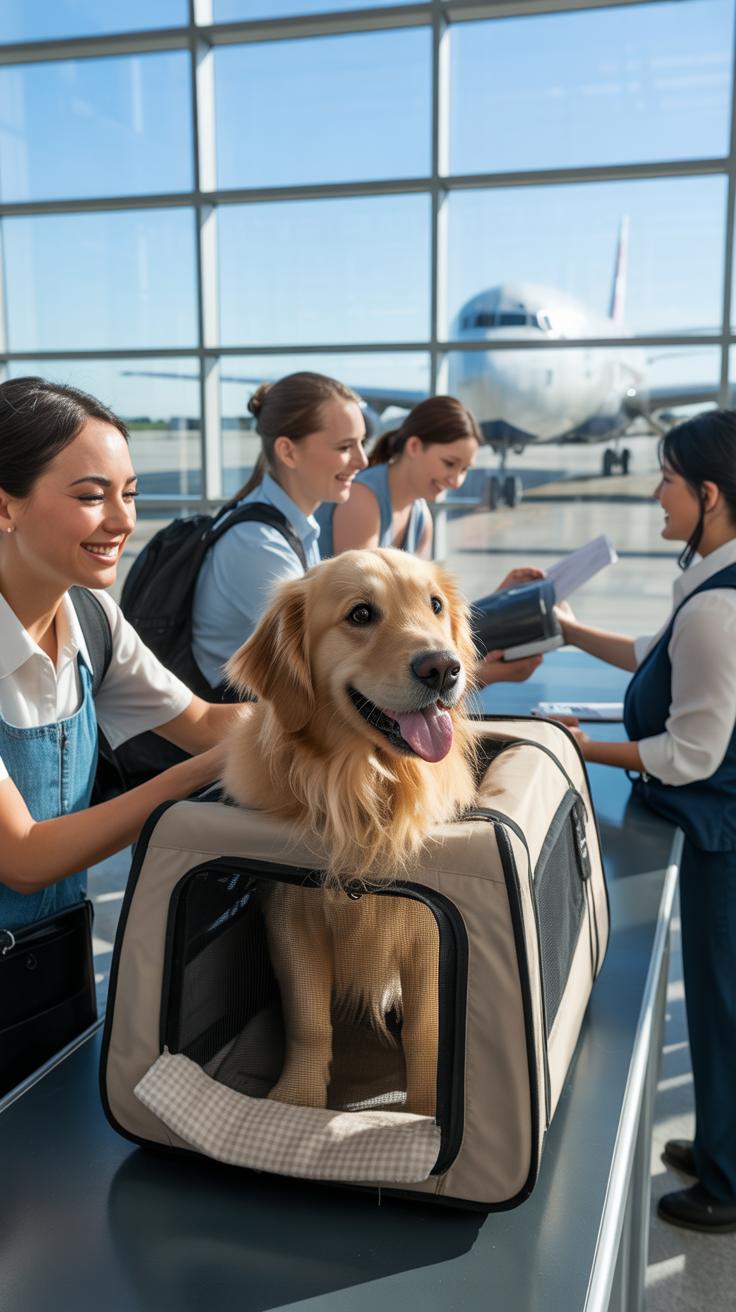
How To Reserve A Spot For Your Dog When Booking Your Flight
Airlines limit the total number of pets allowed in the cabin on every flight. You must book your dog as early as possible to secure a spot. Do not assume space exists just because you bought a seat for yourself. Most carriers require you to call their reservations line immediately after booking your own ticket to add the pet.
Prepare to pay a one-way pet fee during this call or at check-in. This fee does not grant the dog its own seat. The dog stays in a carrier under the seat in front of you. Confirm the specific under-seat dimensions for your aircraft type during the call. Get a confirmation number or email that specifically lists the pet reservation for your itinerary.
Choosing The Best Flight Times And Routes For Traveling With A Small Dog
Direct flights are the only logical choice for pet travel. Layovers increase the risk of delays and missed connections. Short travel times reduce the stress on the animal and limit the time it must go without a bathroom break. If a connection is mandatory, ensure it lasts at least two hours. This time allows you to find a pet relief station.

Check the weather for your departure and arrival cities before booking. Airlines may ground pets if temperatures are too high or too low. Early morning or late evening flights work best during summer to avoid extreme heat. Mid-day flights are safer during winter months. Select a window or middle seat. Aisle seats often have less under-seat storage space due to the metal frame.
Flying With Dog In Cabin Carrier Rules And Seat Etiquette
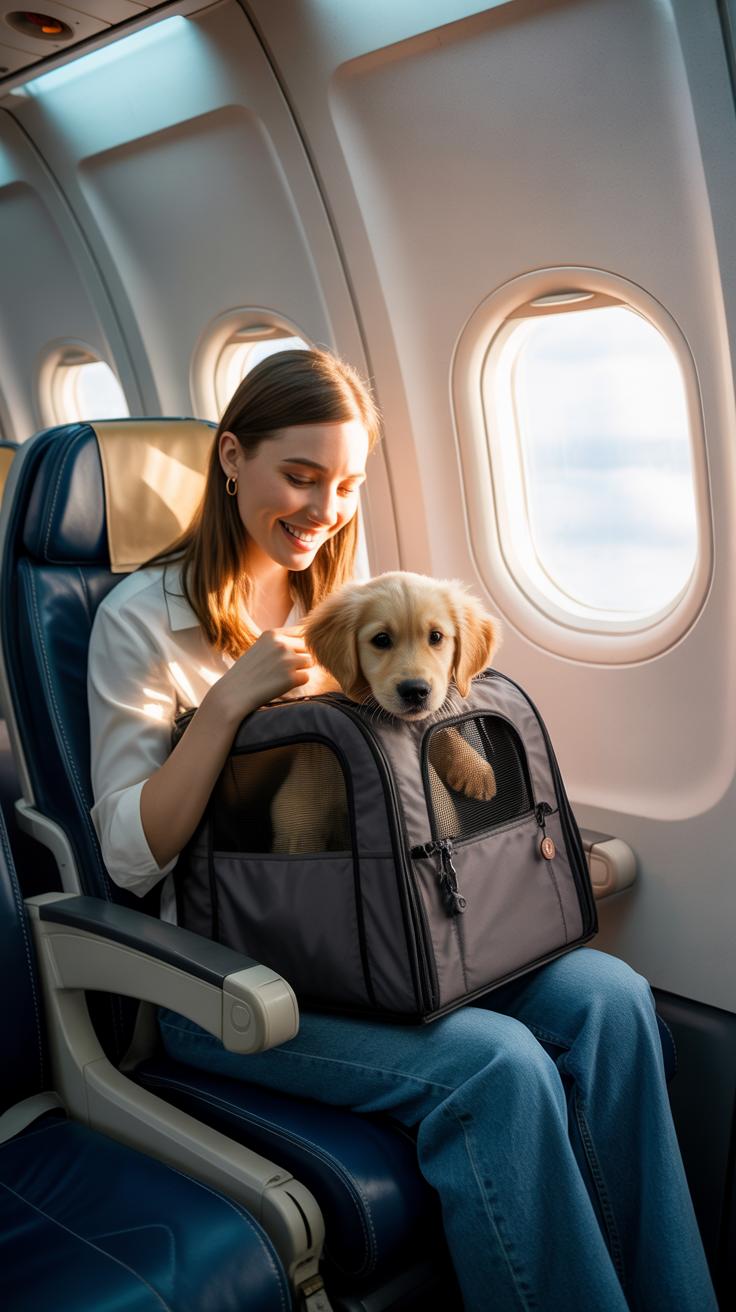
FAA Approved Carrier Requirements For In Cabin Dog Travel
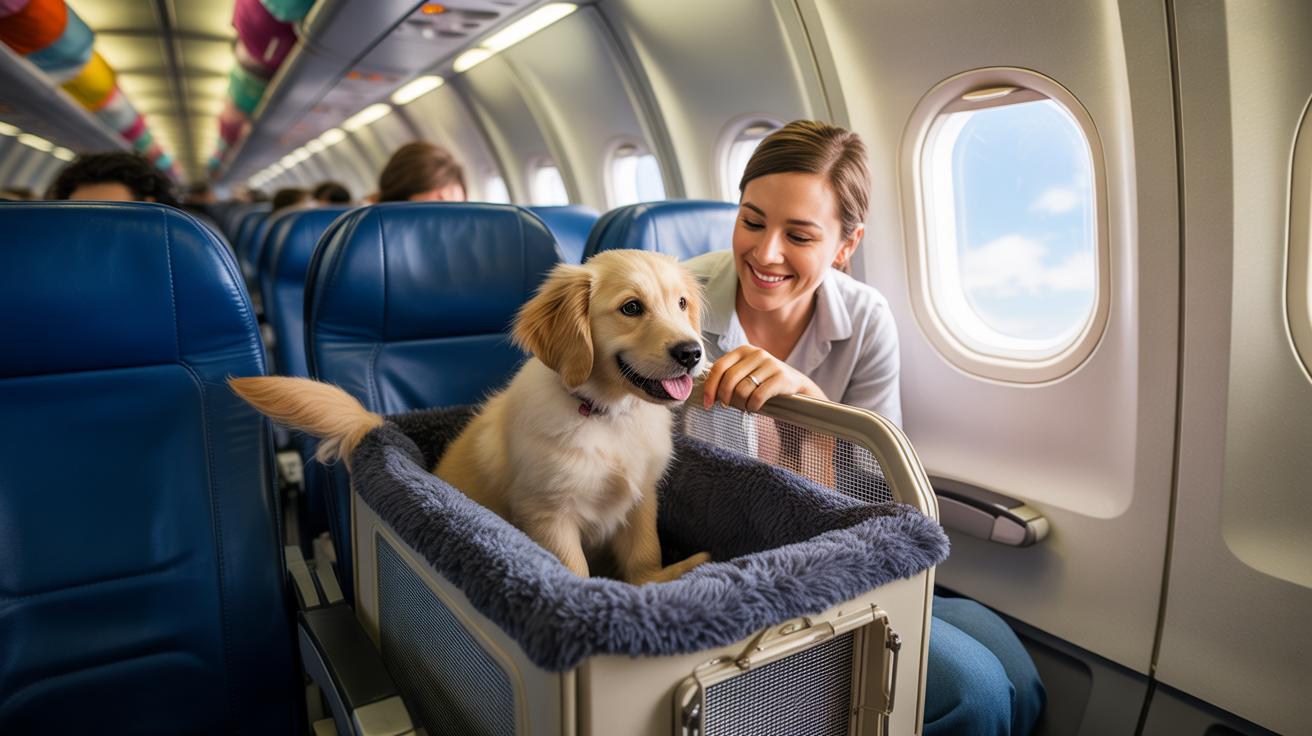
The FAA mandates that your dog remain inside a stowed carrier for the entire flight duration. Use a soft sided carrier to maximize limited under seat space. These carriers must feature mesh ventilation on at least three sides to ensure adequate airflow. Ensure the carrier has a waterproof bottom to prevent leaks during the flight. The dog must be able to stand up and turn around completely.
Measure your specific aircraft dimensions before arriving at the airport. Different planes have different clearance heights under the seat. Most airlines require the carrier to fit within sixteen by ten inches. Check the weight limit for your specific carrier and pet combination. Exceeding these limits often results in a boarding denial. Only use carriers with secure locking zippers to prevent any accidental escapes while in the air.
There is no seating arrangement in this world as comforting as a tiny paw pressing against your hand while soaring through the clouds. To travel with your small companion is to carry a piece of home with you wherever the wings may lead.
How To Keep Your Small Dog Calm And Comfortable Under The Seat
Condition your dog to the carrier weeks before your flight. Feed them inside the carrier to build a positive association with the small space. Place a worn t-shirt inside so the dog smells your scent. This reduces stress during takeoff and landing noise. Proper crate training prevents whining or barking during the trip. A quiet dog ensures you follow airline conduct rules for cabin pets.

Manage your dog’s energy levels with a long walk before entering the terminal. Limit water intake two hours before boarding to avoid bladder pressure. Avoid feeding a heavy meal right before the flight to prevent motion sickness. High altitude affects digestion and can cause discomfort for some breeds. Use a small chew toy to help the dog popped ears during cabin pressure changes. Keep the mesh flap facing you for constant visual monitoring.
Airplane Travel Dog Safety Keeping Your Pet Safe At 30000 Feet
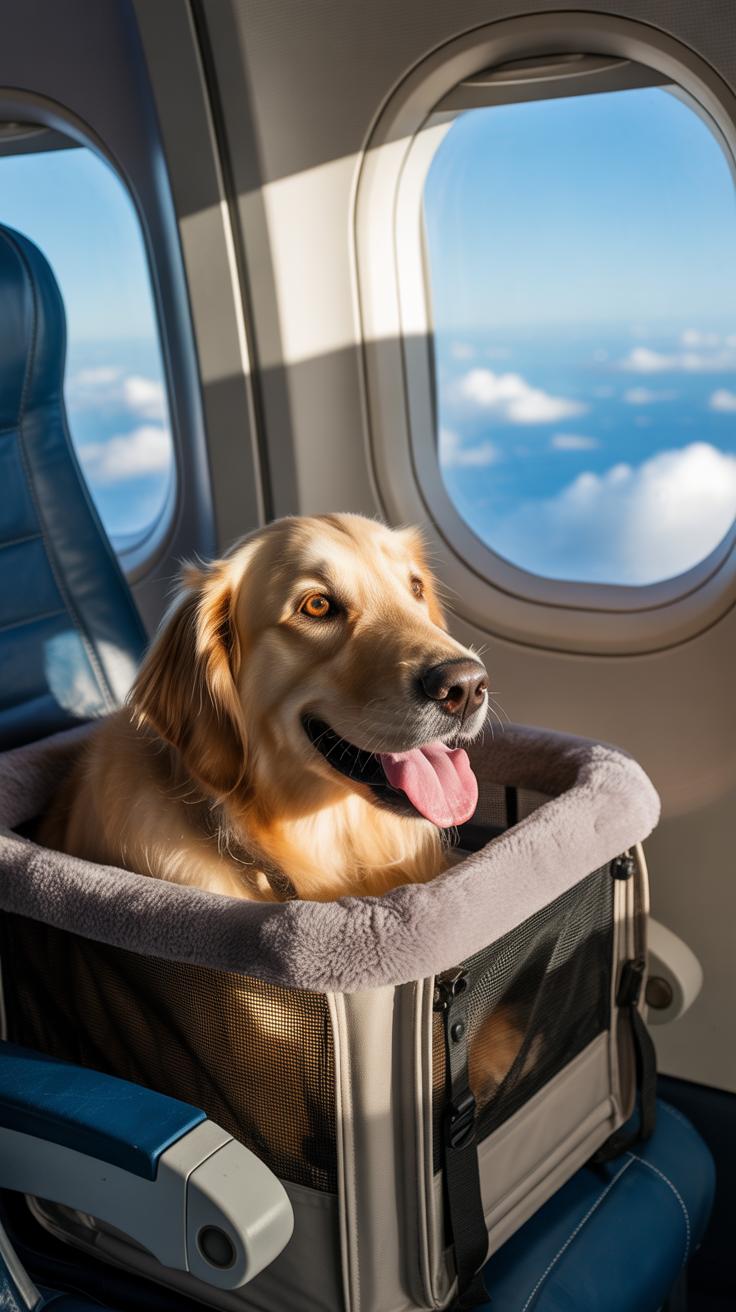
Understanding Cabin Pressure, Temperature, And Air Quality For Dogs
Modern aircraft cabins maintain pressure equivalent to an elevation of six thousand to eight thousand feet. This reduced oxygen level affects dogs differently than humans. Brachycephalic breeds with short snouts face higher risks of respiratory distress in this environment. Keep your dog under the seat where air circulation is consistent. Do not cover the carrier with heavy blankets as this restricts vital oxygen flow.
Temperature control on the ground differs from flight conditions. Most pet incidents occur during taxiing or delays when the air conditioning system runs at low capacity. Monitor your dog closely during these periods for signs of overheating. Once airborne, the floor level stays cooler than the rest of the cabin. Use a thin mat inside the carrier to protect your pet from the cold floor surface.
Signs Of Stress And Anxiety In Dogs During A Flight And How To Respond
Dogs express flight anxiety through specific physical cues. Excessive panting, drooling, and yawning indicate high stress levels. Look for dilated pupils or pinned ears which signal fear. A trembling dog needs immediate attention to prevent a full panic attack. Do not open the carrier door in the cabin. This creates a safety hazard for the pet and other passengers if the dog escapes.

Manage stress by using calm, low-frequency verbal cues. Reach your hand into the carrier to provide physical touch without letting the dog out. Distract the pet with a familiar chew toy to encourage natural self-soothing behaviors. If the dog shows extreme respiratory distress, alert a flight attendant immediately. They can provide supplemental oxygen or move you to a location with better ventilation if the flight allows.
Airplane Travel With Dogs Packing The Right Gear For Your Small Dog
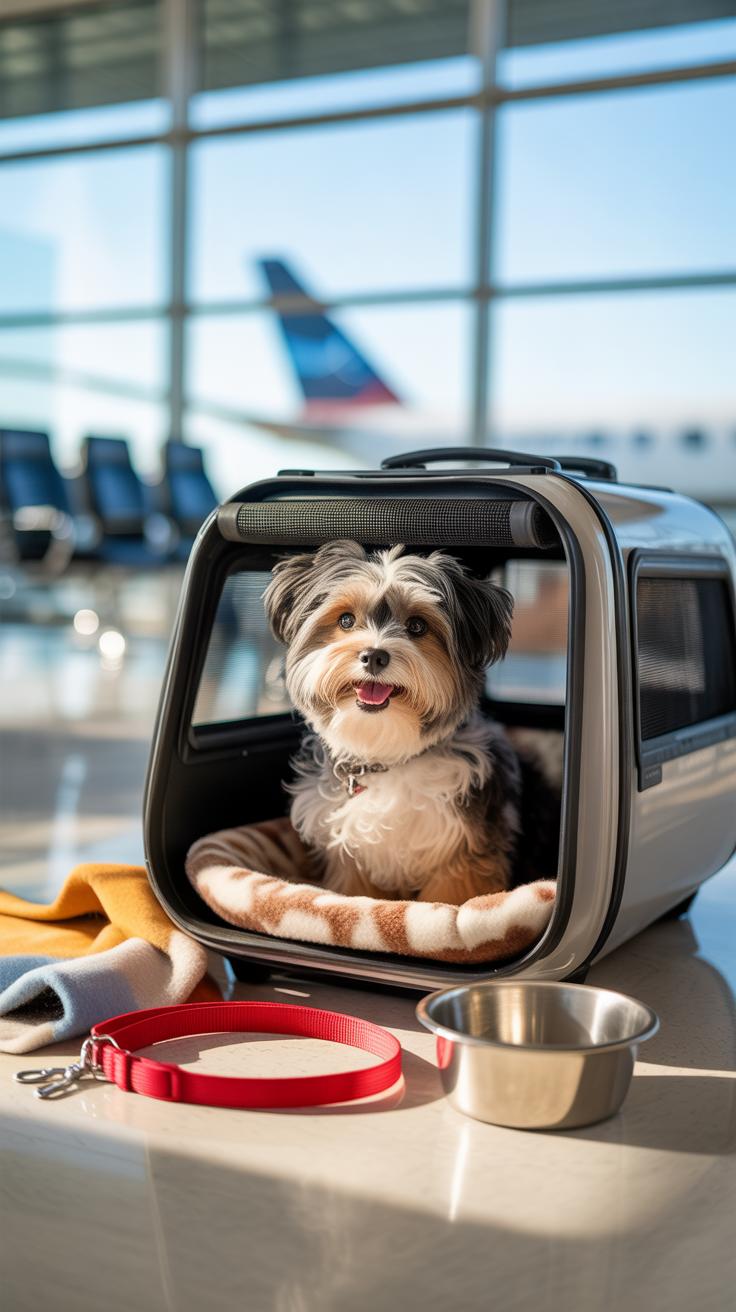
Essential Items To Pack In Your Dogs Travel Bag For The Flight
Successful air travel with a small dog requires a specialized kit. You must carry items that manage hygiene, hydration, and stress without triggering security delays. Do not pack bulky toys or excessive food. Focus on items that solve immediate problems in a cramped cabin. Your goal is to keep the dog quiet and the seat area clean throughout the journey.
- Absorbent Puppy Pads: Line the carrier with these pads to catch accidents. Bring three extra pads to swap out during long layovers or if a spill occurs. They protect the carrier fabric and neutralize odors effectively in small spaces.
- Collapsible Silicone Bowls: These bowls fold flat to save space in your carry-on bag. Use them for water during flights or food during delays. Silicone is durable, easy to clean, and does not rattle like metal bowls during movement.
- Leash and Harness: Always keep a leash and harness inside your bag. Airport security requires you to remove the dog from the carrier. A secure harness prevents the dog from bolting in a loud, crowded terminal during the screening process.
- Small Calming Treats: Pack high-value treats to reward good behavior and encourage swallowing. Swallowing helps the dog equalize ear pressure during takeoff and landing. Stick to familiar snacks to avoid upsetting the dog’s stomach while in the air.
- Sanitary Wipes: Carry unscented pet wipes to clean paws or mess. Airplanes are tight environments where smells linger. Wipes allow you to maintain hygiene for the dog and the carrier hardware without using harsh chemicals or heavy fragrances.
Organization determines your success during the flight. Place these items in an external pocket for fast access. You cannot struggle with zippers or move the carrier once it is under the seat. Keep your movements slow and deliberate to maintain a calm environment. Preparation ensures you handle unexpected delays or spills without causing a scene on the aircraft.
How To Select A Comfortable And Airline Compliant Soft Sided Carrier
Select a carrier that fits under the specific aircraft seat. Soft-sided carriers are superior to hard crates because they compress slightly to fit tight spaces. Verify the dimensions against the airline website before you buy. Look for mesh panels on at least three sides to ensure maximum airflow. Proper ventilation prevents overheating in the cabin. The carrier must have a waterproof bottom.

Prioritize durability over aesthetics when choosing materials. Ballistic nylon and reinforced zippers prevent the dog from clawing their way out. The interior needs a soft, removable fleece liner for comfort during the trip. Test the shoulder strap and handles for strength. You will carry this bag through long terminals. A stable base prevents the floor from sagging when you lift the dog.
Traveling With Dog On Plane Feeding Hydration And Bathroom Needs
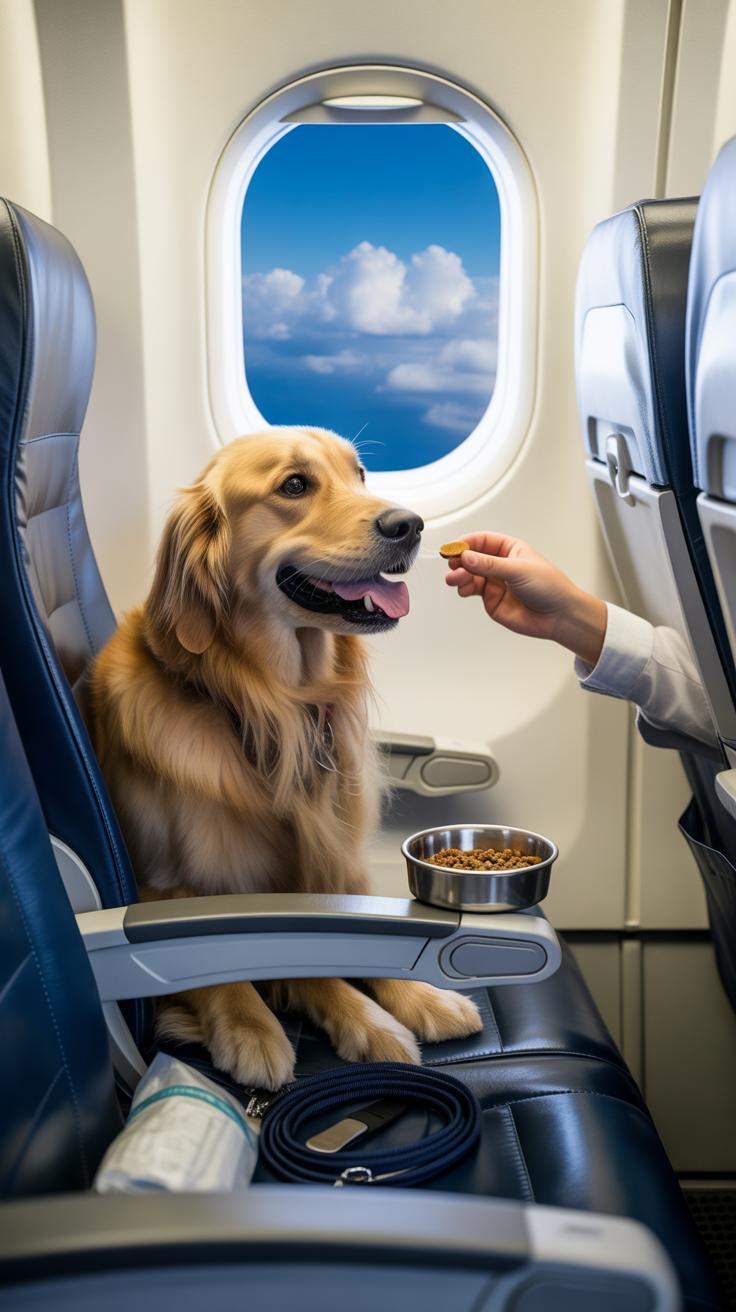
When And How Much To Feed Your Small Dog Before And During The Flight
Stop feeding your dog four to six hours before departure. A full stomach increases the risk of motion sickness and vomiting during turbulence. Small dogs have high metabolisms but can handle short fasts easily. Only provide a small snack if your vet recommends it for blood sugar management. Digestion in the air is slow and uncomfortable for most kenneled animals.
Offer water in small increments throughout the travel day. Use a clip-on bowl attached to the carrier door to prevent spills. Most airlines require you to provide access to water if the flight exceeds a few hours. High altitudes cause dehydration but over-hydrating leads to bladder pressure. Balance is critical for comfort. Avoid new treats or heavy meals until you reach your final destination.
Managing Bathroom Breaks And Accidents During Air Travel With Your Dog
Line the bottom of the carrier with high-quality absorbent pads. These pads pull moisture away from the dog to prevent skin irritation. Pack extra pads in your carry-on bag for quick swaps during layovers. Most airports now provide indoor relief areas for service animals and pets. Locate these stations on the terminal map before you land to save time during tight connections.
Limit water intake one hour before boarding the aircraft. Small bladders cannot hold liquid for long durations under pressure. If an accident occurs in the cabin, use fragrance-free wipes to clean the area immediately. Do not use strong chemicals that could irritate the dog in a confined space. Keep a sealable plastic bag ready to dispose of soiled materials. Discipline is useless during a flight; focus on sanitation.
Flying With A Dog Breed Considerations And Brachycephalic Risks
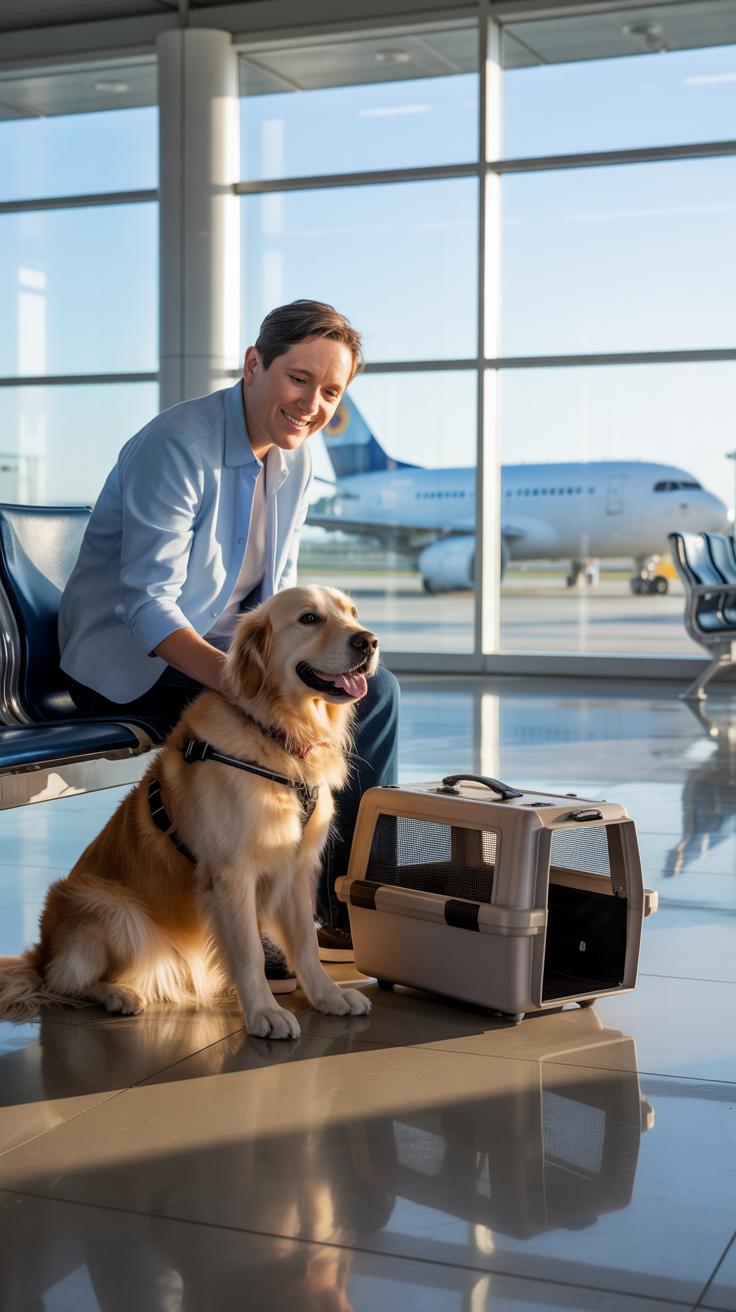
Why Short Nosed Breeds Like Pugs And French Bulldogs Face Higher In Flight Risks
Brachycephalic dogs have flat faces and shortened airways. This anatomy restricts airflow under normal conditions. Airplane cabins have lower oxygen levels and higher CO2 concentrations than ground level. These changes trigger respiratory distress in short-nosed breeds. Their cooling systems fail in cramped under-seat carriers. They cannot pant effectively to regulate temperature. This creates a high risk of heatstroke and oxygen deprivation during the flight.
Airline pressurized environments exacerbate existing narrow nostrils and elongated soft palates. Stress increases their heart rate and oxygen demand. If the plane sits on the tarmac, heat builds up quickly in the small carrier. Fatalities occur more often in these breeds during transport. Many airlines ban these dogs from cargo holds entirely for this reason. Owners must prioritize cabin travel and utilize specialized carriers that maximize ventilation.
Flying With Small Dog Tips Tailored To Specific Breeds And Temperaments
Small dog breeds possess unique physical traits and nervous systems that react differently to air travel. A high-energy Terrier requires more mental stimulation than a calm Cavalier King Charles Spaniel. Size also dictates the exact carrier dimensions needed to ensure comfort and safety. You must match your preparation strategy to your dog’s specific genetic predispositions to avoid medical emergencies or behavioral outbursts during the trip.
- Terriers and Barkers: These breeds often react to engine noise or foot traffic. Use a carrier cover to block visual stimuli. Provide a durable chew toy to keep their jaws busy. This reduces the urge to bark and disturb other passengers in the cabin.
- Chihuahuas and Heat Seekers: Small, thin-coated breeds lose body heat fast in air-conditioned cabins. Place a self-warming fleece pad inside the carrier. Ensure the dog stays dry to prevent shivering. Monitor their temperature throughout the flight to avoid cold-induced stress or lethargy.
- High-Anxiety Breeds: Breeds like Toy Poodles may experience severe separation distress or noise sensitivity. Use pheromone wipes inside the carrier. Reward calm behavior with high-value treats before boarding. Do not use sedatives without a strict veterinary protocol because they can interfere with breathing.
- Long-Bodied Breeds: Dachshunds need carriers that allow them to turn around without spinal strain. Measure the dog from nose to tail base accurately. Choose a soft-sided carrier with reinforced bottoms. This prevents the dog from sagging and causing discomfort during long periods under the seat.
- Brachycephalic Mixes: Even mixed breeds with slightly shortened muzzles face breathing risks. Select a carrier with mesh on all four sides. This ensures maximum cross-ventilation. Keep the dog hydrated but avoid heavy meals before the flight to prevent vomiting or aspiration during turbulence.

Temperament testing is essential before you book a ticket. Take your dog to a busy airport terminal to observe their reaction to loud noises and crowds. If they freeze or snap, reconsider air travel. Professional trainers recommend crate training at home for several weeks. This builds a positive association with the carrier. A calm dog breathes better and experiences less physiological strain during altitude changes.
Airplane Travel For Dogs Arriving Settling In And Post Flight Care
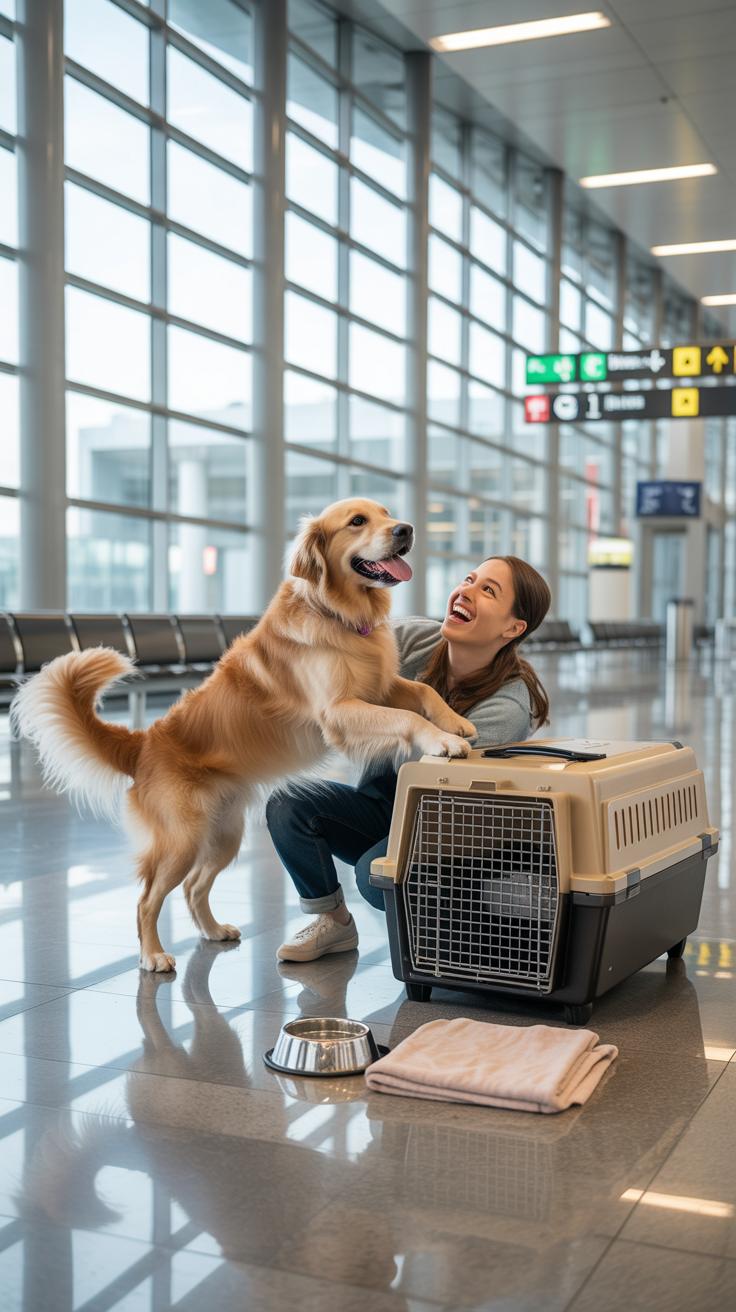
What To Do Immediately After Landing To Help Your Dog Decompress
Once the aircraft arrives at the gate, keep your dog inside the carrier until you exit the terminal building. The airport environment remains loud and hectic during deplaning. Opening the bag inside the terminal risks an escape or a fine from airport security. Locate the designated pet relief area outside the baggage claim immediately. Your dog needs to empty its bladder and move its muscles after hours of confinement and high pressure.
Prioritize hydration as soon as you reach a safe outdoor space. Air travel causes dehydration because cabin air is extremely dry. Offer small amounts of water at a time to prevent vomiting. Walk your dog on a short leash to help blood flow return to normal. Avoid crowded areas or loud noises for the first hour. Let the animal sniff the ground to lower its cortisol levels through natural sensory engagement.
How To Monitor Your Small Dog’S Health And Well Being After The Flight
Monitor your dog for signs of respiratory distress or abdominal pain during the first twelve hours post-flight. Small breeds are prone to tracheal collapse and digestive upset from stress. Check their gums to ensure they are pink and moist. Pale or dry gums indicate dehydration or poor circulation. Keep meals small and bland for the first day. This prevents a sudden shock to the digestive system after the flight.
Observe your dog for any changes in gait or balance. Rapid altitude changes can affect the inner ear and cause temporary equilibrium issues. Lethargy is normal, but refusal to drink water is a medical red flag. Call a local veterinarian if your dog displays persistent coughing or bloody stools. Providing a quiet and dark space for rest helps the dog reset its internal clock. Recovery usually takes twenty-four to forty-eight hours total.
Frequently Asked Questions

Can my small dog fly in the cabin with me?
Most airlines allow small dogs to travel in the cabin if they fit comfortably inside an FAA-approved carrier placed under the seat in front of you. This is often the preferred method for pet parents as it reduces stress for both the animal and the owner. One of the best flying with a small dog tips is to check specific airline weight limits and carrier dimensions well before your departure date.
How should I prepare my dog for a long flight?
Preparation is key to a smooth journey. Start by acclimating your pet to their travel carrier weeks in advance, using treats and familiar scents to create a positive association. Additionally, avoid feeding your dog a large meal right before takeoff to prevent motion sickness. Essential flying with a small dog tips include ensuring your pet has plenty of exercise earlier in the day and packing a collapsible water bowl for easy hydration.
How much does it typically cost to fly with a small dog?
While your dog may be small, they still require a separate travel fee. Most major airlines charge between $95 and $150 each way for a pet in the cabin. It is important to note that airlines limit the number of pets allowed on each flight, so you should book your pet’s “seat” as early as possible. Always confirm the current fee schedule with your specific carrier during the booking process.