The Instinctive Root Of Cat Behavior Hunters By Nature
How Feline Predatory Instincts Drive Everyday Actions
Domestic cats carry the genetic blueprint of solitary desert hunters. Their ancestors relied on high situational awareness and quick physical reactions to survive. Today, your house cat views its environment as a potential hunting ground. Every object in your home represents a target for investigation. The cat must determine if a stationary item is food, a threat, or irrelevant to its immediate survival.
Evolution did not remove these traits when cats moved indoors. A cat does not see a glass of water or a pen as a human tool. It sees an unknown entity that requires testing. This drive forces the animal to interact with its surroundings through physical contact. By engaging with objects, the cat maintains its predatory sharpness. This behavior is a biological necessity for their mental health.
Why Pawing At Objects Mimics The Motion Of Hunting Prey
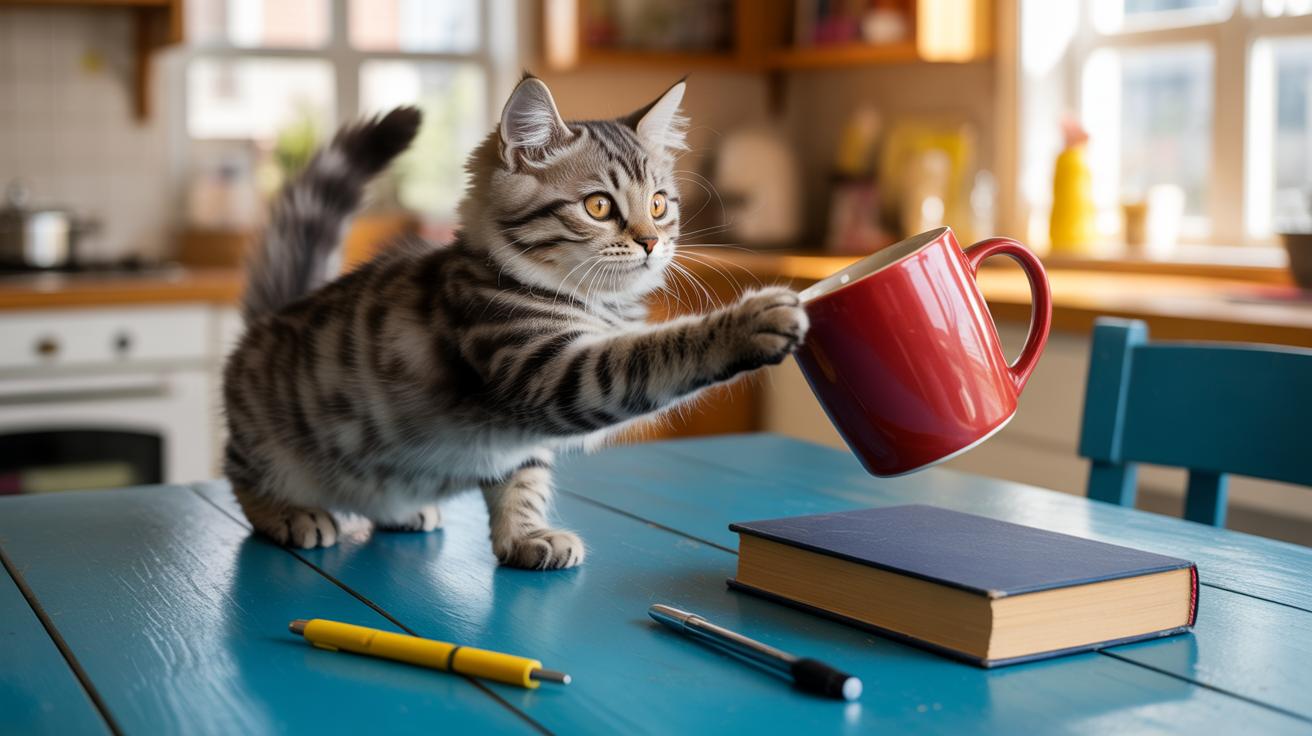
Pawing is a specific tactical maneuver used to flush out prey. In the wild, a small mammal might hide under leaves or dirt. The cat uses its sensitive paw pads to detect vibrations and movement. When a cat taps a remote control, it mimics the action of probing a bush for a mouse. It wants to see if the object will flee or fight back.
Movement confirms the nature of the object to the cat. If the item falls or rolls, the cat gains immediate sensory feedback. This response satisfies the brain’s search for a stimulus. Gravity provides the reaction that an inanimate object cannot produce on its own. The cat watches the fall to judge speed and distance. These are core skills required for a successful kill during a hunt.

Cat Knocking Things Over Is It Really On Purpose
The Deliberate Vs. Accidental Debate Among Animal Behaviorists
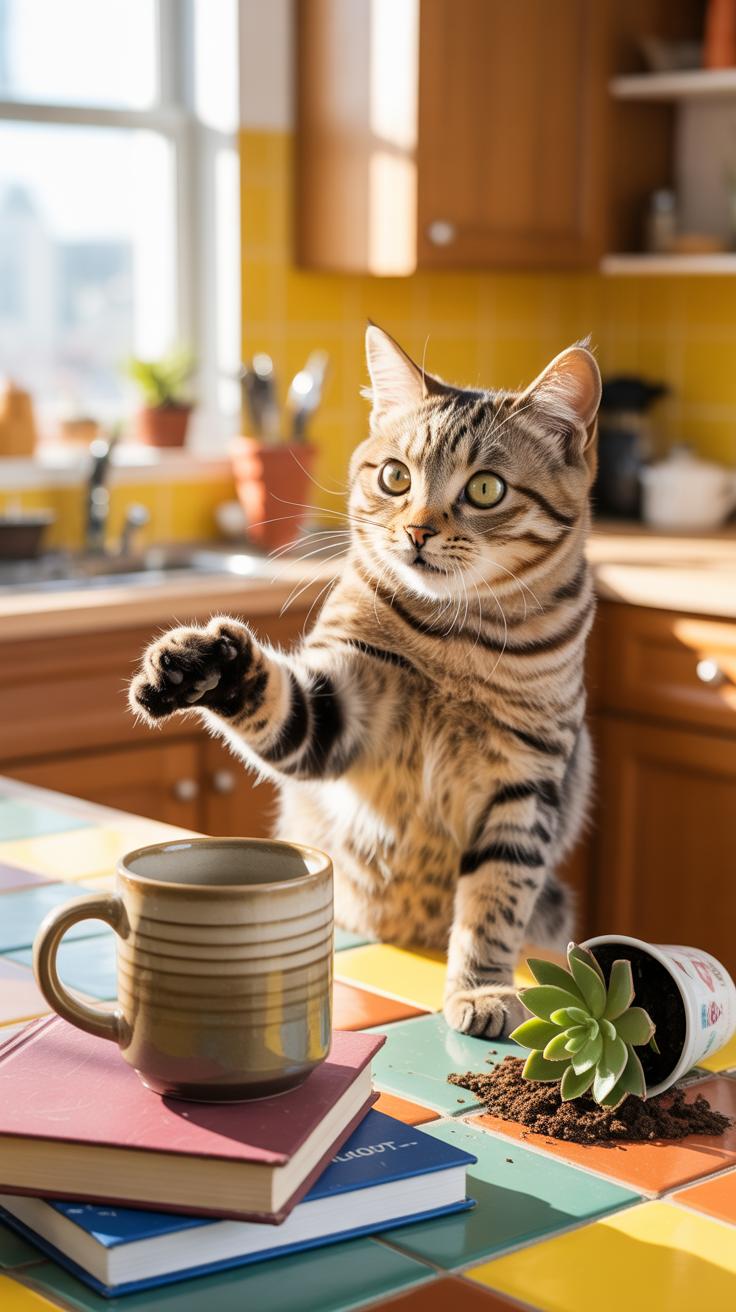
Behaviorists agree that most object displacement is a calculated action. Cats possess high levels of spatial awareness and agility. They rarely kick objects by mistake during normal movement. Domestic cats use their paws to test the stability and weight of items. This tactile assessment helps them understand their immediate environment. They monitor how objects react to physical force and gravity.
Experts classify this behavior as a targeted interaction rather than a motor error. Accidental falls usually happen during high-speed play or sudden frights. Most owners observe their cats staring directly at the object before striking it. This visual focus proves the cat is making a conscious choice to move the item. It is a functional behavior used to gain information or elicit a specific response.
What Studies On Feline Cognition Reveal About Intentional Object Manipulation
Research shows cats understand cause and effect through physical interaction. They use their sensitive paw pads to explore textures and resistance. When a cat knocks a glass off a table, it observes the resulting sound and movement. Recent studies suggest this is a form of predatory testing. They treat inanimate objects like dormant prey. They strike the item to see if it will scurry or fight.

Cognition tests prove that cats repeat behaviors that yield results. If knocking over a lamp brings a human into the room, the cat learns this sequence. They do not feel guilt or malice. They simply use gravity as a tool to solve problems or relieve boredom. Their brains prioritize environmental control. Each fallen object serves as a data point in their ongoing study of their territory and its inhabitants.
Attention Seeking Behavior When Your Cat Wants You To Notice Them
How Cats Learn That Knocking Things Over Gets A Human Reaction
Cats are master observers. They watch how you react to every sound in the house. When a glass breaks, you run into the room immediately. When a pen hits the floor, you look up from your phone. The cat records this data. They learn that gravity is a tool. Moving an object creates a sound that forces you to engage.
This behavior starts as an accident or curiosity. Once the cat sees you move, the accident becomes a deliberate strategy. They do not care if you are happy or angry. They only care that you are now looking at them. The cat views your movement as a successful result of their action. They will repeat this tactic whenever they feel ignored.
The Reinforcement Loop: Why Scolding Your Cat Can Make It Worse
Owners often think shouting or clapping will stop the behavior. This is a tactical error. Negative attention is still attention to a bored cat. When you yell, you provide a high-energy response. The cat views this intensity as a win. You have broken your routine to focus on them. This confirms that knocking things over is an effective way to control you.

To break the loop, you must remove the reward. Ignoring the sound of the fall is difficult but necessary. If you react, you reinforce the neural pathway. The cat learns exactly which items get the fastest response. They will target those specific objects during your busiest hours. Redirection must happen before the item falls. Once it hits the floor, any reaction reinforces the habit.
Cats Knocking Stuff Over To Test Their Environment
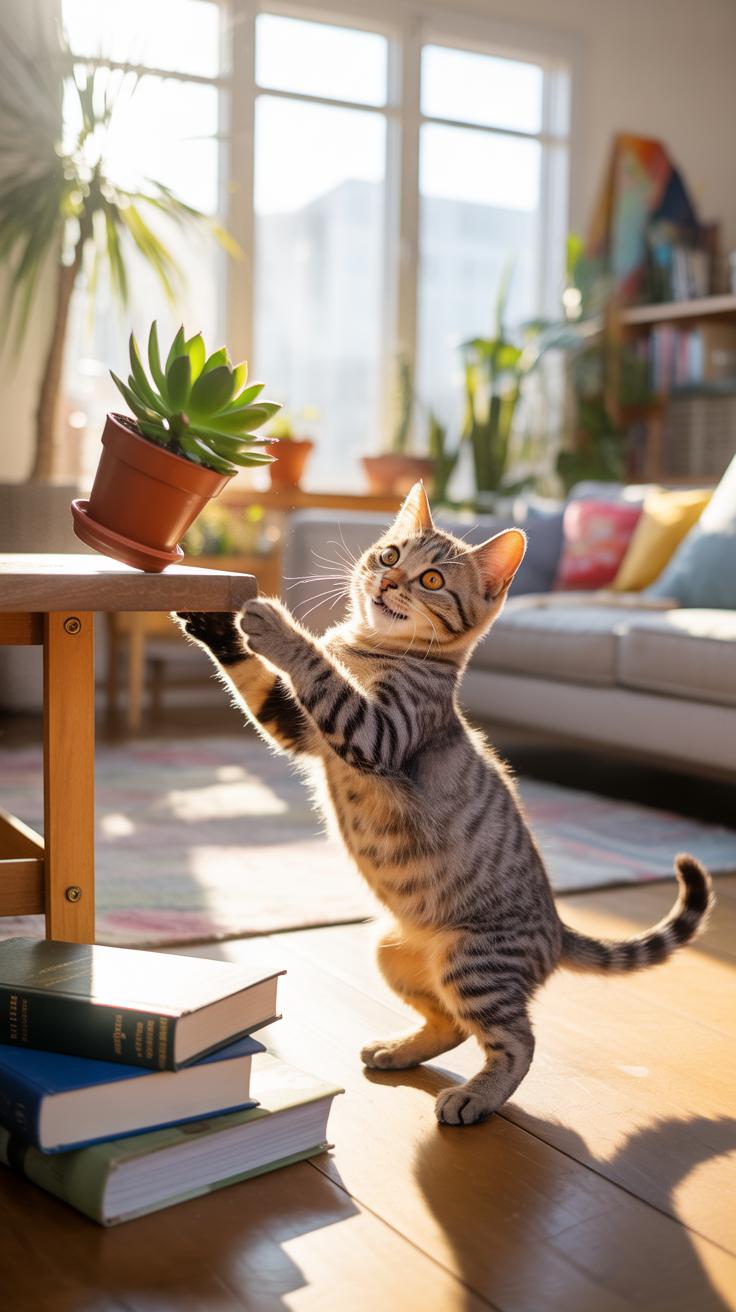
How Cats Use Their Paws To Gather Sensory Information About Objects
Cats possess highly sensitive nerve endings in their paw pads. These pads act as tactile sensors to evaluate the physical properties of their surroundings. When a cat taps an object, it measures weight, stability, and texture. This sensory input helps the cat determine if an item is a threat or potential prey. The initial pat is a deliberate data collection method.
Testing an object by knocking it over provides feedback that sight alone cannot offer. A cat learns how easily an item moves and whether it makes noise upon impact. This behavior stems from an evolutionary need to investigate unfamiliar items. Sharp contact via the paw is the most efficient way to gather this intel. It confirms if an object is solid or dangerous.
The Role Of Curiosity And Spatial Awareness In Feline Intelligence
Spatial awareness is a critical component of feline hunting logic. Cats constantly map their environment to identify clear paths for movement or escape. Moving objects helps them understand the limits of their territory and the physics of their home. This exploration is not random but a tactical assessment of floor space. They prioritize knowing what can be moved and what is fixed.

Feline intelligence relies on active engagement with the physical world. Curiosity drives them to push boundaries to see how things react. By knocking an item off a ledge, the cat observes gravity and sound. This process reinforces their understanding of three-dimensional space. It prepares them for high-speed chases. A clear surface ensures they have no obstacles during a sudden burst of activity.
Cat Knocking Things Off Table Boredom As A Driving Force
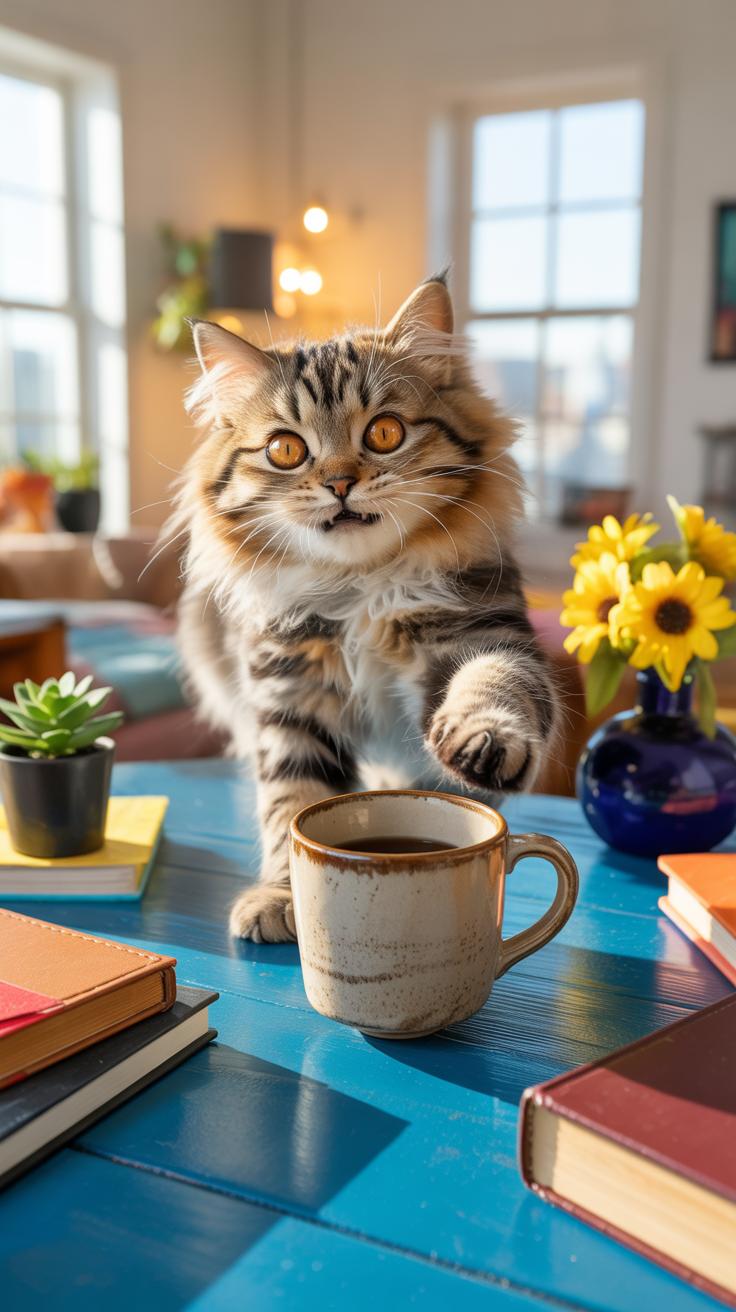
Why Under Stimulated Cats Turn To Destructive Or Disruptive Behaviors
Domestic cats retain the high energy levels of their wild ancestors. Indoor environments often lack the complex challenges found in nature. When a cat has no outlet for its predatory drive, it seeks physical interaction with its surroundings. Knocking objects off a table provides immediate sensory feedback. This action allows the cat to manipulate its environment and satisfy a basic need for movement.
Boredom leads to frustration in highly intelligent feline breeds. These animals quickly learn that gravity creates a reaction. Pushing a glass or a pen off a ledge produces sound and movement. This behavior serves as a self-generated form of entertainment. It passes the time when the owner is absent or inactive. Destructive habits indicate that the cat requires more opportunities to use its muscles and brain.
The Link Between Mental Enrichment And Reduced Table Clearing Behavior
Mental enrichment targets the root cause of table-clearing behavior. Providing puzzles and diverse sensory experiences keeps a cat occupied. A stimulated cat spends less time looking for ways to cause trouble. You must direct their curiosity toward approved toys and activities. High-quality engagement lowers general stress and dampens the urge to swat at household items. When the brain is tired, the cat rests instead of hunting your belongings.

Interactive play mimics the natural hunt and kill cycle. This process burns off the excess energy that fuels disruptive habits. You can stop the cycle of falling objects by offering better alternatives. Scent work and vertical climbing spaces provide the complexity cats crave. Consistency in enrichment schedules creates a predictable environment. Use these tools to shift their focus away from your tables. Structured activity eliminates the need for cats to create their own chaos.
Cat Knocking Over A Vase Or Fragile Items A Territorial Display
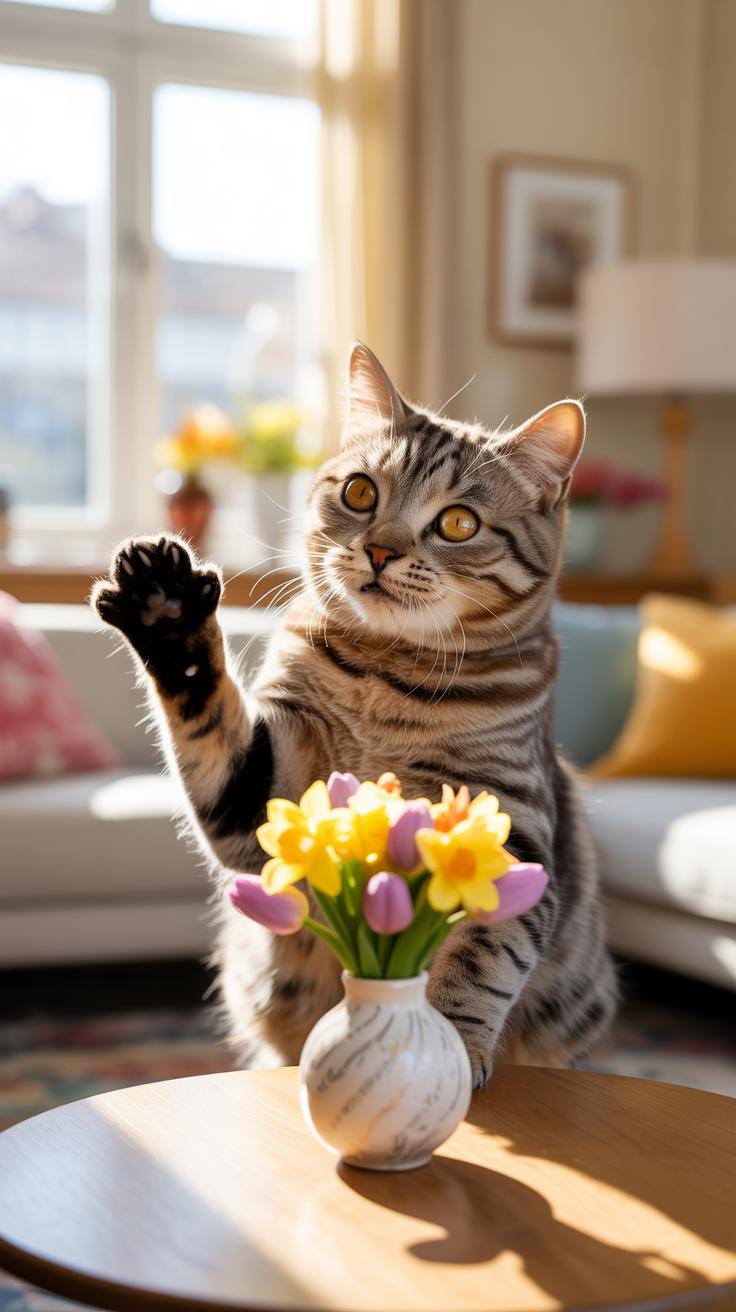
How Scent Marking And Territory Ownership Influence Object Interaction
Cats use scent glands on their paws to claim space. When they touch an object, they leave pheromones behind. Pushing a vase or glass off a ledge is an extension of this physical interaction. They are testing the stability of their environment while applying their unique scent. This behavior marks the territory. It tells other animals that the cat owns this specific surface.
Ownership is vital for a cat’s security. They view flat surfaces like tables and counters as prime real estate. Fragile items act as obstacles in their path. By moving or removing these items, cats clear their territory. They prefer a clean line of sight and an open walkway. This physical manipulation ensures the space conforms to their needs. It is a tactical move for dominance.
Why Cats Are Drawn To Knocking Over Items Placed In High Traffic Zones
High traffic zones are critical strategic points for any predator. Cats focus on these areas because they provide the best vantage points. When humans place fragile items in these spots, they block the cat’s patrol route. The cat will remove the object to restore the flow of the room. They prioritize the utility of the path over the value of the item.

Items in busy areas also get more attention from humans. Cats learn which objects we value based on where we put them. Knocking over a centrally located vase creates an immediate reaction. This reinforces the behavior as an effective tool for communication. The cat uses the high traffic zone to maximize the impact of its actions. They choose these locations to ensure their presence is felt.
Cat Knocking Over Objects As A Form Of Play And Stimulation
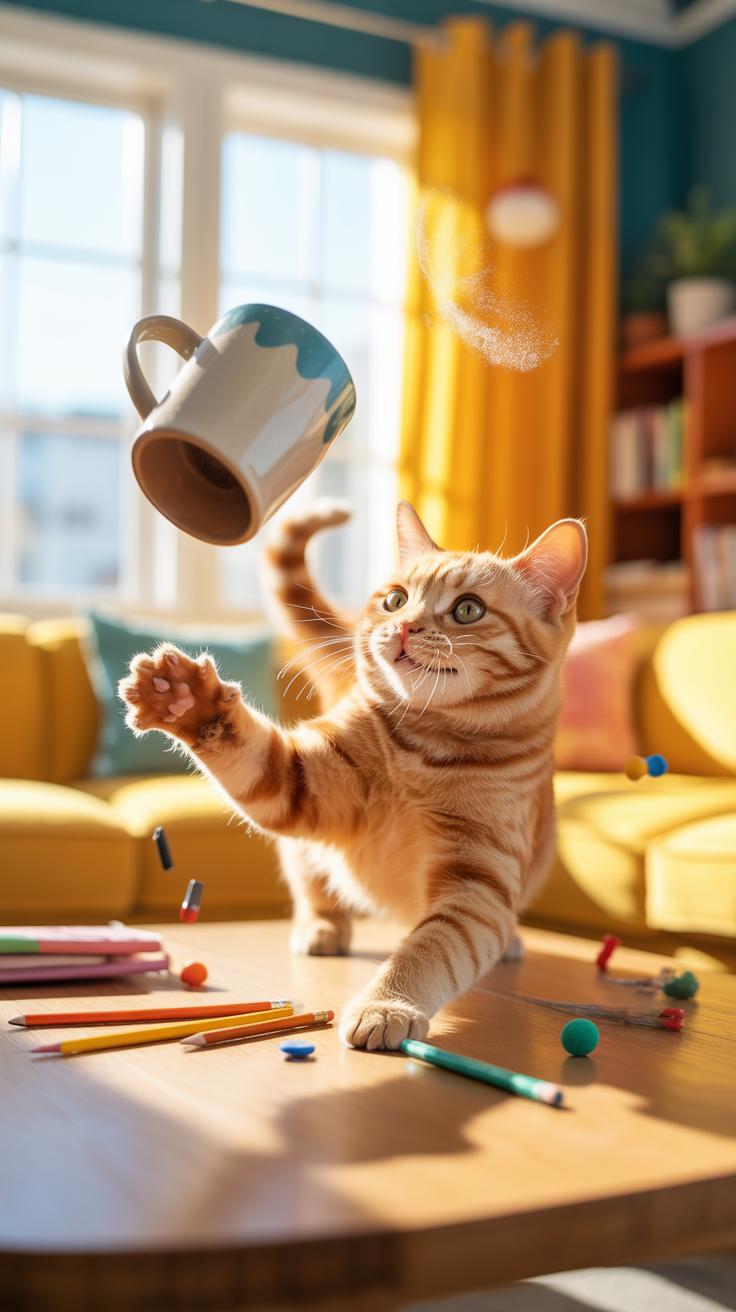
Why Movement And Falling Objects Trigger A Cat’S Play Response
Cats possess a high drive for motion detection rooted in their predatory biology. A stationary object on a table represents stagnant prey to a feline. When a cat nudges an item, it tests for a physical reaction. The rapid descent and subsequent impact of the object provide immediate sensory feedback. This sequence mimics the frantic movement of injured prey in a natural environment.
Movement triggers the release of dopamine in the feline brain. This chemical reward reinforces the knocking behavior as a successful play strike. Cats see the floor as a secondary stage for interaction and engagement. Gravity does the work of turning a dull household item into a dynamic target. The cat perceives the falling object as an invitation to engage in further high speed chase maneuvers.
To a cat, the world is a stage and every trinket is merely a prop waiting for its cue to fall. Each gentle nudge is a curious heartbeat, reminding us that life is meant to be felt and investigated.
How Interactive Toys Can Redirect This Knocking Behavior Constructively
Tactical redirection requires providing toys that offer similar tactile feedback. Owners must deploy objects that roll, bounce, or flutter upon contact. These items simulate the unpredictability of a falling pen or glass. Selecting toys with varied weights helps satisfy the cat’s need for physical resistance. Strategic placement of these toys on low elevated surfaces allows the cat to express its natural instincts safely.

Redirecting play behavior stops the destruction of valuable household assets. Use ball circuits or puzzle feeders to occupy the cat’s focus for longer durations. These devices require active manipulation to provide a reward. Consistency is vital when shifting the feline’s attention away from tables. If the cat receives better stimulation from its own equipment, it will stop targeting your personal items for sport.
Knock Knock What Your Cat Is Actually Communicating To You
Decoding The Different Messages Behind Your Cat’S Knocking Episodes
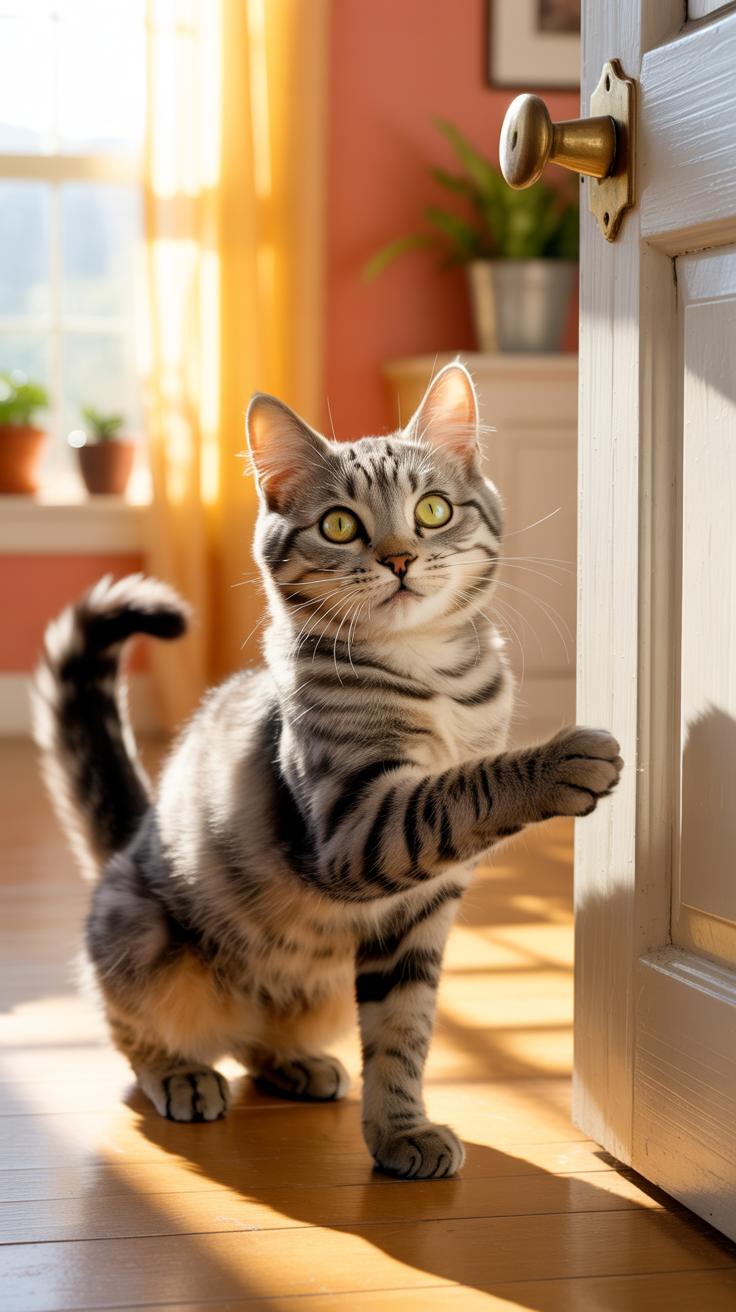
Cats use physical actions to send clear signals to their owners. Knocking an object off a table is rarely an accident. It is a calculated move to gain your immediate attention. Your cat has learned that the sound of a breaking vase or a falling remote draws you into the room. This behavior functions as a reliable tool for social interaction and engagement.
Timing tells you everything about the message. If the cat knocks items down while you sit on the couch, they want play or affection. If they do it in the early morning, they are testing your boundaries. You must look at the context of the action to understand the intent. Cats repeat behaviors that yield results. Stop reacting emotionally to break this communication loop.
Hunger, Stress, And Anxiety: When Knocking Is A Sign Of Something Deeper
Knocking objects over often signals physiological needs or psychological distress. A cat that tips over a water bowl or food dish is likely hungry or thirsty. They use the noise to alert you to an empty resource. This is a survival tactic rooted in their predatory nature. If the behavior happens around scheduled mealtimes, your cat is demanding your compliance with their feeding routine.

Chronic stress also drives destructive behaviors. Environmental changes like new furniture or houseguests can trigger anxiety. The cat knocks things over to reclaim control of their territory. Constant knocking may indicate boredom from lack of mental stimulation. Tactical enrichment like puzzle feeders can reduce these episodes. Address the underlying stressor to stop the physical destruction. Monitoring these patterns keeps your home and cat stable.
Cat Care Tips How To Manage And Reduce Cats Knocking Things Over
Practical Changes To Your Home Environment That Discourage The Behavior
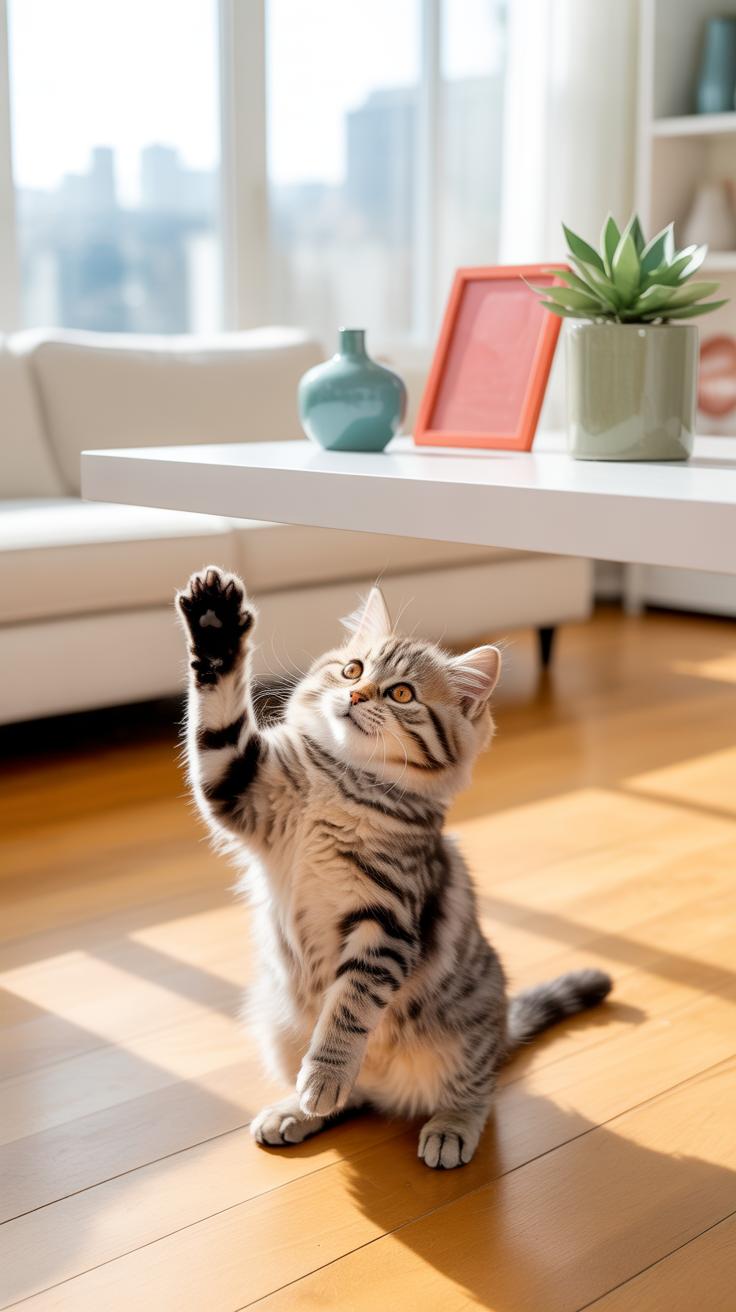
Physical management is your first line of defense. Stabilize your environment to remove the opportunity for destruction. Use museum wax or adhesive putty to secure small decorative items to flat surfaces. These materials have decades of success in earthquake zones and galleries. Heavy objects are harder to move and provide less tactile satisfaction. Swap lightweight glass for heavier stone or metal pieces.
Clear the flight paths your cat naturally uses. Cats crave vertical space and will climb whether you like it or not. Create designated clear zones on high shelves. Move fragile items to glass-fronted cabinets. This mimics historical specimen cases used to protect delicate artifacts from environmental threats. Restricting access to ledge edges forces the cat to find alternative routes that do not involve clearing debris.
Proven Strategies To Keep Your Cat Engaged Without Sacrificing Your Belongings
Boredom drives the impulse to swat objects. Cats possess a hardwired hunting instinct that requires an outlet. If you do not provide a target, your car keys become the prey. Redirect this predatory drive toward appropriate tools. High-intensity play mimics the stalk and strike cycle. This physical exertion lowers cortisol levels and reduces the urge to seek attention through destructive behavior on your tables.
- Food Puzzles: These devices force cats to work for their meals. They mimic the natural challenge of foraging and hunting. This engagement keeps the brain busy and tires the animal. It replaces the thrill of knocking items off a desk with a productive food reward.
- Vertical Scratching Posts: Proper posts allow for full body stretching and scent marking. Cats use these to claim territory and maintain claw health. Placing them near frequently targeted furniture provides a legal alternative for physical expression. It shifts their focus away from your breakable items.
- Clicker Training: Positive reinforcement builds a communication bridge between you and the pet. Reward calm behavior near flat surfaces. This teaches the cat that sitting still is more profitable than swatting. Consistency is the primary factor in changing these long-term behavioral habits.
- Rotating Toy Selection: Novelty prevents mental stagnation. Do not leave all toys out at once. Introduce two new items every week and hide the rest. This creates a sense of a fresh environment. A curious cat will investigate new toys instead of testing the gravity of your coasters.
- Timed Play Sessions: Schedule two fifteen-minute sessions daily. Focus on toys that move like birds or mice. This ritual satisfies the biological need to kill prey. A tired predator is a quiet roommate. Predictable play cycles reduce the frantic energy that leads to household accidents.
Environmental enrichment is not optional for indoor predators. You must simulate a complex wild environment within your four walls. Provide safe objects that they are allowed to move. Ping pong balls in a bathtub offer a controlled space for knocking things around. When the cat satisfies its tactile needs in a designated area, your expensive electronics remain safe. Use these tactics to gain control of your space.
When Cat Behavior Becomes A Concern What Owners Should Watch For
Signs That Excessive Knocking May Indicate A Stress Or Health Related Issue
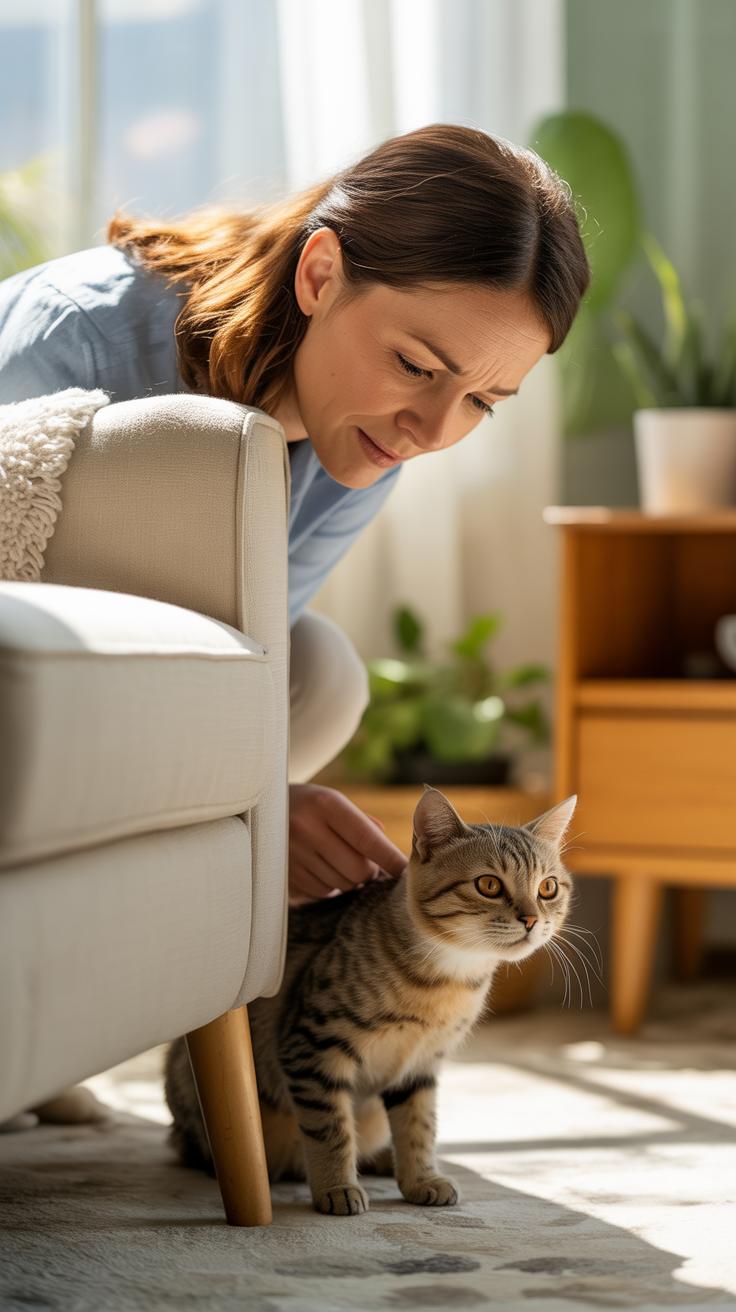
Normal hunting play involves pawing objects. However, sudden spikes in this behavior often signal underlying distress. Cats use environmental manipulation to get attention when they feel ignored or anxious. If your cat knocks items over while showing signs of restlessness, it likely suffers from chronic boredom. Lack of mental stimulation forces the cat to create its own entertainment through destructive actions.
Physical ailments can also drive this behavior. Neurological issues or changes in vision may cause a cat to bump into objects or swat at them reflexively. High blood pressure or hyperthyroidism can lead to increased activity levels and agitation. You must observe if the knocking occurs alongside changes in appetite or sleep. Persistent vocalization during these episodes suggests the cat is experiencing discomfort rather than playing.
When To Consult A Veterinarian Or Feline Behaviorist About Your Cat’S Habits
You must distinguish between instinctual play and pathological behavior. Consult a professional if the knocking becomes obsessive or occurs alongside physical symptoms. Medical issues often masquerade as behavioral problems in felines. Early intervention prevents long term damage to the cat and your home. Seek expert help when specific red flags appear to ensure the animal receives proper care and a diagnostic workup.
- Sudden Behavioral Shifts: Contact a vet if a calm cat suddenly begins destroying items daily. Rapid changes in personality often indicate internal pain or metabolic imbalances like hyperthyroidism that require immediate medical testing.
- Accompanying Physical Symptoms: Watch for weight loss, increased thirst, or tremors while the cat interacts with objects. These signs suggest that the knocking behavior is a byproduct of a serious systemic health condition.
- Compulsive Repetition: Seek a behaviorist if the cat cannot stop the behavior even when distracted. Compulsive disorders involve repetitive actions that interfere with normal functioning. Professionals can provide targeted environmental enrichment or medication strategies.
- Aggression and Fear: Provide details to a professional if the cat acts aggressively before or after knocking items down. Hissing or swatting indicates that the movement of objects is a stress response rather than curiosity.
- Sensory Impairment Signs: Consult an expert if the cat seems to miss the object or stumbles. Poor depth perception from cataracts or retinal issues can cause accidental knocking. A veterinary ophthalmologist can assess his vision.
Feline behaviorists provide tactical plans for environmental modification. They analyze the home layout to identify triggers that cause the cat to strike. Veterinarians rule out biological causes through blood work and physical exams. If the behavior persists after you provide enough toys and attention, professional help is the only logical step. Do not wait for the situation to escalate before taking action.
Frequently Asked Questions

Why do cats seemingly enjoy swatting items onto the floor?
The primary cats knocking things over reason is rooted in their natural hunting instincts. When a cat swats at a vase or a pen, they are testing the object to see if it is “prey” that might wiggle or run away. Additionally, this behavior is a highly effective attention-seeking tactic. Since owners usually react immediately to a falling glass, cats quickly learn that gravity is a great way to start playtime.
How can I stop my cat from breaking fragile decor on my tables?
To prevent damage, focus on environmental enrichment and redirection. Ensure your pet has plenty of interactive toys that provide the same tactile feedback as your knick-knacks. You can also use museum wax or earthquake putty to secure small items to surfaces. By addressing the cats knocking things over reason through structured play and physical barriers, you can protect your favorite home decor while keeping your curious feline friend safely entertained.
Are there any affordable ways to protect my home without buying expensive gadgets?
Absolutely! You don’t need fancy tech to keep your tables clear. Try clearing high-traffic “cat highways” and leaving designated empty spots on your shelves. Using double-sided sticky tape on table edges is a low-cost deterrent that cats dislike. Moreover, spending fifteen minutes a day with a simple piece of string or a crumpled paper ball can tire them out, reducing their urge to create their own fun with your belongings.