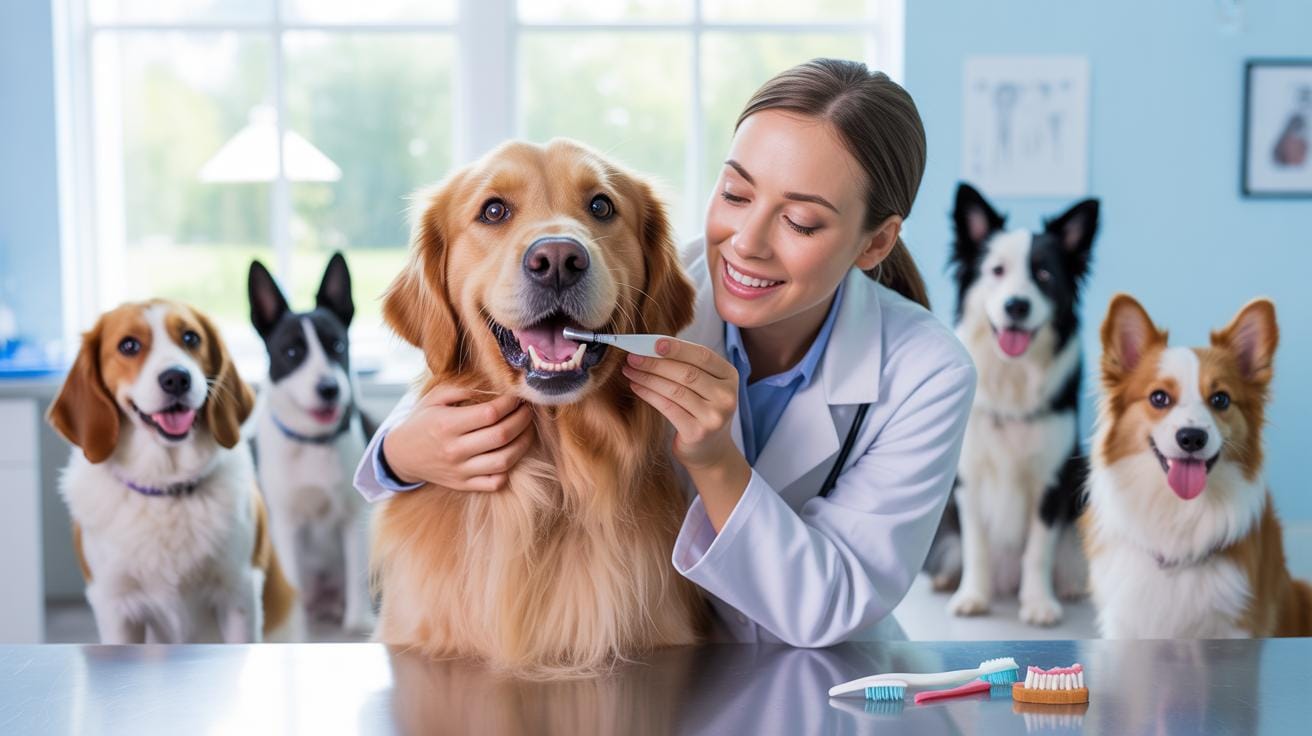
What Is A Dog Tooth Infection And Why Does It Happen
How Bacteria Enter And Infect A Dogs Tooth
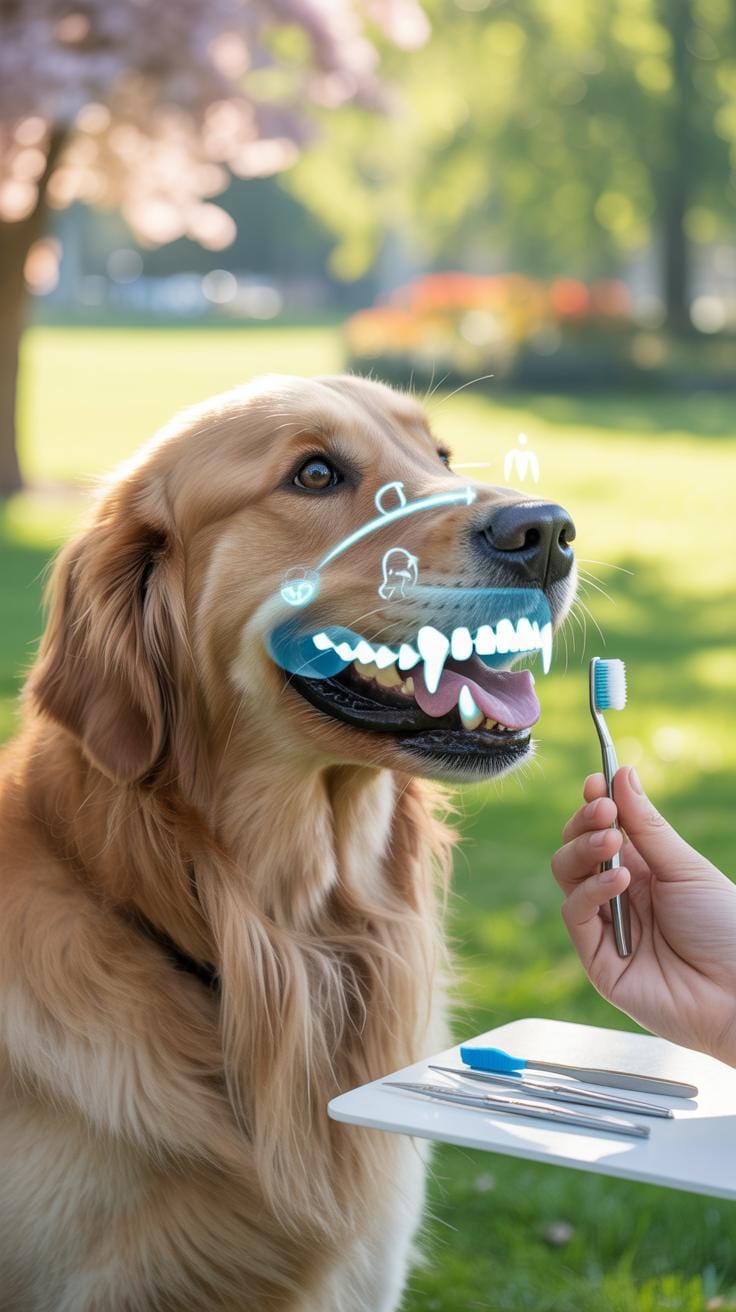
Bacteria live naturally in a dog’s mouth. These microbes form a sticky film called plaque on the teeth. If you do not remove plaque, it moves under the gum line quickly. This area provides a warm and dark space for bacteria to grow. The immune system tries to fight these invaders. This battle causes inflammation and damages the soft tissue around the tooth.
Once bacteria reach the root, they create a pocket of infection. This is often called a tooth abscess. The infection destroys the bone and ligaments that hold the tooth in place. Bacteria can also enter through a crack or chip in the enamel. This bypasses the gums and goes straight to the nerve. Blood vessels then carry the infection deeper into the jawbone.
Common Causes That Make Dogs Prone To Dental Infections
Periodontal disease is the primary cause of dental infections in dogs. It starts with poor oral hygiene and lack of regular brushing. Over time, plaque hardens into tartar or calculus. You cannot brush tartar away at home. Tartar acts as a shield for harmful bacteria. These bacteria slowly eat away at the structures supporting the teeth. Large breeds and toy breeds both face this risk.
Physical trauma also plays a major role in tooth infections. Dogs use their mouths to explore and chew hard objects. Chewing on rocks, thick bones, or antlers causes tooth fractures. These cracks expose the pulp, which contains the nerves and blood. Bacteria enter these openings and travel to the root tip. Even a small chip can lead to a massive infection if you ignore it.

Recognizing The Early Dog Tooth Infection Signs Before They Worsen
Subtle Behavioral Changes That Signal Oral Discomfort
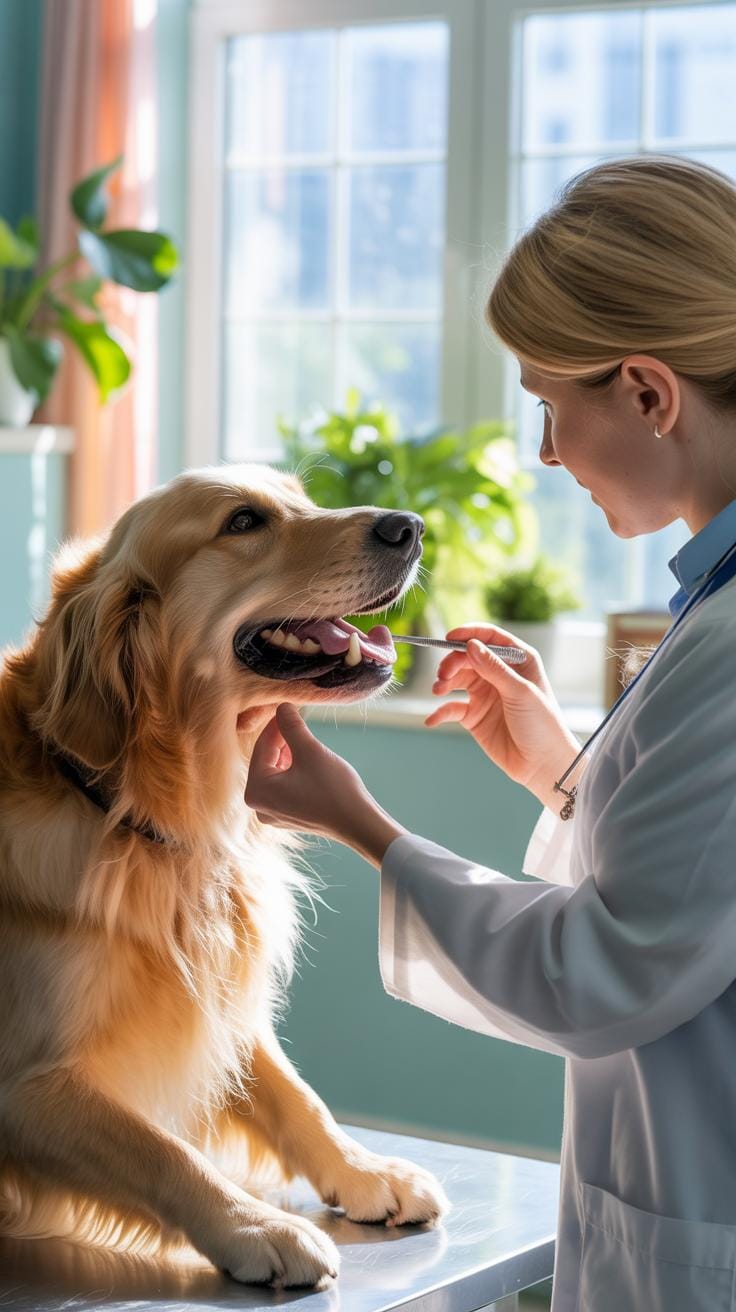
Dogs instinctively hide pain to avoid showing weakness. You must watch for shifts in how they interact with food and toys. A dog with a localized infection often drops dry kibble or chewing bones abruptly. They may chew exclusively on one side of the mouth to avoid the source of pain. This mechanical shift indicates a functional problem that requires immediate attention and professional inspection.
Irritability and withdrawal are common indicators of chronic dental pain. Your dog might shy away from head scratches or pet sessions if the jaw area feels tender. They may also stop playing tug or fetching hard objects. These behavioral changes are not signs of old age or laziness. They are tactical indicators that the dog is managing significant discomfort hidden beneath the gum line.
Physical Symptoms Around The Mouth You Can Spot At Home
Halitosis is the most frequent sign of a bacterial infection. Normal dog breath does not smell like rotting meat or garbage. If you notice a sudden and foul odor, bacteria are likely colonizing the periodontal pockets. You should also look for excessive drooling that seems thicker than usual. This saliva often contains traces of blood or pus when an infection has become active and deep.

Look for localized swelling under the eye or along the lower jaw line. This often indicates a tooth root abscess that has breached the bone. Red or bleeding gums are also clear signs of inflammation and underlying infection. Healthy gums should stay a consistent light pink color. If the tissue appears dark red or recedes from the tooth surface, the infection has already progressed past the early stages.
Understanding A Dog Abscessed Tooth What It Looks And Feels Like
What Happens Inside The Tooth When An Abscess Forms
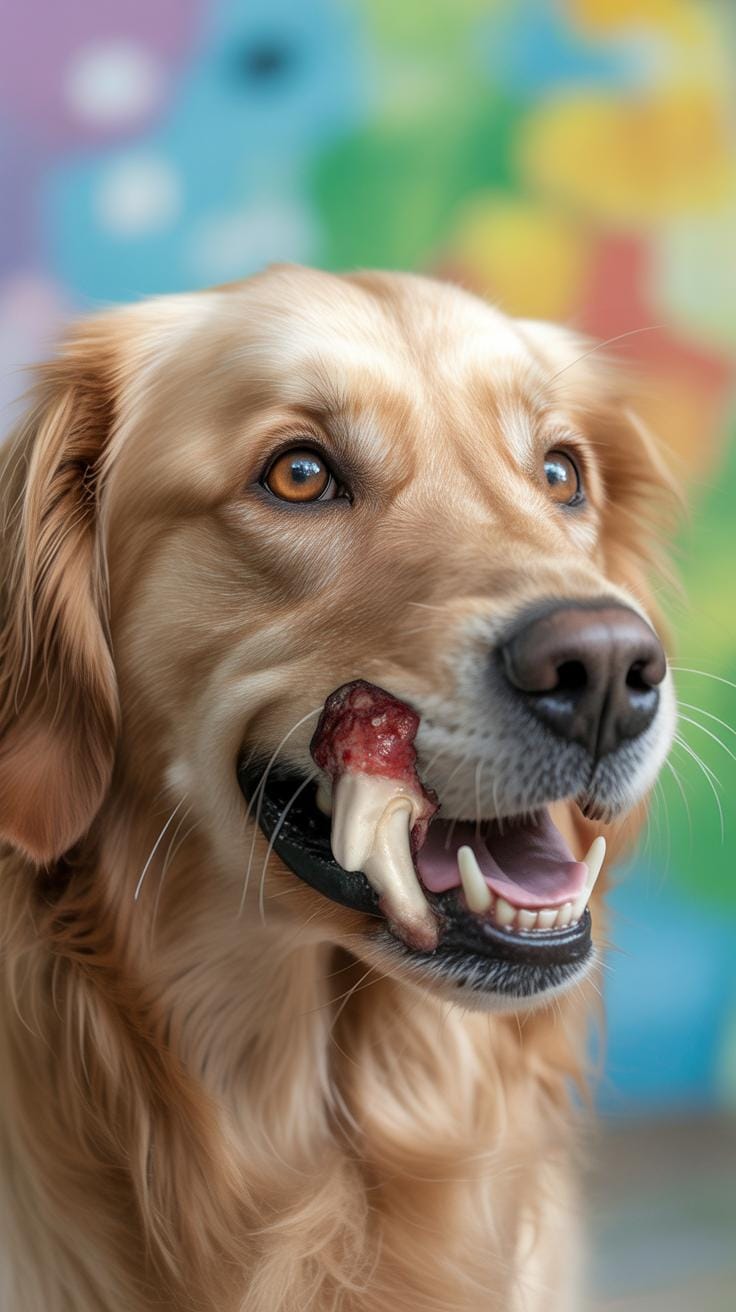
A tooth abscess begins when bacteria enter the inner pulp chamber. This usually happens through a fracture or deep decay. The pulp contains the nerves and blood vessels of the tooth. Once bacteria settle there, the body sends white blood cells to fight the infection. This battle creates pus within a confined space. The resulting pressure causes extreme pain for the dog.
The infection eventually escapes the tooth through the root tip. It moves into the surrounding bone and soft tissue. This stage marks the transition from a localized infection to a true abscess. The bone around the root begins to dissolve as the inflammation spreads. This process weakens the jaw and creates a pocket of infection. Untreated bacteria can then enter the bloodstream.
Behind every graying muzzle is a lifetime of devotion that asks only for our watchful care in return. When a quiet ache dims their spirit, tending to their dental health is the simplest way to honor the silent bond you share.
Visible Warning Signs Of A Dog Abscessed Tooth On The Face And Jaw
Physical symptoms often appear on the dog’s face as the infection grows. You will likely see a firm swelling just below the eye or along the lower jaw line. This bump often appears suddenly and feels hot to the touch. In many cases, the dog will flinch if you try to touch the area. The swelling indicates that the infection is breaking through.

If the abscess ruptures, you will see blood or pus draining out. This drainage often looks like a wound or a pimple on the cheek. Dogs may also stop eating or drop food while chewing. Bad breath stays even after brushing because the infection is deep. Watch for constant pawing at the mouth or rubbing the face on the floor. These are clear signs of distress.
Red Gums In Dogs When Inflammation Points To Infection

Why Red Or Swollen Gums Are Often The First Visible Clue
Gums serve as a protective seal around the base of each tooth. When bacteria penetrate this seal, the body sends extra blood to the area to fight the intrusion. This biological response causes the soft tissue to swell and change color quickly. This localized inflammation indicates that the immune system is actively battling an escalating infection within the periodontal pocket or root.
Swollen tissue creates a gap between the gum line and the tooth surface. These gaps allow more debris and bacteria to collect deep inside the jawbone. If you see bulging or puffy tissue, the infection is already moving past the surface. You must act at this stage to prevent the bacteria from entering the bloodstream and damaging internal organs like the heart.
The Difference Between Normal Gum Color And Inflamed Gum Tissue
Healthy dog gums should look like a pale bubblegum pink. When you press them with a finger, the spot turns white and then returns to pink within two seconds. This color indicates proper blood flow and a lack of active irritation. The texture should feel firm and smooth against the teeth. Any deviation from this baseline suggests a developing medical problem.

Infected gums transition to a dark red or purple hue. This color change often appears as a thin crimson line directly along the teeth. The tissue looks angry and may appear shiny or wet compared to healthy areas. Bleeding during play or eating is another sharp indicator of tissue breakdown. If the gums stay white or turn yellow, visit a vet immediately.
Pale Gums In Dogs A Serious Symptom That Demands Immediate Attention
What Pale Or White Gums Indicate About Your Dog’S Overall Health
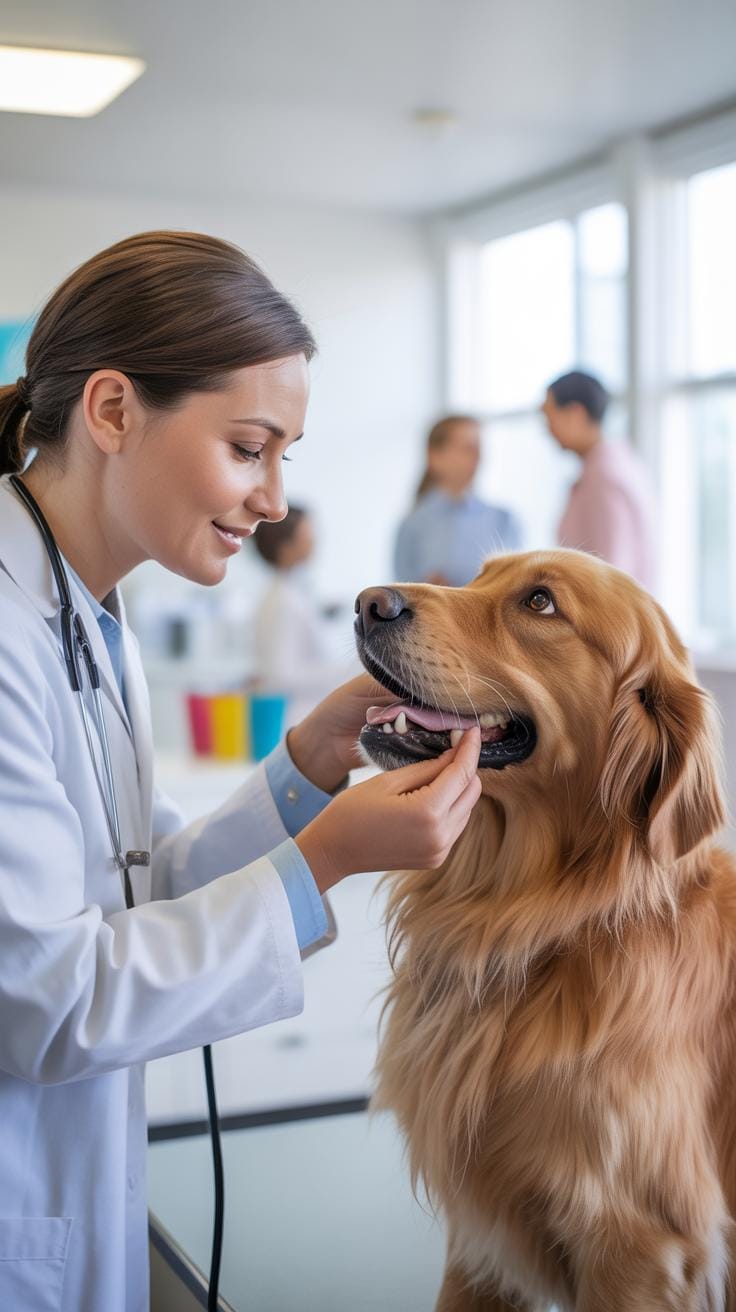
Healthy dog gums appear bubblegum pink. Pale or white gums signal a lack of oxygenated blood flow or a low red blood cell count. This condition often points to anemia or internal bleeding. In the context of dental health, a severe infection can lead to septicemia. This happens when bacteria from a tooth abscess enter the bloodstream and cause systemic collapse or life-threatening shock.
Gums that lose their color demand a fast response. You must distinguish between localized gum disease and a systemic emergency. While red gums show local inflammation, pale gums show your dog’s body is failing to circulate blood properly. This symptom often occurs alongside lethargy and rapid breathing. Treat pale gums as a medical crisis. It indicates that the tooth infection is no longer just a mouth problem.
How To Perform A Quick Gum Check On Your Dog At Home
Lift your dog’s upper lip to expose the tissue above the teeth. Look for a healthy pink shade. Press your finger firmly against the gum until the spot turns white. Release your finger and count the seconds it takes for the color to return. This is the capillary refill time. In a healthy dog, the pink color returns in under two seconds. Any longer indicates poor circulation.

Check the texture of the gums while you observe the color. Healthy gums feel wet and slippery. Dry or tacky gums suggest dehydration which often accompanies late-stage infections. Perform this check in a well-lit room to avoid misidentifying the shade. Regular inspections help you establish a baseline for your dog. Catching a color change early allows you to intervene before the infection causes permanent organ damage.
Rotten Teeth In Dogs And Dog Tooth Decay Causes Progression And Risks
How Plaque And Tartar Buildup Lead To Rotten Teeth In Dogs
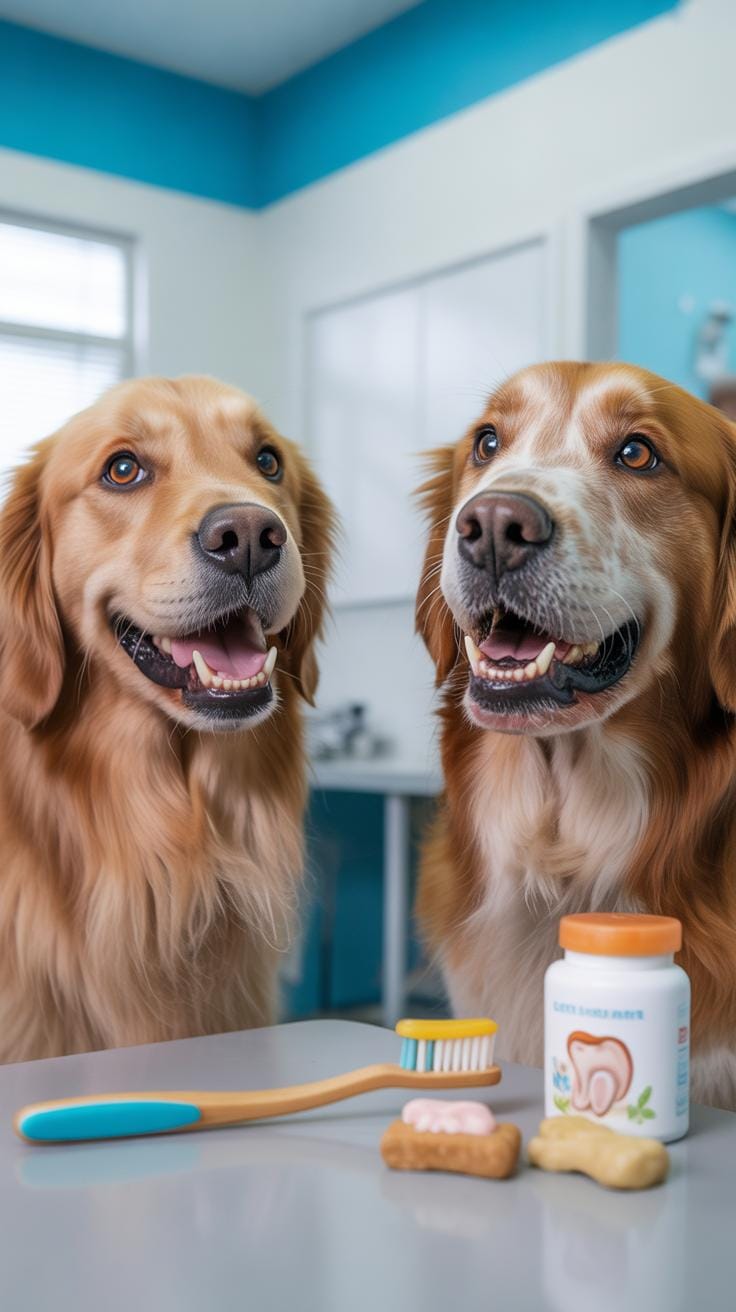
Plaque starts as a sticky film of bacteria. It forms on teeth hours after eating. If you do not brush it away, minerals in saliva harden it into tartar. This hard substance anchors more bacteria against the gum line. Bacteria then produce acids that destroy protective enamel. This process begins the transition from a clean mouth to a site of active infection.
The bacteria eventually migrate under the gum line to attack the tooth support structures. This creates small pockets where infection thrives. Once bacteria reach these deep areas, they dissolve the bone and ligaments. This destruction leads to loose teeth and systemic health risks. Owners must realize that visible tartar is just the surface of a much deeper and more dangerous bacterial problem.
The Stages Of Dog Tooth Decay And What Each Stage Means For Treatment
Early stage decay involves gingivitis or mild gum redness. At this point, the damage remains reversible through professional cleaning and home care. The tooth structure stays intact during this phase. If left alone, the condition progresses to early periodontitis. This stage shows permanent attachment loss. You cannot reverse this damage, but a veterinarian can manage the condition to prevent further tooth loss.

Advanced stages involve severe bone loss and deep infection. The tooth becomes mobile as the root loses its grip. At this point, extraction is often the only tactical solution to stop the pain. Dentinal erosion and pulp exposure can lead to abscesses. These pockets of pus require immediate surgical or medical intervention. Delaying treatment at this stage allows bacteria to enter the bloodstream and damage vital organs.
Dog Dental Health Issues How A Tooth Infection Can Affect The Whole Body
The Link Between Oral Bacteria And Systemic Organ Health In Dogs
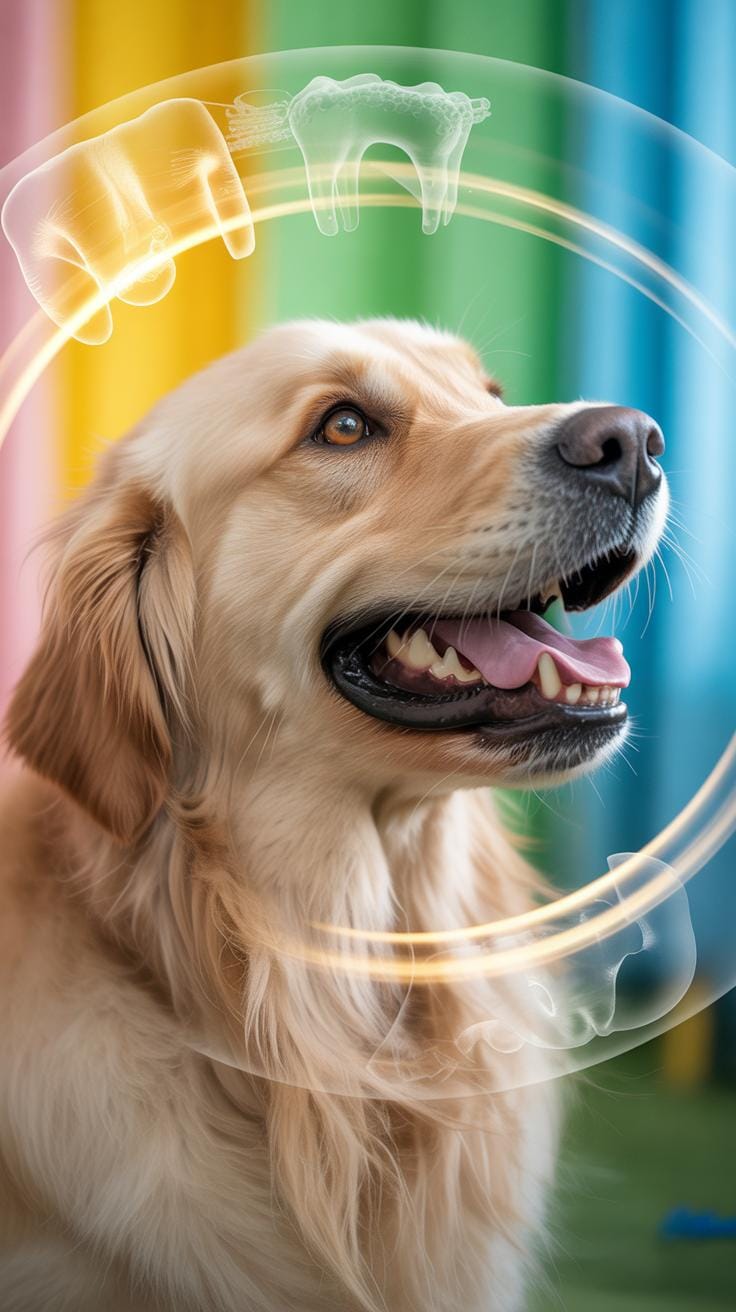
A dog tooth infection signs start in the mouth but do not stay there. Bacteria like Porphyromonas enter the bloodstream through inflamed gum tissue. This process is called bacteremia. Once these microbes travel, they attach to internal organs. This creates a constant inflammatory response. The body stays in a state of high alert which depletes the immune system over time.
The heart and kidneys are the most common targets for oral bacteria. Microscopic damage occurs every time the dog chews. Bacteria colonize heart valves and cause endocarditis. In the kidneys, these pathogens disrupt the filtration of waste products. This leads to chronic organ scarring. You must view an infected tooth as a direct gateway to the dog’s vital biological systems and survival.
Why Ignoring Dental Health Issues Can Lead To Life Threatening Complications
Dental neglect often leads to jaw fractures and sepsis. A chronic abscess eats away at the mandible or maxillary bone. This weakens the skeletal structure until the jaw snaps during normal eating. At this stage, the infection can move into the nasal sinuses or the eyes. Veterinary surgeons often find that the bone has become too soft to repair with standard plates.

Sepsis is the final stage of an untreated dental infection. The bacteria overwhelm the blood and cause total organ failure. This condition kills dogs quickly and requires expensive emergency care. Proactive dental cleaning prevents these high-risk outcomes. Owners who wait for visible signs of pain often miss the window for simple treatment. Address the infection early to avoid metabolic collapse and death.
What To Do When You Suspect A Tooth Infection Vet Diagnosis And Treatment Options
What To Expect During A Veterinary Dental Examination
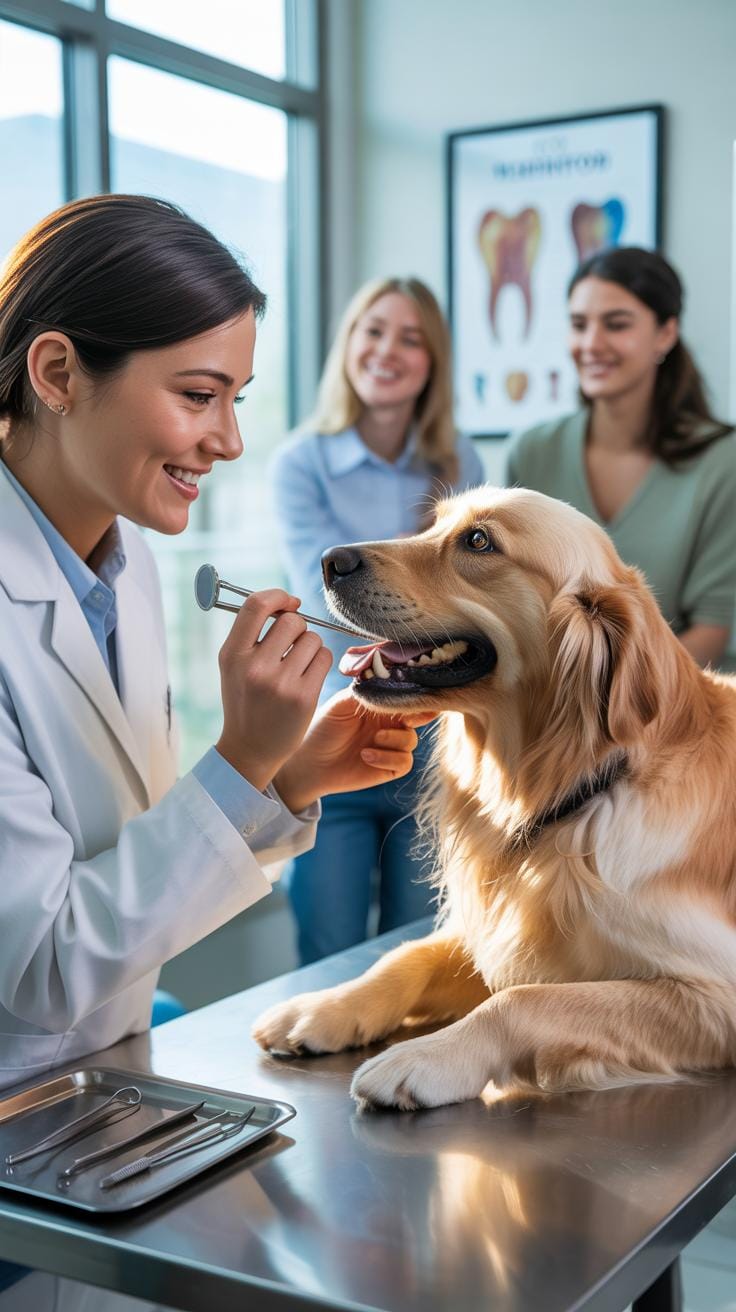
A professional dental exam begins with a physical assessment while your dog is awake. The vet looks for swelling, heavy tartar, and inflamed gums. Most dogs will not allow a deep probe of the tooth roots while conscious. Therefore, an accurate diagnosis requires general anesthesia. This allows the vet to safely evaluate every tooth and the space below the gum line without causing pain.
Once the dog is under anesthesia, the vet uses dental radiographs to see the bone. Visual checks alone miss sixty percent of dental disease because the infection hides in the roots. The vet uses a probe to measure pockets around each tooth. These measurements and images provide a clear map of the infection. This data dictates whether the tooth is salvageable or requires immediate removal.
Treatment Paths: From Antibiotics And Root Canals To Tooth Extraction
Treatment depends on the severity of the infection and the health of the surrounding bone. Vets prioritize removing the source of the bacteria to prevent systemic organ damage. Antibiotics alone do not cure a tooth infection. They only provide temporary relief by lowering the bacterial load. You must combine medication with a physical procedure to stop the infection from returning to the jawbone.
- Professional Cleaning: The vet removes plaque and tartar from above and below the gum line. This procedure is the first step for mild gingivitis. It prevents early infections from reaching the tooth roots. Thorough scaling requires specialized tools and full anesthesia to ensure the dog remains still and pain-free throughout.
- Antibiotic Therapy: Vets prescribe these drugs to control active infections and reduce inflammation. This treatment usually starts a few days before or after a dental procedure. It protects the heart and kidneys from bacteria released during the cleaning. Antibiotics are a supportive measure rather than a standalone cure for necrotic teeth.
- Tooth Extraction: This is the most common solution for advanced abscesses or fractured teeth. Removing the entire tooth and root clears the infection immediately. Modern veterinary techniques involve local nerve blocks and dissolvable sutures. Most dogs eat soft food and return to normal activity within a few days after the surgery.
- Root Canal Therapy: This specialized procedure saves strategically important teeth like canines or carnassials. A veterinary dentist removes the infected pulp and seals the canal. This keeps the tooth structure intact while eliminating the pain. It is a more expensive option and often requires a referral to a certified dental specialist.
- Vital Pulpotomy: Vets use this technique on recent fractures in younger dogs. It involves removing the top layer of pulp to keep the tooth alive. This allows the tooth root to continue growing and strengthening. Success depends on treating the injury within forty-eight hours of the initial trauma occurring.

Surgical extraction is the most frequent outcome for deep-seated infections. It provides a permanent fix and removes the source of chronic pain. If you choose a root canal, expect to visit a specialist. Post-operative care includes soft food for fourteen days and pain management medication. Owners must follow through with home brushing routines afterward to prevent new infections in the remaining healthy teeth.
Dog Dental Care Prevention Strategies Keeping Tooth Infections From Returning
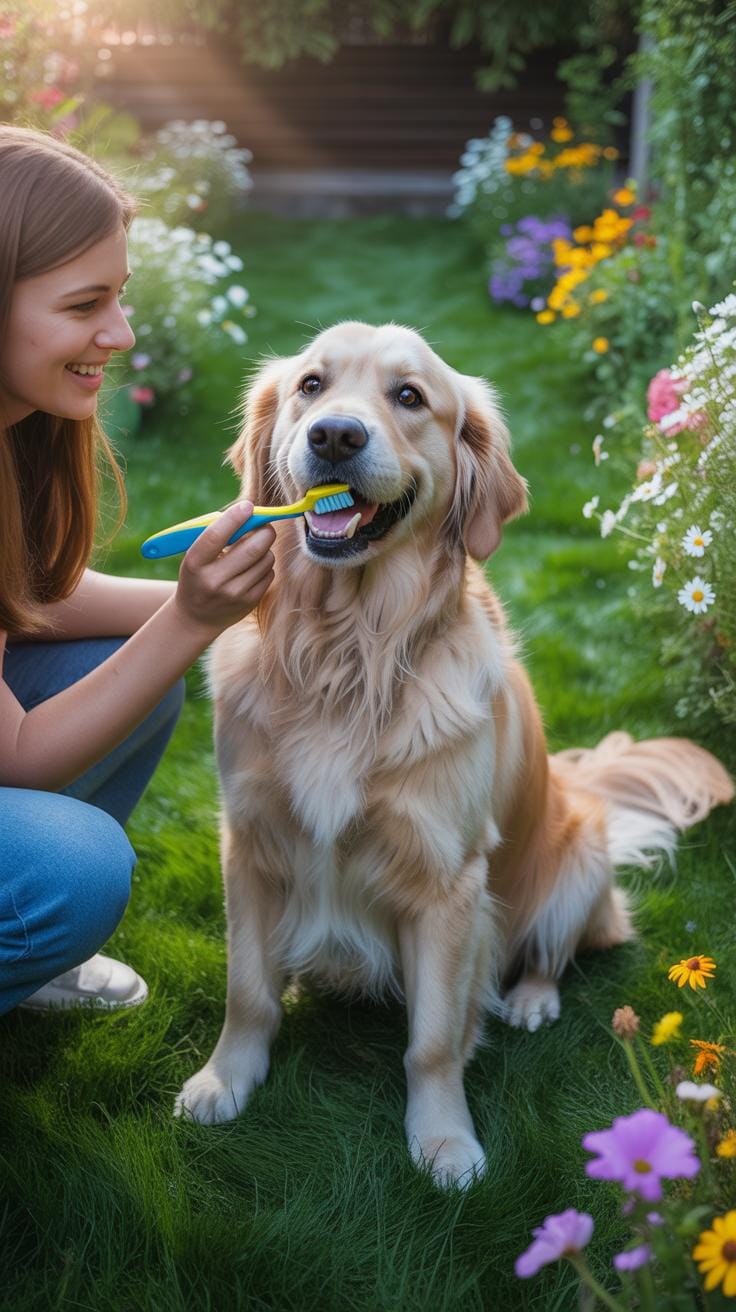
Daily And Weekly Dental Habits Every Dog Owner Should Build
Consistent oral hygiene prevents plaque from hardening into calculus. Once tartar forms, you cannot brush it away at home. Daily mechanical scrubbing removes the biofilm that feeds bacteria. This process stops the progression of periodontal disease and prevents future abscesses. You must use dog specific toothpaste because human formulas contain toxic xylitol. Focus on the gum line where bacteria thrive.
- Daily Brushing: Use a soft bristled brush and enzymatic toothpaste every single day. Direct the bristles at a forty-five degree angle toward the gums to remove debris. This action disrupts the bacterial colony before it can calcify into permanent tartar on the enamel surfaces.
- Dental Chews: Give your dog approved dental treats that use mechanical abrasion or chemical anti-plaque agents. These supplements act as a secondary defense for hard to reach molars. Look for the Veterinary Oral Health Council seal to ensure the product actually reduces plaque and tartar buildup.
- Water Additives: Add flavorless enzymatic solutions to your dog’s drinking water to lower the overall bacterial load in the mouth. These additives work throughout the day to inhibit the growth of microorganisms. This is a passive but effective strategy for dogs that resist standard manual brushing.
- Dietary Control: Feed high quality dry kibble designed to scrape teeth during mastication. Small kibble pieces often shatter too quickly to provide benefit. Select specialized dental diets that have a specific texture for cleaning. Avoid high carbohydrate treats that leave sugary residue on the teeth and gums.
- Weekly Inspections: Lift the lips every week to check for redness or new odor. Look for brown scaling near the premolars and molars. Early detection allows you to adjust your cleaning routine before an infection starts. Catching changes early prevents expensive and invasive surgical procedures later on.
Establish a dedicated routine to ensure compliance for both the owner and the dog. Start slow to build trust and use positive reinforcement. Frequent short sessions are more effective than long occasional ones. Consistency is the only way to manage oral bacteria. If you skip days, plaque hardens into tartar within forty-eight hours. Stick to the schedule to maintain a healthy mouth.
How Regular Vet Cleanings And Check Ups Protect Your Dog’S Long Term Oral Health
Professional cleanings go where a toothbrush cannot reach. Veterinarians perform subgingival scaling to remove bacteria from under the gum line. This area is the primary site for infections and bone loss. While home care slows down plaque, professional intervention is necessary to manage deep pockets. Most dogs require a professional cleaning once a year to maintain optimal oral health and identify issues.
Veterinary exams include dental radiographs to see what is happening beneath the surface. Many tooth infections start at the root and remain invisible to the naked eye. X-rays reveal bone density loss and hidden abscesses before they cause visible swelling. Addressing these problems early prevents systemic bacteria from spreading to the heart or kidneys. Professional care is the foundation of a long and pain free life for your dog.
Frequently Asked Questions

How can I tell if my dog is suffering from a dental problem?
Identifying dog tooth infection signs early can save your pet from significant pain. Common indicators include sudden bad breath, red or bleeding gums, and a noticeable change in eating habits. You might also see your dog pawing at their mouth or flinching when you touch their face. Because dogs are experts at hiding discomfort, frequent inspection of their teeth and gums is essential for maintaining their overall health and happiness.
What steps should I take if I suspect my dog has a dental abscess?
If you notice potential dog tooth infection signs like facial swelling or a refusal to eat, schedule a veterinary appointment immediately. In the meantime, avoid poking the infected area, as this can be extremely painful. Your vet will likely perform an X-ray to assess the root damage and prescribe antibiotics or pain relief. Professional cleaning or extraction is often necessary to fully resolve the underlying infection and prevent bacteria from spreading.
Are there any affordable ways to manage my dog’s dental health at home?
Preventive care is the most budget-friendly way to avoid expensive emergency surgeries. Brushing your dog’s teeth daily with pet-safe toothpaste is the Gold Standard for oral hygiene. Additionally, providing dental chews and water additives can help reduce plaque buildup. While these steps won’t cure an existing infection, they significantly lower the risk of future issues, ensuring your pet stays healthy without breaking the bank on advanced dental procedures.