
Understanding The Signs Dog Has Fleas And Why Early Detection Matters For Dog Health Care

Why Flea Infestations Are More Serious Than Most Pet Owners Realize
Fleas do more than cause itching. These parasites consume blood and transmit dangerous pathogens to your pet. Some dogs suffer from flea allergy dermatitis. These pets have an extreme immune reaction to flea saliva. A single bite causes intense inflammation and hair loss. Ignoring the early signs leads to secondary skin infections. Bacteria enter the broken skin and cause painful sores.
Heavy infestations lead to anemia in puppies and small breeds. These dogs lose enough red blood cells to become lethargic or die. Fleas also carry tapeworm larvae. When a dog bites at the itch, they often swallow the insect. This starts an internal parasite infection. You must view fleas as a medical threat, not just a nuisance. Delayed action increases the cost of treatment significantly.
How Quickly Fleas Multiply On An Unprotected Dog
The flea life cycle is built for rapid expansion. A single female flea lays up to fifty eggs every day. These eggs do not stick to the hair. They fall off into your carpets and furniture. Within days, your entire living space becomes an incubator for more pests. You cannot stop the cycle by just killing the adults you see on the dog.
Unprotected dogs become hosts within minutes of exposure. Most of the population exists as eggs or larvae in the environment. Only five percent of the infestation lives on the pet at any time. If you see one flea, hundreds are already developing in your floors. These pests thrive in warm indoor climates year-round. You must use preventative medication to break this aggressive reproductive loop.

The Most Common Physical Signs Dog Has Fleas You Can Spot At Home

Excessive Scratching, Biting, And Restlessness As Early Warning Signals
Fleas trigger immediate physical reactions in dogs. You will see the animal scratching its ears, armpits, and groin frequently. This behavior happens because flea saliva contains enzymes that cause intense itching. The dog may also bite at its tail base to reach moving pests. Watch for sudden bursts of energy where the dog jumps up or runs across the room to escape the biting sensation.
Long term scratching leads to visible damage. You will see red skin, thin hair, or open sores on the body. These lesions often appear near the neck and hindquarters. If the dog cannot sleep or settle down, the infestation level is likely high. Aggressive chewing on the legs or paws suggests fleas are active in those areas. Monitor these behavioral changes to stop the cycle early.
How To Find Flea Dirt And Live Fleas In Your Dogs Coat
Live fleas move fast and avoid light. You must part the hair down to the skin level to see them. Look specifically around the neck and the base of the tail where fleas hide. These insects are small, flat, and reddish brown. They jump quickly when you disturb the fur. Use a fine tooth metal comb to trap these pests for a positive identification.

Check the skin for flea dirt if you cannot find live bugs. Flea dirt looks like black pepper or small specks of dirt. This material consists of digested blood from the host. Place these specks on a wet white paper towel to confirm their identity. If the spots turn red or rust colored, it is flea excrement. This method provides definitive proof of an active flea presence.
Skin And Coat Changes That Reveal A Flea Problem In Pet Care Tips
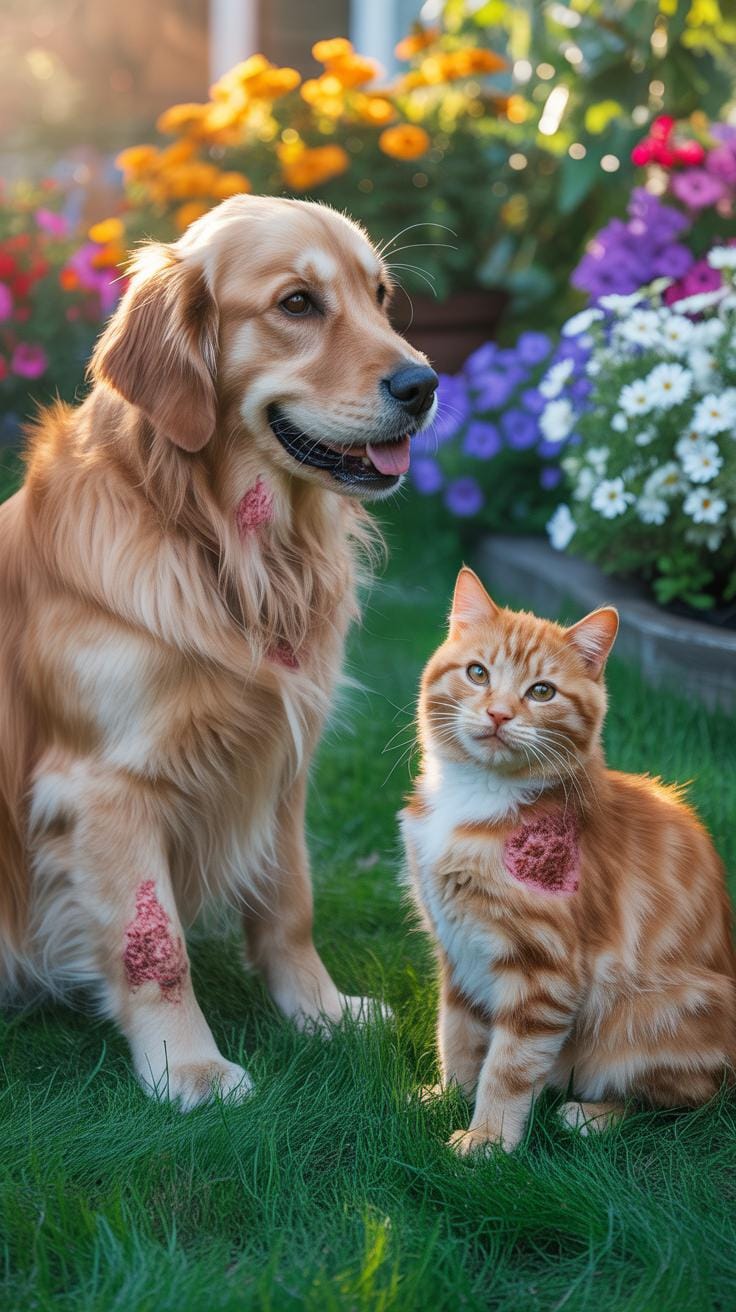
Red, Irritated Skin And Hair Loss Caused By Flea Activity
Flea activity causes immediate physical trauma to a dog’s skin. As fleas crawl and bite, they create tiny puncture wounds. Your dog responds by scratching, biting, and licking the affected areas. This constant mechanical friction leads to visible redness and inflammation. You will notice these changes primarily on the belly, the base of the tail, and the inner thighs where fleas congregate.
Chronic flea presence leads to significant hair loss. Scientists call this traumatic alopecia. The dog literally pulls its own fur out trying to stop the itching. You will see thinning patches or completely bald spots. The skin in these areas often becomes thickened and darker over time. This color change happens because of constant irritation and self-trauma. Monitor these regions daily to identify early warning signs.
Flea Allergy Dermatitis: When A Single Flea Bite Triggers A Bigger Reaction
Flea Allergy Dermatitis is an immune system overreaction to flea saliva. When a flea bites, it injects saliva into the bloodstream to prevent clotting. Many dogs are hypersensitive to the proteins in this saliva. A single bite can cause intense itching for two weeks. This is not a standard itch. It is a severe allergic response that causes the dog extreme physical distress.

Secondary infections often follow this allergic reaction. The dog breaks the skin barrier through relentless scratching. Bacteria and yeast then enter the open wounds. You will see crusty sores, oozing scabs, or a foul odor coming from the skin. These infections require medical intervention. Preventing the initial bite is the only way to stop this cycle. Check for hot spots and weeping sores regularly.
Behavioral Signs In Dogs That Point To A Flea And Tick Problem

Why Dogs Rub Against Furniture And Floors When Fleas Are Present
Flea bites cause immediate physical irritation on a dog’s skin. Fleas often gather in hard-to-reach areas like the base of the tail or the groin. When a dog cannot reach these spots with its teeth or paws, it uses external surfaces for relief. This behavior is a tactical attempt to soothe intense itching through friction. You will see the dog dragging its body along couches or carpets.
Rubbing acts as a mechanical solution to a biological problem. Constant friction against rough surfaces can lead to secondary issues like hair loss or skin abrasions. If you notice your dog targeting specific furniture corners or wall edges, check the skin for redness. This localized rubbing confirms that the dog is struggling with external parasites. It is not a playful act but a clear sign of persistent physical distress.
Changes In Sleep Appetite And Mood Linked To Flea Discomfort
A flea infestation disrupts a dog’s normal biological rhythms. Fleas are often more active at night, which prevents the dog from entering deep sleep. Lack of rest leads to irritability and high stress levels. You may notice your dog jumping up suddenly from a nap or pacing around the room. This restlessness indicates that the dog feels constant biting and cannot find a comfortable position.

Chronic discomfort directly impacts a dog’s mental state and eating habits. Some dogs become aggressive or withdrawn because of the constant pain and itching. Severe infestations can even cause lethargy or a decreased interest in food. When a dog spends all its energy on scratching, it ignores its typical daily routines. Monitor these shifts in baseline behavior to identify the presence of fleas before skin damage becomes severe.
How To Perform A Flea Check At Home As Part Of Healthy Pets Routine Care

The Wet Paper Towel Test: A Simple Way To Confirm Flea Dirt
Flea dirt consists of digested blood from your dog. It looks like small grains of black pepper or dark specks on the skin. You cannot always tell the difference between dirt and flea waste by sight alone. This test provides a definitive chemical reaction to confirm an infestation. Use it whenever you see dark debris during a regular grooming session at home.
Place the collected debris on a white paper towel. Add a few drops of water directly onto the specks. If the spots dissolve and turn a reddish-brown color, you have confirmed flea dirt. This color change happens because the dried blood in the flea waste rehydrates. If the spots remain black or gray, they are likely just common garden soil or mineral dust.
The deepest joys of home start with a dog napping in the sun, and keeping them comfortable means noticing the small scratches before they fade. True love is found in the quiet tending of their well-being, ensuring every tomorrow is as peaceful as our favorite memories.
Step By Step Guide To Combing Through Your Dog’S Coat For Fleas
A flea comb uses fine teeth to trap small insects and eggs. This tool proves more effective than a standard brush for finding active pests. Position your dog on a light-colored surface like a white sheet or tile floor. This setup makes it easier to see any falling debris or jumping insects. Work systematically from the head down to the tail.
- Target High-Heat Areas: Fleas migrate to warm spots on the dog. Focus your combing efforts on the armpits, the groin, and the base of the tail. These areas provide the best environment for fleas to hide and feed effectively.
- Dip Comb in Water: Keep a bowl of soapy water nearby during the process. Fleas jump fast and can escape your hands quickly. Submerge the comb after every pass to drown any live fleas and rinse away any collected debris or eggs.
- Comb Close to Skin: Fleas live on the skin surface rather than the hair tips. Hold the comb at a slight angle to ensure the teeth reach the dermis. Pull the comb through the hair slowly to avoid painful snagging while capturing pests.
- Wipe Comb on Towel: Use a white cloth or paper towel to clean the comb teeth periodically. Look for live insects or dark specks that indicate flea activity. This visual check confirms the presence of parasites even if you do not see them jumping.
- Monitor Dog Behavior: Watch for signs of sensitivity or discomfort during the process. Dogs often react when the comb passes over a bite site or an area with high flea concentration. These physical cues help you locate the primary centers of the infestation.

Continue the process until you have covered the entire body. Empty the soapy water down the drain immediately after finishing. This prevents any surviving fleas from jumping back onto your dog or into your carpet. Clean the comb with rubbing alcohol to disinfect the tool for future use. Repeat this manual check weekly to catch new infestations before they spread through your home.
The Link Between Cat Fleas And Dogs What Every Multi Pet Household Must Know

Why Ctenocephalides Felis, The Cat Flea, Is The Most Common Flea Found On Dogs
The species Ctenocephalides felis is the primary flea affecting both domestic cats and dogs. Research shows this parasite is highly adaptable and dominates the urban environment. While the name suggests a specific host, the cat flea is an opportunistic generalist. It survives on many mammals but thrives most effectively on the fur and skin of household pets.
The domestic dog flea exists but remains far less prevalent in North America and Europe. You will likely find cat fleas on your dog because this species possesses superior survival traits. These insects reproduce rapidly and tolerate various humidity levels. If your dog shows signs of infestation, don’t look for unique species. Assume the cat flea is the culprit.
How Fleas Spread Between Cats And Dogs In A Shared Home
Fleas move between pets through shared environments rather than direct jumping. Adult fleas remain on their host to feed and mate. However, female fleas lay eggs that roll off the pet into your carpets and bedding. These eggs hatch into larvae and eventually become new adults. Most cross-contamination occurs when your dog sleeps where your cat previously rested.

Management requires treating every animal in the house simultaneously. A single untreated cat acts as a reservoir for the entire home. Large numbers of eggs accumulate in rugs and furniture gaps where both pets congregate. You must disrupt the life cycle through consistent medication and environmental cleaning. If you only treat the dog, the cat will continue to seed the home with new parasites.
Ticks On Dogs Vs Fleas Knowing The Difference For Proper Tick Prevention

How To Visually Tell Apart A Tick Bite From Flea Activity On Your Dogs Skin
Flea bites appear as tiny red clusters on the skin surface. These spots remain small and usually cause intense itching immediately. You will often see “flea dirt” which looks like black pepper near the site. Ticks stay attached to the host for several days. They look like a growing dark seed or a small pebble buried into the skin rather than a surface irritation.
A tick bite creates a single centered puncture point that may swell or become firm. You will see the body of the parasite protruding from the skin. Fleas move rapidly and rarely stay in one spot once disturbed. Ticks remain stationary while feeding and require physical force to remove. If you see a stationary lump that does not move when touched, it is likely a tick.
Why Some Dogs Carry Both Fleas And Ticks At The Same Time
Fleas and ticks thrive in the same environmental conditions. Both parasites prefer high humidity and tall grass or shaded brush. A dog walking through a wooded area can pick up adult ticks from tall blades of grass while simultaneously catching fleas from the leaf litter below. Their life cycles overlap during warm months. One species does not exclude the presence of the other.

Poor prevention protocols allow both pests to establish a presence. Many owners use products that only target one specific parasite type. If your yard has an infestation, a dog becomes a host for any available blood feeder. Ticks and fleas use different physiological mechanisms to attach to hosts. This allows them to coexist on the same animal without competing for space or resources in the short term.
Next Steps After Confirming The Signs Your Flea Prevention And Treatment Action Plan

Vet Recommended Flea Treatments Including Topical Spot Ons Oral Medications And Flea Collars
Consult your veterinarian to select a medical grade treatment immediately. Oral medications like isoxazolines provide rapid systemic protection by killing adult fleas before they lay eggs. These pills work faster than topical options and leave no chemical residue on the fur. Effective flea control requires products that disrupt the growth cycle. Doctors often prescribe these treatments to ensure the entire population dies within hours.
Topical spot on treatments offer a different tactical advantage by killing fleas on contact. These liquids spread through the skin oils and often include insect growth regulators to stop larval development. Modern flea collars also provide long term prevention for up to eight months using slow release technology. Always verify the dosage based on your dog weight to avoid toxicity. High quality prevents future infestations.
Essential Tips For Treating Your Home And Yard To Break The Flea Life Cycle
Flea eggs fall off your dog and settle into carpets and furniture. You must treat the environment to stop the cycle of reinfestation. Adult fleas represent only five percent of the total population in your home. The rest exist as eggs, larvae, and pupae hiding in dark crevices. Cleaning and chemical intervention are required to eliminate these hidden stages effectively.
- Daily Vacuuming: Focus on baseboards, rugs, and under furniture where larvae hide from light. Use a vacuum with strong suction and immediately seal the bag or canister. This physical removal reduces the egg count in high traffic areas.
- High Heat Washing: Wash all pet bedding and blankets in water above one hundred forty degrees Fahrenheit. Only extreme heat kills all life stages including resilient pupae. Dry on the highest heat setting for at least twenty minutes for maximum impact.
- Indoor Chemical Treatment: Use an indoor premise spray containing an insect growth regulator like methoprene or pyriproxyfen. These chemicals prevent larvae from molting into biting adults. Target dark areas behind furniture and inside closets where flea life cycles thrive.
- Yard Sanitation: Mow the lawn short and remove leaf litter where fleas congregate in shade. Fleas avoid direct sunlight and prefer moist environments under shrubs or decks. Keep these areas clear of debris to reduce the local flea population outside.
- Nematode Application: Apply beneficial nematodes to outdoor soil to hunt and kill flea larvae naturally. These microscopic organisms enter the larvae and release bacteria that kill the host within forty eight hours. This biological control method is safe for pets and plants.

Consistent mechanical cleaning combined with chemical growth regulators creates a hostile environment for pests. Neglecting the yard or the carpet allows the infestation to return within weeks. Monitor all areas of the house for at least three months after the last sighting. Successful eradication requires persistence and a multi pronged strategy. This tactical approach ensures your home remains flea free permanently.
Long Term Flea Prevention Strategies To Keep Your Dogs And Household Protected Year Round

How To Build A Consistent Monthly Flea Prevention Routine For Your Dog
Consistency dictates the success of any flea prevention plan. Owners must apply or administer veterinary-approved preventatives every thirty days without fail. Skipping a single month allows the flea life cycle to restart in your carpets and upholstery. Mark a physical calendar or set digital alerts to ensure timely dosing. Use products that target both adult fleas and developing larvae to break the cycle completely.
Effective routines extend beyond the animal to the physical environment. Wash dog bedding in hot water weekly to kill eggs and larvae. Vacuum all floors and furniture frequently to remove flea dirt and pupae. Focus on dark corners and areas where your pet sleeps. Dispose of vacuum bags outside immediately after use. These mechanical steps reduce the total parasite load in your home and support the medication.
When To See Your Veterinarian About Recurring Flea Problems Or Skin Complications
Consult a veterinarian if you see live fleas despite using monthly preventatives. This often indicates a massive environmental infestation or potential product resistance. A professional can prescribe oral medications that work faster than over-the-counter topicals. They also assess if your application technique is correct. Do not wait for the problem to resolve on its own. Intense infestations require professional medical intervention to protect the health of your dog.
Medical attention is mandatory if your dog develops Flea Allergy Dermatitis. Look for scabbing, hair loss, or red, weeping sores on the skin. These signs indicate an immune response to flea saliva that requires steroids or antibiotics. Chronic scratching can lead to secondary bacterial infections that complicate recovery. Your vet will perform a skin scrape or blood test to confirm the diagnosis. Swift treatment prevents long-term scarring and physical distress for your pet.
Frequently Asked Questions

What are the most common early warning signs that my dog might have fleas?
The most obvious signs dog has fleas include persistent scratching, licking, or biting at the skin, particularly near the tail and neck. You might also notice tiny red bumps or scabs on their skin. Another telltale indicator is “flea dirt,” which looks like small specks of black pepper. If your pup seems unusually restless or their coat looks thinning in certain spots, it is time for a closer inspection.
How can I perform a physical check at home to confirm a flea infestation?
To confirm the signs dog has fleas, use a fine-toothed flea comb and brush through your pet’s fur, staying close to the skin. Deposit any debris onto a damp white paper towel. If the black specks turn a reddish-brown color, that is dried blood, confirming the presence of fleas. Focus your search on warm, protected areas like the armpits, groin, and the base of the ears where pests love to hide.
Are there any affordable or natural ways to treat fleas if I am on a tight budget?
While professional preventatives are best, you can start with a deep cleaning. Bathe your dog using a gentle dish soap, which can help suffocate adult fleas on contact. Frequently washing your pet’s bedding in hot water and vacuuming carpets daily are essential, low-cost steps to break the life cycle. For a natural repellent, a diluted apple cider vinegar spray can help, but always consult a vet for long-term, budget-friendly solutions.