
Understanding Common Internal Parasites In Dogs Every Owner Should Know
What Are The Most Common Internal Parasites In Dogs And How Do They Spread
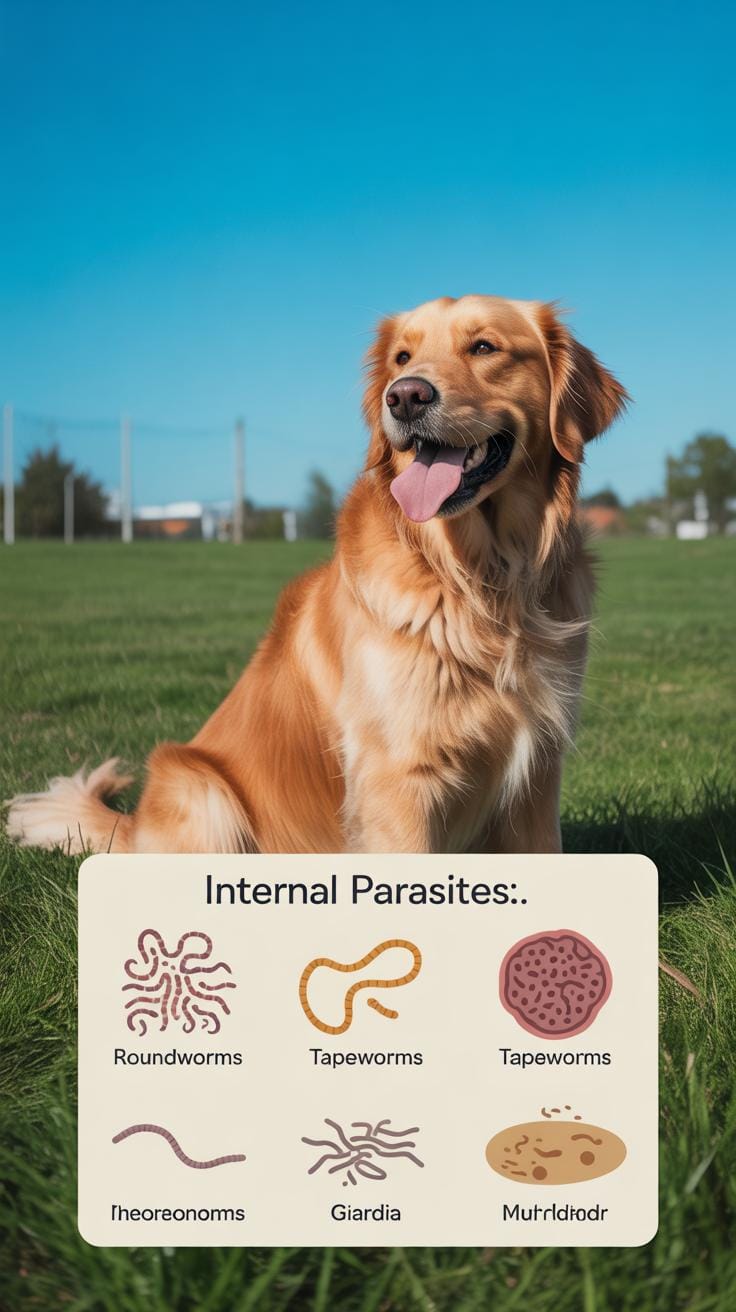
Internal parasites survive by stealing nutrients from your dog. Roundworms and hookworms dominate the intestinal landscape. These worms often spread through the fecal oral route. Dogs ingest microscopic eggs from contaminated soil or grass. Puppies frequently contract these parasites directly from their mother before birth or through milk. This biological cycle ensures the parasites survive across generations without needing a human host.
Tapeworms and heartworms use intermediate hosts for transmission. Fleas carry tapeworm larvae. When a dog grooms and swallows a flea, the tapeworm matures inside the gut. Mosquitoes transmit heartworms directly into the bloodstream. These larvae travel to the heart and lungs to grow. Environmental exposure is constant. Your dog encounters these risks every time they step outside or interact with other animals in public spaces.
How Internal Parasites In Dogs Affect Their Overall Health And Longevity
Parasites cause immediate physical damage and long term systemic failure. Roundworms consume the food your dog eats. This leads to malnutrition and stunted growth in younger animals. Hookworms attach to the intestinal wall to drink blood. This causes chronic anemia and low energy levels. Intense infestations weaken the immune system. A compromised dog cannot fight off secondary infections or recover quickly from minor illnesses.
Heartworms represent the greatest threat to longevity. They cause permanent scarring in the lungs and heart chambers. This damage eventually leads to congestive heart failure. Left untreated, high worm burdens are fatal. Chronic internal parasitism reduces your dog’s quality of life by causing constant discomfort and organ strain. Effective year round control prevents these irreversible health complications. It ensures your dog lives a full and vigorous life.

Recognizing The Warning Signs A Dog Parasites Science Based Look At Symptoms
Physical And Behavioral Signs That Your Dog May Have A Parasite Infection
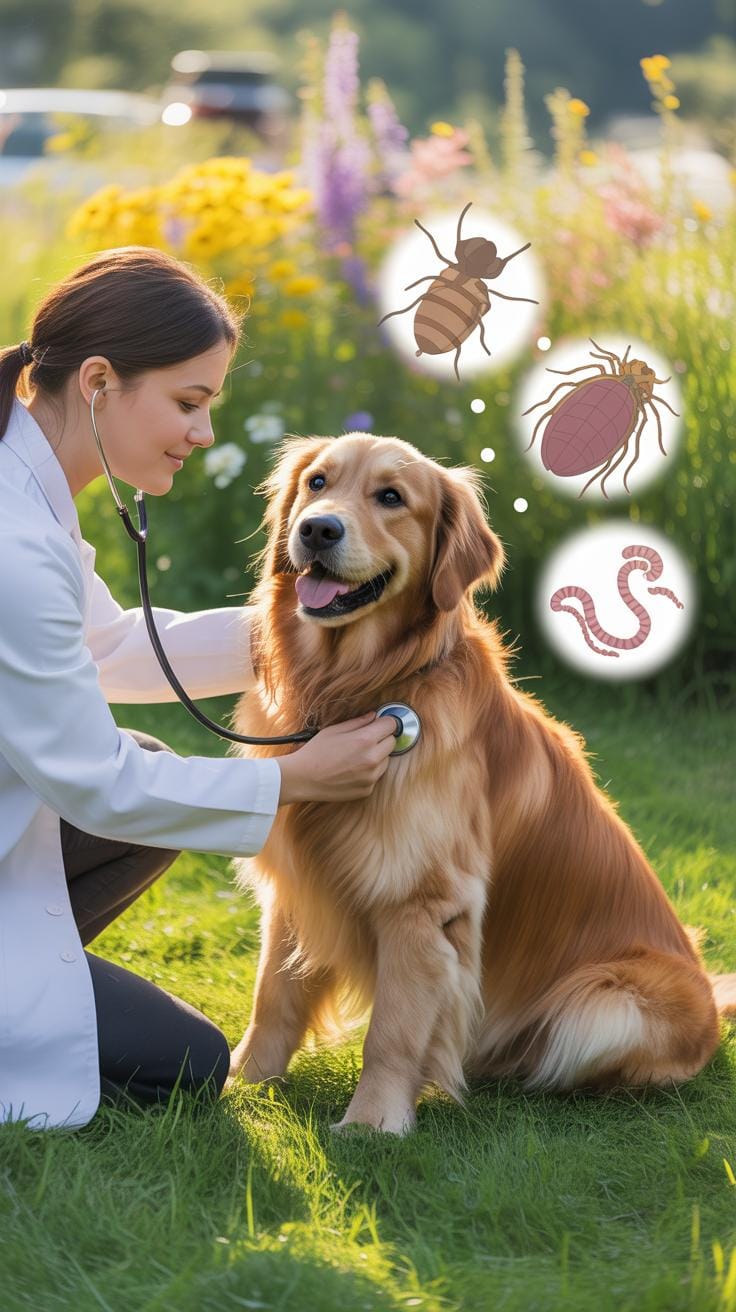
External parasites like fleas and ticks cause immediate physical reactions. You will see frantic scratching, biting at the tail base, or sensitive skin patches. Watch for hair loss and red bumps on the belly. Ear mites cause dark discharge and frequent head shaking. These visible indicators signal an active infestation. Do not wait for symptoms to worsen before acting on your dog.
Internal parasites often reveal themselves through digestive changes and energy loss. Roundworms and tapeworms cause bloating or a potbellied look. You might notice weight loss despite a normal appetite. Coughing can indicate heartworm presence or migrating larvae. Watch for bloody stool or visible segments in waste. These biological signs mean parasites are already stealing nutrients and damaging vital organs in your dog.
When To Visit Your Veterinarian For A Parasite Diagnosis And Testing
Schedule a veterinary visit immediately if your dog shows persistent lethargy or pale gums. These signs often point to anemia from blood-sucking parasites. Annual fecal exams and heartworm blood tests are non-negotiable for year round parasite control dogs. Modern diagnostic tools catch infections before they become fatal. Early detection saves money on complex treatments and protects your dog from permanent heart or lung damage.

Take your dog to the clinic if over the counter treatments fail or if you see worms in the stool. Bring a fresh stool sample to the appointment for accurate microscopic analysis. Professionals use specific tests like ELISA to find parasite proteins that home kits miss. Your vet will then prescribe targeted medication based on the exact species found. Prompt clinical intervention prevents the spread of zoonotic diseases to your family.
How To Treat Dog Parasites Safely And Effectively At Every Life Stage

Veterinarian Approved Medications Used To Treat Common Dog Parasites
Modern veterinary medicine relies on specific chemical classes to eliminate parasites. Macrocyclic lactones like ivermectin or milbemycin oxime target heartworms and some intestinal species. Isoxazolines such as afoxolaner or fluralaner provide high efficacy against fleas and ticks by paralyzing their nervous systems. Veterinarians select these drugs based on the dog weight and age. You must use prescription grade products to ensure the correct dosage and safety.
Topical and oral options serve different tactical purposes. Oral tablets enter the bloodstream fast to kill biting pests. Topicals create a barrier on the skin to repel or kill on contact. Always verify the active ingredients against your specific regional risks. Some older medications now face resistance in certain areas. Consult a professional to match the chemical profile of the medication with the local parasite population.
Treatment Timelines And Follow Up Care After A Parasite Diagnosis In Dogs
Immediate action follows a positive diagnosis to stop the parasite life cycle. Intestinal worms often require two doses of medication spaced two weeks apart. This timeline ensures you kill the adult worms first. The second dose targets larvae that hatched after the initial treatment. Missing the second dose allows the infection to return. Clean all bedding and scoop waste daily to prevent reinfection during this critical period.

Long term success requires a follow up fecal or blood test. Veterinarians usually perform these tests three to six months after treatment ends. This confirms the parasites are dead and no new eggs are present. You must transition the dog to a monthly preventative immediately after clearing the infection. Year round parasite control dogs need consistent dosing to avoid a repeat of the expensive and stressful treatment process.
How To Protect Your Dog From Parasites Through Preventive Veterinary Care

The Role Of Routine Wellness Exams In Catching Parasites Early
Annual veterinary exams provide the first line of defense against silent killers like heartworm and intestinal worms. Vets use diagnostic blood tests and fecal flotation to find parasites that show no outside symptoms. Early detection stops minor infections from becoming chronic health issues. Professional screening identifies specific parasite species. This data allows your vet to prescribe the most effective medication for your dog.
Wellness exams also track your dog’s weight and overall health history. These metrics determine the correct dosage for monthly preventives. Giving a dose based on an old weight can lead to treatment failure or toxic reactions. Regular visits ensure your dog stays on the right track as they age. Professionals catch subtle signs of infestation that owners often miss during daily routines at home.
Choosing The Right Year Round Preventive Products For Your Dog’S Lifestyle
Veterinarians match specific preventive products to your dog’s risk level and daily environment. Dogs that hike in woods need different protection than urban dogs living in high-rise apartments. You must consider the local climate and common regional pests when Selecting a product. Modern options offer various delivery methods including oral chews, topical liquids, and long-acting collar devices.
- Oral Chews: These tablets provide a convenient monthly dosing schedule that most dogs enjoy as a treat. They enter the bloodstream quickly to kill internal parasites and provide consistent protection without leaving a chemical residue on the fur.
- Topical Liquids: Owners apply these drops directly to the skin, usually between the shoulder blades. They work well for dogs that refuse oral pills. Many formulas kill fleas and ticks on contact before they can bite and transmit diseases.
- Injectable Preventives: Vets administer these shots to provide long-term protection against heartworms for six to twelve months. This option eliminates the risk of human error or forgotten doses. It is ideal for owners who struggle with monthly medication schedules.
- Seresto Collars: High-quality medicated collars release low doses of active ingredients over several months. These kill and repel fleas and ticks effectively. They offer a hands-off approach for busy owners who want sustained protection without monthly reapplications or liquid mess.
- Broad-Spectrum Combinations: Single products now target fleas, ticks, heartworms, and intestinal parasites simultaneously. These all-in-one solutions simplify your dog’s health regimen. Using a combination product ensures no gaps exist in your dog’s year round parasite control strategy.

Selecting the wrong product can leave your dog vulnerable to dangerous infections and diseases. Always consult your veterinarian to verify that the chosen medication addresses the specific threats in your area. They will confirm that the chemicals are safe for your dog’s breed and existing health conditions. Consistent year round parasite control for dogs requires the right tool for the specific job.
Seasonal Parasite Risks And How Year Round Parasite Control Keeps Dogs Safe

Why Warmer Months Increase Flea, Tick, And Heartworm Risk For Dogs
Higher temperatures and humidity accelerate the life cycle of most parasites. Fleas thrive in warm environments and reproduce rapidly during spring and summer. Ticks become active when the ground thaws and look for hosts in tall grass or wooded areas. Mosquitos require standing water and heat to breed. These pests carry diseases that can harm your dog or your family.
Warmer weather encourages dogs to spend more time outdoors. Increased movement through parks and trails heightens the chance of contact with infected animals or environments. Most owners recognize these risks during the summer and use treatments. However, peak season varies by region and can start earlier than expected. Waiting for the first bite is a failed strategy. Reliable protection requires proactive measures.
Why Cold Weather Does Not Eliminate Parasite Threats For Your Dog
Winter does not kill all parasites. Fleas survive cold snaps by living on wildlife or moving inside your home. They can hide in carpets and bedding where temperatures remain stable. Ticks remain active whenever the ground is not frozen and temperatures rise above freezing. Some species even prefer the leaf litter found in early winter. Do not assume cold air equals safety.

Heartworm poses a threat even in low temperatures. Microclimates in urban areas or sheltered spaces allow mosquitos to survive longer than usual. If you stop treatment in autumn, you leave a gap in your dog’s defense. Many heartworm medications require months of consistent use to be effective. Year round parasite control dogs need ensures no lapse in protection occurs during these unpredictable seasonal shifts.
Dog Health Care Routines That Naturally Reduce Parasite Exposure At Home

Grooming Habits And Environmental Hygiene Practices That Deter Parasites
Daily brushing serves as your primary defense. This routine allows you to find ticks and fleas before they attach or lay eggs. Physical inspection focuses on warm areas like ears, armpits, and between toes. Long hair traps debris and pests more easily than short coats. Regular trimming limits these hiding spots. Consistent grooming disrupts the parasite life cycle and prevents infestations from moving into your living space.
Indoor hygiene is equally critical for year round parasite control dogs. Frequent vacuuming removes flea larvae and eggs from carpets and furniture. You must wash pet bedding in hot water every week to kill lingering pests. Keep your yard clear of tall grass and leaf piles. These damp areas harbor ticks and fleas. Controlling the environment reduces the need for heavy chemical interventions by stopping the pests at the door.
How Diet And A Strong Immune System Support Dog Health Care Against Parasites
A resilient immune system starts with high quality protein and essential fatty acids. Dogs with poor nutrition face higher risks of skin infections from bites. Strong skin acts as a physical barrier against external pests. Nutrients like omega-3 fatty acids help maintain this skin integrity. A healthy body also recovers faster from the stress of internal parasites. Focus on bioavailable ingredients to ensure the dog absorbs every nutrient.

A healthy gut microbiome plays a vital role in natural defense. Most of the immune system lives in the digestive tract. Probiotics and antioxidants help the body fight off the effects of worms and other pathogens. While diet does not replace medication, it makes the dog a less attractive host. Healthy animals often show fewer symptoms and shed fewer parasite eggs. Proper feeding supports your broader tactical plan for long term health.
Diatomaceous Earth Food Grade As A Natural Supportive Tool In Parasite Management

What Is Diatomaceous Earth Food Grade And How Is It Used Around Dogs
Diatomaceous earth consists of fossilized remains from tiny aquatic organisms called diatoms. These skeletons contain high amounts of silica. You must only use food grade versions around dogs. This powder works through mechanical action rather than chemical poisoning. Its microscopic edges cut through the exoskeletons of many crawling insects. This physical process dehydrates and kills pests like fleas and ants found in the environment.
Strategic application focuses on areas where pests hide or breed. Owners sprinkle the powder on carpets, bedding, and floor cracks. You can also apply it lightly to the dog’s coat to repel external parasites. The powder remains effective as long as it stays dry. Dampness ruins the abrasive properties of the silica. Use it as a layer of defense alongside scheduled veterinary medications for the best results.
Safety Considerations And Limitations When Using Diatomaceous Earth Near Pets
The biggest risk involves the respiratory tract of both dogs and humans. Fine silica dust irritates the lungs and throat when inhaled. Always apply the powder in well-ventilated areas to prevent airborne particles. Keep your dog away from the room during the initial application process. Avoid getting the powder in the dog’s eyes or nose. Exposure can cause redness, dryness, and significant discomfort for your pet.

Diatomaceous earth is not a complete solution for year round parasite control dogs require. It does not kill internal worms or heartworms. This substance only targets pests with hard outer shells. It fails to stop flea eggs or larvae effectively. Do not rely on it as a primary medical treatment for active infestations. Use it only as a supplemental tool for environmental management within a broader veterinary plan.
External Parasites In Dogs Fleas Ticks And Mites And How To Control Them
Understanding The Life Cycle Of Fleas And Ticks To Break The Infestation Cycle
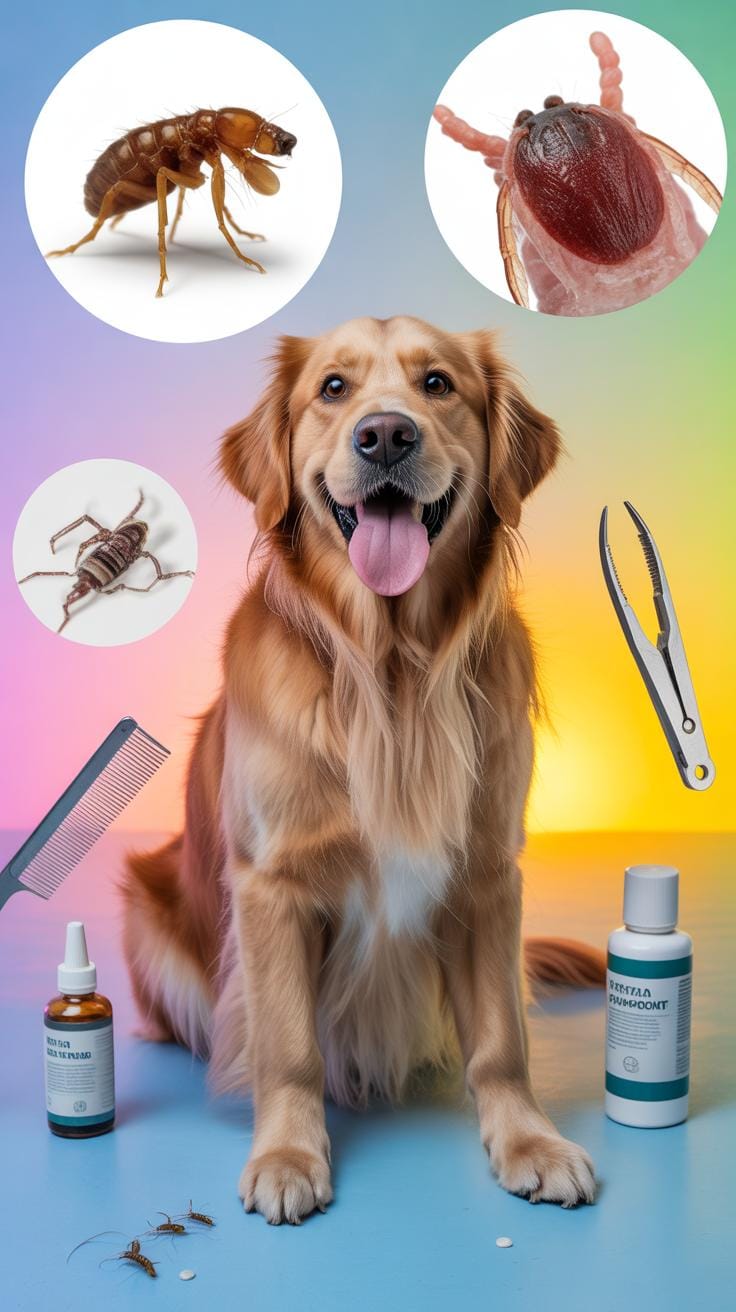
Adult fleas represent only five percent of the total population during an infestation. The remaining ninety-five percent exists as eggs, larvae, and pupae in your carpets or yard. Breaking this cycle requires killing adults before they lay eggs. Fleas can lay fifty eggs per day. These eggs fall off the dog and hatch within days. You must treat the dog consistently to stop new generations.
Ticks operate differently but remain equally dangerous. They wait on vegetation to latch onto passing hosts. Once attached, they feed on blood and can transmit diseases like Lyme or Anaplasma. The life cycle involves four stages and can take up to three years to complete. You cannot rely on seasonal treatments because many tick species remain active even during mild winter days. Consistent year round parasite control dogs need is vital.
Effective Environmental Control Strategies To Eliminate External Parasites From Your Home
Eliminating parasites from the home requires a dual approach targeting both the pet and the physical space. Vacuuming is the most effective mechanical tool for removing eggs and larvae from floor surfaces. You must dispose of the vacuum bag or empty the canister outside immediately. This prevents captured pests from crawling back into the living area. Focus on areas where your dog sleeps or spends the most time.
- Hot Water Washing: Launder all pet bedding and fabric toys in water reaching at least one hundred forty degrees Fahrenheit. High heat kills eggs and larvae that survive standard detergents. Dry these items on the highest heat setting for thirty minutes to ensure total elimination of hidden pests.
- Targeted Vacuuming: Use a vacuum with a beater bar on carpets and a crevice tool for baseboards and furniture seams. Vibration from the vacuum encourages flea pupae to emerge from their protective cocoons. This makes them vulnerable to the suction or any concurrent chemical treatments you apply.
- Outdoor Landscaping: Keep grass mowed short and remove leaf litter or brush piles from the yard. Ticks thrive in tall grass and moist debris where they stay protected from the sun. Creating a dry and sunny environment makes your yard less hospitable for adult ticks and fleas.
- Steam Cleaning: Professional or high-grade steam cleaners reach deep into carpet fibers where larvae hide. The intense heat kills juvenile stages of fleas and mites on contact. This method reaches deeper than traditional vacuuming and provides a non-toxic way to sanitize heavily infested upholstered furniture.
- Dehumidification: Maintain indoor humidity levels below fifty percent to dehydrate flea larvae and eggs. Fleas require high humidity to survive their early life stages. A dry environment prevents the development of the next generation and slows down the overall speed of the infestation cycle.

Chemical interventions may be necessary for severe infestations. Use insect growth regulators to prevent larvae from maturing into breeding adults. Always choose products labeled safe for indoor use around pets and follow all ventilation instructions. Consistent cleaning prevents re-infestation from eggs that hatch weeks after your initial treatment. Total control takes time because you must wait for every existing pupa to hatch and die.
Health Care Practices For Multi Dog Households And High Risk Environments

Managing Parasite Prevention When Multiple Dogs Or Pets Share The Same Space
Multiple pets create a closed loop for parasite transmission. If one dog carries fleas or intestinal worms, every animal in the home is at risk. You must treat all pets simultaneously to break the life cycle. Overlooking one cat or dog allows parasites to persist in the environment. This constant reinfection makes isolated treatments useless. Consistent year round parasite control dogs require universal compliance.
Cross-species transmission is a serious threat in multi-pet homes. Fleas do not discriminate between dogs and cats. Roundworms and hookworms spread through shared outdoor areas via feces. You must use species-specific products for each animal. Never use canine flea medication on cats as it is often toxic. Coordinate all preventative doses on the same day every month. This strategy ensures no pet acts as a host.
The best medicine is the love that protects a loyal friend from every hidden burden, season after season. True companionship thrives when we safeguard the comfort of those who walk faithfully by our side.
Special Parasite Precautions For Dogs That Frequent Dog Parks Kennels Or Trails
High-traffic areas like dog parks increase exposure to resilient parasites. Giardia and coccidia thrive in shared water bowls and communal dirt. These environments harbor eggs and larvae from dozens of other animals daily. Your dog needs more than just basic heartworm pills. You must monitor for symptoms like diarrhea or lethargy after visits. Frequent bathing helps remove hitchhiking ticks or flea eggs before they enter your home.
Nature trails and boarding kennels offer unique biological challenges. Ticks thrive in tall grass and wait for passing hosts. Kennels can facilitate the rapid spread of external parasites through close contact. Use a fast-acting preventative that kills fleas and ticks on contact. Always perform a physical check after every hike. Look between toes and inside ears. Early detection prevents a small exposure from becoming a full household infestation.
Building A Long Term Year Round Parasite Control Plan Tailored To Your Dogs
Working With Your Veterinarian To Create A Customized Annual Parasite Prevention Schedule
Veterinarians use local data to assess specific risks in your area. You must provide your vet with a detailed history of your dog’s lifestyle. Tell them about hiking habits, boarding frequency, and contact with other animals. This information allows the vet to select the right spectrum of protection. They will target heartworms, fleas, ticks, and intestinal worms based on actual exposure risks.
Custom schedules prevent gaps in protection that occur with generic over-the-counter products. Your vet will determine the best administration interval for your specific dog. Some dogs require monthly oral doses while others benefit from long-acting injectables or topical solutions. Follow the prescribed timeline strictly. Professionals base these dates on the life cycles of parasites. Maintaining this cadence ensures the medicine remains effective in the bloodstream.
Tracking Record Keeping And Staying Up To Date With Evolving Parasite Prevention Guidelines
Accurate records ensure you never miss a dose. Use a digital calendar or a physical log to track every treatment date. Note the specific brand and dosage used each time. This log helps you identify adverse reactions or product failures quickly. If your dog gets sick, this data is critical for the vet. Consistent tracking eliminates the guesswork that leads to infestations.
Parasite threats change as climates shift and pests migrate to new regions. The Companion Animal Parasite Council frequently updates their maps and recommendations. Stay informed by reviewing these guidelines annually with your vet. Newer products often offer better safety profiles or broader protection than older chemicals. Update your dog’s plan whenever significant environmental changes or medical advancements occur. This proactive stance keeps your dog safe.
Frequently Asked Questions

Why do I need to worry about fleas and ticks during the winter months?
Many owners mistakenly believe pests disappear when temperatures drop, but many parasites can survive indoors or in protected outdoor microclimates. Maintaining year round parasite control dogs need ensures there are no gaps in protection during unseasonably warm spells. Consistent prevention is significantly easier and safer than trying to eliminate a full-blown infestation that has taken root in your carpets and upholstery during the colder seasons of the year.
What is the best way to establish a consistent prevention routine for my pet?
The most effective approach is to pair your dog’s preventative medication with a recurring monthly event, such as a rent payment or a grooming session. To optimize year round parasite control dogs require a multi-layered strategy: use a veterinarian-approved topical or oral treatment, perform regular tick checks after hikes, and keep your lawn trimmed. Setting digital reminders on your smartphone ensures you never skip a dose, providing seamless, life-long protection.
Are there any affordable ways to manage flea and tick prevention on a budget?
Investing in preventative care is always more cost-effective than treating serious diseases like Lyme or heartworm later on. To save money, ask your veterinarian about generic equivalents of popular brands or look for multi-pack rebates. Additionally, maintaining a clean home environment by vacuuming frequently and washing pet bedding in hot water can reduce the parasite load naturally, making your primary chemical preventatives much more effective without increasing your monthly spending.