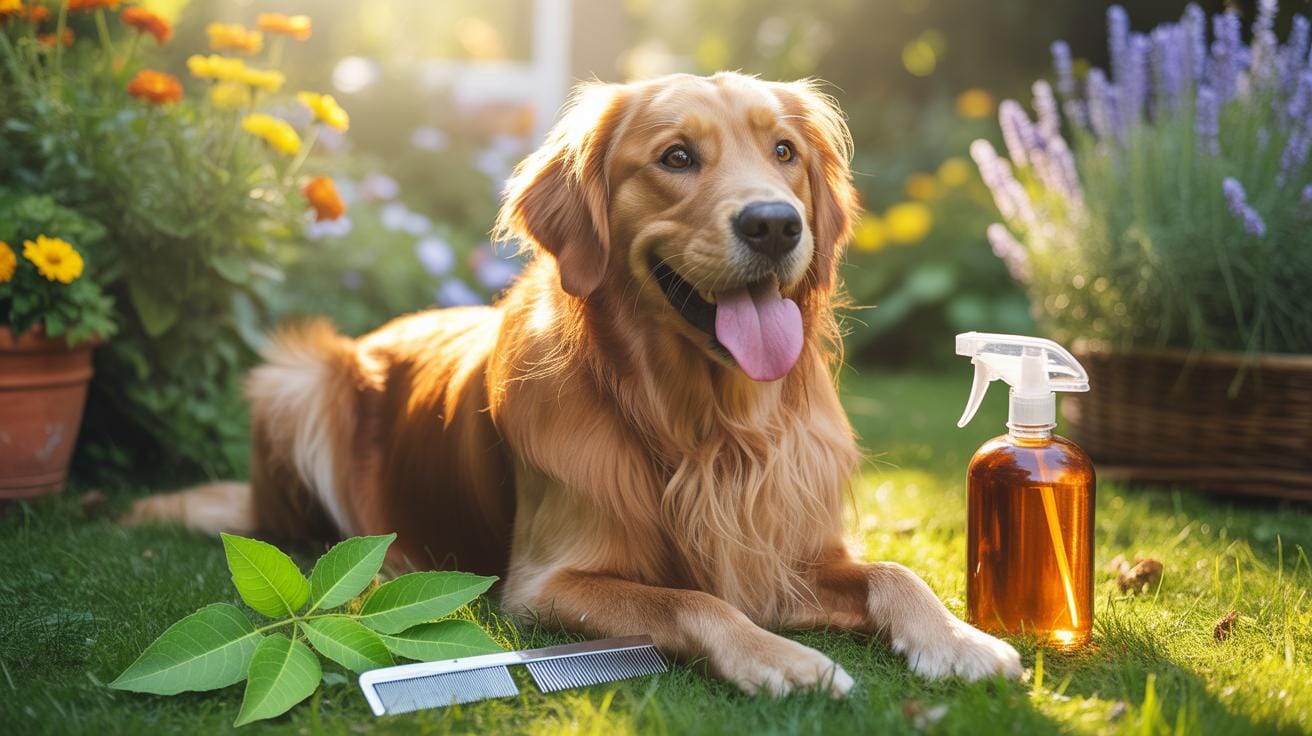
Understanding Fleas Why Dog Flea Remedies Need To Target The Full Life Cycle
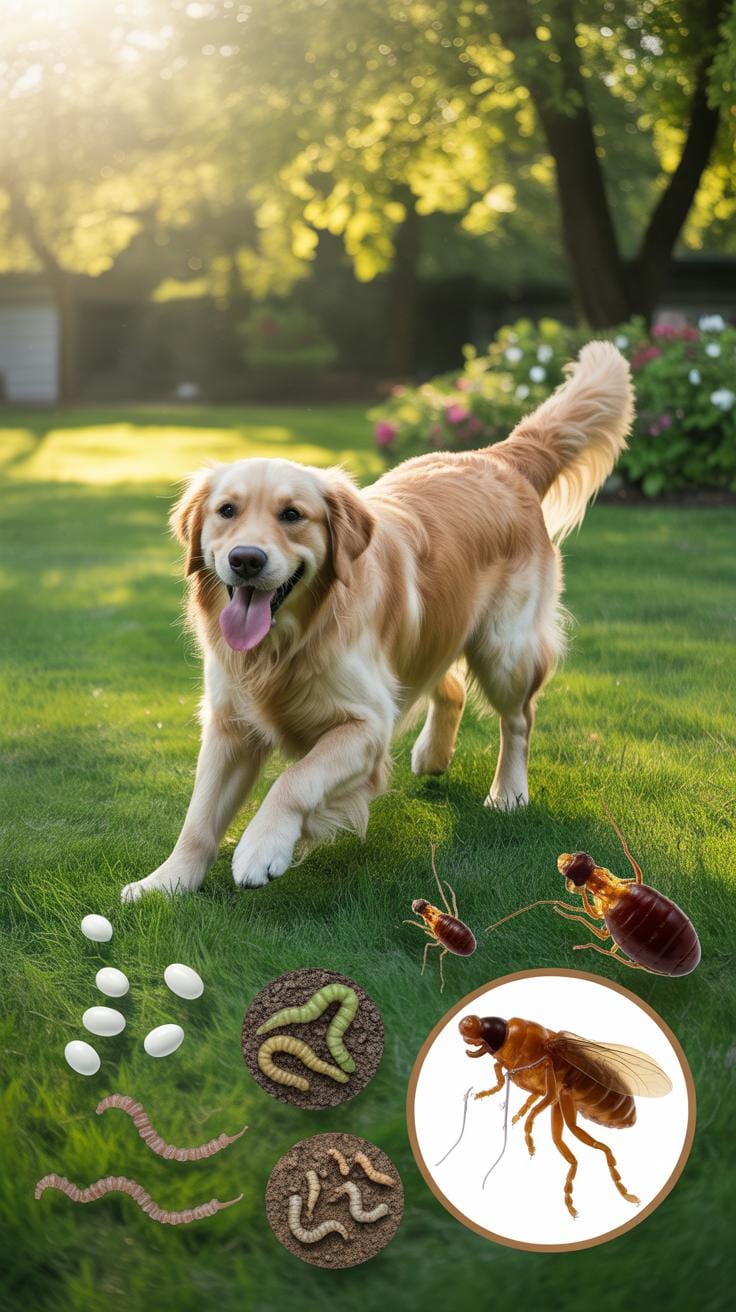
The Four Stages Of A Fleas Life Cycle And Why They Matter
Fleas progress through four distinct stages: egg, larva, pupa, and adult. Adult fleas represent only five percent of the total population in an infestation. The remaining ninety-five percent exist as eggs, larvae, and pupae hidden in your home. Most owners fail because they only kill the jumping adults. Effective dog flea treatment home strategies must neutralize every single stage to prevent constant re-infestation.
The pupal stage is the most difficult to kill. These cocoons protect developing fleas from chemicals and environmental changes. They can stay dormant for months until they detect heat or vibrations from a host. You cannot stop the cycle by treating the dog one time. You must maintain a continuous attack. Consistent treatment ensures that emerging adults die before they can lay new eggs on your pet.
How Fleas Spread From Your Dog To Your Home Environment
Infestation begins when an adult flea jumps onto your dog. This flea feeds on blood and starts laying eggs within twenty-four hours. These eggs are not sticky. They fall off your dog as it moves through your house. Your carpets, furniture, and pet bedding become a massive nursery for the next generation. Your dog acts like a living salt shaker spreading flea eggs everywhere.
Larvae hatch from these eggs and crawl deep into carpet fibers or floor cracks. They avoid light and feed on organic debris and adult flea droppings. This migration makes traditional surface cleaning insufficient. You must treat the physical environment and the dog simultaneously. Failure to address the hidden larvae ensures the infestation will return soon. Focus your efforts on areas where your dog sleeps or spends significant time.

DIY Flea Spray For Dogs How To Make A Safe And Effective Formula At Home
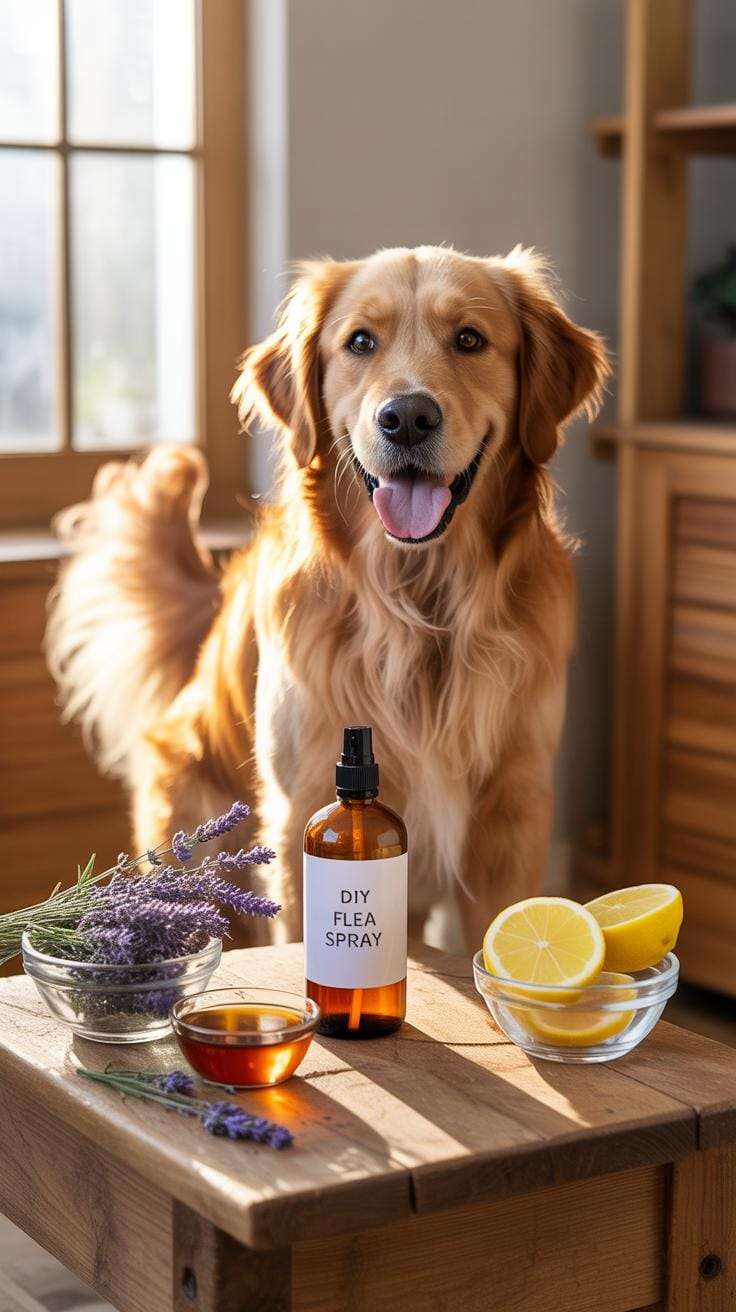
Key Ingredients That Make A Reliable DIY Dog Flea Spray
Effective homemade sprays rely on acidic bases and specific plant compounds to repel adult fleas. Distilled white vinegar or apple cider vinegar creates an acidic environment that pests avoid. Diluting these liquids with water prevents skin dehydration while maintaining chemical potency. Adding specific citrus extracts or plant oils provides a secondary layer of defense by disrupting the sensory receptors fleas use to locate hosts.
- Apple Cider Vinegar: This fermented liquid changes the pH level of a dog’s coat to make it unattractive to pests. It does not kill fleas on contact but serves as a powerful repellent. Dilute it with equal parts water to ensure it does not sting or dry out the skin.
- Lemon Juice: Limonene is a natural compound found in citrus fruits that acts as a solvent against flea shells. Boiling sliced lemons in water creates a sprayable infusion. Use this carefully on light-colored dogs as it may cause temporary staining or sun sensitivity if applied too heavily.
- Distilled Water: Pure water acts as the necessary carrier for active ingredients to ensure even distribution across the fur. Using distilled water instead of tap water prevents mineral buildup in the spray bottle. It keeps the DIY solution shelf-stable for longer periods by reducing bacterial growth during storage.
- Lavender Oil: Pure essential oil from lavender plants can soothe irritated skin while providing moderate repellent properties. You must use high-quality therapeutic grade oils and dilute them heavily. Never apply undiluted oils directly to a dog because their sense of smell is highly sensitive and concentrated oils cause distress.
- Witch Hazel: This botanical extract acts as an astringent that helps the spray dry quickly on the coat. It also reduces the itching caused by initial flea bites during the treatment process. Alcohol-free versions are mandatory to prevent stinging any open sores or scratches your dog may already have.
Balance is critical when mixing these ingredients to avoid side effects. High concentrations of vinegar can cause metabolic acidosis if a dog licks excessive amounts off their fur. Always test a small patch of skin before applying the mixture to the entire body. Homemade solutions require frequent reapplication because they lack the residual chemicals found in industrial products. Consistency is the only way to maintain a successful repellent barrier.
How To Apply Homemade Flea Spray Safely Without Irritating Your Dog’S Skin
Start the application process by shielding the dog’s eyes and nose with your hand or a dry cloth. Mist the solution lightly over the back, legs, and underbelly where fleas congregate. Use a soft brush or your fingers to work the liquid down through the topcoat to the skin. Do not soak the animal to the point of dripping as this increases the risk of the dog licking the product.

Monitor the skin for redness or hives for at least twenty-four hours after the first use. If your dog has broken skin or scabs from scratching, avoid those areas to prevent intense stinging. Reapply the spray before walks or outdoor play to maximize the repellent effect. Store the mixture in a cool, dark place to preserve the potency of the natural extracts and discard any batch older than two weeks.
Natural Flea Repellent For Dogs What Science And Experience Actually Support
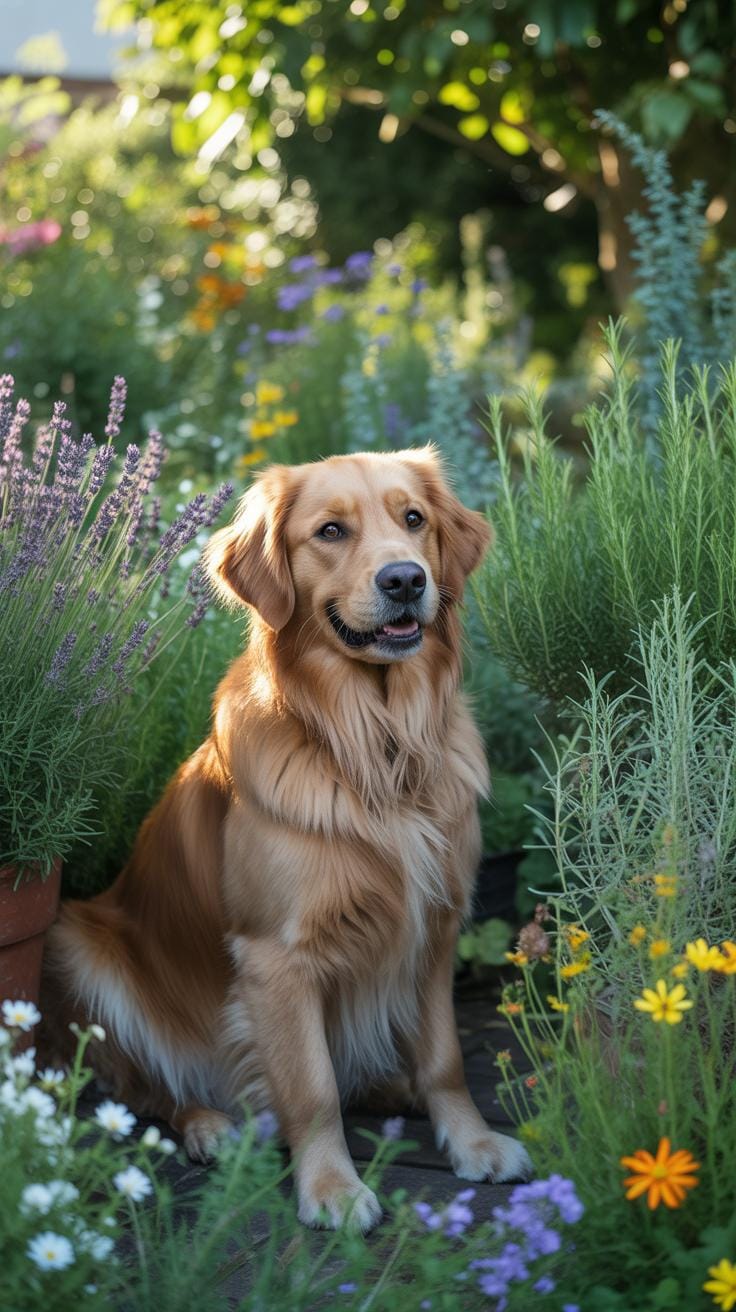
Cedarwood Oil, Lavender, And Lemon: What The Evidence Says
Cedarwood oil contains cedrol. This compound disrupts the respiratory system of adult fleas. Research shows it can also dissolve the exoskeleton of larvae upon direct contact. You must use diluted, therapeutic-grade oils to avoid skin irritation. This method works as a temporary barrier but does not provide long-term protection. It acts as a contact killer rather than a residual preventative.
Lavender and lemon offer limited repellent properties through scent. Linalool in lavender and limonene in lemon peel mask the carbon dioxide cues that fleas use to find hosts. However, these scents evaporate quickly in open air. They lack the potency to kill fleas or stop an active infestation. Use these only as a secondary layer of defense alongside more robust mechanical controls.
Natural Ingredients That Are Unsafe For Dogs And Must Be Avoided
Many owners assume natural means safe. This is false. Pennyroyal oil contains pulegone, which causes acute liver failure in dogs. Even small amounts absorbed through the skin can be fatal. Garlic is another common mistake. It contains thiosulfate, which damages canine red blood cells. High doses lead to hemolytic anemia. Avoid these ingredients entirely to ensure your dog remains healthy.

Essential oils like tea tree and peppermint also carry high risks. Tea tree oil causes tremors and vomiting if the concentration exceeds one percent. Peppermint oil can irritate the sensitive lining of a dog’s nose and throat. Always check labels for these toxic substances before applying any home mixture. Stick to vetted ingredients that do not compromise the metabolic or respiratory health of your animal.
Homemade Flea Spray For Dogs Apple Cider Vinegar And Dish Soap Solutions Explained
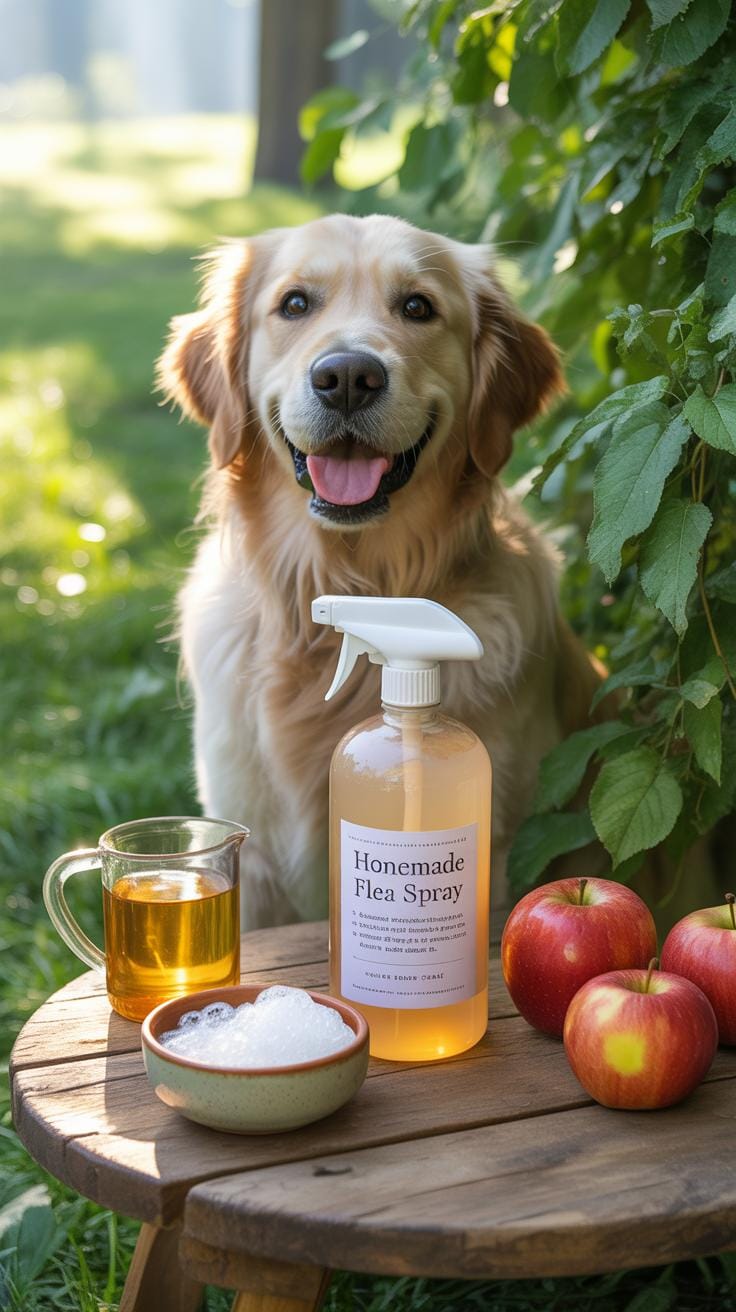
Does Apple Cider Vinegar Actually Kill Fleas Or Just Repel Them?
Apple cider vinegar does not kill fleas. It lacks the chemical properties to penetrate a flea’s exoskeleton or disrupt its nervous system. Vinegar acts only as a repellent. The strong scent and acidic pH make the dog’s fur an unattractive environment for adult fleas. They will jump off the animal to find a better host. This moves the problem from the dog to your carpet.
Using vinegar is a temporary management tactic for dog flea treatment home routines. It creates a hostile surface but does nothing to stop the life cycle. You cannot rely on it to end an infestation. It serves best as a light spray for short outdoor walks. Spraying a dog with vinegar helps keep new fleas away for a few hours. Always dilute it with water to prevent skin irritation.
Using Dish Soap As A Flea Bath: What It Does And Its Limitations
Dish soap kills adult fleas through physical action. It breaks the surface tension of water. Fleas normally float because of their hard shells and tiny hairs. Soap allows the water to enter the flea’s breathing pores. This drowns the insect within minutes. It is a highly effective way to clear the current load of adult fleas off your dog during a bath.

The soap does not provide any lasting protection. It has no residual effect once you rinse it away. It also fails to kill flea eggs or larvae hiding in the coat. Frequent use strips the natural oils from a dog’s skin. This causes dryness, scaling, and severe itching. Use it as a one-time emergency knockdown tool. Follow up with a proper long-term preventative to stop re-infestation.
Flea Remedies For The House Treating Your Home Environment Alongside Your Dog
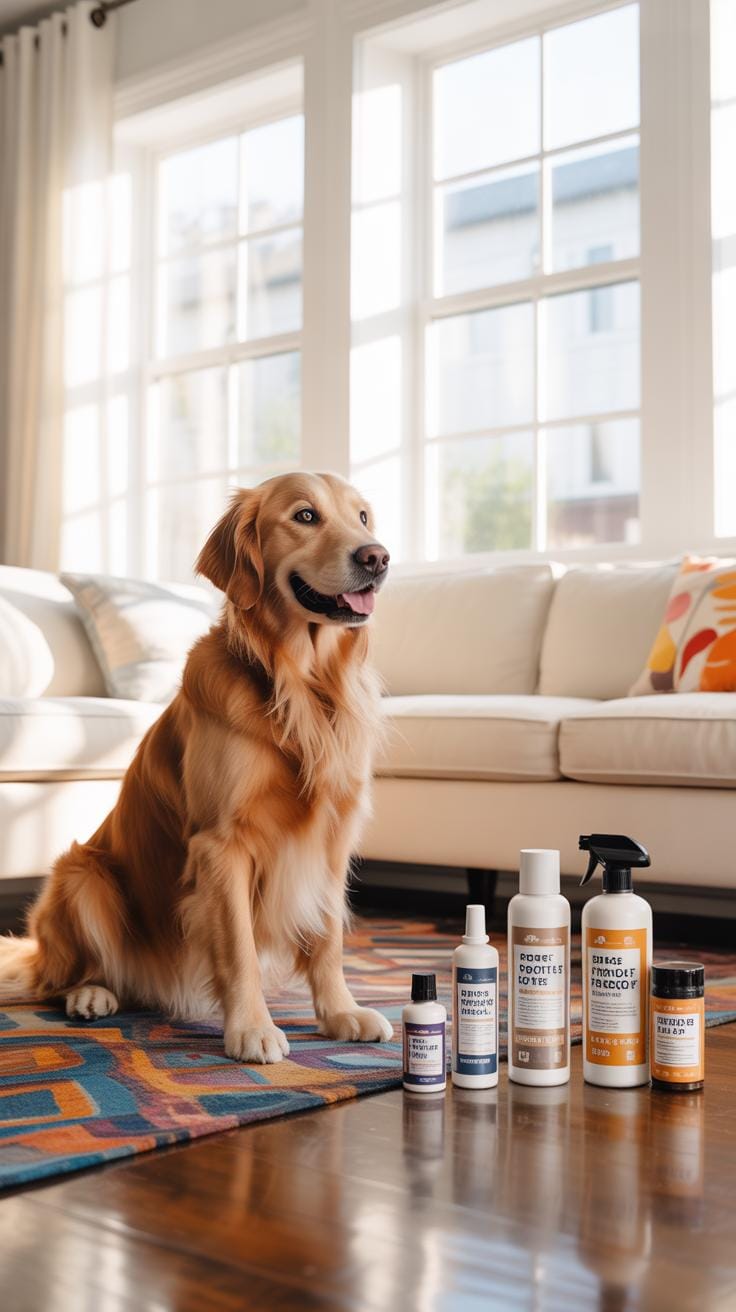
Vacuuming, Washing, And Steam Cleaning: The Non Toxic First Line Of Defense
Mechanical removal is your primary weapon against flea infestations. Vacuuming pulls adult fleas, larvae, and eggs out of carpets and baseboards. The physical pressure and heat inside a vacuum bag kill many fleas instantly. You must vacuum every day during an active outbreak. Focus on dark corners and under furniture where larvae hide from light. Empty the vacuum canister or bag outdoors immediately to prevent re-entry.
Hot water washing is the only way to clear flea life stages from fabrics. Wash all dog bedding, rugs, and curtains in water reaching at least one hundred forty degrees Fahrenheit. High heat in the dryer for twenty minutes kills any remaining survivors. For deep carpets, use a steam cleaner. The high temperature of professional steam units penetrates fibers to destroy eggs that vacuuming misses. Use these methods weekly.
Diatomaceous Earth As A Flea Remedy For Your House: How To Use It Correctly
Diatomaceous earth is a powder made from fossilized algae. Only use food-grade versions to ensure safety for dogs. This substance works through mechanical action rather than chemical poisoning. The microscopic sharp edges of the powder cut through the flea exoskeleton. This causes the insect to dehydrate and die within hours. Apply a thin layer to carpets and pet resting areas. Let it sit before vacuuming it up.

Proper application requires a light touch. Large piles of powder are ineffective because fleas will simply walk around them. Use a hand duster to create a fine mist over floor surfaces. Wear a mask during application to avoid inhaling the dust. You must keep the area dry because moisture ruins the abrasive properties of the powder. Reapply the treatment after vacuuming or if the area becomes damp to maintain a lethal environment.
Flea Remedy For The House Treating Carpets Bedding And Furniture Effectively
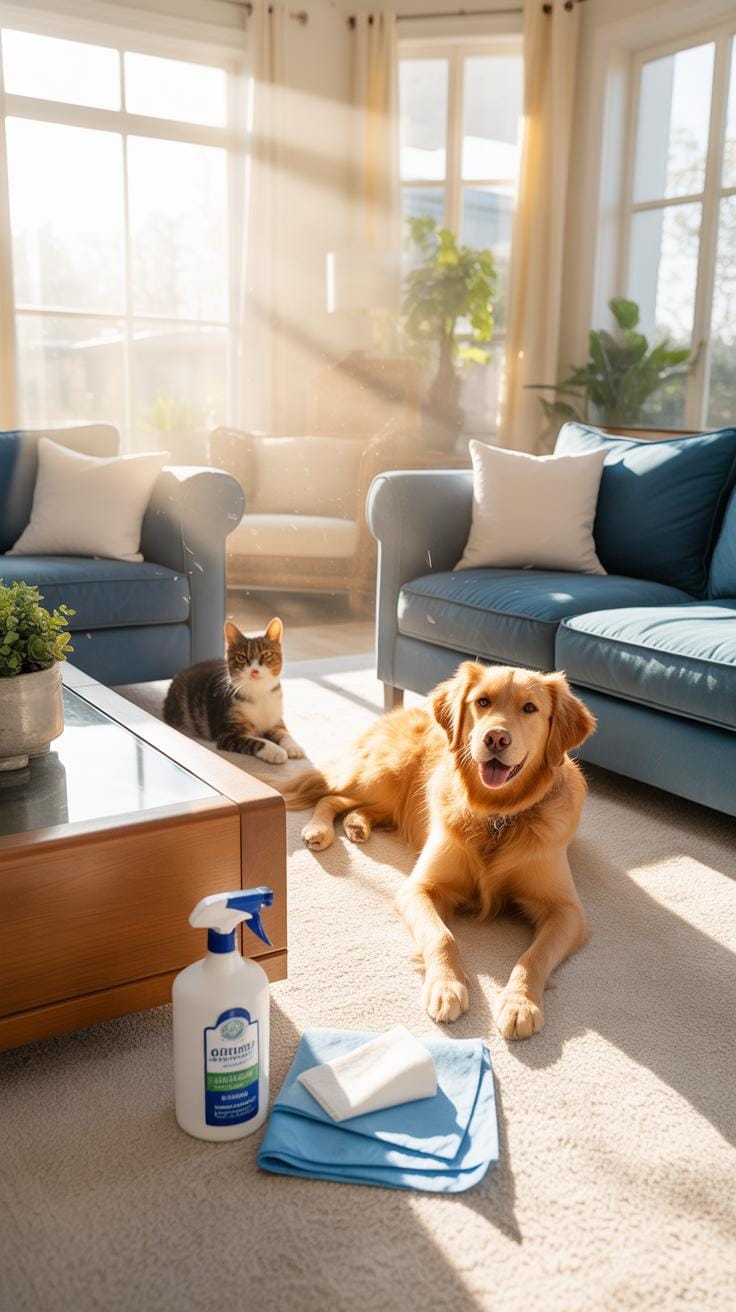
Room By Room Strategy For Eliminating Fleas From Every Corner Of Your Home
Start your cleanup in the area where your dog sleeps. This location contains the highest concentration of flea eggs and larvae. Strip all bedding and wash it in water above 140 degrees Fahrenheit. High heat kills every life stage of the flea instantly. Move furniture to expose baseboards and dark corners. Fleas avoid light and thrive in these hidden zones.
Vacuum all floor surfaces with a high-powered machine. Focus on the edges of the room and underneath rugs. Dispose of the vacuum bag or empty the canister outside immediately. This prevents trapped fleas from crawling back into the living space. Treat upholstered furniture with a steam cleaner to reach deep into the fabric. Repeat this cleaning process every two days.
There is no comfort quite like the peace of a home where your dog can rest without a care. Protecting them with proven remedies is the greatest kindness we can offer our most faithful friends.
How Long Flea Treatments Need To Run To Break The Infestation Cycle
Consistency determines the success of your home treatment plan. A single cleaning session will not end an infestation. Flea eggs can hatch days or weeks after you start your efforts. You must maintain a strict cleaning schedule for at least three consecutive months. This timeframe accounts for the entire life cycle of the insect from egg to biting adult.

Monitor your progress by checking the dog daily with a fine-toothed metal comb. If you find live fleas, you have missed a breeding spot in the house. Dormant pupae are resistant to many common chemicals and environmental changes. They wait for heat and vibration before emerging. Continued vacuuming triggers their emergence and removes them before they lay new eggs.
Flea Prevention Keeping Fleas Off Your Dog And Out Of Your Home Long Term
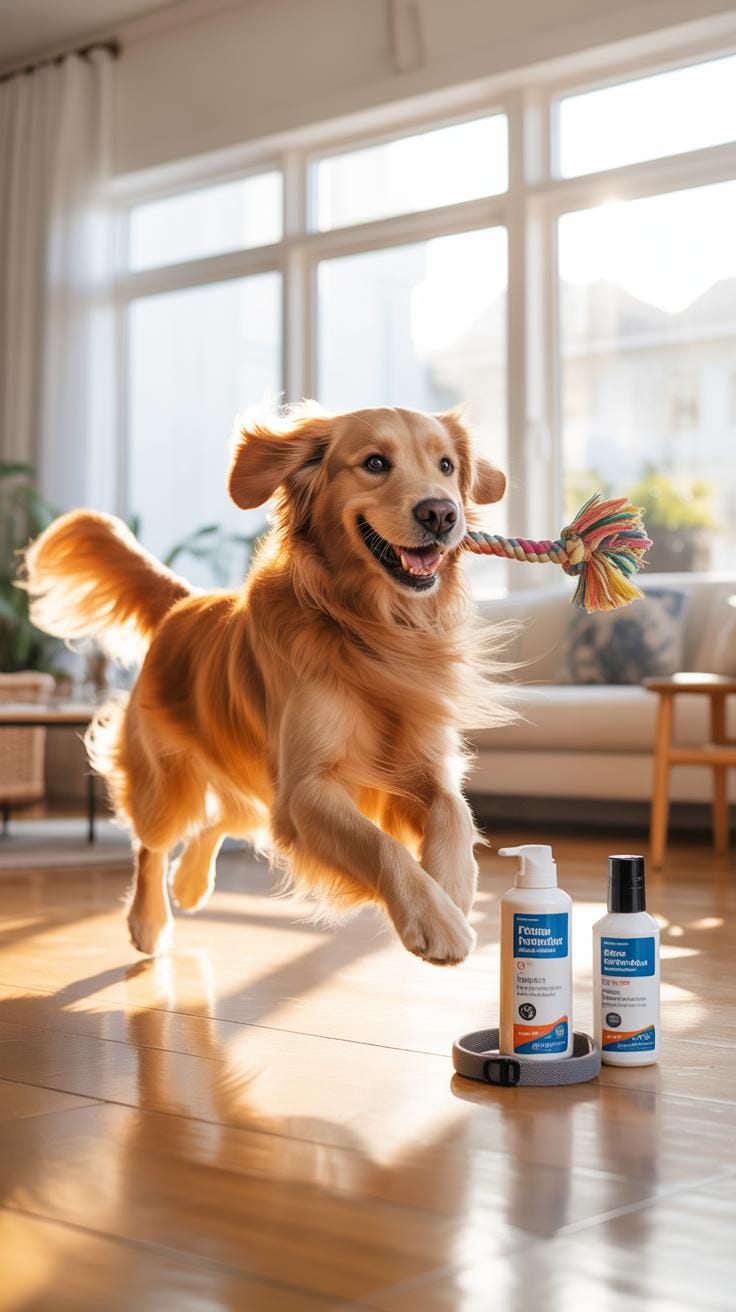
Year Round Flea Prevention Habits That Reduce The Risk Of Re Infestation
Flea prevention requires a consistent schedule to break the life cycle permanently. Homeowners often stop treatment during winter months. This mistake allows surviving larvae to hatch when indoor temperatures rise. You must maintain a defensive perimeter around your pet and their living space. Success depends on mechanical removal of eggs and chemical disruption of growth. Direct action stops a small problem from becoming a massive infestation.
- Vacuuming High-Traffic Areas: Run a vacuum over carpets and rugs at least twice a week. Focus on baseboards and under furniture where larvae hide from light. Empty the canister or bag immediately into an outdoor trash bin to prevent fleas from crawling back inside your home.
- Hot Water Laundry: Wash all pet bedding and soft toys in water reaching at least 140 degrees Fahrenheit. High heat kills eggs and larvae that resist standard detergents. Perform this task weekly to ensure no survivors remain in the fabric. This habit eliminates the primary nesting grounds for pests.
- Yard Maintenance: Keep grass short and remove leaf piles where fleas thrive in shade and moisture. Sunlight kills flea larvae by drying them out quickly. Create a dry barrier by clearing debris away from the foundation of your house. This reduces the outdoor population before they hitch a ride.
- Regular Coat Inspections: Use a fine-tooth flea comb on your dog after every outdoor excursion. Focus on the base of the tail and the neck area where pests congregate. Dip the comb into soapy water to drown any insects you find. Early detection prevents a few fleas from laying thousands of eggs.
- Flea Growth Regulators: Use products containing methoprene or pyriproxyfen to stop eggs from maturing into biting adults. These chemicals mimic natural hormones to stall the insect life cycle. Apply these treatments to carpets and upholstery twice a year. This strategy targets the ninety-five percent of the population that lives off the dog.
Consistent hygiene habits reduce the biological load in your environment. You cannot rely on a single treatment to solve the problem forever. Veterinary experts confirm that environmental control is just as vital as treating the animal. Monitor your dog daily for signs of scratching or skin redness. Maintain these protocols during every season to ensure fleas never gain a foothold in your living space again.
When Home Flea Prevention Is Not Enough And Veterinary Help Is Needed
Home remedies and over-the-counter sprays have clear biological limits. You must seek professional help if the skin appears raw or bloody. Open sores lead to secondary bacterial infections that require antibiotics. Chronic scratching indicates a more serious condition like flea allergy dermatitis. Contact a veterinarian immediately if your dog develops pale gums or extreme lethargy. These symptoms suggest flea-borne anemia or internal parasites like tapeworms.

A persistent infestation despite heavy cleaning signals a failure in your current strategy. Professional-grade prescriptions offer higher efficacy than hardware store products. Veterinarians provide oral medications that kill adult fleas within hours. They can also identify specific pests that may be resistant to local chemical treatments. Do not waste money on failing retail solutions when the health of your dog is at stake. Expert intervention saves time and prevents long-term physical damage to your pet.
Comparing Home Flea Treatments To Vet Recommended Options Making An Informed Choice
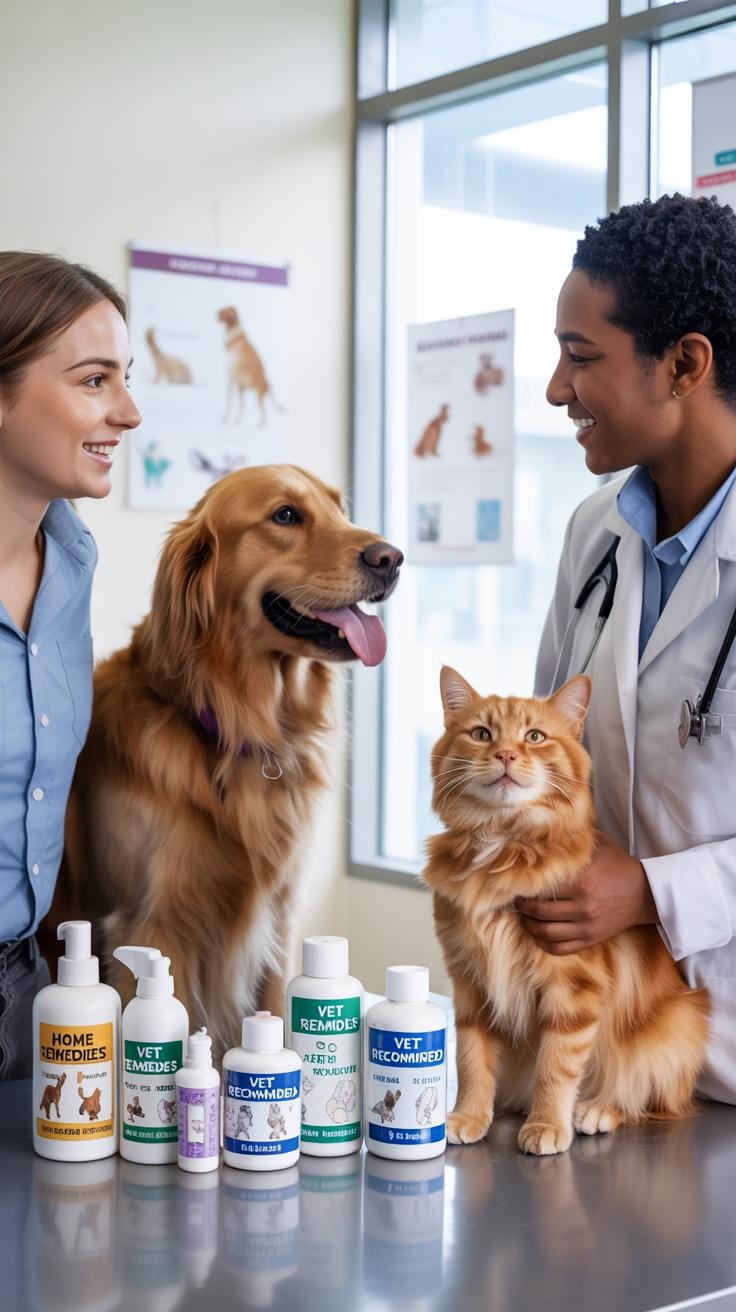
How Topical Spot On Treatments And Oral Flea Medications Work Differently Than DIY Methods
Veterinary medications utilize advanced pharmacology to target the nervous systems of parasites. Oral tablets enter the bloodstream to kill fleas almost instantly upon a bite. Topical spot-ons spread through skin oils to create a chemical barrier. These products often contain growth regulators that stop eggs from hatching. DIY methods like vinegar or essential oils lack this systemic reach. They only work on contact and do not provide lasting protection.
Natural home remedies focus on repelling insects rather than eliminating infestations. They lack the residual power of regulated chemicals like fipronil or fluralaner. These synthetic compounds remain active for thirty to ninety days. Home treatments wash off easily and require constant reapplication. You cannot rely on DIY liquids to break the flea life cycle. Use medical options for active infestations and keep natural methods for light preventative maintenance only.
Balancing Cost, Safety, And Effectiveness When Choosing Your Dog Flea Treatment At Home
Budget often drives the choice of dog flea treatment home applications. Generic store brands cost less but sometimes use older, harsher chemicals. Natural DIY solutions appear cheapest but often fail to stop a growing infestation. This failure leads to expensive professional pest control costs later. Consider the total value of a product that works the first time. Saving ten dollars now can cost hundreds in property cleaning later.

Safety requires strict adherence to dosage instructions and species labeling. Never apply cat-specific products to dogs as they often contain permethrin. This chemical is toxic to felines and can cause seizures. Evaluate your dog’s specific health history before applying any chemicals. Monitor for skin irritation or lethargy after any new treatment. Effectiveness depends on matching the product strength to the severity of your local flea population and climate.
Frequently Asked Questions

How do I know if my dog needs a flea treatment at home?
If you notice your pet scratching excessively, biting at their skin, or developing red bumps, it is likely time for a dog flea treatment home remedy or professional product. You should check their fur for “flea dirt,” which looks like small black pepper flakes. Catching an infestation early makes it much easier to manage the cycle and keep your living spaces comfortable for both you and your furry friend.
What is the most effective way to apply a dog flea treatment home solution?
For the best results, start by thoroughly vacuuming your carpets and washing all pet bedding in hot water. When applying a dog flea treatment home topical or spray, ensure you follow the manufacturer’s instructions precisely, applying the product directly to the skin rather than just the fur. Consistency is key; treating your dog monthly prevents new eggs from hatching and keeps your household free from these resilient parasites throughout the entire year.
Are there affordable ways to manage fleas without breaking the bank?
Absolutely. Maintaining a budget-friendly routine involves preventative care, such as regular flea combing and frequent cleaning of high-traffic pet areas. Diatomaceous earth (food grade) is a cost-effective mineral powder often used as a supplement to other methods. While store-bought products have upfront costs, preventing a full-blown infestation is much cheaper than professional extermination. Combining basic hygiene with affordable preventative drops is the most accessible way to protect your pet.