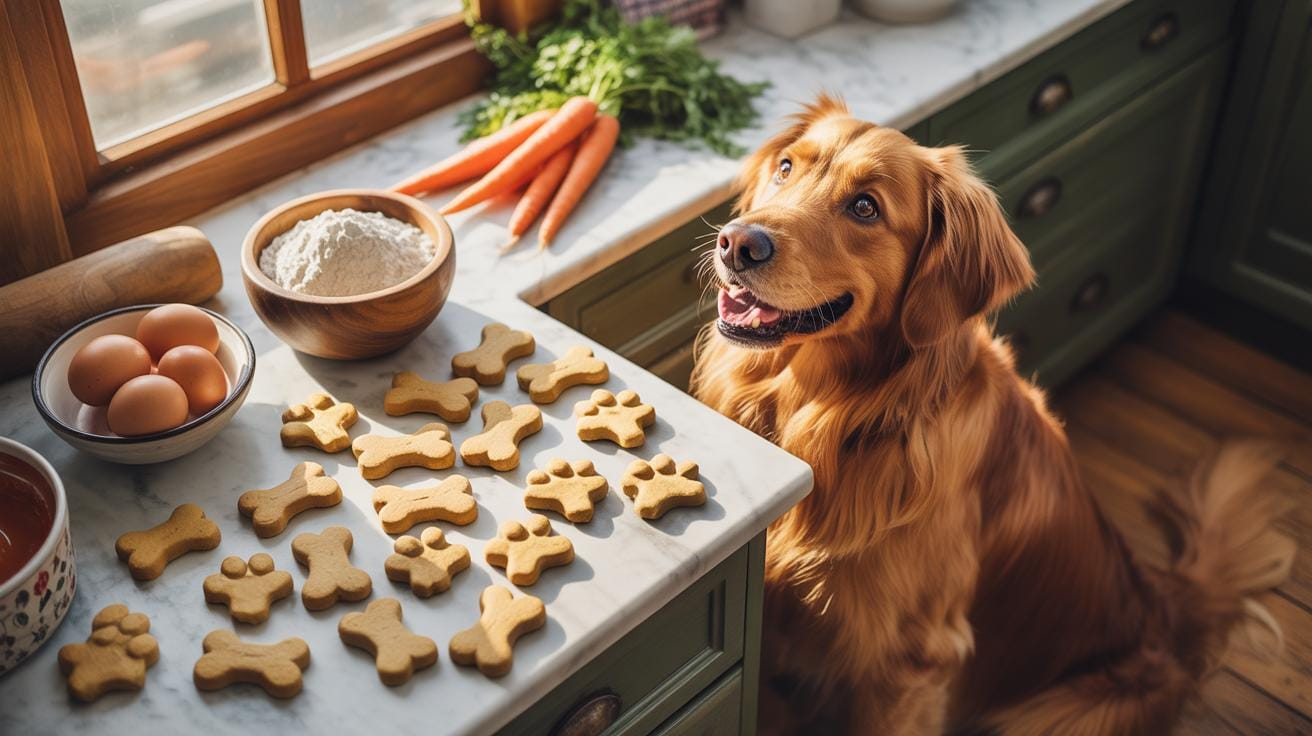
What Makes A Dog Treat Recipe Crunchy And Why Dogs Love The Texture
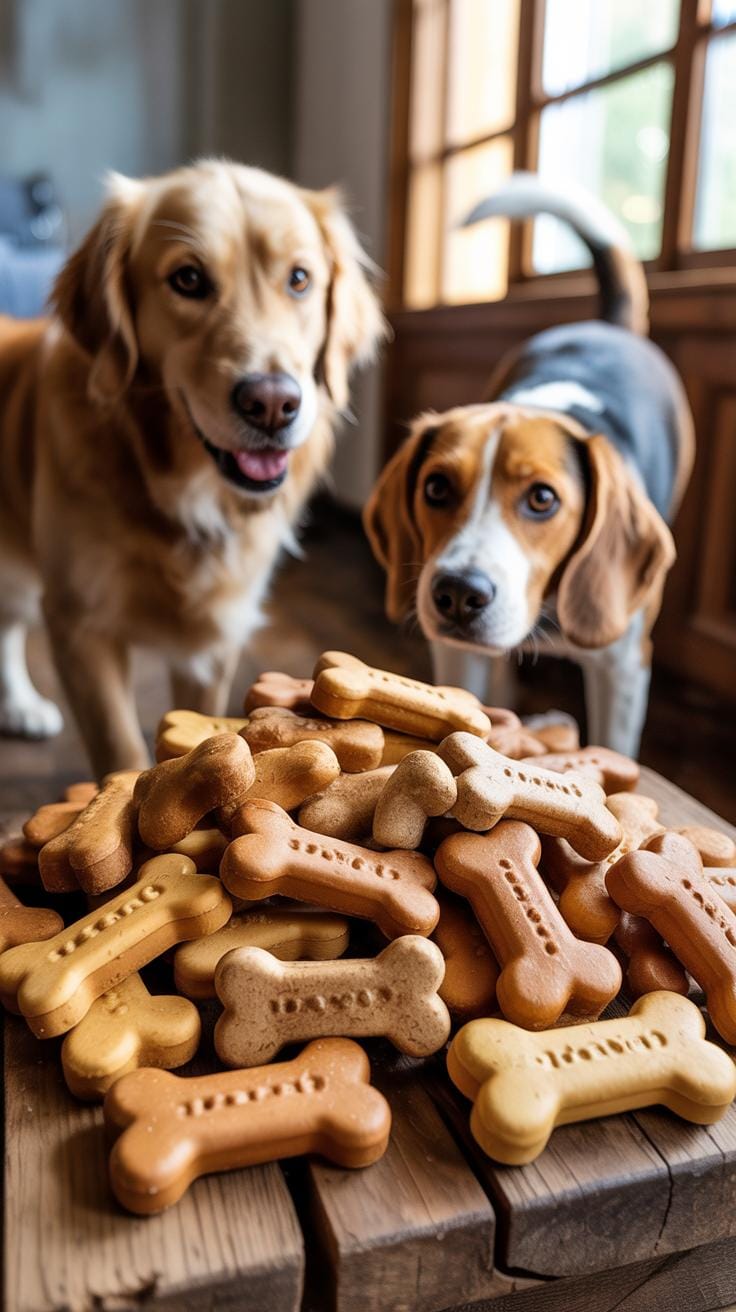
The Science Behind That Satisfying Crunch In Oven Baked Treats
Maillard reactions and moisture evaporation create the signature crunch in oven-baked treats. Heat drives water out of the dough during the baking process. This dehydration hardens the starch molecules and proteins. The resulting structure resists the initial bite before shattering. Dogs experience this as a distinct sensory reward. Harder textures stimulate the periodontal ligaments and provide positive tactile feedback.
Crunchy treats offer mechanical benefits during consumption. The abrasive action of a hard biscuit helps scrape soft plaque from the surface of teeth. This friction mimics the natural chewing behavior of wild canids. Modern dogs retain a biological drive to work their jaws against firm surfaces. A dry biscuit serves this instinct better than soft treats. Low moisture content also prevents rapid bacterial growth.
How Baking Temperature And Time Affect Treat Texture And Safety
Low temperatures over an extended period yield the most consistent crunch. High heat browns the exterior too quickly while leaving the center soft. A temperature range between 300 and 325 degrees Fahrenheit works best for structural integrity. This slow heat penetration ensures uniform drying. Moisture must drop below ten percent to achieve shelf stability. Testing for a clean snap indicates the water is gone.
Baking time dictates the final hardness of the product. Leaving treats in a cooling oven after the heat is off further reduces moisture. This step prevents the treat from becoming chewy or moldy over time. Removing water is a safety necessity for storage. Dry treats do not require chemical preservatives because mold cannot grow without water. Proper baking produces a safe and durable snack.

Dog Treats Homemade Easy Simple Pantry Ingredients That Are Safe For Dogs
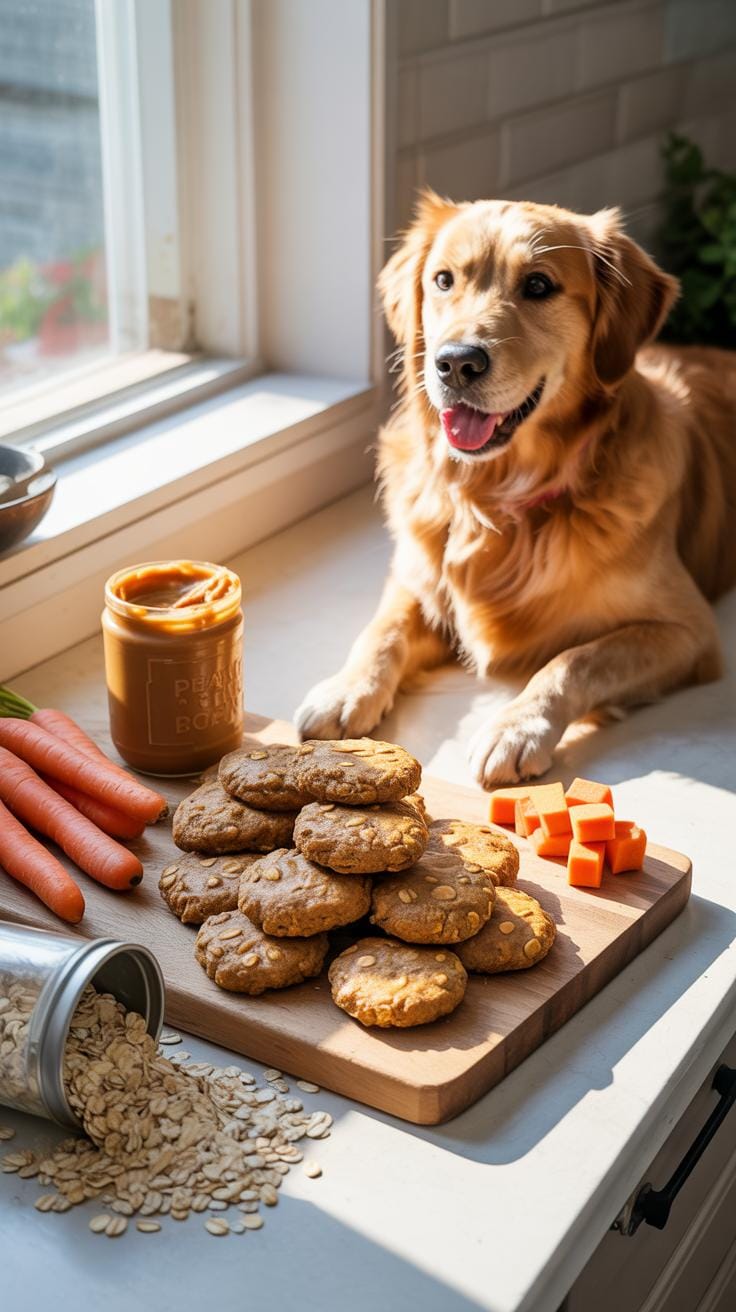
Common Dog Safe Ingredients You Likely Already Have At Home
Standard pantry staples provide the structural foundation for a crunchy dog treat recipe oven application. Whole wheat flour or oat flour creates the necessary density and snap after dehydration. Protective binders like eggs and natural fats ensure the dough holds its shape during the rolling process. Using these basic ingredients reduces cost and eliminates the chemical preservatives found in commercial pet snacks.
- Whole Wheat Flour: This grain provides the structure required for a hard, crunchy texture. It contains fiber and protein that assist with digestion. Ensure the dog does not have a specific grain allergy before using this as your primary base for baking.
- Natural Peanut Butter: Use only varieties that contain just peanuts and salt. This ingredient adds healthy fats and protein while acting as a strong flavor motivator. It helps bind dry ingredients together into a workable dough that resists crumbling before the baking process.
- Old Fashioned Oats: Rolled oats add texture and digestible fiber to the mix. They are an excellent alternative for dogs with minor sensitivities to traditional wheat. Grinding them into a coarse flour creates a tighter crumb for a snap that cleans teeth during chewing.
- Pumpkin Puree: Pure canned pumpkin provides soluble fiber and essential vitamins like Vitamin A. It adds moisture to the dough without requiring excessive oil or butter. Never use pumpkin pie filling because it contains added sugars and spices that are dangerous for canine consumption.
- Eggs: These act as the primary protein binder for your treat recipe. They help the dough rise slightly and then harden during the cooling phase. Eggs also provide essential amino acids and fatty acids that support coat health and overall skin condition for dogs.
Strategic ingredient selection determines the final shelf life of your homemade treats. Dry ingredients like oats and flour allow the oven to extract moisture more efficiently than wet substitutes. This moisture removal is the critical step for achieving a long-lasting crunch. Always prioritize dry, dense components to ensure the treats remain shelf-stable in an airtight container for several weeks.
Ingredients To Always Avoid When Making Homemade Dog Treats
Toxicity in canine nutrition is often counterintuitive to human cooking habits. Many common seasonings and sweeteners that improve human food cause systemic failure in dogs. Xylitol is a primary threat found in many sugar-free nut butters and can cause rapid insulin release. You must verify that every single pantry item is free of this synthetic sweetener before adding it to your mixing bowl.

Specific vegetables and fruits from the Allium and Vitis families cause long-term organ damage. Onions and garlic destroy canine red blood cells regardless of whether they are fresh, cooked, or powdered. Grapes and raisins lead to acute kidney failure even in small quantities. Stick to proven safe ingredients and skip the culinary experimentation to ensure every batch of treats remains safe and biologically appropriate for your pet.
Classic Dog Treat Recipes Peanut Butter And Oat Oven Baked Biscuits
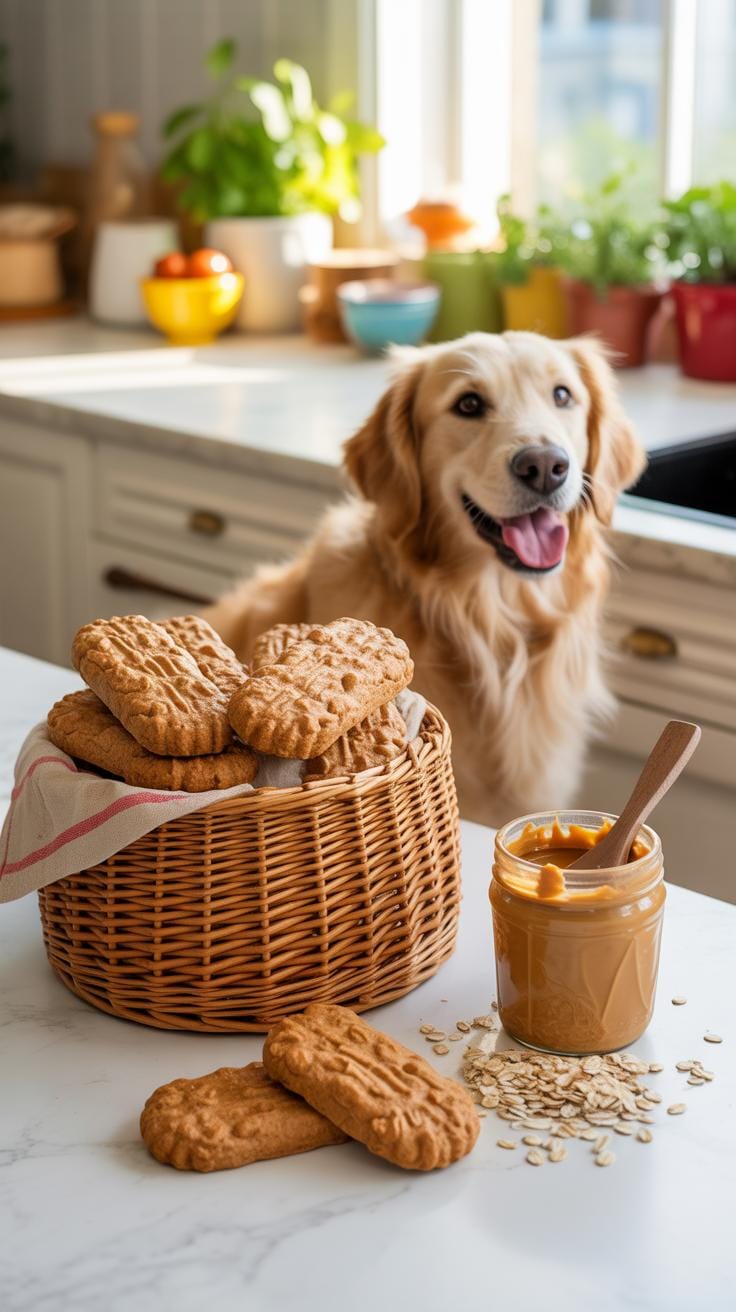
Why Peanut Butter And Oats Are A Beloved Base For Dog Biscuit Recipes
Peanut butter provides high protein and healthy fats that dogs find highly palatable. This ingredient acts as a natural binder in dry dough. It ensures the mixture stays cohesive during the rolling process. You must use xylitol-free peanut butter to avoid toxicity. Natural versions without added sugars or salt provide the best nutritional profile for canine snacks. These fats promote skin and coat health.
Oats function as a dense carbohydrate source that is easy on canine digestion. They provide a significant amount of fiber compared to wheat flour. This helps regulate blood sugar levels in active dogs. Grinding oats into a fine flour creates a sturdy structure for the biscuit. This foundation allows the treat to undergo a long bake time without burning. It results in a hard, crunchy texture dogs enjoy.
How To Shape, Bake, And Store Peanut Butter Oat Dog Biscuits Correctly
Roll the dough to a consistent quarter-inch thickness for even baking. Use a cookie cutter to create uniform shapes that bake at the same rate. Place the cutouts on a parchment-lined baking sheet to prevent sticking. A low oven temperature of approximately 300 degrees Fahrenheit works best for achieving maximum crunch. This slow dehydration process removes moisture from the center of each biscuit.

Cool the treats completely on a wire rack before storage. Trapped heat creates steam which softens the biscuit and leads to mold growth. Store the finished product in an airtight glass jar at room temperature. These treats stay fresh and crunchy for up to two weeks. For longer storage, keep them in the refrigerator or freezer. Always check for a snap sound to verify the treats are properly dried.
Sweet Potato Dog Treats Homemade A Nutritious Fan Favorite From The Oven
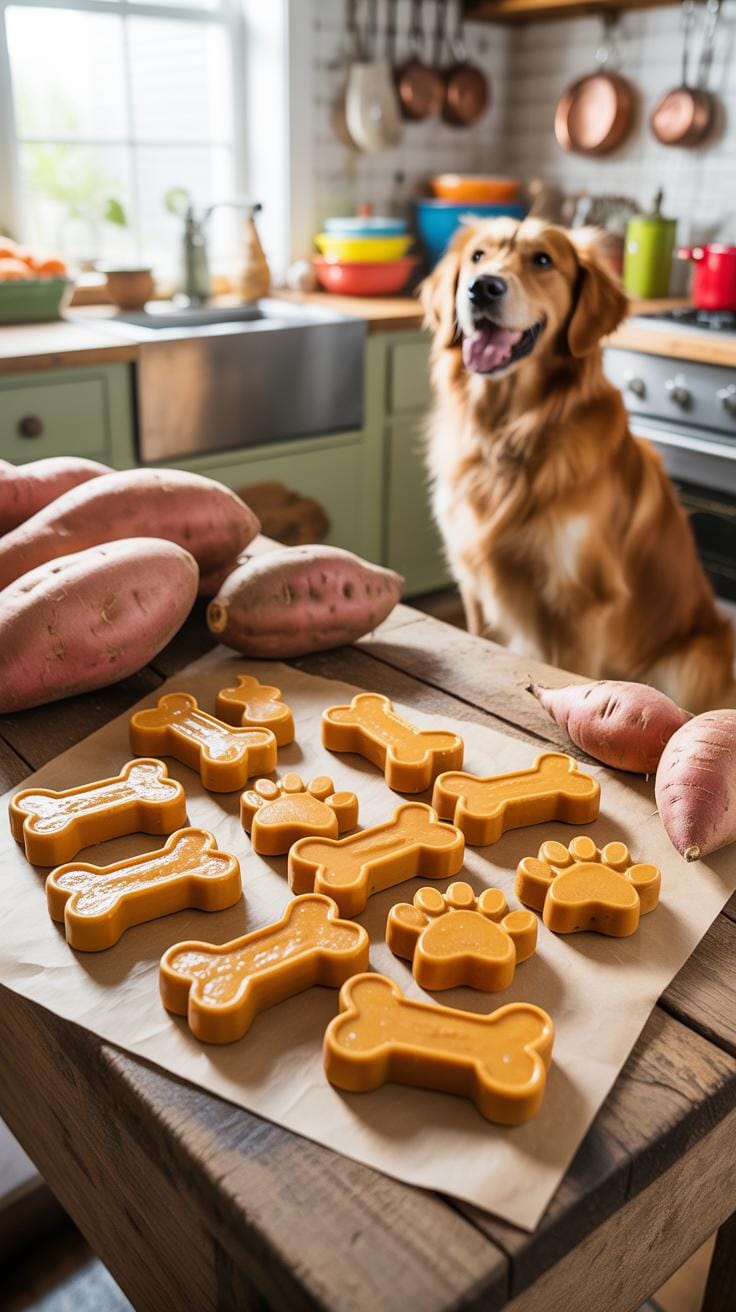
The Nutritional Benefits Of Sweet Potato Slices For Dogs
Sweet potatoes provide a high concentration of dietary fiber. This fiber supports digestive health and regulates bowel movements in most breeds. These tubers contain beta-carotene, which the canine body converts into Vitamin A. This essential nutrient maintains healthy skin, coat, and nerve function. Unlike white potatoes, sweet potatoes have a lower glycemic index. This prevents rapid spikes in blood sugar levels after consumption.
These treats offer a dense profile of minerals including potassium, manganese, and magnesium. Potassium maintains fluid balance and supports muscle contractions. Manganese aids in bone production and protein metabolism. These oven-baked snacks provide a superior alternative to commercial treats containing synthetic fillers. Owners prefer them because they are single-ingredient and hypoallergenic. You deliver essential vitamins without adding unnecessary fats or chemical preservatives to your dog’s daily diet.
How To Prepare And Oven Bake Sweet Potato Dog Treats At Home
Start by scrubbing raw sweet potatoes to remove dirt. Keep the skins on to maximize fiber content. Slice the potatoes into uniform discs approximately one-eighth of an inch thick. Consistency ensures even drying during the baking process. If you cut them too thick, the center stays chewy. If you cut them too thin, they burn. Aim for a medium thickness to achieve the desired crunch.

Preheat your oven to 250 degrees Fahrenheit. Arrange the slices in a single layer on a parchment-lined baking sheet. Bake them for three hours total. Flip each slice halfway through the cooking time to ensure even moisture evaporation. This low and slow method dehydrates the vegetable while preserving its nutrients. Remove them when they feel firm and brittle. Let them cool completely before storage to prevent mold growth.
Healthy Dog Treats Carrot And Whole Wheat Oven Baked Crunch Bites
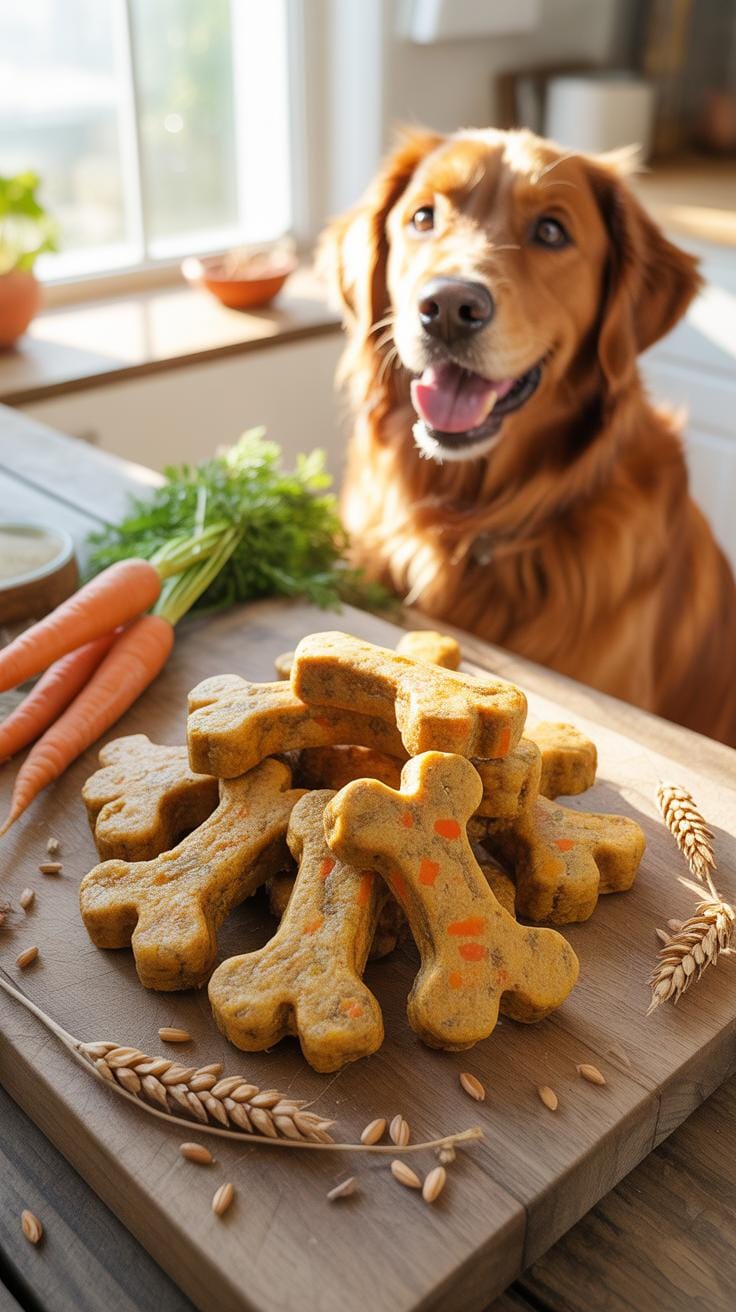
Why Carrots Are One Of The Healthiest Additions To A Homemade Dog Treat
Carrots provide a high concentration of beta-carotene which converts into vitamin A. This nutrient supports eye health and immune function in canines. Use fresh carrots to ensure maximum nutrient density. High fiber content in these vegetables also aids digestion. The natural sugars provide flavor without the need for syrups or additives. This makes them an ideal base for any crunchy dog treat recipe oven.
The texture of carrots adds structural integrity to the biscuit during the baking process. When grated finely, they distribute moisture evenly throughout the dough. Heat from the oven concentrates the natural flavor profiles. This root vegetable contains silicon which supports healthy skin and coat. Low calorie counts mean you can feed these treats frequently. They offer a stable shelf life when dehydrated properly in the oven.
Mixing And Baking A Simple Carrot Whole Wheat Dog Biscuit That Lasts
Combine two cups of whole wheat flour with one cup of finely grated carrots. Add one egg and half a cup of water to bind the mixture. Stir until a stiff dough forms. Roll the dough to a quarter-inch thickness on a floured surface. Use a knife or cutter to create uniform shapes. Uniformity ensures every piece dries at the same rate in the oven.

Preheat your oven to 350 degrees Fahrenheit for optimal results. Bake the treats for thirty minutes. Turn the oven off but leave the trays inside for another hour. This extra time removes remaining moisture through residual heat. Dry biscuits prevent mold growth and provide the necessary crunch for dental mechanical cleaning. Store the finished bites in an airtight container to maintain their hard texture.
Dehydrated Dog Treats Recipes Using Your Oven As A Low Heat Dehydrator
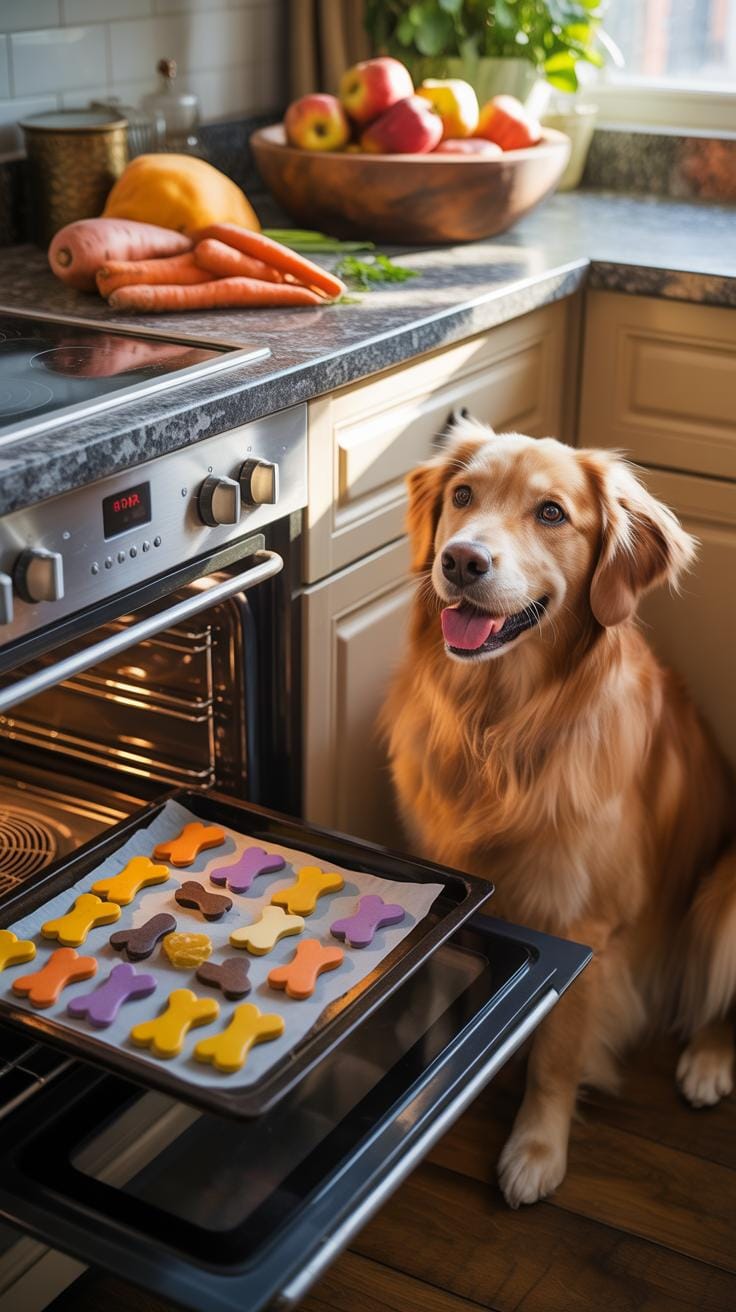
How Low Temperature Oven Dehydration Works For Dog Safe Jerky Treats
Conventional ovens can function as effective dehydrators when set to their lowest temperature. This process removes moisture from meat and vegetables without cooking them quickly. Proper air circulation is vital for success. You must prop the oven door open slightly to allow steam to escape. This prevents the food from steaming or getting soft. You want a dry and brittle texture.
Low temperatures between 150 and 170 degrees Fahrenheit work best for this method. Heat kills harmful bacteria while the constant airflow draws out water. This technique creates a dense and crunchy dog treat recipe oven application. Dry treats last much longer than soft ones. You must monitor the internal temperature to ensure the meat stays safe for your dog to eat later.
Best Proteins And Vegetables To Dehydrate In The Oven For Dog Treats
Selecting the right ingredients ensures the best results during a long drying cycle. Lean meats work better than fatty cuts because fat turns rancid quickly. Trim all visible fat before slicing the meat thin. Uniform slices allow the heat to penetrate every piece evenly. Vegetables should be firm and low in sugar to prevent burning during the multi-hour dehydration period in your oven.
- Beef Liver: This organ meat provides high levels of protein and vitamin A. Slice it thin while semi-frozen to get the most consistent pieces. It dries into a hard and crunchy texture that dogs find very high in value during training sessions.
- Sweet Potatoes: These tubers offer dietary fiber and beta-carotene for canine health. Slice them into thin rounds or strips before placing them on the rack. They become chewy or crunchy depending on the total time they spend in the low-heat oven environment.
- Chicken Breast: Use lean white meat to create standard wavy jerky strips. Avoid using any salt or seasonings that could harm your pet. Pre-freezing the meat for thirty minutes makes it much easier to cut into the uniform strips required for even drying.
- Green Beans: Fresh green beans provide a low-calorie crunch for dogs needing weight management. They dehydrate quickly compared to meat products. Ensure they are completely dry and snap easily when bent to confirm they are finished and safe to store in airtight containers.
- Zucchini: This vegetable has a high water content but dries into thin and crispy chips. It is a safe and hydrating snack option when fresh. Once dehydrated, it serves as a light and crunchy treat that works well for dogs with sensitive stomachs or allergies.

Storage is the final step in the dehydration process for homemade treats. Allow the treats to cool completely on a wire rack before bagging them. Trapped heat creates condensation which leads to mold growth. Store your crunchy treats in a glass jar or a sealed silicone bag. Keep them in a cool and dark place to maintain their snap and nutritional value.
Healthy Homemade Dog Recipes Grain Free Oven Baked Options For Sensitive Dogs
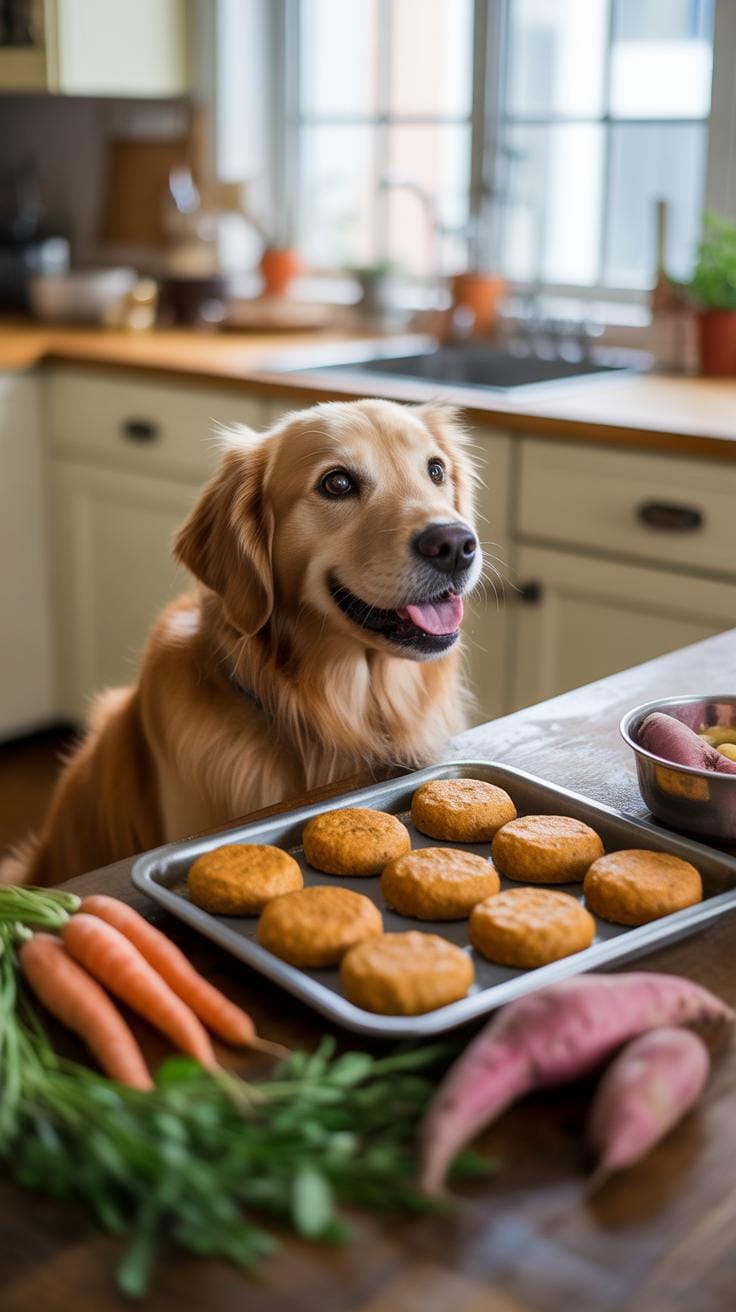
Understanding Grain Sensitivities In Dogs And When Grain Free Treats Help
Identify grain sensitivities by monitoring skin health and digestion. Dogs with grain allergies often scratch excessively or develop red patches on their paws. Chronic ear infections sometimes signal grain issues. Changing your treat recipe removes common triggers like wheat and corn. This switch provides relief to the immune system. You must isolate ingredients to confirm a true grain allergy before changing diet plans forever.
Grain-free treats benefit dogs with slow digestion. Some breeds process complex carbohydrates poorly. Removing grains lowers the glycemic load of each crunchy dog treat recipe oven baked at home. This approach helps stabilize blood sugar levels during training sessions. Focus on high protein and healthy fats instead. Use these recipes to support dogs with inflammatory conditions. Elimination diets require strict adherence to see real results in physical behavior.
Grain Free Flour Alternatives That Bake Well For Crunchy Dog Treats
Chickpea flour and coconut flour serve as excellent substitutes for wheat. Chickpea flour contains high protein levels and binds well with eggs. It creates a dense structure that hardens easily in a low-heat oven. Coconut flour absorbs significant moisture and requires extra liquid during mixing. Almond flour provides healthy fats but results in a softer crumb. Choose the flour based on the final texture goals for your dog treats.

Proper baking techniques ensure these alternative flours reach a brittle consistency. Extend the drying time in the oven after turning off the heat. This process removes residual moisture from the center of the treat. Most grain-free mixes require a lower temperature to prevent burning. High heat ruins the nutritional profile of nut-based flours. Maintain a consistent thickness when rolling out the dough. Uniform pieces ensure even crunch across the entire batch.
Homemade Dog Food Meets Treat Time Repurposing Wholesome Ingredients Safely
How To Safely Use Leftover Homemade Dog Food Ingredients In Baked Treats
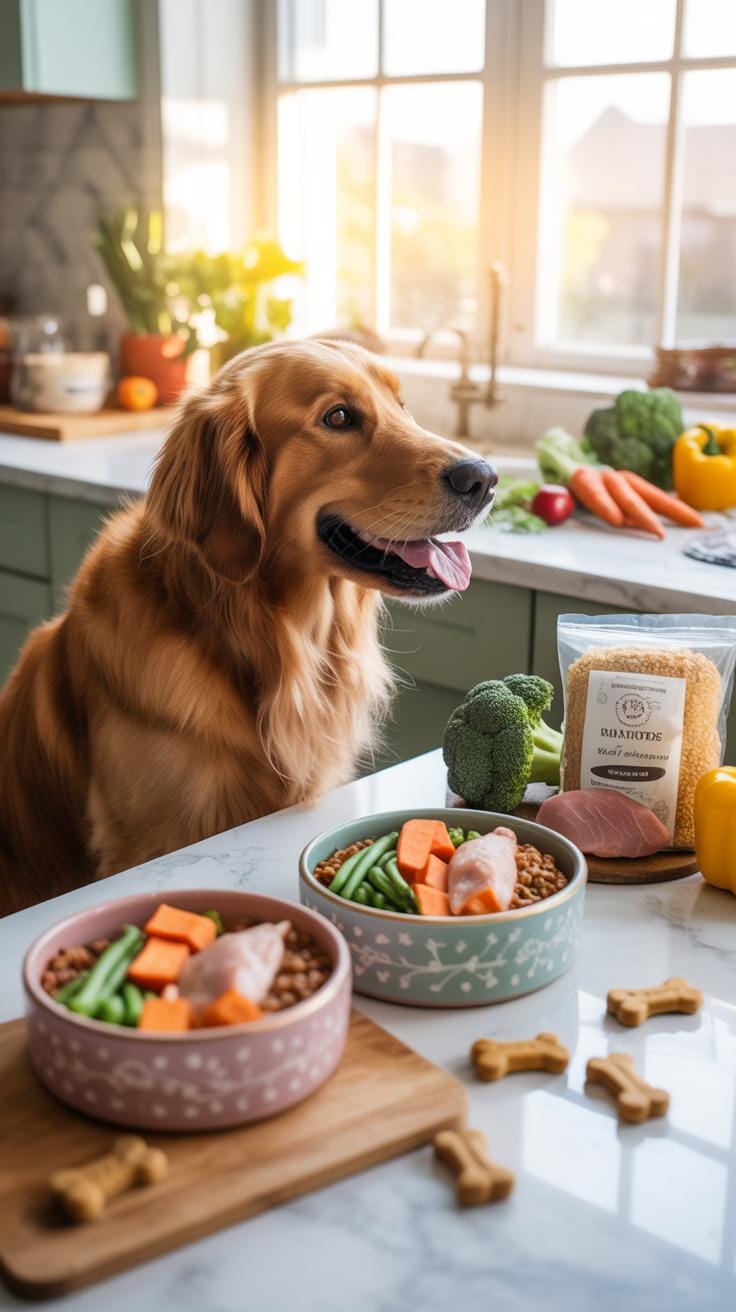
Repurposing raw ingredients from homemade meals into a crunchy dog treat recipe oven method reduces waste and controls nutrition. Use lean proteins like boiled chicken or ground turkey as a base. Avoid any scraps seasoned with onion, garlic, or excessive salt. These common kitchen staples are toxic to dogs even in small amounts. Always ensure meat is finely minced before mixing into the dough for even baking and texture.
Vegetable pulps from carrots, spinach, or sweet potatoes provide fiber and vitamins without adding significant calories. Puree these leftovers before incorporating them into a flour base like oat or brown rice flour. This ensures the treat dries out properly in the oven. High moisture content from chunky vegetables prevents the treats from achieving the necessary hardness. A dry, crunchy texture is vital for shelf stability and dental health benefits.
The road to a dog’s heart is paved with the golden crunch of a home-baked treat. There is no better sound than the rhythm of four paws dancing in the kitchen while the oven works its magic.
Portion Sizing Homemade Treats Relative To Your Dogs Daily Diet
Treats must not exceed ten percent of a dog’s daily caloric intake. This rule prevents nutrient imbalances and obesity. Calculate the calories in your homemade treats by adding the values of each raw ingredient used. If your dog eats a high calorie meal, reduce the number of treats provided that day. Precision in portioning ensures the dog receives the majority of its vitamins from its primary balanced diet.
Large treats are often unnecessary for rewarding behavior. Break smaller pieces off a baked biscuit to extend the reward period without increasing the calorie count. Monitor your dog’s weight and body condition score monthly. If the ribs are hard to feel, reduce the treat size immediately. Consistency in portion control protects the dog’s joints and long term health. Small, crunchy bites are more effective for training than large, soft snacks.
Storing Freezing And Shelf Life Of Your Homemade Oven Baked Dog Treats
How Long Oven Baked Dog Treats Last And The Best Ways To Store Them
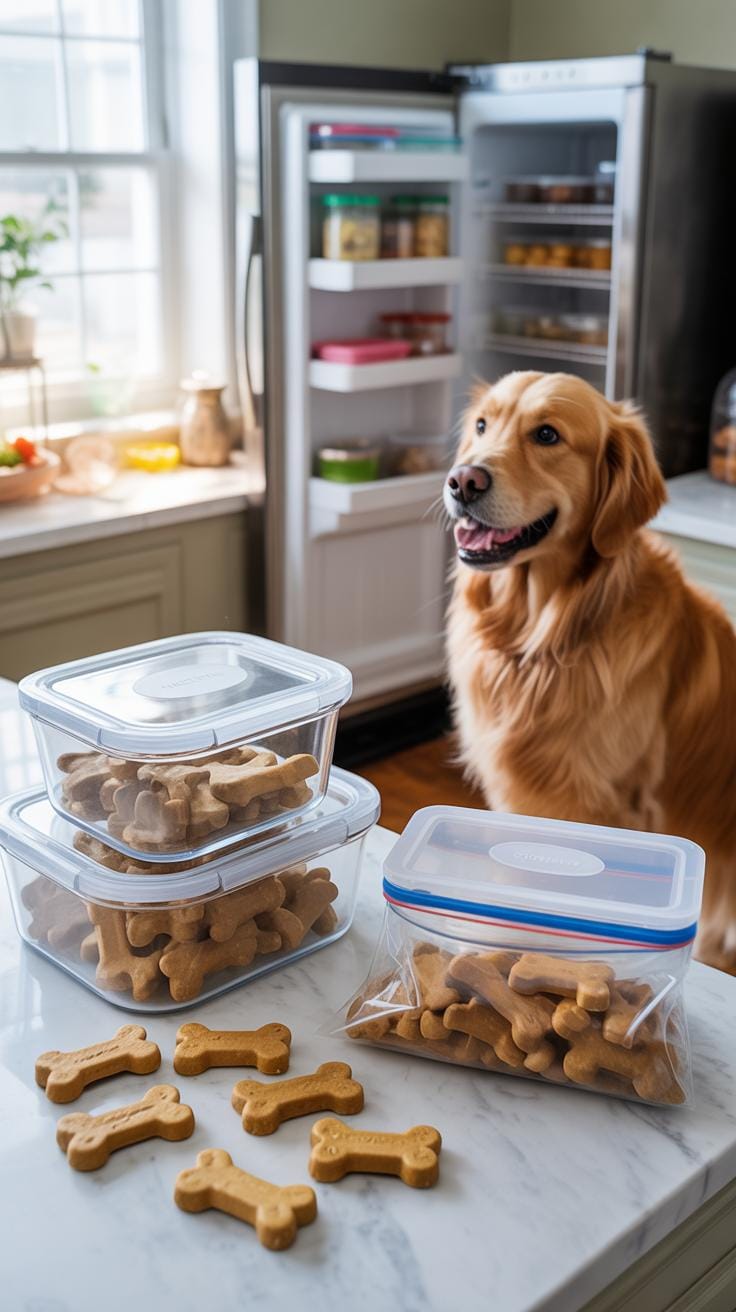
Moisture determines the shelf life of any crunchy dog treat recipe oven baked at home. Professional bakers dry treats until they are hard to prevent mold growth. Expect these treats to last one to two weeks in an airtight container at room temperature. If the treats contain meat or broth, you must refrigerate them to ensure safety.
Keep your storage container in a cool and dark place out of direct sunlight. Temperature changes inside the container create condensation which leads to rapid spoilage. Use glass jars or BPA free plastic bins for the best results. Always inspect the treats for off smells or fuzzy spots before feeding. Proper drying during the baking process is the best way to extend freshness.
Freezing Batches Of Homemade Dog Treats To Keep Them Fresh Longer
Freezing is the most effective method for long term storage of homemade biscuits. You can keep baked treats in the freezer for up to six months without losing nutritional value. Use heavy duty freezer bags and squeeze out all excess air to prevent freezer burn. Label every bag with the date and ingredients to track your inventory and maintain high quality standards.
Thaw the treats on a paper towel at room temperature before serving them to your dog. The paper towel absorbs surface moisture and keeps the treat from getting soggy. Never refreeze treats after they have thawed completely. This practice preserves the crunch your dog prefers while maintaining a safe environment. Batch baking and freezing saves time and keeps your kitchen efficient for the long term.
Frequently Asked Questions

What are the main benefits of making homemade crunchy treats for my dog?
Making treats at home gives you complete control over the nutrition and quality of the ingredients your pet consumes. Commercial snacks are often packed with fillers and artificial preservatives that can upset sensitive stomachs. By using a simple crunchy dog treat recipe oven method, you ensure your pup gets a wholesome, fiber-rich snack that helps reduce plaque buildup through the satisfying crunch, all while excluding harmful additives or excessive sodium.
How do I ensure my homemade dog treats actually come out crunchy rather than soft?
Achieving that perfect snap requires a low and slow baking approach to remove all moisture. After following your crunchy dog treat recipe oven instructions, try turning off the heat and leaving the treats inside the oven with the door slightly cracked for an hour. This extra drying time dehydrates the biscuits thoroughly, resulting in a firm texture that stays crisp longer and provides that irresistible sound dogs love during snack time.
Is it expensive to bake dog treats at home compared to buying them at the store?
Baking for your pet is incredibly budget-friendly because most recipes utilize common pantry staples like oats, peanut butter, eggs, and pumpkin puree. You can often whip up a large batch of healthy snacks for just a few dollars, which is significantly cheaper than premium boutique brands. Utilizing basic ingredients found in your kitchen makes these recipes accessible for every pet owner looking to provide high-quality nutrition without the high price tag.