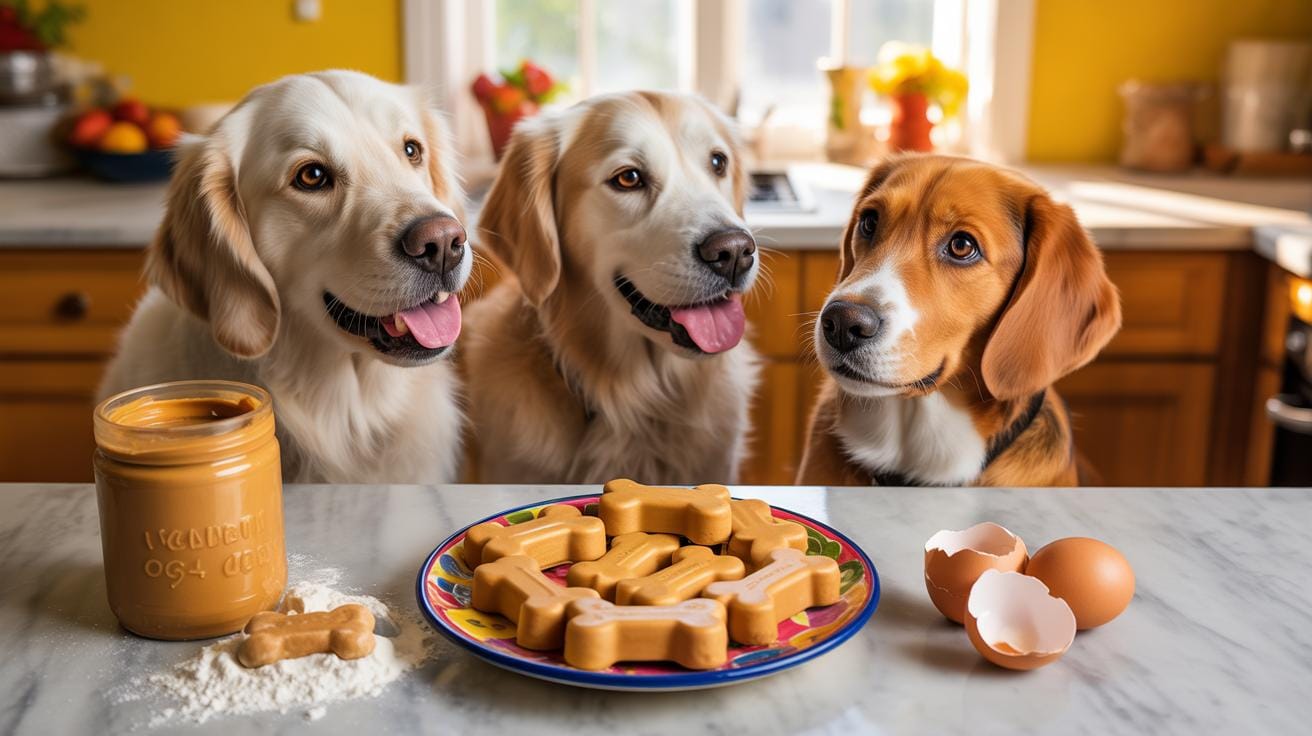
What Makes Peanut Butter Dog Treats A Favorite Among Pet Owners
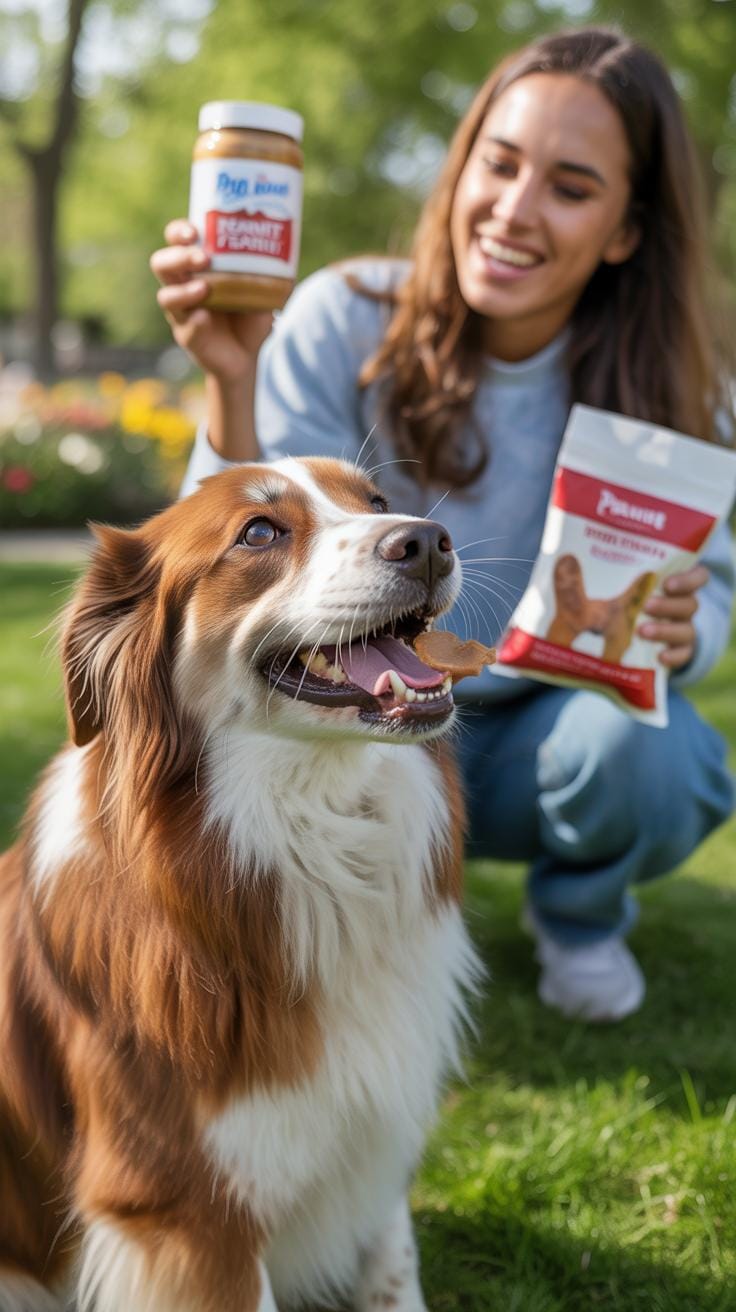
Why Dogs Love The Taste And Smell Of Peanut Butter
Dogs possess approximately 300 million olfactory receptors in their noses. This makes their sense of smell much more powerful than humans. Peanut butter contains high concentrations of fats and proteins. When roasted, these fats release a strong nutty aroma. This scent mimics the smell of animal proteins. Dogs find this deep earthy odor nearly impossible to ignore during training or feeding.
The high fat content also creates a specific mouthfeel that dogs enjoy. Peanut butter is sticky and stays in the mouth longer than dry biscuits. This extends the tasting experience for the animal. Dogs have a natural drive to seek out calorie-dense foods for survival. The combination of intense scent and rich flavor triggers a strong reward response in the canine brain. This ensures high engagement.
The Nutritional Appeal Of Peanut Butter As A Dog Friendly Ingredient
Peanut butter provides a dense source of plant-based protein and healthy fats. Most varieties contain linoleic acid. This is an omega-6 fatty acid that supports skin health and coat shine. It also offers vitamin E which helps the immune system function properly. These nutrients make it a functional ingredient rather than just a filler. It provides real energy for active dogs during physical exercise.
Pet owners value this ingredient for its high palatability and caloric density. It works well as a binder in homemade recipes because of its oil content. This eliminates the need for complex chemical stabilizers. Always select products without xylitol because this sweetener is toxic to dogs. Natural versions with only peanuts and salt provide the safest nutritional profile. Use it in moderation to maintain a healthy weight.

Is Peanut Butter Safe For Dogs What Every Owner Should Know
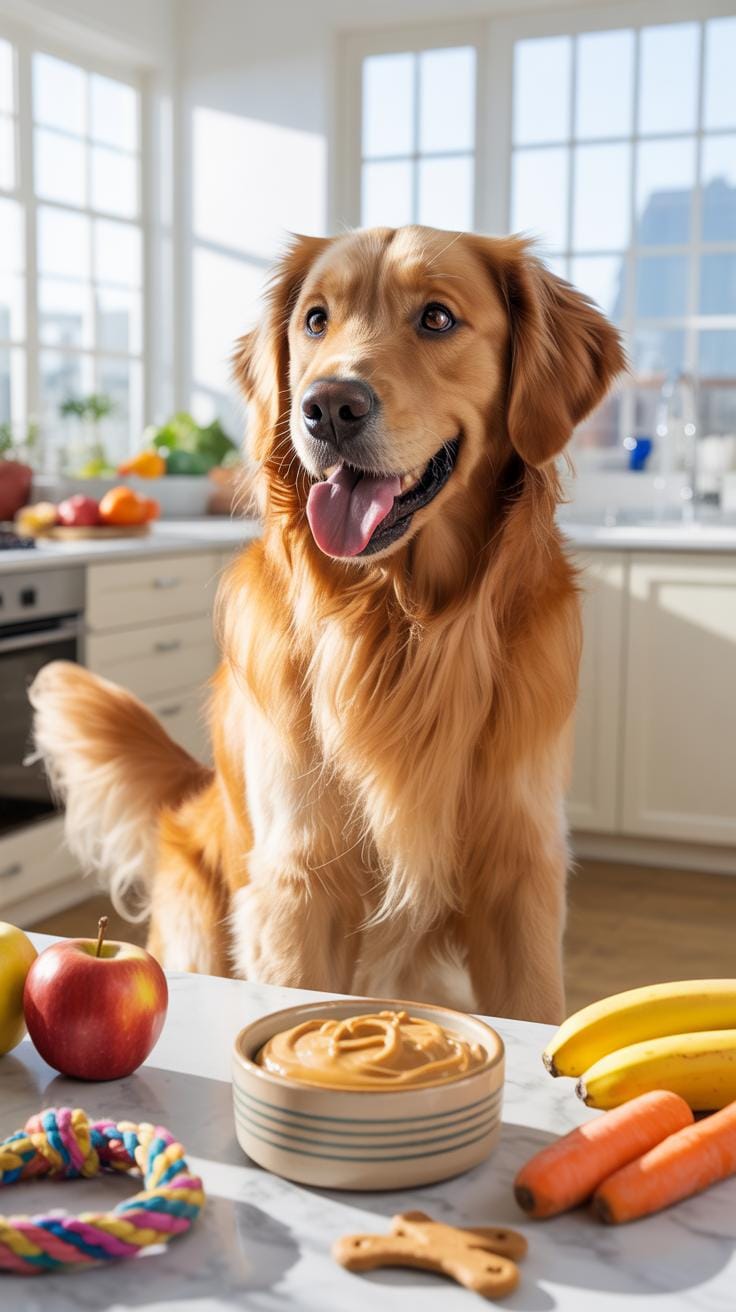
Understanding Xylitol: The Hidden Danger In Some Peanut Butter Brands
Xylitol is a sugar substitute found in many human food products. While safe for humans, it is highly toxic to dogs. Ingesting even small amounts causes a rapid release of insulin. This leads to a life-threatening drop in blood sugar levels known as hypoglycemia. You must check the ingredient label of every jar before making dog treats with peanut butter.
Symptoms of xylitol poisoning appear quickly. Most dogs show signs within thirty minutes of consumption. These signs include vomiting, loss of coordination, and seizures. If left untreated, xylitol causes acute liver failure and death. Manufacturers often hide this ingredient under the name birch sugar or wood sugar. Always verify that your chosen brand contains zero traces of this deadly artificial sweetener.
How To Choose A Dog Safe Peanut Butter For Your Homemade Treats
The safest peanut butter for your dog contains only peanuts and perhaps a small amount of salt. Avoid brands that include added oils, stabilizers, or refined sugars. These extra ingredients contribute to weight gain and inflammation in canines. Natural peanut butter usually requires stirring because it lacks chemical emulsifiers. This separation is a visual indicator that the product is a cleaner choice for baking.

High fat content is a major concern when selecting ingredients for treats. While peanuts provide protein and healthy fats, excessive intake leads to pancreatitis. This painful condition requires immediate veterinary intervention. Always measure the amount you use in recipes to control caloric density. Choose creamy varieties over chunky ones to ensure even mixing in your dough. This consistency makes the baking process more predictable and safer.
Essential Ingredients For Healthy Dog Treats Homemade Recipes
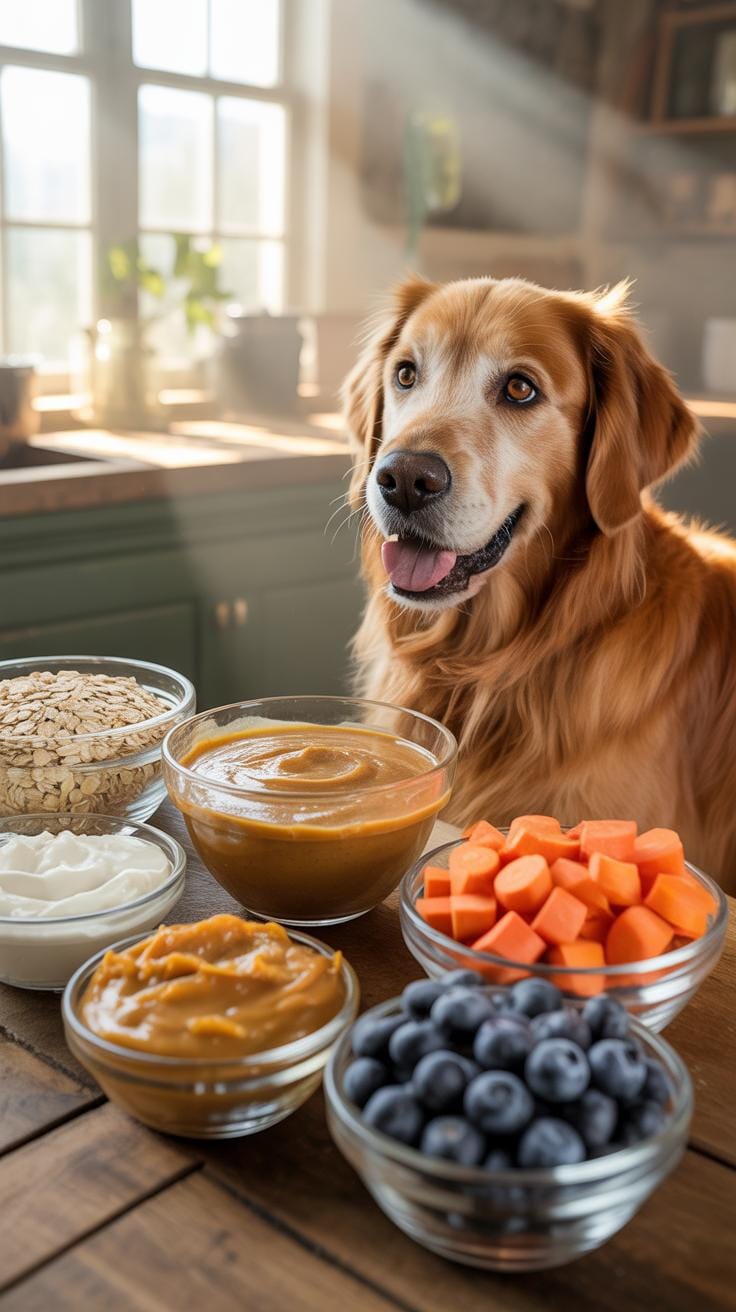
Simple Pantry Staples You Already Have For Dog Safe Baking
Successful dog treats with peanut butter rely on a few versatile dry and wet ingredients. You must select binders that provide structure without causing digestive upset. Whole wheat flour or oat flour serve as reliable bases for most recipes. These grains offer fiber and B vitamins while holding shape during the baking process. Use fresh eggs to improve texture and add high quality protein to each bite.
- Natural Peanut Butter: Choose products containing only peanuts and salt. Avoid brands with added sugars or hydrogenated oils. This ingredient provides healthy fats and protein. It also acts as the primary flavor driver for the treat.
- Whole Wheat Flour: This pantry staple adds structure and fiber to baked goods. It is more nutritious than bleached white flour. Most dogs digest whole grains well. Consult a vet if your dog has a known grain sensitivity before baking.
- Old Fashioned Oats: Rolled oats provide a chewy texture and help regulate digestion. They are a great alternative for dogs with minor wheat allergies. Grind them into a fine powder to create a gluten free flour substitute quickly.
- Plain Unsweetened Applesauce: Use this as a moisture source to reduce fat content. It adds natural sweetness and vitamin C without extra calories. Ensure the label lists no added sweeteners or artificial flavors. It helps bind the dry ingredients together effectively.
- Large Eggs: Eggs act as a vital binding agent in homemade recipes. They contribute essential amino acids and minerals for coat health. One or two eggs usually suffice for a standard batch. They ensure the treats do not crumble after cooling.
Liquids balance the dough consistency to prevent cracking. Use water or low sodium chicken broth for extra hydration. Avoid fats like butter or lard which can lead to weight gain or pancreatitis. Pureed pumpkin is another excellent addition for gut health and moisture. Always check labels to ensure every ingredient is free from hidden additives. These staples form the foundation of any safe nutritional strategy.
Ingredients To Always Avoid When Baking Homemade Dog Treats
Safety is your primary concern when selecting ingredients for dog treats with peanut butter. Xylitol is the most dangerous additive found in many commercial peanut butter brands. It causes rapid insulin release and liver failure in canines. Manufacturers often label it as birch sugar or a natural sweetener. Always scan the entire ingredient list for this specific chemical before you begin your baking process.

Toxic foods like grapes, raisins, and chocolate must stay out of your kitchen workspace. Many common human spices also pose significant risks to pet health. Nutmeg contains myristicin which causes hallucinations and seizures in dogs. High levels of salt and onion powder lead to blood cell damage or dehydration. Stick to plain, whole ingredients to verify the safety profile of every snack you produce for your animal.
The Easiest Peanut Butter Dog Treats Homemade Easy Recipe To Get You Started
A Basic 3 Ingredient Peanut Butter Dog Biscuit Recipe Anyone Can Make
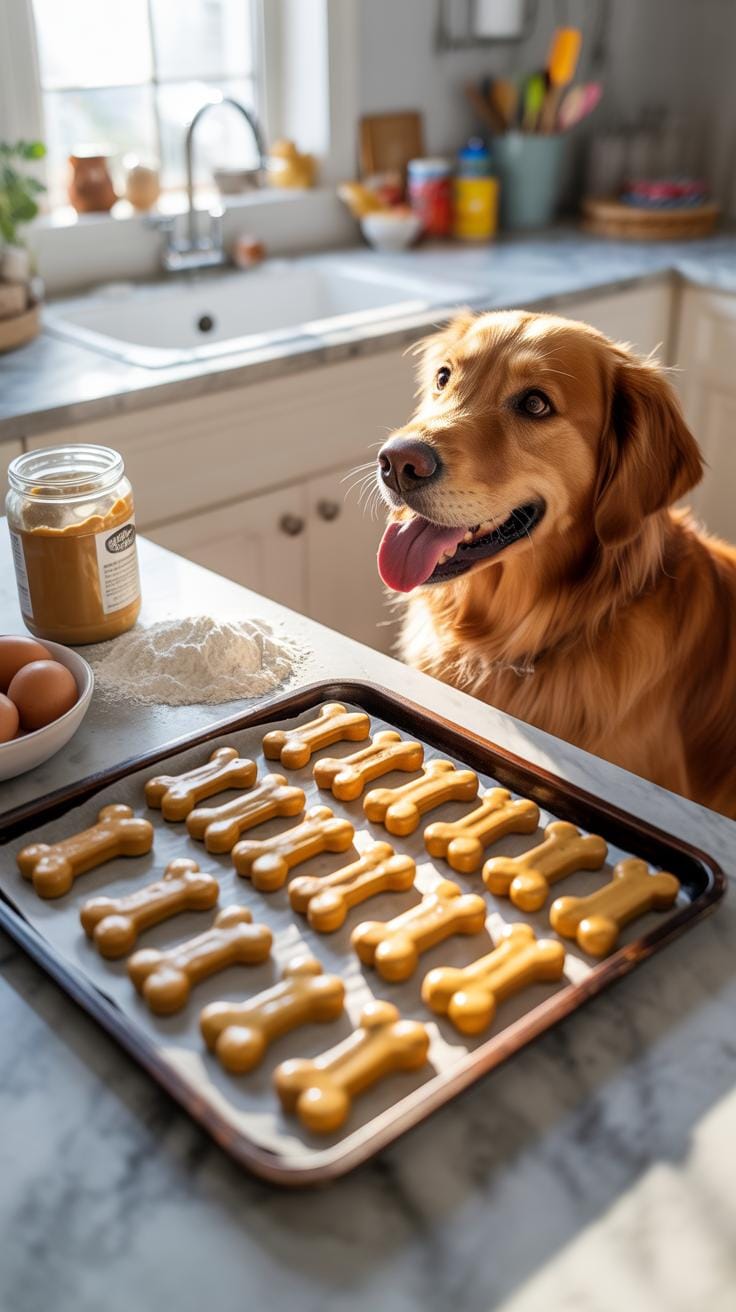
Tactical baking begins with three core components: whole wheat flour, natural peanut butter, and water. These ingredients provide the structural foundation for a shelf-stable biscuit. You must use peanut butter free of xylitol and added salt. Combine two cups of flour with one cup of peanut butter and a half cup of water. Mix these until a stiff dough forms for easy rolling.
Roll the dough to a consistent quarter-inch thickness on a flat surface. Use a biscuit cutter to create uniform shapes that bake at the same rate. This specific ratio ensures the treats do not crumble after cooling. Place the cutouts on a parchment-lined baking sheet and heat at 350 degrees Fahrenheit. Expect a twenty-minute bake time for a standard medium-sized biscuit.
Step By Step Baking Tips To Get The Perfect Texture Every Time
Texture control depends entirely on moisture management during the baking process. If you want a crunchy biscuit, leave the treats in the oven after turning off the heat. This step removes residual internal moisture and extends the shelf life of the product. Soft treats require a shorter bake time and higher water content. Store crunchy treats in airtight containers to prevent them from softening.

Uniform thickness is the most critical factor for successful batches. Uneven dough leads to burnt edges and raw centers which can cause digestive issues. Use a rolling pin with thickness rings to solve this problem instantly. Always prick the surface of the dough with a fork before baking. This allows steam to escape so the treats remain flat and do not puff or crack.
Creative Dog Treat Recipes Fun Variations Beyond The Basic Biscuit
Frozen Peanut Butter Dog Treats Perfect For Warm Weather
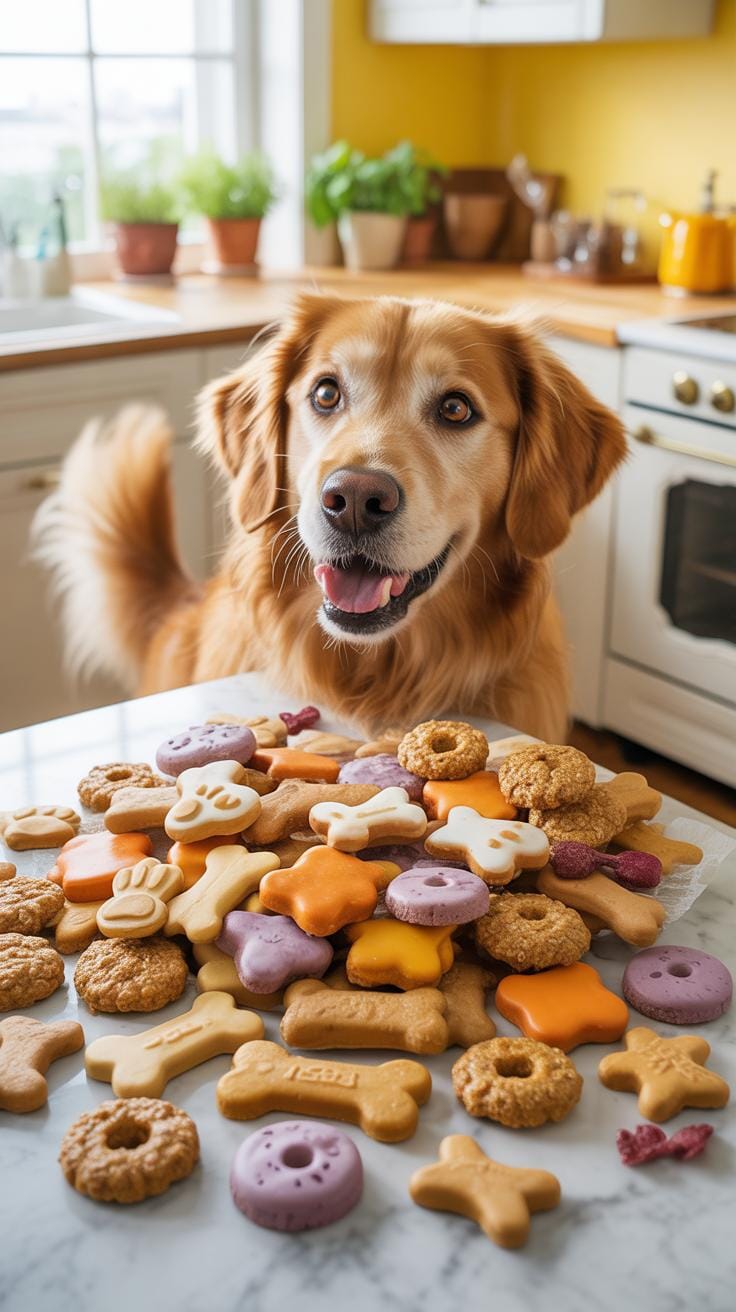
Frozen treats regulate a dog’s core temperature during heat waves. Use silicone molds to create consistent portions for calorie control. Mix plain peanut butter with water or unsweetened yogurt to achieve a pourable consistency. This method requires no baking and preserves the nutritional integrity of the ingredients. Ensure the peanut butter contains no xylitol. This sweetener is toxic to dogs and causes rapid insulin release.
Place the filled molds in the freezer for at least four hours. The solid texture encourages slow licking and provides mental stimulation. Licking releases endorphins in dogs which helps reduce anxiety during thunderstorms or fireworks. Use high quality fats found in natural peanut butter to support skin health. Store these treats in an airtight container to prevent freezer burn. They remain safe to eat for up to three months.
Peanut Butter And Banana Soft Chew Treats For Senior Or Small Dogs
Senior dogs often suffer from dental decay or lost teeth. Hard biscuits cause pain and discourage eating in older pets. Soft chew treats solve this problem by providing a pliable texture. Mash overripe bananas to act as a natural binder and sweetener. This eliminates the need for processed sugars or excess flour. Bananas provide potassium and magnesium to support heart health and muscle function.

Mix the mashed fruit with creamy peanut butter and a small amount of oat flour. Bake at a low temperature to maintain moisture. High heat yields a crunchy texture which defeats the purpose of a soft chew. Small dogs benefit from these bite sized portions because they are easy to swallow. These treats focus on digestibility and palatability. Always cool the treats completely before serving to prevent burns to the dog’s mouth.
DIY Dog Treats Tools Molds And Storage Tips For Homemade Batches
The Best Kitchen Tools And Cookie Cutters For Shaping Dog Treats
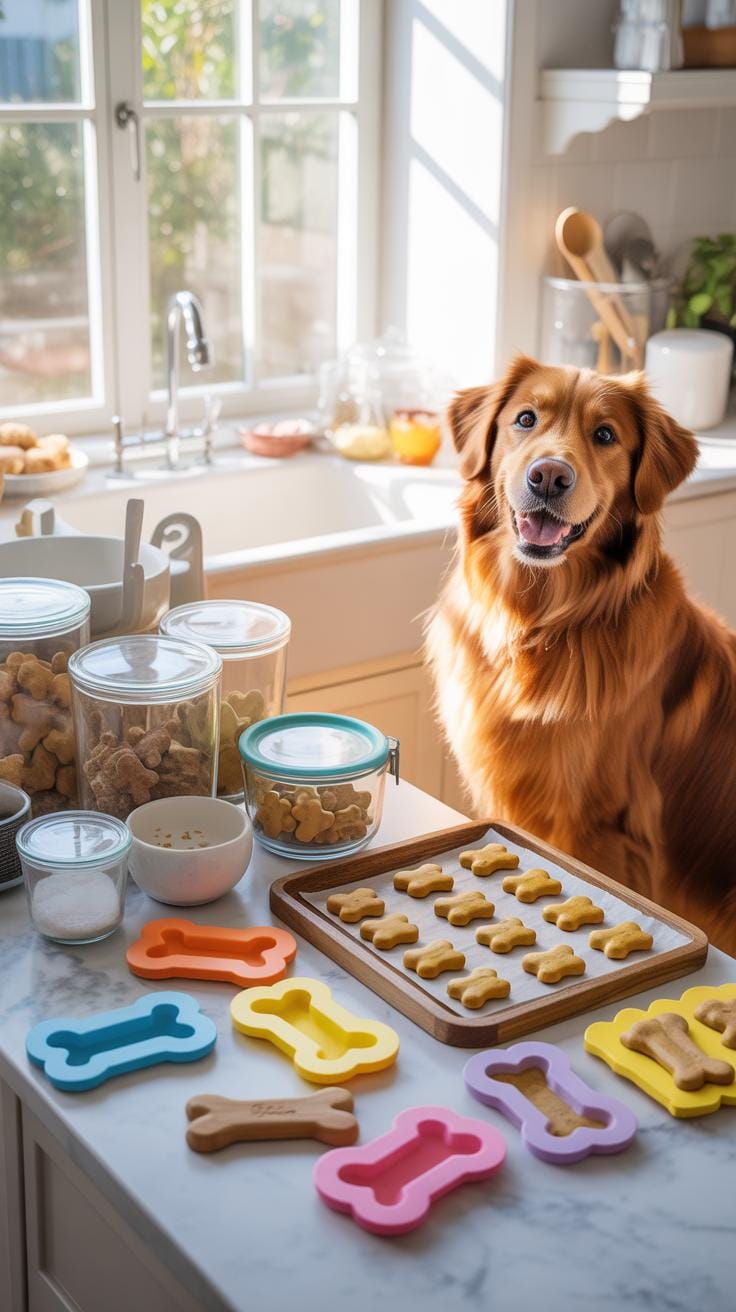
Standard kitchen rolling pins and stainless steel cutters are the most efficient tools for shaping dough. Choose cutters with simple geometric shapes like circles or bones to ensure even baking across the tray. Complex designs with thin edges often burn before the center of the treat fully dehydrates. Heavy duty metal sheets provide consistent heat distribution and prevent the bottom of the treats from scorching.
Silicone molds offer a professional alternative for softer peanut butter mixtures or frozen snacks. These molds allow for precise portion control and easy removal without breaking the final product. Use a bench scraper to level the dough surface before baking. This step creates a flat bottom and uniform thickness. Consistency in size ensures every treat in the batch reaches the same internal temperature and moisture level for safety.
How To Store Homemade Dog Treats To Keep Them Fresh And Safe
Homemade treats lack the chemical preservatives found in commercial dog snacks. Proper storage is mandatory to prevent mold growth and rancidity of the peanut butter oils. Airtight glass jars or BPA free plastic containers work best for short term use. You must remove as much air as possible to slow down oxidative spoilage. Always let treats cool completely on a wire rack before sealing them.
- Glass Mason Jars: These provide an airtight seal that prevents moisture from entering. Use them for dry, crunchy biscuits kept at room temperature. They are easy to sanitize between batches and do not absorb oils or odors from the peanut butter dough.
- Refrigeration: Store soft or chewy treats in the refrigerator to extend their shelf life significantly. This environment slows down bacterial growth and keeps the fats in the peanut butter from turning. Most refrigerated homemade treats remain safe for ten to fourteen days.
- Freezer Bags: Use heavy duty freezer bags for long term storage of large batches. Squeeze all excess air out before sealing to prevent freezer burn. This method preserves the nutritional integrity and flavor of the treats for up to six months without quality loss.
- Desiccant Packs: Add food grade silica packets to containers holding dry biscuits. These packs absorb residual moisture that leads to mold development. This technique is particularly effective in humid climates where crunchy treats tend to soften and spoil quickly after baking.
- Vacuum Sealing: This process removes all oxygen from the packaging to maximize freshness. It is the most effective way to store treats for travel or gifting. Vacuum sealing prevents the fats in the peanut butter from oxidizing and keeps the treats tasting fresh.

Label every container with the date of production and a full list of ingredients. This practice prevents accidental feeding of expired goods and helps track the shelf life of different recipes. If you notice any sour smell or visible dark spots, discard the entire batch immediately. Consistent monitoring ensures your dog only consumes safe and high quality snacks from your kitchen.
Easy Dog Treats That Support Your PetS Health And Well Being
How Wholesome Homemade Treats Can Complement A Balanced Dog Diet
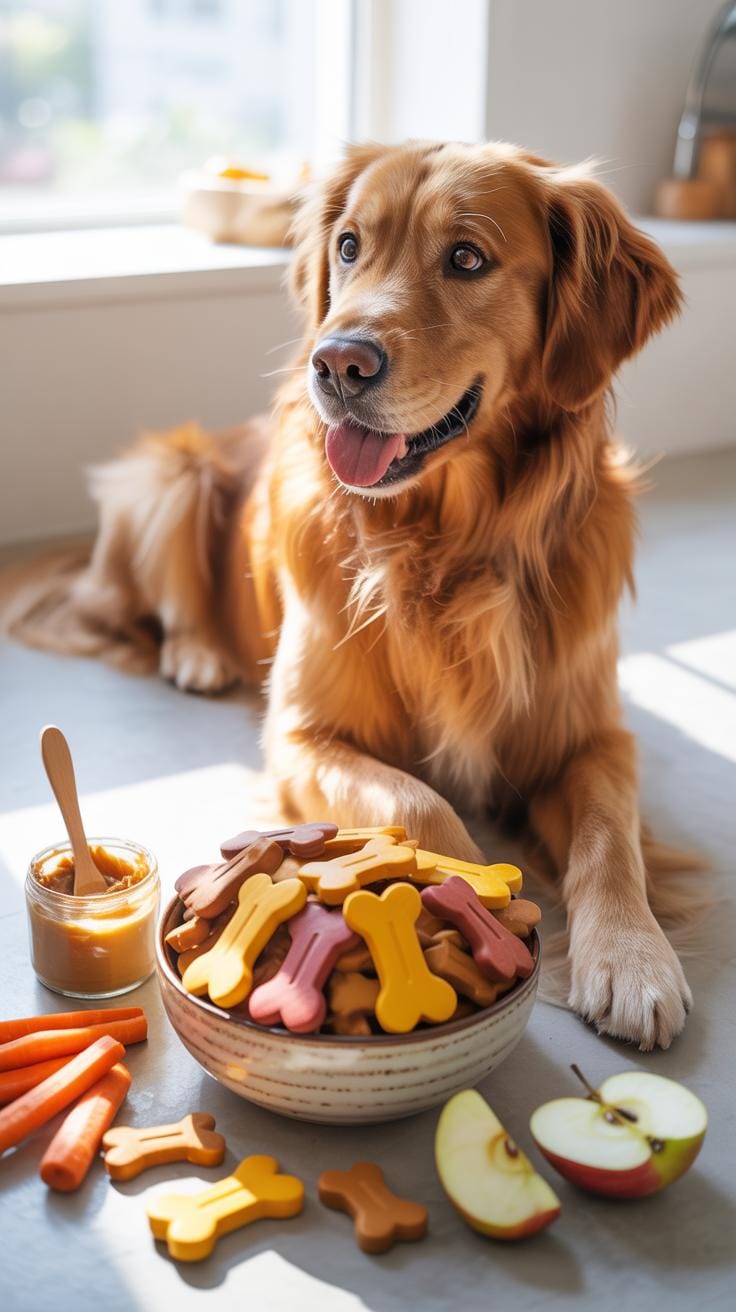
Homemade snacks give you total control over every ingredient in the recipe. Commercial products often contain mystery fillers and chemical preservatives. When you bake with peanut butter at home, you provide healthy fats and protein without hidden additives. This approach ensures your dog receives supplemental nutrition that supports muscle maintenance. You eliminate the risk of feeding xylitol or excessive sugar found in many store brands.
Strategic treat placement helps maintain a consistent metabolic rate throughout the day. High-quality fats from peanut butter provide sustained energy for active breeds. These snacks act as a delivery vehicle for fiber when you mix them with oats or pumpkin. Using clean ingredients reduces the inflammatory response common with low-grade grain fillers. Focus on nutrient density to ensure every bite contributes to the physical health of your animal.
There is no better way to show a dog you love them than with a simple, handwritten recipe and a spoonful of peanut butter. The kitchen always feels a little warmer when you are baking for your best friend.
Portion Guidelines: How Many Treats Per Day Is Safe For Your Dog
Veterinary professionals recommend the ten percent rule for supplemental feeding. Treats should never exceed one-tenth of the total daily caloric intake for any dog. Overfeeding leads to obesity and related joint issues regardless of ingredient quality. Calculate the specific calorie count of your homemade peanut butter treats based on the volume of fat used. Monitor your dog’s activity level to adjust these portions accurately each day.
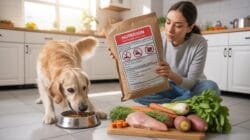
Small breeds require significantly fewer calories than larger working dogs. A single large peanut butter cookie could represent half the daily needs for a toy poodle. Break treats into smaller pieces to extend the reward experience without increasing total fat consumption. Watch for weight gain or changes in stool consistency as indicators of overindulgence. Consistent portions prevent nutritional imbalances and keep the primary diet as the main source of vitamins and minerals.
Dog Treats To Sell Turning Your Homemade Peanut Butter Recipes Into A Small Business
Why Handmade Peanut Butter Dog Treats Are In High Demand At Markets And Online
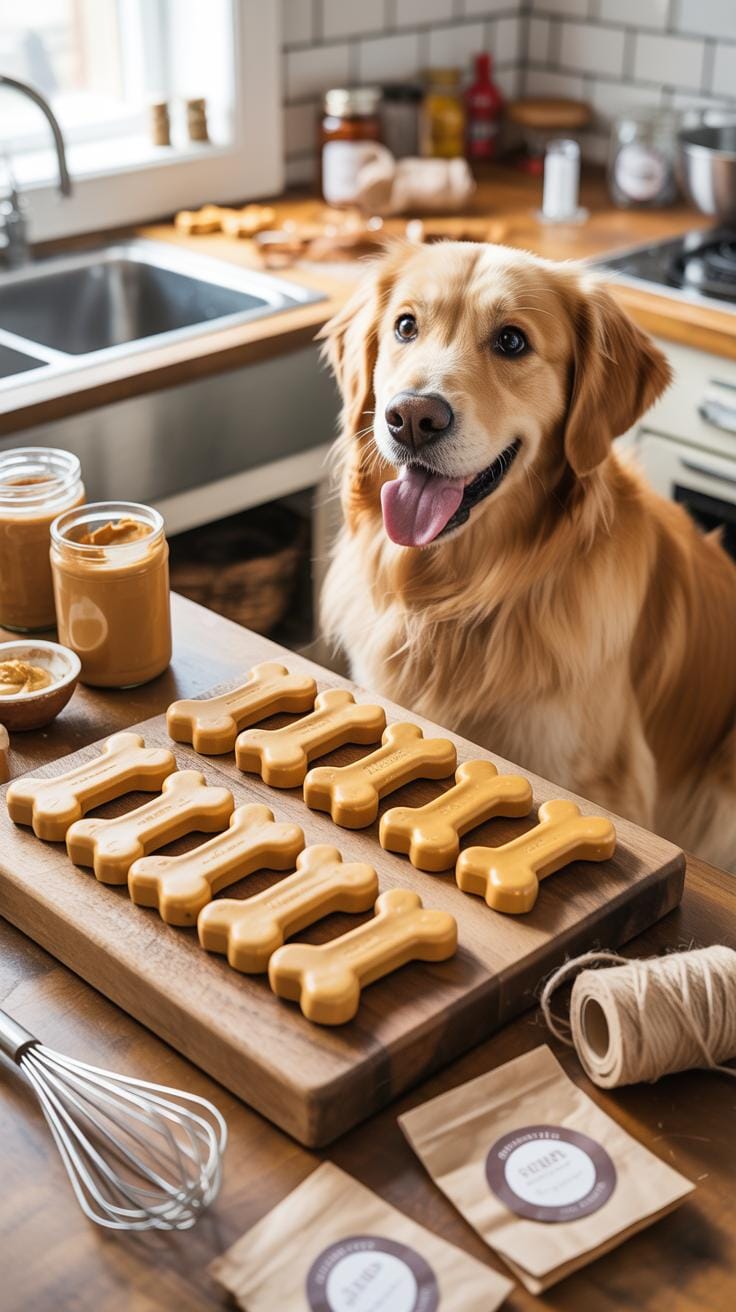
Pet owners prioritize transparency and ingredient quality over low prices. Commercial treats often contain fillers and chemical preservatives. Handmade peanut butter snacks offer a clean alternative. Buyers want to see simple labels they can understand easily. They trust small makers who use human grade ingredients. This shift in buyer behavior creates a massive opportunity for local entrepreneurs to gain market share.
Farmers markets and online platforms provide a direct path to these motivated customers. Owners treat their dogs like family members and spend accordingly. Peanut butter is a high value flavor because most dogs find it irresistible. It has a long shelf life when baked into dry biscuits. Selling these treats allows you to capitalize on the humanization of pets. You solve a problem by providing healthy rewards.
Key Considerations For Packaging Labeling And Selling Homemade Dog Treats Legally
Selling dog treats requires compliance with state and federal laws. Every state has specific commercial feed laws. You must register your business with the state department of agriculture. Most states require a guaranteed analysis on the label. This analysis lists the minimum crude protein and fat. It also shows maximum fiber and moisture. You must follow these rules to avoid heavy fines or shutdowns.

Packaging must protect the product from moisture and pests. Use airtight bags or heat sealed pouches to maintain freshness. The label represents your legal contract with the buyer. It must list every ingredient in descending order by weight. Include your business name and contact information clearly. Proper labeling builds trust and ensures consumer safety. Professional packaging separates serious businesses from casual hobbyists in a crowded marketplace.
Frequently Asked Questions

Is it safe to give my dog homemade treats containing peanut butter?
Yes, it is generally very safe and healthy to provide homemade dog treats with peanut butter, provided you choose the right ingredients. Always check the label to ensure your peanut butter is free from Xylitol, a common sugar substitute that is toxic to canines. Stick to natural, unsweetened varieties. When prepared correctly, these snacks offer a protein-rich reward that most dogs find absolutely irresistible and easier to digest than processed alternatives.
How do I store these homemade snacks to keep them fresh and crunchy?
To maintain the best texture and flavor, store your DIY dog treats with peanut butter in an airtight container once they have cooled completely. If you have baked them until they are quite dry and crunchy, they will last on the counter for about one week. For longer preservation, keep them in the refrigerator for up to three weeks or freeze them for months, ensuring your pup always has a fresh snack ready.
Can I make these treats if I don’t have fancy cookie cutters or equipment?
Absolutely! You don’t need specialized kitchen gadgets to create delicious rewards for your pet. Simply roll the dough into small, bite-sized balls or use a common butter knife to slice the flattened dough into simple squares or rectangles before baking. This budget-friendly approach ensures that anyone can whip up a batch of healthy snacks using basic pantry staples and standard kitchen tools without spending extra money on decorative supplies.