Understanding Probiotics For Dogs And How They Work
What Are Probiotics And Why Do Dogs Need Them
Probiotics are live microorganisms that provide health benefits to the canine host. These microscopic organisms consist primarily of specific bacteria strains and yeasts. Dogs require a stable population of these microbes to maintain a functional immune system. Modern canine diets and medical treatments often disrupt this delicate internal balance. Supplemental probiotics restore the natural microbial levels needed for survival and peak performance.
The canine digestive tract houses billions of bacteria that influence every major organ system. Stress, antibiotics, and poor nutrition deplete these essential populations. When beneficial microbes vanish, harmful pathogens take over the gut environment. This imbalance leads to systemic inflammation and chronic digestive issues. Administering targeted probiotics ensures the dog possesses the biological tools to process nutrients and fight off environmental toxins effectively.
How Beneficial Bacteria Interact With Your Dog’S Digestive System
Beneficial bacteria colonize the intestinal lining to create a physical barrier against pathogens. These microbes compete with harmful bacteria for limited space and nutrients through a process called competitive exclusion. They also lower the pH level within the colon to make the environment inhospitable for invaders. This immediate biological response prevents toxic substances from entering the bloodstream and causing health complications for the dog.
Once established, these microbes produce short-chain fatty acids that fuel the cells lining the gut. This interaction strengthens the intestinal wall and prevents “leaky gut” syndrome. Probiotics also communicate directly with the dog’s immune cells located in the intestinal tissue. This constant signaling trains the immune system to distinguish between harmless food particles and dangerous viruses. Proper bacterial interaction results in better nutrient absorption and faster recovery times.

The Role Of Beneficial Bacteria In A Healthy Dog Gut
The Gut Microbiome: What Lives Inside Your Dog’S Digestive Tract
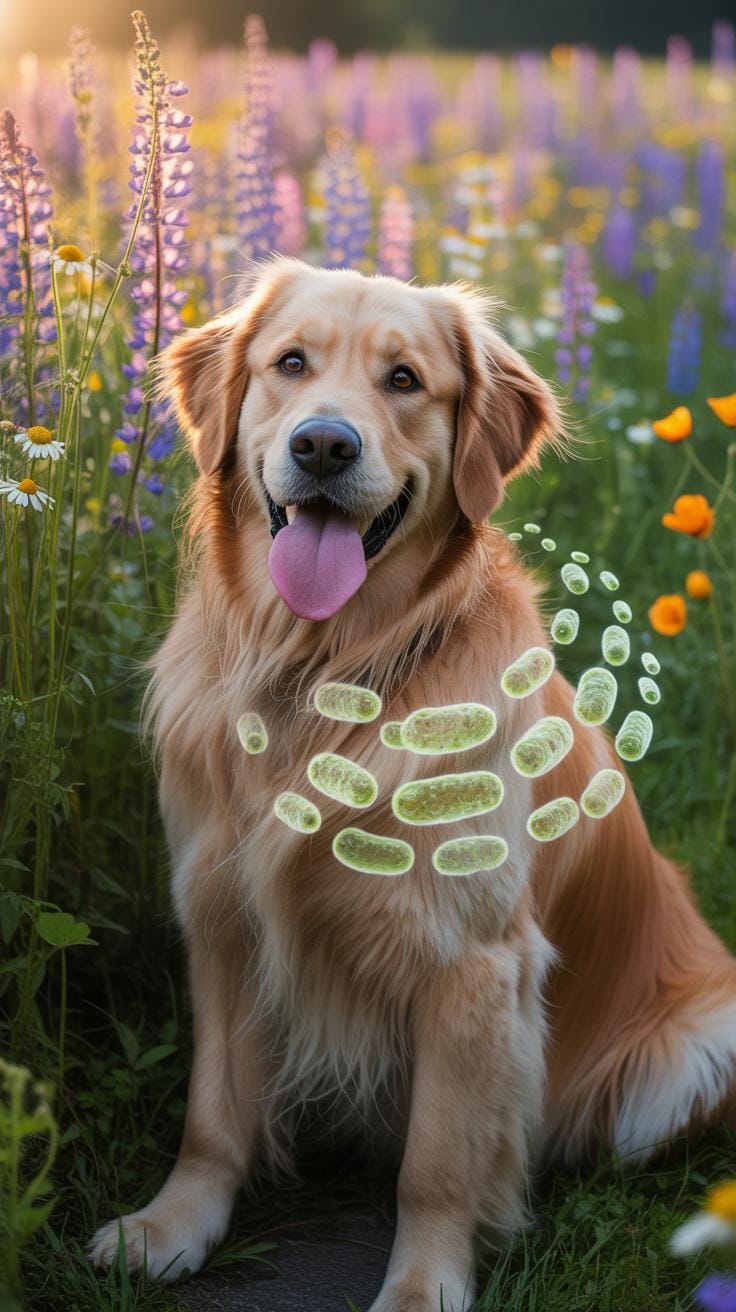
The canine gut microbiome consists of trillions of microorganisms living in the digestive tract. These include bacteria, fungi, viruses, and protozoa. Most reside in the large intestine. Firmicutes, Bacteroidetes, and Proteobacteria dominate a healthy canine gut. These microbes break down food that the dog cannot digest alone. This process produces short chain fatty acids which fuel the cells lining the colon.
Beneficial bacteria compete with pathogens for space and nutrients. They create a physical barrier against harmful invaders. These microbes also produce antimicrobial substances to kill dangerous bacteria like E. coli or Salmonella. A stable microbiome regulates the immune system. It teaches the body to distinguish between food proteins and actual threats. This prevents chronic inflammation and keeps the digestive system functioning at peak efficiency.
How An Imbalanced Gut Microbiome Affects Your Dogs Overall Health
Dysbiosis occurs when harmful bacteria outnumber beneficial ones. This shift triggers systemic inflammation throughout the dog’s body. An imbalanced gut often leads to immediate digestive issues like chronic diarrhea or gas. It also weakens the intestinal wall. This allows toxins to enter the bloodstream. Doctors call this condition increased intestinal permeability. It forces the liver and kidneys to work harder to filter out dangerous waste.

Poor gut health impacts more than just digestion. It directly affects the immune system since seventy percent of immune cells reside in the gut. Dogs with dysbiosis often suffer from skin allergies and ear infections. They may also show signs of anxiety or lethargy. An unhealthy microbiome prevents the absorption of vital nutrients from high quality food. Without a balanced gut, your dog cannot maintain muscle mass or skin health.
Key Health Benefits Of Dog Probiotics Backed By Science
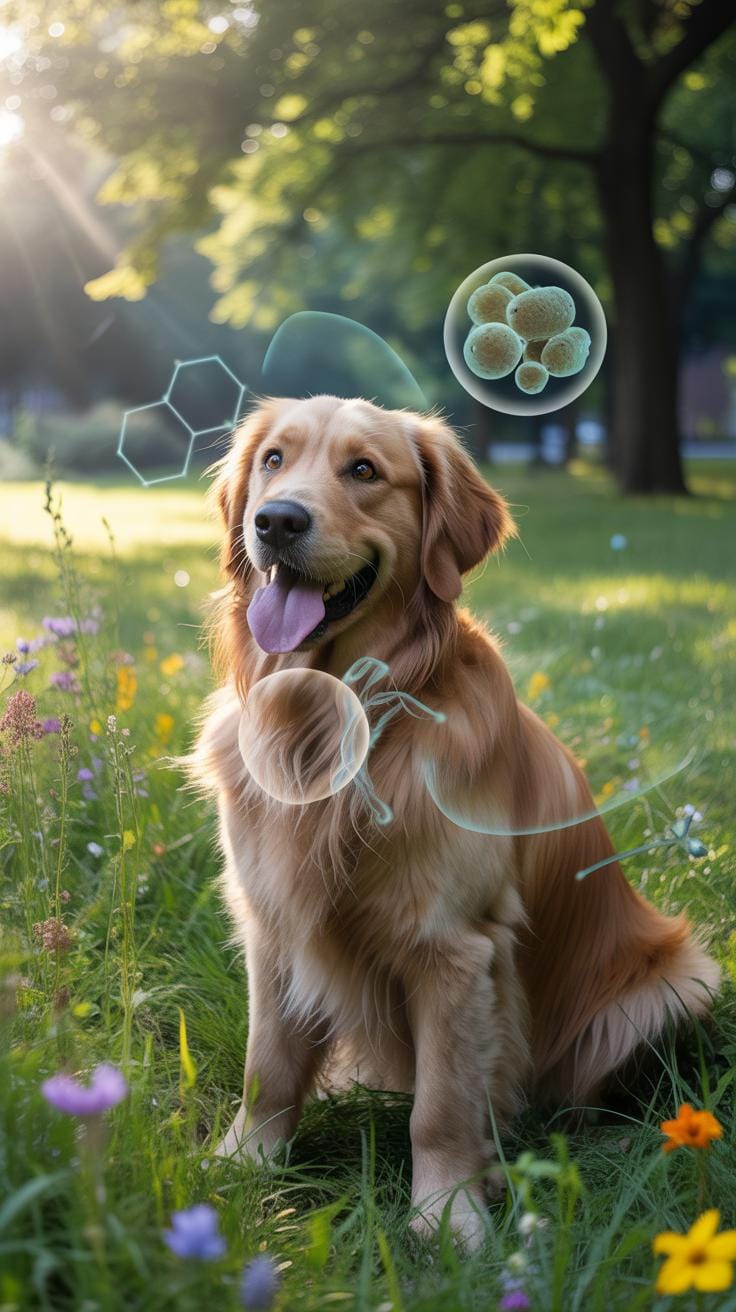
Probiotics And Digestive Relief: Addressing Diarrhea, Bloating And Constipation
Probiotics actively restore order in the canine gastrointestinal tract. When bad bacteria multiply, dogs suffer from loose stools and painful gas. Specific strains like Lactobacillus acidophilus colonize the intestinal lining to crowd out these pathogens. This process firms up stools and reduces the buildup of gas in the colon. Targeted supplementation provides a direct tactical response to acute digestive upset caused by dietary changes or stress.
These beneficial bacteria also optimize the breakdown of nutrients. By producing digestive enzymes, probiotics ensure the dog processes food efficiently without excessive waste or fermentation. This efficiency prevents constipation by maintaining consistent bowel movement frequency. Regular use creates a stable internal environment where the gut moves waste effectively. Owners see less bloating and more predictable energy levels when the digestive system functions without internal friction or inflammation.
How Dog Probiotics Strengthen The Immune System Over Time
Roughly seventy percent of a dog’s immune system resides in the gut. Probiotics act as a primary line of defense against invasive toxins and allergens. Beneficial microbes stimulate the production of natural antibodies and white blood cells. This constant biological activity trains the immune system to recognize and fight real threats faster. A fortified gut lining prevents harmful substances from leaking into the bloodstream and causing systemic inflammation.

Long-term probiotic use creates a resilient barrier against environmental stressors. Consistent colonization of the gut wall prevents foreign bacteria from taking hold. This proactive approach reduces the likelihood of chronic skin issues and seasonal allergies. By maintaining a dominant population of good bacteria, the dog’s body stays in a state of high readiness. Sustained gut health leads to faster recovery times and better overall resistance to common canine pathogens and infections.
Natural Probiotics For Dogs Food Based Sources Worth Knowing
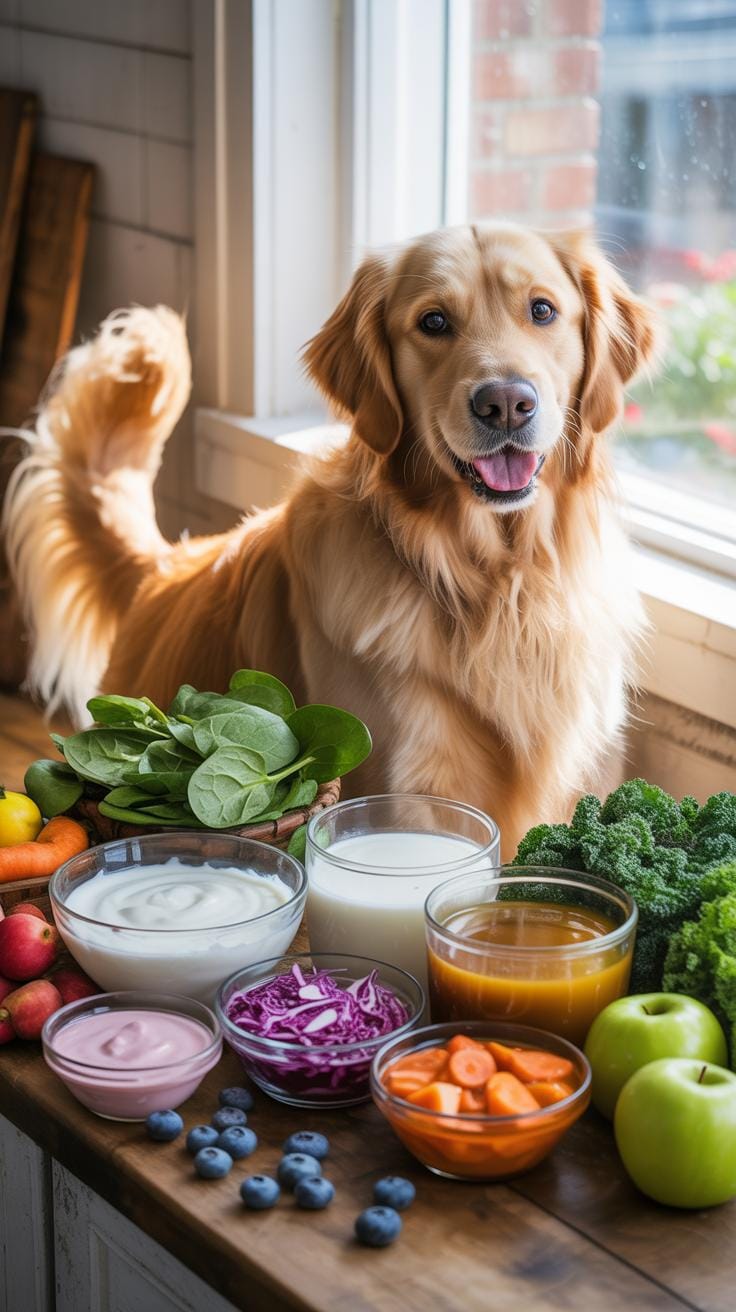
Probiotic Foods That Are Safe And Beneficial For Dogs
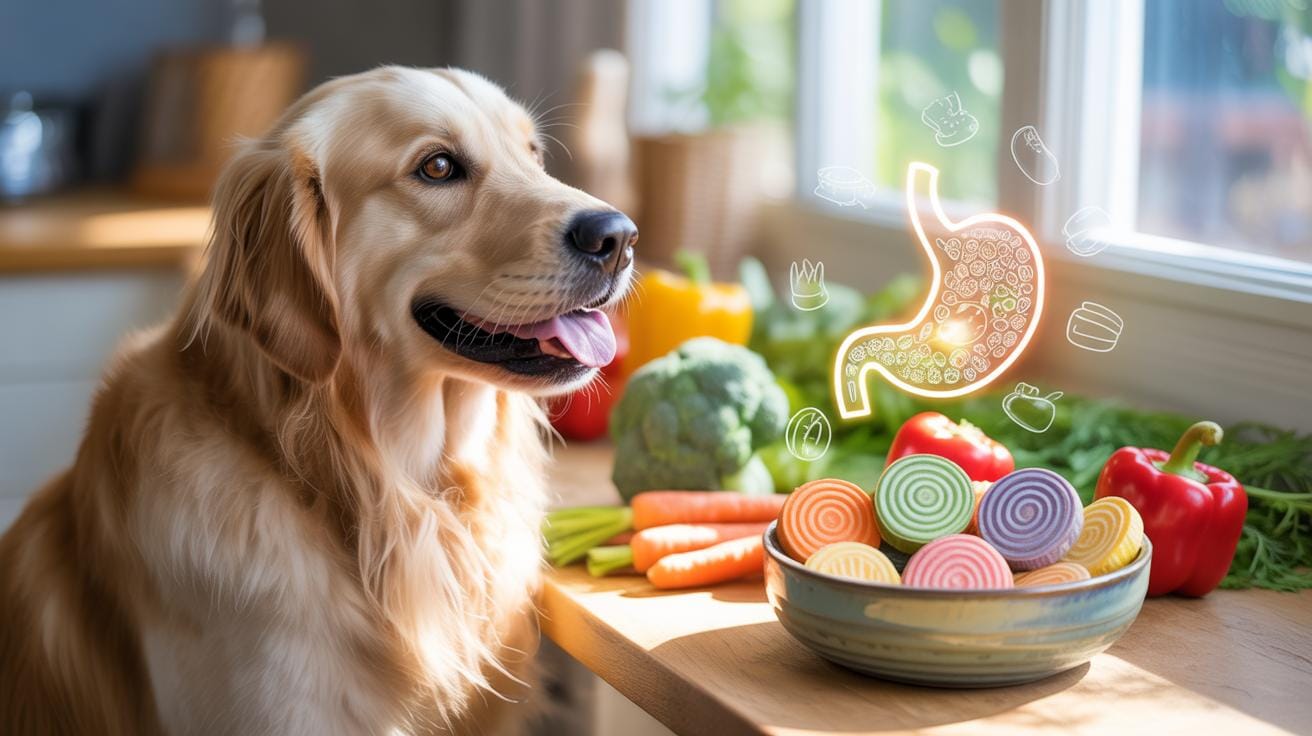
Whole food sources provide live active cultures that survive the digestive process. These natural options deliver diverse bacterial strains directly to the canine intestinal tract. You must select items without added sugars or artificial sweeteners like xylitol. Proper selection ensures your dog receives beneficial microorganisms without toxic additives. Focus on fermented dairy and vegetables that align with a carnivorous digestive system for maximum biological impact.
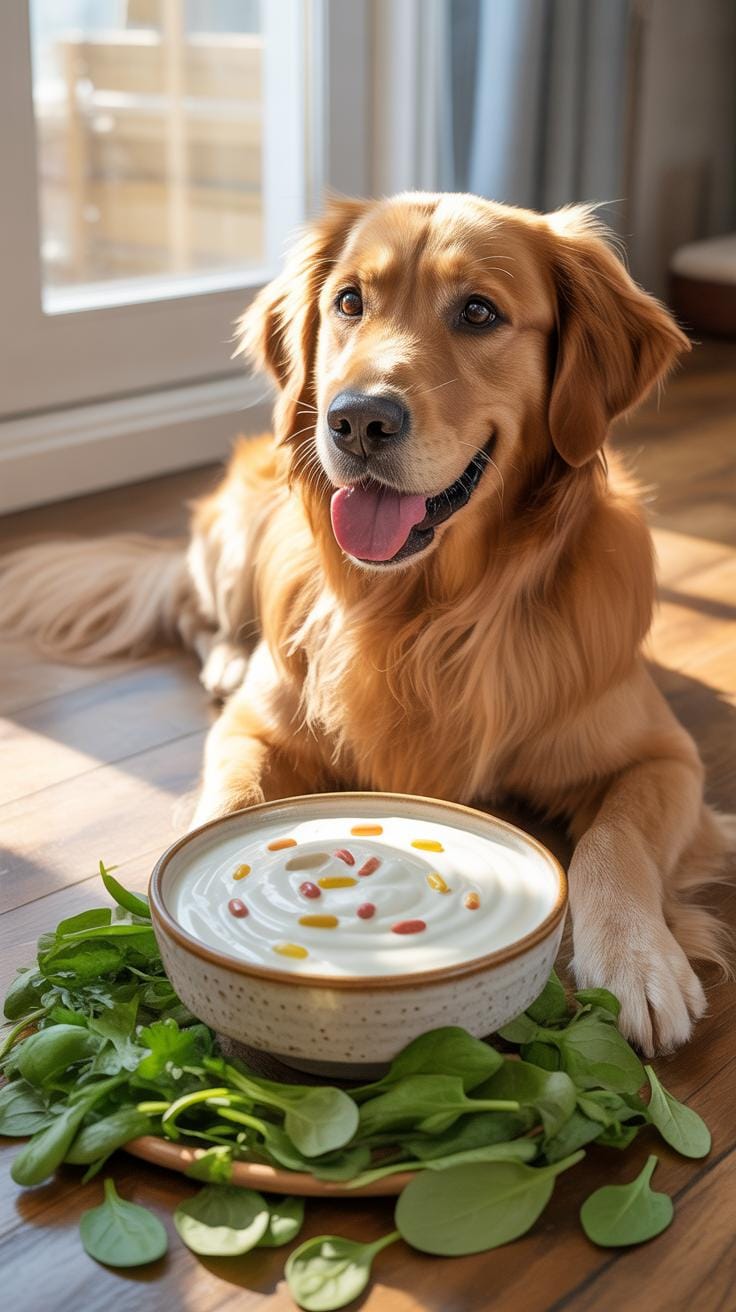
- Plain Greek Yogurt: This concentrated dairy product contains high levels of Lactobacillus and Bifidobacterium. Ensure it is unsweetened and free of thickeners. The straining process removes most lactose, making it easier for many dogs to digest while providing a significant dose of protein and active cultures.
- Kefir: This fermented milk drink contains a wider variety of bacterial strains and yeasts than standard yogurt. It acts as a powerful probiotic powerhouse for the gut. Start with small amounts to avoid digestive upset. It effectively recolonizes the intestinal flora after antibiotic use or during periods of high stress.
- Raw Goat Milk: This milk contains natural enzymes and probiotics that support nutrient absorption. The fat globules are smaller than cow milk, which allows for faster and easier digestion in the canine gut. It serves as a highly bioavailable source of hydration and beneficial bacteria for dogs of all life stages.
- Fermented Vegetables: Unsalted sauerkraut or kimchi provides dense populations of lactic acid bacteria. These foods must be prepared without onions, garlic, or excessive salt to remain safe for dogs. They offer a unique profile of probiotics that differ from dairy sources. Small servings can significantly improve stool quality and overall immune function.
- Raw Green Tripe: This untreated stomach lining from ruminants is naturally rich in digestive enzymes and Lactobacillus acidophilus. It mimics the natural diet of wild canines and provides essential fatty acids. While it has a strong odor, it is one of the most complete natural probiotic sources available for maintaining a healthy gut microbiome.
Commercial dog foods often lose probiotic viability during high-heat processing. Supplementing with these whole foods restores live bacteria to the diet. Consistency is more important than quantity when feeding natural probiotics. Small, daily additions create a stable environment for good bacteria to thrive. Monitor your dog for changes in stool consistency to ensure they tolerate these specific food sources well.
How To Safely Introduce Natural Probiotics Into Your Dog’S Diet
Start with a minimalist approach when adding fermented foods to the bowl. Rapid changes to the microbiome cause gas, bloating, or diarrhea. Begin with a single teaspoon for small dogs or a tablespoon for large breeds. Observe the physical response for forty-eight hours before increasing the dosage. This gradual strategy allows the digestive system to adapt to new bacterial populations without triggering acute inflammation.
Maintain a strict rotation of probiotic sources to encourage microbial diversity in the gut. Relying on a single food source limits the variety of beneficial strains. Combine these probiotics with prebiotic fibers like steamed broccoli or pumpkin to fuel the healthy bacteria. Check ingredient labels every time to avoid hidden chemicals. If your dog shows signs of discomfort, stop the new food and return to their baseline diet immediately.
How To Choose The Best Probiotic Supplement For Your Dog
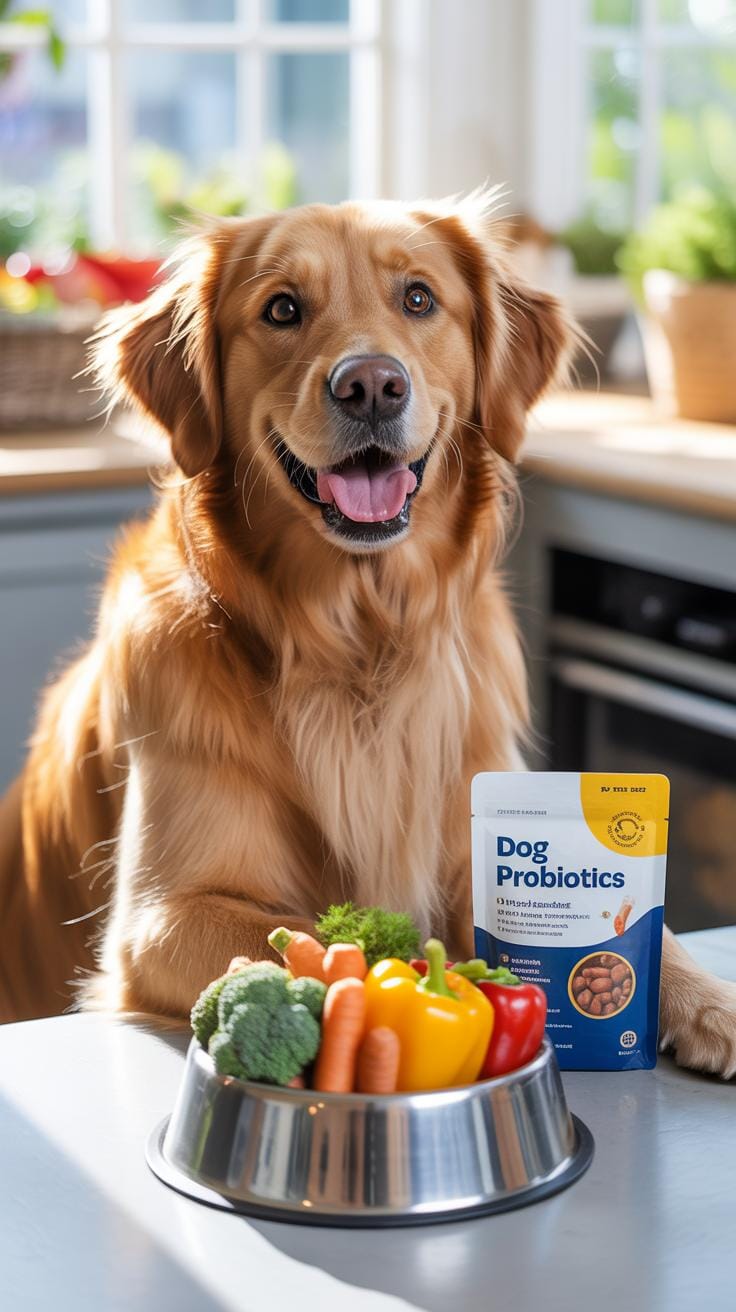
What To Look For On A Probiotic Label: Strains, CFUs And Ingredients
Read the label for specific strain names like Enterococcus faecium or Bifidobacterium animalis. Generic labels that only list bacteria types lack transparency. Check the Colony Forming Units or CFU count at the time of manufacture. Higher numbers do not always mean better results for your dog. You need enough live bacteria to survive the stomach acid and reach the lower intestine to work.
Avoid supplements containing fillers like corn, soy, or artificial flavors. Look for added prebiotics like inulin or chicory root to feed the good bacteria. Ensure the manufacturer lists a guaranteed analysis of live cultures. Check for a National Animal Supplement Council seal to verify quality control standards. Quality labels reveal exactly what is inside the bottle. High standards prevent you from wasting money on dead bacteria.
Probiotic Forms For Dogs: Powders, Chews, Capsules And Yogurts Compared
Powders offer the best stability and easiest dosing for most dog owners. You can sprinkle them directly onto wet or dry food for quick consumption. Chews are convenient but often contain more additives and calories. High heat during the manufacturing of some treats can kill the live cultures. Capsules protect the bacteria from moisture but require your dog to swallow a pill.

Yogurt contains natural probiotics but lacks the concentration found in concentrated supplements. Most dogs are lactose intolerant and cannot digest large amounts of dairy without issues. Fermented vegetables provide organic sources of bacteria but may cause gas. Compare the delivery method to your dog’s specific eating habits. Choose a form that remains stable until it reaches the gut. Consistency matters more than the specific delivery format used.
Dog Health Tips When And How To Give Your Dog Probiotics
The Best Times To Start A Probiotic Routine For Your Dog
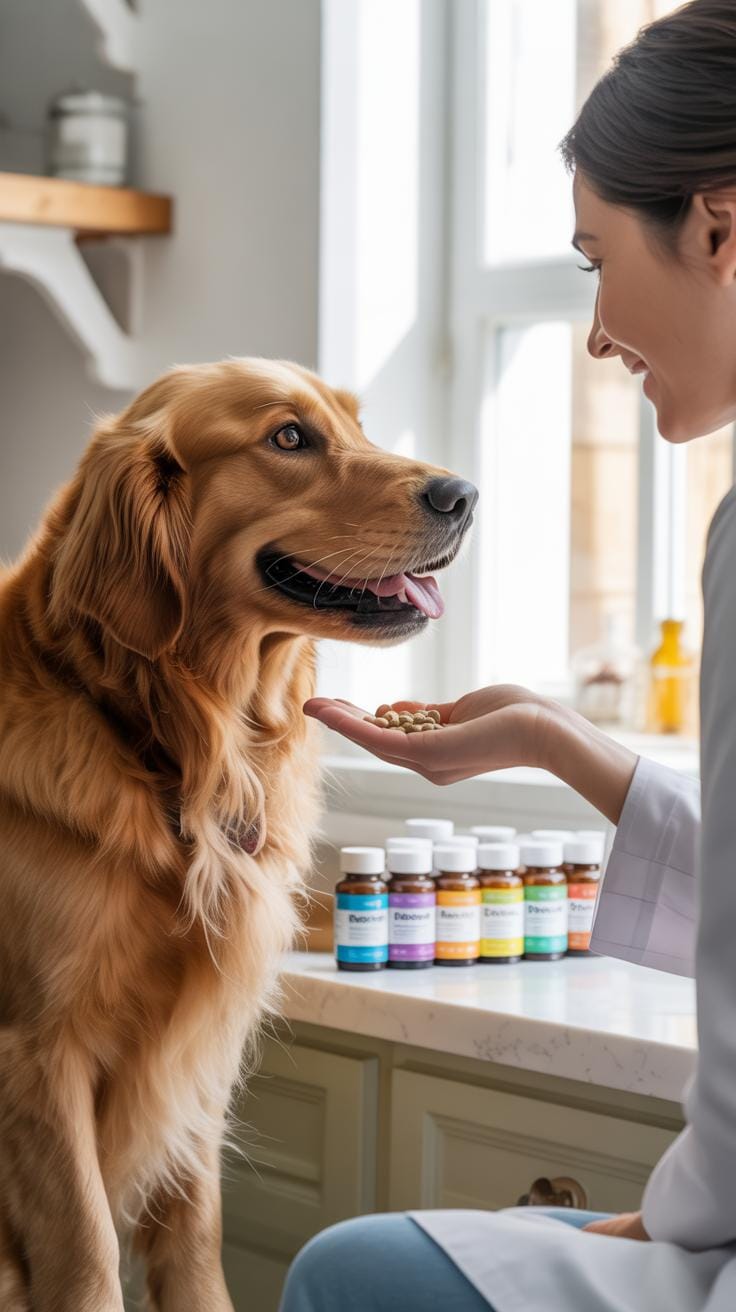
Probiotics for dogs gut health function best during specific physiological shifts. Start a routine when your dog begins a course of antibiotics. Antibiotics kill harmful bacteria but also destroy beneficial microbes. Introducing probiotics during this time helps maintain a functional gut barrier. You should also start supplementation before high-stress events like boarding, traveling, or moving to a new house.
Digestive upset marks another critical entry point. If your dog has loose stools or gas, their microbiome is likely out of balance. Dietary transitions also require probiotic support. Switching protein sources or moving from kibble to raw food stresses the digestive tract. Probiotics stabilize the environment during these shifts. Use them daily for senior dogs to support aging immune systems and nutrient absorption.
Nurturing your dog’s inner health with probiotics is a gentle way to honor the lifelong bond and vitality you share. A healthy gut is the foundation for many more years of happy tails and sunset walks together.
Dosage Guidelines And Common Mistakes To Avoid When Using Dog Probiotics
Correct dosage depends on Colony Forming Units rather than just physical weight of the powder. Most healthy dogs require a daily dose between one billion and five billion CFUs. Higher doses are necessary for dogs recovering from severe illness or chronic GI issues. Always check the expiration date. Live cultures die over time and heat exposure renders many supplements useless before the dog eats them.
- Inconsistent Timing: Forgetting daily doses prevents the bacteria from colonizing the gut effectively. You must provide a steady supply of microbes to see a shift in the microbiome. Skipping days allows opportunistic pathogens to take over the space left by temporary beneficial strains.
- Human Grade Confusion: Giving dogs human probiotics is a common error. Dogs have a different stomach pH and distinct native bacterial strains. Human products may contain xylitol which is toxic to dogs. Use species-specific strains like Enterococcus faecium for the best physiological results.
- Ignoring Prebiotics: Failing to provide prebiotic fiber makes probiotics less effective. Prebiotics act as the fuel for beneficial bacteria. Without these non-digestible fibers, the introduced probiotics cannot survive long enough to replicate. Look for ingredients like chicory root or inulin in the formula.
- Incorrect Storage: Storing probiotics in a hot pantry kills the live organisms. Many high-quality strains require refrigeration or cool, dark environments. Check the label instructions for storage requirements. If the bacteria are dead at the time of ingestion, your dog gets zero health benefits.
- Abrupt Stopping: Ending the routine the moment symptoms disappear is a mistake. The gut needs time to reach a new homeostatic balance. Continue the supplement for at least two weeks after the stool returns to normal. This ensures the beneficial colony is strong enough to survive on its own.

Avoid the mistake of mixing probiotics into piping hot food. High temperatures kill the live bacteria immediately. Let cooked meals cool to room temperature before adding the supplement. If using a liquid or spray, ensure the bottle stays tightly sealed to prevent oxidation. Monitor your dog for initial gas or bloating. These temporary side effects often mean the microbiome is shifting and should resolve within a few days.
Probiotics For Dogs With Specific Health Conditions
Using Probiotics To Support Dogs On Antibiotics Or With Chronic Gut Issues
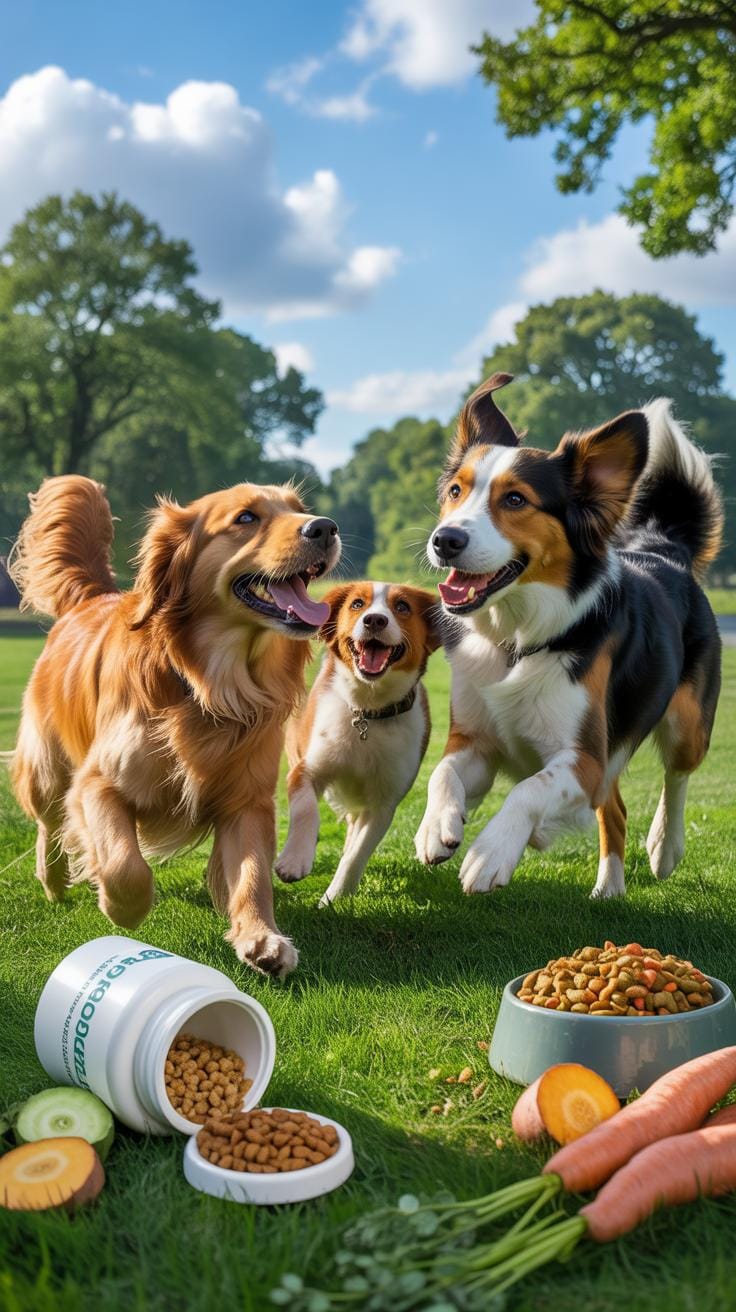
Antibiotics kill harmful bacteria but also destroy beneficial microbes in the canine gut. This imbalance often causes acute diarrhea and nutrient malabsorption. Administering probiotics during and after antibiotic cycles helps repopulate the microbiome. You must space the probiotic dose at least two hours away from the medication. This prevents the antibiotic from killing the new live cultures before they colonize the intestinal tract.
Chronic gut issues like Inflammatory Bowel Disease require specific probiotic strains to reduce intestinal inflammation. Consistent dosing strengthens the mucosal barrier and prevents pathogens from crossing the gut lining. High CFU counts are necessary for these dogs to overcome established bacterial imbalances. Monitoring stool consistency provides the best feedback on efficacy. Always consult a veterinarian to match specific bacterial strains to your dog’s diagnosed chronic condition.
Can Probiotics Help Dogs With Allergies, Anxiety Or Skin Conditions
The gut-skin axis links digestive health directly to coat quality and inflammatory skin responses. Beneficial bacteria modulate the immune system to decrease hypersensitivity to environmental allergens. This reduces itching, redness, and hot spots. Dogs with chronic yeast infections often see improvement when probiotics rebalance systemic microflora levels. Targeted supplementation manages the underlying immune overreaction rather than just masking the visible skin symptoms.
The gut-brain axis allows gut microbes to influence the canine nervous system through the vagus nerve. Certain strains like Bifidobacterium longum help lower cortisol levels and reduce anxious behaviors. This is particularly effective for dogs with separation anxiety or noise phobias. While not a cure for behavioral issues, probiotics stabilize the internal environment to improve overall temperament. Stable gut health leads to more predictable and calm behavior.
Dog Care Tips For Maintaining Long Term Gut Health Naturally
Pairing Probiotics With Prebiotics For A Stronger Gut Foundation
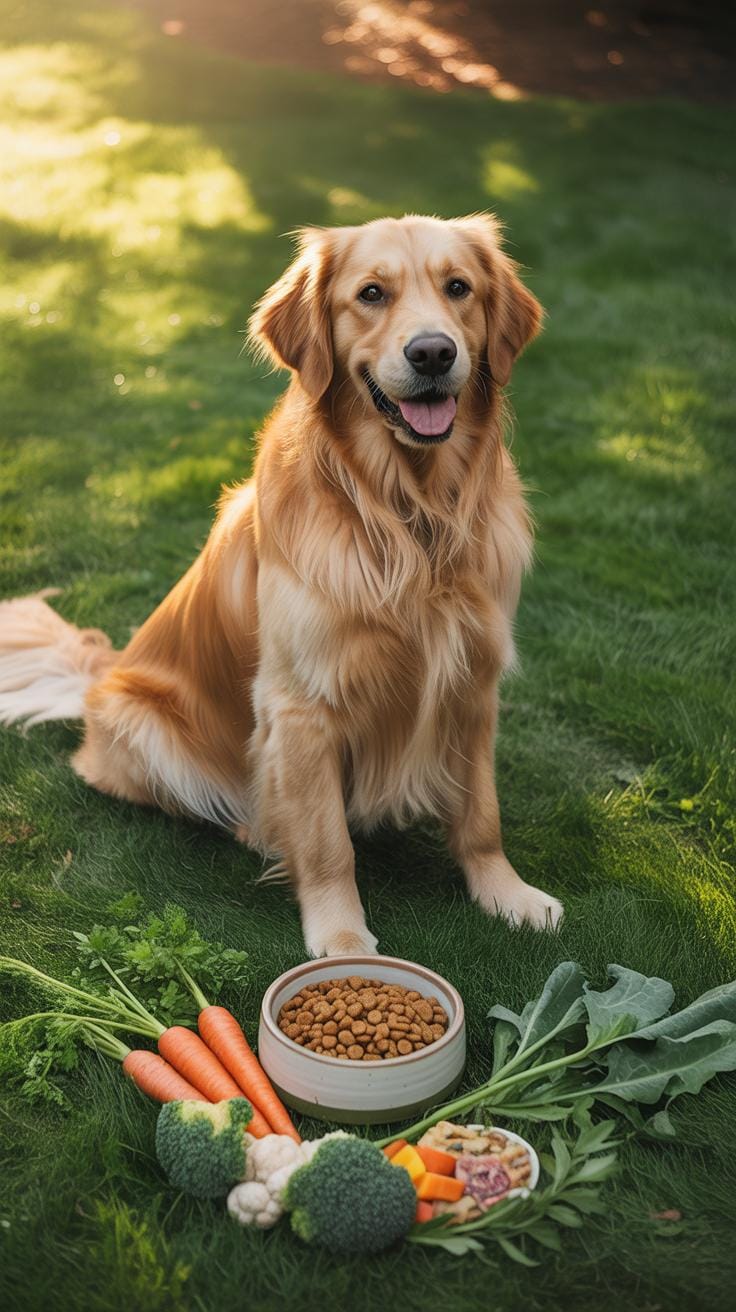
Probiotics require fuel to function effectively. Prebiotics provide this fuel. These are non-digestible fibers that feed beneficial bacteria in the colon. Without prebiotics, supplemental probiotics often fail to colonize the gut. This synergy is called synbiotics. You must provide specific fibers like inulin or chicory root. These sources ensure the live cultures you introduce actually survive and multiply within the canine digestive tract.
Feeding probiotics alone is an incomplete strategy. The gut environment needs a steady supply of fermentable fiber to maintain a low pH level. This acidity prevents pathogens like E. coli from spreading. Focus on adding resistant starches to the diet. These fibers pass through the small intestine untouched. They reach the large intestine where bacteria ferment them into short-chain fatty acids. This process strengthens the intestinal wall.
Lifestyle And Diet Habits That Support Your Dog’S Probiotic Benefits
Diet consistency stabilizes the microbiome. Frequent food changes trigger metabolic stress and kill beneficial microbes. Stick to high-quality proteins and avoid excessive processed carbohydrates. Sugars feed harmful yeast and bacteria. This imbalance negates the benefits of any probiotic supplement. Always provide filtered water to reduce chlorine exposure. Chlorine is a disinfectant that can sanitize the gut and kill the good bacteria you are trying to grow.
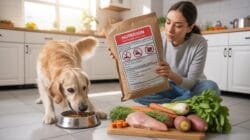
Physical activity and stress management also impact gut flora. High cortisol levels from chronic stress can damage the gut lining. This causes inflammation and reduces bacterial diversity. Ensure your dog gets regular exercise to stimulate intestinal motility. Movement helps move waste through the colon efficiently. This prevents the buildup of toxic byproducts. A calm environment and a clean diet create the optimal conditions for probiotics to thrive long-term.
Frequently Asked Questions

What are the main benefits of giving probiotics to my dog?
Probiotics are beneficial bacteria that balance your pet’s microbiome, helping to crowd out harmful pathogens. By introducing high-quality probiotics for dogs gut health, you can improve their digestion, enhance nutrient absorption, and strengthen their immune system. This natural support often leads to firmer stools, reduced gas, and even improved skin health, ensuring your furry friend feels their absolute best from the inside out.
How do I safely introduce probiotics into my dog’s daily diet?
Consistency is key when starting a new supplement routine. Begin by mixing a small dose of a canine-specific formula into your dog’s regular meals. Gradually increase to the recommended amount over a week to prevent minor digestive upset. This steady approach allows the beneficial microbes to colonize effectively, maximizing the impact of probiotics for dogs gut health while ensuring your pet remains comfortable during the transition period.
Can I use human probiotic supplements for my dog to save money?
While it may seem cost-effective to share your own supplements, it is not recommended. Dogs have unique digestive pH levels and specific strains of bacteria, like Enterococcus faecium, that differ from human needs. Investing in a formula specifically designed for canines ensures the bacteria survive the journey to the lower intestine. Choosing pet-specific products is the safest way to ensure the supplement actually provides the intended health benefits for your pup.