Understanding Holistic Dog Care And Why It Matters
What Holistic Dog Care Actually Means For Your Pet
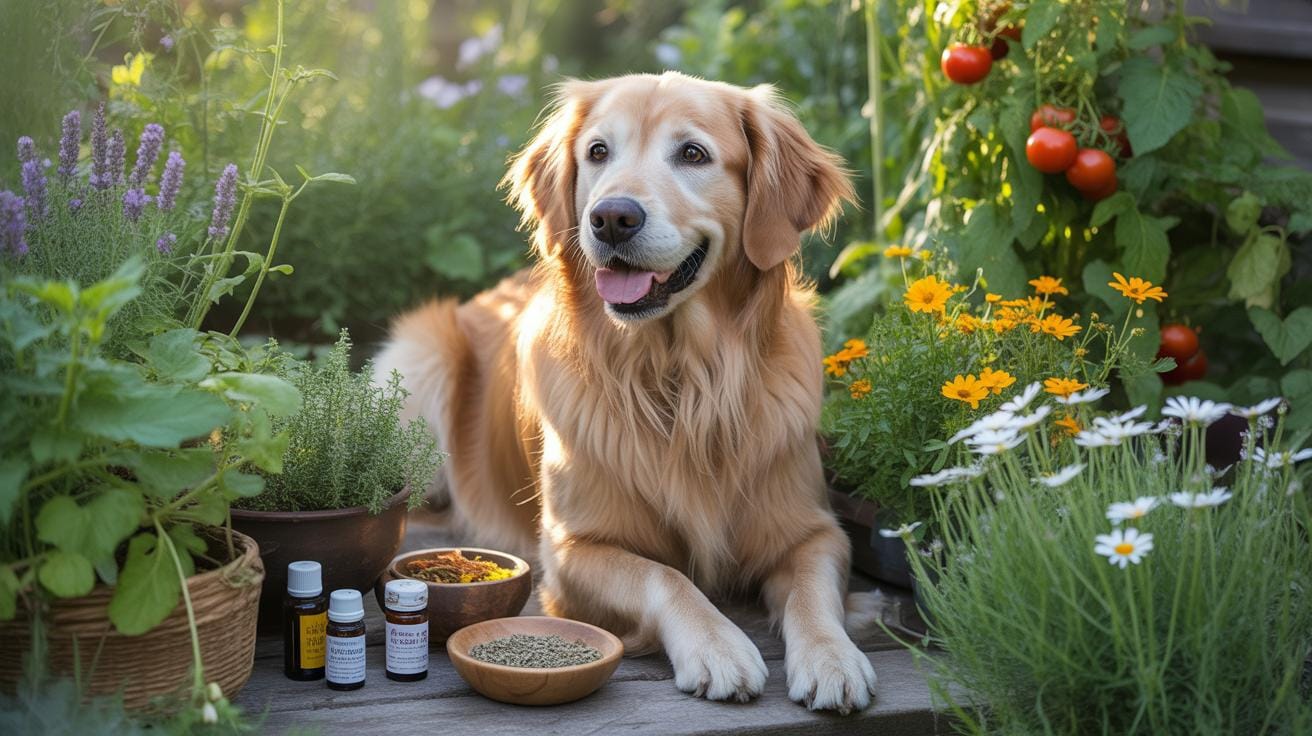
Holistic dog care focuses on the entire animal rather than just isolated symptoms. This method balances physical, emotional, and environmental factors to maintain health. It prioritizes prevention through proper nutrition, clean water, and regular exercise. Owners use natural remedies dog wellness strategies to strengthen the immune system before illness occurs. This proactive stance reduces the need for emergency interventions by keeping the body in balance.
The term holistic comes from the Greek word holos, meaning whole. In practice, this means evaluating a dog’s lineage, daily routine, and stress levels. You must examine how every part of the dog’s life affects its long-term health. Practitioners often integrate herbal supplements, massage, and high-quality proteins into the daily schedule. This strategy aims to create a resilient biological system that resists disease naturally over time.
How A Whole Body Approach Differs From Conventional Veterinary Treatment
Conventional veterinary medicine focuses on reactive care. It uses drugs or surgery to treat specific diseases or injuries after they appear. This system relies heavily on diagnostic tests to identify pathogens or physical damage. While effective for trauma and acute infections, it often ignores the lifestyle habits that caused the problem. It treats the dog as a collection of parts rather than a single unified system.
Natural wellness strategies take a different path by addressing the root cause of health issues. Instead of just masking pain with pills, a holistic approach looks for systemic imbalances. It uses natural remedies to support organ function and cellular repair. You still use modern diagnostics when necessary, but the primary goal is long-term vitality. This method minimizes chemical exposure and focuses on building a foundation for a long life.

Top Natural Antibiotics For Dogs You Should Know About
Manuka Honey And Its Proven Antimicrobial Properties For Dogs
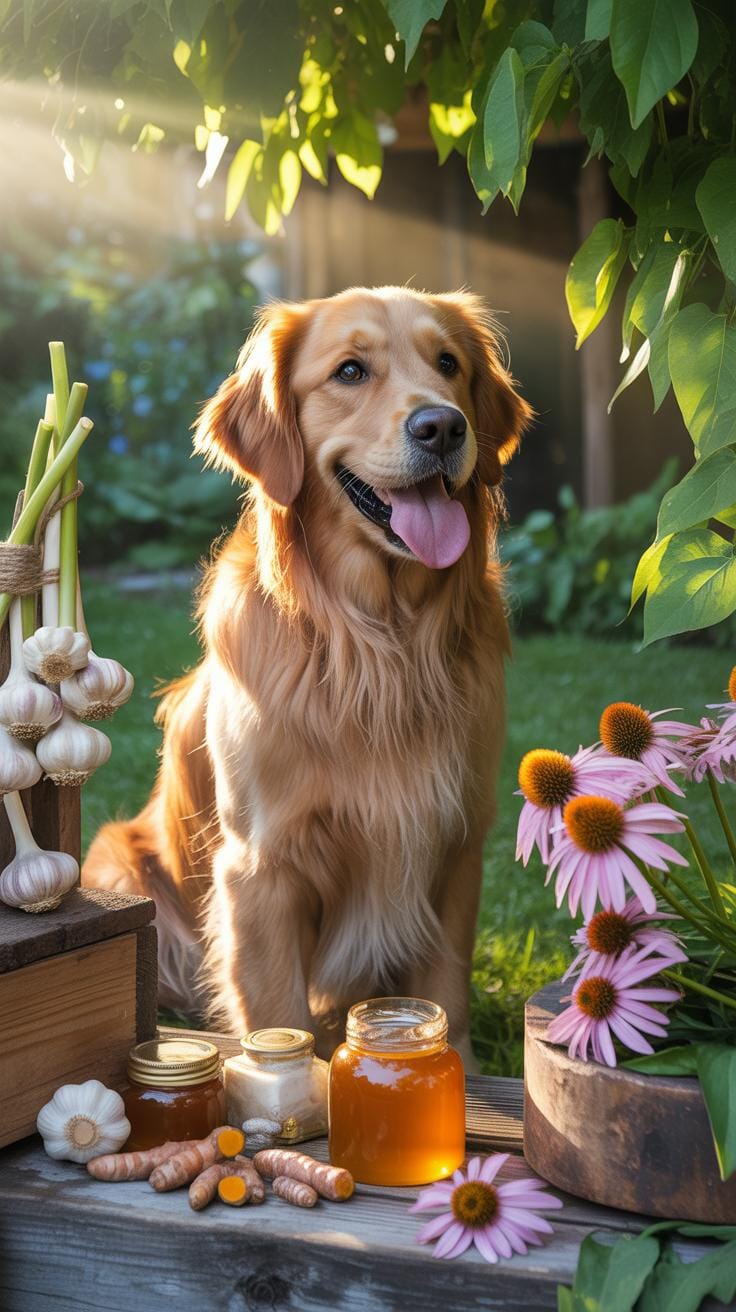
Manuka honey contains the active compound methylglyoxal which provides high antibacterial activity. Unlike regular honey this substance stays stable when exposed to heat or light. Veterinarians use medical grade manuka honey to treat resistant bacterial strains on canine skin. It creates a protective barrier that prevents further infection while pulling moisture out of harmful bacteria. This process effectively kills pathogens without using synthetic drugs.
Apply this honey topically to minor cuts or hot spots to speed up recovery. It reduces inflammation and helps tissue regenerate faster by maintaining a moist wound environment. Never use grocery store honey because it lacks the necessary potency and may contain additives. Stick to products with a high Unique Manuka Factor rating for therapeutic results. Monitor your dog to ensure they do not lick the application area immediately.
Oregano Oil As A Natural Antibiotic Option And Safe Usage Guidelines
Oregano oil contains carvacrol and thymol which act as potent antifungal and antibacterial agents. These phenols disrupt the cell membranes of bacteria and stop them from breeding. You can use it to fight internal parasites or respiratory issues in dogs. However this oil is extremely concentrated and can cause burns if handled incorrectly. You must always dilute it with a carrier oil like coconut oil before any application.

Follow strict dosing guidelines to avoid liver toxicity or stomach upset. Start with a single drop diluted in a tablespoon of oil to test for sensitivity. Never give oregano oil to pregnant dogs or those prone to seizures. Many owners use it to treat ear infections by applying the diluted mixture to the outer ear flap. Consult a professional to determine the exact ratio for your dog’s specific weight and health status.
Common Dog Remedies Found Right In Your Kitchen
Coconut Oil For Skin, Coat, And Digestive Health In Dogs
Coconut oil contains lauric acid which provides antimicrobial and antifungal properties. Apply it topically to soothe cracked paw pads or dry skin patches. This saturated fat creates a physical barrier that protects minor abrasions from environmental irritants. It also improves coat shine by lubricating the hair shaft. Use cold-pressed virgin coconut oil to ensure the nutrient profile remains intact for maximum skin health benefits.
Oral administration of coconut oil supports metabolic function and digestive efficiency. The medium-chain triglycerides provide a direct energy source for the dog. Start with small doses to avoid loose stools or digestive upset. Mix it directly into the food bowl once per day. This fat helps the body absorb fat-soluble vitamins better. Monitor your dog for weight gain since coconut oil is calorie-dense and high in fat.
Ginger And Chamomile As Gentle Digestive Aids For Dogs
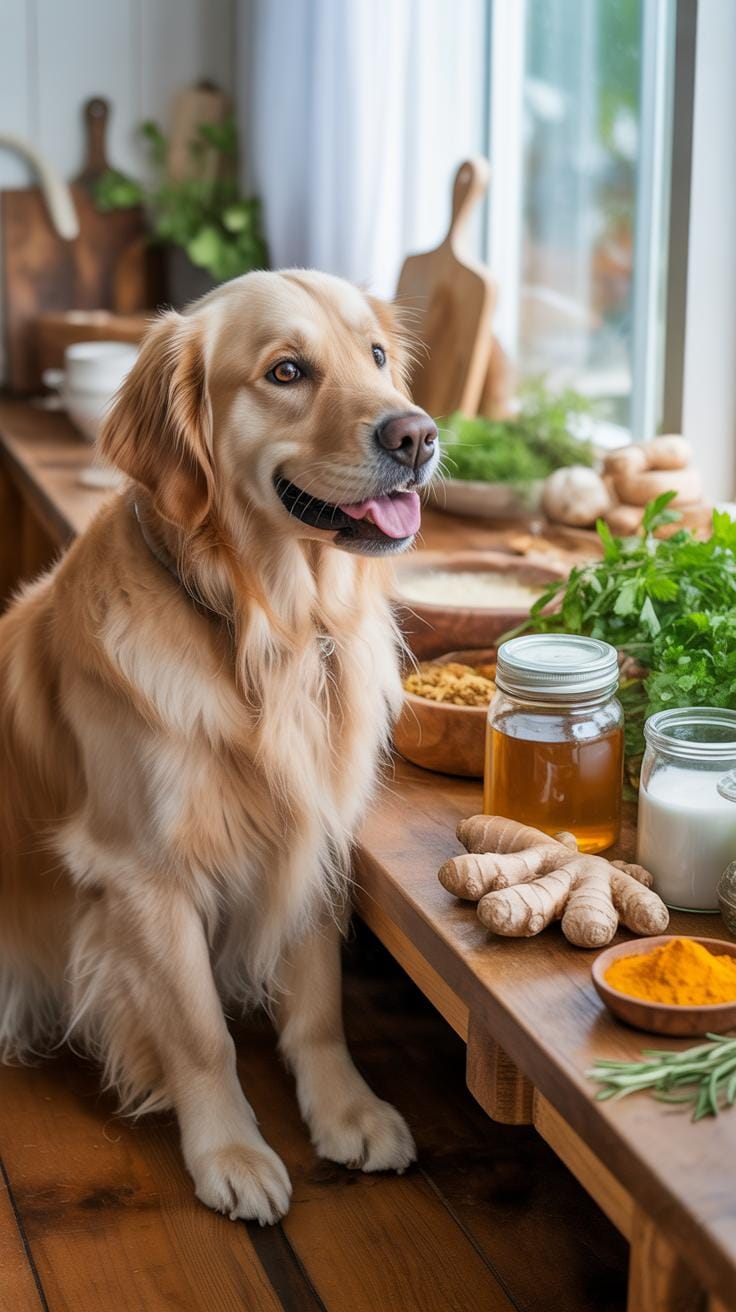
Ginger acts as a powerful anti-nausea agent by blocking serotonin receptors in the gut. It helps dogs suffering from motion sickness during car rides. Feed small amounts of fresh minced ginger or dried powder thirty minutes before travel. It also reduces gas and bloating by stimulating digestive enzymes. This root has served as a reliable medicinal tool for centuries across many cultures for its thermal and gastric properties.

Chamomile treats digestive inflammation and relaxes the smooth muscles of the intestinal tract. It works well for dogs with nervous stomachs or mild cases of diarrhea. Brew a weak tea and let it cool completely before adding it to water or food. The plant contains terpenoids and flavonoids that contribute to its sedative effects. Use it sparingly to calm the GI system during periods of high stress or dietary changes.
When To Use Natural Antibiotics Vs Prescribed Antibiotics For Dogs
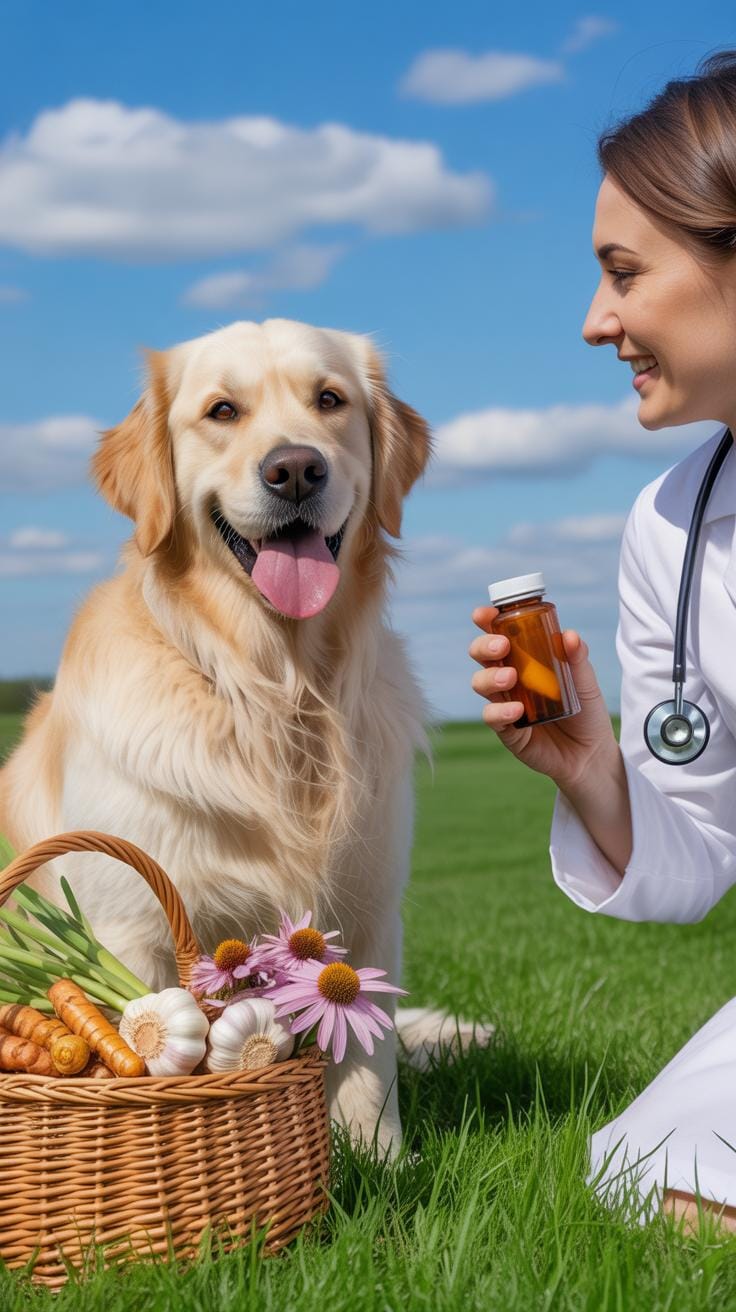
Recognizing When A Natural Approach Is Appropriate For Minor Issues
Natural remedies serve as preventative tools or treatments for surface-level issues. You use these for minor scrapes, hot spots, or mild digestive upsets. Ingredients like raw honey or diluted apple cider vinegar have antiseptic properties. They work well on unbroken skin to stop bacterial growth before it starts. You should use a natural approach only when the dog shows normal energy and appetite.
A natural strategy focuses on the body’s own immune response. These methods do not kill all bacteria like synthetic drugs do. Instead, they create an environment where harmful microbes struggle to survive. This keeps the gut microbiome intact and strengthens long term health. Use these tools for irritation that does not involve deep tissue or systemic symptoms. Control the environment to prevent small issues from escalating.
Understanding When Prescribed Antibiotics For Dogs Are Medically Necessary
Prescribed antibiotics are mandatory for internal infections or deep puncture wounds. You must seek veterinary intervention if your dog has a fever, lethargy, or yellow discharge. These signs indicate that the immune system is losing the fight. Synthetic drugs like amoxicillin target specific bacteria to stop rapid multiplication. Delaying pharmaceutical treatment during an acute infection leads to organ damage or sepsis.

Modern veterinary medicine relies on these drugs for life-threatening conditions. Do not attempt to treat a urinary tract infection or pneumonia with herbal alternatives. These conditions require precise dosages that natural extracts cannot provide. Use prescribed cycles to fully eradicate the pathogen. Aborting a treatment early creates drug-resistant bacteria. Balance the use of these drugs by following up with probiotics to restore intestinal health after the infection clears.
Essential Dog Care Practices That Complement Natural Remedies
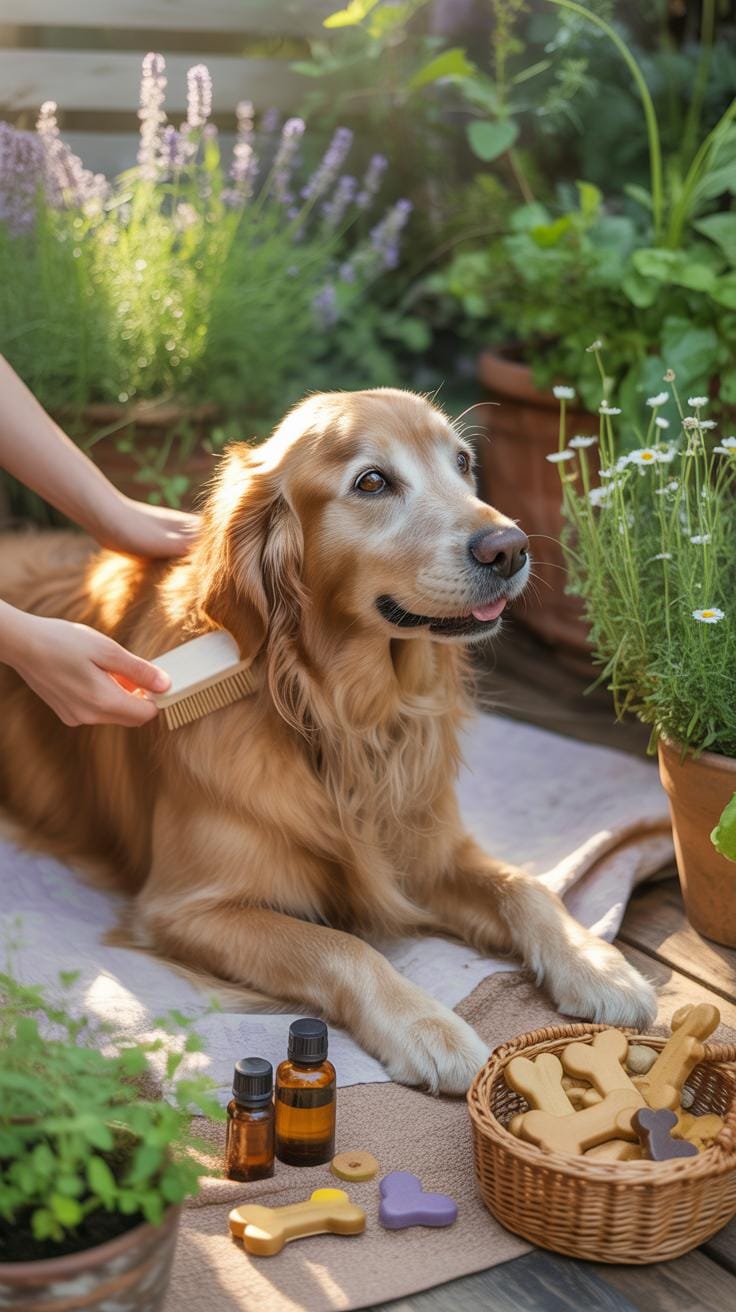
Daily Grooming And Hygiene Habits That Prevent Common Health Issues
Grooming acts as the first line of defense in canine health. It allows you to identify lumps, parasites, and skin irritations before they escalate into systemic infections. Consistent brushing removes dead hair and distributes natural skin oils properly. This process prevents painful matting and reduces the presence of allergens in your home. Hygiene practices serve as the mechanical foundation for any topical natural remedy you apply.
- Brushing: Perform daily sessions to remove debris and loose fur. This prevents mats that trap moisture and bacteria against the skin. It also increases blood flow to the surface of the dermis for faster healing.
- Ear Cleaning: Check ears weekly for wax buildup or foul odors. Use a soft cloth to wipe the outer canal. Maintaining dry and clean ears prevents yeast overgrowth and painful ear mite infestations.
- Nail Trimming: Keep nails short to maintain proper paw alignment. Long nails change how a dog carries its weight. This leads to joint stress and skeletal issues that natural supplements cannot fix alone.
- Dental Care: Brush teeth regularly to stop plaque from turning into tartar. Oral bacteria can enter the bloodstream and damage internal organs. Mechanical cleaning is the most effective way to prevent periodontal disease.
- Paw Inspection: Examine pads for cracks or foreign objects after every outdoor walk. Seeds or pebbles can puncture the skin and cause deep infections. Keeping paws clean ensures topical salves can penetrate the skin effectively.
Hygiene extends to the dog’s physical environment. Wash bedding and food bowls frequently to eliminate bacterial reservoirs. Clean feeding areas stop the spread of pests and mold. These actions reduce the toxic load on your dog’s immune system. When the environment is clean, natural remedies work more efficiently. You must integrate these physical habits with any holistic wellness plan for maximum impact.
The Role Of Exercise And Mental Stimulation In Your Dog’S Overall Health
Exercise maintains healthy muscle mass and supports joint mobility. Strong muscles protect bones and ligaments from injury during sudden movements. Regular physical activity also regulates metabolism and prevents obesity. Excess weight puts dangerous pressure on the heart and respiratory system. Moving your dog daily ensures that their lymphatic system functions correctly. This system relies on movement to flush toxins from the body.

Mental stimulation is equally vital for a dog’s physiological well-being. Boredom leads to chronic stress, which elevates cortisol levels in the blood. High cortisol suppresses the immune system and makes dogs more prone to illness. Use scent games or puzzle feeders to engage their brains. Solving tasks tires a dog out as much as physical running. A calm mind supports a stable nervous system and improves overall health.
Natural Dog Medicine Alternatives For Anxiety And Stress Relief
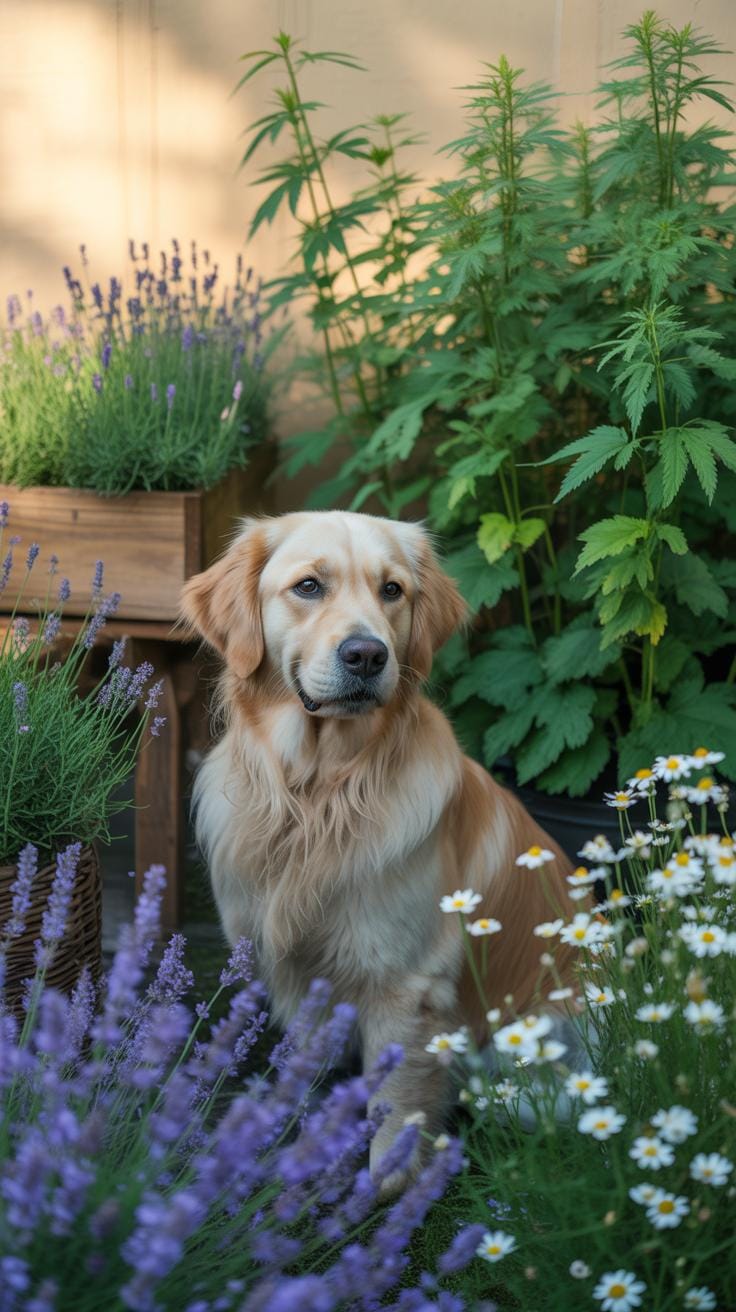
Lavender And Valerian Root As Calming Agents For Anxious Dogs
Lavender functions through aromatic compounds that interact with the central nervous system. Linalool and linalyl acetate provide sedative effects that lower heart rates in stressed canines. Use therapeutic grade essential oils in a diffuser to create a calm space. Never apply undiluted oil directly to the skin or fur. Dogs possess a sensitive sense of smell so keep concentrations low to avoid respiratory irritation.
Valerian root acts as a natural sedative by increasing gamma aminobutyric acid levels in the brain. This neurotransmitter inhibits nerve transmission and reduces excitability. It works well for separation anxiety or noise phobias like thunder and fireworks. Administer valerian root in tincture or dried form roughly thirty minutes before a known stress event occurs. Consult a veterinarian to confirm correct dosages based on your dog weight.
How CBD Oil Derived From Hemp Is Being Used In Dog Medicine Today
Hemp derived CBD oil interacts with the endocannabinoid system found in all mammals. This system regulates physiological functions like mood and pain response. High quality CBD contains less than point three percent THC to ensure no psychoactive effects occur. Owners use it to manage chronic stress and hyperactivity without the heavy sedation of pharmaceutical drugs. It offers a non addictive path toward emotional balance.

The market provides various delivery methods including oils and infused treats. Oils applied under the tongue provide the fastest absorption into the bloodstream. Many veterinarians now support hemp use for senior dogs dealing with age related cognitive decline. Always verify third party lab results to confirm the product lacks heavy metals and pesticides. Clean extraction ensures the safety and efficacy of the natural remedy.
Effective Pet Remedies For Skin Irritations And Allergies
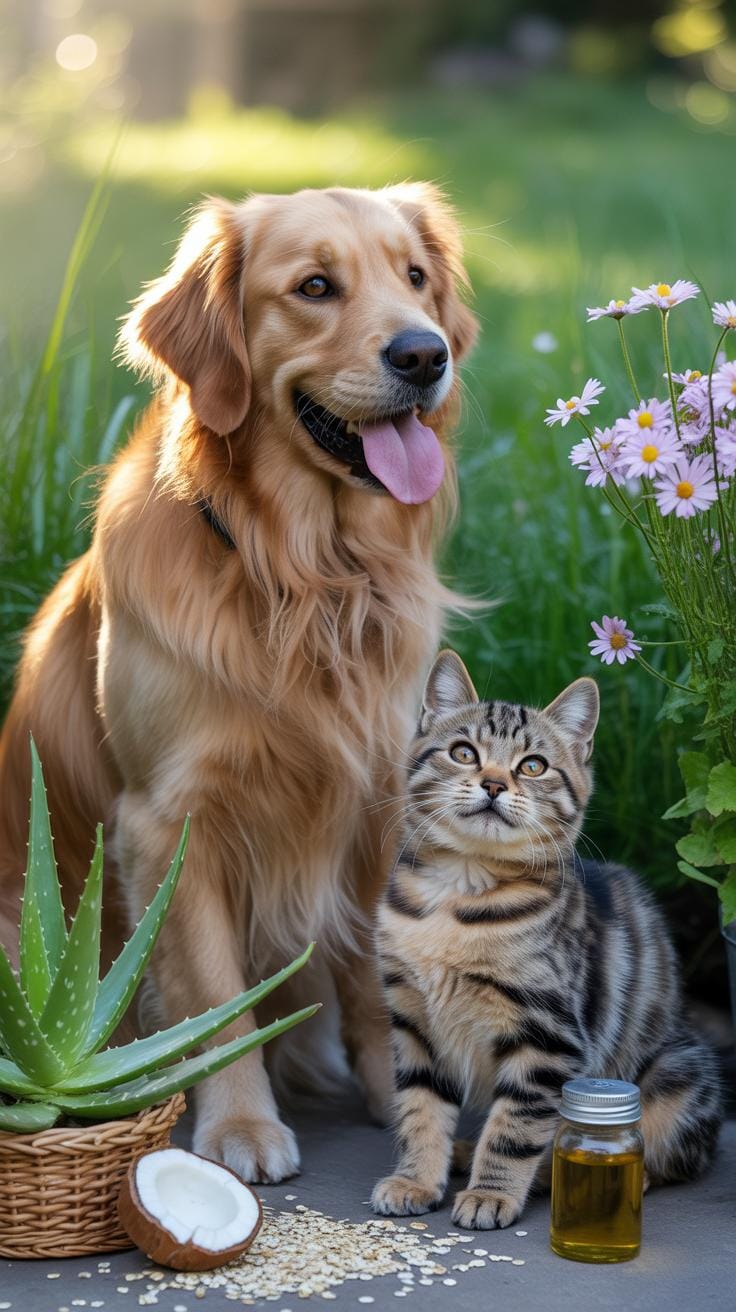
Oatmeal Baths And Aloe Vera Gel For Soothing Itchy Or Inflamed Skin
Colloidal oatmeal serves as a primary tactical tool for canine skin relief. This fine powder suspends in water to coat the skin and lock in moisture. It contains avenanthramides that actively reduce redness and itching on contact. You must use plain oatmeal without added sugars or flavors. Mix the powder into lukewarm water and soak the dog for ten full minutes to ensure the skin absorbs the nutrients.
Pure aloe vera gel provides immediate cooling for localized hot spots or burns. It contains enzymes and vitamins that accelerate tissue repair and kill bacteria. Always source organic gel that is free from aloin and alcohol to prevent toxicity if the dog licks it. Apply a thin layer directly to the affected area twice daily. Monitor the site to ensure the gel dries completely before the dog moves.
The greatest medicine of all is to teach people how not to need it, and our dogs find their best strength in the simple, quiet healing of the earth.
Identifying Common Environmental And Food Allergens That Affect Dogs
Environmental allergens often trigger seasonal scratching and paw chewing. Common culprits include grass pollens, mold spores, and dust mites. These microscopic particles enter the system through the skin or lungs. You can identify these by tracking when the dog starts itching. Spring and fall peaks suggest plant-based triggers. Regular wiping of the paws after outdoor walks removes these irritants before they cause a chronic inflammatory response.

Food sensitivities usually manifest as chronic ear infections or gastrointestinal distress. Common proteins like beef, chicken, or dairy often cause these reactions. Grains like corn and soy can also trigger skin flare-ups. To identify the source, you must perform an elimination diet for at least eight weeks. Remove all current snacks and meals. Replace them with a single new protein source and one carbohydrate to isolate the specific allergen.
Supporting Dog Wellness Through Nutrition And Whole Foods
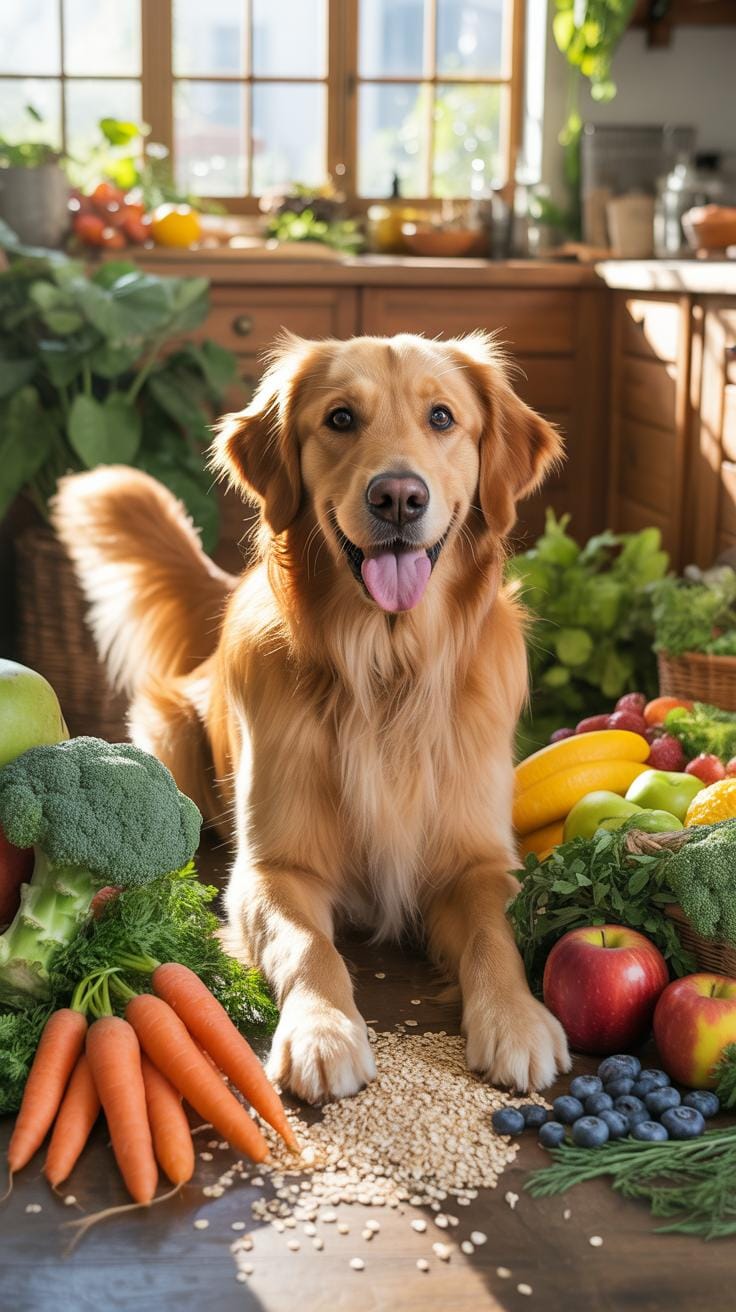
Nutrient Dense Foods Like Blueberries Pumpkin And Bone Broth For Dogs
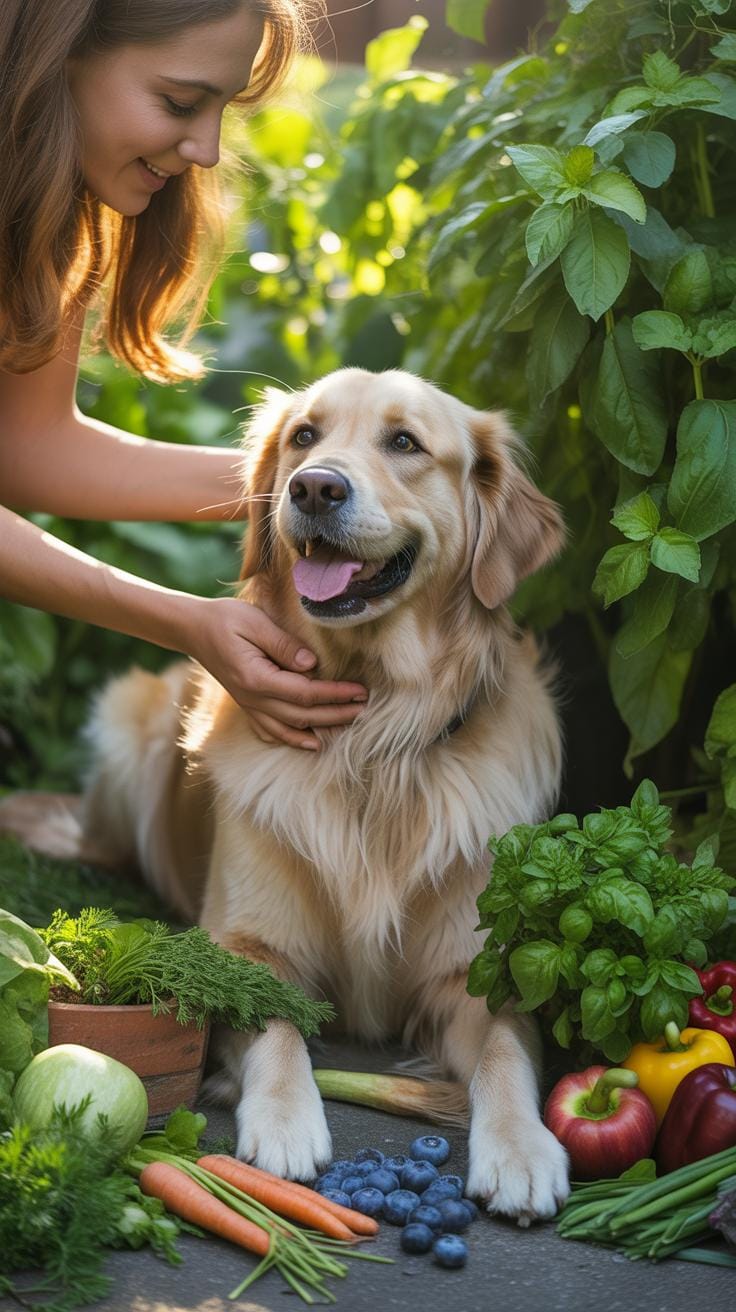
Blueberries contain high levels of anthocyanins and antioxidants that protect canine cells from oxidative damage. These small fruits support cognitive function in aging dogs by reducing inflammation in the brain. Pumpkin provides soluble fiber that regulates digestion and firms up loose stools. It also contains essential vitamins like A and C which bolster the immune system and promote healthy skin.
Bone broth serves as a powerful recovery tool for dogs with joint issues or digestive distress. The slow simmering process extracts collagen and glycine from animal bones to support gut lining integrity. This liquid also provides hydration and easy to digest minerals for sick animals. Use these foods as toppers to increase the nutrient density of standard kibble without adding processed fillers.
Probiotics And Fermented Foods That Support Your Dogs Gut Microbiome
The canine gut houses most of the immune system and requires a balance of beneficial bacteria to function. Probiotics introduce live organisms that crowd out harmful pathogens and improve nutrient absorption. Fermented foods provide these bacteria in a bioavailable form that survives the acidic environment of the stomach. Regular supplementation prevents common issues like yeast overgrowth, chronic diarrhea, and seasonal allergies.
- Plain Kefir: This fermented milk drink contains several strains of live bacteria and yeast. It outperforms standard yogurt by colonizing the intestinal tract more effectively. Feed small amounts to improve digestion and boost immunity.
- Fermented Vegetables: Raw sauerkraut or fermented carrots provide high concentrations of lactic acid bacteria. These enzymes break down food and make minerals more accessible to the body. Ensure the vegetables contains no added onions or excessive salt.
- Goats Milk: Raw goats milk contains natural probiotics and is easier for dogs to digest than cows milk. It acts as a powerful anti-inflammatory agent for the digestive system. It also provides essential fatty acids for coat health.
- Specific Probiotic Strains: Look for supplements containing Bifidobacterium animalis or Enterococcus faecium for targeted results. These specific strains have proven records in clinical trials for stopping canine diarrhea. They help restore balance after a course of antibiotics.
- Prebiotic Fibers: Foods like chicory root or Jerusalem artichoke feed the existing beneficial bacteria in the gut. Without prebiotics, the probiotic colonies cannot survive or reproduce. Include these fibers to ensure the long-term health of the microbiome.

Monitoring stool quality and energy levels provides immediate feedback on the efficacy of these additions. Start with small doses to avoid digestive upset while the gut environment shifts. A healthy microbiome reduces systemic inflammation and protects the internal organs from long-term damage. Consistency remains the most important factor when using whole foods to manage your dogs internal wellness profile.
Herbal Pet Remedies That Have Stood The Test Of Time
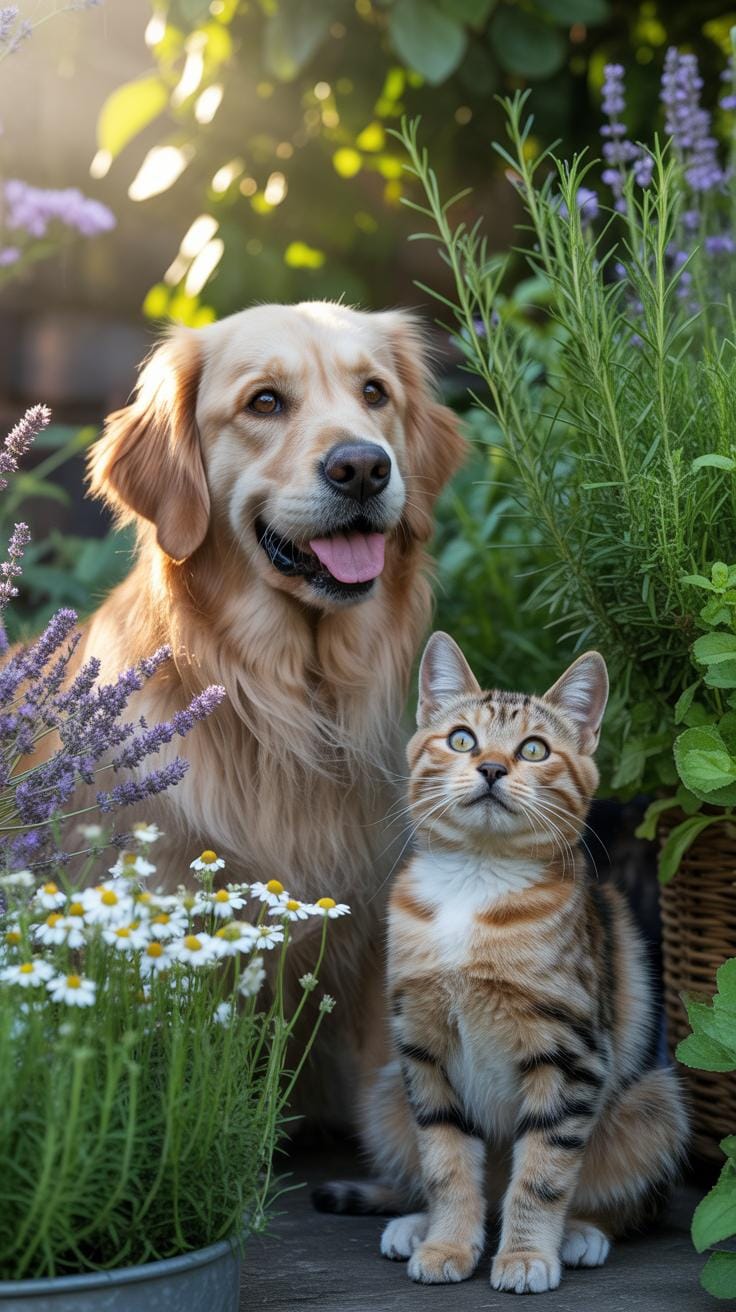
Milk Thistle For Liver Support And Detoxification In Dogs
Milk thistle contains silymarin. This active compound protects the liver from toxins and promotes cell regeneration. It works by blocking harmful substances at the cell membrane level. Veterinarians often recommend it for dogs recovering from illness or exposure to chemicals. You must use standardized extracts containing 70 to 80 percent silymarin. This ensures the herbal supplement actually provides the necessary therapeutic benefits for the animal.
Administer milk thistle only during times of liver stress or specific healing phases. It is not a daily preventative for healthy dogs. Long term use can decrease liver efficiency over time. Focus on cycles of care for best results. Always check for drug interactions if your dog takes prescription medication. Proper dosing depends on the weight of the dog. High quality sources avoid fillers that can cause digestive upset.
Turmeric And Its Anti Inflammatory Benefits For Aging Or Arthritic Dogs
Turmeric contains curcumin. This substance targets inflammatory pathways in the canine body. It functions similarly to some non steroidal drugs without the same risk of stomach ulcers. Older dogs with stiff joints see improved mobility from regular intake. The primary goal is reducing chronic swelling in the connective tissues. Effective use requires mixing the powder with a healthy fat like coconut oil to ensure the body absorbs it.
Bioavailability is the biggest challenge with turmeric. Canine digestive tracts do not naturally process curcumin efficiently. Add black pepper to the mixture to increase absorption rates significantly. Start with small doses to avoid staining the fur or causing loose stools. Watch for changes in your dog’s gait and energy levels within two weeks. Consistency matters most when managing chronic pain. Pure organic turmeric provides the safest results for long term wellness.
Building A Sustainable Dog Wellness Routine Using Natural Approaches
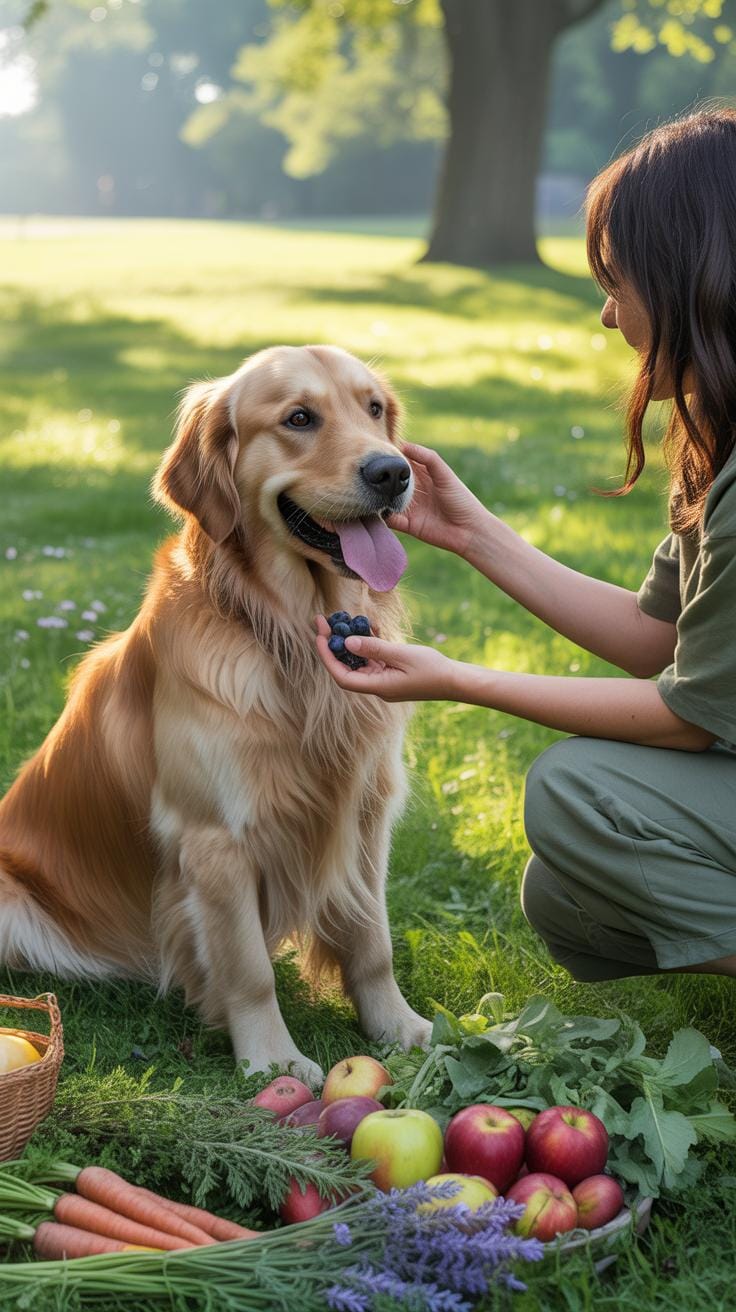
How To Partner With Your Veterinarian When Choosing Natural Remedies
Establish a baseline with your veterinarian before modifying your dog’s regimen. Modern veterinary medicine relies on diagnostic testing to identify underlying pathologies. You must share all planned supplements and herbs to avoid dangerous drug interactions. Many natural compounds alter liver metabolism or blood clotting. Clear communication ensures your holistic choices do not compromise necessary medical treatments or surgical safety protocols.
Request a formal review of active ingredients during annual exams. Ask for blood panels to monitor organ function when using long term botanical extracts. A collaborative approach allows the vet to track physiological changes accurately. This partnership shifts the focus from reactive crisis management to proactive health maintenance. Reliable data beats guesswork every time. Professional oversight protects your dog from toxicity and ensures the chosen remedies actually work.
Tracking Your Dog’S Health Progress When Introducing Natural Therapies
Document every change in a dedicated health log. Record the exact dosage, time of administration, and the specific manufacturer of each remedy. Observe physical markers like coat quality, stool consistency, and energy levels daily. Reliable tracking identifies if a remedy provides a genuine benefit or causes adverse reactions. You need hard data to decide whether to continue, adjust, or scrap a specific natural intervention.
Note behavioral shifts as they occur. Improved mobility or reduced anxiety often manifest in subtle ways before physical changes become obvious. Use a consistent scale to grade your dog’s comfort and activity levels. This objective record helps you avoid the placebo effect as an owner. Accurate logs provide your veterinarian with the evidence needed to validate the effectiveness of the wellness routine over several months.
Frequently Asked Questions

What are the best ways to start using natural remedies for dog wellness?
Starting your journey with natural remedies dog wellness begins with focusing on whole-food supplements and gentle botanicals. Simple additions like organic coconut oil for coat health or chamomile tea to soothe mild anxiety are excellent entry points. Always introduce one remedy at a time to monitor your pet’s reaction. It is also essential to consult your veterinarian to ensure these holistic options complement your dog’s specific health profile and existing diet.
How can I safely administer herbal remedies to a picky eater?
For dogs reluctant to take supplements, try mixing dried herbs or tinctures into high-value treats like plain yogurt, unsweetened applesauce, or mashed sweet potatoes. Masking the scent is key for success. If you are using natural remedies dog wellness enthusiasts recommend, consider bone broth as a flavorful base. This not only hides the taste of health-boosting herbs like turmeric or ginger but also adds extra hydration and joint-supporting collagen to their daily routine.
Are there affordable natural remedies for dogs that I can find at the grocery store?
Absolutely, supporting your pet doesn’t have to be expensive. Many kitchen staples serve as powerful wellness tools. Plain canned pumpkin is a fantastic, low-cost remedy for digestive regularity, while raw honey can soothe occasional seasonal coughs. Additionally, steeping a simple ginger tea can help alleviate motion sickness before car rides. These accessible pantry items provide effective, budget-friendly ways to enhance your dog’s vitality without requiring a trip to a specialty boutique.