
Why Dogs Struggle In The Heat And How Frozen Dog Treats Can Help
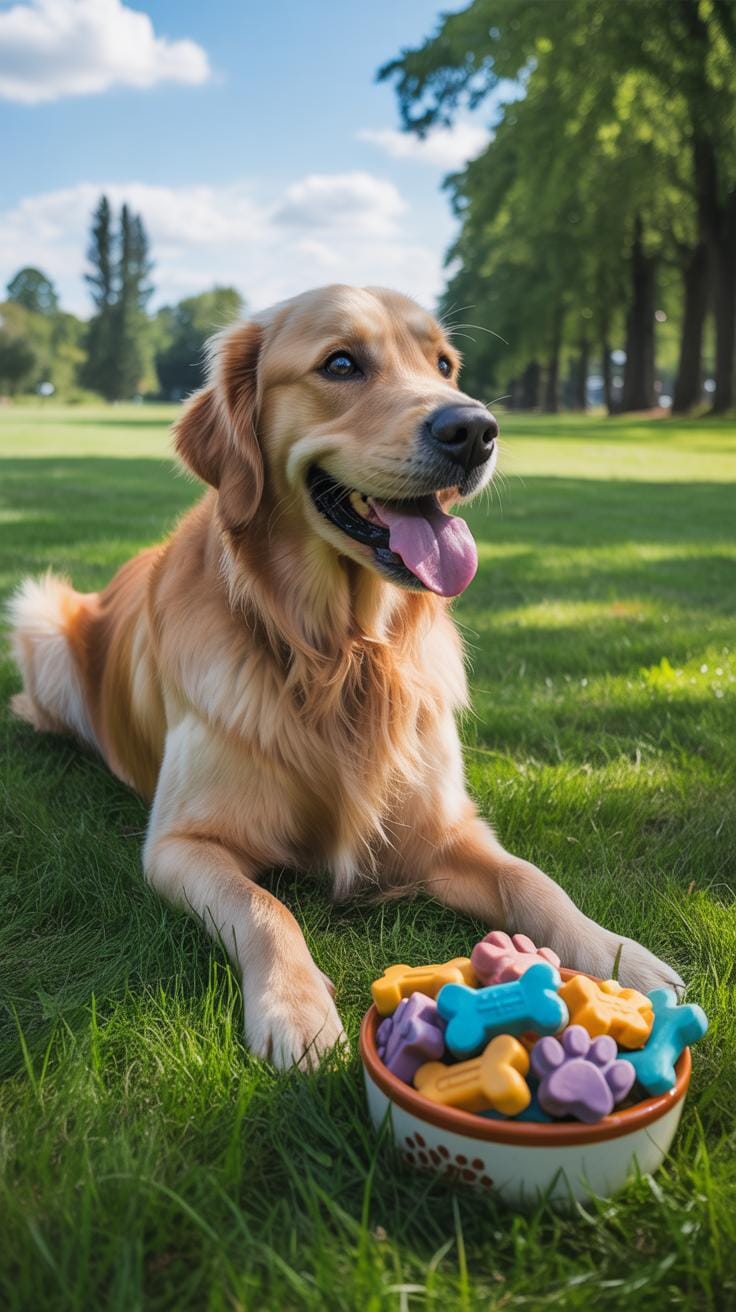
Understanding How Dogs Regulate Their Body Temperature
Dogs lack the sweat glands that humans use for evaporative cooling over their entire bodies. They only have functional sweat glands in their paw pads. This physical limitation makes them rely heavily on panting to stay cool. Panting moves air over the moist membranes of the tongue and lungs. This process evaporates moisture and releases heat from the blood vessels through the breath.
External temperatures often exceed a dog’s internal cooling capacity during extreme weather. High humidity slows down the evaporation process during panting. This makes it harder for the dog to lower its core temperature efficiently. If the dog cannot shed heat faster than it builds up, its internal temperature rises quickly. This physiological struggle puts the animal at risk for heat exhaustion and heatstroke.
How Frozen Dog Treats Support Hydration And Cooling During A Heatwave
Frozen dog treats provide a tactical advantage by cooling the dog from the inside out. When a dog consumes a frozen treat, the cold material makes direct contact with the tongue and throat. This lowers the temperature of the blood circulating through these highly vascular areas. It provides an immediate physical heat sink that assists the panting mechanism. This method reduces the physiological strain on the dog.
Hydration is the most critical factor during a heatwave. Many frozen treats use water or bone broth as a primary base. Offering these treats increases the total fluid intake of the dog. High moisture content ensures that the dog has enough fluid to continue panting effectively. Without enough water, saliva thickens and evaporation slows down. Cold treats solve this by forcing hydration through a rewarding and functional snack.

The Health Benefits Of Summer Dog Treats Made With Whole Ingredients
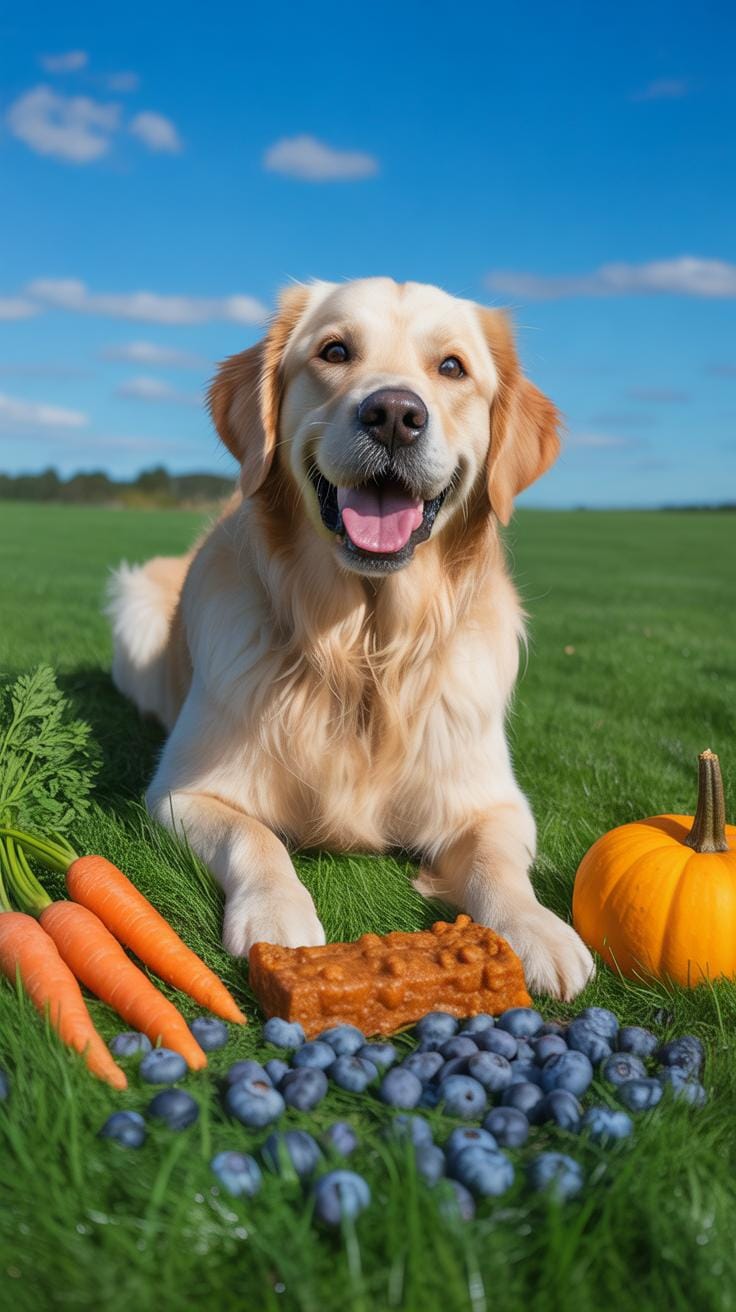
Nutritional Value Hidden In Simple Summer Treat Ingredients
Whole food ingredients provide direct biological benefits during temperature spikes. Watermelon consists of ninety-two percent water and contains lycopene and vitamin A. These nutrients support cellular health while the high moisture content prevents dehydration. Blueberries offer antioxidants that fight oxidative stress caused by heat exhaustion. Using these raw materials ensures your dog receives vitamins without the synthetic fillers found in most processed snacks.
Greek yogurt and pumpkin serve as functional bases for frozen treats. Yogurt provides probiotics that stabilize the digestive system when heat stress disrupts gut flora. Pureed pumpkin offers soluble fiber to maintain regular bowel movements during lethargic summer days. These ingredients do more than lower body temperature through contact. They deliver specific micronutrients that keep the canine immune system robust when the external environment is harsh.
How Cooling Treats Can Complement Your Dogs Regular Diet Safely
Cooling treats must function as supplements rather than calorie replacements. Treat intake should never exceed ten percent of a dog’s daily caloric budget. High-moisture treats like frozen cucumber or seedless watermelon slices add volume and hydration without excessive calories. This strategy prevents weight gain while ensuring the dog stays interested in their primary meals. Use these snacks strategically during the hottest parts of the afternoon.

Avoid adding sugars or artificial sweeteners like xylitol to homemade recipes. Natural fructose in fruit provides enough energy for moderate activity. Focus on single-ingredient bases to monitor for potential allergies or digestive upsets. Transitioning to cold snacks during a heatwave helps manage the dog’s internal core temperature. High-quality whole ingredients ensure that these extra snacks contribute to long-term vitality instead of causing nutritional imbalances or weight issues.
Dog Safe Ingredients To Use When Making Frozen Dog Treats Homemade
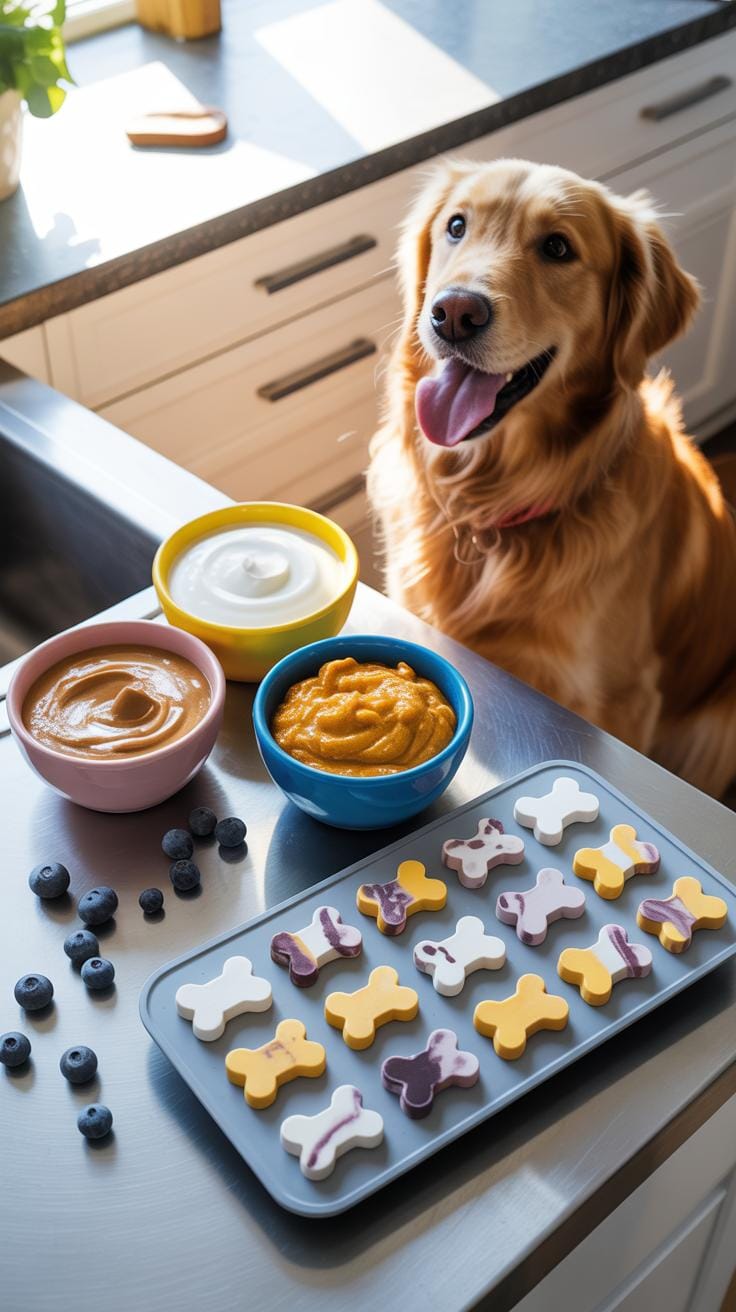
Fruits, Vegetables, And Bases That Are Safe And Refreshing For Dogs
Selecting the right foundation for frozen treats ensures maximum hydration and nutrient density. Use high-water content bases like plain Greek yogurt or unsalted bone broth to keep dogs cool. These liquids provide probiotics and essential minerals while maintaining a solid texture when frozen. Stick to natural ingredients that offer flavor without adding processed sugars or artificial dyes that can disrupt canine digestion.
- Watermelon: Remove all seeds and rinds before blending. This fruit consists of ninety-two percent water, making it a premier choice for hydration during extreme heat. It provides vitamins A, B6, and C to help support the immune system.
- Plain Greek Yogurt: Choose versions with no added sugar or xylitol. This base offers protein and probiotics that support gut health. The thick consistency creates a creamy texture that dogs find highly palatable when served as a frozen snack.
- Blueberries: These small berries serve as powerful antioxidants. They are easy to freeze whole or mash into a puree. Blueberries offer fiber and phytochemicals which provide health benefits beyond basic nutrition while remaining low in total calorie counts.
- Cucumber: Slices of cucumber offer a crunch that many dogs enjoy. They contain very few calories and are mostly water. This vegetable is an excellent option for overweight dogs who need a cooling snack that will not contribute to weight gain.
- Pureed Pumpkin: Ensure you use one hundred percent pure pumpkin, not pie filling. It is rich in fiber and helps regulate the digestive system. When frozen, pumpkin maintains a firm shape that takes longer for a dog to consume.
Prepare these ingredients by washing all produce and removing any pits or tough skins. Small pieces prevent choking hazards and allow for faster freezing times in silicone molds. Consistency is vital for even freezing and ease of serving. Use a blender to create smooth mixtures that you can pour easily. This method ensures every treat provides uniform cooling benefits across the entire batch.
Ingredients You Should Always Avoid When Preparing Homemade Dog Treats
Do not use ingredients that cause toxicity or digestive distress in canines. Grapes and raisins lead to rapid kidney failure and must stay out of all recipes. Onions and garlic damage red blood cells, leading to anemia over time. Many people assume human snacks are safe, but these specific items contain compounds that a dog’s metabolic system cannot process. High salt content also causes excessive thirst and potential sodium poisoning.

Avoid all products containing Xylitol, often listed as birch sugar. This common sweetener appears in many yogurts and nut butters. It causes a life-threatening insulin spike and liver failure in dogs. Always read labels to ensure peanut butter does not contain this chemical. Steer clear of chocolate, caffeine, and macadamia nuts as well. These items contain stimulants and toxins that impact the nervous system and heart rate during heat stress.
Top Frozen Dog Treats Recipes Your Dog Will Absolutely Love
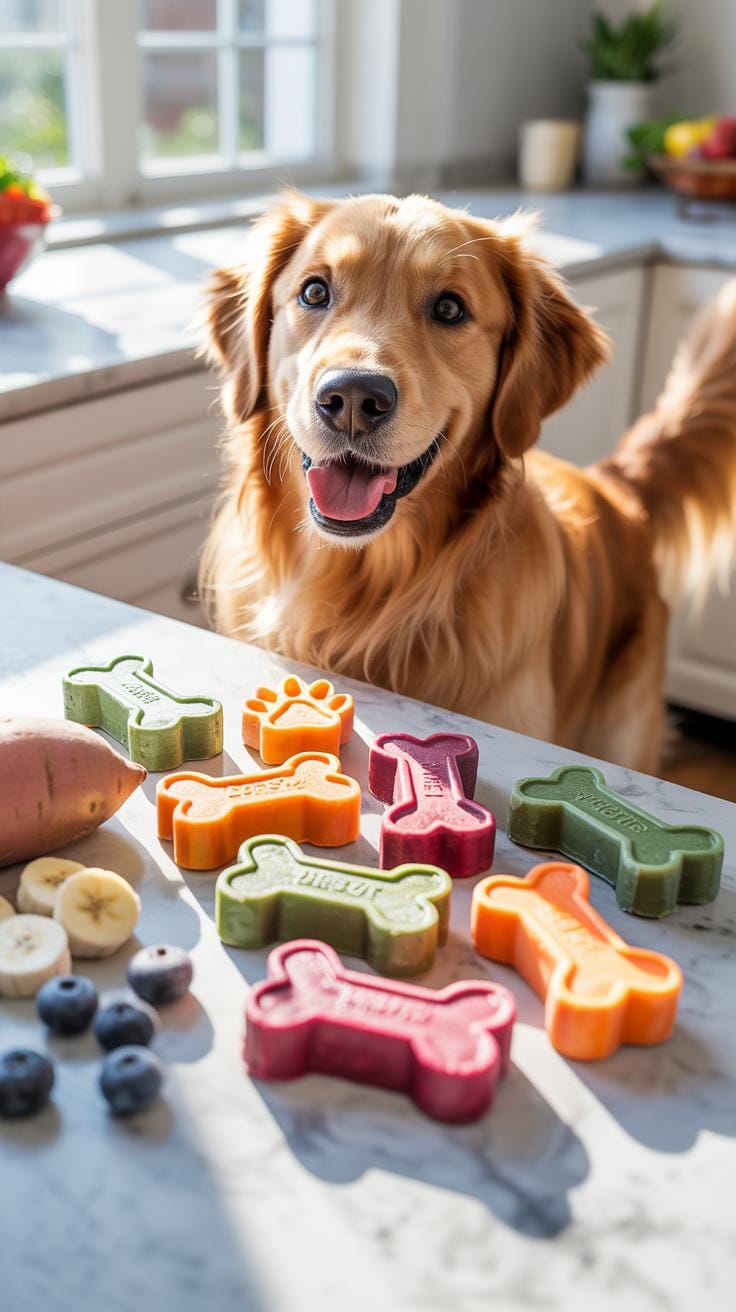
Peanut Butter And Banana Frozen Treat: A Classic Crowd Pleaser
Peanut butter provides protein and healthy fats that dogs find highly palatable. Use only natural peanut butter without xylitol to ensure safety. Bananas contain potassium and fiber which support heart health and digestion. Combine these two ingredients to create a calorie dense snack that keeps dogs occupied. Mashing the banana first provides a smooth base for the mixture before freezing it.
Freeze these treats in silicone molds or ice cube trays for easy portion control. This dense texture slows down consumption which helps lower the core body temperature during a heatwave. Experts recommend using ripe bananas for higher sweetness and better blending. This recipe works well because it stays solid longer than water based treats. It offers a reliable way to deliver energy when dogs lose appetite.
Watermelon And Coconut Water Ice Cubes: A Hydrating Summer Recipe
Watermelon consists of ninety two percent water and provides essential vitamins like A and C. Remove all seeds and rinds before processing to prevent intestinal blockages. Coconut water adds electrolytes like potassium and magnesium which help maintain fluid balance. This combination directly combats dehydration during extreme temperatures. Use unsweetened coconut water to avoid unnecessary caloric intake or digestive upset in sensitive dogs.

Puree the fruit and liquid together before pouring into trays for the best consistency. These cubes melt quickly and provide immediate cooling for the mouth and throat. They offer a low calorie alternative to dairy based frozen snacks. High water content treats are critical when dogs refuse to drink from their bowls. This tactical hydration method ensures the animal receives moisture while enjoying a cold reward.
How To Follow Simple Dog Recipes Without Any Special Kitchen Equipment
Basic Tools Every Dog Owner Needs To Make Frozen Treats At Home
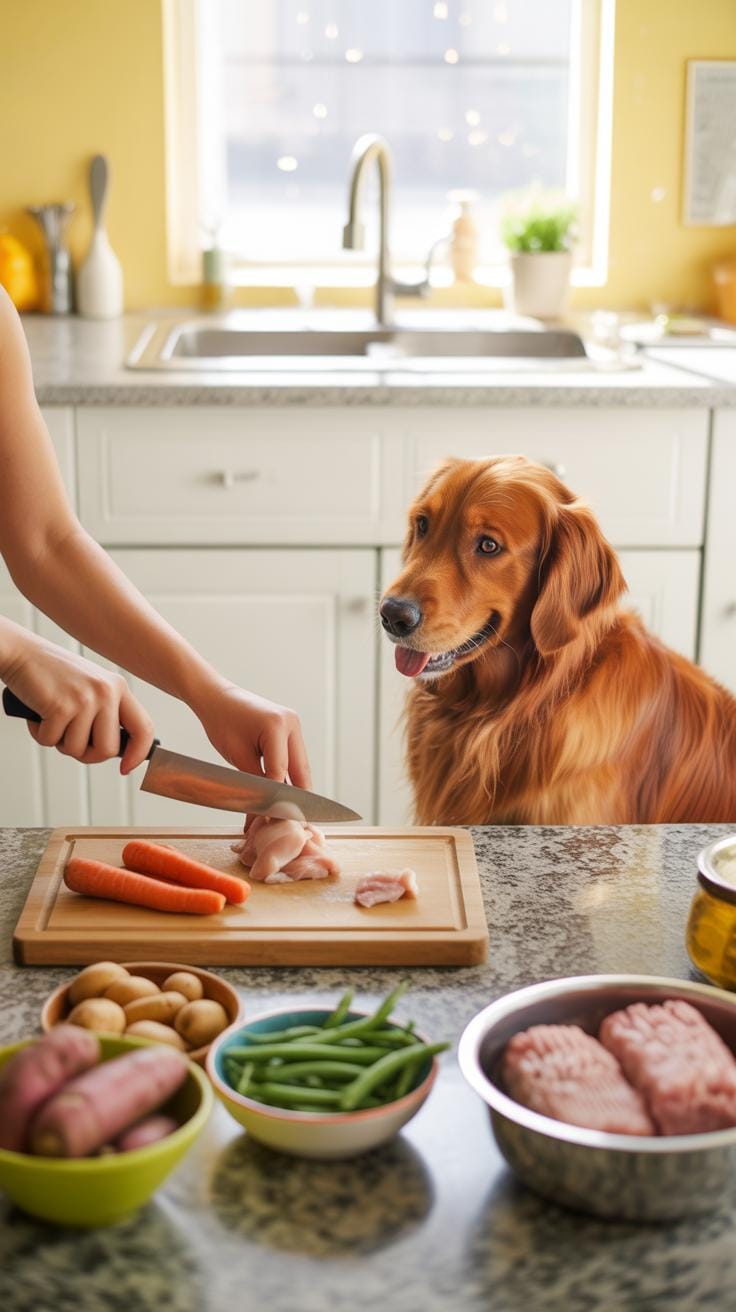
Dog owners often overcomplicate homemade treat production. You do not need industrial machinery or expensive silicone molds. A standard ice cube tray serves as the primary tool for portion control. Use a metal or plastic spoon to mix ingredients in a glass bowl. These basic items ensure consistent results. Simple tools reduce prep time and cleanup efforts during a dangerous summer heatwave.
Standard kitchen measuring cups ensure the ingredient ratios remain safe for canine digestion. Use a blender or a fork to mash soft fruits like bananas or blueberries. A funnel helps pour liquid bases into narrow tray slots without making a mess. Avoid using wooden spoons that absorb odors or bacteria from raw ingredients. Stick to non porous materials to maintain high hygiene standards for your pet.
Step By Step Process For Freezing And Storing Homemade Dog Treats
Preparation starts with selecting a liquid base like water or low sodium broth. Combine your chosen base with solid fillers in a mixing bowl. Rapidly whisk the mixture to ensure even distribution of nutrients. Slow pouring prevents air bubbles from forming in the mold. Place the tray on a flat surface in the freezer to prevent spills and uneven freezing.
- Portioning: Fill each ice cube tray slot only three quarters full. Liquids expand as they freeze and can overflow if the tray is too full. This technique keeps the treat size uniform for safe calorie tracking.
- Freezing Time: Allow the treats to sit in the freezer for at least four hours. Most water based treats require this window to reach a solid state. Gelatin or yogurt based options may require up to six hours for maximum stability.
- Extraction: Gently twist the tray to release the frozen blocks. If the treats stick to the plastic, run the bottom of the tray under cold water for five seconds. Do not use knives to pry treats out because you might damage the container.
- Air Tight Storage: Transfer the frozen cubes into a sealed silicone bag or plastic container immediately. Exposure to freezer air causes freezer burn and degrades the flavor of the treat. Label the container with the date of production for safety.
- Labeling: Mark the container with the specific ingredients used in the batch. This step is vital if your dog has specific food allergies or sensitivities. Use a permanent marker on a piece of masking tape for a clear and durable label.

Proper storage extends the shelf life of these snacks for up to two weeks. Keep the treats at the back of the freezer where the temperature remains most stable. Frequent door opening at the front can cause partial melting and refreezing. Frozen treats provide immediate hydration and internal cooling during peak sun hours. Only remove the specific amount you plan to feed your dog immediately.
Choosing The Best Frozen Treats For Dogs Based On Size And Dietary Needs
Portion Guidance For Small, Medium, And Large Dog Breeds
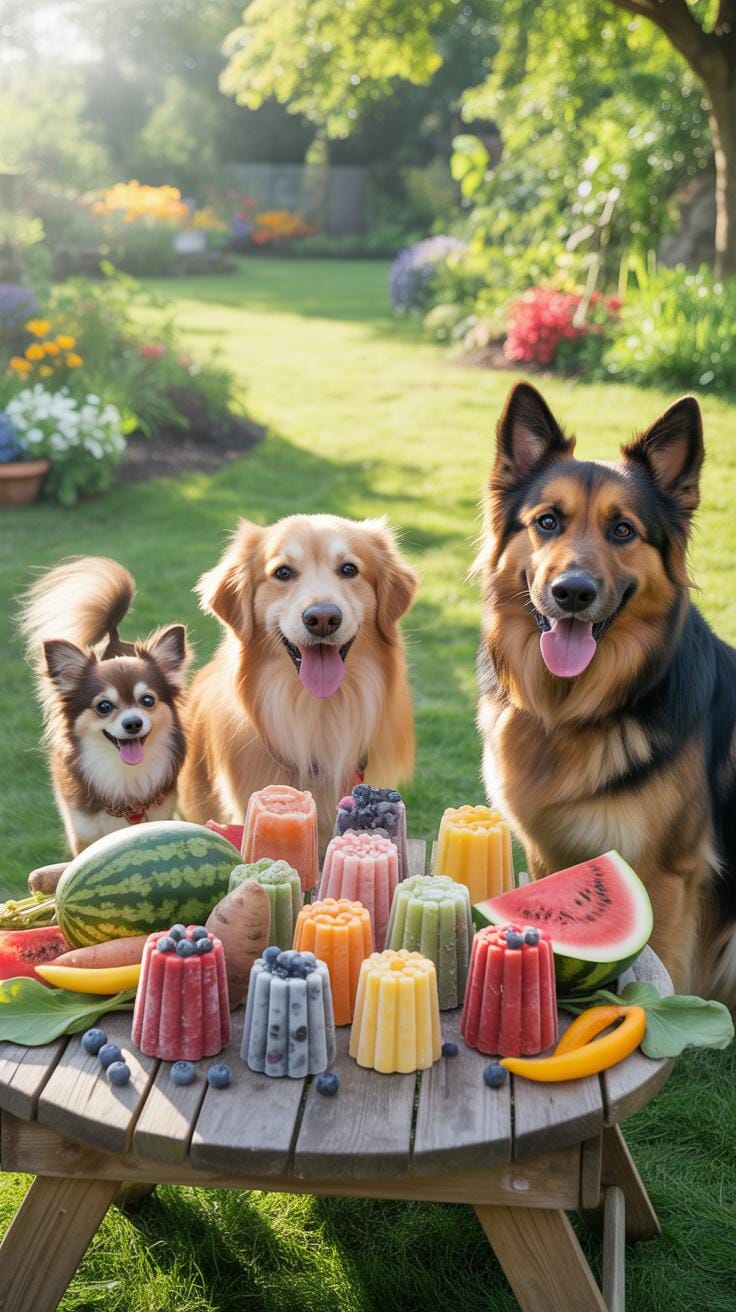
Treat size must match the physical capacity of the dog to prevent choking and digestive upset. Small breeds like Chihuahuas require treats the size of a standard ice cube or smaller. Giving large chunks to small dogs creates a hazard if they swallow the item whole. Limit their intake to one small treat per day to avoid unbalancing their calorie requirements during a heatwave.
Medium and large breeds can handle bigger frozen items like stuffed rubber toys or large frozen fruit slices. These dogs have higher metabolic needs but still require portion control. Large dogs can consume three to four moderate treats spread throughout the day. Always monitor the dog while they eat frozen items. Stop feeding if you notice the dog shivering or showing signs of brain freeze.
Adapting Frozen Treat Recipes For Dogs With Allergies Or Sensitivities
Identify the specific allergen before mixing ingredients. Many dogs react poorly to dairy or grains found in commercial snacks. Use plain water or unsalted chicken broth as a base instead of yogurt if the dog is lactose intolerant. Pureed vegetables like pumpkin or carrots offer safe fiber sources for dogs with sensitive stomachs. High-quality single-ingredient bases reduce the risk of an adverse skin or gut reaction.

Substitution is the primary strategy for managing dietary restrictions. Replace peanut butter with sunflower butter if nut allergies are a concern. Ensure all ingredients are free from xylitol and excess salt. Check labels on every packaged component used in the frozen mix. Keeping recipes simple allows you to track which ingredients cause issues. This data helps you maintain the health of the dog while providing necessary cooling relief.
Store Bought Vs Homemade Dog Snacks WhatS Really Better In Summer
Guidance To Look For On The Label When Buying Commercial Dog Snacks
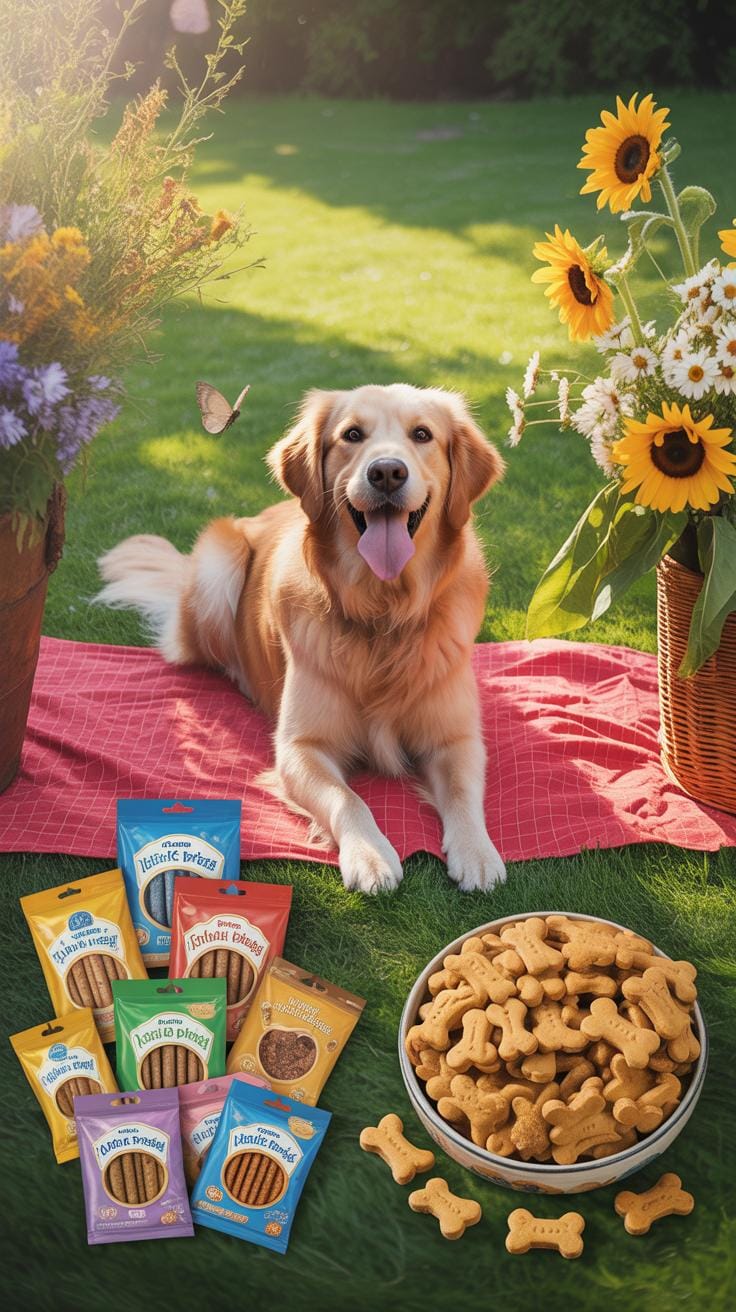
Identify the first three ingredients on the product label. Manufacturers list ingredients by weight. Look for whole proteins like chicken or beef. Avoid items that list corn or wheat first. These fillers provide little nutritional value and do not help with hydration during a heatwave. Check for moisture content percentages. High moisture levels assist in keeping your dog hydrated when temperatures rise.
Scan the label for artificial dyes and chemical preservatives. Red 40 or Blue 2 serve no purpose for the dog. Avoid BHA, BHT, and ethoxyquin. These chemicals extend shelf life but can impact long-term health. Seek out natural preservatives like tocopherols or rosemary extract. Check for high sodium levels. Salt increases thirst and can lead to dehydration during periods of extreme summer heat.
There is no better way to capture the simple joy of a summer afternoon than watching your best friend savor a frozen treat. It is a small gesture that turns the sweltering heat into a memory of pure, cool contentment.
Why Homemade Frozen Dog Snacks Often Win On Freshness And Quality
Homemade snacks offer complete control over ingredient purity. You eliminate hidden sugars and excessive salt. These two components often cause dehydration in dogs. Using fresh fruits like blueberries or watermelon provides natural antioxidants. You skip the processing steps that degrade nutrient quality. Fresh food maintains a higher water content than dry, shelf-stable treats. This helps lower the internal body temperature of your pet.
Preparation of frozen snacks at home ensures zero contamination from industrial additives. You can use silicone molds to manage portion sizes accurately. Small portions prevent overfeeding while providing a cooling effect. Plain Greek yogurt or bone broth serve as excellent bases. These ingredients provide probiotics and minerals. You know exactly what your dog consumes. This reduces the risk of digestive upset during stressful, high-heat weather events.
How To Serve A Frozen Treat Safely And Make It Last Longer Outdoors
Best Times Of Day To Offer A Frozen Treat During Hot Summer Weather
Strategic timing maximizes the cooling effect of dog treats during a heatwave. Offer frozen snacks when the sun reaches its peak intensity between ten in the morning and four in the afternoon. This period presents the highest risk for canine heat stress. A cold treat lowers the internal core temperature when the external environment is most hostile. Use these snacks as tactical interventions to prevent overheating before it starts.
Early evening is the second vital window for serving frozen items. Pavement and soil retain thermal energy long after the sun goes down. This residual heat keeps dogs warm even in the shade. Serving a frozen treat during the post-sunset cooling period helps the dog shed internal heat faster. This approach ensures the animal rests at a stable temperature overnight. Consistent timing prevents spike in body heat during the most dangerous hours.
Tips For Preventing Mess And Choking Hazards When Serving Frozen Treats
Safety takes precedence over cooling during extreme heat. Large ice blocks or rock-hard frozen berries can cause dental fractures or airway obstructions. Thaw extremely hard treats for two minutes before serving to soften the outer layer. Never leave a dog alone with a frozen item. Monitoring the chewing process ensures the dog does not swallow large chunks. Strategic supervision prevents emergency trips to the vet during a weather crisis.

Manage the inevitable melting process to maintain hygiene and safety. Serve frozen treats on grass or easy-clean surfaces like rubber mats. This prevents sticky residue from attracting insects or bacteria in the heat. Place the treat inside a heavy rubber toy to slow down the consumption rate. This method keeps the dog engaged longer and prevents them from gulping the snack. Controlled eating promotes better digestion and more efficient cooling over a longer duration.
Building A Weekly Summer Routine Around Healthy Dog Treats And Hydration
How To Rotate Dog Treats Throughout The Week To Keep Things Exciting
Tactical treat rotation prevents dietary boredom and manages caloric intake. Standardize your schedule to alternate between high-moisture frozen fruits and protein-based ice cubes. Use Monday and Tuesday for light treats like frozen watermelon chunks or cucumbers. These options provide immediate hydration without adding excessive fat to the diet. Consistency helps you monitor how your dog reacts to specific ingredients during high heat periods.
Mid-week requires more engagement to combat indoor confinement. Shift to frozen bone broth or Greek yogurt molds on Wednesday and Thursday. These take longer to consume and provide necessary mental stimulation. Reserve nutrient-dense treats like frozen liver or fish skins for the weekend. This structured approach ensures your dog receives a variety of vitamins while maintaining a steady interest in their cooling hydration protocol.
Pairing Cooling Dog Treats With Fresh Water And Shade For Full Heatwave Protection
Cooling treats are not a total replacement for environmental management. You must place water bowls in every shaded area where your dog rests. Evaporative cooling only works if the dog has access to fresh liquid and a break from direct solar radiation. Treats serve as a tactical supplement to lower core body temperature from the inside out. Always check water temperature as sun-exposed bowls can quickly become dangerously hot.
Place frozen treats directly into water dishes to encourage higher fluid intake. This method forces the dog to engage with the water while seeking the reward. Ensure your dog has access to airflow via fans or natural cross-breezes alongside these frozen snacks. Passive cooling through shade and active cooling through hydration must work together. This combined strategy reduces the risk of heatstroke and maintains the animal’s metabolic stability throughout the day.
Frequently Asked Questions

Why should I consider giving my pet frozen snacks during a heatwave?
During periods of extreme temperature, dogs can struggle to regulate their internal body temperature effectively. Offering cooling dog treats heatwave relief helps lower their core temperature from the inside out while providing essential hydration. These icy rewards are not only a delicious distraction from the humidity, but they also serve as a vital tool to prevent heat exhaustion, ensuring your furry friend stays comfortable and safe when the sun is at its strongest.
How can I make simple cooling dog treats at home?
Creating DIY cooling dog treats heatwave snacks is surprisingly easy and requires minimal effort. Simply blend dog-safe ingredients like seedless watermelon, plain unsweetened yogurt, or low-sodium chicken broth, then pour the mixture into silicone molds or ice cube trays. Freeze them for at least four hours until solid. For an extra mental challenge, you can even freeze large chunks of carrots or apples inside a bowl of water to create a long-lasting “ice cake.”
Can I make effective cooling snacks using affordable pantry staples?
You certainly don’t need expensive boutique products to keep your pet chilled. Many budget-friendly household items make excellent refreshments. For instance, freezing plain canned pumpkin (not pie filling) or bananas is an affordable way to provide a nutrient-dense frozen snack. You can even freeze the liquid from a can of tuna in water. These accessible options ensure every pet owner can provide relief without overspending on specialized supplies during the summer months.