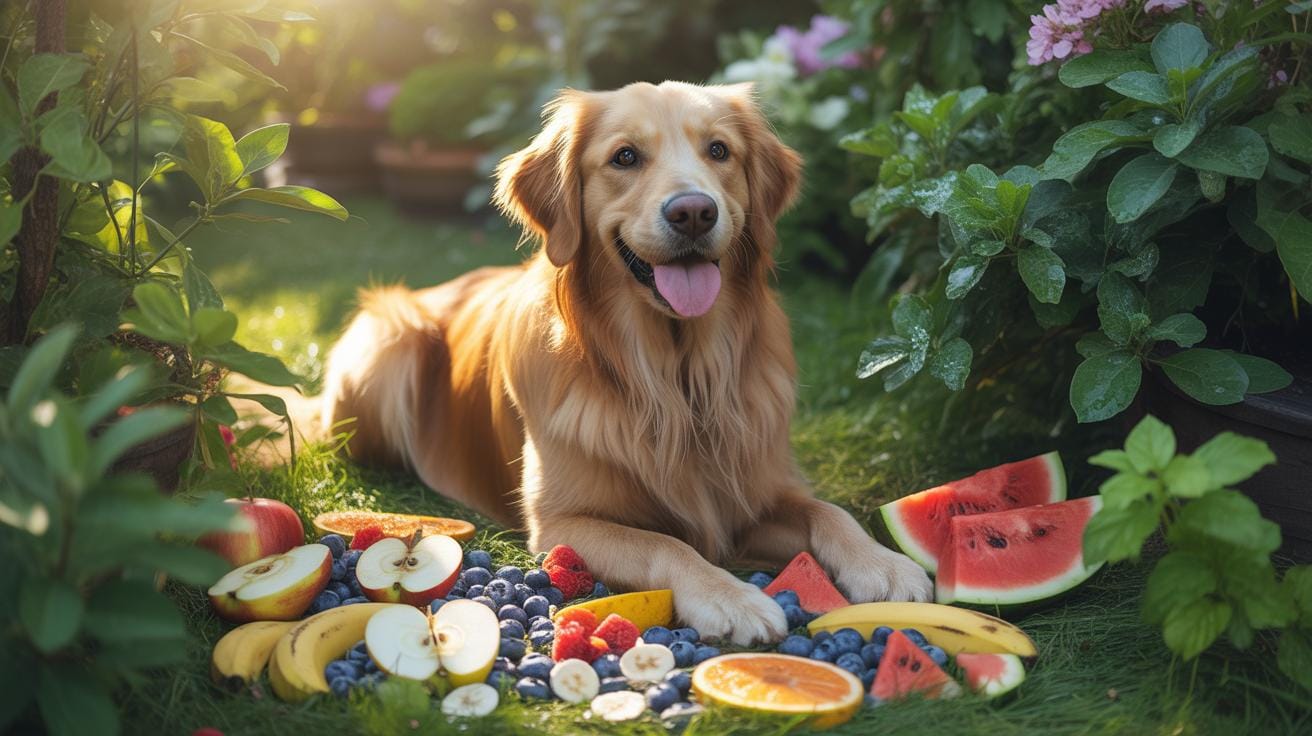
Fruits For Dogs Why Fruit Can Be A Healthy Addition To Your DogS Diet
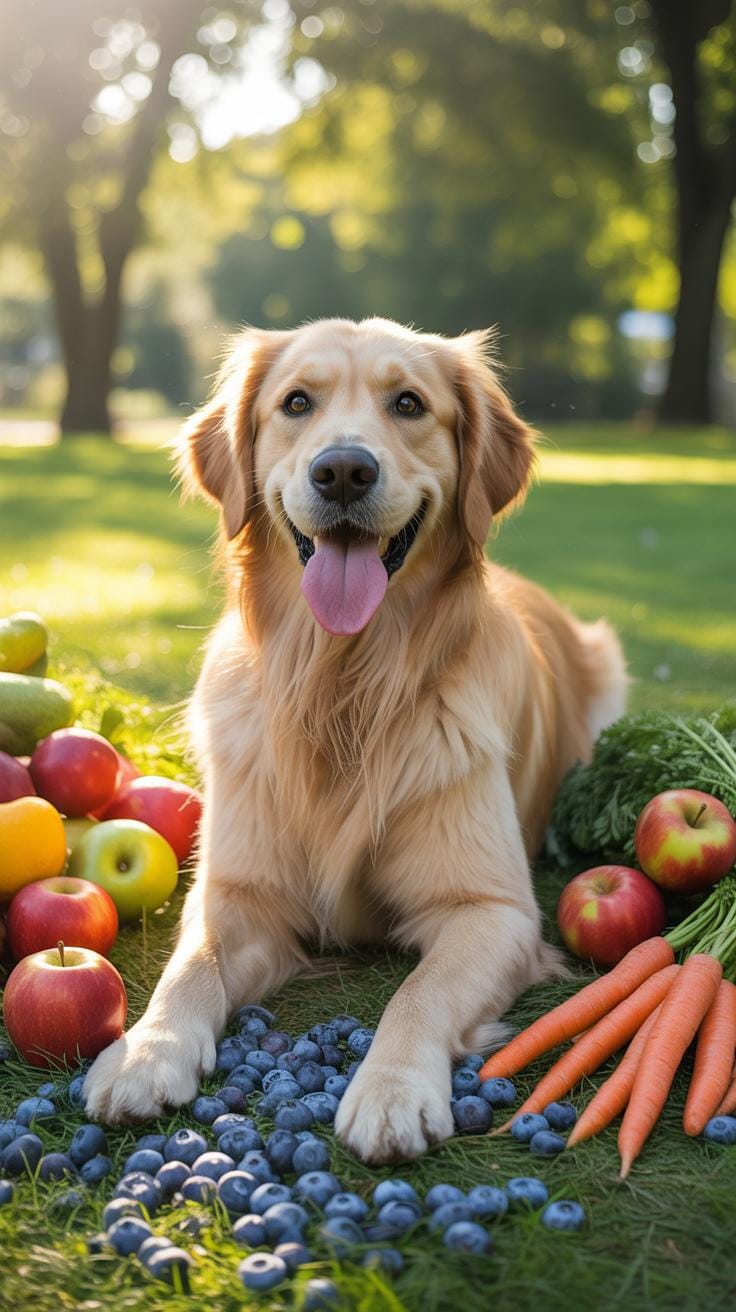
The Nutritional Value Of Fruit For Dogs Explained
Fruits provide essential vitamins and antioxidants that support a dog’s immune system. Vitamin C and Vitamin A promote healthy skin and eye function. These natural compounds fight cellular damage and reduce inflammation. Most fruits also contain high water content. This helps maintain hydration levels during physical activity. You improve your dog’s long-term health by adding these nutrient-dense foods to their daily routine.
Antioxidants found in blueberries and strawberries protect the canine brain from aging. These fruits deliver potassium which supports heart health and muscle function. Feeding fruit ensures your dog receives phytonutrients not always present in dry kibble. Traditional dog diets often lack these fresh components. You provide a biological advantage by mimicking the varied diet of wild ancestors. Focus on nutrient density to maximize every calorie served.
How Fruit Differs From Processed Dog Treats In Terms Of Natural Sugars And Fiber
Processed treats often use artificial fillers and refined sugars that cause energy crashes. Fruit contains fructose which provides a controlled energy release. The natural fiber in fruit slows down sugar absorption in the bloodstream. This prevents the insulin spikes commonly associated with cheap store-bought biscuits. Fiber also improves digestive transit and promotes firm stools. Choosing fruit over processed snacks protects your dog from obesity.
Most commercial treats use chemical preservatives to extend shelf life. Fresh fruit offers a clean alternative without synthetic additives or dyes. The high fiber content creates a feeling of fullness for the animal. This helps manage weight in dogs prone to overeating. You eliminate mystery ingredients by using whole food sources. Tactical feeding of fruit improves metabolic health and reduces the risk of chronic digestive issues over time.

Dog Nutrition Basics What Your Dog Actually Needs Before Adding Fruit

Understanding A Dog’S Core Dietary Requirements: Protein, Fat, And Carbohydrates
Dogs are facultative carnivores. They thrive on a foundation of animal protein for muscle maintenance and tissue repair. Fat provides their primary energy source and supports brain function. While dogs do not have a strict biological requirement for carbohydrates, they can digest them efficiently. A healthy diet balances these macronutrients to maintain metabolic health. High quality commercial foods usually meet these basic needs.
Feeding your dog correctly requires prioritizing these three pillars. Protein must be the priority to ensure the intake of essential amino acids. Healthy fats supply necessary fatty acids for skin and coat health. Fiber within the carbohydrate group helps regulate digestion and solidifies waste. If you ignore these core requirements, adding extras like fruit will create nutritional gaps. Always verify the baseline diet is complete and balanced.
Where Fruit Fits Into A Balanced Dog Nutrition Plan As An Occasional Treat
Fruit serves as a supplement rather than a staple. It provides micronutrients like vitamins and antioxidants that support the immune system. However, fruit also contains natural sugars and fiber. Excessive intake can lead to digestive upset or weight gain. Veterans and nutritionists recommend the ten percent rule for all extras. This means treats should never exceed ten percent of daily calories.

Strategic fruit use can replace high calorie processed treats. This swap reduces overall fat intake while providing hydration and vitamins. Raw fruit offers a crunch that many dogs enjoy without the additives found in commercial snacks. You must monitor your dog for any signs of intolerance or allergy when introducing new items. Focus on fruit as a functional tool for training or hydration during active periods.
Fruit Dogs Can Eat The Most Commonly Safe And Vet Approved Options

Apples, Blueberries, And Watermelon: What Makes These Fruits Safe For Dogs
Apples provide essential vitamins A and C alongside fiber for digestive health. Low protein and fat content make them ideal for aging dogs with slowing metabolisms. You must remove the core and every seed before feeding. Seeds contain cyanide which is toxic to canine systems. Blueberries offer high levels of antioxidants and phytochemicals. These nutrients support brain function and repair cells damaged by oxidative stress.
Watermelon contains ninety-two percent water which aids canine hydration during hot weather. It provides potassium and vitamins A, B6, and C without heavy calories. You must remove the green rind and all black seeds to prevent intestinal blockages. These specific fruits offer low-risk nutritional boosts when handled correctly. Vets approve these options because they lack the high sugar concentrations found in many processed dog treats.
How To Serve Safe Fruits To Your Dog Without Causing Digestive Upset
Introduce any new fruit in small amounts to monitor the canine reaction. Watch for signs of diarrhea or vomiting over twenty-four hours after the first feeding. Even safe fruits can cause distress if the dog has a specific sensitivity. Logic dictates that fruit should never exceed ten percent of daily caloric intake. Maintaining this balance ensures the dog receives primary nutrition from balanced kibble or wet food.

Wash all fruit thoroughly to remove harmful pesticides and wax coatings. Cut the fruit into bite-sized pieces to eliminate choking hazards for smaller breeds. Remove all pits, skins, and stones that could lodge in the throat or gut. Frozen fruit pieces serve as effective cooling treats but require careful monitoring. Consistency in preparation prevents sudden vet visits and keeps the digestive tract functioning at a high tactical level.
List Of Fruits Dogs Can Eat A Comprehensive Breakdown Of Dog Safe Fruits

A Full List Of Fruits That Are Considered Safe For Most Healthy Adult Dogs
Dogs can safely consume specific fruits to supplement their diet with vitamins and fiber. You must identify which fruits provide nutritional value without causing toxicity. These options serve as low calorie alternatives to processed treats. Always remove non edible parts like pits and seeds before feeding. Stick to these verified options to avoid gastrointestinal distress or long term health complications for your pet.
- Apples: These provide high levels of vitamin C and fiber. You must remove the core and all seeds before serving. Seeds contain cyanide which is toxic to dogs. Focus on the flesh for a crunchy treat that helps clean teeth.
- Blueberries: This fruit is a superfood packed with antioxidants and phytochemicals. They support immune health and brain function in aging dogs. These small berries are ideal training treats because they require zero cutting or prepping beyond a quick wash.
- Bananas: Bananas offer a dense source of potassium and magnesium. They support heart and kidney health in active dogs. Only feed these in moderation because they contain high sugar levels. Use them as an occasional energy boost during long walks.
- Watermelon: This fruit is nearly ninety percent water which helps with hydration during summer. It contains vitamins A and C for skin health. You must remove the green rind and every black seed. The rind is a choking hazard and causes blockages.
- Strawberries: These berries contain fiber and vitamin C. They also harbor an enzyme that helps whiten a dog’s teeth naturally over time. Like bananas, these have a high sugar content. Limit the portion size to prevent weight gain or blood sugar spikes.
Healthy adult dogs process these fruits efficiently when they make up ten percent or less of daily calories. You should introduce new fruits one at a time. This allows you to monitor for allergic reactions or digestive upset. Variety ensures the dog receives a broad spectrum of nutrients. Always prioritize fresh or frozen fruit over canned versions to avoid dangerous additives.
Important Serving Notes And Portion Guidance For Each Fruit On The Safe List
Proper portion control prevents obesity and maintains stable blood sugar levels. You must cut fruit into bite sized pieces based on the dog’s size. Small breeds require tiny fragments to prevent choking. Large breeds can handle bigger slices but still need strict limits. Treat fruit as a high value reward rather than a primary meal component to ensure balanced nutrition.

Preparation determines the safety of any fruit treat. You must wash all produce to remove pesticides and chemical residues. Peel thick skins that are difficult for the canine stomach to break down. Remove every pit and seed because they pose a risk of intestinal obstruction or poisoning. Consistency in these preparation steps eliminates the most common risks associated with feeding fruit to dogs.
Can Dogs Eat Citrus Fruits Berries And Tropical Varieties Safely
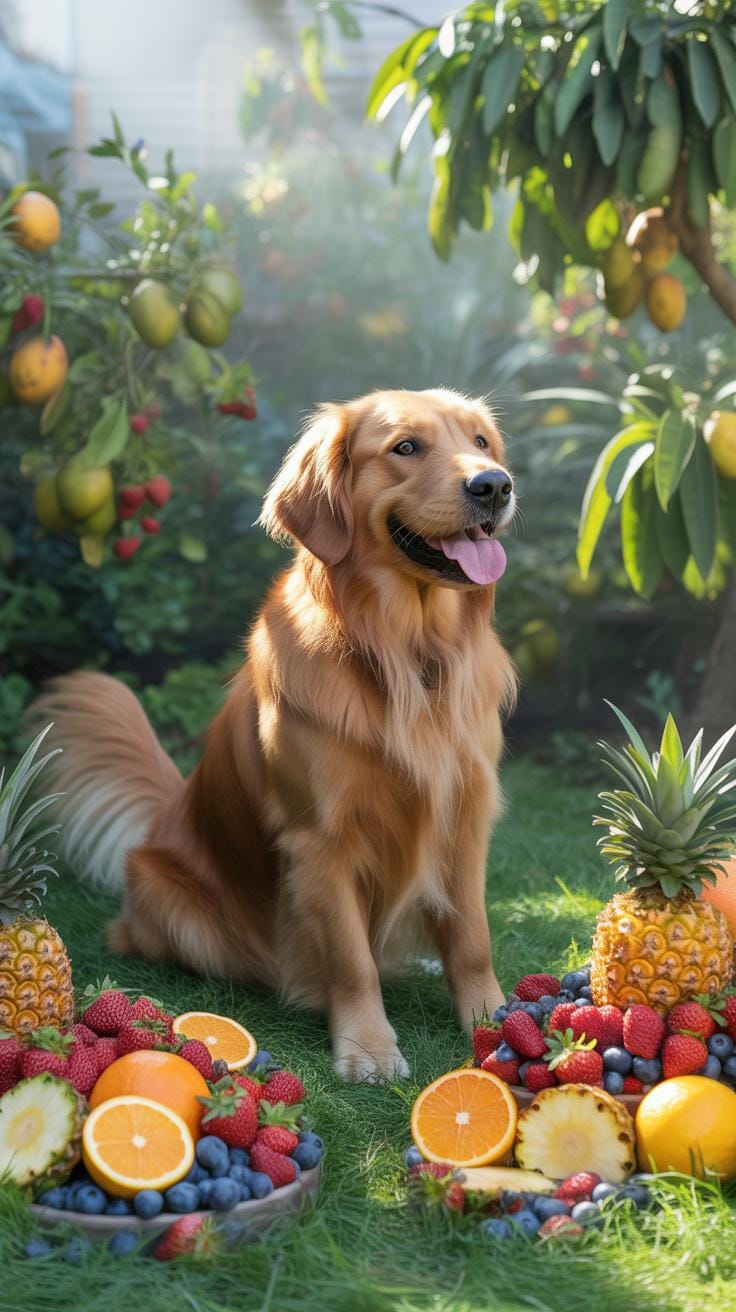
Berries Like Strawberries And Raspberries: Safe In Moderation With Low Toxicity Risk
Strawberries and raspberries offer high fiber and antioxidants for dogs. These fruits contain vitamin C and manganese which support immune function. You must wash them thoroughly to remove pesticides. Feed these berries as occasional treats and not as meal replacements. High sugar content in berries can lead to weight gain if overfed. Always monitor your dog for digestive upset after the first serving.
Raspberries contain small amounts of natural xylitol. This substance is toxic to dogs in large doses. You must limit raspberry intake to less than a cup per serving for large dogs. Small dogs should eat only one or two berries. Strawberries contain an enzyme that helps whiten canine teeth. Slice these fruits into small pieces to prevent choking. Fresh or frozen berries are better than canned options.
Tropical Fruits Like Mango And Pineapple: What Parts Are Safe And What Parts To Avoid
Mango and pineapple provide essential vitamins like A, B6, and C. These tropical fruits support eye health and nutrient absorption. You must remove the tough outer skin and the large inner pit before serving. Mango pits contain cyanide and pose a significant choking hazard. The skin is difficult for dogs to digest and causes intestinal blockages. Use only the soft inner flesh for treats.

Pineapple contains bromelain which helps dogs break down proteins. This enzyme improves digestion when fed in small amounts. You must remove the prickly skin and the hard core entirely. These parts cause internal punctures or obstructions. Stick to fresh pineapple because canned versions sit in heavy syrup. High sugar levels in processed fruit cause tooth decay and obesity. Limit tropical fruit portions to avoid diarrhea.
Foods Dogs Can Eat Vs Cannot Eat Dangerous Fruits Every Owner Must Know
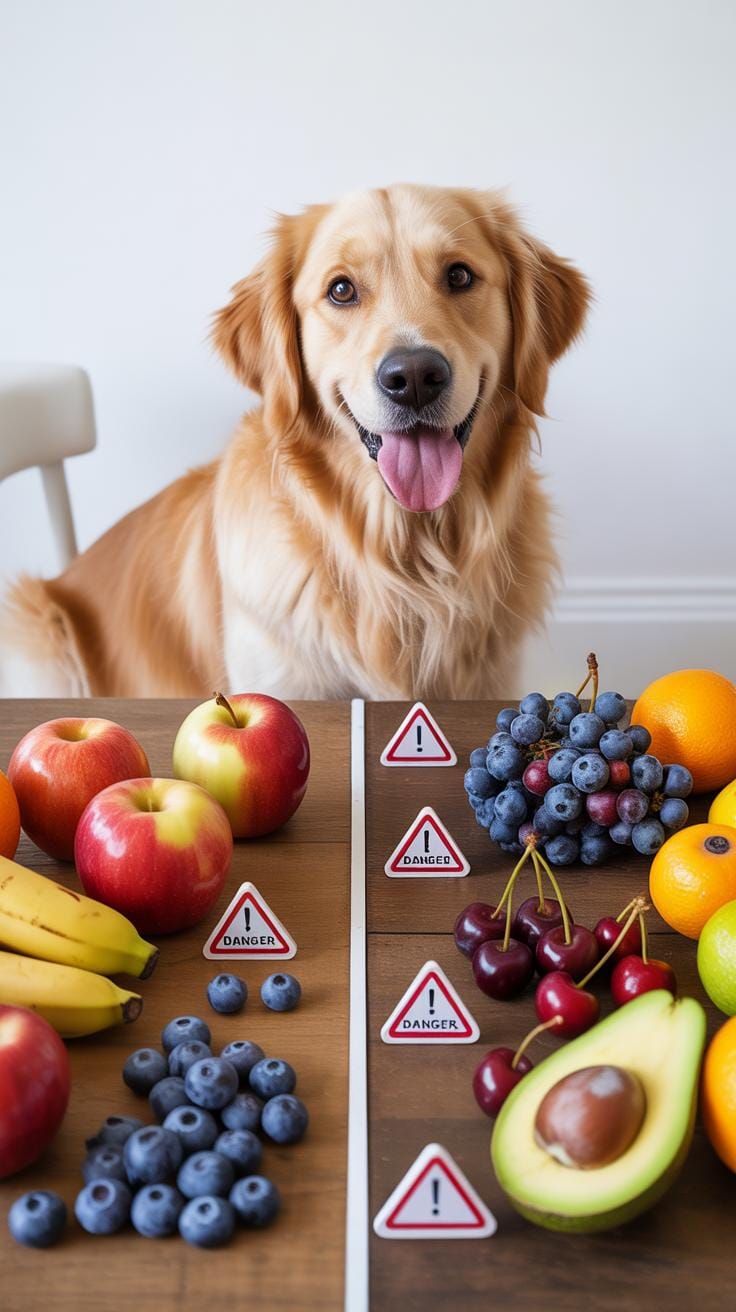
Grapes, Raisins, And Cherries: Why These Fruits Are Toxic And Must Be Avoided Entirely
Grapes and raisins cause sudden kidney failure in dogs. Scientists have not identified the exact toxin, but even small amounts lead to fatal outcomes. Early signs include vomiting, lethargy, and loss of appetite. You must treat every ingestion as a medical emergency. Do not wait for symptoms to appear before seeking professional help. Immediate veterinary intervention often involves induced vomiting and fluid therapy.
Cherries present two distinct dangers. The pits, stems, and leaves contain cyanide. This chemical blocks cellular oxygen transport and causes rapid death. Aside from chemical poisoning, the physical pits create intestinal blockages in small breeds. Most dogs cannot pass these hard seeds through their digestive tracts. Always assume any fruit with a hard stone or pit requires strict removal of all non-flesh components before feeding.
How To Identify Hidden Fruit Ingredients In Packaged Foods That Could Harm Your Dog
Manufacturers often hide dangerous fruit derivatives in processed goods. Check labels for grape seed extract or raisin juice concentrate in health snacks. These ingredients concentrate the toxins and increase the risk to your pet. Human grade protein bars and granola often contain dried fruits that are toxic. You must read every ingredient list on human snacks before sharing even a tiny piece with your dog.

Watch for xylitol in fruit flavored products. This sugar substitute appears in jams, jellies, and fruit snacks. It causes a massive insulin surge and liver failure in canines. Many manufacturers use natural flavorings that mask the presence of toxic fruit juices. Stick to fresh, whole fruits that you prepare yourself. This eliminates the risk of accidental poisoning from industrial additives or hidden concentrates found in packaged food products.
Healthy Treats How To Use Safe Fruits As A Nutritious Reward During Training
Why Blueberries And Banana Slices Make Excellent Low Calorie Training Rewards
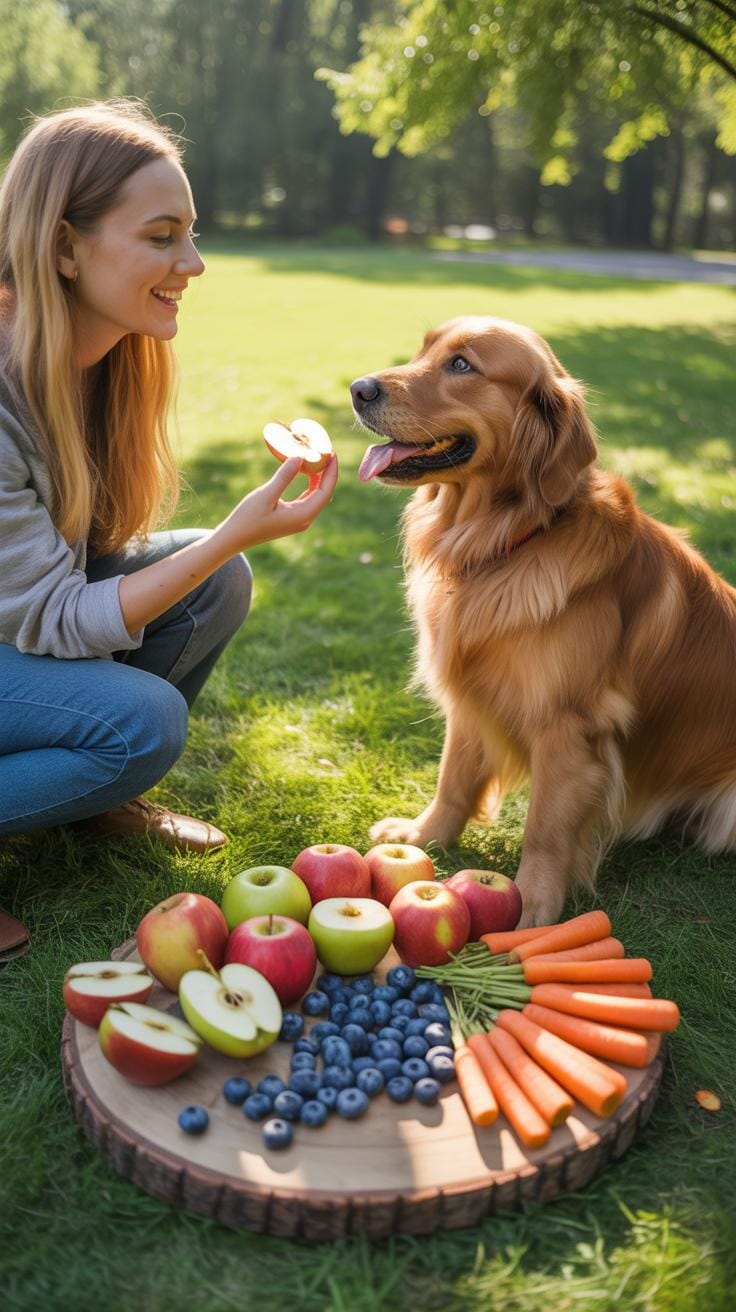
Blueberries work as ideal high value rewards because of their small size and high nutrient density. You do not need to cut them. They provide immediate reinforcement without stalling the flow of a training session. Each berry contains antioxidants and fiber. These fruits are low in calories. This allows you to maintain a high rate of reinforcement without causing rapid weight gain in your dog.
Banana slices offer a soft texture that dogs find highly palatable. They contain potassium and magnesium to support muscle function during active work. You must slice them into small circles to prevent overfeeding. Bananas have more natural sugar than berries. Use them for difficult tasks that require a higher level of motivation. Keep the portions small to keep the total sugar intake within a safe daily limit.
There is no faith which has never yet been broken, except that of a truly faithful dog. Share the simple sweetness of a safe apple slice or banana with your companion, for their love is the greatest harvest of all.
Best Practices For Rotating Fruit Treats To Keep Your Dog Engaged And Nutritionally Balanced
Smart trainers rotate fruit rewards to maintain high engagement levels. Using the same treat repeatedly leads to habituation and decreased drive. Shifting between different safe fruits provides a broader spectrum of vitamins and minerals. You must track which fruits provide the best response for specific commands. This tactical approach ensures the dog remains focused on you rather than the specific food item in your hand.
- Apple Slices: Remove all seeds and the core before use. Apples provide a crunch that many dogs enjoy during breaks. They offer vitamin C and fiber to help with digestion.
- Watermelon Chunks: Remove the rind and all seeds. These are excellent for training in hot weather. The high water content keeps the dog hydrated and refreshed during intense physical workouts.
- Pear Pieces: Use only ripe pears and remove the pit and seeds. Pears contain copper and vitamins K and C. They offer a different texture that keeps the dog curious and motivated.
- Cantaloupe Bites: Cut the fruit into small cubes. This melon is rich in beta carotene which supports eye health. It has a strong scent that helps capture a dog’s attention in distracting environments.
- Mango Strips: Peel the skin and remove the large pit. Mango contains vitamins A, B6, C, and E. It is very sweet so use it sparingly for the most challenging training behaviors.

Balance is the primary goal when using fruit as a training tool. Fruits should never exceed ten percent of the total daily caloric intake for your dog. High fiber content in fruits can cause digestive upset if introduced too quickly. Monitor your dog’s stool consistency when switching between different fruit types. Consistent rotation prevents nutritional gaps and keeps the training reward system effective for long term behavior modification.
Fruits For Dogs Healthy Preparation How To Safely Prep And Serve Fruit To Your Dog

Removing Seeds, Pits, And Rinds: The Preparation Steps That Prevent Choking And Toxicity
Strategic preparation starts with removing all internal seeds and pits. Apple seeds and cherry pits contain cyanide which causes cellular suffocation in dogs. Large pits from peaches or plums present immediate choking hazards and can cause painful intestinal blockages. You must treat these internal components as toxic waste. Always slice fruit away from the core to ensure no fragments remain in the serving portion.
Rinds and skins require equal attention to ensure safe digestion. Thick skins on watermelons or cantaloupes are too tough for a dog to break down properly. These fibrous materials often lead to gastrointestinal distress or physical obstructions in the digestive tract. You must peel all citrus fruits even if the flesh is safe. Remove every trace of bitter white pith to prevent stomach upset and oral irritation.
Fresh Versus Frozen Versus Dried Fruit: Which Forms Are Safest For Dogs To Consume
Fresh fruit remains the superior choice for canine nutrition and safety. It contains the highest water content and maintains all natural enzymes. You must wash all fresh produce to remove pesticide residues and wax coatings. Always cut fruit into bite sized pieces based on your dog’s specific jaw size. This prevents the fruit from becoming a bolus that could lodge in the throat.
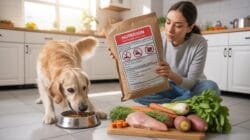
Frozen fruit serves as an effective cooling treat for temperature regulation. It provides a firm texture that can help clean teeth surfaces during chewing. However, dried fruits are often dangerous and should be avoided. Dehydration concentrates natural sugars and calories into a small volume. Many commercial dried fruits also contain added sulfur dioxide or xylitol which are harmful. Stick to whole, unprocessed forms for maximum safety.
Dog Care Tips Monitoring Your Dog After Introducing A New Fruit To Their Diet

Signs Of An Allergic Reaction Or Digestive Intolerance To Watch For After Feeding Fruit
Dogs process natural sugars and fiber differently than humans. Watch for immediate gastrointestinal distress after feeding a new fruit. Diarrhea, vomiting, and excessive gas indicate that the fruit does not agree with your dog. Observe the dog for at least twenty four hours to ensure their digestive system remains stable. Any change in stool consistency means you should stop the fruit immediately.
Allergic reactions present through the skin or respiratory system. Look for intense scratching, red skin, or facial swelling. Hives and difficulty breathing require emergency intervention. Chronic ear infections or paw licking sometimes link back to dietary sensitivities. Factually, sugar content in fruit can also trigger yeast overgrowth. Monitor for behavioral changes such as lethargy or restlessness which signal discomfort or pain.
When To Consult Your Veterinarian About Adding Fruit To Your Dog’S Regular Diet
Professional consultation is mandatory if your dog has existing health conditions. Dogs with diabetes or obesity require strict sugar management. Fruit contains fructose that can spike blood glucose levels. A veterinarian must approve any dietary additions for dogs on prescription diets. They will calculate the safe caloric limit to prevent nutritional imbalances. Never guess the safety of a portion size for a compromised animal.
Contact your veterinarian if symptoms of intolerance persist beyond twelve hours. Prolonged diarrhea leads to dehydration and electrolyte loss. If your dog accidentally consumes fruit pits or seeds, professional help is necessary. These parts contain cyanide or cause physical blockages in the intestines. Your vet can perform an allergy panel if you notice recurring skin issues. Rely on clinical advice rather than general charts during a health crisis.
Safe Fruit For Dogs Guide Tailoring Fruit Choices To Your DogS Size Age And Health

How A Dog’S Breed Size And Age Affect How Much Fruit Is Appropriate To Feed
Dog size dictates daily caloric limits. Small breeds like Chihuahuas have tiny stomachs and fast metabolisms. One slice of apple represents a high percentage of their daily sugar intake. Large breeds like Labradors can handle more volume but still require strict limits. Use the ten percent rule for treats. Fruit must never exceed ten percent of the dog’s total daily food intake to prevent nutritional imbalances.
Age alters digestive efficiency and metabolic needs. Puppies have sensitive stomachs and require nutrient-dense growth formulas. Introducing too much fruit can cause diarrhea or upset their calcium-phosphorous balance. Senior dogs often have slower metabolisms and lower activity levels. They gain weight easily. You must reduce fruit portions for older dogs to avoid obesity. Monitor stool consistency whenever you feed fruit to dogs of any age or size.
Special Considerations For Dogs With Diabetes, Obesity, Or Kidney Disease When Eating Fruit
Health conditions require strict fruit management. Diabetic dogs must avoid high-glycemic fruits like bananas or watermelons. These fruits cause rapid blood glucose spikes that endanger the dog. Stick to low-sugar options like raspberries if the veterinarian approves. Obesity also demands low-calorie choices. Avoid dried fruits entirely because they contain concentrated sugars and high calorie counts. Focus on water-heavy fruits like cucumbers or cantaloupe to provide volume without excess calories.
Kidney disease changes how a dog processes minerals. Many fruits contain potassium or phosphorus that stressed kidneys cannot filter effectively. You must avoid fruits that tax the renal system. Always wash fruit to remove pesticides that can further damage organ function. Consult a vet before adding any fruit to a prescription diet. Targeted fruit choices support health without interfering with medical treatments. Proper selection ensures the treat does not become a health liability.
Frequently Asked Questions

Which common household fruits are actually healthy for my dog to snack on?
Many popular household fruits are packed with vitamins and antioxidants that benefit your pet’s health. Blueberries, bananas, and seedless watermelon are excellent choices for a nutritious snack. When following a safe fruit for dogs guide, it is essential to remember that even healthy treats should be given in moderation. Always remove any pits, seeds, or thick rinds, as these can pose choking hazards or cause digestive blockages for your furry friend.
How should I prepare fruit treats to ensure they are served safely?
Preparation is key to preventing accidents. Start by washing all produce thoroughly to remove pesticides. Cut the fruit into bite-sized pieces appropriate for your dog’s breed size to prevent choking. If you are using this safe fruit for dogs guide for inspiration, remember to remove all seeds and cores, especially in apples, which contain trace amounts of cyanide. For a refreshing summer twist, try freezing small pieces of melon or berries.
Can I use affordable seasonal fruits as treats instead of expensive store-bought snacks?
Absolutely! Utilizing seasonal produce is a fantastic way to save money while providing fresh, whole-food nutrition. Buying in-season apples, pears, or cantaloupe is often much cheaper than processed dental chews or jerky treats. Shopping at local farmers’ markets or buying in bulk during peak season allows you to provide high-quality snacks on a budget. Just ensure the fruit is ripe and fresh, avoiding any pieces that have begun to ferment or mold.