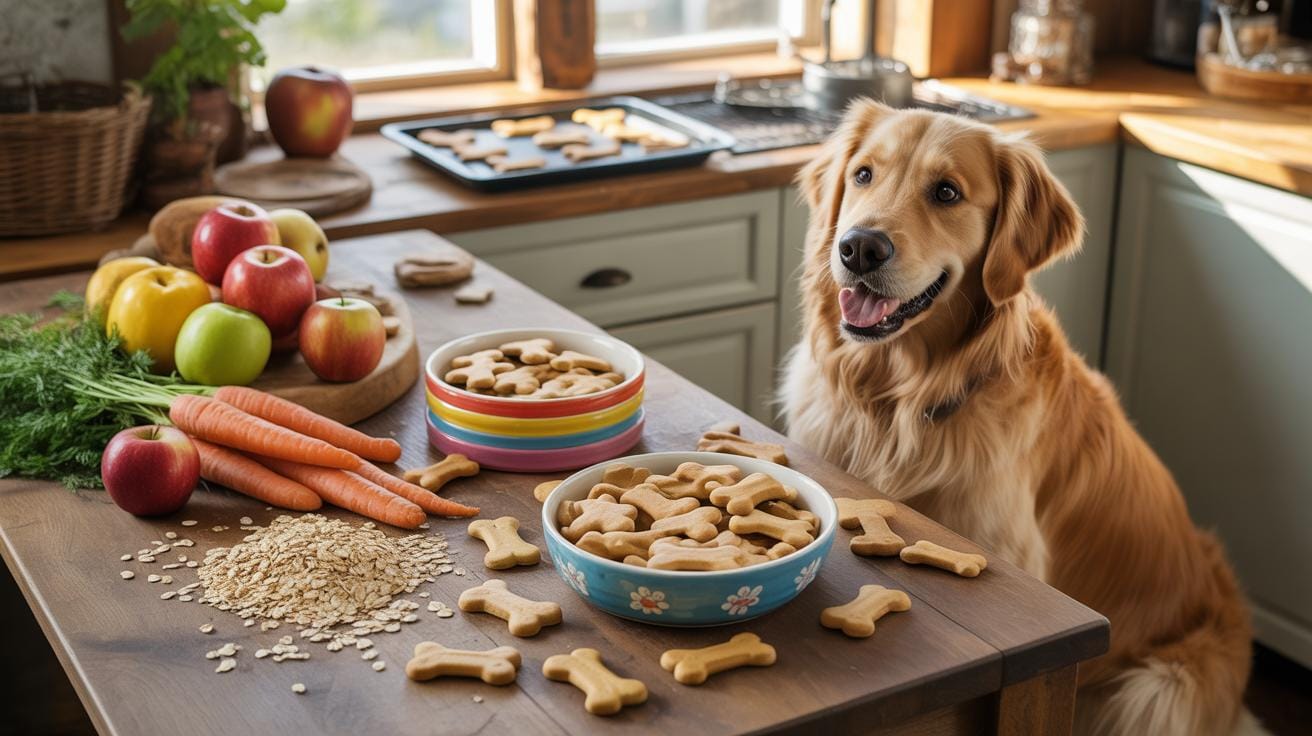
Why Sugar And Artificial Additives Are Harmful To Dogs
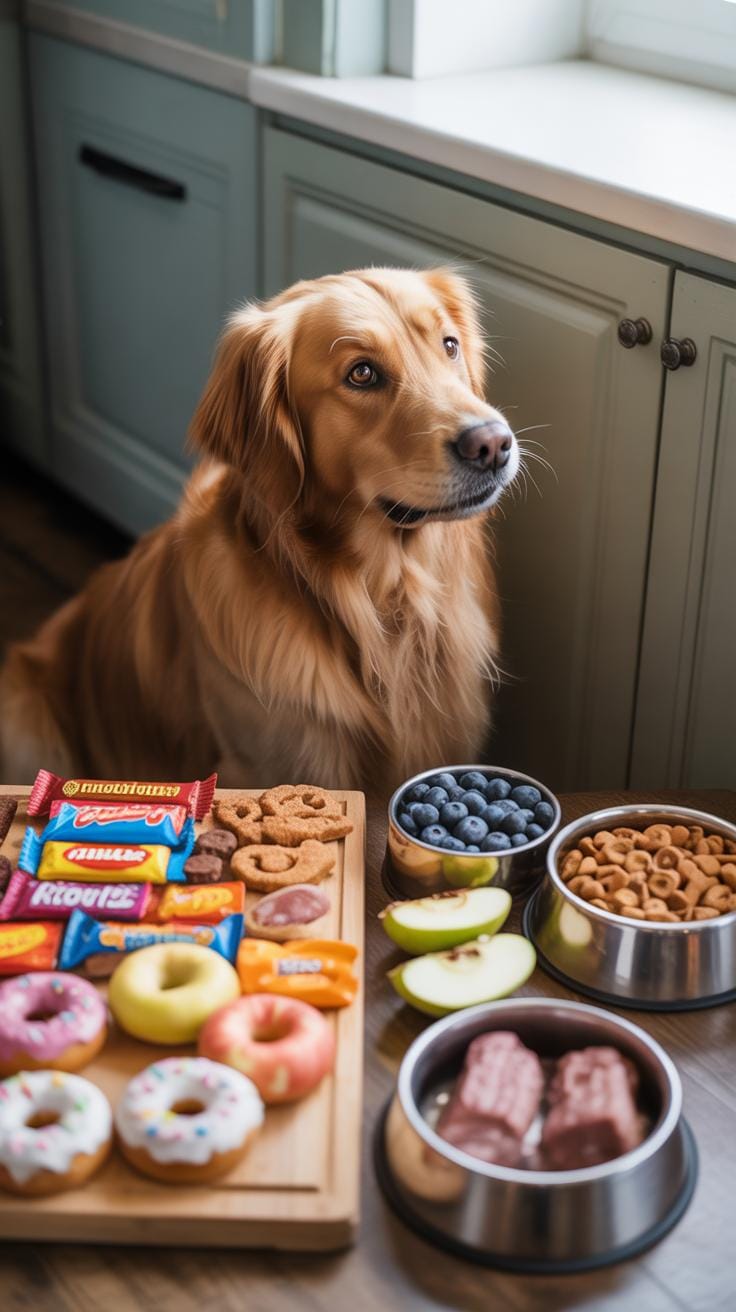
How Sugar Affects A Dog’S Metabolism And Long Term Health
Dogs do not process refined sugar efficiently because their digestive systems evolved for proteins and fats. Excessive glucose intake triggers rapid insulin spikes that strain the pancreas over time. This metabolic stress often leads to systemic inflammation and chronic conditions. High glycemic loads also contribute to dental decay by feeding harmful oral bacteria. Consistent sugar consumption causes rapid weight gain and lethargy.
Obesity is the primary result of sugary diets and serves as a gateway to severe health failures. Excess weight puts immense pressure on canine joints and increases the risk of heart disease. It can eventually lead to Type 2 diabetes, requiring lifelong medical intervention. Eliminating sugar from treats prevents these metabolic disruptions. You ensure your dog maintains steady energy levels and a leaner body mass.
Common Artificial Additives In Commercial Dog Treats That You Should Avoid
Commercial manufacturers use synthetic preservatives like BHA and BHT to extend product shelf life for years. These chemicals are known carcinogens in lab animals and may pose similar risks to dogs. Artificial colors like Red 40 or Blue 2 serve no nutritional purpose and only appeal to human buyers. Many additives trigger allergic reactions, skin irritations, and digestive upset in sensitive breeds.
Food dyes and chemical stabilizers frequently hide poor ingredient quality in mass-produced snacks. Propylene glycol keeps treats moist but can damage red blood cells in high doses. Artificial sweeteners like Xylitol are extremely toxic and cause rapid liver failure or death. Avoid these compounds by choosing a dog treats without sugar recipe. Homemade treats eliminate chemical exposure and provide clean fuel for your animal.

Understanding What Goes Into A Healthy Dog Treats Without Sugar Recipe
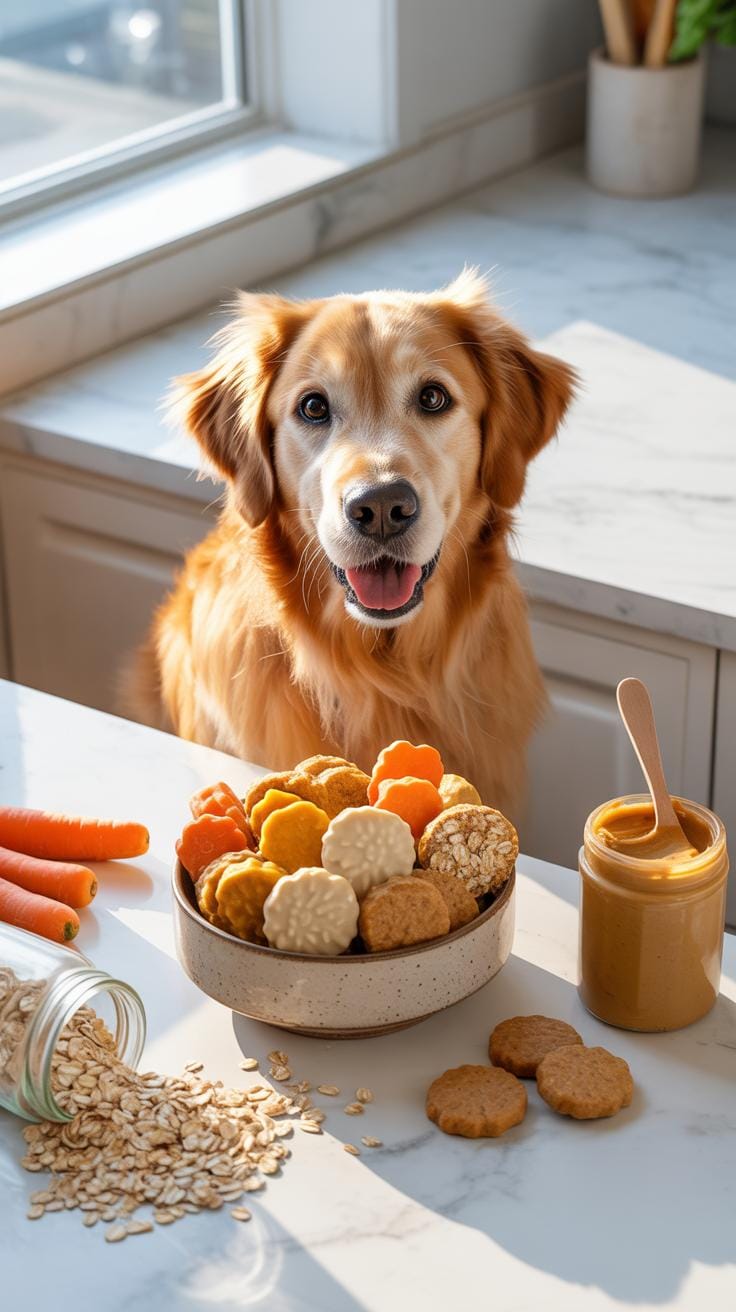
Reading Ingredient Labels: What Safe, Natural Dog Treat Ingredients Look Like
Commercial labels often hide sugar under names like corn syrup, molasses, or fructose. A tactical approach requires identifying whole food sources first. Look for single proteins, ancestral grains like oats, or fiber-rich vegetables. Avoid generic terms like animal fat or meat meal. These vague descriptions usually indicate low quality fillers. High quality recipes focus on transparency and recognizable ingredients that provide direct nutritional value to the animal.
Clean ingredients provide functional benefits rather than empty calories. Real foods like chickpeas, sweet potatoes, and eggs offer protein and complex carbohydrates. These components stabilize blood sugar levels in dogs. You must verify every addition to the mixing bowl. If you cannot define an ingredient, do not use it. Simple recipes reduce the risk of digestive upset. Sticking to whole foods ensures your dog receives vitamins without any chemical interference.
Natural Sweetener Alternatives That Are Safe For Dogs Such As Unsweetened Applesauce And Ripe Banana
Dogs do not need refined sugar for palatability. Use unsweetened applesauce as a binder and natural sweetener. It provides pectin and vitamin C without the crystalline spikes of cane sugar. Ensure the applesauce contains no xylitol, which is toxic to canines. Mash ripe bananas to add potassium and moisture to the dough. These fruits provide a scent that attracts dogs while keeping the glycemic index manageable for daily consumption.

Pureed pumpkin and blueberries serve as excellent alternatives to processed sweeteners. Pumpkin supports gut health through high fiber content. Blueberries offer antioxidants that promote cellular health. These ingredients change the texture and flavor profile of the treat naturally. Always check for additives in canned versions of these fruits. Pure fruit purees act as both flavor enhancers and structural components. They allow you to create a high value reward without compromising metabolic health.
Essential Ingredients For Easy Dog Treat Recipes At Home
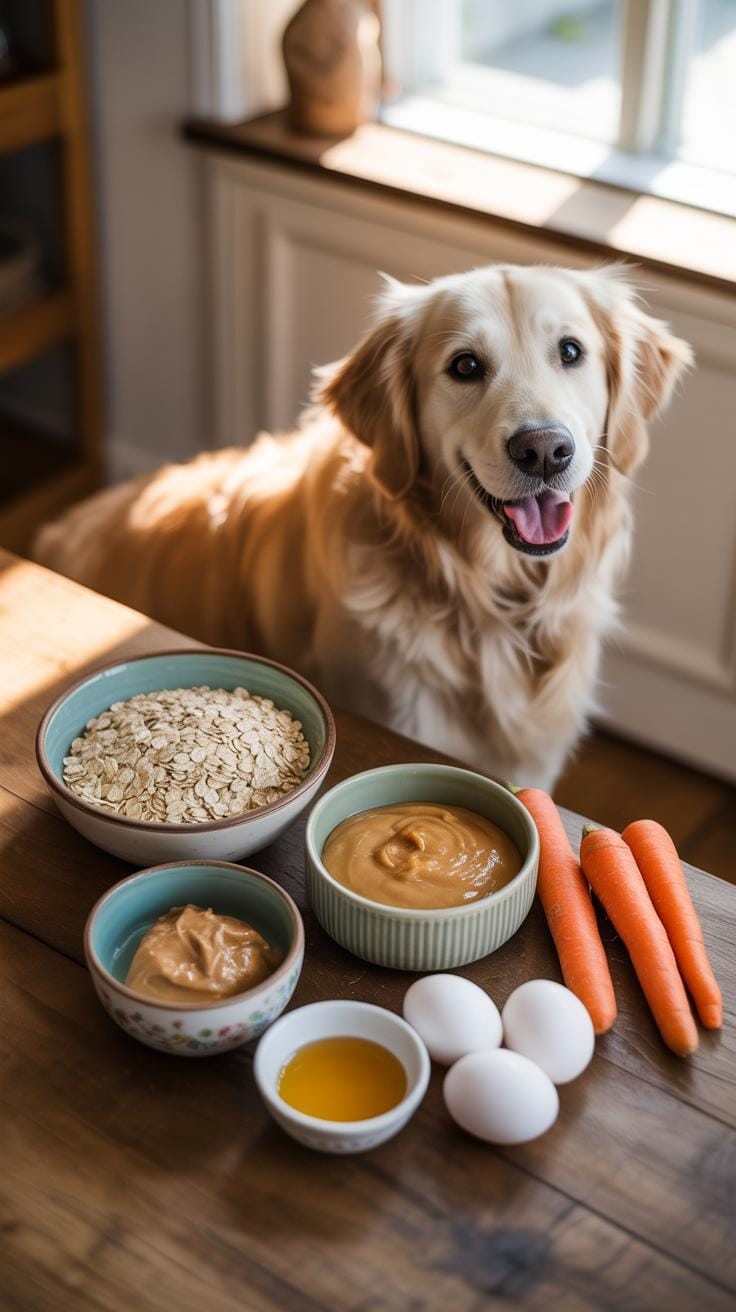
Pantry Staples That Form The Foundation Of Most Homemade Dog Treats
Successful dog treats without sugar recipe development relies on specific structural binders. You need ingredients that provide dietary fiber and protein without causing insulin spikes. Commercial treats often use corn syrup or molasses for texture and preservation. You will replace these with whole grains, legumes, and lean proteins. These foundations ensure the final product remains firm enough to snap but easy for dogs to digest.
- Whole Wheat Flour: Traditional wheat flour provides the gluten structure necessary for crunchy biscuits. It is a reliable binder that creates a predictable texture. Use this if your dog has no grain sensitivities or allergies to gluten.
- Oat Flour: Ground oats offer a gluten-free alternative that is high in fiber and protein. This flour creates a dense, chewy texture. You can make it at home by pulse-blending rolled oats in a standard food processor until fine.
- Natural Peanut Butter: Pure nut butter acts as both a healthy fat source and a powerful flavor attractant. Ensure the label lists only peanuts and salt. Never use brands containing xylitol or added sugars as these are toxic or unhealthy.
- Pureed Pumpkin: Plain canned pumpkin is an excellent moisture source and binding agent. It provides soluble fiber which aids in canine digestion. Do not confuse this with pumpkin pie spice filling which contains sugar and dangerous spices like nutmeg.
- Eggs: Large eggs serve as the primary protein binder for dehydrated or baked treats. They help hold dry powders together and provide essential amino acids. High-quality eggs also add vitamin A and riboflavin to the nutritional profile of the treat.
Storage and shelf life depend on your choice of wet ingredients. Moist ingredients like pumpkin or applesauce require refrigeration or freezing to prevent mold growth. If you want shelf-stable results, bake your treats at low temperatures for longer periods. This process removes moisture and hardens the treats. Always prioritize high-protein binders to ensure your dog receives functional nutrition instead of empty filler calories.
Ingredients You Must Always Avoid When Making Pet Treats Recipes For Your Dog
Nutritional safety hinges on identifying hidden toxins in common human foods. Many standard baking ingredients cause severe physiological distress in canines. Xylitol is a frequent sugar substitute in peanut butter and yogurt that triggers rapid insulin release and liver failure. Chocolate contains theobromine and caffeine which dogs cannot metabolize. Grapes and raisins cause acute kidney failure even in small quantities. Avoid all pre-mixed spice blends.

Toxicology reports prove that onions and garlic damage canine red blood cells. Even small amounts of garlic powder can cause hemolytic anemia over time. Macadamia nuts affect the nervous system and lead to temporary paralysis or weakness. Excessive salt leads to ion poisoning and dehydration. Always check every label for hidden additives before mixing. Stick to single-ingredient whole foods to guarantee the safety of every batch you produce for your pet.
How To Make No Bake Dog Treats Homemade With Simple Whole Food Ingredients
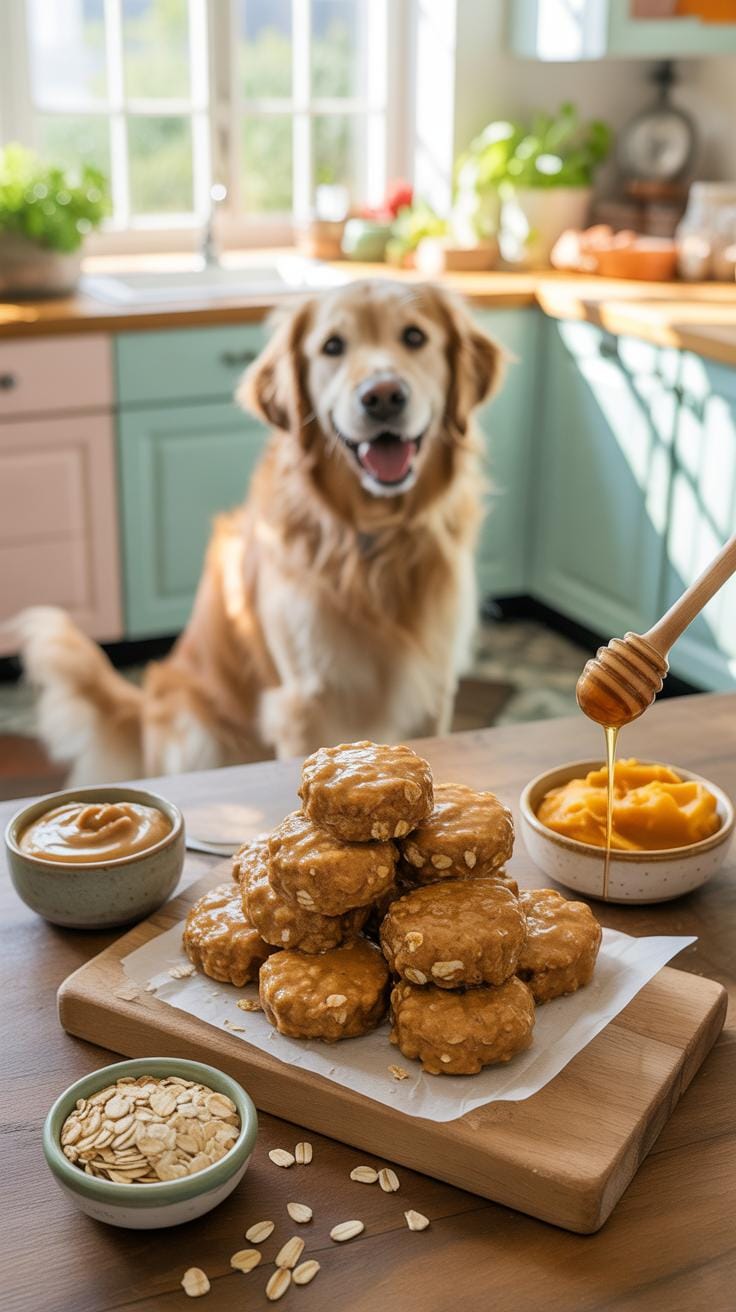
Peanut Butter And Oat No Bake Dog Treats: A Step By Step Walkthrough
Combine old fashioned rolled oats with natural peanut butter to create a dense base. You must use peanut butter that excludes xylitol and added sugars. Grind half of the oats into a fine flour to improve binding. Mix the flour, whole oats, and peanut butter in a large bowl. Add small amounts of water or unsweetened applesauce if the mixture feels too brittle.
Shape the dough into small spheres or press them into silicone molds for uniform sizing. Place the treats on a parchment lined tray and refrigerate for thirty minutes. This chilling process stabilizes the healthy fats and prevents the treats from crumbling. Store these snacks in an airtight container within the refrigerator. They provide a quick protein source without the need for oven dehydration.
The greatest gift you can give a loyal friend is a meal made with love and nothing but the simple, pure ingredients nature provided.
Frozen Banana And Plain Yogurt No Bake Dog Treats For Warm Weather Snacking
Select ripe bananas and unsweetened plain Greek yogurt for this cold recipe. Mash the bananas until the texture is smooth and free of large chunks. Fold the mashed fruit into the yogurt using a one to one ratio. High protein yogurt provides probiotics that support canine gut health. Ensure the yogurt contains no artificial sweeteners or thickeners that might harm the animal.

Pour the liquid mixture into small ice cube trays or specialized pet molds. Freeze the trays for at least four hours until the treats reach a solid state. These frozen snacks help regulate body temperature during high heat periods. Remove only one treat at a time to prevent melting. Keep the remaining supply in the freezer to maintain the necessary structural integrity for safe consumption.
Baked Dog Treats Oven Based Recipes Using Only Natural Ingredients
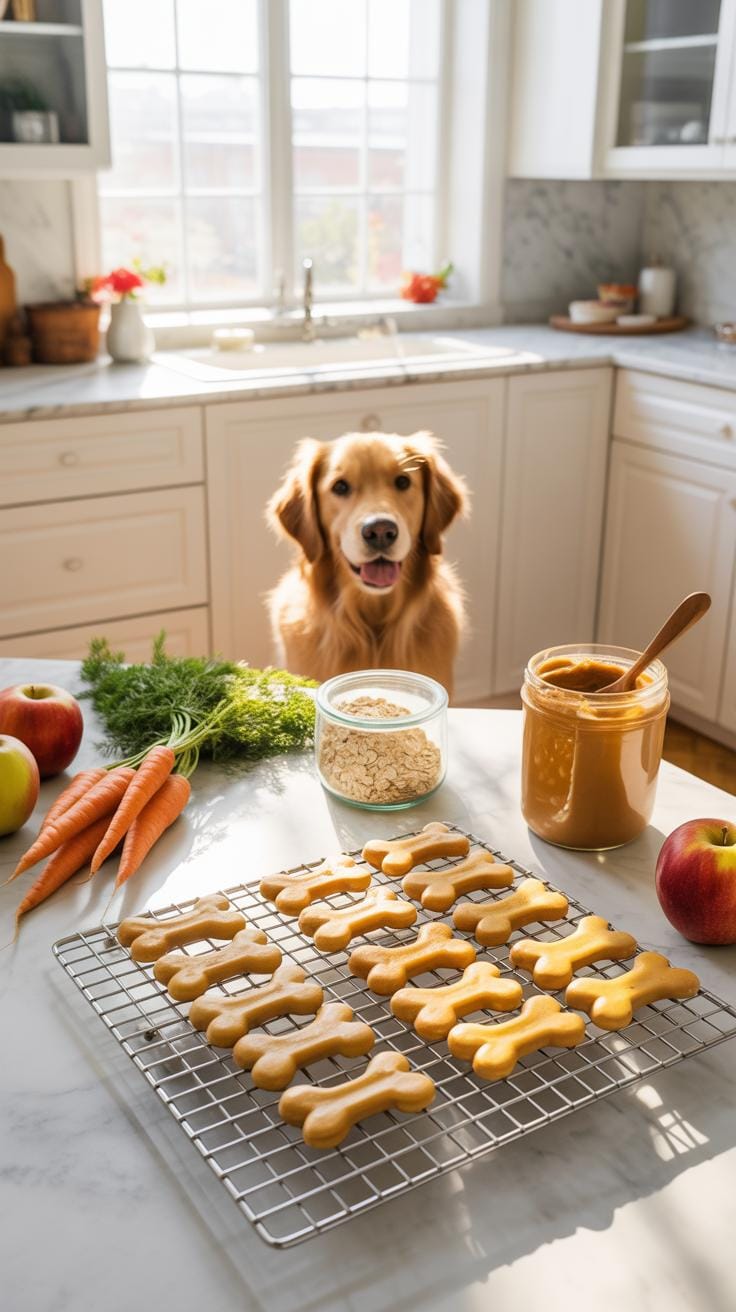
Sweet Potato And Whole Wheat Flour Baked Dog Treats Recipe
Sweet potatoes provide a high concentration of dietary fiber and vitamin A. Mash one cup of cooked sweet potato and mix it with two cups of whole wheat flour. Add one egg to bind the mass together. Knead the dough on a flat surface until it feels firm. Roll the mixture to a quarter inch thickness before cutting into shapes.
Set your oven to 350 degrees Fahrenheit. Place the cut pieces on a parchment lined baking sheet to prevent sticking. Bake the treats for 25 to 30 minutes until they are dry and hard. This texture helps reduce tartar buildup on canine teeth. Store these snacks in an airtight container for up to two weeks to maintain their nutritional quality.
Carrot And Oat Baked Dog Treats That Double As Healthy Dog Snacks
Carrots offer beta carotene and a natural crunch that dogs enjoy. Combine one cup of grated carrots with one and a half cups of rolled oats. Mix in half a cup of unsweetened applesauce to acting as a natural binder. The oats provide a gluten free alternative for dogs with wheat sensitivities. Stir the ingredients until the batter becomes heavy and thick.

Preheat the oven to 325 degrees Fahrenheit for a slow bake. Drop small spoonfuls of the mixture onto a tray. Flatten each mound with a fork to ensure even heat distribution. Bake for 20 minutes to achieve a chewy texture or 30 minutes for a crunchier finish. These low calorie treats work well for training sessions because they do not crumble easily.
Snacks For Dogs Homemade Tailoring Recipes To Your DogS Dietary Needs
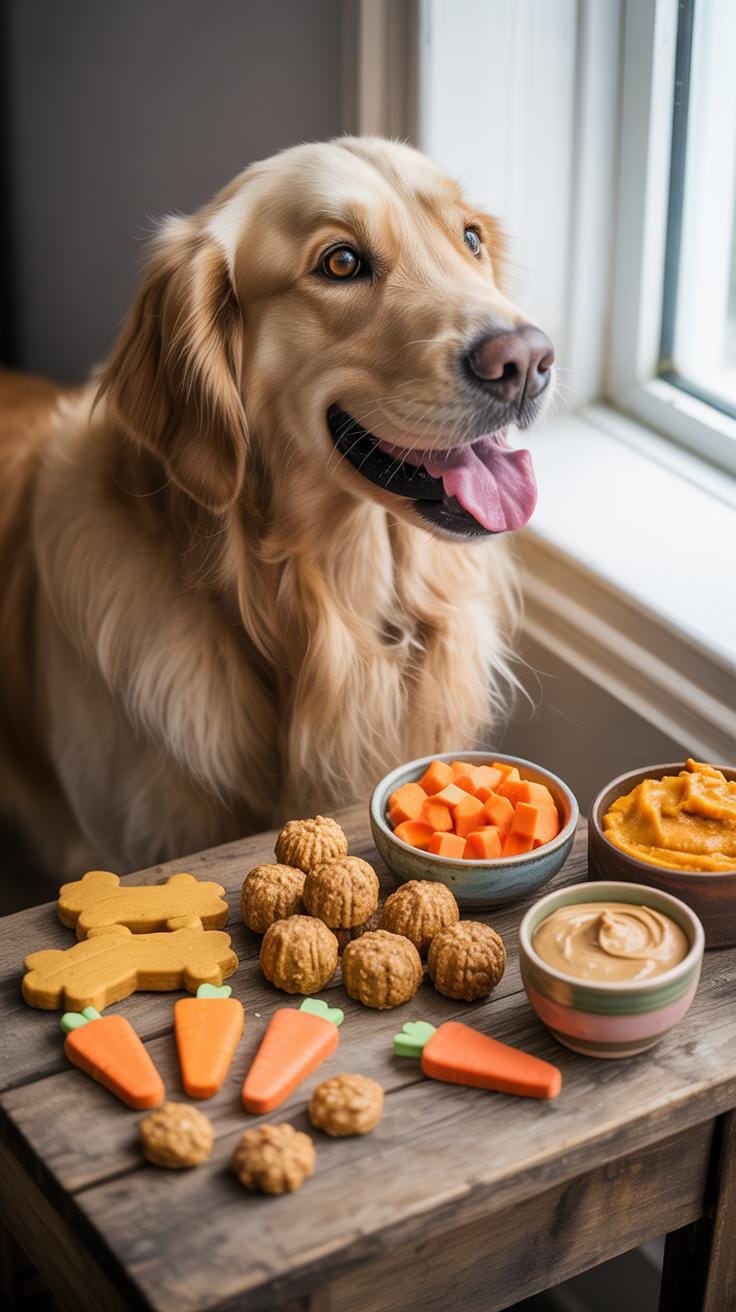
Adjusting Homemade Dog Treat Recipes For Dogs With Food Sensitivities Or Allergies
Identify common allergens before choosing ingredients for a dog treats without sugar recipe. Many dogs react to grains, chicken, or dairy. Swap wheat flour for oat flour or chickpea flour to avoid gluten issues. Use alternative proteins like turkey or rabbit if beef causes skin irritation. Eliminate all chemical preservatives and colors. Pure ingredients reduce the risk of inflammatory responses and digestive distress in sensitive animals.
Read labels carefully on every single raw material. Some peanut butters contain xylitol, which is lethal to dogs. Ensure pumpkin puree is 100 percent fruit and not pie filling. Always introduce new ingredients in small amounts. Observe your dog for 24 hours to check for itching or loose stools. This phased approach isolates problem foods. Customizing treats ensures your dog receives safe nutrition without triggering chronic health conditions.
Portion Sizing And Treat Frequency: How Many Homemade Treats Are Safe Per Day
Treats must not exceed ten percent of a dog’s daily caloric intake. Use the dog’s weight and activity level to calculate this limit accurately. High calorie ingredients like peanut butter require smaller portions. Use a kitchen scale to weigh treats during the baking process. Consistent sizing prevents accidental overfeeding. Excess calories lead to canine obesity and joint pressure. Monitor body condition scores regularly to adjust intake.

Divide treats into smaller pieces to extend the reward period. A single large biscuit provides the same psychological benefit as several tiny crumbs. Use these small bits for training sessions to maintain focus without bloating the animal. Account for these extras by reducing the main meal size slightly. Balance is the priority for long term health. Proper portion control keeps the dog at an ideal weight while maintaining metabolic health.
Storing And Preserving Your Home Made Dog Treats Without Artificial Preservatives
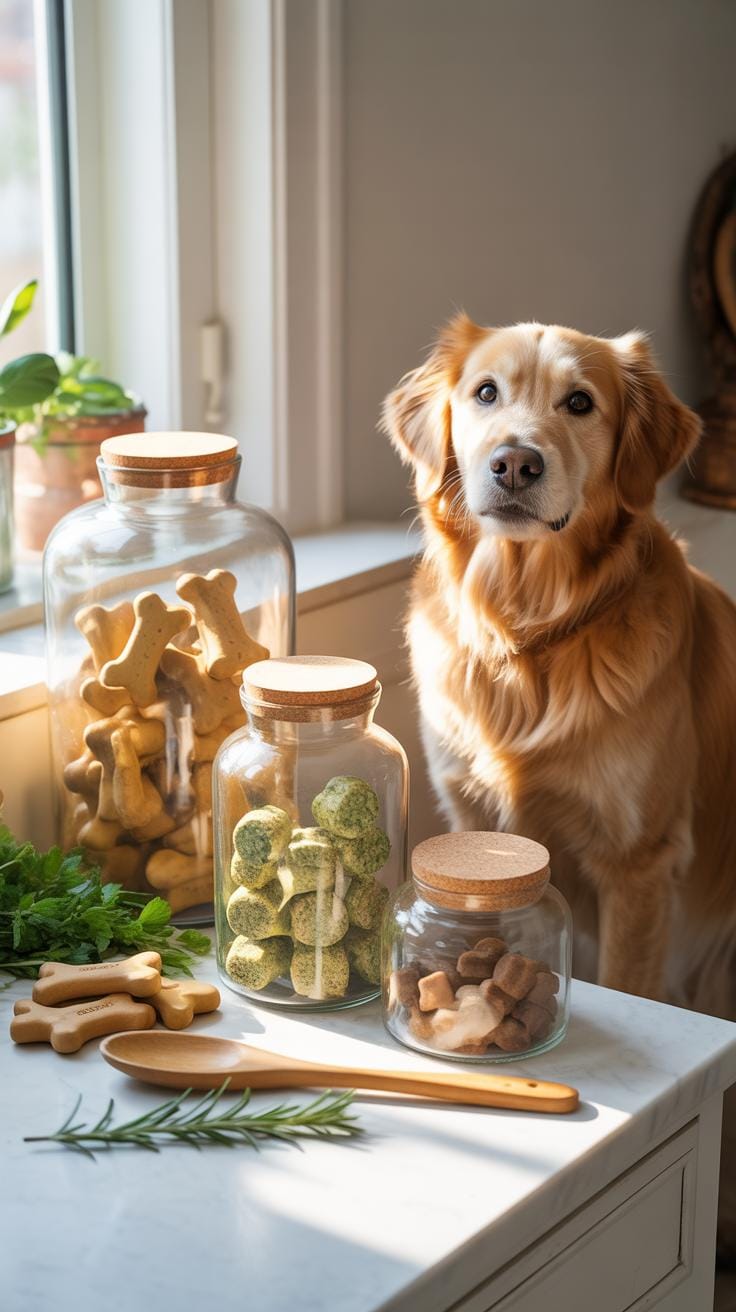
Refrigerator Vs. Freezer Storage: Best Practices For Extending Treat Freshness Naturally
Sugar and chemical preservatives inhibit mold growth in commercial products. Your homemade treats lack these stabilizers. Moisture is the primary enemy of shelf life. Refrigeration slows bacterial growth and keeps treats safe for five to seven days. Use airtight glass containers to prevent moisture absorption. Ensure treats cool completely on a wire rack before sealing. Trapped steam creates condensation and leads to rapid spoilage and soft texture.
Freezing provides the best long-term solution for bulk batches. Most dog treats without sugar recipe results stay fresh for up to six months in a freezer. Use heavy-duty freezer bags and remove all excess air to prevent freezer burn. Thaw individual servings overnight in the refrigerator. Hard biscuits maintain their structural integrity better than soft treats when frozen. Cold storage is the only reliable way to preserve high protein snacks.
How To Know When Homemade Dog Treats Have Expired And Need To Be Discarded
Biological decay starts immediately after baking because these snacks use whole food ingredients. You must inspect every batch before feeding your dog. Visual changes are often the first indicator of failure. Even small spots of white or green fuzz mean the entire container is contaminated. Mold spores spread through porous food before they become visible. Do not try to save unaffected pieces from a tainted jar.
- Visible Mold Growth: White, green, or black spots on the surface of the treat indicate fungal contamination. High moisture ingredients like pumpkin or applesauce accelerate this process. Discard the entire batch immediately to prevent mycotoxin poisoning in your pet.
- Rancid Smell: Fats and oils oxidize over time when exposed to air. If the treats smell sour, metallic, or like old paint, the lipids have turned. Feeding rancid fats can cause digestive upset and long term inflammation for your dog.
- Texture Changes: Soft treats that become slimy or hard biscuits that turn mushy signal bacterial activity. Moisture migration from the air into the treat creates a breeding ground for pathogens. Proper airtight seals are the only way to prevent this specific degradation.
- Color Fading: A significant dulling or shifting in the natural color often suggests light or oxygen damage. While not always toxic, color loss usually coincides with nutritional breakdown. This indicates the treat has passed its peak freshness and may lack original flavors.
- Insect Infestation: Small holes or fine webbing inside the storage container suggest pests like pantry moths. These insects target natural grains and flours used in sugar free recipes. Always check the bottom of the container for larvae or fine dust residue.

Trust your senses to determine safety. Domestic dogs have sensitive digestive systems that react poorly to spoiled fats or fungal spores. If the treat feels sticky or develops an off-putting odor, throw it away. Sticking to a strict one-week refrigeration rule eliminates most risks. Record the baking date on every container to track freshness accurately. Safe storage practices protect your dog and maximize the value of your ingredients.
Tips For Getting Started With Easy Dog Treats You Can Make Any Day Of The Week
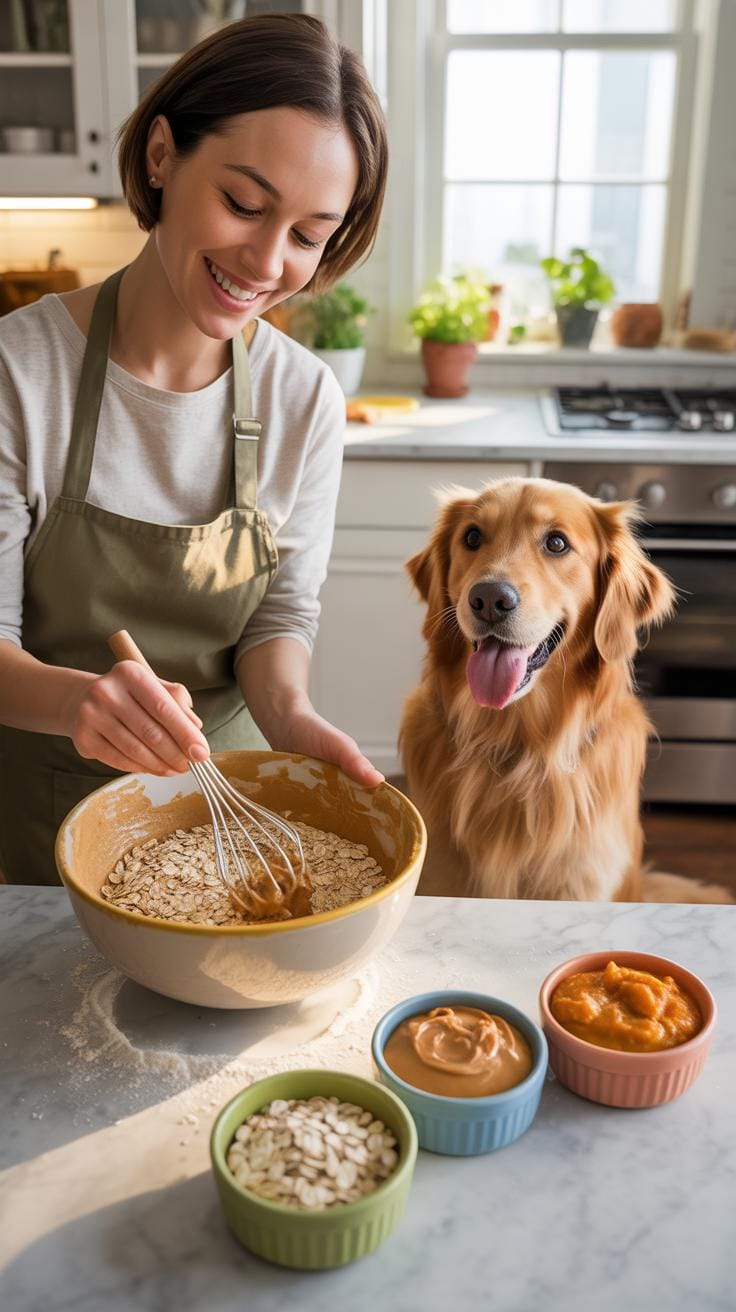
Batch Cooking Strategies That Save Time When Preparing Homemade Dog Treats Regularly
Efficiency requires planning and high-volume production. Dedicate one day a month to bake every treat your dog needs. Use large baking sheets to maximize oven space. Uniform sizes ensure even cooking and prevent burnt edges. Standardizing your shapes allows you to pack storage containers tightly. This approach reduces cleanup time and lowers energy costs by running the oven for one concentrated period.
Preservation is the second half of the time-saving equation. Dehydrate treats until they are brittle to remove moisture. Low moisture levels prevent mold growth without using chemical preservatives. Store the bulk of your treats in the freezer to maintain freshness. Pull out small portions for weekly use. This rotation keeps the treats crunchy and safe. It eliminates the need to bake small batches during busy work days.
Involving Your Dog In The Process: How Smell Testing And Preference Can Guide Your Recipes
Dogs prioritize scent over taste when evaluating food. Use raw ingredients to test your dog’s reaction before mixing a full dough. Hold a piece of plain cooked liver or a slice of carrot near their nose. High-value responses like intense sniffing or drooling indicate a winner. This direct feedback loops saves you from wasting expensive ingredients on recipes your pet will eventually reject.
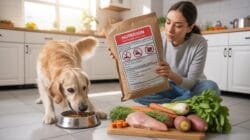
Observe your dog’s digestion after introducing a new ingredient. Watch for changes in energy or stool consistency. Every dog has a unique biological profile that reacts differently to proteins and fibers. Record which combinations produce the best physical results and the highest motivation levels during training. Refine your ingredient list based on these observable facts. This data driven method ensures your dog treats stay healthy and effective.
Frequently Asked Questions

Why is it important to avoid sugar and artificial additives in homemade dog treats?
Avoiding these ingredients is crucial because processed sugars and synthetic additives can lead to obesity, dental issues, and insulin spikes in dogs. By using a dog treats without sugar recipe, you ensure your pet consumes only nutrient-dense whole foods. Natural ingredients provide essential vitamins without the inflammatory risks associated with chemical preservatives, helping your furry friend maintain a healthy weight and consistent energy levels throughout the day.
How do I naturally sweeten a dog treats without sugar recipe while keeping it healthy?
You can easily add natural sweetness and moisture by using pureed fruits and vegetables like unsweetened applesauce, mashed bananas, or pure pumpkin puree. These ingredients offer a boost of fiber and vitamins while keeping the treats palatable. Always ensure any fruit used is safe for canine consumption and free from Xylitol. This approach creates a tasty, rewarding snack that satisfies your dog’s cravings without relying on harmful refined sugars.
Can I make healthy, additive-free treats on a tight budget using pantry staples?
Absolutely! Making healthy snacks for your pet doesn’t require expensive specialty shops. Most basic recipes utilize affordable kitchen staples like whole wheat flour, oats, and eggs. You can even repurpose leftover vegetable scraps, like carrot tops or sweet potato skins, to add nutrition. Baking at home is significantly more cost-effective than buying premium commercial brands, allowing you to provide high-quality, chemical-free rewards while staying well within your monthly grocery budget.