
Why Food Labels On Dog Food Matter More Than You Think
How Regulatory Bodies Govern What Appears On Dog Food Labels
The Association of American Feed Control Officials provides the model regulations for pet food labels. State officials enforce these rules to ensure safety and honesty. Every label must include a guaranteed analysis and an ingredient list. These rules dictate how manufacturers name their products based on ingredient weight. You must understand that these regulations create a baseline for legal compliance across the industry.
The Food and Drug Administration oversees the safety of all pet foods. They require that ingredients perform a functional purpose and are safe for consumption. Labels must list ingredients in descending order by weight before processing. Manufacturers cannot hide poor quality items under vague terms without meeting specific legal definitions. Knowing these rules allows you to see past the packaging and evaluate the actual contents.
The Difference Between Marketing Language And Meaningful Label Information
Marketing terms like premium or gourmet have no legal definitions. Manufacturers use these words to trigger emotional responses and justify higher prices. They do not indicate better nutrition or higher quality ingredients. You must ignore these front of pack claims and focus on the back label. The real data stays hidden in the fine print where legal standards force transparency on the company.
Meaningful information lives in the ingredient list and the nutritional adequacy statement. Look for the AAFCO statement to confirm the food meets basic biological needs for specific life stages. Specific meat sources like chicken provide more clarity than vague terms like poultry meal. Successful buyers ignore the glossy photos and track the caloric density and protein sources. Tactical reading prevents you from overpaying for cheap fillers disguised as luxury health food.

Understanding Pet Food Labels Breaking Down The Required Label Components
What The Guaranteed Analysis Panel Tells You About Nutrient Content
The Guaranteed Analysis panel provides a baseline for specific nutrients in the food. Manufacturers must list minimum percentages for crude protein and crude fat. They also must list maximum percentages for crude fiber and moisture. These numbers do not represent the exact amount in the bowl. They show the floor or ceiling levels the product will hit during shelf life.
Comparing these numbers across different brands requires a dry matter calculation. Canned foods show lower protein percentages than kibble because they contain mostly water. You must remove the moisture content from the equation to see the true nutrient density. This step prevents you from misinterpreting the label. Use this panel to ensure the diet meets the basic requirements for your dog.
How The Ingredient List Is Ordered And Why Sequence Matters
Regulatory bodies require manufacturers to list ingredients by weight before processing. This weight includes the water content in fresh meats and vegetables. Items at the top of the list contribute the most mass to the raw formula. A meat source listed first often contains seventy percent water. This water evaporates during cooking and reduces the actual meat volume in the final product.

Smart buyers look for ingredient splitting further down the list. Companies break one component into several smaller names like ground wheat and wheat flour. This tactic moves the wheat lower on the list so a meat item stays at the top. You must view the first five ingredients as the core of the recipe. Beyond that point the ingredients usually appear in very small amounts.
Protein Sources Identifying Quality Animal Proteins In Dog Food

Whole Meat Vs. Meat Meal: Understanding The Nutritional Difference
Whole meat consists of muscle tissue and may contain fat or gristle. It carries high water content, often around seventy percent. This weight places it at the top of the ingredient list by law. However, much of this weight disappears during the cooking process. After dehydration, the actual protein volume decreases significantly. This makes the initial weight misleading for the final nutritional density of the kibble.
Meat meal is a concentrated protein source created through rendering. Manufacturers cook animal tissues to remove liquid and fat. The resulting dry powder contains nearly four times the protein of fresh meat. While meals lack the marketing appeal of whole chicken or beef, they provide consistent amino acid profiles. High quality meals identify the specific animal source. Avoid generic meals that fail to name the exact species used.
The greatest privilege of a long life with a dog is knowing you cherished them with honors, starting with the simple bowl you filled each day.
How To Spot Vague Or Low Quality Protein Ingredient Declarations
Vague labeling hides the true source of animal protein. Terms like animal fat or poultry meal are red flags. These broad descriptions allow manufacturers to change ingredients based on market price. You cannot track specific allergens with these generic terms. Reliable brands list specific animals like duck, lamb, or beef. Transparency in naming reflects a stable supply chain and better quality control over raw materials.

Low quality proteins often come from byproducts or unidentified sources. Byproducts include necks, feet, and intestines. These parts provide nutrition but vary in digestibility compared to muscle meats. Watch out for meat and bone meal. This ingredient usually indicates a lower grade of protein with high ash content. Check for precise language on every label. Clear naming conventions ensure you know exactly what your dog eats every day.
Animal Nutrition 101 What Nutrients Dogs Actually Need From Their Food

The Role Of Fats Carbohydrates And Fiber In A Balanced Canine Diet
Fats provide the most concentrated source of energy for dogs. They carry fat-soluble vitamins and supply omega fatty acids for skin health and cell function. Dogs efficiently metabolize animal fats and plant oils. You must look for specific fat sources like chicken fat or salmon oil rather than generic animal fat. These lipids support brain development and keep the coat healthy over time.
Carbohydrates offer glucose for quick energy and help maintain gut health through fiber. While dogs do not have a strict biological requirement for carbs, fiber regulates digestion and blood sugar. Soluble fiber feeds good gut bacteria. Insoluble fiber adds bulk to stools and prevents constipation. A balance of these elements ensures the dog maintains a steady weight and high energy levels during daily activity.
Essential Vitamins And Minerals Dogs Require For Long Term Health
Vitamins act as catalysts for biochemical reactions in the dog. Vitamin A supports vision and immune function while Vitamin E protects cells from oxidative damage. Dogs cannot produce all vitamins internally and must get them from their diet. Manufacturers often add a vitamin premix to meet AAFCO standards. These micronutrients must remain stable during the kibble cooking process to benefit the animal.

Minerals like calcium and phosphorus build strong bones and teeth. The ratio between these two minerals is more important than the individual amounts. Too much or too little causes skeletal deformities, especially in large breed puppies. Trace minerals like zinc and iron support blood oxygen and wound healing. Proper mineral balance ensures every organ system functions correctly. Check the label for chelated minerals which allow better absorption.
The Five Ingredients Rule What The Top Five Ingredients Reveal About Dog Food Quality

Why The First Five Ingredients Represent The Bulk Of Any Dog Food Formula
Federal regulations require manufacturers to list ingredients by weight before cooking. This weight includes the water content in fresh meats. The first five ingredients usually make up about 80 percent of the total product weight. If a grain or filler appears in these top slots, it dominates the nutritional profile. Manufacturers use this order to show what the dog actually eats.
You must look at these five items to judge the food’s biological value. Fresh meat high in water often drops in rank after the extrusion process dries it out. If the first ingredient is fresh chicken but the next four are grains, the food is grain-heavy. Smart buyers analyze the combined weight of these top items. This provides the only honest look at the formula’s base.
Red Flags And Green Flags To Look For In The Top Five Ingredient Slots
The top five slots reveal if a company prioritizes animal protein or cheap carbohydrates. High-quality brands list specific animal sources like beef or salmon. Low-quality brands use vague terms to hide inconsistent or poor raw materials. You must identify specific protein meals and avoid mystery fats. Split ingredients also hide the true volume of fillers by breaking them into smaller sub-categories.
- Named Animal Proteins: Look for specific species like turkey, lamb, or beef. Named sources ensure consistency and quality. Avoid generic terms like meat meal or poultry meal. These vague labels allow manufacturers to change sources based on market price.
- Specific Healthy Fats: Identify fats by name such as chicken fat or flaxseed oil. These provide essential fatty acids for skin and coat health. Avoid descriptors like animal fat or vegetable oil. Generic fats often come from low-quality rendered sources or recycled restaurant grease.
- Whole Food Carbohydrates: Seek out recognizable energy sources like sweet potatoes, oats, or brown rice. These provide steady energy and fiber for digestion. High-quality formulas avoid processed remnants. Cheap fragments like brewers rice or cereal by-products offer very little nutritional value to the dog.
- Absence of Grain Splitting: Check for multiple versions of the same ingredient listed separately. Manufacturers split corn into flour, gluten, and meal to move meat higher up the list. This tactic masks the fact that corn is the primary ingredient. Always group similar items together mentally.
- No Meat By-Products: Watch for by-product meals in the top five positions. These consist of secondary parts like necks, feet, and intestines. While some organs are nutritious, by-product quality varies wildly between batches. Premium brands stick to muscle meat and specific organ meals for reliable nutrition.

Evaluate the balance of these items to spot marketing tricks. A green flag is two or more named animal proteins in the top three spots. A red flag is any chemical preservative like BHA or BHT near the top. Focus on identifying whole foods that provide natural vitamins and minerals. Your goal is to find a formula that mimics a dog’s natural dietary needs.
Dry Dog Food Decoded Unique Ingredients Found In Kibble And What They Do
Common Preservatives And Binders Used In Dry Dog Food Formulas
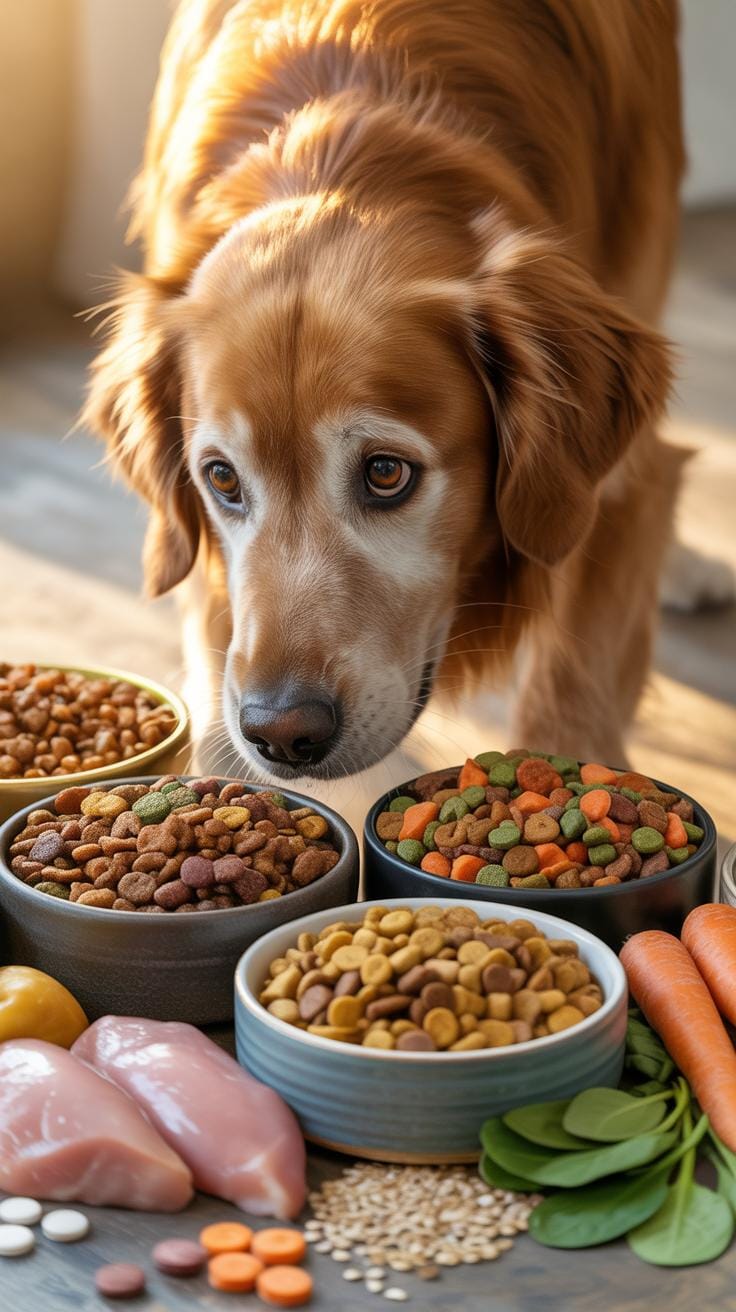
Dry food requires stability to prevent rancidity and breakage. Manufacturers use synthetic antioxidants like BHA, BHT, and ethoxyquin to extend shelf life for years. These chemicals stop fats from oxidizing during storage. Natural alternatives include mixed tocopherols and rosemary extract. These options are safer but offer shorter protection windows. You must check the label to identify which system protects the fat source in your dog food.
Binders hold the kibble shape together during and after production. Starches like corn, wheat, and tapioca create the necessary structure. Without these binders, the food would crumble into dust inside the bag. Modern formulas often use potato or pea starch to meet grain free demands. These ingredients provide the sticky consistency needed for the machinery to form uniform pieces. They serve a mechanical purpose rather than a nutritional one.
How The Extrusion Process Affects Ingredient Integrity In Dry Dog Food
The extrusion process uses high heat and intense pressure to cook the dough. This method kills bacteria and makes starches digestible for dogs. However, extreme temperatures also destroy delicate vitamins and enzymes. Heat modifies the protein structure, which can change how a dog absorbs nutrients. Manufacturers must add synthetic vitamins back into the mix after cooking. This ensures the final product meets basic nutritional requirements for survival.

High pressure causes a flash evaporation of moisture as the kibble exits the machine. This creates the porous texture typical of dry food. This process also decreases the bioavailability of some amino acids like lysine. Manufacturers often compensate by over-formulating the initial recipe. They account for the nutrient loss occurring in the oven. Relying on heat-sensitive ingredients in kibble is a tactical error. The final product depends entirely on post-process supplementation.
Additives Fillers And Artificial Ingredients Separating Fact From Fear In Dog Nutrition
Which Common Additives Are Considered Safe And Which Warrant Caution
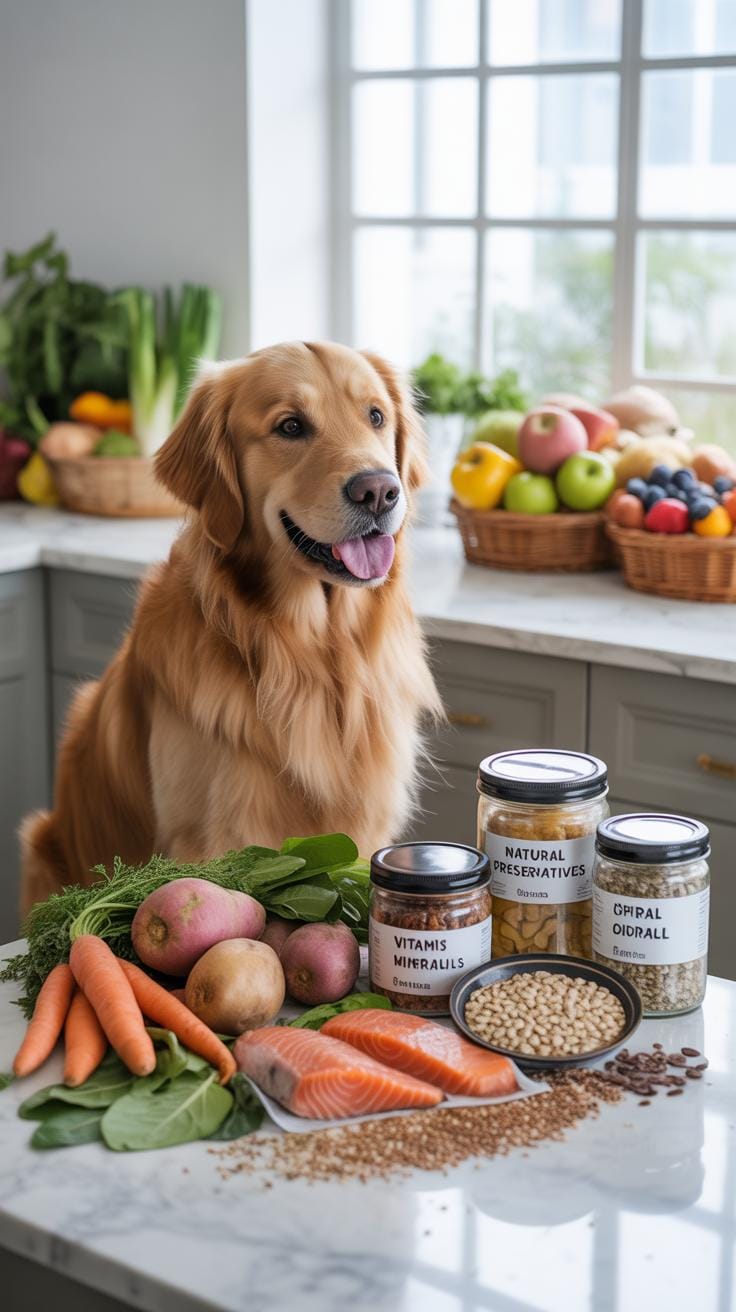
Manufacturers use additives to preserve shelf life and stabilize texture. Natural preservatives like tocopherols, which are forms of Vitamin E, are safe and effective. Rosemary extract also prevents fat rancidity without chemical risks. These options protect the food from spoiling while maintaining nutritional integrity. Always prioritize brands that use these biological antioxidants over synthetic chemicals that serve the same technical purpose.
Exercise caution with synthetic preservatives like BHT, BHA, and ethoxyquin. Some studies link these chemicals to health issues in lab animals. Artificial colors serve no nutritional purpose and only appeal to human buyers. They can cause unnecessary allergic reactions in sensitive dogs. Check labels for specific dye numbers and chemical acronyms. Avoiding these industrial additives reduces the toxic load on your dog’s liver and kidneys over time.
Understanding The Role Of Grain Ingredients And The Grain Free Debate
Grains provide essential fiber and energy through complex carbohydrates. Whole grains like brown rice or barley offer B vitamins and minerals. They are not inherently fillers if the dog digests them well. Most dogs possess the enzymes to process cooked starches efficiently. Only a small percentage of dogs have true grain allergies. Focus on the quality of the grain rather than fear of the ingredient itself.

The grain-free movement rose as a marketing response to human diet trends. High-protein, grain-free diets often swap Rice for legumes like peas or lentils. Recent FDA investigations looked into links between these legumes and canine heart disease. This condition is called Dilated Cardiomyopathy. Ensure your dog’s diet remains balanced with a proven protein source. Do not assume grain-free means higher quality or safer for your pet’s long-term health.
Homemade Dog Food Vs Commercial Options How Ingredient Transparency Differs
What Goes Into A Nutritionally Complete Homemade Dog Food Recipe
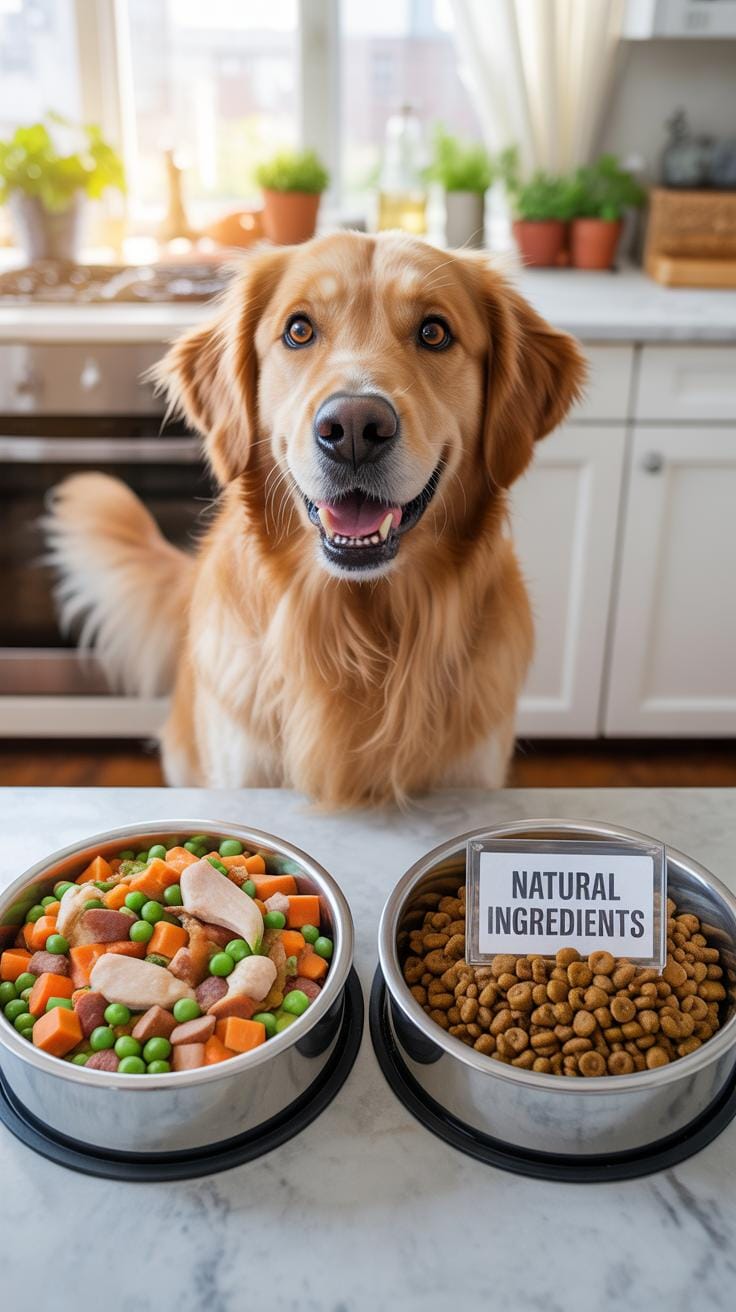
Homemade dog food requires precise calculation to prevent long-term health failures. You cannot simply combine meat and rice. These diets must balance proteins, lipids, and carbohydrates while hitting exact micronutrient targets. Most owners fail because they ignore vitamin and mineral ratios. A lack of calcium or taurine can cause heart disease or bone loss. You must manage every single input yourself.
- Specific Protein Sources: Muscle meat provides essential amino acids for tissue repair and growth. You must select lean cuts like turkey, beef, or fish. Avoid fatty trimmings that can lead to pancreatitis or obesity. High-quality protein stays the core of every successful homemade formula.
- Fiber and Carbohydrates: Cooked grains or starchy vegetables provide glucose for brain function and energy. Brown rice, oats, or sweet potatoes are common choices. These ingredients also offer necessary fiber for healthy digestion. Poor carbohydrate selection leads to inconsistent stool quality and low energy levels.
- Essential Fatty Acids: Dogs need omega-3 and omega-6 fatty acids for skin health and brain function. You often add fish oil or flaxseed oil to meet these needs. Without these fats, a dog develops a dull coat and inflammatory issues. You must measure these fats carefully to avoid calorie overages.
- Calcium and Phosphorus Balance: This ratio is critical for bone health and skeletal maintenance. You must often add crushed eggshells or specific bone meal supplements. Getting this balance wrong in growing puppies causes permanent joint damage. Most meat-heavy diets lack enough calcium without these specific, measured additions.
- Vitamin and Mineral Premix: Home ingredients rarely contain enough zinc, iron, or vitamin E. You must use a high-quality supplement powder designed for canine raw or cooked diets. These powders fill the nutritional gaps that fresh food leaves behind. Professional recipes depend on these concentrated nutrients for total safety.
Transparency in homemade food depends entirely on your sourcing and measuring. You know the exact origin of every carrot and chicken breast. However, you lack the lab testing to confirm final nutrient density. Commercial labels do this work for you. In a kitchen, you trade standardized safety for total ingredient control. You must follow a vet-approved recipe to succeed without causing malnutrition.
Why Commercial Dog Food Labels Offer Standardized Accountability That Home Recipes Cannot
Commercial dog food operates under strict legal frameworks that home cooking lacks. The AAFCO provides guidelines that ensure every bag meets baseline nutritional profiles. Labels must list ingredients by weight before processing. This creates a traceable paper trail for every batch produced. Manufacturers must run feeding trials or laboratory analyses to prove their claims. This data offers a safety net for most pet owners.
Standardization removes the risk of human error in daily preparation. Large brands use computer-controlled systems to mix nutrients to the milligram. These facilities test for salmonella, mold, and heavy metals before shipping. You get a consistent caloric density that makes weight management simple. While local sourcing is a benefit of home cooking, commercial labels provide guaranteed chemical and biological safety. This level of oversight remains impossible to replicate in a home kitchen.
Building A Better Diet For Your Dog Using Ingredient Label Knowledge
Matching Ingredient Profiles To Your Dogs Life Stage Size And Health Needs
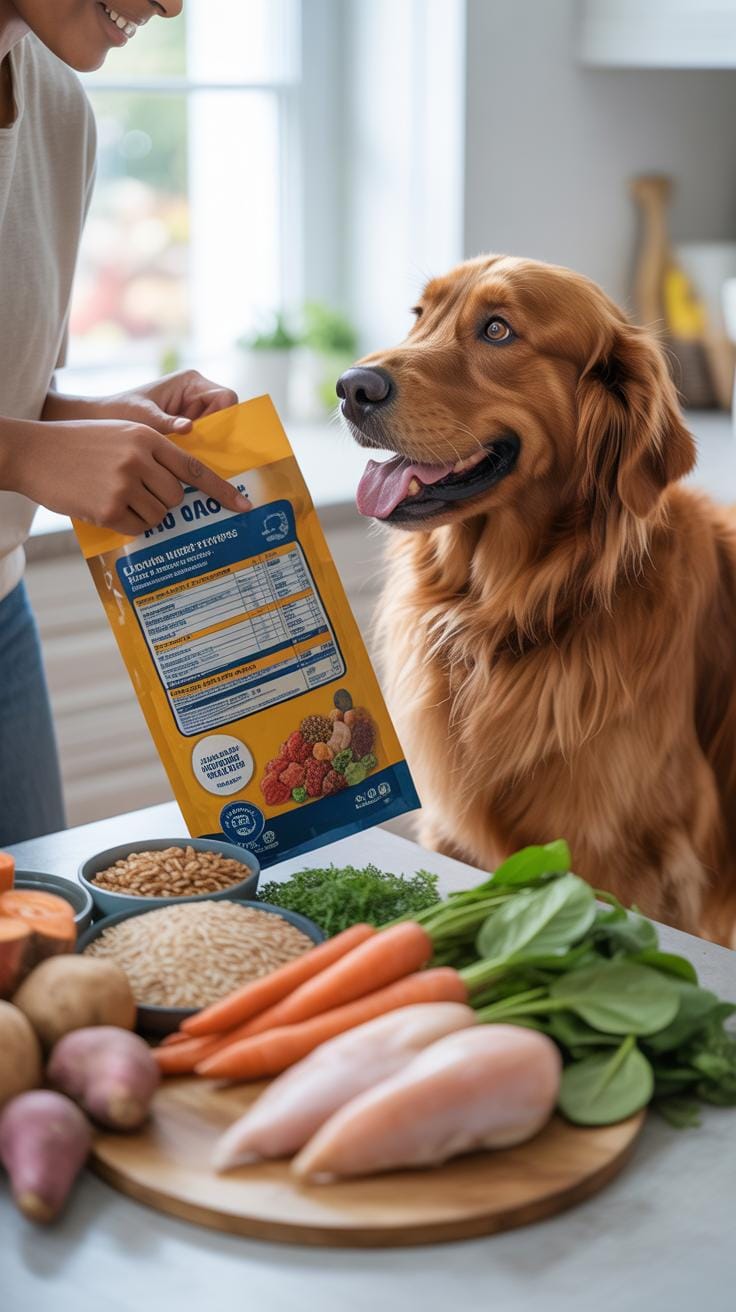
Puppies require high protein and specific fats for brain growth. Look for labels featuring named animal meats and DHA from fish oils. Large breed puppies need controlled calcium and phosphorus levels to prevent Bone growth issues. Small dogs have faster metabolic rates and need calorie-dense formulas. Check the AAFCO adequacy statement on the back of the bag. This confirms if the food meets growth or maintenance standards.
Senior dogs benefit from lower calorie counts and higher fiber to prevent weight gain. Look for glucosamine and chondroitin for joint support. Dogs with skin issues need high omega-3 fatty acid levels from salmon or flaxseed. Large adult dogs often require lower fat to protect their heart and joints. Always audit the first five ingredients to ensure they align with these specific biological requirements.
When To Consult A Veterinary Nutritionist About Your Dogs Food Choices
Most healthy dogs thrive on standard commercial diets that meet AAFCO guidelines. However, chronic health issues require professional intervention. Consult a nutritionist if your dog has kidney disease or severe liver issues. These conditions demand precise protein and mineral restrictions. Standard labels do not provide enough detail for medical management. Homemade diets also require a nutritionist to ensure you avoid dangerous vitamin deficiencies.
Seek a specialist if your dog has multiple food allergies. Identifying a true allergen requires a controlled elimination trial. A veterinary nutritionist can design a limited ingredient diet using novel proteins like rabbit or kangaroo. They use chemical analysis to balance nutrients that commercial brands might miss. Do not guess with your dogs health when chronic symptoms persist. Professional data beats shelf-level marketing every time.
Frequently Asked Questions

Why are the first few items on the ingredients list so important?
When reading dog food ingredients label information, the first five items are crucial because ingredients are listed by weight before processing. This means the top ingredients make up the majority of your pet’s meal. You generally want to see a high-quality named protein, like chicken or beef, at the very beginning to ensure your dog is receiving the essential amino acids they need for a healthy, active lifestyle.
How can I tell if a specific ingredient is actually high quality?
The best way to judge quality is by looking for specific names rather than vague terms. For example, “chicken meal” is more informative than “meat byproduct.” When reading dog food ingredients label details, look for recognizable whole foods and avoid artificial preservatives like BHA or BHT. A transparent label that identifies the specific source of fats and proteins usually indicates a higher standard of nutrition for your furry friend.
Does more expensive dog food always have better ingredients?
Price doesn’t always dictate quality, but extremely cheap options often rely on fillers like corn, wheat, or soy to bulk up the bag. You can find mid-range brands that offer excellent nutritional profiles without the luxury price tag. The key is to ignore the flashy marketing on the front of the bag and focus on the back, ensuring the recipe provides balanced nutrients that meet AAFCO standards for your dog’s life stage.