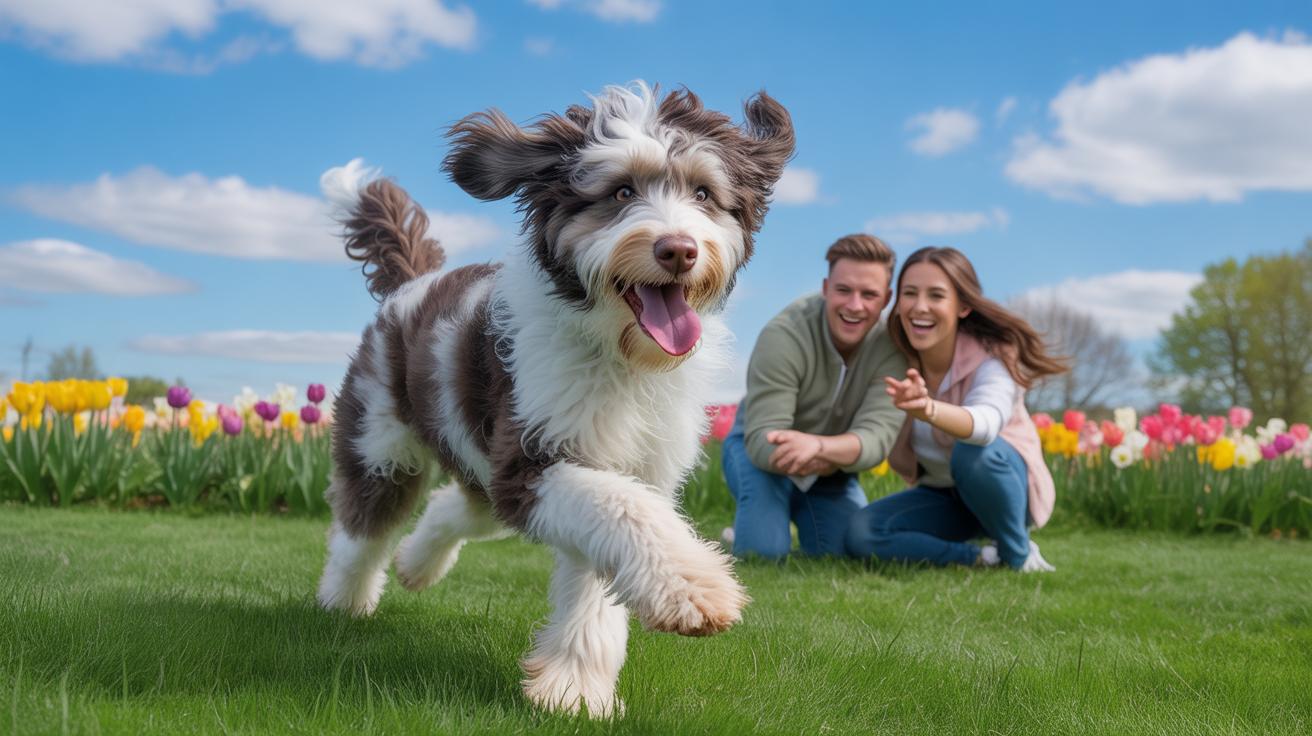
Aussiedoodle Dog Guide Origins That Shape Their Temperament
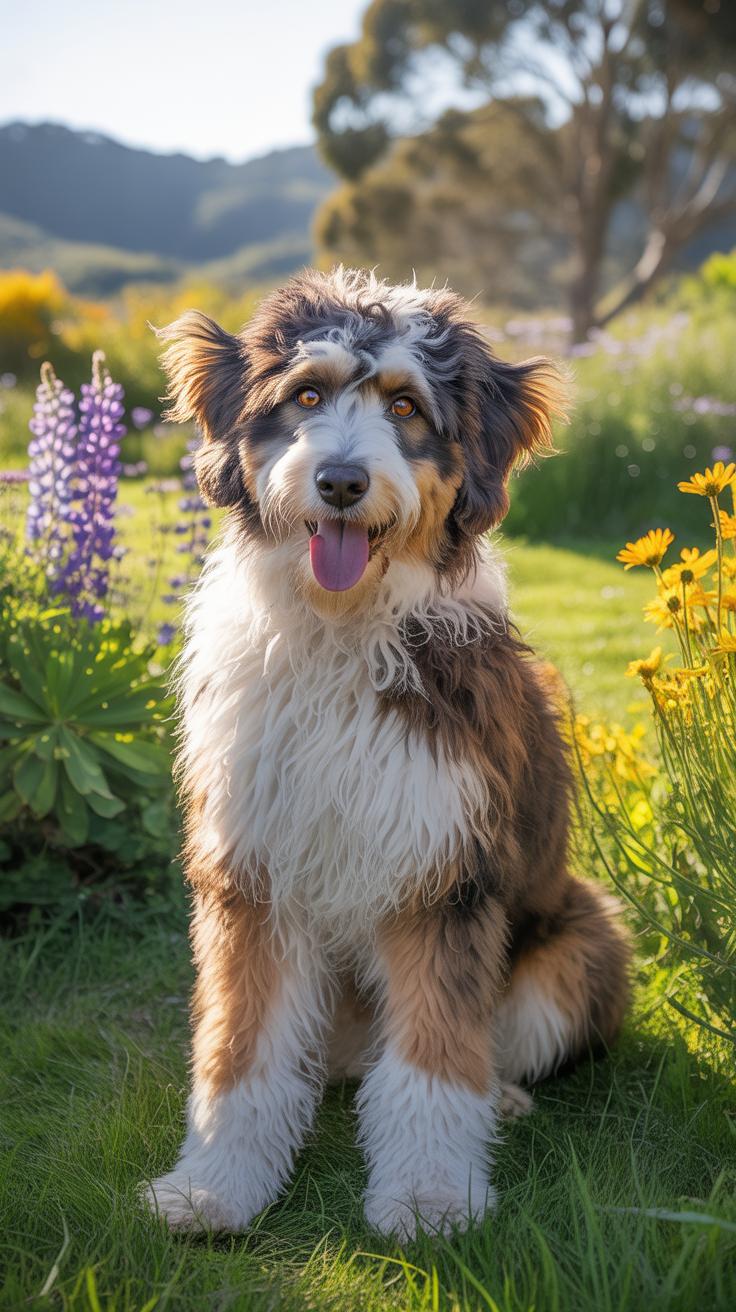
The Australian Shepherd And Poodle Mix: Why The Parentage Matters
The Aussiedoodle combines two distinct working lineages. The Australian Shepherd provides a high herding drive and intense loyalty. This breed was developed in the American West to manage livestock under harsh conditions. The Poodle contributes high cognitive function and water retrieval skills. Combining these genes creates a dog with extreme energy and a constant need for mental stimulation. You must understand both backgrounds to manage their behavior effectively.
Parentage dictates how the dog interacts with its environment. The shepherd genes make the dog prone to chasing moving objects. The poodle genes make the dog highly sensitive to human emotions and commands. This mix results in a pet that learns new tasks quickly but requires clear boundaries. Without a firm job to do, the dog will create its own work. This often leads to destructive habits in the home.
How Designer Breed History Influences Aussiedoodle Behavior Today
The Aussiedoodle emerged during the designer dog movement of the late twentieth century. Breeders aimed to combine the low-shedding coat of the Poodle with the rugged intelligence of the Australian Shepherd. This movement focused on creating versatile companions for active families. However, the lack of standardized breeding means temperament varies between individual dogs. You cannot rely on a single set of traits when choosing a puppy for your lifestyle.
The history of this crossbreed shows a focus on utility and companionship. Early breeders prioritized health and cognitive ability over appearance. This history explains why modern Aussiedoodles excel in agility and search and rescue roles. They are not sedentary animals. Their past as working dogs means they possess a high level of physical stamina. You must provide consistent exercise to satisfy their genetic history. They thrive when they have a purpose.

Aussiedoodle Characteristics Core Personality Traits New Owners Will Notice
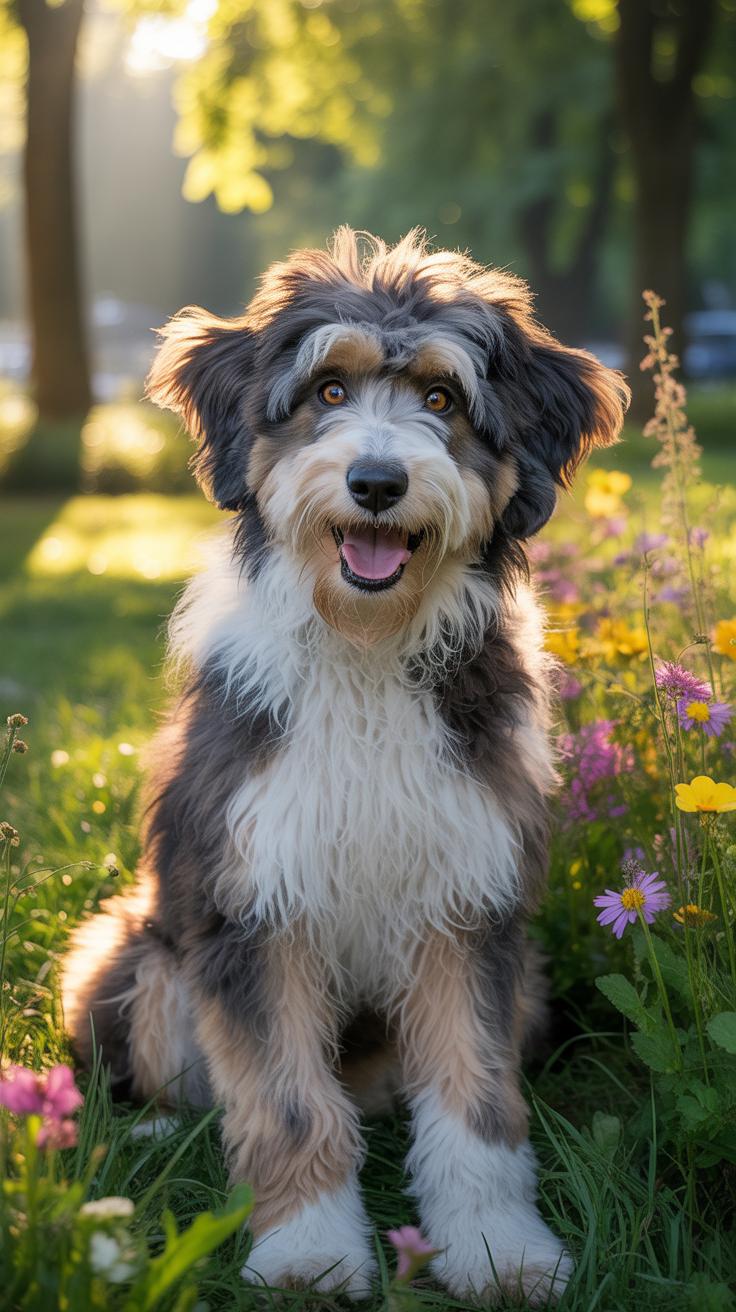
Intelligence, Loyalty, And Energy: The Defining Aussiedoodle Temperament Traits
The Aussiedoodle combines the high cognitive functions of the Poodle with the intense work drive of the Australian Shepherd. These dogs learn new commands after minimal repetitions. They require mental stimulation to prevent destructive behaviors. Owners must provide tasks or puzzles to satisfy their need for work. This breed solves problems quickly but will use that skill to bypass fences or open cabinets.
Training must remain consistent to manage their high energy levels. These dogs do not sit still for long periods without prior physical exertion. Daily exercise is a requirement rather than an option. They form strong bonds with their primary handlers and follow them from room to room. This loyalty makes them highly responsive to positive reinforcement. Direct communication and clear boundaries yield the best results.
How Aussiedoodles Behave Around Family Members And Strangers
Aussiedoodles show extreme devotion to their immediate family units. They often display protective instincts inherited from their herding ancestors. This breed stays close to children and may attempt to herd them by nipping at heels. Owners must correct this specific behavior during puppyhood. They thrive on physical proximity and frequent interaction. Isolation leads to severe stress and vocalization.

Socialization determines how these dogs react to strangers. Without early exposure, they can be aloof or wary of new people. They rarely show unprovoked aggression but will maintain a watchful distance. Proper introductions help them transition from alert mode to a relaxed state. They monitor their environment constantly for changes. A well-adjusted Aussiedoodle remains calm but observant when visitors enter the home.
Aussiedoodle Full Grown How Temperament Evolves From Puppy To Adult
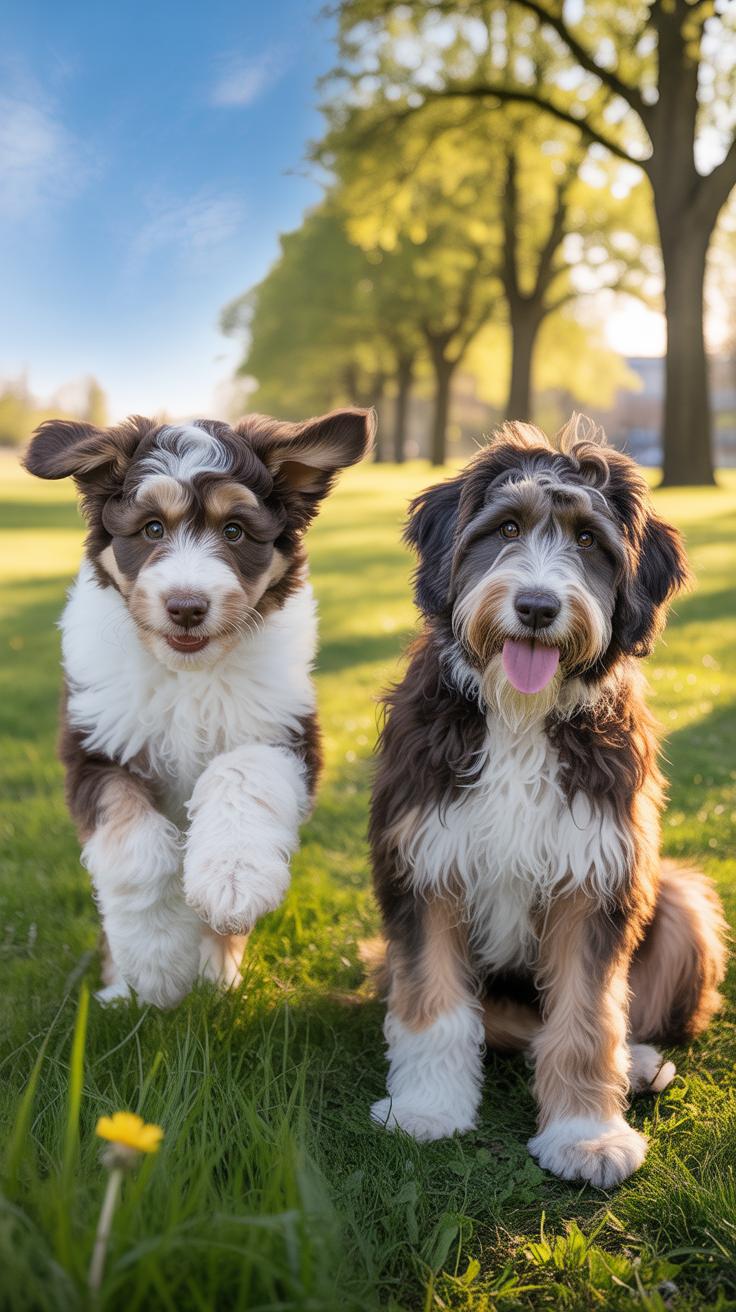
Puppy Energy Vs. Adult Calm: What To Expect At Each Life Stage
Aussiedoodle puppies exhibit extreme high-energy bursts and low impulse control. This phase lasts until roughly eighteen months of age. Owners must provide structured mental work and physical exercise to prevent destructive behaviors. The puppy brain prioritizes play and exploration over obedience. You will see constant movement and frequent nipping during this early developmental period. Proper management prevents these temporary behaviors from becoming permanent adult habits.
Adulthood brings a noticeable shift toward focused work rather than frantic play. A full-grown Aussiedoodle settles into a predictable routine around age two. The dog becomes more observant of its environment and more responsive to commands. Energy levels remain high but become manageable through directed tasks. You will notice increased loyalty and a stronger desire to stay near the owner. Consistency in training during the transition ensures a stable adult dog.
Socialization Windows In Early Development And Their Lasting Impact
The critical socialization window for an Aussiedoodle closes at sixteen weeks. During this time, the brain is highly receptive to new sights and sounds. Failure to introduce diverse environments leads to fearful responses in adulthood. You must expose the puppy to varied surfaces, noises, and people safely. This foundation prevents the developement of anxiety or aggression. Strategic exposure creates a confident and adaptable adult dog.

Early experiences dictate how an adult Aussiedoodle handles stress later in life. Negative encounters during the fear periods can leave lasting psychological scars. Owners must ensure every new interaction remains positive and controlled. A well-socialized adult will ignore distractions and focus on the handler. Lack of socialization often results in a reactive dog that over-responds to common stimuli. Invest time early to avoid behavior modification costs later.
Aussiedoodle Size Guide Does Size Affect Temperament
Comparing Toy, Mini, And Standard Aussiedoodle Behavioral Tendencies
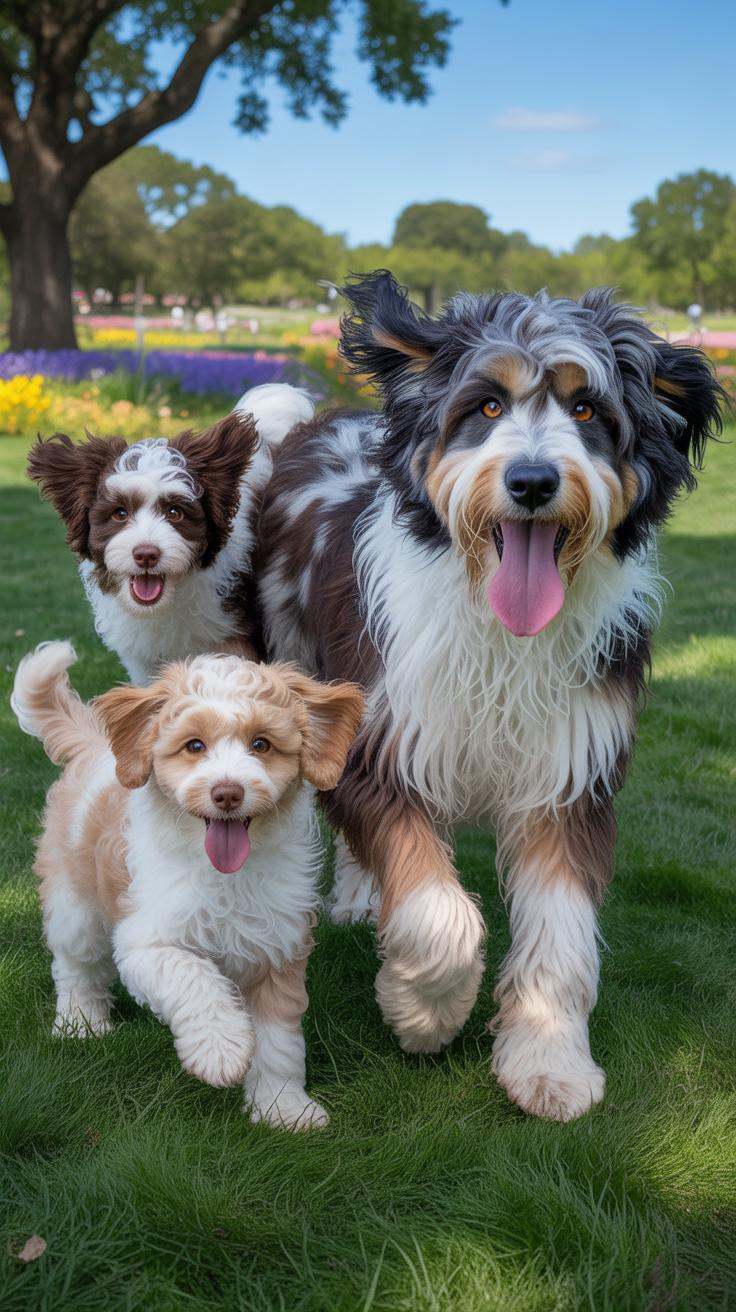
Size often dictates the intensity of specific Aussiedoodle temperament traits. Toy and Mini versions frequently display higher reactivity and vocalization levels. These small dogs possess a condensed energy drive. They stay alert and may bark at new sounds more than larger dogs. Smaller sizes often remain closer to their owners and develop stronger separation anxiety if they do not receive proper crate training.
Standard Aussiedoodles usually exhibit a more stable and balanced disposition. Their larger physical frame allows them to handle stress with more composure. While they still require significant mental work, they lack the frantic energy found in Toy varieties. You will notice a Standard dog thinks before reacting. They follow the working dog lineage closely. This makes them more predictable during intense training sessions or novel social interactions.
How Living Space And Size Interact With Your Dog’S Mood And Activity Level
Living space does not dictate exercise needs but it does influence dog stress. A large dog in a small apartment gets bored without clear boundaries. This leads to destructive chewing or pacing. Size impacts how much room a dog needs to decompress after work. If a dog cannot find a quiet spot, it becomes irritable. High irritability leads to poor obedience and snappy behavior.

Small Aussiedoodles adapt to apartments better because they can sprint in short bursts indoors. However, they need more mental engagement to prevent nuisance barking. Larger dogs require outdoor space to fully extend their limbs. Lack of physical room for a Standard Aussiedoodle creates physical frustration. This frustration often looks like aggression or stubbornness. Matching your home size to the dog’s physical needs ensures a calm temperament.
Aussiedoodle Average Weight Understanding The Link Between Build And Behavior
Typical Weight Ranges Across Aussiedoodle Varieties And What They Mean
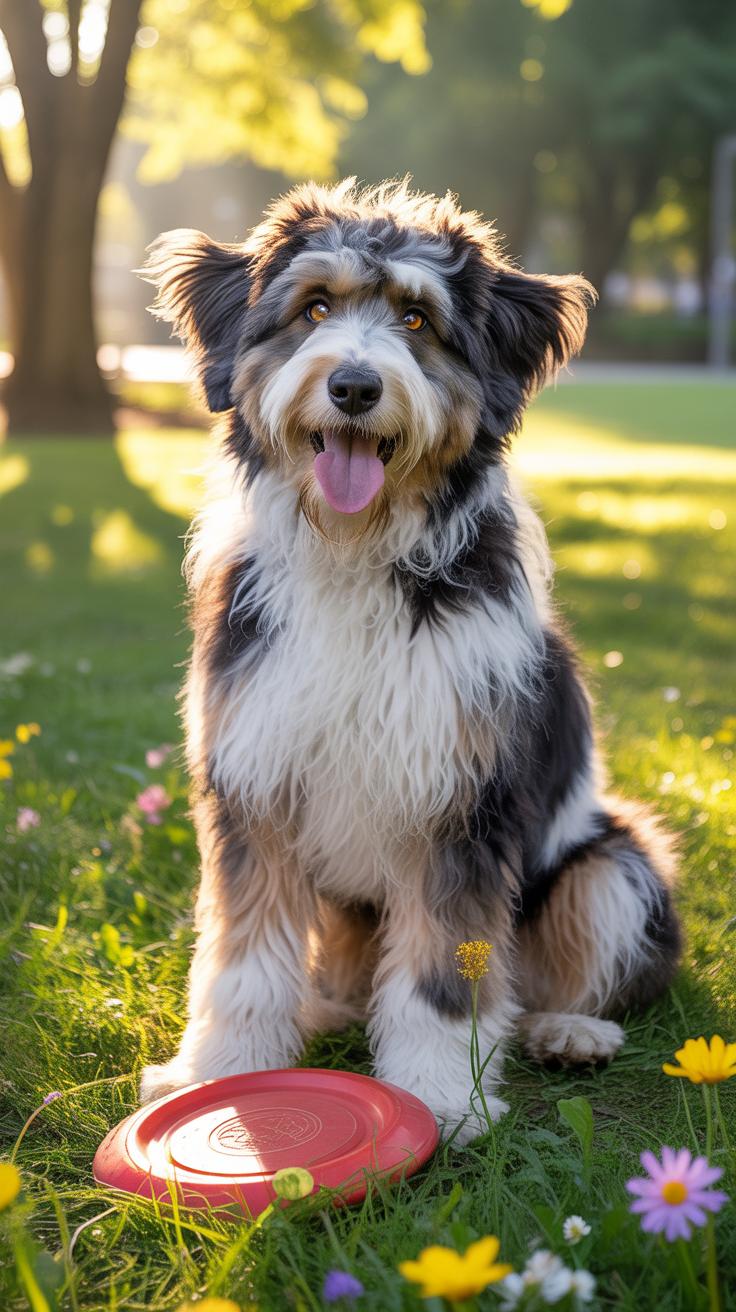
Aussiedoodle weight depends entirely on the size of the Poodle parent used in the cross. Toy varieties weigh between 10 and 20 pounds. Miniature versions usually range from 20 to 40 pounds. Standard Aussiedoodles are the largest and weigh between 45 and 70 pounds. Owners must know these numbers to predict future exercise needs. A larger dog requires more space and more vigorous physical activity.
Weight directly affects the physical capability of the dog. Smaller varieties are often more agile and move quickly in tight spaces. Larger dogs have more power and can endure longer hikes or work sessions. Understanding these weight classes helps you match the dog to your lifestyle. A mismatch here leads to behavioral issues. You must choose a size that fits your living environment and your daily energy level.
An Aussiedoodle is a heart wrapped in fur, blending the brilliance of a scholar with a spirit that simply wants to be where you are. To own one is to never walk alone, for their loyalty is a shadow that warms the soul.
How Weight And Physical Health Influence Your Aussiedoodle Constant Temperament
Weight impacts energy levels and emotional stability. A healthy weight ensures the dog can burn off high Australian Shepherd energy. Overweight dogs become lethargic and frustrated. This frustration often leads to destructive chewing or excessive barking. You must keep your dog lean to maintain a steady mood. Physical fitness is the foundation of a calm temperament. Proper weight management prevents boredom and related behavioral problems.

Joint health is a major factor in daily behavior. Carrying extra weight puts stress on the frame of an active dog. Pain from joint stress causes irritability and snappy reactions. You will see more aggression or fear if the dog is in physical discomfort. Keep your Aussiedoodle at a functional weight to avoid these negative traits. A fit dog is a more predictable and compliant companion during training or social interactions.
Aussiedoodle Care Guide Meeting Emotional And Mental Needs
Daily Exercise Requirements That Keep An Aussiedoodle Balanced And Happy
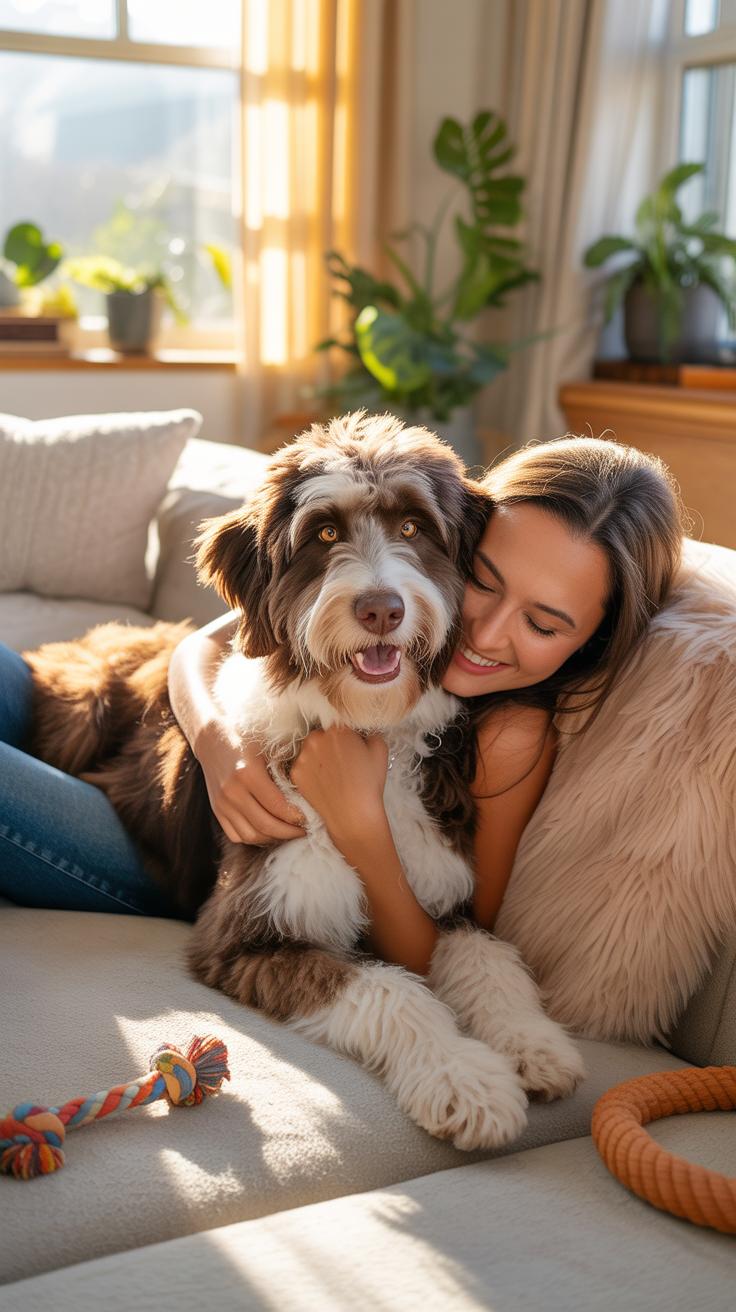
Aussiedoodles require high intensity activity to maintain physiological stability. A casual walk around the block does not satisfy their genetic drive. These dogs combine the stamina of the Australian Shepherd with the agility of the Poodle. Owners must provide at least sixty to ninety minutes of vigorous exercise every day. This prevents the buildup of cortisol and adrenaline that leads to hyper-arousal.
Physical exertion must involve more than just movement. Incorporate speed and direction changes to mirror herding patterns. Fetch and off-leash running are non-negotiable for this breed. Without this outlet, the dog will manifest its energy through pacing or vocalization. Consistent exercise schedules help regulate their internal clock. A tired Aussiedoodle is a calm companion that can focus on obedience training and house manners.
Mental Stimulation Strategies That Prevent Anxiety And Destructive Behavior
The Aussiedoodle possesses extreme intelligence derived from two working breeds. High intelligence without a specific job leads to boredom and separation anxiety. Mental fatigue is often more effective than physical fatigue for controlling indoor behavior. Owners must stimulate the dog’s problem-solving skills to keep the brain engaged. Use cognitive challenges to mimic the complex tasks these dogs were originally bred to perform.
- Interactive Puzzle Toys: These devices require the dog to slide, flip, or pull parts to find hidden food. This mimics foraging behavior and keeps the dog focused for long periods. It builds frustration tolerance and rewards persistent problem-solving efforts.
- Advanced Scent Work: Hiding high-value items around the house forces the dog to use its nose. This utilizes a large portion of the canine brain and provides intense mental exhaustion. It is a productive way to burn energy in small indoor spaces.
- Nomenclature Training: Teaching the dog to identify specific toys by name expands their vocabulary and listening skills. This task requires high levels of concentration and memory. It strengthens the bond between the owner and the dog through structured communication.
- Trick Training Sessions: Learning complex multi-step tricks keeps the dog sharp and attentive. Use short five-minute sessions throughout the day to maintain mental engagement. This reinforces the hierarchy and provides the dog with a sense of purpose and accomplishment.
- Slow Feeders and Snuffle Mats: Replace traditional bowls with tools that make the dog work for its meals. This extends mealtime and provides a calm, brain-focused activity. It prevents the rapid eating habits common in high-drive breeds while offering a simple daily mental workout.

Destructive behavior results from a lack of environmental enrichment. When the dog is not given a task, it will invent its own by chewing furniture or digging. Implementation of these strategies reduces stress and lowers the risk of obsessive-compulsive habits. Consistent mental work ensures the dog remains a stable member of the household. Address the brain to solve the most difficult temperament issues.
Aussiedoodle Colors And Sizes Do Physical Traits Reflect Personality Differences
Common Coat Colors In Aussiedoodles And What Science Says About Coat Behavior Links
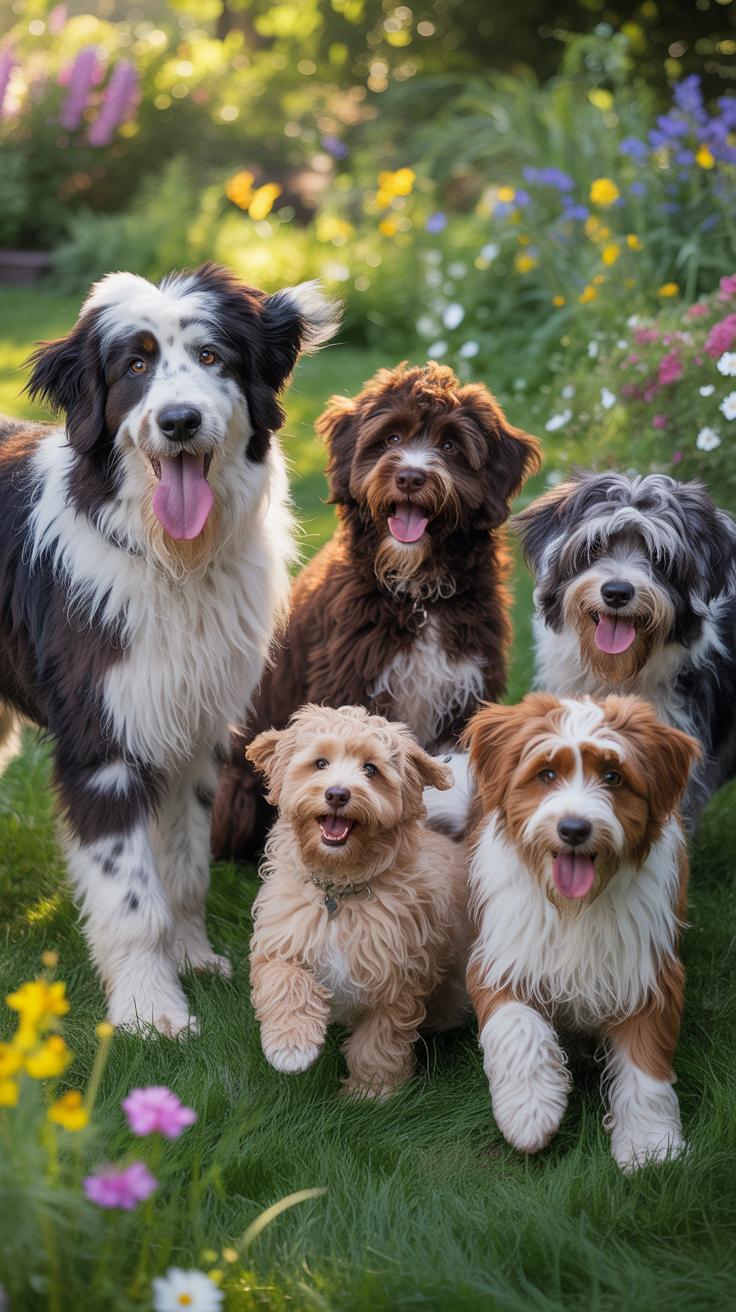
Aussiedoodles display diverse coat patterns including blue merle, red merle, black, and chocolate. Owners often speculate that specific colors like merle correlate with higher intensity or stubbornness. Scientific data does not support a direct link between pigment genes and personality. Melanin production processes in the brain do not dictate temperament. Breed enthusiasts should focus on lineage over coat aesthetics when predicting future behavior.
Genetic research confirms that coat color is a cosmetic outcome of specific alleles. While some studies in other species link neurochemistry to pigmentation, canine behavioral science remains clear. A black Aussiedoodle and a merle littermate share the same genetic drive for work. Do not choose a dog based on color if you want a specific temperament. Evaluate the individual puppy using standardized aptitude tests instead.
Why Size Variation Within A Litter Can Produce Slightly Different Energy Profiles
Size variations in Aussiedoodles often result from the Poodle parent influence. Toy, miniature, and standard sizes change the physical capabilities of the dog. Smaller dogs often exhibit higher frequency movements and faster reactive times. Larger dogs possess more stamina for long distance tasks but may have slower daily tempos. Body mass impacts how a dog interacts with its environment and energy expenditure.
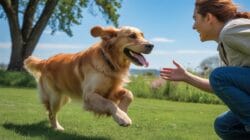
Littermates can grow to different heights due to complex polygenic inheritance. A smaller puppy might struggle with extreme physical demands that a larger sibling handles easily. This physical limitation can lead to a more cautious or observant personality profile. Conversely, larger puppies might display more physical confidence during play. Match the size of the dog to your specific activity level to ensure a successful partnership.
Aussiedoodle Haircut Styles How Grooming Routines Affect Your DogS Comfort And Mood
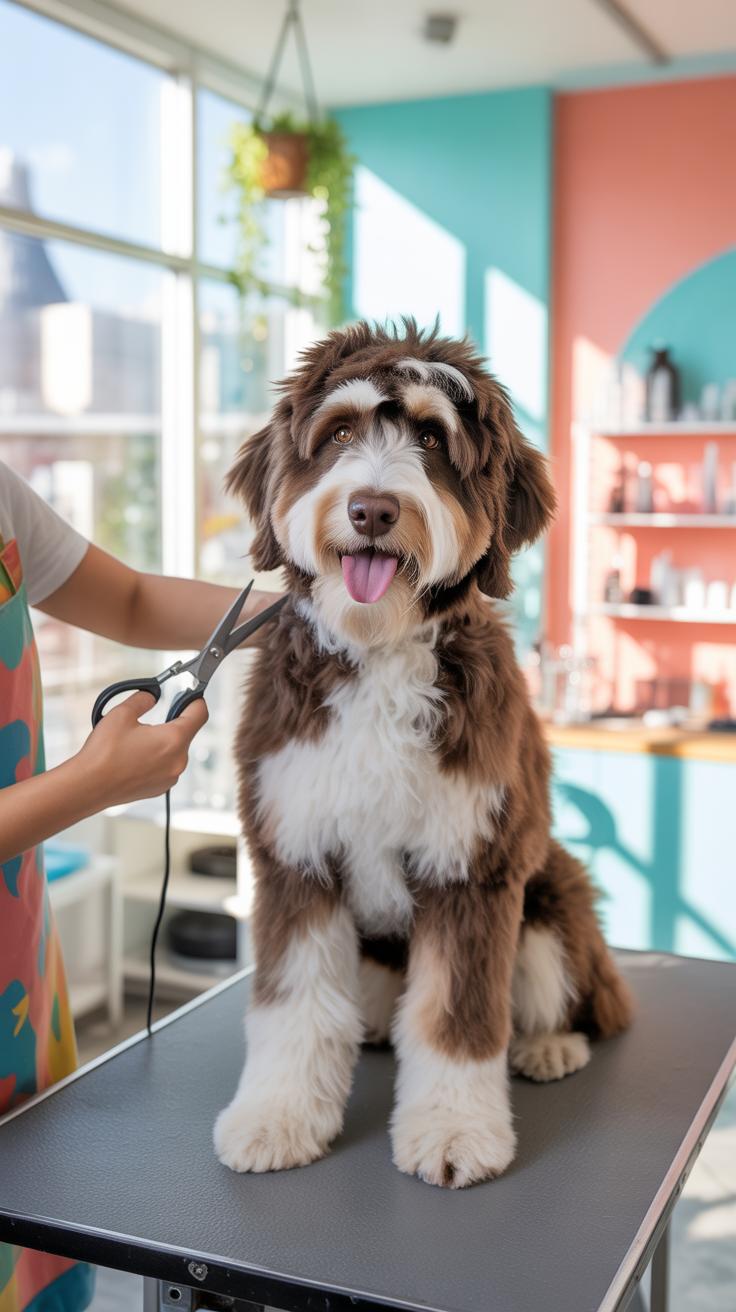
Popular Aussiedoodle Cuts And The Importance Of Stress Free Grooming Experiences
Aussiedoodles require frequent grooming due to their hybrid coat types. The Teddy Bear cut remains a standard choice because it keeps hair at a manageable length while maintaining a soft appearance. Owners also utilize the Kennel cut for low maintenance in warmer climates. This involve shaving the coat close to the skin. Proper length selection prevents matting and overheating which directly impacts the dog’s daily comfort and physical health levels.
Stress during grooming sessions can trigger negative behaviors in this highly intelligent breed. Aussiedoodles possess a keen memory for discomfort. A single bad experience with loud clippers or rough handling creates long term anxiety. Professional groomers must prioritize speed and precision to reduce the time spent on the table. Keeping sessions short and predictable ensures the dog remains calm and cooperative during necessary hygiene tasks.
How A Comfortable Grooming Routine Builds Trust And Reduces Anxiety
Frequent handling at home prepares the Aussiedoodle for professional sessions. Owners should touch paws, ears, and tails daily to desensitize the dog to physical manipulation. This proactive approach lowers the dog’s heart rate when a stranger performs these actions. Consistency in the grooming schedule prevents the formation of painful mats. Mats pull on the skin and cause irritability or aggression during the removal process.

Trust stems from predictable routines and clear communication between the owner and the dog. Use high value rewards to associate the sight of brushes with positive outcomes. An anxious dog often displays restlessness or hides when it senses an upcoming grooming session. Eliminating these stressors allows the dog to maintain a stable temperament. Careful attention to skin health during grooming also prevents undiagnosed discomfort from affecting the dog’s mood.
Grooming Costs For Aussiedoodles Budgeting For A Well Maintained And Happy Dog
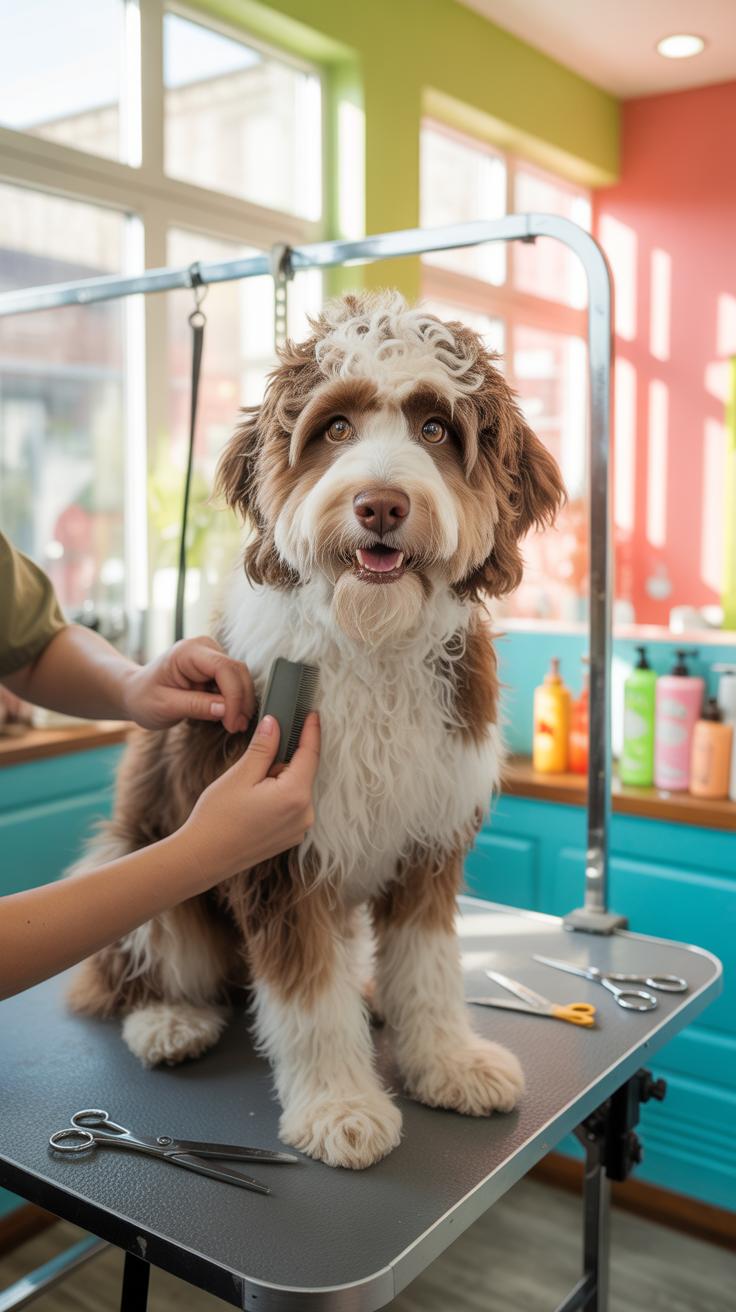
What New Owners Should Expect To Spend On Professional Grooming Services
Professional grooming for an Aussiedoodle is a mandatory recurring expense. Expect to pay between eighty and one hundred fifty dollars per session. Prices vary based on your location and the dog size. Most owners schedule appointments every six to eight weeks. These services include hair clipping, ear cleaning, and nail trimming. Failure to maintain this schedule leads to painful skin matting and infections.
Budget at least one thousand dollars annually for professional maintenance. High labor costs stem from the complex coat texture inherited from Poodle and Australian Shepherd lineages. Groomers charge extra for de-matting or temperament issues during the process. You must factor in gratuity for the technician. Consistent professional care prevents expensive medical bills related to skin health. Plan your finances around these regular service visits.
Essential Grooming Tools Every Aussiedoodle Owner Should Have At Home
Home maintenance reduces professional costs and keeps the coat manageable. You must perform daily brushing to prevent tangles in the dense undercoat. High-quality tools are an investment that saves time and effort. Select equipment designed for thick, curly, or wavy hair types. Cheap brushes will not reach the skin and fail to remove loose fur.
- Slicker Brush: Use a long-pin slicker brush to penetrate the thick coat. This tool reaches the base of the hair to remove debris and loose fur. It is your primary defense against mats and tangles in the daily routine.
- Metal Greyhound Comb: This comb serves as a diagnostic tool after brushing. Run it through the coat to check for hidden knots. If the comb catches, you have missed a spot that requires more attention before it tightens.
- Dematting Tool: These tools feature recessed blades to safely cut through stubborn mats. Use this only when a brush cannot clear a knot. It prevents the need to shave the dog down to the skin when neglect occurs.
- Electric Clippers: Quality clippers with guards allow for minor home touch-ups between professional visits. Focus on the paw pads and sanitary areas to keep the dog clean. This extending the time needed between expensive full-body professional grooming sessions.
- Styptic Powder: Keep this on hand for accidental nicks during nail trimming. It stops bleeding instantly if you cut the quick. It is a vital safety item for any owner attempting to manage paw maintenance at home.
Standardize your home tool kit to match the specific coat type of your dog. Consistency in home care determines the success of the professional groom. Without these tools, the dog will likely require a complete shave during its next appointment. Shaving removes the protective layer and alters the appearance significantly. Buy professional-grade equipment to ensure durability and effective results over the lifespan of the dog.
Training An Aussiedoodle Working With Their Natural Temperament Traits
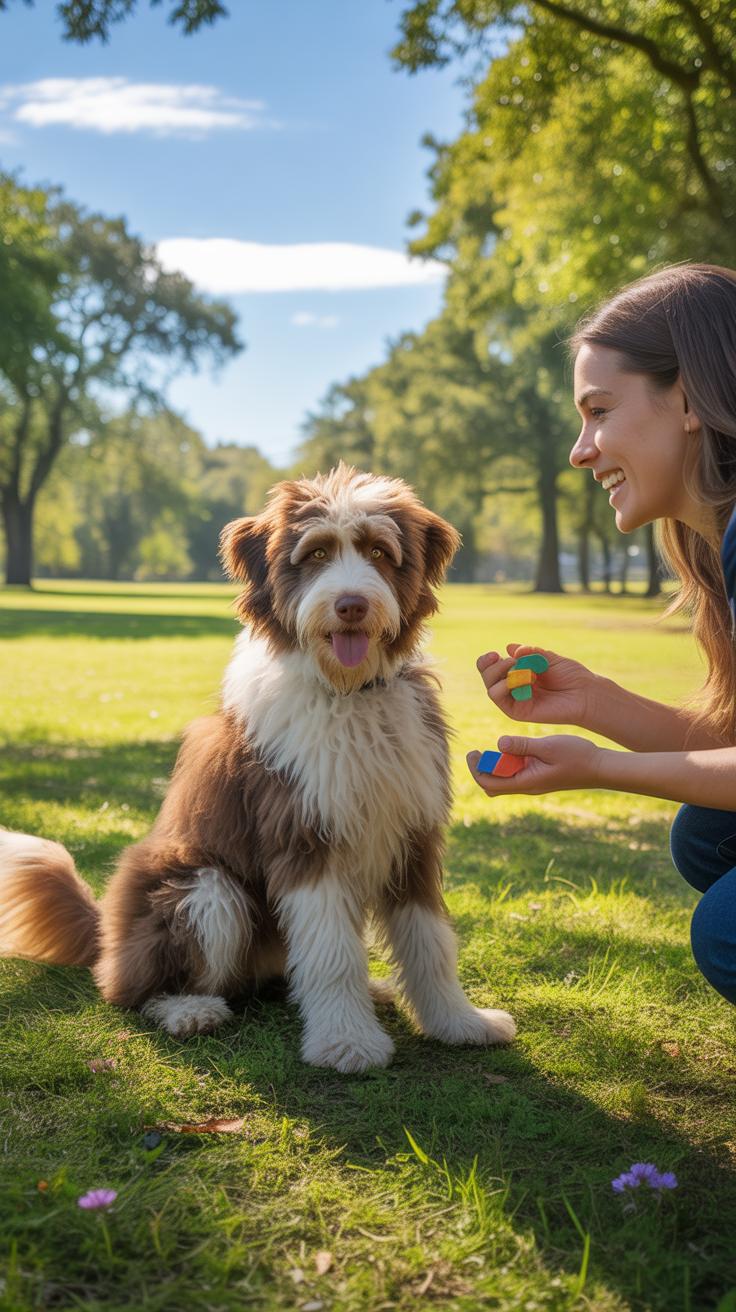
Positive Reinforcement Techniques That Align With The Aussiedoodles Eager To Please Nature
Aussiedoodles inherit high intelligence from both the Australian Shepherd and Poodle. This makes them quick learners who respond best to reward-based training. Use high-value treats or play to mark successful behaviors immediately. Since these dogs focus heavily on their handlers, your timing must be precise. Avoid harsh corrections because this breed can be sensitive. Fear-based methods will cause them to shut down and stop learning.
Consistency remains the most important factor in your training strategy. Use clear hand signals along with verbal cues to engage their visual and auditory processing. Keep training sessions short but frequent to match their high energy levels. Always end each session on a successful note to build their confidence. This approach leverages their natural desire to work. It ensures they view training as a job they want to master.
Common Behavioral Challenges New Owners Face And How To Address Them Early
Nipping and herding behaviors are common issues due to the Australian Shepherd lineage. Owners must redirect these instincts away from heels and towards appropriate toys immediately. Start socialization early to prevent shyness or reactivity toward strangers and other pets. Boredom often leads to destructive chewing or excessive barking. You must provide daily mental stimulation through puzzle toys and nose work to keep their minds sharp and busy.
Separation anxiety frequently occurs because this breed bonds deeply with humans. Practice short departures early in the dogs life to build independence. Crate training provides a safe space and prevents household damage when you are away. If you ignore these needs, the dog will develop neurotic habits. Firm boundaries and a structured daily routine are vital. Discipline and mental engagement prevent the development of deep-seated behavioral problems in the long term.
Frequently Asked Questions

What are the most common personality traits of an Aussiedoodle?
Aussiedoodles are known for being incredibly intelligent, affectionate, and energetic companions. These dogs inherit the “work-hard, play-hard” attitude of the Australian Shepherd and the clever, social nature of the Poodle. You can expect a loyal family member that thrives on human interaction and mental engagement. Understanding these core Aussiedoodle temperament traits is essential for new owners who want to provide a balanced and loving home for their pup.
How can I manage an Aussiedoodle’s high energy levels through training?
Consistency is key when managing their spirited personality. Because they are highly motivated by praise, positive reinforcement training works wonders. Incorporate daily puzzles, interactive games, and structured obedience sessions to channel their focus. Since certain Aussiedoodle temperament traits include a natural herding instinct, teaching a strong “settle” command early on will help your dog transition from high-intensity play to a calm state within your living room or garden.
Is owning an Aussiedoodle expensive when it comes to their enrichment needs?
While high-end agility gear is fun, meeting your dog’s enrichment needs is very accessible for any budget. You can easily create DIY snuffle mats or frozen treat toys at home to keep them mentally stimulated. However, because they are prone to boredom, investing in durable, high-quality chew toys is a smart long-term financial decision. Providing these inexpensive outlets for mental stimulation ensures their playful personality remains a joy rather than a destructive habit.