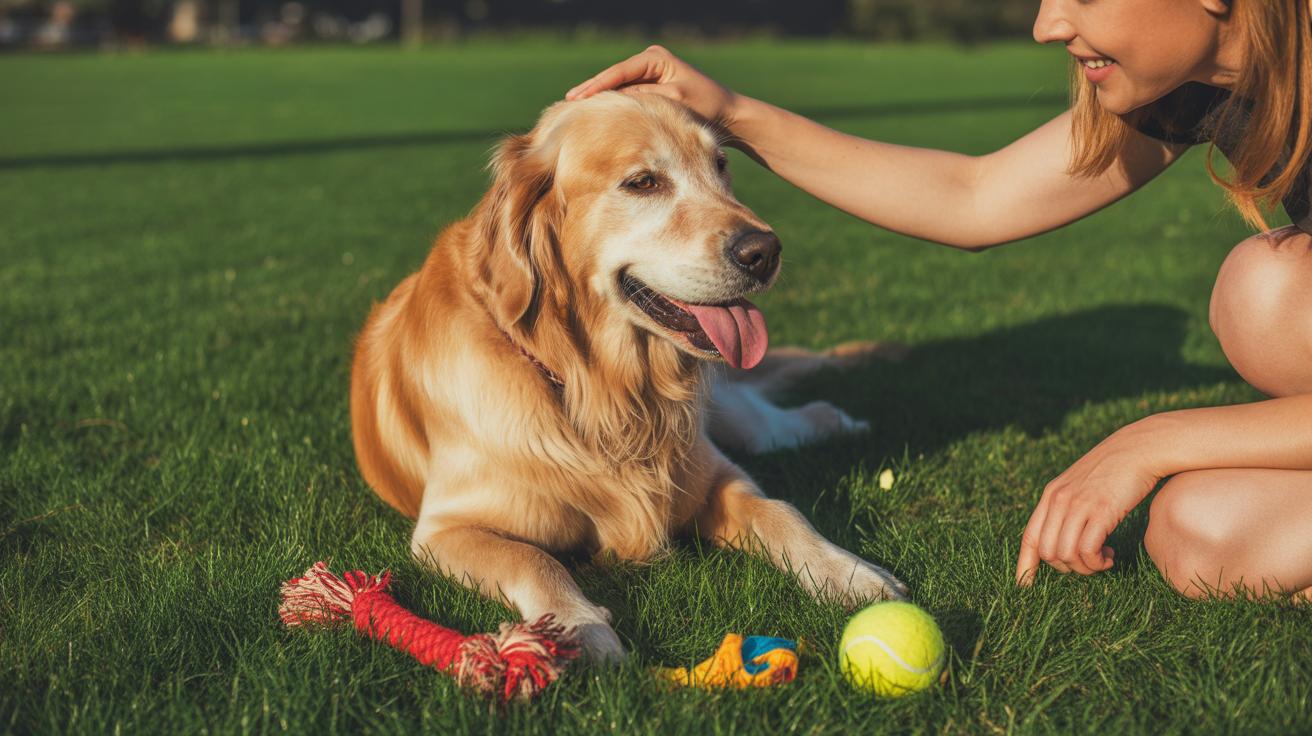
Understanding Hyperactive Dog Behavior Before Trying Any Calming Method
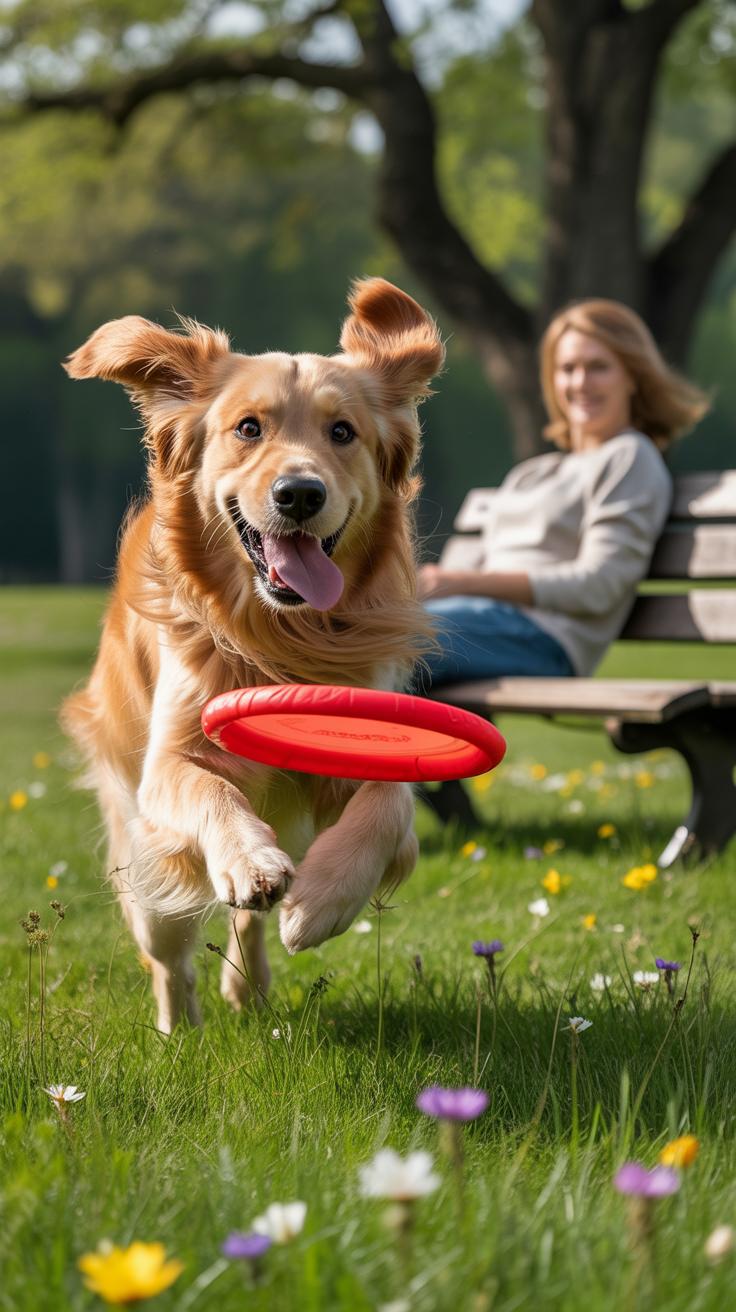
What Does True Hyperactivity Look Like In Dogs Versus Normal High Energy
True clinical hyperactivity is rare in dogs and involves physiological issues. This condition causes dogs to remain restless even in calm environments. They show short attention spans and cannot relax after heavy exercise. Most owners confuse high energy with hyperactivity. High energy is a trait while hyperactivity is a medical state. You must track heart rates and respiratory levels to identify the difference between the two conditions.
Normal high energy dogs settle down when they feel tired or bored. These dogs react to external stimuli like play or walks. Genuine hyperactivity involves the inability to reach a resting state regardless of physical output. Distinguishing these helps you choose the right calming methods. If your dog sleeps soundly at night, it is likely high energy. If it never stops moving, consult a vet for a diagnosis.
Common Breeds Naturally Prone To High Energy And Restless Behavior
Working breeds possess genetic drives for constant movement and task performance. Herding dogs like Border Collies and Australian Shepherds require intense mental and physical engagement. These dogs display restlessness when they lack a specific job to do. Their history involves long hours in the field managing livestock. This background dictates their current activity levels and needs. You cannot train away a high energy drive rooted in genetics.
Hunting and sporting breeds also show similar patterns of intense energy. Weimaraners and Vizslas often pace or chew when they feel bored. These breeds were developed to track and retrieve games for several hours. Without this outlet, they appear hyperactive to the average owner. Understanding breed history allows you to address the root cause of the behavior. Match your activity levels to the specific genetic requirements of your dog breed.

How Daily Exercise Routines Are Among The Most Effective Calming Hyper Dog Tips
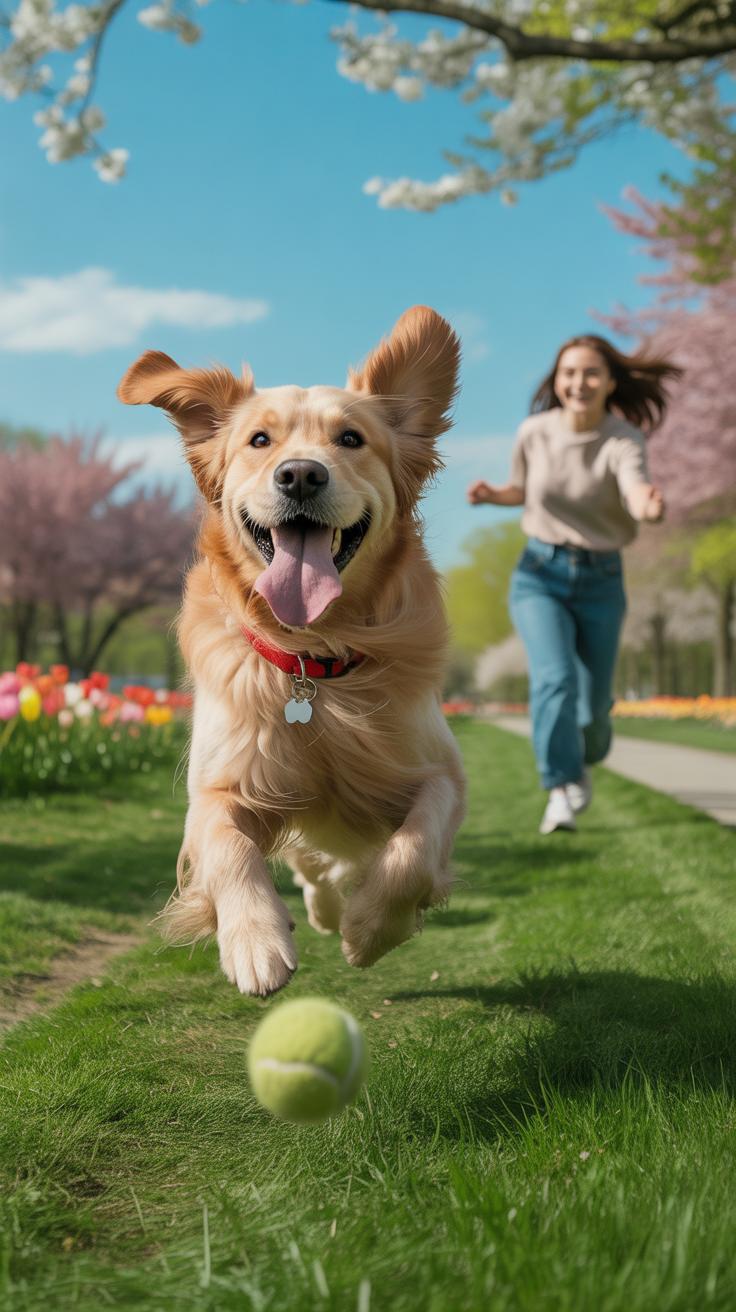
Why Physical Exercise Reduces Excess Energy And Promotes Calmer Behavior
Physical exertion triggers biological changes that directly stabilize a dog’s nervous system. High-intensity movement forces the body to burn glycogen and lower cortisol levels. When a dog remains sedentary, unused energy manifests as destructive habits or frantic pacing. Daily exercise shifts the dog from an alert state to a rest state. This transition allows the brain to focus on recovery rather than seeking external stimulation.
Regular movement also stimulates the release of serotonin and dopamine in the canine brain. These neurotransmitters regulate mood and reduce impulse control issues. A tired dog has a higher threshold for triggers that usually cause reactivity. Consistent exertion creates a predictable physical outlet for pent up tension. This routine teaches the dog that they do not need to create their own excitement through bad behavior.
Best Types Of Exercise Activities That Help Drain A Hyperactive Dog’S Energy
Effective energy drainage requires more than a simple walk around the block. Strategic activities like fetch or flirt pole play use the dog’s natural prey drive to burn calories quickly. These high-impact movements engage large muscle groups and increase the heart rate. Short bursts of intense activity are more efficient at tiring a dog than long periods of low-effort walking. Intensity and duration must match the specific breed.

Structural exercise like hiking or swimming provides resistance that builds physical fatigue. Swimming is especially effective because it offers a full-body workout without stressing the joints. Activities that incorporate changes in speed and direction force the dog to stay physically engaged. This variety prevents the dog from becoming bored and keeps their focus on the task. Quality movement is the fastest way to achieve a calm domestic environment.
Mental Stimulation As A Core Dog Calming Technique That Owners Often Overlook
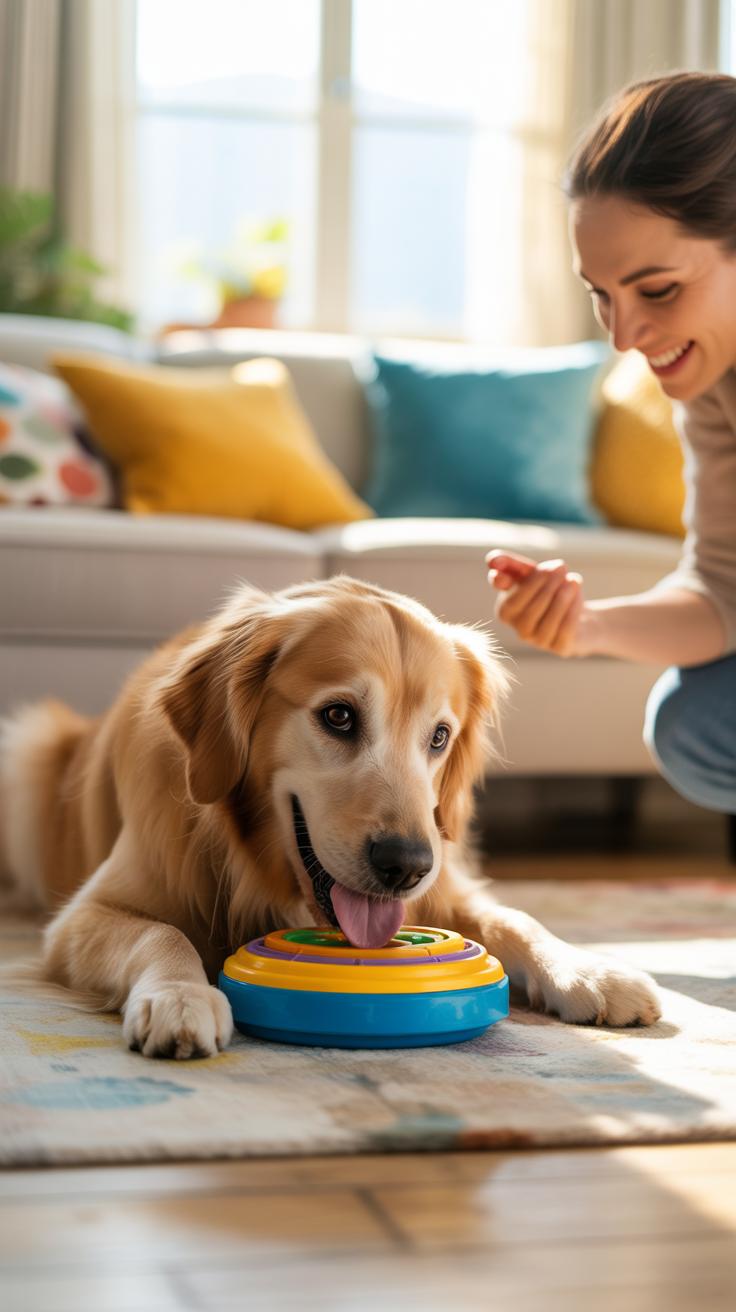
How Puzzle Toys, Scent Work, And Enrichment Activities Tire Out An Overactive Mind
Physical exercise alone fails to calm a truly hyperactive dog. High-intensity running often builds more stamina and keeps the dog in an aroused state. Mental work targets the brain to induce actual fatigue. Forcing a dog to problem-solve through puzzle toys lowers their cortisol levels. These activities engage the prefrontal cortex. This shift moves the animal from a reactive state into a focused state.
Scent work uses the olfactory bulb to process complex information. Dogs spend significant energy when they use their noses. This mimics natural scavenging behaviors. Hide high-value treats around a room to initiate this process. The dog must concentrate to filter out background smells. This concentrated effort tires the dog faster than a long walk. Focus on specific tasks to achieve a calm and steady heart rate.
Building A Daily Mental Enrichment Routine Your Dog Will Look Forward To
Consistency prevents behavioral spikes. Owners must schedule mental tasks during the dog’s peak energy hours. Change the types of challenges every two days. Using the same puzzle toy every morning leads to boredom. Boredom causes destructive chewing and excessive barking. Move the location of the activities to keep the dog engaged. A predictable schedule provides the dog with a sense of security.

Integrate short training sessions into the daily routine. Five minutes of precision work is more effective than an hour of mindless play. Teach tasks that require the dog to stay still or wait for cues. These impulse control exercises strengthen the neural pathways associated with calm behavior. Monitor the dog for signs of mental exhaustion like slower movements. Stop the session before the dog becomes frustrated.
Positive Dog Training Methods That Reinforce Calm And Settled Behavior
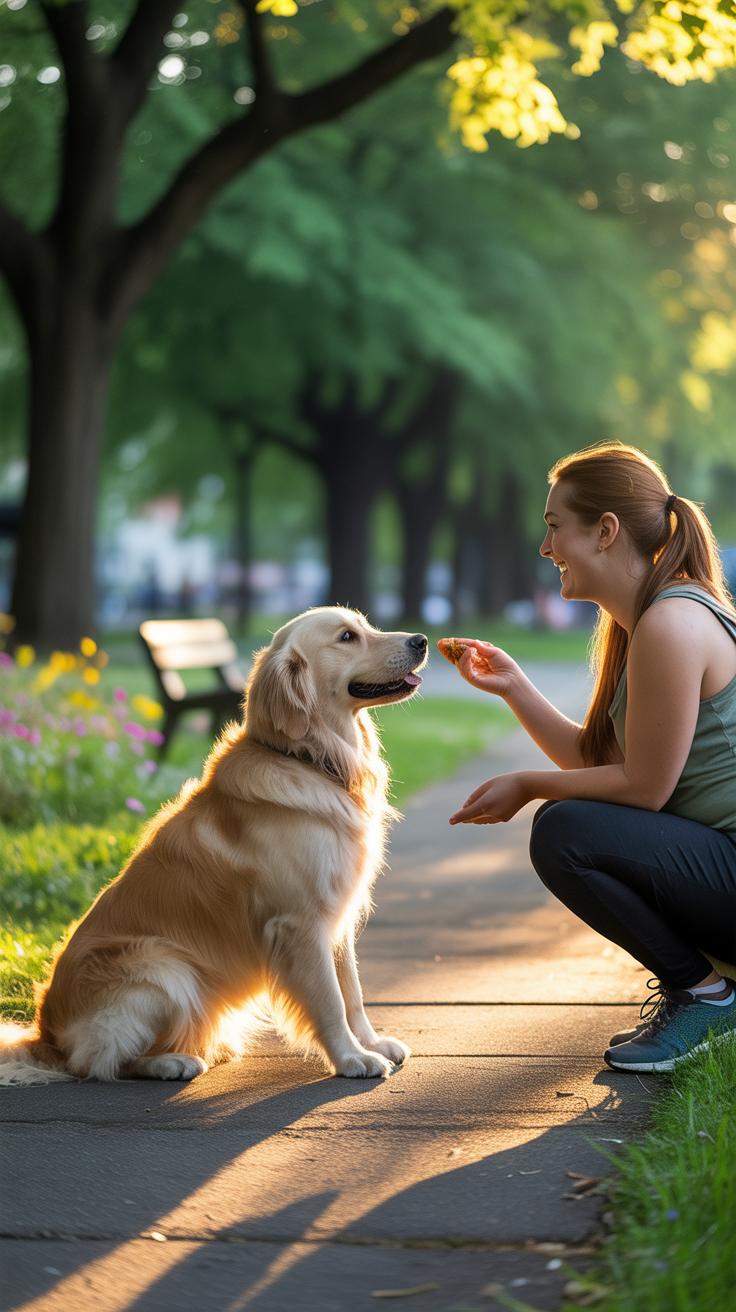
Teaching The Settle And Place Commands Using Reward Based Training
Reward based training builds a reliable settle command by linking a specific location to high value treats. You must direct your dog to a mat or bed and provide a reward immediately when they lie down. This creates a positive association with resting. Use a low stakes environment first to ensure the dog focuses on the target area without outside distractions or high energy triggers.
The place command functions as a physical boundary for the dog’s energy. You are training the brain to shift from a state of arousal to a state of relaxation. Consistency is the primary factor for success. Keep training sessions short and perform them daily to build muscle memory. Over time, the dog learn that the mat is a zone where only calm behavior and quiet rest occur.
To sit with a dog on a hillside on a glorious afternoon is to be back in Eden, where doing nothing was not boring, it was peace.
Why Rewarding Calm Moments Is More Effective Than Correcting Hyperactive Ones
Punishing hyperactive behavior often increases a dog’s stress and arousal levels. Dogs view negative attention as a form of engagement which reinforces the jumping or barking you want to stop. Correcting a dog during a high energy burst does not teach it what to do instead. Scientific studies in animal behavior show that positive reinforcement creates longer lasting habits than fear based or aversive methods.

Capturing calm involves rewarding your dog when they choose to relax on their own. You must keep treats ready to deliver silently when the dog lies down without being asked. This method teaches the dog that being quiet is the most profitable behavior. It shifts the dog’s internal motivation. Eventually, the dog will default to a settled state because they associates that specific behavior with consistent and predictable rewards.
Structured Daily Schedules As A Proven Dog Behavior Management Strategy
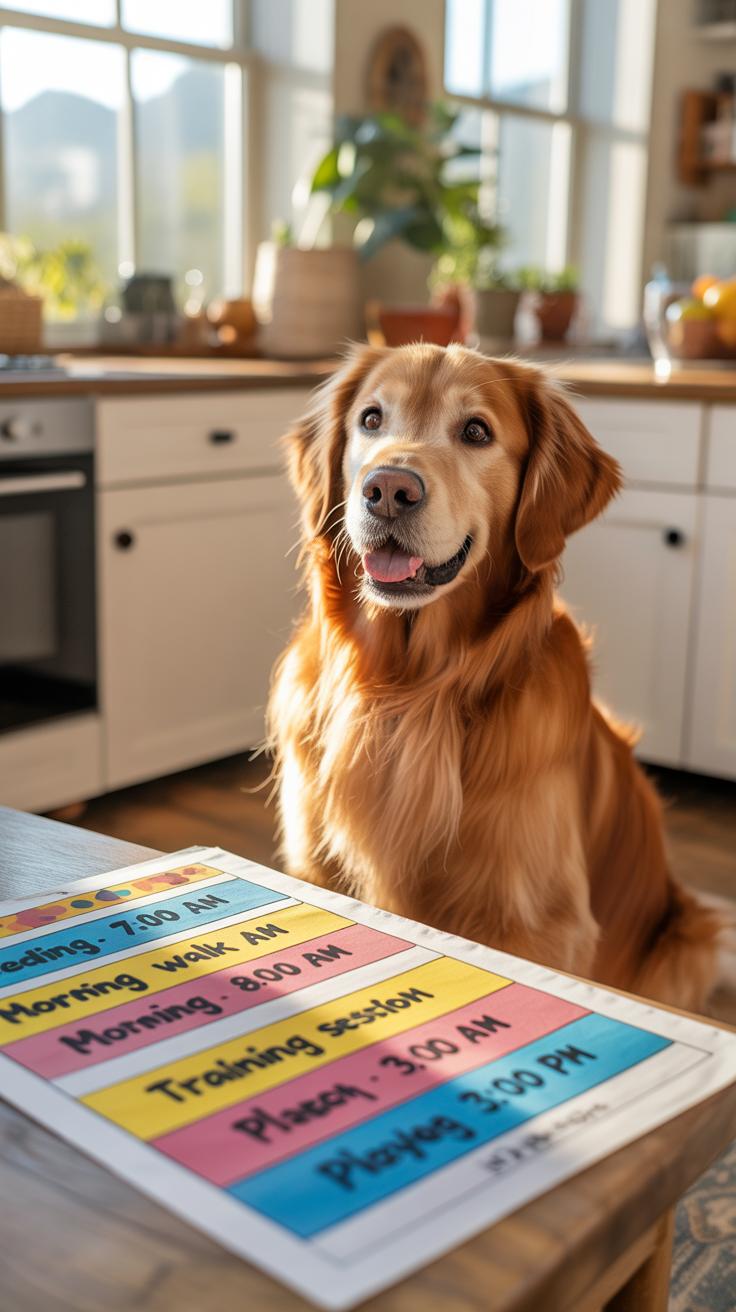
How Predictable Routines Help Reduce Anxiety And Overexcitement In Dogs
Dogs thrive on predictability. A lack of structure forces a dog to remain in a state of hyper vigilance. They constantly scan for cues about what happens next. This mental state keeps cortisol levels high. High cortisol leads to physical hyperactivity and poor impulse control. A fixed schedule lowers stress by removing the element of surprise from the dog’s daily life.
By automating the day, you regulate the dog’s internal clock. Consistent timing for food and exercise stabilizes blood sugar and energy cycles. When a dog knows exactly when to expect activity and when to expect rest, their nervous system switches from reactive to relaxed. This shift is essential for hyperactive dog calming methods to work. Structure provides the safety necessary for true calm.
Key Elements To Include When Building A Calming Daily Schedule For Your Dog
A tactical schedule balances physical exertion with mandatory rest periods. High-energy dogs often do not know how to power down on their own. You must dictate when the windows of high intensity happen and when the house remains quiet. This prevents the dog from overshooting their threshold. Effective schedules focus on mental fatigue just as much as physical movement.
- Mandatory Naps: Schedule specific times where the dog stays in a crate or on a bed. This teaches the dog that no interaction will occur during these hours. It prevents overstimulation and allows the brain to process information without constant external input or distractions.
- Targeted Decompression Walks: Use long leashes in quiet areas to allow for natural sniffing behaviors. Sniffing lowers a dog’s heart rate faster than running. These walks focus on sensory engagement rather than physical speed or obedience drills. This strategy drains energy without spiking adrenaline levels.
- Strategic Feeding Windows: Deliver meals at the same time every day using puzzle toys. Using a bowl is a wasted opportunity for mental work. Puzzle feeders force the dog to solve problems to eat. This mental focus tires the brain and creates a natural transition into a rest period.
- Settle Training Intervals: Dedicate ten minutes twice a day to rewarding calmness. Sit with your dog and ignore them while they lie down. Provide a high-value treat only when they show zero tension. This builds a muscle memory for relaxation and reinforced quiet behavior throughout the house.
- Defined Training Sessions: Execute short five-minute bursts of obedience or trick training throughout the day. Frequent mental challenges prevent boredom-induced destruction. Training sessions provide the structure a working dog needs to feel successful. These sessions clear the mental fog that often leads to frantic physical outbursts.

Consistency is the most important factor in this strategy. Deviating from the plan causes confusion and resets progress. You must track results over two weeks to see the physiological change in the dog. Over time, the dog stops demanding attention because they trust the schedule will meet their needs. This trust is the foundation for a quiet and manageable home environment.
Diet Nutrition And Dog Wellness Factors That Influence Hyperactive Tendencies

How Certain Ingredients In Commercial Dog Food May Contribute To Restlessness
Low-quality commercial dog foods often contain high levels of simple carbohydrates and fillers. These ingredients metabolize into glucose quickly. This creates a rapid spike in energy levels followed by a sharp crash. Dogs experiencing these blood sugar fluctuations often display restless or erratic behavior. Manufacturers use corn and soy to lower costs, but these components provide poor sustained energy for high-drive animals.
Artificial additives and synthetic preservatives can also impact a dog’s neurological state. Clinical observations link specific food dyes and chemical stabilizers to increased irritability and poor focus in sensitive dogs. Excessive protein levels from poor sources can lead to a buildup of ammonia in the bloodstream. This affects cognitive function and physical comfort. Eliminating these chemical triggers reduces the physiological load on the dog’s nervous system.
Whole Food Diets And Feeding Schedules That Support Balanced Dog Energy Levels
Transitioning to a whole food diet provides predictable energy. Fresh proteins and complex carbohydrates digest slowly. This process maintains steady blood glucose levels throughout the day. Omega-3 fatty acids found in fish oil support brain health and reduce systemic inflammation. Proper nutrition stabilizes the internal environment of the dog. This makes the animal more receptive to behavioral training and environmental calming cues.

Feeding schedules dictate the dog’s metabolic rhythm. Split large meals into two or three smaller portions to prevent energy surges. Consistent timing regulates the production of digestive enzymes and hormones like cortisol. Avoid feeding the dog immediately before or after intense physical exercise to prevent gastric distress. Using food enrichment tools during mealtime slows down consumption. This engages the brain and tires the dog out mentally.
Calming Environments And Sensory Tools That Help Calm Dogs At Home

How To Create A Safe And Calming Space Your Hyperactive Dog Can Retreat To
High energy dogs require a dedicated zone to lower their cortisol levels. Select a low traffic area away from windows and doors. Noise and visual triggers cause immediate arousal in hyperactive animals. Use a solid crate or a heavy bed with high sides to provide physical security. This boundary helps the dog understand when active play ends and resting begins.
Block out external light with heavy curtains or crate covers. Darkness triggers the natural production of melatonin in the canine brain. Keep this space consistent and do not use it for punishment. A predictable environment reduces the hypervigilance that leads to pacing and barking. Clean the area regularly to remove pheromones associated with stress. Set a firm rule that humans must leave the dog alone here.
Sensory Aids Like Calming Music, Compression Wraps, And Aromatherapy For Dogs
Auditory and tactile tools provide external regulation for a dog that cannot settle itself. Constant noise from the street or television keeps a dog in a state of alert. Replacing this noise with specific frequencies can alter their heart rate. Physical pressure also works on the nervous system to stop the fight or flight response during high stress events.
- White Noise Machines: These devices mask sudden outdoor sounds like sirens or shouting. Constant sound prevents the startle reflex that triggers lunging and barking. It creates a predictable acoustic environment that helps a dog maintain a deep sleep cycle without frequent interruptions.
- Compression Wraps: Tight vests apply constant pressure to the torso of the dog. This mimics the feeling of being held and can lower the heart rate. It is particularly effective for dogs that pace or spin when they become overstimulated by their surroundings.
- Lavender Diffusers: Quality essential oils can impact the olfactory system to induce relaxation. Lavender has been studied for its ability to reduce movement in shelter dogs. Ensure the diffuser sits out of reach and only use oils that are documented as safe for canine inhalation.
- Through a Dogs Ear Music: This specific psychoacoustic music uses simplified melodies and slower tempos. Research shows that complex music can agitate dogs, while solo piano at low cycles calms them. It works by reducing the amount of sensory information the brain has to process.
- Pheromone Diffusers: Synthetic versions of the calming chemicals produced by nursing mothers can provide a sense of security. These odorless vapors signal to the dog that the environment is safe. They work best when plugged in near the dog’s primary sleeping area for constant exposure.

Introduce these tools when the dog is already calm to create a positive association. Do not wait for a full manic episode to apply a wrap or start music. The goal is to prevent the spike in energy before it happens. Monitor your dog for any signs of discomfort with new smells or tight clothing. Consistency in using these sensory tools builds a reliable relaxation response over time.
Dog Training Advice On Avoiding Owner Behaviors That Accidentally Fuel Hyperactivity
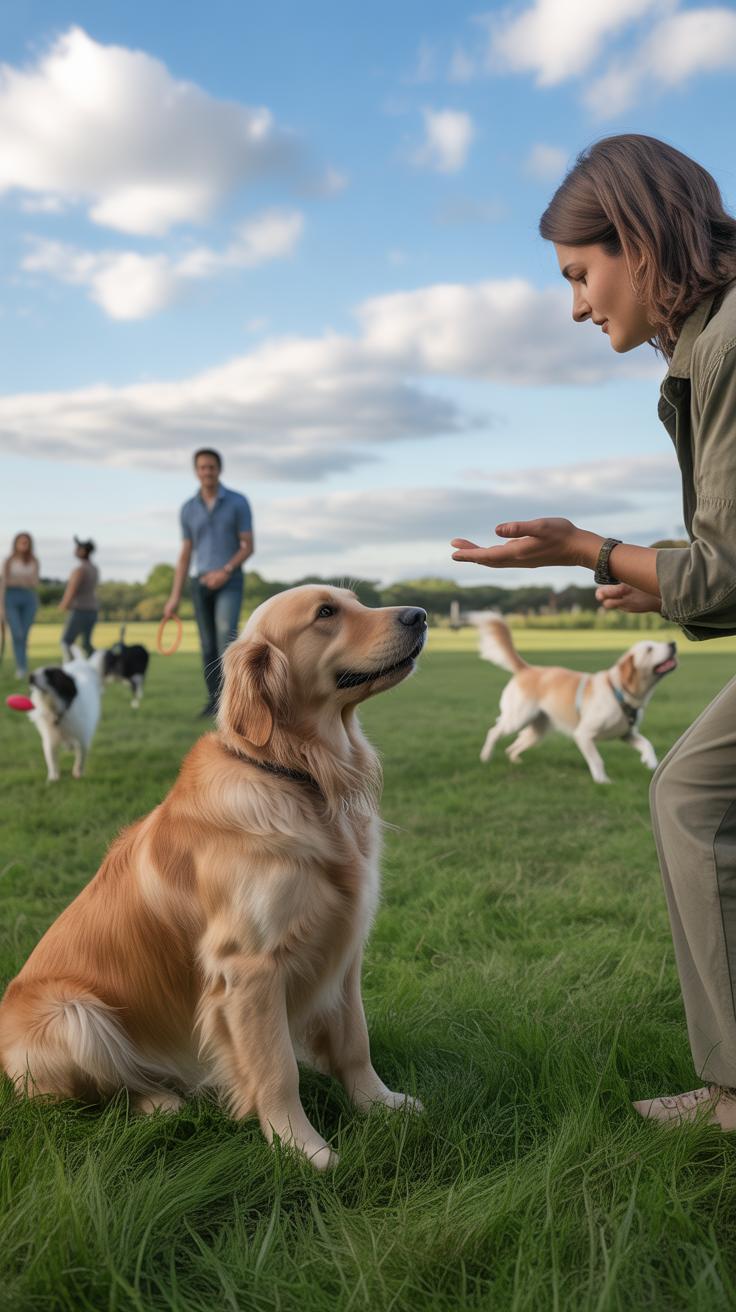
Guidance On How Unintentional Owner Reactions Like Excited Greetings Can Reinforce Hyper Behavior
Owners often reward high energy by mistake through physical touch or high pitched voices. When you walk through the door and immediately pet a jumping dog, you validate that frantic state. This tells the dog that chaos leads to affection. Dogs prioritize your attention over almost anything else. Even negative attention like shouting or pushing them away counts as a reward for their hyperactive brain.
The timing of your response dictates future behavior. If you engage with a dog while they are barking or spinning, you strengthen those patterns. This creates a cycle where the animal thinks they must escalate their movement to get a reaction from you. Consistent feedback is the only way to break this loop. You must stop providing social stimulus during these peaks of excitement to see real change.
Practical Habits That Owners Can Change Today To Stop Rewarding Overexcitement
Stop all interaction when your dog displays unwanted energy levels. Turn your back and avoid eye contact until the dog has four paws on the floor. This technique forces the dog to problem solve. They quickly learn that calm behavior is the only key that unlocks your attention. Keep your movements slow and your voice low during all daily transitions and feeding times.

Apply the nothing in life is free principle to every routine. Require a sit or a stay before opening doors or throwing toys. This shifts the focus from impulsivity to impulse control. You must remain a neutral observer of their behavior rather than a participant in their hype. Predictability in your calm response reduces the dog’s overall anxiety and stabilizes their energy throughout the entire day.
When To Consult A Professional For Dog Care Tips Beyond Home Calming Methods

Signs That Your Dog’S Hyperactivity May Require A Veterinary Or Behaviorist Assessment
Physical causes often masquerade as behavioral hyperactivity. Underlying medical issues like hyperthyroidism or neurological disorders cause genuine restlessness that training cannot fix. Chronic pain or skin allergies also force dogs into a state of constant movement. You must rule out these physiological triggers before assuming the issue is mental. A veterinarian performs blood work and physical exams to identify these hidden biological drivers.
Sudden behavioral shifts indicate a need for professional intervention. If a previously calm dog becomes frantic without a clear life change, something is wrong. Aggressive outbursts paired with high energy also signal a dangerous escalation. Owners often mistake anxiety for excitability. When a dog cannot settle even in a quiet room, home remedies have failed. Specialized help becomes a necessity for safety and health.
What To Expect From A Certified Dog Behaviorist And How They Develop A Calming Plan
A certified behaviorist focuses on the function of the behavior rather than just the action. They analyze the environment to find specific triggers that cause the dog to react. The process starts with a deep dive into the history of the animal. They look for patterns in timing, location, and social interactions. This objective data helps them understand why the dog stays in a high state of arousal.
The behaviorist builds a tactical plan based on desensitization and counter-conditioning. They teach the dog to associate triggers with calm responses instead of frantic energy. You will receive a structured schedule that manages the dog’s daily environment and stress levels. This plan requires strict adherence to see results. They monitor progress over several weeks and adjust the tactics as the dog learns to regulate its own nervous system.
Frequently Asked Questions

Why is my dog constantly overactive and unable to settle down?
High energy in dogs often stems from a lack of physical or mental stimulation rather than just personality. When a pup’s basic needs aren’t met, they manifest pent-up energy as zoomies or destructive chewing. Understanding that boredom is a primary trigger allows you to implement effective hyperactive dog calming methods, focusing on structure and enrichment to help your furry friend find their natural off-switch without the need for pharmacological intervention.
What are the best mental exercises to tire out a high-energy dog?
Physical running isn’t always enough; mental exhaustion is often more effective. Incorporating scent work, such as hiding treats around your living room, or using interactive puzzle toys can significantly drain energy. These indoor hyperactive dog calming methods engage their natural instincts. Just fifteen minutes of focused nose work or basic command training can be as exhausting for a canine as an hour-long walk, leading to a much calmer household environment.
Can I calm my dog down using simple items I already have at home?
Absolutely. You don’t need expensive gear to soothe a restless pet. Transforming an old towel into a “snuffle roll” by hiding dry kibble inside is a fantastic, free way to encourage slow, focused behavior. Additionally, creating a designated quiet zone with a soft blanket and dim lighting works wonders. These accessible DIY approaches are wonderful hyperactive dog calming methods that prioritize comfort and mental focus using everyday household objects.