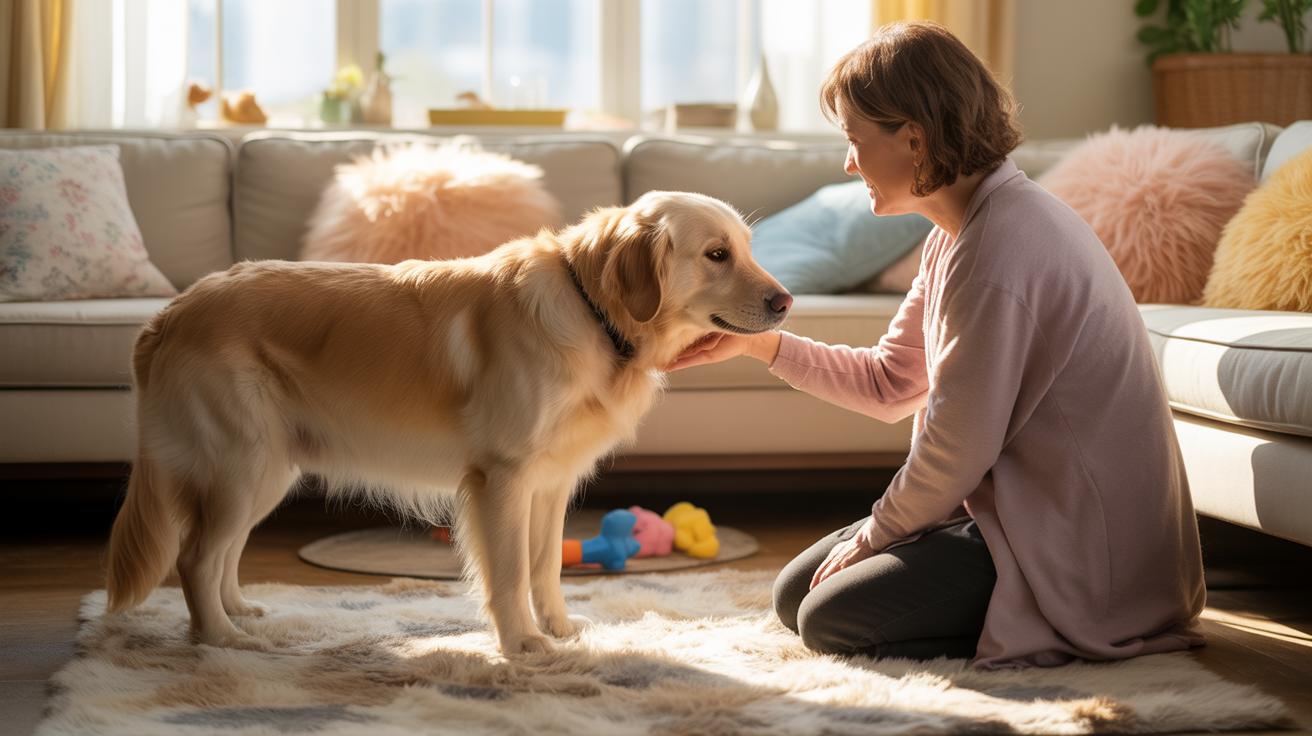
Understanding Dog Anxiety Signs At Home And Why They Happen
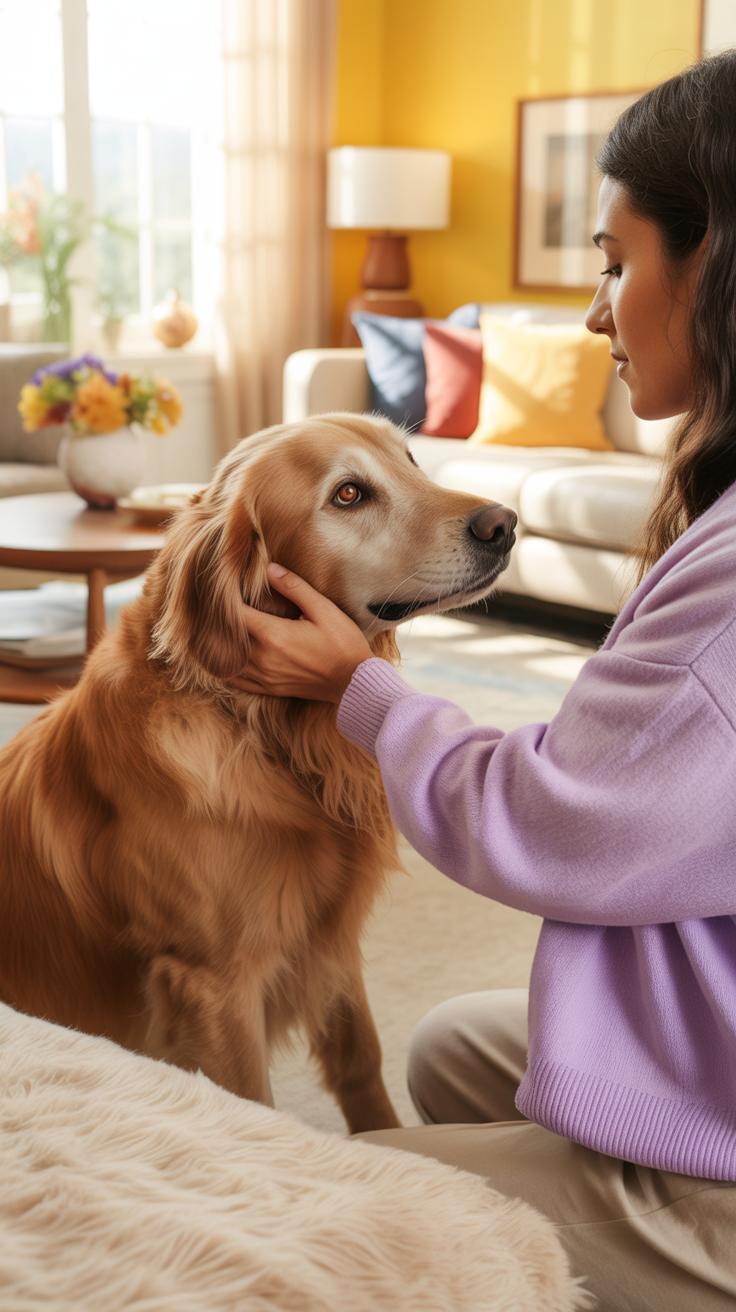
What Is Canine Anxiety And How Does It Develop In Dogs
Canine anxiety is a physiological response to a perceived threat or change in the environment. It triggers the nervous system to release cortisol and adrenaline. This response prepares the dog to fight, flee, or freeze. While brief stress is normal, chronic anxiety persists even after a threat leaves. Genetics and early social history determine how a dog handles these internal chemical spikes.
Anxiety often develops through negative experiences during the critical socialization period. This window occurs between three and fourteen weeks of age. Lack of exposure to common household sounds or guests creates fear later in life. Traumatic events like loud storms or physical pain also reinforce anxious neural pathways. Over time, these learned behaviors become the default reaction to any minor shift in the home.
Common Triggers That Cause Anxiety In Dogs Inside The Home
Environmental shifts serve as the primary triggers for anxiety within residential settings. Separation from the owner is the most documented cause of domestic stress. Dogs are pack animals that rely on social structures for safety. Changes in the daily schedule or moving furniture can disrupt their sense of order. Even subtle shifts in human emotions influence a dog’s level of psychological comfort.
External stimuli also penetrate the home to cause distress. High frequency noises from appliances or construction sounds trigger fear responses. Visual triggers like shadows or strangers passing windows can create territorial hypervigilance. Aging dogs often experience anxiety due to sensory decline or cognitive dysfunction. These physical changes make the dog feel vulnerable in their own space. Identifying these specific triggers is the first step toward effective mitigation.

Reading Dog Behavior Physical Signs Your Dog Is Anxious
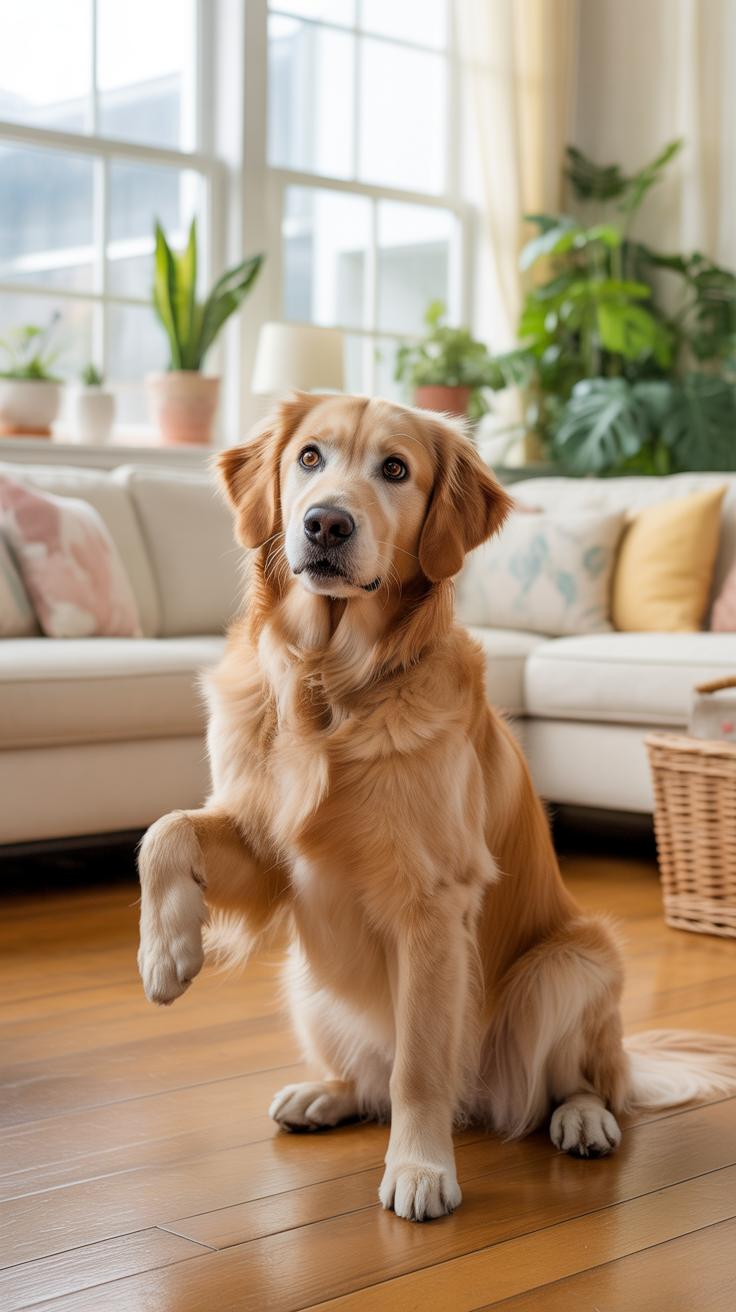
Body Language Cues That Reveal Stress And Fear In Dogs
Dogs use specific physical shifts to communicate discomfort before escalating to aggression. Look for a lowered tail tucked between the hind legs. This posture protects the vulnerable belly and signals submission or fear. A dog might also pin its ears flat against its skull. This movement alters the facial profile to look less threatening to perceived predators while protecting the ears during potential conflict.
Pay close attention to the eyes and facial tension. The appearance of white around the iris indicates high stress. Professionals call this whale eye. It happens when a dog keeps its head still but tracks a threat with its eyes. Watch for repetitive lip licking or yawning when the dog is not tired. These displacement behaviors function as self-soothing mechanisms during high-tension moments at home.
How Excessive Panting, Trembling And Pacing Signal Anxiety
Panting serves as a natural cooling system but also indicates autonomic nervous system arousal. Dogs breathe rapidly when the fight or flight response activates. This type of panting occurs without physical exertion or high temperatures. It often looks shallow and frantic. The corners of the mouth may pull back sharply. This creates a grimace that signals the dog is overwhelmed by its current environment.

Trembling and pacing demonstrate a dog’s inability to settle. Shaking occurs when muscles tense from an adrenaline surge. This involuntary reflex shows the dog feels unsafe in its space. Pacing follows a repetitive path and lacks a clear destination. The dog moves constantly because it cannot find a secure spot to rest. These physical actions confirm the dog is in a state of high hypervigilance.
Behavioral Changes In Dogs That Indicate Anxiety At Home
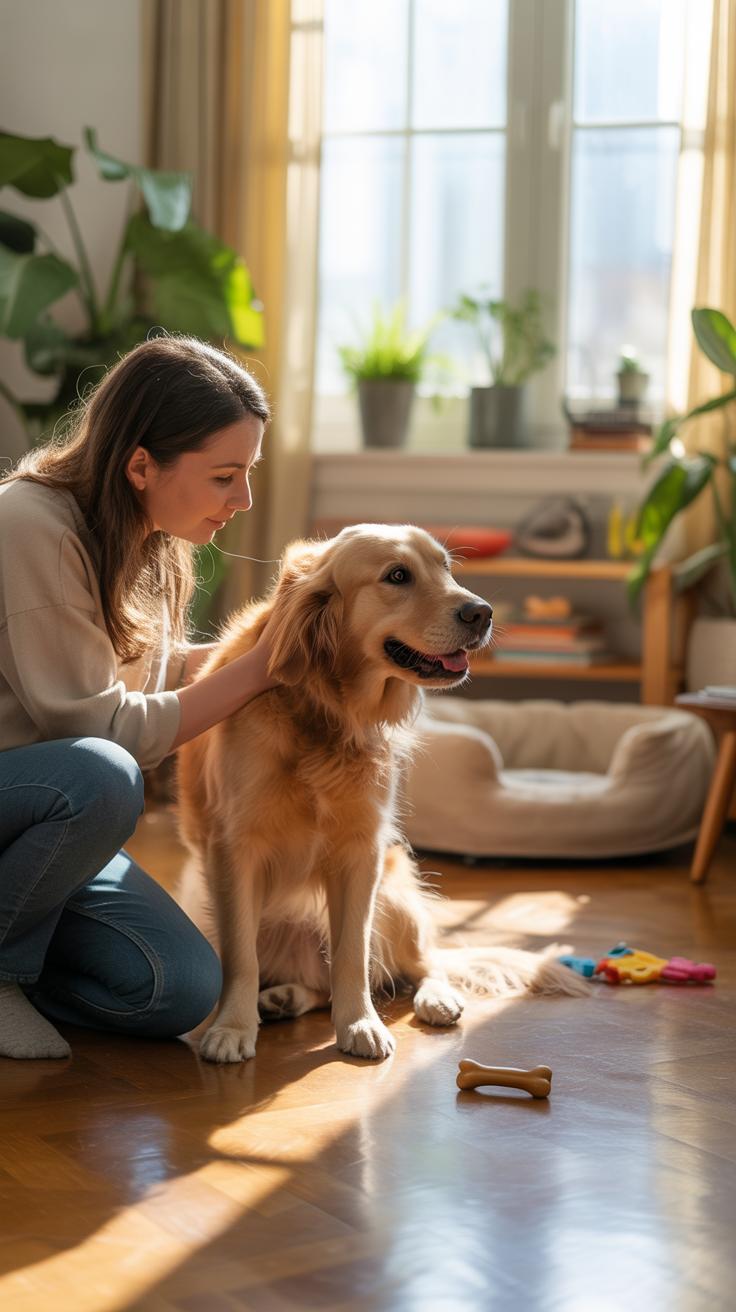
Destructive Behavior And House Soiling As Anxiety Responses
Destructive behavior often signals high cortisol levels in dogs. Anxious animals chew door frames, window sills, or rugs to relieve internal pressure. This physical destruction is not spite. It is a biological coping mechanism. Dogs target exit points when they feel trapped or abandoned. You must identify these patterns to separate normal boredom from clinical separation anxiety or noise phobias.
House soiling is another tactical indicator of stress. A house-trained dog that suddenly urinates or defecates indoors is likely experiencing a nervous system overload. Stress triggers the digestive system and weakens bladder control. These accidents usually happen near entrances or in the owner’s sleeping area. Focus on the timing of these events. They occur most often when the dog senses a change in routine.
How Behavior Change Like Hiding Or Clinginess Points To Anxiety
Hiding is a primal survival tactic used by dogs to avoid perceived threats. An anxious dog will seek out dark, enclosed spaces like closets or the area under a bed. This behavior shows the dog does not feel safe in its open environment. Constant hiding indicates a state of chronic stress. You should monitor how long the dog remains in these secluded spots daily.

Conversely, some dogs become excessively clingy when they feel insecure. This behavior is known as shadowing. The dog follows you from room to room to maintain constant physical proximity. They may lean against your legs or paw at you for attention. This lack of independence shows the dog cannot self-regulate its emotions. It relies entirely on your presence to feel a sense of basic safety.
Separation Anxiety In Dogs A Closer Look At A Common Condition
How To Recognize Separation Anxiety Versus General Stress In Dogs
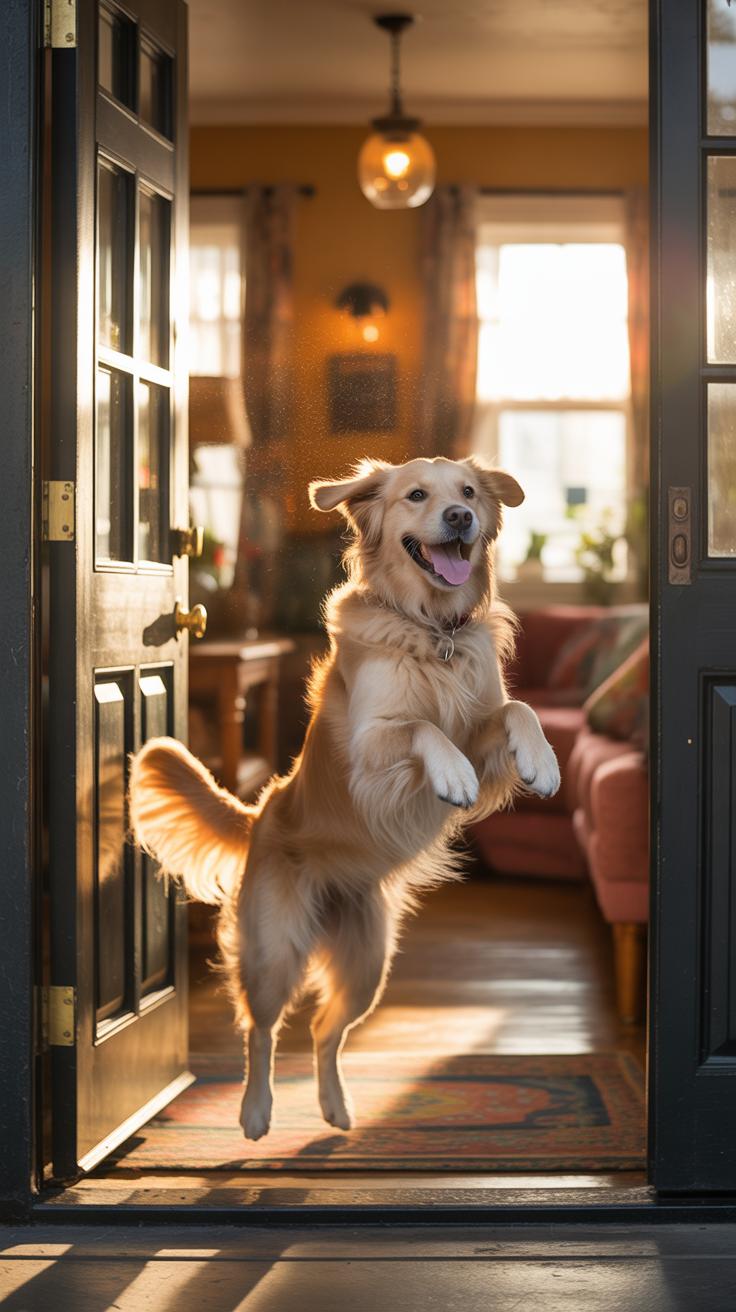
Separation anxiety occurs only when you leave the house or prepare to depart. General stress happens regardless of your presence. Watch for specific triggers like picking up car keys or putting on shoes. A dog with separation anxiety will pace or whine the moment these cues appear. This behavior stems from a fear of isolation rather than a reaction to loud noises or new environments.
True separation anxiety manifests through destructive behavior focused on exit points. Dogs will chew door frames or scratch at windows to reach their owners. They often stop eating or drinking until you return. General stress usually results in hiding or panting during a storm or party. You must track the timing of the outbursts to confirm the diagnosis. If the behavior stops when you are home, it is separation anxiety.
Why Certain Dog Breeds And Rescue Dogs Are More Prone To Separation Anxiety
Genetic history influences how dogs bond with humans. Working breeds like Border Collies and German Shepherds require constant mental engagement and human direction. These dogs often develop hyper-attachment because humans bred them to work closely with handlers. When you remove that connection, the dog loses its sense of purpose. This lack of structure leads to high cortisol levels and severe panic during periods of solitude.

Rescue dogs face higher risks due to past trauma. A history of multiple homes or abandonment creates a fear of permanent loss. Changing a dog’s routine or environment triggers this survival instinct. The dog views your departure as a potential permanent abandonment. This fear is not about boredom but about extreme emotional instability. Providing a predictable schedule helps mitigate these deep-seated fears in dogs from shelters or high-stress backgrounds.
Dog Care Tips To Create A Calmer And Safer Home Environment
Practical Dog Care Tips For Reducing Everyday Anxiety Triggers At Home
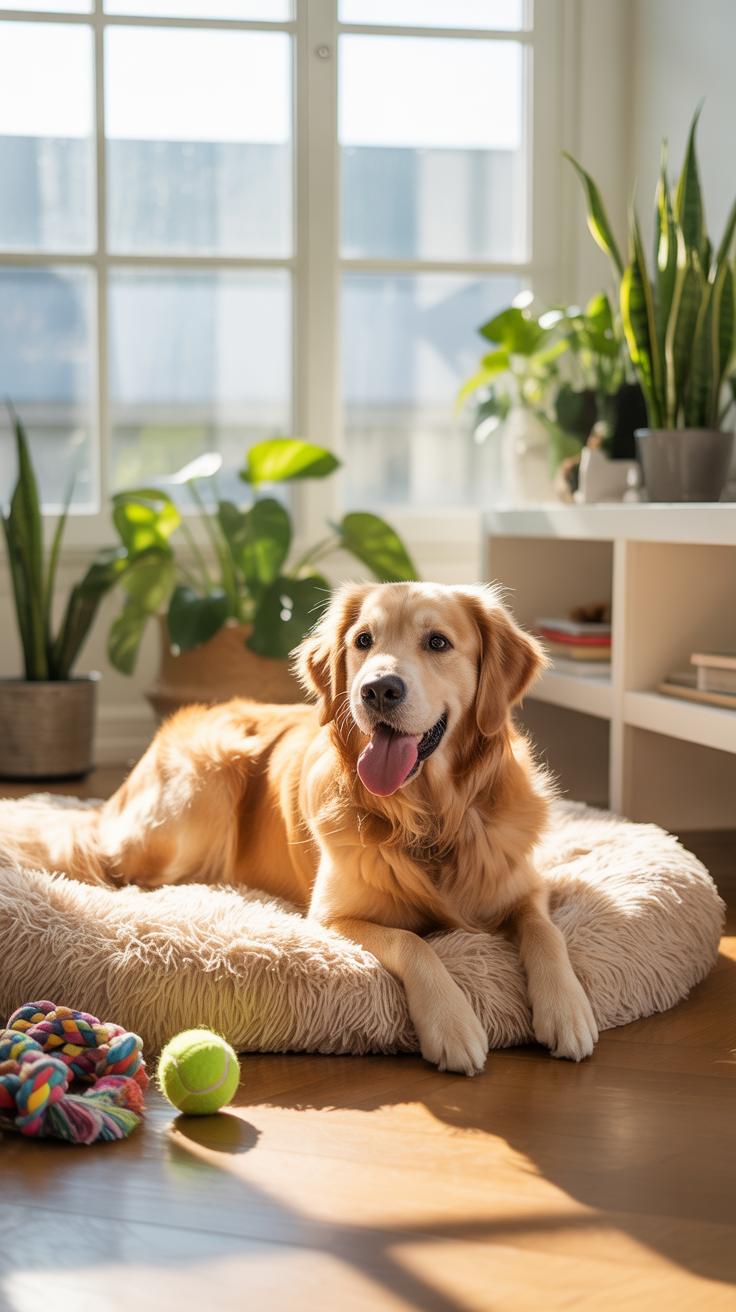
Dogs perceive the domestic environment through heightened sensory inputs. High-traffic areas and loud noises create constant vigilance in anxious animals. You must identify specific triggers like slamming doors or flickering lights to lower their cortisol levels. Managing the physical layout of your home prevents the dog from feeling trapped or overwhelmed. Use tactical changes to remove visual and auditory stressors from their primary living space.
- Designate a Safe Zone: Create a dedicated area using a crate or a quiet corner where the dog remains undisturbed. Use solid walls or heavy fabric covers to block visual stimuli. This zone serves as a recovery space when the animal feels overstimulated by household activity.
- Control Sound Pollution: Use white noise machines or fans to mask sudden external sounds like sirens or construction. Constant low-frequency background noise prevents the startle reflex. High-quality soundproofing curtains also reduce the impact of street level noise on the dog’s nervous system.
- Manage Floor Traction: Install rugs or runners on hardwood and tile surfaces to prevent slipping. Many dogs experience anxiety when they cannot maintain a firm grip on the floor. Secure footing increases their confidence and reduces physical stress during movement through the house.
- Limit Window Access: Apply frosted window film to the lower half of glass doors and windows. This stops the dog from reacting to people or animals passing outside. Reducing visual access prevents territorial barking and high-arousal states that lead to chronic stress.
- Use Pheromone Diffusers: Install synthetic pheromone plugins in the rooms where the dog spends the most time. These devices mimic natural calming signals produced by mother dogs. Regular use provides a constant chemical signal of safety that supports a lower baseline of anxiety.
Dietary management also plays a role in environmental stability. Provide enrichment toys that encourage licking and chewing to release natural endorphins. This redirects nervous energy into a productive task. Ensure that the dog has constant access to clean water in a low-traffic area. Clear communication through body language prevents confusing the animal. These small physical adjustments build a predictable and secure domestic atmosphere for every pet.
How A Consistent Daily Routine Supports Dog Wellness And Reduces Stress
Consistency creates a predictable world for a dog. When an animal knows exactly when to expect food, exercise, and rest, their baseline stress drops. Uncertainty leads to hyper-vigilance and destructive behaviors at home. A rigid schedule acts as a biological anchor for the dog. Use specific rituals for leaving and returning to the house to eliminate the fear of abandonment or surprise.

Predictable physical activity regulates the canine circadian rhythm. Exercise should happen at the same intervals every day to stabilize energy levels. Feeding times must remain exact to prevent food-related anxiety and begging. Even bathroom breaks follow a tactical schedule to reinforce house training and environmental confidence. When you maintain a strict daily flow, the dog stops scanning for changes and begins to relax into the established pattern.
How Calming Music And Sensory Tools Can Help Calm Dogs At Home
The Science Behind Using Calming Music To Soothe An Anxious Dog
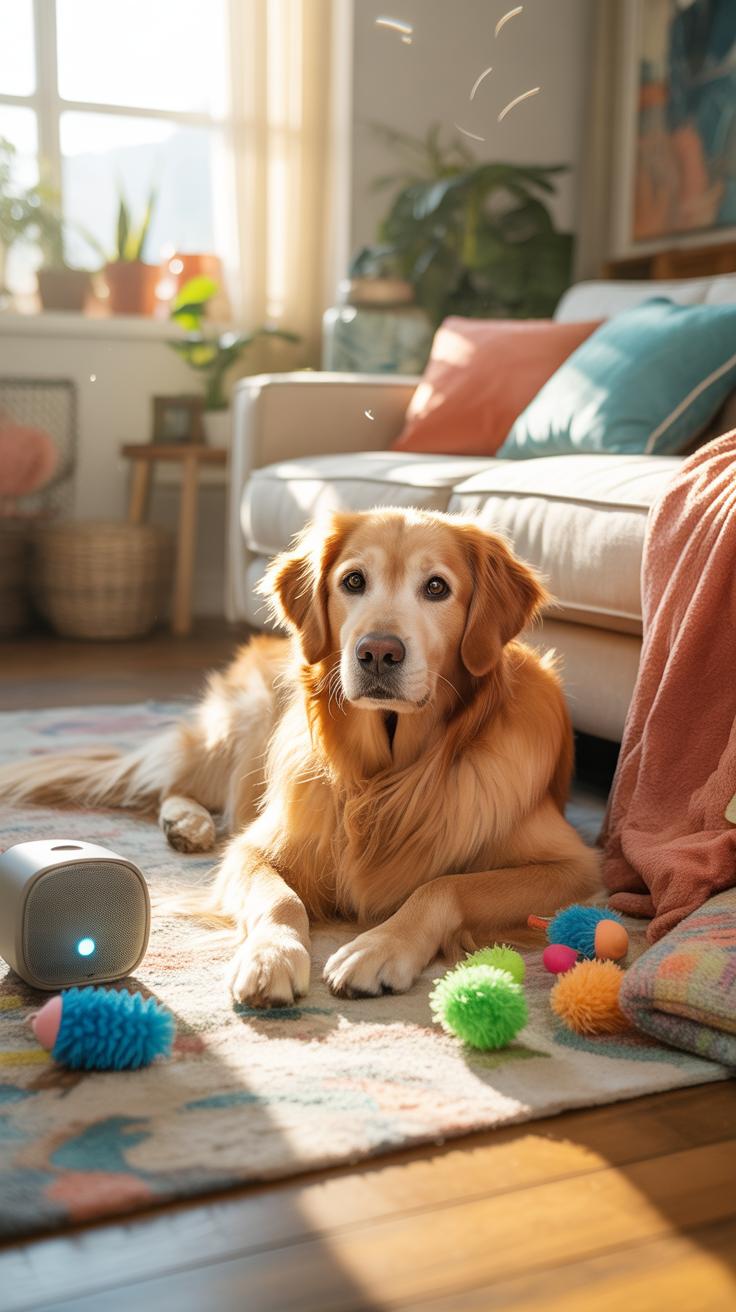
Auditory stimulation directly impacts the canine nervous system through the process of entrainment. Research shows that specific frequencies and tempos lower heart rates in stressed dogs. Classical music with a slow tempo reduces barking and pacing behaviors more effectively than silence or heavy metal. Experts recommend music at sixty beats per minute to match or lower a dog’s resting heart rate. This physical shift reduces cortisol production.
Strategic sound mapping creates a predictable environment for dogs at home. Chronic background noise from streets or neighbors often triggers hyper-vigilance and reactive barking. Constant white noise or psychoacoustic music masks these sudden external sounds. This buffer prevents the startle response and allows the brain to remain in a restful state. Tactical use of sound prevents the escalation of anxiety during periods of isolation or loud weather events.
The better I get to know men, the more I find myself loving dogs. By gently learning to read their silent worries and soothing their restless spirits, we return the unconditional devotion they have always given us.
Other Sensory Aids Like Pressure Wraps And Aromatherapy For Calm Dogs
Pressure wraps utilize the principle of maintained pressure to provide tactile feedback to the dog. This mimics the biological sensation of swaddling. Constant gentle pressure triggers the release of oxytocin and endorphins while lowering blood pressure. Owners must apply the wrap before the stressor begins to maximize effectiveness. Proper fit is critical to ensure the wrap remains functional without restricting the dog’s natural movement or breathing patterns.
Olfactory stimulation offers another tactical layer to anxiety management. Pheromone diffusers mimic the natural calming chemicals released by mother dogs. These scents communicate safety directly to the limbic system. Lavender and chamomile essential oils also show measurable results in reducing motor activity in over-stimulated pets. Use medical-grade diffusers to maintain consistent levels of these calming scents. Strategic scent placement near the dog’s bed reinforces that area as a neutral safe zone.
How To Help A Scared Dog Using Training And Positive Reinforcement
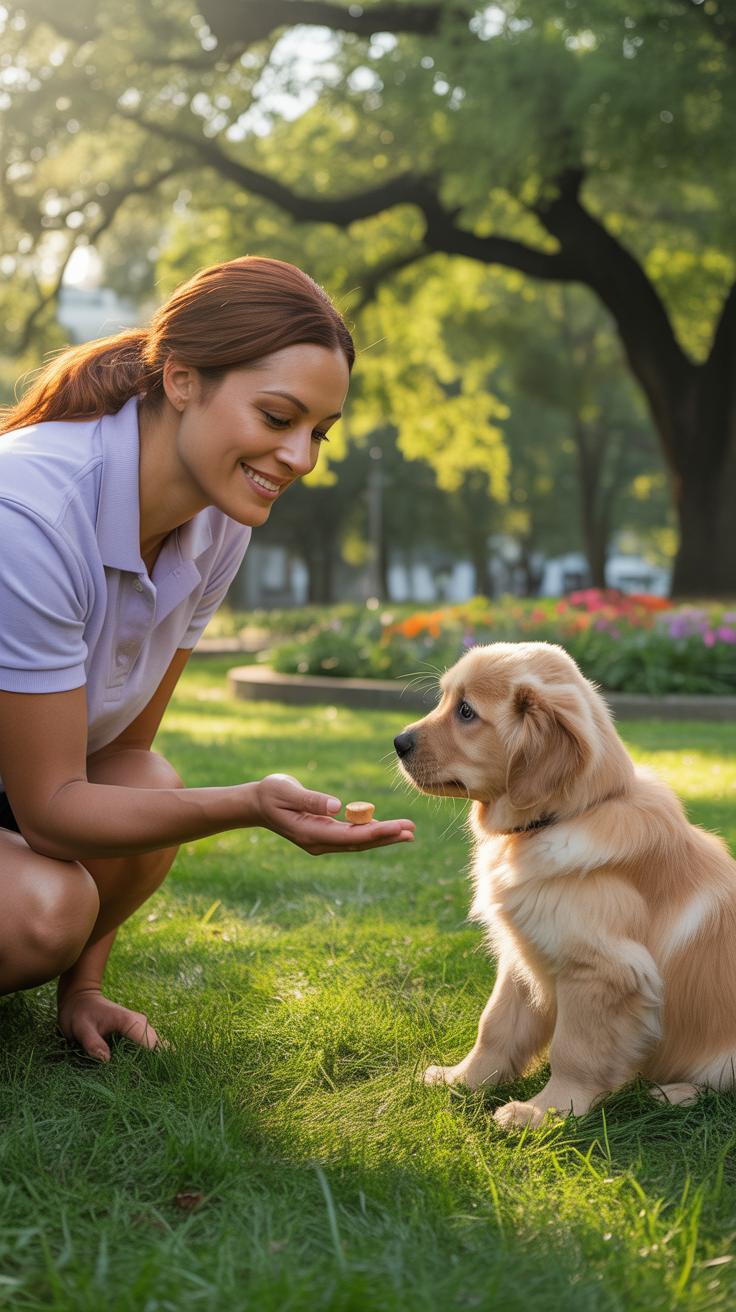
Desensitization And Counter Conditioning Techniques For How To Help A Scared Dog
Desensitization involves controlled exposure to triggers at a low intensity. You must keep the dog below the fear threshold where they can still focus. Start with the scary stimulus far away or at a low volume. Gradually increase the intensity over several weeks as the dog stays calm. This process rewires the brain to stop seeing the stimulus as a threat.
Counter-conditioning changes the emotional response to a specific trigger. You pair the scary event with high-value rewards like meat or cheese. Every time the dog sees the trigger, they get a treat immediately. The goal is a positive association where the dog looks to you for food instead of fleeing. Consistency is vital for long-term success with dog anxiety signs at home.
Step By Step Confidence Building Exercises You Can Do At Home
Confidence building targets the dog’s ability to handle new environments and physical challenges. These exercises shift the dog’s focus from fear to task completion. Use clear verbal cues and physical markers to guide the dog through each movement. Success in simple tasks builds the mental resilience needed to face larger domestic stressors without panic or hiding.
- Targeting: Teach the dog to touch their nose to your hand or a specific object on command. This simple task gives the dog a sense of control and purpose. It redirects their attention away from anxiety triggers and toward a predictable physical action they can perform.
- Platform Training: Ask the dog to step onto elevated surfaces like a low stool or a balance disc. Mastering balance and body awareness increases self-assurance in the dog. Physical coordination correlates with mental stability and helps your pet feel more grounded within the home environment.
- Nose Work: Hide treats around a room and encourage the dog to find them using their scent. Sniffing lowers a dog’s heart rate and naturally reduces stress levels. This game encourages independent exploration and allows the dog to interact with their surroundings in a positive, rewarding way.
- Settle Training: Reward the dog for choosing to lie down on a specific mat or bed. This exercise teaches the dog that staying in one spot leads to calm rewards. It creates a mental safe zone where the animal knows they can relax without being disturbed by triggers.
- Trick Training: Teach new skills like shaking paws or spinning in circles using food rewards. Learning new behaviors stimulates the brain and provides a sense of accomplishment. Frequent short sessions build a stronger bond between the owner and the dog, which increases the animal’s security.
Structured play provides a safe outlet for nervous energy. Use a flirt pole or a tug rope to engage the dog’s natural instincts in a controlled manner. End each session before the dog becomes overstimulated or exhausted. Regular success in these activities proves to the dog that they can interact with the world safely. Keep sessions short and end on a positive note every time.
When To Seek Professional Help For Your DogS Anxiety And Dog Wellness
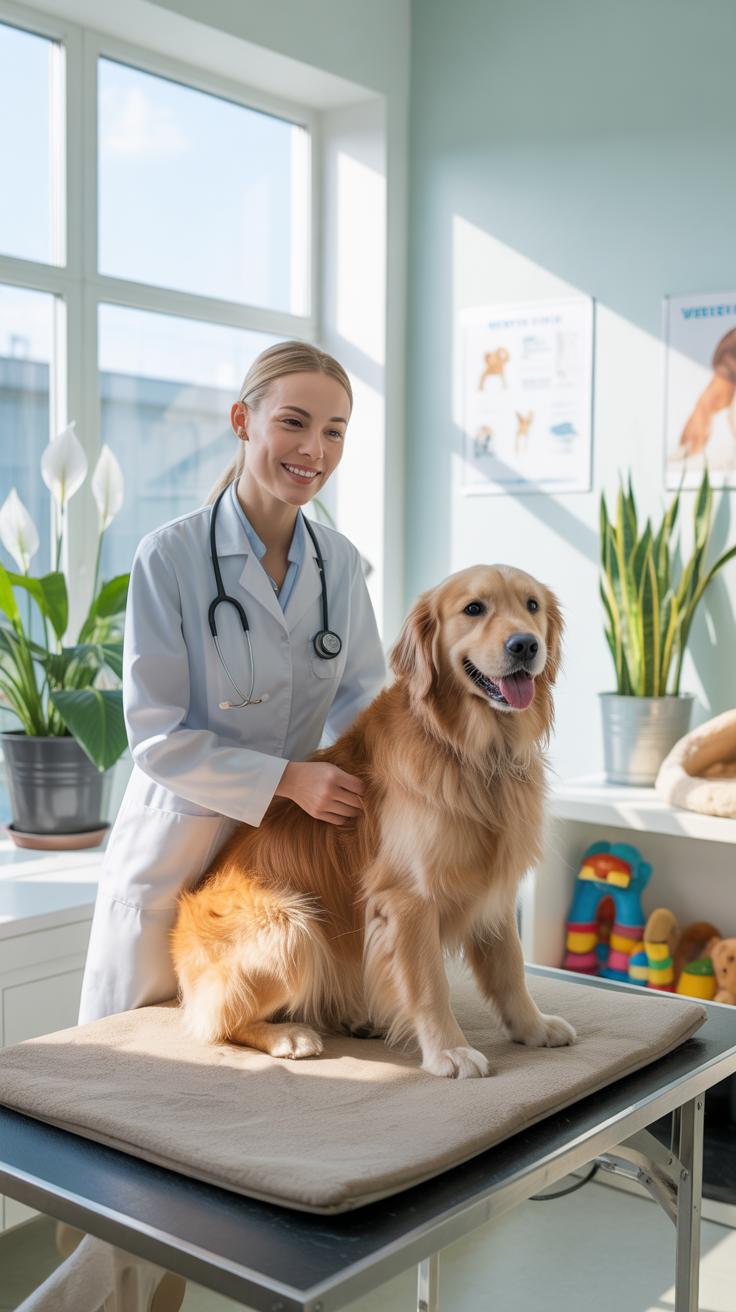
Signs That Your Dog’S Anxiety Requires A Veterinarian Or Behaviorist
Professional intervention becomes necessary when anxiety causes physical harm or disrupts basic functions. You must act if your dog injures itself during panic episodes or destroys household structures like doors and crates. Persistent pacing, refusal to eat, or loss of bladder control indicate severe distress. Monitoring your dog for these extreme behaviors is vital. Chronic stress leads to long-term health decline if you do not address the root cause.
Consult a specialist when home modifications and basic training fail to reduce stress levels. A veterinarian rules out underlying medical issues like thyroid dysfunction or neurological pain that mimic anxiety. Certified behaviorists analyze triggers and create systematic desensitization plans. You need an expert when your dog shows aggression rooted in fear. Professional guidance prevents the escalation of dangerous behaviors and ensures the safety of everyone in your home.
Medication And Therapy Options That Support Long Term Dog Wellness
Veterinarians prescribe pharmaceutical aids to lower a dog’s fear threshold. Selective serotonin reuptake inhibitors provide daily stability for chronic cases. Benzodiazepines work for situational triggers like thunderstorms or fireworks. These drugs do not fix behavior alone but create a calm state for learning. Medication allows the brain to process new information without immediate panic. Proper dosing requires strict professional oversight to monitor side effects and efficacy.
Effective therapy combines medical support with structural behavior modification. Counter-conditioning changes your dog’s emotional response to specific stressors. You replace fear with a positive association through repetitive and controlled exposure. Pheromone diffusers and weighted vests offer supplemental sensory support. Consistent routines and clear boundaries reinforce a sense of security. Long-term wellness depends on a multi-pronged approach that addresses both the chemical and environmental aspects of canine anxiety.
Frequently Asked Questions

What are the most common dog anxiety signs at home that owners should watch for?
Identifying dog anxiety signs at home often starts with noticing subtle changes in body language. Look for excessive panting when it isn’t hot, repetitive pacing, or destructive chewing near exit points. Some dogs may also exhibit “velcro” behavior, following you from room to room, while others might hide in quiet corners. Recognizing these early indicators is the first step toward creating a calmer, more supportive environment for your furry companion.
How can I create a calming environment to help my anxious dog?
To mitigate dog anxiety signs at home, focus on creating a “safe zone” with a comfortable bed and low lighting. Use a white noise machine or calming music to mask triggering outside sounds. Implementing a consistent daily routine for feeding and walks provides a sense of security. Additionally, interactive puzzle toys can redirect nervous energy into positive mental stimulation, helping your dog feel more relaxed and focused throughout the day.
Are there low-cost ways to comfort an anxious dog without buying expensive equipment?
Absolutely! You can help soothe your pet using items you already own. An old t-shirt that smells like you can provide immense comfort when placed in their crate. Practicing gentle massage techniques or using “mutt muffs” crafted from old scarves can dampen loud noises. Consistency and patience are free but powerful tools; simply maintaining a calm demeanor yourself can significantly lower your dog’s stress levels during various transitions.