What Is The Cat Flop And Why Does Cat Behavior Like This Happen
Defining The Cat Flop: What It Looks Like And When It Occurs
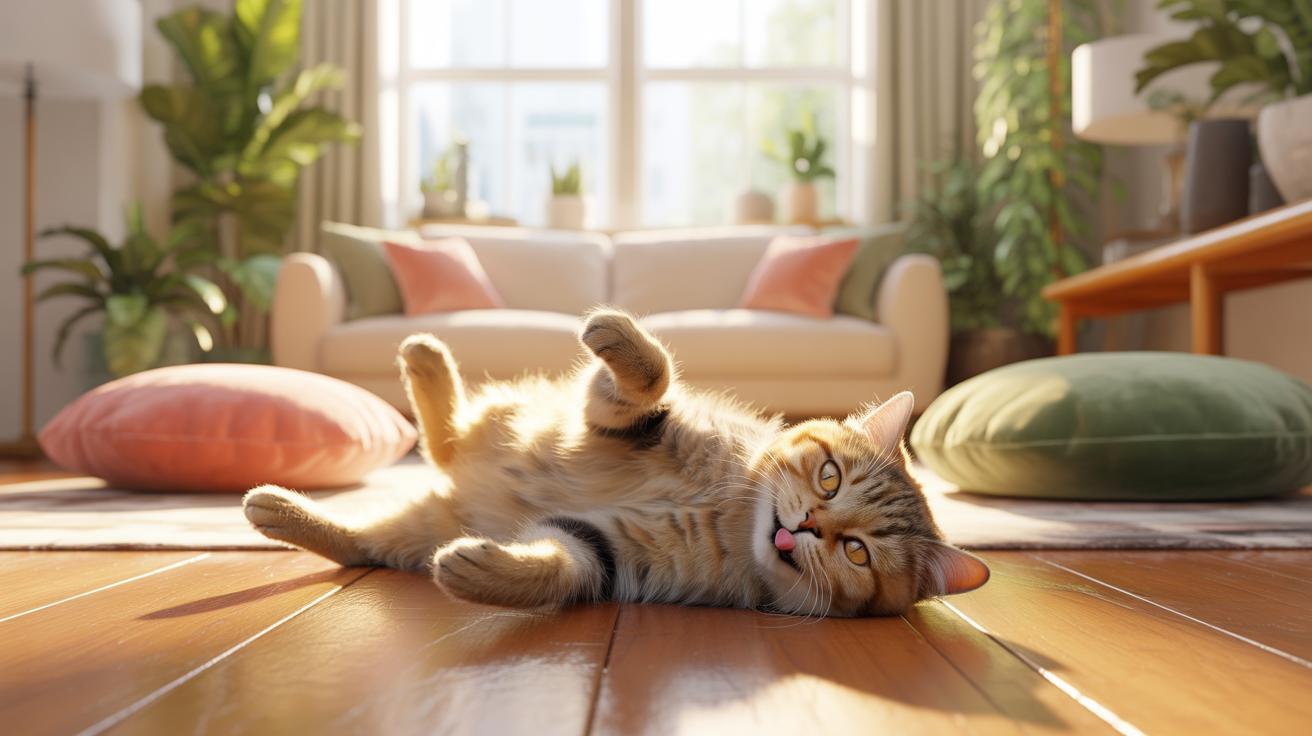
The cat flop occurs when a cat suddenly drops its weight onto its side or back. This motion usually ends with the cat lying flat on the floor with its legs extended. You will see this happen most often when you enter a room or approach the animal. It is a deliberate physical transition from a standing position to a vulnerable horizontal state.
Timing is a critical factor for this behavior. Cats perform the flop when they feel secure in their immediate environment. It happens during social greetings or when the cat seeks physical engagement. The exposure of the flank and belly indicates a lack of perceived threats. This movement serves as a clear visual signal that the cat is relaxed and recognizes your presence as a positive event.
Is The Cat Flop A Learned Behavior Or A Natural Instinct?
The cat flop is primarily a natural instinct rooted in feline social structures. In the wild, cats use body language to communicate hierarchy and comfort levels. Dropping to the side is a non-threatening gesture that reduces the animal’s size. It signals that the cat is not a predator or a rival in that specific moment. This instinct remains hardwired in domestic house cats today.
Domestic cats also reinforce this behavior through learning and positive outcomes. When a cat flops, owners usually respond with attention or food. This creates a feedback loop that encourages the cat to repeat the action. While the physical move is biological, the frequency of the flop depends on how well it works for the cat. They use it as a tactical tool to influence human behavior and gain rewards.

The Science Behind Cat Body Language When A Cat Flops Over
How The Cat Body Positions Itself During A Flop And What It Signals
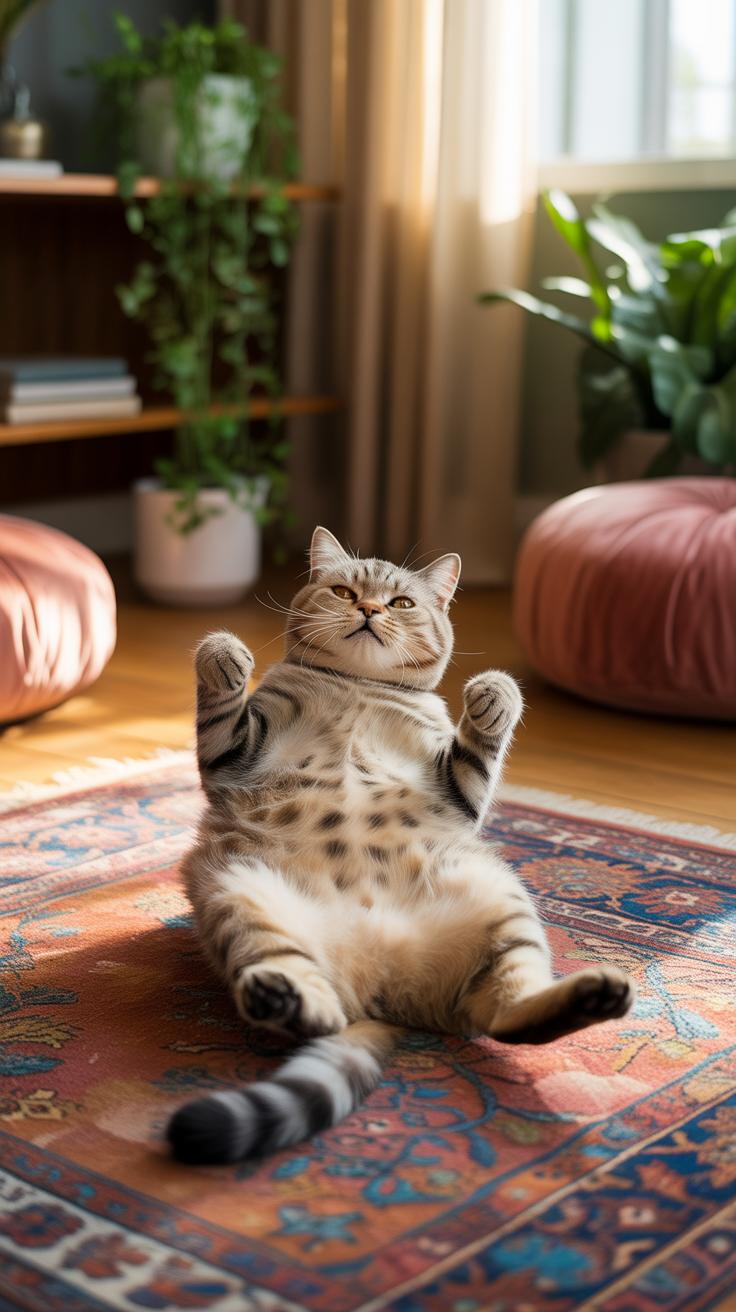
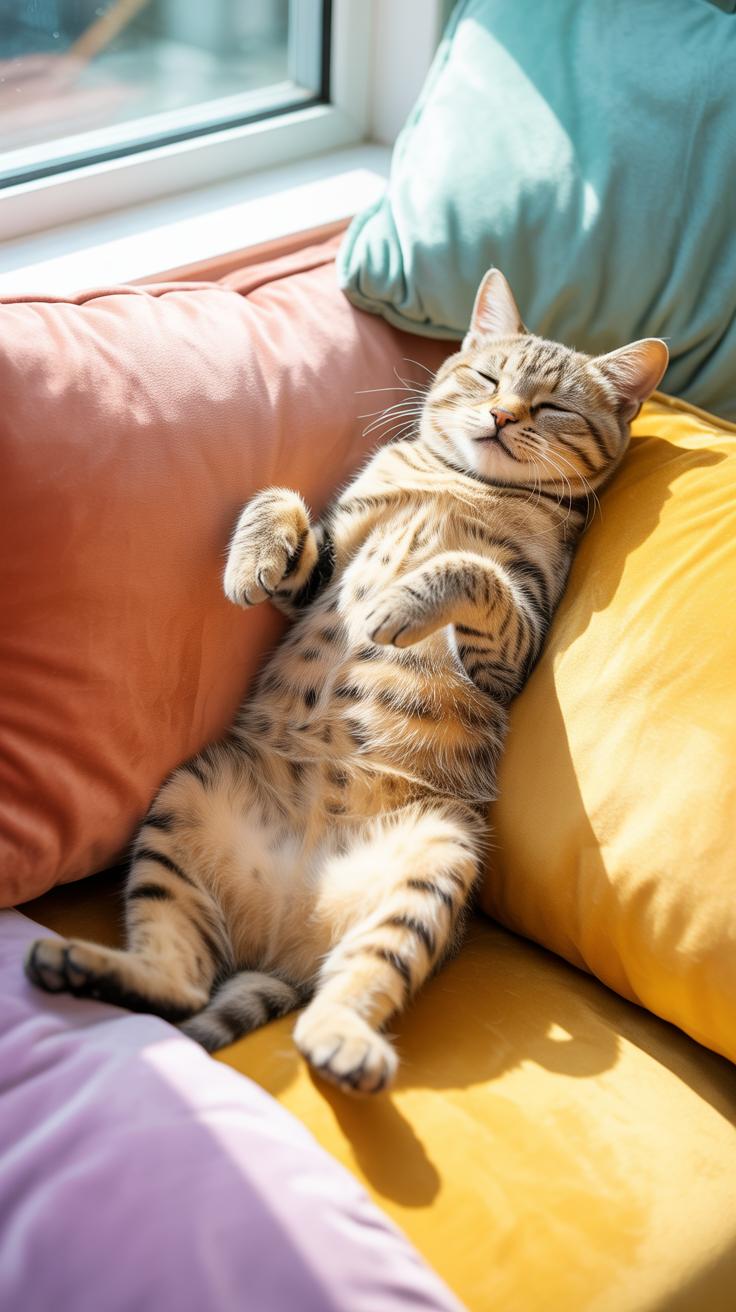
A cat flops by shifting its center of gravity and letting its weight fall to one side. This movement starts with a slight head tilt followed by the torso dropping. The cat exposes its stomach and throat during this process. These are the most vulnerable parts of a feline body. Exposing them indicates the cat does not perceive any immediate threats in its environment.
The speed of the flop conveys a specific message. A sudden heavy drop suggests a desire for attention or play. A slow controlled roll indicates a high level of comfort and physical relaxation. By moving into this horizontal position the cat gives up its ability to spring away quickly. This posture serves as a tactical signal that the cat trusts the humans or animals nearby.
What Muscles And Posture Reveal About A Cats Emotional State
Muscle tension is the primary indicator of a cats mood during a flop. In a true relaxed state the muscles in the legs and paws appear loose. The cat will often keep its eyes half closed or blink slowly. This combination of physical traits reveals a parasympathetic nervous system response. The cat feels safe enough to lower its natural predatory and defensive guard.

Stiffness during a flop signals a different emotional state. If the legs are rigid or the tail twitches fast the cat is overstimulated. This is not a sign of deep relaxation but a tactical defensive posture. The cat is ready to use its claws or teeth if touched. Observing the muscle tone allows a owner to distinguish between a request for interaction and a need for space.
Trust And Vulnerability The Core Of Cat Communication In The Flop
Why Exposing The Belly Is A Sign Of Deep Trust In Cat Communication
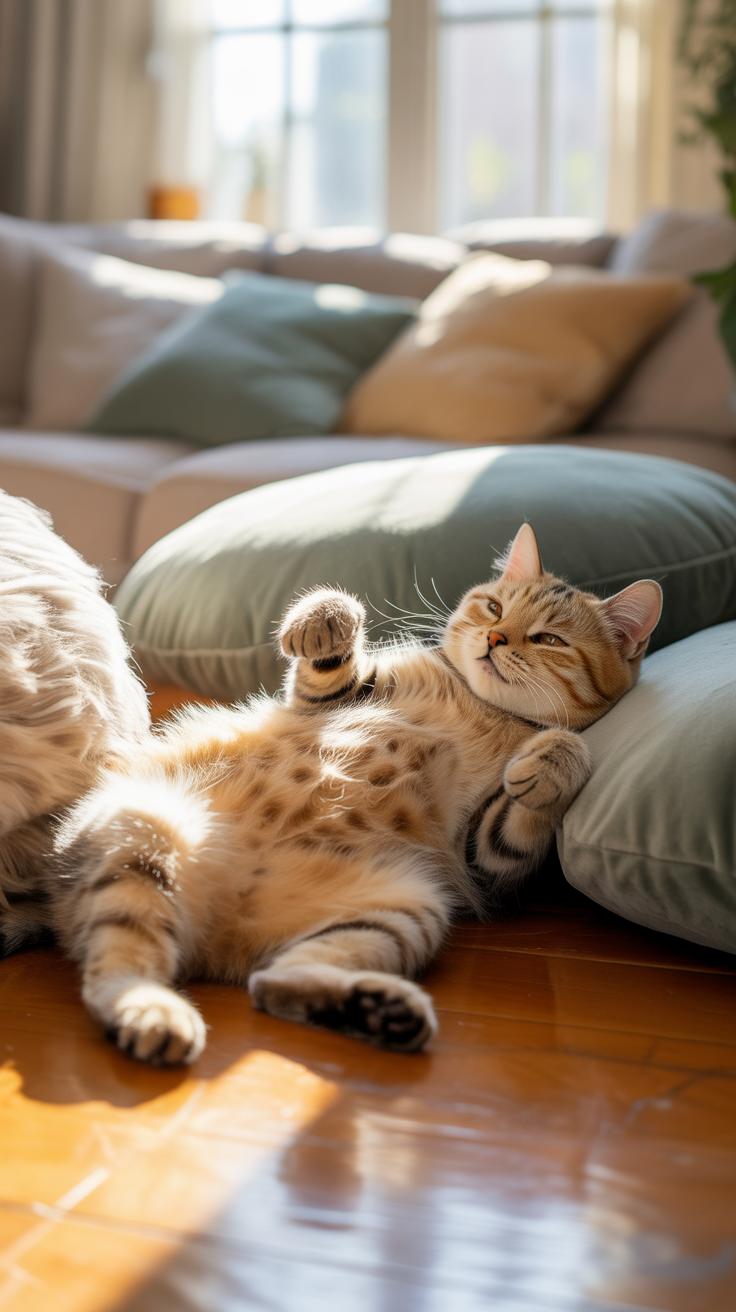
A cat exposing its abdomen is performing a high-stakes social maneuver. The belly houses the most vital organs and lacks the protection of a thick rib cage or heavy muscle. In the wild, predators target this soft area to ensure a quick kill. When a cat flops on its side to show you this region, it is intentionally lowering its primary defenses.
This physical display signals that the cat perceives no immediate threat in its environment. By choosing a vulnerable posture, the cat confirms it feels secure in your presence. It trusts that you will not exploit this tactical disadvantage. This behavior acts as a non-verbal contract of safety. It is a biological admission that the animal feels fully protected within its current territory.
When a cat flops on its side to show you its belly, it is the ultimate signature of trust and a heart at peace. This simple gesture reminds us that the greatest gift in life is feeling safe enough to be completely vulnerable.
The Difference Between An Invitation To Pet And A Display Of Trust
Owners often misinterpret the side flop as an explicit request for physical contact. In many cases, the cat is simply communicating its comfort level. It is showing you its belly as a greeting or a sign of relaxation. Moving in to pet the stomach often triggers a defensive reflex. The cat may grab your hand with its paws or bite to protect its core.

Distinguish between the flop and the invitation by watching the cat’s tail and ears. A true invitation for affection usually involves a soft gaze and a slow tail flick. If the cat remains still and observes you, it is likely just demonstrating trust. Forcing contact during a flop can damage the social bond. Respect the boundary by acknowledging the trust without immediately invading the cat’s personal physical space.
Cat Tail Meaning During The Flop Reading The Full Picture
What A Relaxed Or Gently Curling Cat Tail Tells You Mid Flop
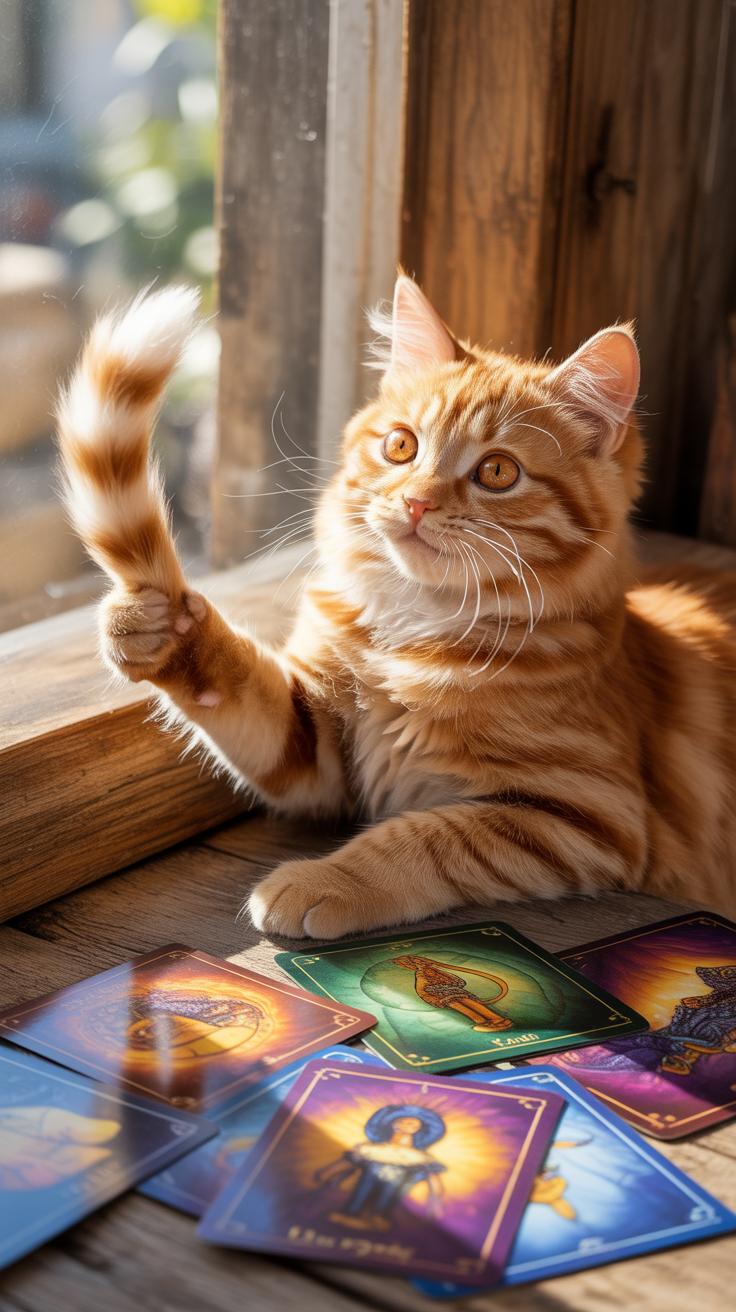
A relaxed tail lying still on the floor signals a state of low physiological arousal. The cat has dropped its guard and feels no immediate threat in its environment. When the tail curls slightly at the tip, it indicates a positive interest in your presence. This posture confirms the flop is a social invitation rather than a simple cooling maneuver or grooming break.
Watch the base of the tail for tension. A limp tail indicates the cat is in a deep state of rest. This stillness shows high levels of oxytocin and low cortisol. The cat trusts the space enough to expose its vital organs. You should view this body language as a green light for proximity. It validates that the animal feels secure and entirely comfortable.
When The Cat Tail Flicks Or Twitches During The Flop And What It Means
A twitching tail during a flop changes the tactical meaning of the movement. Rapid thumping against the floor indicates internal conflict or rising overstimulation. The cat might have flopped to initiate play, but it is now feeling defensive or agitated. High-speed flicking suggests the cat is not resting. It is tracking movement in the room and remains on high alert despite its horizontal position.

Do not mistake this motion for pure happiness. Sharp movements usually signal that the cat is reaching its sensory limit. If you move to pet the belly while the tail lashes, you risk a predatory strike or a bite. The cat uses the tail as a pressure valve for its energy. Keep your distance when the tail moves with force. This signal demands that you observe rather than engage.
Cat Language Beyond The Flop How Eyes Ears And Purring Complete The Message
Slow Blinks, Soft Eyes, And Relaxed Ears As Part Of The Flop’S Cat Language
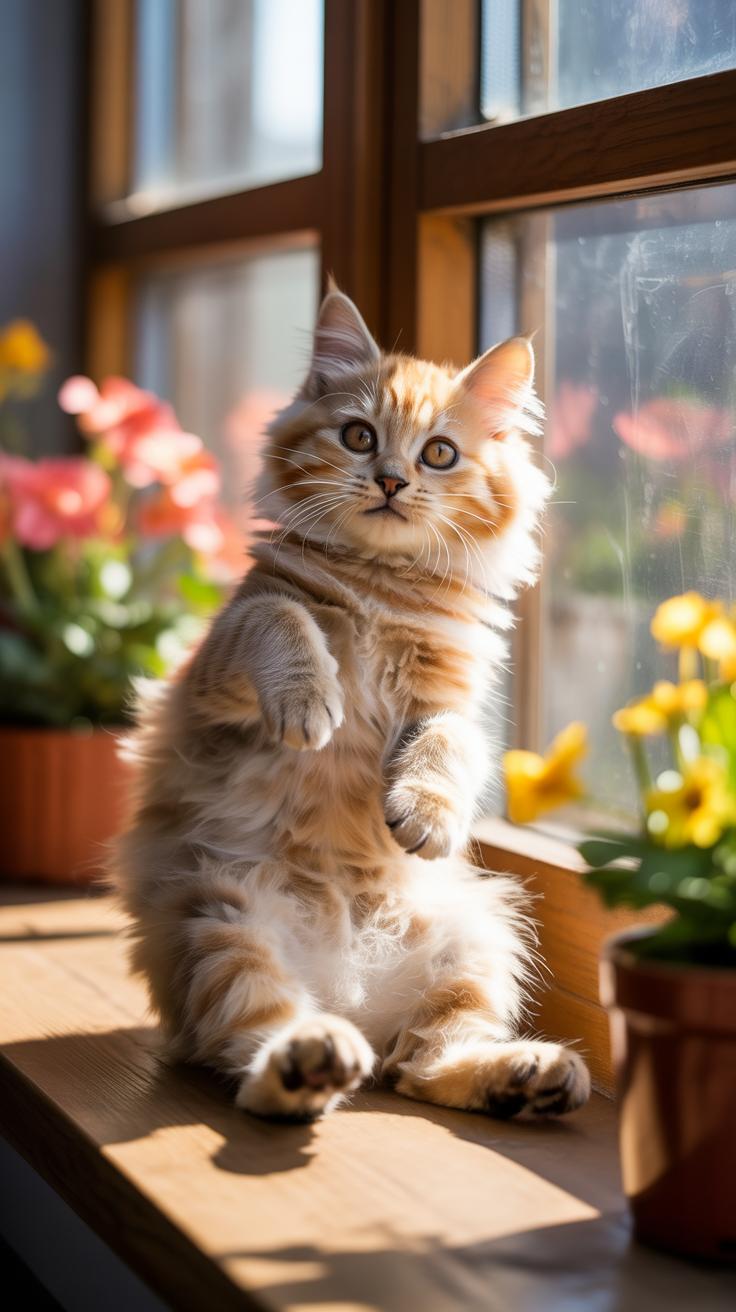
A cat flopping on its side serves as a primary signal of comfort. However, the facial features provide the final confirmation. If the cat displays half-closed eyes or performs a slow blink, it signifies a high level of trust. This involuntary physical response indicates the cat does not perceive a threat. Wide eyes with dilated pupils would instead suggest high arousal or potential aggression.
The ears must remain in a neutral or forward position during the flop. Forward-facing ears show the cat is attentive but calm. If the ears pin back or rotate toward the sides, the flop changes meaning from relaxation to defensive posturing. You must look at these indicators together to judge the cat’s mood. Soft eyes and steady ears prove the animal is truly at rest.
Does Purring While Flopping Confirm A Positive Emotional Signal?
Purring while flopping usually reinforces a state of contentment and social bonding. This sound often signals that the cat wants to maintain its current interaction. It acts as a low-frequency vibration that promotes healing and reduces stress within the animal. Owners should view the combination of a side flop and consistent purring as a clear invitation for calm proximity. This behavior shows the cat feels secure in its environment.

Do not assume purring always means the cat is happy. Cats also purr to self-soothe when they are in pain or under intense stress. Observe the body tension to tell the difference. A stiff body coupled with a flop and purring might indicate a medical issue or extreme fear. A limp body with a steady purr confirms a positive state. Use these physical cues to read the situation accurately.
The Role Of Catnip In Cat Behavior Why Cats Flop After Exposure
How Catnip Triggers The Rolling And Flopping Response In Cats
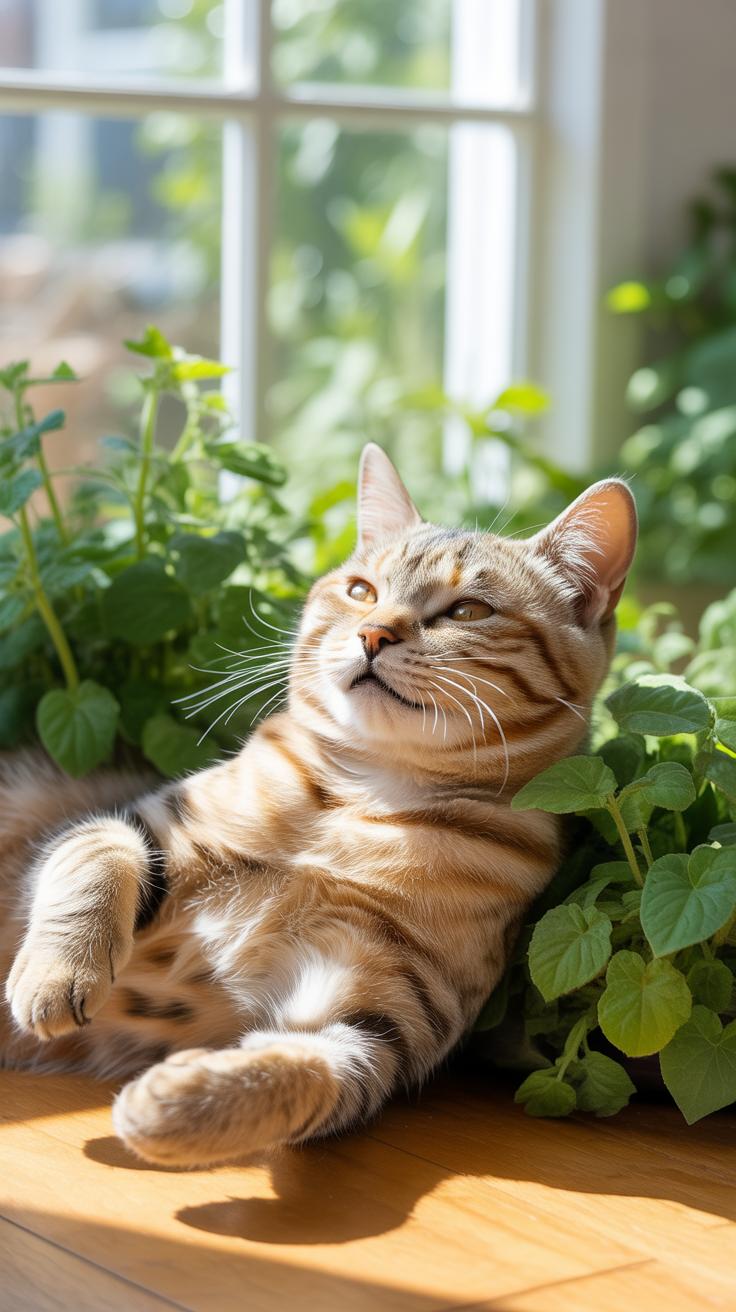
Catnip contains a chemical compound called nepetalactone. This oil binds to protein receptors inside a cat’s nose. These receptors stimulate sensory neurons that send signals directly to the brain. The brain processes these signals as a pheromone response. This trigger causes an immediate change in the behavior of the cat. They often start sniffing, licking, and chewing the plant material.
The flopping and rolling response occurs when the cat enters the peak stage of the reaction. This behavior serves a physical purpose. Rolling helps the cat distribute the nepetalactone scent across its fur and body. It also allows the cat to rub its cheeks and head against the source. This movement maximizes the sensory input. The entire reaction usually lasts about ten minutes before the cat becomes temporarily immune.
Is The Catnip Induced Flop The Same As A Spontaneous Affection Flop?
A catnip-induced flop differs significantly from a spontaneous affection flop in its origin. The catnip flop is a chemical reaction. It is a forced sensory overload that dictates movement. The cat lacks total control over the impulse to roll. In contrast, an affection flop is a conscious social signal. The cat chooses to show its belly to demonstrate trust or seek attention from a human.

You can identify the difference by observing the physical signs. A catnip flop often includes dilated pupils, frantic rubbing, and vocalization. These cats are in a state of high arousal. An affection flop is usually calm and relaxed. The cat remains still or stretches slowly. While both result in the cat being on its side, the catnip version is a drug-like response rather than a social bond.
Understanding Yourself As A Cat Owner What The Flop Says About Your Bond
How Recognizing The Cat Flop Helps You Understand Yourself As A Pet Parent
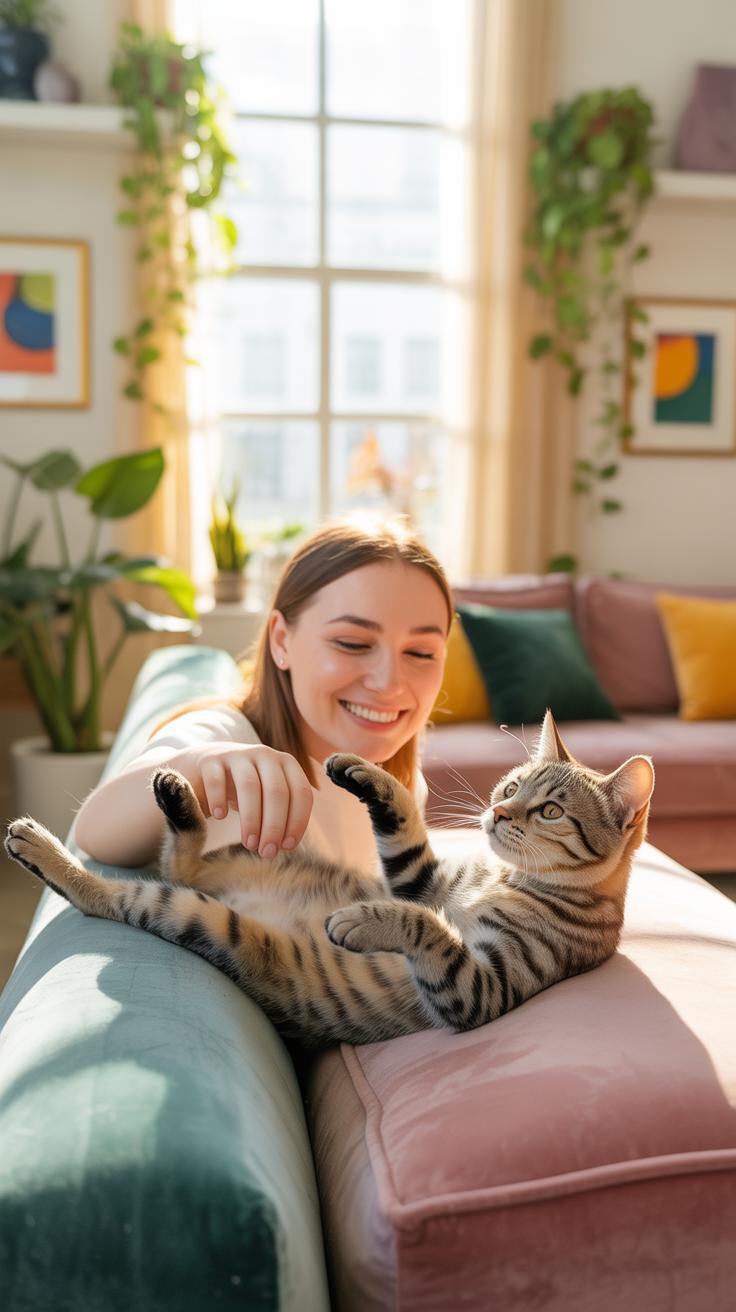
Your reaction to the cat flop reveals your effectiveness as a caregiver. Most owners view this behavior as a simple request for attention. High-level strategists see it as a performance review. The cat only exposes its vulnerable underside when it feels certain of its safety. If your cat flops frequently, you have created a predictable environment. This demonstrates your ability to establish clear boundaries and consistent security.
Acknowledging this signal proves you possess strong observational skills. You recognize subtle non-verbal communication in a different species. This awareness sets you apart from casual owners who ignore behavioral cues. You are not just a provider of food and water. You are a leader who manages a complex social dynamic. Your cat identifies you as a trusted ally. This reflects your success in building a functional domestic partnership.
Building A Stronger Connection By Responding Correctly To The Flop
Correct response to the flop requires discipline and restraint. Many owners immediately reach for the belly, which often triggers a defensive bite or scratch. This reaction violates the trust the cat just displayed. Instead, acknowledge the gesture verbally or offer a gentle head scratch. You must respect the cat’s physical boundaries. This measured response reinforces your role as a safe and predictable figure in the cat’s daily life.

Tactical engagement strengthens the long-term bond. When you respond correctly, you validate the cat’s communication method. This encourages the cat to use visual signals more often. You reduce the likelihood of aggression and increase mutual cooperation. Effective owners treat the flop as a greeting rather than an invitation for rough play. Consistent and respectful interactions build a foundation of deep trust. This makes your home a low-stress environment for both parties.
When To Be Concerned Cat Care Tips For Unusual Flopping Patterns
Signs That Flopping May Indicate A Health Issue Rather Than Happiness
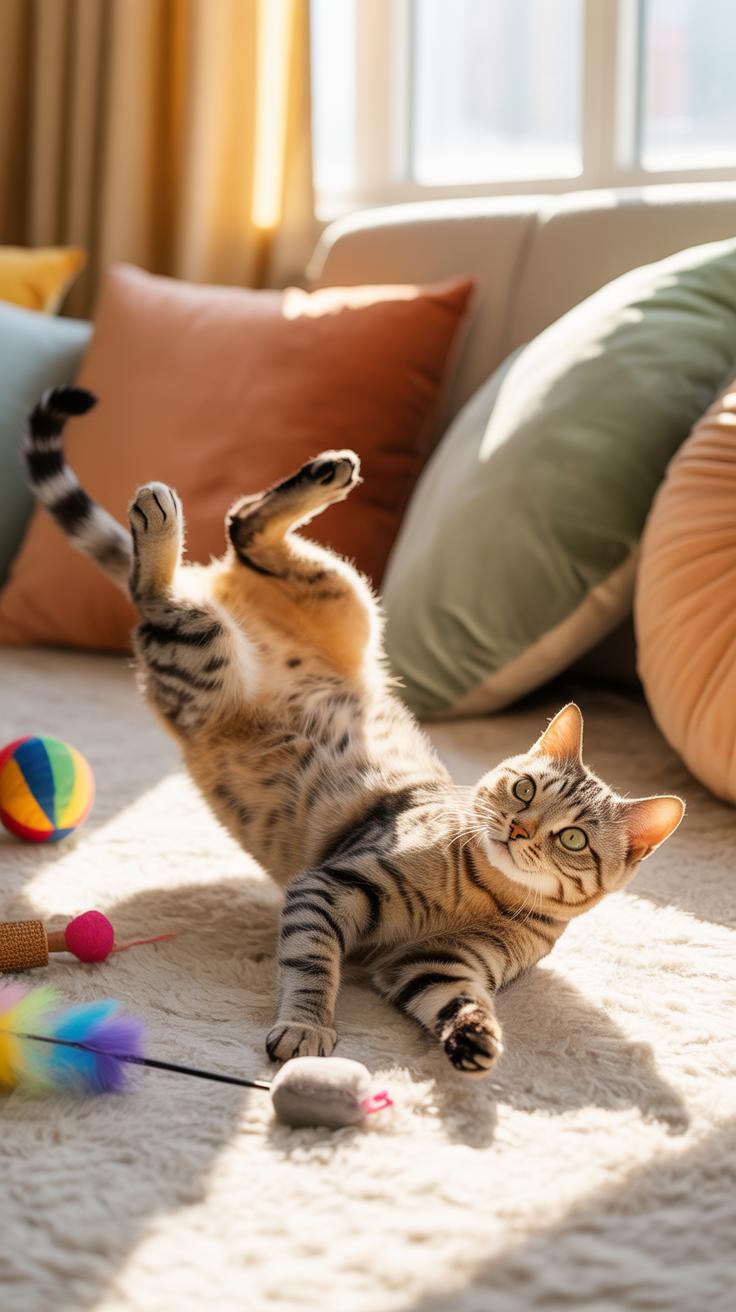
Flopping usually signals trust and relaxation. However, you must differentiate between a deliberate social display and an involuntary collapse. Healthy flopping occurs when a cat is alert and chooses to lie down. If the cat falls over suddenly while walking or jumping, it indicates a loss of motor control. This transition from movement to the side should look controlled and intentional rather than clumsy.
Watch the breathing rate and muscle tension during the flop. A happy cat remains limp and breathes slowly. A distressed cat may flop on its side but show heavy rib movement or gasping. Labored breathing during a flop is a tactical red flag. Check the eyes for focus and the limbs for rigidity. If the cat cannot get back up quickly, the behavior originates from a medical crisis.
Cat Care Tips: When To Consult A Vet About Your Cat’S Flopping Behavior
Monitor the frequency and context of every flop. Sudden changes in how your cat hits the floor require professional evaluation. Look for accompanying symptoms like lethargy or vocalization. A cat in pain might flop to take pressure off a limb or internal organ. You must track these events to provide the veterinarian with a clear timeline of physical decline or behavioral shifts.
- Syncopal Episodes: Fainting or temporary loss of consciousness looks like a flop but stems from heart issues. If your cat turns pale or loses muscle tone suddenly, seek emergency care immediately to check blood flow.
- Neurological Impairment: Seizures or vestibular disease cause cats to lose balance and fall. These episodes often include involuntary twitching or rapid eye movements. A vet must rule out brain or inner ear infections that disrupt stability.
- Respiratory Distress: Cats flopping with an open mouth or flared nostrils are struggling for oxygen. This position allows them to expand their chest more easily. Immediate oxygen therapy is often necessary to stabilize the animal’s breathing.
- Acute Injury: A flop followed by hissing or defensive behavior indicates localized pain. If the cat avoids standing after the flop, investigate for fractures or soft tissue damage. Professional imaging can confirm the location of the physical trauma.
- Nutritional Deficiencies: Low potassium or thiamine levels cause muscle weakness and sudden collapses. These imbalances prevent the cat from maintaining an upright posture. Blood tests are the only way to identify and correct these specific metabolic failures.

Documenting the flop on video provides the best diagnostic tool for your vet. Capture the seconds leading up to the fall and the recovery period afterward. Accurate records help distinguish between a behavioral quirk and a life-threatening condition. Professional intervention ensures that a simple flop does not mask a hidden ailment. Act fast if the behavior shifts from social to physical.
Pet Hacks How To Encourage Positive Flopping And Strengthen Your CatS Comfort
Creating A Safe Environment That Naturally Invites Your Cat To Flop
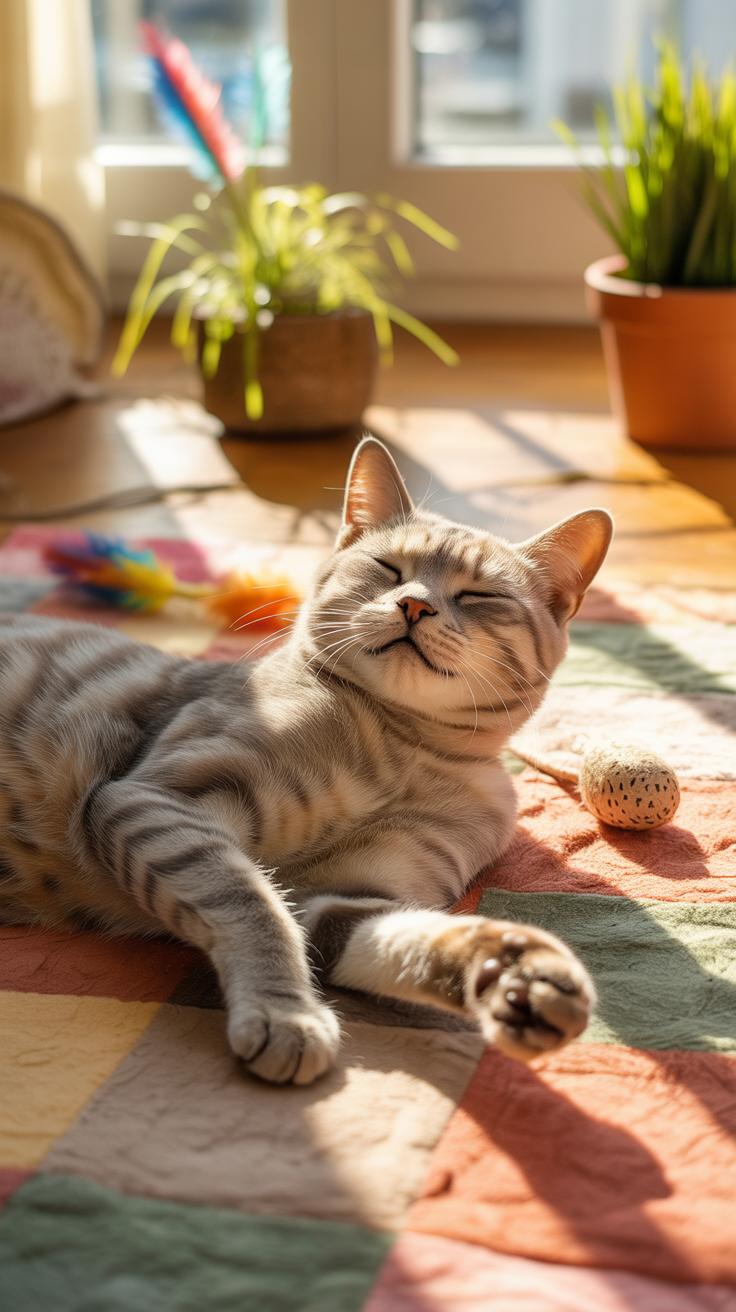
Cats flop only when they feel completely secure. You must eliminate loud noises and sudden movements in their primary living space. Provide soft surfaces like rugs or blankets in quiet corners. High vantage points also help cats feel safe enough to expose their bellies later. Position furniture to create natural hiding spots where the animal can monitor the room without feeling exposed.
Proper temperature control is vital for cat flopping on side meaning and comfort. Cats often flop to regulate body heat on cool tile or warm sunlit patches. Maintain a consistent indoor climate between 70 and 75 degrees Fahrenheit. Eliminate drafts from windows or doors. A stable environment reduces the cat’s vigilance. When the cat stops scanning for threats, it will transition into a relaxed flop.
Pet Hacks For Building The Trust That Makes Cats Feel Safe Enough To Flop
Trust is the foundation of the flop. You must respect the cat’s personal boundaries to earn this display of vulnerability. Never force a cat to lie down or turn over. Use consistent vocal cues and slow blinking to signal your peaceful intentions. When the cat associates your presence with safety and predictable behavior, it will naturally begin to exhibit relaxed body language.
- Consistent Scheduling: Feed and play with your cat at the same times every day. Predictability lowers cortisol levels and reduces the feline need for constant alertness. A relaxed cat is far more likely to flop on its side near its owner.
- Ground Level Interaction: Sit or lie on the floor during social time. Lowering your physical profile makes you less intimidating to a cat. This tactical positioning encourages the cat to approach you and eventually flop down within your personal space.
- Slow Blinking: Use the slow blink method to communicate non-aggression. Close your eyes slowly and hold them shut for one second before opening them. This cross-species signal mimics feline trust and tells the cat that no immediate threats or predators are present.
- Scent Exchange: Rub a clean cloth on the cat’s cheeks and place it near their resting area. Mingling your scent with theirs creates a communal smell. Cats feel safer and more prone to flopping when the environment smells like a cohesive and secure family unit.
- Positive Reinforcement: Offer a small treat or calm praise the moment the cat flops. Timing is critical for building a positive association with the behavior. Do not reach for the belly immediately. Simply acknowledge the trust to reinforce the behavior for the future.
Avoid the temptation to rub the belly as soon as the cat flops. Many cats view a belly rub as an attack on their most vulnerable organs. This triggers a defensive grab-and-bite response. Instead, offer a gentle chin scratch or simply stay still. Respecting this boundary proves you are a safe companion. This trust ensures the cat continues to flop regularly.
Cat Flopping On Side Meaning Across Different Cat Personalities And Breeds
Do Certain Breeds Flop More Than Others? What Breed Traits Influence This
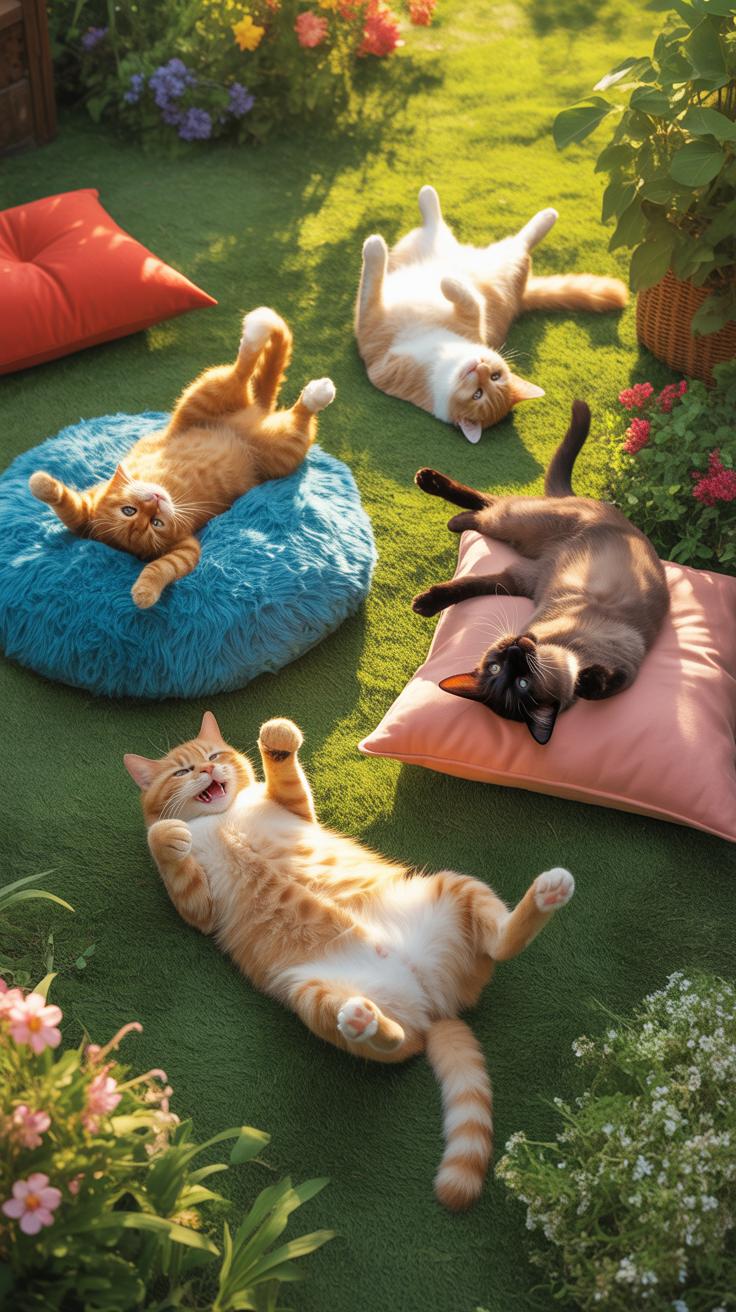
Specific breeds show a higher frequency of flopping due to their genetic selection for docility. The Ragdoll is the primary example of this behavior. Breeders selected these cats for a mutation that causes muscle limpness when handled. This trait translates to frequent flopping on the floor. It signals a complete lack of tension. Large breeds like Maine Coons also flop often to manage their body heat.
Selective breeding dictates how a cat displays trust. Breeds like the Persian or Exotic Shorthair have lower energy levels. They use the side flop as a default resting state. Brachycephalic breeds may flop to open their airways more effectively. In contrast, high-activity breeds like the Siamese or Bengal flop less frequently. These cats remain in a crouched position to stay ready for immediate physical movement.
How Age, Personality, And Socialization Shape A Cats Flopping Habits
Age significantly alters the meaning of a side flop. Kittens flop during play to invite siblings to wrestle. This socializes them to understand physical boundaries. As cats age, the flop becomes a greeting or a request for attention. Senior cats flop more often due to joint stiffness or reduced energy. They prioritize comfort over quick reactions. A senior cat flopping shows deep environmental confidence.
Personality and socialization history determine if a flop is a trap or a greeting. A well-socialized cat flops to show it feels safe in your presence. Feral or poorly socialized cats rarely expose their bellies. This move makes them vulnerable to predators. If a shy cat begins flopping, it marks a tactical shift in your relationship. It means the cat finally views its territory as secure.
Frequently Asked Questions

Why does my cat suddenly drop to the floor when I walk into a room?
When your feline friend drops at your feet, it is a significant sign of trust and relaxation. Understanding the cat flopping on side meaning helps you realize they feel safe in their environment. By exposing their vulnerable belly, they are signaling that they don’t perceive you as a threat. It is often a friendly greeting intended to grab your attention and initiate a peaceful social interaction with their favorite human.
How should I react when my cat flops over to show me their belly?
The best way to respond is with gentle verbal praise or a soft head scratch. While the cat flopping on side meaning often indicates affection, it is not always an invitation for a belly rub. Many cats prefer you to pet their chin or ears instead. Observe your cat’s body language carefully; if their tail flickers quickly, they may just want to play rather than receive physical touch.
Do I need to buy special rugs or cushions to encourage this comfortable behavior?
You don’t need an expensive budget to make your cat feel secure enough to flop. While plush rugs or orthopedic beds are lovely additions to your home decor, cats often prefer simple, sunny spots on a hardwood floor or a soft fleece blanket. Creating a quiet, stress-free environment is the most affordable way to see this behavior frequently, as contentment and safety are completely free for your pet to experience.