What Are Dog Allergies And Why Do Seasonal Triggers Matter

How Dog Allergies Develop Over Time
Dog allergies involve a biological process called sensitization. A dog first encounters an environmental protein like pollen or mold. The immune system misidentifies this harmless substance as a dangerous invader. It creates specific antibodies to fight the protein. This initial stage happens without any visible skin irritation or sneezing. You will not notice the first stage of the development process.
Repeated exposure triggers a full immune response. The body releases histamines and other chemicals. These substances cause inflammation and intense itching in the skin. Most dogs develop these clinical signs between the ages of one and three years. Early exposure usually establishes the pattern for the rest of the dog life. The immune system becomes more reactive with every passing season of exposure.
Why Certain Seasons Make Allergy Symptoms Worse For Dogs
Seasonal changes increase the concentration of environmental irritants. Spring brings high tree pollen counts while summer increases grass and weed pollens. Ragweed dominates the late summer and autumn months. Mold spores also peak during wet and humid periods. These biological cycles flood the dog environment with triggers. Dogs track these particles into their fur and onto their many sensitive skin areas.
The duration of exposure dictates the severity of the reaction. High pollen counts during windy days force more allergens into the coat. Warm weather keeps dogs outside longer which increases their total contact time with irritants. This creates a cumulative effect on the immune system. The dog body cannot process the volume of allergens fast enough. This leads to the visible dog allergies seasonal signs owners observe.

The Most Common Seasonal Allergies That Affect Dogs
Environmental Allergens Like Pollen, Mold, And Grass
Plants release microscopic pollen grains into the air to fertilize other plants. Trees produce this pollen in the spring while grasses dominate the summer months. Ragweed and other weeds typically peak in the autumn. Dogs encounter these particles every time they step outside or near open windows. These triggers exist in every geographic region but vary based on local plant species.
Mold spores serve as another primary environmental trigger for canine distress. These fungi grow in damp leaf piles, rotting logs, and moist indoor areas like basements. Unlike seasonal plants, mold can persist throughout the year in humid climates. Dogs with sensitivities react when they inhale these spores or lean against contaminated surfaces. Identifying specific local bloom cycles helps owners predict when their dog will suffer most.
Every scratch and sniff during our golden afternoon walks tells a story of their comfort. Watching over their wellness is the purest way to honor the silent bond we share.
How Seasonal Allergens Enter Your Dog’S Body
Dogs do not just breathe in seasonal allergens. Most allergens enter through the skin barrier during direct physical contact. This process is called percutaneous absorption. When a dog walks through grass or rolls in dirt, microscopic particles lodge between the toes and underneath the fur. These particles penetrate the skin layers and trigger an overactive immune response from the internal system.

The respiratory tract also serves as a gateway for airborne particles. Dogs inhale pollen and mold spores while sniffing the ground or panting. These allergens land on the mucous membranes of the nose and throat. Once inside, the immune system identifies these harmless proteins as dangerous invaders. This mistake leads to the production of histamines. These chemicals cause the visible inflammation and itching owners observe during peak allergy seasons.
Key Allergy Symptoms Every Dog Owner Should Recognize
Skin Related Allergy Symptoms Including Itching And Redness
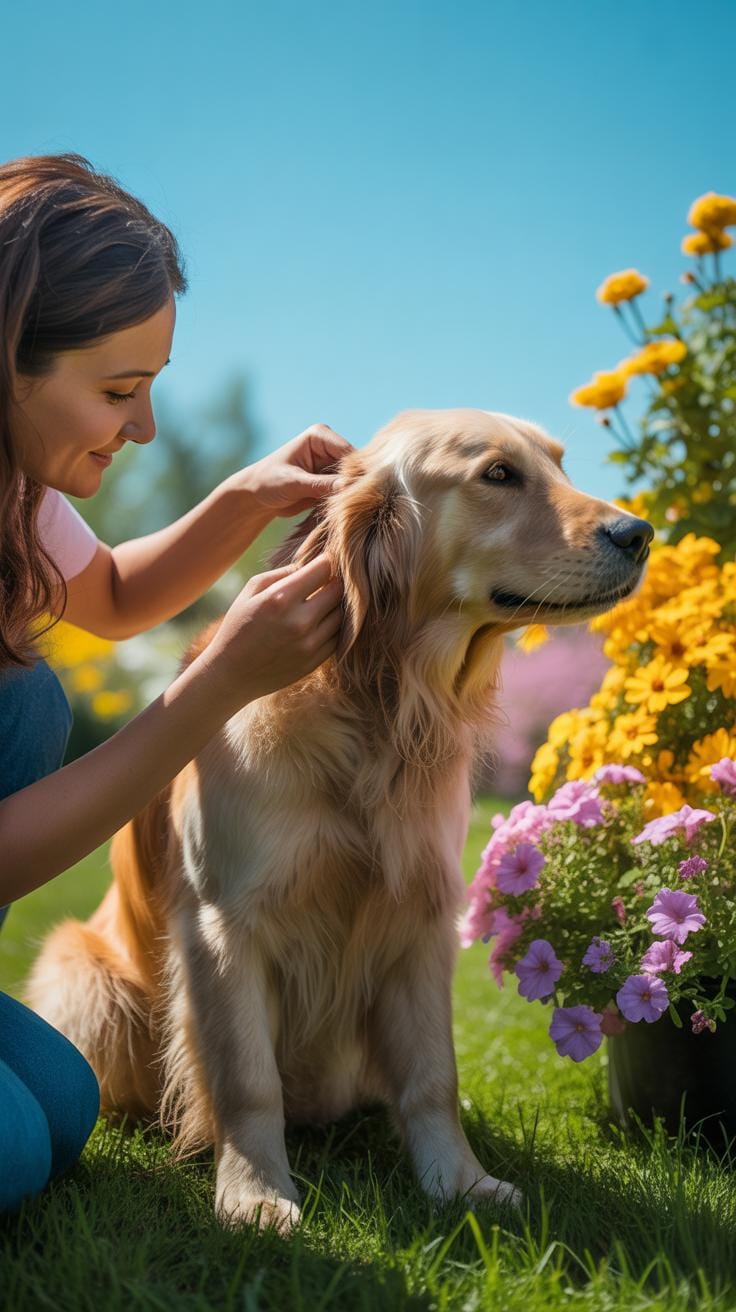
Dog skin reacts violently to seasonal allergens like pollen and mold. This reaction triggers systemic inflammation. You will notice your dog scratching their flanks or rubbing their face against furniture. The skin often turns a bright pink or deep red color. This change happens because blood flow increases to the irritated areas. Itching is the primary sign that the immune system is overreacting to the environment.
Inflammation weakens the skin barrier and allows bacteria to thrive. Chronic scratching creates open sores or hot spots. These areas feel warm to the touch and may leak fluid. Look for hair loss around the eyes and belly. Frequent licking of the paws is a specific sign of environmental irritation. Constant moisture from saliva causes yeast to grow. This leads to a distinct musty odor and further skin damage.
Top Warning Signs Of Seasonal Allergy Flare Ups In Dogs
Environmental triggers cause visible changes in canine behavior and physical appearance. These signs appear suddenly when plant counts rise in the spring or fall. Owners often mistake these symptoms for a common cold. However, dogs do not get colds like humans do. You must identify these specific warning signs early to prevent secondary infections. Check the ears and paws daily for heat or discharge.
- Pedal Licking and Chewing: Dogs transfer allergens from the ground to their paws. They lick their feet to soothe the burning sensation. This constant moisture leads to brown staining on the fur and painful swelling between the toes.
- Chronic Ear Irritations: The ear canal lining reacts to inhaled allergens. You will see redness and hear wet sounds when you massage the ear base. Frequent head shaking indicates that the dog is uncomfortable and may have a yeast buildup.
- Ocular Discharge and Redness: Pollen irritates the delicate tissues around the eyes. This causes the conjunctiva to swell and turn red. You will see clear or crusty drainage. Dogs may rub their faces on the carpet to stop the intense itching.
- Axillary and Inguinal Rashes: The skin in the armpits and groin is thin and sensitive. Allergens cause bright red rashes in these areas. Dogs may scoot or bite at their inner thighs. This friction often results in thick, darkened skin over time.
- Hives and Skin Wheals: Acute exposure to high pollen levels can cause hives. These are raised bumps that appear under the fur. They look like small welts and feel firm to the touch. This is a sign of a severe immediate allergic reaction.

Secondary infections complicate the original allergic response. Bacteria and yeast invade the damaged skin layers. This creates a cycle of itching and trauma that does not stop without intervention. Monitor the dog for a change in coat texture. Greasy or flaky skin often follows the initial redness. Timely recognition of these signs allows for better management of the dog through peak allergy seasons.
Watery Eyes And Respiratory Signs Of Dog Seasonal Allergy Symptoms
Understanding Watery Eyes And Eye Discharge In Allergic Dogs
Ocular discharge is a primary indicator of environmental sensitivity. When pollen or mold spores contact the eye surface, the body triggers an inflammatory response. This causes the conjunctiva to redden and swell. Tears then flush the foreign particles away. You will notice clear, thin fluid leaking from the corners of the eyes. This response mirrors human hay fever but manifests differently in canine anatomy.
Chronic irritation leads to secondary complications if left untreated. Constant wetness around the eyes creates a breeding ground for bacteria. You may see staining on the fur or thick, colored mucus. This indicates a shift from simple allergies to a clinical infection. Monitor the clarity of the discharge daily. If the fluid changes from clear to yellow or green, the dog requires immediate medical intervention to prevent corneal damage.
Sneezing, Nasal Discharge, And Mild Coughing As Allergy Indicators
Inhaled allergens irritate the sensitive lining of the nasal passages. This irritation triggers the sneeze reflex to expel microscopic triggers like grass seed or dust. Unlike a viral cold, allergy-driven sneezing occurs in rapid bursts during outdoor activity. The nasal discharge remains clear and watery throughout the reaction. You must distinguish this from thick discharge, which signals a systemic illness rather than an environmental trigger.

Dogs also develop a mild cough when allergens travel deeper into the respiratory system. Post-nasal drip irritates the throat and causes a dry, hacking sound. This usually worsens after the dog sleeps or spends time in tall grass. Manage the environment by wiping the dog’s face after walks. Reducing the physical load of allergens on the snout stops the inflammatory cycle. Consistent monitoring prevents these minor signs from becoming chronic bronchitis.
Skin And Coat Changes That Signal Dog Seasonal Allergies Symptoms

Hot Spots, Hair Loss, And Recurring Skin Irritation In Dogs
Seasonal triggers cause the immune system to overreact and release histamines. This reaction causes intense itching and inflammation on the skin surface. Dogs scratch or bite at these areas until they create open sores called hot spots. These lesions progress quickly from mild redness to weeping bacterial infections. You must identify these spots early to prevent deep tissue damage and systemic infection.
Chronic inflammation often damages hair follicles and stops normal growth cycles. Dogs develop bald patches or thinning fur in specific areas like the belly or flanks. The skin in these regions may turn thick and dark over time. Experts call this hyperpigmentation. This change signals a long term reaction to environmental allergens. Constant irritation destroys the protective skin barrier and allows yeast or bacteria to thrive.
Why Dogs Scratch, Lick, And Chew Their Paws During Allergy Season
Paws acts as the primary contact point for environmental allergens like pollen or mold. These microscopic particles lodge between the toes and trigger a localized inflammatory response. Dogs lick and chew their feet to relieve the burning sensation. This behavior introduces excess moisture to the area. Saliva often stains the light fur a rusty brown color due to porphyrin compounds reacting with air.

Constant moisture and warmth between the pads create an ideal environment for secondary infections. Yeast overgrowth produces a distinct musty smell and causes further itching. The dog continues the cycle by chewing harder to stop the new irritation. This often leads to swollen paws and limping. You must clean the paws after outdoor exposure to remove these triggers and stop the cycle of self trauma.
How To Tell Dog Seasonal Allergies Apart From Other Pet Allergies
Seasonal Allergies Vs. Food Allergies: Key Differences In Dogs
Seasonal allergies often follow a calendar cycle tied to pollen and mold counts. You will notice your dog itching more during spring or fall. Most environmental reactions cause red, inflamed skin on the paws and belly. Food allergies do not change with the weather. A dog with food sensitivities reacts to specific proteins or grains in their diet throughout the entire year without any breaks.
The location of the irritation provides a major clue for diagnosis. Food allergies frequently cause chronic ear infections and gastrointestinal issues like soft stools or gas. Seasonal allergies rarely impact the digestive tract directly. If the dog only scratches when the grass turns green, focus on environmental triggers. If the itching persists in the dead of winter during a blizzard, start investigating the ingredients in the food bowl.
Flea Allergy Dermatitis Vs. Seasonal Environmental Reactions
Flea allergy dermatitis is an extreme immune reaction to flea saliva. A single bite can cause intense misery for weeks. You will find the most damage on the base of the tail and the back of the legs. Seasonal allergies usually target the face, ears, and underside of the body. Look for small black specks or actual insects on the skin to confirm a flea infestation immediately.

Environmental allergies involve microscopic particles like dust mites and ragweed. You cannot see these triggers with the naked eye. While both conditions cause hair loss and scabs, flea reactions often appear more localized to the rear of the dog. Consistent year-round flea prevention eliminates this variable. If the dog stays on high-quality flea medicine but still itches during high pollen days, the cause is likely seasonal environmental factors.
When To See A Vet About Dog Seasonal Allergies
Signs That Your Dog’S Allergies Require Professional Diagnosis
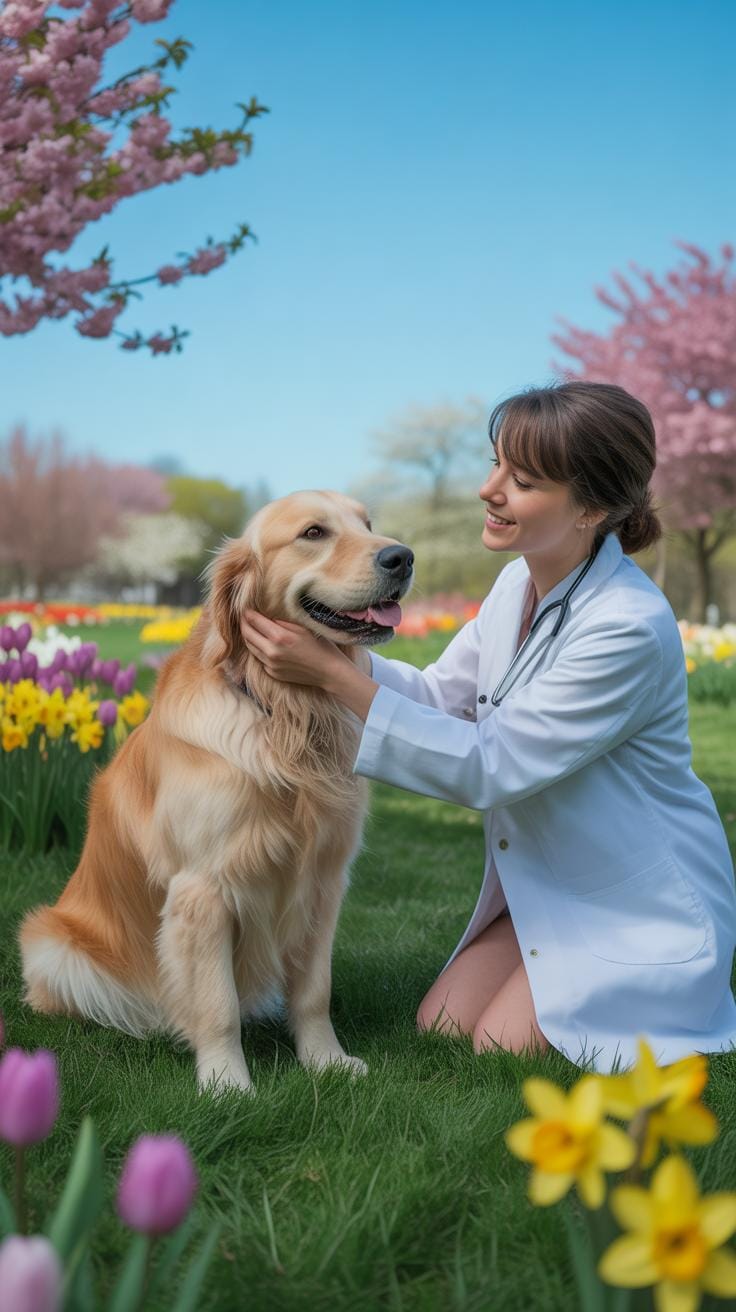
General itching often escalates into medical emergencies without intervention. You must seek a vet if your dog develops raw spots or bleeding skin. These open wounds invite staph infections and yeast overgrowth quickly. If the skin feels hot to the touch or exudes a foul odor, the condition has bypassed simple irritation. You cannot treat deep bacterial infections with over the counter shampoos alone.
Constant head shaking and ear scratching demand an immediate professional exam. Chronic inflammation in the ear canal leads to permanent thickening and hearing loss. If the dog stops eating or shows lethargy due to physical discomfort, the situation is critical. Professionals pinpoint the specific triggers to stop the itch-scratch cycle. Do not wait for the seasonal cycle to end if the dog suffers daily.
What To Expect During An Allergy Evaluation At The Veterinary Clinic
The veterinarian starts by ruling out parasites and fungal infections. They perform skin scrapings or tape preps to look for mites and bacteria under a microscope. This step ensures you do not treat an infestation as an allergy. The doctor reviews your dog’s history to find patterns in the flare-ups. This systematic approach identifies whether the issue is environmental or rooted in food.

Advanced testing follows if standard treatments fail to provide relief. Vets use intradermal skin testing or blood serum tests to identify specific pollen and mold triggers. These tests allow the clinic to create custom immunotherapy shots for your dog. You will leave with a clear plan involving medicated baths, oral pills, or injections. Professional guidance ensures you use the correct dosage for long-term safety.
Practical Seasonal Allergy Care For Pets At Home

Daily Habits That Help Reduce Your Dog’S Seasonal Allergy Exposure
Environmental management is the first line of defense against dog allergies seasonal signs. You must stop allergens from entering your living space to lower your dog’s total allergic load. Pollen counts fluctuate throughout the day and peak at specific times. Adjusting your daily routine minimizes the amount of microscopic triggers that reach your dog’s skin and respiratory system every single day.
- Monitor Peak Hours: Avoid walking your dog during early morning and late evening when pollen levels are highest. Keep windows closed during these times to prevent airborne particles from settling on carpets and upholstery where your dog sleeps.
- Wipe Paws Daily: Use a damp cloth or hypoallergenic wipe on your dog’s paws after every outdoor trip. This removes grass, weed, and tree pollen before the dog licks its feet. Licking transfers allergens directly to the mouth and face.
- Vacuum Frequently: Use a vacuum cleaner equipped with a HEPA filter to trap small allergens instead of blowing them back into the air. Clean high-traffic areas and dog bedding at least twice a week to remove accumulated environmental triggers.
- Air Filtration: Run high-quality air purifiers in the rooms where your dog spends the most time. These devices pull seasonal irritants out of the air before they can land on your pet. Replace filters regularly to maintain maximum airflow and efficiency.
- Change Bedding: Wash your dog’s blankets and bed covers in hot water once a week. Hot water kills dust mites and washes away outdoor pollutants that cling to fabric. Ensure the bedding is completely dry before use to prevent any mold growth.
Effective control requires consistency and attention to detail. Small changes in how you handle your dog after outdoor exposure make a significant difference in their comfort level. Reducing the indoor allergen count lowers the threshold for a reaction. Focus on the entry points of your home to keep the outside environment from affecting your pet’s skin health and overall well-being.
Bathing Routines And Coat Care During High Pollen Seasons
Mechanical removal of allergens through bathing is a tactical necessity during peak seasons. Use cool water to soothe inflamed skin and rinse away microscopic particles trapped in the fur. Warm water can increase blood flow to the skin and worsen itching symptoms. Select a soap-free, hypoallergenic shampoo with ingredients like oatmeal or aloe to support the natural skin barrier without stripping essential oils.

Frequency of bathing depends on your dog’s specific sensitivity and the local pollen count. Brushing your dog daily is equally important because it prevents mats from trapping allergens against the skin. Use a high-quality brush to remove loose hair and debris that hold environmental triggers. Regular grooming sessions allow you to inspect the skin for early signs of redness or hot spots before they require medical intervention.
Treatment Options Available For Managing Dog Seasonal Allergies
Veterinarian Approved Medications And Immunotherapy For Allergic Dogs
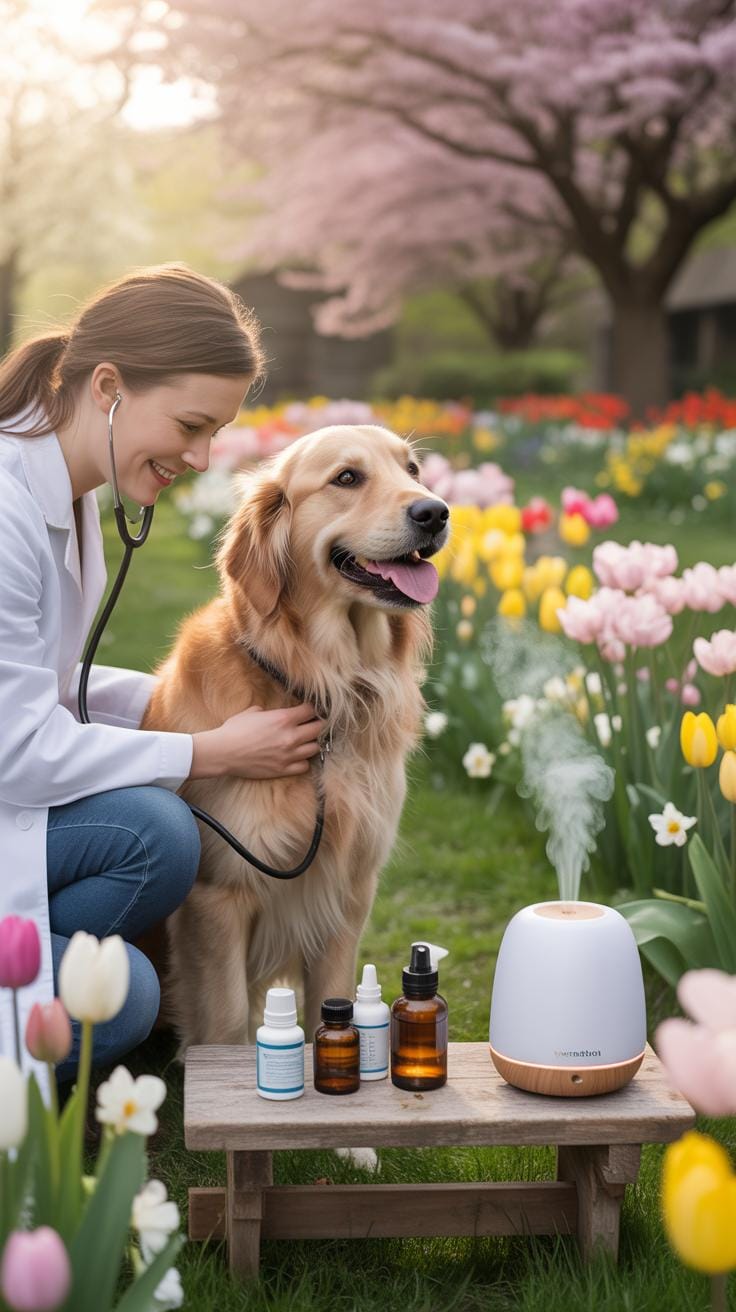
Veterinarians prescribe specific drugs to stop itch signals. Apoquel targets enzymes that cause inflammation. Cytopoint is an injectable monoclonal antibody that neutralizes the proteins causing the itch. These tools provide fast relief for dogs with visible signs. Doctors also use corticosteroids for short periods to reduce severe swelling. Consistent dosing prevents secondary skin infections during high pollen counts in spring and fall.
Immunotherapy offers a long term solution for chronic cases. Vets test the blood or skin to find specific environmental triggers. They create a custom serum containing small amounts of those allergens. This shot or oral drop retrains the immune system to ignore the irritant. Success requires months of commitment but reduces the need for heavy medication. This method addresses the root cause directly.
Supplements And Dietary Support That May Help Reduce Allergy Symptoms
Omega 3 fatty acids improve the skin barrier. Fish oil or krill oil reduces biological inflammation markers. These supplements help repair the lipid layer that keeps allergens out of the body. Dogs with healthy skin barriers react less to grass and weed pollen. High doses are often necessary to see visible changes in scratching behavior. Start these supplements before the allergy season begins.
Quercetin and stinging nettle act as natural antihistamines. They stabilize mast cells to prevent the release of histamine. Probiotics also support immune health through the gut. A balanced microbiome often leads to a calmer immune response. Always use high quality sources to ensure purity and potency. Diet changes remove extra stress from the body. These tools support traditional medicine and help maintain skin integrity.
Frequently Asked Questions

How can I tell if my dog has seasonal allergies versus a cold?
While humans often get runny noses, dogs typically express allergic reactions through their skin. If you notice your pet constantly scratching, licking their paws, or rubbing their face against the furniture, these are classic dog allergies seasonal signs. Unlike a temporary cold, these symptoms will persist as long as the environmental trigger, such as pollen or ragweed, remains present in the air during specific times of the year.
What steps should I take to identify my dog’s specific triggers at home?
To pinpoint the cause, keep a journal of when your pet’s itching flares up. Common dog allergies seasonal signs often peak after walks or time spent in tall grass. You can perform a gentle “touch test” by checking for redness between the toes and under the armpits. If symptoms improve after a quick foot bath following outdoor play, your dog is likely reacting to outdoor allergens like grass or mold spores.
Are there affordable ways to manage my dog’s seasonal allergy symptoms?
Managing allergies doesn’t always require expensive prescriptions. Simple lifestyle adjustments, such as wiping your dog’s paws with a damp cloth after walks, can significantly reduce allergen exposure. Regular baths with inexpensive hypoallergenic oatmeal shampoo help soothe irritated skin and wash away environmental triggers. Additionally, keeping your home vacuumed and using high-quality air filters can provide a budget-friendly way to keep your pup comfortable without constant trips to the vet.