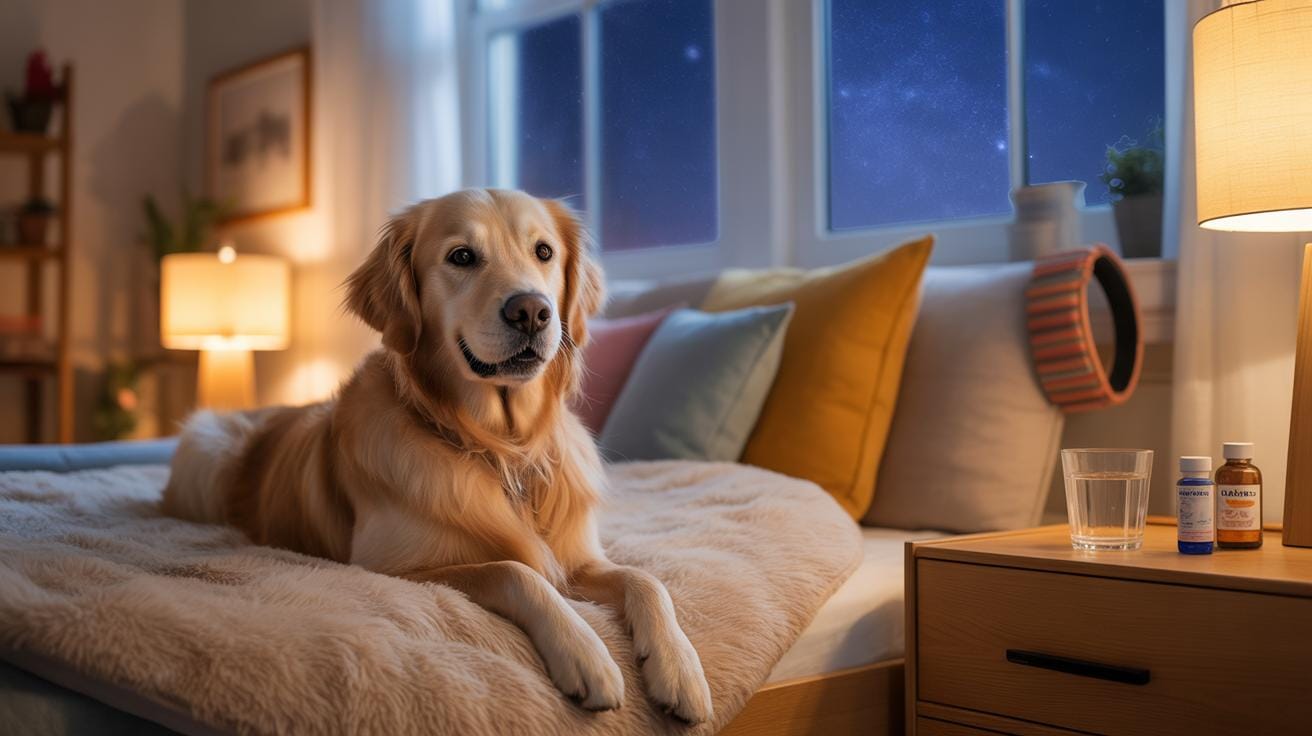
Understanding Dog Coughing At Night What Is Normal And What Is Not
Why Nighttime Makes Dog Coughing More Noticeable
Nighttime silence amplifies physical sounds. You notice a cough more when the house is quiet and your own activity stops. Gravity also plays a major role. When a dog lies down, fluid can shift in the chest or throat. This shift triggers the cough reflex. Blood flow changes during rest. These physical shifts make internal issues visible during the late hours.
Standard humidity drops at night. Dry air irritates the upper airway and throat lining. This irritation causes sudden coughing fits. Your dog remains still for long periods. This lack of movement allows mucus or fluids to pool in the lungs. Once the dog shifts position, they must clear their airway. These environmental and physical factors combine to make nighttime coughing a frequent clinical observation.
The Difference Between An Occasional Cough And A Persistent Cough In Dogs
An occasional cough is usually a normal reflex. Dogs clear dust or hair from their throats just like humans. This happens once or twice and then stops. The dog acts normal before and after the event. Their breathing remains steady and their energy stays high. You do not need to panic over a single, isolated sound. It is a simple bodily function.
A persistent cough signals a deeper problem. This cough happens every night or lasts for several minutes. It sounds wet, harsh, or like a honk. The dog may struggle to catch their breath afterward. Constant coughing suggests inflammation, infection, or heart issues. Monitor the frequency and duration closely. If the cough repeats every evening, it requires immediate professional medical evaluation to find the cause.

Kennel Cough Symptoms One Of The Most Common Causes Of Dog Coughing At Night
What Is Kennel Cough And How Do Dogs Catch It
Kennel cough is a highly contagious respiratory infection formally known as infectious tracheobronchitis. It affects the upper airway and irritates the windpipe. Multiple pathogens cause this condition, including the Bordetella bronchiseptica bacteria and various viral agents. These pathogens weaken the lining of the respiratory tract. A vulnerable dog quickly develops inflammation in the throat, which triggers a persistent and loud cough.
Dogs catch this illness through airborne droplets and contaminated surfaces. Transmission occurs rapidly in high-density environments like boarding kennels, shelters, and dog parks. When an infected dog barks or sneezes, it releases pathogens into the air. Other dogs inhale these particles or lick shared water bowls. This direct contact spreads the infection fast. Symptoms usually appear three to ten days after the initial exposure.
Recognizing Kennel Cough Symptoms: The Honking Cough, Runny Nose, And Lethargy
The primary symptom is a dry, hacking cough that sounds like a goose honk. This sound is distinct and forceful. The cough often intensifies when the dog is active or when someone applies pressure to the neck area. In many cases, the dog will gag at the end of a coughing fit. This often looks like the animal is trying to clear or vomit up mucus.

Secondary symptoms include a runny nose and sneezing. These signs indicate the infection is irritating the nasal passages. Most affected dogs remain energetic and maintain a normal appetite. However, severe cases lead to lethargy and a low-grade fever. If the dog stops eating or becomes very weak, the infection might have progressed. Owners must monitor these changes to prevent the onset of pneumonia and other complications.
Dog Hacking Cough At Night Could It Be A Collapsed Trachea
What Is A Collapsed Trachea And Which Dog Breceds Are Most Affected
Tracheal collapse occurs when the cartilage rings in the windpipe lose their structural integrity. These rings normally stay rigid to keep the airway open during breathing. When they weaken, the tracheal membrane sags and the tube flattens. This obstruction restricts airflow and causes significant irritation to the lining of the throat. It is a progressive condition that often requires long term medical management.
Specific small and toy breeds face the highest genetic risk for this respiratory issue. Pomeranians, Yorkshire Terriers, Chihuahuas, and Toy Poodles are the primary victims. Most cases appear in middle aged dogs, though symptoms can start earlier. Obesity and poor air quality often accelerate the damage. Identifying the breed risk is the first step in diagnosing why your dog is struggling to breathe.
How A Collapsed Trachea Triggers A Hacking Cough When Your Dog Lies Down
Lying down changes the physical pressure on a weakened windpipe. Gravity pulls on the soft tissues of the neck and chest when a dog rests. This shift causes the narrow airway to flatten further. The internal surfaces of the trachea touch each other while the dog breathes. This contact triggers an immediate and violent dry cough that sounds exactly like a loud goose honk.

Nighttime environments often include cooler or dryer air which irritates sensitive throat tissues. A dog resting in a specific position will experience repeated airway collapse with every breath. This cycle creates inflammation that leads to more coughing and further swelling. Once the hacking starts, the dog stays awake and distressed. Monitoring your dog for this specific sound during rest confirms the airway is physically failing.
Dog Coughing And Gagging At Night Could Heart Disease Be The Cause
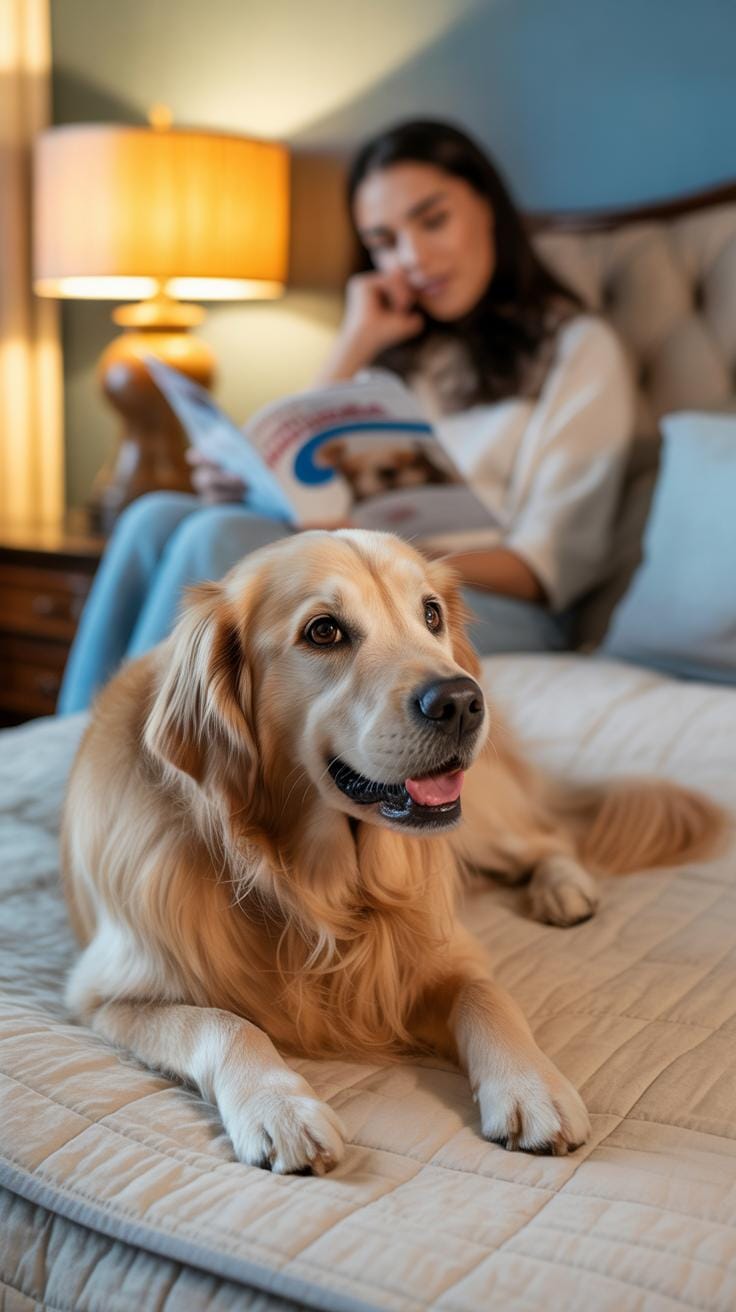
How Congestive Heart Failure Leads To Coughing And Gagging In Dogs
Congestive heart failure occurs when the heart cannot pump blood efficiently. This failure causes fluid to back up into the lungs. This condition is called pulmonary edema. When a dog lies down at night, this fluid redistributes and irritates the airways. The dog coughs to clear the fluid from its lungs. This mechanical irritation triggers a persistent gagging reflex.
The heart also enlarges as it tries to compensate for the lack of pumping power. An enlarged heart physically presses against the main stem bronchus. This pressure mimics the sensation of having a foreign object stuck in the throat. The dog gags or coughs because of this direct physical compression. Gravity makes this pressure worse when the dog rests in a prone position.
A dog’s cough in the midnight quiet is a heartbeat asking for extra care. When your faithful friend struggles for breath, remember that love is the best medicine for their silver years.
Other Warning Signs That Accompany A Cardiac Cough In Dogs
A cardiac cough rarely happens alone. You will notice your dog tire quickly during normal walks or play. This exercise intolerance occurs because the muscles do not receive enough oxygenated blood. You may also see your dog breathing faster than usual while resting. Monitor the respiratory rate closely. A healthy dog should take fewer than thirty breaths per minute when sleeping.

Check the color of your dog’s gums for more evidence. Healthy gums look bubblegum pink. Gums that appear pale, blue, or grey indicate poor oxygen circulation. You might also notice a bloated abdomen caused by fluid buildup in the belly. This is called ascites. If the cough sounds wet or ends with a foam discharge, the heart is likely failing to manage fluid levels.
Why Does My Dog Keep Coughing At Night Due To Allergies Or Environmental Irritants
Common Indoor Allergens And Irritants That Trigger Nighttime Coughing In Dogs
Dogs spend significant time on floors and furniture where allergens settle. Dust mites thrive in dog beds and carpets. These microscopic pests trigger respiratory inflammation when inhaled during sleep. Household cleaning products often contain harsh chemicals that linger in the air. Strong scents from candles and air fresheners also irritate canine lungs. Your dog breathes these particles deeply while resting at night which causes a persistent dry cough.
Poor air filtration allows pollen and mold spores to circulate throughout the home. These particles remain suspended in the air or settle on your dog’s bedding. Tobacco smoke and wood smoke from fireplaces are heavy irritants that settle low to the ground. Because dogs have sensitive respiratory systems they react quickly to these pollutants. Chronic exposure leads to inflamed airways. This inflammation worsens when the dog remains stationary for long periods during the night.
How To Identify If Your Dog’S Nighttime Cough Is Allergy Related
Monitor the timing and environment of the cough to determine if allergies are the cause. Allergy-induced coughing often follows a seasonal pattern or occurs after introducing new household products. Look for accompanying symptoms like itchy skin or watery eyes. If the cough only happens in specific rooms it likely stems from a localized irritant. Pay attention to whether the coughing starts immediately after the dog lays on its bed.

Observe the physical characteristics of the cough and your dog’s response to antihistamines. An allergic cough is usually dry and hacking rather than wet or productive. It rarely involves the honking sound associated with structural issues like a collapsed trachea. If the cough subsides after cleaning the bedding or using an air purifier then environmental factors are the culprit. Check for redness in the throat or nose during these episodes to confirm irritation.
Why Is My Dog Coughing At Night Because Of Respiratory Infections Or Pneumonia
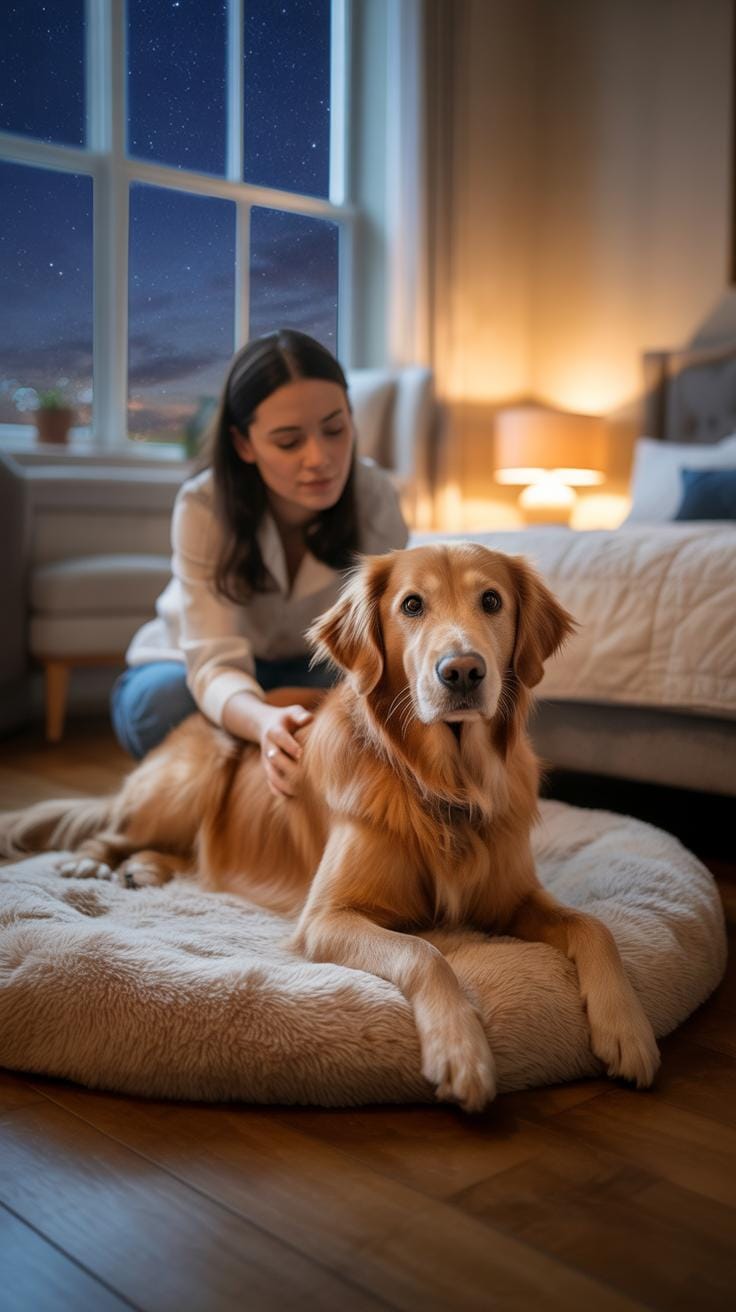
Bacterial And Viral Respiratory Infections That Cause Coughing In Dogs
Infectious agents like Bordetella and parainfluenza target the canine upper respiratory tract quickly. These pathogens cause inflammation in the windpipe and bronchial tubes. Nighttime brings cooler air and lower activity levels. This temperature change irritates the sensitive lining of the throat. Mucus builds up while the dog rests. The body reacts with a sharp cough to clear these passage ways during the night cycles.
Bacteria and viruses spread through droplets in shared spaces or kennel environments. When a dog lies down to sleep, its lungs compress slightly. This physical position makes it harder to move secretions out of the airway. The cough sound often resembles a dry honk or a gagging noise. Owners notice this sound more at night because the house is quiet. Immediate isolation prevents the infection from spreading to other pets.
Signs That A Dogs Nighttime Cough May Have Progressed To Pneumonia
Pneumonia occurs when an infection moves deep into the lung tissue. The nighttime cough shifts from dry to wet as fluid fills the air sacs. You will hear a moist or rattling sound when the dog breathes. The dog will struggle to get comfortable because fluid makes breathing difficult while lying flat. This condition is a medical emergency. It requires fast intervention to stop permanent lung damage or respiratory failure.

Watch for secondary physical signs during the night hours. A dog with pneumonia often has a high fever and blue-tinted gums. They will appear lethargic and refuse to eat or drink. Rapid or shallow breathing is a tactical indicator of low oxygen levels. If the dog sits up with its elbows out to breathe, the situation is critical. You must seek veterinary care to start oxygen therapy and heavy antibiotics immediately.
How To Treat Kennel Cough And Other Common Causes Of Dog Coughing At Night
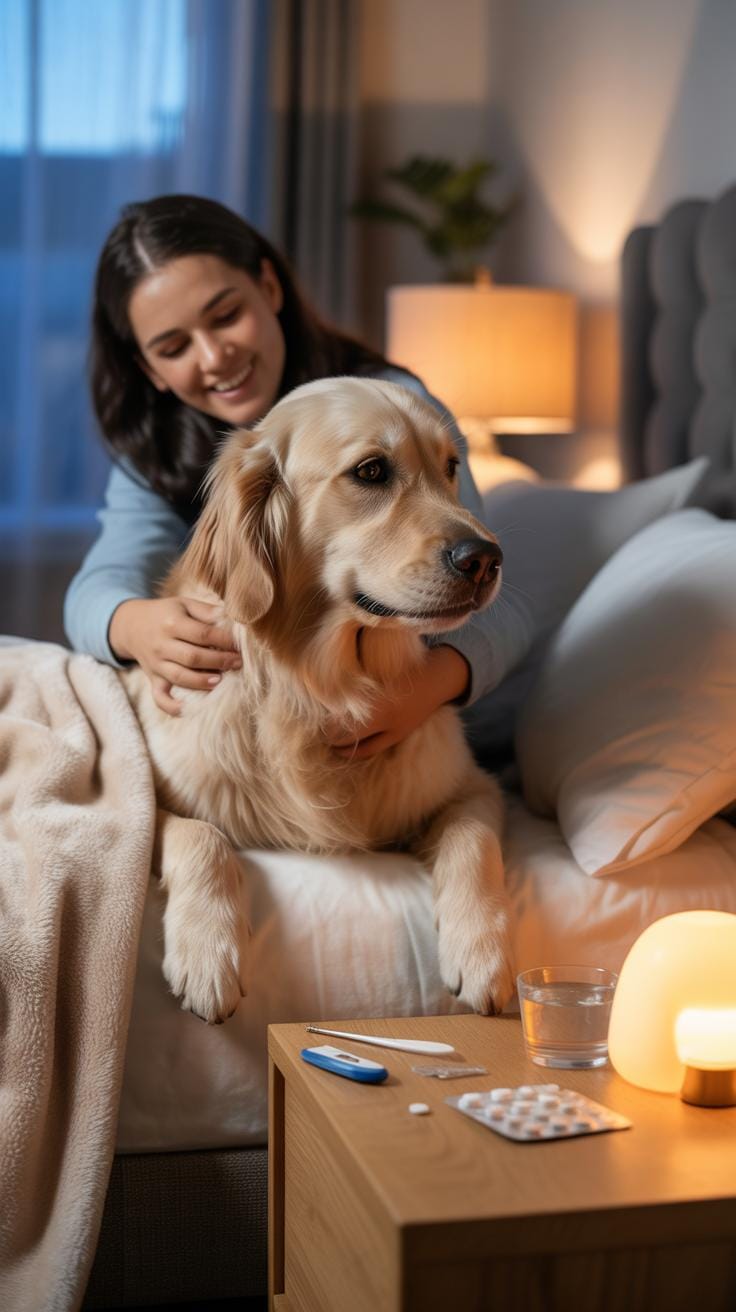
Veterinarian Recommended Treatments For Kennel Cough And Mild Respiratory Coughs
Veterinarians treat Kennel Cough by targeting the infection and suppressing the reflex. For bacterial infections like Bordetella, doctors prescribe antibiotics such as doxycycline or amoxicillin-clavulanate. These drugs kill the bacteria quickly. If the cough is unproductive and keeps the dog awake, vets often prescribe cough suppressants. These medications quiet the throat muscles. They allow the dog to rest. Rest is critical for recovery because it stops further airway irritation.
Do not use human medications without a clear directive from a professional. Many over the counter human syrups contain xylitol or acetaminophen. Both substances are toxic to dogs. A veterinarian will determine if the cough is dry or wet before choosing a medicine. For mild cases, they may recommend specific bronchodilators. These drugs open the airways to improve oxygen flow. Proper diagnosis ensures you treat the cause rather than just the sound.
Safe Home Care Strategies To Soothe Your Dogs Cough At Night
Home care focuses on reducing environmental triggers that irritate the dog’s throat during sleep. Dry air often worsens a nighttime cough by drying out the respiratory lining. You must manage the air quality in the sleeping area to provide immediate relief. Steam and humidity help loosen mucus in the chest. This makes it easier for the dog to clear their throat. Clean sleeping spaces also prevent dust from triggering new coughing fits.
- Use a Humidifier: Place a cool-mist humidifier near your dog’s bed at night. This adds moisture to the air and prevents the throat from drying out. Moist air reduces the tickle that triggers coughing. Clean the unit daily to prevent mold growth.
- Steam Therapy: Take your dog into the bathroom while you run a hot shower. The steam helps open the airways and thins out thick mucus. Keep the dog in the room for fifteen minutes. This provides temporary relief before your dog goes to bed.
- Remove Irritants: Eliminate smoke, strong perfumes, and scented candles from the house. These chemical particles irritate the sensitive lining of a dog’s respiratory tract. Use unscented cleaning products in areas where the dog sleeps. Reducing airborne debris allows the lungs to heal faster.
- Switch to a Harness: Avoid using collars that put pressure on the windpipe during the day. Pressure on the trachea increases inflammation and leads to more coughing at night. A harness moves the force to the chest. This prevents mechanical damage to the already sore throat.
- Hydration and Honey: Keep fresh water available at all times to keep the throat lubricated. Some owners provide a small amount of honey to coat the throat. Consult your vet first if your dog is diabetic. Proper hydration is the most effective way to naturally thin out respiratory secretions.

Manage your dog’s activity levels during the evening hours. High excitement and heavy exercise increase the breathing rate. Faster airflow irritates the inflamed tissues in the throat and lungs. Keep the environment calm and cool before bedtime. Lower temperatures often help dogs with respiratory distress breathe more easily. Monitor your dog closely for changes in gum color or Labored breathing. If the cough persists, consult your veterinarian immediately.
Cough Suppressant And Cough Medicine For Dogs What You Need To Know Before Medicating
When A Vet May Prescribe A Cough Suppressant For A Dog And What To Expect
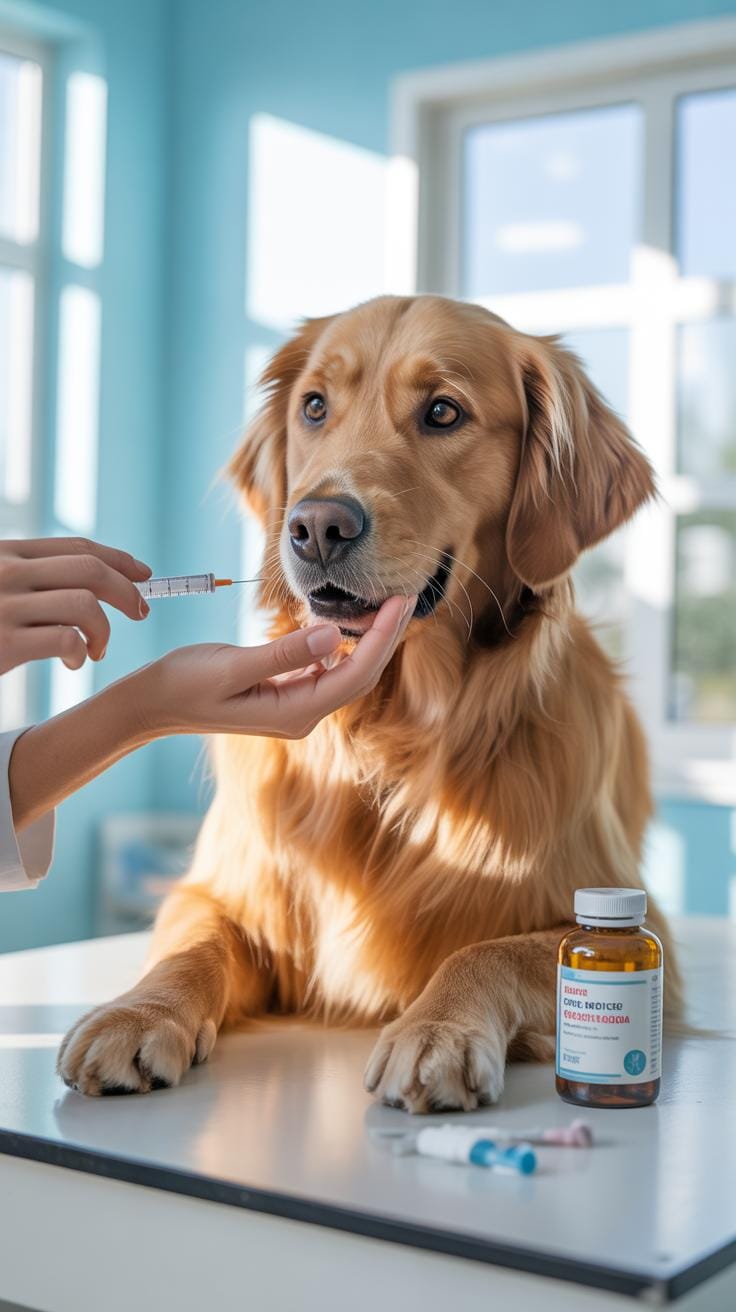
Veterinarians prescribe suppressants when a cough becomes non-productive or prevents the dog from resting. Dry, hacking coughs often cause throat inflammation that leads to more coughing. This cycle damages the airway lining and causes physical exhaustion. Doctors call these medications antitussives. They work by blocking the cough reflex in the brain. You should expect the vet to rule out heart disease first.
A suppressant is rarely a stand-alone treatment for night coughing. It manages the symptoms while other drugs target the actual cause of the illness. Expect the vet to monitor for side effects like sedation or constipation. You must confirm that the cough is not clearing mucus from the lungs. Suppressing a wet cough allows fluid to build up. This mistake can lead to fatal pneumonia.
Human Cough Medicines That Are Dangerous For Dogs And Safer Approved Alternatives
Most over the counter human medications contain ingredients that kill dogs quickly. Xylitol is a common sweetener in syrups that causes massive insulin spikes and liver failure. Acetaminophen and ibuprofen are also toxic to canine blood and organs. Never grab a bottle from your cabinet without checking labels. Only use products that contain a single active ingredient approved by your veterinarian for pet use.
- Dextromethorphan: This is a common active ingredient in many human cough syrups. While vets sometimes approve it, many formulations include decongestants or pain killers that are lethal to pets. Only use it when a professional confirms the specific brand and dosage are safe.
- Hydrocodone: Vets frequently prescribe this powerful narcotic for severe cases like tracheal collapse. It is a controlled substance that acts directly on the central nervous system to stop the urge to cough. It causes heavy sedation and requires a strict dosing schedule to prevent overdose.
- Butorphanol: This medication serves as both a pain reliever and a potent cough suppressant. Doctors use it most often for dogs with chronic bronchitis or kennel cough. It works effectively but may cause loss of appetite or nausea in some animals during the first few days.
- Guaifenesin: This ingredient is an expectorant rather than a suppressant. It helps thin out thick mucus so the dog can clear it from the throat more easily. It is only useful for wet coughs and must be free of all other active human drug components.
- Honey: While not a drug, honey is a safe home alternative for minor throat irritation. It coats the esophagus and provides temporary relief from dryness. It contains no toxic chemicals but you must avoid it for diabetic dogs due to the high natural sugar content.

Safe alternatives focus on targeted relief without the chemical additives found in multi-symptom human cold medicine. Veterinarians usually prefer animal-specific prescriptions over modified human drugs to ensure safety. Always check for the presence of alcohol or caffeine in any liquid formula. These substances are stimulants that can cause heart distress in a laboring dog. Stick to the exact dosage your doctor provides to avoid respiratory depression.
When Dog Coughing At Night Requires An Urgent Veterinary Visit
Red Flag Symptoms That Mean Your Dogs Nighttime Cough Is An Emergency
Watch for blue or pale gums during a coughing fit. This indicates a lack of oxygen in the bloodstream. If your dog stretches their neck out to breathe or uses their stomach muscles to pull in air, go to the clinic immediately. Rapid breathing while resting is a major warning sign. Constant coughing that prevents sleep for the dog or owner requires swift action.
Fainting or collapsing after a cough suggests a heart or neurological issue. Look for pink or frothy discharge coming from the mouth or nose. This often points to fluid in the lungs from heart failure. A high fever or a total refusal to eat combined with a wet cough signals a severe infection. Do not wait for morning if these respiratory distress signs appear.
What To Tell Your Vet And How They Will Diagnose The Cause Of Your Dogs Cough
Record the sound of the cough on your phone. Describe if the cough sounds dry like a honk or wet like a throat clear. Tell the vet when the cough began and if it only happens when the dog lies down. Mention any changes in energy or appetite. High quality data helps the vet narrow down heart versus lung issues quickly.
Vets start with a physical exam and listen to the heart and lungs with a stethoscope. They often take chest X-rays to see the heart size and lung patterns. Blood tests check for infection markers or heartworm disease. Sometimes they use an ultrasound to look at heart valve function. These tools identify the exact cause and determine the correct life saving treatment.
Frequently Asked Questions

Why is my dog coughing more during the night than the day?
It is common for pet owners to notice a dog coughing at night because of how gravity affects the body. When your dog lies down, fluids can settle in the chest or throat, irritating the airway. Additionally, conditions like congestive heart failure or tracheal collapse often worsen during rest. The quiet environment also makes the sound more noticeable, signaling it is time to monitor your pet’s breathing patterns closely.
How can I help soothe my dog’s cough at home before seeing a vet?
You can provide immediate comfort by using a humidifier to moisten the air, which helps soothe irritated airways. Keeping your pet in a well-ventilated, dust-free room and ensuring they stay hydrated is also essential. If you notice your dog coughing at night, try elevating their head slightly with a soft pillow. However, always consult a professional before administering any over-the-counter medications, as some human syrups are toxic to canines.
Are there any low-cost ways to identify the cause of my dog’s nighttime cough?
One of the most effective budget-friendly tools is your smartphone. Recording a video of the coughing episode provides your veterinarian with invaluable diagnostic information without requiring an initial expensive emergency visit. You should also check your home for recent changes, such as new cleaners or perfumes, which might be triggering an allergic reaction. Narrowing down environmental triggers at home is a free and helpful first step in the diagnostic process.