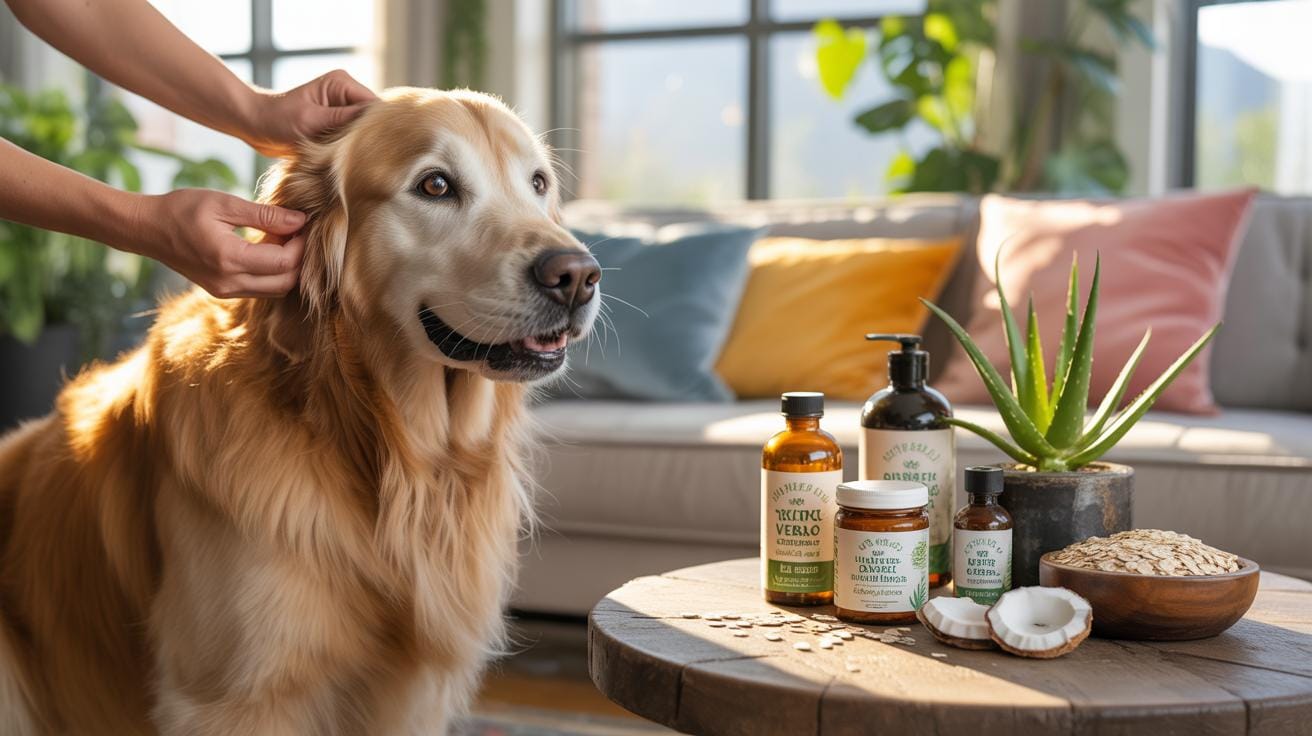
Understanding Dog Dry Skin Causes And Common Triggers
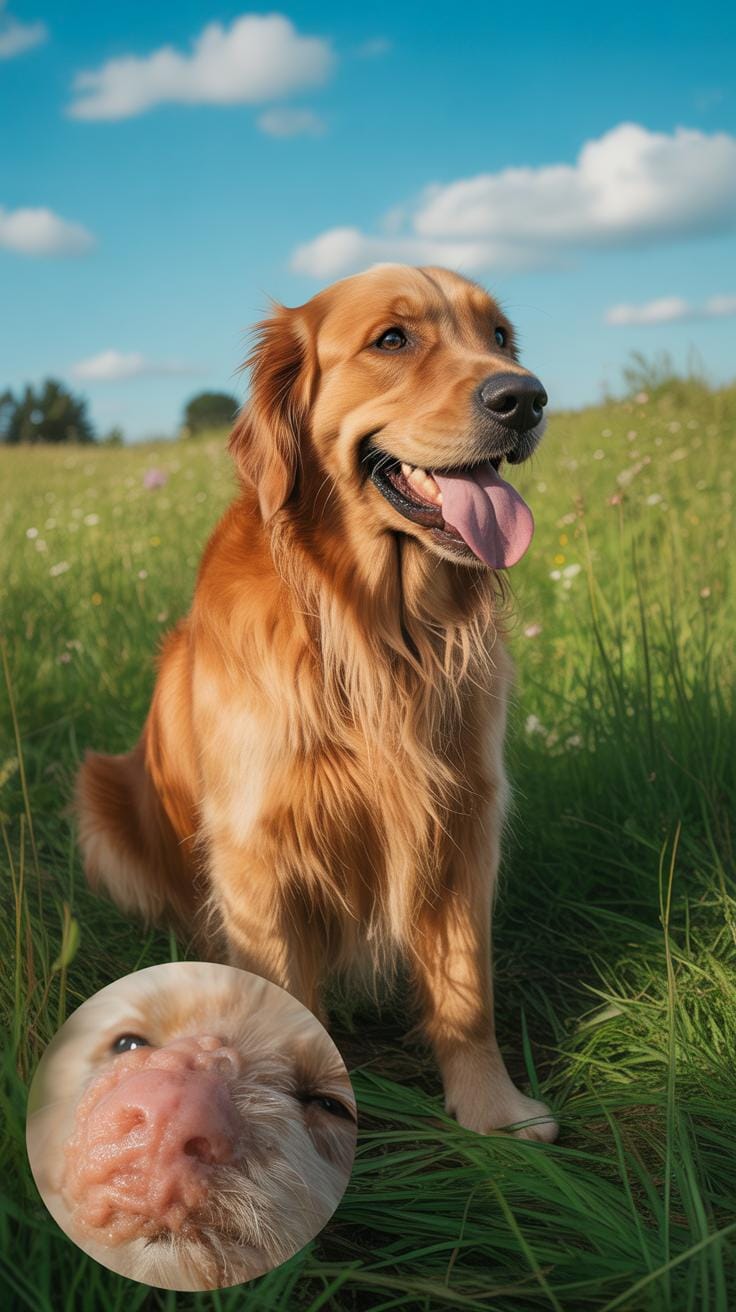
What Causes Dry Skin In Dogs? Environmental And Lifestyle Factors
Environmental conditions serve as the primary drivers of canine skin irritation. Low humidity during winter months strips moisture from the lipid barrier. Indoor heating systems accelerate this process by circulating dry air. These external factors force the skin to lose hydration faster than the body can replenish it. Hard water minerals also leave deposits that disrupt the natural pH balance of the coat.
Lifestyle choices and dietary deficits further complicate skin health. Low-quality commercial dog foods often lack essential omega-3 fatty acids required for skin elasticity. Over-bathing with harsh human-grade shampoos destroys the protective oils produced by sebaceous glands. Exposure to pollen, dust mites, or mold can trigger allergic dermatitis. Identifying these specific triggers is the first step toward implementing a functional and lasting remedy for your pet.
How To Tell If Your Dog Has Dry Skin: Signs And Symptoms To Watch For
Physical examination provides immediate evidence of skin dehydration in pets. Look for white flakes or dander caught in the fur during grooming sessions. The skin surface might appear red, inflamed, or thickened in areas with high friction. Constant scratching or biting at the flanks and paws signals significant discomfort. Crusty patches or small scabs indicate that the condition is advancing and requires immediate topical intervention.
Behavioral shifts often accompany these physical signs of distress. A dog with dry skin may become restless or irritable due to persistent itching. They often rub their bodies against furniture or carpets to find relief from the tightness. You might notice a dull, brittle texture to the coat instead of a healthy shine. Pay close attention to these indicators to prevent secondary bacterial infections caused by broken skin.

The Best Dog Dry Skin Remedy Options At Home
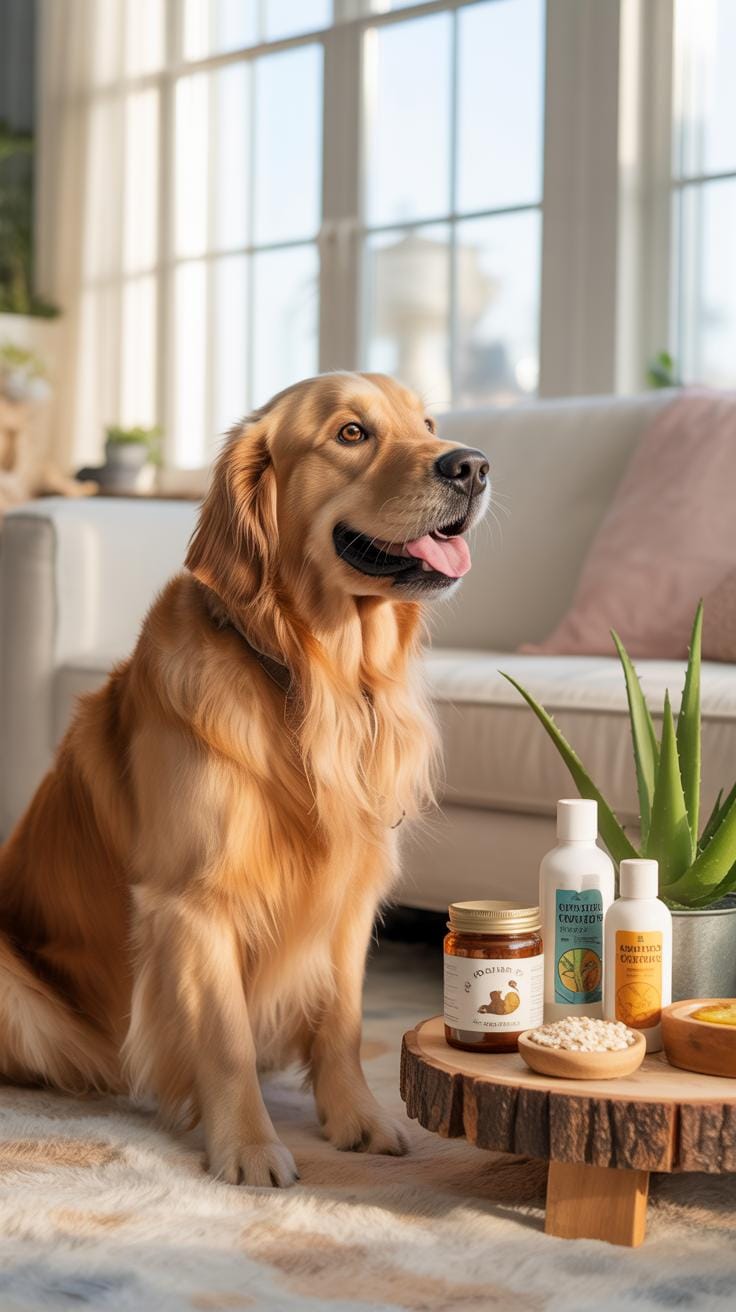
Coconut Oil And Oatmeal Baths: Natural Topical Treatments That Work
Coconut oil contains lauric acid which penetrates the hair shaft and skin barrier. This medium chain fatty acid provides immediate hydration for flaky patches. Apply organic virgin coconut oil directly to dry areas to lock in moisture and reduce redness. It also possesses mild antimicrobial properties that help prevent secondary infections in cracked skin. Monitor your dog to prevent excessive licking of the treated areas.
Colloidal oatmeal serves as a powerful anti-inflammatory agent for canine skin. Grinding whole oats into a fine powder allows them to remain suspended in bath water. This creates a protective film that binds to the skin and provides a buffer against external irritants. Soak your dog for ten minutes to allow the phenols to soothe itching. Rinse thoroughly with lukewarm water to avoid drying out the coat further.
How To Safely Apply Home Remedies To Your Dog Is Skin Without Irritation
Successful application requires clean skin and controlled environments. Perform a patch test on a small area of the belly before full application. This step ensures your dog does not have an allergic reaction to the specific treatment. Use high quality ingredients free from added scents or chemicals. These additives often cause the very irritation you are trying to solve. Keep the dog calm during the process.

Proper timing increases the effectiveness of topical treatments. Apply oils or creams right before a walk or meal to distract the animal from licking the product. Licking removes the remedy and may cause digestive upset in some breeds. Consistency is the most important factor for healing. Apply treatments twice daily until you see a visible improvement in skin texture. Consult a veterinarian if the skin remains broken.
Dog Skin Allergies How They Contribute To Dry And Itchy Skin

Common Allergens That Trigger Dog Skin Allergies: Food, Pollen, And More
Allergy triggers disrupt the skin barrier and cause chronic dryness. Environmental allergens such as pollen, mold spores, and dust mites enter through the skin or lungs. These triggers provoke an overactive immune response. The body releases histamines that lead to inflammation and intense itching. Constant scratching damages the outer skin layer. This damage allows moisture to escape and makes the skin feel brittle.
Food sensitivities also play a significant role in skin health. Certain proteins like beef, chicken, or dairy can cause systemic inflammation. This internal reaction often manifests as hot spots and dry patches on the belly or paws. Unlike seasonal allergies, food triggers cause year-round issues. Identifying these specific allergens is the only way to stop the cycle of dryness. Owners must separate environmental factors from dietary ones.
Allergy Testing And Diagnosis: When To See A Veterinarian
Professional diagnosis is necessary when over the counter balms fail. Veterinarians use intradermal testing or blood tests to identify environmental triggers. These tests pinpoint exact substances that cause the immune system to react. You should seek help if your dog has broken skin or hair loss. Chronic rubbing against furniture indicates high discomfort levels. A vet can rule out parasites like mites or fleas first.

Secondary infections often hide the root cause of dry skin. Bacteria and yeast thrive on damaged skin surfaces. Doctors use skin scrapings to look for these microscopic pathogens. They may recommend an elimination diet to find food triggers. This process takes several weeks of strict feeding. Accurate diagnosis leads to targeted treatments like immunotherapy or specialized diets. Taking action early prevents permanent scarring and long term skin thickening.
Dry Skin Care For Dogs Grooming Habits That Make A Difference
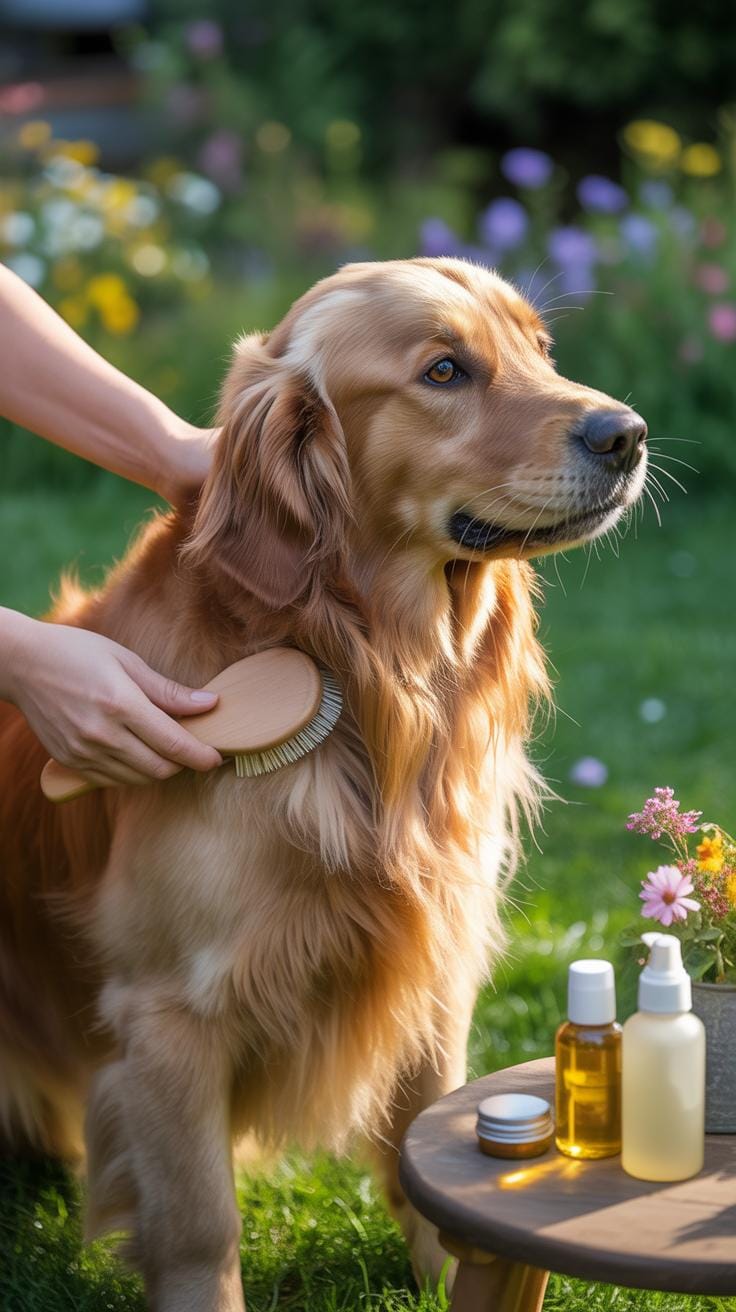
How Often Should You Bathe A Dog With Dry Skin? Finding The Right Balance
Over-bathing strips the skin of essential natural oils. These lipids protect the skin barrier from environmental irritants and retain moisture. Most dogs only require a bath every four to six weeks. Frequent washing causes microscopic cracks in the skin surface. This lead to itching and inflammation. You must adjust the schedule based on your dog activity level and coat type.
Limit baths to once a month if the dog has chronic dryness. Use lukewarm water instead of hot water to prevent further irritation. Heat expands blood vessels and increases the urge to scratch. Thorough drying is also vital to prevent fungal growth. Pat the skin dry with a soft towel instead of rubbing. Proper timing prevents the cycle of dehydration caused by soap and water.
Choosing The Right Shampoo And Conditioner For Dry Dog Skin
Avoid human shampoos because they disrupt the canine skin pH balance. Dogs have a more alkaline skin surface than humans. Using the wrong product weakens the acid mantle and invites bacterial infections. Look for soap-free formulas that contain colloidal oatmeal or aloe vera. These ingredients soothe the dermis and provide immediate relief. Effective products focus on hydration rather than aggressive cleaning.

Apply a canine-specific conditioner after every wash. This step seals the hair cuticle and locks in moisture. Distitllates like ceramides or phytosphingosines help rebuild the lipid barrier. Avoid products with artificial fragrances and harsh alcohols. These chemicals act as drying agents and trigger allergic reactions. Always rinse the coat thoroughly to remove all residue. Leftover soap causes localized irritation and heavy flaking.
Dog Skin Care From The Inside Out Diet And Nutrition

Omega 3 Fatty Acids And Their Role In Maintaining Healthy Dog Skin
Omega-3 fatty acids function as the primary structural component of the canine skin barrier. These essential fats reduce systemic inflammation that leads to itching and flaking. Eicosapentaenoic acid and docosahexaenoic acid are the specific molecules that strengthen cell membranes. Without these fats, the skin loses moisture too quickly. This loss creates a condition called transepidermal water loss which causes chronic dryness.
Clinical studies show that dogs cannot produce these fatty acids internally. They must consume them through their diet. Proper levels of omega-3s alter the lipid profile of the skin surface. This change makes the skin less reactive to environmental allergens and irritants. Consistent intake improves coat luster and prevents the formation of dandruff. High doses are often necessary to see visible changes in severely dry skin.
Best Foods And Supplements To Support Your Dog’S Skin Health
Dietary intervention requires specific ingredients to rebuild the skin barrier. High-quality animal proteins provide the amino acids necessary for keratin production. Biotin and zinc also play critical roles in cellular repair and moisture retention. You must look for bioavailable sources to ensure the gut absorbs these nutrients effectively. Check labels for specific oil sources rather than generic animal fat categories to ensure quality.
- Fish Oil: High concentrations of EPA and DHA come from wild-caught salmon, sardines, and anchovies. These oils provide the most direct form of omega-3s for immediate absorption. It reduces inflammation of the dermal layer quickly.
- Zinc Supplements: This mineral is vital for protein synthesis and cell division in the skin. A deficiency often causes crusting around the eyes and mouth. Chelated zinc is the best form for canine digestion and skin repair.
- Vitamin E: This fat-soluble antioxidant protects skin cells from oxidative damage. It works alongside fatty acids to maintain the integrity of the cell membrane. It prevents the oils in the skin from turning rancid and causing odor.
- Flaxseed Oil: This plant-based source provides alpha-linolenic acid to support the coat. While less potent than fish oil, it adds a different profile of healthy fats. It is a good secondary option for dogs with fish protein allergies.
- Brewer’s Yeast: This ingredient contains high levels of B vitamins and minerals. These nutrients promote healthy hair growth and reduce shedding. It helps the skin stay resilient against environmental stressors like dry winter air or indoor heating.

Balance these nutrients carefully to avoid digestive upset or nutrient imbalances. Introduce new supplements slowly over two weeks to monitor your dog for adverse reactions. Monitor the skin for six to eight weeks before expecting to see significant visual improvements. Nutritional changes take time because the skin takes nearly a month to regenerate. Stick to a consistent schedule for the best long-term results.
Dog Itching Remedies For Skin Soothing Relief For Persistent Scratching
Vet Approved Topical Creams And Sprays That Relieve Dog Skin Itching
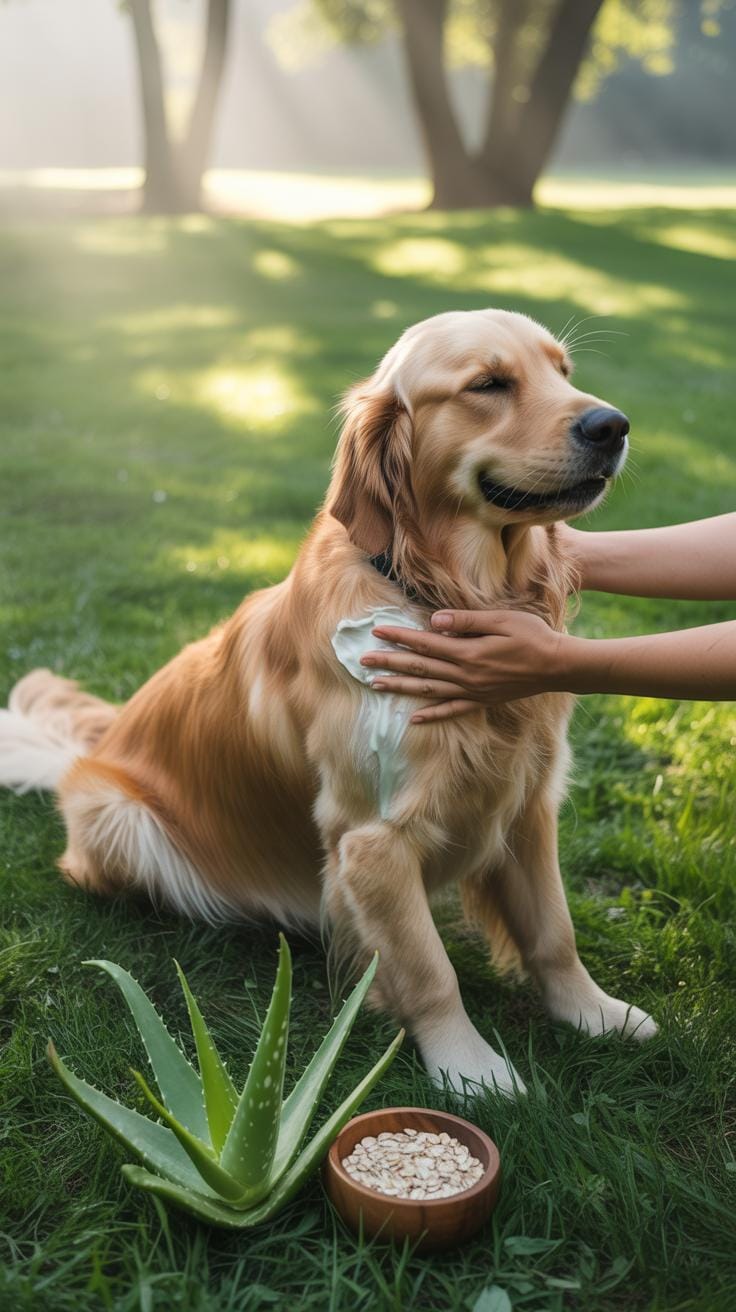
Topical treatments target the skin barrier directly to stop inflammation. Hydrocortisone sprays provide immediate relief by reducing swelling and redness on the surface. These products work well for localized hot spots caused by environmental allergies. Veterinary-grade creams often contain ceramides to restore the lipid layer. This prevents moisture loss and keeps irritants out. Always clean the area before applying any medication to ensure maximum absorption.
Pramoxine is another common ingredient in anti-itch sprays. It acts as a local anesthetic to numb the skin and stop the scratch reflex. Manufacturers also formulate medicated foams with chlorhexidine to kill bacteria that flourish on damaged skin. Avoiding secondary infections is critical for long-term healing. You must prevent your dog from licking the product off. Use an Elizabethan collar until the topical treatment fully dries.
Antihistamines And Medicated Treatments: What Your Vet May Recommend
Antihistamines block the H1 receptors that trigger allergic reactions. Vets frequently suggest over-the-counter options like diphenhydramine or cetirizine for mild cases. These drugs reduce the systemic response to pollen, dust, and mold. Dosages must follow strict weight-based guidelines provided by a professional. While helpful, antihistamines often provide only partial relief. They work best as a preventative measure before the itching becomes severe.

For chronic cases, vets prescribe advanced medications like oclacitinib or monoclonal antibody injections. These treatments target the specific signaling pathways that cause the sensation of itching. They provide faster relief than traditional pills. Long-term management might also include prescription diets designed to strengthen the skin from the inside. Regular blood work is necessary when using strong medications. Monitor your dog for changes in appetite or energy levels during treatment.
Dry Dog Skin Remedies For Seasonal And Weather Related Dryness
How Winter Air And Central Heating Dry Out Your Dog’S Skin
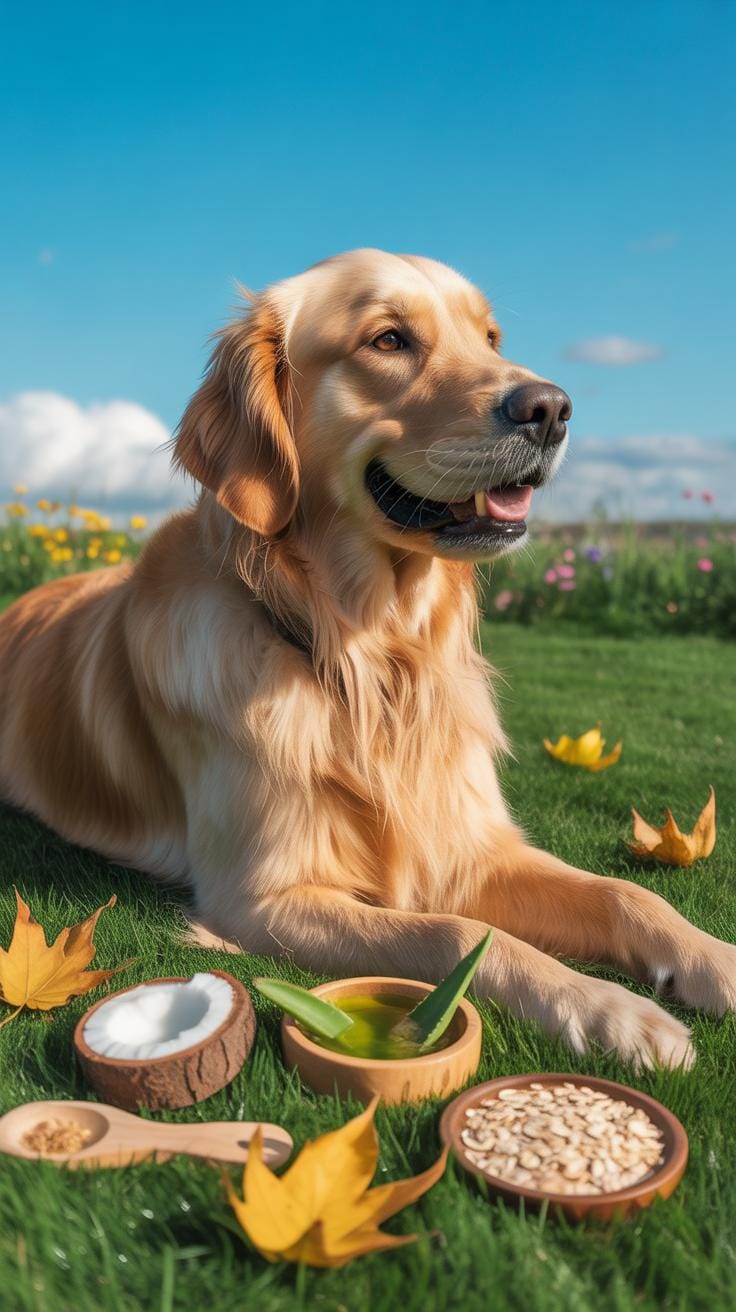
Winter weather carries very little moisture in the air. Low humidity levels strip the natural oils from a dog’s coat and skin. Cold air causes the skin to contract and lose its protective barrier. Without this barrier, moisture evaporates quickly from the body. This process leads to flaking, itching, and irritation. Your dog’s skin becomes brittle and prone to micro-tears during the winter.
Indoor central heating exacerbates the problem by creating a desert-like environment. Forced air systems circulate dry, warm air that pulls hydration directly from the skin surface. This constant exposure prevents the skin from regenerating its natural lipid layer. Dogs spend most of their time indoors during cold months, making this a secondary threat. You must address the indoor climate to solve seasonal dryness effectively and maintain skin health.
There is no psychiatrist in the world like a puppy licking your face. Keeping their skin soft and healthy ensures every gentle touch remains a warm comfort to the soul.
Practical Tips To Protect Your Dog’S Skin During Dry Or Cold Seasons
Seasonal skin care requires proactive environmental management and routine adjustments. You must control the humidity levels inside your home to stop moisture loss at the source. Regular grooming becomes more important during winter to remove dead skin cells and distribute natural oils. Protecting the skin from external elements like ice and salt prevents chemical burns and further dehydration during outdoor walks in cold weather.
- Humidifier Usage: Place a humidifier in the rooms where your dog sleeps and spends the most time. Keeping indoor humidity between forty and sixty percent prevents the air from pulling moisture out of the dog’s skin. This simple adjustment stabilizes the skin’s moisture barrier and reduces static electricity in the coat.
- Limited Bathing: Reduce the frequency of baths during the winter months to avoid stripping vital oils. Use only lukewarm water when washing is necessary, as hot water damages the skin surface. Always use a soap-free, moisturizing shampoo specifically formulated for dogs. This preserves the natural protective layer against the harsh dry air.
- Paw Balms: Apply a thick wax or balm to your dog’s paw pads before going outside. These products create a physical barrier against snow, ice, and salt. Chemical de-icers used on sidewalks are extremely drying and corrosive. A protective layer prevents these chemicals from making direct contact with sensitive skin areas.
- Omega Supplements: Increase the intake of Omega-3 and Omega-6 fatty acids through fish oil or specialized supplements. These nutrients strengthen the skin barrier from the inside out and improve oil production. Consistent supplementation helps the skin remain elastic and hydrated despite the low humidity. This is a long-term strategy for seasonal resilience.
- Protective Clothing: Use a well-fitted dog coat or sweater during outdoor excursions in freezing temperatures. Providing an extra layer of insulation helps maintain body heat and shields the skin from biting winds. This reduces the direct impact of cold air on the skin surface. Ensure the fabric is breathable to prevent sweat buildup and irritation.

Dry skin management also involves monitoring your dog’s water intake carefully during the winter. Dogs often drink less when it is cold, leading to internal dehydration that manifests on the skin. Always provide fresh, clean water to support skin cell turnover. If flaking persists after these changes, consult a veterinarian to rule out underlying allergies. Consistent adherence to these tactical steps protects your dog’s comfort year-round.
Puppy Dry Skin Remedies Special Care For Young And Sensitive Dogs
Why Puppies Are More Prone To Dry Skin And What Makes Their Skin Different
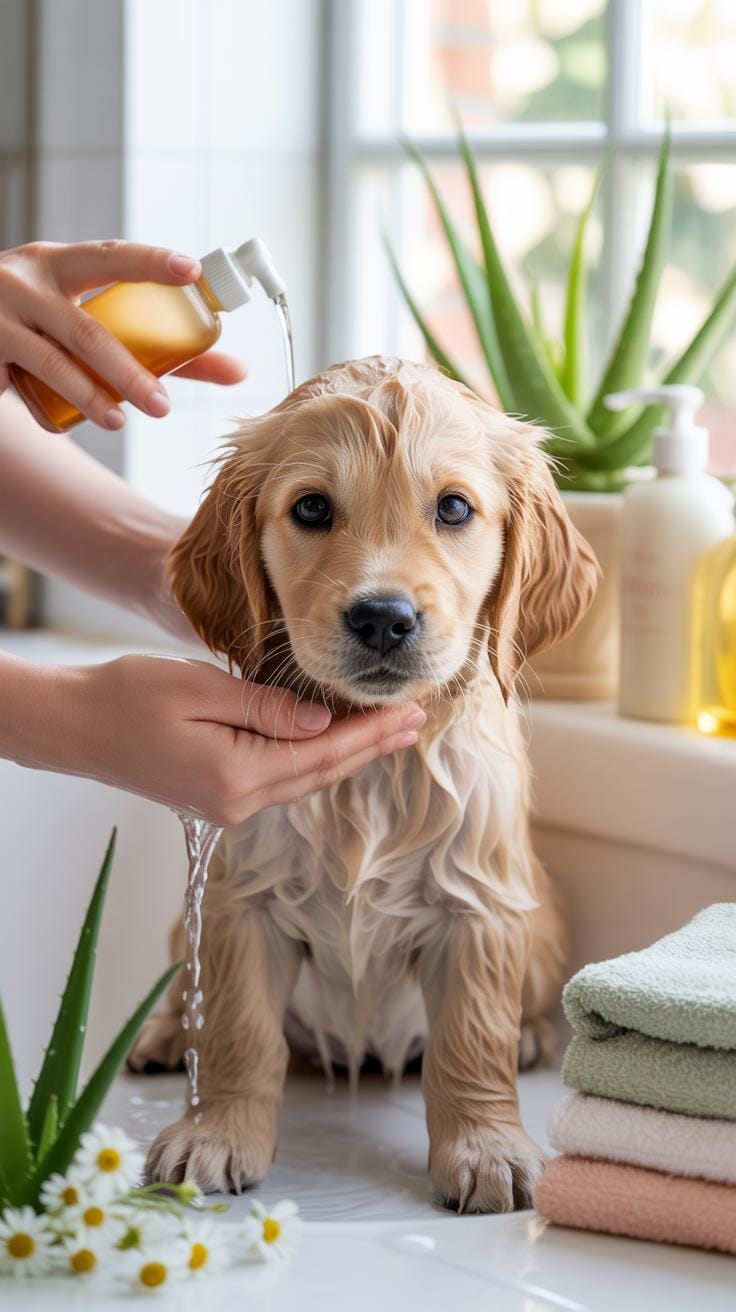
Puppy skin is structurally thinner than adult dog skin. This thinness allows moisture to escape quickly through evaporation. Their sebaceous glands are not yet fully active. These glands produce the oils that lock in hydration and form a protective barrier. Without this barrier, the skin reacts harshly to dry air and irritants. This vulnerability causes rapid flaking and redness.
Young dogs also have immune systems that are still developing. They cannot fight off environmental allergens as effectively as adults. This means common dust or pollen causes immediate skin inflammation. Puppies also have a higher surface area to body mass ratio. This physical trait makes them lose heat and moisture faster than mature dogs. Proper hydration is critical because their bodies process water differently.
Safe And Gentle Dry Skin Remedies Formulated Specifically For Puppies
Use only pH balanced shampoos designed for puppies. Adult dog soaps are often too acidic for young skin. Look for ingredients like colloidal oatmeal to soothe current irritation. Limit bathing to once a month to prevent stripping natural oils. If the puppy gets dirty, use a damp cloth for spot cleaning. This maintains the oil layer while keeping the coat clean and healthy.

Add a small dose of fish oil to their food to support skin health. Omega fatty acids build the skin barrier from the inside out. Consult a vet for the correct dosage based on weight. Humidifiers also help by keeping indoor air moist during winter months. This prevents the skin from cracking in heated environments. Consistent internal and external care ensures the puppy grows a resilient coat.
Frequently Asked Questions

How do I know if my dog actually has dry skin?
Identifying skin issues early is key to keeping your pet comfortable. Look for telltale signs like frequent scratching, flaky dandruff on their coat, or redness in specific areas. You might also notice a duller coat or a rough texture when petting them. If your pup is constantly licking their paws or biting at their fur, it is likely time to explore effective dog dry skin remedies to soothe the irritation.
How can I safely bathe my dog to help hydrate their skin?
When bathing a pup with irritation, temperature and ingredients matter most. Use lukewarm water, as hot water strips away essential oils. Choose an oatmeal-based or hypoallergenic shampoo and let it sit for five minutes to penetrate the coat. Following up with a canine-specific conditioner is one of the best dog dry skin remedies because it seals in moisture, prevents future flaking, and keeps the skin barrier resilient against seasonal allergens.
Are there any affordable household items that work for dog dry skin?
You don’t need expensive prescriptions to find relief; many budget-friendly options are likely in your pantry. Adding a teaspoon of coconut oil or fish oil to your dog’s meals can hydrate from the inside out. For topical relief, a plain ACV rinse or a DIY oatmeal soak can calm itchy spots instantly. These accessible solutions are perfect for owners looking for natural, low-cost ways to manage their pet’s skin health.