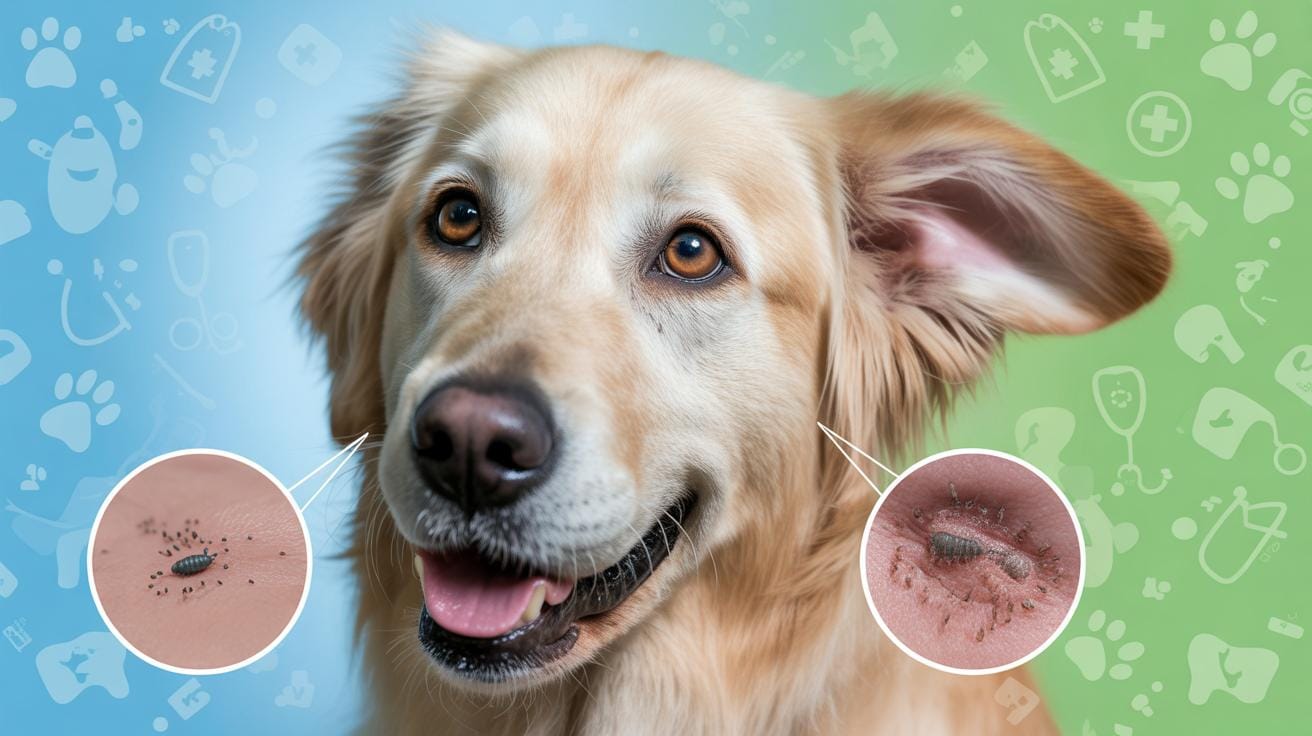
Understanding The Basics What Are Dog Ear Mites And Ear Infections
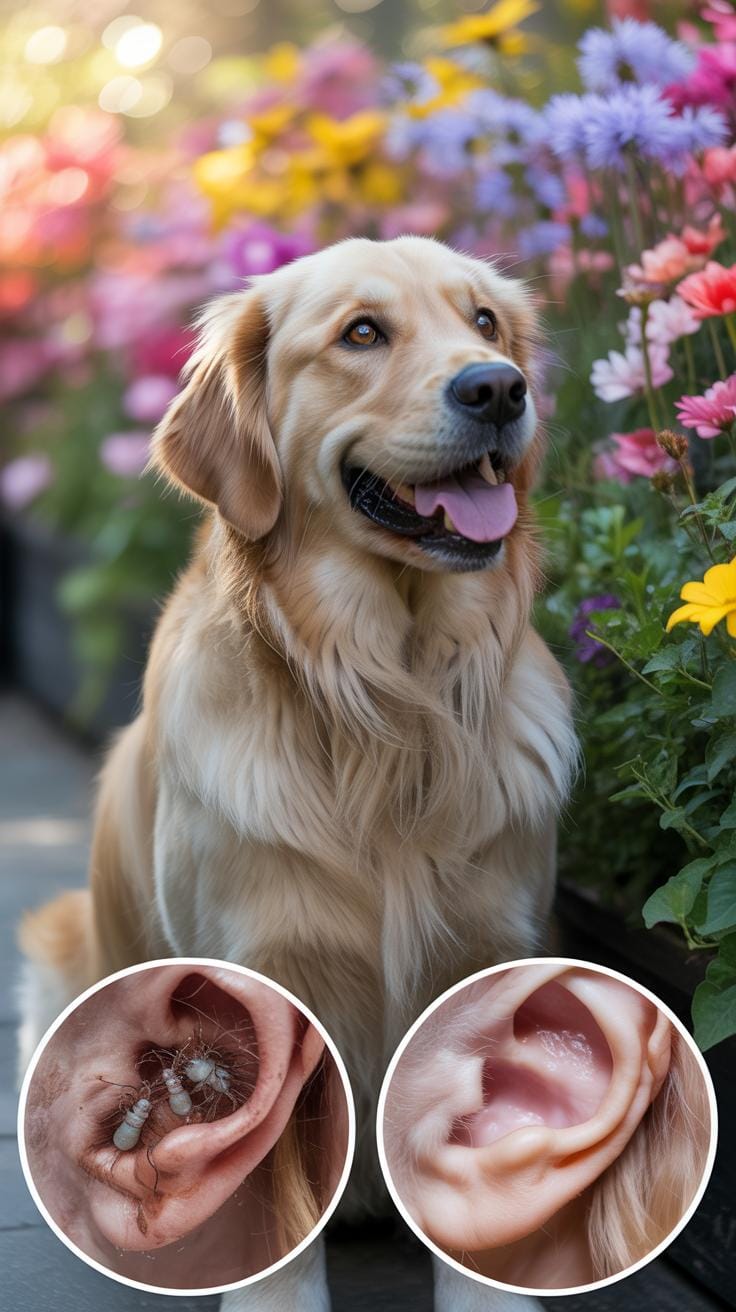
What Are Dog Ear Mites And How Do They Affect Your Pet?
Dog ear mites are microscopic parasites known as Otodectes cynotis. These pests live on the surface of the ear canal skin. They feed on ear wax and skin oils. Mites spread rapidly through direct physical contact between animals. They are highly contagious and common in outdoor environments or multi-pet households. If left untreated, these parasites cause intense itching and irritation for the host.
The presence of mites triggers a specific immune response in the dog. The ear canal produces thick, dark debris that resembles coffee grounds. This waste consists of blood, wax, and mite excrement. Constant scratching by the dog can lead to secondary physical damage. This includes skin tears or hematomas on the ear flap. Eradicating the infestation requires specific medication to kill the live mites and eggs.
What Causes A Dogs Ears Infection And Why Does It Happen?
Ear infections in dogs typically involve the overgrowth of bacteria or yeast. Unlike mites, infections are not contagious between animals. They often stem from underlying health issues like allergies or hormonal imbalances. Moisture trapped in the ear canal also creates an ideal environment for pathogens to thrive. Dogs with floppy ears are most at risk because their anatomy limits airflow and traps heat.
Secondary factors also contribute to the development of an infection. Foreign bodies like grass seeds can lodge in the canal and cause inflammation. Excessive cleaning or hair plucking can damage the delicate lining of the ear. This damage allows opportunistic bacteria to take hold. Effective treatment requires a professional diagnosis to identify the specific pathogen. Vets use various topical or oral antibiotics to resolve these internal medical issues.

Signs Of Ear Mites In Dogs Key Symptoms Every Owner Should Recognize
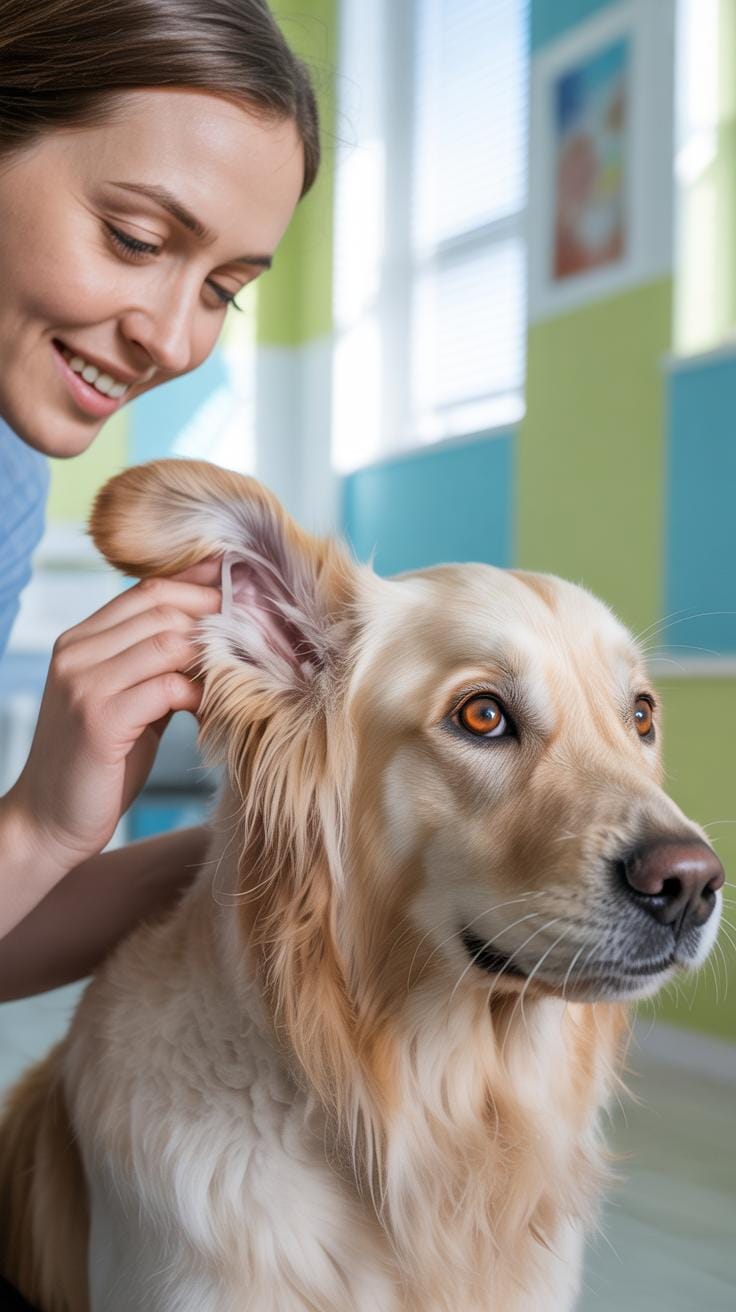
Physical And Behavioral Warning Signs That Point To Ear Mites
Ear mites are highly contagious parasites that live on the surface of the ear canal. Most dogs react to these tiny pests with intense, frantic scratching at the ears. You will see the dog shake its head violently or rub its ears against carpets and furniture. This behavior starts suddenly because the mites move under the skin surface. Constant scratching often leads to raw sores or scabs around the ear base.
Look for a dark, dry crust inside the ear flap. The skin inside the ear often appears red, inflamed, and irritated from the infestation. Unlike a standard infection, mites typically affect both ears simultaneously because the parasites migrate easily across the body. If your dog constantly tilts its head to one side, the mites may have caused deep irritation. Monitor these movements closely as they indicate immediate discomfort needing tactical intervention.
To know the difference between a dark speck of dust and the heat of a deep ache is to truly hear the silent needs of an old friend. Taking the time to observe their quiet discomfort is the purest language of love a companion can offer.
What Does The Discharge Look Like With Ear Mites Vs An Infection
The primary indicator of ear mites is the specific appearance of the ear debris. Mite waste and dried blood create a discharge that looks exactly like dry coffee grounds. This debris is crumbly and does not have a heavy, oily texture. If you see dark specks that smear red when placed on a damp paper towel, you are dealing with mites. This discharge lacks the creamy consistency of pus.

By contrast, an ear infection produces a different type of waste. Bacterial or yeast infections usually result in a greasy, yellow, or brown discharge. These infections often smell foul or sweet, whereas mite infestations have a less pungent odor. Infections cause the ear canal to swell or produce thick liquid. Identifying this texture is the fastest way to differentiate between a parasitic invasion and a biological infection within the ear.
Dogs Ears Infection Symptoms How To Spot An Infection Over Mites
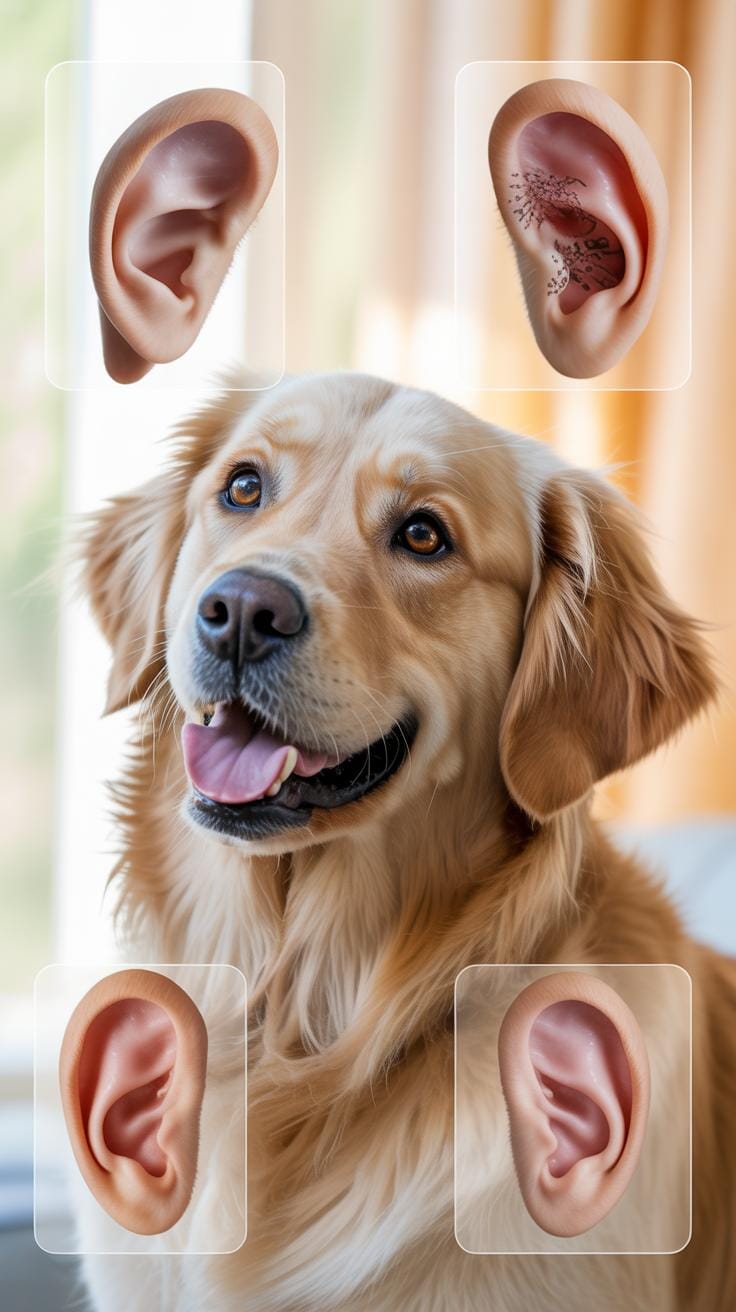
Redness, Swelling, And Odor: Classic Signs Of A Dog Ear Infection
Infections cause significant physiological changes that mites do not typically trigger. You will see deep redness throughout the ear canal. The tissue often looks angry and inflamed. Swelling narrows the ear opening and makes the area feel hot to the touch. These symptoms indicate an immune response to pathogens rather than a parasitic infestation. Focus on these physical structural changes first.
Odors provide the most immediate diagnostic clue. Bacterial or fungal overgrowth creates a distinct and often foul smell. Mites produce a dry discharge but rarely cause a strong scent. If the ear smells like old gym socks or rotting garbage, you are dealing with an infection. Look for discharge that appears yellow, green, or bloody. These fluids signal high white blood cell activity.
Bacterial Vs Yeast In Dogs Ears: Understanding The Two Most Common Infection Types
Bacterial infections often stem from Staphylococcus or Pseudomonas. These pathogens cause intense pain and create a moist environment. You will notice pus or thin fluid draining from the ear. Dogs will tilt their heads toward the affected side to relieve pressure. This type of infection requires targeted antibiotics. It often follows an injury or an underlying allergy that breaks the skin barrier.

Yeast infections involve Malassezia pachydermatis. This fungus thrives in dark and damp spaces. You will see a thick and greasy brown discharge. The skin may look thickened or leathery like an elephant hide. Owners often describe the smell as sweet or like corn chips. Unlike mite debris, yeast residue feels oily when rubbed between your fingers. Antifungal medication is the only way to resolve this.
Dog Ear Mites Vs Infection A Side By Side Comparison Of Both Conditions
How The Appearance Of Debris And Discharge Differs Between The Two
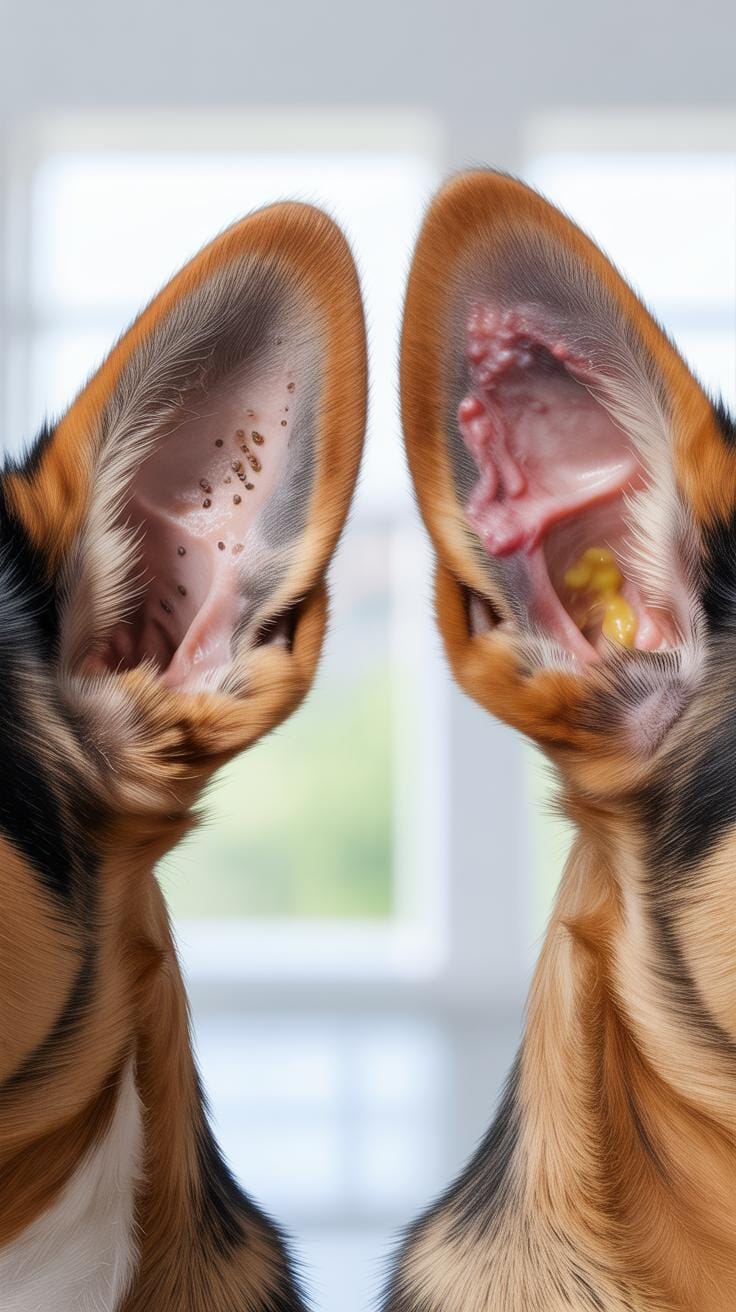
Ear mites produce a distinct type of waste. You will see dry discharge that looks like dark coffee grounds. This debris consists of dried blood, earwax, and mite excrement. It usually lacks a strong smell unless a secondary problem exists. The debris stays loose within the ear canal. You can often see small white specks moving if you look very closely at the dark matter.
Bacterial or yeast infections look different. Bacterial infections often create yellow or bloody discharge with a foul odor. Yeast infections produce a waxy, brown, or tan discharge that smells like old bread or vinegar. This material is usually greasy and sticks to the skin of the ear. It does not look like dry granules. The skin inside the ear often looks red and swollen with an infection.
Key Behavioral Clues That Help You Tell Ear Mites Apart From An Infection
Behavioral signs offer clear diagnostic data. Mites cause intense and sudden itching. You will see your dog scratching their ears constantly or shaking their head violently. Mites are highly contagious between pets. If one dog has it, your cats or other dogs will likely start scratching too. This rapid spread is a hallmark of a mite infestation rather than a standard localized ear infection.

Infections often cause more physical pain than itching. Your dog might cry out when you touch their head. They may tilt their head toward the side of the infected ear. Infections do not spread to other pets in the house through contact. If only one pet has symptoms and the ear feels hot to the touch, an infection is the likely cause. Chronic scratching usually suggests mites.
When To See The Vet Getting An Accurate Diagnosis For Your Dog
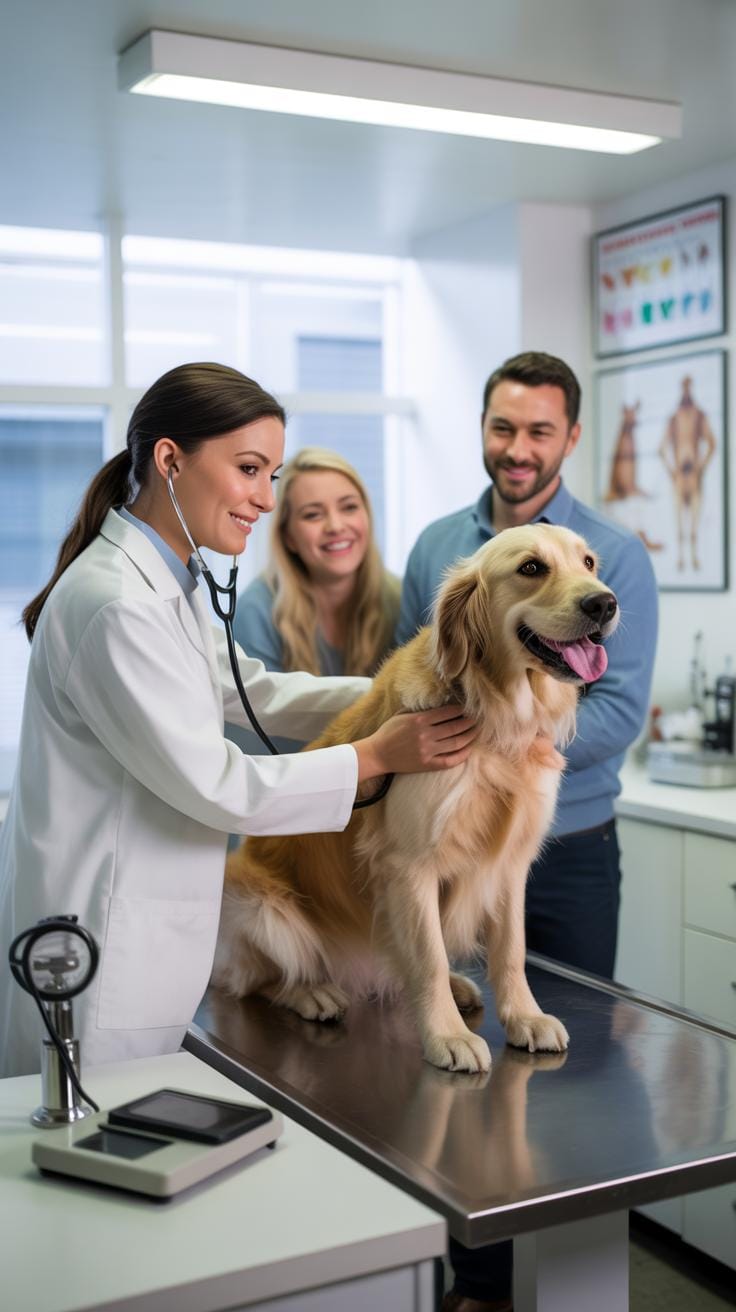
Why A Veterinary Exam Is The Most Reliable Way To Confirm The Cause
Visual inspection alone leads to errors. Many owners mistake dark wax for mites or yeast for dirt. Applying the wrong medication can worsen the issue. For example, some mite treatments contain harsh chemicals that irritate an already inflamed bacterial infection. A professional exam identifies the specific pathogen. This ensures the treatment matches the actual biological cause of the irritation.
Mites and infections require different medications. Mites are parasites that need parasiticides. Bacterial or yeast infections require antibiotics or antifungals. Using an ear cleaner when the eardrum is ruptured causes permanent hearing loss. Only a vet can check the integrity of the eardrum before prescribing drops. A clinical diagnosis prevents wasted money on ineffective over-the-counter products that do not work.
What To Expect During A Dog Ear Examination At The Veterinary Clinic
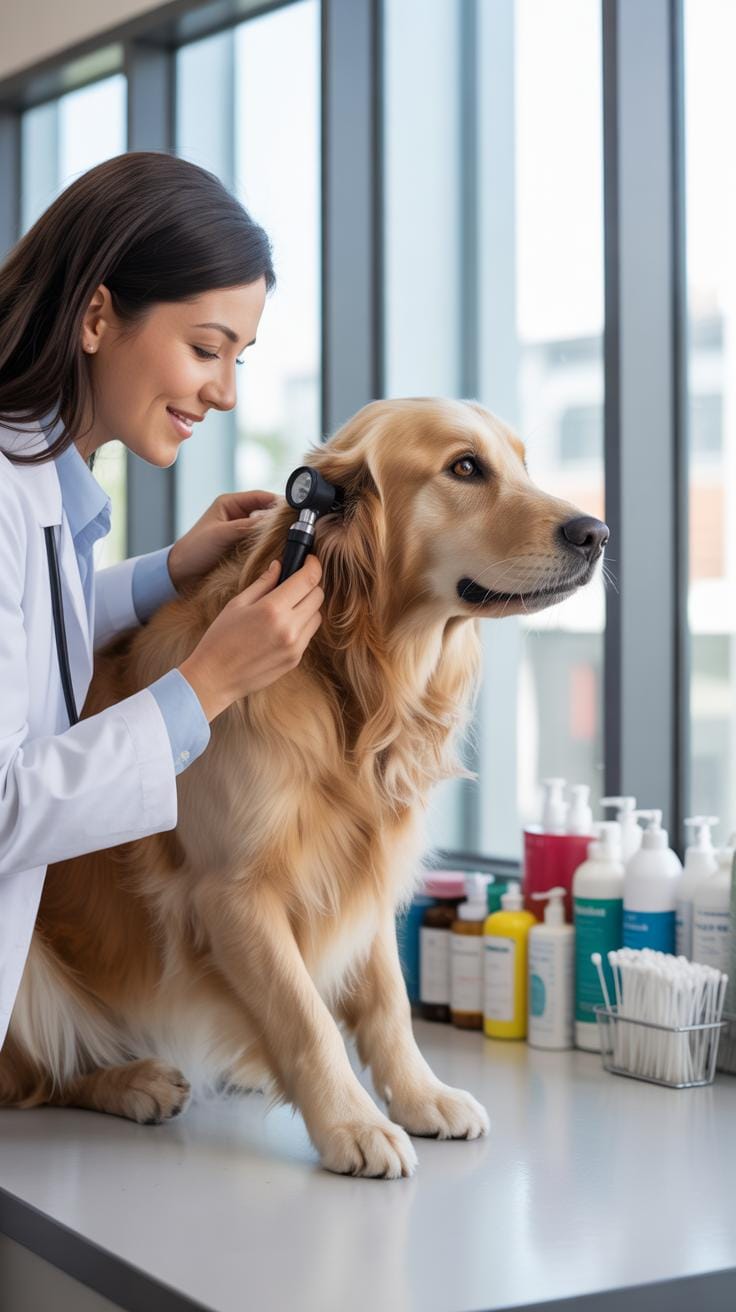
The veterinarian begins with a physical exam and an otoscope. This tool allows the vet to see deep into the ear canal. They look for inflammation, foreign bodies, or polyps. They also check if the eardrum is intact. This step is critical for safety. It determines which medications are safe to use. Visual cues help the vet decide which lab tests are necessary.

Next, the vet performs a microscopic evaluation called a cytology. They take a swab of the debris from the ear. They smear this sample on a glass slide and stain it. Under the microscope, mites appear as moving eight-legged organisms. Bacteria and yeast look like distinct cellular structures. This test provides a definitive answer. It removes guesswork and allows the vet to start the correct treatment immediately.
How To Treat Dog Ear Mites Veterinary And Over The Counter Options
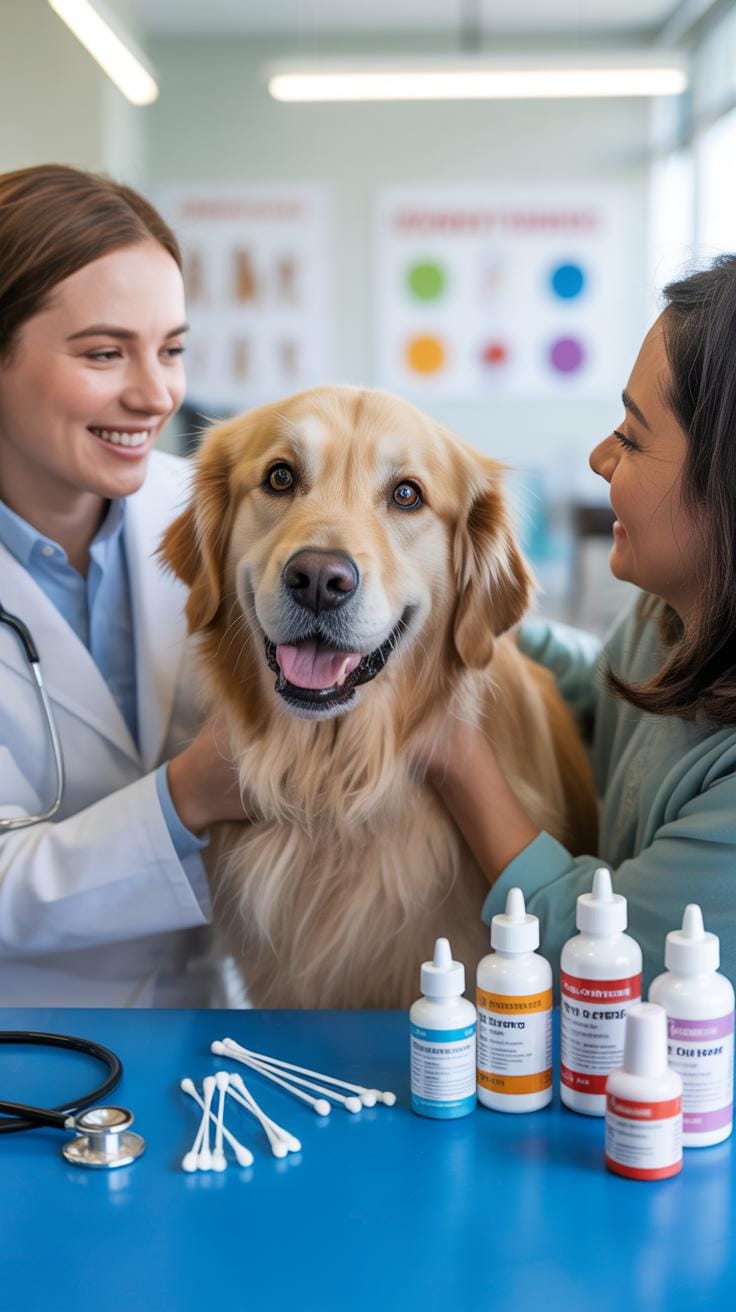
Prescription And OTC Treatments Vets Commonly Recommend For Ear Mites
Modern veterinary medicine relies on macrocyclic lactones to eradicate ear mites. These chemicals target the nervous system of the parasite. Veterinarians often prescribe topical medications like Revolution or Advantage Multi. These products contain selamectin or moxidectin. One dose usually kills the current population and provides residual protection. Systemic treatments offer higher success rates than older topical oils because they reach mites hidden deep in the canal.
Over-the-counter options usually contain pyrethrins or piperonyl butoxide. These insecticides kill adult mites on contact but do not penetrate the eggs. You must apply these drops daily for several weeks to match the mite life cycle. Failure to complete the cycle causes immediate re-infestation. Prescription options are safer and faster. They eliminate the need for daily ear probing which reduces the risk of injuring the delicate eardrum or canal lining.
Ear Mites In Dogs Remedies: Step By Step Guidance For Treating At Home Safely
Home treatment requires mechanical cleaning before applying any medication. Mites produce a thick waxy debris that shields them from liquids. You must remove this crust to expose the parasites. Use a dedicated ear cleaning solution to break down the wax. Avoid using cotton swabs deep in the canal. Instead use a soft cloth or cotton ball to wipe away the visible discharge gently.
- Mechanical Cleaning: Flush the ear with a veterinarian approved cleanser to dissolve the dark wax. Massage the base of the ear for thirty seconds to loosen debris. This step ensures the medication actually reaches the skin surface where mites feed and live.
- Application of Medication: Place the prescribed number of drops into the ear canal. Keep the dog still to prevent them from shaking the fluid out immediately. Apply the medication to all pets in the household to prevent cross contamination and recurring cycles.
- Environmental Sanitization: Wash all bedding and soft toys in hot water. While ear mites do not live long away from a host they can survive in the environment for several days. Cleaning the sleeping area prevents the dog from picking up stray mites after treatment.
- Secondary Infection Check: Inspect the ears for redness or a foul smell during the treatment process. Mites often cause damage that leads to bacterial or yeast infections. If the ears remain inflamed after the mites die you likely need a separate antibiotic or antifungal.
- Follow Up Inspection: Re-examine the ear canal two weeks after the initial treatment began. Look for new dark specks that indicate fresh mite activity. A second round of treatment is often necessary to kill any mites that hatched from eggs missed during the first application.

Consistency determines whether home treatment succeeds or fails. Many owners stop treatment once the itching subsides but before the eggs hatch. This mistake allows the infestation to return within days. Monitor your dog for signs of lingering discomfort or new discharge. If the condition does not improve within ten days seek professional help. Persistent issues often mean you are dealing with a resistant infection rather than just mites.
How To Treat Dog Ear Mites Naturally Safe Home Based Approaches
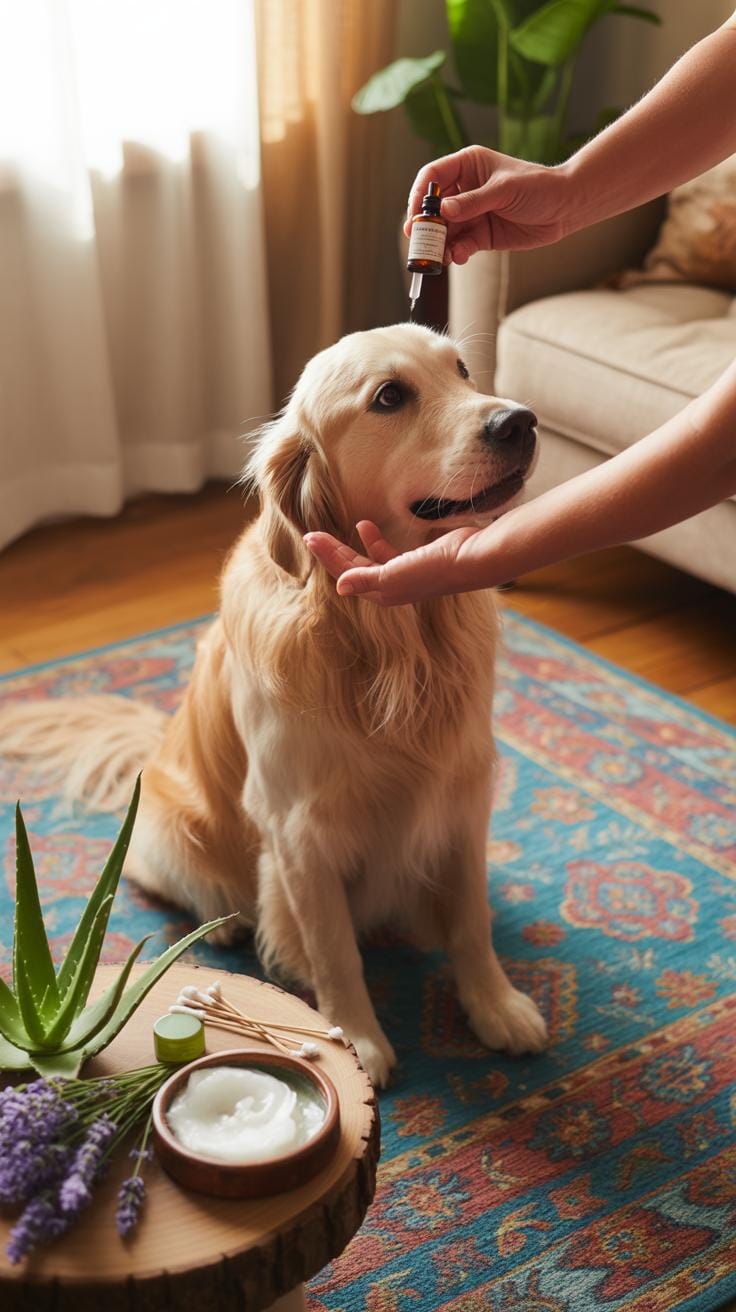
Natural Ear Mite Remedy Dogs: What Ingredients Are Considered Safe To Use
Natural treatments focus on suffocation and cleaning. Mites breathe through pores in their skin. Food-grade oils like olive oil or coconut oil serve as a physical barrier. These oils create a thick coating that cuts off the mite oxygen supply. You must apply the oil daily to ensure every mite dies. This mechanical process avoids the use of harsh synthetic chemicals on sensitive ear tissue.
Proper cleaning requires acidic or antiseptic solutions. Distilled white vinegar mixed with water can alter the pH balance of the ear canal. This environment makes it difficult for mites to thrive or reproduce. Diluted green tea possesses natural antiseptic properties that soothe irritated skin. These liquids help flush out the black debris that mites leave behind. Always dry the ear thoroughly after any liquid treatment to prevent yeast growth.
Important Limitations And Risks Of Relying Solely On Natural Remedies
Home remedies often fail to kill mite eggs. Mites have a twenty-one-day life cycle. Most natural oils only affect adult mites. If you stop treatment too early, the eggs hatch and start a new infestation. You must commit to a three-week schedule to see results. Many owners stop when symptoms improve, which leads to immediate relapse. Natural methods require high consistency and long-term discipline to succeed.

Natural solutions cannot address secondary bacterial infections. Mites cause intense itching that leads dogs to scratch and break the skin. Open wounds allow bacteria and yeast to enter the ear canal. Olive oil will not kill these pathogens. If the ear smells bad or has yellow discharge, natural oil is useless. You need medical grade antibiotics to stop an infection. Relying on oil during a serious infection causes your dog unnecessary pain.
How To Treat Pet Ear Infections What Works For Bacterial And Yeast Cases
Medicated Ear Drops, Antifungals, And Antibiotics: What Vets Typically Prescribe
Vets use laboratory cytology to identify the specific pathogen. If the test shows bacteria, they prescribe antibiotic drops like gentamicin or enrofloxacin. If yeast is the culprit, they use antifungals such as ketoconazole or clotrimazole. These drugs often come in combination formulas. These mixtures address inflammation, pain, and the primary infection simultaneously. You must follow the full course to prevent recurrence.
Severe cases require systemic oral medications alongside topical treatments. Vets prescribe oral antibiotics for deep tissue infections or ruptured eardrums. They also use corticosteroids to reduce swelling in the ear canal. This opening of the canal allows topical drops to reach the deeper infection site. Improperly treated infections lead to permanent scar tissue. This narrowing makes future infections more likely and harder to cure.
Cleaning And Maintenance Tips To Support Recovery From A Dog Ear Infection
Effective treatment starts with a clear ear canal. Debris and wax act as a shield for bacteria and yeast. You must use a veterinarian-approved cleanser rather than water or hydrogen peroxide. Fill the canal with the solution and massage the base of the ear. This action breaks up the gunk. Let the dog shake its head to move material out.
- Use Proper Solutions: Avoid home remedies like vinegar or alcohol. These liquids irritate inflamed skin and cause extreme pain. Stick to commercial cleansers containing salicylic acid or lactic acid. These ingredients dry the canal and lower the pH level to stop growth.
- Massage The Base: Pour the liquid in until you see it at the top. Massage the cartilage at the base of the ear for thirty seconds. You should hear a squishing sound. This mechanical action forces the cleaner into the deep crevices where pathogens hide.
- Let Them Shake: Dogs naturally shake their heads when liquid enters the ear. Do not stop this behavior. The centrifugal force pulls deep debris toward the outer ear. This makes it easier for you to wipe away the discharge without pushing it further back.
- Wipe Only Visible Areas: Use cotton balls or gauze to clean the outer flap and opening. Never use cotton swabs inside the actual canal. Swabs can puncture the eardrum or pack debris against it. Only remove what you can see clearly on the surface of the ear.
- Apply Meds After Cleaning: Always clean the ear before applying medicated drops. If you put medicine on top of wax, the drug never touches the skin. Wait five to ten minutes after cleaning for the ear to dry. This ensures the medication remains at full strength.

Consistency determines the success of the recovery process. Missed doses allow resistant bacteria to multiply rapidly. Monitor the ear daily for changes in smell or discharge color. If the ear remains red or painful after three days of treatment, contact your vet. You might need a different medication or a deeper flush. Finish every drop in the bottle as directed.
Preventing Dog Ear Mites And Ear Infections From Coming Back
Routine Ear Care Habits That Reduce The Risk Of Mites And Infections
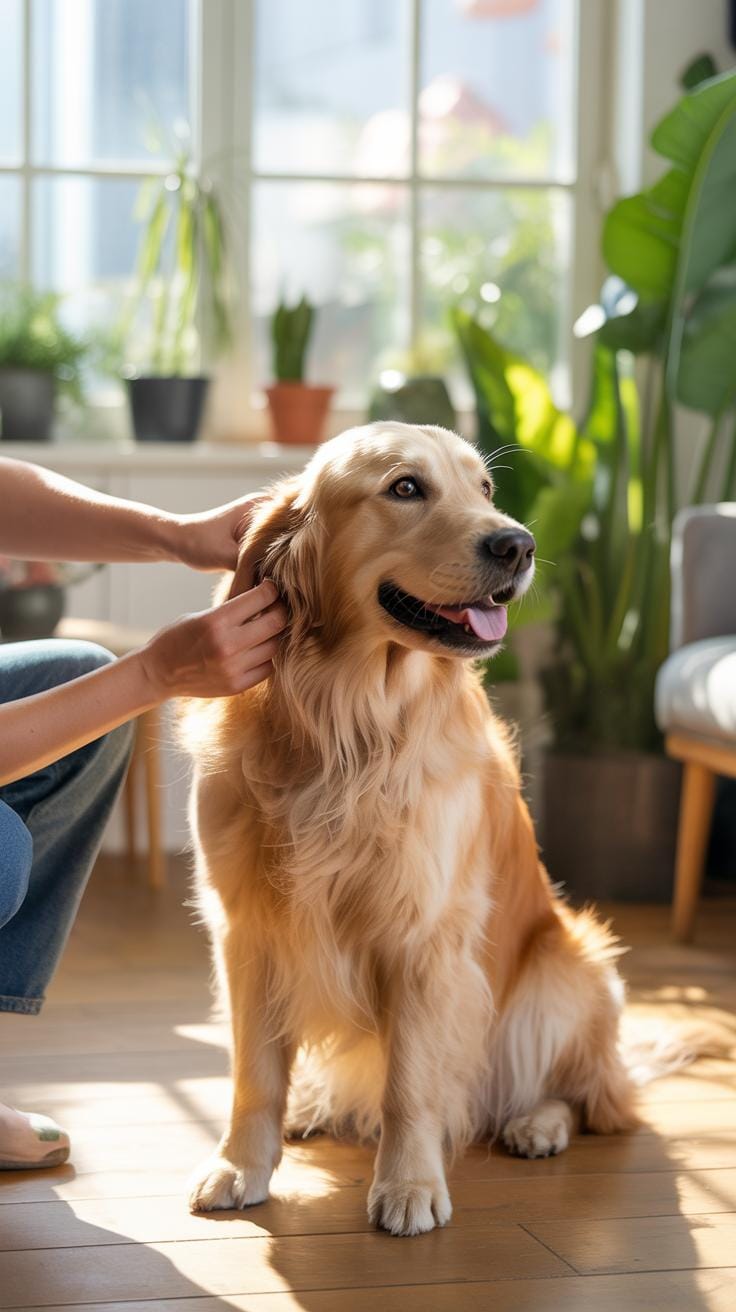
Consistent monitoring prevents minor issues from becoming clinical emergencies. Inspect your dog’s ears weekly for redness, swelling, or unusual odors. Use a veterinarian-approved ear cleaner to remove excess wax and debris. Avoid using cotton swabs deep in the ear canal. This practice pushes material further down and can rupture the eardrum. Simply wipe the visible outer ear with a clean cloth or gauze.
Dry ears are healthy ears. Moisture creates a breeding ground for yeast and bacteria. Always dry your dog’s ears thoroughly after baths or swimming sessions. Use an absorbent towel and ensure the canal is clear of trapped water. If your dog has floppy ears, lift them to improve airflow. Maintaining a dry environment is the most effective way to stop recurring bacterial and fungal growth.
Environmental And Lifestyle Changes That Help Protect Your Dogs Ear Health
Control the external environment to stop the spread of parasites. Ear mites are highly contagious and pass quickly between domestic animals. If you diagnose one pet with mites, treat every animal in your household simultaneously. Wash all bedding and grooming tools in hot water to kill lingering eggs. Consistent use of monthly flea and tick preventatives often protects against ear mite infestations before they start.
Diet and allergies frequently drive chronic ear infections. Identify food sensitivities or environmental triggers like pollen and dust. These factors cause inflammation in the ear canal skin. This inflammation leads to secondary infections that recur despite standard cleaning. Discuss an elimination diet or allergy testing with a professional. Managing the underlying immune response is the only way to break the cycle of chronic ear canal swelling.
Frequently Asked Questions

How can I tell if my pet has ear mites or an ear infection?
Distinguishing between dog ear mites vs infection often comes down to what you see inside the ear canal. Mites typically produce a dry, dark discharge that looks significantly like coffee grounds. In contrast, bacterial or yeast infections usually result in a greasy, yellow, or bloody discharge accompanied by a strong, unpleasant odor. While both cause intense scratching and head shaking, the color and texture of the debris are your best initial clues.
What is the best way to check my dog’s ears for mites at home?
To investigate the dog ear mites vs infection debate at home, use a cotton ball to gently swipe the outer ear. Place any dark debris on a white paper towel and add a drop of mineral oil. If you see tiny white specks moving under a magnifying glass, you are likely dealing with highly contagious mites. If there is no movement but the ear is red and swollen, an infection is more probable.
Can I use over-the-counter remedies to treat these ear issues at home?
While budget-friendly ear cleaners can help maintain hygiene, they rarely cure a deep-seated issue. Most over-the-counter mite treatments only work if the eardrum is intact, while infections require specific antibiotics or antifungals prescribed by a vet. Attempting to treat the wrong condition can lead to hearing loss or chronic pain. Investing in a professional diagnosis ensures you get the right medication promptly, saving you money on ineffective home remedies.