What Is Pica In Dogs And Why Does It Happen When A Dog Eats Non Food Items
The Clinical Definition Of Pica And How Vets Diagnose It In Dogs
Pica is the persistent craving and ingestion of non-nutritive substances. This behavior differs from typical puppy mouthing. It indicates an underlying medical or psychological issue. Veterinarians define it as a compulsive disorder when the dog targets specific materials like metal, plastic, or stones. You must monitor your dog for gastrointestinal distress. Obstructions often signal the presence of this condition during a clinical exam.
Diagnostic procedures start with a complete blood count and chemistry profile. These tests rule out anemia, diabetes, or pancreatic insufficiency. Vets also use abdominal X-rays or ultrasounds to find ingested objects. If blood work is normal, the vet focuses on behavioral triggers. They look for signs of separation anxiety or extreme boredom. Proper diagnosis requires distinguishing between physical hunger and a deep psychological compulsion.
Common Non Food Items Dogs Are Most Likely To Eat And Why They Target Them
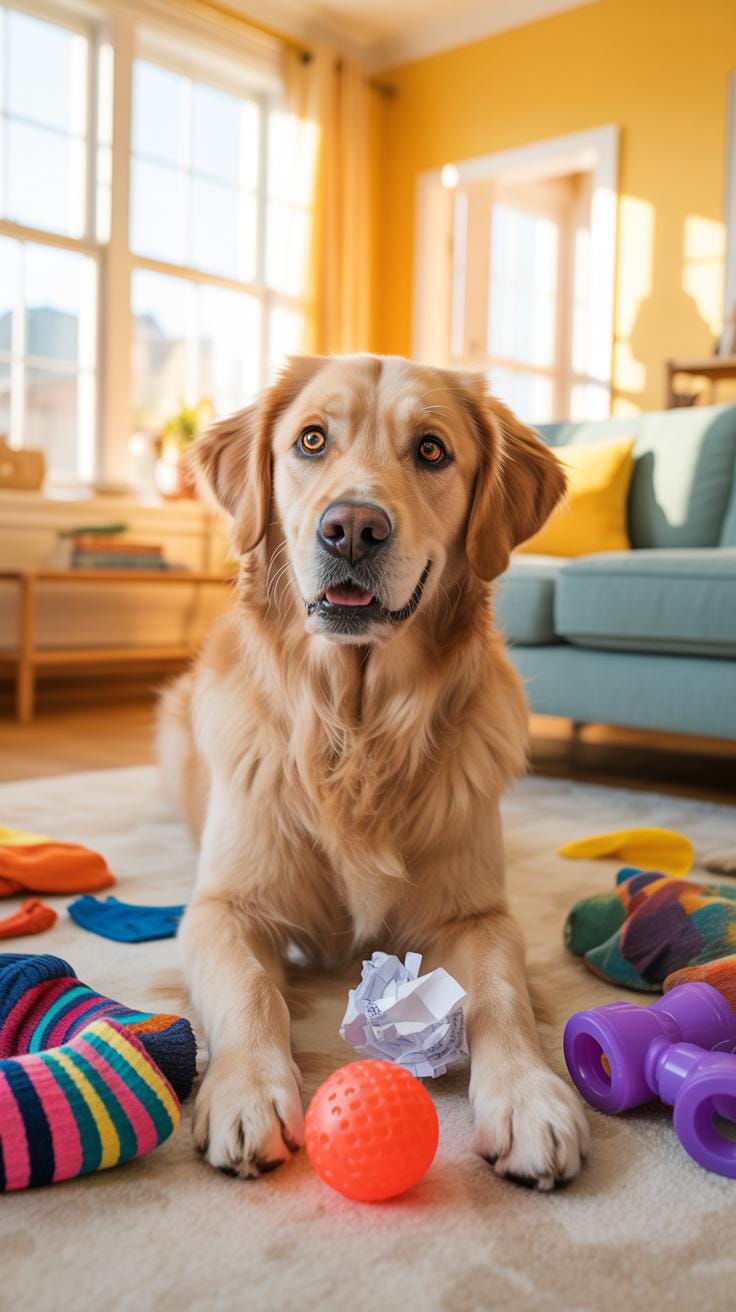
Dogs frequently target items like rocks, dirt, cloth, and plastic. Rocks and dirt often appeal to dogs due to mineral deficiencies or simple curiosity. Soft items like socks and underwear carry the owner’s scent. This provides a sense of security for anxious animals. Plastic and wood offer a specific texture that satisfies a chewing urge. Identifying the specific material helps you determine the cause of the behavior.
Secondary targets include metal objects and drywall. These items often indicate high levels of frustration or boredom. The dog seeks sensory input to relieve stress. Some dogs eat grass to soothe an upset stomach or improve digestion. However, consistent consumption of indoor objects suggests a more serious habit. You must remove these items from the environment immediately. Access to dangerous materials leads to expensive surgeries and life-threatening blockages.

Why Do Dogs Eat Grass Instinct Digestion Or Something Else Entirely
The Ancestral And Instinctual Reasons Behind Grass Eating In Domestic Dogs
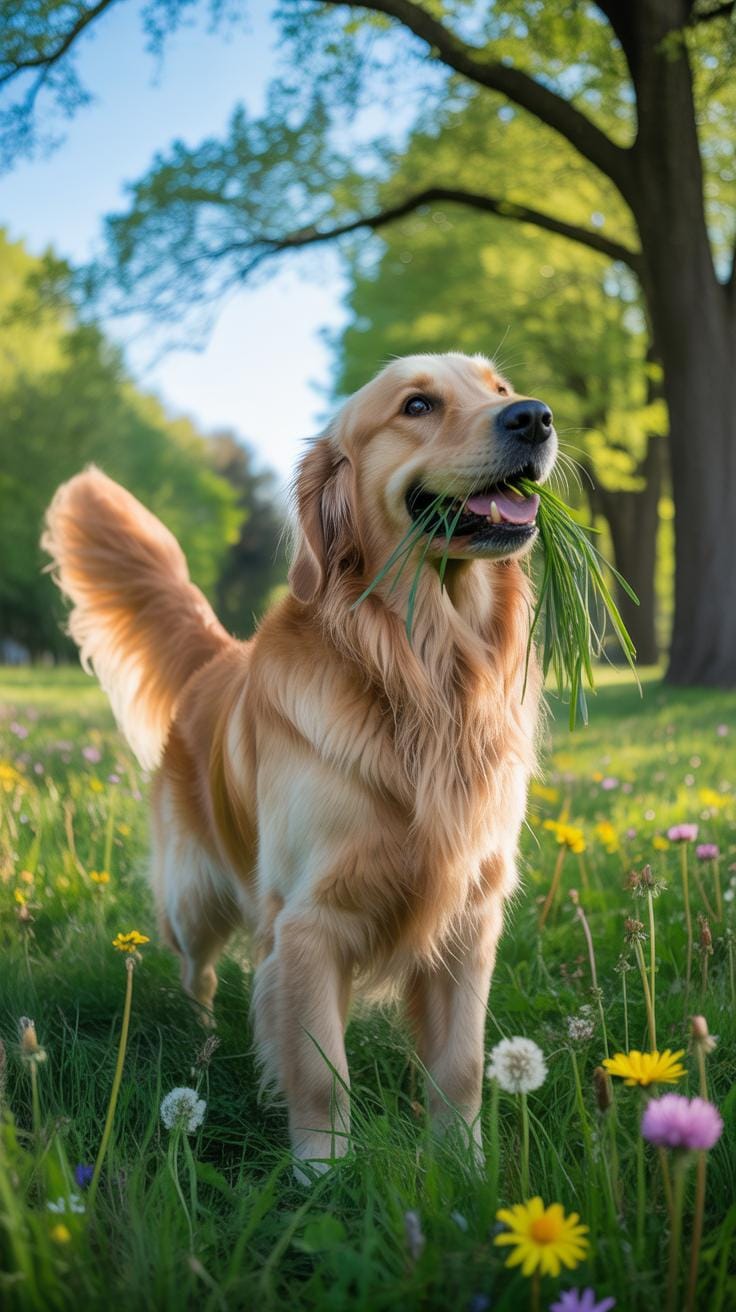
Wild canines eat entire prey animals. They consume the stomach contents of herbivores which often include fermented plants and grasses. Modern dogs lack this source of vegetation in their processed diets. Eating grass mimics this ancient feeding pattern. It provides roughage that their ancestors received naturally. This behavior remains hardwired in the canine brain despite thousands of years of human domestication.
Dogs scavenge for nutrients that their standard kibble might lack. Grass contains essential phytonutrients and high levels of fiber. Instinct drives the dog to find these components in their immediate environment. This habit demonstrates a survival mechanism that helps maintain intestinal health. Domestic dogs are not pure carnivores. They function as opportunistic omnivores. They use instinct to balance their biological needs through environmental foraging.
Does Eating Grass Actually Help A Dogs Upset Stomach Or Is That A Myth
Most owners believe dogs eat grass specifically to induce vomiting. Scientific data does not support this claim as a primary motivation. Research shows that less than twenty five percent of dogs vomit after eating grass. Furthermore, very few dogs show signs of illness before they start grazing. Eating grass is usually a normal behavior rather than a sign of a medical emergency or stomach distress.

The physical texture of grass can irritate the throat and stomach lining. This irritation sometimes triggers a gag reflex in certain dogs. However, the plant material serves a more tactical purpose in the digestive tract. It helps move fluids and waste through the intestines by increasing bulk. Do not assume your dog feels sick if it eats grass. Most dogs simply enjoy the taste and texture of fresh greenery.
Why Dogs Eat Dirt And What Their Soil Cravings Could Be Telling You About Dog Nutrition
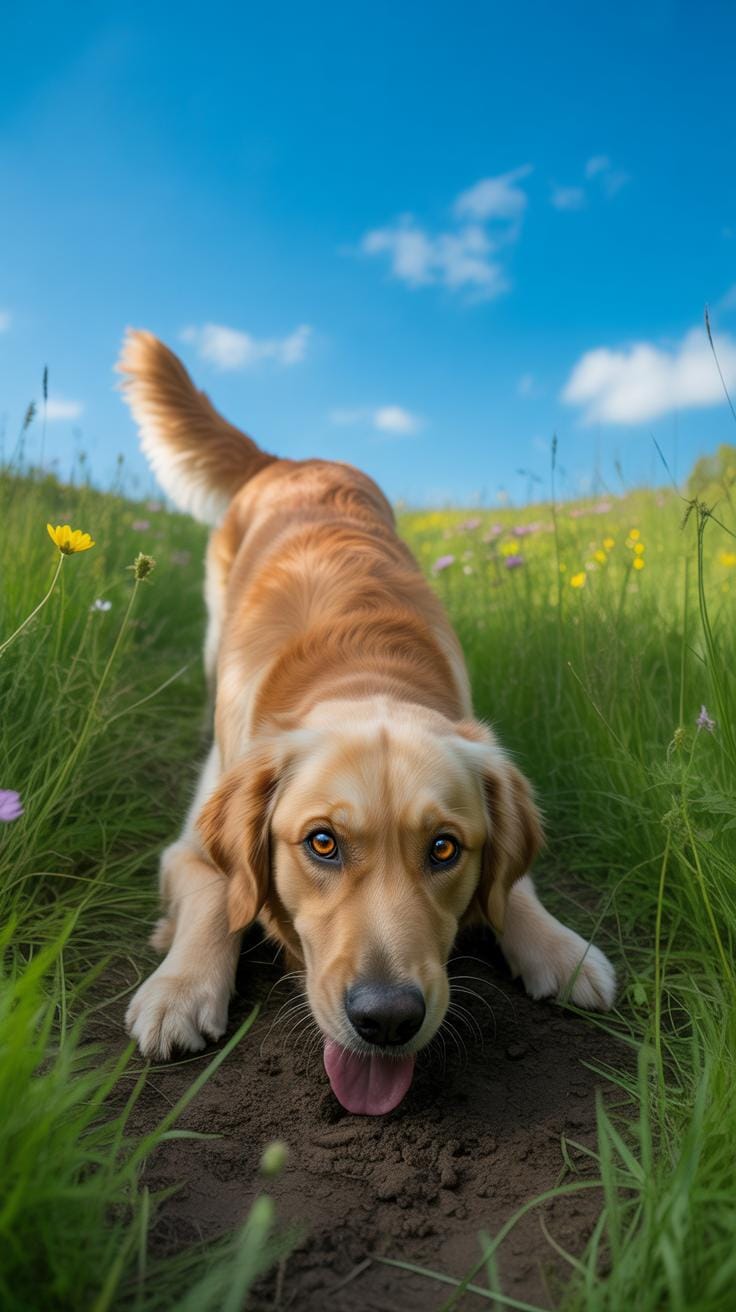
Mineral Deficiencies And How Poor Dog Nutrition Can Drive Dirt Eating Behavior
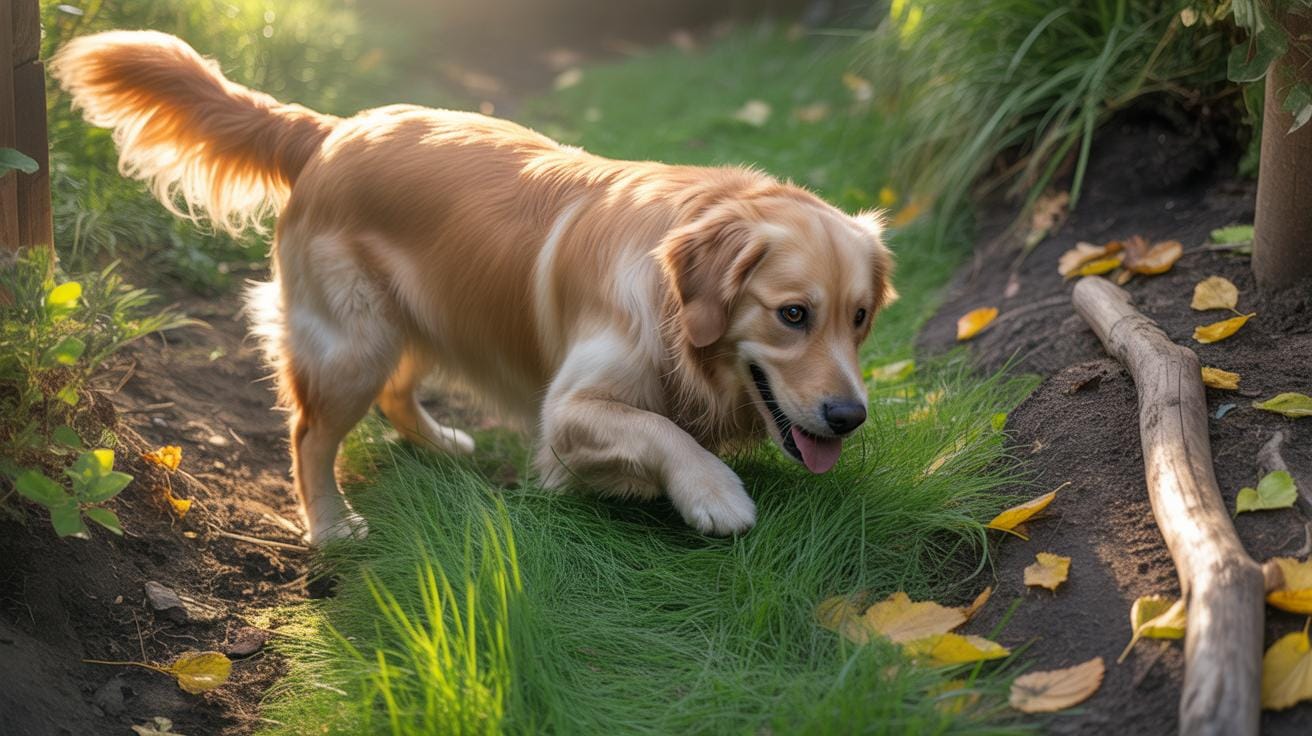
Dogs eat dirt to find minerals missing from their daily diet. This behavior suggests a lack of iron, magnesium, or sodium in their system. Low quality dog foods often use fillers that provide calories without essential micronutrients. When the body senses a biological gap, the dog instinctively seeks those minerals in the ground. Soil contains concentrated deposits that provide immediate chemical feedback to the animal.
Geophagia is the technical term for this practice. It is a primitive survival mechanism seen in many wild canine species. Domestic dogs rely on owners to provide balanced meals. If the diet is incomplete, the dog will attempt to self-medicate through the environment. You must analyze the nutrient profile of your current kibble. Strategic changes to high quality proteins and diverse mineral sources usually stop this specific craving.
When Dirt Eating Becomes A Health Concern And What Your Vet Needs To Know
Occasional dirt eating might be harmless exploration, but persistent soil consumption indicates a medical issue. Anemia is a frequent culprit. When red blood cell counts drop, dogs often crave inorganic materials. This behavior can also signal gastrointestinal distress or malabsorption syndromes. The dog tries to soothe an upset stomach or stabilize its gut pH. You must monitor the frequency and intensity of the soil seeking.

Consult a veterinarian if the behavior persists for more than two days. Note the specific type of soil the dog selects. Tell the vet if the dog acts lethargic or has pale gums. These clinical signs point toward serious internal imbalances. The vet will run blood panels to check for organ dysfunction or parasitic infections. Early intervention prevents long term damage to the digestive tract and improves overall recovery.
Behavioral And Psychological Causes Behind A Dog That Eats Non Food Items
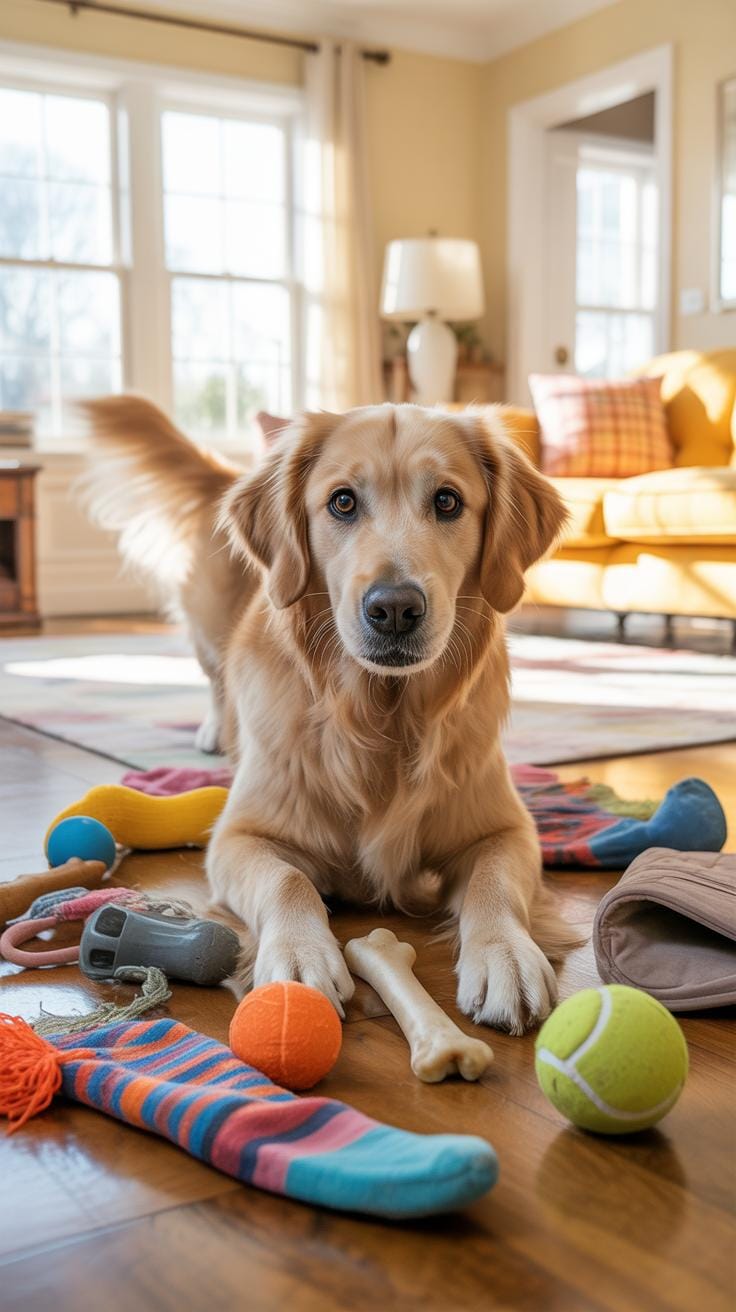
How Boredom, Anxiety, And Stress Can Trigger Non Food Consumption In Dogs
Dogs lack constructive ways to vocalize frustration. When a dog feels bored, it seeks sensory input to fill the void. Chewing and swallowing objects like rocks or fabric provides tactile stimulation. This behavior often serves as a self-entertainment mechanism. Owners frequently misinterpret this as hunger. In reality, the dog uses its mouth to explore and interact with a stagnant environment. Lack of exercise heightens this drive.
Stress and anxiety trigger a different physiological response. High cortisol levels prompt dogs to seek soothing activities. Ingesting non-food items can release endorphins that temporarily calm the animal. This often happens during separation or loud events. The dog associates the act of eating strange items with a reduction in internal tension. You must address the environmental stressors to stop the cycle. Ignoring these triggers leads to chronic pica.
Nature has its own secret wisdom, and sometimes our dogs are just trying to taste the earth they belong to. When they nibble the grass or the soil, they are following an ancient rhythm that leads them back to their wildest roots.
Compulsive Disorders In Dogs And Their Link To Repetitive Pica Like Behavior
Compulsive disorders go beyond simple boredom. These behaviors are repetitive and serve no clear functional purpose. A dog with a compulsive disorder may fixate on eating dirt or gravel every day. This happens even when the dog is not stressed. The behavior becomes hardwired in the brain. It interferes with normal activities like playing or sleeping. You cannot easily distract a dog during a compulsive episode.

Genetics and brain chemistry play significant roles in these repetitive patterns. Certain breeds show a higher predisposition for compulsive oral behaviors. Neurological pathways become fixed on specific actions over time. Behavioral modification and medical intervention are often necessary for these cases. Punishing the dog does not work. It usually makes the obsession worse. Early identification is tactical. It prevents the habit from becoming a permanent part of the dog’s daily routine.
Dangerous Foods For Dogs And Toxic Non Food Items That Could Seriously Harm Your Pet
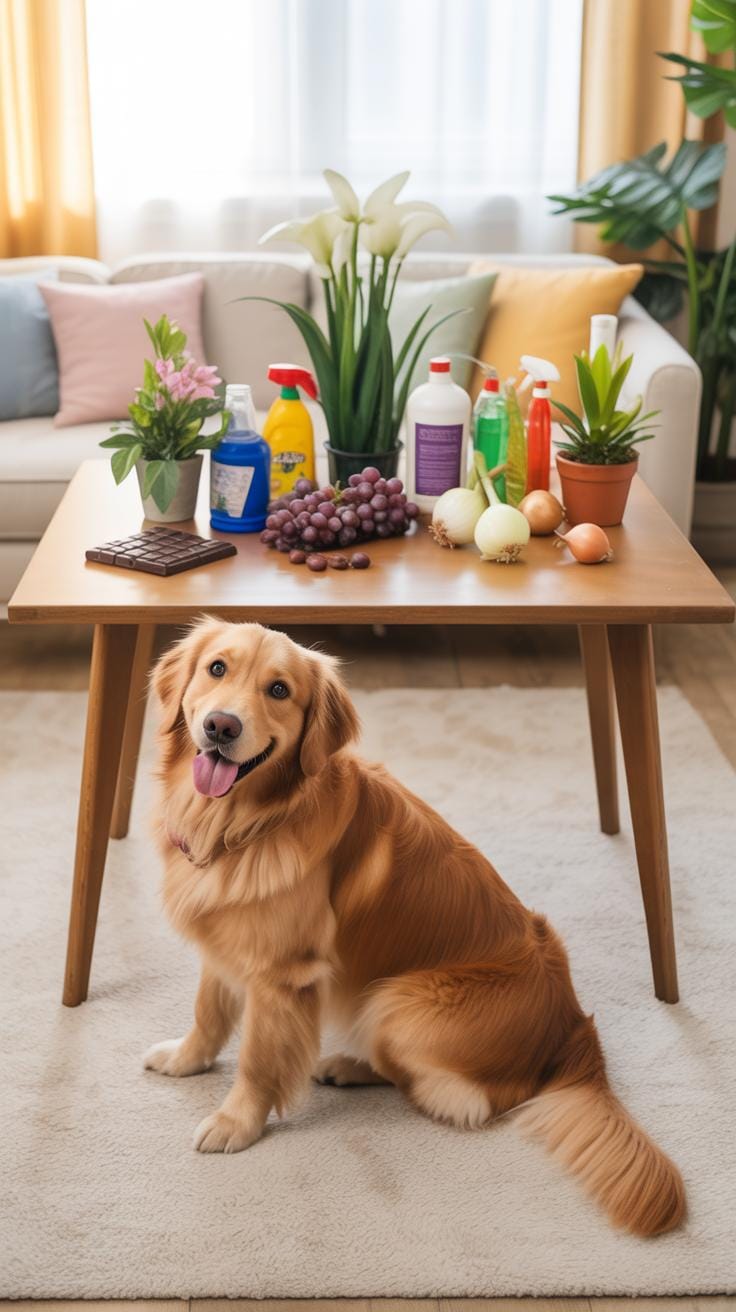
Toxic Foods For Dogs That Are Commonly Found Around The Home And Garden
Domestic environments contain many food items safe for humans but lethal for dogs. Xylitol serves as a primary threat in sugar-free gums and peanut butters. This sweetener triggers a rapid insulin release in dogs. The resulting hypoglycemia causes seizures or liver failure within hours. Grapes and raisins also pose severe risks. These fruits cause sudden kidney failure through mechanisms science still lacks a full explanation for today.
Alliums like onions and garlic cause oxidative damage to canine red blood cells. Consumption leads to hemolytic anesthesia regardless of whether the plant is raw or cooked. Chocolate contains theobromine and caffeine which the canine metabolism cannot process effectively. These stimulants attack the central nervous system and heart muscle. Macadamia nuts represent another specific hazard. Small amounts cause hind limb weakness and tremors that require immediate clinical intervention to resolve.
Household Non Food Items That Are Dangerous For Dogs To Chew Or Swallow
Common household products create chemical or physical hazards for curious dogs. Cleaning agents and fertilizers often contain caustic chemicals that burn the esophagus upon ingestion. Batteries pose a double threat of electrical burns and heavy metal poisoning if pierced. Owners must secure these items in high cabinets or locked containers. Preventative storage reduces the risk of emergency surgeries or permanent internal organ damage from accidental exposure.
- Button Batteries: These small cells generate an electrical current when stuck in moist tissue. This process creates caustic soda that dissolves the esophagus or stomach lining in under two hours.
- Ethylene Glycol: Found in automotive antifreeze, this liquid tastes sweet to dogs. Ingestion causes rapid crystals to form in the kidneys. These crystals shut down renal function and lead to death without treatment.
- Laundry Pods: These concentrated detergent packs contain high-pressure surfactants. When a dog bites one, the chemical spray causes severe lung inflammation and chemical burns to the throat or eyes upon contact.
- Human Medications: NSAIDs like ibuprofen or acetaminophen cause gastric ulcers and liver destruction in dogs. Most human pills are formulated for higher body weights and different metabolic pathways than those of domestic canines.
- Rodenticides: Most rat poisons use anticoagulants to prevent blood from clotting. Dogs that eat these baits or the poisoned rodents often suffer internal bleeding. This condition remains hidden until the pet experiences a total physical collapse.
Non-food items like coins or hardware present unique dangers beyond simple choking. Pennies minted after 1982 contain high levels of zinc. Stomach acid breaks down the copper plating and releases the zinc into the bloodstream. This leads to life-threatening hemolytic anemia and multi-organ failure. Always scan floor surfaces for dropped metal objects. Removing these small triggers prevents the need for invasive endoscopies or high-cost toxicological treatments at the vet.
Understanding The Foods Dogs Can Eat Versus Things That Trigger More Non Food Cravings
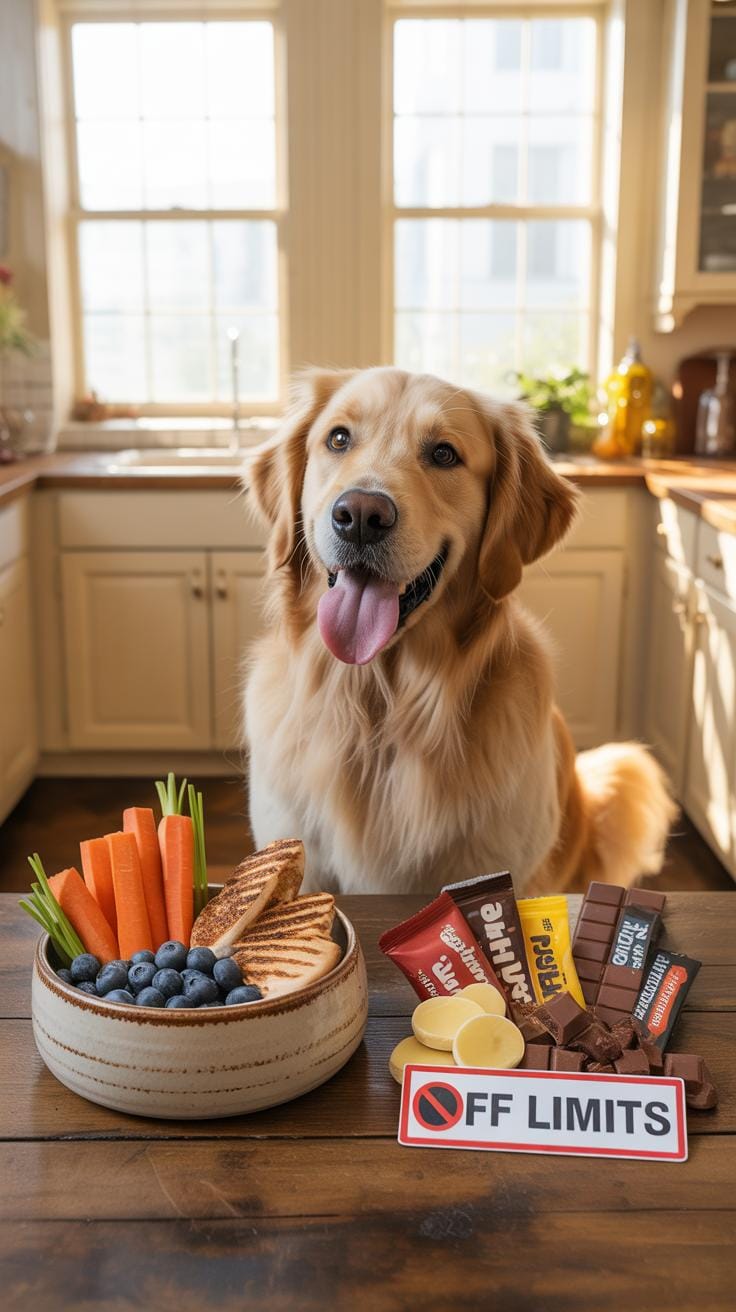
Foods Dogs Can Eat That Support Digestive Health And Reduce Grass Or Dirt Cravings
Dogs often eat grass or dirt to compensate for a lack of dietary fiber. High-fiber foods stabilize the digestive tract and promote regular bowel movements. This reduces the urge to seek roughage from outside sources. Pureed pumpkin and steamed green beans provide soluble and insoluble fiber. These additions bulk up the stool and help the gut process waste more efficiently without adding excess calories.
A healthy microbiome prevents common digestive upsets that lead to pica behavior. Plain Greek yogurt or specific canine probiotics introduce beneficial bacteria to the stomach. These microorganisms break down food and improve nutrient absorption. When a dog absorbs enough minerals from their meals, they stop searching for them in the soil. Consistent digestive support eliminates the physiological triggers that cause dogs to ingest non-food items.
Dog Safe Foods That Can Be Used As Enrichment To Redirect Non Food Chewing
Boredom and anxiety often drive dogs to chew on rocks or sticks. Functional food enrichment provides a productive outlet for this oral fixation. Smearing peanut butter or mashed bananas inside a durable rubber toy keeps the dog focused on edible rewards. This tactical redirection replaces the habit of destructive chewing with a rewarding task. Long-lasting food puzzles satisfy the natural urge to forage safely.

Raw carrots and sliced apples offer a crunchy texture that mimics the sensation of chewing on wood or plastic. These items provide vitamins while keeping the jaw active and the mind engaged. Providing safe alternatives prevents the formation of dangerous pica habits. Strategic use of these foods shifts the dog’s focus away from backyard debris. High-value food enrichment effectively stops non-food consumption by meeting the dog’s mental needs.
Using A Foods Dogs Cant Have Chart To Protect A Dog That Already Eats Non Food Items
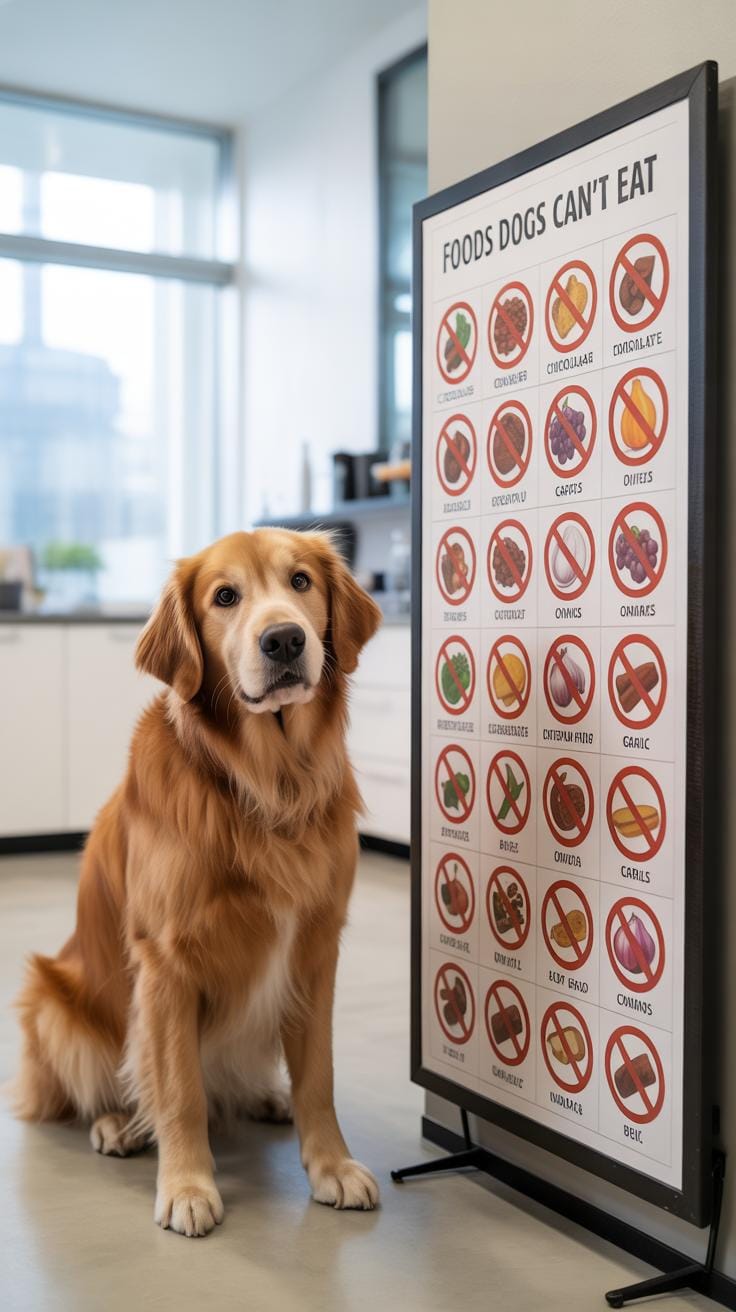
How To Read And Apply A Foods Dogs Cant Have Chart In Everyday Pet Care
A toxicity chart serves as a critical defense tool for owners of dogs that scavenge. You must view this document as a tactical map for your kitchen and home. Identify items like xylitol, grapes, and onions immediately. These ingredients often hide in processed human foods. Check every label against the chart before allowing any access to food prep areas or trash bins.
Place the chart in a high traffic location for all household members to see. Consistency prevents accidental poisoning. Use the chart to train family and guests on strict boundaries. If a dog eats non food items regularly, you cannot assume they will ignore a dropped grape or a chocolate bar. Treat the chart as a non-negotiable set of rules to harden your home.
Why Dogs With Pica Are At Greater Risk When Exposed To Foods On The Dangerous List
Dogs with pica lack the instinctual filter to avoid harmful substances. This condition drives them to ingest high volumes of foreign material quickly. When a pica-prone dog encounters toxic food, they often consume lethal doses before an owner can intervene. Their habit of eating non-food objects makes them more likely to ingest wrappers or containers that still hold concentrated chemical toxins.

Ingesting toxic food alongside non-food items creates a medical emergency. Foreign objects like plastic or cloth can trap toxins in the digestive tract. This prolongs the absorption time of poisons like caffeine or theobromine. A dog that already eats non-food items faces a double threat of intestinal blockage and systemic poisoning. You must eliminate all access to these dangerous foods to prevent a fatal interaction.
Things Dogs Can Eat To Satisfy Natural Chewing Urges Without Eating Non Food Items
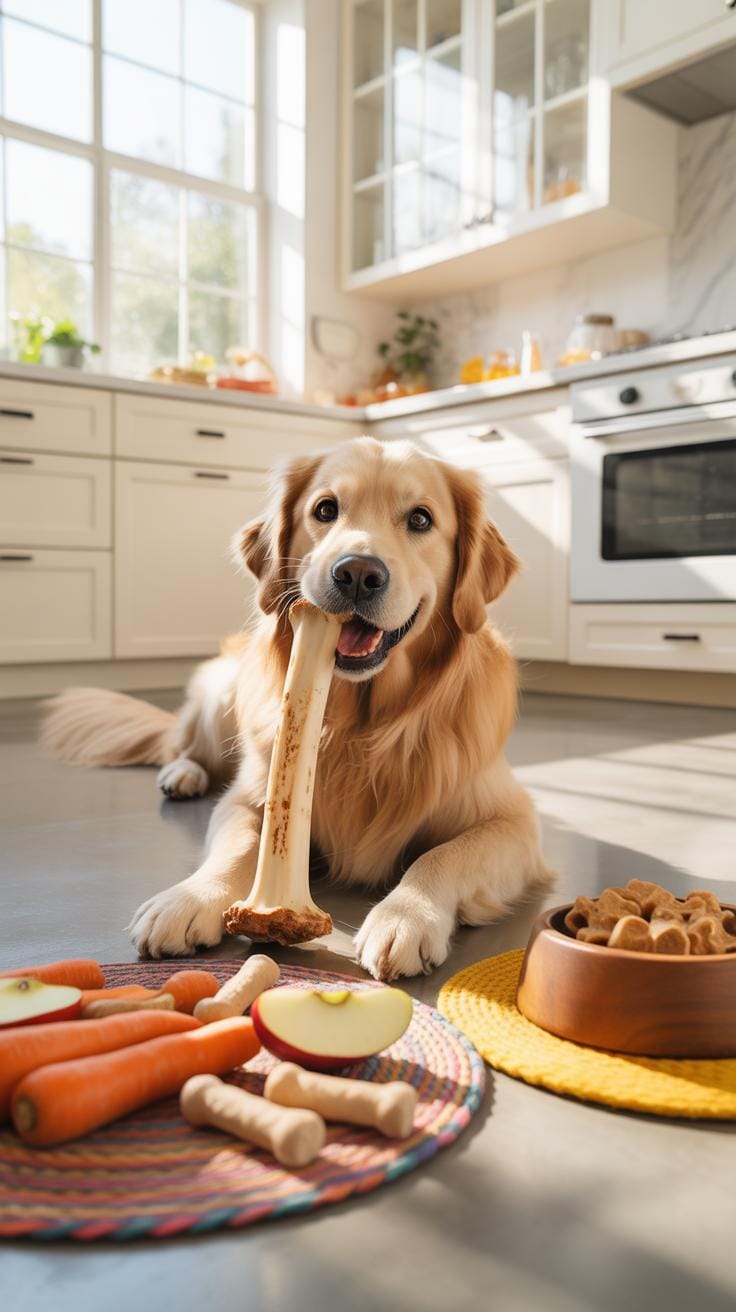
Natural Chews And Vet Approved Things Dogs Can Eat To Curb Destructive Chewing
Dogs possess a biological drive to chew for jaw strength and dental hygiene. Providing natural animal-based chews like bully sticks or pig ears satisfies this instinctual need. These items offer high protein content and digestible fibers that clean teeth through mechanical friction. Always select single-ingredient products to avoid chemical additives. These options prevent the dog from seeking out dangerous synthetic materials in the house.
Vet-approved dental chews also offer a safe alternative to rocks or wood. Manufacturers design these treats with specific textures that scrape away plaque without fracturing teeth. Durable rubber toys stuffed with wet food provide long-term engagement. Freezing these toys increases the difficulty and extends the chewing duration. This method keeps the dog occupied and reduces the likelihood of it consuming harmful household objects.
How Introducing The Right Chewable Foods Helps Redirect A Dog Away From Non Food Items
Redirecting a dog away from non-food items requires consistent access to superior alternatives. When a dog discovers an appropriate chew provides better flavor and texture than a shoe, it shifts its preference. Positive reinforcement strengthens this choice. You create a new habit by replacing forbidden objects with edible chews immediately. This strategy targets the root cause of the behavior rather than just punishing the action.
The right chewable foods provide sensory feedback that synthetic items lack. Natural textures engage the olfactory and gustatory systems of the dog. This sensory saturation reduces the boredom that often leads to eating dirt or grass. Strategic feeding of dense vegetables like carrots also provides crunch and fiber. High-fiber snacks help the dog feel full. A satiated dog is less likely to forage for non-food items in its environment.
Healthy Dog Treats Homemade Recipes That Help Address Nutritional Gaps Behind Non Food Eating
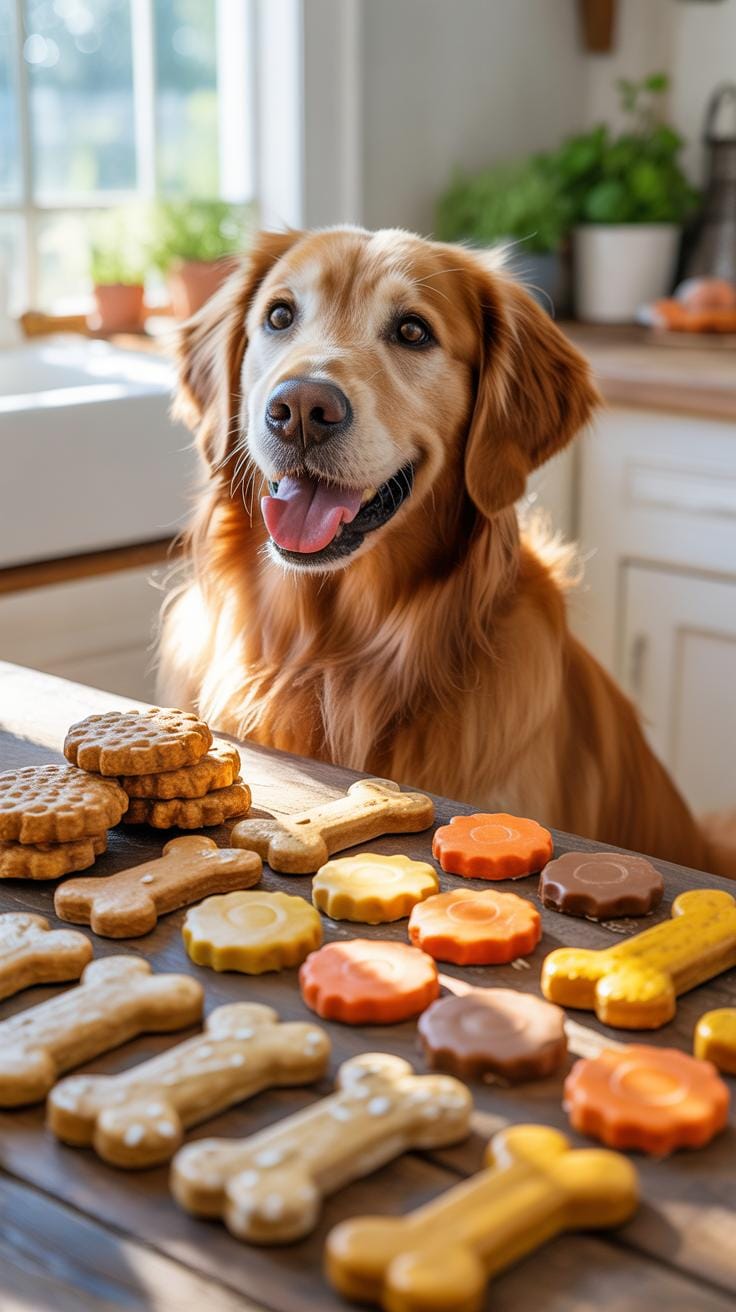
Simple Healthy Dog Treats Homemade Ideas Using Dog Safe Foods From Your Kitchen
Dietary deficiencies often drive a dog to seek minerals in dirt or grass. You can counter these behaviors by integrating whole food supplements into their daily routine. Using ingredients from your pantry allows you to control the nutrient density and avoid chemical fillers. These snacks serve as functional tools to satisfy the oral fixations common when a dog eats non food items.
- Dehydrated Sweet Potato Slices: These provide high fiber content to support digestive health and satiety. Fiber helps regulate the gut and may reduce the urge to consume grass. Slice them thin and bake at low heat until they reach a tough leather consistency for maximum chewing time.
- Pureed Pumpkin Ice Cubes: Canned pumpkin contains soluble fiber and essential vitamins that help stabilize the gastrointestinal tract. Freezing the puree into cubes creates a cooling treat that occupies the mouth. This distraction technique redirects dogs away from eating mulch or gravel during outdoor time.
- Plain Boiled Chicken Breasts: High quality animal protein helps ensure your dog receives the necessary amino acids for muscle maintenance. Protein gaps can sometimes lead to scavenging behaviors in the yard. Small pieces of plain chicken serve as high value rewards for training your dog to leave non-food items alone.
- Fresh Steamed Broccoli Florets: Broccoli offers a crunch that mimics the texture of sticks or small stones without the danger of internal injury. It is rich in vitamin C and fiber which fills nutritional voids. Ensure the pieces are small to prevent choking and serve them plain without any added oils or salt.
- Plain Non-Fat Greek Yogurt: Probiotics in yogurt support a healthy microbiome and improve overall nutrient absorption in the gut. Better absorption means the dog is less likely to seek out minerals from soil. Use only plain versions to avoid toxic sweeteners like xylitol that are often found in flavored yogurts.
Focus on ingredients that provide specific minerals like iron or magnesium to stop the pica cycle. High fiber items keep the dog feeling full for longer periods throughout the day. This prevents boredom and hunger which are primary triggers for scavenging. Consistency with these healthy additions improves the dog’s internal chemistry and reduces the desire to ingest foreign objects found in your home or backyard.
How Homemade Treats Built From Pet Treats Recipes Can Support A Pica Prone Dog’S Diet
Homemade recipes allow you to target the specific cravings of a pica-prone animal. Standard kibble can lack the raw enzyme profile found in fresh produce and lean meats. By preparing snacks at home, you bypass the processing heat that destroys vital nutrients. This ensures the dog receives bioactive compounds that signal the brain that its nutritional requirements are fully met.
Treats designed for pica focus on texture and density to satisfy the urge to chew. Harder biscuits made from oat flour and eggs provide a safe outlet for jaw activity. This physical engagement replaces the destructive habit of chewing on furniture or rocks. Monitor your dog’s reaction to new ingredients to ensure they digest well. Strategic snacking reinforces correct behavior while simultaneously fixing the underlying nutritional imbalance.
When To See A Vet About A Dog That Eats Non Food Items And What Treatment Options Exist
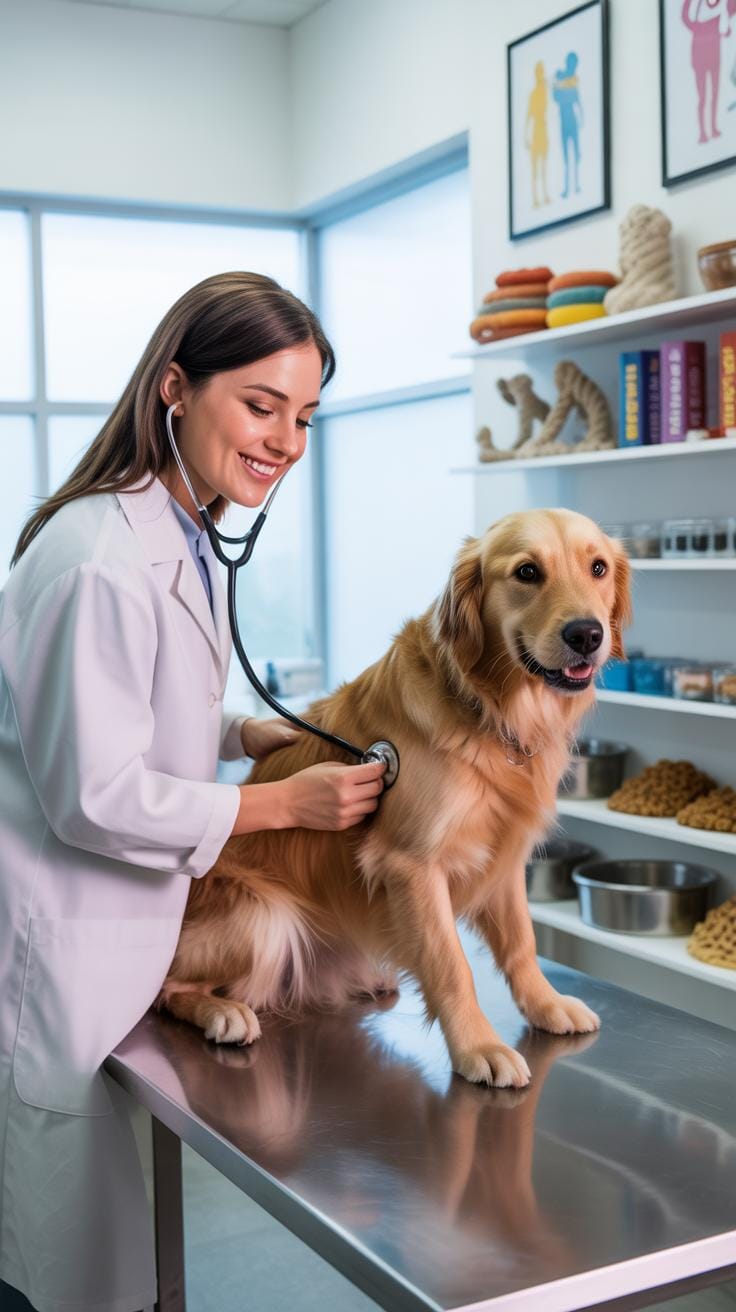
Warning Signs That Your Dog’S Non Food Eating Has Become A Medical Emergency
Immediate veterinary intervention is mandatory if your dog shows signs of a gastrointestinal blockage. Watch for persistent vomiting, extreme lethargy, or a painful abdomen. If the dog cannot keep water down, the object has likely lodged in the digestive tract. This is a surgical emergency. Delaying treatment leads to intestinal necrosis or fatal perforation. You must act within hours of these symptoms appearing to ensure survival.
Monitor the stool for blood or a complete lack of bowel movements. Straining without results indicates a mechanical obstruction. Seek help if you observe pale gums or collapse. These signs suggest internal bleeding or toxic shock from the ingested item. Even if the dog seems fine initially, Sharp objects like needles or glass require immediate X-rays. Professional imaging is the only way to confirm the location of dangerous foreign bodies.
Veterinary Treatments, Behavioral Therapies, And Diet Changes That Help Dogs With Pica
Veterinarians treat pica by first ruling out medical deficiencies or parasites. They use blood panels to check for anemia or endocrine disorders. If the cause is physiological, they prescribe specific mineral supplements or high-fiber diets. These changes normalize the digestive process and reduce the urge to scavenge. Specialized caloric adjustments ensure the dog feels full. This reduces the search for non-food items based on hunger or malnutrition.
Behavioral therapy addresses the psychological roots of pica like anxiety or boredom. Trainers use environmental enrichment and rigorous crate training to limit access to objects. Hard-to-digest items should remain out of reach at all times. If the behavior persists, vets may prescribe anti-anxiety medications to lower the compulsive drive. Consistent exercise and mental stimulation often eliminate the destructive habit. Professional intervention combines medical science with strict environmental management.
Frequently Asked Questions

Why is my dog suddenly eating grass and soil from my garden?
It is quite common to feel concerned when your dog eats non food items like grass or dirt. This behavior, known as pica, often stems from boredom, curiosity, or a quest for missing nutrients. While most dogs chew grass to settle an upset stomach, consistent soil consumption might indicate a mineral deficiency. Monitoring these habits closely helps you determine if your pet is simply exploring or needs a dietary adjustment.
How can I stop my pet from chewing on household objects and outdoor debris?
To prevent your furry friend from scavenging, focus on environmental enrichment and consistent training. Increase their physical exercise and provide safe, interactive chew toys to redirect their energy. If your dog eats non food items during walks, use a short leash and practice the “leave it” command. Clearing your yard of tempting debris like rocks or sticks will also create a safer environment and discourage these harmful grazing habits naturally.
Are there affordable ways to manage this behavior without expensive vet visits?
Managing pica on a budget starts with simple home adjustments. Ensure your pet is on a high-quality, balanced kibble to rule out hunger-driven scavenging. You can also offer backyard enrichment, like frozen vegetable treats or hidden healthy snacks, to keep them occupied. However, if the behavior persists or causes physical distress, a basic consultation is a wise investment to prevent costly emergency surgeries caused by internal blockages from indigestible objects.