Understanding Dog Eye Discharge And What Your DogS Eyes Are Telling You
What Is Dog Eye Discharge And Is It Always A Problem?
Dog eye discharge consists of tears, mucus, lipids, and dead cells. This fluid serves a vital purpose by lubricating the eye and flushing out foreign debris like dust or pollen. The lacrimal glands produce tears to maintain ocular health. You will often see a small amount of clear or slightly crusty material. This is a standard biological function.
Discharge becomes a problem when it changes color, consistency, or volume. Excessive fluid suggests the eye is under stress or fighting an external threat. Inflammation or blocked tear ducts often cause these shifts. You must monitor your dog daily to establish a baseline for what is normal. Catching changes early prevents permanent ocular damage and reduces long term veterinary costs.
Normal Vs. Abnormal Eye Discharge: How To Tell The Difference
Normal discharge appears clear or dries into a dark red crust. This reddish tint comes from porphyrin, a natural iron-bearing molecule found in tears. It should not cause swelling or visible discomfort to the dog. If the eyes look bright and the surrounding tissue remains pink, the discharge is likely harmless. Simply wipe it away with a clean, damp cloth.
Abnormal discharge looks yellow, green, or thick and bloody. This typically indicates a bacterial infection or a serious corneal injury. Look for secondary signs like squinting, pawing at the face, or cloudiness in the iris. If the white of the eye appears bright red, seek professional care immediately. These symptoms often point to glaucoma, uveeitis, or deep scratches that require medical intervention.

Common Types Of Dog Eye Discharge And What Each One Signals
Clear And Watery Eyes: Causes Of Watery Discharge In Dogs
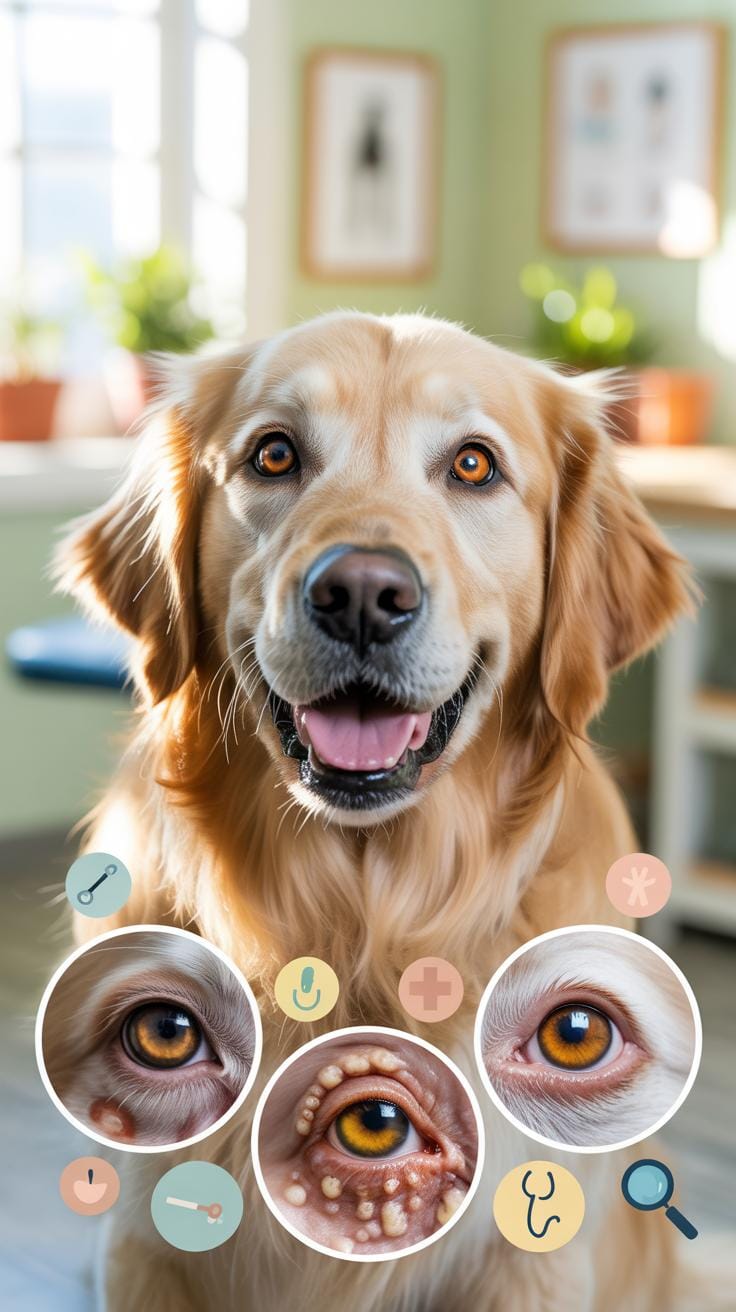
Clear discharge usually signals a physical reaction to environmental irritants rather than an active infection. Allergies to pollen, dust, or smoke trigger the tear ducts to overproduce fluid. This process flushes foreign particles from the eye surface. If the discharge remains thin and transparent, the issue often stems from seasonal sensitivities or minor wind irritation. Watch for redness to confirm if the eye is inflamed.
Structural issues also cause consistent tearing in specific breeds. Blocked nasolacrimal ducts prevent tears from draining into the nose correctly. This forced overflow spills onto the face and creates damp fur. Inward-turning eyelashes or rolling eyelids physically scratch the cornea. This constant friction forces the eye to produce excess lubrication as a defense mechanism. You must address these mechanical faults to stop the chronic leaking.
Yellow, Green, Or Cloudy Discharge: When To Be Concerned
Colored discharge indicates a biological battle within the eye. Yellow or green fluid consists of dead white blood cells and bacteria. This substance signals a primary or secondary infection. Common culprits include conjunctivitis or deep corneal ulcers. If the discharge appears thick and sticky, the dog likely has a compromised immune response. You cannot treat these pathogens with simple over-the-counter washes or home remedies.

Cloudy or gray mucus often points to Keratoconjunctivitis Sicca, also known as dry eye. In this condition, the tear glands fail to produce enough liquid lubricant. The body compensates by creating heavy mucus to protect the globe. This thick gunk traps debris and creates a breeding ground for bacteria. Failing to treat this leads to permanent scarring and vision loss. Immediate intervention is required to save the eye.
Eye Infections In Dogs Recognizing The Signs Early
What Causes Eye Infections In Dogs And How Do They Develop?
Eye infections occur when harmful microorganisms invade the ocular tissues. Bacteria from environmental dirt or fecal matter often enter the eye through small scratches. Physical trauma like a branch poke or a rough play session creates an entry point for pathogens. Once inside, these organisms multiply rapidly. This growth triggers an immune response that leads to inflammation, swelling, and increased fluid production.
Poor hygiene and external irritants accelerate the development of these infections. Dogs with long facial hair often trap debris against the eyeball. This constant friction weakens the protective surface of the eye. Allergies can also cause a dog to rub its face on the ground. This behavior introduces foreign bacteria into the socket. Timely cleaning prevents these minor irritations from turning into severe clinical infections.
Bacterial Vs. Viral Eye Infection In Dogs: Key Differences To Know
Bacterial infections usually produce thick and opaque discharge. This mucus often appears yellow or green and may crust the eyelids shut during sleep. These infections typically affect one eye first before spreading to the other. They require antibiotic drops to kill the specific bacteria responsible. If left untreated, bacterial growth can lead to corneal ulcers or permanent scarring of the eye surface.
Viral infections behave differently and often affect both eyes simultaneously. The discharge from a virus is usually watery and clear rather than thick. Viral issues often come with other symptoms like sneezing or coughing. Antibiotics do not kill viruses, so treatment focuses on managing symptoms and preventing secondary bacterial growth. Distemper and canine herpes are common viral culprits that require aggressive veterinary oversight to manage.
Pink Eye In Dogs Symptoms Causes And What Pet Owners Should Know
What Is Pink Eye In Dogs And How Does It Present?
Pink eye or conjunctivitis is the inflammation of the lining of the eye. This tissue covers the eyeball and the eyelids. You will see redness and swelling in one or both eyes. The dog might squint or blink frequently due to discomfort. Clear or thick yellow discharge often collects in the corners. This condition indicates the eye is fighting an irritant or infection.
Causes vary from allergies to physical injury. Dust, pollen, or chemicals can trigger a reaction. Bacterial or viral infections also cause these symptoms. You must monitor the color of the discharge closely. Clear fluid suggests allergies while green or yellow fluid points to a bacterial issue. Persistent pawing at the eye can lead to secondary injuries. Immediate tactical assessment prevents permanent corneal damage.
Is Canine Pink Eye Contagious To Other Dogs Or Humans?
Contagion depends entirely on the underlying cause of the inflammation. Allergic conjunctivitis is not infectious to other animals or people. However, bacterial and viral forms spread rapidly through direct contact. Infected discharge on toys, bedding, or hands carries the pathogen. You must isolate an infected dog from other pets until a veterinarian confirms the cause. Proper hygiene prevents the spread.

Transmission to humans is rare but possible with specific bacteria like staphylococcus or streptococcus. You should wash your hands thoroughly after treating your dog’s eyes. Do not share towels or grooming tools between pets. Viral strains often stay species-specific but caution is necessary. Managing the environment and restricting contact stops the cycle of infection. Fast action protects the health of the entire household.
Tear Stains In Dogs Causes Behind The Rusty Brown Marks Under The Eyes
Why Do Tear Stains Form And Which Breeds Are Most Affected?
Tear stains result from porphyrins in the fluid. Porphyrins are iron-containing molecules produced when the body breaks down red blood cells. Dogs excrete these waste products through bile, urine, and tears. When these molecules sit on light fur and hit sunlight, they oxidize and turn dark rusty brown. Excessive tearing pushes more porphyrins onto the coat, creating visible and permanent staining near the eye.
Short-faced breeds like Pugs and Bulldogs face the highest risk because of shallow eye sockets. Maltese, Poodles, and Bichon Frise also show stains clearly due to their white hair. These dogs often have skin folds that trap moisture or narrow tear ducts that cannot drain fluid properly. Genetic hair growth patterns around the eyes also wick moisture directly onto the skin, leading to chronic surface dampness.
Are Tear Stains Harmful And What Do They Indicate About Dog Eye Health?
Tear stains themselves do not hurt the dog. They function as a visual indicator of underlying drainage issues. While the color is just an oxidation process, the constant moisture creates a breeding ground for bacteria and yeast. Red yeast infections often occur in these damp areas, leading to a distinct foul smell and skin irritation. You must identify if the stain is a cosmetic or medical issue.

Heavy staining often points to epiphora, which is the medical term for overflow of tears. This condition can signal blocked tear ducts, allergies, or an abnormal eyelid structure. If the discharge changes color from brown to green or yellow, an infection is present. You should monitor for squinting or redness. These signs indicate that the tear overflow has transitioned from a drainage flaw to a painful ocular condition.
Dry Eyes In Dogs When Insufficient Tear Production Causes Eye Discharge
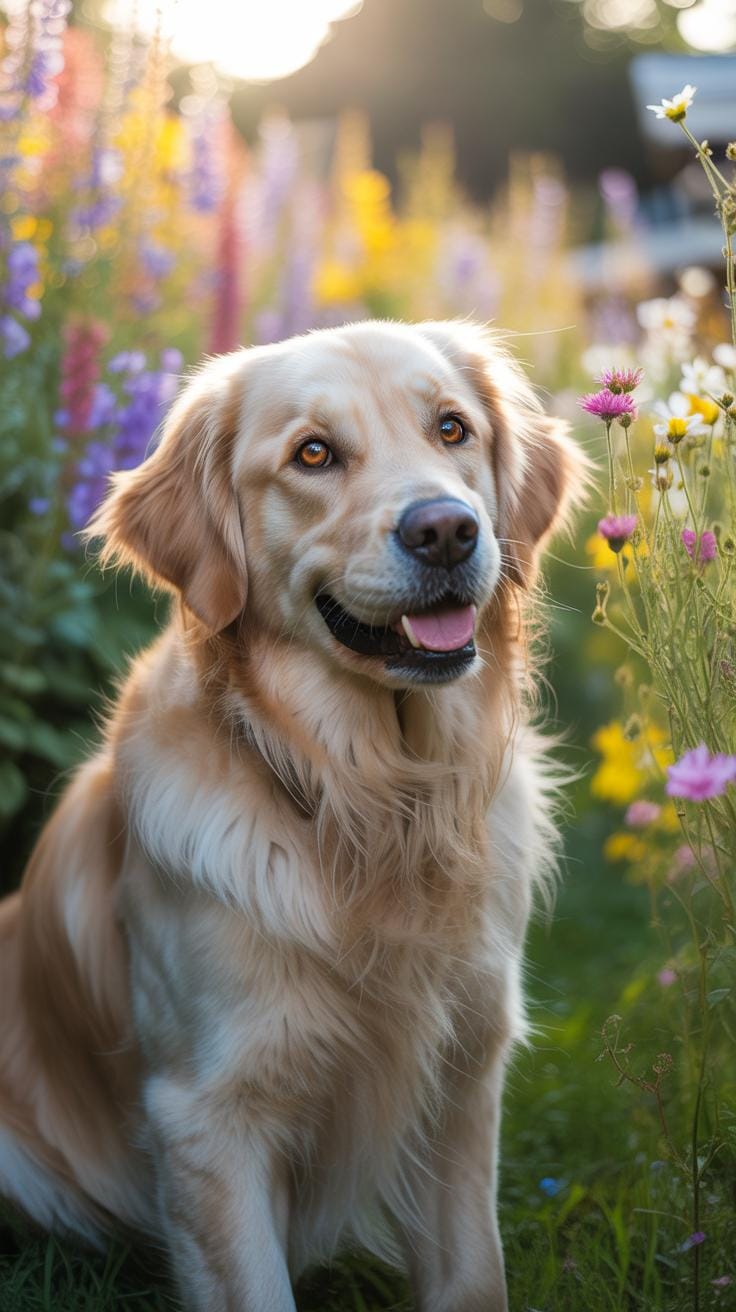
What Is Keratoconjunctivitis Sicca And How Does It Affect Dog Eyes?
Keratoconjunctivitis Sicca occurs when the lacrimal glands fail to produce enough aqueous tears. This condition dries out the cornea and the surrounding tissues. Without the natural washing effect of tears, debris and bacteria collect on the eye surface. This lack of lubrication causes intense friction every time the dog blinks. It leads to chronic inflammation and permanent structural damage if left untreated.
The immune system often attacks the tear glands, causing them to stop working. Certain breeds have a higher genetic risk for this autoimmune response. In other cases, medications or nerve damage trigger the decline in tear volume. When the liquid part of the tear film vanishes, only oil and mucus remain. This imbalance creates a thick, sticky discharge that clings to the eyeball.
Recognizing The Signs Of Dry Eyes In Dogs Before It Worsens
Early detection of dry eye prevents blindness and painful corneal ulcers. You will notice a heavy, yellow or green mucus coating the eye. Owners often mistake this for a simple infection. Unlike a standard infection, this discharge returns immediately after you wipe it away. The eyes usually look dull, red, and lose their natural shine. The dog may squint or rub its face constantly.

Look for pigment changes on the surface of the eye. Long-term dryness causes the body to grow dark, scar-like tissue over the cornea to protect it. This brown film blocks light and reduces vision. If you see blood vessels crawling across the white of the eye, the condition is advanced. Veterinary testing with a Schirmer Tear Test Strip determines the exact tear volume in sixty seconds.
Allergies And Environmental Triggers Behind Watery Eyes And Dog Eye Discharge
How Seasonal And Food Allergies Contribute To Excessive Eye Discharge
Allergies trigger an immune system overreaction in dogs. This reaction causes the body to release histamines. Histamines increase fluid production in the tear ducts. You will see clear and watery discharge. This fluid often overflows onto the face. Persistent moisture can lead to skin irritation. It also creates a breeding ground for bacteria. Monitoring the color of the discharge helps identify secondary infections early.
Food allergies also impact eye health but follow a different biological path. Some proteins or grains trigger systemic inflammation. This inflammation affects the sensitive membranes around the eyes. Redness and swelling often accompany the discharge. Unlike seasonal triggers, food allergies persist year-round. Eliminating specific ingredients stops the inflammatory response. Clinical trials show that diet changes solve many chronic eye issues within weeks. Localized swelling often subsides quickly.
Every grain of sand and droplet of silver tells the story of our journey together, so heal those bright eyes to keep their loyal glow. A dog’s gentle gaze is the clearest window into a heart that loves you without condition.
Common Environmental Irritants That Affect Dog Eyes And Trigger Discharge
Environmental irritants act as physical stressors on the ocular surface. Smoke and dust particles scratch the cornea. Strong chemicals from floor cleaners or perfumes also cause immediate reactions. The eye produces excess tears to flush these foreign objects out. This mechanical defense mechanism protects the internal eye structures. Constant exposure leads to chronic watering. It also increases the risk of corneal ulcers from rubbing the eyes.

External factors like pollen and mold spores fluctuate with the weather. High wind speeds carry more debris into the eyes. Dogs that spend time in tall grass face higher risks. These irritants cause the conjunctiva to become red and thick. You must minimize contact with these sources to stop the discharge. Routine eye flushing with sterile saline helps remove the buildup. This practice reduces the tactical burden on the immune system.
Breed Specific Dog Eye Issues Which Dogs Are More Prone To Eye Discharge
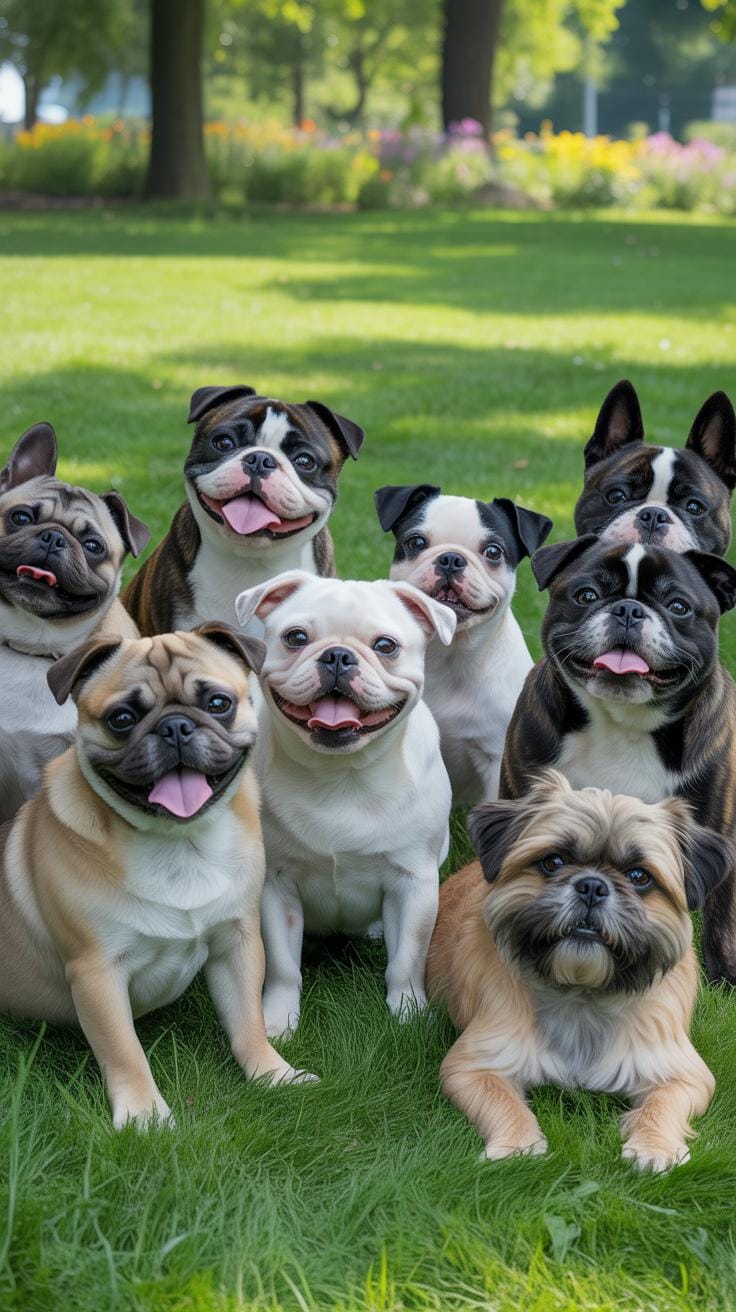
Brachycephalic Breeds And Their Unique Eye Discharge Challenges
Brachycephalic dogs have short muzzles and flat faces. This skull shape causes shallow eye sockets. Their eyes bulge forward and expose the cornea to air and debris. This exposure leads to chronic dryness and irritation. The tear film cannot cover the eye surface properly. Constant irritation forces the eye to produce excess mucus. This creates thick discharge and staining near the nose.
Facial skin folds also trap moisture and bacteria. These folds rub against the eyeball and cause inflammation. The narrow tear ducts in these breeds cannot drain fluid efficiently. This blockage forces tears to spill onto the face. High pressure within the skull often causes eyelid malfunctions. Owners must clean these areas daily to prevent secondary skin infections. Neglect leads to painful corneal ulcers.
Long Haired And Flat Faced Breeds Most Commonly Affected By Eye Issues
Specific breeds face higher risks due to their physical traits. Hair around the eyes often acts as a wick for bacteria. This hair can grow inward and scratch the sensitive ocular surface. Flat-faced breeds suffer from poor drainage systems. This results in constant wetness under the eyes. High-risk breeds require specific grooming routines to manage these inherited structural defects and maintain vision.
- Pugs: Their shallow sockets and large eyes lead to pigmentary keratitis. This condition occurs when the eye produces brown pigment to protect itself from constant irritation and dryness.
- Shih Tzus: Long facial hair frequently pokes the surface of the eye. This mechanical irritation causes the eye to produce watery discharge and thick mucus to flush out the stray hairs.
- Bulldogs: Heavily folded skin around the eyes traps moisture and heat. This environment allows bacteria to thrive. These dogs often develop cherry eye or inward-rolling eyelids that require surgical correction.
- Cocker Spaniels: This breed is genetically prone to distichiasis. Extra eyelashes grow from the eyelid margin and rub against the cornea. This causes redness, squinting, and significant amounts of clear or yellow discharge.
- Poodles: Narrow or blocked tear ducts are common in this breed. Tears fail to drain through the nose and instead leak down the face. This creates dark reddish stains on the fur.

Anatomical structure dictates the type of discharge you see. Breeds with loose skin often suffer from drooping eyelids. This exposure collects dust and allergens quickly. Proactive management involves trimming facial hair and using veterinarian-approved wipes. You must distinguish between normal breed traits and active infections. Persistent yellow or green discharge always indicates a medical problem that requires immediate professional intervention and medicine.
How To Treat Dog Eye Discharge At Home Care And Veterinary Options
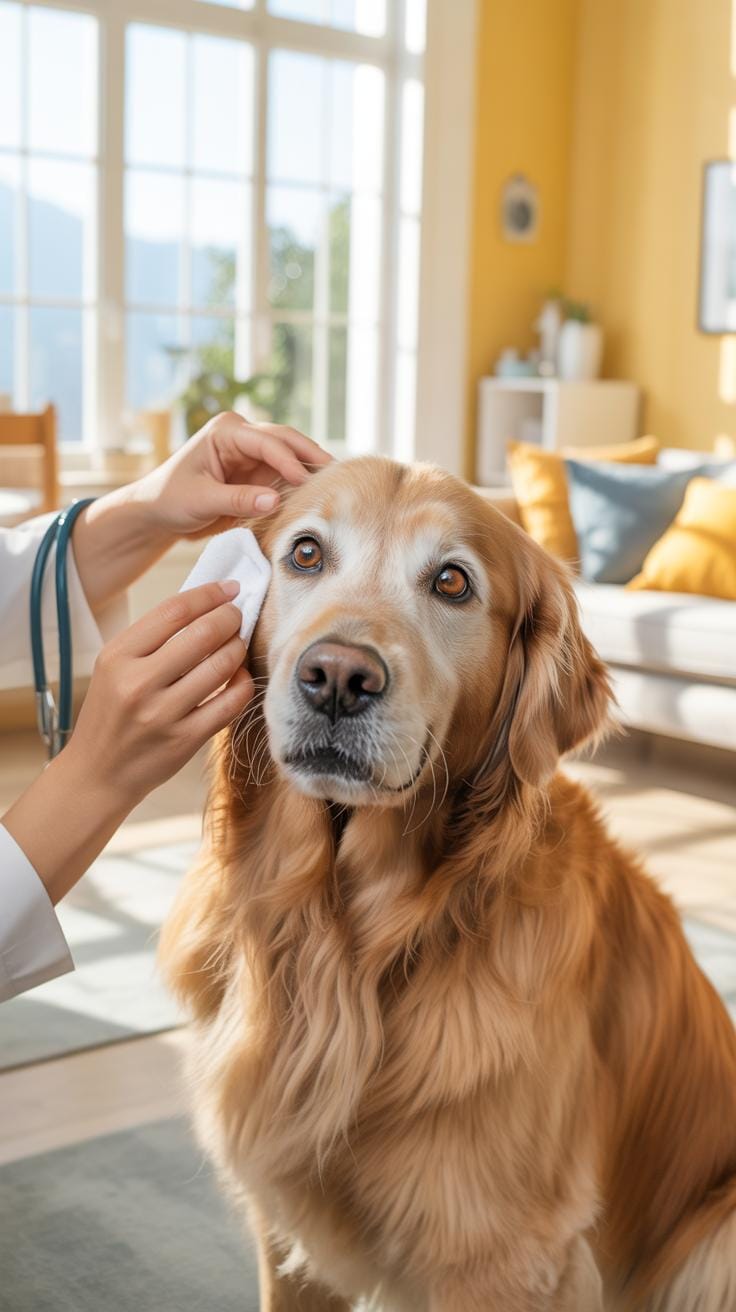
Safe At Home Steps To Clean And Soothe Your Dogs Eye Discharge
Clean eyes prevent secondary infections and reduce skin irritation. Most mild discharge results from dust or wind. You must clear the buildup before it hardens into a crust. This crust traps bacteria against the skin and eye surface. Regular maintenance keeps the area dry and healthy. Always wash your hands before and after touching your dog to prevent the spread of pathogens.
- Saline Solution Wipe: Use a sterile saline solution made for eyes. Soak a soft cotton ball or gauze pad with the liquid. Gently wipe from the inner corner outward. This removes debris without introducing harsh chemicals or perfumes to the sensitive ocular tissue.
- Warm Compress Application: Apply a warm, damp cloth to hardened crusts. Hold it against the eye for thirty seconds to soften the debris. Do not scrub the skin. This prevents hair loss and painful abrasions while making the cleaning process efficient and comfortable for the dog.
- Trimming Facial Hair: Long hair around the eyes pokes the cornea and traps mucus. Use blunt-ended safety shears to keep this hair short. This reduces the mechanical irritation that causes excessive tearing. Careful trimming prevents the buildup of damp mats that harbor harmful bacteria and yeast.
- Over-The-Counter Lubricants: Non-medicated artificial tears provide a barrier against allergens. Apply these drops two times daily to flush out pollen or dust. Ensure the product is preservative-free to avoid irritation. This keeps the eye surface moist and helps move natural debris toward the drainage ducts.
- Monitoring Discharge Color: Check the color and consistency of the fluid daily. Clear or slightly brown discharge is often normal. Yellow or green fluid signals a serious problem. Tracking these changes helps you decide when home care is no longer enough and a veterinary professional must take over.
Avoid using adult human eye drops or redness relievers on dogs. These products often contain chemicals that constrict blood vessels and damage canine eyes. Use only products labeled for veterinary use or plain saline. If the discharge returns immediately after cleaning, stop home treatment. Persistent fluid indicates an underlying issue that requires medical intervention rather than simple cleaning or topical soothing.
When To See A Vet: Prescription Treatments For Dog Eye Discharge
Veterinary intervention is mandatory if you see squinting, redness, or cloudiness. These signs suggest painful conditions like corneal ulcers or glaucoma. A vet uses diagnostic stains to find hidden scratches on the eye surface. They also test tear production levels to rule out dry eye. Ignoring these symptoms leads to permanent vision loss. Professional diagnosis ensures you apply the correct medication for the specific issue.
Prescription treatments target the root cause of the eye discharge. Vets prescribe antibiotic drops for bacterial infections and steroid ointments for severe inflammation. If the dog has dry eye, they provide medications to stimulate natural tear production. Some cases require surgical drainage of blocked tear ducts. Following the exact dosage schedule is critical for success. Do not stop treatment early even if the eye looks better.
Preventing Dog Eye Discharge Everyday Habits For Long Term Eye Health
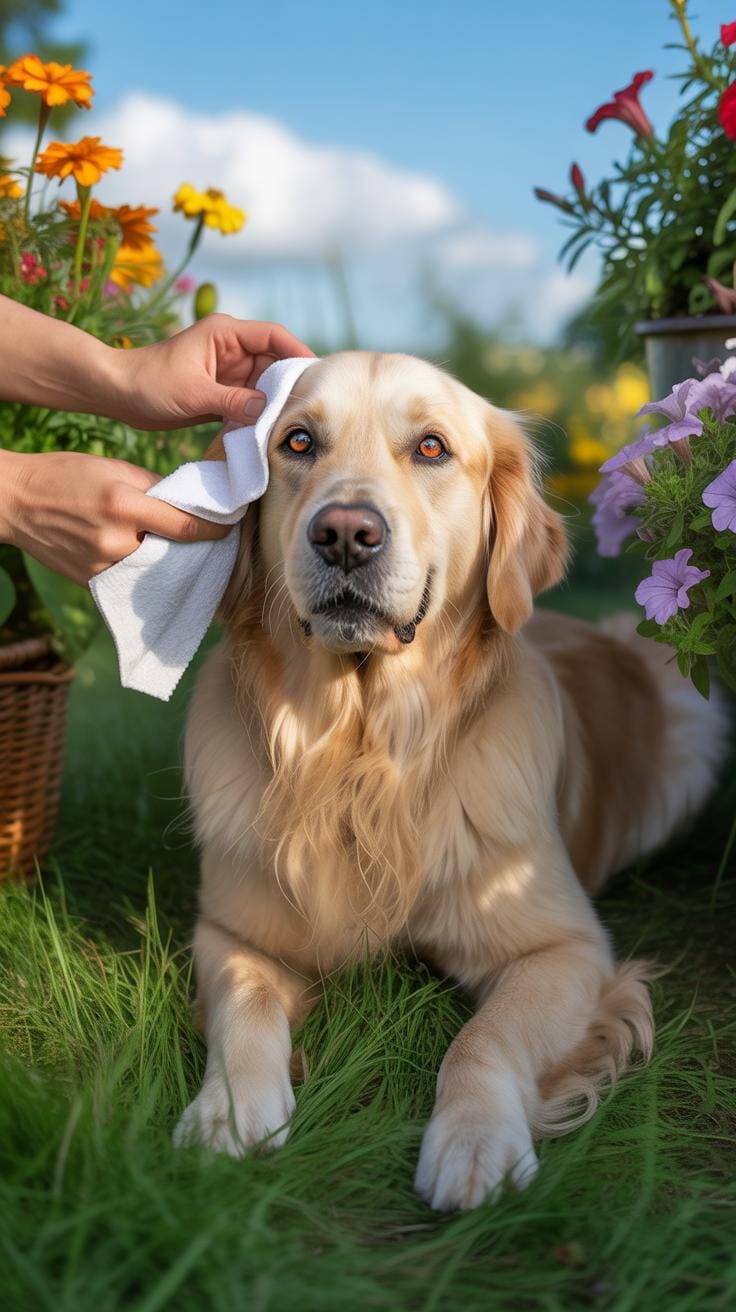
Grooming And Hygiene Practices That Help Keep Dog Eye Discharge At Bay
Keep hair around the eyes trimmed short to prevent mechanical irritation. Long fur traps bacteria and debris against the cornea. This constant friction causes the eye to produce excess mucus. Use blunt-nosed scissors or professional grooming tools for this task. Clean the area daily using a soft damp cloth. This removes allergens before they can cause a reaction or infection.
Avoid getting harsh soaps or shampoos in the eyes during baths. Chemical irritants cause immediate inflammation and discharge. Flush the eyes with sterile saline if accidental contact occurs. Use dedicated eye wipes for daily maintenance. These wipes remove dried crusts without pulling the skin. Consistent hygiene prevents tear staining and skin infections. Proper care reduces the risk of long-term ocular damage from external pollutants.
Routine Vet Checkups And Early Detection Of Dog Eye Problems
Schedule professional eye exams at least once every year. Veterinarians use specialized tools to check intraocular pressure and tear production. Many serious conditions like glaucoma or dry eye start with minor discharge. Early detection prevents permanent vision loss. Do not wait for symptoms to worsen before seeking help. A quick test can identify underlying issues before they become expensive surgical problems.
Monitor your dog for any changes in eye color or clarity between visits. Cloudy eyes or sudden squinting require immediate attention. Record the color and consistency of any discharge you see. This data helps your vet make an accurate diagnosis. Small changes often signal internal health shifts. Proactive medical oversight ensures that minor irritations do not escalate into chronic diseases. Actionable data leads to better health outcomes.
Frequently Asked Questions

Is it normal for dogs to have a small amount of “sleep” in their eyes?
It is very common for healthy dogs to wake up with a small amount of clear or dried crust in the corners of their eyes. However, if you notice your dog eye discharge changing color to yellow or green, or if the eye looks red and inflamed, it could indicate an infection or allergy. Monitoring these subtle changes is essential for maintaining your pet’s overall eye health and comfort.
How can I safely clean away gunk from my dog’s eyes at home?
To safely remove dog eye discharge, start by soaking a clean, soft cloth or cotton ball in lukewarm water. Gently wipe from the inner corner of the eye outward, being careful not to touch the eyeball itself. Always use a fresh section of the cloth for each eye to prevent spreading potential bacteria. If the discharge is persistent or thick, consult your veterinarian before attempting any deeper cleaning or medicinal treatments.
Are there affordable ways to manage minor eye irritation without an expensive vet visit?
For mild irritation caused by dust or pollen, a simple saline flush using over-the-counter sterile saline drops can provide relief. Ensure the drops contain no preservatives or redness-reducing chemicals, as these can be harmful. While this keeps costs low, you should never delay professional care if you see cloudiness or squinting. Taking early action on minor issues can prevent more expensive medical procedures and long-term vision damage for your furry friend.