What Is Dog Losing Hair And When Should You Be Concerned
Normal Shedding Vs. Abnormal Dog Hair Loss: Knowing The Difference
Shedding is a biological process for many breeds. Dogs lose old or damaged hair to make room for new growth. This process often follows seasonal cycles. You will see hair on furniture or clothes regularly. Healthy shedding leaves the skin looking normal. The coat remains thick and full despite the daily hair loss. This is standard maintenance for the canine body.
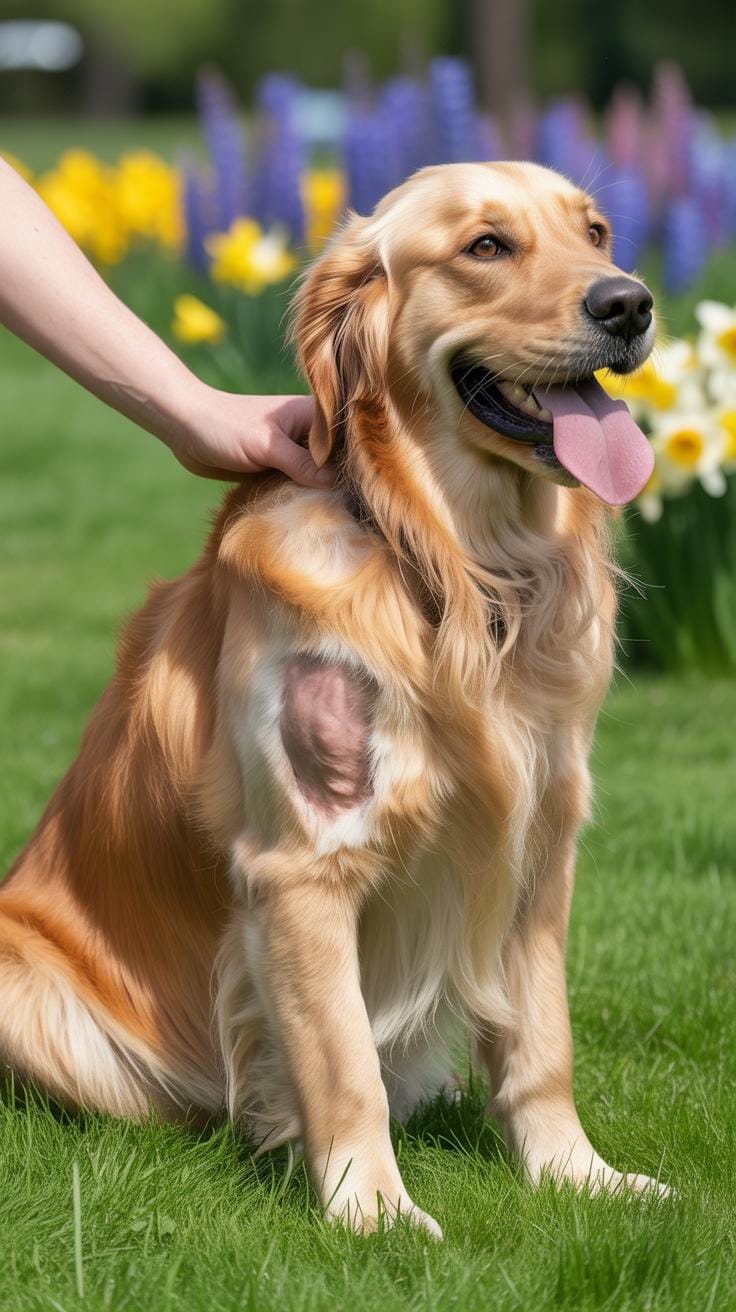
Abnormal hair loss differs because it creates visible gaps. This condition is called alopecia. You will see thinning patches or completely bald spots on the skin. The underlying skin might look red or scaly. Normal shedding does not leave the skin exposed. If the hair does not grow back quickly, you are dealing with a medical issue. Identifying this shift is the first step in treatment.
Common Signs That Your Dog’S Hair Loss Needs Veterinary Attention
Watch for changes in your dog’s behavior and skin appearance. Healthy skin is smooth and clear. Look for redness, bumps, or crusty sores in the hairless areas. Constant scratching or biting at the skin indicates a problem. These signs suggest parasites or allergies are present. Inflammation means the body is fighting an active issue. Do not ignore these physical changes in your pet.
Pay attention to the pattern of the hair loss. Symmetrical loss on both sides usually points to hormonal imbalances. Patchy loss often indicates infections or pests like mange. Foul odors or discharge from the skin are serious red flags. These symptoms require professional diagnosis and testing. Waiting too long allows the condition to spread. Take action when you see these specific symptoms during your daily checks.

Understanding The Dog Hair Growth Cycle And How It Affects Shedding
The Four Phases Of The Dog Hair Growth Cycle: Anagen, Catagen, Telogen, And Exogen
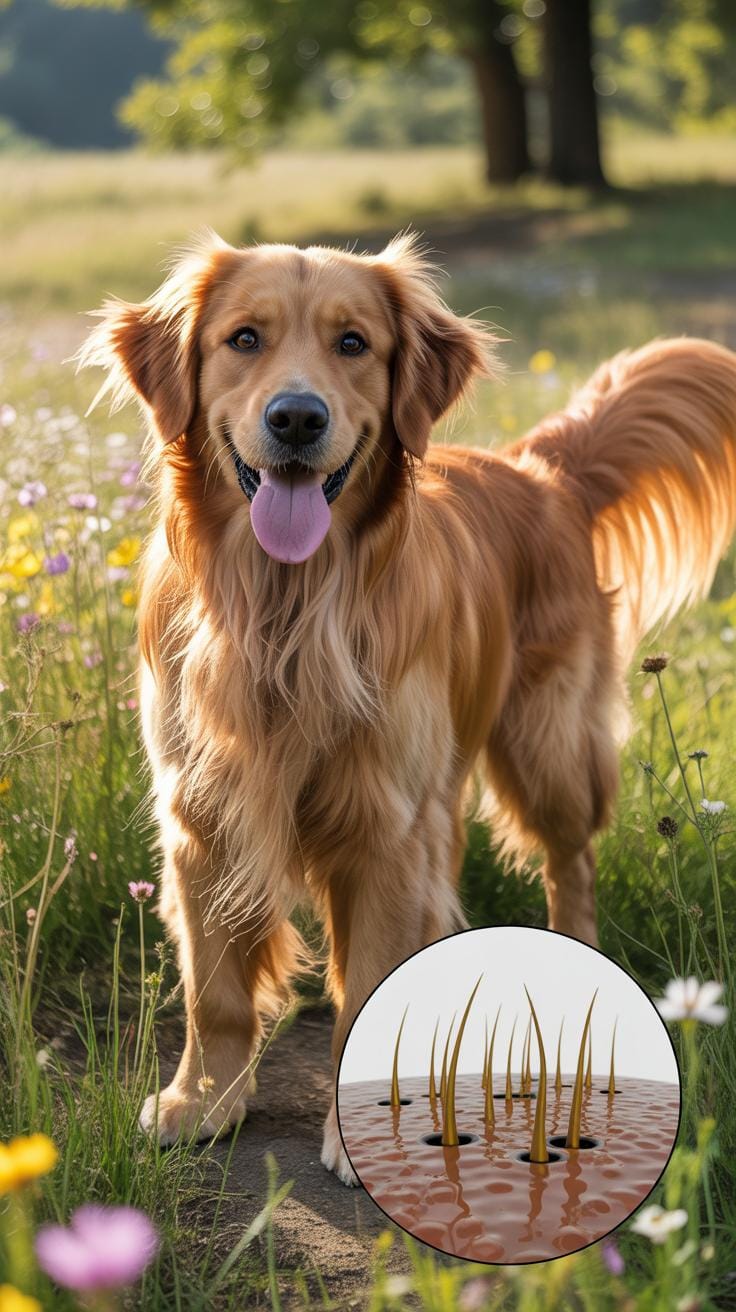
The anagen phase marks the period of active hair growth. During this time, the hair follicle produces new cells. These cells harden into a hair shaft. The catagen phase follows as a brief transition period. The hair stops growing and the outer root sheath shrinks. This signals the end of active production. Understanding these phases helps you identify normal versus abnormal hair loss.
The telogen phase is a resting period where the hair remains in the follicle but does not grow. It stays attached while new hair begins to form underneath. Finally, exogen occurs when the old hair falls out. This allows the new hair shaft to emerge. Disruptions at any stage cause patchy spots. Most dog hair loss causes stem from issues during these specific biological transitions.
How Breed, Season, And Age Influence Your Dog’S Natural Hair Growth Cycle
Breeds with continuous growth cycles like Poodles have long anagen phases. They shed very little because their hair rarely enters the exogen stage. Double-coated breeds like Huskies respond to seasonal light changes. Photoperiods trigger mass shedding in spring and fall. These dogs push out their undercoats to regulate body temperature. Genetics dictate how fast these cycles move for each specific breed.

Age significantly alters the speed and quality of hair growth. Puppies have soft coats that they shed entirely to make room for adult fur. Senior dogs often experience slower follicle regeneration. Their hair stays in the telogen phase longer. This makes the coat look thinner over time. Environmental factors and hormones also play roles. Monitoring these changes helps you distinguish natural aging from underlying medical conditions.
Allergies And Skin Conditions A Leading Cause Of Lost Hair In Dogs
Environmental And Food Allergies That Trigger Excessive Dog Hair Loss
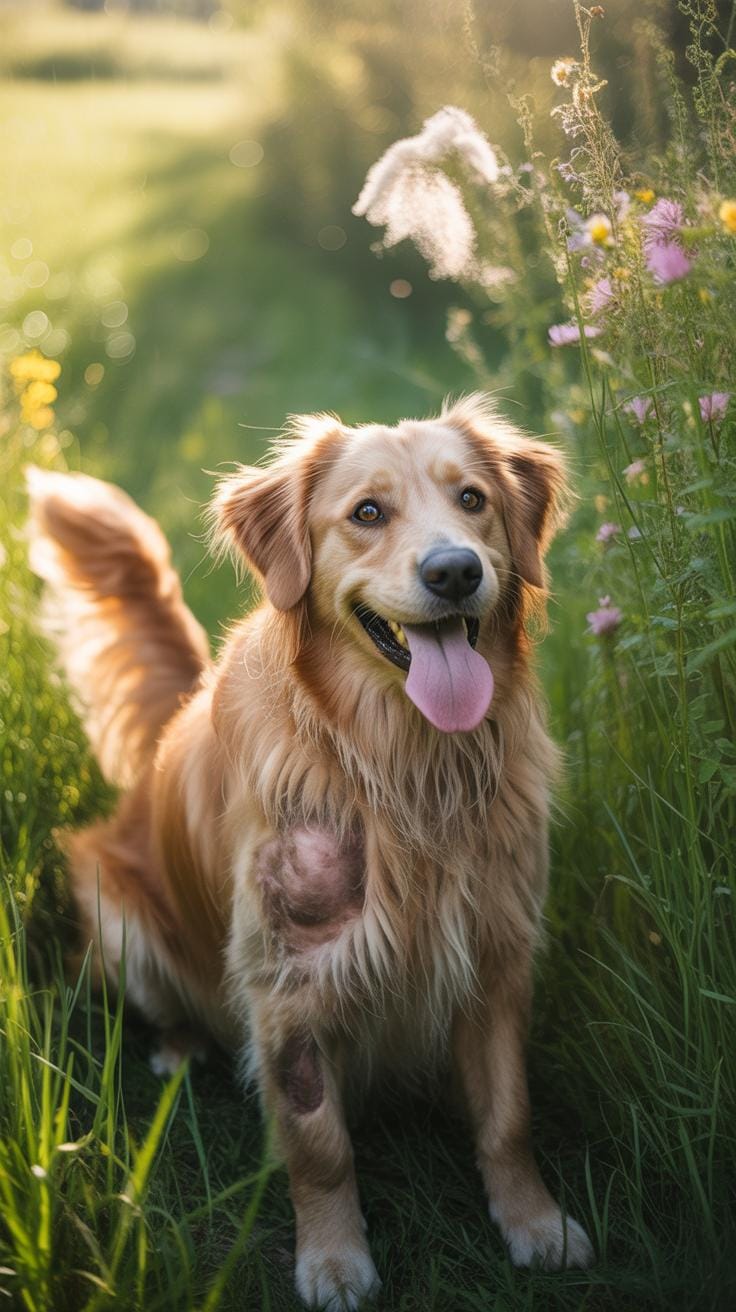
Environmental allergens like pollen, mold, and dust mites trigger immune overreactions in dogs. These reactions cause intense itching across the body. Dogs bite and scratch at their skin to find relief. This physical trauma breaks the hair shafts and pulls fur out by the roots. You will notice thinning hair on the belly, paws, and armpits as the primary symptom.
Food allergies usually involve a specific protein source like beef or chicken. The body identifies these proteins as threats and causes skin inflammation. This systematic irritation makes the skin red and oily. Constant licking of the affected areas leads to saliva staining and total hair loss. You must identify the specific allergen through a strict elimination diet to stop the cycle of fur loss.
Atopic Dermatitis And Hot Spots: How Skin Inflammation Leads To Lost Hair
Atopic dermatitis is a chronic skin disease linked to immune system malfunctions. It weakens the skin barrier and allows moisture to escape while letting irritants in. This condition causes the dog to rub its face and body against furniture or carpets. The friction destroys the coat over time. Chronic inflammation also shuts down hair follicles, which prevents new fur from growing back.
Hot spots are localized areas of intense bacterial infection and inflammation. They often start from a small scratch or insect bite. The dog chews the area until it becomes raw and weeping. This aggressive self-mutilation removes all hair in a circular pattern very quickly. You must treat the underlying infection and stop the itching to allow the skin to heal and the hair to return.
Parasites And Infections That Cause Dog Hair Loss
Mange, Fleas, And Mites: How External Parasites Cause Patches Of Lost Hair
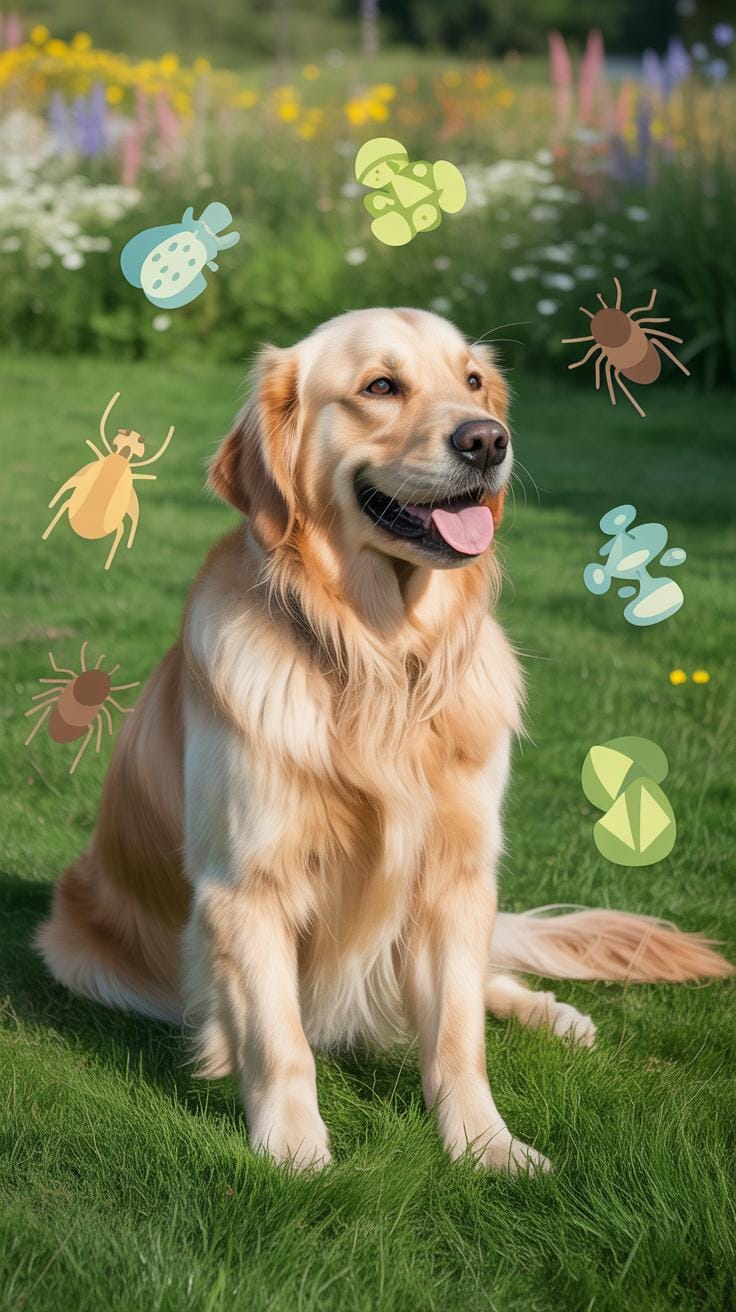
Fleas and mites damage the skin through direct feeding and chemical irritation. Fleas inject saliva during bites that triggers intense itching in many dogs. This irritation leads to self-trauma through biting and scratching at the skin. Frequent scratching breaks hair shafts and pulls follicles from the root. This process creates thin patches or total baldness on the base of the tail and neck.
Mange results from microscopic mites living inside or on the skin. Sarcoptic mange causes extreme discomfort and leads to thick crusts and rapid hair loss across the body. Demodectic mange occurs when naturally occurring mites overpopulate due to a weak immune system. This type typically creates focal bald patches around the eyes and front legs. Both conditions require medical intervention to stop the cycle of hair destruction.
Ringworm And Bacterial Infections: Fungal And Microbial Causes Of Dog Hair Loss
Ringworm is a fungal infection that attacks the hair shafts and follicles directly. The fungus feeds on keratin which makes the hair brittle and prone to snapping. This creates circular patches of hair loss with red or scaly skin in the center. Because the infection lives within the hair itself, the loss is often the first visible symptom of the spreading fungal colony.

Bacterial infections often occur secondary to skin damage or deep inflammation. Staph infections create pustules that eventually crust over and fall off along with the hair. This leaves small circular bald spots known as moth-eaten alopecia. These microbes thrive in moist or damaged skin environments. You must treat the underlying infection to restore the skin barrier and allow new hair to grow back.
Hormonal Imbalances And Impacted Hair Follicle Dog Conditions
Hypothyroidism, Cushing’S Disease, And How Hormonal Disorders Cause Hair Loss In Dogs
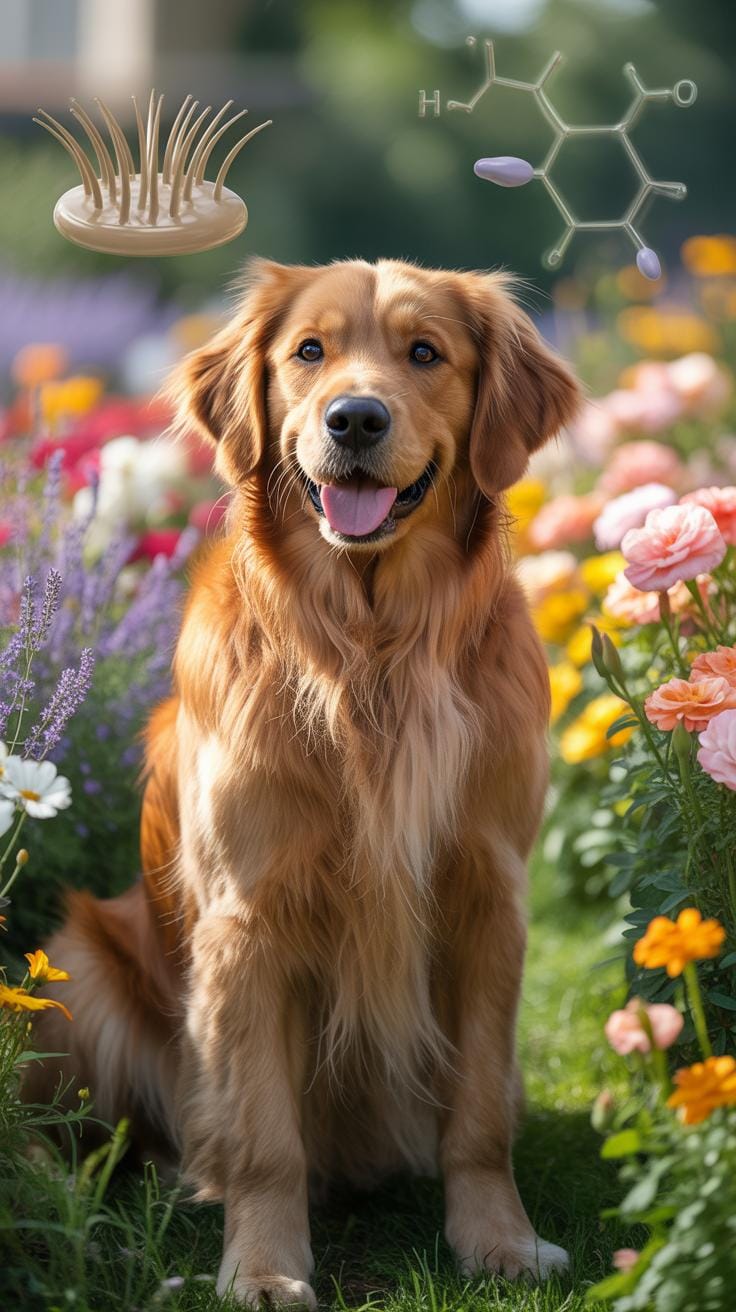
Hormones control the hair growth cycle. When the thyroid gland underperforms, it causes hypothyroidism. This slows down the metabolism and halts new hair production. The resting hair falls out and does not grow back. You will notice thinning on the trunk and tail. The skin often becomes dark or thick. This is a systemic failure of the endocrine system.
Cushing’s disease involves an overproduction of cortisol. High cortisol levels are toxic to hair follicles. This condition causes symmetrical hair loss along the flanks and back. The skin becomes thin and fragile. These hormonal shifts disrupt the natural transition from the resting phase to the growth phase. Veterinary blood tests are the only way to confirm these specific chemical imbalances.
Even if their coat thins with the passing seasons or years, the warmth of a dog’s spirit remains forever woven into the fabric of our lives.
What Is An Impacted Hair Follicle In Dogs And How Does It Contribute To Alopecia?
Impacted hair follicles occur when debris blocks the hair shaft. Dead skin cells and excess oil clog the opening. This blockage prevents new hair from emerging through the skin surface. The trapped hair may or even grow inward. This creates inflammation and leads to localized bald patches. Pressure sores or poor grooming habits often trigger these physical obstructions.

Clogged follicles often lead to secondary infections like folliculitis. Bacteria thrive in the trapped environment. This infection damages the follicle structure permanently. If the damage is severe, the follicle dies and stops producing hair entirely. This result is permanent alopecia. Clean skin and regular brushing prevent this buildup. You must address the physical blockage before the hair can resume its normal growth cycle.
Pomeranian Alopecia And Breed Specific Hair Loss Conditions
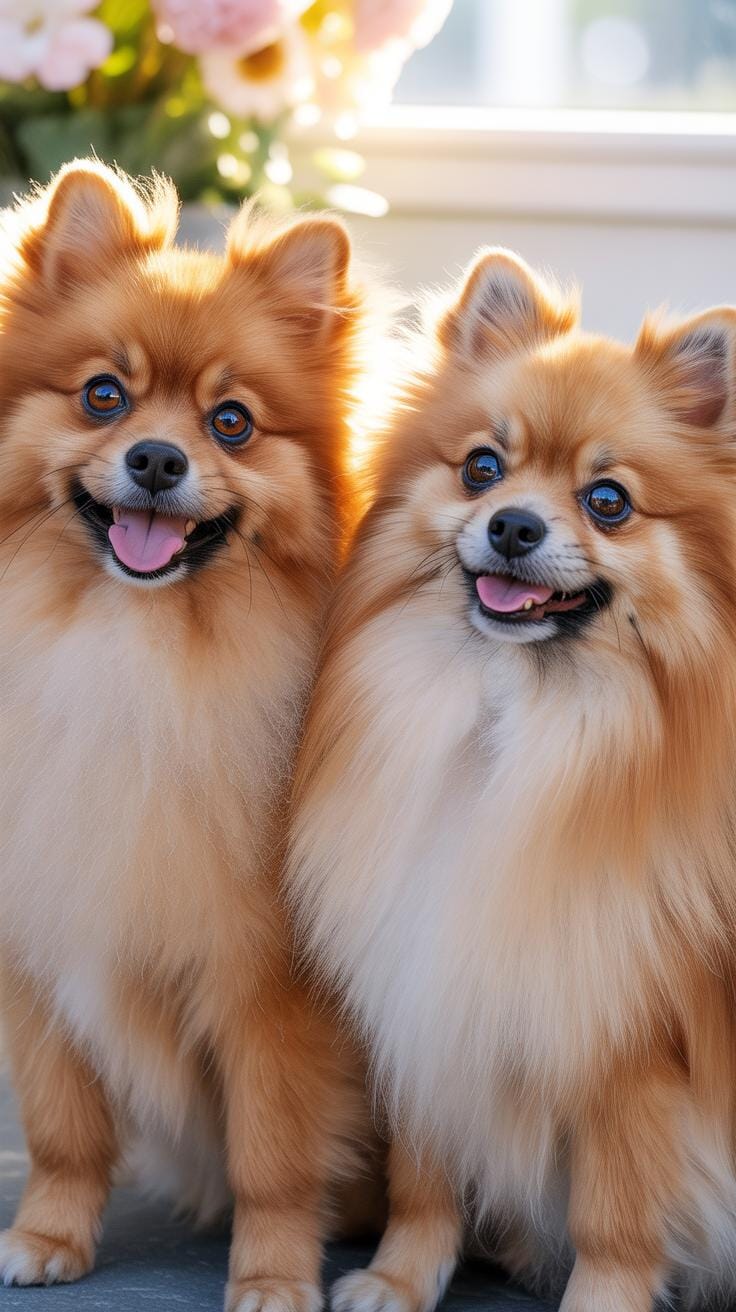
What Is Pomeranian Alopecia (Black Skin Disease) And Which Breeds Are Most Affected?
Alopecia X causes symmetrical hair loss along the trunk and thighs. It primarily affects Nordic breeds with thick undercoats. Owners notice the outer guard hairs fall out first. This leaves a dry woolly texture behind. The skin often turns black due to hyperpigmentation. This condition does not cause itching or pain. It remains a purely cosmetic issue for the dog.
Scientists do not fully understand the exact trigger for this condition. It likely involves a drop in growth hormone or an imbalance in sex steroids. Pomeranians face the highest risk for this disorder. Other affected breeds include Alaskan Malamutes, Chow Chows, and Keeshonds. Diagnosis requires a biopsy to rule out thyroid issues. Treatment options include melatonin supplements or surgical neutering to shift hormone levels.
Pattern Baldness And Color Dilution Alopecia: Other Breed Specific Dog Hair Loss Causes
Pattern baldness causes progressive thinning in specific locations. Dachshunds often lose hair on their ear flaps or chest. Greyhounds frequently show thinning on their thighs. This condition typically starts before the dog turns one year old. The hair follicles simply shrink over time. The skin stays healthy and does not get inflamed. Most vets consider this a permanent genetic trait.

Color Dilution Alopecia occurs in dogs with diluted coat colors like blue or fawn. It common in Doberman Pinschers and Great Danes. Melanin clumps inside the hair shaft. This makes the hair brittle and prone to breaking. Affected dogs develop thin patches during young adulthood. Chronic skin infections often follow because the skin barrier weakens. Proper grooming and high quality fatty acids help manage the symptoms.
Using Apple Cider Vinegar For Dogs Hair And Other Natural Remedies

Can Apple Cider Vinegar For Dogs Hair Help Reduce Shedding And Improve Coat Health
Apple cider vinegar acts as a topical disinfectant and pH balancer for canine skin. It does not stop genetic shedding but targets hair loss caused by yeast infections or bacteria. The acetic acid kills pathogens that inflame hair follicles. Dilute it with equal parts water before application. Applying it directly to hot spots or itchy patches can prevent the self-trauma that causes patchiness.
Using this vinegar also closes the hair cuticle. Smooth cuticles reflect light and help the coat look shiny. This acidity creates an environment where yeast cannot thrive. If your dog loses hair due to constant scratching from fungal overgrowth, this remedy provides relief. Always avoid open wounds or cracked skin. The sting will cause discomfort and further irritate the damaged dermal layers.
Safe And Effective Natural Remedies To Support Dog Hair Regrowth And Skin Health
Natural remedies focus on reducing inflammation and providing raw materials for follicle repair. Chronic skin irritation often stems from a lack of essential fats or environmental triggers. Adding specific oils to the diet or applying them topically can soothe the skin barrier. These methods work best when you address the root cause of the hair loss first.
- Fish Oil: Omega-3 fatty acids reduce systemic inflammation that leads to skin redness and hair loss. Adding EPA and DHA to meals strengthens the hair shaft from the inside. This supplement helps reduce excessive shedding by keeping the skin hydrated and the follicles nourished.
- Coconut Oil: Topical application of coconut oil treats localized dryness and bacterial skin issues. It contains lauric acid which possesses antimicrobial properties. Massage a small amount into thin patches to create a protective barrier. This prevents further moisture loss and supports the regrowth of healthy fur.
- Aloe Vera: Pure aloe vera gel cools inflamed skin and promotes cellular healing. It is effective for hair loss caused by sunburn or physical irritation. Use only organic gel without added alcohols or fragrances. It reduces the urge to itch which stops the dog from pulling out more hair.
- Vitamin E: This antioxidant protects skin cells from oxidative damage. Applying vitamin E oil directly to bald spots helps repair damaged tissue. It improves blood circulation to the scalp and follicles. Robust blood flow ensures that nutrients reach the hair roots to promote faster and thicker regrowth.
- Oatmeal Baths: Ground oats contain avenanthramides that stop itching on contact. Soaking a dog in an oatmeal bath removes environmental allergens from the coat. This prevents the allergic reactions that cause dogs to bite at their fur. Clean skin is the primary requirement for new hair to grow back.

Dietary changes and topical treatments require consistency to see results. Hair regrowth is a slow biological process that takes several weeks. Monitor the skin for any adverse reactions when introducing a new remedy. Stop use if redness increases or if the dog develops hives. Consult a veterinarian if the hair loss persists despite these natural interventions to rule out endocrine disorders.
How To Care For Long Haired Dogs And Prevent Excessive Hair Loss

Grooming Routines And Brushing Techniques For Preventing Matting And Hair Loss In Long Haired Dogs
Long-haired dogs require daily brushing to prevent severe mats. Mats pull on the skin and cause physical trauma to hair follicles. This trauma leads to localized bald spots and skin infections. Use a slicker brush to remove loose undercoat before it tangles. Work in sections from the skin outward to ensure no knots remain. Consistent mechanical removal of dead hair stops many dog hair loss causes.
Line brushing is the most effective technique for deep coats. Part the hair and brush small sections from the base to the tips. This method prevents the buildup of dead fur that suffocates the skin. Trapped moisture under mats creates a breeding ground for bacteria. Infected skin often results in permanent coat thinning. High-quality metal combs verify that you have reached the skin surface during your grooming session.
Nutrition And Diet Tips That Support A Healthy Coat In Long Haired Dog Breeds
The coat consists primarily of protein. Inadequate protein intake leads to brittle shafts and premature shedding. Dogs need high-quality animal proteins to maintain hair strength and follicle health. Look for foods that list specific meats as the first ingredient. Amino acids provide the building blocks for keratin production. Without these nutrients, the body prioritizes internal organs over maintaining a lush and full coat.

Essential fatty acids like Omega-3 and Omega-6 reduce skin inflammation. Chronic inflammation is a primary driver of hair loss in many long-haired breeds. Fish oil or flaxseed oil supplements improve the lipid barrier of the skin. This barrier prevents dryness and irritation that cause dogs to scratch. Scratching leads to self-induced alopecia and broken hairs. A strong nutritional foundation keeps the hair firmly anchored in the follicle.
Dog Hair Care Tips To Minimize Shedding And Promote A Healthy Coat
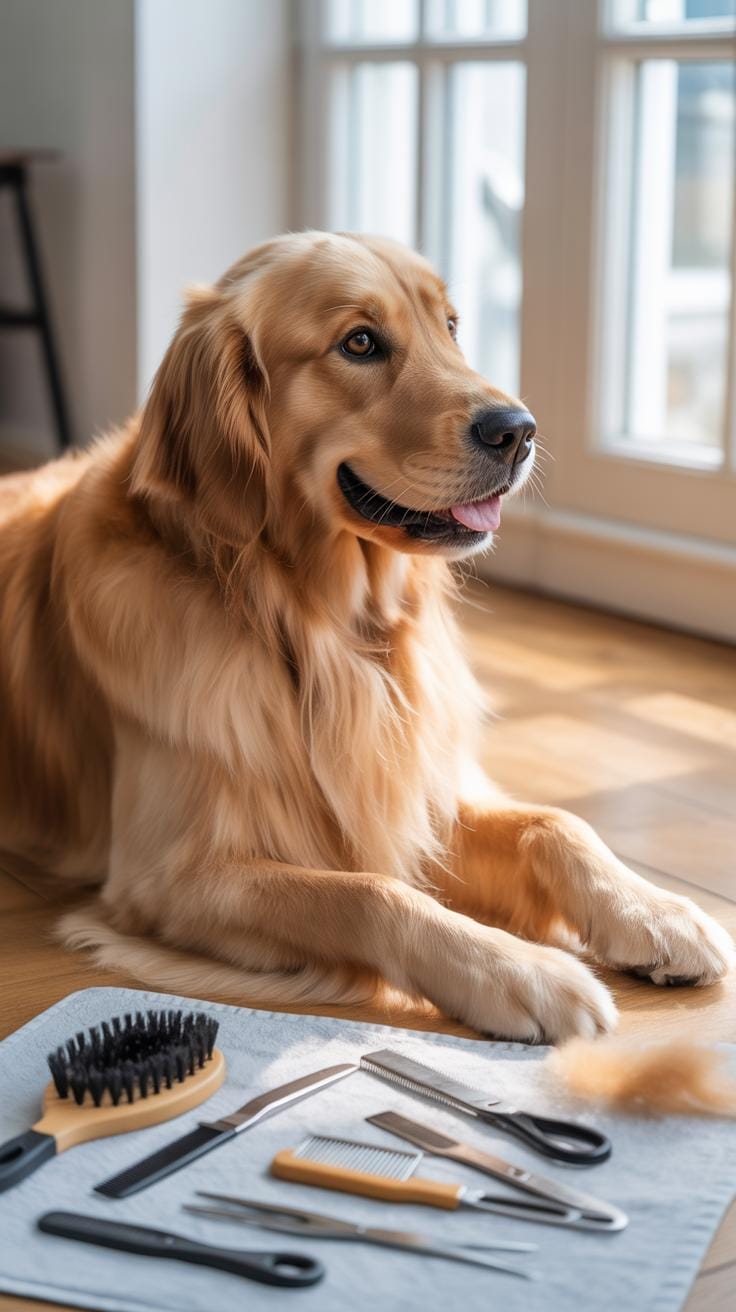
Vet Recommended Dog Hair Care Tips For Managing Seasonal And Stress Related Shedding
Seasonal shedding occurs when dogs transition their coats for temperature changes. Stress shedding happens due to cortisol spikes that trigger the resting phase of hair follicles. You must maintain a strict grooming schedule to capture loose fur before it mats or irritates the skin. Proper nutrition provides the protein and fats your dog needs to anchor hair follicles effectively and reduce environmental loss.
- Daily Brushing: Use a high-quality de-shedding tool or slicker brush to remove dead undercoat. Regular brushing distributes natural skin oils across the hair shaft. This prevents breakage and keeps the coat resilient against environmental stressors.
- Omega Fatty Acids: Supplement the diet with fish oil containing EPA and DHA. These essential fats strengthen the skin barrier and improve hair follicle health. Stronger follicles retain hair longer and resist premature shedding caused by dry skin.
- Hydration Control: Ensure constant access to clean water to prevent skin dehydration. Dry skin loses elasticity and releases hair more easily than hydrated skin. Proper hydration supports the cellular processes required for consistent and healthy hair regrowth.
- Stress Reduction: Identify and remove environmental triggers that cause anxiety in your dog. High stress levels lead to a condition called telogen effluvium where hair falls out in clumps. Maintaining a calm environment preserves the natural growth cycle.
- Routine Bathing: Wash your dog with a moisturizing, soap-free shampoo every four to six weeks. Excessive bathing strips essential oils and causes brittle hair. Controlled bathing removes dander and loose fur that contributes to heavy seasonal shedding.
Tactical grooming requires consistency rather than intensity. Frequent light sessions work better than occasional heavy sessions. Monitor your dog for changes in coat texture or sudden bald spots during high-stress periods. If shedding increases without a change in season or stress levels, evaluate the internal health of the animal. Consistent maintenance keeps the coat functional and minimizes the cleanup in your home.
When To See A Veterinarian: Treatments And Diagnostics For Persistent Dog Hair Loss
Persistent hair loss requires professional medical intervention to rule out underlying systemic issues. Seek veterinary care if your dog exhibits redness, crusting, or a foul odor on the skin. Symmetrical hair loss often indicates hormonal imbalances like hypothyroidism or Cushing disease. A veterinarian uses skin scrapings and blood tests to identify the specific cause. Targeted treatment plans address the root source rather than just the symptoms.
Diagnostic tools provide the data needed for effective recovery. Your vet may perform fungal cultures to check for ringworm or cytology to identify bacterial infections. If the hair loss stems from allergies, the doctor will recommend elimination diets or immunotherapy. Ignoring these signs leads to secondary infections and chronic pain for the animal. Timely diagnostics ensure you apply the correct medication to stop hair loss immediately.
Frequently Asked Questions

Is it normal for my dog to lose patches of fur?
While seasonal shedding is perfectly normal, losing hair in specific patches or seeing thinning skin often signals an underlying issue. Common dog hair loss causes range from environmental allergies and flea infestations to hormonal imbalances like hypothyroidism. If you notice redness, scaling, or intense itching alongside the hair loss, it is important to investigate the root cause rather than assuming it is just a heavy shedding cycle for your pet.
How can I tell if my dog’s hair loss is caused by allergies?
To identify if allergies are among the dog hair loss causes, observe your pet’s behavior closely. Allergic reactions typically trigger intense scratching, paw licking, and face rubbing. You can try eliminating common environmental triggers or switching to a limited-ingredient diet to see if the fur regrows. Regularly cleaning your dog’s bedding and using hypoallergenic shampoos can also help manage symptoms while you determine if pollen, dust, or food is the primary culprit.
Are there any affordable home remedies for treating canine hair loss?
If a vet has ruled out serious illness, you can use budget-friendly kitchen staples to support skin health. Adding a spoonful of coconut oil or fish oil to your dog’s meals provides essential fatty acids that strengthen the coat. Additionally, gentle oatmeal baths can soothe irritated skin and reduce scratching. These accessible DIY treatments are excellent for managing mild dryness and improving fur texture without requiring expensive prescriptions or specialized salon visits.