What Is Dog Hip Dysplasia And Why Does It Happen
Understanding The Mechanics Behind Hip Dysplasia In Dogs
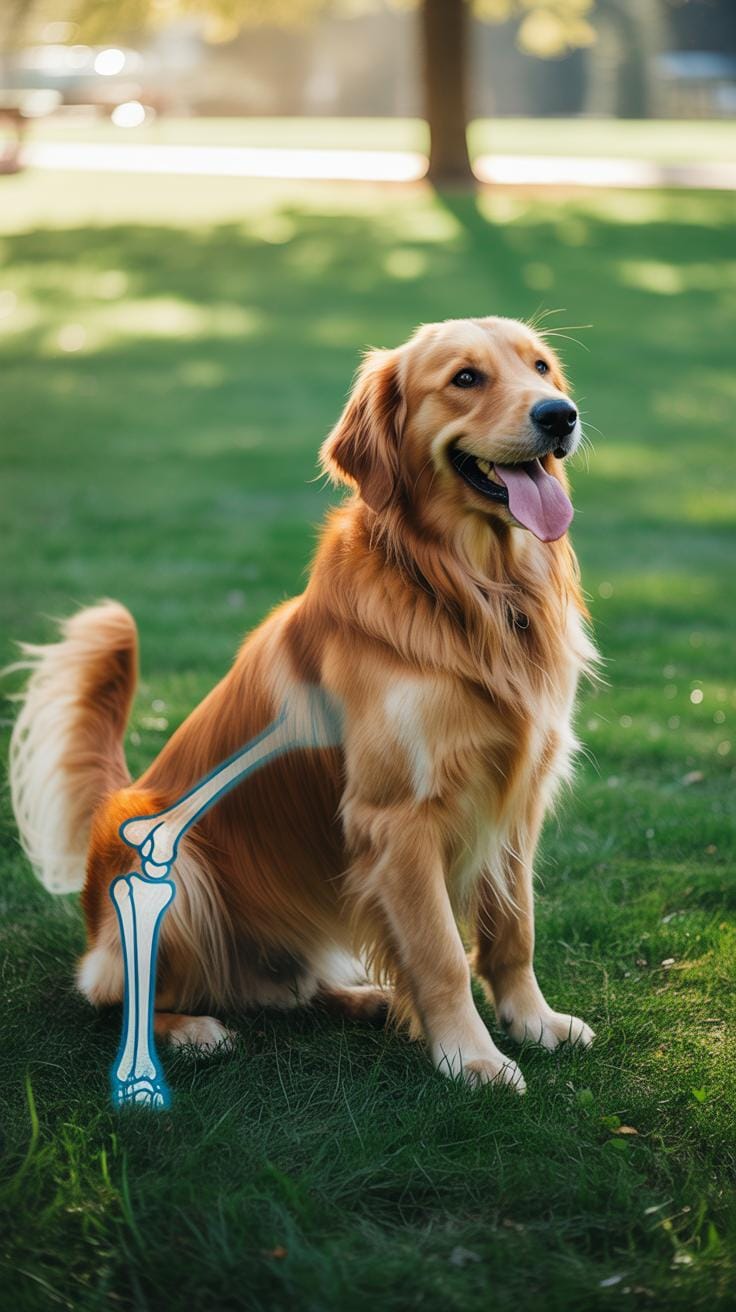
Hip dysplasia is a skeletal condition where the ball and socket joint fails to fit together. In a healthy dog, the femoral head sits deep within the acetabulum. These parts should glide smoothly. During dysplasia, the joint develops loosely. This laxity causes the bones to rub and grind instead of sliding. Over time, this friction destroys the cartilage and causes permanent damage.
The body attempts to stabilize this loose joint by creating new bone growth. These bone spurs lead to osteoarthritis and chronic pain. The condition begins during the growth phase of a puppy. If the soft tissues surrounding the hip do not tighten properly, the joint becomes unstable. This instability is the primary driver of the disease. Specialized vets identify this early through physical exams and x-rays.
Genetic And Environmental Factors That Contribute To Hip Dysplasia
Genetics serve as the primary cause of this condition. Large and giant breeds carry the highest risk due to their DNA. German Shepherds, Labradors, and Golden Retrievers frequently pass these traits to their offspring. Responsible breeders use screenings to identify carriers and remove them from the gene pool. However, even dogs with good genetics can develop the disease if external factors are poor.
Environmental influences like rapid growth and weight gain accelerate joint failure. Feeding high-calorie diets to puppies causes bones to grow faster than the supporting muscles and ligaments. Excessive physical strain on young joints also creates micro-trauma. Maintaining a lean body weight is the most effective way to manage the severity. Proper nutrition and controlled exercise help keep the hip joint stable during the critical development months.

Which Dog Breeds Are Most At Risk For Hip Dysplasia
Large And Giant Breeds With The Highest Predisposition To Dog Hip Dysplasia
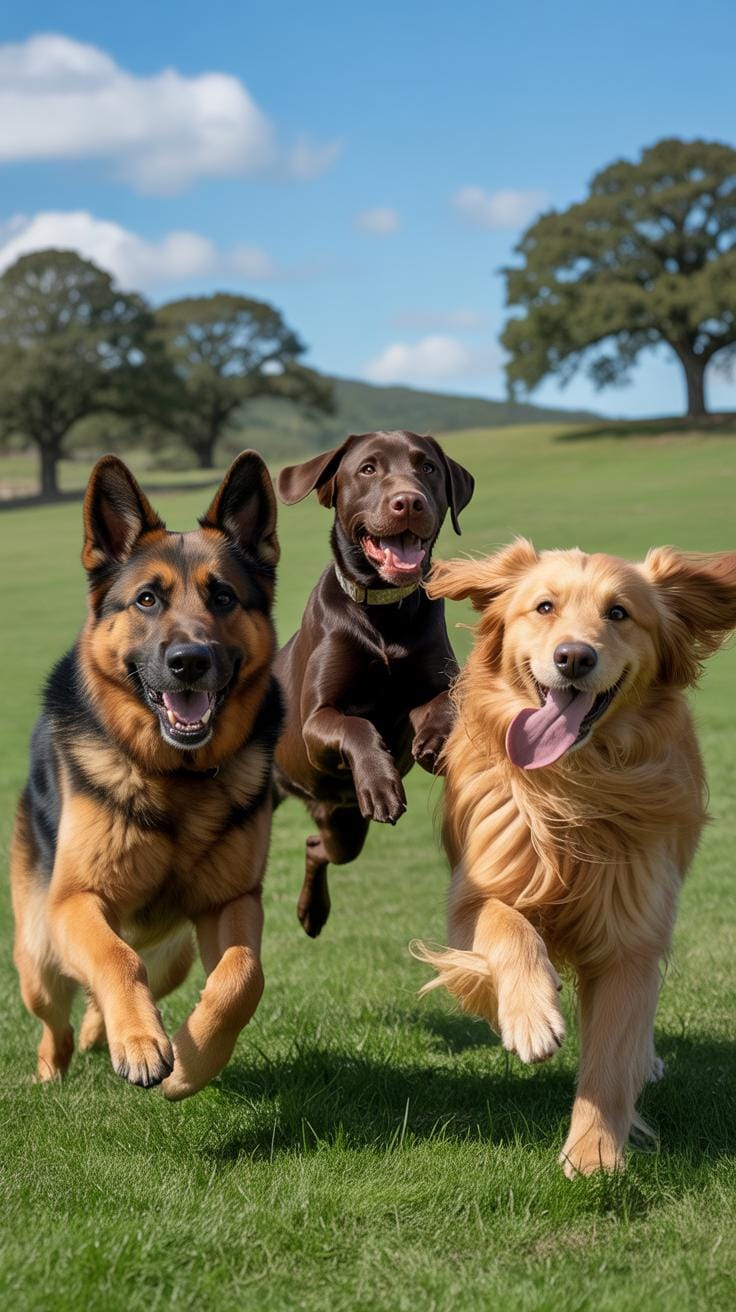
Genetic inheritance drives hip dysplasia in large dogs. German Shepherds and Golden Retrievers carry high risk due to their bone structure. Breeders often prioritize aesthetic traits that unintentionally weaken the hip socket. This malformation occurs when the ball and socket do not fit together. Weight adds stress to these joints during growth phases. Rapid weight gain makes the condition worse for large puppies.
Strategic management starts with selecting breeders who use orthopedic testing. Proper testing identifies dogs with healthy joints before they breed. Owners must monitor giant breeds like Great Danes and Saint Bernards closely. These dogs grow fast and have heavy frames. Excessive exercise on hard surfaces damages their soft cartilage. High protein diets can also trigger growth spurts that lead to permanent skeletal alignment issues.
Can Small Breeds Develop Hip Dysplasia Too? What The Research Shows
Small dogs are not immune to hip joint failure. Research confirms that Pugs and French Bulldogs suffer from high rates of dysplasia. Their compact bodies and unique bone shapes create mechanical stress. Many owners miss the signs in smaller dogs. They assume a limp is just a minor injury. This neglect leads to chronic pain and early onset arthritis in the hip.

Tactical care for small breeds requires strict weight control. Even one extra pound puts massive pressure on small joints. Veterinarians use physical exams to check for clicking or grinding in the hips. Do not ignore changes in how a small dog jumps or runs. Early detection allows for non surgical interventions. Physical therapy and weight management can extend the mobility of a small dog for many years.
Hip Dysplasia In Dogs Symptoms Early Warning Signs To Watch For
Subtle Behavioral And Movement Changes That Signal A Problem Early On
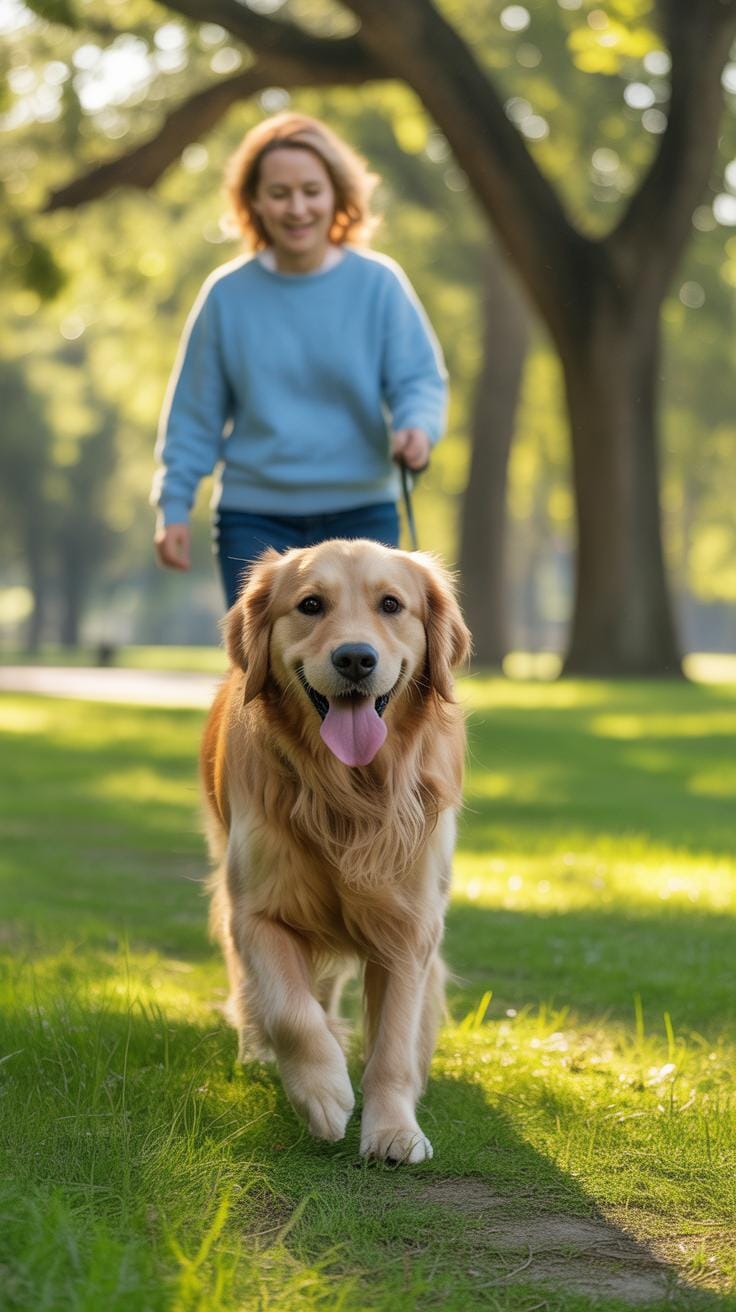
Early symptoms often manifest through sudden shifts in daily activity levels. Dogs may hesitate before climbing stairs or jumping onto furniture they previously accessed with ease. You will notice a marked decrease in their desire to run or engage in high-intensity play. This reluctance stems from the abnormal friction within the hip joint. The animal attempts to limit painful range of motion by avoiding strenuous vertical or lateral mechanical movements.
Pay close attention to how the dog stands up after resting. Stiffness upon rising indicates joint inflammation and structural instability. You might see the dog shift its weight onto the front legs to compensate for rear weakness. This weight redistribution leads to a narrow stance in the hindquarters. Owners often mistake these changes for lazy behavior or general aging. In reality, these are strategic physical adaptations to chronic joint discomfort.
Physical Signs Of Hip Dysplasia In Dogs Symptoms You Can See And Feel
Observing the gait reveals critical diagnostic information. A dog with hip dysplasia often displays a bunny hop where both back legs move together. This movement pattern minimizes the load on individual hip sockets. You can often see the hips sway dramatically from side to side while the dog walks. This waddling motion suggests the femoral head is not sitting securely within the pelvic acetabulum, causing mechanical instability.

Physical examination reveals uneven muscle development across the body. The thighs will appear thin and wasted due to lack of use. Conversely, the shoulder muscles often become oversized and hard. This happens because the dog uses its front end to pull its body weight forward. If you place a hand on the hip during movement, you may feel a clicking or grinding sensation. This crepitus confirms bone is rubbing against bone.
How To Identify Dog Hip Dysplasia A Practical Guide For Pet Owners
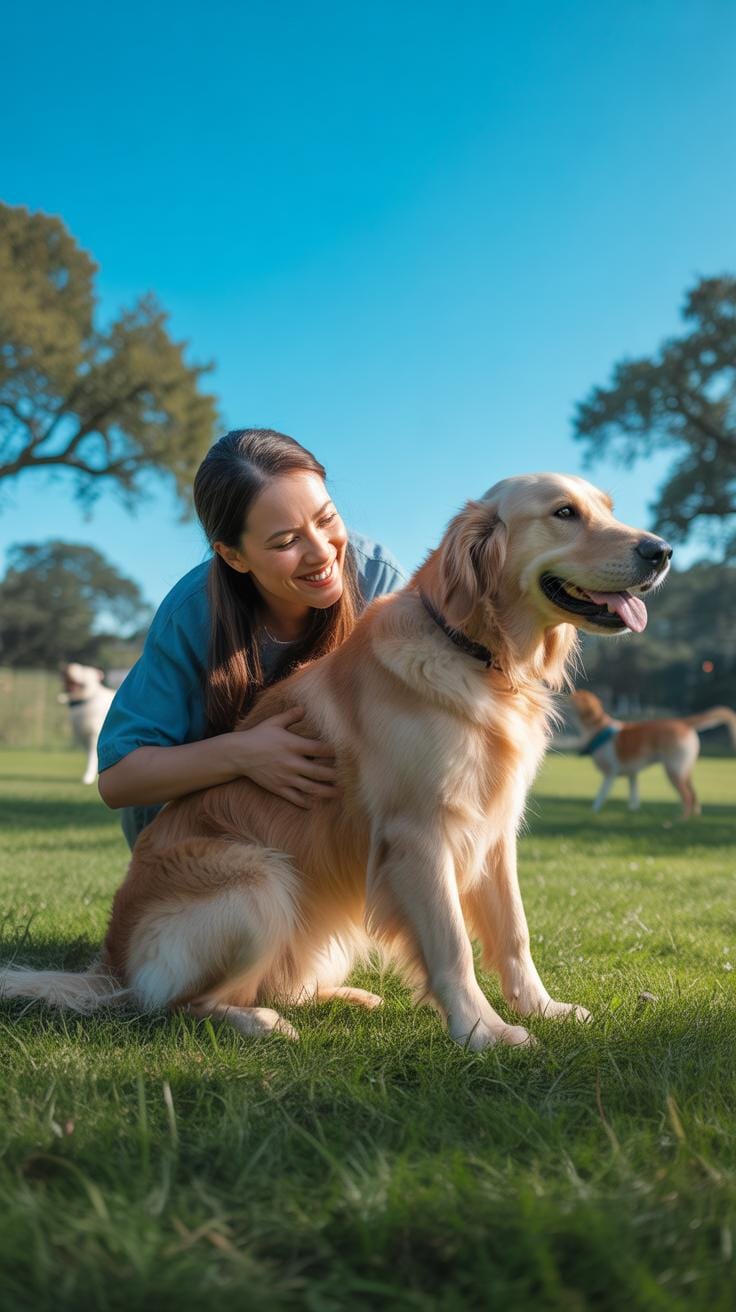
At Home Observation Techniques To Help Identify Dog Dysplasia Early
Owners must monitor movement patterns during low-impact activities. Watch how the dog stands from a lying position. Notice if they use their front legs to pull themselves up rather than pushing with their hindquarters. Subtle changes in gait often appear before visible limping starts. Track energy levels during routine walks to spot early fatigue. Consistency in monitoring ensures you catch these physical shifts quickly.
- Bunny Hopping: This occurs when a dog moves both hind legs together instead of alternating them while running. It signals that the dog is trying to minimize the load on individual hip joints. Watch for this gait during high-speed play.
- Narrow Stance: Affected dogs often stand with their back feet very close together. This stance helps shift their center of gravity forward away from the hips. Look at the dog from behind while they are standing still on a flat surface.
- Difficulty Rising: Dogs with hip pain take longer to get up from the floor. They may appear stiff or shaky in the rear legs during the first few steps. This symptom is most noticeable after the dog has been resting for a long time.
- Audible Clicking: You may hear a clicking or snapping sound coming from the hip area during exercise. This sound happens when the femoral head moves poorly within the socket. Listen closely when the dog walks on hard floors or climbs up a flight of stairs.
- Muscle Atrophy: Chronic hip issues lead to loss of muscle mass in the thighs. The dog’s rear end will look thinner than their shoulders. Compare the muscle bulk of the front legs to the back legs to identify any significant disproportion.
Assess the dog’s range of motion by watching them climb stairs or jump onto furniture. Hesitation or a total refusal to perform these tasks indicates joint instability. Note any shifting of weight to the front legs while the dog eats. Increased irritability or aggression during grooming of the hip area also suggests localized pain. Document these specific behaviors to provide a clear history for your veterinarian.
When To See A Veterinarian And What A Clinical Diagnosis Involves
Schedule a veterinary exam as soon as you observe persistent stiffness or gait changes. Early intervention prevents secondary issues like osteoarthritis from advancing rapidly. Professionals use physical manipulation to test joint laxity and determine the degree of discomfort. Do not wait for the dog to cry out because most dogs hide chronic pain. Accurate diagnosis requires a clinical setting to assess the structural integrity of the hip.

The veterinarian will likely perform a series of X-rays to visualize the bone structure. They look for how well the femoral head fits into the acetabulum. Modern clinics may use the PennHIP method to measure joint looseness more precisely than standard radiographs. They will also palpate the hips to check for a grinding sensation called crepitus. These objective tests confirm the presence and severity of dysplasia to guide your treatment strategy.
Stages Of Hip Dysplasia From Mild Discomfort To Severe Joint Damage
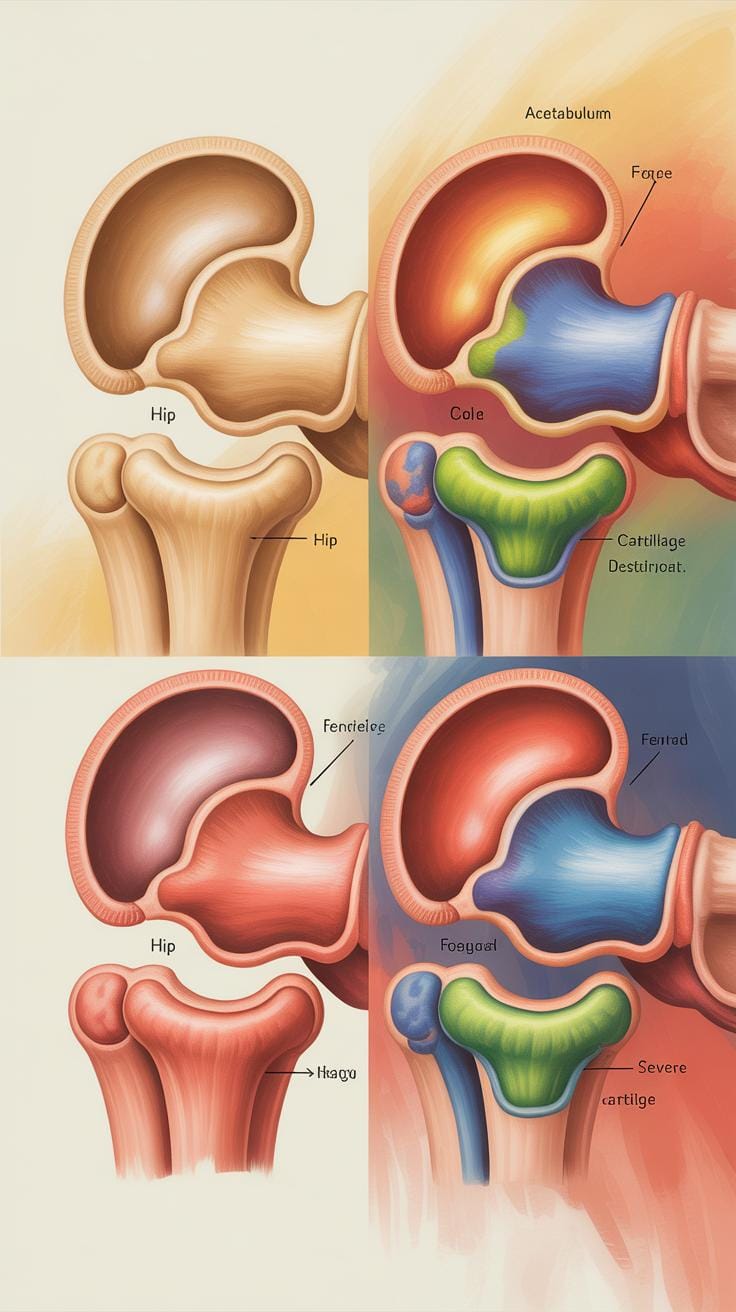
How Hip Dysplasia Progresses Over Time If Left Unmanaged
Hip dysplasia begins with joint laxity. The femoral head does not fit tightly into the pelvic socket. This creates abnormal friction during every movement. Puppies may appear normal at first but gradually develop a swaying gait. Early instability causes micro-fractures in the bone and tears in the cartilage. These physical changes happen long before the dog shows significant pain or lameness.
As the dog matures, the body attempts to stabilize the loose joint. It produces excess bone tissue around the socket to compensate for the instability. This process thickens the joint capsule and limits the range of motion. The muscles in the hindquarters often shrink due to lack of use. Without medical intervention, the joint eventually loses its functionality. The dog becomes unable to support its weight.
Their playful spirit never fades, but when their joyful bound turns into a hesitant step, it is our turn to carry them with love. Noticing the small changes today ensures their golden years remain filled with the comfort they have always given us.
Understanding The Role Of Osteoarthritis As A Secondary Complication Of Hip Dysplasia
Osteoarthritis is the inevitable result of untreated hip dysplasia. The constant grinding of the joint surfaces destroys the smooth articular cartilage. Once the cartilage wears away, bone rubs against bone. This contact triggers chronic inflammation and extreme pain. The dog develops bony spurs known as osteophytes. These growths further restrict movement and increase the level of discomfort during daily activities.

Chronic inflammation changes the chemical makeup of the joint fluid. The fluid loses its ability to lubricate the joint effectively. This acceleration of wear creates a cycle of damage that is hard to break. The dog shifts its weight to the front legs to avoid hip pain. This imbalance leads to secondary injuries in the shoulders and back. Owners must address the inflammation early to preserve the remaining joint health.
How To Help Dogs With Hip Dysplasia Veterinary Treatment Options
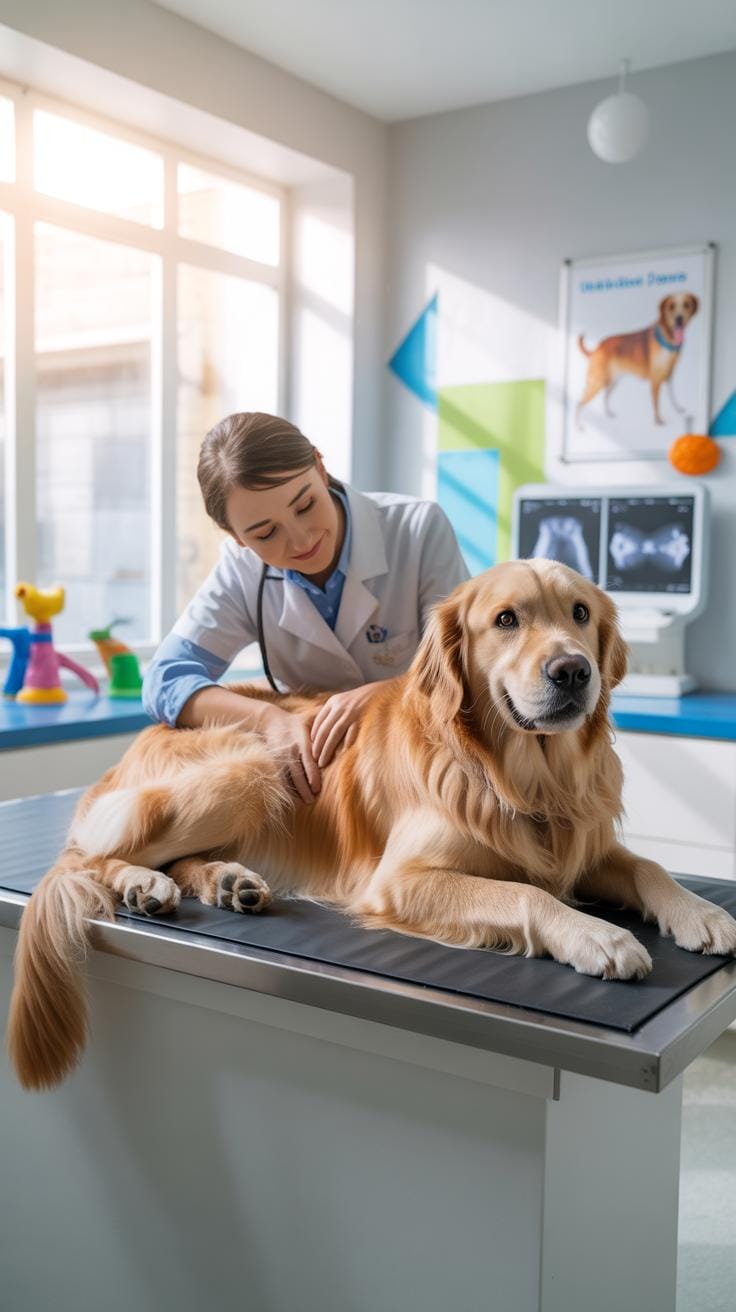
Non Surgical Treatments Including Medications, Physical Therapy And Weight Management
Manage mild cases by reducing joint stress and inflammation. Weight control is the most critical factor. Excess weight puts direct pressure on the hip joints. You must keep the dog lean to limit pain. Low-impact exercise like swimming builds muscle without hurting the bones. Strong muscles support the joint. This slows down the progression of the disease and improves daily mobility.
Veterinarians prescribe non-steroidal anti-inflammatory drugs to control pain. These drugs reduce swelling in the joint capsule. Supplements like glucosamine and chondroitin help support cartilage health. Some doctors use laser therapy or acupuncture to increase blood flow. Physical therapy focuses on range of motion exercises. Consistent care prevents the joint from locking up. It keeps the dog comfortable during daily walks and activities.
Surgical Interventions For Hip Dysplasia: What Procedures Are Available And When They Are Needed
Surgery becomes necessary when lifestyle changes fail to control pain. Young dogs often benefit from a Double or Triple Pelvic Osteotomy. This procedure rotates the hip socket to fit the bone better. It prevents early arthritis in puppies. Surgeons perform this before the joint sustains permanent damage. It is a proactive way to fix the skeletal structure while the dog is still growing.

Mature dogs with severe arthritis may require a Total Hip Replacement. Surgeons replace the entire joint with metal and plastic parts. This removes the source of the pain entirely. Another option is a Femoral Head Ostectomy. The surgeon removes the ball of the hip joint. The body creates a functional false joint from scar tissue. This works well for smaller dogs to restore pain-free movement quickly.
Dog Hip Dysplasia Remedies Lifestyle And Home Management Strategies
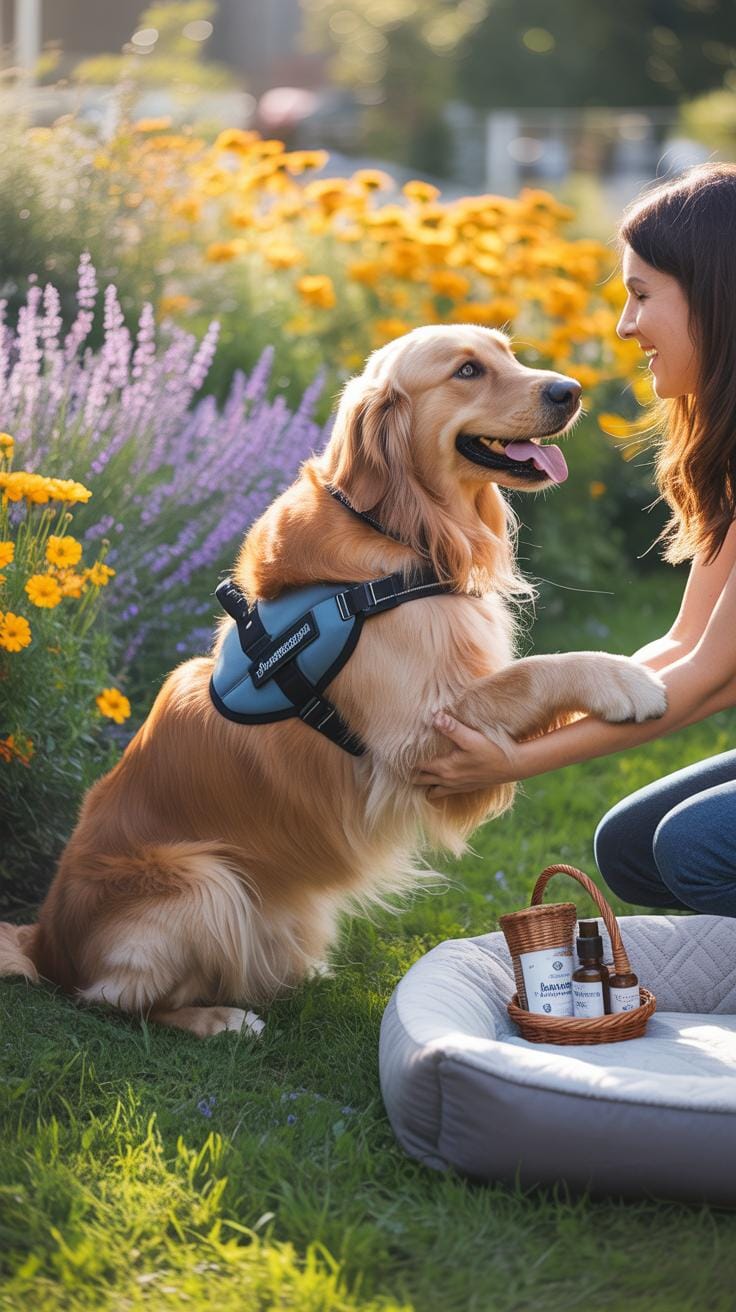
Diet, Joint Supplements And Exercise Adjustments That Support Hip Health
Weight management is the most critical factor in controlling dog hip dysplasia symptoms. Excess fat produces inflammatory hormones that destroy joint cartilage faster. You must keep your dog lean to reduce the mechanical load on the pelvic joints. Use a body condition score tool to ensure ribs are easily felt. High-impact activities like jumping or sharp turns cause micro-fractures and worsen joint laxity.
- Weight Control: Maintain a lean body condition to minimize force on the hip sockets. Even a small reduction in body weight significantly decreases systemic inflammation and daily pain levels.
- Omega-3 Fatty Acids: Administer high-quality fish oil containing EPA and DHA. These fatty acids block enzymes that break down cartilage and help reduce the need for non-steroidal anti-inflammatory drugs in many clinical cases.
- Glucosamine and Chondroitin: Use these structural components to support cartilage repair and fluid retention within the joint. Consistency is vital as these agents take several weeks to reach therapeutic levels in the bloodstream.
- Controlled Exercise: Replace fetch and jumping with low-impact walking and swimming. Steady movement builds the pelvic muscles that hold the hip joint in place without causing the concussive damage seen in high-speed running.
- Controlled Growth: Feed large-breed puppies specific formulas that prevent rapid bone growth. Fast growth cycles create a mismatch between bone length and muscle strength, which leads to permanent structural instability in the hips.
Strategic supplementation provides the raw materials for joint lubrication and tissue repair. Look for products with quality seals to ensure ingredient purity. Hydrotherapy is an excellent tool for building muscle mass without stressing the skeleton. Consistent low-impact movement keeps the joint capsule flexible. Proper nutrition and exercise adjustments form the foundation of any long-term management plan for dogs suffering from hip instability.
Home Environment Modifications That Reduce Daily Pain And Strain
Modify the living space to eliminate physical obstacles that trigger pain flare-ups. Slick floors like hardwood or tile cause legs to splay, which pulls the femoral head away from the socket. Cover high-traffic areas with non-slip rugs or interlocking foam mats to provide traction. This simple change prevents the sudden slips that cause acute ligament tears and chronic Muscle fatigue in the hindquarters.

Eliminate the need for jumping by using ramps for vehicles and furniture. Height increases the impact force on the hips during landings. Provide an orthopedic bed made of high-density memory foam to support the spine and joints. Proper bedding prevents the dog from resting directly on hard surfaces, which creates painful pressure points. Elevate food and water bowls to a neutral standing height to reduce strain on the pelvic region.
Hip Dysplasia Support For Dogs Keeping Your Dog Comfortable Long Term
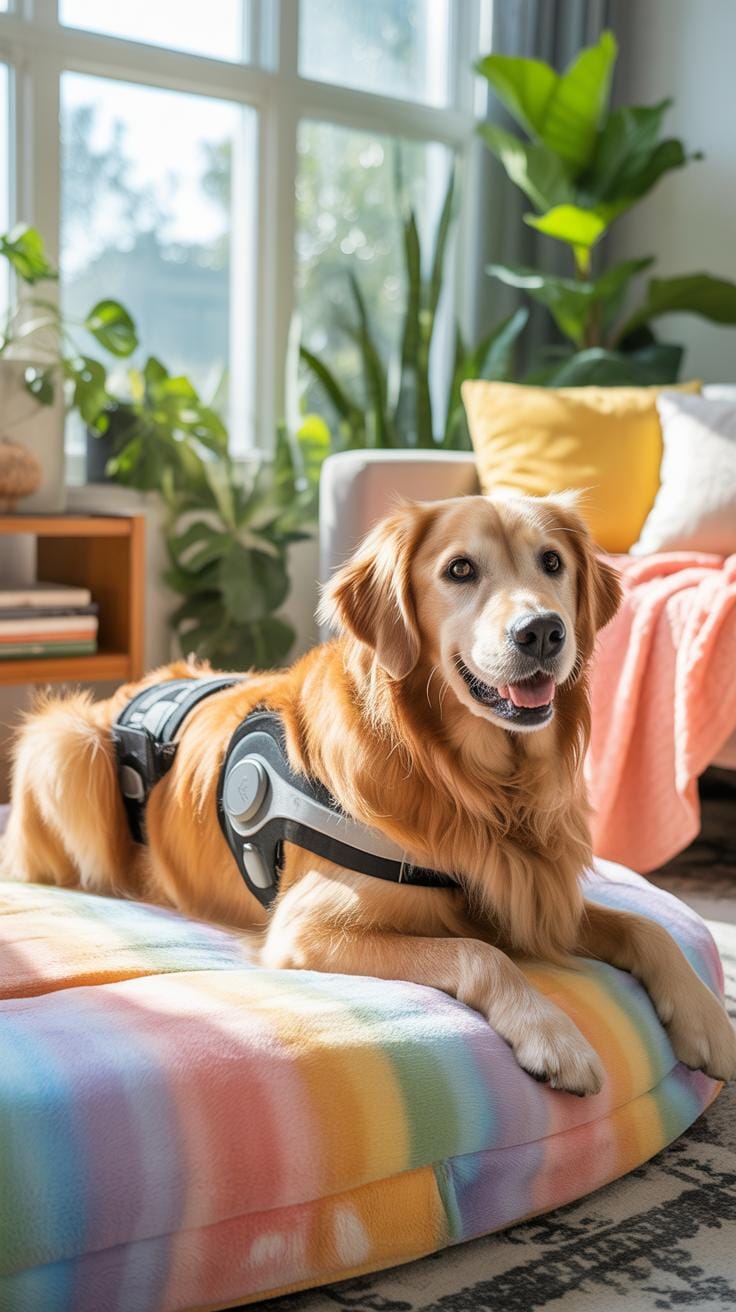
Emotional Wellbeing And Quality Of Life Considerations For Dogs Living With Hip Dysplasia
Chronic pain changes a dog’s personality and mental state. Most owners mistake social withdrawal for aging. Dogs with hip dysplasia often stop participating in family rituals or play. This isolation leads to cognitive decline and depression. You must prioritize mental stimulation that does not stress the joints. Use scent work and food puzzles to keep the brain active while the body rests.
Assess quality of life by tracking mobility trends rather than single bad days. Use a standard scoring system to monitor pain levels objectively. When a dog can no longer perform basic functions like standing to eat or eliminate, the burden of disease is high. Your goal is to balance physical comfort with the dog’s desire to interact. Protect their dignity by modifying the environment to prevent slips and falls.
Building A Long Term Hip Dysplasia Support Plan With Your Veterinary Team
Effective management requires a multi modal approach coordinated by your veterinarian. Do not rely on a single medication or supplement. The plan must evolve as the joint tissue degrades. Regular checkups allow for dosage adjustments of non-steroidal anti-inflammatory drugs. These visits help catch secondary issues like muscle atrophy or compensatory strain in the front legs. You need a data-driven strategy to maintain your dog’s mobility.

Weight management is the most critical part of the long-term plan. Excess body fat increases systemic inflammation and puts mechanical stress on the hips. Keep your dog at a lean body condition score to reduce pain. Your vet should recommend specific low-impact exercises like swimming or underwater treadmill therapy. This builds muscle to support the joint without causing further damage. Consistently update the plan based on the dog’s physical response.
Frequently Asked Questions

What exactly is hip dysplasia and how can I tell if my dog is suffering?
Hip dysplasia is a genetic condition where the hip joint doesn’t fit together perfectly, leading to painful friction and eventual arthritis. Owners should watch for dog hip dysplasia symptoms like a “bunny hop” gait, decreased activity, or difficulty rising after naps. Early detection is key to managing your pet’s comfort, so noticing a slight limp or a reluctance to climb stairs during puppyhood can make a significant difference in their long-term mobility.
How can I check my dog for hip discomfort at home?
You can perform a gentle wellness check by observing your dog’s natural movements during a walk. Look for swaying hips or a narrowing of the hind legs. If you notice common dog hip dysplasia symptoms, such as flinching when you touch their lower back or a clicking sound during exercise, it is time for a professional exam. Never force a stretch; instead, lure them with treats to see if they hesitate to sit or stand.
Are there affordable ways to manage hip dysplasia if surgery is too expensive?
If surgery isn’t financially feasible, conservative management can be very effective and budget-friendly. Focus on maintaining a lean body weight to reduce joint pressure and invest in high-quality orthopedic bedding to support their frame. Regular, low-impact exercise like swimming or short walks on soft grass helps maintain muscle mass. Additionally, affordable joint supplements containing glucosamine and chondroitin can provide much-needed relief and improve your dog’s daily quality of life without breaking the bank.