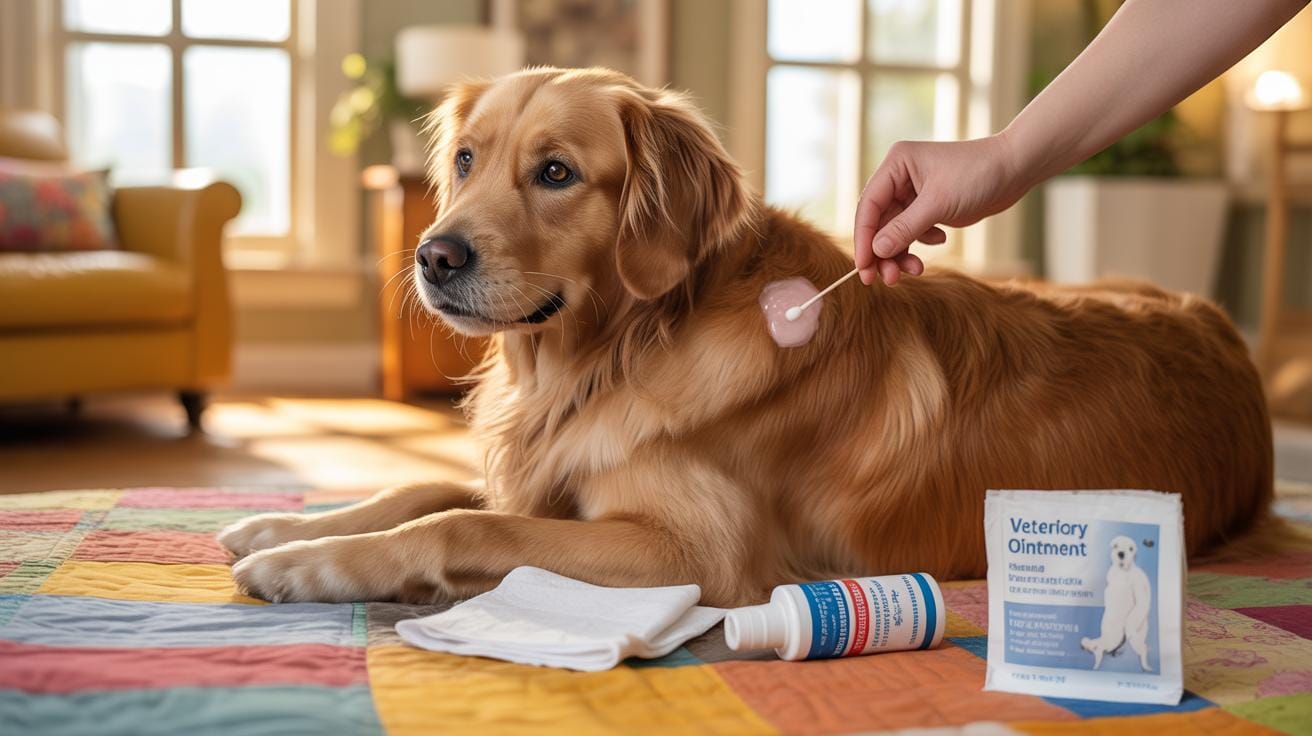
What Are Hot Spots On Dogs And Why Do They Happen
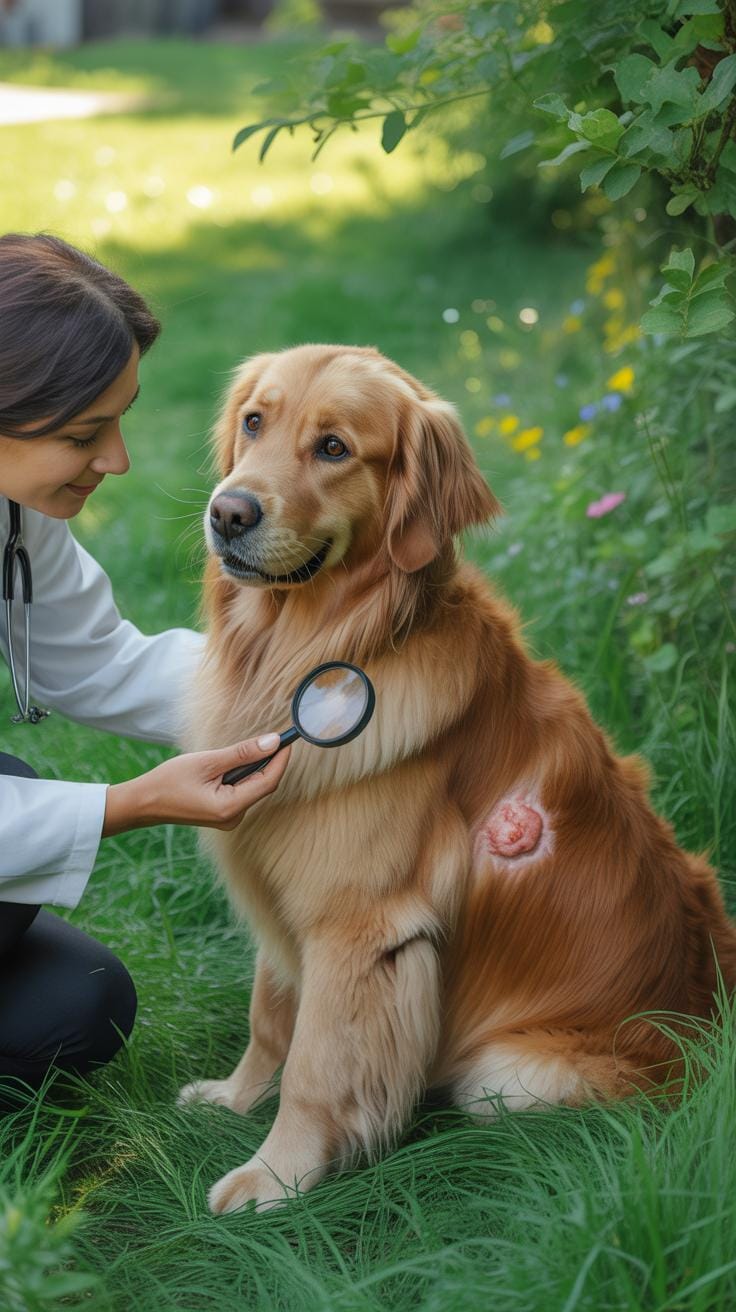
Understanding The Biology Behind Dog Hot Spots
Acute moist dermatitis is the medical term for a hot spot. These lesions appear as red and inflamed patches of skin. They develop when a dog licks or bites an itchy area repeatedly. This self-trauma breaks the skin barrier. Normal bacteria on the surface then overpopulate in the warm and wet environment. This creates a rapid and painful infection.
The speed of development defines this condition. A small patch can grow into a large and oozing sore in hours. The inflammation stays localized but intensifies quickly. The hair often mats over the wound and traps moisture against the flesh. This creates a cycle where the infection deepens. You must identify the break in the skin immediately to stop the growth.
Common Triggers That Cause Hot Spots To Flare Up
Allergies are the primary driver of the initial itch. Dogs react to flea saliva or environmental pollen. This causes intense discomfort that leads to chewing. Once the dog breaks the skin, the hot spot begins. Flea allergy dermatitis remains the most frequent cause in domestic pets. You cannot stop the sore without addressing the underlying itch from these external parasites.
Moisture trapped in the coat also triggers these sores. Dogs that swim or bathe frequently are at higher risk. Thick double coats hold water against the skin long after the dog appears dry. This damp condition softens the skin and invites bacterial growth. Dirty ears or impacted scent glands also cause dogs to scratch nearby areas. This localized irritation starts the destructive cycle.

How To Identify Hot Spots On Dogs Before They Get Worse
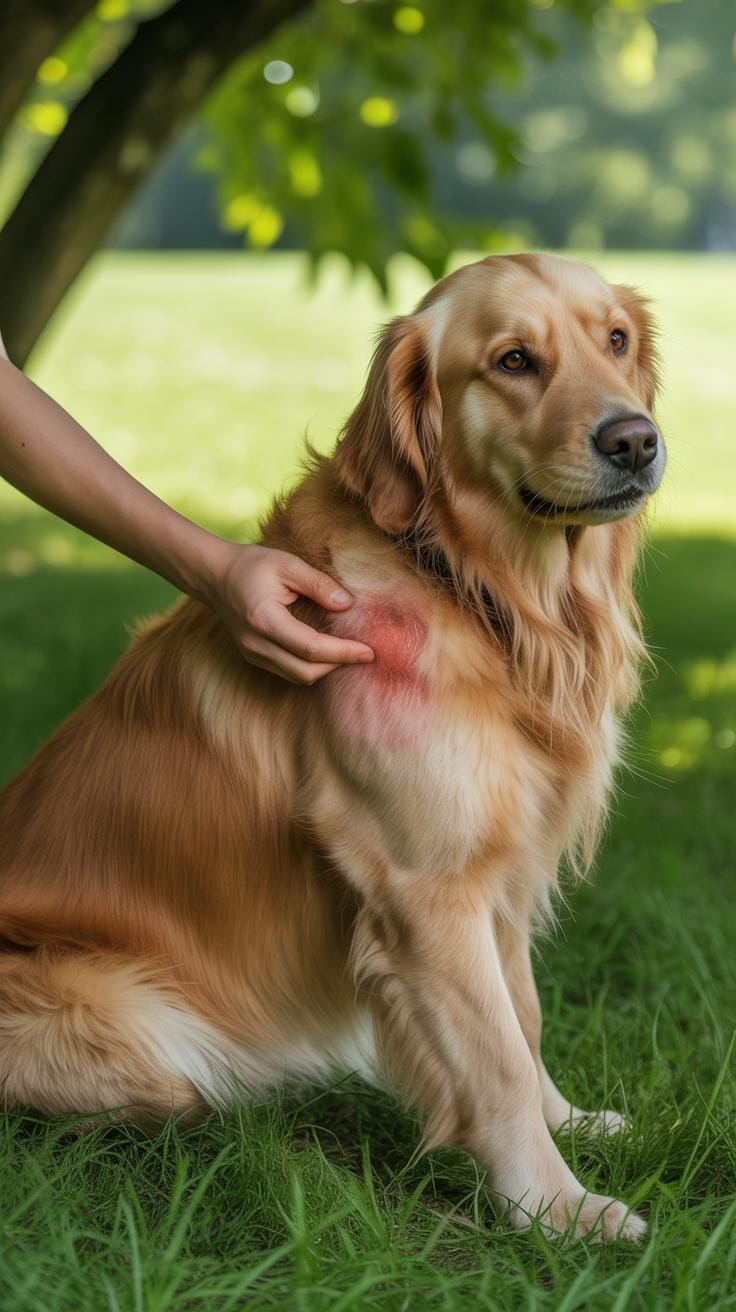
Visual Signs And Symptoms To Look For On Your Dog Skin
A hot spot starts as a small red patch of skin. This area quickly turns into a wet and weeping sore. You will notice the fur around the site becoming sticky or matted from discharge. The skin feels hot to the touch because of active inflammation. Your dog will likely scratch or bite the area without stopping. This constant trauma makes the wound grow larger in minutes.
The characteristic look of a hot spot is a well defined circle of raw flesh. It often oozes clear fluid or pus which creates a crusty layer. Hair loss occurs rapidly in the center of the lesion. You might see the edges of the sore appearing raised or dark red. Early detection is vital. Catching the redness before it moisture leaks prevents deep tissue infections.
Hot Spots Vs Other Skin Conditions How To Tell The Difference
Distinguishing a hot spot from a fungal infection or a simple bug bite is critical. Hot spots are acute moist dermatitis. They appear suddenly and spread much faster than ringworm or sarcoptic mange. Fungal infections usually look dry and scaly rather than wet. Hot spots thrive on moisture and heat. They lack the classic raised ring shape found in many common fungal skin issues.

Acne or hives usually appear as small individual bumps across a wide area. A hot spot is a singular and localized lesion that looks like a shallow burn. While a flea bite might cause a small red dot, a hot spot transforms into a large open wound. If the area is moist and smells slightly metallic, it is a hot spot. Check for rapid expansion to confirm this specific diagnosis.
How To Treat A Hot Spot On A Dog Your Step By Step Home Care Plan
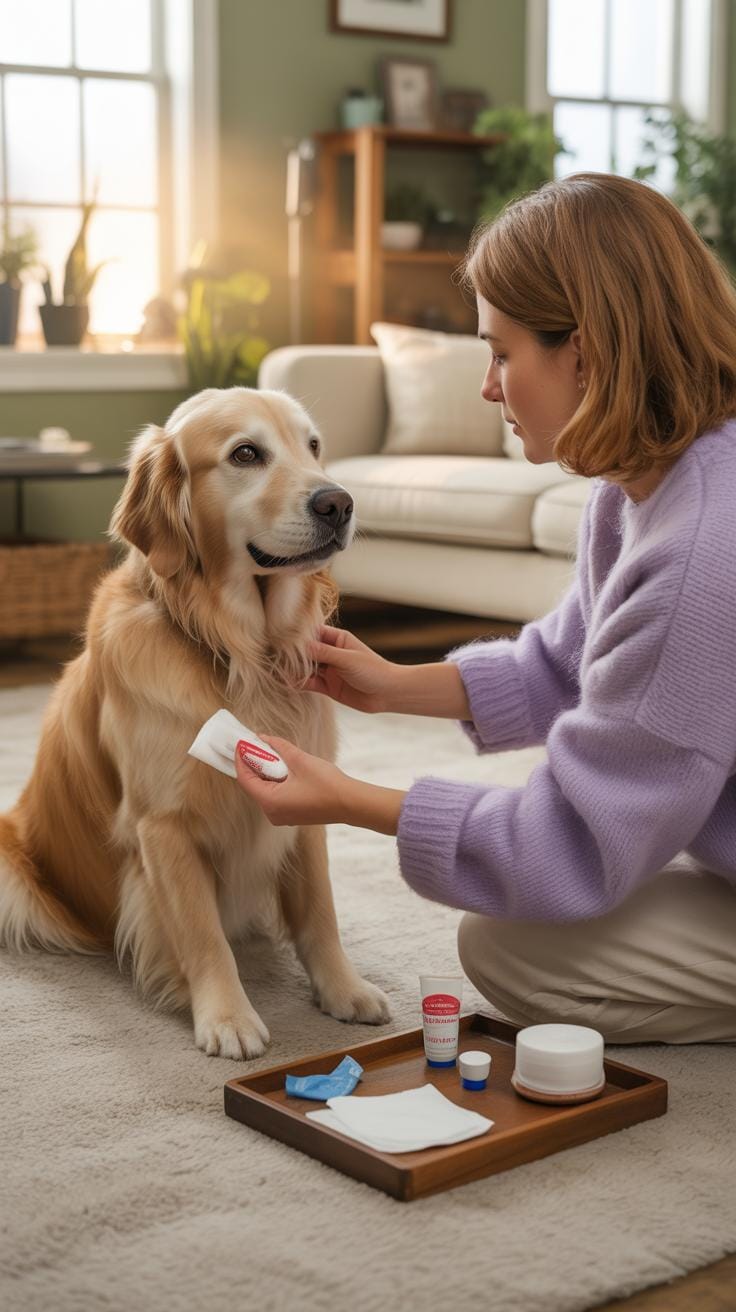
Cleaning And Preparing The Affected Area Safely At Home
Effective dog hot spot treatment starts with maximum visibility and hygiene. You must remove the hair around the lesion to stop moisture from trapping bacteria against the skin. Use electric clippers rather than scissors to avoid cutting the inflamed tissue. Clearing a one-inch perimeter of healthy skin around the wound prevents the infection from creeping into the surrounding fur.
- Electric Clippers: Use professional grade pet clippers to shave the hair down to the skin level. This tool provides a clean cut without pulling the hair or nicking the sensitive or damaged flesh.
- Saline Or Antiseptic Solution: Apply a mild saline or a chlorhexidine based solution to the open wound. This liquid flushes out debris and kills surface bacteria without causing the intense stinging associated with rubbing alcohol.
- Clean Gauze Pads: Use sterile gauze pads to gently pat the area dry after cleaning. Avoid using cotton balls because the small fibers will stick to the raw skin and cause further irritation or infection.
- Water Based Lubricant: Protect the red skin by applying a thin layer of water based lubricant to the area before clipping. This prevents stray hairs from falling into the open wound and causing more pain for the dog.
- Clean Towels: Keep fresh towels on hand to restrain the dog and catch any discharge. You need a stable surface to work on so the dog does not move while you are using the clippers or cleaning.
Once the area is clear of hair and debris, keep the wound dry. Hot spots thrive in moist environments created by matted fur and discharge. Use a clean cloth to remove any remaining hair clippings from the skin surface. Avoid applying thick ointments or bandages that block airflow. Oxygen is your best tool for drying the lesion and stopping bacterial growth.
Keeping Your Dog From Making The Hot Spot Worse During Recovery
Mechanical barriers are non-negotiable for successful healing. Dogs instinctively lick and scratch itchy or painful spots, which introduces more bacteria and slows the recovery process. One minute of chewing can reset days of progress. You must use a physical device to break the itch-scratch cycle immediately. If the dog reaches the wound, the hot spot will likely double in size.

The Elizabethan collar remains the standard tool for preventing mouth contact with the wound. Ensure the collar extends past the nose to stop the dog from reaching the lesion. For spots on the neck or shoulders, specialized inflatable collars or surgical suits may provide better coverage. Monitor the dog constantly during the first forty-eight hours of treatment. Maintenance of the barrier ensures the skin stays dry and undisturbed.
Natural Remedy For Hot Spots On Dogs That Actually Work
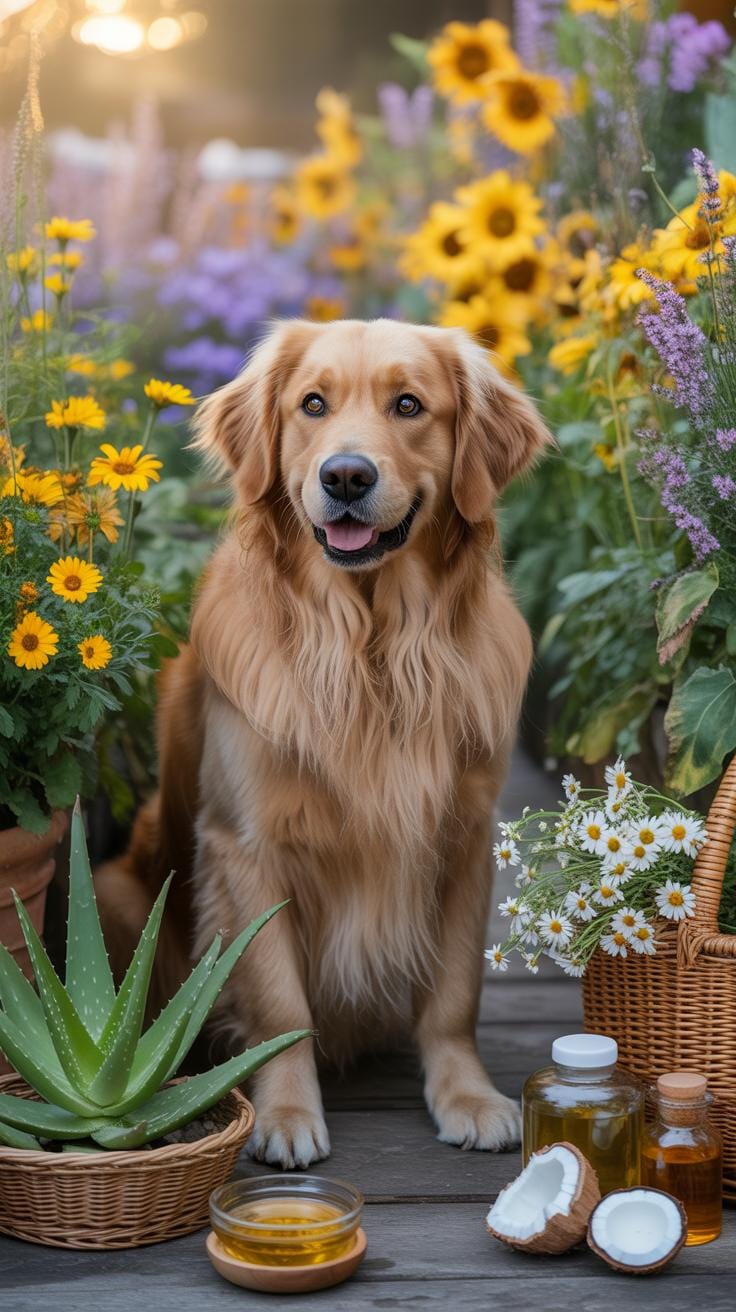
Soothing Ingredients Found At Home That Help Calm Irritated Skin
Raw apple cider vinegar serves as a potent antiseptic and antifungal agent for non-broken skin. Use it to restore the natural pH balance of the canine dermis. This acidity creates a hostile environment for the bacteria that cause hot spots to spread. Dilute it with equal parts water to avoid stinging. It stops the immediate itch and prevents further scratching or biting.
Steeped black tea bags provide a high concentration of tannic acid to the affected area. This natural astringent dries out moisture-rich lesions quickly. Place a cooled, damp tea bag directly on the hot spot for several minutes. The tannins constrict the blood vessels and reduce localized swelling. This method is effective for drawing out heat and speeding up the scab formation process.
How To Apply Natural Treatments Safely Without Irritating The Wound
Clean the area around the hot spot before applying any liquid remedies. Trim the hair back to expose at least one inch of healthy skin around the perimeter. This prevents fur from matting into the moist wound. Use a soft cloth to dab the solution onto the skin. Rubbing or scrubbing will damage the fragile tissue and trigger more inflammation or bleeding.

Frequency of application dictates the success of the treatment. Apply the chosen natural solution three times daily to keep the site clean and dry. Watch for signs of worsening infection like green discharge or foul odors. If the dog continues to lick the site, the treatment will fail. Use a physical barrier like a cone to ensure the remedies have time to work.
Dog Hot Spot Remedy DIY Safe Solutions You Can Make At Home
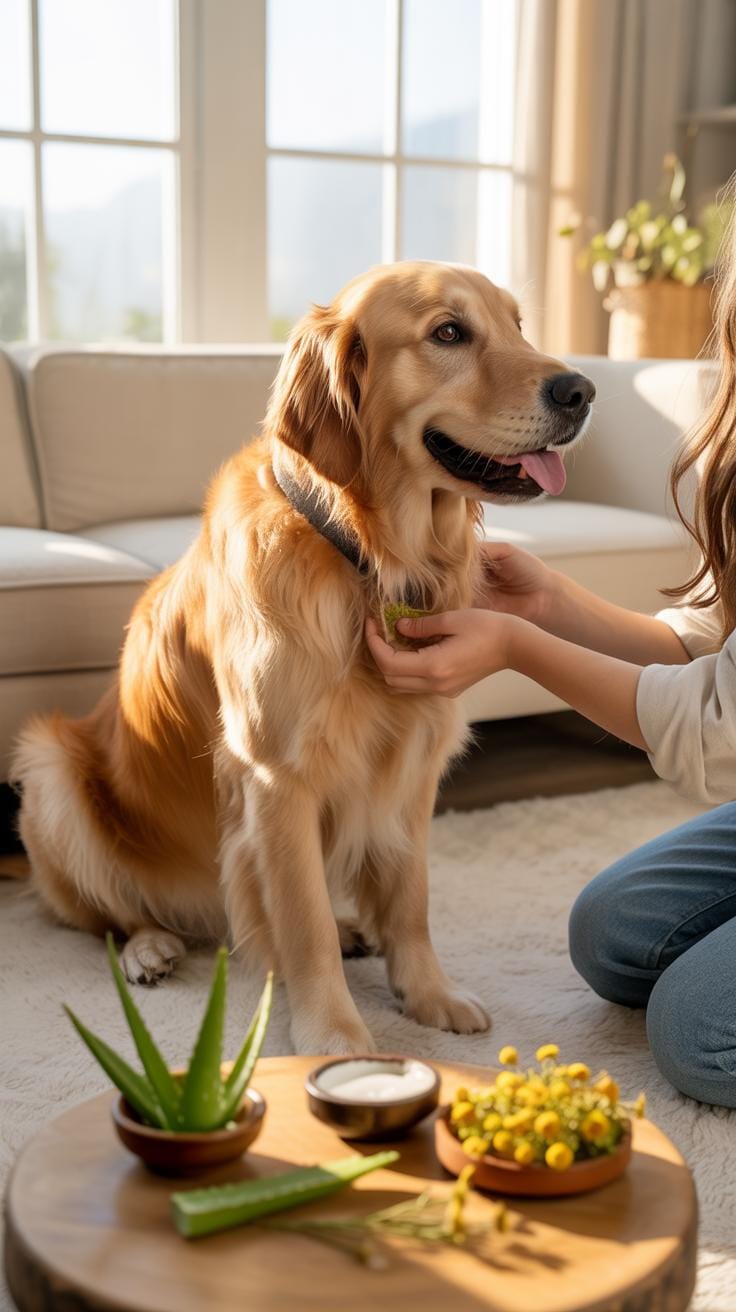
Simple DIY Hot Spot Remedy For Dogs Using Everyday Pantry Items
Effective home remedies focus on three goals: drying the wound, killing bacteria, and stopping the itch. You do not need expensive chemicals for early-stage spots. Simple household agents create an environment where bacteria cannot thrive. These solutions work best if you apply them to a clean and clipped area. Use these items to stabilize the skin before the infection spreads deeper.
- Black Tea Bags: Steep a bag and let it cool completely. The tannic acid in the tea dries out the moist lesion quickly. Press the cool bag directly onto the hot spot for five minutes several times a day to toughen the skin.
- Apple Cider Vinegar: Mix equal parts vinegar and filtered water to create a pH-balancing spray. This solution acts as a natural antiseptic that kills surface bacteria and yeast. Do not use this on broken or bleeding skin because the acidity causes intense stinging.
- Colloidal Oatmeal: Grind plain oats into a fine powder and mix with warm water to create a thick paste. This mixture provides immediate relief from intense itching by coating the nerves. Apply the paste for ten minutes and then rinse it away with cool water.
- Baking Soda Paste: Combine baking soda with a small amount of water to create a thick consistency. This alkaline mixture helps neutralize skin acidity and draws out toxins from the site. It dries into a protective layer that helps stop the oozing associated with hot spots.
- Coconut Oil: Apply a thin layer of organic coconut oil after the wound has started to dry. It contains lauric acid which has proven antimicrobial properties. Use this sparingly to prevent the dog from licking the area, as excess moisture can worsen the initial infection.
Consistency determines the success of these DIY treatments. Apply your chosen remedy at least three to four times daily. Ensure the area stays dry between applications. If the spot continues to grow or produces a foul odor, stop home treatment immediately. These pantry items serve as first-line tools to manage minor irritation and prevent a full veterinary emergency.
What Ingredients To Avoid When Making A DIY Hot Spot Treatment
Avoid using heavy ointments or petroleum-based products on an active hot spot. These substances trap heat and moisture against the skin. Bacteria thrive in warm, damp environments, so sealing the wound often leads to deeper infections. Skip thick loamy creams that prevent the skin from breathing. Success depends on keeping the area dry and exposed to the open air.

Do not use human medications containing hydrocortisone or lidocaine without professional guidance. Dogs frequently lick their wounds and will ingest these toxic ingredients. Avoid essential oils like tea tree oil in high concentrations as they cause neurological issues in pets. Stick to simple, non-toxic drying agents. Using the wrong chemical can trigger a severe chemical burn or systemic poisoning if your dog swallows it.
How To Treat Hot Spots On Dogs With Over The Counter Options
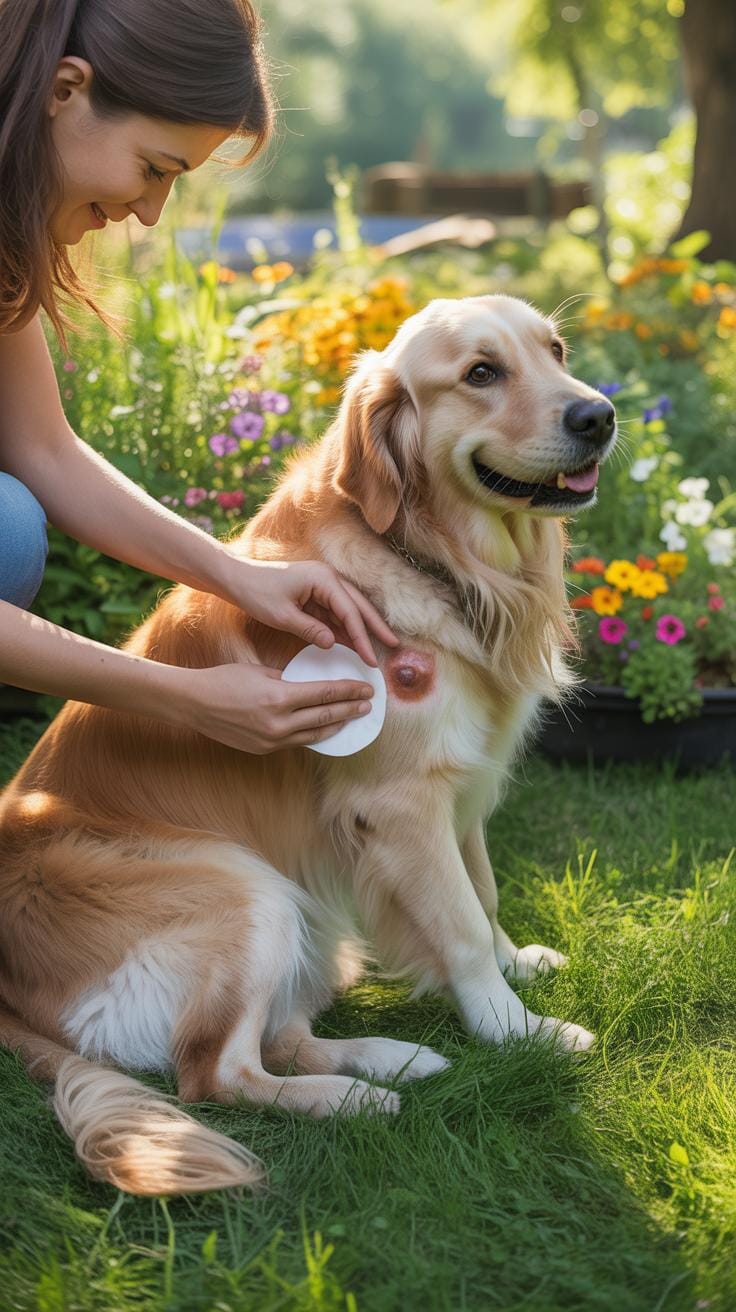
Medicated Sprays, Wipes, And Creams That Vets Often Recommend
Effective over-the-counter options usually contain Hydrocortisone, Chlorhexidine, or Benzethonium Chloride. Hydrocortisone reduces the immediate inflammation and stops the itching cycle. Chlorhexidine acts as a clinical-grade disinfectant to kill bacteria on the skin surface. Most veterinarians suggest using sprays for deep puncture wounds and wipes for surface irritations. These products provide a primary defense against secondary skin infections before they spread further.
Topical creams work best on dry or scaly hot spots rather than oozing sores. Thick salves can trap moisture and heat which allows bacteria to thrive in the wound. You should apply these treatments twice daily after cleaning the area with mild antiseptic solutions. Ensure the dog does not lick the product off immediately after application. Consistent use prevents the lesion from expanding and helps the skin start the healing process.
Healing starts with a gentle hand and the quiet comforts of home. By keeping them clean and cool, we mend their spirits just as quickly as we soothe their skin.
How To Choose The Right Hot Spot Product For Your Dogs Skin Type
Match the product texture to the current state of the hot spot. Use water-based sprays for wet or weeping sores to allow the skin to breathe. Avoid heavy ointments on active infections because they clog pores and limit oxygen flow. If your dog has sensitive skin look for fragrance-free and alcohol-free formulas. These choices prevent additional stinging and chemical burns on raw tissue during the application process.

Consult the ingredient list for Lidocaine if your dog shows signs of extreme pain. This local anesthetic numbs the area to stop the physical urge to bite or scratch. For dogs with thick coats select a liquid solution that reaches the skin without matting the fur. Always prioritize antimicrobial properties over simple soothing agents to address the root cause of the infection. Proper selection ensures the fastest recovery time for the animal.
How To Get Rid Of Hot Spots On Dogs Prevention Strategies That Last
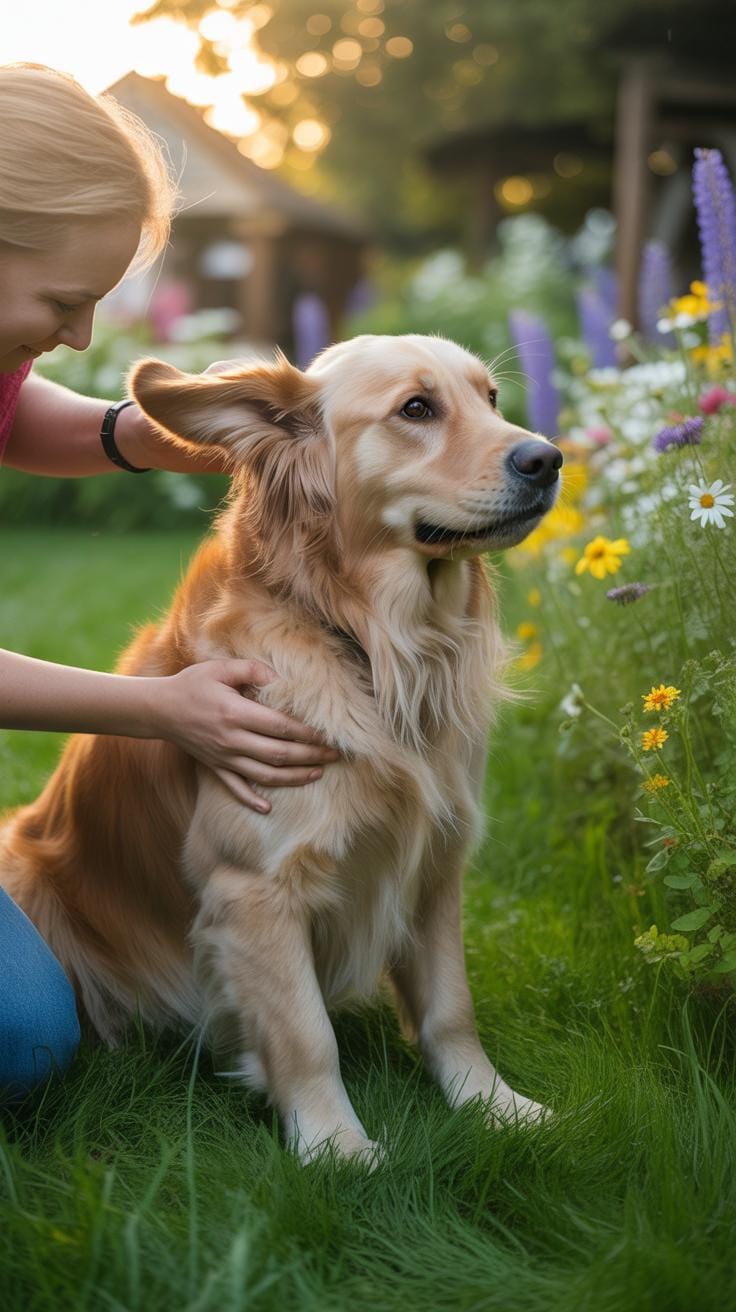
Grooming Habits And Coat Care That Reduce Hot Spot Risk Year Round
Consistent grooming prevents moisture from trapping against the skin. Long or thick fur often hides early signs of irritation. Use a high-quality brush to remove dead undercoat hair. This improves airflow to the skin surface. Matting acts like a sponge for bacteria and moisture. You must cut out mats immediately to stop infection. Dirt and debris provide a breeding ground for pathogens.
Regular bathing with mild shampoo removes environmental irritants like pollen or mold. You must dry the coat completely after every bath or swim. Use a towel and then a low-heat dryer. Damp fur creates a humid environment where hot spots thrive. Keep the hair trimmed short in areas prone to hotspots. This includes the neck, hips, and behind the ears. Systematic inspection saves money and pain.
Diet, Allergies, And Lifestyle Factors That Influence Skin Health In Dogs
Nutrition dictates the strength of the skin barrier. Feed high-quality proteins to support skin repair. Omega-3 fatty acids from fish oil reduce systemic inflammation. This lowers the chance of a dog scratching or licking at itchy spots. Check for food sensitivities that cause skin flares. Common culprits include specific proteins or fillers. Consult a veterinarian for an elimination diet if cycles persist.

Manage environmental stressors and pests aggressively. Flea bites are a primary trigger for acute moist dermatitis. Maintain year-round flea prevention even in cold months. Use HEPA filters to reduce indoor allergens. Exercise reduces boredom-induced licking which often leads to self-trauma. Manage chronic pain or joint issues. Dogs often lick over painful joints. Address the root cause to stop the skin damage.
When Home Hot Spot Remedies For Dogs Are Not Enough Signs To See A Vet
Warning Signs That Indicate A Hot Spot Has Become A Serious Infection
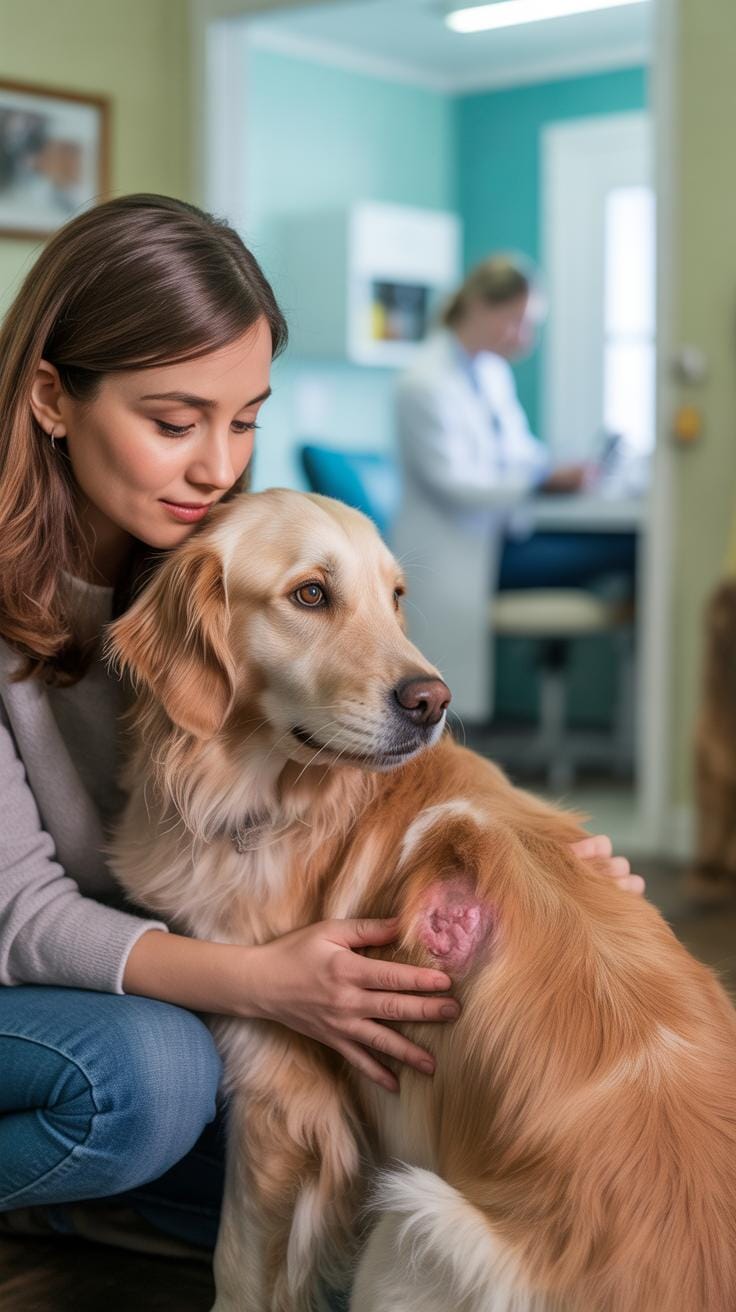
Home treatment fails when the infection penetrates the deep layers of the dermis. You must watch for thick yellow or green discharge oozing from the wound site. A Foul odor indicates active bacterial growth that topical wipes cannot reach. If the skin turns deep purple or black, tissue death is occurring. These symptoms confirm that the localized irritation has evolved into a systemic threat requiring professional medical intervention.
Monitor your dog for behavioral changes and physical decline. A Fever or extreme lethargy suggests the infection is spreading through the bloodstream. If the hot spot grows rapidly despite daily cleaning, the bacteria are resistant to over the counter products. Extreme pain that prevents you from touching the area makes home care impossible and dangerous. Seek a veterinarian immediately if the dog stops eating or starts vomiting alongside the skin issues.
What To Expect When Your Vet Treats A Severe Or Recurring Hot Spot
Veterinarians address the root cause while managing the immediate physical trauma. The doctor will likely shave a large area around the wound to ensure proper airflow and visibility. They perform a skin scraping or cytology to identify the specific bacteria or yeast present. This data allows them to prescribe the correct antibiotic or antifungal medication. You may leave with oral steroids to stop the intense itching and inflammation.

Chronic hot spots require a diagnostic deep dive into underlying triggers. Your vet will investigate potential flea allergies, food sensitivities, or environmental irritants. They may suggest blood tests to rule out thyroid issues or autoimmune disorders that weaken the skin barrier. Expect a discussion on long term preventative measures like prescription parasite control or hypoallergenic diets. Professional care focuses on breaking the itch lick cycle to prevent permanent scarring and localized hair loss.
Frequently Asked Questions

What exactly is a dog hot spot and how can I identify one?
A hot spot, or acute moist dermatitis, is a localized area of skin inflammation and infection that appears suddenly. You can identify one by looking for a red, raw, and weeping patch of skin that your dog is constantly licking or biting. Because these sores spread rapidly due to moisture and bacteria, starting a dog hot spot treatment immediately is essential to soothe your pet’s discomfort and prevent the lesion from growing larger.
What are the steps for applying dog hot spot treatment at home?
To treat the area, first gently clip the fur around the sore to allow for better airflow. Clean the wound using a mild, antiseptic solution or plain water, then pat it dry completely. Apply a specialized dog hot spot treatment, such as a soothing hydrocortisone spray or an antimicrobial ointment, to reduce itching. Finally, use an Elizabethan collar to ensure your dog cannot continue licking the area, which is vital for healing.
Can I use common household items to treat my dog’s hot spots on a budget?
Yes, there are several affordable household remedies that can provide temporary relief. A cooled black or green tea bag pressed against the skin can help dry out the wound thanks to the natural tannins. Additionally, a diluted apple cider vinegar rinse or a plain Epsom salt soak can act as a gentle disinfectant. While these budget-friendly options help, always monitor the area closely to ensure the infection is actually clearing up.