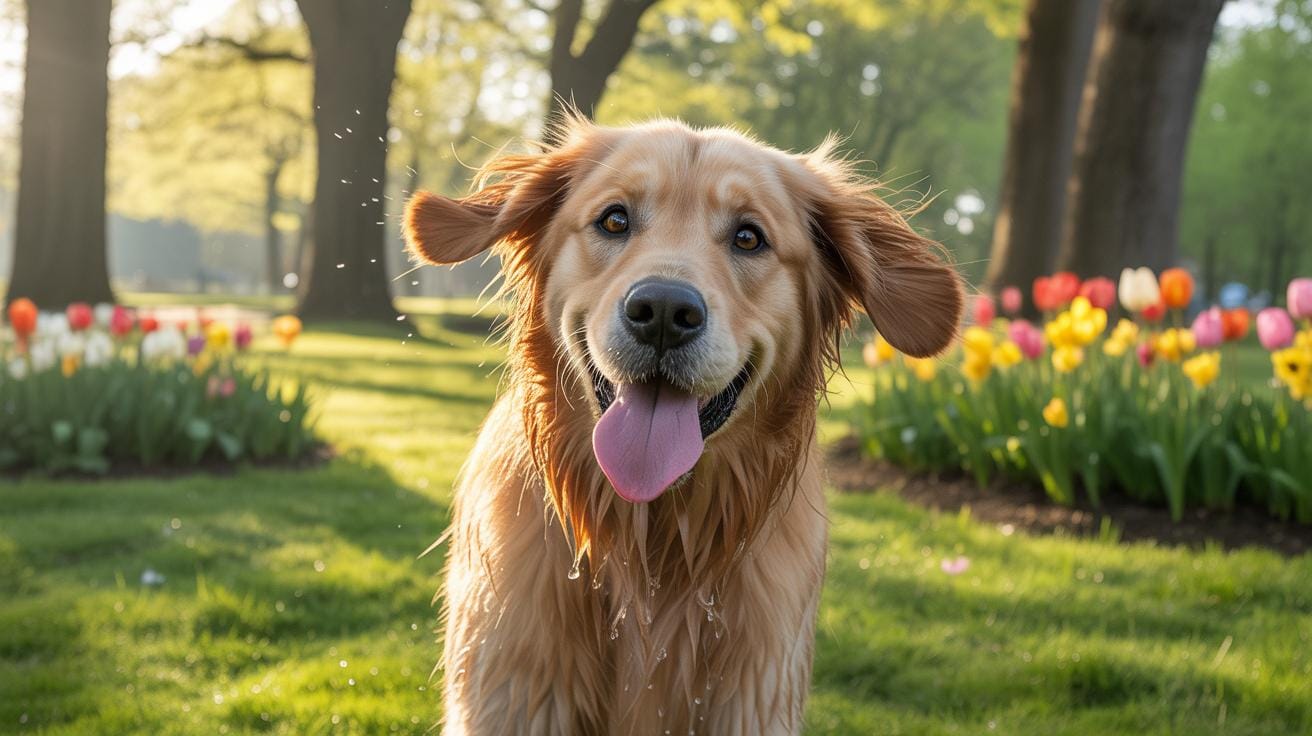
What Is Normal Dog Shaking Head Behavior And What IsnT
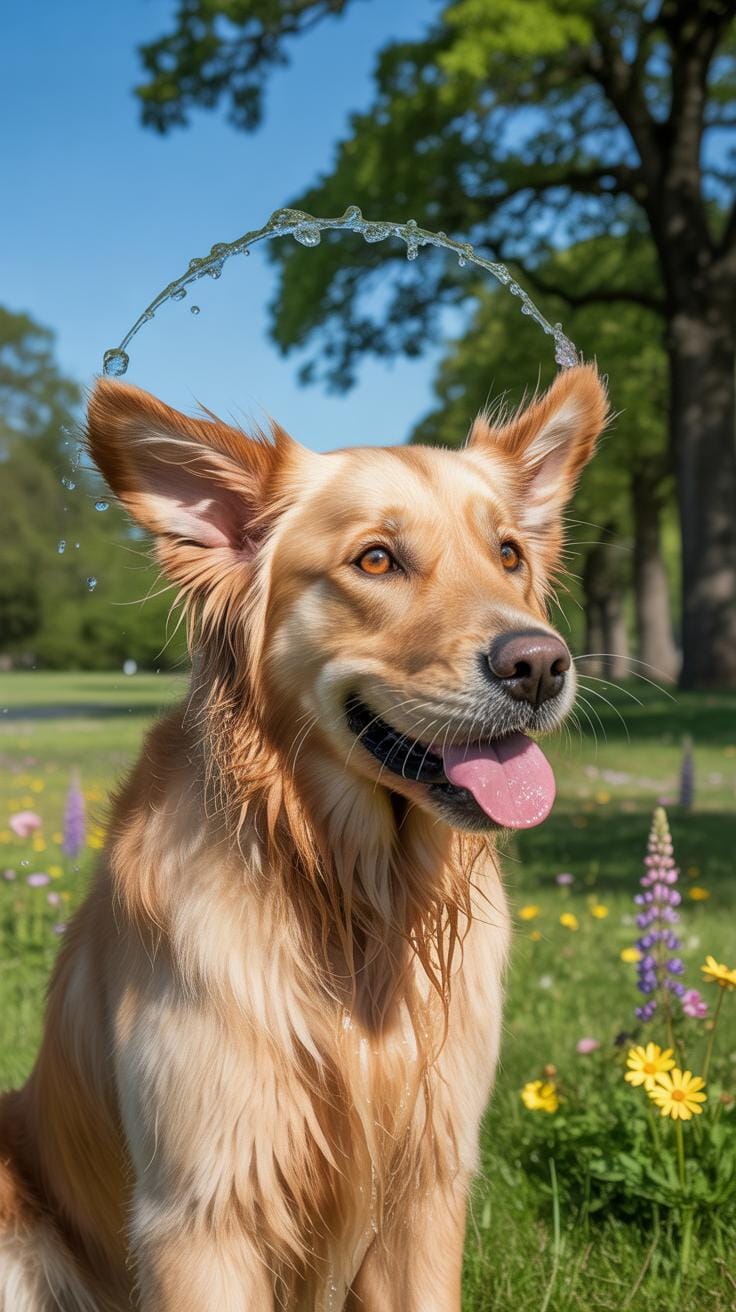
The Difference Between Occasional And Persistent Head Shaking In Dogs
Dogs shake their heads to remove physical irritants from the ear canal. This action uses centrifugal force to expel water, dirt, or debris. A normal shake is a brief and isolated event. It often occurs after the dog wakes up, finishes eating, or exits a body of water. Normal behavior serves a clear mechanical purpose and ends immediately after the irritant clears the canal.
Persistent head shaking indicates a failure to remove the irritant. You must monitor the frequency of the movement. Shaking that occurs multiple times per hour or continues for several days is pathological. This repetitive motion often signals deep inflammation or a trapped foreign body that the dog cannot dislodge alone. Chronic shaking leads to secondary injuries like ear hematomas and requires immediate clinical intervention to prevent permanent damage.
How Breed And Ear Shape Influence How Often A Dog Shakes Its Head
Physical anatomy dictates how often a dog needs to shake its head. Breeds with erect ears, like German Shepherds, benefit from natural airflow. This keeps the ear canal dry and reduces the need for shaking. Breeds with long, heavy leather ears, like Basset Hounds or Cocker Spaniels, trap heat and moisture. This creates an environment where yeast and bacteria thrive, leading to more frequent corrective shaking.
Hair growth inside the ear canal also impacts this behavior. Poodles and Schnauzers often grow dense hair deep inside the ear. This hair traps wax and debris against the skin. These dogs shake their heads more often because the trapped material causes constant tickling or irritation. You must understand your dog’s specific ear anatomy to determine their baseline. What is normal for a Spaniel might signal an infection in a Terrier.

Ear Infections The Most Common Reason Behind Dog Shaking Head Ears

How To Recognize The Signs Of An Ear Infection In Your Dog
Dogs shake their heads to dislodge fluid or debris. Persistent shaking indicates deep irritation within the canal. You must look for physical changes inside the ear flap. Healthy ears appear pale pink and clean. Infected ears often look red or swollen. You might notice a brown or yellow discharge. A strong yeast odor or a foul smell confirms the presence of bacteria.
Watch your dog for unusual behaviors beyond shaking. They may scratch at their ears aggressively or tilt their head to one side. Some dogs whine when you touch their head. This reaction signals significant pain. Check for crusting or scabs around the ear opening. If the ear canal looks narrowed or closed by swelling, seek veterinary help immediately. Ignoring these signs leads to permanent hearing loss.
Why Floppy Eared Breeds Are More Prone To Ear Infections And Head Shaking
Anatomy dictates the risk level for specific breeds. Dogs with long, heavy ears have less airflow in the ear canal. This lack of ventilation creates a dark and humid environment. Bacteria and yeast thrive in these damp conditions. Breeds like Basset Hounds or Spaniels trap moisture easily after swimming or bathing. This trapped moisture provides the perfect breeding ground for various pathogens.

Hair growth inside the canal also complicates the issue. Many floppy-eared breeds grow thick hair that traps wax and debris. This buildup blocks natural drainage and air circulation. Without regular cleaning, the ear becomes a host for chronic inflammation. You must dry these ears thoroughly after any water exposure. Maintaining a dry canal is the most effective way to prevent frequent head shaking and painful infections.
Ear Mites Allergies And Other Irritants That Cause Dog Shaking

Understanding Ear Mites And How They Trigger Relentless Head Shaking
Ear mites are tiny parasites that live in the ear canal. They feed on ear wax and skin oils. This activity causes intense itching and inflammation. Your dog shakes its head to dislodge these microscopic invaders. You will often see a dark discharge that looks like coffee grounds. This discharge consists of blood, wax, and mite waste. Ignoring this leads to secondary infections.
A mite infestation is highly contagious between pets. Mites crawl easily from one animal to another during physical contact. The constant head shaking can rupture small blood vessels in the ear flap. This creates a painful swelling called an aural hematoma. You must treat every pet in the house to stop the cycle. Clean the environment thoroughly to prevent the mites from returning later.
Environmental And Food Allergies That Lead To Ear Irritation And Head Shaking
Allergies often manifest as ear inflammation rather than sneezing. Environmental triggers like pollen, dust mites, or mold cause the ear lining to swell. This swelling traps moisture and heat inside the canal. Bacteria and yeast thrive in these warm conditions. Your dog shakes its head because the internal pressure and itching become unbearable. Chronic shaking indicates a long term allergic response that requires management.

Food sensitivities also drive persistent ear problems. Specific proteins like beef or dairy often trigger systemic inflammation. This inflammation breaks down the natural skin barrier in the ear. Once the barrier fails, infections take hold quickly. Dogs with food allergies usually show redness and heat in the ear flap. Identifying the specific allergen is the only way to stop the recurring head shaking behavior.
The Wet Dog Shaking Reflex Why Dogs Shake Off Water So Powerfully
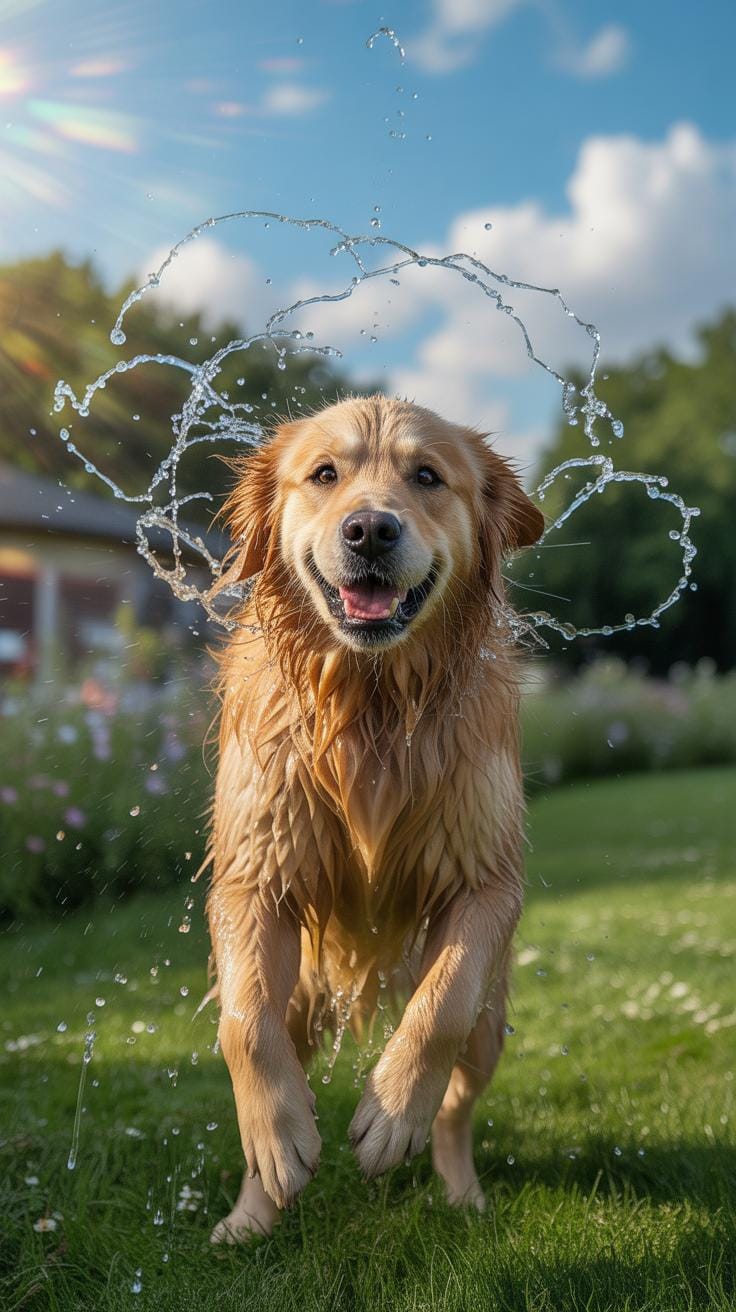
The Science Behind The Wet Dog Shake And How It Keeps Dogs Warm And Dry
Dogs use a rapid oscillating movement to remove water from their fur. This reflex starts at the head and moves down the body. The loose skin of a dog travels faster than its backbone. This creates a high velocity that flings water droplets away from the skin. It is a highly efficient mechanical process. A dog can shed most of its water in seconds.
This reflex is critical for thermal regulation. Evaporating water consumes significant body heat. A wet dog in the wild faces the risk of hypothermia. By shaking, the dog preserves its energy and stays warm. The movement works better than any towel. It removes enough moisture to keep the undercoat dry. This protects the dog from cold air and maintains its internal body temperature.
Is Dog Shaking Off Water After A Bath Or Swim Always Normal Behavior
Shaking after a bath or swim is nearly always a normal physiological response. It is a triggered reflex caused by liquid entering the ear canal or touching the skin. The dog attempts to return its coat to a dry state immediately. This behavior is instinctive and seen across most mammal species with fur. You should expect this every time your dog gets wet.

Continuous head shaking after the dog is dry signals a problem. Water trapped deep in the ear canal can cause irritation or lead to an infection. If the shaking persists for hours after the swim, inspect the ears for redness. Normal shaking stops once the dog feels dry. Persistent shaking indicates that the reflex failed to clear the ear canal. Watch for signs of distress or tilting.
Foreign Objects And Trapped Debris Behind Your Dog Shaking Head No Stop
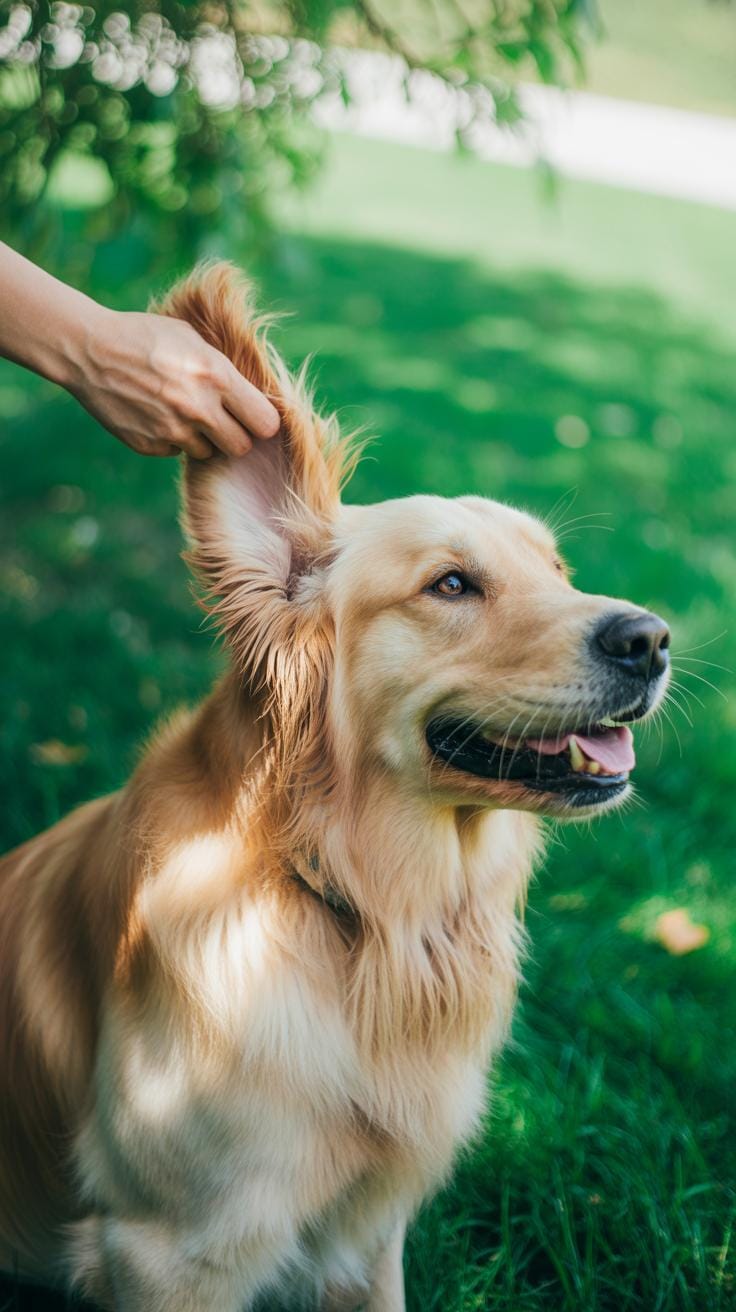
Common Objects That Get Lodged In A Dog’S Ear Canal And Cause Shaking
Dogs often pick up external debris while running through tall grass or wooded areas. These objects enter the ear canal and travel deep toward the eardrum. Because the canine ear canal is shaped like an L, gravity traps these items at the base. This creates immediate irritation and intense discomfort. Your dog shakes its head violently to dislodge the physical obstruction and restore normal hearing function.
- Foxtails and Grass Seed: These barbed plant structures are the most common culprits. The one-way hooks on foxtails allow them to move deeper into the ear canal with every head shake. They can eventually puncture the eardrum if you do not remove them quickly.
- Dirt and Compacted Soil: Hunting or digging dogs often kick up loose earth that enters the ear. This debris mixes with natural earwax to create a hard plug. This blockage causes pressure against the sensitive canal walls and triggers a constant shaking reflex.
- Cotton Swab Tips: Owners often try to clean deep ears with manual tools. The cotton tip can slide off the stick and get stuck in the horizontal canal. This foreign material creates a perfect environment for bacteria to grow and causes significant physical blockage.
- Small Insects: Occasional intruders like gnats, flies, or ticks may crawl into the ear canal. The movement of a live insect against the eardrum causes extreme distress and frantic shaking. Ticks can also attach to the skin inside the canal, causing localized swelling and pain.
- Dried Medication Crust: Recurring ear treatments can leave behind thick residue. If you do not clean the ear between doses, this medication dries into hard flakes. These flakes act like sand or gravel inside the ear, scratching the delicate lining and causing persistent irritation.
Foreign objects pose a significant risk of secondary infection and permanent hearing damage. If a sharp object like a foxtail remains in the ear, it can migrate through the tissue. Physical debris also prevents natural airflow, which leads to moisture buildup. This environment allows yeast and bacteria to multiply rapidly. Professional removal is mandatory to ensure the debris does not push further into the middle ear.
A dog’s silent plea for relief is written in the restless shake of their head, reminding us that we are their only voice. The greatest gift we can give our faithful friends is the comfort of a gentle hand and a watchful eye.
What To Do If You Suspect Something Is Stuck In Your Dog’S Ear
Stop all attempts to clean the ear at home immediately. Inserting a finger or a tool into the canal will likely push the object deeper. This can rupture the eardrum or cause the object to wedge against the sensitive bone. Restrain your dog to prevent them from hitting their head against the floor or walls. Excessive force during shaking can cause an aural hematoma, which requires surgery.

Contact a veterinarian for a clinical exam using an otoscope. This tool allows the doctor to see the entire canal and identify the specific object. Most dogs require sedation to remain still while the vet uses specialized forceps to extract the debris. Amateur extraction attempts often result in internal scarring or worsening the blockage. Professional intervention is the only safe way to clear the canal and prevent long term complications.
Neurological Causes And Vestibular Disease In The Shaking Dog
What Is Canine Vestibular Disease And How Does It Affect Head Movement
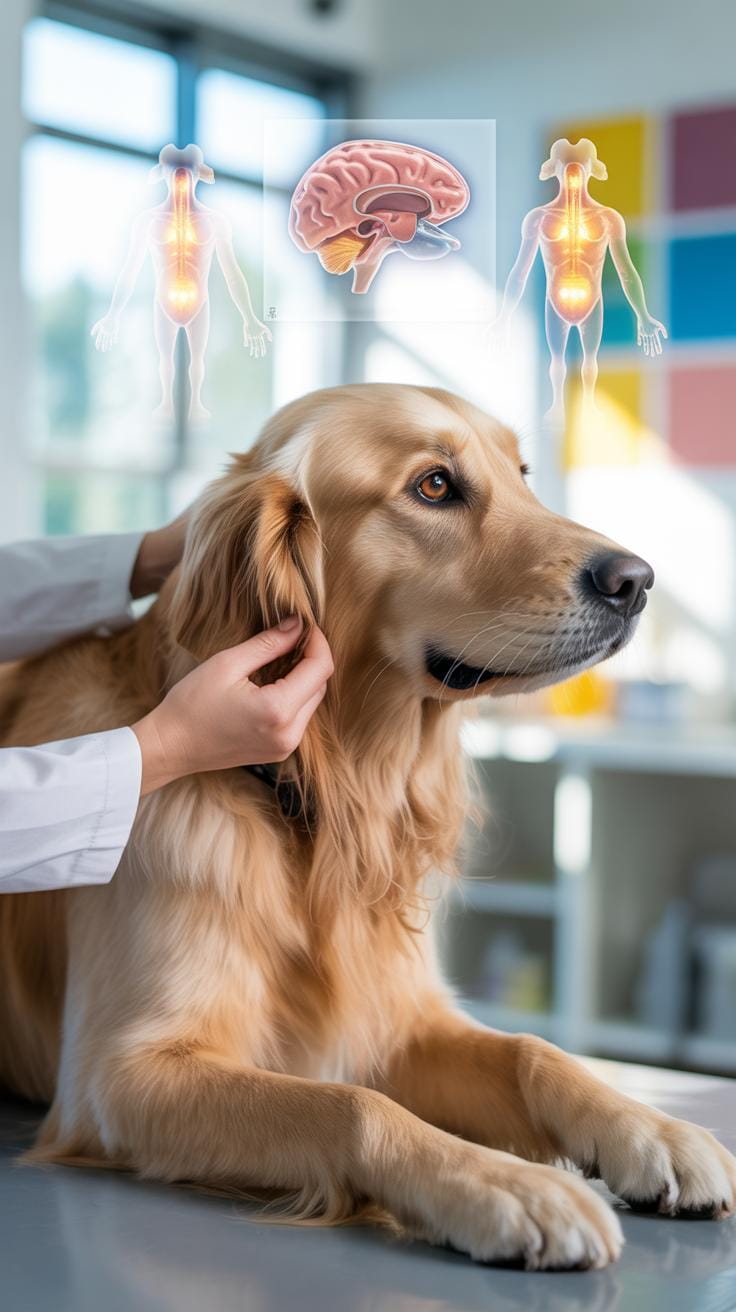
Canine vestibular disease disrupts the balance system located in the inner ear and brain. This system tells the dog which way is up and keeps their eyes focused. When it fails, the dog loses their sense of equilibrium. They often tilt their head to one side or stumble as if they are drunk. You will see them struggle to stand or walk straight.
The dog might shake their head to clear a perceived obstruction in their balance canal. This movement is often sudden and accompanied by involuntary eye flicking. Doctors call this eye movement nystagmus. Old dogs often get idiopathic vestibular disease, which means the cause is unknown. Middle ear infections also trigger these symptoms. Most cases require immediate veterinary assessment to rule out brain tumors or strokes.
How To Tell The Difference Between Head Shaking And A Neurological Tremor
Distinguishing between a head shake and a tremor is critical for diagnosis. A shake is a conscious, voluntary effort to remove an irritant like water or wax. It involves large, floppy movements of the ears and neck. The dog usually stops once the discomfort passes. If the dog looks like they are trying to dry off, they are likely reacting to an ear issue.

A neurological tremor is different because it is involuntary and rhythmic. It often looks like a fine vibration or a bobbing motion. These tremors do not stop when the dog is distracted. Some dogs suffer from idiopathic head tremors, often called episodic head bobbing. This condition looks like a “yes” or “no” motion. It stems from the central nervous system rather than an itchy ear canal.
When Funny Dog Shaking Faces And Head Tilts Signal Something Serious
Why Dogs Make Those Amusing Head Tilt And Shake Expressions And What They Mean
Dogs tilt their heads to localize sounds and improve visual clarity. Research suggests the muzzle can block a dog’s lower vision. Tilting the head shifts the eyes to a better angle for reading human facial expressions. This behavior shows the dog is filtering audio frequencies or seeking social cues. It is a calculated response to human communication efforts rather than a random muscle twitch.
A quick head shake often follows a period of high focus or tension. Trainers call this a displacement behavior or a reset. It physically relaxes the muscles in the face and neck after the dog processes complex information. While these movements look cute to owners, they serve a specific physiological function. The dog is clearing its sensory slate to prepare for the next command or environmental change.
Warning Signs That Accompany Head Shaking And Should Not Be Ignored
Constant head shaking differs from the occasional social tilt. Owners must monitor the frequency and intensity of these movements. If the dog stops playing to shake its head, an underlying issue exists. Physical indicators often appear near the ear canal or on the skin. You must check for changes in odor or color immediately. Ignoring these signs leads to permanent hearing loss or systemic infections.
- Persistent Scratching: The dog uses its paws to claw at the ear base. This tactile response indicates intense itching or internal pain. Frequent scratching often causes secondary skin trauma and hair loss around the head.
- Dark Discharge: Debris resembling coffee grounds signals a parasitic infestation like ear mites. Yellow or green fluid indicates a bacterial or yeast infection. Healthy ears remain clear and dry without any visible buildup or oozing.
- Foul Odor: A strong pungent smell coming from the ear canal is a red flag. Yeast and bacteria produce distinct scents during an overgrowth. You should never smell your dog’s ears from several feet away during normal activity.
- Redness and Swelling: The inner flap of the ear should look pale pink. Bright red skin or a puffy appearance suggests acute inflammation. Swelling can indicate a hematoma caused by the forceful movement of the head itself.
- Loss of Balance: Dogs that stumble or lean to one side have vestibular issues. This happens when an infection moves from the outer ear to the inner ear. It affects the dog’s spatial orientation and requires immediate professional medical intervention.

Watch for behavioral shifts such as irritability or a sudden lack of appetite. Painful ears make dogs sensitive to touch around the face. They may snap or pull away when you try to pet them. These clinical signs confirm the head shaking is a medical symptom rather than a social gesture. Document the frequency of these episodes to help your veterinarian reach an accurate diagnosis and treatment plan.
How To Treat And Prevent Excessive Dog Shaking Head At Home And With A Vet
Safe At Home Ear Care Routines That Help Reduce Head Shaking In Dogs
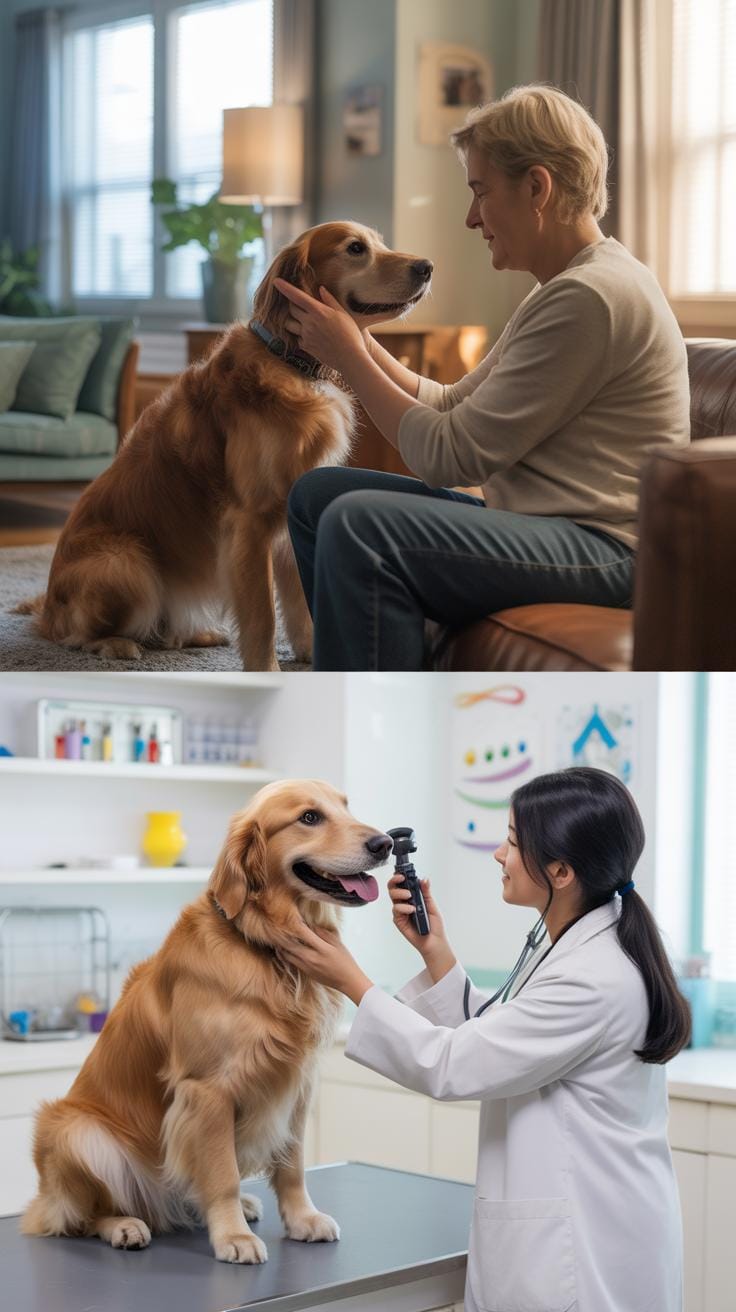
Control moisture to prevent yeast and bacteria growth. Excessive water in the ear canal causes irritation and shaking. Always dry your dog’s ears after every bath or swim. Use a clean cotton ball to gently wipe the visible part of the ear. Never insert cotton swabs into the ear canal. Deep probing can rupture the eardrum and cause permanent hearing loss.
Use a veterinarian approved ear cleaner for routine maintenance. Apply the solution and massage the base of the ear to break up debris. Wipe away the discharged wax and dirt with a soft cloth. Routine cleaning removes allergens and prevents heavy buildup. Stop cleaning immediately if you see blood or if the dog screams in pain. Healthy ears do not require daily cleaning.
When To Visit The Veterinarian For Persistent Or Painful Head Shaking
Schedule a vet visit if head shaking lasts more than twenty four hours. Frequent shaking often indicates a deep infection or a trapped foreign body. Look for redness, swelling, or a foul odor inside the ear. These signs point to bacterial or fungal growth that requires prescription medication. Professional diagnosis prevents a minor irritation from turning into a chronic medical issue.

Watch for a tilted head or loss of balance. These symptoms suggest the infection reached the middle or inner ear. Vestibular issues require immediate clinical intervention to avoid neurological damage. The vet will use an otoscope to check for eardrum integrity and take swabs for lab testing. Do not apply home remedies until a professional confirms the eardrum is intact and healthy.
Frequently Asked Questions

Why is my dog shaking their head so frequently lately?
It is natural to worry when you notice your dog shaking head movements becoming constant. This behavior is typically a sign of irritation or discomfort within the ear canal. Common causes include ear infections, trapped debris like grass seeds, or even ear mites. While an occasional shake after a nap is normal, frequent or vigorous shaking suggests an underlying issue that needs attention to prevent further inflammation or potential permanent ear damage.
How can I safely clean my dog’s ears to stop the shaking?
To help a dog shaking head excessively, use a veterinarian-approved ear cleaning solution and cotton balls. Gently squeeze the liquid into the ear canal, massage the base of the ear for thirty seconds, and then let your dog shake. Use the cotton ball to wipe away any visible wax or debris from the outer flap. Never use Q-tips, as these can push infections deeper or accidentally puncture your pet’s delicate eardrum.
Are there any affordable home remedies for a dog shaking their head?
If your pup is uncomfortable, the most budget-friendly approach is maintaining a clean, dry ear environment. You can use a mixture of organic apple cider vinegar and purified water to gently wipe the outer ear, which helps balance pH levels. However, if the shaking persists, please avoid DIY deep-cleaning concoctions. Investing in a professional checkup early often saves money by preventing expensive chronic infections or surgeries that result from untreated ear issues.