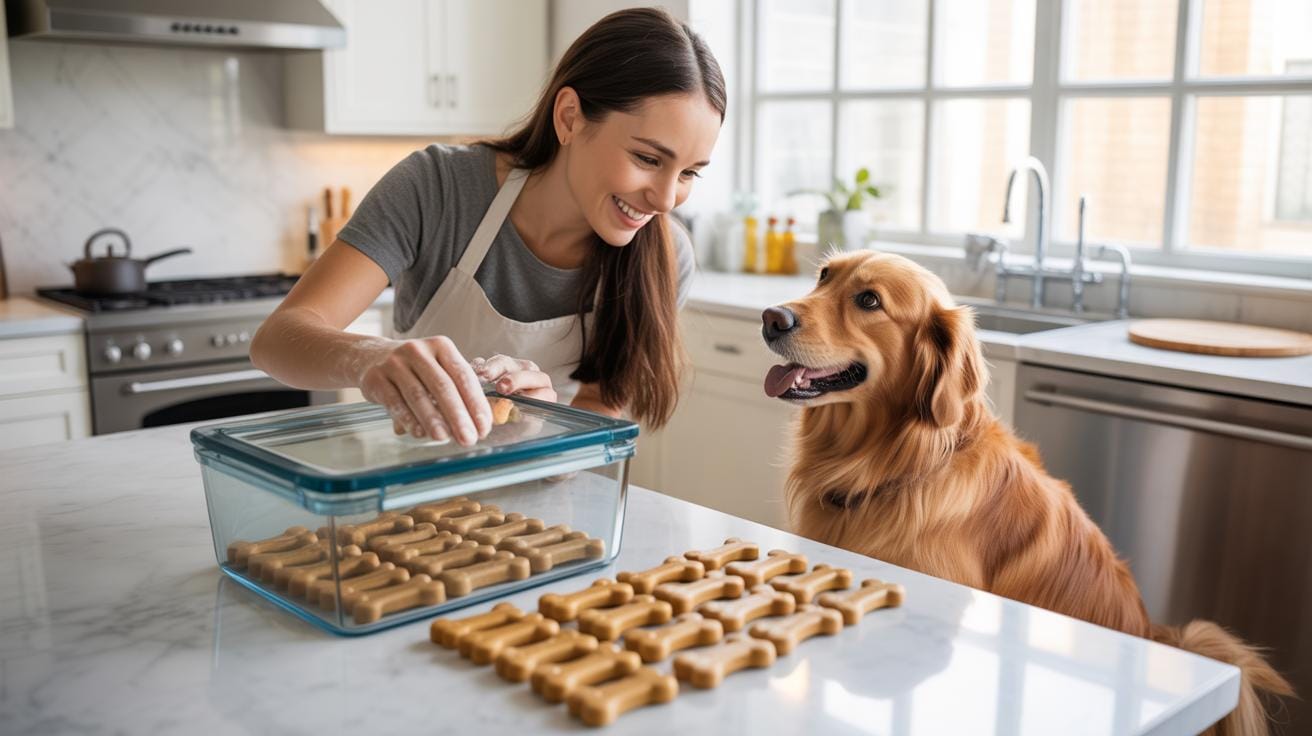
What Are Frozen Dog Treats And Why Do Dogs Love Them
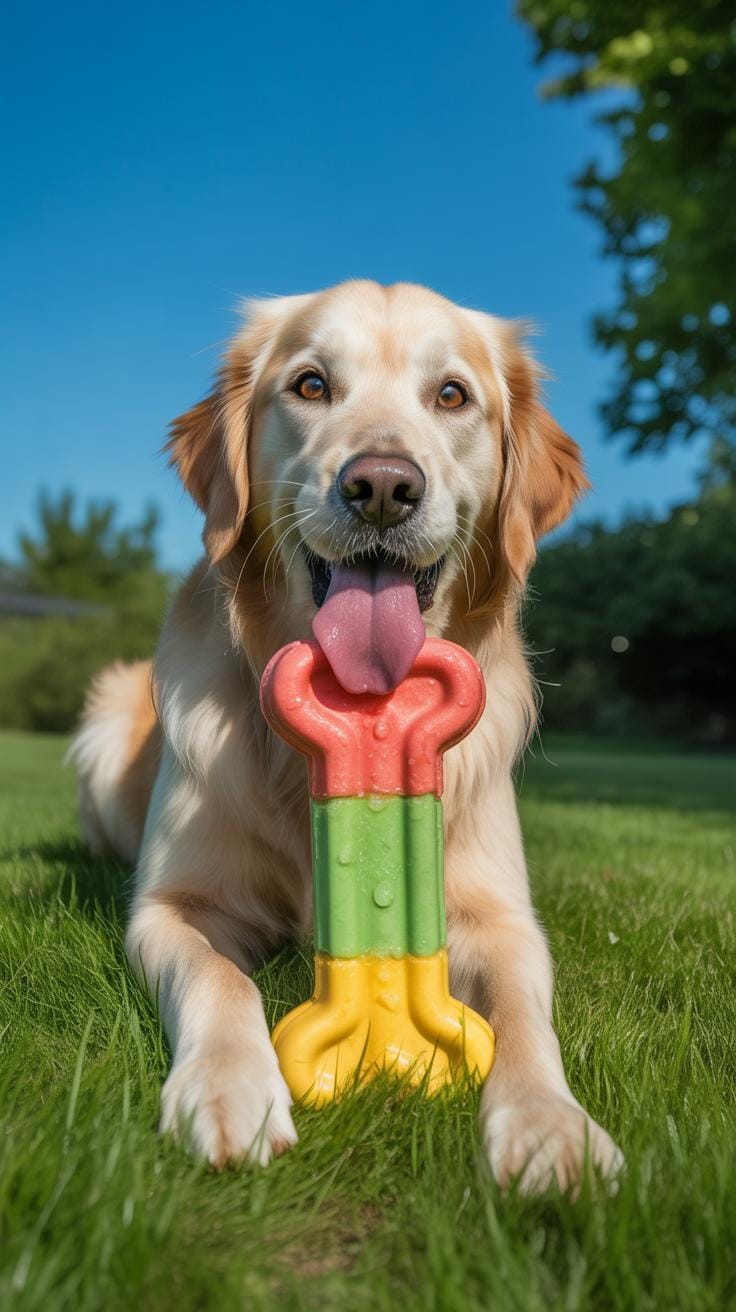
The Science Behind Why Dogs Enjoy Cold And Chewy Textures
Dogs possess a highly developed somatosensory system that responds to temperature and tactile feedback. Cold treats provide immediate thermal regulation by cooling the blood vessels in the mouth and tongue. This cooling effect is particularly effective for active animals or those in warm environments. The physical sensation of cold provides a high level of sensory stimulation that standard dry food cannot replicate.
The resistance of frozen material also triggers a dog’s natural chewing instinct. Chewing releases endorphins in the canine brain which reduces stress and provides mental stimulation. When a treat is frozen, it lasts longer and requires more jaw work. This extended engagement creates a more satisfying experience for the dog. The combination of temperature change and texture makes these snacks highly reinforcing during training.
How Frozen Dog Treats Differ From Store Bought Chews And Biscuits
Store-bought biscuits often rely on starch and fillers to maintain shelf stability. These dry treats crumble quickly and offer minimal mechanical cleaning for teeth. Frozen treats use moisture as the primary structural binder. This high water content helps with hydration while providing a firm texture that does not splinter. Freezing preserves ingredients without the need for synthetic preservatives found in commercial bags.
Most commercial chews use heat-based processing like extrusion or baking which can degrade nutrients. Frozen snacks allow the use of raw or lightly processed whole foods. This method retains the natural enzymes and vitamins within the ingredients. You control the caloric density and portion size exactly. Unlike hard biscuits that dogs swallow in seconds, frozen treats force a slower consumption rate which aids in digestion.

Benefits Of Making Frozen Dog Treats Homemade For Your Pet
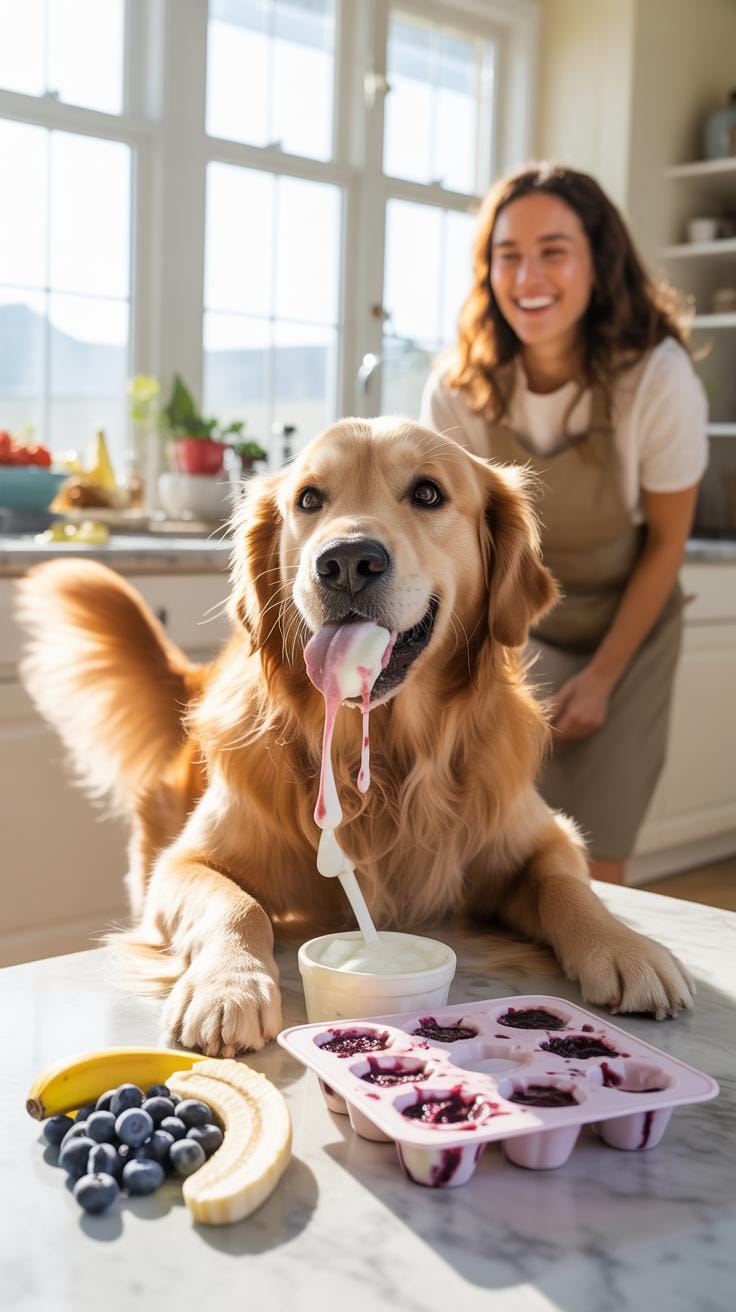
Controlling Ingredients To Avoid Fillers Additives And Allergens
Commercial dog treats often contain corn, soy, and chemical preservatives to extend shelf life. These fillers provide zero nutritional value and can trigger skin allergies or weight gain. Manufacturing homemade freezer snacks allows you to eliminate these risks entirely. You choose every single ingredient that enters your dog’s system. This control ensures your pet consumes only high-quality proteins and healthy fats.
Eliminating synthetic dyes and artificial flavorings reduces the toxic load on a dog’s liver and kidneys. Many store-bought snacks use high levels of sodium and sugar to increase palatability. By prepping snacks at home, you bypass these hidden dangers. You can tailor recipes to meet specific dietary needs for dogs with sensitive stomachs. Accurate ingredient control is the only way to guarantee a clean diet.
The best way to show your dog you love them is to plan for the moments when you are too busy to stay. A little time spent at the freezer today ensures their tail keeps wagging tomorrow.
How Homemade Frozen Treats Can Support Hydration And Digestion
Frozen treats serve as an effective tool for increasing daily water intake. Many dogs fail to drink enough liquid, especially during hot weather or after exercise. Using a base of plain water, unsalted bone broth, or goat milk provides essential moisture. This extra hydration supports kidney function and helps regulate internal body temperature. High water content in snacks makes them a functional health tool.

Cold snacks also aid the digestive process by incorporating specific whole foods. Pureed pumpkin and plain yogurt provide fiber and natural probiotics that stabilize the gut microbiome. The freezing process preserves these nutrients without the need for high-heat processing. These ingredients move through the digestive tract efficiently. Feeding frozen snacks encourages slower consumption, which prevents bloating and improves nutrient absorption during the eating process.
Essential Ingredients For Safe And Healthy Dog Snacks At Home
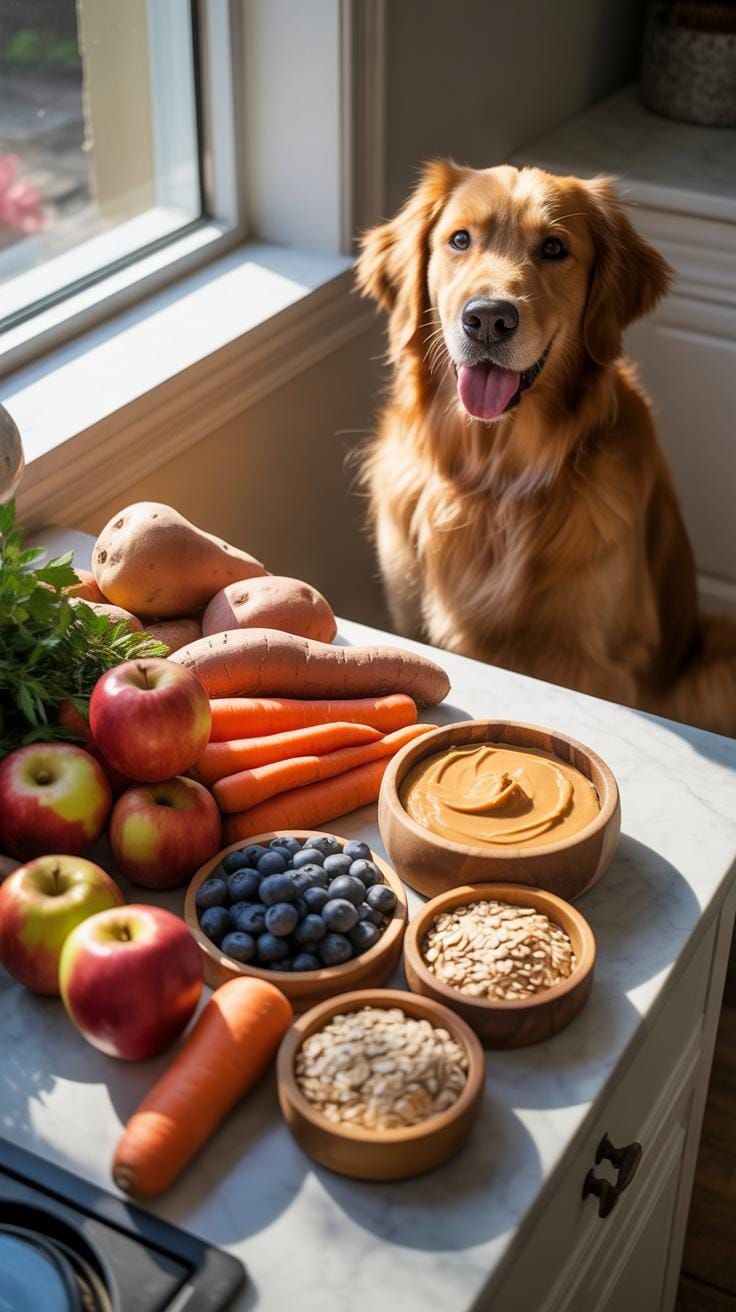
Dog Safe Fruits, Vegetables, And Proteins To Stock In Your Kitchen
Successful freezer prep requires high-quality base ingredients. Proteins provide the core structure for frozen treats. Use lean meats to prevent digestive upset. Fruits and vegetables add vital fiber and vitamins. These items must be fresh or frozen without added salt. Processing these ingredients ahead of time saves hours during the assembly phase. Always remove seeds and pits before freezing any produce.
- Greek Yogurt: Use plain, non-fat varieties without added xylitol or sugar. This ingredient acts as a probiotic binder for frozen molds. It provides calcium and protein while creating a creamy texture dogs enjoy.
- Pureed Pumpkin: Buy canned pumpkin that is one hundred percent fruit. Avoid pumpkin pie filling because it contains toxic spices. Pumpkin offers soluble fiber that regulates canine digestion and helps firm up frozen snack batches.
- Peanuts: Utilize natural peanut butter that lacks salt and sweeteners. Check labels specifically for xylitol which is lethal to dogs. Peanut butter provides healthy fats and protein that make treats highly palatable and easy to freeze.
- Blueberries: These small fruits are dense in antioxidants and fiber. They serve as excellent low-calorie fillers for frozen snacks. You can drop them whole into molds or blend them into a purple liquid base for variety.
- Lean Chicken: Boiled chicken breast serves as a premium protein source. Shred or dice the meat into small pieces before adding to your freezer trays. Chicken provides the essential amino acids needed for muscle maintenance in active dogs.
Organize your kitchen by prepping these items in bulk. Wash and chop vegetables into uniform sizes for even freezing. Puree softer fruits to create pourable bases for silicone molds. Store prepped ingredients in airtight containers until you are ready to mix. This methodical approach ensures your freezer dog snacks prep ahead routine remains efficient and cost-effective. Consistent ingredient sizing leads to predictable caloric intake for your pet.
Common Household Ingredients That Are Toxic To Dogs And Must Be Avoided
Toxicity in canine snacks often stems from common human pantry staples. Grapes and raisins cause rapid kidney failure in dogs even in small amounts. Onions and garlic damage red blood cells and lead to anemia. Macadamia nuts trigger weakness and tremors that require immediate veterinary intervention. Chocolate contains theobromine which the canine metabolism cannot process. You must audit every label for these hidden dangers before starting your prep.

Sweeteners pose a significant risk in modern kitchens. Xylitol appears in many low-fat or sugar-free products like peanut butter and yogurt. This sugar substitute causes life-threatening hypoglycemia and liver failure in minutes. Caffeine from coffee grounds or tea leaves is equally dangerous to the canine heart. Avoid using any ingredient with added salt or complex spice blends. Stick to whole, single-ingredient foods to ensure the total safety of your frozen batches.
Top Frozen Dog Treats Recipes Your Pup Will Beg For
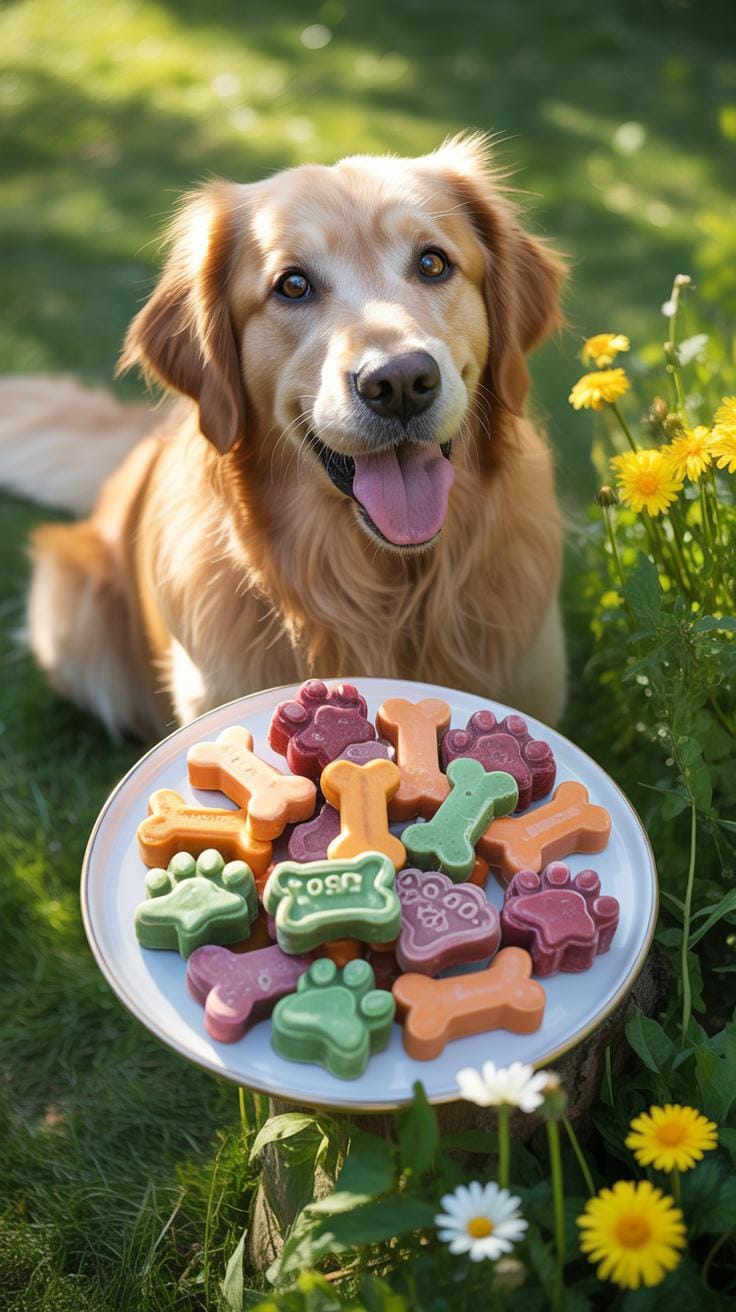
Peanut Butter And Banana Frozen Treat Recipe Step By Step
The peanut butter and banana combination provides healthy fats and potassium. Use only natural peanut butter without xylitol to ensure safety. Mash two ripe bananas in a bowl until the texture is smooth and free of large chunks. Mix in one cup of plain yogurt and half a cup of peanut butter. Whisk these ingredients until the batter has a consistent color and texture throughout.
Transfer the mixture into silicone molds for easy removal later. Use a small spoon or a piping bag to fill each cavity to the brim. Tap the mold on the counter to remove air bubbles that cause cracking. Place the tray on a level shelf in the freezer for four hours. Store the finished treats in an airtight container to prevent freezer burn and keep them fresh.
Chicken Broth And Veggie Ice Cube Treats For A Savory Snack Option
Savory treats offer hydration and essential nutrients without excessive sugar. Use low-sodium chicken broth that contains no onions or garlic. These ingredients are toxic to dogs and must be avoided. Chop fresh carrots or green beans into small pieces to provide texture. Place a few vegetable bits into each slot of a standard ice cube tray before adding the liquid base.

Pour the broth over the vegetables until the tray slots are nearly full. Leave a small amount of space at the top because liquid expands when it freezes. Slide the tray into the freezer and let it sit overnight for maximum firmness. These snacks work well as a cooling reward after outdoor exercise. Keep the cubes frozen until the moment your dog consumes them for the best results.
Dog Treats Homemade Easy Simple Recipes Ready In Under 15 Minutes
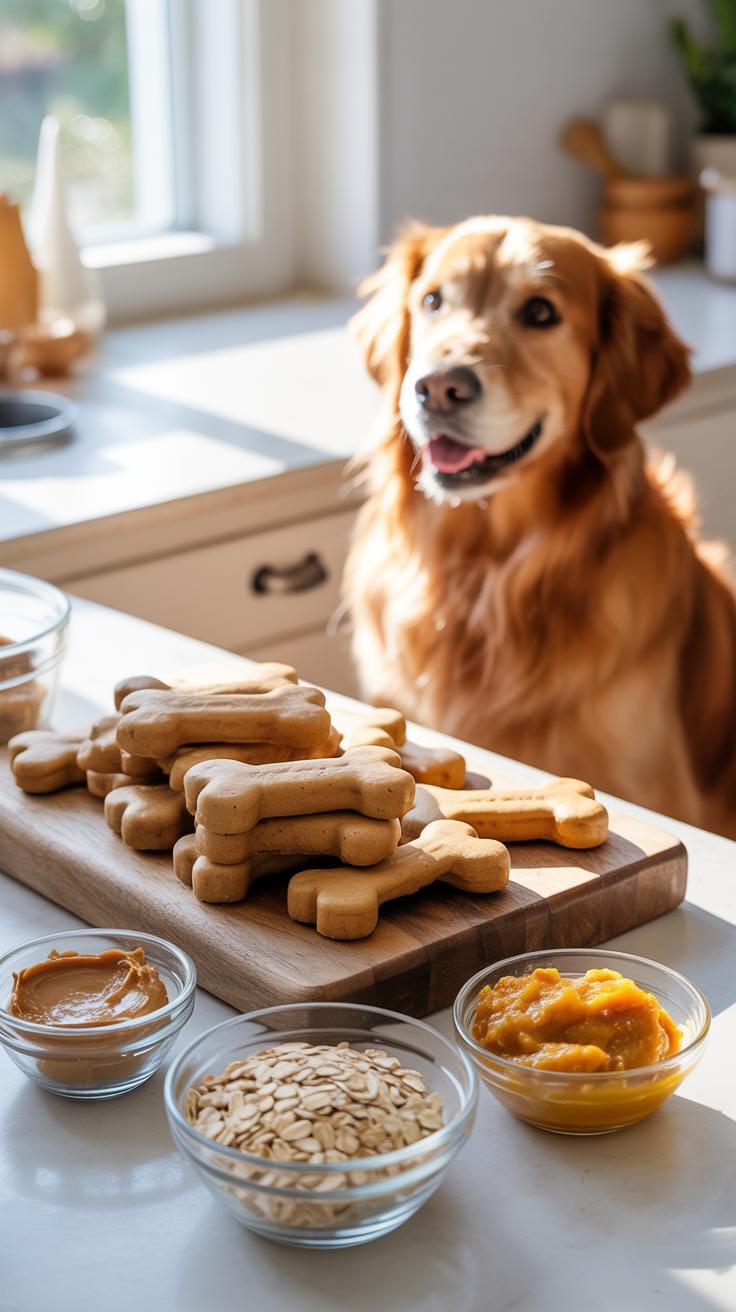
Two Ingredient Yogurt And Blueberry Freezer Bites For Any Dog Size
High protein Greek yogurt and fresh blueberries provide a dense nutrient profile for dogs. Use plain yogurt to avoid toxic xylitol or unnecessary sugars found in flavored brands. Blueberries offer antioxidants that support canine brain health and immune function. This base mixture requires less than five minutes of active prep time. You only need a standard silicone mold to ensure consistent portion sizes for your pet.
Fill each mold cavity with one whole blueberry and cover it with yogurt. Tap the tray on the counter to remove air bubbles before freezing. Use small molds for training treats or larger cups for meal toppers. Freeze these treats for at least four hours until they are solid. Transfer the finished bites to a vacuum sealed bag to prevent freezer burn and preserve the nutritional integrity.
Watermelon And Coconut Water Popsicles As A Refreshing Quick Treat
Hydration is the primary goal for this frozen snack during hot weather. Remove every seed and all rind from the watermelon to prevent intestinal blockages. Use pure coconut water without added sugars or preservatives to provide essential electrolytes like potassium and magnesium. These ingredients blend quickly into a liquid base. This recipe serves as a functional tool to lower a dog’s core temperature during summer.

Pour the liquid mixture into safe silicone molds or ice cube trays. You can add a small piece of dehydrated meat as a handle for easier gripping. Freeze the trays on a level surface to avoid spills and uneven freezing. These popsicles melt faster than dairy based treats so serve them outdoors or on easy to clean surfaces. Store them in the back of the freezer to maintain a constant temperature.
Summer Dog Treats Keeping Your Dog Cool During Hot Weather
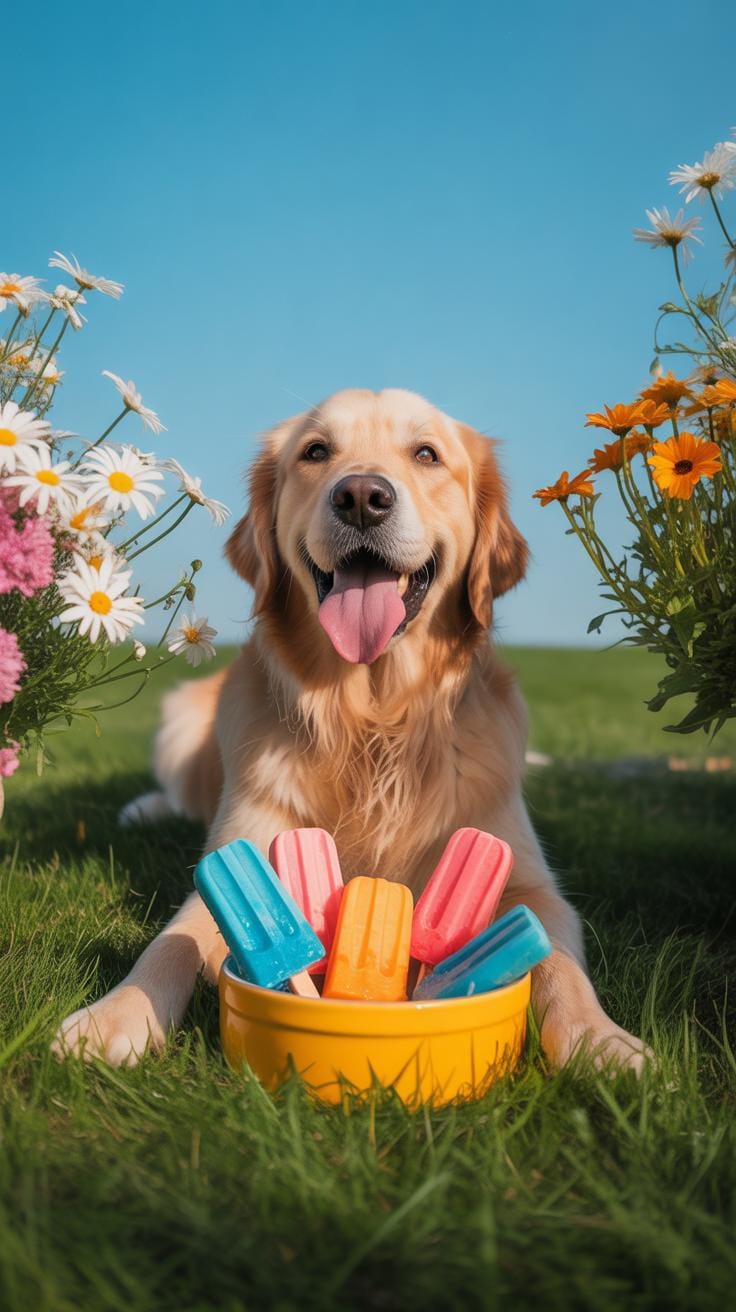
Why Temperature Regulation Matters For Dogs In Summer Months
Dogs do not sweat like humans to stay cool. They rely primarily on panting and heat exchange through their paw pads to lower their body temperature. High ambient temperatures put a heavy strain on their cardiovascular systems. When a dog cannot shed heat faster than it generates it, their internal organs begin to suffer from heat stress and potential failure.
Providing frozen snacks serves a dual purpose for thermal management. First, it introduces cold moisture directly into the digestive tract to lower core temperature from the inside. Second, the act of licking and chewing cold items slows down the dog and reduces physical exertion. This tactical cooling method prevents overexertion during peak heat hours. It keeps the animal hydrated and stable.
Best Frozen Summer Treat Formats Including Molds, Cubes, And Popsicles
Standard ice cube trays provide a basic starting point for portioning liquid-based treats like bone broth or goats milk. For larger breeds, use silicone muffin tins or specialty molds to create high-density snacks that last longer. These larger formats extend the cooling time because the dog must work at the treat for several minutes. This sustained contact with cold material is more effective than small cubes.

Popsicles for dogs require a specific safety design to avoid choking hazards. Use edible sticks such as carrot sticks or dehydrated sweet potato strips instead of wood or plastic. This allows the dog to consume the entire treat without owner intervention. Silicone molds with wide bases are the best tool for this job. They allow for easy removal and consistent portioning for your prep-ahead freezer inventory.
DIY Dog Treats Tools Molds And Freezer Setup For Batch Prepping
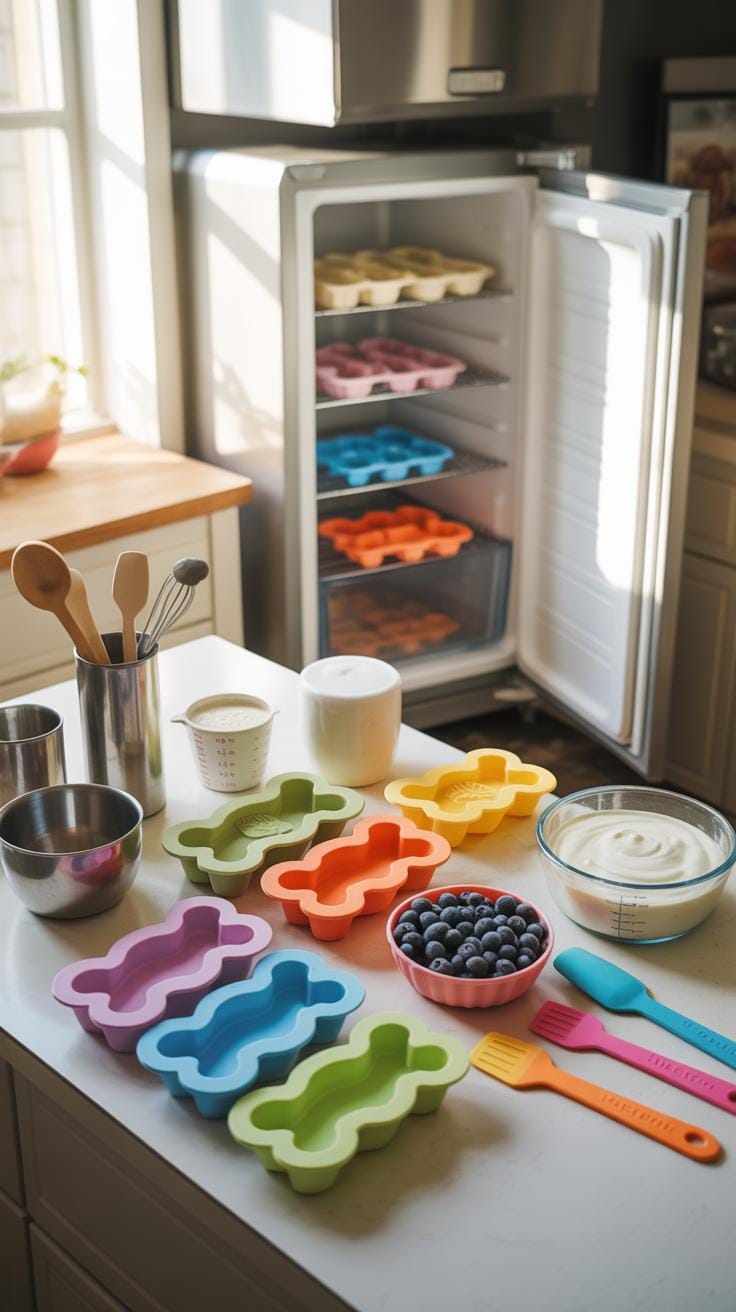
Choosing The Right Silicone Molds And Containers For Freezer Dog Snacks
Food grade silicone is the standard for freezer dog snacks. High quality silicone remains flexible at sub zero temperatures. This flexibility allows you to pop frozen treats out without breaking them. Look for molds with bpa free certifications to ensure safety. Avoid thin plastic trays because they crack under thermal stress. Sturdy molds with reinforced rims prevent spills during the transfer from counter to freezer.
Proper storage containers preserve the nutritional integrity of the treats. Use airtight glass or heavy duty plastic bins to prevent freezer burn. Oxygen exposure ruins the texture and scent of frozen snacks over time. Select stackable containers to maximize vertical space in your freezer unit. Clear bins allow you to identify treat types quickly without opening lids. This efficiency saves time during busy weekday feeding schedules.
How To Organize Your Freezer For Weekly Treat Prep Like A Pro
Efficiency in batch prepping requires a dedicated zone within your freezer. Designate a flat shelf specifically for the initial freezing stage. Molds must sit perfectly level to ensure even portion sizes and prevent leaks. Once the treats solidify, move them into labeled permanent storage. This systematic rotation keeps your workspace clear for the next batch of snacks. Clear labeling prevents confusion between different recipes.
- Uniform Shape Molds: Use identical mold shapes for specific recipes to track inventory at a glance. Visual consistency helps you quickly identify high calorie treats versus low calorie hydration snacks without reading every label during busy mornings.
- Flash Freeze Zone: Clear a flat area on the coldest shelf for raw molds. Rapid freezing prevents large ice crystals from forming in the treats. This step maintains a better texture for your dog and prevents the snacks from sticking together.
- Stackable Bins: Use square or rectangular airtight containers to eliminate wasted gaps in your freezer. Round containers create empty pockets of air that reduce your total storage capacity. Squaring off your storage maximizes every inch of available cubic space.
- FIFO Labeling System: Mark every container with the production date and the specific ingredients used. Use the First In First Out method to ensure older treats get used before newer batches. This prevents snacks from sitting in back corners for months.
- Batch Separation: Store meat based treats and fruit based treats in separate containers. This prevents flavor transfer and allows you to manage different spoilage rates. Organized separation makes it easier to grab the specific nutritional supplement your dog needs right now.
Maintain a clean inventory log to track which recipes your dog prefers. Note the date you finished each container to plan your next prep session accurately. Consistency in your setup reduces the total time spent on labor. A well ordered freezer transforms treat prep from a chore into a quick tactical routine. Stick to this layout to ensure you never run out of frozen snacks.
How To Build A Weekly Pet Treats Recipes Prep Ahead Schedule
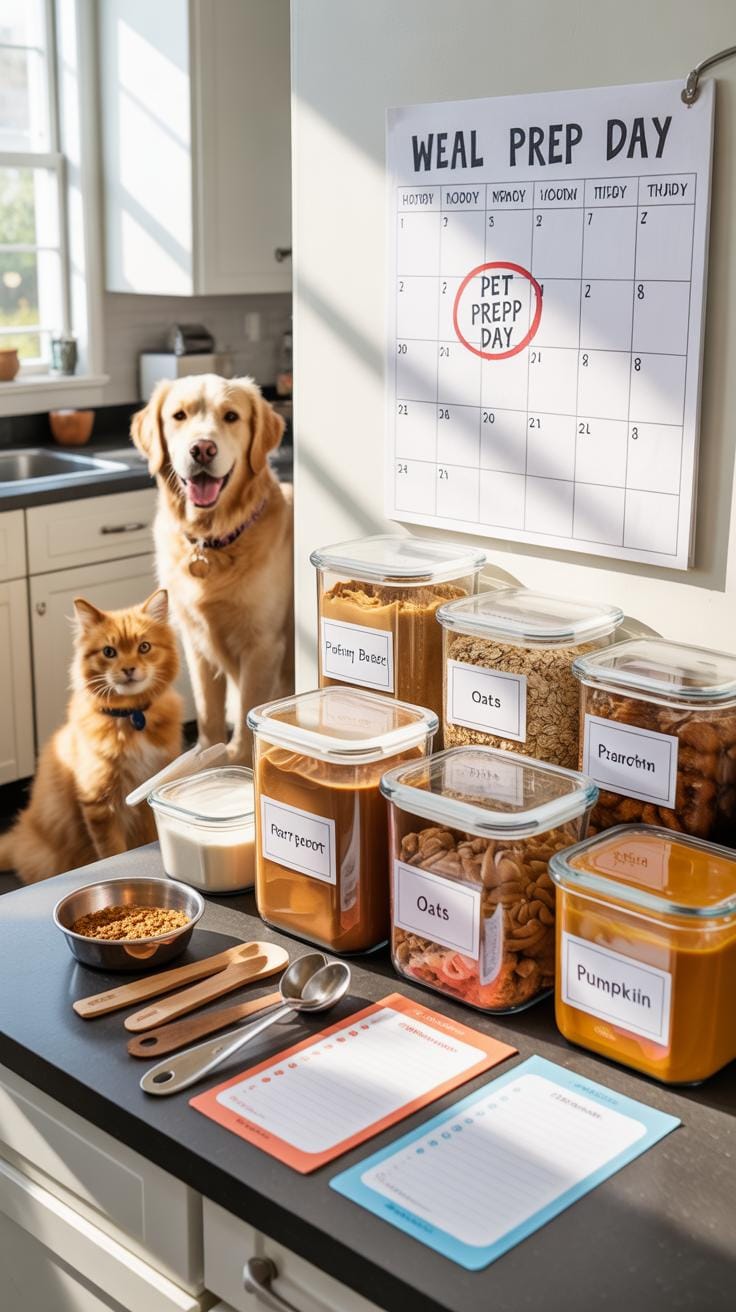
Batch Cooking Multiple Dog Treat Recipes In One Session To Save Time
Efficiency requires grouping tasks by temperature and equipment. Map out your workstation before starting. Prepare base ingredients like pureed pumpkin or plain yogurt in large quantities. Use these bases across different recipes to reduce cleanup. Fill several silicone molds at once. This approach turns an hour of work into a month of snacks. It minimizes kitchen mess and saves electricity by running appliances once.
Organize your workflow to eliminate downtime. Start with recipes that require the longest freezing period. While the first tray sets in the freezer, mix your next batch. Use standardized measurements to speed up the process. Consistency ensures every treat has the same nutritional value. Clean your tools between ingredient shifts to prevent cross contamination. This disciplined method allows you to manage multiple flavors without wasting extra effort.
Proper Labeling Storage Duration And Thawing Tips For Frozen Pet Treats
Air is the enemy of frozen treats. Use airtight containers or heavy duty freezer bags to prevent freezer burn. Label every container with the specific contents and the preparation date. Most homemade frozen treats remain safe and palatable for three months. Beyond this period, ice crystals degrade the texture and flavor. Clear labeling ensures you rotate your stock correctly and use older items first.
Manage your inventory with a first in first out system. Move treats from the back of the freezer to the front as you use them. Serve most frozen snacks directly from the freezer to maintain their shape. If a recipe requires thawing, place it in the refrigerator for two hours. Never leave moisture heavy treats at room temperature for long periods. This prevents bacterial growth and keeps the snack safe for consumption.
Portion Sizes Feeding Frequency And Keeping Healthy Dog Snacks Balanced
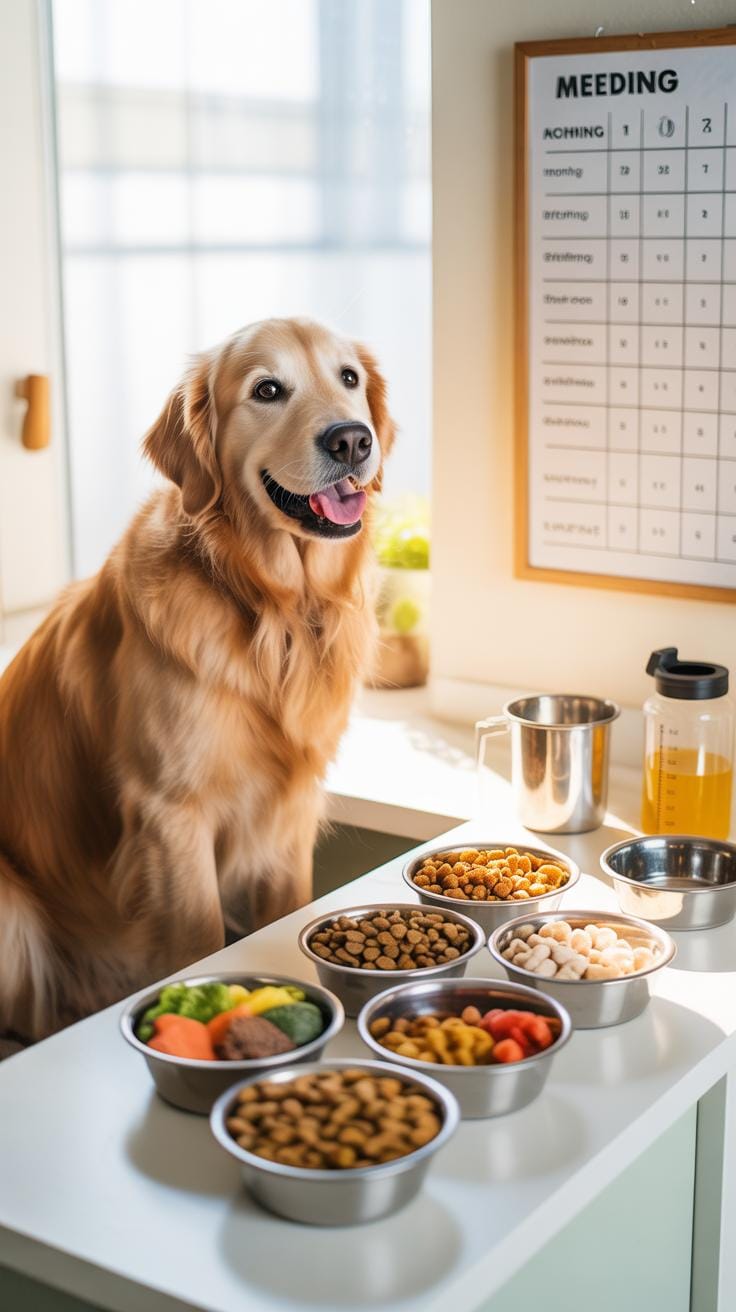
How Many Frozen Treats Per Day Is Safe Based On Dog Size And Weight
Treats must never exceed ten percent of a dog’s daily caloric intake. Small dogs weighing under twenty pounds require very tiny portions to avoid rapid weight gain. Large breeds can handle bigger frozen snacks but still need strict limits. High calorie ingredients like peanut butter require smaller molds. Monitor your dog’s rib cage visibility to ensure you are not overfeeding these snacks.
Frozen snacks often contain high water content which helps with hydration. However, excessive cold intake can cause digestive upset or brain freeze in some breeds. Distribute treats throughout the day rather than all at once. For seniors or less active dogs, reduce the daily meal portion if you provide multiple frozen items. Consistency prevents obesity and keeps the nutrient balance stable for long term health.
When To Consult Your Veterinarian Before Introducing New Homemade Treats
Professional medical advice is mandatory for dogs with existing health conditions. Pets with kidney disease or diabetes require strict control over phosphorus and sugar levels found in common fruits. A veterinarian can identify specific ingredients that might trigger a negative reaction. Always present your ingredient list to your vet during annual exams. This step ensures your freezer prep aligns with their specific medical needs.
Introduction of new proteins or dairy requires caution for dogs with sensitive stomachs. If your dog shows signs of lethargy, vomiting, or diarrhea after eating a snack, stop feeding it immediately. Allergies often manifest as itchy skin or ear infections rather than just stomach issues. Consult a professional if you notice behavioral changes or physical discomfort. Safety comes before variety when managing a dog’s specialized diet.
Frequently Asked Questions

Why are frozen treats a good choice for my dog’s routine?
Frozen treats are a fantastic way to provide long-lasting mental stimulation while keeping your pup cool. By making freezer dog snacks prep ahead of time, you always have a healthy, hydrating reward ready for those moments when you are too busy to cook. These chilled snacks are especially beneficial for teething puppies or active dogs that need a soothing, slow-release refreshment after a long afternoon walk in the sun.
What is the easiest way to store and organize these snacks?
To keep your freezer dog snacks prep ahead process efficient, use silicone molds for easy removal. Once the treats are completely solid, pop them out and store them in labeled, airtight freezer bags or stackable containers. This prevents freezer burn and ensures the snacks don’t absorb odors from your own food. Organizing them by size or flavor helps you quickly grab the perfect portion during a hectic workday morning.
Can I make healthy frozen dog treats on a tight budget?
Absolutely! You don’t need expensive ingredients to make high-quality treats. Simple pantry staples like plain unsweetened yogurt, overripe bananas, or sodium-free chicken broth work perfectly. You can even use leftover pumpkin puree or a smear of peanut butter diluted with water. Using items you already have in your kitchen makes this an affordable way to ensure your pet enjoys nutritious, gourmet snacks without breaking the bank at the pet store.