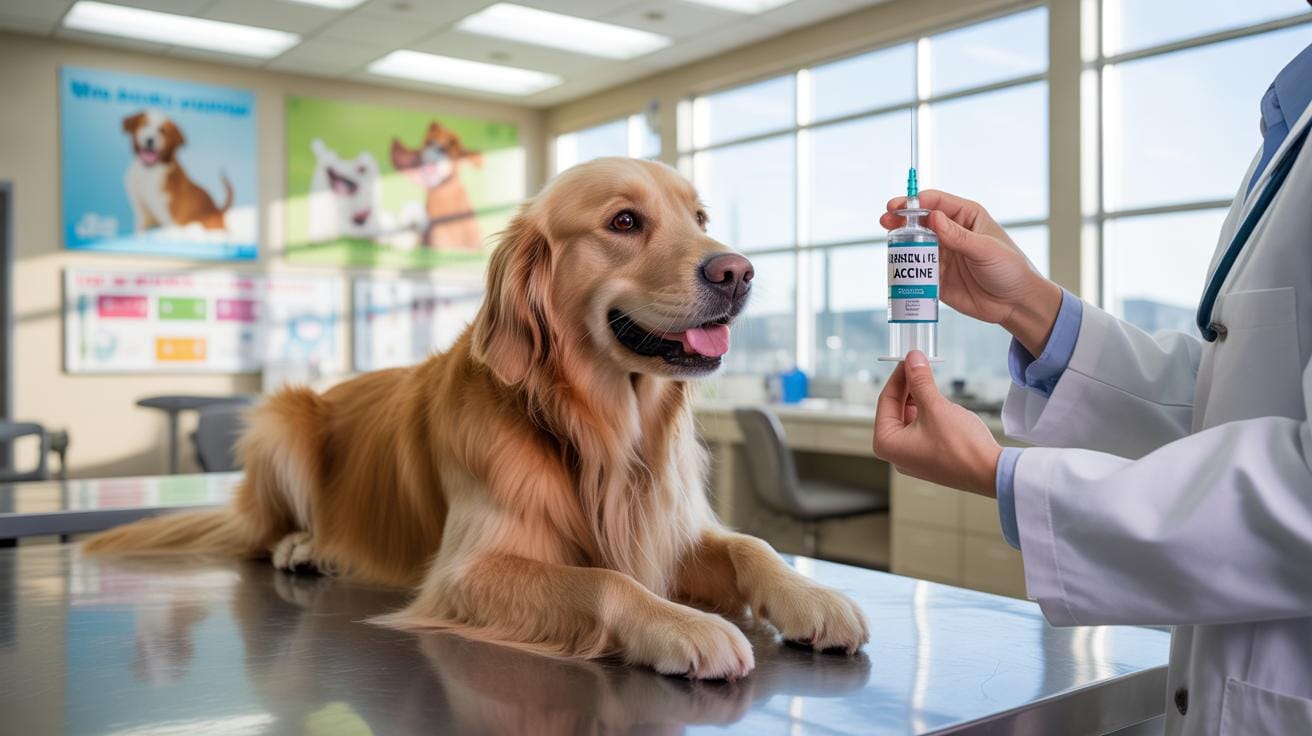
What Is Kennel Cough Understanding This Common Canine Illness
The Science Behind Kennel Cough: Causes, Pathogens, And How It Spreads
Kennel cough is a complex respiratory infection formally called Canine Infectious Respiratory Disease or CIRD. It rarely involves just one pathogen. The bacteria Bordetella bronchiseptica is the most common cause. However, viruses like parainfluenza or canine adenovirus often attack the airway first. These viruses weaken the immune system and clear the way for bacteria to invade the lungs and windpipe.
Transmission occurs through three primary methods. Dogs inhale infected droplets from the air when an ill animal coughs or sneezes. They also pick up the germs from contaminated surfaces like shared water bowls or kennel walls. Direct nose to nose contact allows the pathogens to jump between hosts instantly. High traffic areas with poor ventilation increase the risk of rapid spread significantly.
Why Kennel Cough Is More Than Just A Dog Coughing: Recognizing The Full Symptom Picture
The hallmark sign of this illness is a sharp and dry honking cough. This sound happens because the upper airway becomes severely inflamed and sensitive. Owners often mistake the sound for a bone stuck in the throat. Physical activity or light pressure on the neck usually triggers a coughing fit. While some dogs seem fine otherwise, the constant irritation causes significant physical stress.
Beyond the cough, look for changes in mucus and energy levels. Some dogs develop a runny nose or watery eyes during the early stages. More severe cases lead to lethargy and a loss of appetite. If the infection moves deep into the lungs, it progresses to pneumonia. This shift turns a simple cough into a life threatening emergency requiring immediate veterinary intervention and oxygen support.

Kennel Cough Bordetella Dogs The Role Of Bordetella Bronchiseptica In The Disease
What Is Bordetella Bronchiseptica And Why Is It The Primary Culprit?
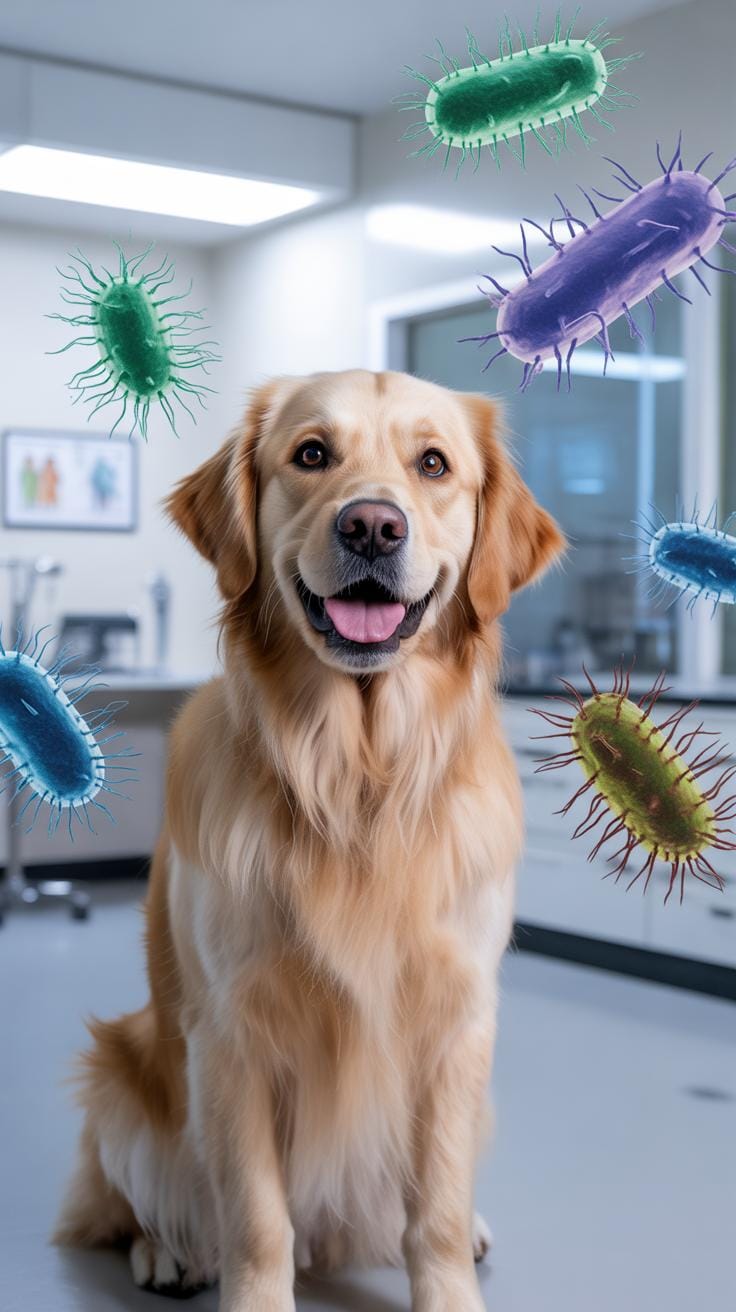
Bordetella bronchiseptica is a highly contagious bacterium. It targets the respiratory tract of dogs. This pathogen attaches to the cilia in the windpipe. Cilia are small hairs that clear mucus and debris. When Bordetella attaches, it releases toxins. These toxins paralyze the cilia. This process prevents the dog from clearing its airways effectively. It leads to the classic hacking cough owners recognize easily.
Veterinarians identify this bacterium as the most common cause of kennel cough. It spreads quickly through airborne droplets. Dogs in high-density areas face the highest risk. These include shelters, boarding facilities, and parks. The bacteria can survive on surfaces for long periods. Direct contact with infected dogs also spreads the disease. Controlling this bacterium is the main goal of most canine respiratory vaccination programs.
How Bordetella Works Alongside Other Pathogens Like Canine Parainfluenza Virus
Bordetella rarely acts alone in severe cases. It often pairs with viruses like canine parainfluenza. This combination creates a complex infection. The virus weakens the immune system first. It damages the lining of the respiratory tract. This damage allows the Bordetella bacteria to take hold more easily. Together, these pathogens cause more inflammation than they would individually. This synergy increases the severity of the symptoms.

A secondary infection can lead to serious complications. Pneumonia is the biggest threat to young or old dogs. While the virus might trigger the initial irritation, the bacteria sustain the infection. This relationship explains why kennel cough is a syndrome rather than a single disease. Doctors treat the bacterial component with antibiotics. However, vaccines provide the most reliable defense against this multi-pathogen attack on the lungs.
How To Prevent Kennel Cough Vaccination As The First Line Of Defense
Types Of Bordetella Vaccines Available: Intranasal, Oral, And Injectable Options Explained
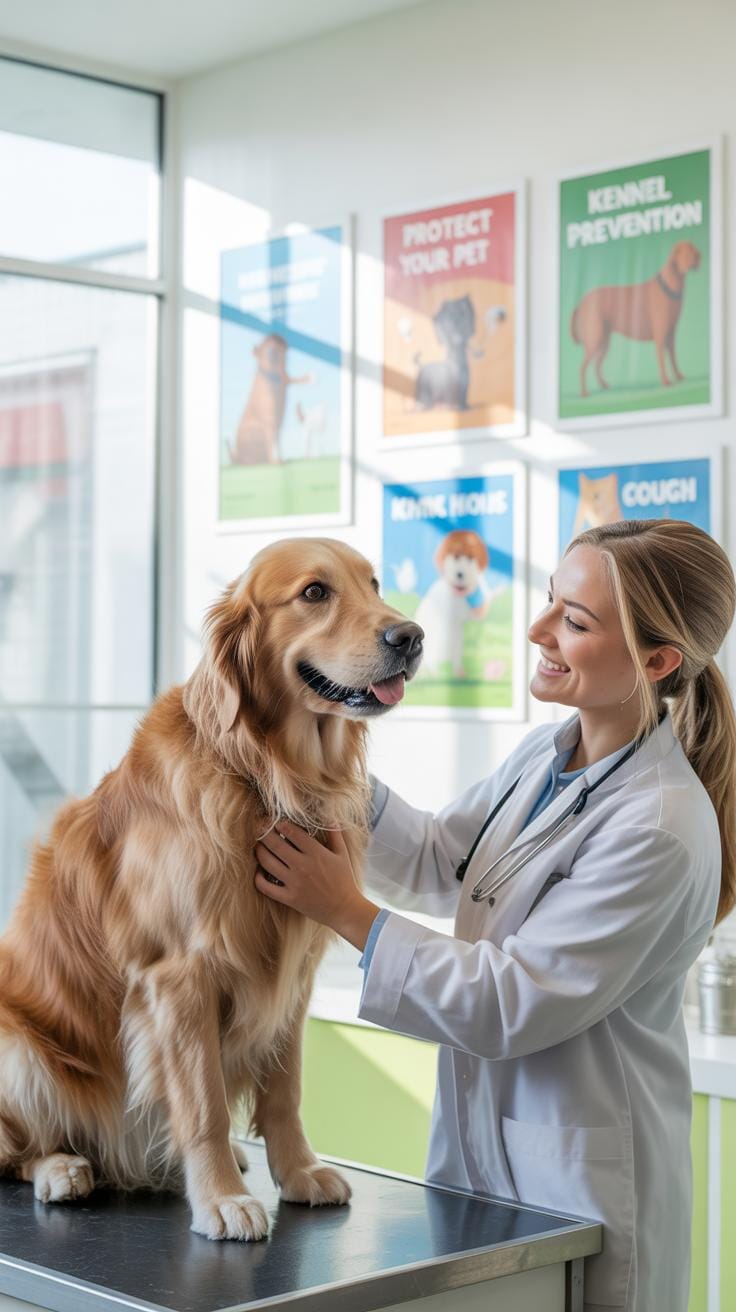
Veterinarians administer the Bordetella vaccine through three specific routes. The intranasal version drops liquid directly into the nostrils. This method triggers rapid local immunity in the upper airway where the bacteria first strike. It often works faster than other types. The oral vaccine involves a liquid squirted into the cheek pouch. It provides similar local protection without the discomfort of a nasal spray or a needle.
Injectable vaccines require two initial doses several weeks apart to build full protection. This traditional shot stimulates systemic immunity within the bloodstream. It suits dogs that react aggressively to facial handling or nose drops. However, it does not create the same immediate mucosal barrier as the nasal or oral options. Choice depends on your dog’s temperament and the speed of protection required for upcoming boarding or socialization.
Which Dogs Benefit Most From The Kennel Cough Vaccine And How Often Should They Get It?
High-risk dogs benefit most from regular vaccination. This group includes dogs that visit boarding facilities, grooming salons, or busy dog parks. These environments facilitate rapid spread of the bacteria through shared air and water. Show dogs and those attending group training classes also face constant exposure. If your dog stays home and avoids contact with unknown animals, the vaccine may be an optional lifestyle choice.

Most veterinarians recommend a booster once every twelve months to maintain steady protection. High-risk facilities often demand a booster Every six months for maximum safety. The immunity from this vaccine can fade faster than other core shots. You must schedule the dose at least one week before possible exposure. This timing allows the immune system to build the necessary hardware to fight off the highly contagious bacteria effectively.
Kennel Cough Infographic A Visual Guide To Risk Factors And Vaccine Timing
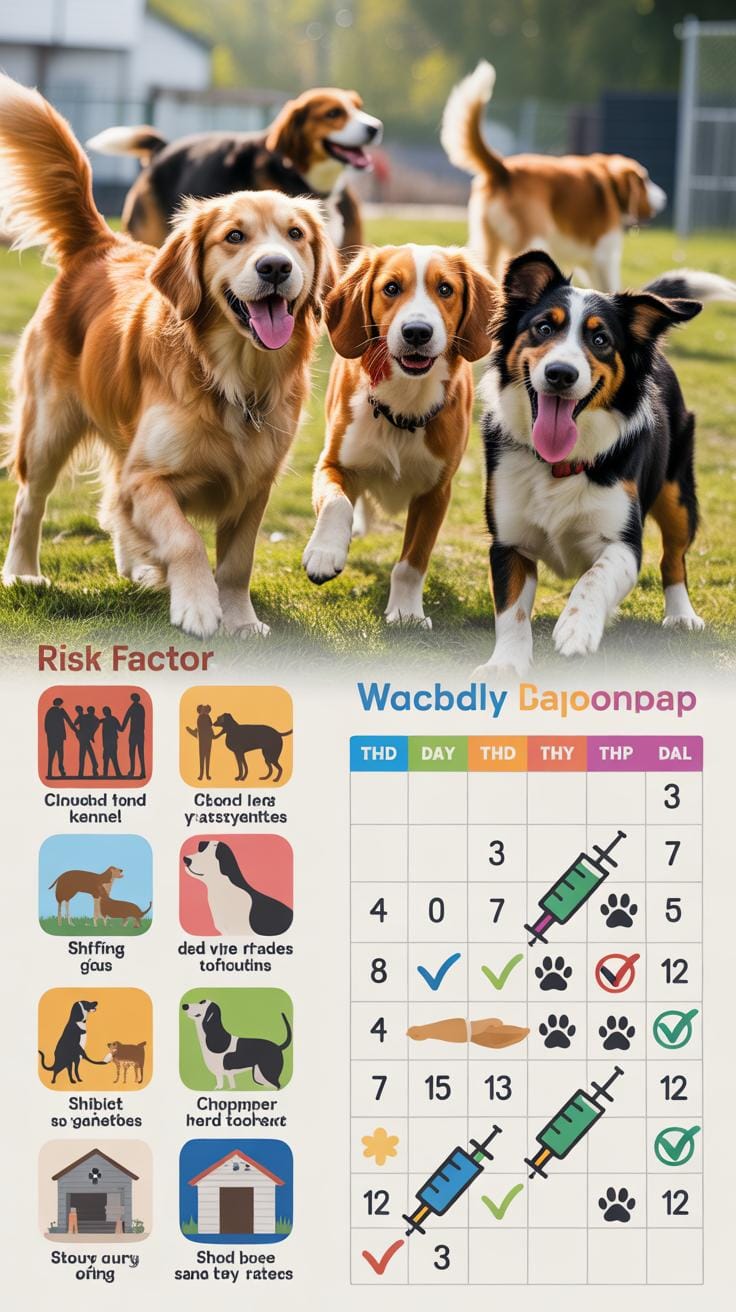
High Risk Environments: Dog Parks Boarding Facilities And Grooming Salons
Dogs contract kennel cough through airborne droplets and contaminated surfaces. High traffic areas like dog parks or boarding kennels maximize exposure limits. In these settings, dogs share water bowls and touch noses frequently. This close physical contact allows the Bordetella bacteria and parainfluenza virus to spread fast. Efficient transmission occurs because many dogs occupy a small space. You must assess density before entry.
Grooming salons present a specific risk due to humidity and confined crates. Moist air helps pathogens stay suspended longer. If one dog coughs, the entire room becomes a hot zone for infection. Most professional facilities require proof of vaccination to mitigate these risks. Owners should verify that staff also sanitize tools regularly. Constant foot traffic makes total elimination of the pathogen nearly impossible without strict protocols.
Vaccine Timing And Booster Schedules: What The Data Shows About Immunity Windows
The Bordetella vaccine requires specific timing to provide real protection. Most dogs receive their first dose around eight weeks of age. Oral and intranasal versions work faster than traditional injections. Immunity typically develops within three to five days after the nose or mouth drops. You cannot wait until the day of boarding to vaccinate. Plan at least one week ahead for safety.

Boosters maintain the defense against kennel cough bordetella dogs. Most veterinarians recommend an annual update for average pets. High risk dogs benefit from a booster every six months. Immunity levels drop over time as the body forgets the pathogen. Do not skip scheduled doses if your dog visits parks often. Consistent records ensure your pet stays eligible for boarding and professional grooming services without interruption.
How To Treat Kennel Cough In Dogs What Veterinarians Recommend
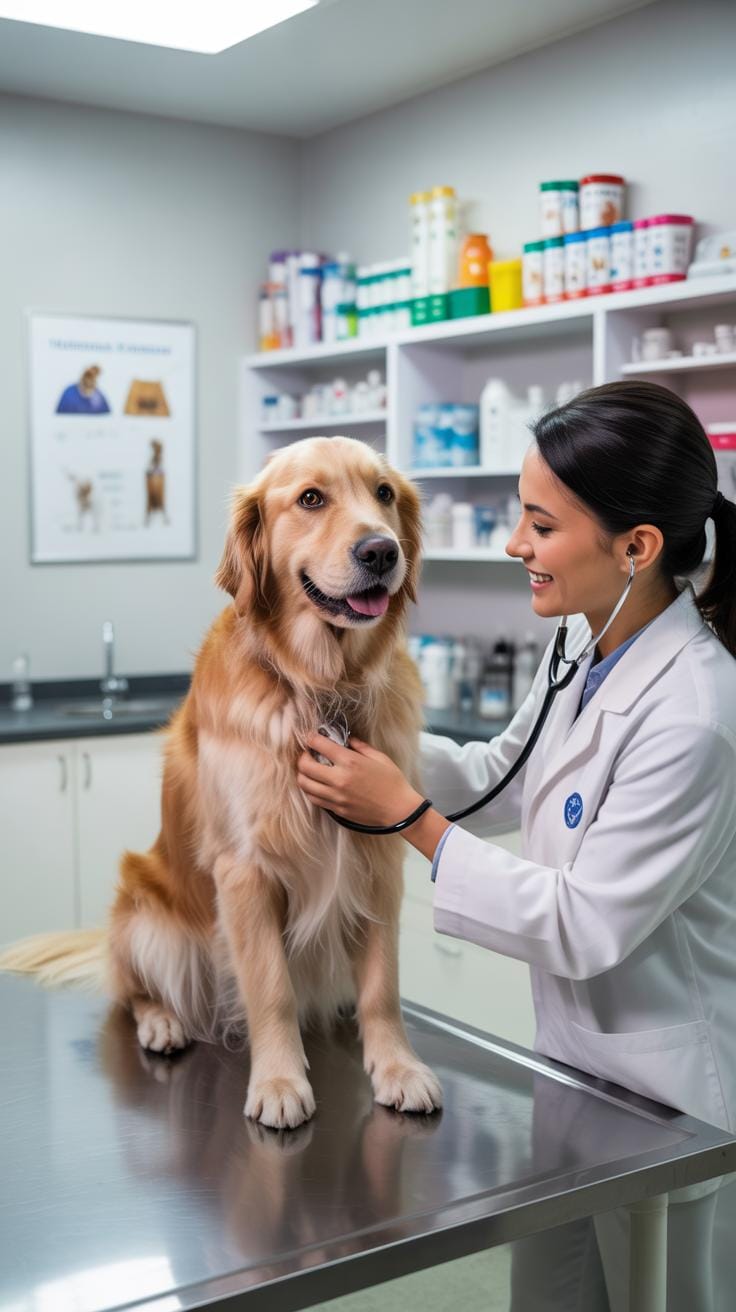
When To See A Vet: Mild Cases Vs Serious Infections That Require Medical Attention
Most dogs recover from kennel cough without aggressive medical intervention. Mild cases involve a dry, honking cough but the dog remains active and eats normally. You must monitor the animal closely at home for changes in behavior or appetite. Keep the dog away from other pets to prevent the spread of Bordetella or other respiratory pathogens. Stress reduction and rest are the primary goals.
Seek immediate veterinary care if the cough becomes moist or productive. Watch for high fever, lethargy, or a refusal to eat. These signs often indicate that the infection has moved into the lungs, potentially causing pneumonia. Labored breathing or nasal discharge also requires professional diagnosis. Rapid intervention prevents secondary bacterial infections from causing permanent lung damage or life-threatening complications in your dog.
Taking care of their health is how we say thank you for a lifetime of wagging tails and unconditional love. Choosing to protect them from every cough and cold is the sweetest way to honor the bond that keeps our homes warm.
Prescription Treatments For Kennel Cough: Antibiotics, Cough Suppressants, And Supportive Care
Veterinarians prescribe antibiotics like doxycycline or amoxicillin-clavulanate if they suspect a bacterial cause like Bordetella bronchiseptica. These drugs target the bacteria directly to shorten the duration of the illness. The vet may also provide cough suppressants to reduce throat irritation and allow the dog to rest. These medications stop the cycle of coughing that further inflames the airway lining and slows healing.

Supportive care at home focuses on environmental management. Use a harness instead of a collar to avoid placing pressure on the trachea during walks. Steam from a hot shower can help clear mucus from the airways effectively. Ensure the dog stays hydrated and gets plenty of sleep in a quiet area. Follow the full course of any prescribed medication even if the symptoms disappear early.
How To Treat Kennel Cough At Home Safe And Practical Supportive Measures
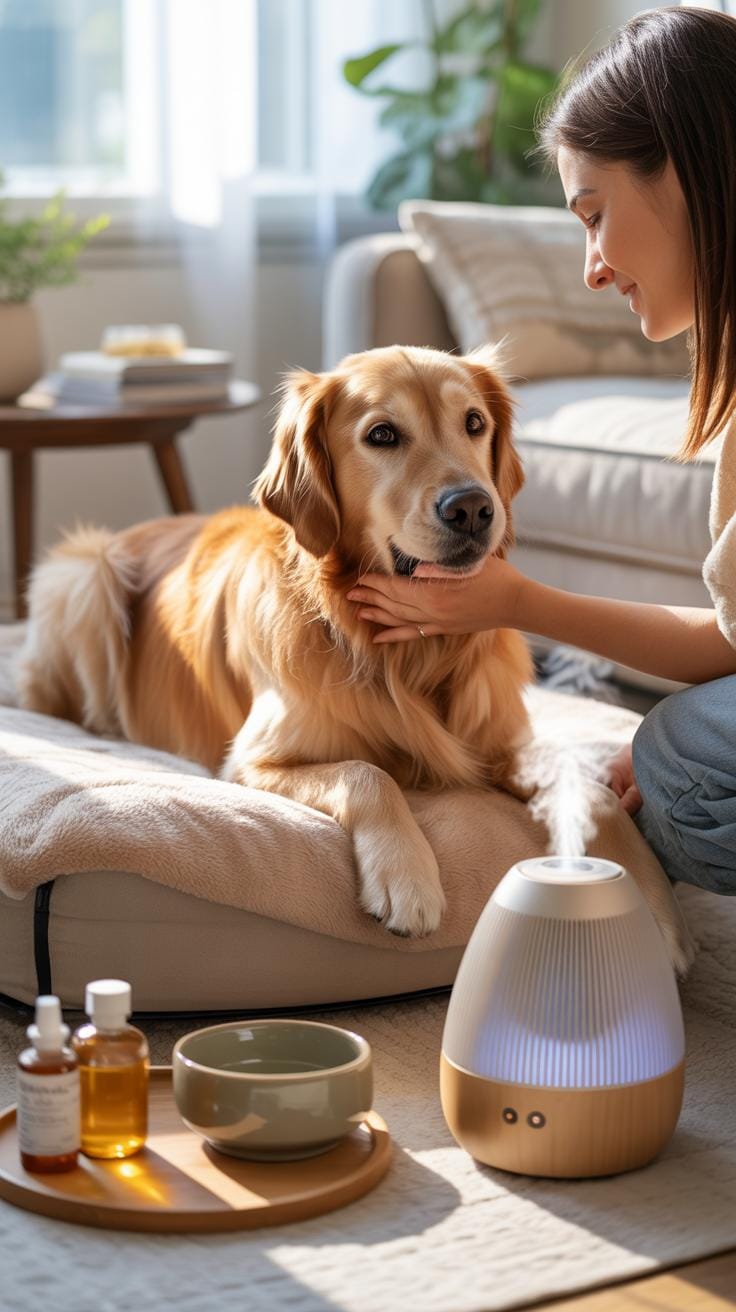
Creating A Comfortable Recovery Environment: Rest, Hydration, And Reducing Irritants
Isolate your dog immediately to prevent the spread of kennel cough bordetella dogs. Rest is the priority because physical activity triggers coughing fits. Limit exercise to short leash walks for bathroom breaks only. High energy movement irritates the airway and slows the healing process. Keep the dog in a quiet room away from other pets to ensure they remain calm and still.
Maintain high air quality to protect the respiratory system. Smoke, strong perfumes, and cleaning chemicals inflame the throat and lungs. Use a humidifier to keep the air moist which helps soothe dry coughs. Ensure your dog has constant access to clean water to prevent dehydration. If the dog stops drinking or eating, contact a veterinarian immediately as this indicates a more serious condition.
Kennel Cough Home Remedies That Can Help Soothe Symptoms Between Vet Visits
Home care focuses on symptom management while the immune system fights the infection. You must reduce mechanical irritation to the trachea. Switch from a collar to a harness for all walks. Collars put direct pressure on the windpipe which induces violent coughing spells. These simple changes allow the inflammation to subside faster. Using specific food additives can also provide much needed relief.
- Honey: Give one tablespoon of high quality honey up to three times daily. It coats the throat and reduces irritation from dry hacking. Check that it contains no xylitol or additives that are toxic to dogs.
- Humidifier: Place a cool mist humidifier near the dog’s sleeping area. Moist air thins mucus and lubricates the respiratory tract. This makes it easier for the dog to breathe and reduces the frequency of coughing fits during the night.
- Harness Switch: Replace the neck collar with a chest harness for the duration of the illness. Pressure on the throat causes immediate coughing and worsens tracheal inflammation. A harness eliminates this physical trigger during essential outdoor bathroom breaks.
- Steam Therapy: Bring your dog into the bathroom while you run a hot shower. The steam helps open airways and loosen secretions in the lungs. Limit sessions to fifteen minutes and ensure the room does not become too hot for the animal.
- Soft Food: Feed wet food or soak kibble in warm water or low sodium broth. Hard kibble can scratch an already sore throat and trigger coughing while eating. Softening the food makes swallowing less painful and encourages the dog to maintain its calorie intake.

Steam treatments offer another layer of respiratory support. Keep the dog in a steamed bathroom for fifteen minutes several times a day. This helps clear congestion and keeps the airways hydrated. Always monitor the dog for signs of distress or laboured breathing. Home remedies do not replace professional medical advice but provide comfort while the virus or bacteria runs its natural course.
Natural Remedies For Kennel Cough What The Evidence Says
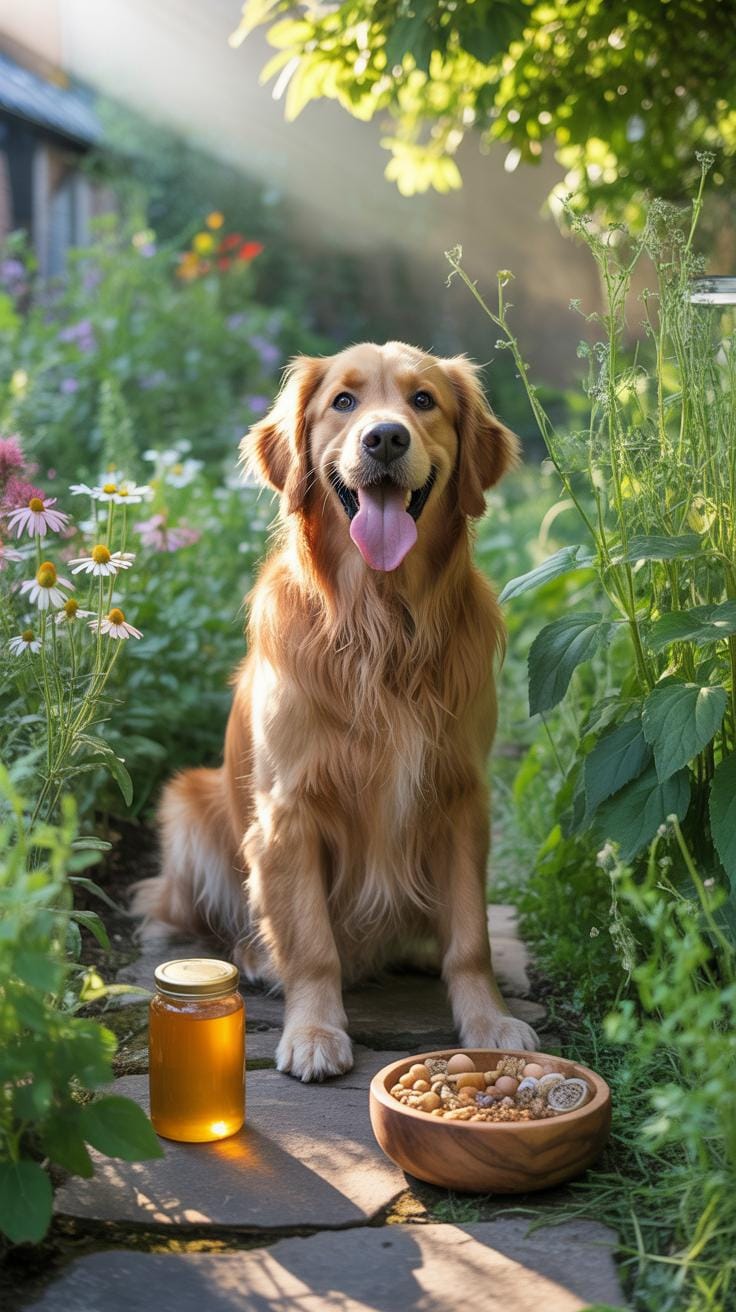
Honey, Steam Therapy, And Manuka: Popular Natural Remedies For Kennel Cough Reviewed
Honey acts as a throat suppressant to calm irritation caused by persistent hacking. It coats the esophagus and reduces the urge to cough through local soothing action. Regular honey provides glucose and warmth, but Manuka honey contains higher concentrations of methylglyoxal. This compound offers documented antimicrobial properties that help fight minor surface infections in the throat during the recovery process.
Steam therapy provides immediate relief by hydrating the airway lining. Warm moisture loosens thick mucus trapped in the bronchial tubes. You should run a hot shower and let your dog breathe the humid air for fifteen minutes. This process helps clear congestion and makes breathing easier. These methods do not kill the underlying bacteria but manage the physical discomfort associated with the illness.
What Natural Remedies Cannot Do: Understanding Their Limitations And Safety Boundaries
Natural options cannot replace antibiotics for severe bacterial infections. If Bordetella moves into the lower respiratory tract, it causes pneumonia. Honey and steam do not have the systemic power to stop deep lung infections. You must monitor for high fever or lethargy. These signs indicate that home care is no longer sufficient. Delaying medical intervention can lead to permanent lung damage or death.

Safety boundaries require strict adherence to ingredient checks. Never use honey for puppies under one year old due to botulism risks. Avoid any products containing xylitol as this sweetener is toxic to dogs. Natural remedies only address symptoms like throat itchiness and dry cough. They do not provide immunity against future outbreaks. You must use these tools as supportive care, not as a primary cure for the disease.
Kennel Cough Remedies Compared Conventional Vs Complementary Approaches
How Veterinary Treatments And Home Remedies Can Work Together Safely
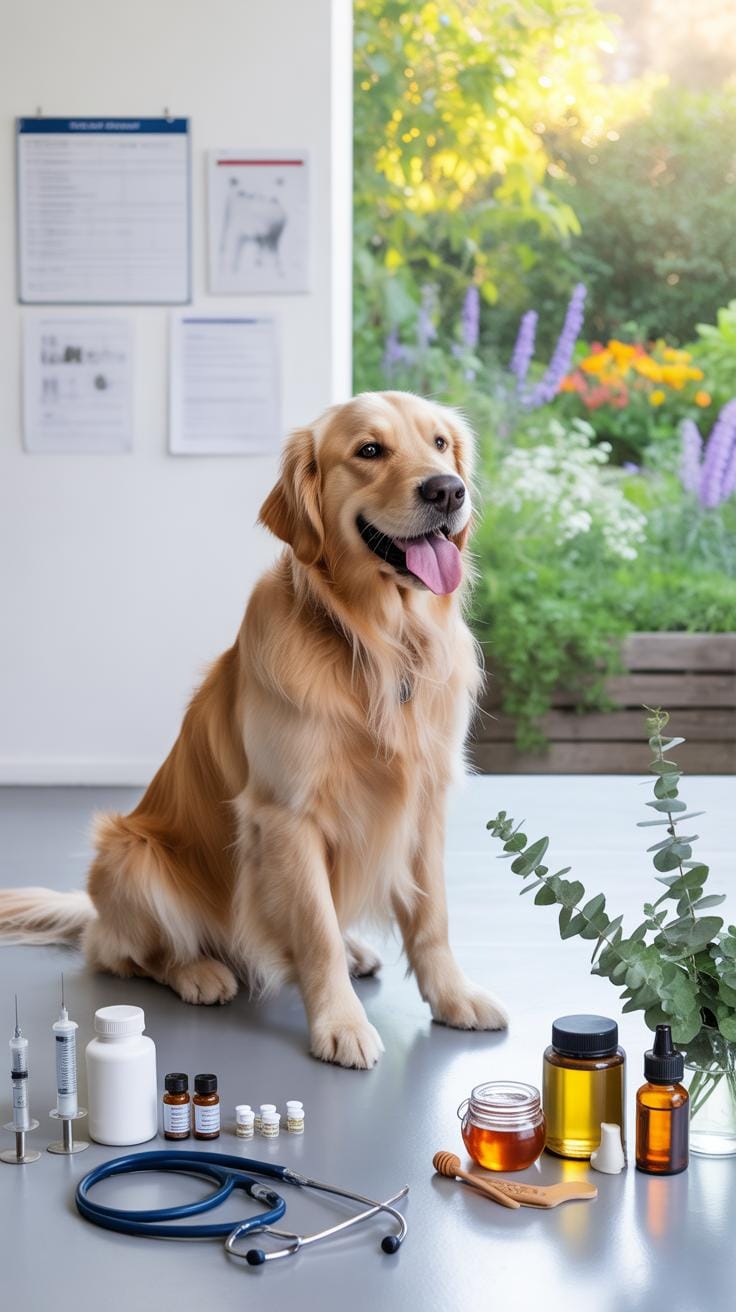
Veterinary treatments target the root causes of kennel cough bordetella dogs face. Vets often prescribe antibiotics like doxycycline if they suspect a bacterial infection. They also use cough suppressants to help your dog rest. These medical tools stop the pathogen from spreading while managing the most severe symptoms. You must finish all medication even if the dog looks better quickly.
Home remedies support the medical plan by improving comfort. Use a humidifier to keep the air moist and soothe the airway. Switch from a neck collar to a harness to prevent throat pressure. Offer low sodium chicken broth to keep the dog hydrated. These simple steps do not cure the infection but they make the recovery process much faster for your pet.
Red Flags And Remedies To Avoid: What Could Make Kennel Cough Worse
Standard care requires avoiding products that irritate the respiratory system or mask dangerous symptoms. Some owners try human medications without professional advice. This is a mistake that causes toxicity or internal damage. You must identify specific signs that indicate the infection is turning into pneumonia. Watch for lethargy or a total loss of appetite as these are critical warnings.
- Human Cough Syrups: Many over the counter syrups contain xylitol or acetaminophen. These ingredients are toxic to dogs and cause liver failure or death. Never use human meds without a direct vet order for the specific dosage.
- Essential Oil Diffusers: Strong scents like tea tree or eucalyptus irritate a dog’s sensitive lungs. Inhaling these oils causes more coughing and inflammation during a bordetella flare up. Keep the air clear of all chemical fragrances.
- Vigorous Exercise: High activity forces the dog to breathe hard and fast. This dry air irritates the trachea and triggers violent coughing fits. Keep your dog calm and sedentary until the cough has fully cleared for forty eight hours.
- Neck Collars: Putting a leash on a standard collar pulls directly against the infected windpipe. This physical pressure causes more damage and slows down the healing process. Use a harness to keep all pressure away from the neck area.
- Ignoring Secondary Infections: Fever or thick yellow nasal discharge means the virus has likely become a bacterial issue. If you only use home humified air, you might miss the moment your dog needs life saving antibiotics.

Tactical management means knowing when home care is not enough. If your dog struggles to breathe or has blue gums, go to the emergency clinic immediately. Do not rely on honey or steam if the dog is gasping. Professional intervention is the only way to handle advanced respiratory distress. Keep your dog isolated from other animals to prevent the spread of the infection.
Should Your Dog Get Vaccinated Weighing The Benefits And Potential Side Effects
Known Side Effects Of The Bordetella Vaccine: What Is Normal And What Warrants A Call To The Vet
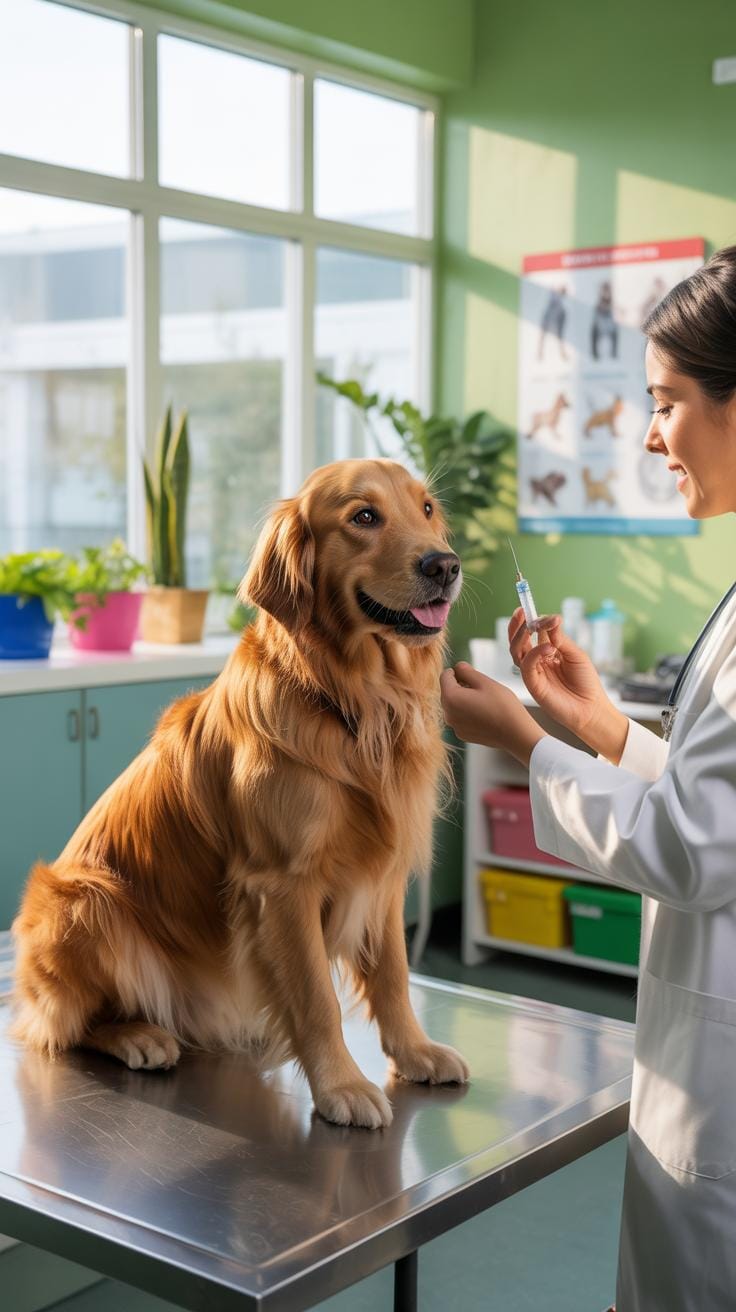
Vaccines trigger an immune response that causes mild physical changes. Intranasal and oral versions often cause sneezing or a runny nose for three days. Your dog might seem tired or eat less food after the appointment. These small reactions show the body is building defenses against the bacteria. Monitoring your pet during the first forty-eight hours is the most important step for owners.
Call your vet immediately if you see facial swelling or hives. Difficulty breathing or persistent vomiting indicates an emergency allergic reaction. High fever and extreme lethargy are not standard responses to this shot. While rare, these systemic issues require professional medical intervention. Watch the injection site for lumps that grow or do not disappear within two weeks. Do not ignore signs of respiratory distress after a nasal dose.
Dogs Who May Not Be Ideal Candidates For The Kennel Cough Vaccine: Immune Conditions And Age Factors
Health status dictates whether a dog should receive the Bordetella vaccine. Dogs with compromised immune systems or ongoing cancer treatments face higher risks. Their bodies cannot process the vaccine as effectively as healthy animals. Age also plays a critical role in this decision. Very young puppies have immature systems that cannot handle some formulas. Senior dogs with chronic illnesses may require a different prevention strategy to avoid complications.
Context matters when evaluating the necessity of this specific vaccine. Dogs that live in isolation rarely encounter the pathogens found in boarding facilities. The risk of side effects might outweigh the benefits for a dog that never leaves its yard. Discuss your dog’s previous reactions to shots with your veterinarian. They can determine if a specific medical history makes your dog a poor candidate for the kennel cough vaccine.
How To Prevent Kennel Cough Beyond Vaccination Lifestyle And Environmental Strategies
Hygiene Practices, Social Distancing For Dogs, And Reducing Transmission Risk In Shared Spaces
Kennel cough spreads through airborne droplets and contaminated surfaces. You must limit your dog’s exposure to high-traffic areas during local outbreaks. Avoid communal water bowls at dog parks and pet stores. These vessels often harbor bacteria and viruses from infected animals. Carry a portable bowl and fresh water to control what your dog consumes. This tactic eliminates a primary transmission route.
Disinfect your gear after visiting public spaces. Scrub leashes, collars, and toys with soap or pet-safe disinfectant. If your dog interacts with a coughing animal, isolate them immediately to prevent further spread. Wash your hands and change clothes after touching other dogs before handling your own. Physical distance remains the most effective way to stop the spread of respiratory pathogens in canines.
Building Your Dog’S Immune Resilience Through Nutrition, Exercise, And Routine Vet Care
A strong immune system acts as a primary defense against pathogens. Feed your dog high-quality protein to support cellular repair and immune function. Ensure they maintain a lean body weight through consistent daily exercise. Obesity causes systemic inflammation which weakens the body’s ability to fight off respiratory infections. Consult your vet to select a diet rich in essential fatty acids and antioxidants.
Schedule regular veterinary checkups to catch underlying health issues early. Chronic conditions can suppress the immune system and make a dog more susceptible to bordetella. Keep indoor air clean by using high-quality filters and avoiding household irritants like cigarette smoke or strong aerosols. Healthy lungs resist infection more effectively than those stressed by pollutants. Strong physical health serves as a critical barrier against disease.
Frequently Asked Questions

What exactly is the vaccine for and does my dog really need it?
The vaccine protects your pet against a highly contagious respiratory infection often compared to the human chest cold. If your pet socializes at parks, groomers, or training classes, protecting them against kennel cough bordetella dogs can encounter is essential. This preventative measure significantly reduces the severity of symptoms and prevents the spread of infection throughout the local canine community, keeping your furry friend happy and breathing easily during their daily adventures.
How is the vaccine administered and how often should it be updated?
Your veterinarian can administer the protection via an injection, a nasal spray, or oral drops. Most lifestyle-active pets require a booster every six to twelve months depending on their exposure risk level. To ensure full immunity against kennel cough bordetella dogs may face in social settings, it is best to schedule the appointment at least one week before boarding or attending a busy daycare to allow the immune response to fully develop.
Is the kennel cough vaccine expensive or covered by pet insurance?
This vaccine is one of the most affordable preventative treatments in canine healthcare, typically ranging from twenty to forty-five dollars per dose. Many basic pet wellness plans and insurance policies cover the cost entirely as part of routine preventative care. Investing in this simple vaccination is much more budget-friendly than treating a full-blown respiratory infection, which often requires expensive veterinary consultations, diagnostic imaging, and several rounds of prescription antibiotics.