
Understanding The Flea Life Cycle And Why It Matters For Natural Flea Prevention In Dogs
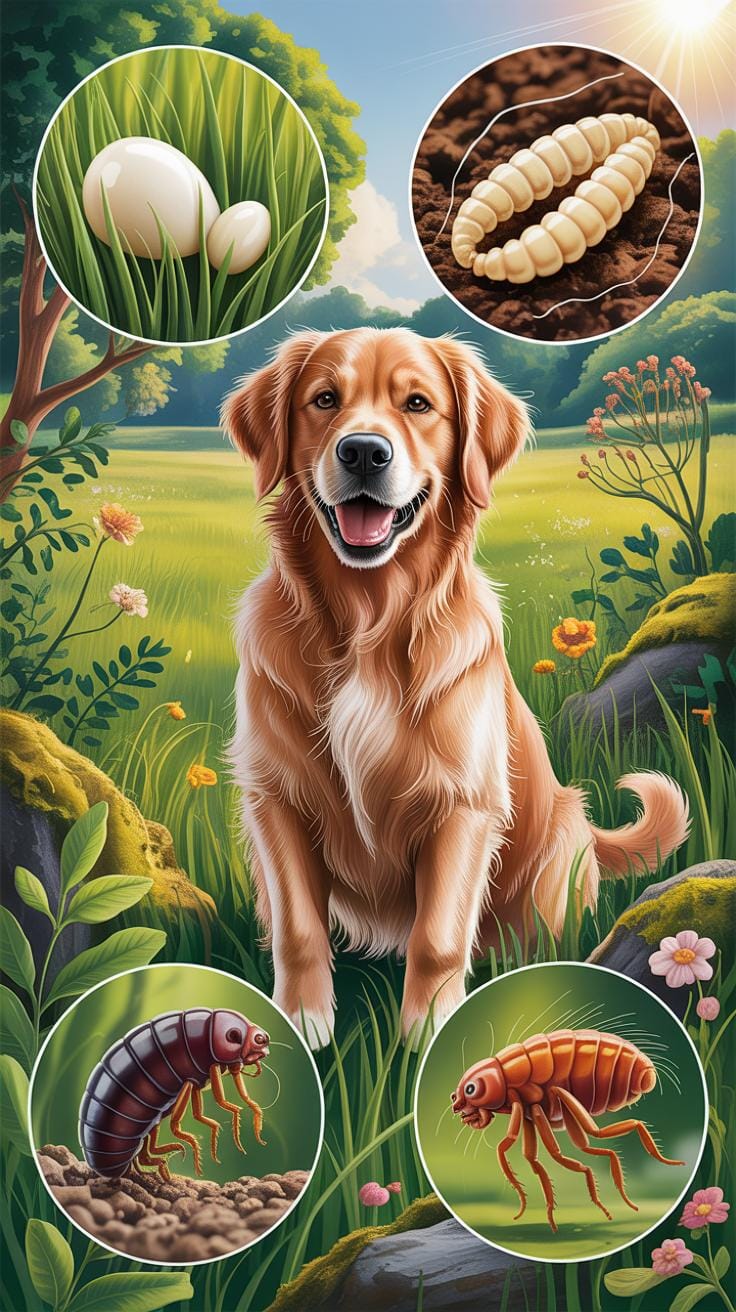
The Four Stages Of A Fleas Life And Where They Hide In Your Home
The flea life cycle consists of egg, larva, pupa, and adult stages. Adult fleas live on your dog to feed on blood. However, adults only represent five percent of the total population. The remaining ninety-five percent exists as eggs, larvae, or pupae scattered throughout your home. Eggs fall off the dog into carpets, bedding, and floor cracks within hours of being laid.
Larvae hatch from eggs and move away from light. They burrow deep into carpet fibers or under baseboards to feed on organic debris. After several days, they spin cocoons and enter the pupal stage. These cocoons are sticky and resist vacuuming or light cleaning. They can remain dormant for months. Fleas emerge as adults only when they sense heat, vibration, or carbon dioxide from a host.
Why Breaking The Flea Life Cycle Is The Foundation Of Effective Prevention
Natural prevention fails when owners only target adult fleas. Killing a few biting pests on your dog does nothing to stop the hundreds of eggs maturing in your rug. You must disrupt the cycle at every stage to see results. If you ignore the invisible stages, new adults will emerge and reinfest your pet indefinitely. Success requires a dual approach targeting the dog and the environment.
Effective natural strategies focus on making the environment hostile to developing fleas. You must remove eggs and larvae before they reach maturity. This strategy eliminates the need for heavy chemicals later. Without a continuous supply of new adults, the infestation dies out. Focus your efforts on deep cleaning and physical removal. This tactical shift moves you from reactive treatment to proactive, long-term prevention for your dog.

Natural Flea Repellent For Dogs Which Ingredients Are Proven To Work

Essential Oils And Plant Based Compounds That Repel Fleas Naturally
Specific plant compounds act as neurotoxins to insects while remaining safe for canines when diluted. Geraniol and peppermint oil disrupt the respiratory systems of adult fleas. Cedarwood oil dissolves the exoskeleton of larvae and eggs on contact. These botanical extracts create a scent barrier that prevents new fleas from jumping onto your dog. You must use therapeutic grade oils to ensure efficacy.
Lemongrass and rosemary oils contain high concentrations of citral and camphor. These elements irritate the sensory organs of fleas and force them to flee the host. Neem oil provides a secondary layer of protection by interfering with the reproductive cycle of the pests. Apply these oils via topical sprays or treated collars for maximum impact. Proper dilution is critical to avoid skin irritation.
What The Research Says About Natural Repellent Efficacy Vs. Chemical Treatments
Clinical studies show that natural repellents provide high short term protection but require frequent reapplication. Synthetic chemicals like fipronil or fluralaner stay in the bloodstream for thirty days. Natural compounds usually dissipate within forty eight hours. This means natural prevention demands a strict schedule to remain effective. You cannot miss a dose or the protection gap allows for immediate reinfestation.

Chemical treatments aim to kill fleas after they bite your dog. Natural repellents focus on preventing the bite entirely by making the dog an unattractive host. Laboratory tests confirm that certain essential oil blends reach ninety percent repellency in controlled settings. However, environmental factors like rain or heavy sun degrade natural oils faster than synthetic drugs. Use natural methods for low risk areas or sensitive dogs.
DIY Flea Spray For Dogs How To Make A Safe And Effective Home Formula
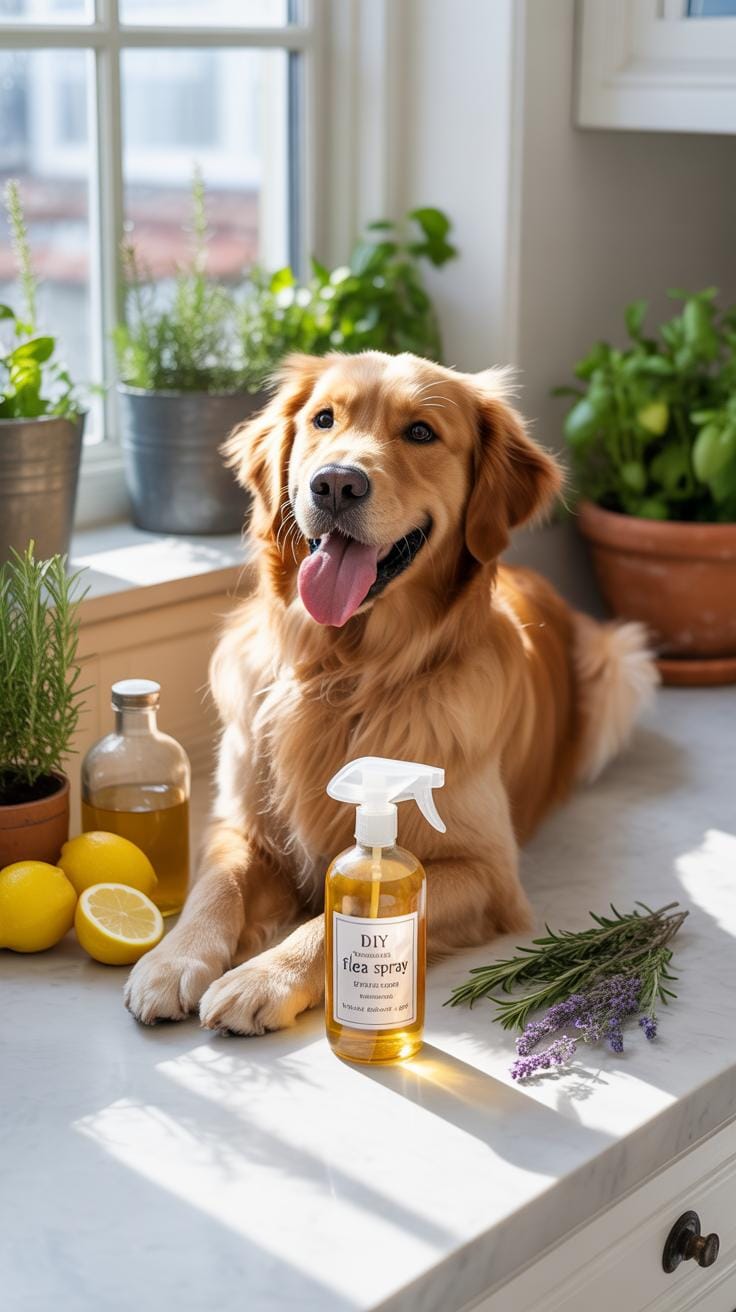
Core Ingredients For A Dog Safe DIY Flea Spray And Why Each One Works
Natural flea sprays rely on chemical compounds found in plants to repel insects. These ingredients create a hostile environment for fleas without using synthetic nerve agents. Success depends on using high quality bases that stay stable on the coat. You must choose ingredients that do not harm the dog if they lick their fur after application. Focus on tested botanical repellents.
- Apple Cider Vinegar: The high acetic acid content lowers the pH level of your dog’s skin and fur. Fleas find this acidic environment repellent and will avoid jumping onto the host. It serves as a powerful liquid base for any homemade topical spray.
- Distilled Water: Using purified water prevents mineral buildup on the dog’s skin and ensures the solution remains stable. Contaminants in tap water can promote bacterial growth in your spray bottle over time. It dilutes the active acids to prevent skin irritation.
- Lemon Juice: Limonene is a natural compound found in citrus that acts as a strong scent repellent against fleas. Boiling whole lemons extracts these oils into a water base effectively. Citrus scents confuse the sensory organs that fleas use to find blood meals.
- Neem Oil: This oil contains azadirachtin which disrupts the life cycle of various biting insects. It prevents fleas from feeding and interferes with their ability to lay eggs on the host. It provides a secondary layer of protection that lasts longer than water bases.
- Witch Hazel: This natural astringent helps the spray dry quickly on the coat once it is applied. It also soothes minor skin irritations caused by previous flea bites. Using an alcohol free version ensures it does not dry out the dog’s skin.
Each ingredient serves a specific tactical purpose in the repellent strategy. Acids create a barrier while botanical oils provide the scent profile that drives pests away. Using a combination of these items ensures the spray covers multiple modes of action. Always mix these in correct ratios to maintain safety and efficacy. Accurate measurement is the only way to achieve consistent results.
The greatest medicine of all is teaching people how not to need it by living in harmony with nature. To keep our companions safe, we must look to the wisdom of the earth rather than the bottle.
How To Properly Apply A DIY Flea Spray On Your Dog Without Causing Irritation
Shake the bottle thoroughly before every use to distribute the active oils. Mist the coat lightly from a distance of six inches while avoiding the eyes and nose. Use your hands to massage the liquid down into the undercoat where fleas hide. Focus on heat zones like the armpits and base of the tail. Ensure the fur is damp but not dripping wet.

Monitor your dog for any signs of skin redness or itching after the first application. Perform a patch test on a small area of the belly before treating the whole body. Apply the spray before walks or outdoor play for maximum protection. Reapply the formula once every two days or after the dog swims. Consistency is the only way to maintain a functional repellent barrier.
Homemade Flea Spray For Dogs Apple Cider Vinegar Lavender And Beyond
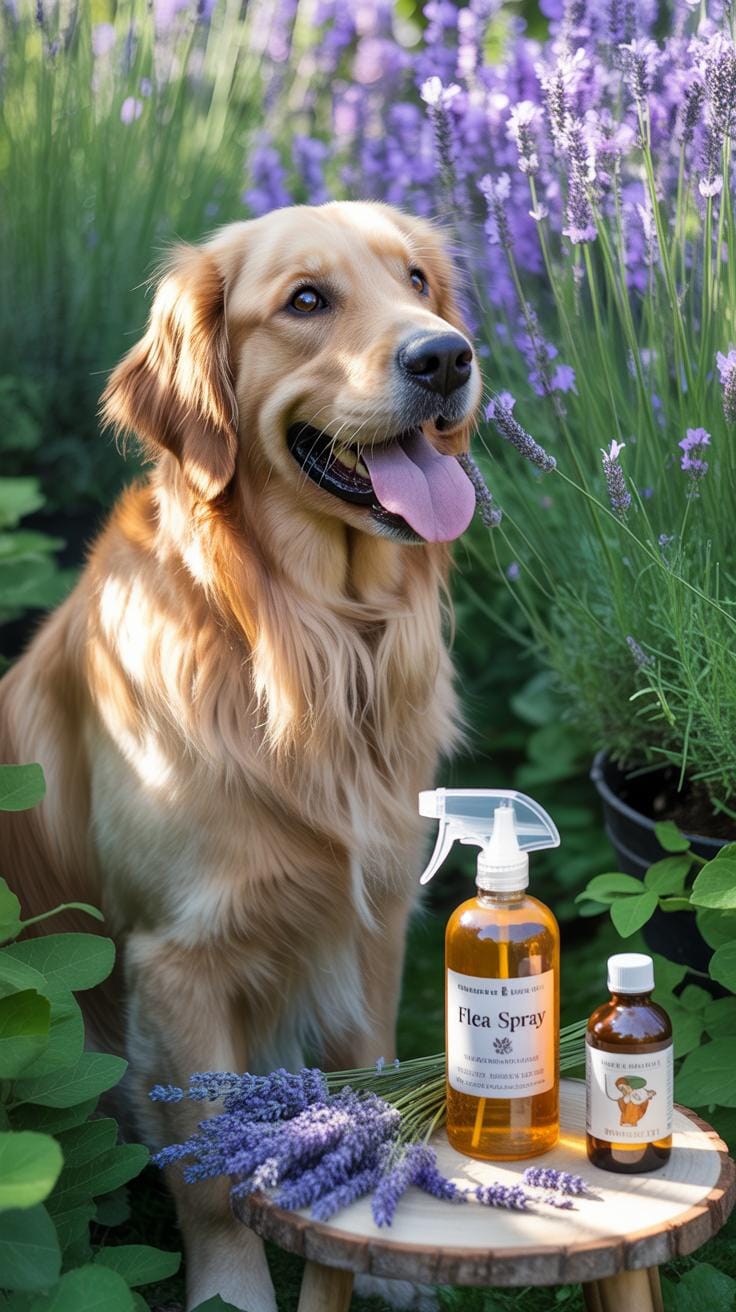
Why Apple Cider Vinegar Is Commonly Used In Homemade Flea Sprays For Dogs
Apple cider vinegar serves as a potent repellent because of its acetic acid content. Fleas dislike the smell and the acidic taste of the liquid. It does not kill fleas on contact like chemical neurotoxins. Instead, it creates an acidic environment on the dog skin that pests find unattractive. This shift in pH levels makes the host a difficult target for infestation.
Apply the vinegar by mixing it with equal parts water in a spray bottle. Mist the dog before outdoor excursions to create a temporary barrier. Focus on the underbelly and the base of the tail where fleas congregate. The scent dissipates as it dries, but the residue remains effective for several hours. This method provides a low-cost and non-toxic layer of defense for your animal.
Lavender And Cedarwood Oil As Flea Deterring Additives In Homemade Formulas
Lavender and cedarwood oils contain natural compounds that disrupt flea sensory receptors. Linalool in lavender acts as a mild sedative to insects and keeps them away. Cedarwood oil contains cedrol, which can dehydrate fleas and larvae upon exposure. These oils enhance the efficacy of water-based sprays. They provide a multi-layered approach to pest management without using synthetic ingredients or harsh industrial pollutants.

Safety requires heavy dilution of these essential oils before topical application. Use high-quality therapeutic oils to avoid synthetic fillers that irritate canine skin. Mix two drops of oil per cup of water or vinegar base. Test a small area of the dog skin first to check for allergic reactions. Dilution prevents toxicity while maintaining the repellent properties needed to stop fleas from hitching a ride.
Getting Rid Of Fleas On Dogs Using Natural Remedies A Practical Approach
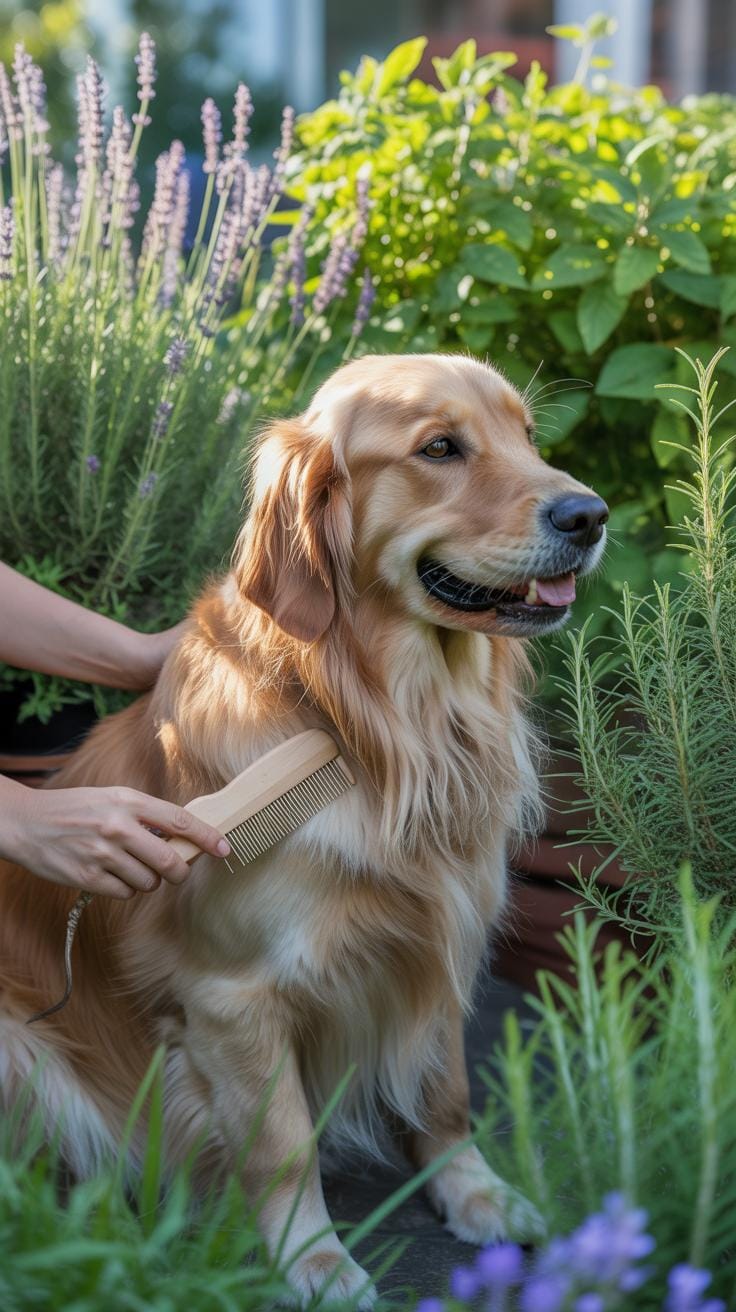
Flea Combing, Bathing, And Grooming Techniques That Remove Fleas Without Chemicals
Mechanical removal is your first line of defense. Use a high-quality metal flea comb with thirty teeth per inch. Start at the head and move toward the tail. Dunk the comb into soapy water after every pass to drown the pests. This physical action removes adult fleas, eggs, and larvae directly from the coat. Focus on the tail base and neck where fleas congregate.
Bathing provides immediate relief by suffocating active fleas. Use a basic castile soap or a natural shampoo. Start lathering at the neck to create a soap barrier. This prevents fleas from fleeing to the head and ears. Leave the lather on for ten minutes to ensure total submersion. Rinse thoroughly and follow with a final combing session while the fur remains wet and sleek.
How Consistent Grooming Habits Reduce Flea Infestations On Your Dog Over Time
Consistency breaks the flea life cycle without toxic intervention. Daily combing sessions identify new arrivals before they lay eggs. One female flea can lay fifty eggs a day. Removing just one adult prevents thousands of future offspring. Regular grooming also improves skin health by distributing natural oils. A healthy coat makes it harder for parasites to hide and burrow near the skin.

Persistent grooming transforms your dog into a hostile environment for pests. Frequent inspections allow you to catch “hot spots” before they become secondary infections. This proactive data collection tells you exactly when environmental flea pressure increases. Use these sessions to check paws and underarms for hitchhikers. Maintaining this schedule ensures that your natural prevention strategy remains effective throughout the peak flea season months.
Natural Flea Remedies You Can Use Both On Your Dog And Around The House
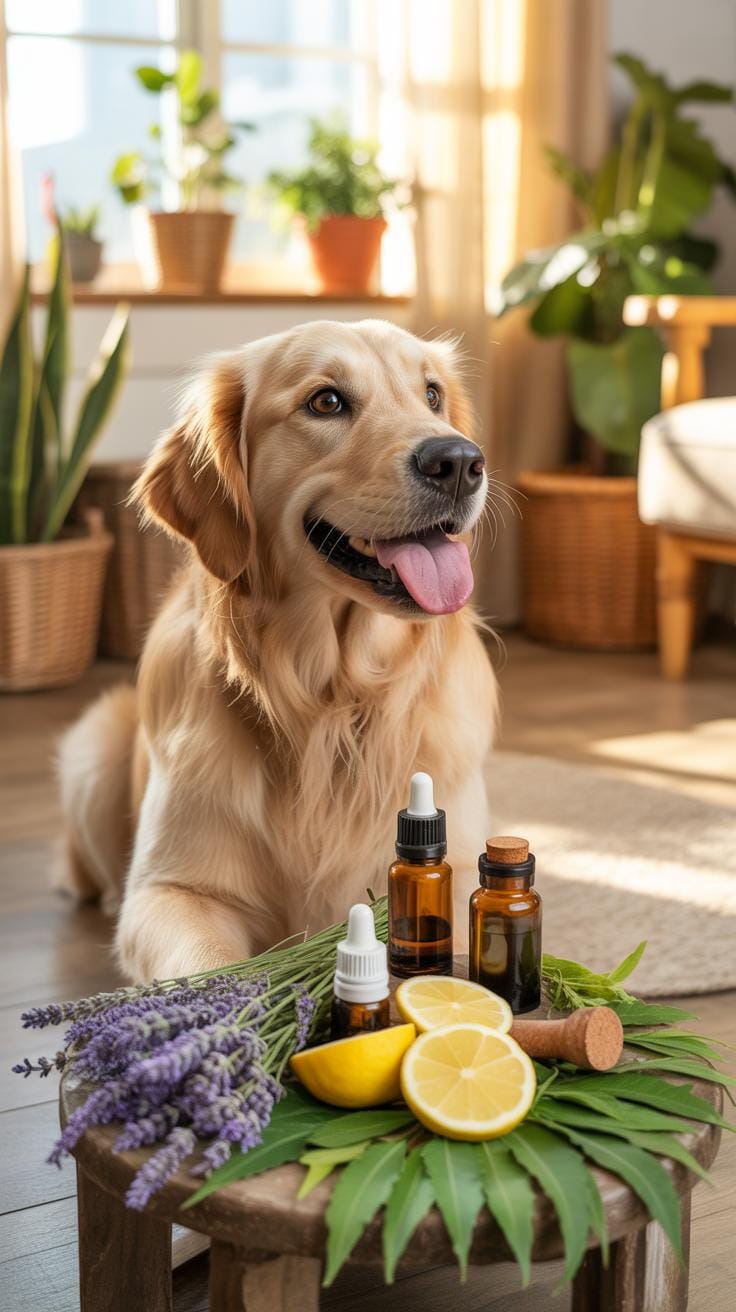
Diatomaceous Earth And Neem Oil: How These Natural Remedies Target Fleas At The Source
Food grade diatomaceous earth works through mechanical action rather than chemical toxicity. This silica based powder consists of fossilized algae with microscopic sharp edges. These edges pierce the protective exoskeleton of adult fleas and larvae. This causes the insects to dehydrate and die within hours of contact. You must apply it directly to carpets, pet bedding, and floor cracks where fleas hide and breed.
Neem oil contains azadirachtin which disrupts the life cycle of the flea. This compound mimics growth hormones and prevents larvae from molting into adults. It also acts as a potent repellent when applied to the coat. You can mix it into dog shampoo or dilute it for a topical spray. Neem works best as a dual layer of protection for the animal and the immediate environment.
Herbal Flea Collars And Natural Flea Remedies That Offer Ongoing Protection
Herbal flea collars use essential oils to create a scent barrier around the dog. These devices prioritize prevention by masking the host scent. Common oils like cedarwood and peppermint irritate the sensory organs of the flea. This forces the parasites to find a different host. You must replace these collars every few weeks because the active scent compounds evaporate. Proper fit ensures the oils stay effective.

Topical herbal sprays add another layer of defense for daily walks. These mixtures often include rose geranium or lemongrass oils to repel ticks and fleas. You should focus application on the legs and underbelly where fleas typically jump onto the animal. Consistency is the most important factor for success. Frequent reapplication maintains a hostile environment for pests. Natural methods require more work but avoid the use of harsh synthetic pesticides.
DIY Flea Spray For The House Treating Your Home Environment Naturally

How To Make A DIY Flea Spray For Your House Using Safe, Non Toxic Ingredients
A functional natural spray must utilize acidic or abrasive properties to disrupt the flea life cycle without poisoning your dog. Distilled white vinegar and apple cider vinegar serve as effective liquid bases because their high acidity repels adult fleas and breaks down outer shells. Combining these liquids with water creates a solution that you can safely apply to most household fabrics and hard floors.
- Distilled White Vinegar: Use this clear liquid as your primary cleaning agent. It creates an acidic environment that fleas find inhospitable. It is inexpensive and does not stain most light-colored upholstery or carpets when diluted properly with water.
- Apple Cider Vinegar: This fermented liquid contains specific enzymes that repel pests through scent and taste. While it has a stronger odor than white vinegar, it offers additional antimicrobial benefits. Use it in a fifty-fifty ratio with filtered water for the best results.
- Lemon Juice: Citric acid acts as a natural deterrent for many crawling insects. Boil sliced lemons in water and let the mixture steep overnight to create a potent infusion. This liquid adds a fresh scent while actively discouraging fleas from nesting in carpet fibers.
- Witch Hazel: Use this as a stabilizer to help the water and acidic components mix thoroughly. It helps the spray dry faster on surfaces, which prevents mold growth in humid environments. It is safe for dogs and does not leave a sticky residue behind.
- Table Salt: Dissolve fine-grain salt into your spray mixture to dehydrate flea eggs and larvae upon contact. Salt draws moisture out of the pests, effectively killing them before they reach adulthood. Use this only on rugs and carpets to avoid damaging sensitive wooden furniture.
Avoid adding essential oils like tea tree or pennyroyal to your household spray. Many concentrated oils are toxic to dogs if they lick treated surfaces or breathe in the particles. Stick to simple food-grade ingredients to ensure the safety of your pets and family. Shake the spray bottle vigorously before every use to keep the solution consistent and effective during application.
Key Areas In Your Home To Target When Applying A Natural Flea House Spray
Focus your spraying efforts on areas where your dog spends the most time resting. Fleas drop eggs into the environment, and these eggs concentrate in pet bedding, rugs, and furniture crevices. Apply the vinegar solution heavily to the baseboards and the cracks between floorboards. These dark spots provide the ideal hiding places for larvae to develop away from light and foot traffic.

Thoroughly treat the transition zones between different flooring types, such as where carpet meets hardwood. Do not ignore the spaces under heavy furniture or inside dog crates. Repeat the application every three days to match the hatching cycle of the flea. Consistent treatment prevents a new generation of pests from maturing and reinfesting your dog. Clean and vacuum all areas before applying the spray to maximize surface penetration.
Natural Tick Repellent For Dogs Protecting Against Ticks Using Plant Based Solutions
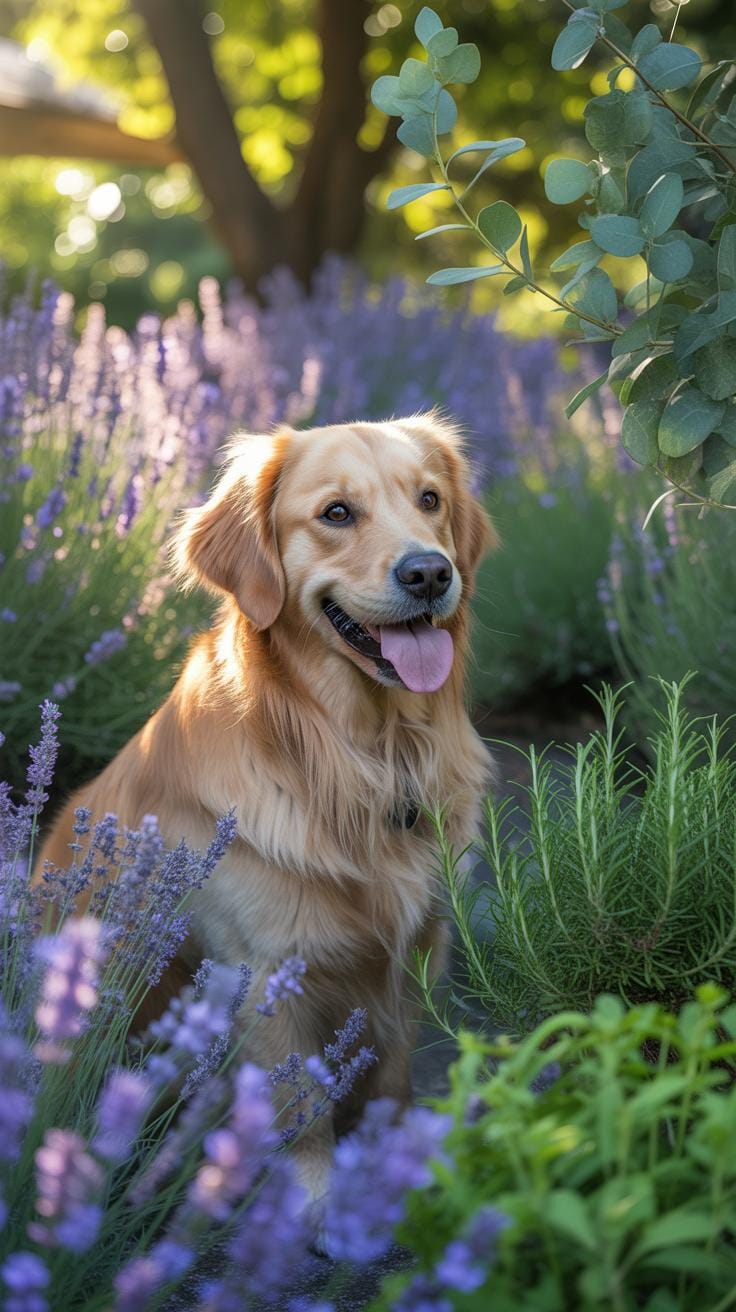
Which Natural Tick Repellent Ingredients Are Considered Safe And Effective For Dogs
Rose geranium oil contains geraniol which actively repels ticks. This oil alters the scent profile of the dog to make it an unattractive host. Cedarwood oil acts as a mechanical killer and repellent. It leeches moisture from insects and disrupts their respiratory systems. These plant based compounds offer a tactical advantage when applied to the collar or harness before outdoor activity.
Quality control matters more than scent intensity. Always use therapeutic grade essential oils to avoid synthetic fillers. Dilution is mandatory because dogs have sensitive skin and a powerful sense of smell. Mix two drops of oil with a tablespoon of carrier oil like almond or coconut. High concentrations can cause skin irritation or neurological distress. Apply sparingly to areas where ticks commonly attach.
The Difference Between Flea Prevention And Tick Repellent Strategies For Dogs
Flea prevention focuses on the entire life cycle within the home environment. Fleas live mostly in carpets and bedding while jumping on the host to feed. Control requires treating the environment to stop egg production. Strategic flea management uses insect growth regulators and consistent vacuuming. The goal is to break the cycle of infestation. Fleas are a marathon problem requiring long term environmental maintenance.

Tick repellent is a perimeter defense strategy. Ticks do not infest the indoors like fleas. They wait on tall grass or brush to latch onto a passing host. Repellent tactics must create a chemical barrier on the dog body specifically for outdoor excursions. You must check the dog immediately after walks to remove any hitchhikers. Tick defense is a point of contact battle focused on physical removal.
Tick Repellent For Dogs Combining Natural Methods With Smart Outdoor Habits
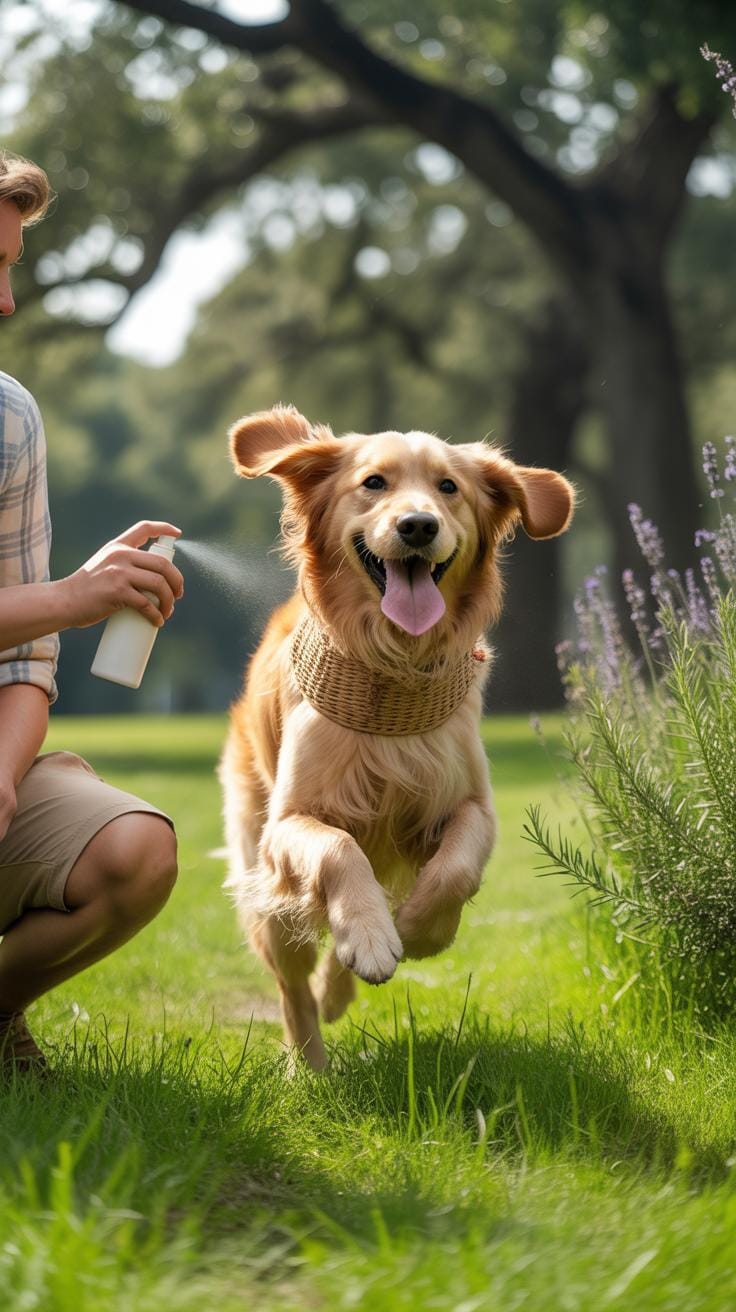
Landscape And Yard Practices That Naturally Reduce Tick Populations Around Your Dog
Ticks thrive in moist areas and tall grass. Keep your lawn mowed short to increase sunlight and lower humidity at the soil level. Use wood chips or gravel to create a three-foot buffer zone between your lawn and wooded areas. This physical barrier prevents ticks from migrating into your dog’s play space. Sunlight and dry air act as natural killers for these parasites.
Clear away leaf piles and brush regularly. These damp spots provide the perfect breeding ground for deer ticks. Move bird feeders and woodpiles away from the house to discourage rodents. Mice and squirrels carry tick larvae into your immediate environment. By managing the landscape, you disrupt the life cycle of the tick without using harsh chemicals. Proper yard maintenance is your first line of defense.
How To Perform A Post Walk Tick Check On Your Dog And When To See A Vet
Start your check the moment you return from a walk. Run your hands over your dog’s entire body with firm pressure. Feel for small bumps that were not there before. Pay close attention to the ears, eyelids, and under the collar. Ticks prefer warm and hidden spots like the armpits and between the toes. Early detection prevents the transmission of pathogens like Lyme disease.
If you find a tick, remove it immediately with fine-tipped tweezers. Pull upward with steady and even pressure to ensure the head does not break off. Visit a vet if your dog develops a fever or becomes lethargic after a bite. Watch for skin redness or a bulls-eye rash at the site. These symptoms indicate an infection that requires professional medical treatment. Quick action minimizes long-term health risks.
Choosing The Right Natural Flea Spray For Dogs Store Bought Vs Homemade Options
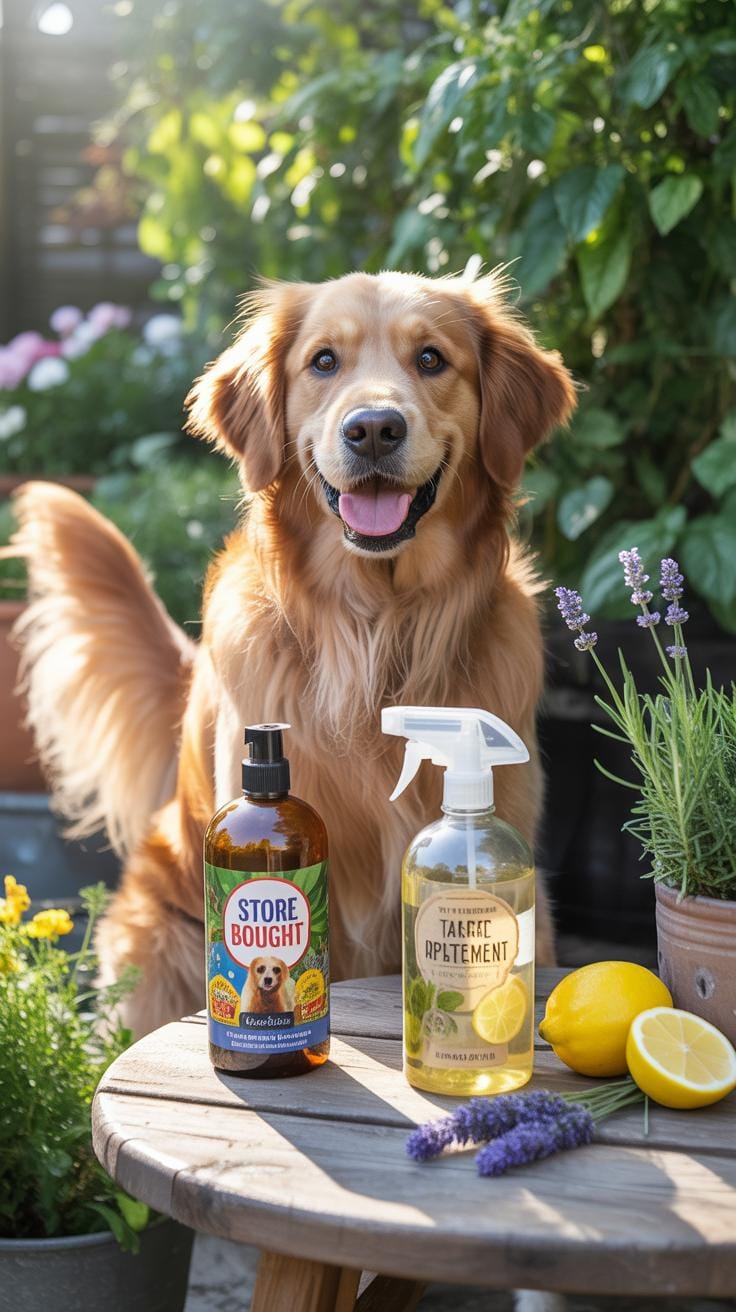
What To Look For On The Label When Buying A Natural Flea Spray For Dogs
Federal law mandates specific labeling for pesticides. For natural sprays, verify the active ingredients. Look for cedarwood, peppermint, or clove oil. These must be diluted properly to prevent skin irritation. Ensure the product lacks synthetic pyrethroids or hidden chemical solvents. Check for a Minimum Risk Pesticide label under EPA Section 25b. This ensures the ingredients meet safety standards for contact with pets.
The label must list inactive ingredients clearly. Avoid products containing unspecified fragrances or artificial colors. These additions offer no benefit and often cause allergic reactions. Scan for a clear expiration date to ensure potency. Effectiveness of essential oils degrades over time. Choose brands that specify the concentration of each oil. High concentrations burn the skin. Low concentrations fail to kill fleas or repel them.
When Natural Flea Prevention Alone May Not Be Enough And How To Know The Difference
Natural sprays work primarily as repellents. They rarely solve a massive infestation once larvae hatch in carpets. If you find more than five fleas on your dog during a single combing, the environment is compromised. Check for flea dirt which looks like black pepper on the skin. If it turns red when wet, you have an active breeding population. Natural methods struggle against rapid reproduction cycles.
Severe skin damage warrants immediate pharmaceutical intervention. Look for hair loss, red bumps, or crusty sores. These signs indicate Flea Allergy Dermatitis. A single bite can cause intense suffering for weeks. Use chemical treatments if the dog becomes anemic or lethargic. Natural prevention requires a healthy host and a clean environment. When the flea population outpaces the repellent, switch to a veterinarian-grade adulticide to stop the cycle.
Frequently Asked Questions

Does natural flea prevention really work for dogs?
Many pet parents wonder if botanical solutions can truly stand up to pests. When used consistently and correctly, natural flea prevention dogs can be highly effective at repelling insects before an infestation starts. These methods focus on creating an environment that fleas find inhospitable. By combining ingredients like cedarwood or rosemary with regular grooming and home maintenance, you can protect your pet without relying solely on harsh synthetic chemicals.
How can I make a natural flea spray at home?
Creating your own spray is a simple way to implement natural flea prevention dogs into your daily routine. Mix one part organic apple cider vinegar with one part water, then add a few drops of pet-safe essential oils like lavender or rose geranium. Lightly mist your dog’s coat before outdoor walks, being careful to avoid the eyes. This acidic, aromatic barrier discourages fleas from hitching a ride on your furry friend.
Is natural flea prevention more affordable than traditional treatments?
Generally, natural options are very budget-friendly because they often utilize common household pantry staples. Items like lemons, white vinegar, and nutritional yeast can be purchased in bulk for a fraction of the cost of prescription drops or oral tablets. While these methods require more frequent application and diligence, they offer a cost-effective and accessible way to manage pests while prioritizing your dog’s long-term wellness and reducing your monthly pet expenses.