What Is Gum Disease In Dogs And Why Does It Matter

Understanding Periodontal Disease In Dogs
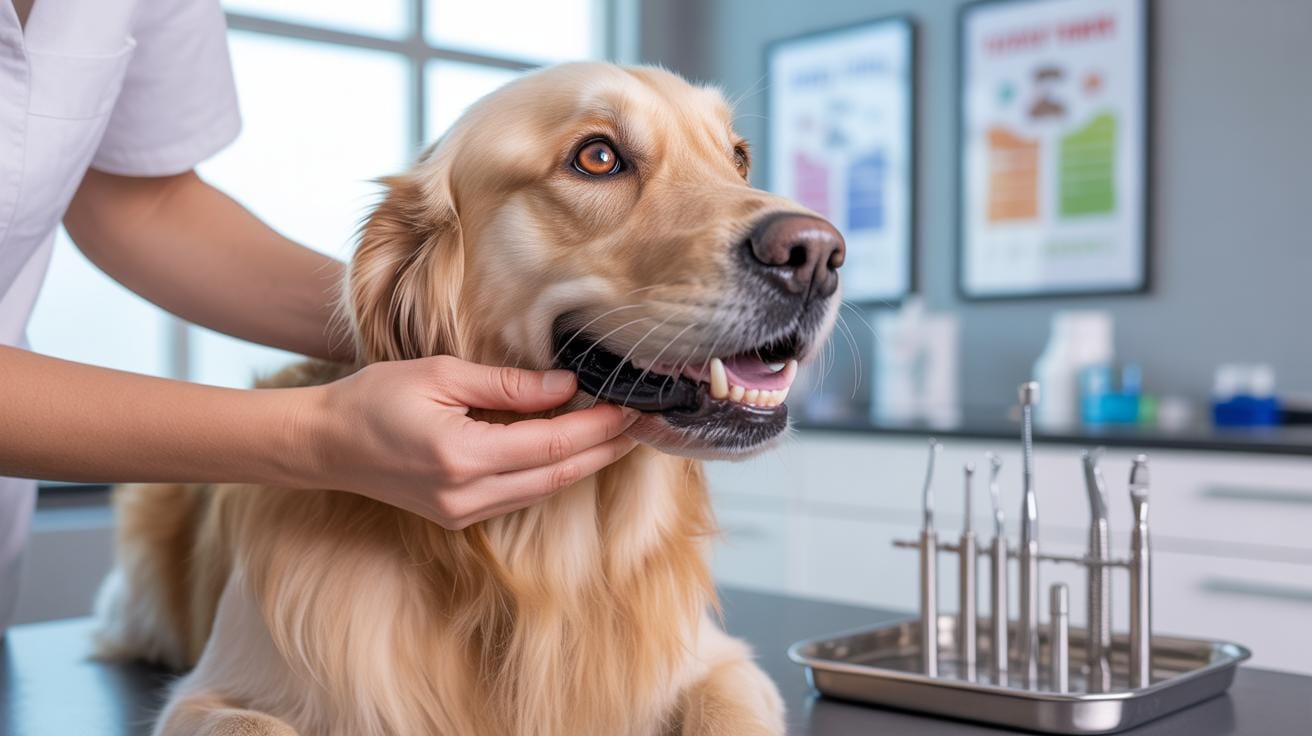
Gum disease or periodontal disease starts when bacteria film coats the teeth. This film is called plaque. When plaque stays on the teeth it reacts with minerals in saliva. This process turns soft plaque into hard tartar. Tartar provides a rough surface where more bacteria thrive. This growth damages the tissues that hold teeth in place. It leads to decay and pain.
Untreated gum disease causes more than just bad breath. The bacteria enter the bloodstream through inflamed gum tissue. Once in the blood these pathogens travel to vital organs like the heart and kidneys. This systemic spread causes long term internal damage. Keeping gums healthy prevents these serious health risks. It protects the structural integrity of the jawbone and ensures the dog remains comfortable.
How Common Is Gum Disease Among Dogs
Medical data confirms that gum disease is the most frequent health issue in adult dogs. Most dogs show signs of oral disease by age three. Smaller breeds often face higher risks due to crowded teeth. Food particles and bacteria get trapped easily in cramped spaces. Owners often miss the early stages because dogs hide their pain well. Regular checks are mandatory for prevention.
Early intervention is the only way to stop permanent damage. Statistics show that nearly eighty percent of dogs suffer from some form of periodontal illness. This high number results from a lack of daily brushing and professional cleaning. Once the disease progresses to the bone it becomes irreversible. You must recognize the warning signs early to avoid costly surgeries and tooth loss for your pet.

Recognizing Healthy Dog Gums The Baseline Every Owner Should Know
What Color And Texture Should Healthy Dog Gums Be
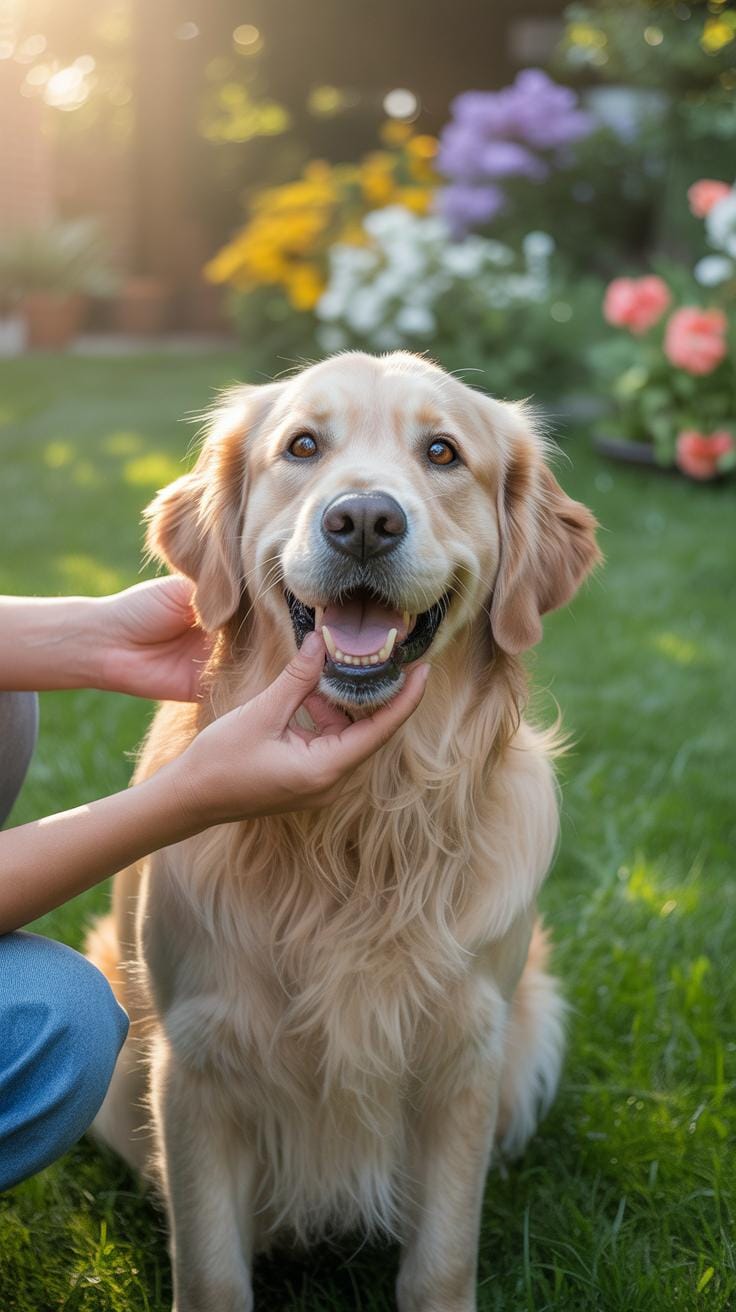
Healthy dog gums must be bubblegum pink. This specific shade indicates proper blood flow and oxygen levels in the tissue. Black spots are normal if they are part of the dog’s natural pigmentation from birth. You must distinguish between natural spots and sudden changes. The surface should feel firm and smooth to the touch. It must never feel soft or spongey under your finger.
The texture should be slick and moist. Saliva creates a consistent wet film over the gum line. Dry or tacky gums signal dehydration or systemic health issues. Healthy tissue fits tightly against the base of each tooth. You should not see local swelling or pockets where the gum meets the enamel. A thin pink line at the tooth base is the standard for a healthy canine mouth.
How To Perform A Simple Gum Health Check At Home
Start by lifting the upper lip while your dog is calm. Use your index finger to press firmly against the pink tissue above the canine tooth. This is the Capillary Refill Time test. The spot will turn white under pressure. It must return to its original pink color within two seconds. Slower return times suggest poor circulation or underlying dental disease that requires immediate professional attention.

Check the moisture levels by sliding your finger across the gums. They should feel slippery like a wet kitchen counter. If your finger sticks to the surface, the dog is likely dehydrated. Look for any bleeding after light contact. Healthy gums do not bleed during a basic inspection. Note any foul odors emanating from the gum line. A clean mouth has neutral breath without a sharp or rotten smell.
Using A Dog Gum Color Chart To Spot Early Warning Signs
What Each Gum Color Tells You About Your Dog’S Health
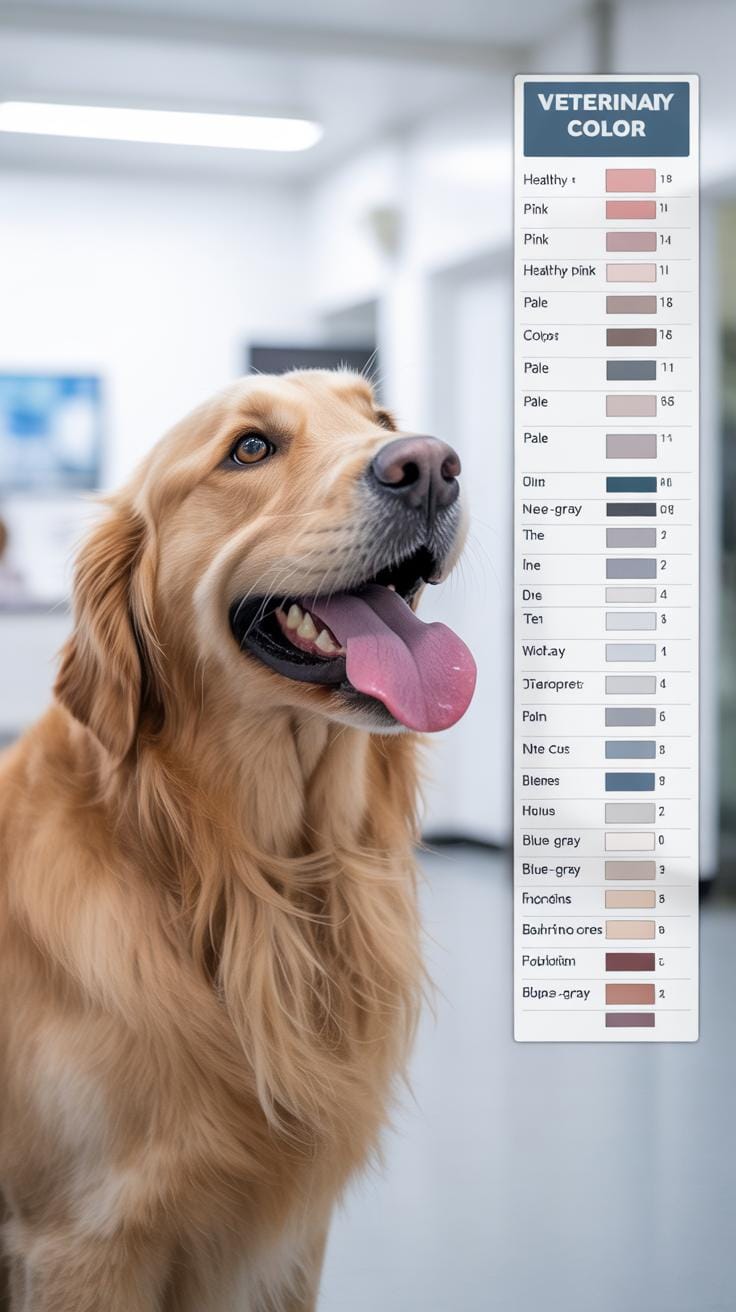
Healthy dog gums appear bubblegum pink. This color indicates proper blood flow and oxygen levels throughout the body. When you press your finger against pink gums, they should turn white and return to pink within two seconds. This test measures capillary refill time. It serves as a baseline for your dog’s oral health. Anything drifting from this standard shade requires your immediate attention.
Red gums indicate inflammation or infection. This redness usually appears along the gum line where the teeth meet the soft tissue. It signals that the immune system is fighting bacteria. Pale or white gums suggest a lack of blood flow or anemia. Blue or purple tints signal a lack of oxygen in the bloodstream. Yellow gums often point to liver issues or jaundice rather than dental disease.
When Gum Color Changes Signal A Dental Or Systemic Problem
A dark red stripe along the gum line is a primary sign of gingivitis. This change happens as bacteria irritate the tissue and cause blood vessels to dilate. You must recognize this shift early to prevent bone loss. Dental disease progresses quickly once the tissue loses its healthy pink hue. Ignoring these shifts allows infection to enter the bloodstream and damage vital internal organs.

Systemic failures often manifest first in the mouth. Sudden paleness may mean internal bleeding or shock rather than a simple tooth ache. Gums that look muddy or gray indicate a life-threatening emergency. You should check your dog’s mouth weekly to catch these variations. Early detection of color changes allows for cheaper and more effective medical intervention. Constant monitoring prevents minor dental issues from becoming fatal systemic infections.
Red Gums In Dogs Inflammation Gingivitis And Early Disease

Why Redness Along The Gumline Is One Of The First Dog Gum Disease Signs
Redness along the gumline marks the initial stage of canine periodontal disease. Healthy gums appear light pink and firm. When bacteria accumulate, the body responds by sending more blood to the area. This increased blood flow changes the tissue color from pink to a vivid red. This change occurs exactly where the tooth meets the soft tissue. You must check this boundary daily.
Early redness serves as a tactical warning for owners. It indicates that the immune system is currently fighting a local infection. This stage is called gingivitis. It is the only phase of gum disease that is fully reversible. If you ignore this red line, the infection will spread deeper. The tissue will eventually pull away from the bone. Identifying this color change early prevents permanent structural damage.
What Causes Red And Swollen Gums In Dogs
Plaque is the primary cause of red and swollen gums. It is a sticky film of bacteria and food particles. Plaque forms on the teeth within hours after eating. If you do not brush it away, it hardens into tartar. Tartar provides a rough surface that traps even more bacteria. These bacteria release toxins that irritate the gum tissue. This irritation causes the visible swelling and redness.

The swelling happens because of the inflammatory response. The dog’s body treats the bacteria as a foreign invader. White blood cells swarm the area to neutralize the threat. This process causes the gums to puff up and become sensitive. Swollen tissue creates deep pockets between the tooth and the gum. These pockets trap more debris and accelerate the decay. Consistent mechanical cleaning is the only way to stop this cycle.
White Gums And Pale Gums In Dogs When To Be Seriously Concerned
The Difference Between White Gums And Pale Gums In Dogs
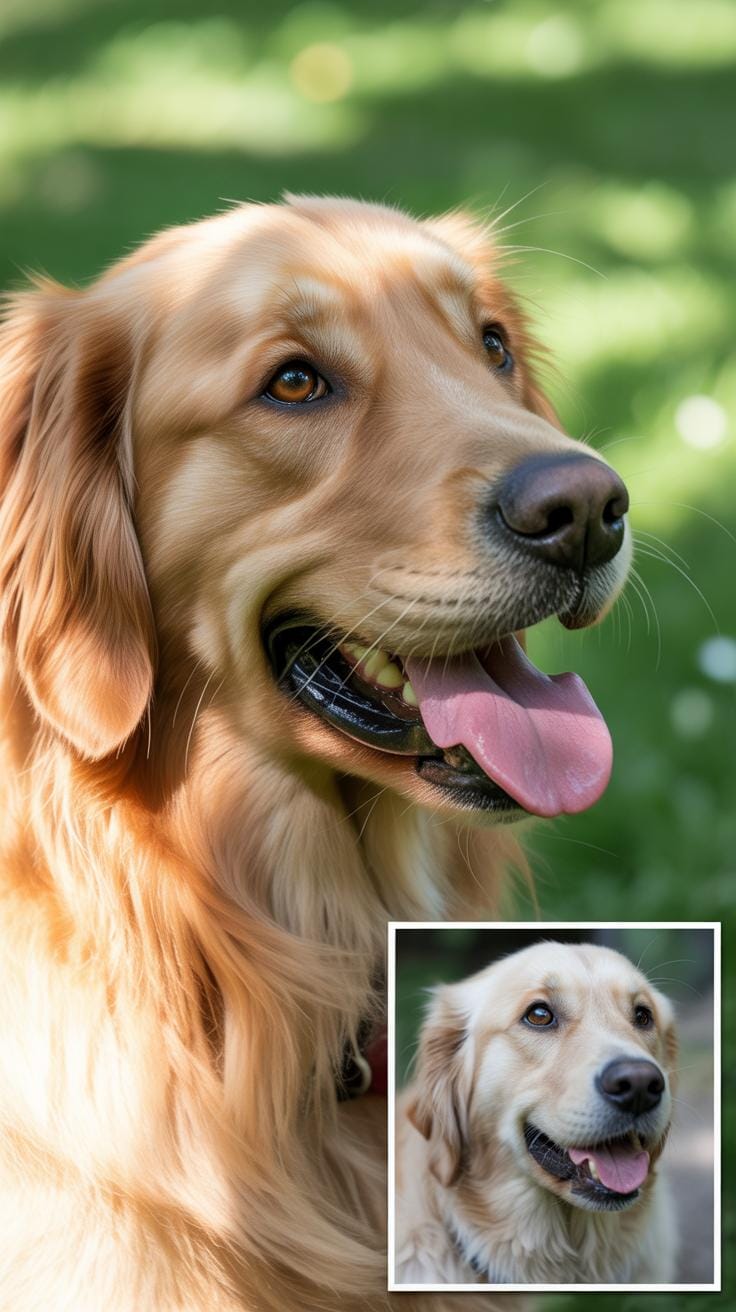
Healthy dog gums show a bubblegum pink color. Pale gums look light pink or salmon colored. This change signals a decrease in red blood cells or poor blood flow. You can test this by pressing the gum with your finger. The spot should turn white and return to pink within two seconds. If the color stays light, the dog has a circulation issue.
White gums represent a complete lack of pigment or blood flow in the oral tissue. This status is a critical medical emergency. While pale gums suggest an oncoming problem, white gums mean the body is failing. You must distinguish between the two quickly. Pale tissue looks washed out while white tissue looks like porcelain or paper. Both states require immediate veterinary intervention to prevent organ failure.
Health Conditions Linked To Pale Or White Gums In Dogs
Pale gums often point to anemia or internal bleeding. Parasites like hookworms or fleas consume blood and lower cell counts. These conditions drain the oxygen from the system. If the dog loses blood internally from a ruptured tumor or trauma, the gums will lose color fast. Heart disease also causes this symptom because the heart cannot pump enough blood to the extremities.

White gums usually indicate shock or severe blood loss. When a dog enters shock, the body pulls blood away from the surface to protect vital organs. This reaction leaves the mouth colorless. Kidney failure and heavy metal poisoning also cause extreme gum discoloration. If you see white gums, the dog is likely in a life-threatening state. Seek a trauma center immediately to stabilize the animal.
Bad Dog Breath More Than Just An Unpleasant Odor
Why Halitosis In Dogs Is Often A Sign Of Underlying Gum Disease
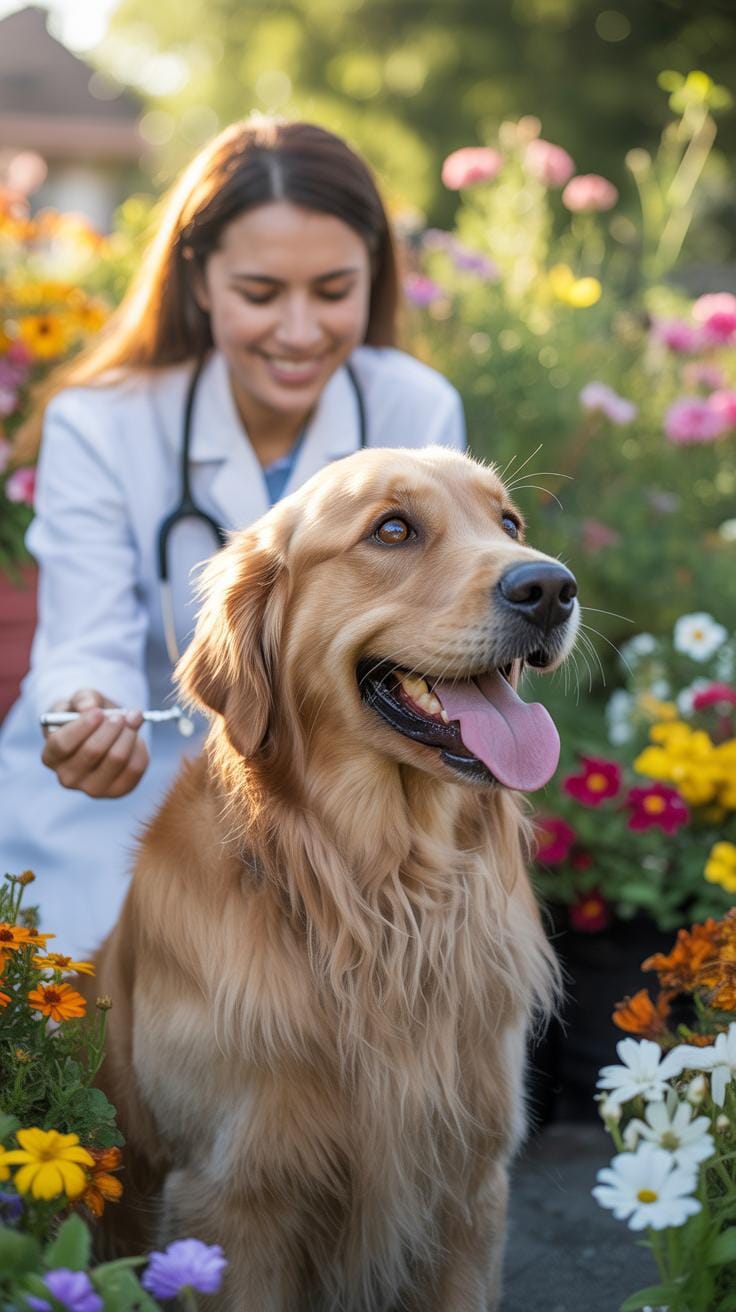
Bad breath occurs when bacteria accumulate in the mouth. These bacteria form a sticky film called plaque on the teeth. Plaque eventually hardens into tartar or calculus. This mineralized buildup provides a rough surface for more bacteria to thrive. The microbes release sulfur compounds as they consume organic matter. These compounds create the foul odor known as halitosis in dogs.
Chronic bad breath signals an active infection. Bacteria irritate the gums and cause inflammation. This stage is gingivitis. Untreated bacteria migrate below the gum line to destroy the supporting structures of the teeth. This progression leads to periodontal disease. Odor is the first visible indicator of this internal decay. Ignoring the smell allows the infection to spread into the dog’s bloodstream.
How To Tell The Difference Between Normal Dog Breath And A Warning Sign
Normal dog breath does not smell sweet or fresh. It should be neutral and non-offensive. You will notice a slight scent from their food or saliva. This mild odor disappears shortly after the dog eats or drinks. Healthy gums are pink and firm. Healthy teeth do not have heavy brown or yellow staining. A neutral scent indicates that the oral biome remains balanced.

Warning signs are distinct and persistent. Foul breath that smells like rotting meat or garbage is not normal. A sweet or fruity scent can indicate different metabolic issues like diabetes. A smell similar to urine may suggest kidney problems. If the odor remains strong for days, the dog has an infection. You must check for red gums or bleeding to confirm active gum disease.
Dog Tooth Infection Symptoms Risks And What Happens If Left Untreated
How A Dog Tooth Infection Develops From Untreated Gum Disease
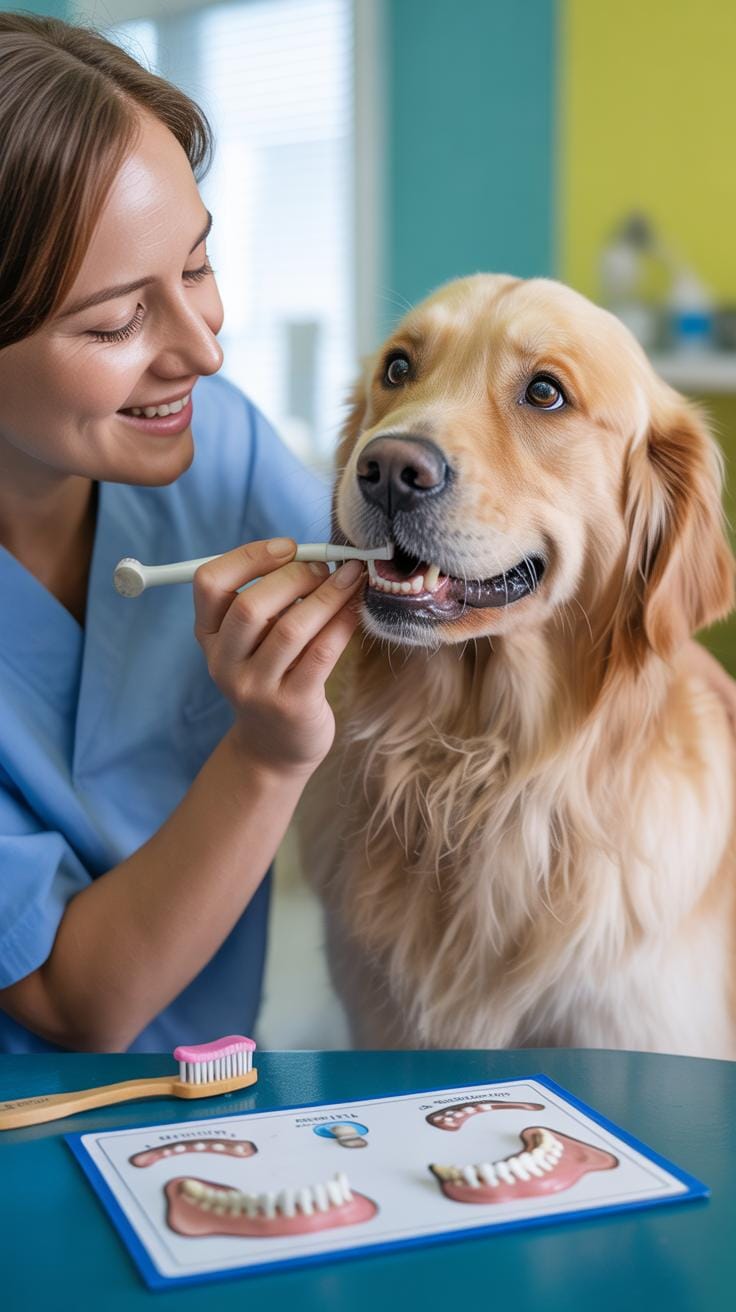
Gum disease begins when plaque hardens into tartar along the gum line. Bacteria thrive in these deposits and cause inflammation. This process destroys the soft tissue attaching the gum to the tooth. As the seal breaks, bacteria migrate deeper into the socket. They eventually reach the tooth root and the underlying bone. This creates a direct path for a serious internal infection.
The infection targets the pulp and the root canal system. Once the bacteria enter this space, they multiply rapidly. The body sends white blood cells to fight the invasion. This create pressure and pus within the confined space of the jawbone. If you do not intervene, the infection can enter the bloodstream. This systemic spread threatens vital organs like the heart, liver, and kidneys.
Signs Your Dog May Have A Tooth Abscess Or Oral Infection
A tooth abscess deep in the jaw causes significant pain. Your dog may stop eating hard kibble or drop food from their mouth. You might see swelling on the face or under the eye. This indicates a molar root infection has broken through the bone. Foul breath that smells like rotting meat is another red flag. Watch for pawing at the face or sudden irritability.

Bleeding gums and loose teeth signal advanced structural damage. You may notice thick, yellow discharge around the base of a tooth. This pus indicates an active immune response to a bacterial colony. Look for a red, swollen bump on the gum line. This is a draining tract for an abscess. Chronic infections also cause lethargy and fever as the dog’s body struggles to contain the spreading bacteria.
The Four Stages Of Dog Gum Disease And How Each Is Treated
Breaking Down Each Stage Of Canine Periodontal Disease
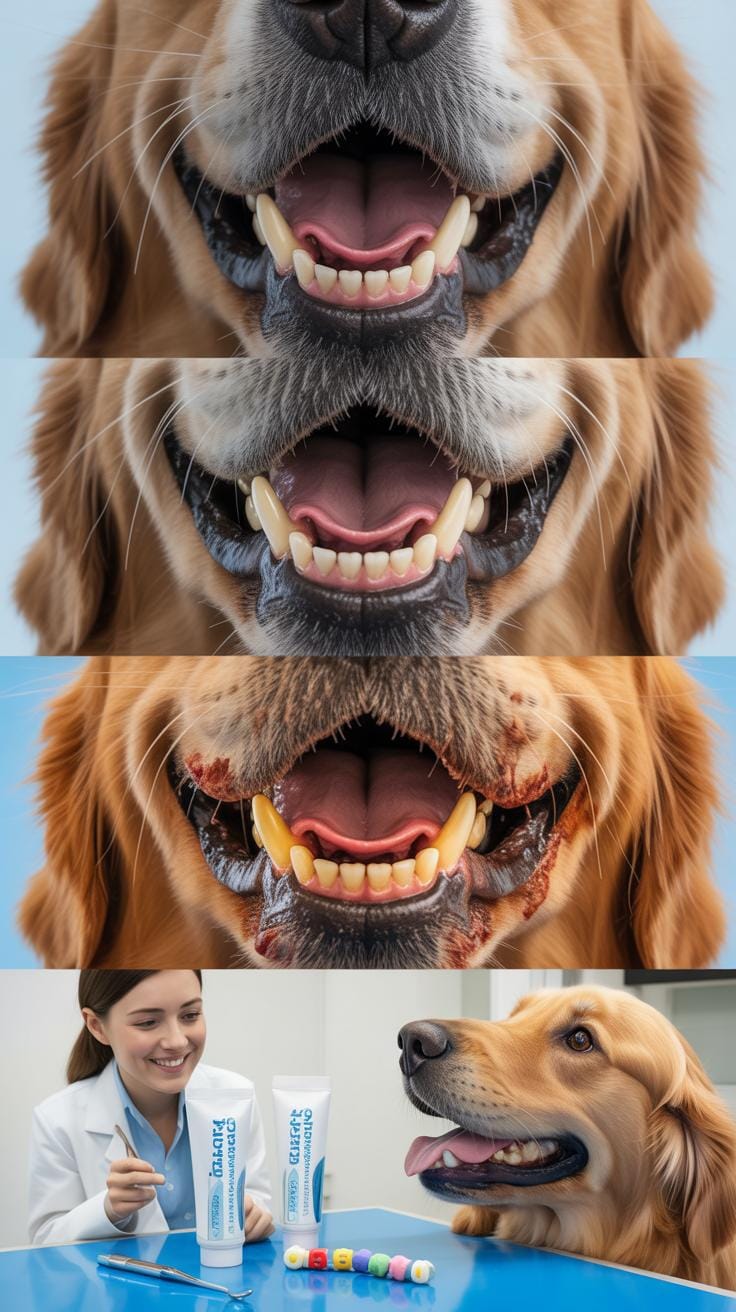
Stage one starts with gingivitis. You will see red margins along the teeth. Plaque builds up but the tooth attachment remains strong. This is the only reversible stage. Stage two involves early periodontitis. You lose up to twenty-five percent of the supporting bone. Gaps form between the gum and the tooth. Bacteria hide in these pockets and damage the tissue quickly.
Stage three is moderate periodontitis. Bone loss reaches fifty percent. Your dog feels constant pain now. The teeth might start to wiggle because the structure fails. Stage four is extreme. Over half of the bone is gone. Infection enters the bloodstream and can damage the heart or kidneys. Chronic inflammation destroys the remaining tissue. These dog gum disease signs signal a systemic health crisis.
The light in a dog’s eyes and the sweetness of their breath are the hallmarks of a happy home. Catching the small changes early ensures the wagging tails of today remain the healthy companions of tomorrow.
Veterinary Treatment Options For Each Stage Of Gum Disease
Veterinarians treat stage one with professional scaling and polishing. They remove plaque above and below the gum line. This prevents permanent damage. Stage two requires deep cleaning of the periodontal pockets. Doctors apply local antibiotics to kill hidden bacteria. This stops the progression before bone loss becomes severe. You must follow up with daily brushing at home to maintain these clinical results.

For stage three, the vet may perform flap surgery. They pull back the gum to clean the tooth roots directly. They use bone grafts to rebuild lost support. Stage four usually ends in tooth extraction. The damage is too deep to repair. Doctors prescribe systemic antibiotics and pain medication. Removing the infected teeth eliminates the source of chronic inflammation. This protects the organs from long-term bacterial exposure.
Dog Teeth Cleaning Professional Procedures And At Home Maintenance
What To Expect During A Professional Dog Teeth Cleaning At The Vet
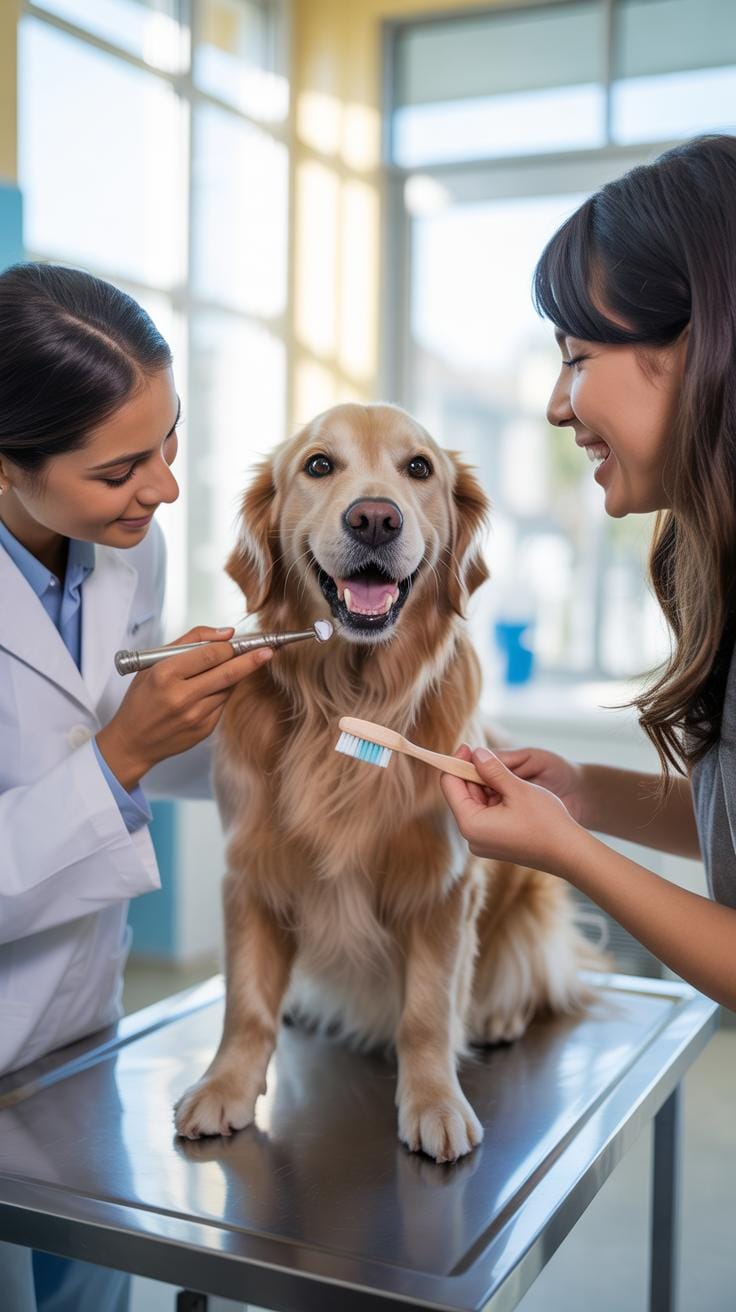
Professional cleaning begins with a full physical exam and blood work. These tests ensure the dog can handle general anesthesia safely. Veterinarians must use anesthesia to clean below the gum line where bacteria thrive. Without it, the vet cannot perform a deep scaling or take necessary dental X-rays. Intubation protects the airway from bacteria and water during the procedure.
Once the dog is stable, the vet uses ultrasonic scalers to remove plaque and tartar. They clean every tooth surface and the pockets under the gums. Technicians then polish the enamel to smooth out microscratches. This step prevents new bacteria from sticking to the teeth immediately. The vet finishes by probing each tooth for bone loss or hidden pockets of infection.
How Often Should You Brush Your Dogs Teeth At Home
Pet owners should brush their dog’s teeth every single day. Daily brushing is the only way to disrupt biofilm before it hardens into tartar. Plaque begins to mineralize into calculus within twenty-four to forty-eight hours. Skipping days allows this hard material to build up. Once tartar forms, a toothbrush cannot remove it. Only a professional cleaning can fix that.
Consistency creates a habit for both the owner and the dog. Use a soft brush and enzyme toothpaste specifically made for canines. Human toothpaste contains xylitol or fluoride which is toxic to dogs. Focus on the outside surfaces of the upper teeth first. Use gentle circular motions to clean the junction where the tooth meets the gum line. This prevents early dog gum disease signs.
Dog Dental Care Tips To Prevent Gum Disease Before It Starts
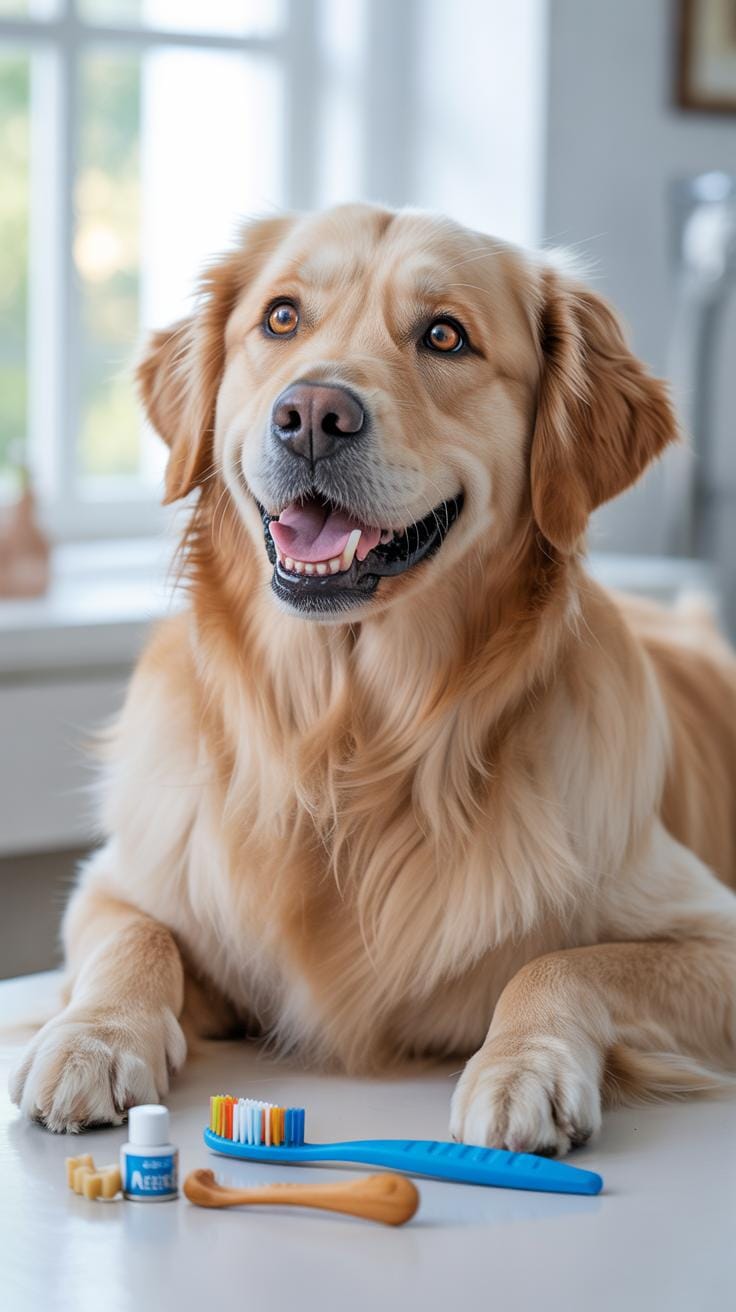
Proven Daily Habits That Support Strong Gum And Tooth Health In Dogs
Daily mechanical removal of plaque is the only way to stop tartar formation. Plaque hardens into calculus within thirty-six hours. Once this happens, you cannot brush it away. You must use a soft bristled brush and dog specific toothpaste. Human toothpaste contains xylitol or fluoride which poisons dogs. Focus your efforts on the outside of the upper teeth where most buildup occurs.
- Daily Brushing: Use a finger brush or long handled toothbrush to clean the gum line every day. This physical scrubbing breaks up the biofilm before it mineralizes into hard tartar. Consistency prevents the need for invasive professional scaling under anesthesia later.
- Mouth Inspections: Lift the lips weekly to check for redness or swelling along the gums. Early detection of gingivitis allows you to reverse the damage through improved hygiene. Look for bleeding during brushing as this indicates active inflammation and early stage periodontal disease.
- Water Additives: Mix veterinary approved enzymatic solutions into the daily drinking water to reduce the bacterial load in the mouth. These products work by breaking down the sticky matrix that allows plaque to cling to the teeth. It provides a passive layer of protection.
- Controlled Diet: Feed your dog at specific times rather than leaving food out all day. Constant grazing keeps the mouth acidic and provides a steady fuel source for bacteria. Scheduled feedings allow the natural saliva to neutralize acids and wash away food particles effectively.
- Professional Cleanings: Schedule annual examinations with a veterinarian to identify issues beneath the gum line. Professionals use probes to measure pocket depth and identify bone loss that is invisible to the naked eye. Regular checkups ensure that minor issues do not turn into systemic infections.
Training your dog to accept handling is vital for long term success. Start by rubbing their muzzle and gums with your fingers to build trust. Gradually introduce the brush and paste over several weeks. Positive reinforcement makes the process sustainable for both the owner and the pet. Skipping even two days allows bacterial colonies to mature and cause permanent damage to the periodontal ligament.
Dental Chews Diets And Products That Genuinely Help Reduce Plaque
Specific products can supplement daily brushing by using mechanical friction to scrub teeth. Look for the Veterinary Oral Health Council seal on packaging. This seal proves the product met strict standards for reducing plaque or tartar in clinical trials. Not all bones or toys are safe. Hard items like cow hooves or heavy nylon can fracture carnassial teeth and cause intense pain.
- VOHC Approved Chews: These chews utilize a specific texture that allows the tooth to sink into the material. This action wipes the tooth surface down to the gum line. Ensure the size matches your dog to prevent choking hazards or rapid swallowing without chewing.
- Prescription Dental Diets: Larger kibble size and a fibrous matrix force the dog to crunch through the food. Standard kibble often shatters too quickly to provide any cleaning benefit. These specialized diets act like a mechanical toothbrush during every meal to scrub away soft debris.
- Rubber Dental Toys: High quality rubber toys with ridges or nubs massage the gums and stimulate blood flow. When dogs chew these items, they increase saliva production which naturally contains antimicrobial properties. Avoid toys that are too hard to indent with your thumbnail to prevent tooth breakage.
- Enzymatic Toothpastes: These pastes contain glucose oxidase and lactoperoxidase to chemically fight bacteria even after you stop brushing. The enzymes continue to work in the saliva to inhibit plaque formation. Choose flavors like poultry or beef to make the daily hygiene routine more enjoyable.
- Dental Wipes: Use textured wipes for dogs that refuse a standard toothbrush. These wipes allow you to physically remove slime and debris from the surface of the teeth. While less effective than bristles at reaching the gingival sulcus, they provide a necessary alternative for difficult pets.
Evaluate every product based on its ability to provide friction without causing trauma. Avoid tennis balls because the abrasive fuzz acts like sandpaper and wears down tooth enamel over time. Focus on items that encourage prolonged chewing rather than quick swallowing. Proper tools reduce the bacterial load but they never replace the necessity of manual brushing and professional veterinary intervention for oral health.
Frequently Asked Questions

What are the first symptoms I should look for in my pet?
Identifying dog gum disease signs early is essential for your pet’s comfort. The most common initial symptoms include persistent bad breath, also known as halitosis, and a thin red line along the gum tissue. You may also notice your dog is slightly more hesitant when playing with chew toys. Catching these subtle changes during your weekly home health checks can prevent the condition from progressing into serious periodontal damage.
How can I treat early stage gum disease at home?
If you notice mild dog gum disease signs like redness or plaque buildup, start by establishing a daily brushing routine using pet-safe toothpaste. Applying veterinary-approved dental gels can also help soothe inflammation. Additionally, providing high-quality dental chews and crunchy kibble helps mechanically scrape away soft plaque. While professional cleaning is often necessary for advanced stages, consistent at-home hygiene is the most effective way to reverse early gingivitis and maintain oral health.
Is there a way to manage my dog’s dental health on a budget?
Maintaining your dog’s oral hygiene doesn’t have to be expensive. The most cost-effective tool is a simple finger brush and daily consistency, which prevents costly extractions later. You can also look for affordable water additives that help break down bacteria. Many veterinary clinics offer significant discounts during National Pet Dental Health Month in February, making professional cleanings more accessible for families looking to provide the best care without breaking the bank.