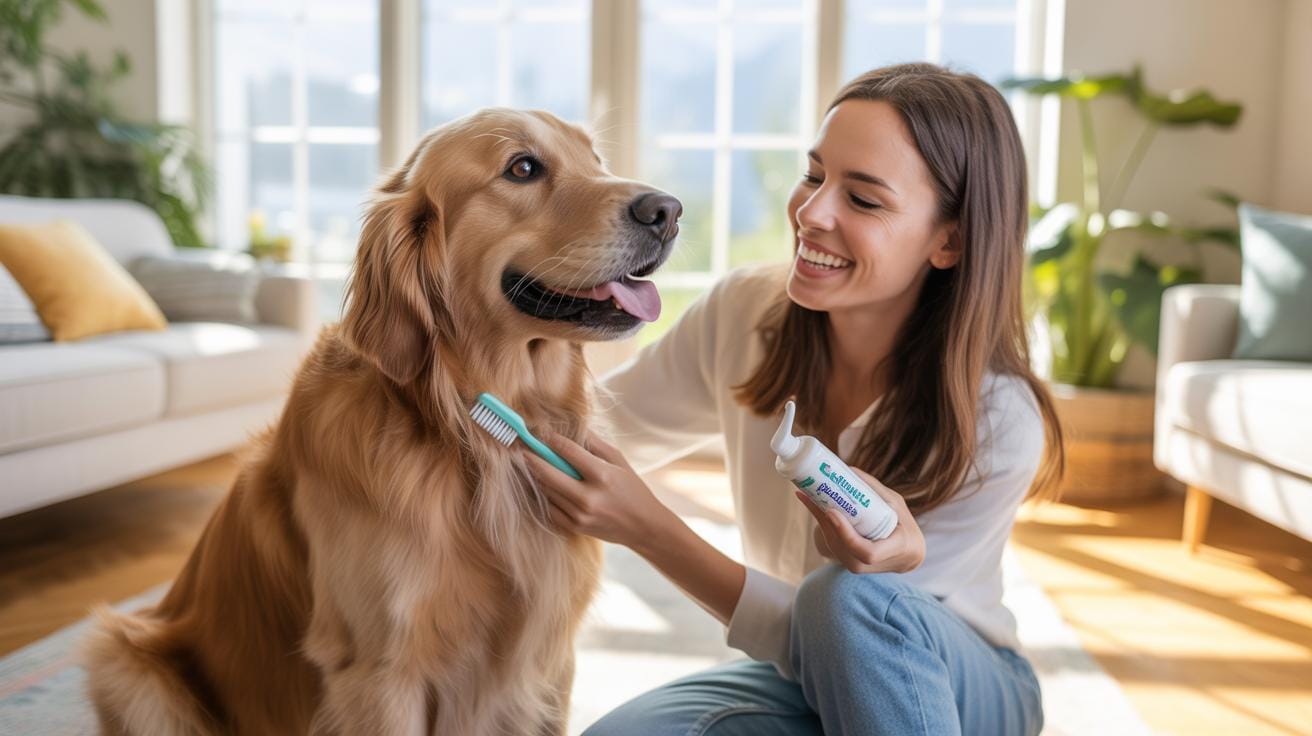
Why Dog Dental Health Matters More Than Most Pet Owners Realize
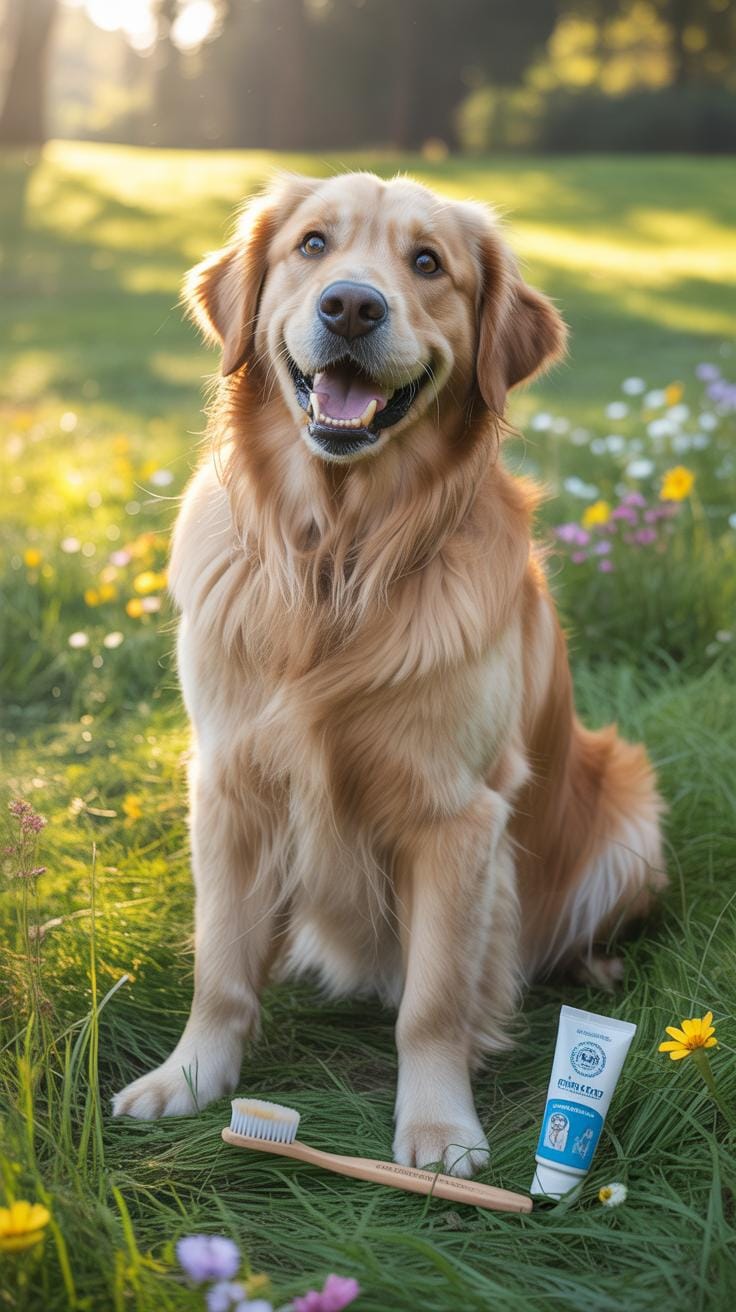
The Link Between Oral Health And Your Dogs Overall Well Being
Bad breath is not just a cosmetic issue. It indicates active bacterial growth in your dog’s mouth. These bacteria enter the bloodstream through inflamed gum tissue. Once inside the circulatory system, they travel to vital organs. This process puts immense strain on the heart, liver, and kidneys. Neglecting oral hygiene often leads to systemic infections that shorten your dog’s total life expectancy.
Chronic oral inflammation causes constant pain that dogs cannot communicate. This stress weakens the immune system over time. Many behavioral issues like lethargy or aggression stem from dental discomfort. Proper home care prevents gum disease from progressing into bone loss. Keeping the mouth clean protects the structure of the jaw. You save money on future vet bills by maintaining oral health now.
How Quickly Plaque And Tartar Build Up On Dog Teeth
Plaque begins to form on teeth within hours after a meal. It is a sticky film made of saliva, food particles, and bacteria. If you do not brush it away daily, it thickens quickly. This biofilm acts as a foundation for harder deposits. You have a very narrow window to remove plaque before it mineralizes. Consistency in your cleaning routine is the only way to stop this buildup.
Within forty-eight hours, plaque reacts with minerals in the saliva to become tartar. Tartar is a hard substance that adheres firmly to the enamel. You cannot remove tartar with a standard toothbrush at home. It provides a rough surface where more bacteria can grow and thrive. This cycle leads to gingivitis and periodontal disease. Swift action at the plaque stage prevents permanent damage to the canine teeth.

Understanding The Basics Of Dog Dental Care Before You Begin
What A Healthy Dog Mouth Looks And Smells Like
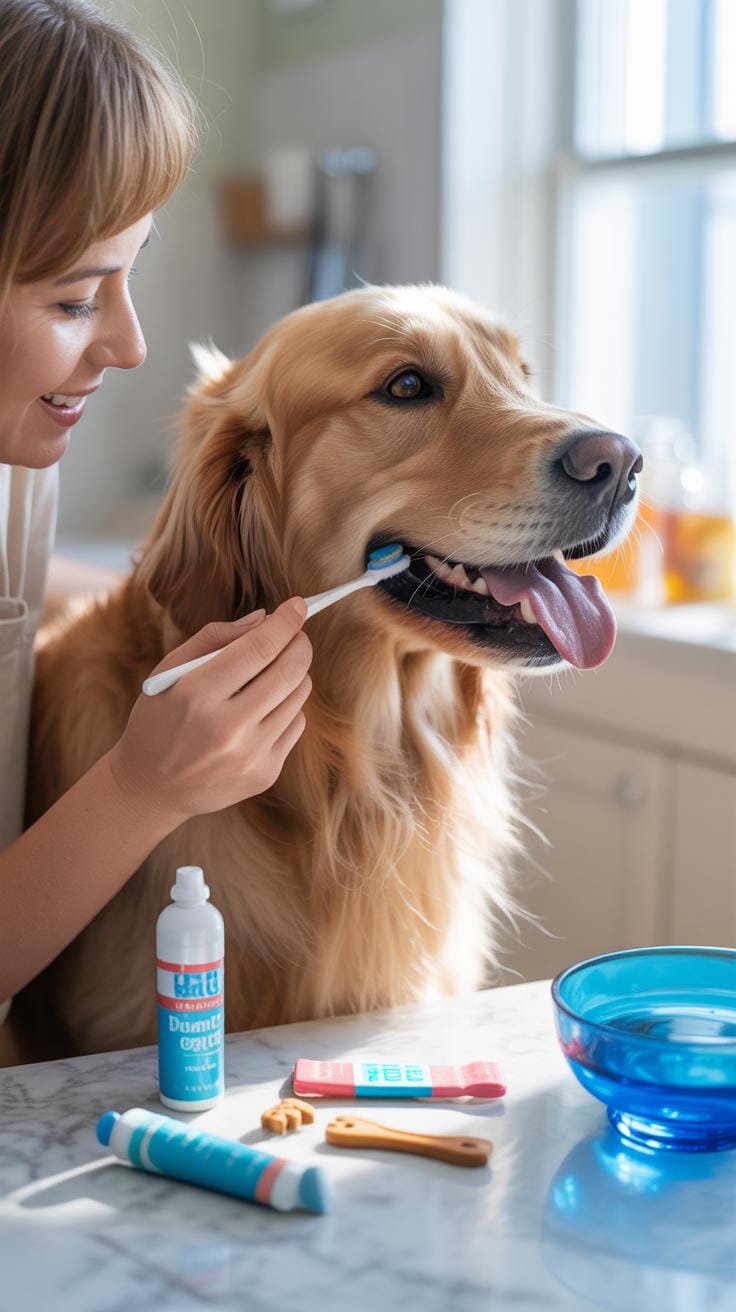
A healthy canine mouth starts with gums that appear salmon pink. These gums should feel firm to the touch and moist. They must meet the teeth without any visible swelling or recessed gaps. You should see white teeth that lack significant yellow or brown buildup. Smooth enamel indicates a strong protective layer against bacteria that naturally thrive in every dog mouth.
Breath quality provides an immediate diagnostic tool for owners. A healthy dog has breath that is relatively neutral. You should not smell a strong or offensive odor during normal interaction. While a slight scent is common after eating, persistent stench indicates an underlying issue. Clear saliva and clean surfaces on the tongue also signal that the oral microbiome remains in a balanced state.
Common Signs Of Poor Dog Dental Health You Should Never Ignore
Redness along the gum line indicates the first stage of irritation. This inflammation often leads to bleeding during play or chewing. You will see yellow tartar accumulating near the base of the teeth where they meet the gums. This hardened plaque creates a surface that traps more bacteria. Ignoring these physical signs allows infection to move deeper into the tooth roots.

Behavioral changes often signal oral pain before physical symptoms become severe. Dogs may drop food while eating or avoid hard kibble entirely. You might notice your pet pawing at its face or acting unusually irritable. Foul breath that smells like rotting meat suggests advanced decay or infection. These symptoms require immediate attention to prevent systemic health problems like heart or kidney damage.
What You Need To Get Started With Dog Teeth Cleaning DIY
Choosing The Right Toothbrush For Your Dogs Size And Breed
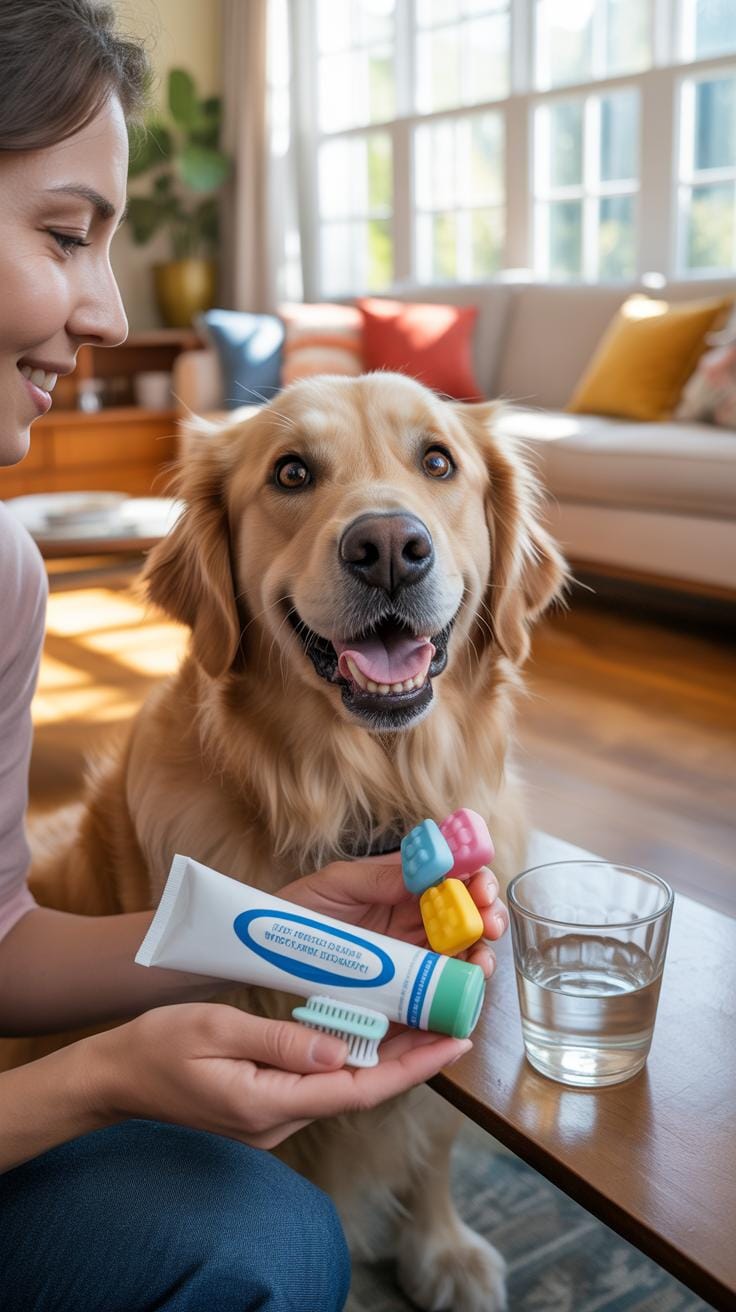
Select a brush based on the reach and jaw strength of your dog. Large breeds require long handles to access back molars where plaque builds up fast. Small breeds need compact heads to prevent gum bruising in tight spaces. Short bristles work best for aggressive chewers who might snap plastic components. Soft bristles protect the gingival margin from bleeding during your cleaning session.
Angled brushes allow you to clean the outer teeth surfaces without forcing the jaw wide open. Finger brushes provide better tactile feedback for puppies or nervous dogs. These silicone sleeves sit on your index finger for maximum control and pressure sensing. Dual headed brushes clean both sides of the tooth at once to save time. Choose a tool that fits the specific anatomy of your dogs mouth.
Essential Supplies For A Safe And Effective At Home Dog Dental Routine
Home dental care requires specific tools designed for canine physiology. Human products contain chemicals that harm dogs when swallowed. You must secure enzymatic cleaners that break down protein bonds in plaque. This process happens chemically rather than just through mechanical scrubbing. Proper preparation prevents injury to the dog and the handler. Gather everything before you start to keep the dog calm and stationary.
- Enzymatic Dog Toothpaste: Use only paste made for pets to avoid fluoride poisoning. These formulas contain enzymes like glucose oxidase to break down organic matter. They come in flavors like poultry to encourage the dog to accept the brush.
- Finger Brushes: Use these silicone tools for small dogs or beginners. They provide better control than long-handled brushes. You can feel the teeth through the material to ensure you hit the gum line. They are harder for dogs to chew.
- Dental Wipes: These textured pads provide a quick way to remove surface film and debris. Use them on days when a full brushing is not possible. They work well for pets that refuse to let a hard brush enter their mouth.
- Long Handled Toothbrushes: Select these for medium and large breeds to reach the deep molars safely. The angled neck helps you navigate the cheek area without causing discomfort. Look for soft nylon bristles to avoid irritating the sensitive gum tissues.
- High Value Rewards: Keep small healthy treats nearby to reinforce positive behavior during the session. Rewarding the dog immediately after brushing builds a manageable routine. Choose low calorie options to maintain overall health while focusing on oral hygiene.

Organize these supplies in a dedicated kit to ensure consistency. Keeping tools in one place reduces setup time and stress for the animal. Check the expiration dates on pastes regularly as active enzymes lose potency over time. Replace brushes every three months to prevent bacteria buildup on the bristles. Dedicated preparation ensures a professional level of care without the vet clinic bill.
How To Choose The Safest Dog Toothpaste For Cleaning Dogs Teeth
Why Human Toothpaste Is Dangerous And What To Use Instead
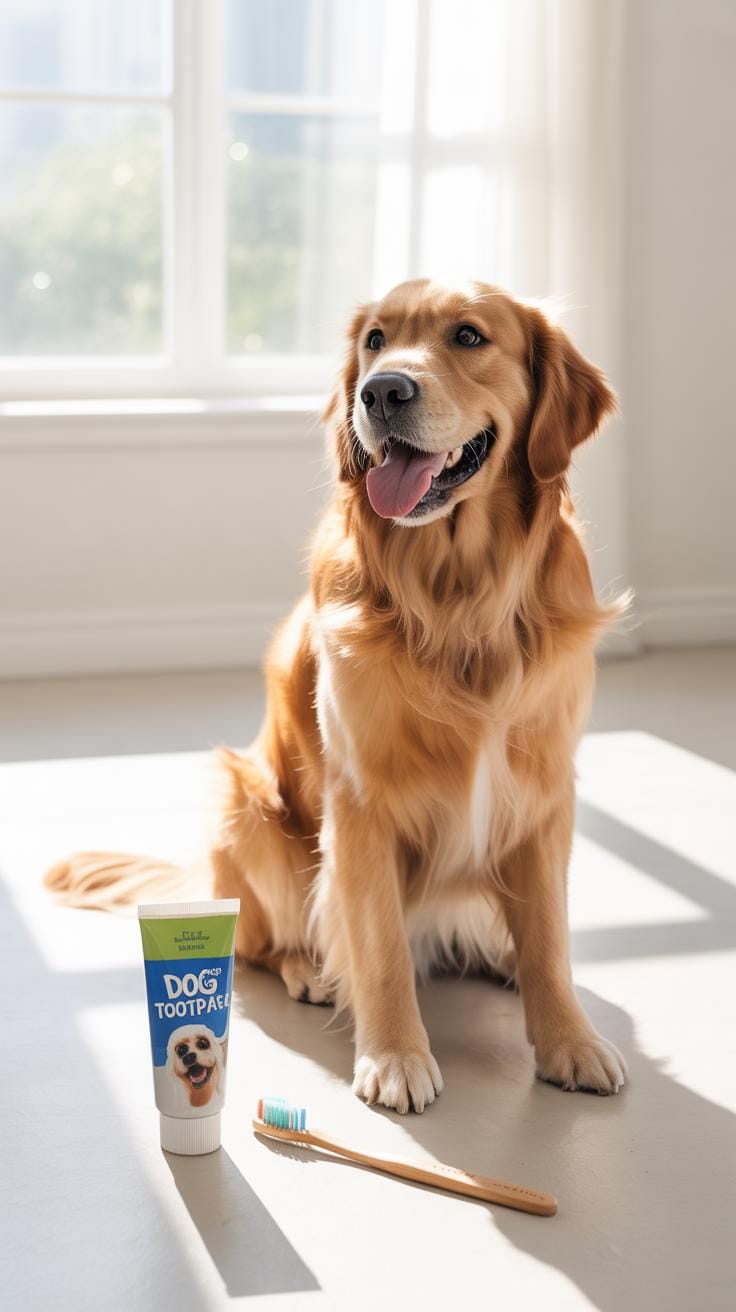
Human toothpaste contains ingredients that are toxic to dogs. Xylitol is a common artificial sweetener in human brands that causes rapid insulin release in canines. This lead to life-threatening low blood sugar and liver failure. Fluoride is another major risk factor. Humans spit out toothpaste but dogs swallow it. Excess fluoride ingestion causes severe gastric distress and permanent kidney damage in pets.
Pet-specific toothpaste solves these safety issues. These formulas use food-grade ingredients designed for ingestion. They lack foaming agents like sodium lauryl sulfate which upset a dog’s stomach. Manufacturers flavor these pastes with poultry or beef to encourage cooperation. Buying a product labeled specifically for canine use is the only way to avoid poisoning your animal during a routine cleaning session.
Vet Approved Ingredients To Look For In Dog Toothpaste
Effective dog toothpaste relies on enzymatic action to break down organic matter. Look for glucose oxidase and lactoperoxidase on the label. These enzymes produce antibacterial properties that fight plaque-forming bacteria. This chemical approach is vital because dogs rarely tolerate the vigorous scrubbing needed for mechanical cleaning alone. High-quality pastes also include mild abrasives like hydrated silica to help polish the tooth surface safely.

Strategic buyers check for the Veterinary Oral Health Council seal of acceptance. This seal proves the product met strict protocols for reducing plaque or tartar. Avoid products with heavy dyes or artificial preservatives. Chlorhexidine is a powerful antiseptic often found in clinical-grade pastes for dogs with existing gum disease. Focus on simple formulas that prioritize enzymatic cleaners to ensure the best results for long-term dental health.
How To Clean Dogs Teeth Step By Step At Home
How To Get Your Dog Comfortable With Having Their Mouth Touched
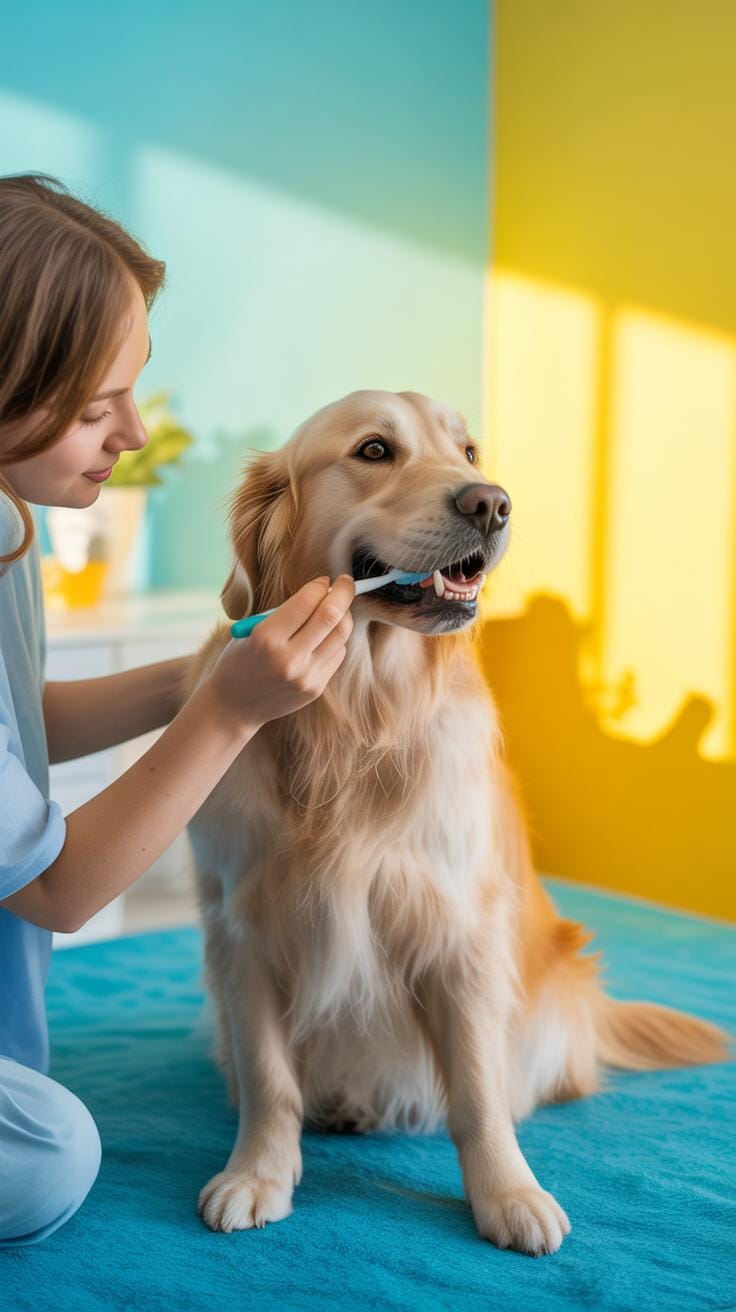
Desensitization is the first tactical step in dental care. Most dogs naturally protect their face and mouth. You must break this defensive instinct through consistent physical contact. Start by lifting the lips for five seconds daily. Rub the gums with a bare finger to mimic the sensation of a brush. Do not rush this process or you will create a permanent aversion.
Positive reinforcement cements this behavior. Provide a small reward immediately after touching the mouth. This creates a psychological link between dental handling and a high value benefit. Target the back molars specifically as these are the hardest areas to reach later. Repeat this drill until the dog remains calm and still. Moving to the next step before achieving this calm state will lead to failure.
The Correct Brushing Technique For Dogs Teeth Cleaning At Home
Focus on the gum line where plaque accumulates. Angle the bristles at forty five degrees to reach the sulcus. This is the gap between the tooth and the gum. You do not need to open the mouth wide. Slip the brush under the cheek while the jaw is closed. Move in small circular motions to disrupt the biofilm effectively.
- Angled Approach: Hold the brush at a forty five degree angle toward the gum line. This position allows the bristles to sweep away debris trapped under the soft tissue. Proper alignment prevents gum recession and ensures you target the most critical zones for bacterial growth.
- Circular Motion: Use steady circular movements rather than back and forth scrubbing. Circles cover more surface area and are less abrasive on sensitive gum tissue. This mechanical action is the most efficient way to break down sticky plaque before it calcifies into hard tartar.
- Focus on Outsides: Prioritize the outer surfaces of the teeth facing the cheeks. The dog’s tongue naturally cleans much of the inner surface through saliva movement and friction. Most heavy tartar buildup occurs on the upper premolars and molars where the salivary glands are located.
- Gradual Progression: Start with the front canines and move slowly toward the back of the mouth. The back molars are high priority areas but require the most trust. Work in short bursts of thirty seconds per side. This prevents the dog from becoming overwhelmed during the session.
- Consistent Pressure: Apply light but firm pressure during the process. You want to disturb the plaque without causing pain or bleeding. If the gums bleed excessively you are pressing too hard or the dog has existing gingivitis. Consistency in pressure helps the dog know what to expect.

End every session by cleaning the canine teeth and incisors. These are the easiest to reach and provide a successful finish. Always use enzymatic toothpaste designed for canines. Human toothpaste contains xylitol and fluoride which are toxic to dogs. The enzymes in the paste continue to work after you stop brushing. Limit the entire process to two minutes to maintain focus and cooperation.
How Often Should You Be Doing Dog Teeth Cleaning At Home
The Ideal Brushing Frequency Recommended By Veterinary Professionals
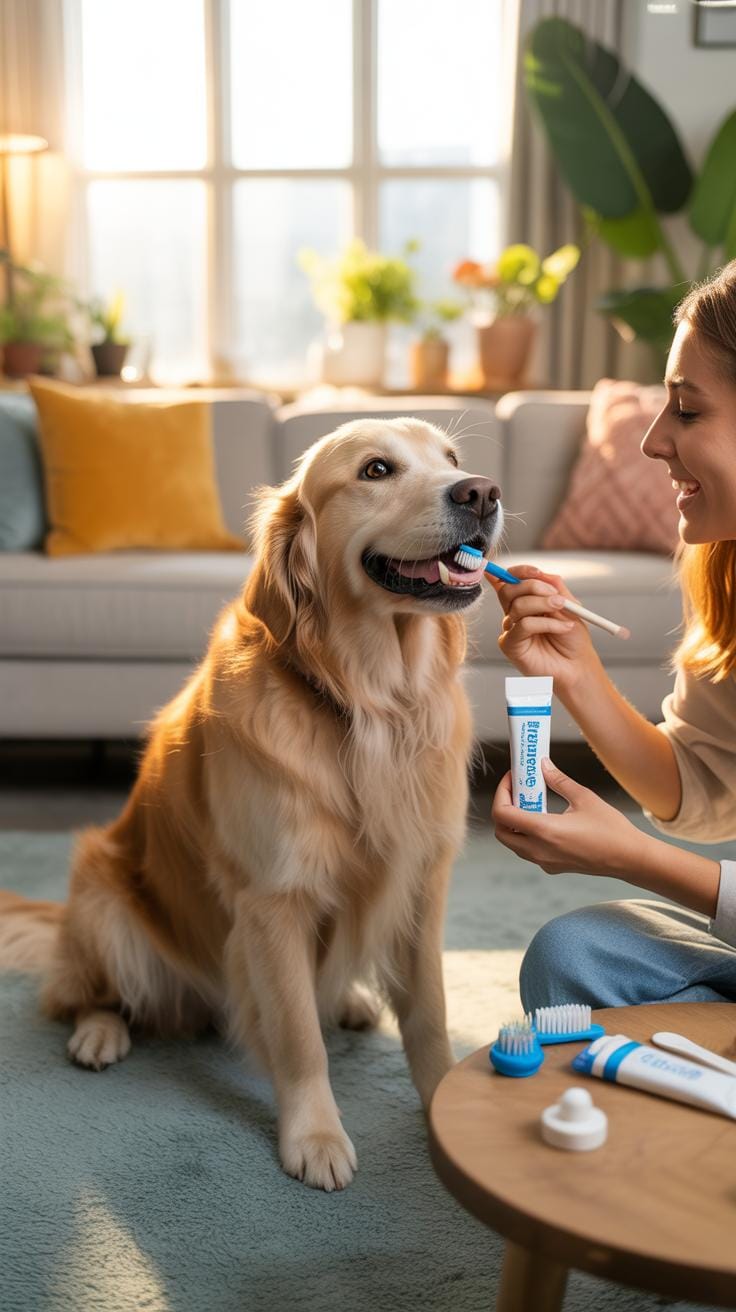
Veterinary experts state that daily brushing is the gold standard for oral health. Plaque hardens into tartar within twenty four to forty eight hours. If you do not remove plaque every single day it stays on the teeth. Tartar requires professional scaling to remove. Brushing every day prevents this buildup. It stops bacteria from entering the bloodstream and causing organ damage.
Most owners fail to meet this daily goal. You should aim for at least three sessions per week as a minimum baseline. This frequency slows down the progression of periodontal disease significantly compared to no care. However three times a week only manages the problem. Daily cleaning remains the only way to eliminate plaque before it mineralizes into permanent dental stone.
Building A Consistent Dog Dental Care Routine That Actually Sticks
Consistency requires a set schedule tied to existing habits. Brush your dog’s teeth at the same time every day. Use an evening ritual like a final walk or meal as a trigger. This makes the task a non-negotiable part of your life. Dogs also thrive on routine and will cooperate more when they expect the activity. Keep your supplies in plain sight.

Link the cleaning to a high-value reward to ensure long term success. Give a dental approved treat or praise immediately after finishing the session. This creates a positive association with the toothbrush. Keep sessions short to avoid stress for both you and the animal. Five minutes of focused work is enough to cover all surfaces. Speed and repetition beat occasional deep cleaning every time.
Dog Dental Alternatives When Your Dog Refuses The Toothbrush
Dental Chews Water Additives And Dental Wipes As Supporting Tools
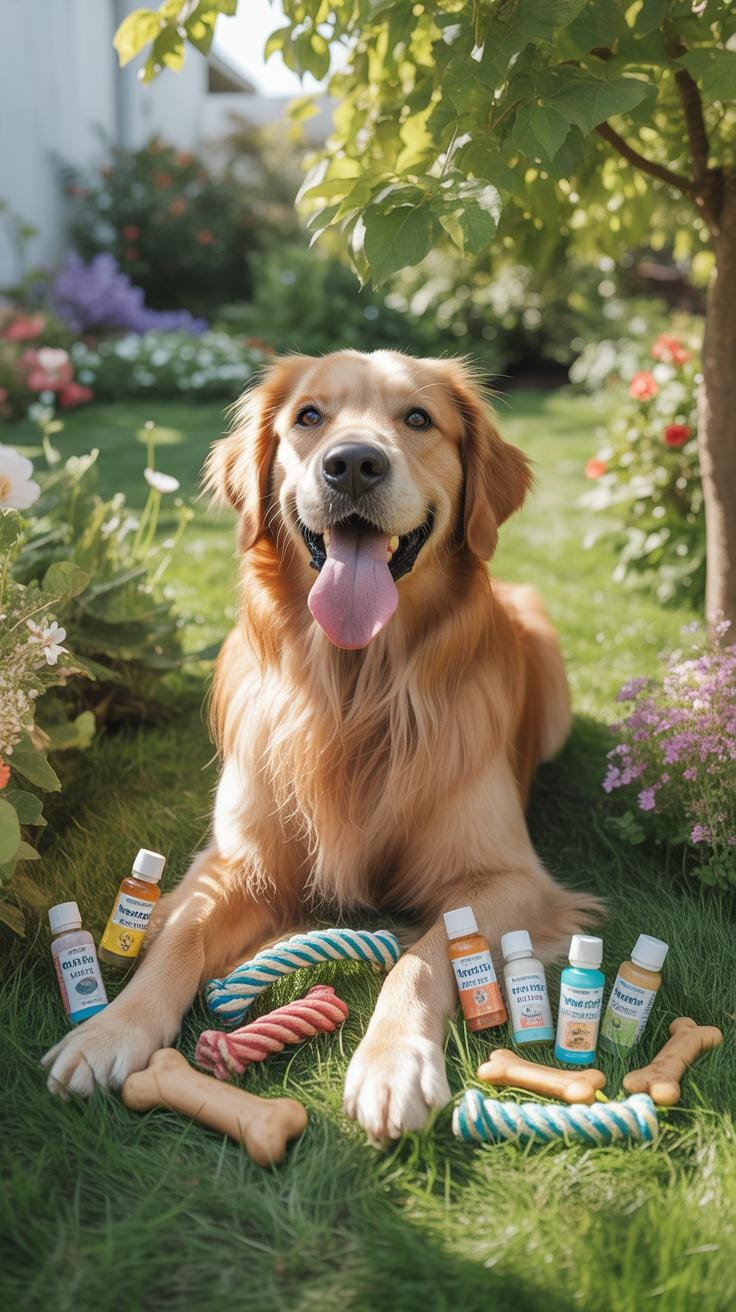
Dental chews use mechanical abrasion to scrape away plaque while the dog gnaws. These treats often contain enzymes that break down biofilm before it hardens into tartar. Owners must choose products approved by the Veterinary Oral Health Council to ensure efficacy. Large chews work best because they force the dog to chew longer. This constant friction mimics the action of a brush on the molars.
Water additives and dental wipes offer secondary defense for aggressive or fearful dogs. Additives change the chemistry of the saliva to inhibit bacterial growth and odor. Wipes physically remove surface slime through direct contact with the teeth and gums. Use these tools daily to maintain low bacteria levels in the mouth. They do not replace deep cleaning but slow the accumulation of dangerous debris on tooth surfaces.
How Effective Are Dog Dental Sprays And Gels Compared To Brushing
Dental sprays and gels rely on chemical reactions rather than physical scrubbing. These products sit on the teeth and dissolve the protein pellicle that attracts plaque. Brushing remains the gold standard because it disrupts the thickest layers of buildup through force. However, gels provide a viable alternative for dogs that bite at a brush. They work efficiently if the pet does not lick them off immediately.

Mechanical action is the only way to remove calcified tartar once it forms. Sprays and gels cannot penetrate thick stone-like deposits already bonded to the enamel. They function primarily as preventative measures to keep new plaque from sticking. Consistency determines your success with these liquids. Apply them at night after the last meal to allow the active ingredients time to work without interruption from food or water.
Natural And DIY Dog Teeth Cleaning Methods Worth Considering
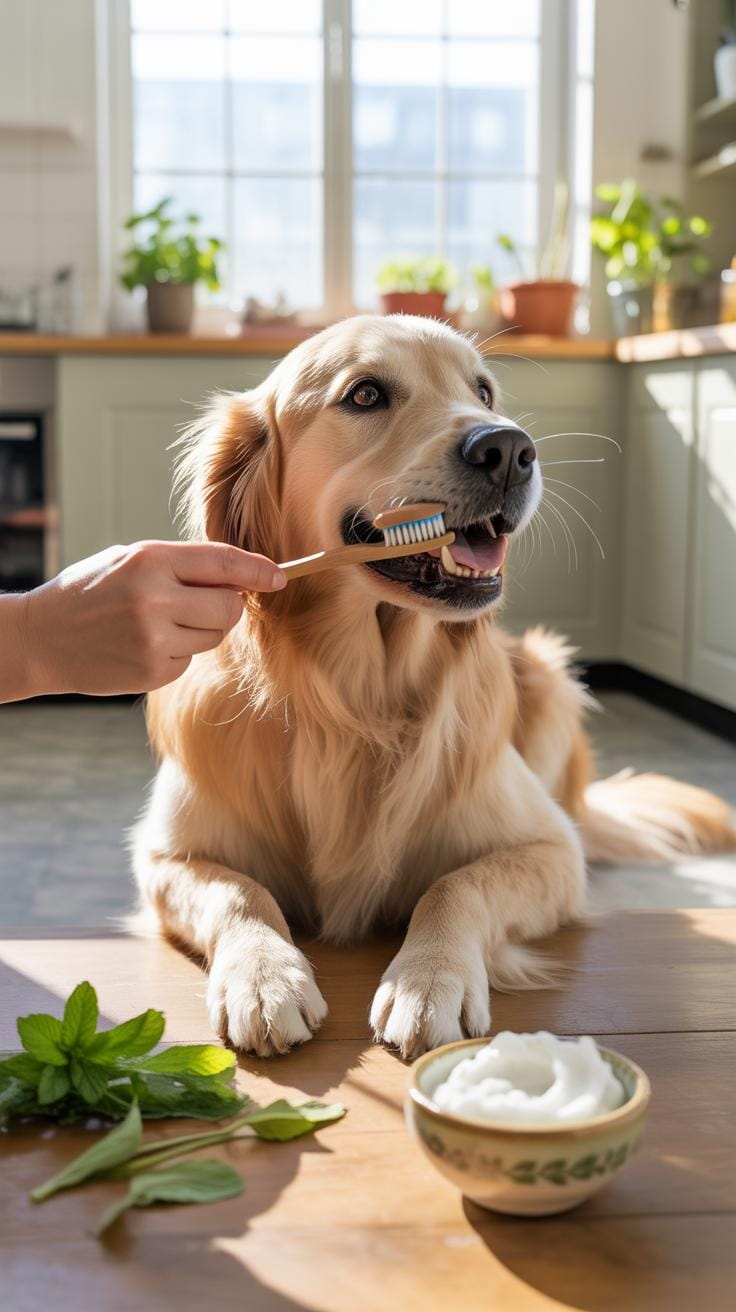
Can Coconut Oil, Baking Soda, Or Raw Bones Help With Dog Dental Hygiene
Coconut oil contains lauric acid which helps fight mouth bacteria. Rubbing it on gums reduces inflammation and slows plaque buildup. It does not replace mechanical scrubbing but adds an antimicrobial layer. Baking soda acts as a mild abrasive to remove surface stains. You must use it sparingly because it contains high levels of sodium. Too much can upset a dogs stomach.
Raw bones provide mechanical scraping as the dog chews. This friction removes soft tartar from the tooth surface before it hardens. You must only use raw bones to avoid splintering. Cooked bones become brittle and dangerous. Monitor your dog to prevent tooth fractures from aggressive biting. This method serves as a supplemental tool for maintaining oral health between professional cleanings.
What Natural Remedies Actually Work And Which Ones To Avoid
Enzymatic gels and seaweed extracts like Kelp work effectively. These substances break down the biofilm that turns into tartar. You apply them directly to the gum line. They change the chemistry of the saliva to prevent new plaque from sticking. They require daily application to show results. These remedies work best when you combine them with regular physical brushing or dental wipes.

Avoid using human toothpaste because it contains xylitol which is toxic to dogs. Stay away from acidic fruit juices like lemon or grapefruit. These erode the tooth enamel and cause permanent damage. Do not rely on hard antlers or synthetic rocks for cleaning. These materials are too hard and often cause painful tooth fractures. Stick to soft mechanical tools and proven biological additives for safety.
When Home Dog Teeth Cleaning Is Not Enough And A Vet Visit Is Necessary
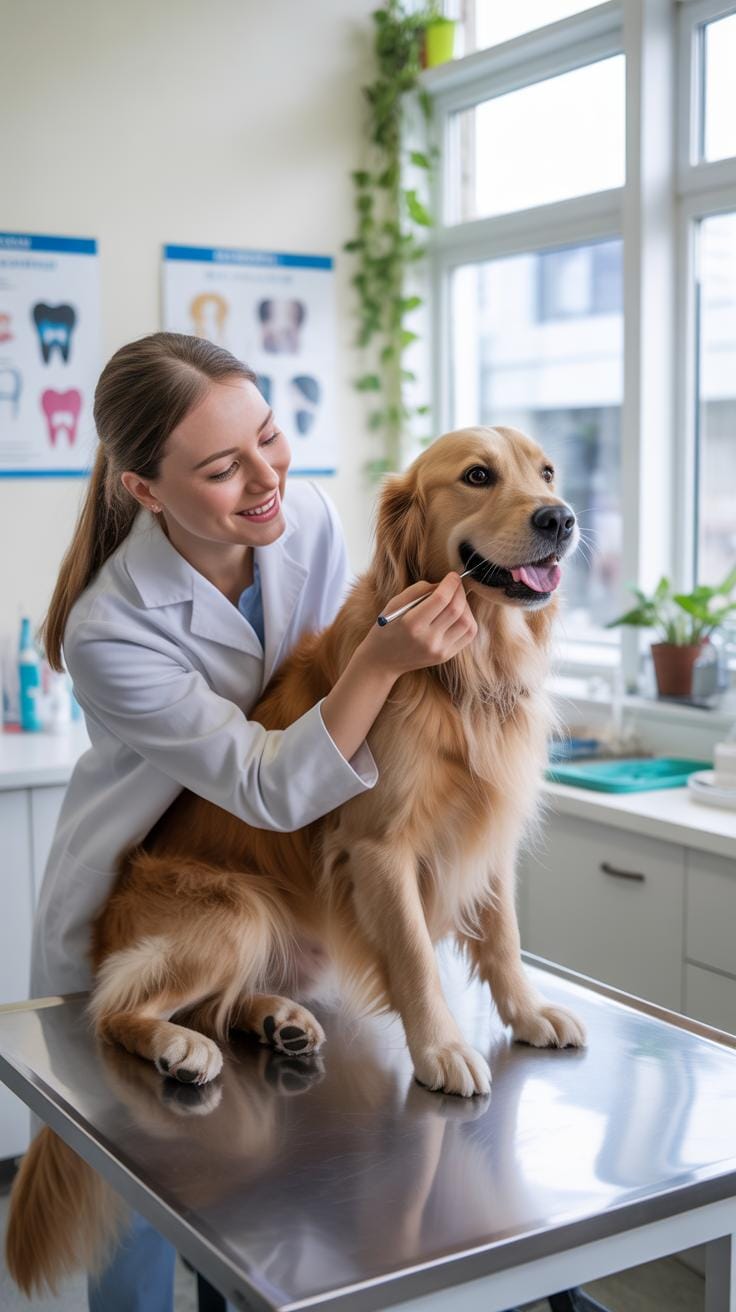
Warning Signs That Your Dog Needs A Professional Dental Cleaning
Home brushing cannot remove hardened tartar once it mineralizes into calculus. You must watch for specific red flags that indicate advanced periodontal disease. Chronic bad breath is the first indicator of bacterial overgrowth. Look for deep red or bleeding gums during your cleaning sessions. These symptoms mean the infection has reached the soft tissue and requires immediate medical intervention from a licensed veterinarian.
Behavioral changes also signal that your dog is in pain. Watch for pawing at the mouth or dropping food while eating. Check for loose teeth or swelling under the eyes which indicates a tooth root abscess. If you see yellow or brown crust along the gum line that does not scrape off, stop home efforts. You cannot fix these issues with a toothbrush and risk causing more pain.
The bond shared with a loyal dog is nurtured in the quiet moments of care we provide right at home. A few minutes spent brushing their teeth preserves those sweet, wet kisses for years to come.
What Happens During A Professional Dog Dental Cleaning At The Vet
A professional cleaning starts with a full physical exam and blood work to ensure safety. The vet places the dog under general anesthesia to allow for a thorough cleaning. This step is necessary to clean below the gum line where most bacteria hide. Technicians use ultrasonic scalers to vibrate tartar off the enamel safely. They also take dental X-rays to find hidden bone loss.
Once the tartar is gone, the vet polishes the teeth to smooth out microscopic scratches. This prevents new plaque from sticking to the surface quickly. If the vet finds dead or broken teeth, they perform extractions during this same session. The process ends with a fluoride treatment to strengthen the remaining teeth. You receive a clean slate to begin your home maintenance routine again.
Top Tips For Long Term Dog Dental Health And A Cleaner Healthier Smile
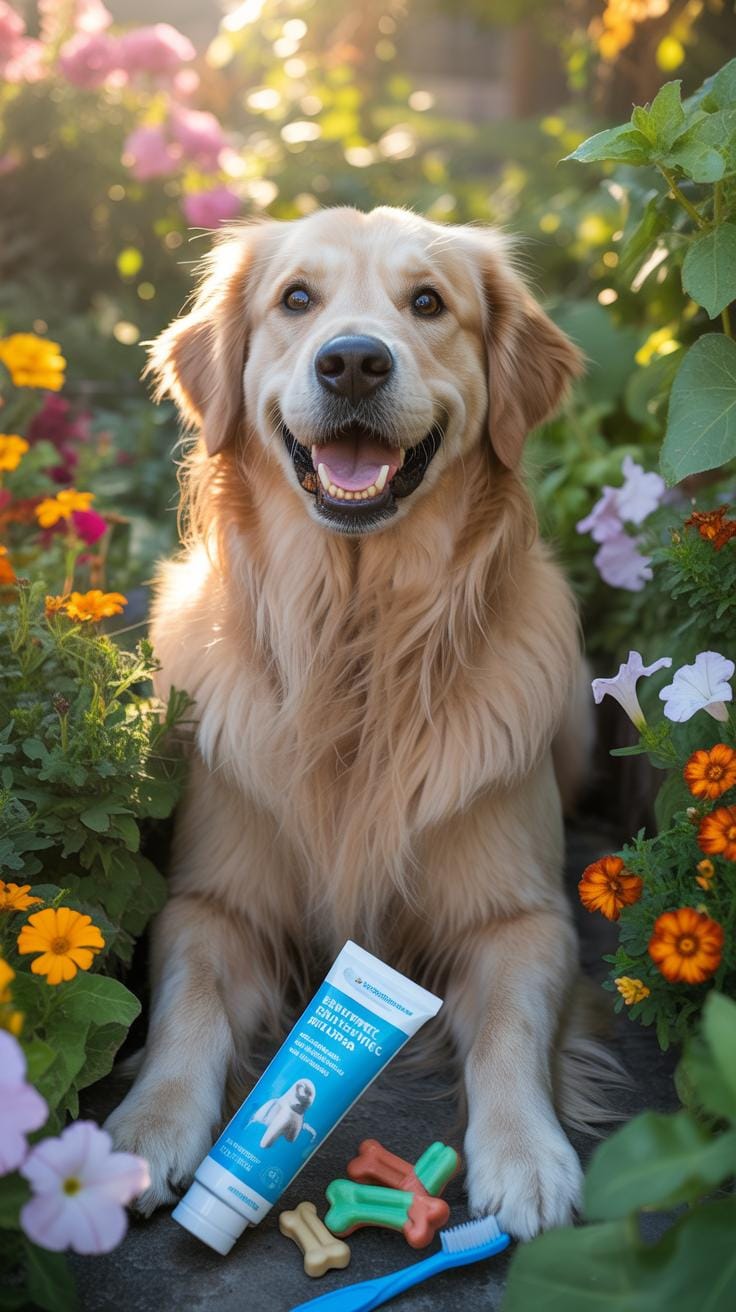
How Diet And Chewing Habits Influence Your Dogs Dental Condition
Dietary choices directly affect the rate of plaque accumulation. Hard kibble provides mechanical scraping that soft food lacks. However, carbohydrates and starches often stick to the gum line. This buildup fuels bacteria growth and leads to tartar. You must choose high quality proteins to limit oral inflammation. Avoid fillers that leave sugary residues on the enamel. Proper nutrition keeps the immune system strong to fight gingivitis.
Chewing satisfies biological needs and cleans teeth. Natural rubber toys and specific dental chews use friction to remove debris. Dogs that chew daily have lower rates of periodontal disease. Avoid bones that are harder than the teeth to prevent fractures. Monitor your dog during chewing to ensure safety. Consistent mechanical action replaces the work that wild ancestors did by eating raw prey. This process maintains healthy gums naturally.
How To Track And Maintain Your Dogs Oral Health Between Vet Checkups
Regular inspections are the only way to catch problems early. Lift the lips to check the back molars for brown scaling. Smell your dog’s breath to detect foul odors. Persistent bad breath often indicates deep infection or rotting tissue. Note any redness or bleeding along the gum line during your weekly checks. Tracking these changes allows you to adjust your home cleaning intensity immediately.
Keep a simple log of your dog’s dental status. Record the dates of thorough brushings and the appearance of the gums. Watch for behavioral shifts like pawing at the mouth or dropping food. These signs often point to hidden pain. Consistent home care reduces the need for frequent professional scaling under anesthesia. Your role as a proactive owner ensures the dog avoids preventable tooth loss and systemic infections.
Frequently Asked Questions

Why is it important to start cleaning my dog’s teeth at home?
Maintaining oral hygiene is vital for your pet’s overall health and longevity. Regular dog teeth cleaning at home prevents the buildup of plaque and tartar, which can lead to painful gum disease or tooth loss. By establishing a consistent routine early on, you can keep their breath fresh and significantly reduce the risk of systemic infections that often stem from poor dental health, ensuring your pup stays happy and healthy.
What is the best way to brush a dog’s teeth for the first time?
Start slowly by letting your pet lick a dog-safe enzymatic toothpaste off your finger. Once comfortable, gently rub their gums before introducing a soft-bristled toothbrush. When performing dog teeth cleaning at home, use small circular motions along the gum line at a 45-degree angle. Focus on the outer surfaces where tartar accumulates most. Keep sessions short and always reward your furry friend with praise or a healthy treat afterward.
Are there affordable alternatives to expensive pet dental kits?
Absolutely! You do not need a pricey kit to maintain a healthy smile. A simple piece of soft gauze wrapped around your finger can work effectively as a DIY scrubber. Additionally, providing natural chews like raw carrots or rubber dental toys helps scrape away debris mechanically. These budget-friendly options, combined with consistent care, make dental maintenance accessible for every pet owner while keeping your dog’s mouth in top-tier condition.