What Healthy Dog Gums Look Like And Why It Matters

The Color And Texture Of Healthy Dog Gums Explained
Healthy dog gums should show a bubblegum pink color. This indicates good blood flow and proper oxygen levels in the tissue. The surface must feel slippery and wet to the touch. This moisture comes from constant saliva production. Dry or sticky gums signal dehydration or underlying health issues. You need to know your dog’s baseline color to spot dangerous changes quickly.
Some breeds have natural black patches or spots on their gums. This pigmentation is normal if it has always been present. Texture is just as vital as color. Healthy tissue sits tight against the teeth. It should not look swollen or cover the tooth surface excessively. Firmness indicates a strong defense against bacteria. Any change in firmness or a deep red hue often signals infection.
How To Perform A Simple Gum Check On Your Dog At Home
Start by lifting your dog’s upper lip gently. Look at the area right above the large canine teeth. Press your finger firmly against the pink tissue for two seconds then release it. The spot should turn white and then return to pink in under two seconds. This test measures capillary refill time. It tells you if the heart is pumping blood effectively to the extremities.
Check for signs of bleeding or discharge during your inspection. Run your finger along the gum line to feel for lumps or rough patches. Healthy gums do not bleed when touched lightly. If your finger comes away with blood, the tissue is compromised. Perform this check every week to catch issues early. Routine monitoring allows you to distinguish between minor irritations and serious dental disease that requires a vet.

Common Causes Of Dog Bleeding Gums You Should Not Ignore
Trauma, Foreign Objects, And Physical Injury To The Mouth
Dogs use their mouths to explore the world. Chewing on sharp sticks, hard rocks, or splintering bones causes immediate vascular rupture in the gingival tissue. These lacerations bleed heavily because the mouth contains many blood vessels near the surface. You must check for splinters or metal shards lodged between teeth. These objects create constant pressure and prevent the wound from closing.
Aggressive play also leads to physical injury. Tug-of-war with abrasive ropes or hard plastic toys can tear the delicate gum line. If you see blood on a chew toy, the dog has likely suffered a mechanical abrasion. These injuries require immediate cleaning to stop the bleeding. Constant friction from malocclusion or misaligned teeth also wears down the tissue and causes chronic irritation.
Bacterial Infections And Inflammation As Root Causes
Plaque buildup quickly turns into tartar. This hard substance traps bacteria against the gum line. The body responds with inflammation called gingivitis. This immune response makes the gums swell and weaken. Even light pressure from eating or drinking can cause these fragile tissues to bleed. Bacterial colonies eventually destroy the seal between the tooth and the gum, leading to deeper infection.

Advanced periodontal disease destroys the supporting structures of the mouth. Bacteria migrate under the gum line and release toxins. These toxins break down connective tissue and bone. This process creates deep pockets that bleed easily and harbor more pathogens. You cannot resolve this bleeding with simple brushing. It requires professional dental intervention to remove the underlying infection and stabilize the remaining oral health.
Periodontal Disease In Dogs The Leading Cause Of Bleeding Gums
How Periodontal Disease Develops And Progresses In Dogs
Dog bleeding gums start with a film called plaque. Bacteria stick to the teeth surface within hours of eating. This soft layer eventually hardens into tartar or calculus. Saliva minerals calcify the plaque and lock it against the gum line. You cannot brush tartar away at home. It provides a rough site for more bacteria to grow and thrive.
These bacteria migrate under the gum line quickly. The dog’s immune system reacts to the foreign invaders. This response causes inflammation and swelling in the soft tissues. Blood vessels become fragile and leak during eating or play. This process destroys the bone and ligaments supporting the teeth. Over time, the infection enters the bloodstream and risks damaging vital internal organs.
The Four Stages Of Canine Periodontal Disease Broken Down
Stage one begins with gingivitis. The gums look red and swollen at the edges. You will see bleeding during routine teeth cleaning or while the dog chews toys. This is the only reversible stage of the disease. In stage two, early periodontitis occurs. Small pockets form between the tooth and the gum. You will notice significant plaque buildup and worsening breath odors.

Stages three and four involve permanent structural damage. Moderate periodontitis shows deep tissue loss and receding gums. Teeth start to move or shift in the jaw. In the final stage, over half of the support structures are gone. Pus may leak from the gums and teeth will fall out. Chronic pain and systemic infection become major risks. Fast medical intervention is required to stop the spread.
Red Gums In Dogs When Inflammation Signals A Deeper Problem

Distinguishing Normal Redness From Gingivitis In Dogs
Healthy dog gums show a bubblegum pink color. You should see a sharp, clean line where the tissue meets the tooth. Press the gum with your finger to check blood flow. The spot should turn white and then return to pink within two seconds. If the tissue looks dusky or deep red, the dog has inflammation. This change marks the start of dental disease.
Gingivitis creates a bright red band along the gum line. This area often bleeds if you touch it or during play. You will also notice bad breath and plaque buildup on the teeth. This stage is reversible with professional cleaning. If you ignore it, the swelling leads to deep pockets. Bacteria then destroy the bone and ligaments. Early detection prevents permanent loss of teeth and chronic pain.
A dog’s gentle smile is a window to their soul, but a touch of blood on the gums is a quiet plea for the care they cannot ask for. Seeking a healer’s wisdom ensures those joyful golden years remains bright and free from pain.
Systemic Conditions That Can Cause Red And Swollen Gums
Gum redness does not always start in the mouth. High blood pressure or heatstroke can make gums look dark red. Certain poisons also change tissue color rapidly. If the gums look cherry red, the dog might have carbon monoxide poisoning. Autoimmune diseases often attack the mouth lining first. These internal issues require immediate vet care. You cannot solve these problems with a simple tooth brushing.

Kidney failure frequently causes mouth ulcers and bright red gums. The body cannot clear waste, so toxins build up in the bloodstream. These toxins irritate the soft tissues in the mouth. You might notice a chemical smell on the breath. Diabetic dogs also suffer from chronic gum inflammation. High blood sugar feeds harmful bacteria. Managing the underlying disease is the only way to stop the gum bleeding.
Pale Gums And White Gums In Dogs Warning Signs Linked To Bleeding
What Pale Or White Gums Tell You About Your Dog’S Health
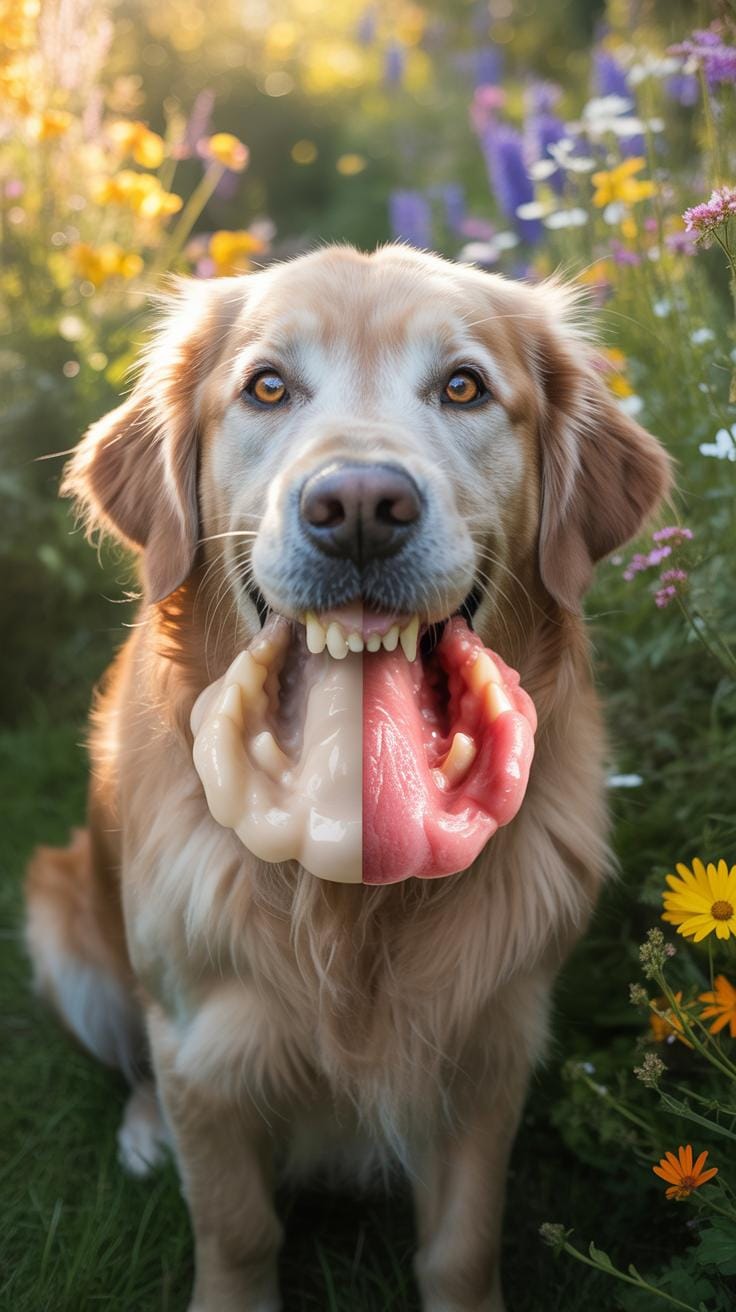
Normal dog gums show a vibrant pink color. This indicates healthy blood flow and proper oxygen levels in the tissue. When gums turn pale or white, the body is failing to deliver enough blood to the surface. This change signals a medical emergency. You must check the capillary refill time by pressing the gum. If the color does not return within two seconds, the dog has a circulation crisis.
Pale membranes often mean the heart is not pumping effectively or the blood volume is too low. This symptom appears long before a dog collapses. White gums are even more critical than pale ones. This color indicates a total lack of blood in the peripheral vessels. You should never ignore this shift in pigment. It confirms that the dog’s internal systems are struggling to sustain basic life functions.
Internal Bleeding And Anemia As Causes Of Gum Color Changes
Internal bleeding is a silent killer that causes gum color to fade rapidly. If a dog has a ruptured organ or a bleeding tumor, the blood pools inside the abdomen instead of circulating. This leads to pale gums and a galloping heart rate. Owners often miss this because there is no visible blood on the outside. Sudden paleness requires an immediate ultrasound to find the source of the leak.

Anemia also drives gum color changes by reducing the total red blood cell count. This happens through blood loss, immune system attacks, or bone marrow failure. Without enough red cells, the gums cannot maintain their pink hue. Severe anemia makes the gums look like porcelain or white paper. This condition starves the brain and muscles of oxygen. You must seek veterinary intervention to stabilize the dog and identify the cause.
Supporting Your DogS Oral Health To Prevent Bleeding Gums
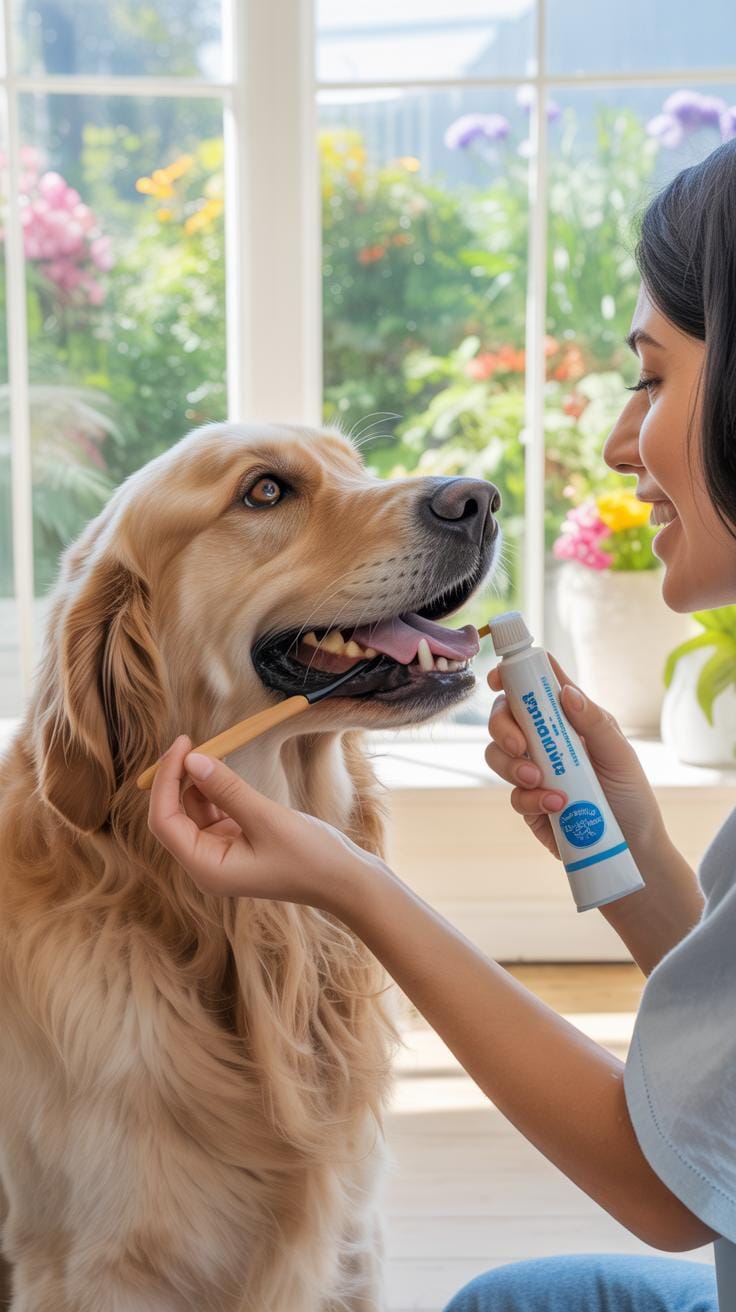
Daily Brushing And Diet Habits That Protect Dog Gum Health
Mechanical cleaning remains the primary defense against dog bleeding gums. Daily brushing removes plaque before it hardens into tartar. Tartar acts as a scaffold for bacteria that cause gum inflammation and bleeding. Plaque mineralizes into calculus in less than forty-eight hours. You must use a soft-bristled brush to reach the gingival sulcus. This area hides the bacteria responsible for periodontal disease.
Dietary choices directly impact oral chemistry and bacterial growth. Hard kibble provides minor abrasive action but rarely cleans at the gum line. Avoid soft foods that stick to the teeth and ferment into sugar. High-quality proteins support tissue repair and immune response. Constant access to fresh water flushes food debris away. Monitor your dog after meals for signs of irritation or trapped particles that cause swelling.
Vet Recommended Products And Practices For Canine Oral Care
Professional dental products must meet specific safety standards to be effective. Veterinary dentists recommend items that chemically or mechanically disrupt the biofilm on tooth surfaces. Choose products based on clinical evidence rather than marketing claims. Look for the Veterinary Oral Health Council seal on packaging. These tools help maintain the gum barrier and prevent blood vessels from leaking or becoming infected.
- Enzymatic Toothpaste: These pastes contain glucose oxidase to produce antibacterial hydrogen peroxide. Dogs cannot spit, so the formula must be fluoride-free and safe to swallow. The enzymes continue working on plaque even after you finish brushing the teeth.
- Chlorhexidine Rinses: This antiseptic binds to oral tissues and kills bacteria for several hours. It is the most effective chemical agent for reducing gum inflammation. Vets use it to treat active infections and to prep the mouth before dental cleanings.
- Dental Diets: Specially formulated kibble uses a large size and fibrous texture to scrub teeth. The kibble does not shatter immediately upon contact. This design forces the tooth to sink into the pellet to scrape away surface plaque and debris.
- Water Additives: These liquids contain ingredients like zinc gluconate or odorless chemicals that inhibit bacterial growth. They are ideal for dogs that do not tolerate manual brushing. Use them daily to reduce the total bacterial load within the dog’s saliva.
- Rubber Chew Toys: Firm rubber toys with ridges or nubs stimulate blood flow in the gums. Chewing action helps massage the tissue and manually dislodge soft food. Ensure the toy is not hard enough to fracture teeth during aggressive chewing sessions.

Anesthesia-free cleanings do not solve the root cause of bleeding gums. These cosmetic procedures only clean the visible parts of the tooth. They miss the bacteria hiding under the gum line where real damage occurs. Schedule a professional cleaning under veterinary supervision annually. Your vet can perform X-rays to find hidden bone loss. This proactive approach prevents the chronic pain and bleeding of advanced gum disease.
When To Seek Veterinary Care For Your DogS Bleeding Gums
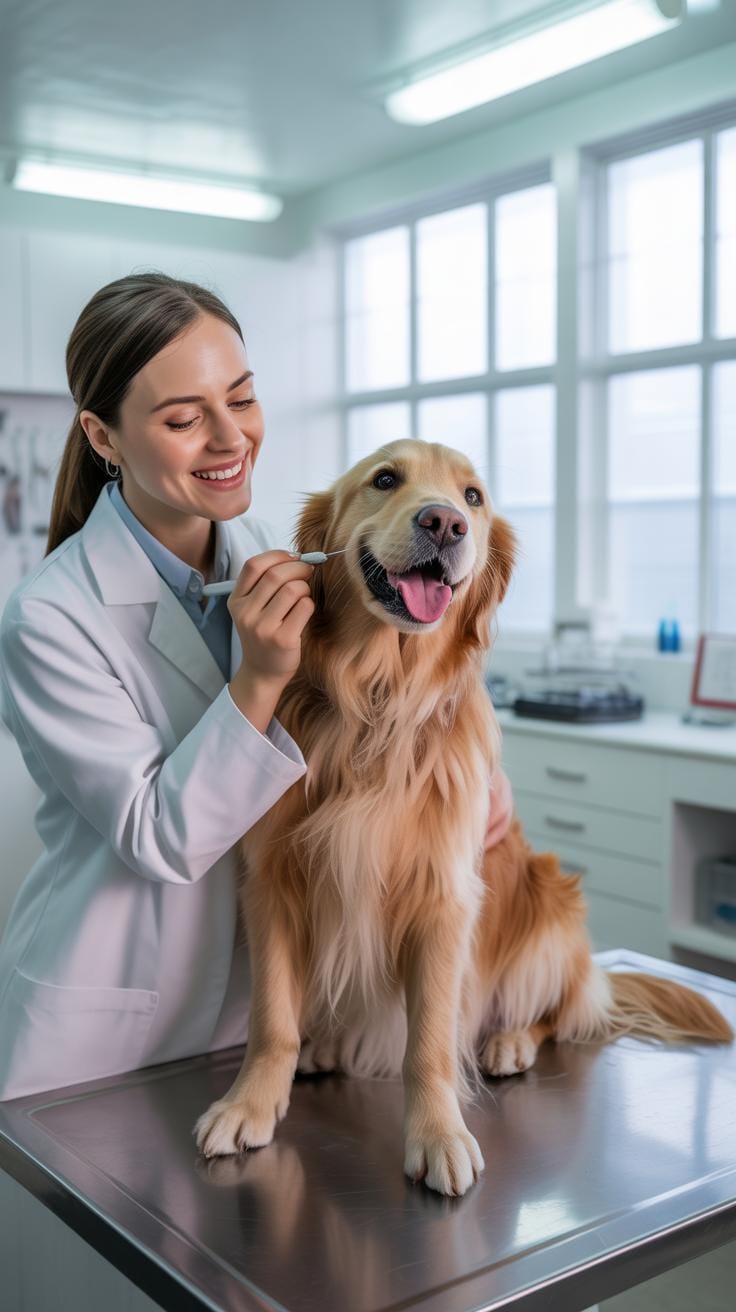
Urgent Symptoms That Mean Your Dog Needs A Vet Right Away
Bleeding gums often signal advanced periodontal disease or internal health crises. You cannot treat these issues with home brushing or water additives. Ignoring active bleeding leads to systemic infections that damage the heart and kidneys. You must identify specific red flags that require immediate medical intervention. These symptoms indicate that the pain is no longer manageable and the underlying cause is spreading.
- Pale or White Gums: This indicates a lack of oxygen or severe blood loss. It often points to internal bleeding or shock. Your dog needs an emergency vet to stabilize their circulation and find the source of the hemorrhage immediately.
- Difficulty Swallowing or Drooling: Excessive saliva mixed with blood suggests a physical obstruction or a large oral tumor. These growths can be painful and interfere with breathing. A vet must sedate the dog to inspect the back of the throat properly.
- Persistent Foul Breath: While some odor is normal, a putrid smell indicates rotting tissue or a deep abscess. Bacteria from these infections can enter the bloodstream within hours. This requires professional debridement and high-strength antibiotics to prevent sepsis and organ failure.
- Loose or Missing Teeth: Adult dogs should never lose teeth naturally. If teeth are wobbling or falling out, the bone structure is likely disintegrating. This level of decay is extremely painful and prevents the dog from eating. Surgery is usually the only solution.
- Lumps on Gums: New growths that bleed easily are often cancerous. Early detection of oral melanoma or squamous cell carcinoma is the only way to save the dog. A vet will need to biopsy the tissue to determine if it is malignant.
Prompt action prevents permanent jaw fractures and bone loss. Do not wait for the bleeding to stop on its own if you see these signs. Emergency care reduces the risk of long-term complications and high surgery costs later. Use these indicators to decide when to call the clinic. Veterinary experts use these specific markers to prioritize urgent cases over routine cleaning appointments.
What To Expect During A Veterinary Oral Examination For Dogs
The veterinarian starts by reviewing the dog’s medical history and current diet. They check for symmetry in the face to rule out swelling or hidden abscesses. The doctor then lifts the lips to inspect the color and texture of the gum tissue. They look for receding lines, heavy tartar buildup, and active bleeding points. This initial physical check identifies the most obvious sources of oral pain.

A thorough exam usually requires sedation to see the back of the mouth and under the tongue. The vet uses a periodontal probe to measure the depth of pockets around each tooth. Deep pockets indicate significant attachment loss and bone damage. They take dental X-rays to see what is happening below the gum line. This data allows the strategist to create a targeted plan for extractions or deep cleaning.
Keeping Healthy Dogs Gum Safe Through Routine And Prevention
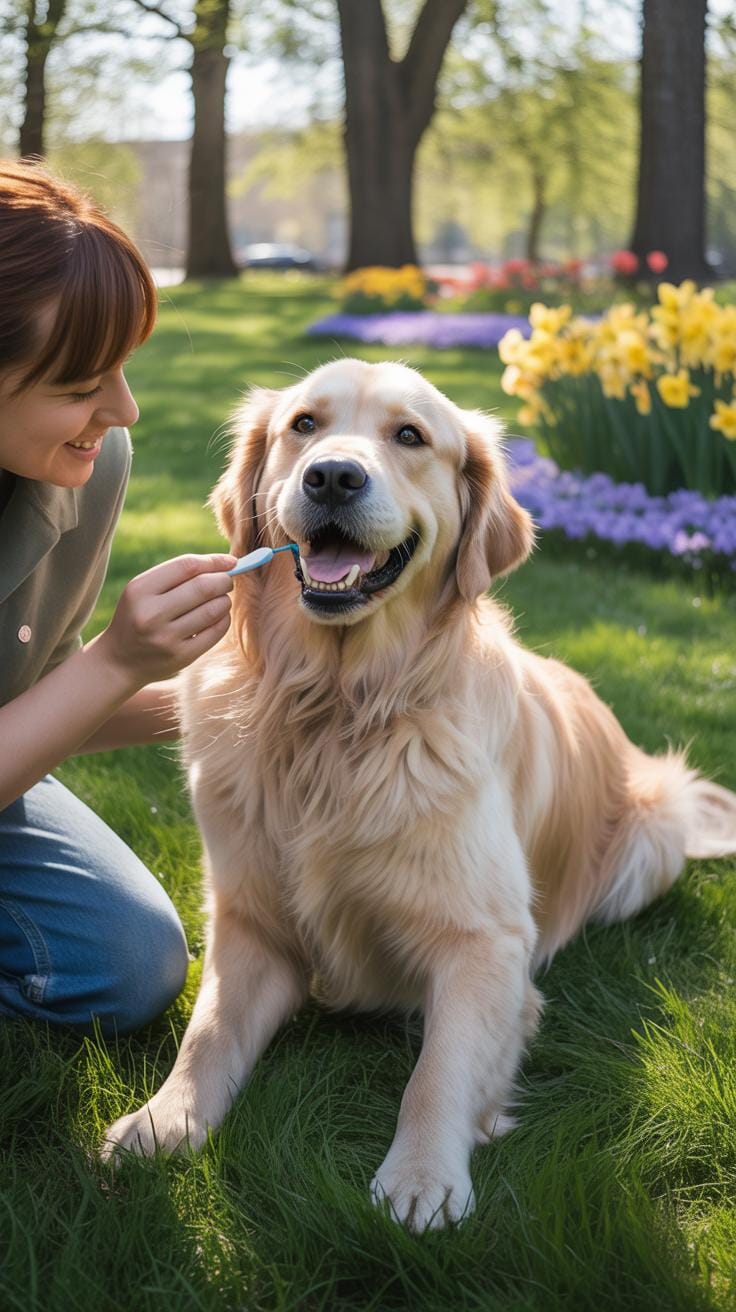
How Regular Dental Cleanings Help Maintain Long Term Gum Health
Professional dental cleanings stop dog bleeding gums at the source. Veterinarians perform these procedures under anesthesia to reach below the gum line. Standard brushing cannot remove hardened tartar or subgingival bacteria. These pathogens cause inflammation and tissue decay. Removing this buildup prevents the immune system from attacking the gums. Medical cleanings are the only way to eliminate deep-seated infection.
Consistent clinical cleanings reduce the risk of systemic organ failure. Bacteria from infected gums enter the bloodstream and damage the heart and kidneys. Neglecting professional care leads to bone loss and tooth extractions. You must schedule these cleanings to ensure the mouth remains a healthy environment. Proactive intervention saves the dog from chronic pain and saves you from high emergency surgery costs.
Building A Year Round Prevention Plan With Your Veterinarian
A prevention plan focuses on daily maintenance and scheduled assessments. Start by brushing your dog’s teeth every day with pet-safe paste. This action disrupts the biofilm before it hardens into tartar. Your veterinarian will track gum recession and pocket depth during bi-annual exams. Use approved dental chews to provide mechanical scraping between visits. Consistency is the primary factor in avoiding gum disease.

Effective plans adjust based on the age and breed of the dog. Smaller breeds often require more frequent monitoring due to crowded teeth. You must record any changes in breath odor or gum color. Report these findings to your vet immediately to prevent minor irritation from becoming a major infection. Following a strict schedule ensures your dog maintains high oral function throughout its entire life.
Frequently Asked Questions

Why are my dog’s gums bleeding all of a sudden?
Discovering your dog bleeding gums can be alarming, but it is often a sign of advanced periodontal disease or gingivitis. When plaque buildup hardens into tartar, it irritates the gum line, making the tissue fragile and prone to hemorrhaging. Other potential causes include mouth injuries from chewing sharp toys, systemic infections, or clotting disorders. It is essential to monitor their behavior and consult a veterinarian to determine the underlying health trigger.
How can I safely clean my dog’s teeth to prevent bleeding?
To prevent your pet from developing dog bleeding gums, establish a gentle brushing routine using a finger brush and dog-specific enzymic toothpaste. Start slowly, allowing your pup to lick the paste before gently massaging the gum line in circular motions. Never use human toothpaste, as it contains toxic ingredients like xylitol. Regular brushing removes soft plaque before it calcifies, keeping the oral tissue resilient and reducing the risk of painful inflammation.
What are the low-cost options for treating a dog’s dental issues?
If a professional veterinary cleaning is outside your current budget, focus on preventative home care to manage oral health. Utilizing water additives, dental wipes, and VOHC-approved dental chews can significantly reduce bacteria levels. Many local clinics also offer discounted rates during National Pet Dental Health Month in February. While home care helps, remember that persistent bleeding requires a professional exam to prevent more expensive complications like tooth extractions or systemic infections.