What Does A Swollen Face Or Jaw In Dogs Actually Look Like
Recognizing The Signs Of A Swollen Dog Face
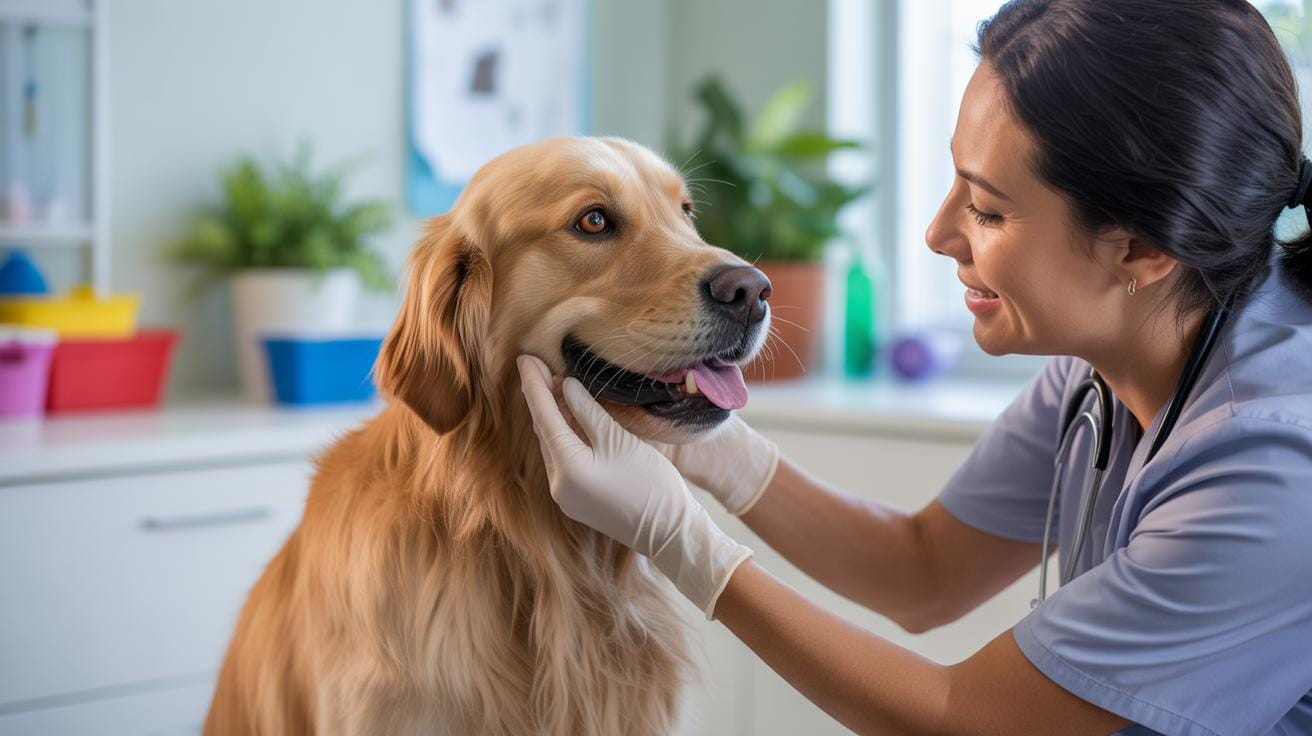
A swollen face often begins with subtle shifts in skin tension. You may notice one side of the muzzle looks thicker or more rounded than the other. The fur often stands at a different angle due to underlying fluid buildup. This change is most visible when looking at the dog face-to-face. Swelling can occur rapidly or develop slowly depending on the primary cause.
Examine the eyes and lips for secondary changes. Pressure from a swollen jaw can push the eye upward or make it appear smaller. The lip line may drop or lose its usual symmetry. Your dog might drool more than usual because they cannot close their mouth properly. Check for heat in the area. A warm sensation often indicates an active inflammatory response or infection inside the tissue.
How A Dog Swollen Jaw Differs From Normal Facial Anatomy
Normal canine anatomy features a clean and defined jawline. The skin should fit tightly over the bone structure without any soft or firm bulges. You should feel the sharp edges of the mandible and the cheekbones easily. Any loss of these visible landmarks indicates a problem. Healthy dogs maintain a symmetrical profile where both sides of the head look identical in volume and shape.
Compare the feel of the tissue against the bone on both sides. Healthy tissue is thin and moves freely over the jawbone. Swelling creates a heavy or doughy texture that masks the bone. In some cases, the tissue feels hard like a knot. This distortion disrupts the natural mechanics of the mouth. Watch for a jaw that hangs open or seems misaligned when the dog rests or eats.

Dental Abscesses And Tooth Infections A Leading Cause Of Dog Swollen Jaw
How A Tooth Root Abscess Leads To Jaw And Facial Swelling In Dogs
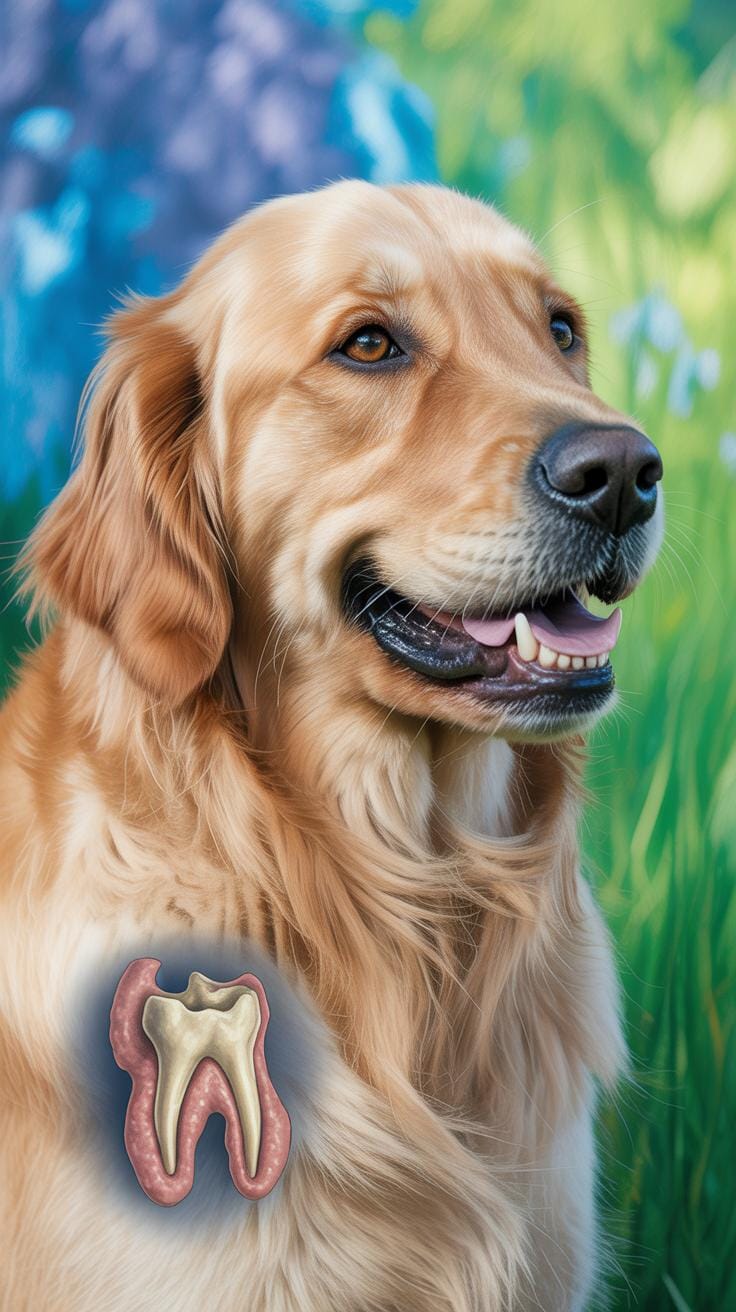
Bacteria enter the tooth through a crack or deep decay. This infection travels down the pulp to the root. Once at the base, it creates a pocket of pus. This pressure has nowhere to go within the hard bone. It forcing its way through the jawbone and into the surrounding soft tissue. This process causes rapid and painful inflammation.
The body responds by sending white blood cells to the infection site. This immune response increases the volume of fluid in the face or jaw area. You will see a firm or soft lump forming quickly. Left untreated, the infection destroys the bone structure. The pressure eventually ruptures the skin to drain the fluid. This creates a draining tract on the face.
Why The Carnassial Tooth Is The Most Common Culprit Behind Swelling Under The Dog’S Eye
The upper fourth premolar is the carnassial tooth. It has three long roots that sit deep in the skull. Two of these roots reside directly beneath the eye socket. When an infection hits these specific roots, the inflammation pushes upward. This makes the area just below the eye bulge outward. Owners often mistake this dental issue for a skin or eye infection.

This tooth takes the most force during chewing and play. Heavy biting often cracks the enamel or breaks the crown. This damage allows bacteria to invade the root system immediately. Because the roots are so deep, the swelling appears high on the cheek. You must address the tooth to stop the swelling. Antibiotics alone will not fix a broken carnassial tooth root.
Insect Stings And Allergic Reactions Causing A Swollen Dog Face

Why Bee Stings And Wasp Stings Trigger Rapid Facial Swelling In Dogs
Dogs use their mouths to explore the world. This behavior makes the muzzle and jaw primary targets for stinging insects. When a bee or wasp stings a dog, it injects venom directly into the skin. This venom contains potent chemicals like histamine and melittin. These substances immediately trigger a localized inflammatory response. Blood vessels dilate and leak fluid into surrounding tissues.
The rapid swelling occurs because facial skin in dogs is loose and highly vascular. This allows fluid to accumulate quickly in the subcutaneous layers. In severe cases, this reaction can spread from the jaw to the throat. You must monitor the dog for airway obstruction or breathing difficulties. A localized sting usually peaks in size within minutes. If the swelling does not subside, seek veterinary care immediately.
What Causes A Dogs Eye To Swell After An Allergic Reaction
An allergic reaction often manifests as angioedema. This is a deeper swelling of the skin layers near the eyes and muzzle. When a dog encounters an allergen, the immune system overreacts. It releases a flood of inflammatory mediators into the bloodstream. These chemicals increase the permeability of small blood vessels around the eye socket. Fluid then pools in the soft tissues.

The swelling makes the eyelids appear puffy or completely closed. This reaction typically happens within seconds or minutes of exposure. Common triggers include insect venom, vaccinations, or environmental chemicals. Do not wait for the swelling to resolve on its own. Facial swelling near the eyes can signal a systemic reaction. This condition requires prompt medical intervention to prevent anaphylactic shock or secondary eye damage.
Facial Trauma And Injuries That Can Cause A Dog With Swollen Face
How Blunt Force Trauma To The Dog Muzzle Leads To Localized Jaw Swelling
Blunt force trauma occurs when a dog strikes a hard object or receives a heavy blow. Common causes include car accidents, falls, or kicks from larger animals. This impact ruptures small blood vessels under the skin. Fluid and blood then leak into the surrounding tissues. This process creates immediate swelling and visible bruising. You will often see the jaw area expand within minutes to hours.
The body reacts to this tissue damage by sending white blood cells to the area. This inflammatory response causes heat and further swelling around the dog muzzle. Severe impact can also cause fractures in the mandible or maxilla. Broken bones lead to structural misalignment and intense localized edema. You must identify these injuries quickly to prevent permanent jaw deformity or chronic pain for the animal.
Bite Wounds Punctures And Secondary Infections That Worsen Facial Swelling
Bite wounds from other animals introduce dangerous bacteria deep into the jaw tissue. Dog mouths harbor pathogens like Pasteurella and Staphylococcus. When teeth puncture the skin, they act like needles injecting these microbes. The small entry hole often closes quickly. This traps the bacteria underneath the surface. The trapped bacteria multiply fast and create a pocket of pus known as an abscess.

An abscess causes a localized and painful lump on the jaw. The skin will feel hot and look red. If you do not treat the infection, it spreads to the surrounding soft tissue. This spread is called cellulitis and causes widespread facial swelling. The dog may stop eating due to the pain. You need to address these punctures immediately to stop the infection from reaching the jawbone.
Salivary Gland Disorders And Cysts Contributing To Jaw Swelling
What Is A Salivary Mucocele And Why Does It Cause Swelling Near The Jaw?
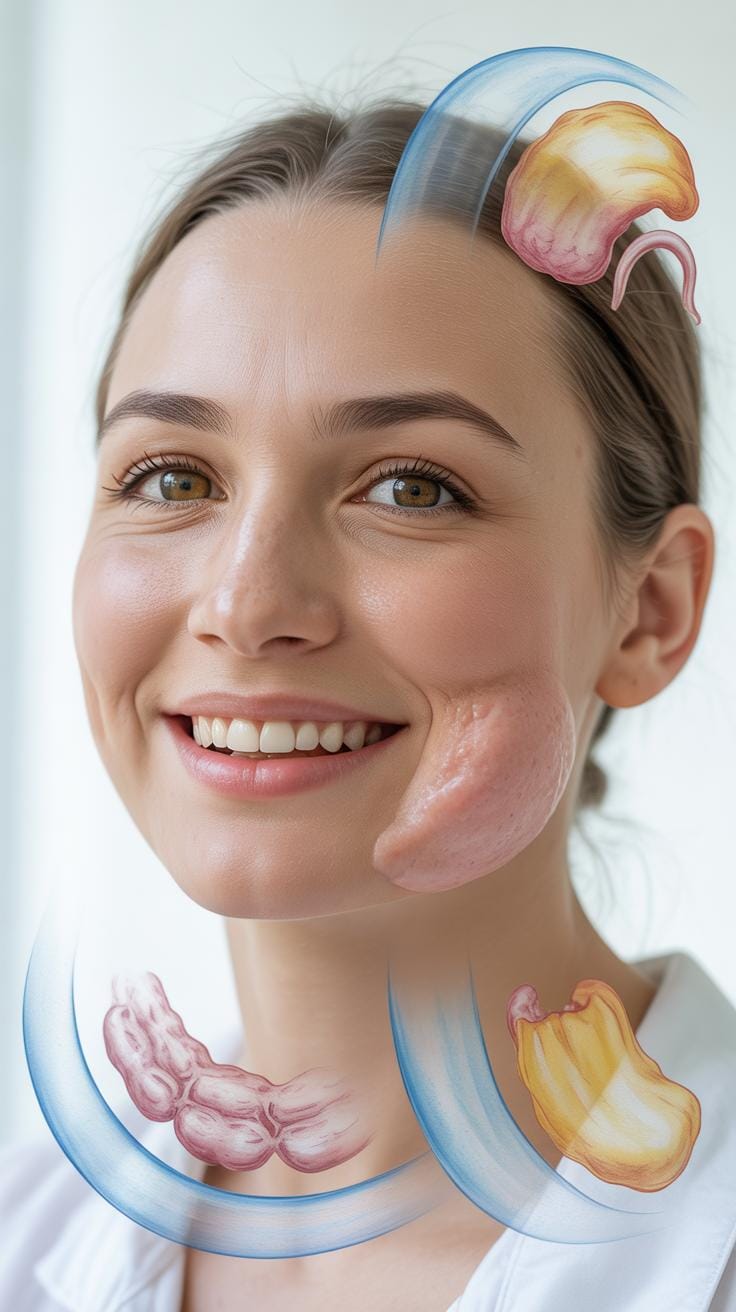
A salivary mucocele occurs when a salivary gland or duct sustains damage. This injury causes saliva to leak into the surrounding tissues instead of flowing into the mouth. The body reacts by forming a wall of connective tissue around the fluid. This creates a soft and painless pocket. Most owners notice this as a large lump under the jaw or neck area.
The swelling grows as more saliva accumulates in the pocket. It often appears quickly but does not typically cause immediate fever or pain. This condition most commonly affects the sublingual or mandibular glands. If it persists, the pressure can interfere with swallowing or breathing. Veterinarians must drain the fluid or surgically remove the damaged gland to stop the swelling from returning.
Even the strongest heart can be heavy when a faithful friend is in pain, but understanding their struggle is the first step toward bringing back their wagging tail. Our animals depend on us to be their voice when they cannot tell us where it hurts.
How Salivary Gland Infections Differ From Cysts In Dogs
Salivary gland infections involve bacteria entering the duct system. This leads to sialadenitis, which is active inflammation. Unlike a mucocele, an infection makes the jaw area very sensitive and hot to the touch. The dog will likely show signs of systemic illness. This includes a high fever, lethargy, and a loss of appetite. The swelling is firm rather than soft or fluctuant.

Cysts are dormant collections of fluid, whereas infections are biological attacks on the tissue. Infections require aggressive antibiotic treatment to kill the bacteria. Cysts generally require surgical drainage or excision because the fluid is trapped. You can tell the difference by the dog’s reaction to touch. An infected dog will flinch or snap due to acute pain. A dog with a mucocele usually remains indifferent.
Ear Health Issues That Can Mimic Or Contribute To Jaw And Facial Swelling
How Ear Infections And Ear Hematomas Can Cause Visible Swelling Near The Jaw
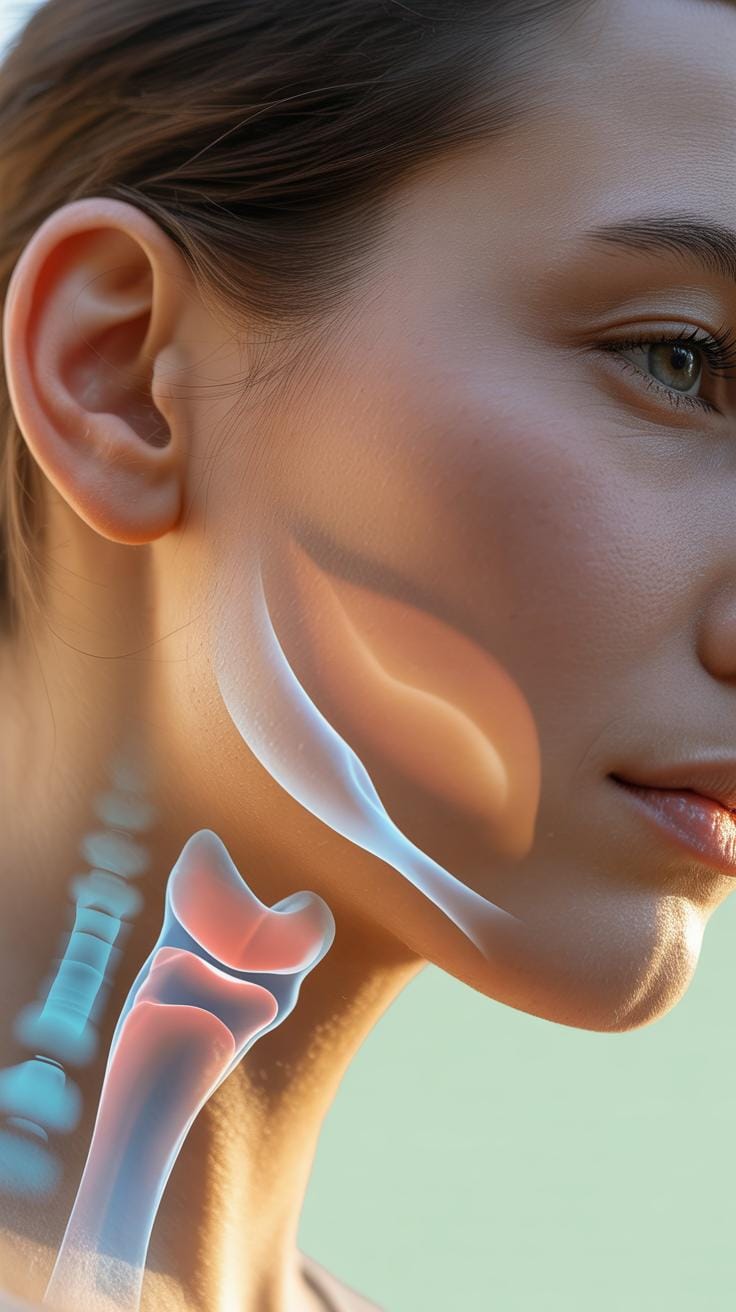
Severe inner or middle ear infections often trigger significant tissue inflammation near the temporomandibular joint. Because the ear canal sits directly behind the jaw hinge, swelling in the canal pushes outward against facial muscles. Owners often mistake this localized pressure for a primary jaw problem. The proximity of these structures means that a deep infection quickly distorts the appearance of the lower face.
Ear hematomas occur when broken blood vessels fill the ear flap with fluid. This heavy mass pulls down on the side of the head and creates a drooping effect. This weight often shifts the skin and soft tissues around the jaw line. It creates a visual illusion of a swollen jaw. You must examine the ear canal and flap to distinguish this from actual bone or muscle issues.
The Connection Between Chronic Ear Health Problems And Spreading Facial Inflammation
Long term ear infections lead to a process called stenosis where the canal thickens and hardens. This chronic state causes persistent inflammation to seep into the surrounding parotid salivary glands and masticatory muscles. When the body cannot clear the infection, the localized swelling spreads. It eventually involves the entire side of the face. This makes the jaw area look thick and unresponsive to movement.

Chronic ear issues can also damage the facial nerve that runs near the ear and jaw. Nerve damage causes the face to droop or sag on one side. This change in muscle tone makes the jaw appear uneven or swollen. If left untreated, the inflammation can lead to abscesses that drain near the angle of the jaw. Professionals look for ear discharge to confirm the source of facial distortion.
Tumors Cysts And Masses As Causes Of A Dog Swollen Jaw
Benign Vs. Malignant Oral And Jaw Tumors In Dogs: What You Need To Know
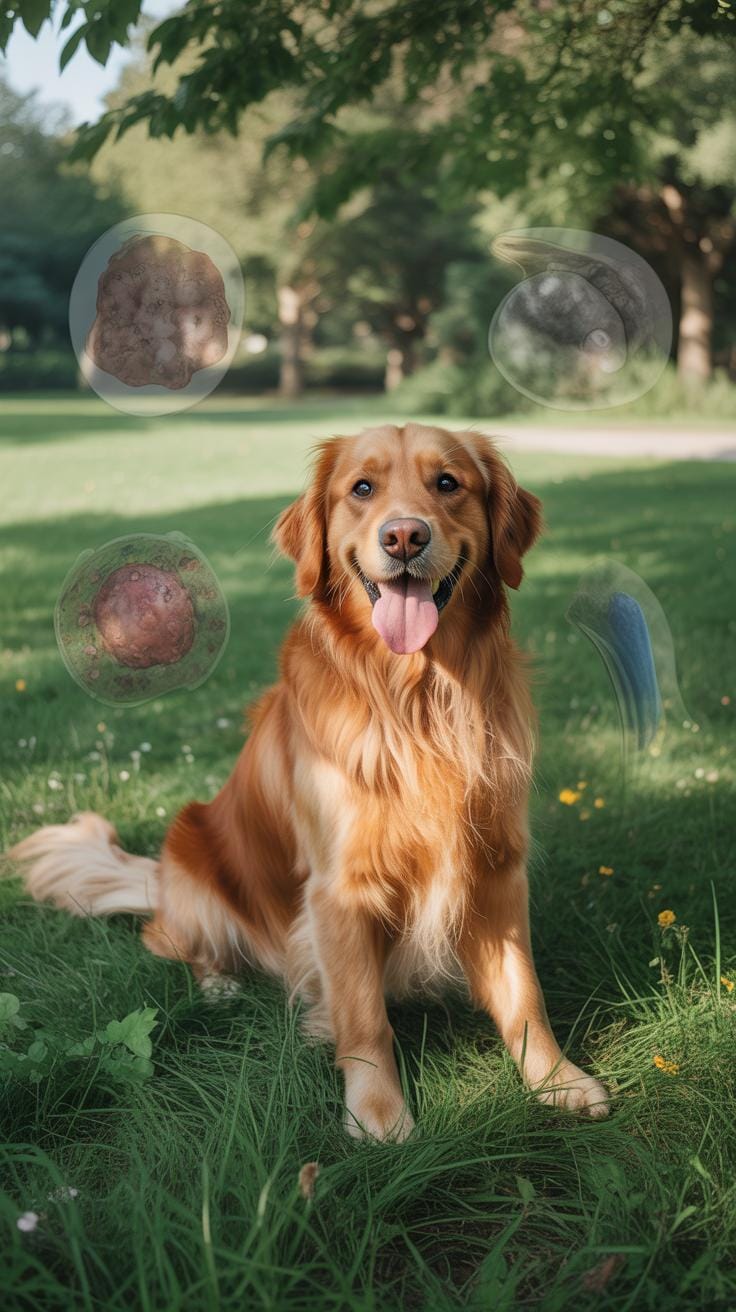
Oral tumors account for a significant portion of canine oncology cases. Benign tumors stay in one place and do not spread to other organs. However, they still cause massive facial swelling by displacing bone and pressing against soft tissue. These growths often expand slowly but can eventually interfere with eating and breathing. Owners must identify these early to prevent permanent structural damage to the jaw.
Malignant tumors like melanoma or squamous cell carcinoma grow fast and invade bone tissue. These cancers destroy the jawbone from the inside out. This destruction causes visible swelling and deep pain. Unlike benign masses, malignant tumors often spread to the lungs or lymph nodes. Early biopsy is the only way to confirm if a growth is life-threatening. Veterinarians use X-rays to see how much bone the tumor destroyed.
Epulides And Other Common Oral Growths That Cause Jaw Swelling In Dogs
An epulis is a common benign growth found on the gum line. It originates from the periodontal ligament that holds teeth in place. While not cancerous, these masses can become very large and firm. They often look like a pink, smooth lump protruding from the gums. Some types can invade the underlying bone. This creates a hard bulge that mimics a fractured jaw or a serious infection.

Dentigerous cysts are another cause of jaw swelling. These fluid-filled sacs form around teeth that failed to erupt properly. They are most common in short-nosed breeds. As the cyst fills with fluid, it puts pressure on the jawbone. This pressure thins the bone and causes a noticeable external bump. Surgery is necessary to remove the cyst and the impacted tooth. Failure to treat a cyst leads to jaw fractures.
When A Dog Swollen Jaw Is Accompanied By Dog Throwing Up Or Other Symptoms
Why Vomiting Alongside Jaw Swelling Can Signal A Serious Systemic Condition
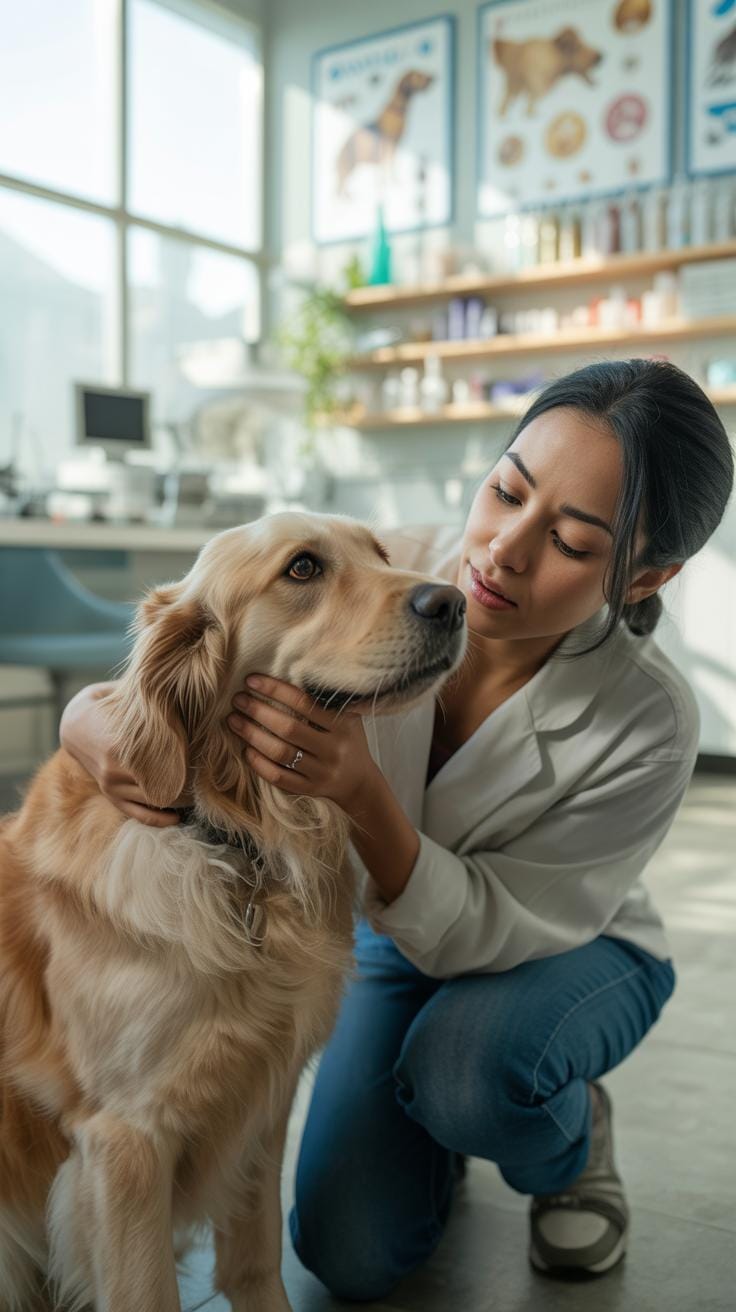
Vomiting paired with jaw swelling suggests the problem is no longer local. This combination often indicates a systemic reaction or a severe infection. Bacteria from a dental abscess can enter the bloodstream. This leads to sepsis or organ stress. The body reacts by purging stomach contents as it fights the spreading toxins. You must treat this as a medical emergency because the infection is moving.
Anaphylaxis is another primary cause for these dual symptoms. An insect sting or a drug reaction causes rapid facial swelling. The gastrointestinal tract reacts quickly to the same allergen. This results in sudden vomiting or diarrhea. If the jaw swells and the dog throws up, the airway might close next. Immediate veterinary intervention is required to stop the systemic shock and stabilize the dog’s breathing.
Other Warning Symptoms To Watch For When Your Dog Has A Swollen Jaw
Monitor your dog for high fever and extreme lethargy. These signs confirm the body is fighting a significant internal threat. Watch the eyes for discharge or bulging. Jaw swelling often stems from behind the eye socket. If the dog cannot open its mouth or refuses to eat, the pain is acute. Check the gums for a blue or pale tint. This indicates poor oxygen levels.

Observe the dog’s breathing patterns for any rasping or gasping sounds. Swelling in the jaw area often puts pressure on the throat. Rapid heart rates and trembling also signal advanced distress. Do not wait for these symptoms to disappear on their own. They indicate that the underlying cause is aggressive and spreading. Record the timing of each new symptom to help the veterinarian reach a fast diagnosis.
How To Treat Dog Swelling In The Jaw Vet Visits Home Care And Prevention
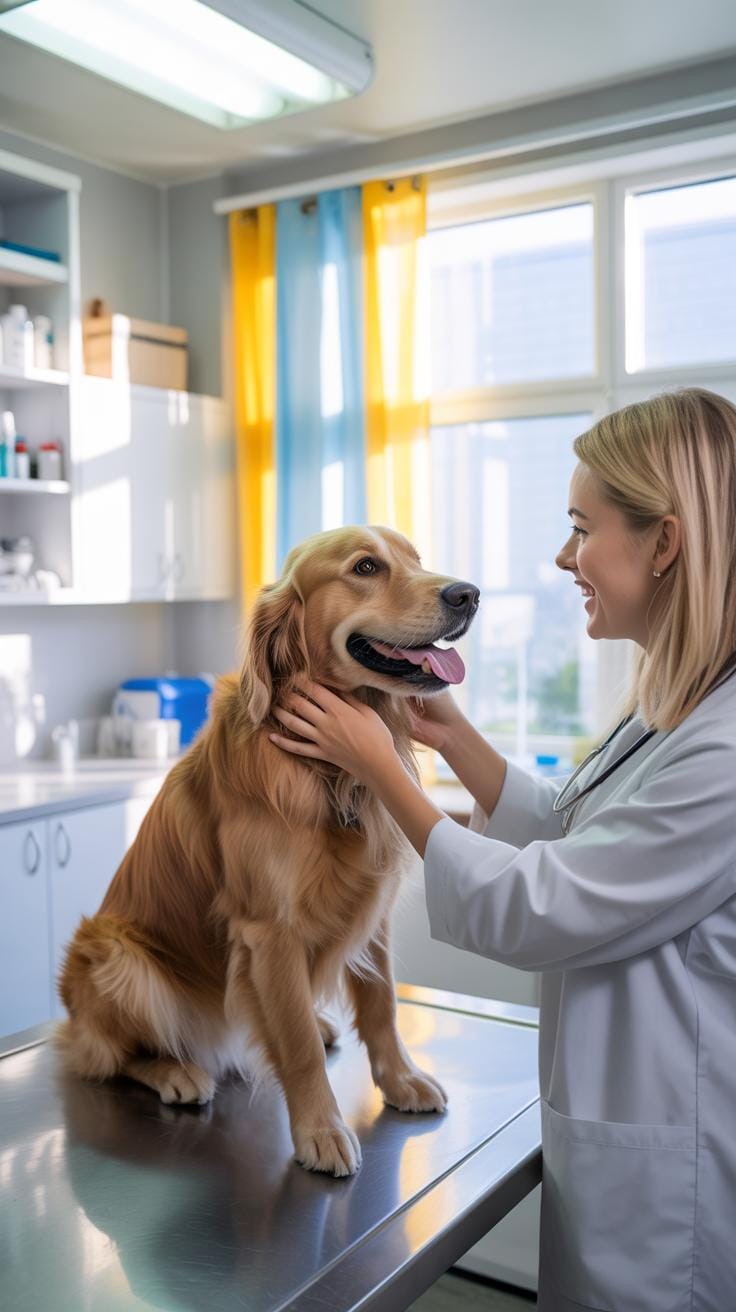
What To Expect At The Vet When Diagnosing And Treating A Dog Swollen Jaw
Vets diagnose a dog swollen jaw using systematic physical exams and diagnostic imaging. They prioritize checking the mouth for broken teeth, gum abscesses, or tumors. The vet will feel the lymph nodes and jawbone for heat or asymmetry. If the cause remains unclear, they will recommend dental X-rays or a CT scan. These tools reveal bone damage or hidden infections that a visual exam misses.
Treatment depends entirely on the underlying cause identified during the exam. Bacterial infections require high-dose antibiotics and possible surgical drainage of abscesses. If a fractured tooth caused the swelling, the vet must extract it under general anesthesia. For inflammatory conditions like masticatory muscle myositis, they prescribe immunosuppressive drugs. Early intervention prevents systemic spread of infection and long-term bone damage. Rapid diagnosis ensures a targeted and effective recovery plan.
Practical Steps To Reduce Jaw Swelling Risk And Support Your Dog’S Recovery At Home
Careful management at home prevents complications and speeds up the healing process during recovery. You must monitor your dog’s eating habits and keep their environment clean to avoid secondary infections. Limit physical activity to prevent accidental trauma to the sensitive jaw area. Switch to soft foods or soak dry kibble in warm water to reduce mechanical stress on the jaw joint and teeth.
- Switch to Soft Food: Provide wet food or softened kibble to eliminate the need for hard chewing. This reduces pressure on the jawbone and inflamed muscles. It ensures the dog keeps eating while in pain.
- Use Elevated Bowls: Raise food and water bowls to a comfortable height for your dog. This prevents them from straining their neck and jaw muscles when reaching for meals. It minimizes physical discomfort during daily routines.
- Eliminate Hard Toys: Remove tennis balls, bones, and nylon chews from the environment immediately. These objects force the jaw to open wide and apply dangerous pressure to the swelling. Keep the mouth in a resting state.
- Maintain Oral Hygiene: Brush your dog’s teeth daily if the vet allows it during recovery. Use a soft brush and dog-safe toothpaste to prevent plaque buildup. Clean teeth reduce the risk of future bacterial infections in the gums.
- Observe Swelling Changes: Document the size and firmness of the swelling every morning and night. Take photos to track progress or identify sudden worsening. Report any new redness or discharge to your vet to adjust the treatment.
Preventative care is the most effective way to avoid a dog swollen jaw. Schedule annual dental cleanings to remove tartar and identify cracked teeth before they become infected. Check your dog’s mouth weekly for any lumps, redness, or broken teeth. Standardize a routine that focuses on oral health to catch issues early. Consistent monitoring and professional cleanings significantly reduce the likelihood of traumatic or infectious jaw swelling.
Frequently Asked Questions

What are the most common reasons for a dog’s jaw to look puffy or enlarged?
Discovering a dog swollen jaw can be alarming for any pet owner. The most frequent causes include dental abscesses, fractured teeth, or periodontal disease. However, swelling can also stem from insect stings, blunt force trauma, or more serious issues like tumors and salivary gland infections. Because the jaw area houses vital structures, identifying the underlying cause quickly is essential to ensure your furry friend remains comfortable and pain-free.
How can I safely examine my dog’s mouth if I notice swelling?
If you suspect a dog swollen jaw, approach your pet calmly to avoid startling them. Gently lift the lip to check for redness, bleeding gums, or broken teeth, but never force the mouth open if they seem to be in pain. Look for external lumps or asymmetrical features along the jawline. If your dog resists or tries to snap, stop immediately and contact a veterinarian to prevent injury to both of you.
What should I do if I cannot afford an emergency vet visit for jaw swelling?
If a vet visit is financially difficult, look for local non-profit clinics or veterinary colleges that offer sliding-scale fees. You can also apply for third-party financing like CareCredit or Scratchpay. While home monitoring is tempting, jaw issues often require antibiotics or extractions that cannot be handled at home. Addressing the problem early usually prevents more expensive complications later on, so be sure to communicate your budget constraints with the clinic staff.