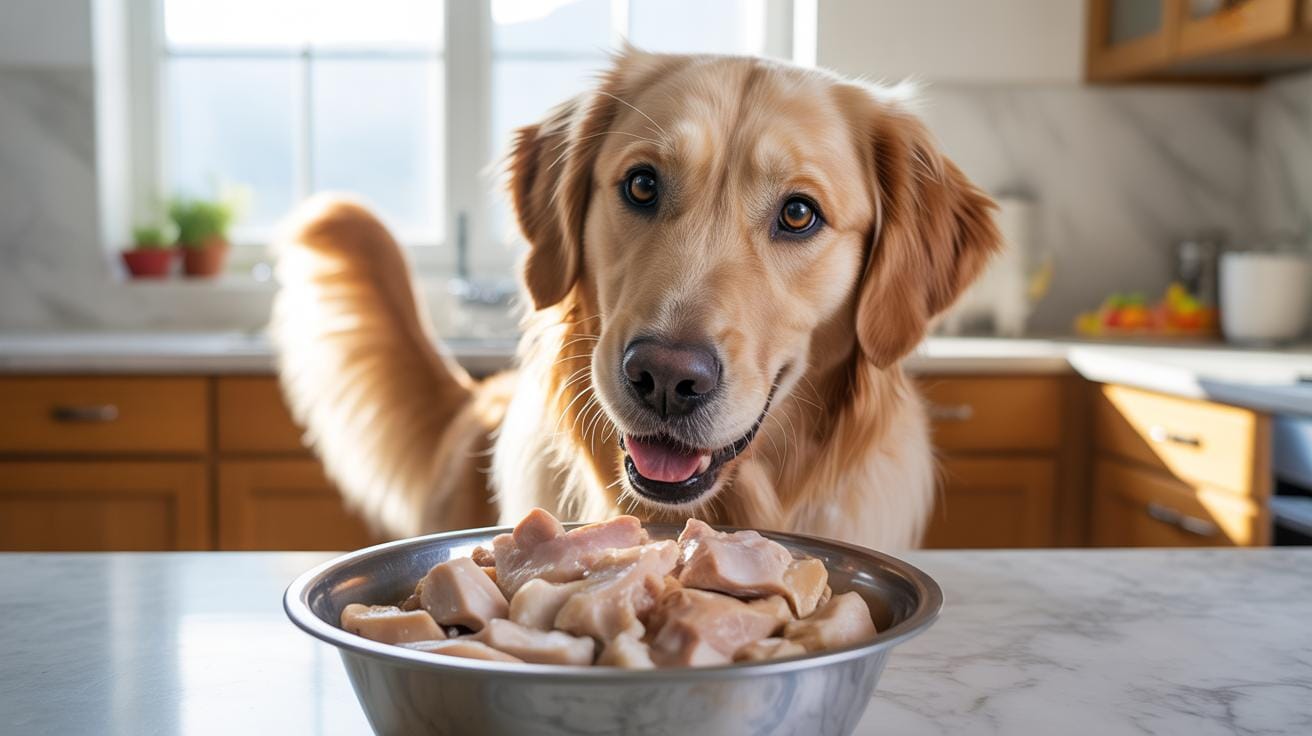
Can Dogs Eat Cooked Chicken The Short And Simple Answer
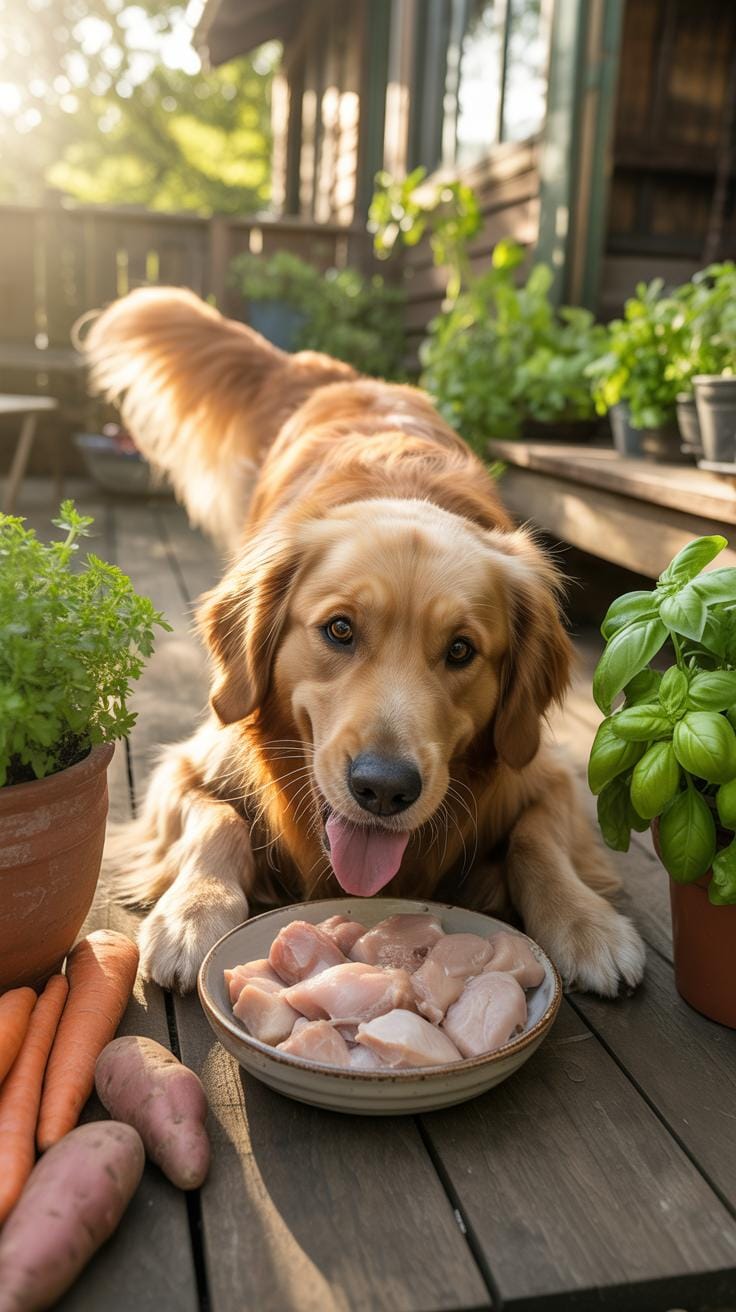
Why Cooked Chicken Is Generally Safe For Dogs
Cooked chicken provides a high-quality source of lean animal protein for dogs. It contains essential amino acids that support muscle maintenance and healthy skin. Most commercial dog foods use chicken as a primary ingredient because it is digestible and cost-effective. Veterinary professionals often recommend plain boiled chicken as a gentle food source for pets recovering from minor digestive upsets or illness.
This protein source fits well into a balanced canine diet when prepared correctly. It delivers energy without excessive fat if you remove the skin. You can use it as a high-value training reward or a topper to encourage eating in picky dogs. Ensure the meat reaches a safe internal temperature to kill bacteria like salmonella. Always serve the chicken plain to maximize safety.
When Cooked Chicken Can Become A Problem For Your Dog
Cooked chicken becomes dangerous when you leave the bones inside the meat. Heat changes the molecular structure of bones and makes them brittle. These hardened bones splinter easily when chewed by a dog. Sharp fragments can puncture the digestive tract or cause fatal internal obstructions. You must remove every bone before feeding any cooked poultry to your pet to avoid surgery.
Added ingredients also turn safe chicken into a toxic hazard. Garlic and onions cause oxidative damage to canine red blood cells. High salt levels lead to dehydration or sodium ion poisoning in small animals. Excessive oils and butter trigger pancreatitis which is a painful inflammation of the pancreas. Proper preparation requires a complete absence of seasonings and fat to keep the meal safe.

Nutritional Benefits Of Chicken For Dogs And Why It Works So Well
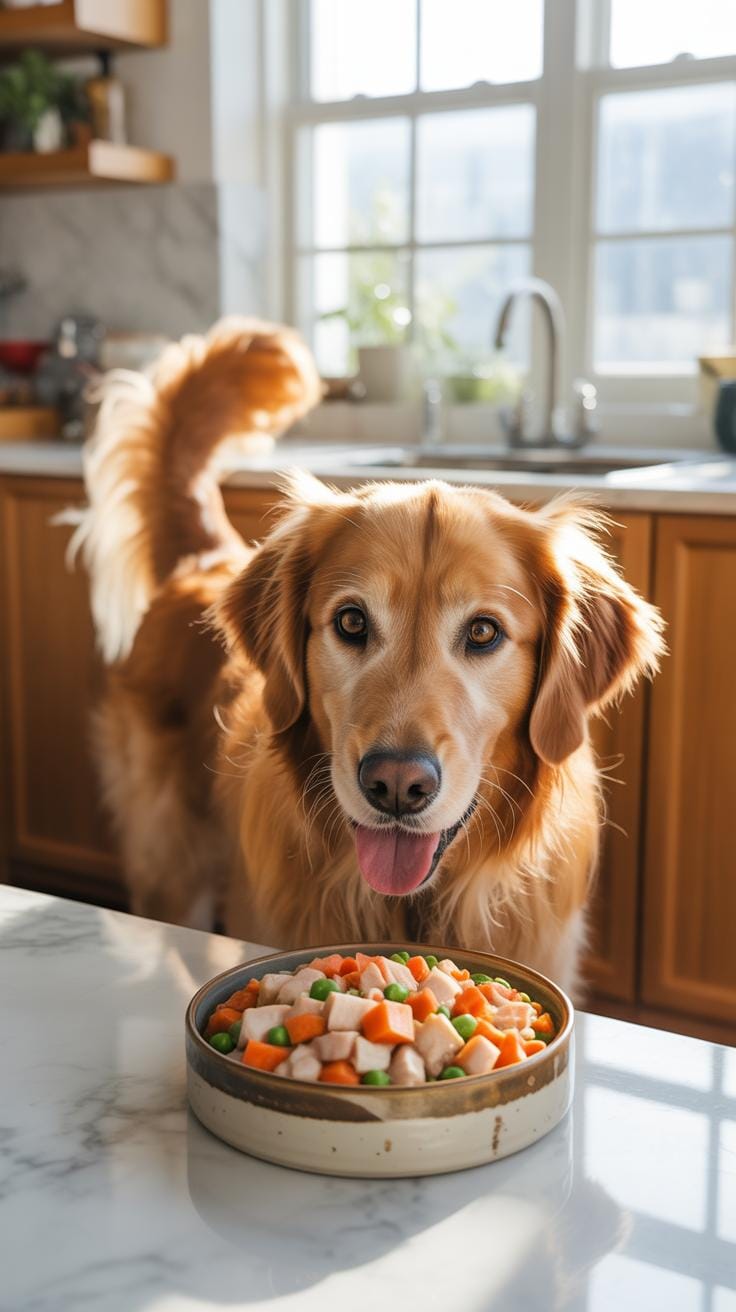
Protein, Amino Acids, And Lean Fat: What Chicken Delivers
Chicken serves as a primary source of high quality animal protein for canines. This protein contains essential amino acids that dogs cannot produce on their own. These building blocks facilitate hormone production and immune system regulation. Selecting white meat ensures the dog receives these nutrients without excessive calorie density. It represents an efficient delivery system for basic biological maintenance and continuous cellular repair.
The fat content in chicken provides a concentrated energy source and supports skin health. It contains omega 6 fatty acids which maintain the structural integrity of the skin barrier. Proper fat levels help dogs absorb fat soluble vitamins like A and D. Using cooked chicken without skin reduces the risk of pancreatitis from high fat intake. This balance makes it a safe staple for most breeds.
How Chicken Supports Muscle Health And Energy In Dogs
Muscle maintenance requires a steady supply of nitrogen found in chicken proteins. Dogs use these nutrients to repair muscle fibers after exertion or play. This prevents muscle wasting especially as dogs age or increase their activity levels. High bioavailability means the dog’s digestive tract extracts these nutrients quickly. It works as a functional fuel for both working dogs and household pets requiring lean mass.

Energy production relies on the metabolic efficiency of clean protein sources. Chicken provides B vitamins that assist in converting food into usable glucose. This prevents energy crashes and supports a stable metabolic rate throughout the day. It offers a consistent performance boost without the digestive stress caused by heavier red meats. Regular inclusion helps maintain a healthy weight while providing the power needed for daily physical movement.
How To Cook Chicken For Dogs The Safe And Healthy Way
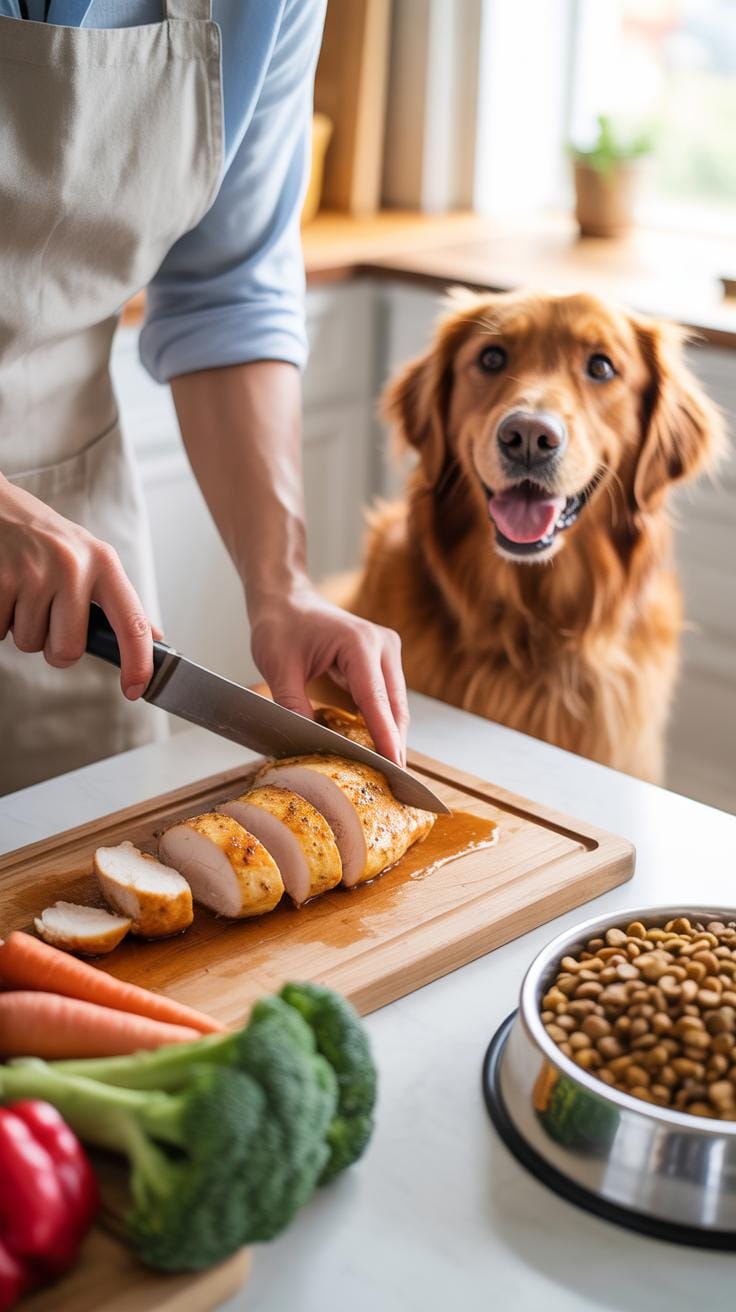
Boiling Vs. Baking: Which Cooking Method Is Best For Dogs
Boiling is the most efficient method for preparing canine protein. It requires zero oil or butter. This process removes excess fat from the meat during the simmer. You simply place the meat in a pot and cover it with water. Heat the water until it reached a rolling boil. Continue cooking until the meat is white and opaque throughout.
Baking offers a solid alternative if you avoid added fats. Place the chicken on a parchment-lined tray to prevent sticking. Use a meat thermometer to ensure the internal temperature reaches 165 degrees Fahrenheit. While baking preserves more flavor, boiling is often better for dogs with sensitive stomachs. Both methods work if you skip all seasonings. Never use garlic or onion powder during any cooking stage.
The simple joy of sharing a piece of plain, cooked chicken is a language of love that every dog understands perfectly. When fed with care and safety in mind, these small treats become the golden threads that bind our hearts together.
Safe Preparation Steps Every Dog Owner Should Follow
Proper preparation prevents medical emergencies and digestive distress. You must transition from raw meat to cooked portions without cross-contamination. Start by cleaning all surfaces and utensils used for raw poultry. Remove all skin and visible fat deposits before transition to the heat source. High fat content causes pancreatitis in many breeds. Always prioritize lean white breast meat over darker cuts.
- Remove All Bones: Take out every bone before and after cooking the meat. Cooked bones become brittle and prone to splintering. These sharp shards can puncture the stomach lining or cause fatal intestinal blockages in your dog.
- Eliminate All Seasonings: Avoid salt, pepper, garlic, and onions entirely. These common kitchen staples are toxic to dogs or cause severe dehydration. Pure chicken provides enough natural flavor without the need for any dangerous additives or flavor enhancers.
- Cool Before Serving: Let the meat sit until it reaches room temperature. Feeding hot food can cause thermal burns to the mouth and throat. Check the center of the largest pieces to ensure no heat remains trapped before you offer the meal.
- Dice Into Small Pieces: Cut the cooked meat into bite-sized cubes appropriate for your dog. Small pieces prevent choking and make the protein easier to digest. Adjust the size based on your dog’s breed and their specific chewing habits or dental health.
- Drain Excess Liquids: Pour off any greasy runoff or heavy fats after the cooking process finishes. High fat levels trigger digestive upset and loose stools. Keeping the meat lean ensures the protein remains a healthy addition to the daily diet.

Standardize your portion sizes to prevent obesity and nutritional imbalances. Chicken should serve as a topper or treat rather than a total meal replacement. It lacks the vitamins and minerals found in balanced commercial dog foods. Monitor your dog for any signs of allergic reactions after the first feeding. Consult a veterinarian if you notice scratching or digestive changes.
Ways To Cook Chicken For Dogs Without Harmful Additives
Why Seasonings, Garlic, And Onion Are Dangerous For Dogs
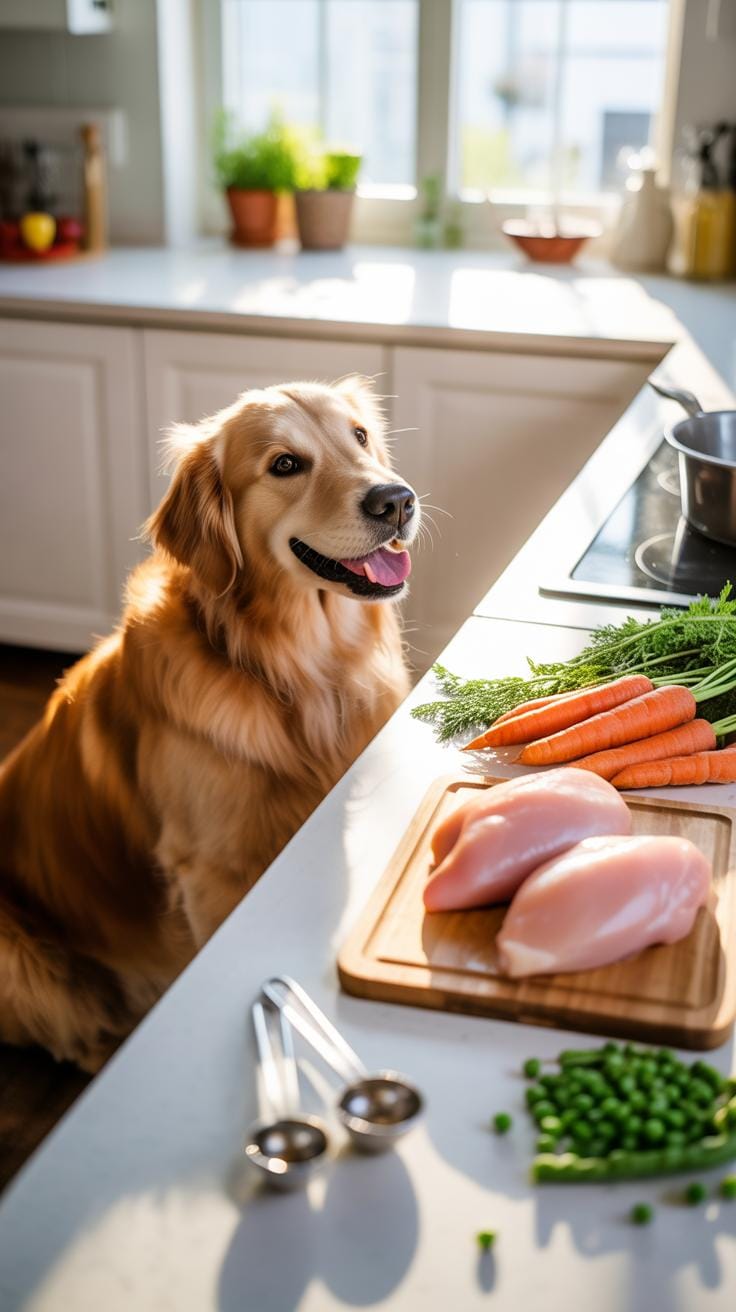
Human seasonings pose severe health risks to dogs. Garlic and onions belong to the Allium family and contain thiosulfate. This compound causes oxidative damage to red blood cells. Ingesting these ingredients leads to hemolytic anemia. Your dog might show weakness, pale gums, and an elevated heart rate. Small amounts can be toxic over time. Never assume a small pinch of garlic powder is safe.
Sodium is another major concern for canine health. Most commercial seasonings and rubs contain high salt levels. Excessive salt intake causes dehydration and puts stress on the kidneys. Some spices like nutmeg or black pepper can irritate the digestive tract. Always check ingredient labels on pre-marinated meats. Even trace amounts of these additives can trigger vomiting or diarrhea. Keep the protein pure to avoid medical emergencies.
Plain And Simple: The Safest Flavoring Approach For Dog Friendly Chicken
Boiling or poaching is the most effective method for preparing safe chicken. Place the meat in a pot and cover it with plain water. Heat until the internal temperature reaches 165 degrees Fahrenheit. This process removes excess fat and requires zero oils or butter. Fat additives contribute to pancreatitis in many breeds. Stick to water as your only cooking medium to ensure high digestibility.

Grilling or roasting is acceptable if you skip the skin. Chicken skin contains high concentrations of fat that dogs cannot process easily. Use parchment paper or a non-stick surface to prevent sticking without using grease. Always remove all bones before serving the meat. Cooked bones become brittle and can splinter in the throat or stomach. Plain chicken provides the protein they need without any hidden dangers.
Can Dogs Eat Chicken Feet What You Should Know Before Serving Them
The Nutritional Value Of Chicken Feet For Dogs
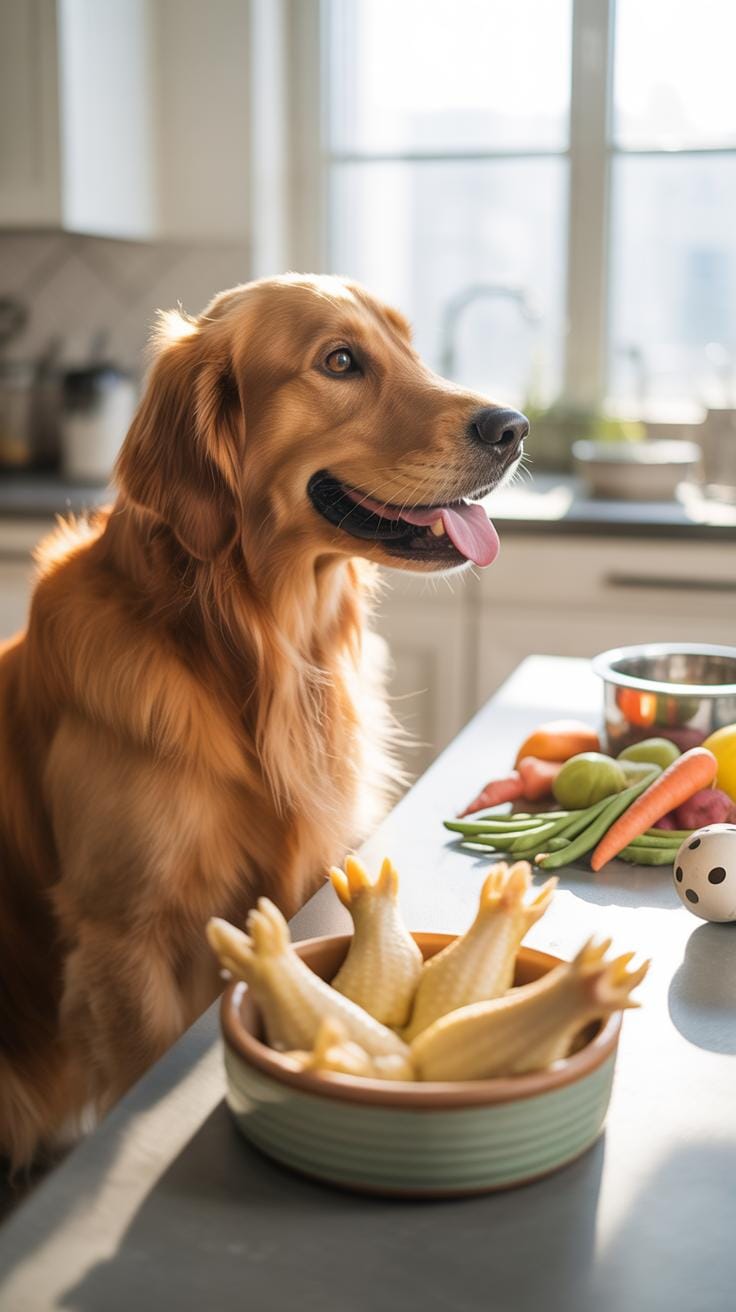
Chicken feet serve as a concentrated source of glucosamine and chondroitin. These natural compounds support canine joint health by maintaining cartilage and reducing inflammation. Large breeds or aging dogs benefit most from these nutrients. The feet consist mainly of skin, connective tissue, and cartilage. This unique composition makes them a high-protein treat that lacks the heavy muscle meat found in other poultry cuts.
Regular consumption of chicken feet also aids dental hygiene. The abrasive texture scrapes plaque from teeth as the dog chews. This mechanical action helps prevent tartar buildup and promotes healthy gums. These treats contain collagen, which improves skin elasticity and coat shine. While they provide high nutritional value, you must monitor calorie intake. Chicken feet contain significant fat, so limit them for dogs prone to obesity or pancreatitis.
Raw Vs. Cooked Chicken Feet: Key Safety Differences
Raw or dehydrated chicken feet are the safest options for your dog. In these states, the bones remain soft and brittle. They crumble easily under pressure and digest quickly in the stomach. Raw bones do not splinter, which protects the digestive tract from internal cuts. Many owners prefer dehydrated versions because they offer the same safety benefits but remain shelf-stable for longer periods of time.

Never feed your dog cooked chicken feet. High heat changes the molecular structure of the bone, making it hard and glass-like. These brittle bones splinter into sharp shards when chewed. These pieces can puncture the esophagus, stomach, or intestines. This leads to internal bleeding or life-threatening infections. Boiling or roasting also removes most of the natural moisture and nutrients. Always stick to raw or air-dried sources to ensure maximum safety.
How To Cook Chicken Feet For Dogs Without Creating A Choking Hazard
Why Boiling Chicken Feet Is The Recommended Method
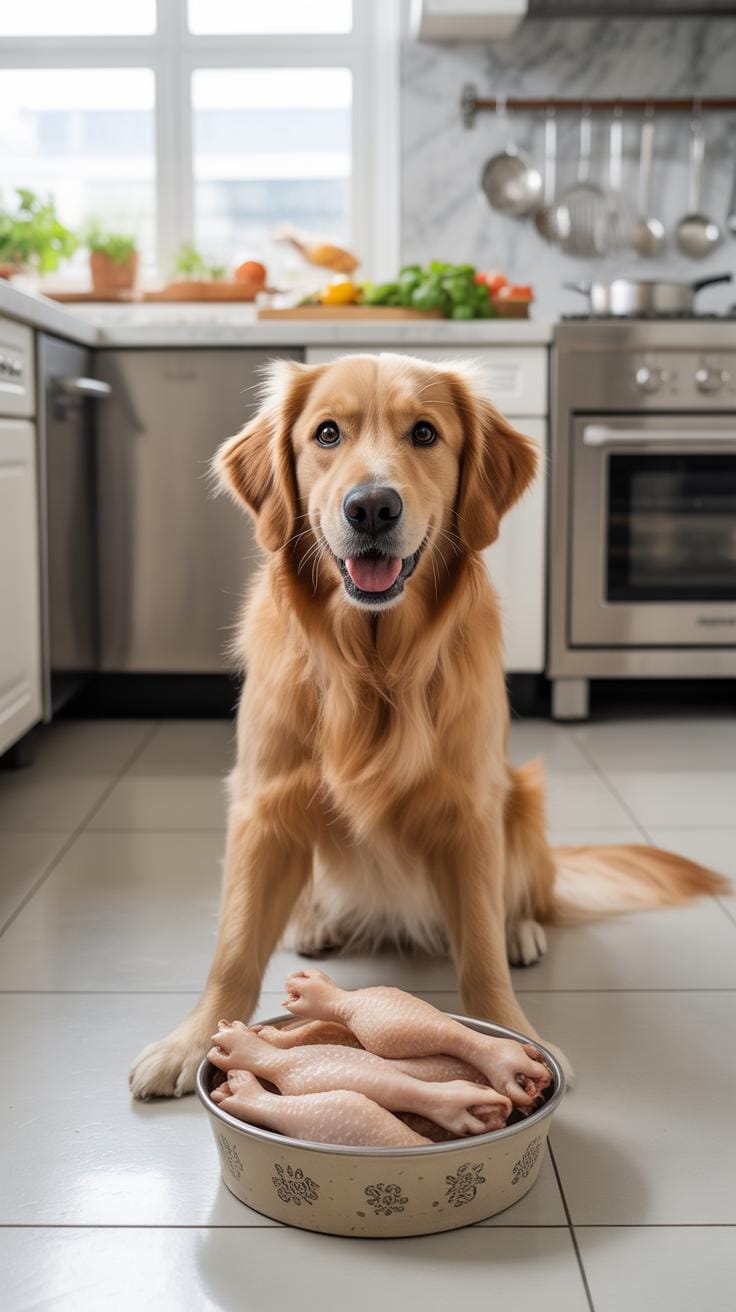
Boiling chicken feet is the safest preparation method for domestic dogs. High temperatures from frying or roasting make bones brittle and prone to splintering. Splintered bones cause internal perforations or blockages in the digestive tract. Boiling keeps the collagen and connective tissues soft. This method ensures the snack remains digestible while reducing the risk of sharp edges damaging the throat or stomach.
Always remove the claws before or after boiling to prevent punctures. Simmer the feet in plain water without added salt, onions, or garlic. These common seasonings are toxic to dogs. Boiling also renders out excess fat, which helps prevent digestive upset or pancreatitis. Once cooked, the feet should feel rubbery rather than hard. This texture allows the dog to chew safely without creating dangerous shards.
Portion Size And Serving Frequency For Chicken Feet
Treat chicken feet as a supplemental snack rather than a primary meal. They are high in glucosamine and chondroitin, which support joint health. However, they also contain fat and protein that add to the daily calorie count. Small dogs should eat no more than one foot per day. Large breeds can handle two or three feet if their overall diet remains balanced.

Consistency is key when introducing new proteins to a dog. Start with one foot to monitor for any allergic reactions or loose stools. Overfeeding can lead to weight gain or nutrient imbalances. Replace a portion of the regular kibble if you serve chicken feet frequently. This strategy maintains a healthy weight while providing the dental benefits of chewing. Always supervise your dog during feeding to ensure they chew thoroughly.
Chicken Hearts For Dogs A Nutrient Dense Part Worth Considering
What Makes Chicken Hearts A Beneficial Organ Meat For Dogs
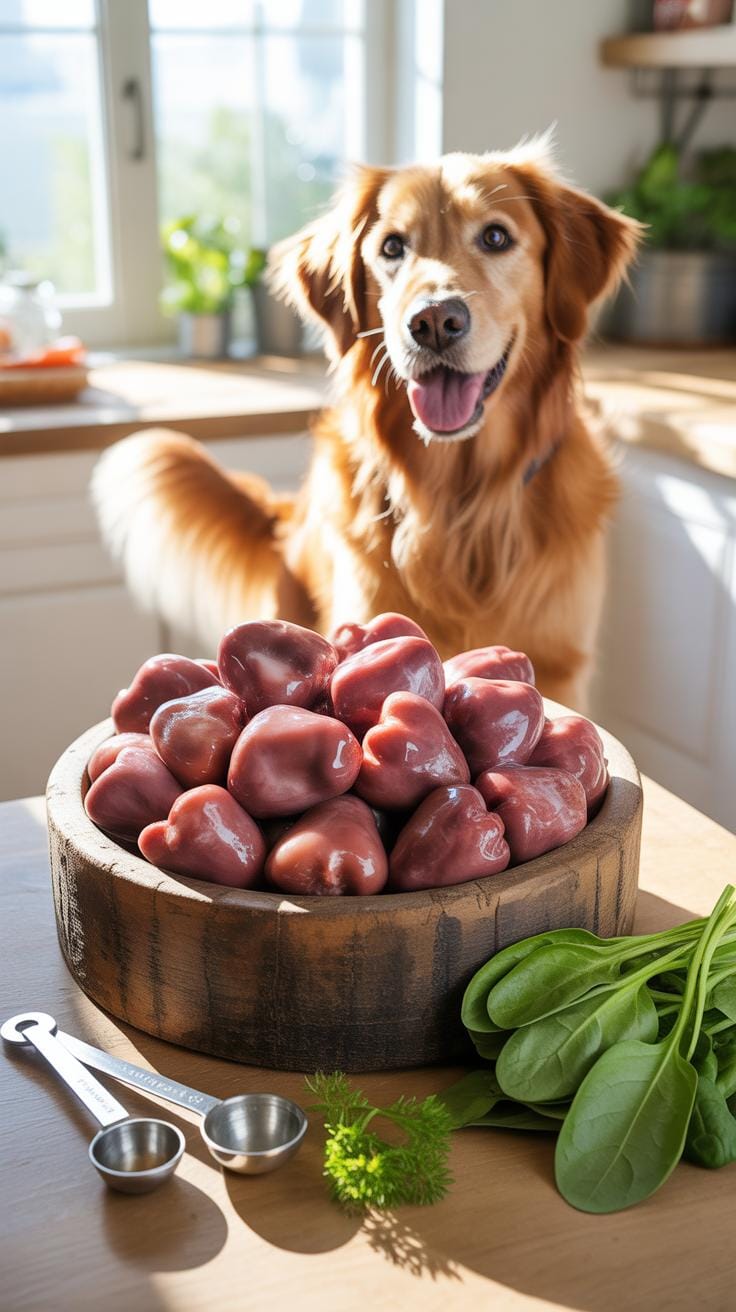
Chicken hearts function as a concentrated source of taurine. This amino acid supports cardiac health and prevents dilated cardiomyopathy in dogs. Unlike standard skeletal muscle meat, hearts contain high levels of B vitamins and essential minerals like iron and phosphorus. These nutrients improve energy metabolism and support a healthy nervous system. Feeding this organ provides a biological advantage that standard fillets lack.
While technically an organ, the heart consists of dense muscle tissue. This makes it more palatable to dogs than secreting organs like liver or kidneys. It offers a lean protein profile with fatty acids that improve coat quality. These fats provide a sustained energy source without causing the digestive upset associated with high-fat scrap meat. You should treat chicken hearts as a primary supplement for performance.
How To Safely Prepare And Serve Chicken Hearts To Your Dog
Preparation requires removing excess connective tissue or heavy fat caps. Raw hearts carry salmonella risk, so boiling or lightly sautéing is the safest path. Place the hearts in a pot of plain water and simmer until they turn a consistent brown color throughout. Avoid adding salt, onions, garlic, or oils. These additives create unnecessary toxicity and provide zero nutritional value to the canine digestive system.

Cut the cooked hearts into small pieces to prevent choking. Large dogs can handle whole hearts, but smaller breeds need bite-sized portions. Use these as high-value training rewards or as a topper for regular meals. Limit organ meat intake to approximately ten percent of the total diet. Excessive consumption can cause loose stools due to the high nutrient density. Monitor your dog for any signs of dietary sensitivity.
Dog Eating Habits How Much Cooked Chicken Is The Right Amount
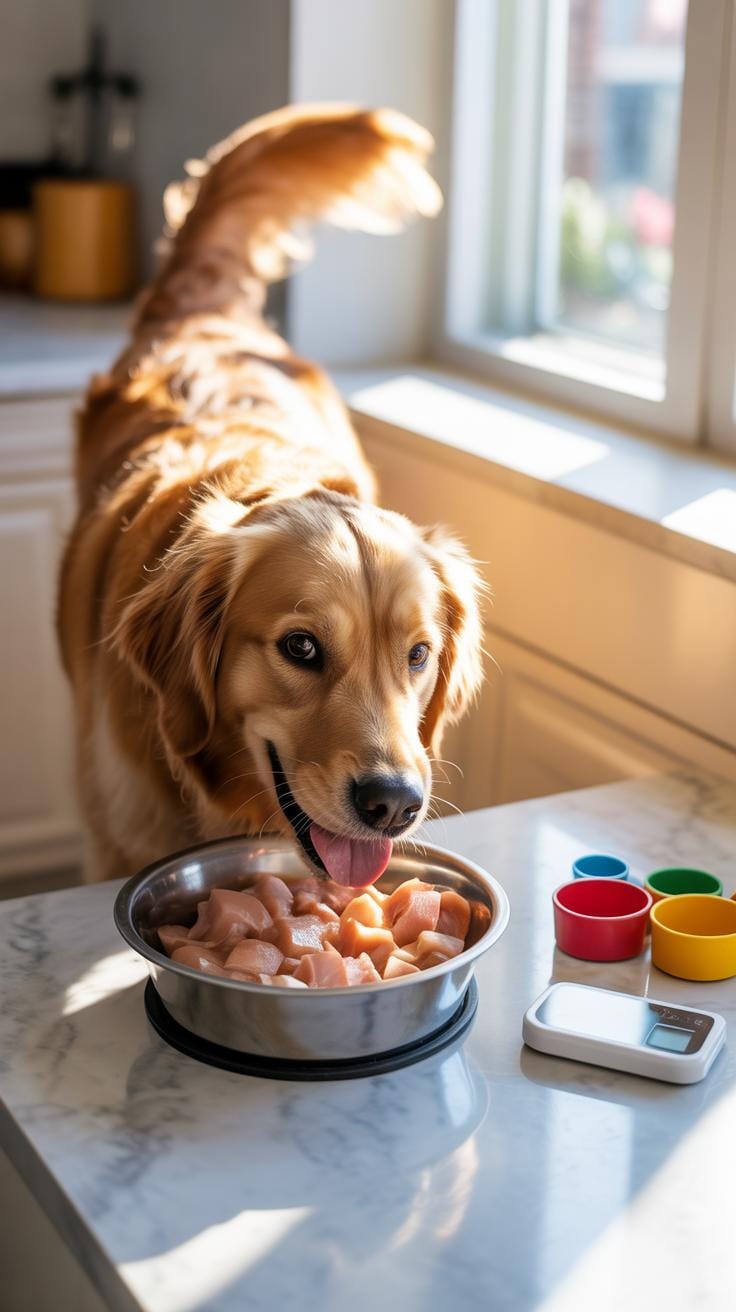
Understanding Portion Control Based On Your Dogs Size And Weight
Portion control depends on your dog’s daily caloric needs. A small dog weighing ten pounds requires far less energy than an eighty-pound large breed. You must calculate the chicken’s caloric density before feeding. One ounce of plain cooked chicken breast contains about forty-five calories. Feeding too much leads to rapid weight gain. Excess weight puts stress on joints and internal organs.
Monitor your dog’s body condition score regularly to adjust intake. If you cannot feel the ribs, reduce the portion size immediately. Smaller breeds generally need only a few small pieces to meet their limit. Larger breeds can handle more volume but still require strict limits. Consistency prevents obesity and digestive upset. Use a kitchen scale to measure the meat accurately every single time.
Should Chicken Be A Treat Or A Meal Replacement For Dogs
Cooked chicken should serve as a treat or a topper rather than a full meal. Chicken meat alone lacks essential minerals like calcium and phosphorus. If you replace a balanced commercial diet with only chicken, your dog will develop nutritional deficiencies. Follow the ten percent rule for safety. Treats and toppers must never exceed ten percent of the total daily calories.

Strategic use of chicken can jumpstart the appetite of a sick dog. Mix small amounts into regular kibble to encourage eating during recovery. However, do not make this a permanent habit without professional guidance. Long-term reliance on chicken as a primary food source requires a veterinarian-approved recipe including precise supplements. Stick to using it as a high-value reward for training or a healthy snack.
Can Dogs Eat Other Parts Of The Chicken A Quick Guide To Safe Options
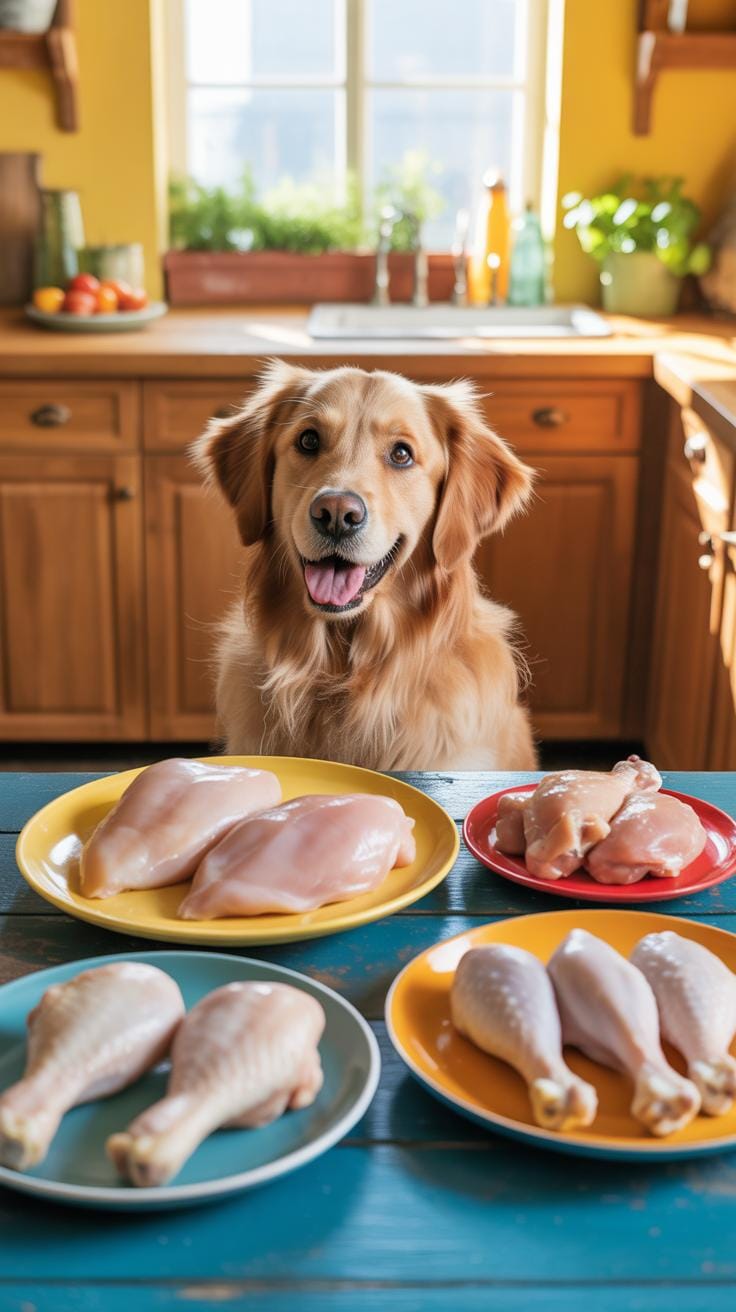
Chicken Breast, Thighs, And Drumsticks: What Is Safe And What To Avoid
Dogs can eat muscle meat from various parts of the bird. Chicken breast provides the leanest protein source for weight management. Thighs and drumsticks contain more fat and iron, which benefits active dogs but may cause upset in sensitive stomachs. You must remove all skin and visible fat before feeding. High fat content leads to acute pancreatitis in many breeds.
- Chicken Breast: This is the safest and leanest cut for most dogs. It contains high protein levels with minimal fat. Use this part for dogs on a bland diet or those prone to weight gain. Always boil or bake it without using any salt or oil.
- Chicken Thighs: These offer a denser nutrient profile than white meat. They contain more minerals like iron and zinc. The higher fat content makes them more palatable for picky eaters. Ensure you trim all excess skin to keep the calorie count under control for your pet.
- Chicken Drumsticks: The meat on the drumstick is safe and chewy for dogs. It provides similar nutrients to the thigh meat. You must manually strip the meat from the bone before serving. Never let a dog chew on the whole leg as the bone poses a major risk.
- Chicken Heart: This organ meat is a concentrated source of taurine and essential amino acids. It functions as a lean protein despite being an organ. Feed it in small amounts as a topper rather than a full meal. Too much organ meat can cause loose stools.
- Chicken Gizzards: These are high in cartilage and vitamins. They provide a unique texture that many dogs enjoy. Gizzards are low in fat but high in cholesterol. Limit the portion size to avoid nutritional imbalances in your dog’s daily diet.
Prepare these meats using simple cooking methods. Boiling is the most effective way to remove excess fat and ensure the meat is clean. Avoid frying or rotisserie styles because they contain added seasonings. Onions and garlic powder are toxic to dogs and often hide in pre-packaged meats. Stick to plain, unseasoned cuts to ensure the safety of your canine companion.
Why Cooked Chicken Bones Are Never Safe For Dogs
Cooked chicken bones present a lethal hazard to all dog breeds. Raw bones are soft and flexible, but the cooking process changes the molecular structure. Heat makes the bones brittle and prone to splintering upon impact. When a dog bites a cooked bone, it shatters into sharp, needle-like shards. These shards easily puncture the soft tissues of the throat and mouth.
The danger continues after the dog swallows the bone fragments. Sharp pieces can pierce the esophagus, stomach lining, or intestinal walls. This leads to internal bleeding or a life-threatening infection called peritonitis. In other cases, large fragments cause a physical blockage in the digestive tract. Surgery is often the only way to remove these obstructions. Protect your dog by disposing of all bones in a secure bin.
When To Avoid Feeding Your Dog Cooked Chicken Entirely

Signs Of Chicken Allergies Or Sensitivities In Dogs To Watch For
Chicken is a common protein source but also acts as a primary allergen for many dogs. You must monitor your pet for immediate physical reactions after consumption. Look for persistent itching, red skin, or chronic ear infections. These signs indicate an immune system overreaction to the bird protein. Gastrointestinal distress like vomiting or loose stools often follows ingestion if a true sensitivity exists.
If your dog displays these symptoms, stop feeding chicken immediately. Continuing to provide the protein will increase internal inflammation and worsen skin lesions. Constant paw licking or face rubbing are tactical indicators of a problem. Consult a veterinarian to conduct an elimination diet. Removing the trigger is the only way to stabilize the health of an allergic dog and prevent long term damage.
Underlying Health Conditions That May Make Chicken A Poor Choice
Certain medical profiles require you to remove chicken from the diet. Dogs with advanced kidney disease often need strictly controlled protein levels to reduce organ stress. High protein intake can lead to a buildup of waste products in the bloodstream. If a veterinarian prescribes a low protein renal diet, skip the chicken. You must prioritize organ function over supplemental feeding or treats.
Pancreatitis is another condition that demands caution. While chicken breast is lean, any skin or residual fat can trigger a painful flare up. This causes the pancreas to become inflamed and attack itself. For dogs with a history of fat intolerance, even small amounts of cooked chicken pose a risk. Use highly specialized veterinary formulas instead. Tactical nutrition requires matching the protein source to the specific metabolic needs of the dog.
Frequently Asked Questions

Is it safe to give my pet roasted or boiled chicken from the table?
Yes, absolutely! When wondering can dogs eat cooked chicken, the answer is a resounding yes, provided it is prepared correctly. Plain, boneless chicken is an excellent source of lean protein that supports muscle maintenance. However, you must ensure the meat is free from oils, salt, garlic, and onions, as these common kitchen seasonings can be toxic or lead to digestive upset for your furry friend.
What is the best way to prepare chicken for a dog’s sensitive stomach?
The safest method is to boil or poach the poultry until it is fully opaque and cooked through. Always remove the skin and fat to prevent pancreatitis. When considering can dogs eat cooked chicken, remember to shred or dice the meat into bite-sized pieces to prevent choking. Serving it alongside plain white rice is a gentle, vet-approved way to soothe a dog experiencing mild gastrointestinal distress or pickiness.
Can I use leftover chicken carcasses or bones to save money on dog treats?
While it may seem like a budget-friendly way to reduce food waste, you should never feed your dog cooked chicken bones. Unlike raw bones, cooked bones become brittle and can easily splinter, leading to punctured intestines or severe choking hazards. To save money safely, use the leftover meat scraps and cartilage, but always discard the bones and any skin to ensure your pet stays happy and healthy.