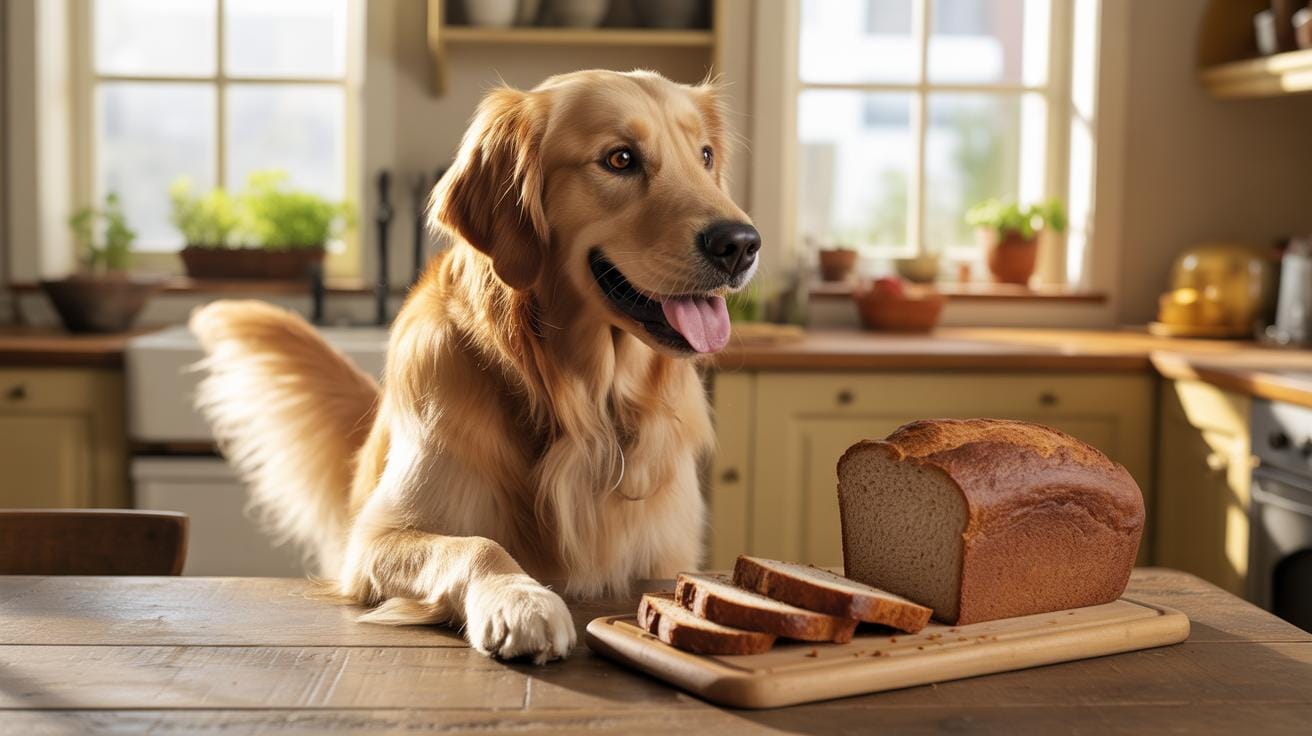
Can Dogs Eat Bread The Short Answer Explained
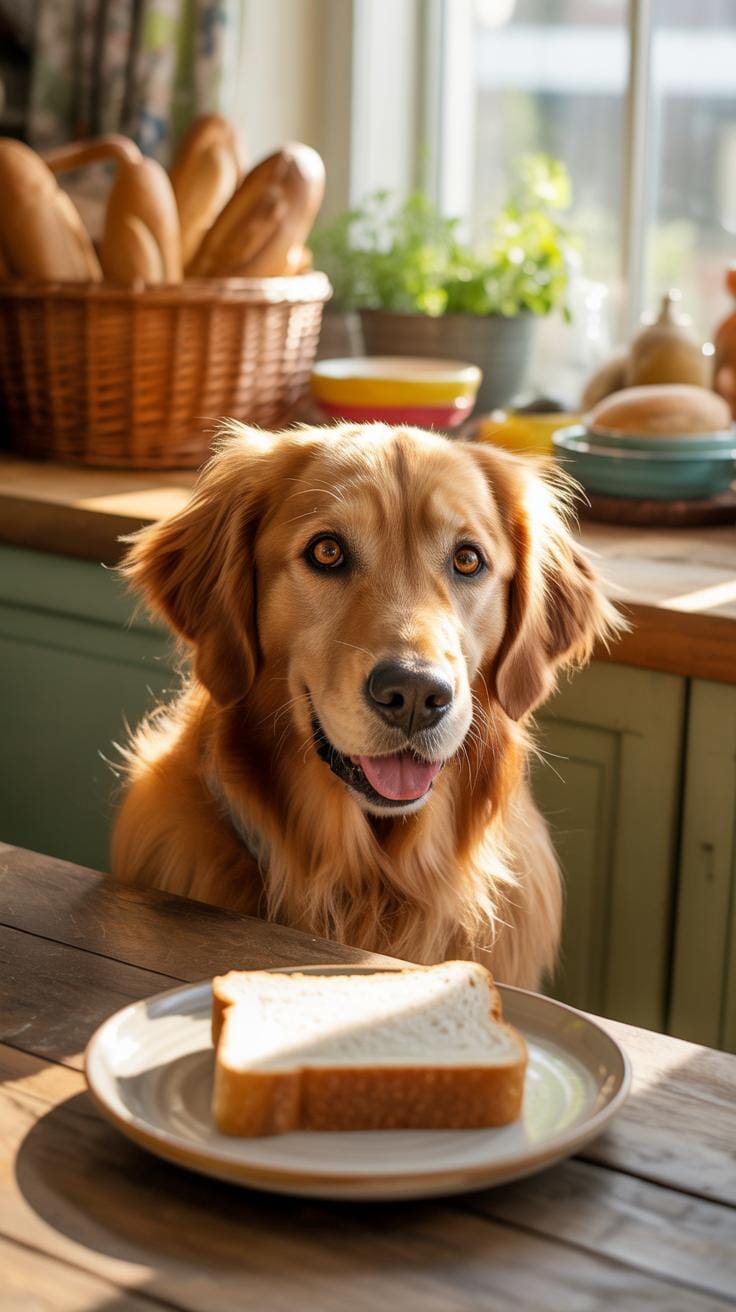
Is Plain Bread Generally Safe For Dogs
Plain white or wheat bread is generally safe for most dogs as an occasional snack. It does not contain toxic compounds that cause immediate harm to the canine system. Veterinarians categorize it as a filler food because it offers no significant nutritional benefits. High-quality dog food already provides all necessary nutrients. Adding bread just increases the calorie count without improving health.
Standard bread recipes consist of flour, water, salt, and yeast. These basic ingredients are non-toxic once baked. You must ensure the bread contains no added flavorings or sweeteners like xylitol. These additives turn a safe snack into a lethal hazard. Always check the ingredient list before sharing a piece with your pet. Safety depends entirely on the simplicity of the recipe used.
How Much Bread Can A Dog Safely Consume
Limit bread intake to tiny portions to avoid weight gain and digestive upset. Bread acts as a source of empty carbohydrates and high calories. It should never exceed five percent of a dog’s daily caloric intake. Use it only as a rare treat rather than a meal replacement. Excessive consumption leads to obesity and associated heart or joint issues over time.
Monitor your dog for signs of gluten sensitivity or wheat allergies after feeding. Some breeds experience bloating or skin irritation from grain products. If your dog has a sensitive stomach, skip bread entirely to prevent discomfort. Small dogs require much smaller pieces than large breeds to avoid intestinal blockages. Focus on maintaining a balanced diet by keeping carbohydrate snacks to an absolute minimum.

Understanding Human Food And Its Impact On Dogs
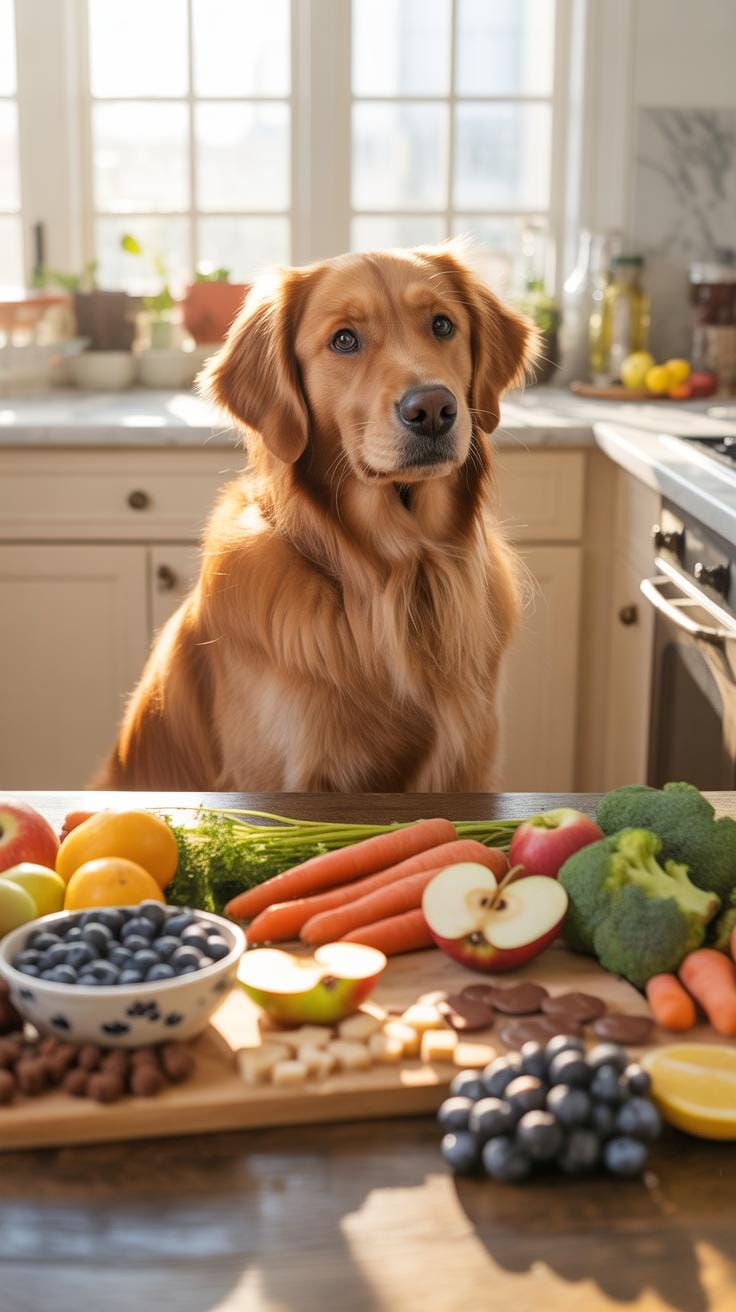
Why Human Food Doesnt Always Translate To Dog Safe Food
Humans and dogs evolved together but they process nutrients differently. Many ingredients found in common pantry staples are harmless to people but toxic to canines. Commercial human foods often contain high levels of sugar, salt, and fat. These additives improve taste for people. However, they strain a dog’s internal organs and lead to long term health complications.
Toxic substances like xylitol or certain spices appear in modern processed foods. A canine’s liver and kidneys cannot filter these compounds effectively. High carbohydrate loads in bread do not provide the essential amino acids dogs require for muscle maintenance. Feeding dogs human food disrupts their balanced nutritional intake. It creates weight issues and dependency on low quality calories without providing health benefits.
How A Dogs Digestive System Differs From A Humans
A dog has a much shorter digestive tract than a human. This design allows them to process raw proteins quickly but makes digesting complex carbohydrates difficult. Humans produce amylase in their saliva to start breaking down starches immediately. Dogs primarily produce amylase in their pancreas. This means their bodies work harder to manage grains and sugars found in common household bread.

The stomach acid in a dog is significantly stronger than human stomach acid. This helps them break down animal tissues and bone. However, this high acidity does not assist with the fermentation of yeast or dough. If a dog eats raw bread dough, the warm environment causes the yeast to expand. This produces ethanol and gases that lead to severe bloat or alcohol poisoning.
Bread For Dogs Types Of Bread And What To Watch Out For
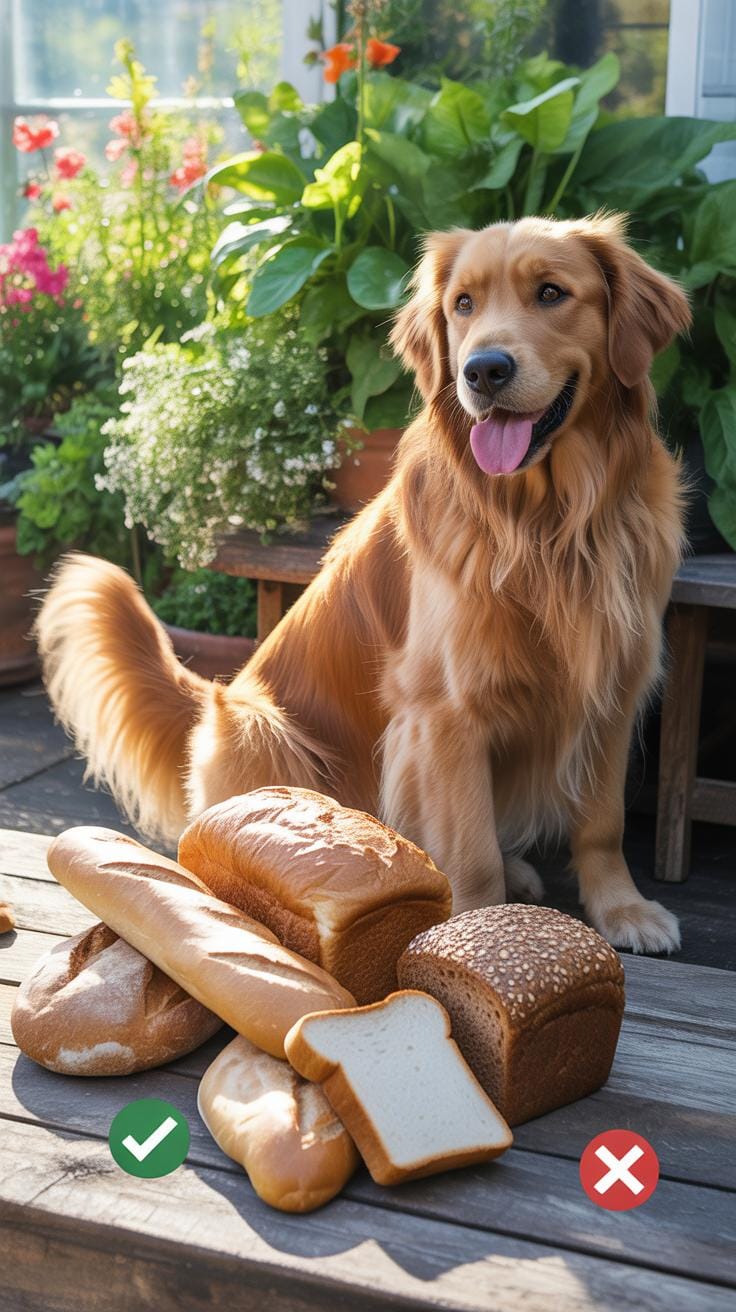
Which Types Of Bread Are Safer For Dogs?
White and whole wheat bread represent the safest options for canine consumption. These varieties contain basic flour, water, and yeast without dangerous additives. Owners must verify the ingredient label for hidden sugars or dairy components. Plain bread acts as a simple carbohydrate source but offers minimal nutritional value. It should only function as an occasional treat rather than a meal replacement strategy.
High-fiber bread varieties can aid digestion in some dogs when fed in small amounts. However, excessive fiber intake causes gastrointestinal distress and loose stools. Stick to commercial loaves that list simple, recognizable ingredients on the packaging. Avoid artisanal breads that use complex spices or seeds that might irritate the stomach. Portion control remains the most critical factor when introducing these safe bread types.
Dangerous Bread Ingredients That Are Toxic To Dogs
Many commercial and homemade breads contain additives that trigger severe medical emergencies in dogs. Common flavor enhancers found in human food often act as potent toxins for canines. Owners must scrutinize every label for specific sweeteners and dried fruits before offering a piece. Even small quantities of certain seasonings cause rapid organ failure or blood cell destruction. Check your pantry for these specific threats.
- Xylitol: This artificial sweetener appears in many sugar-free breads and baked goods. It causes a rapid insulin release in dogs, leading to life-threatening hypoglycemia. Even trace amounts can result in liver failure or seizures within minutes of ingestion.
- Raisins and Grapes: These dried fruits cause acute kidney failure in dogs. Scientists have not yet determined the exact toxic dose, making any amount dangerous. Symptoms include vomiting and lethargy, often appearing within hours after the dog consumes the bread.
- Garlic and Onions: These ingredients belong to the Allium family and damage canine red blood cells. Ingestion leads to oxidative stress and hemolytic anemia over time. This damage occurs whether the ingredients are fresh, cooked, or processed into a powder form.
- Chocolate and Cocoa: Some specialty dessert breads contain chocolate chips or cocoa powder. These ingredients contain theobromine and caffeine, which dogs cannot metabolize efficiently. Toxicity results in increased heart rate, tremors, and potentially fatal cardiac arrhythmias in sensitive animals.
- Macadamia Nuts: Frequently found in artisanal or nutty bread loaves, these nuts cause weakness and vomiting. Dogs typically experience tremors and hyperthermia after consumption. While rarely fatal, the physical distress requires immediate veterinary attention to manage the symptoms effectively.

Raw bread dough poses the most immediate physical threat due to active yeast. Once inside the warm stomach, the yeast ferments and expands rapidly. This expansion causes painful bloating or gastric dilatation-volvulus, which is a surgical emergency. The fermentation process also produces ethanol, causing alcohol poisoning in the bloodstream. Never leave rising dough in an area where a dog can reach it.
Can Dogs Eat Banana Bread A Closer Look At Flavored Breads
Why Banana Bread Is Risky For Dogs Despite The Fruit
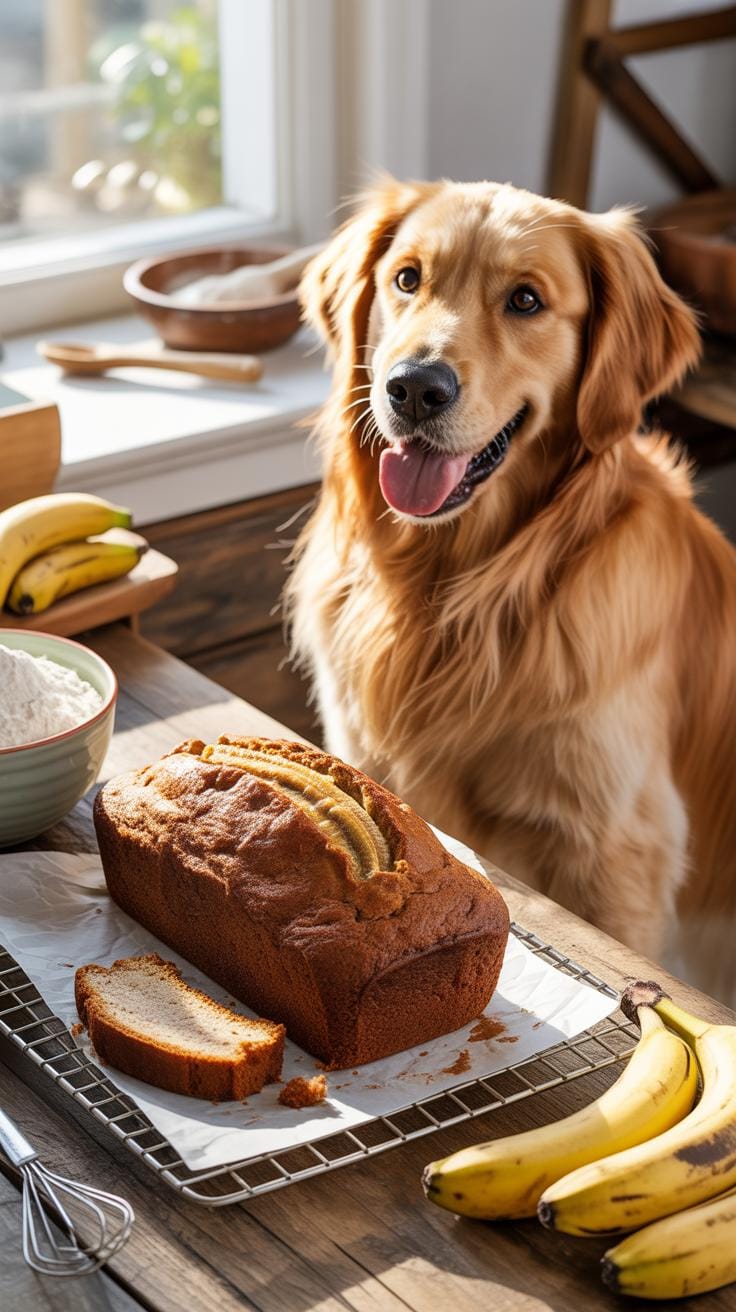
Banana bread contains excessive sugar and fat content that harms a dog’s digestive system. While plain bananas provide potassium and fiber, the bread version adds heavy butter and oils. These fats lead to weight gain and increase the risk of pancreatitis. Pancreatitis causes severe abdominal pain and requires urgent medical care. Stop treating banana bread as a safe fruit snack for your pet.
Commercial and homemade recipes often include toxic additives like walnuts or macadamia nuts. These nuts cause neurological issues and physical weakness in dogs. Many bakers also use nutmeg for spice. Nutmeg contains myristicin which acts as a toxin to the canine nervous system. High sugar levels also trigger blood glucose spikes. Feeding this bread offers zero nutritional benefit and creates several immediate health risks.
Other Flavored Breads That Pose Hidden Dangers To Dogs
Sweet breads often contain raisins or currants which cause sudden kidney failure in dogs. Even a small amount of dried fruit can lead to permanent organ damage or death. Never assume a sweet loaf is safe because it looks like plain bread. Many flavored varieties use Xylitol as a sugar substitute. This sweetener is lethal and causes rapid insulin release and liver failure.

Savory breads present different but equally dangerous threats. Garlic and onion bread contain compounds that destroy a dog’s red blood cells. Chronic ingestion leads to hemolytic anemia over time. High salt content in specialty breads also causes sodium ion poisoning. This leads to tremors, vomiting, and seizures. Stick to plain white or wheat bread if you must provide a treat. Avoid all flavored loaves.
Can Dogs Eat Flour Breaking Down The Core Ingredient
Is Wheat Flour Safe Or Harmful For Dogs?
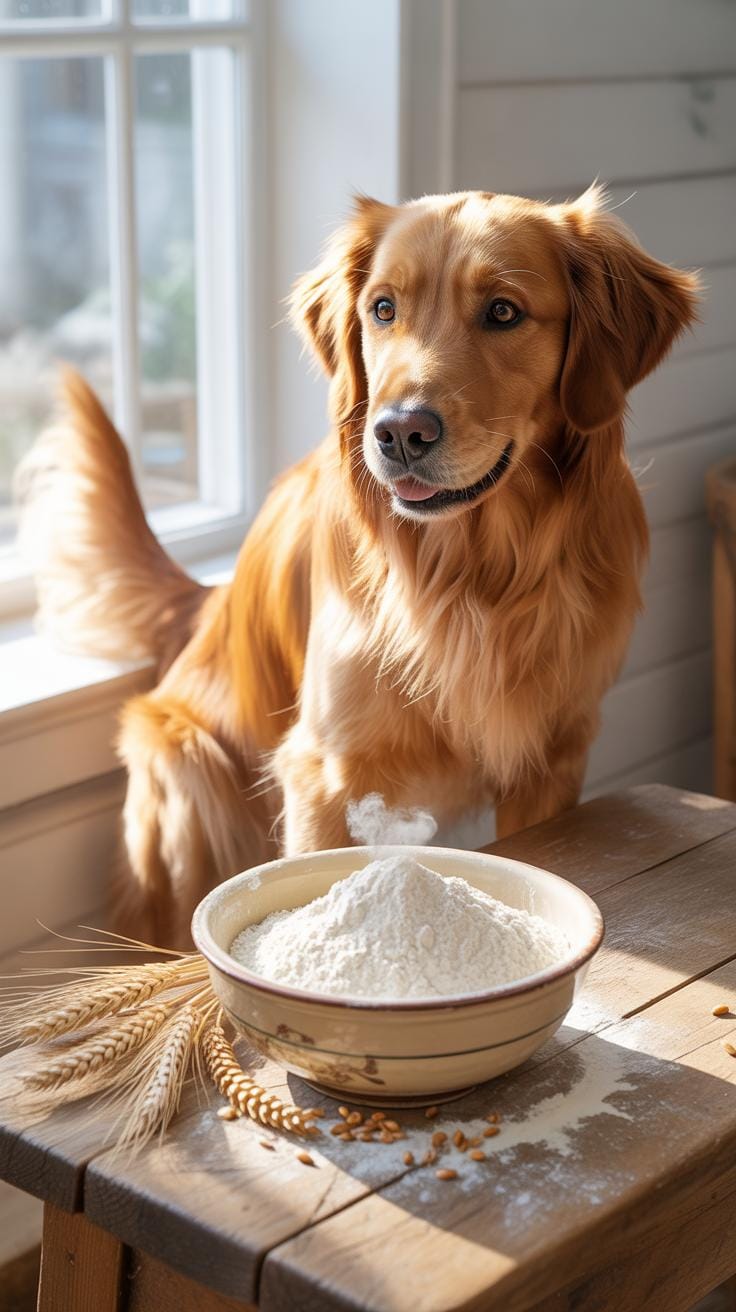
Standard white and whole wheat flours are non-toxic to dogs. Most commercial dog kibbles use these grains as primary binding agents and carbohydrate sources. Flour provides energy through starch but lacks the dense nutrient profile found in animal proteins. It serves as a functional filler rather than a nutritional requirement. You can safely feed cooked flour products to healthy dogs without immediate risk.
Raw flour presents a different profile. Uncooked flour can harbor pathogens like E. coli or Salmonella from the milling process. High heat during baking neutralizes these biological threats. Never allow your dog to consume raw dough or dry flour. While cooked flour is safe for the general canine population, it adds calories without significant vitamins. Monitor portion sizes to prevent weight gain or blood sugar spikes.
Gluten Sensitivity And Wheat Allergies In Dogs
Gluten sensitivity is rare in dogs but exists within specific genetic lines. Certain breeds like Irish Setters show a historical predisposition to gluten-sensitive enteropathy. This condition triggers an immune response that damages the small intestine when the dog eats wheat. If your dog has this condition, even small amounts of bread cause chronic diarrhea and weight loss. Most dogs process gluten without any issues.

True wheat allergies are distinct from gluten sensitivity. An allergy involves an overactive immune system reacting to wheat proteins. Symptoms include skin irritation, ear infections, and obsessive licking of the paws. If your dog displays these signs, eliminate wheat from their diet immediately. Consult a veterinarian to confirm the trigger. For healthy dogs, wheat is a neutral ingredient that provides fiber and energy during the digestion process.
Dogs With Bread Recognizing Signs Of An Adverse Reaction

Common Symptoms To Watch After Your Dog Eats Bread
Owners must monitor their dogs for physical changes immediately after bread consumption. Most plain white or wheat bread causes no issues, but certain ingredients trigger rapid physiological stress. You need to identify if the reaction is simple digestive upset or a toxic response to additives. Watch the dog for at least six hours to ensure no delayed symptoms occur during the digestion process.
- Abdominal Distension: The stomach looks visible swollen or feels hard to the touch after ingestion. This often happens if the dog consumes raw yeast dough which expands in the warm environment of the stomach. It causes intense pain and can lead to dangerous gastric torsion.
- Gastrointestinal Distress: This includes frequent vomiting or diarrhea shortly after eating the bread. If the bread contained high fat content or butter, it can trigger inflammation of the pancreas. Constant straining or liquid stools indicate that the dog is failing to process the grain or specific additives.
- Neurological Impairment: Watch for stumbling, lack of coordination, or a drunken gait. These symptoms typically point to ethanol poisoning from fermenting yeast dough. The alcohol absorbs into the bloodstream quickly and affects the central nervous system. This requires immediate medical intervention to prevent respiratory failure.
- Allergic Reactions: Facial swelling, hives, or intense itching of the skin signal a grain allergy. While less immediate than poisoning, these reactions cause significant discomfort and can escalate. Check the ears and paws for redness as these areas often show the first signs of an adverse immune response.
- Lethargy and Weakness: A sudden drop in energy or refusal to stand indicates a systemic issue. This often follows the initial spike in blood sugar or the onset of toxicity from ingredients like raisins or xylitol. If the dog appears unresponsive or unusually tired, the situation is becoming a medical emergency.
Assess the severity of these symptoms based on the dog size and the amount consumed. Small breeds react faster to toxic loads than large breeds. If symptoms persist for more than two hours, the situation is no longer a minor stomach ache. Quick identification of these signs allows for faster treatment and better recovery outcomes for the animal.
When To Contact Your Veterinarian After Dog Eating Bread
Call a veterinarian immediately if the dog consumes raw bread dough containing active yeast. The warm stomach environment acts as an oven, causing the dough to rise and release carbon dioxide. This process leads to gastric dilatation-volvulus, a life-threatening condition where the stomach twists. You cannot treat this at home and every minute increases the risk of permanent organ damage.

Contact professional help if the bread contains toxic inclusions like raisins, garlic, or xylitol. Do not wait for symptoms to appear before seeking advice. Most toxins require immediate decontamination through induced vomiting or activated charcoal administration. Provide the vet with the exact ingredients and the estimated time of ingestion to ensure an accurate treatment plan. Speed is the most critical factor in these cases.
Doggy Bread Are There Breads Made Specifically For Dogs
What Makes A Dog Friendly Bread Different From Regular Bread?
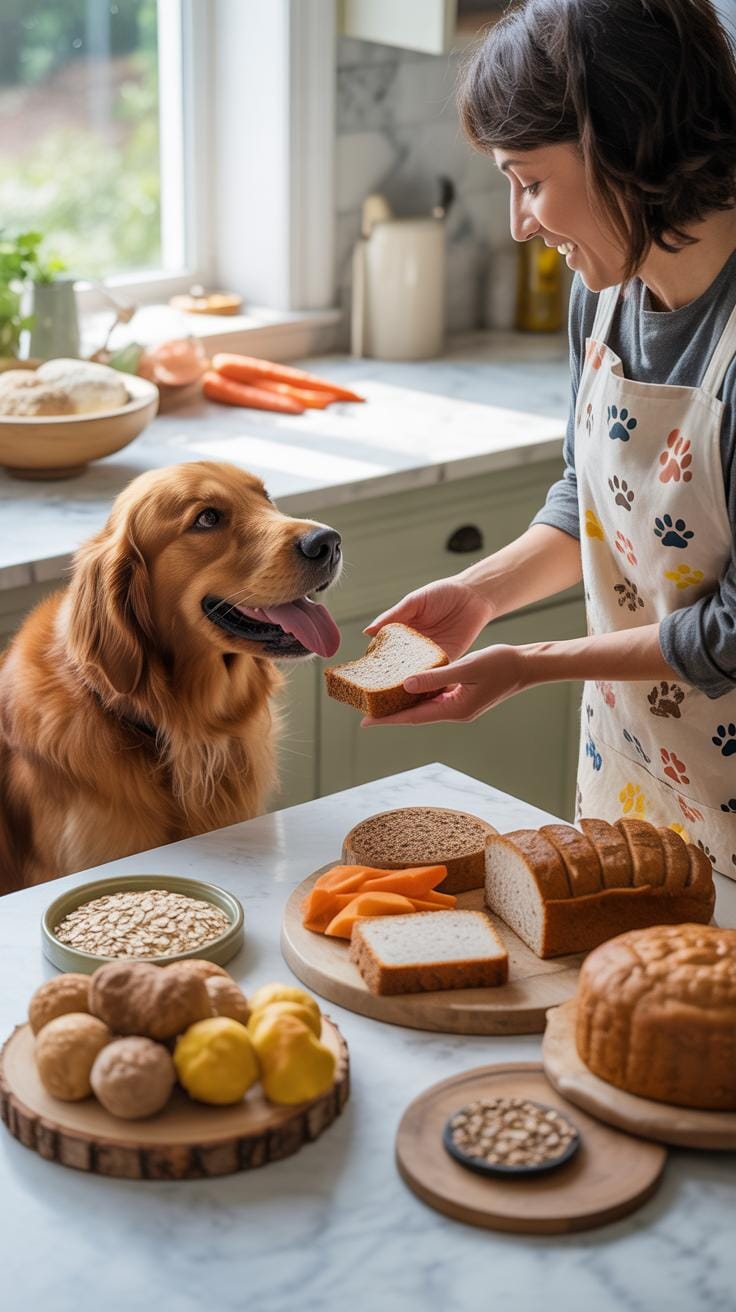
Standard commercial bread contains high levels of sodium and sugar to enhance flavor and shelf life. These ingredients serve no nutritional purpose for canines and can lead to obesity or hypertension. Dog-specific bread removes these additives entirely. Manufacturers replace refined white flour with whole grains or alternative flours like oat or chickpea. These substitutions provide fiber and protein without causing the sharp blood sugar spikes found in processed wheat.
Dog-friendly recipes also exclude toxic flavorings common in human loaves. Garlic, onions, and raisins are strictly forbidden because they cause severe internal damage to dogs. Xylitol is another lethal sweetener found in some low-calorie human breads. Specialized dog bread uses natural ingredients like pumpkin puree or unsweetened applesauce for moisture. This creates a dense texture that is safe for digestion and lacks the chemical preservatives found in grocery store aisles.
Sharing a simple crust with your loyal companion is one of life’s oldest joys, provided we nourish them with the care they deserve. A small piece of bread is a token of love, as long as we put their health and safety first in every bite.
How To Bake A Simple And Safe Homemade Bread Treat For Your Dog
Baking dog bread at home gives you total control over every ingredient. Start with a base of whole wheat flour or a gluten-free alternative like brown rice flour. Mix in water and an egg to bind the dough together. Use mashed bananas or sweet potatoes to add flavor without using harmful processed sugars. These whole foods provide essential vitamins and minerals while keeping the calorie count manageable for your pet.

Knead the dough until it holds its shape and bake it at a low temperature. This slow cooking process ensures the center is fully done and safe to consume. Avoid using commercial yeast if you want a quicker, denser treat similar to a biscuit. Once the bread cools completely, cut it into small, bite-sized pieces. Store these treats in the refrigerator to prevent mold since they lack the artificial preservatives found in human bread.
Healthy Alternatives What To Feed Your Dog Instead Of Bread

Nutritious Snack Swaps That Are Better Than Bread For Dogs
Replace empty bread calories with nutrient-dense whole foods. Fresh vegetables like carrots and green beans provide crunch without the glycemic spike. These options offer fiber and essential vitamins that support digestive health. Blueberries and apple slices serve as excellent low-calorie rewards. Always remove seeds and cores before serving. These natural snacks help maintain a lean body weight while providing actual biological value to your dog.
Choose single-ingredient snacks to avoid hidden additives found in commercial bread. Plain cooked pumpkin supports gut regularity and provides beta-carotene. Dehydrated sweet potato slices offer a chewy texture that satisfies the urge to gnaw. These alternatives do not contain yeast or processed sugars that disrupt a dog’s internal chemistry. Prioritize biological needs over convenience. Focused nutrition starts with eliminating fillers and selecting functional foods that improve health.
Building A Balanced Treat Routine For Your Dog’S Long Term Health
Treats must not exceed ten percent of your dog’s daily caloric intake. Excess carbohydrates from bread lead to obesity and joint stress. Establish a strict feeding schedule to prevent begging and overfeeding. Use small pieces of high-quality protein like boiled chicken or lean beef for training sessions. This approach ensures your dog receives necessary amino acids. Track every morsel to maintain a caloric deficit or balance.

Monitor your dog’s physical response to new food items immediately. Watch for changes in stool quality or energy levels after switching snacks. Consistency prevents metabolic fluctuations and digestive upset. Consult a veterinarian to tailor the diet to specific breed requirements and activity levels. High-energy dogs require different fuel than sedentary pets. Eliminate processed wheat products to protect lean muscle mass and long-term organ function. Solid routines yield predictable health results.
Frequently Asked Questions

Is it generally safe for dogs to consume plain white or wheat bread?
Yes, the short answer is that most healthy dogs can safely enjoy a small piece of plain white or whole wheat bread as an occasional treat. While it does not offer significant nutritional value, it isn’t toxic. When wondering can dogs eat bread, owners must ensure it is fully baked and free from dangerous additives like raisins, garlic, or xylitol, which can be fatal to your furry companion.
How should I properly serve bread to my dog as a treat?
To serve bread safely, always cut it into bite-sized pieces to prevent choking, especially for smaller breeds. Avoid using butter, jam, or spreads, as these add unnecessary fats and sugars to their diet. If you are asking can dogs eat bread regularly, the answer is no; it should only make up a tiny fraction of their daily caloric intake to prevent obesity and ensure they maintain a balanced, healthy diet.
Is homemade bread a more affordable and safer alternative for my pet?
Making your own loaf at home is a budget-friendly way to control ingredients and avoid preservatives found in store-bought brands. It allows you to skip expensive specialty dog treats while providing a simple snack. However, the most critical rule for home bakers is to never let dogs eat raw dough. The yeast can expand in their stomach and produce alcohol, leading to a life-threatening medical emergency for your pet.