Understanding Normal Dog Eating Behavior And What Counts As Refusal
What Does A Healthy Dog Eating Routine Actually Look Like
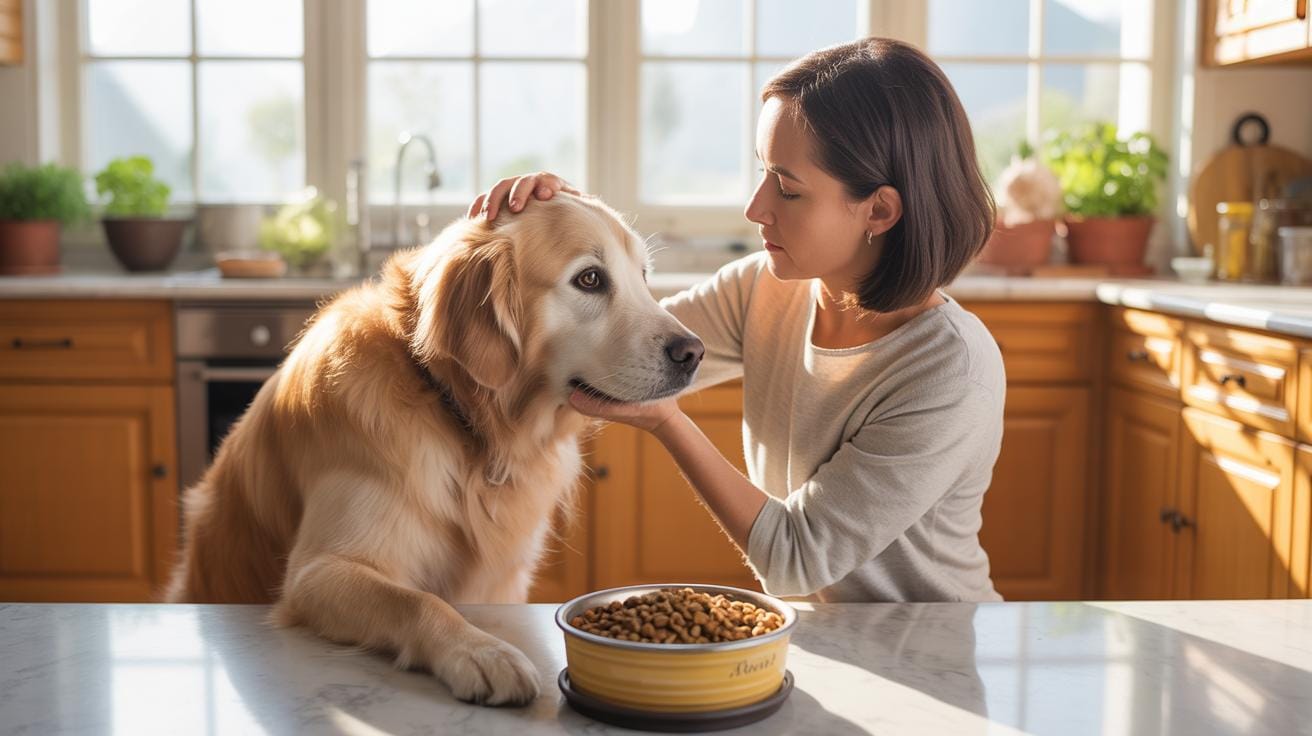
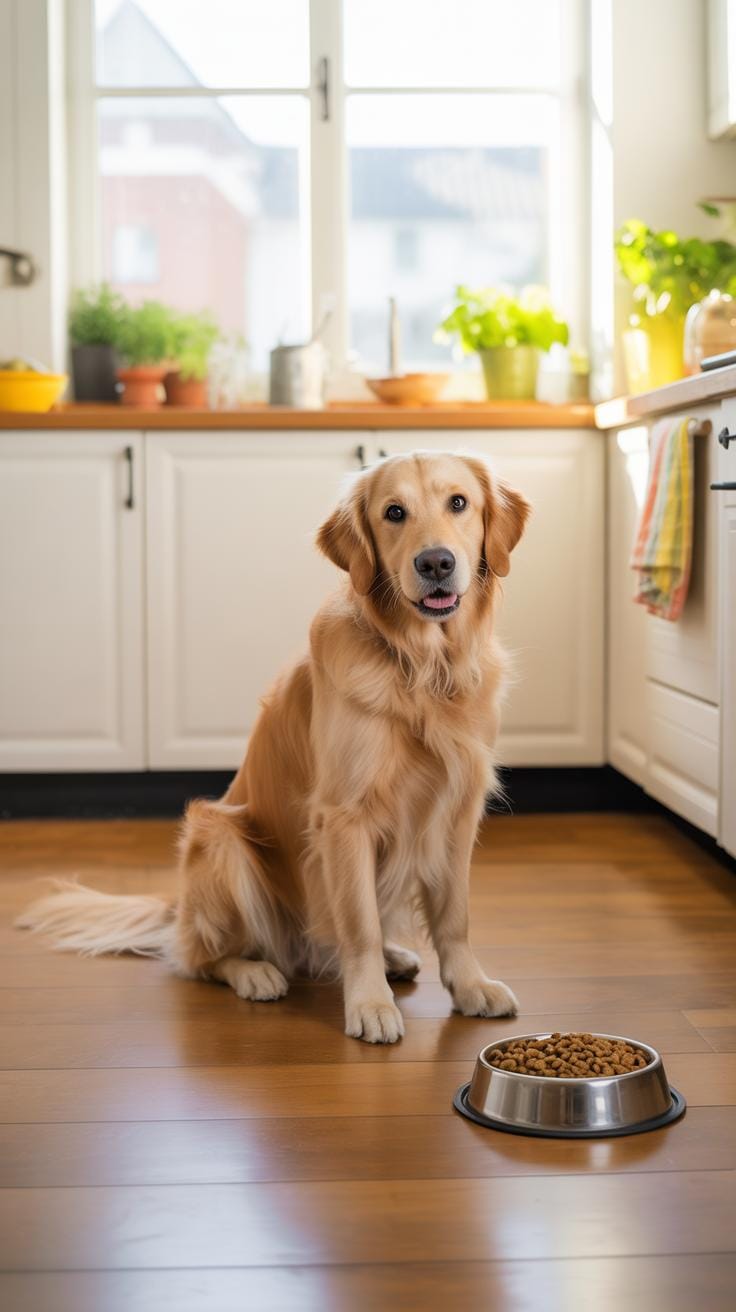
A standard eating routine involves consistent enthusiasm and immediate consumption when you present the bowl. Healthy dogs generally follow a predictable schedule based on their internal biological clock. They maintain a stable weight and show high energy levels throughout the day. You should see a dog that approaches food with interest and finishes the entire portion within ten to twenty minutes without needing any extra encouragement or toppers.
Consistency serves as the primary metric for canine health. While physical activity levels may fluctuate, the drive to consume calories remains a dominant survival instinct. Puppies require more frequent meals to support rapid growth, whereas adult dogs typically thrive on two regulated feedings. If your dog has always been a food-motivated eater, any deviation from this baseline is an immediate signal that something in their environment or body has shifted.
How To Tell The Difference Between Skipping A Meal And A True Feeding Problem
Occasional disinterest does not always signal a medical crisis. A dog might skip a meal due to extreme heat, low activity, or recent treats. Distractions or minor stress can also temporarily suppress their appetite. You must observe the dog for other physical symptoms like lethargy or vomiting. If the dog refuses one meal but acts normal and drinks water, you can typically wait and monitor the next scheduled feeding.
True refusal occurs when a dog rejects food for over twenty four hours or misses multiple consecutive meals. This behavior often accompanies clinical signs like hiding, shivering, or visible distress. If the dog refuses even high-value rewards like plain chicken or steak, the situation is tactical and urgent. You are no longer dealing with a picky eater. You are witnessing a physiological shutdown that requires professional diagnosis to identify the underlying cause.

Common Medical Reasons A Dog Refuses Food Suddenly
Digestive Issues, Infections, And Pain That Suppress A Dog’S Appetite
Gastrointestinal distress often causes sudden appetite loss. Gastritis or intestinal blockages stop the digestive process. Parvovirus and leptospirosis trigger severe nausea. If the gut feels full or inflamed, the dog will avoid food. Pancreatitis is another common culprit. This condition causes intense abdominal pain after eating. The brain sends signals to stop intake to prevent further discomfort. Immediate medical intervention is necessary for these cases.
Kidney or liver failure creates systemic toxicity. High levels of waste in the blood lead to uremic toxins. These toxins make the animal feel extremely ill. Pain from arthritis or internal injuries also reduces the drive to eat. Pain triggers a stress response in the body. This response shuts down the digestive system to conserve energy. Doctors prioritize treating the underlying source of pain to restore a normal feeding cycle.
How Dental Disease And Oral Discomfort Affect Dog Health Care And Meal Time
Oral health directly impacts a dog’s ability to consume nutrients. Periodontal disease causes gum inflammation and loose teeth. If it hurts to chew, the dog will stop eating hard kibble. Abscesses and mouth ulcers create sharp pain during contact with food. This is not a lack of hunger. It is a physical barrier to mechanical eating. Owners often mistake dental pain for pickiness or a lack of appetite.

Broken teeth and oral tumors also cause sudden refusal. These issues often happen on one side of the mouth. You might see the dog drop food or lick their lips frequently. Infections in the jawbone can lead to systemic fever. High body temperatures further decrease the desire for food. Veterinary dentists must remove the source of infection. Once you eliminate the physical pain, the dog usually returns to its regular diet.
Emotional And Psychological Triggers Behind Picky Eating In Dogs

How Stress, Anxiety, And Environmental Changes Lead To Picky Eating
Dogs prioritize survival and safety over nutrition when they perceive a threat. Environmental shifts like moving house or adding a new family member trigger the fight or flight response. This physical reaction slows down the digestive tract and suppresses the appetite immediately. A dog refuses food suddenly because its brain directs all energy to staying alert. High cortisol levels override the hunger drive.
Routine provides a sense of security for domestic canines. Any disruption to the daily schedule causes mental fatigue and confusion. Strange noises from construction or fireworks also create fear based responses that make eating feel dangerous. The dog views the food bowl as a secondary concern during these periods of high stress. Stable environments encourage normal eating habits while chaotic spaces shut down the urge to feed.
The Role Of Separation Anxiety And Emotional Sensitivity In Food Refusal
Separation anxiety creates a physiological barrier to eating for many dogs. When the owner leaves the house, the dog enters a state of panic or depression. This emotional distress prevents the animal from relaxing enough to consume a meal. Some dogs will only eat when their owner is physically present in the room. This behavior stems from a need for safety and social validation during the feeding process.

Dogs possess high emotional intelligence and mirror the stress levels of their owners. If the household is tense or grieving, the dog often reacts by stopping its food intake. This is not stubbornness but a direct result of emotional sensitivity. The dog associates the act of eating with the overall mood of the pack. Calm owners and quiet feeding areas help resolve these psychologically driven hunger strikes quickly.
How Learned Behaviors Train Dogs To Refuse Their Regular Meals
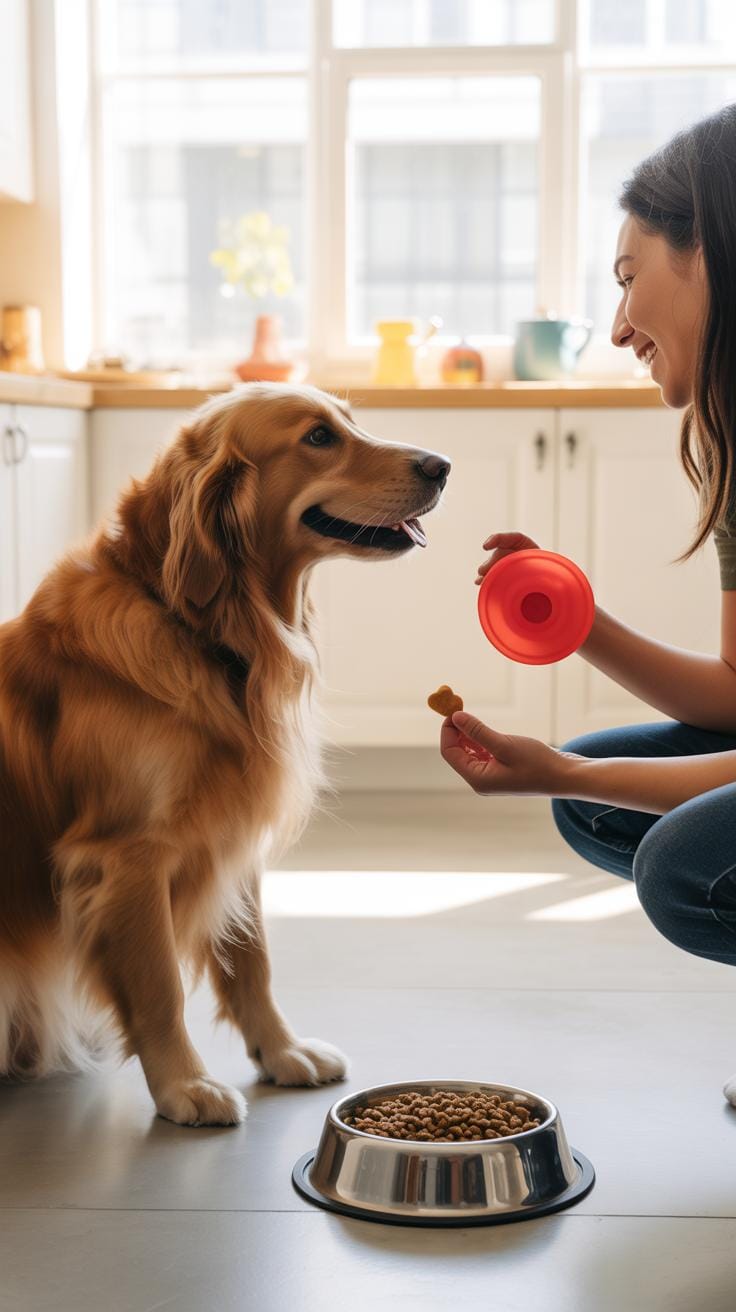
How Overfeeding Treats And Table Scraps Reinforces Learned Behaviors Around Food
Overfeeding treats and table scraps disrupts a dog’s natural hunger cycle. These high-calorie items often pack more fat and sodium than standard kibble. When a dog receives frequent snacks, its caloric needs are met before mealtime arrives. The animal recognizes that tasty human food is readily available. This makes their standard, balanced diet seem unappealing and unnecessary for survival or satiety.
Owners often use treats to show affection or reward minor actions throughout the day. This constant delivery of high-value rewards trains the dog to expect premium options. The dog connects the kitchen or the dinner table with better food than the bowl provides. Consequently, the dog stops eating regular meals because it is physically full and mentally focused on the next high-value scrap.
Why Dogs Learn To Hold Out For Better Food And How Owners Unknowingly Encourage It
Dogs are masters of operant conditioning and quickly learn how to manipulate owner behavior. If a dog refuses food and the owner immediately offers a topper or a different brand, the dog wins. This interaction teaches the dog that stubbornness leads to a better reward. The dog is not lost or confused. It is simply waiting for you to provide a more palatable option.

Anxious owners often escalate the quality of food to fix the perceived problem. They add broth, cheese, or wet food when the dog hesitates. This reinforcement creates a cycle of picky eating. You must realize that a healthy dog will not starve itself to death in front of a full bowl. By consistently swapping foods, you prove to the dog that refusing kibble is a winning strategy.
Dog Feeding Routine Disruptions That Cause Sudden Food Refusal
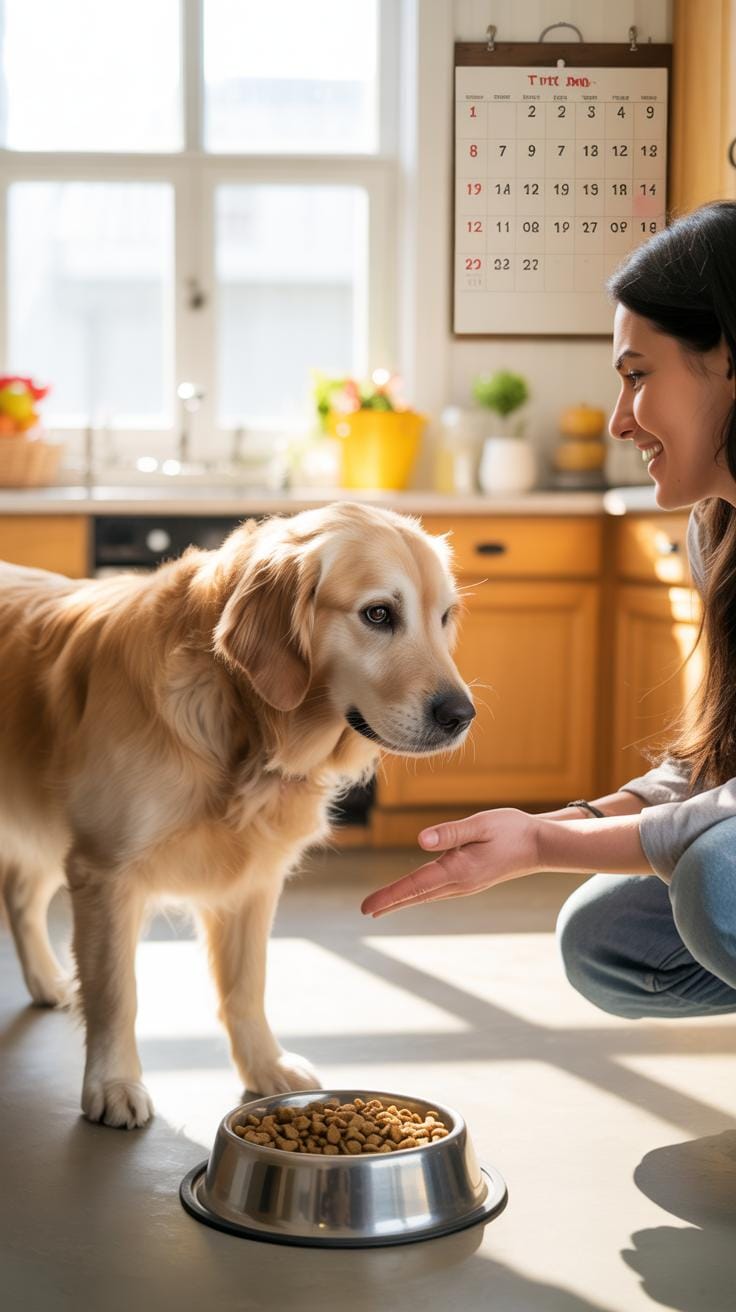
How Changes In Dog Feeding Schedule Location Or Bowl Type Affect Appetite
Dogs rely on consistent routines to feel secure during mealtime. A sudden shift in feeding hours disrupts their internal biological clock and digestive enzymes. This change creates confusion and physical discomfort. If a dog expects food at dawn but gets it at noon, the body may stop its hunger signals. This physiological shift often causes the animal to ignore the bowl entirely until the routine stabilizes.
The physical environment and hardware also influence intake. Moving a bowl to a loud room or switching from ceramic to reflective stainless steel can trigger fear. Some dogs dislike the sound of tags hitting metal or the smell of new plastic. Any change in the sensory experience of eating creates a barrier. You must return to the original setup or stabilize the new one to restore confidence.
The Impact Of A New Home New Pet Or New Family Member On Feeding Time
A change in household composition or location creates significant environmental stress. Moving to a new house removes familiar scents and safe spaces. A dog feels vulnerable while eating because it is a defenseless state. If the new environment feels unsafe, the dog will prioritize vigilance over nutrition. This survival instinct overrides hunger until the dog perceives the territory as a secure and controlled space.

New additions to the family also disrupt social hierarchies. A new puppy may intimidate an older dog or steal food. A new baby or roommate changes the noise levels and foot traffic near the food bowl. These distractions force the dog to monitor their surroundings instead of focusing on the meal. You must establish a quiet area where the dog can eat without interruption from other residents.
Food Related Causes Spoilage Formula Changes And Dogs Eating Habits
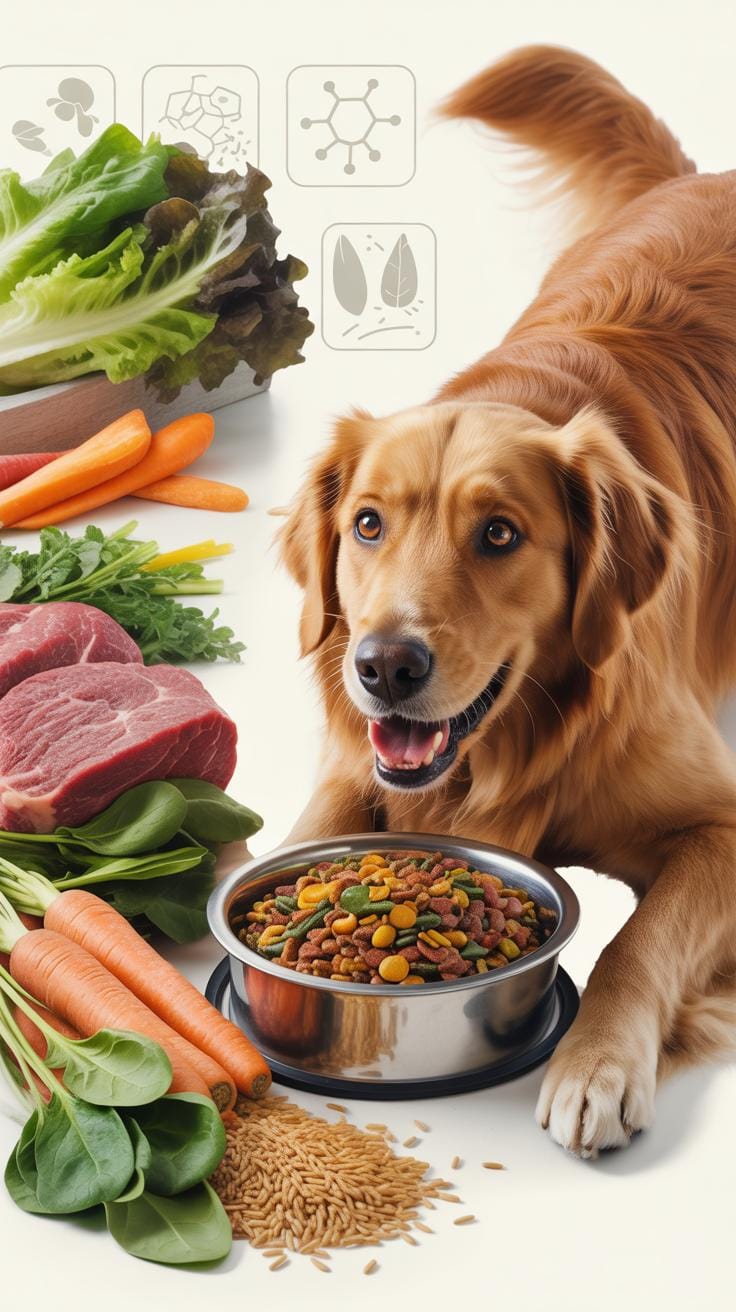
How Spoiled Food, Recipe Reformulations, Or Brand Switches Trigger Food Refusal
Dry kibble contains fats that oxidize over time. Exposure to heat and oxygen turns these fats rancid. Many owners store food in original bags without sealing them properly. This causes the flavor profile to shift. When the chemical composition changes through spoilage, your dog recognizes the danger. They stop eating to avoid ingestion of toxic molds or harmful bacteria growing inside the container.
Manufacturers often update recipes without changing the packaging display. They swap expensive proteins for cheaper fillers or change the sourcing of vitamin premixes. Dogs noticed these alterations instantly. Sudden brand switches also disrupt the gut microbiome. Rapid changes in fiber content or protein ratios cause immediate digestive distress. A dog refuses food suddenly when it associates the new scent or texture with previous stomach pain or discomfort.
When a loyal companion turns away from their bowl, it is their quiet way of asking for our patience and care to find the path back to health. Our dogs speak with their hearts, and our greatest work is learning to listen to the whispers of their needs.
Why A Dog’S Sensitive Nose Detects Food Quality Changes Before Owners Do
A dog has up to 300 million olfactory receptors in its nose. Humans possess roughly six million. This massive difference allows dogs to detect parts per trillion. They smell chemical shifts that humans cannot perceive. If a batch of food contains a single contaminated ingredient, a dog knows before the bowl hits the floor. Their scent processing power acts as a natural survival mechanism against poisons.

Dogs use the vomeronasal organ to analyze the chemical makeup of their meals. This organ sits above the roof of the mouth. It detects pheromones and the specific moisture content of proteins. When food starts to degrade, it releases volatile organic compounds. You might see a normal brown nugget, but the dog smells a decaying chemical mess. They prioritize safety over hunger every single time.
Age And Life Stage Eating Habits That Explain Sudden Changes In Appetite
How Puppies, Senior Dogs, And Pregnant Dogs Experience Natural Appetite Shifts
Puppies often stop eating during teething or growth plate closure phases. Discomfort in the mouth makes dry kibble difficult to chew. Rapid growth spurts consume massive energy, but these levels stabilize as the dog reaches skeletal maturity. A sudden drop in interest often signals the end of a high-energy growth phase. You must monitor weight to ensure the puppy stays on track.
Senior dogs face metabolic slowdown and sensory decline. Diminished smell and taste make standard food less appealing to aging animals. Chronic issues like arthritis or dental decay also impact their desire to reach for a bowl. If a senior dog stops eating, check for joint pain or gum disease. These physical barriers often explain the shift. Adjusting food texture usually helps elderly pets.
How Medications, Vaccines, And Hormonal Changes In Dogs Suppress Appetite
Medical interventions frequently trigger temporary anorexia in dogs. Vaccines stimulate the immune system, which often causes a lethargic response and low appetite for twenty-four hours. Common medications like antibiotics or anti-inflammatories irritate the stomach lining. This chemical reaction leads to nausea. If your dog just started a new prescription, the drug is likely the cause of the sudden hunger strike.

Hormonal cycles also dictate feeding patterns. Intact females often refuse food during estrus or a false pregnancy. Their bodies prioritize reproductive signals over caloric intake. Similarly, male dogs may stop eating if they scent a female in heat nearby. These biological drives override the basic hunger instinct. Once the hormonal surge passes, the dog typically returns to its normal feeding schedule.
Practical Solutions To Help A Dog That Refuses Food At Meal Time
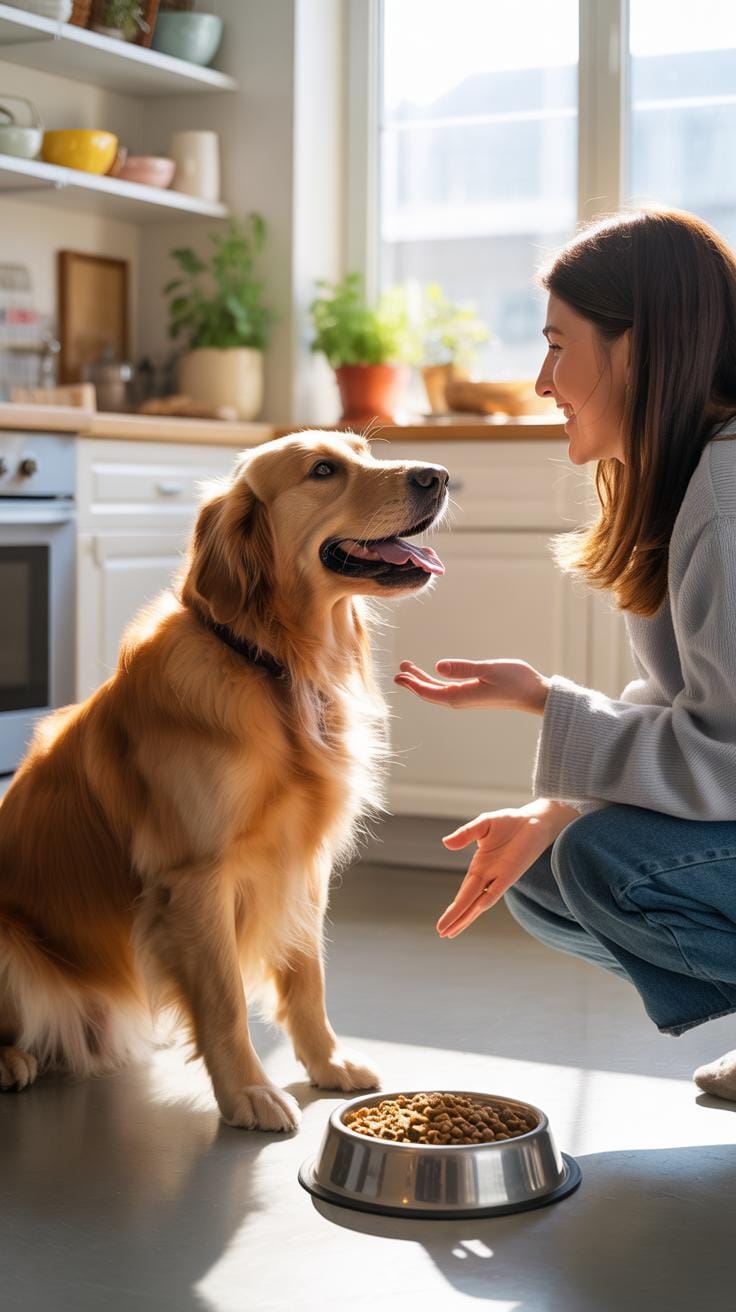
Proven Strategies To Rebuild A Consistent And Positive Meal Time Routine
Establish a strict feeding schedule to regulate your dog’s internal clock. Offer food at the same time every day to trigger natural hunger cues. Remove the bowl after fifteen minutes regardless of how much the dog ate. This creates a sense of scarcity and prevents grazing behavior. Consistent timing stabilizes insulin levels and reinforces the expectation that food is not available all day.
Eliminate all treats and table scraps during the retraining period. High-value snacks ruin a dog’s appetite for balanced kibble. Create a quiet feeding environment free from foot traffic or loud noises. Stress inhibits digestion and can make a dog avoid their bowl. Maintain a neutral attitude during meal times to avoid rewarding the refusal with extra attention. Discipline and structure are your primary tools here.
Safe Ways To Make Food More Appealing Without Reinforcing Picky Eating
Enhance the sensory profile of the food to stimulate the olfactory system. Dogs rely heavily on scent to initiate the eating process. Warm food releases more aromatic molecules than cold food. Adding specific moisture or temperature gradients can bypass temporary boredom or minor physical discomfort. These tactics work well if you maintain the strict departure of the bowl after the designated feeding window ends.
- Warm Water Addition: Pour a small amount of warm water over dry kibble to create a gravy. This softens the texture for older dogs with dental issues and intensifies the natural smell of the fats. It increases hydration without adding caloric density to the meal.
- Low Sodium Broth: Use a splash of plain chicken or beef broth containing no onions or garlic. The salt-free liquid provides a savory scent that encourages immediate tasting. Always check labels to ensure the broth is free from toxic seasonings or high sodium levels.
- Temperature Manipulation: Heat the meal slightly in a microwave for five to ten seconds. Heating fats makes them more palatable and mimics the temperature of fresh prey. Ensure the food is not hot to the touch to prevent burning the dog’s mouth or throat.
- Probiotic Powders: Sprinkle a veterinary-approved probiotic over the food to add flavor and support gut health. This serves a dual purpose by making the meal taste new while fixing underlying digestive upsets. Most dogs find the taste of these supplements inherently attractive and easy to eat.
- Topper Rotation: Add a teaspoon of plain canned pumpkin or unsweetened applesauce to the bowl. These fibers improve digestion and provide a novel texture that breaks the monotony of dry food. Use only small amounts to ensure the dog still consumes the essential nutrients in the kibble.
Avoid hand-feeding as it creates a dependency on your presence. The goal is independent eating from the bowl. If the dog refuses the enhanced food, do not offer a bypass meal. Stick to the scheduled plan and wait until the next feeding time. Consistency prevents the dog from learning that refusal leads to better options. Focus on nutrition over entertainment to maintain long-term health.
When To See A Vet Red Flags In Dog Health Care You Should Never Ignore
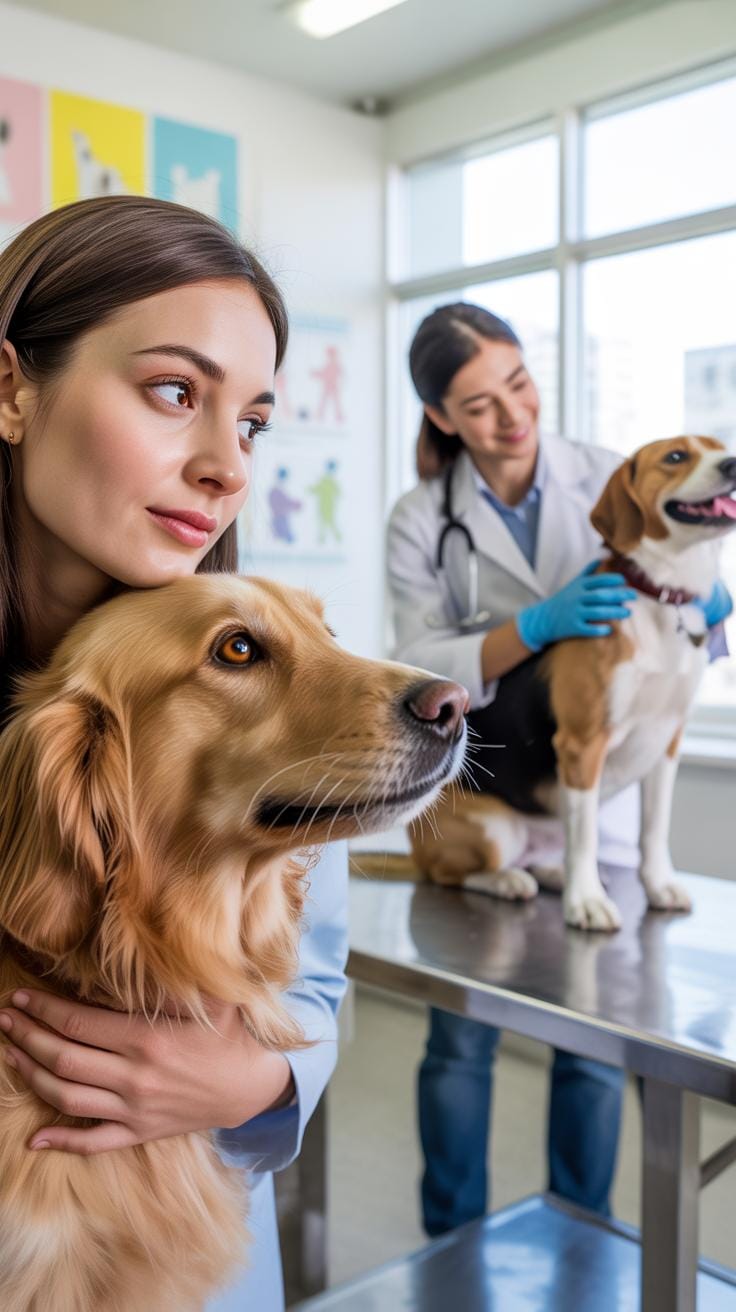
Warning Signs That A Dog Refusing Food Is A Medical Emergency
A dog refusing food is often a symptom rather than a primary diagnosis. Domestic dogs possess a strong survival drive focused on caloric intake. When a dog suddenly stops eating, it indicates a significant physiological or psychological disruption. You must distinguish between a picky eater and a dog in crisis. Rapid intervention prevents minor ailments from becoming fatal systemic failures.
- Persistent Vomiting or Diarrhea: Fluid loss causes rapid dehydration and electrolyte imbalances. If your dog cannot keep water down for twelve hours, they require immediate intravenous fluids. This combination often points to intestinal blockages or severe bacterial infections that demand urgent medical stabilization.
- Pale or Blue Gums: Healthy gums should be bubblegum pink. Pale, white, or blue tinged mucous membranes indicate poor oxygenation or internal bleeding. This is a critical emergency signaling shock or cardiovascular collapse. Press the gums; if color does not return within two seconds, seek help.
- Extreme Lethargy or Collapse: Total lack of energy combined with appetite loss suggests organ failure or severe anemia. If your dog cannot stand or move to their bowl, their blood glucose levels may have dropped dangerously low. This state requires professional diagnostic equipment to identify the underlying cause.
- Distended or Hard Abdomen: A bloated and firm belly is a sign of Gastric Dilatation-Volvulus or internal swelling. This condition is a surgical emergency where the stomach twists and cuts off blood flow. Time is the only factor in survival. Do not wait for the next morning.
- Neurological Symptoms: Seizures, tremors, or loss of balance paired with food refusal indicate toxin ingestion or neurological trauma. Many common household items are poisonous to dogs. If your dog acts disoriented or walks like they are drunk, they need an immediate neurological assessment and possible decontamination.
Veterinary professionals use these physical markers to triage patients. Ignoring these red flags leads to irreversible tissue damage or death. Anorexia in dogs for more than twenty-four hours is always a concern. If any of the listed symptoms accompany the refusal to eat, you must bypass home remedies. Drive to an emergency clinic immediately to ensure the best possible outcome.
What To Tell Your Veterinarian And What To Expect During A Feeding Concern Visit
Prepare a concise history before you enter the clinic. Tell the veterinarian exactly when the dog last ate a full meal. Document any access to toxins, trash, or foreign objects like toys. Mention recent changes in behavior, thirst levels, or bathroom habits. Bring a list of current medications and supplements. This data allows the staff to narrow down the diagnostic path quickly.
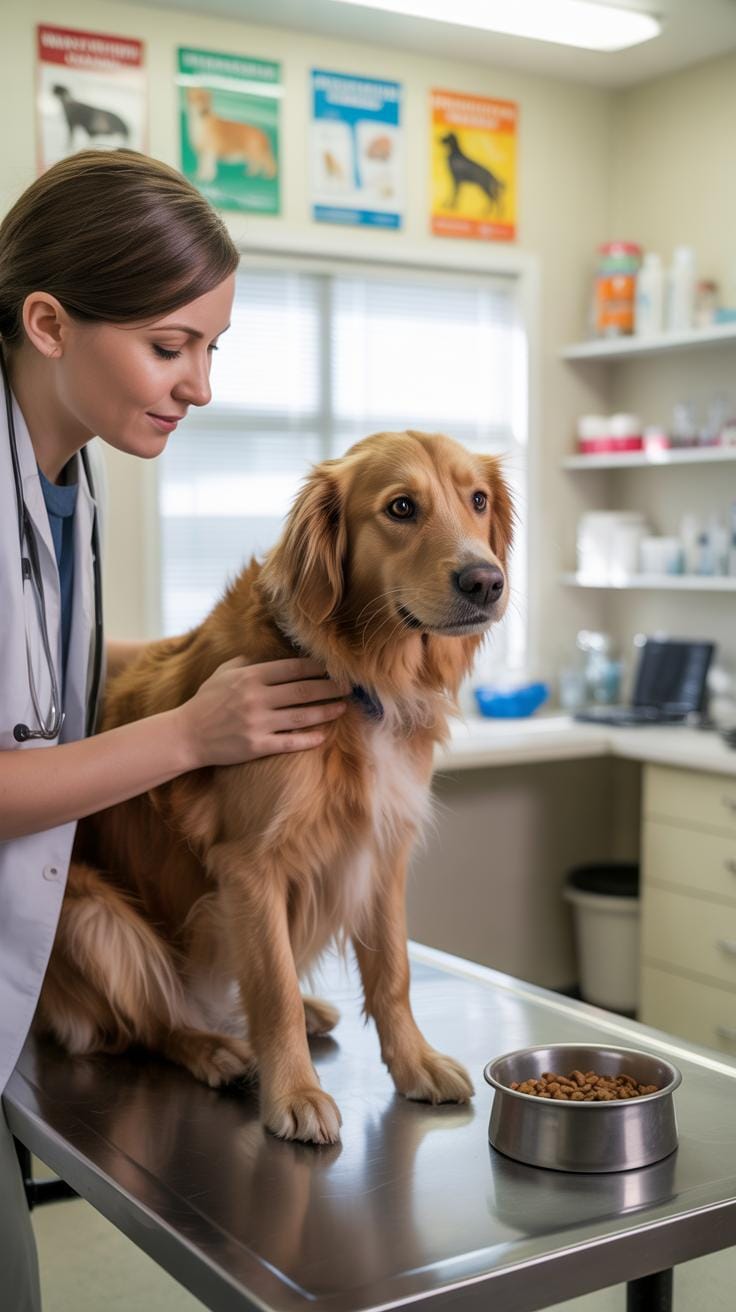
Expect the veterinarian to perform a physical exam and blood work. They will check the mouth for dental disease or obstructions. Blood tests evaluate liver and kidney function while checking for infection markers. The doctor may recommend X-rays or ultrasound to look for internal masses or blockages. These tests provide the objective data needed to create a targeted treatment plan for your dog.
Frequently Asked Questions

Why should I be concerned if my dog refuses to eat all of a sudden?
It is naturally worrying when a healthy dog refuses food suddenly, as it often signals an underlying issue. While it could be a simple case of pickiness or a minor upset stomach, sudden appetite loss can also point to dental pain, infections, or more serious systemic illnesses. Monitoring their energy levels and hydration is essential during this time to determine if an urgent veterinary visit is necessary for your pet.
What steps can I take at home to encourage my dog to start eating again?
If your dog refuses food suddenly, try enhancing the aroma of their meal by adding a splash of warm, low-sodium chicken broth or slightly warming their wet food. Hand-feeding can also provide comfort and encouragement. Additionally, ensuring their feeding area is quiet and free from stressors can help. However, if they skip more than two meals or show signs of lethargy, you should consult a professional immediately.
Are there affordable ways to entice a picky eater without buying expensive prescription diets?
Absolutely. You don’t always need premium boutique brands to stimulate an appetite. Simple, budget-friendly kitchen staples like plain boiled chicken, white rice, or a spoonful of pure canned pumpkin can work wonders. These bland options are gentle on the digestive tract and highly palatable. Always ensure these toppers are free from garlic, onions, and excessive salt, providing a cost-effective solution to help get your dog’s nutrition back on track.